


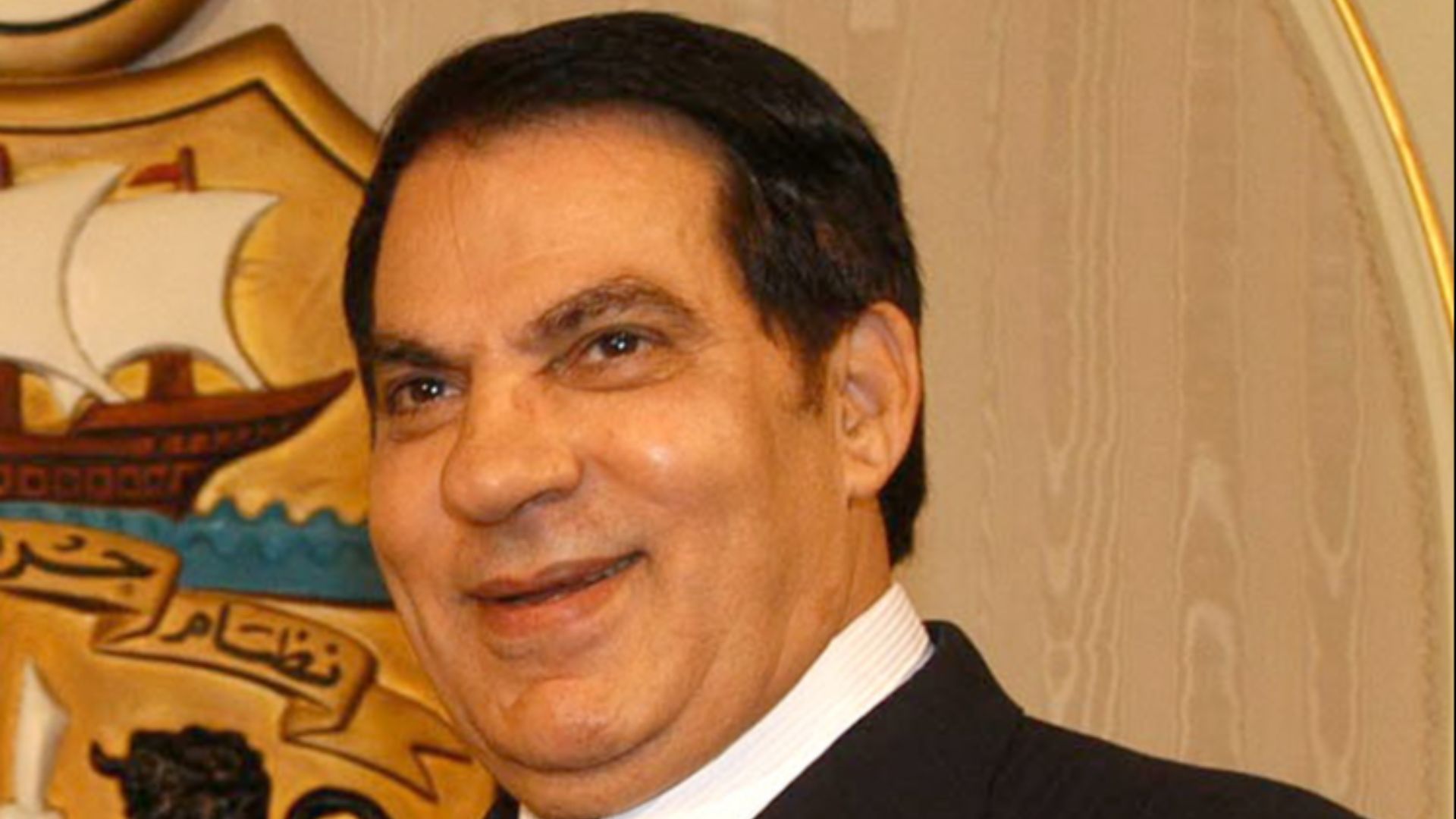
7. Zine El Abidine Ben Ali
When a desperate fruit vendor’s protest turned fatal, Tunisia erupted. Years of police brutality and joblessness fed the fury. President Ben Ali fled the country, taking gold and cash with him. His dismissal ignited the Arab Spring’s first blaze of defiance.
8. Viktor Yanukovych
Yanukovych turned away from the European Union and embraced Russia. This sparked outrage across Ukraine. As protests grew in 2014, violence escalated, and Parliament removed him. He escaped to Russia, and his luxurious mansion became a symbol of betrayal and excess.
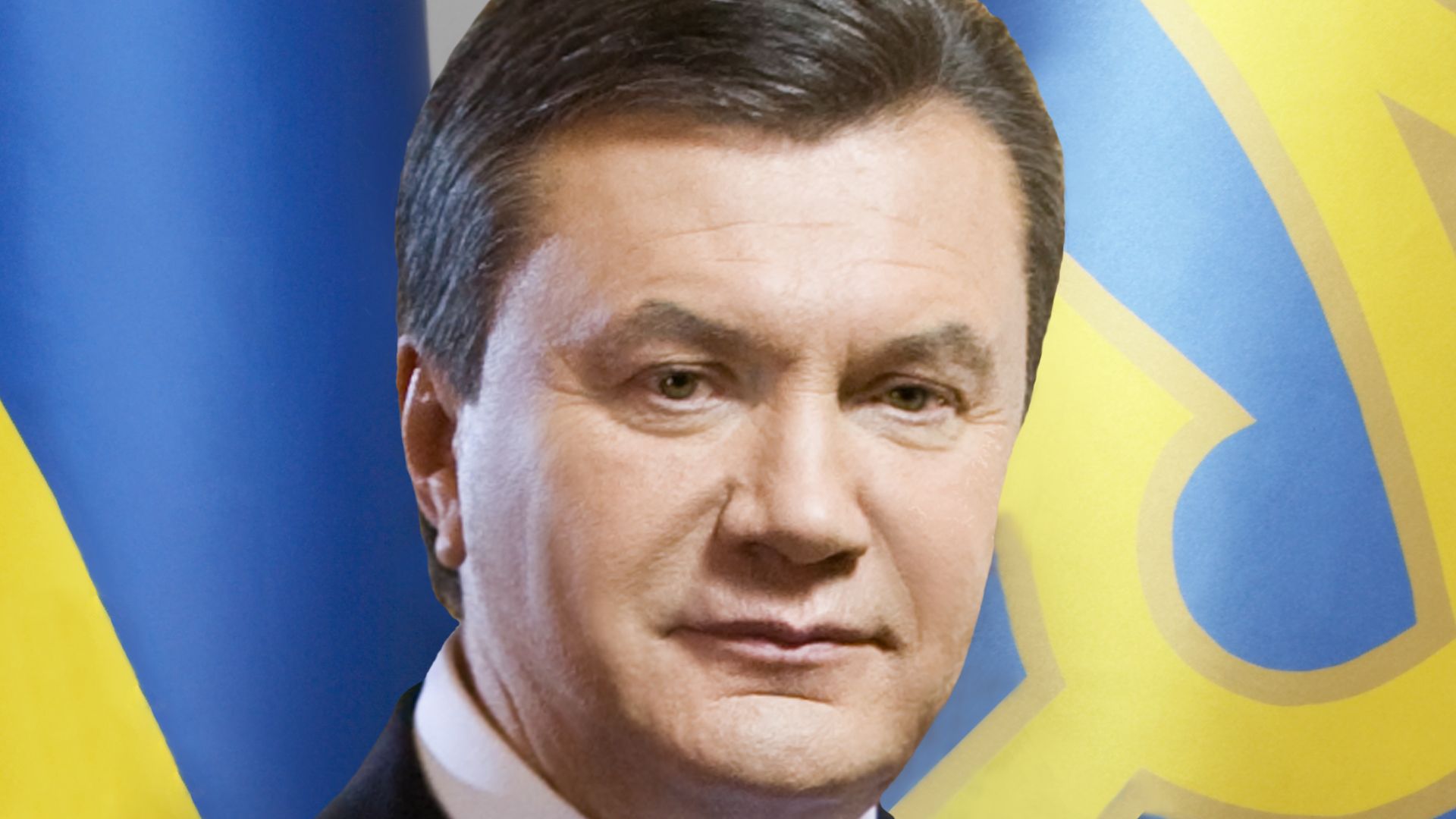 Administration of the President of Ukraine on Wikimedia
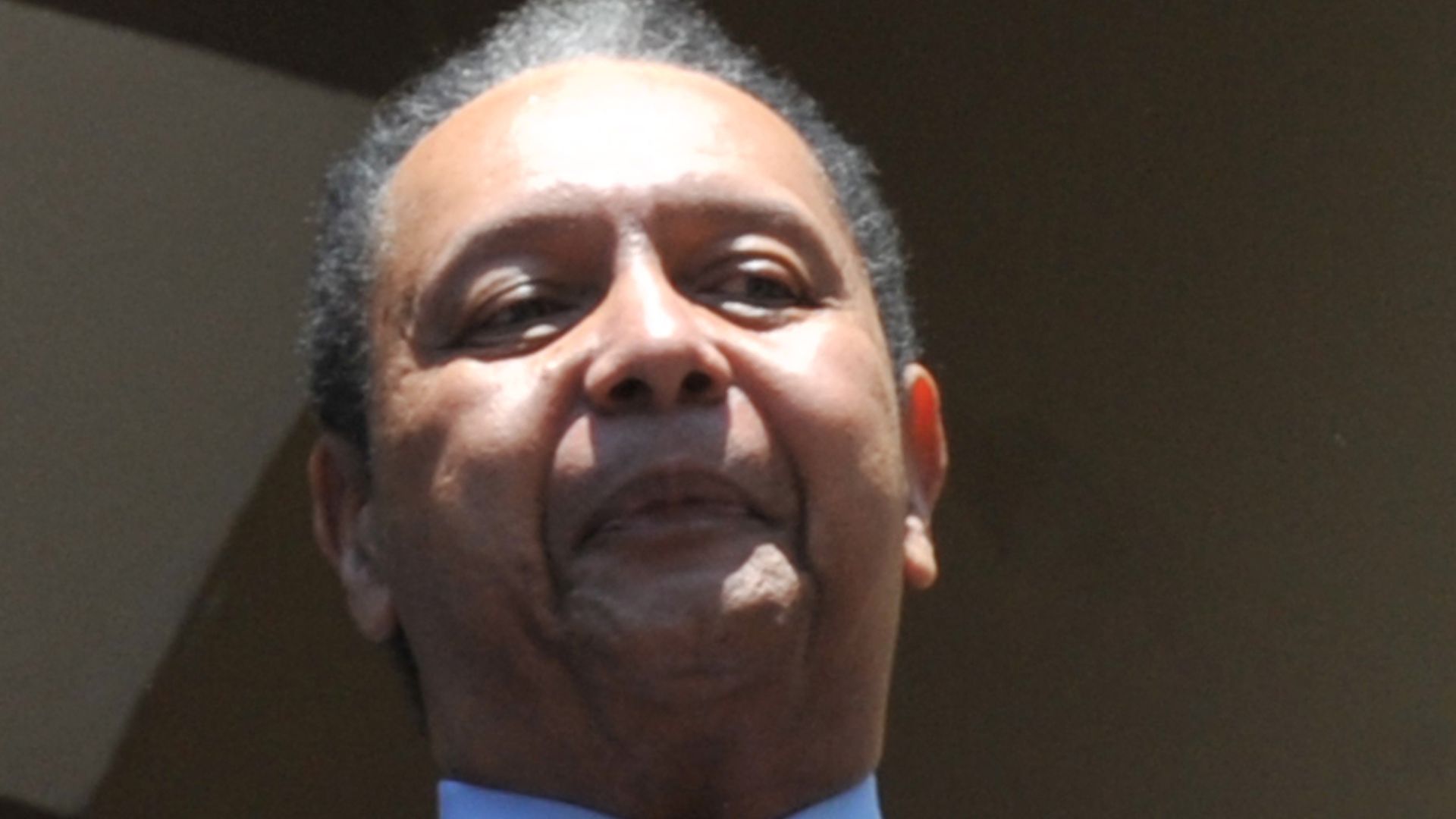
9. Jean-Claude Duvalier
Known as “Baby Doc,” Duvalier ruled Haiti with brutality and greed, just like his father. Corruption thrived while poverty deepened. In 1986, fed-up Haitians rose up in revolt. Amidst mass protests and U.S. pressure, Duvalier fled to France, bringing an end to nearly three decades of dictatorship.
 Marcello Casal Jr/ABr on Wikimedia
10. Evo Morales
As Bolivia’s first Indigenous president, Morales promised change but delivered nothing. So, his bid for a fourth term sparked outrage. Accusations of election fraud fueled nationwide protests, prompting the military to demand his resignation. Morales fled into exile. Though he later returned, public trust had already unraveled.
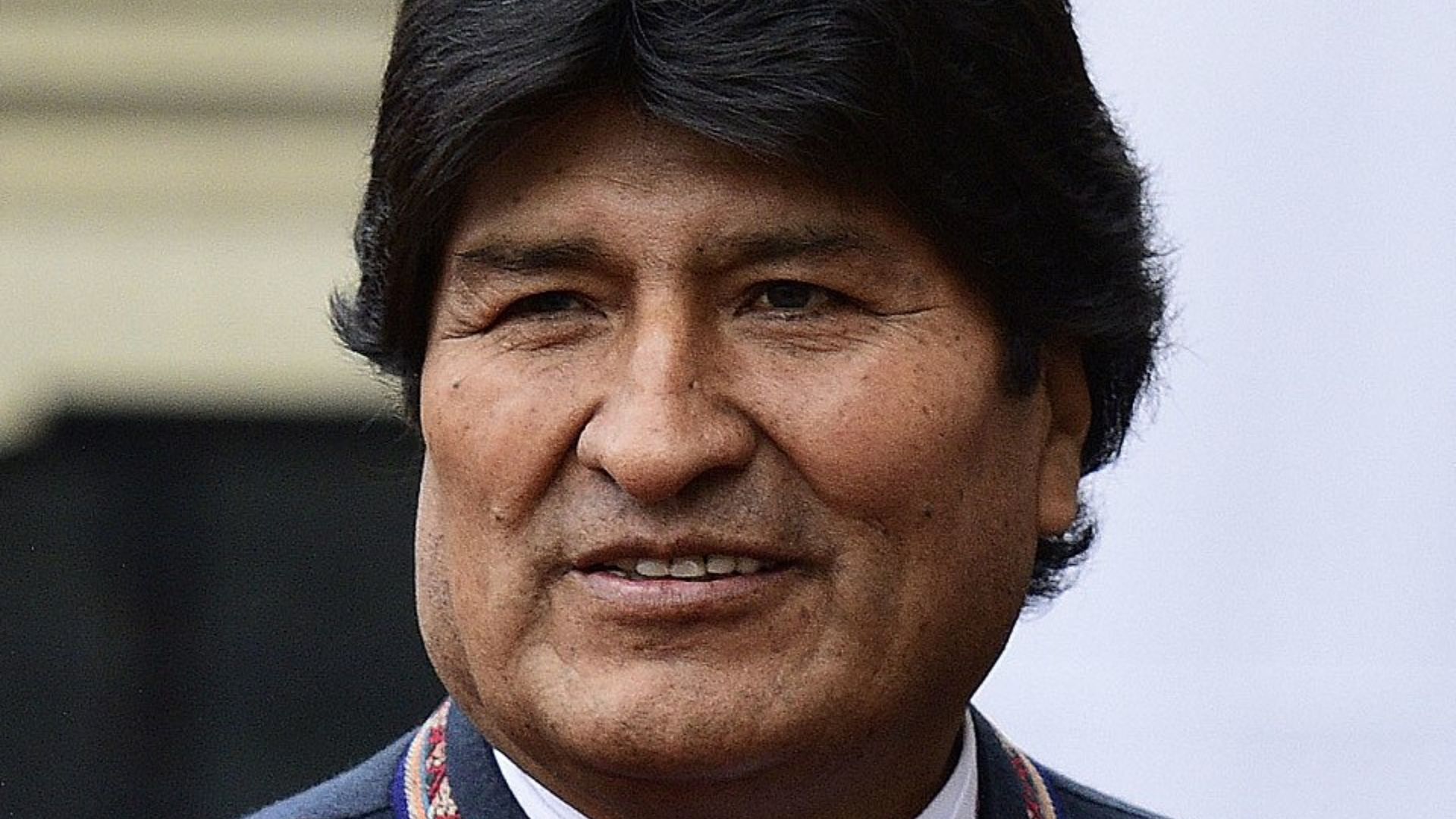 Ministerio de Relaciones Exteriores on Wikimedia
11. Ibrahim Boubacar Keïta
Corruption and economic stagnation plagued Keïta’s presidency. In 2020, after weeks of mass protests and calls for his resignation, soldiers detained him at gunpoint. Hours later, he stepped down, bringing an end to seven years of leadership marked by unrest and military revolt.
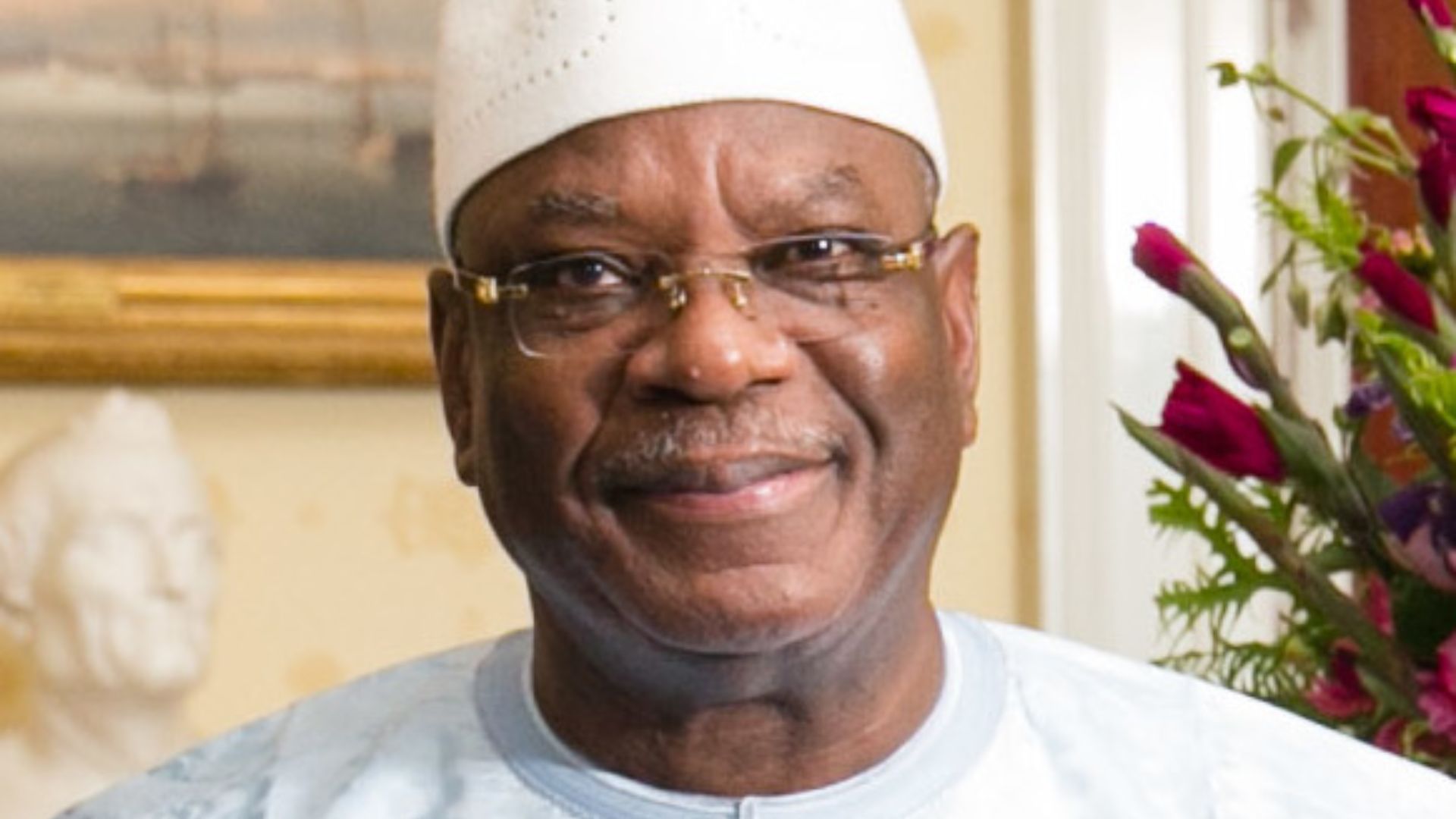 Office of the White House (Amanda Lucidon) on Wikimedia
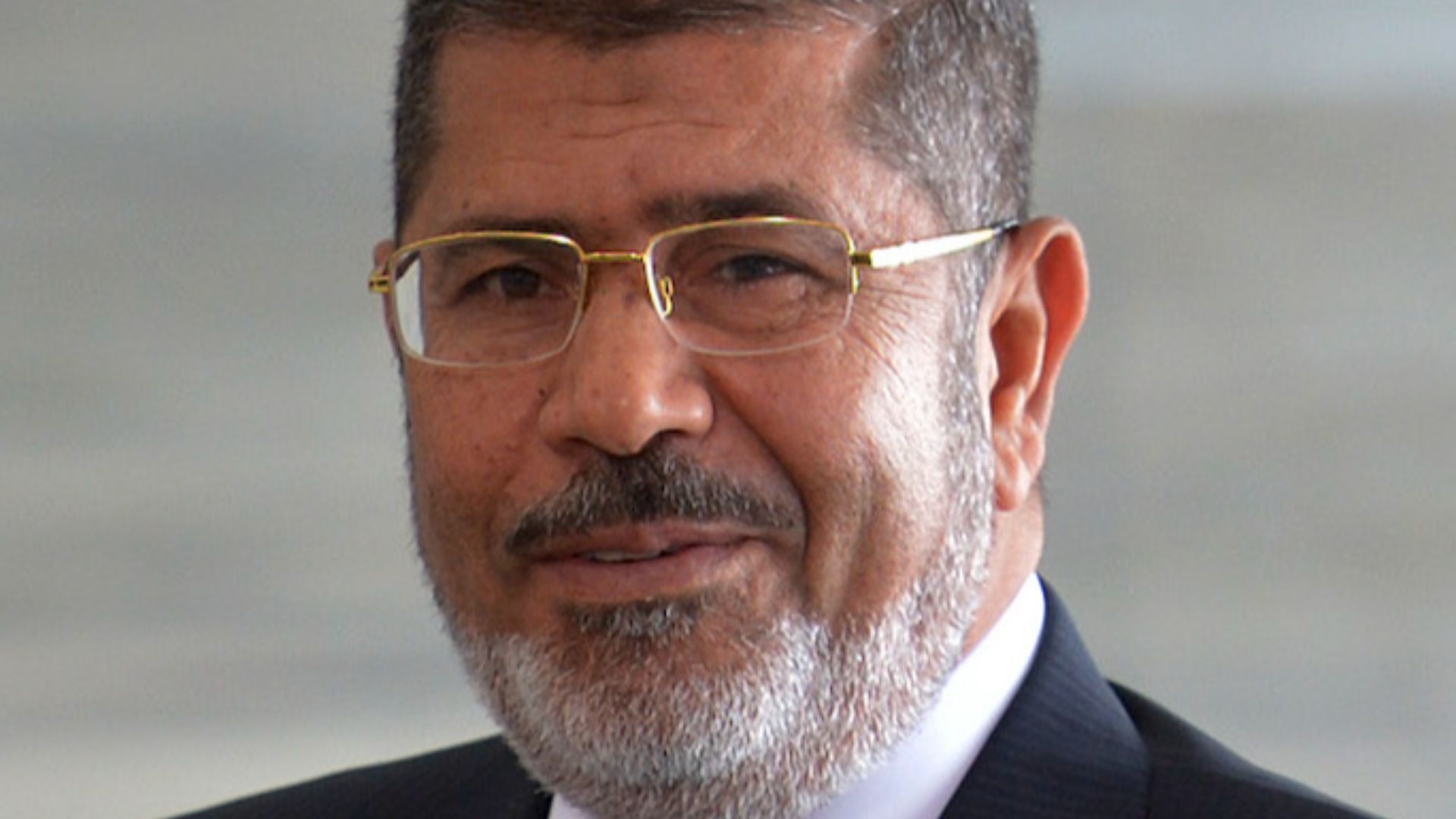
12. Mohamed Morsi
Mohamed Morsi became Egypt’s first democratically elected president after the 2011 revolution. But his rushed power grabs and Islamist agenda sparked massive backlash. In 2013, millions protested across the country. The military responded with force by removing Morsi, suspending the constitution, and ending his turbulent year-long rule.
13. Otto Pérez Molina
A former general turned president, Molina vowed to fight corruption. But in 2015, a UN-backed probe exposed him as the ringleader of a massive customs fraud scheme. Outraged Guatemalans flooded the streets. Soon, Molina resigned, leaving office in disgrace and handcuffs.
 Gobierno de Guatemala on Wikimedia
14. Pervez Musharraf
Musharraf took control of Pakistan in a 1999 military coup. He ruled for nearly a decade, often by force. When he suspended the constitution and removed top judges, protests erupted nationwide. In 2008, Musharraf left quietly to avoid impeachment, marking the end of a volatile military chapter.
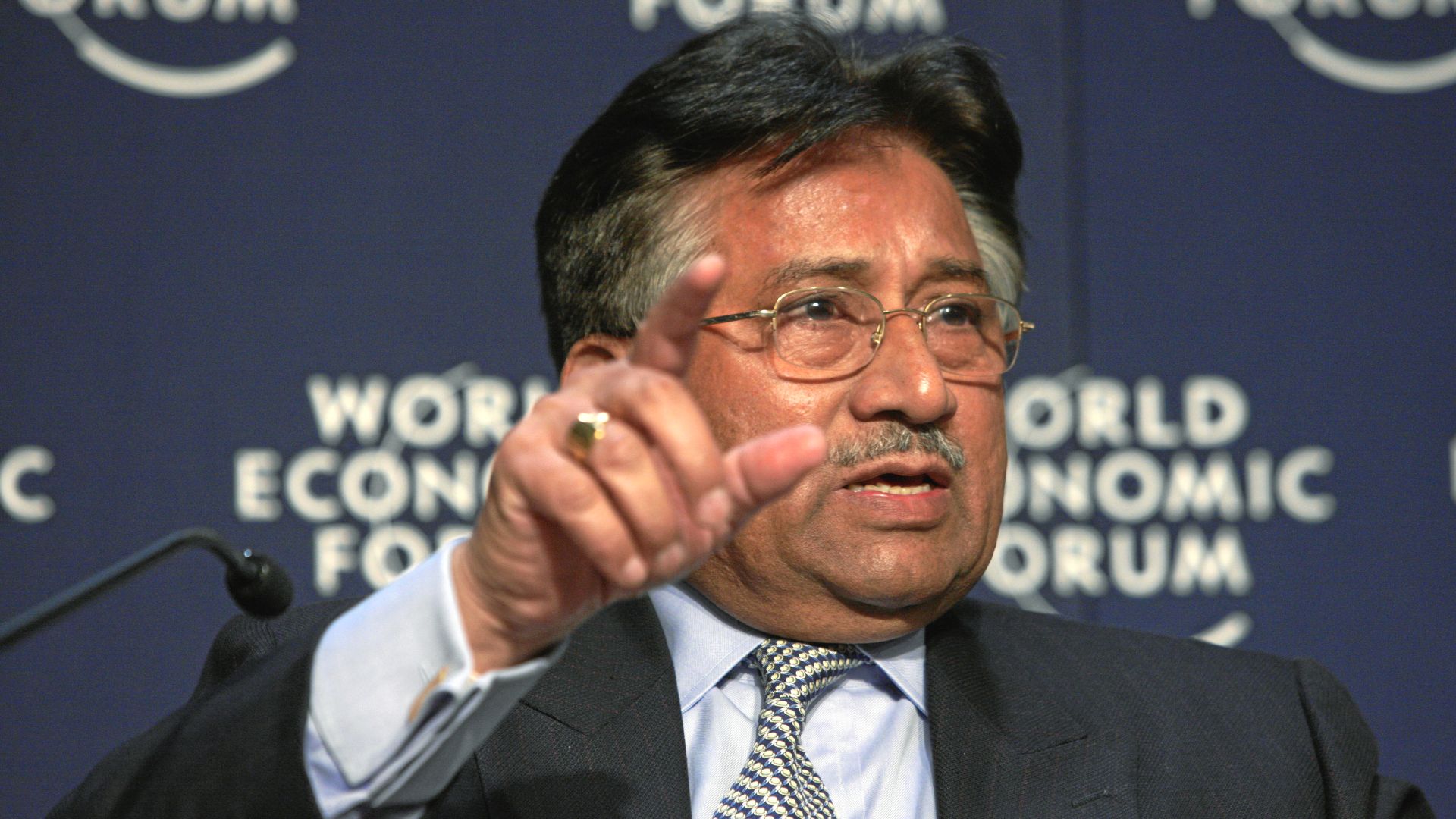 World Economic Forum on Wikimedia
15. Abdirashid Ali Shermarke
Somalia’s fragile democracy unraveled in 1969 after Shermarke’s assassination. His own bodyguard pulled the trigger. The killing shocked the country and triggered a swift military takeover. What followed changed Somalia’s path entirely, ushering in a new era of rule under Mohamed Siad Barre.
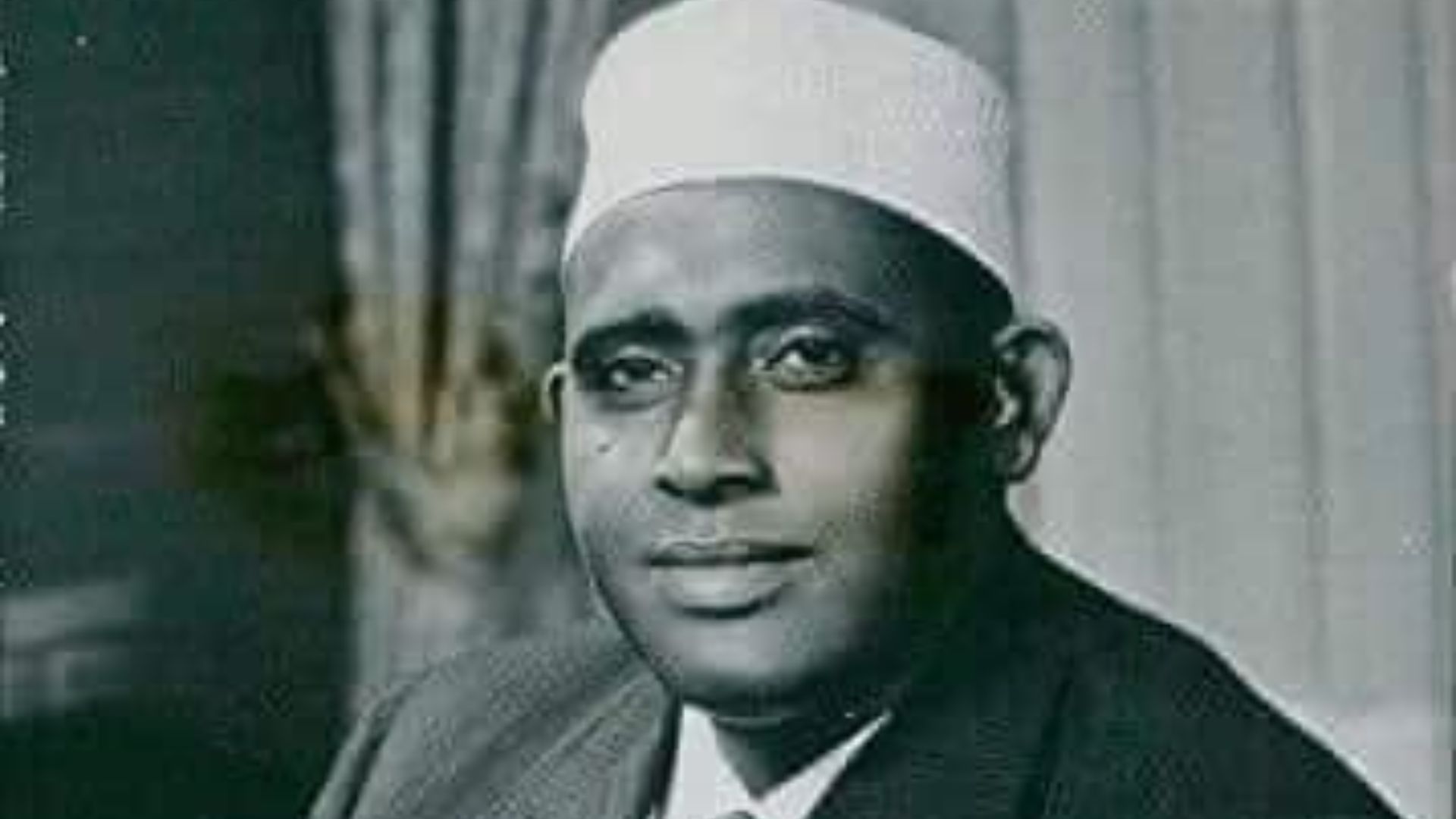 Government of Somalia on Wikimedia
16. Blaise Compaoré
After 27 years, Compaoré tried to extend his presidency by rewriting Burkina Faso’s constitution. However, the public rose up in protest, and when people started firing outside the Parliament, he stepped down. Compaoré’s fall came from the very power grab he thought would secure him.
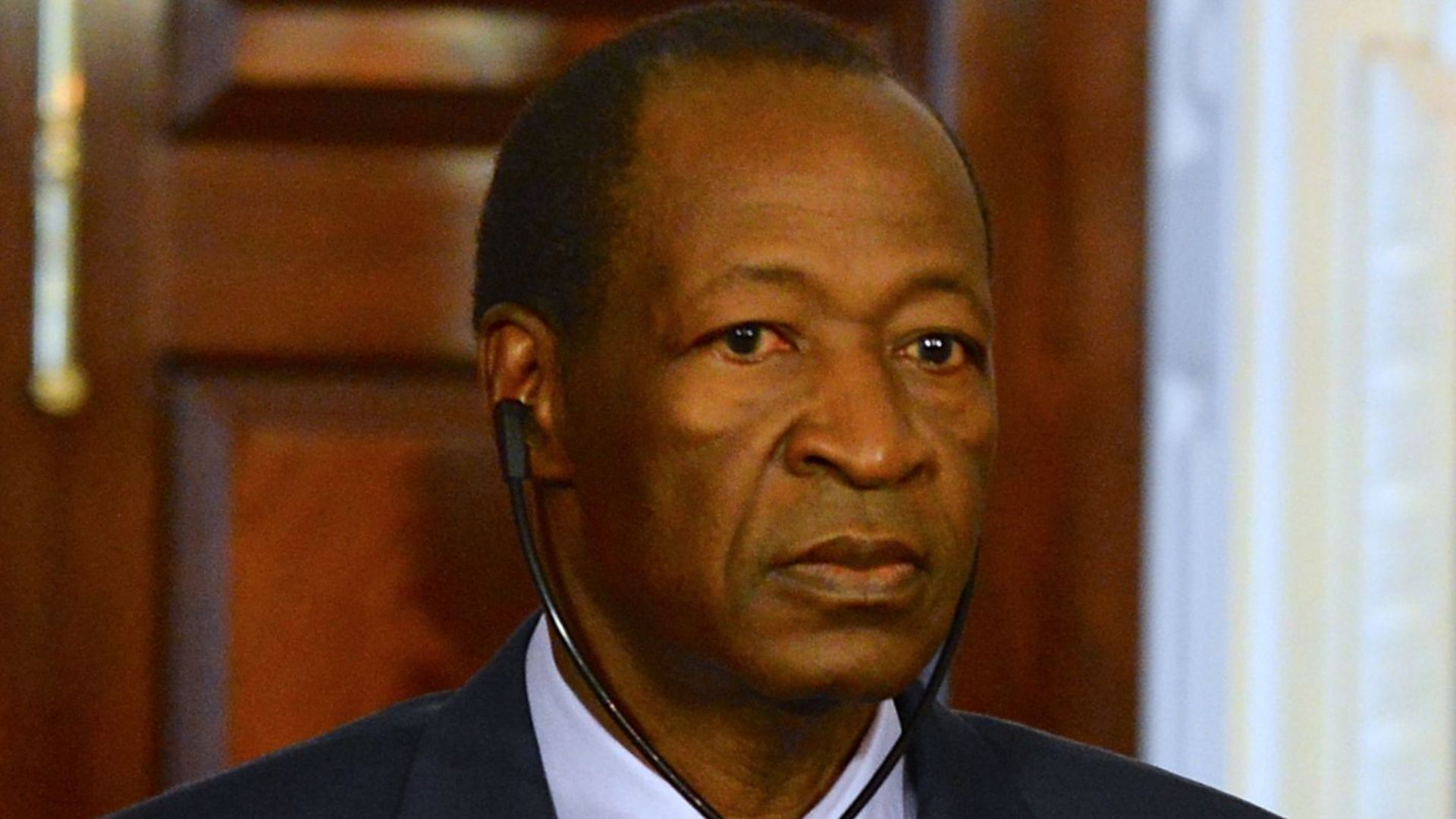 U.S. Department of State on Wikimedia
17. Getúlio Vargas
Vargas led Brazil through sweeping reforms but left the nation bitterly divided. But after being accused of corruption, he faced mass protests and military pressure to resign. Refusing to quit, Vargas took his own life. His dramatic suicide letter pledged never-ending loyalty to his people.
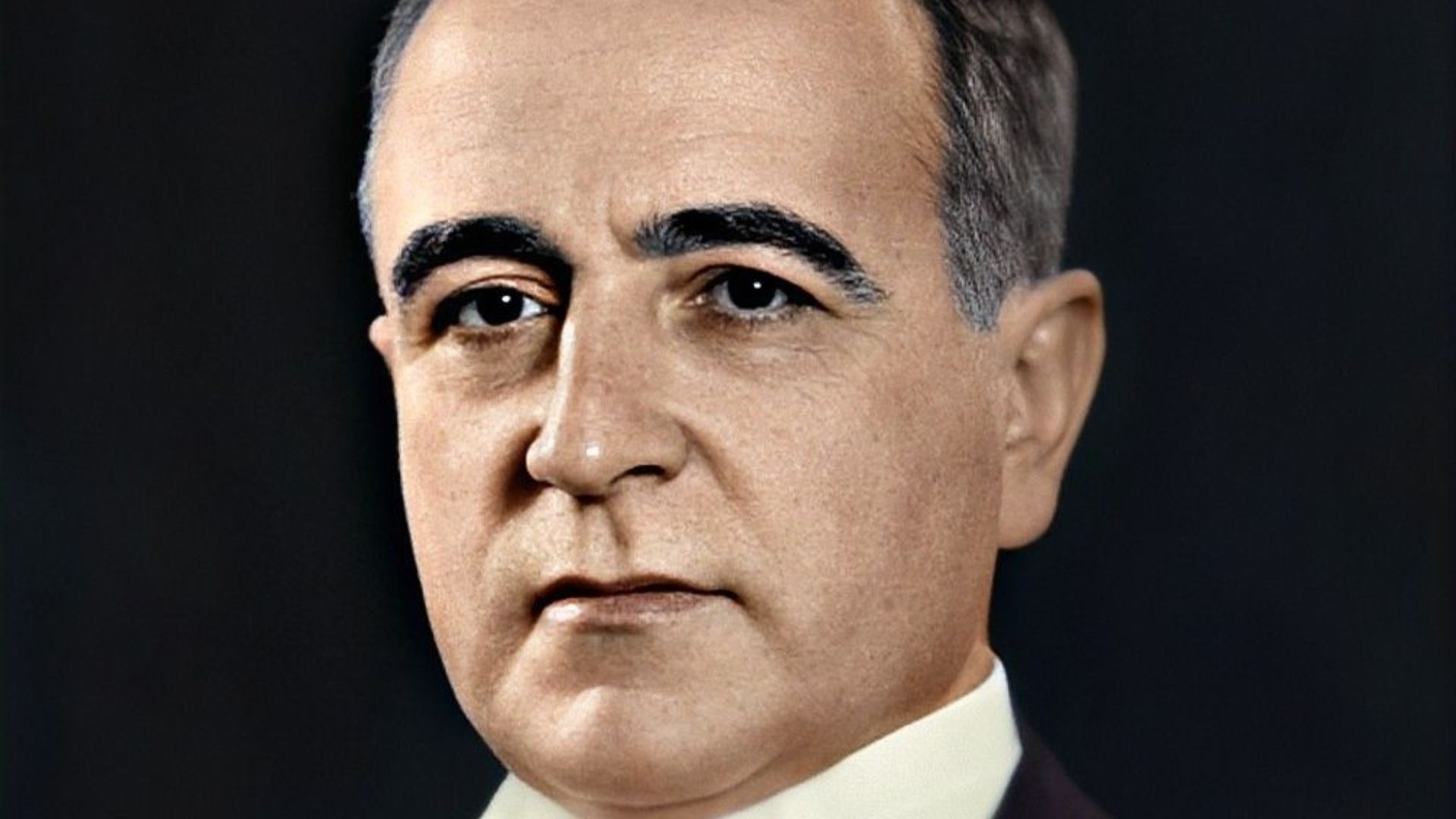 Desconhecido. Colorida por Djalma Gomes Netto. on Wikimedia
18. Robert Mugabe
Once hailed as a liberator but later seen as an autocrat, Mugabe ruled Zimbabwe for 37 years. His grip tightened as the economy collapsed. In 2017, after he tried to position his wife as successor, the military intervened. Mugabe resigned, and his long rule ended in humiliation.
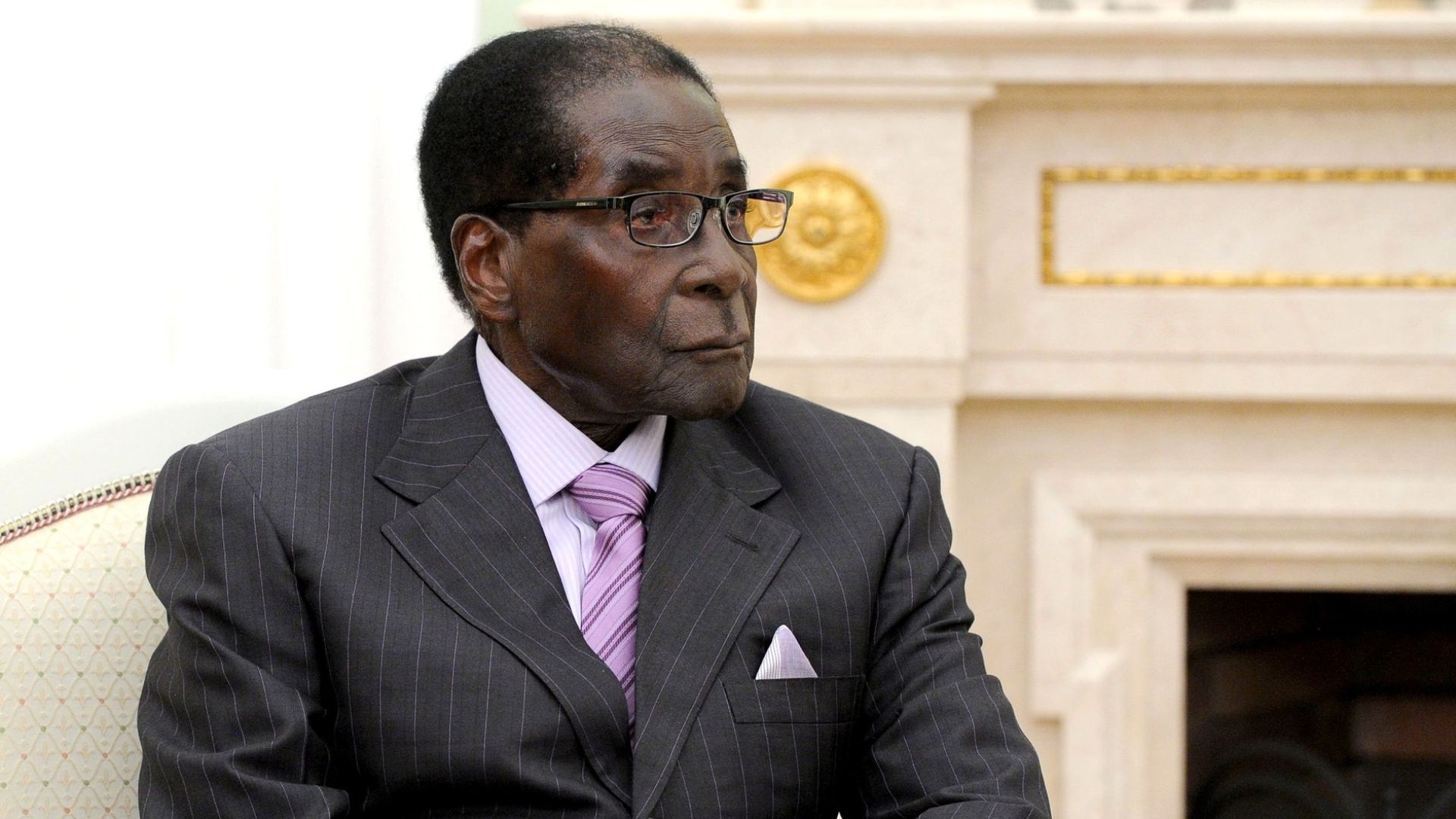 Press Service of the President of Russia on Wikimedia
19. Rauf Denktaş
Denktaş championed Turkish Cypriot independence but lost support after peace talks failed. By 2005, both Ankara and his own party pushed him aside. Years of rejection earned him the nickname “Mr. No.” Finally, his exit made space for new approaches to reunification.
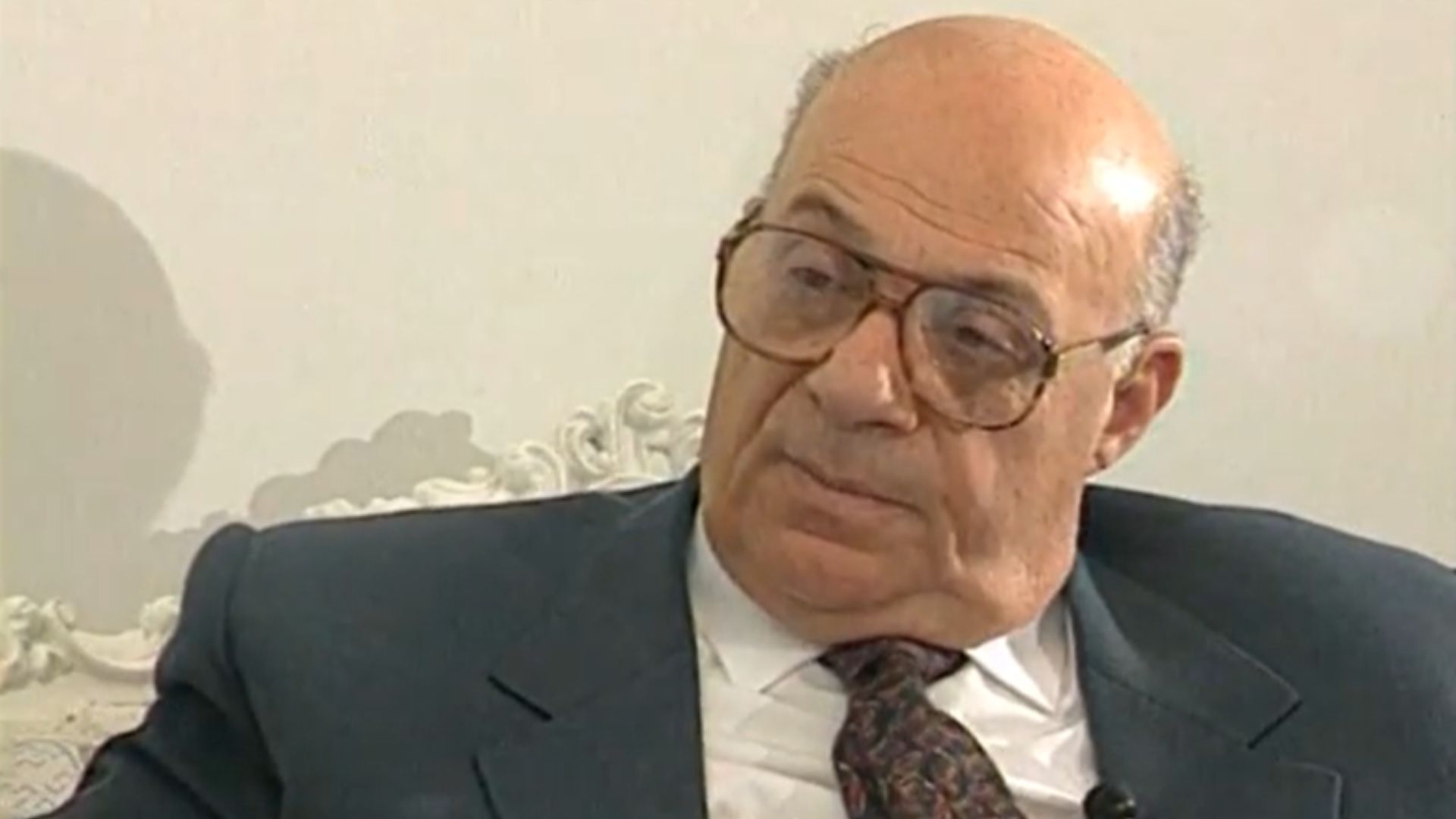
20. Abdalá Bucaram
Bucaram’s chaotic presidency in Ecuador lasted just six months. Known for his erratic behavior, he lost everyone’s support fast. In 1997, Congress declared him “mentally unfit” to govern. Bucaram fled from Ecuador, returned, and fled again. It was a presidency toppled by ridicule and revolt.


KEEP ON READING

The Clueless Crush: How I Accidentally Invited a Hacker Into…
Fluorescent Lights and First Impressions. My name is Tessa, I'm…
By Ali Hassan Nov 4, 2025
This Infamous Ancient Greek Burned Down An Ancient Wonder Just…
History remembers kings and conquerors, but sometimes, it also remembers…
By David Davidovic Nov 12, 2025
Einstein's Violin Just Sold At An Auction—And It Earned More…
A Visionary's Violin. Wanda von Debschitz-Kunowski on WikimediaWhen you hear…
By Ashley Bast Nov 3, 2025
The Mysterious "Sea People" Who Collapsed Civilization
3,200 years ago, Bronze Age civilization in the Mediterranean suddenly…
By Robbie Woods Mar 18, 2025
20 Reasons It Sucked To Be A Chinese Dynasty Empress
Behind the Silk Curtains. The role of empress in a…
By Farva Ivkovic Jan 9, 2026
The story of Ching Shih, the Woman Who Became the…
Unknown author on WikimediaFew figures in history are as feared…
By Emilie Richardson-Dupuis Dec 29, 2025