
20 Ultrawealthy Historical Figures Known For Being Extremely Stingy
Rich Beyond Imagination, Cheap Beyond Belief
Having more money than you could ever spend doesn't necessarily mean you'll enjoy spending it. Throughout history, some of the wealthiest people in the world have developed reputations for being incredibly tightfisted, refusing to part with their fortunes even when they could easily afford a little luxury. From billionaires who preferred modest homes to eccentric millionaires who counted every penny, these individuals took frugality to some rather unusual extremes.
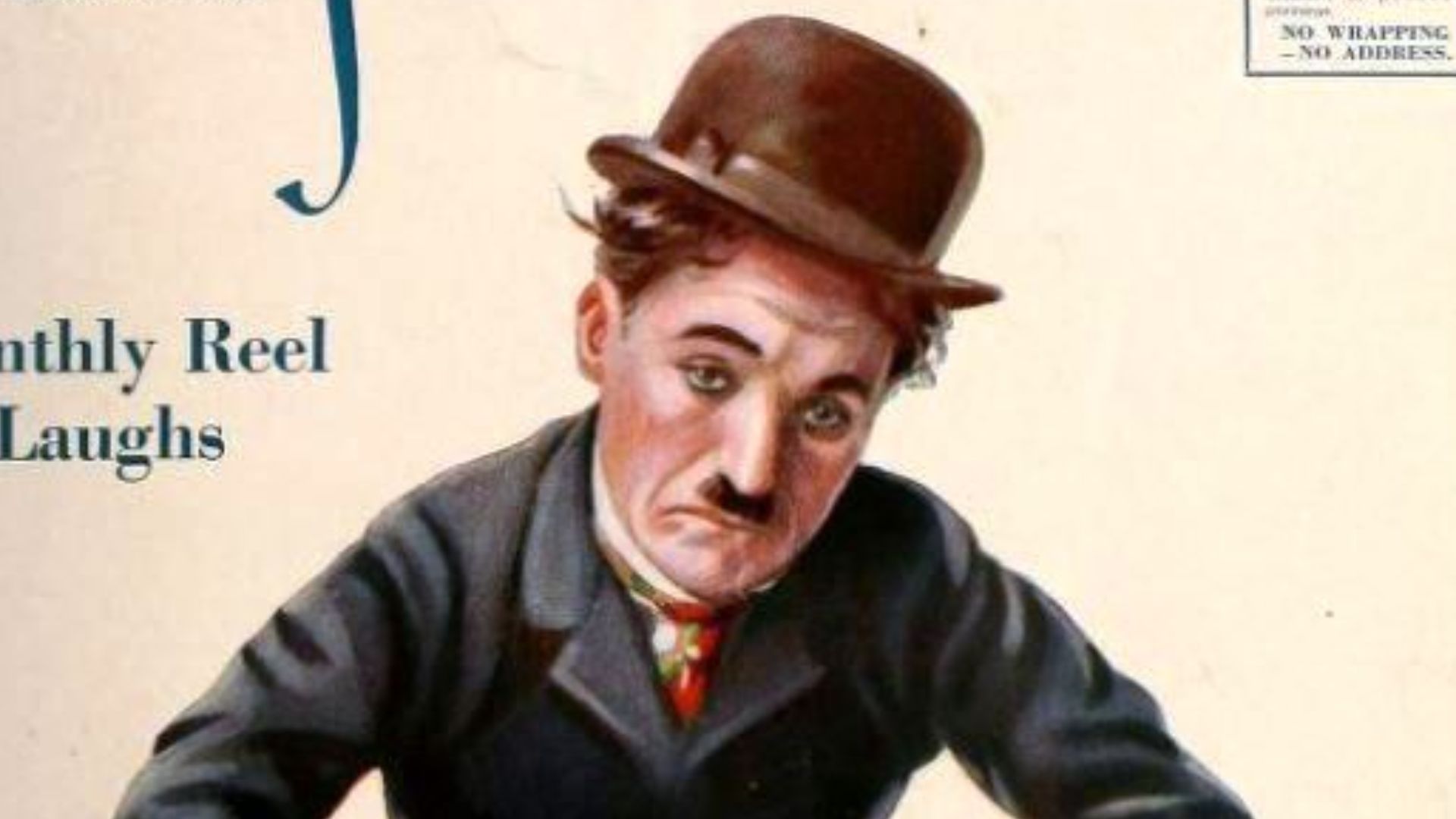 First National Pictures on Wikimedia
1. John Elwes
Although he was one of the richest MPs in England, you wouldn't think he had any money at all. John Elwes lived without any luxuries and would often go to bed early so he could save money on candles. He was said to eat rancid food and live off his riches, despite having plenty of money that he seemingly didn't know how to enjoy.
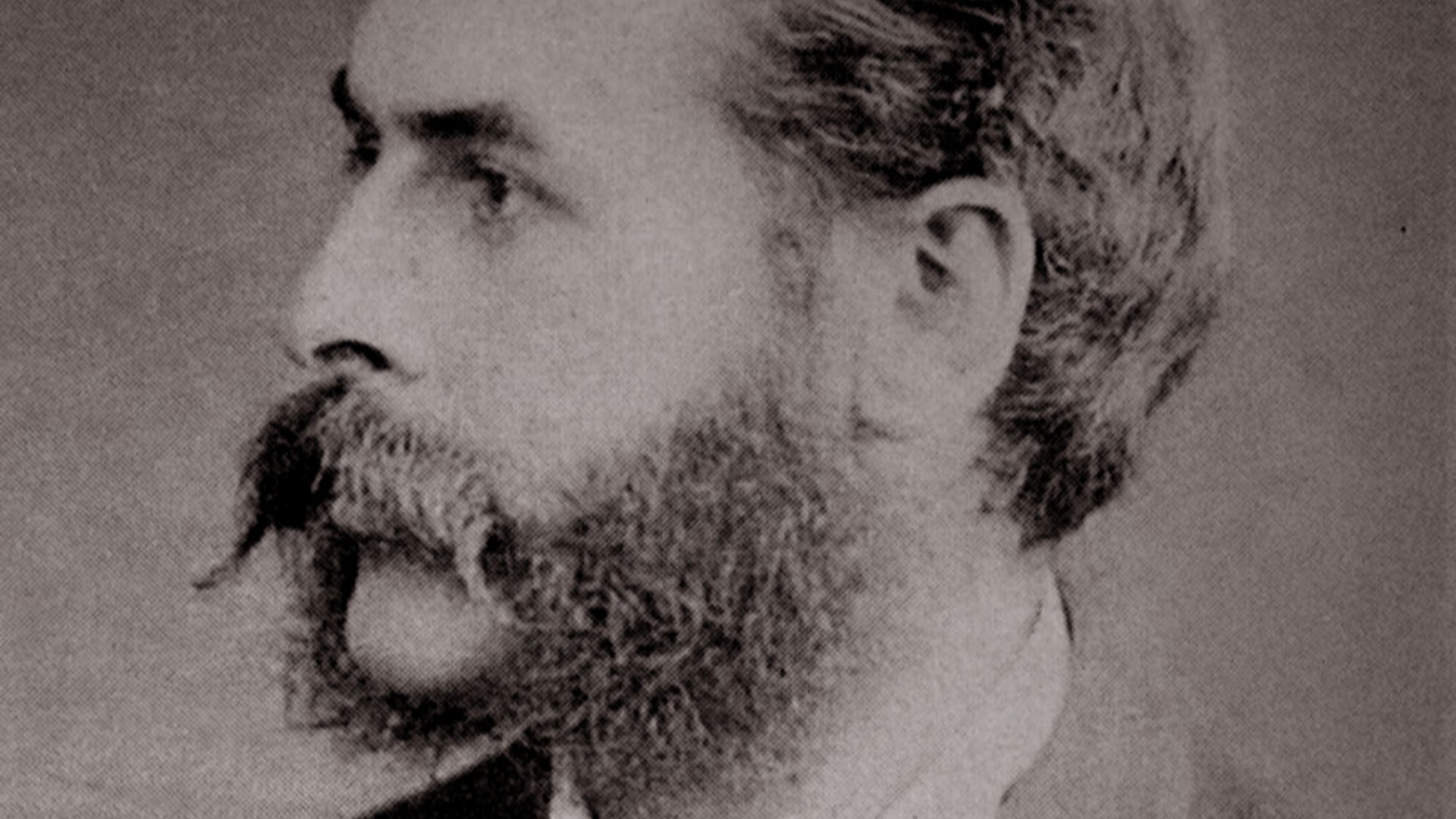 Unknown authorUnknown author on Wikimedia
2. Hetty Green
Known as the Witch of Wall Street, she earned a lot of money from buying stocks and properties. Even though she had so much money, she stayed in cheap apartments and wore old clothes. She was said to eat nothing but oats warmed on an office heater.
 Unknown authorUnknown author on Wikimedia
3. John Paul Getty
When he had so much money, why did he install a payphone in his home? J. Paul Getty was once known as the richest individual in the world.
When he lived on his Sutton Place estate, he would have guests use the payphone he installed while keeping the other phones locked so guests couldn't use them.
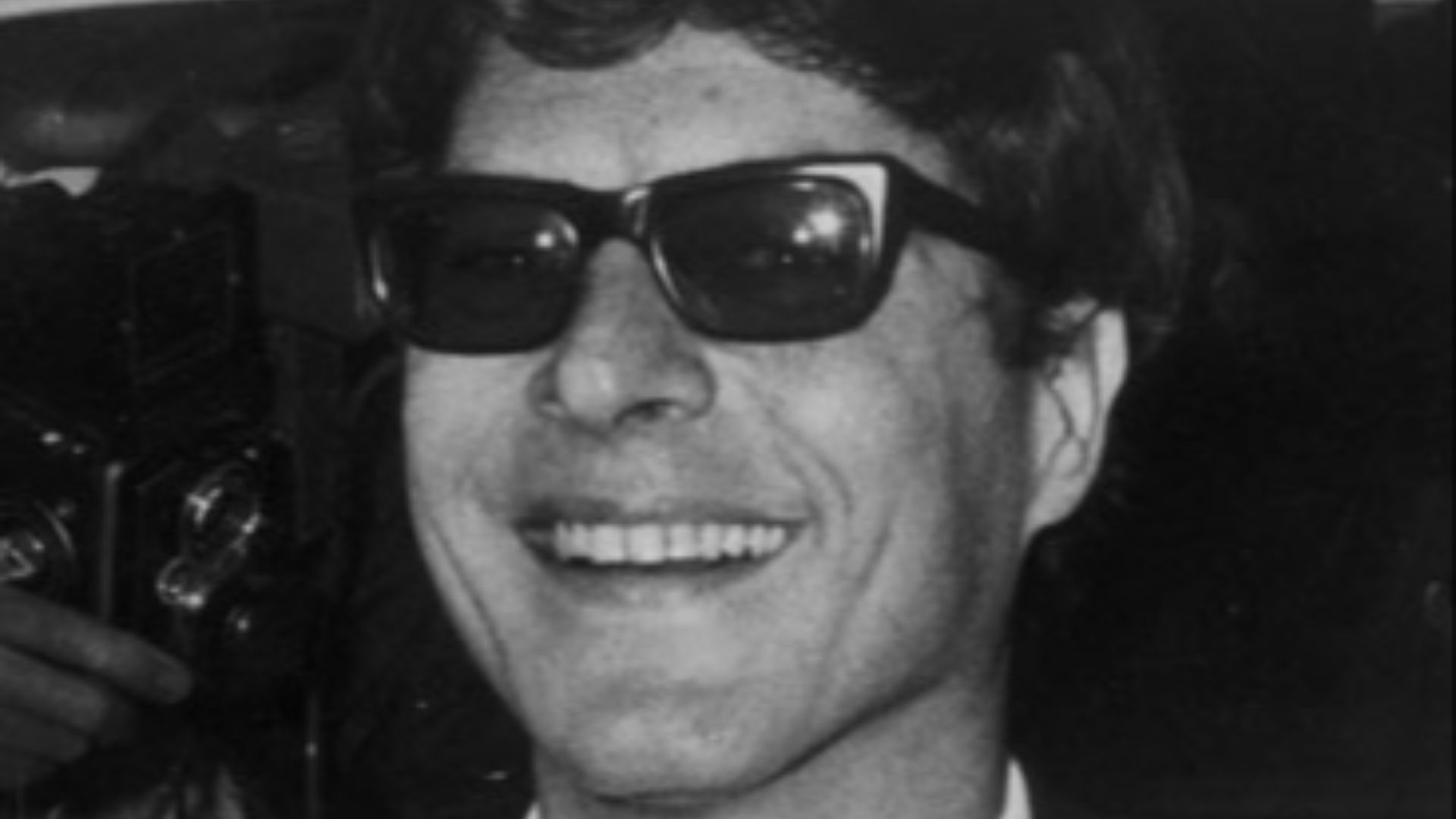 Keystone / Getty Images on Wikimedia
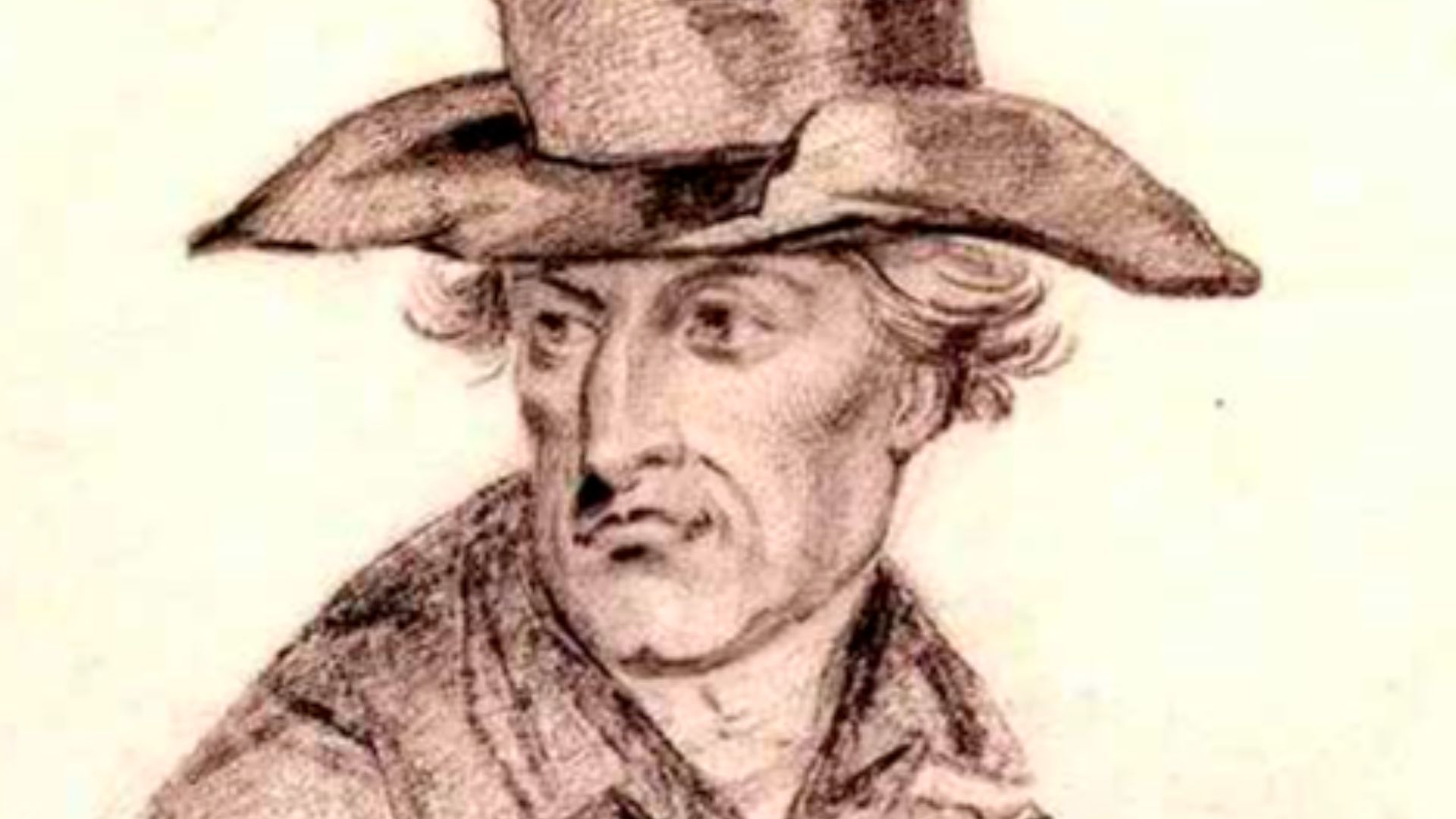
4. Daniel Dancer
When he inherited 80 acres of land, he did not take care of his property or even eat two meals a day. He wore patched clothes and lived like a beggar. Dancer became such a notorious figure that his unusual lifestyle was documented in biographical accounts shortly after his death.
 Richard Cooper Junior on Wikimedia
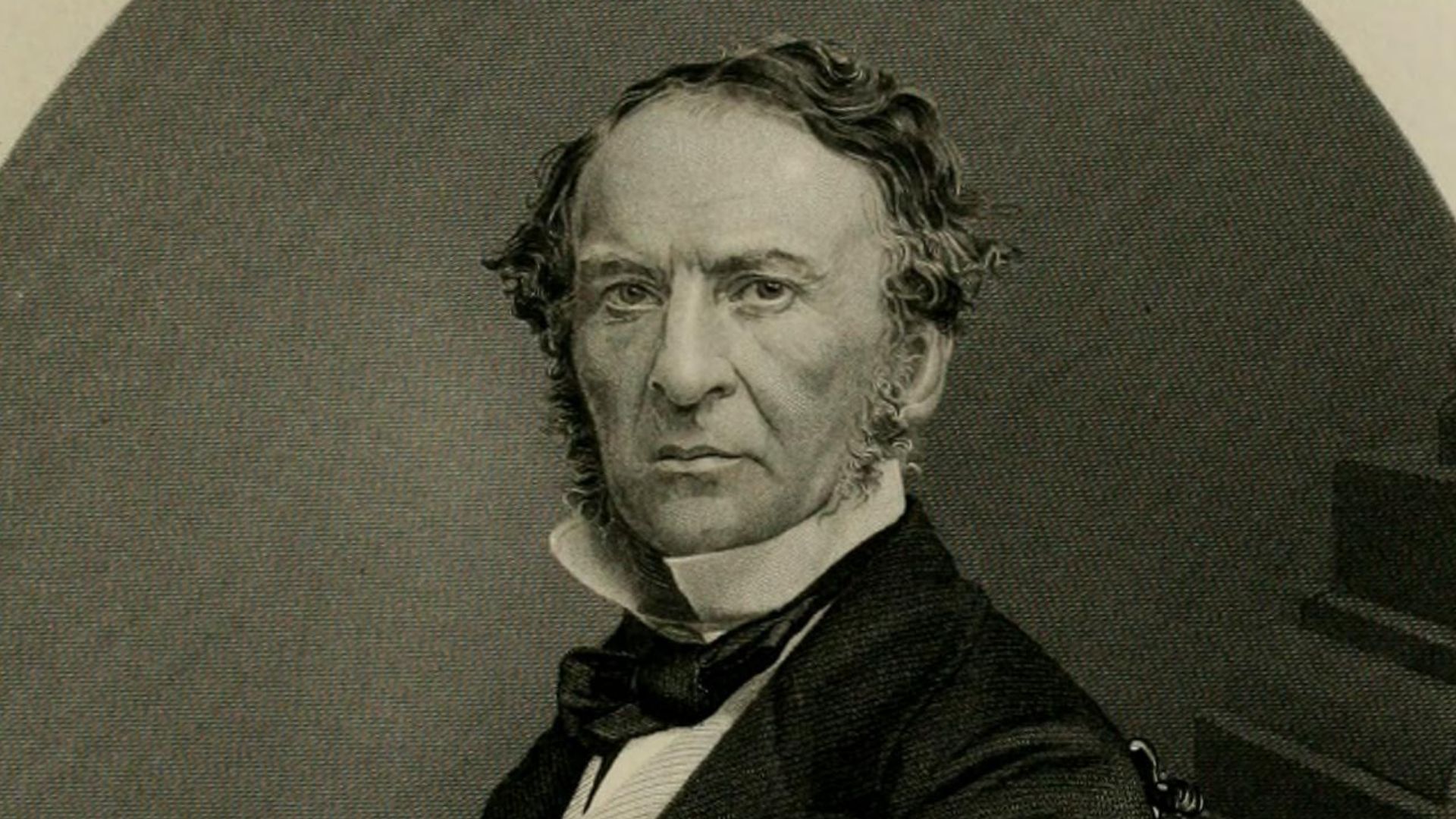
5. John Camden Neild
He was left with about 250,000 pounds by his father. He lived in London and, at some point in his life, had no bed in his house. He would sit on a board for the remainder of that time. Perhaps most surprisingly, he left his entire fortune to Queen Victoria when he died, reportedly because of his fascination with the young monarch.
 Internet Archive Book Images on Wikimedia
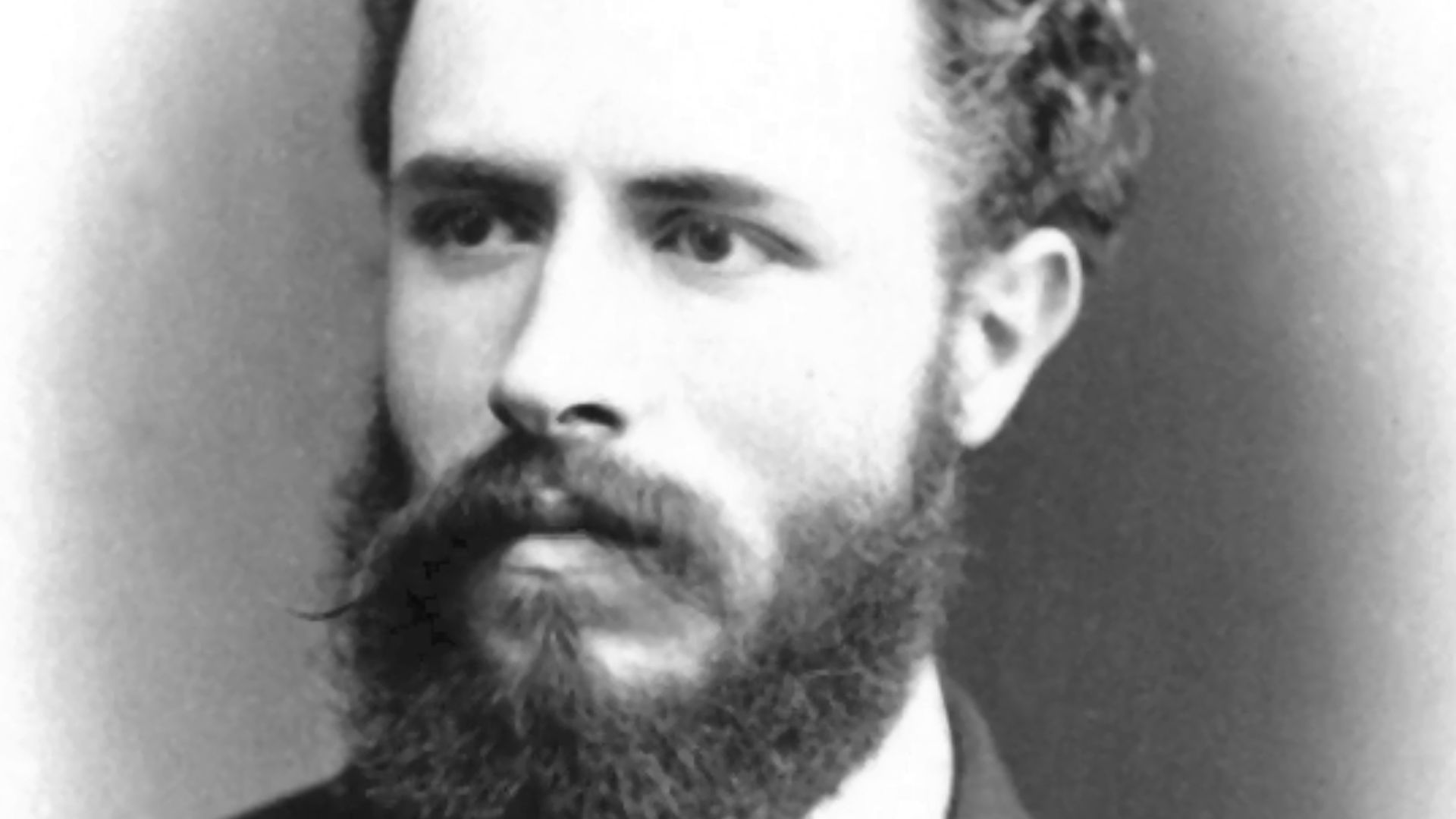
6. James Wood
James "Jemmy" Wood was a wealthy English banker who inherited one of Britain's oldest private banking businesses. Despite his considerable fortune, he became notorious for collecting discarded pieces of coal to heat his home rather than purchasing fuel. He also reportedly wore his clothes until they were practically falling apart, refusing to spend money on replacements.
 Bourne and Shepherd, Calcutta on Wikimedia
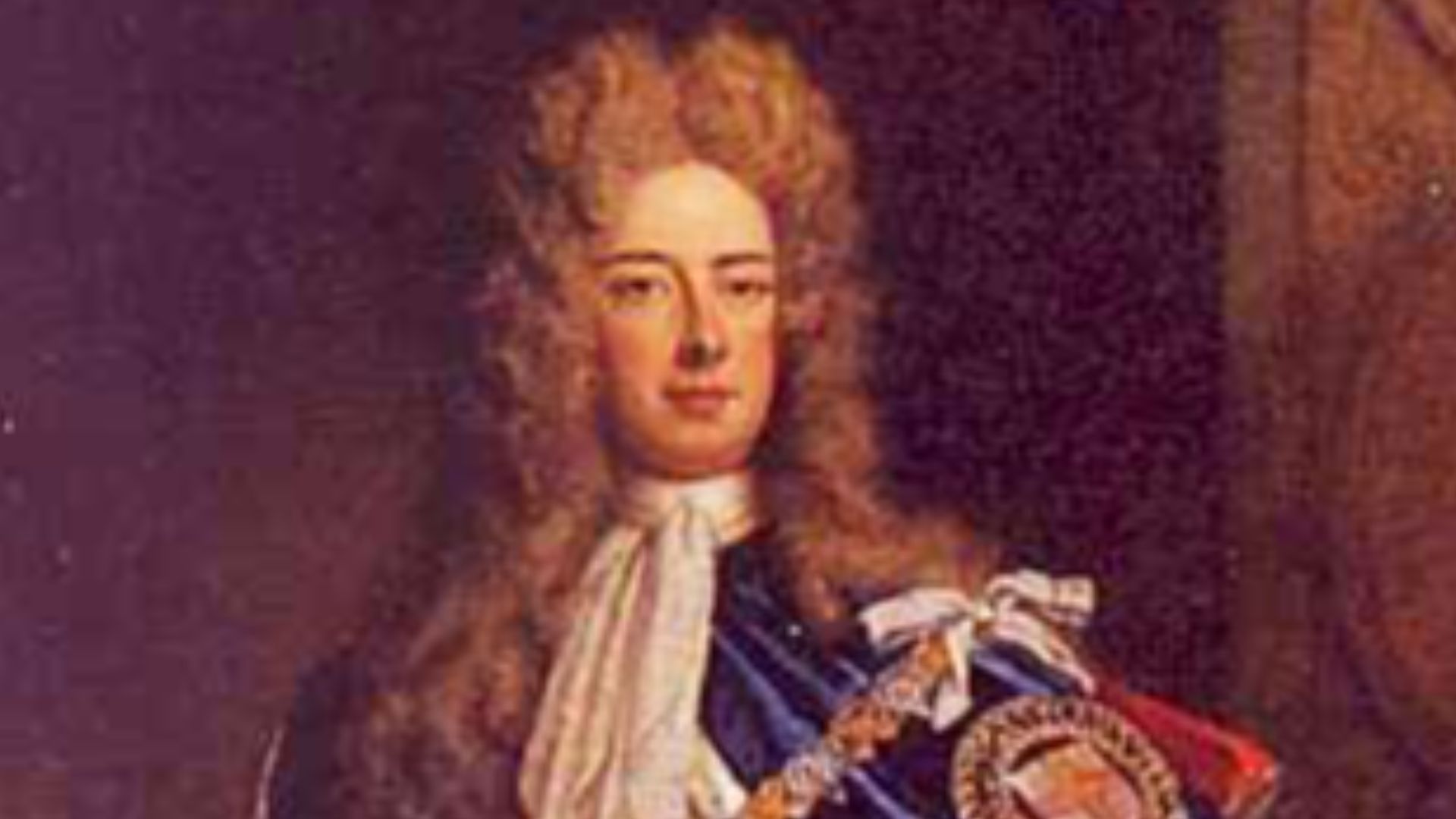
7. John Churchill, 1st Duke of Marlborough
John Churchill was one of Britain's most successful military commanders, earning enormous wealth and becoming one of the most influential aristocrats of his era.
Yet, according to an 1892 account of famous misers, even he disliked spending money on small conveniences. As an elderly man visiting Bath, he reportedly walked back to his hotel in unpleasant weather rather than pay sixpence for a carriage.
8. Sir Harvey Elwes
He was one of the richest people in England, and his fortune eventually went to his nephew, John Elwes. He liked wearing old clothes that his ancestors used to own. He had few people to maintain his house, and his household was kept deliberately small. He supposedly walked around his home during cold weather to avoid spending money on heating. His influence on his nephew was considerable, helping turn John Elwes into one of Britain's most infamous misers.
9. Wellington R. Burt
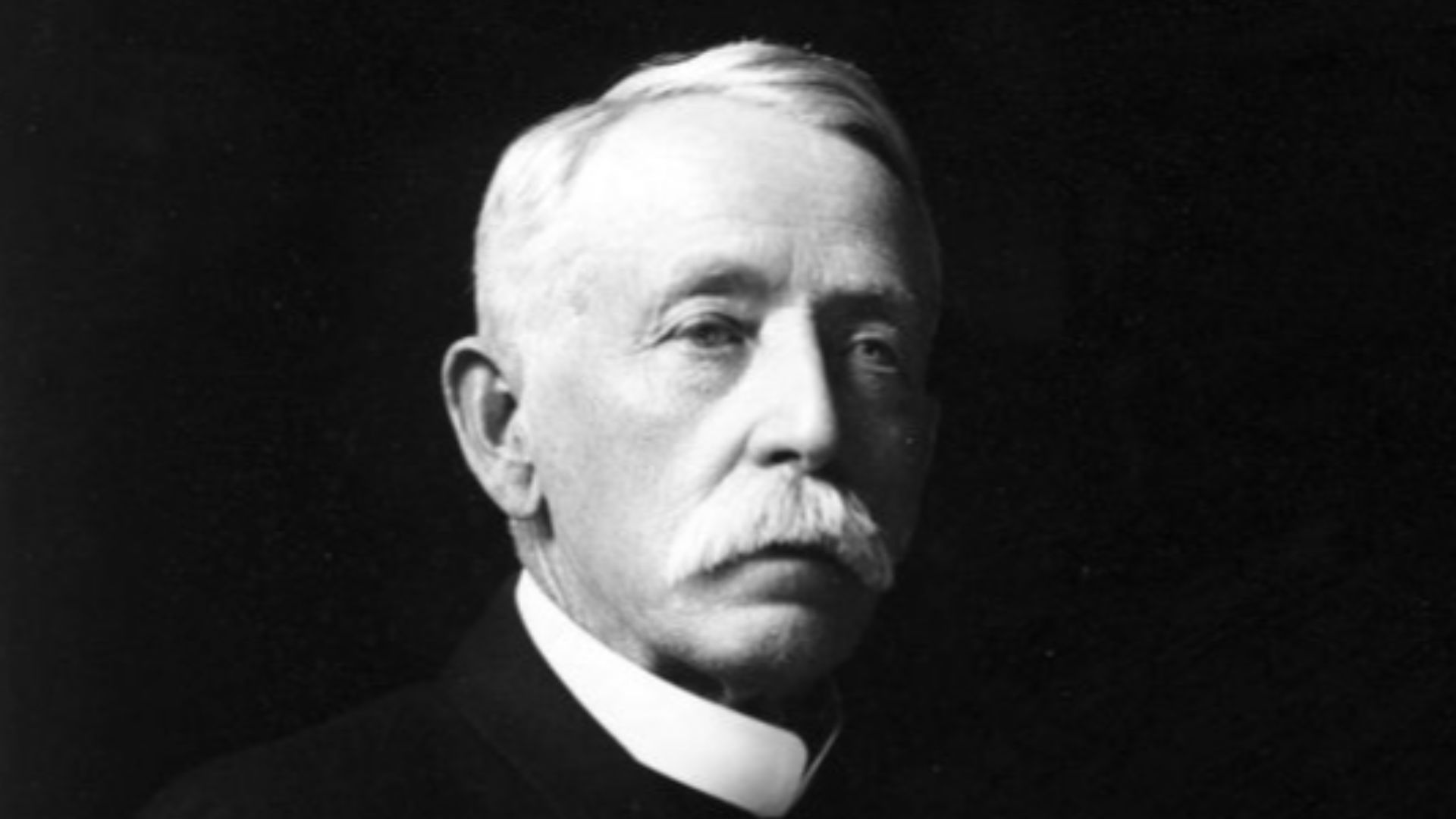
He made millions of dollars from the lumber business. When he died, he wouldn't let his children and grandchildren receive their money until 21 years after his last grandchild died. This meant that some of his descendants had to wait generations before receiving their inheritance. The estate's unusual conditions were finally fulfilled in 2011, when approximately $100 million was distributed among 12 descendants.
 Unknown authorUnknown author on Wikimedia
10. John Clark
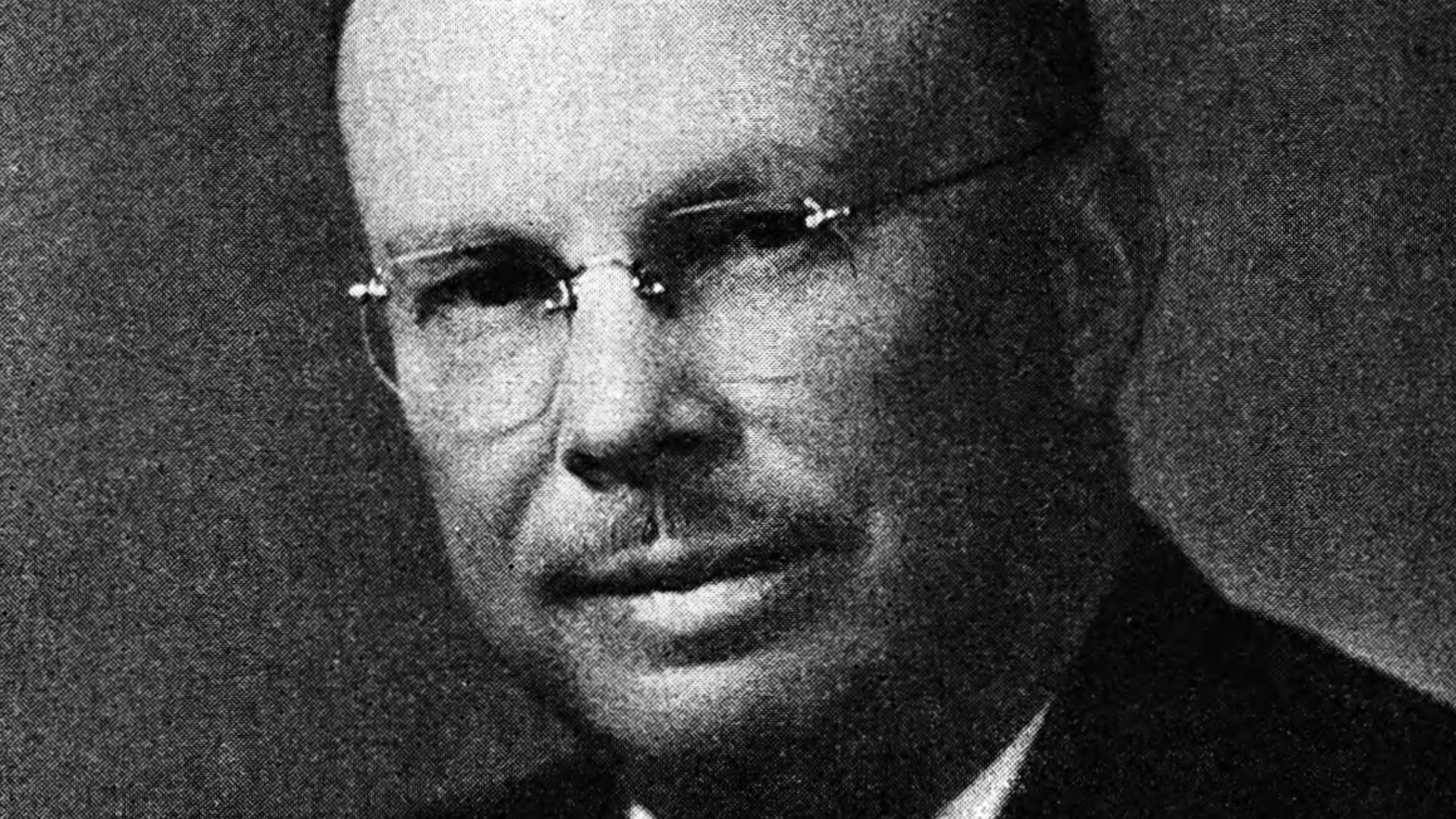
John Clark lived in Woolwich. He was an Englishman with plenty of money who spent his last days in a slum area. According to an article from 1892, he barely ate food or enjoyed any type of luxury.
A newspaper account from that year claimed that he rarely ate proper meals, avoided luxuries, and had kept his front shutters closed for approximately 30 years. His unusual lifestyle was particularly striking because he had enough money to enjoy a far more comfortable existence.
 State of California on Wikimedia
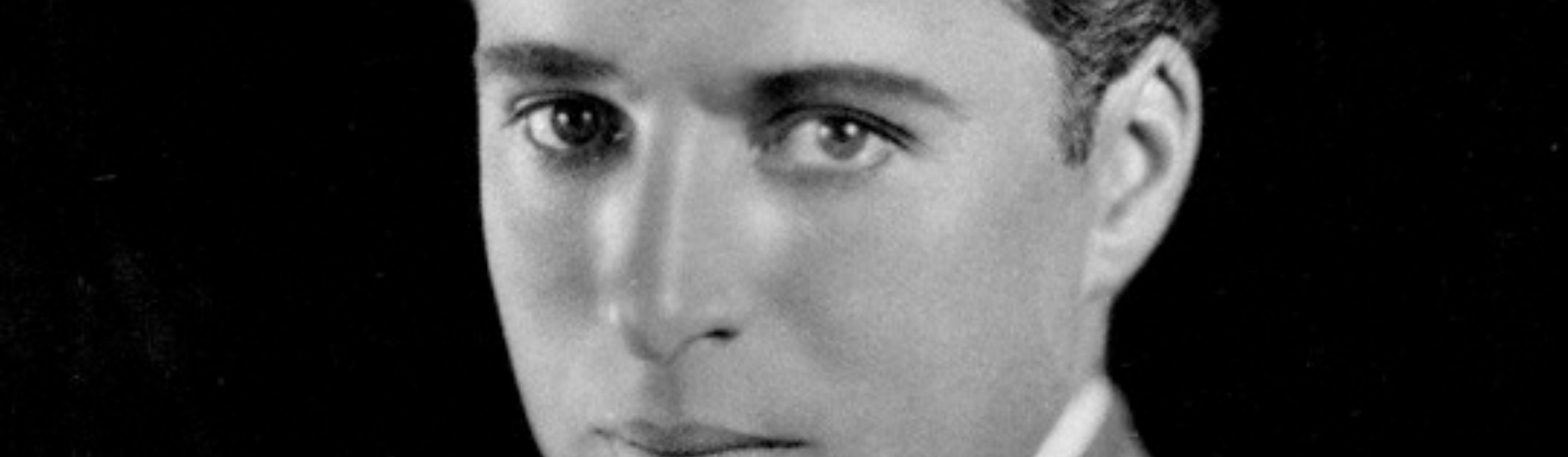
11. Charlie Chaplin
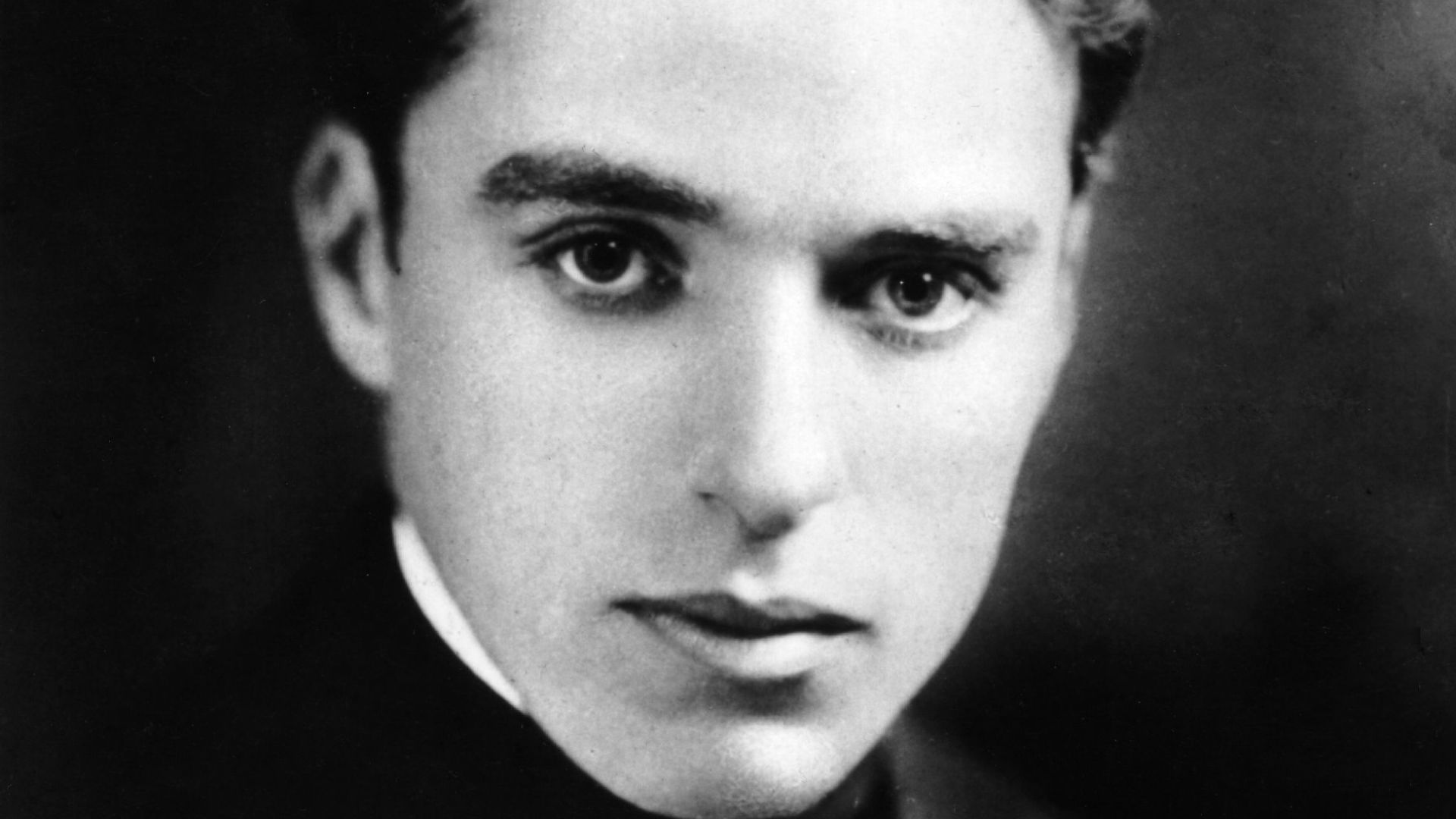
As one of the richest actors of his time, he would make others pay for dinner when he hung out with friends. Chaplin became known for not wanting to pay for dinner. Fellow entertainers were particularly unimpressed, with Orson Welles reportedly calling him one of the cheapest men he'd ever encountered. Apparently, making people laugh was considerably easier for Chaplin than making him pay for dinner.
 Unknown authorUnknown author on Wikimedia
12. Cary Grant
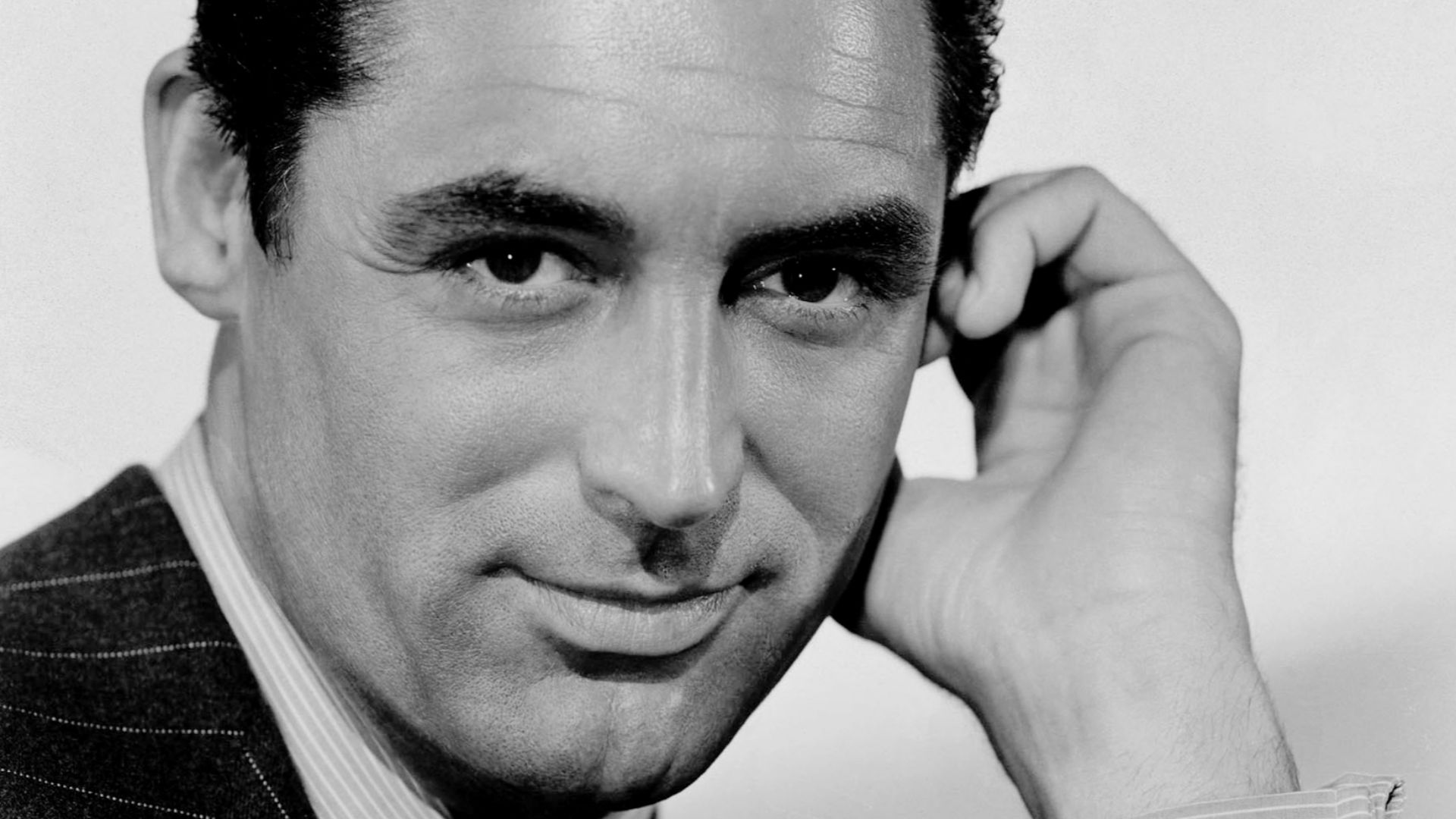
He had millions of dollars but still saved his shirt buttons. He marked milk so his household help wouldn't drink it. Grant also admitted to saving the buttons from his old shirts rather than throwing them away. Considering his enormous success in Hollywood, his dedication to getting every last bit of use out of his clothing was rather remarkable.
13. Leona Helmsley
Leona Helmsley built a massive real estate and hotel empire alongside her husband, becoming one of America's wealthiest businesswomen. However, she developed a notorious reputation for refusing to pay contractors, demanding financial favors from suppliers, and charging personal expenses to her hotel businesses.
Her behavior eventually landed her in court on tax evasion charges, resulting in an 18-month prison sentence.
 United States Marshals Service on Wikimedia
14. H. L. Hunt
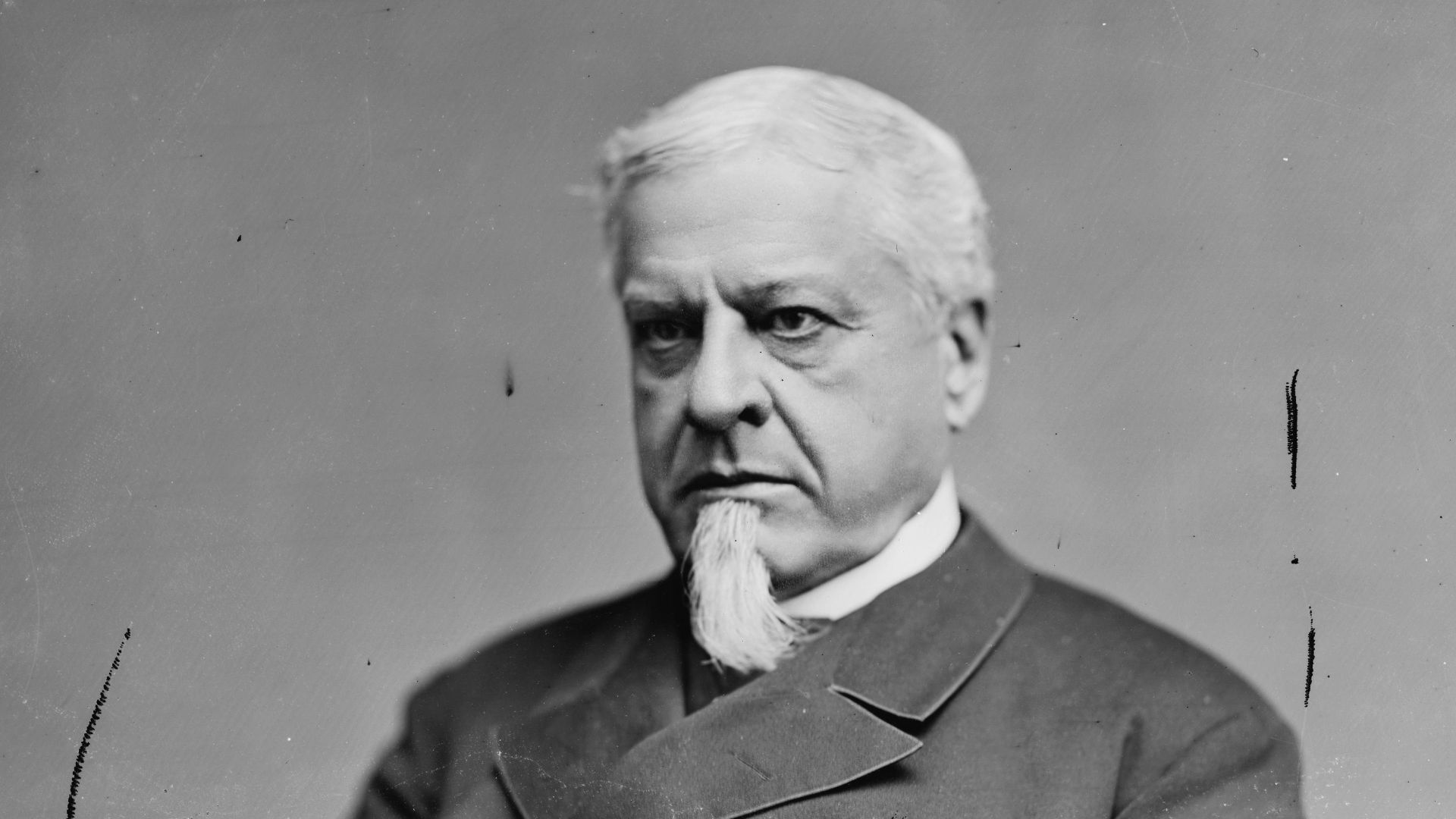
He was one of the richest men in America, having made his fortune from oil. He bought cheap suits off the rack, brought his own lunch, cut his own hair, and drove to work in a beat-up Plymouth. Hunt apparently believed that wealthy people who spent their money carelessly weren't particularly intelligent, and he certainly practiced what he preached.
 Mathew Benjamin Brady / Levin Corbin Handy on Wikimedia
15. John F. Kennedy
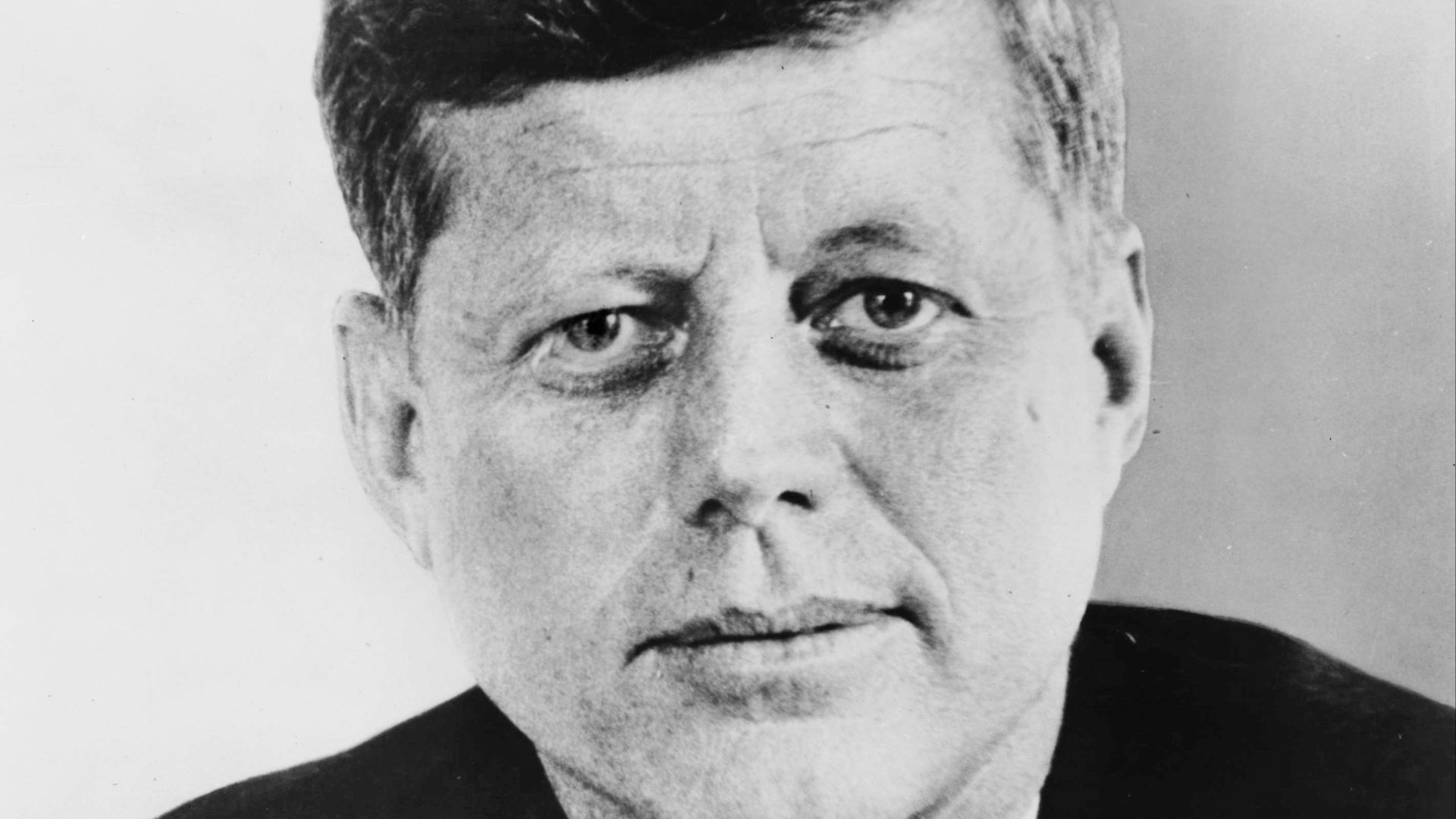
He had tons of money from his father's trust fund but always had others pay for him. Whether he was on a date or out with his Secret Service detail, someone else would reportedly pick up the check. There's an interesting contradiction here, though, because Kennedy reportedly donated his entire presidential salary to charity.
16. Aristotle Onassis
He never really liked spending his money. Aristotle would rarely leave big tips and, at times, wouldn't tip at all. He once refused to tip when checking his coat at nightclubs. One amusing story involved Onassis refusing to wear a coat to nightclubs during winter because checking it would mean paying a tip to the attendant. Even aboard his luxurious yacht, he reportedly inspected discarded food and reprimanded the crew for throwing away perfectly edible leftovers.
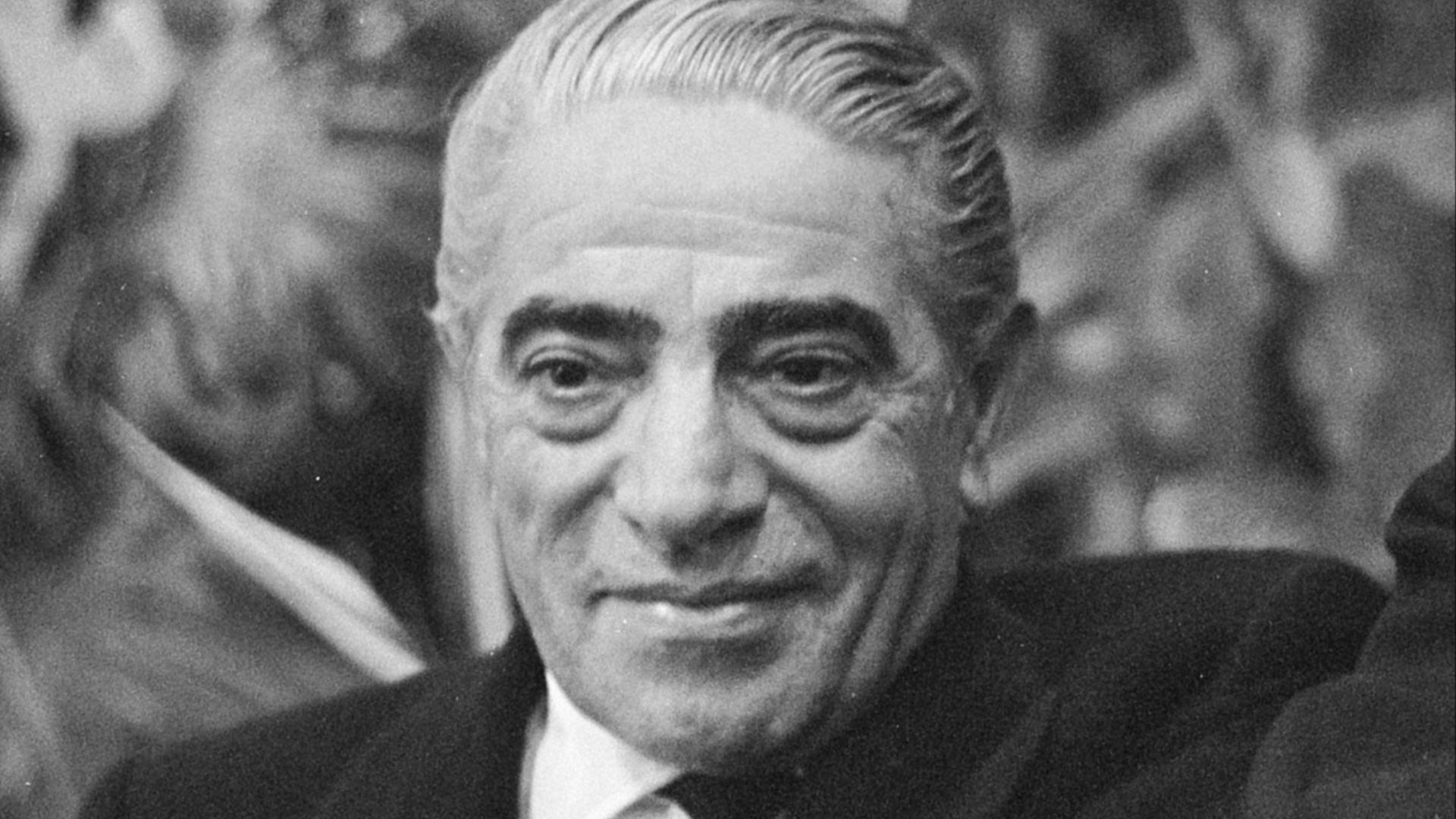 Pieter Jongerhuis on Wikimedia
17. Edward VIII, Duke of Windsor
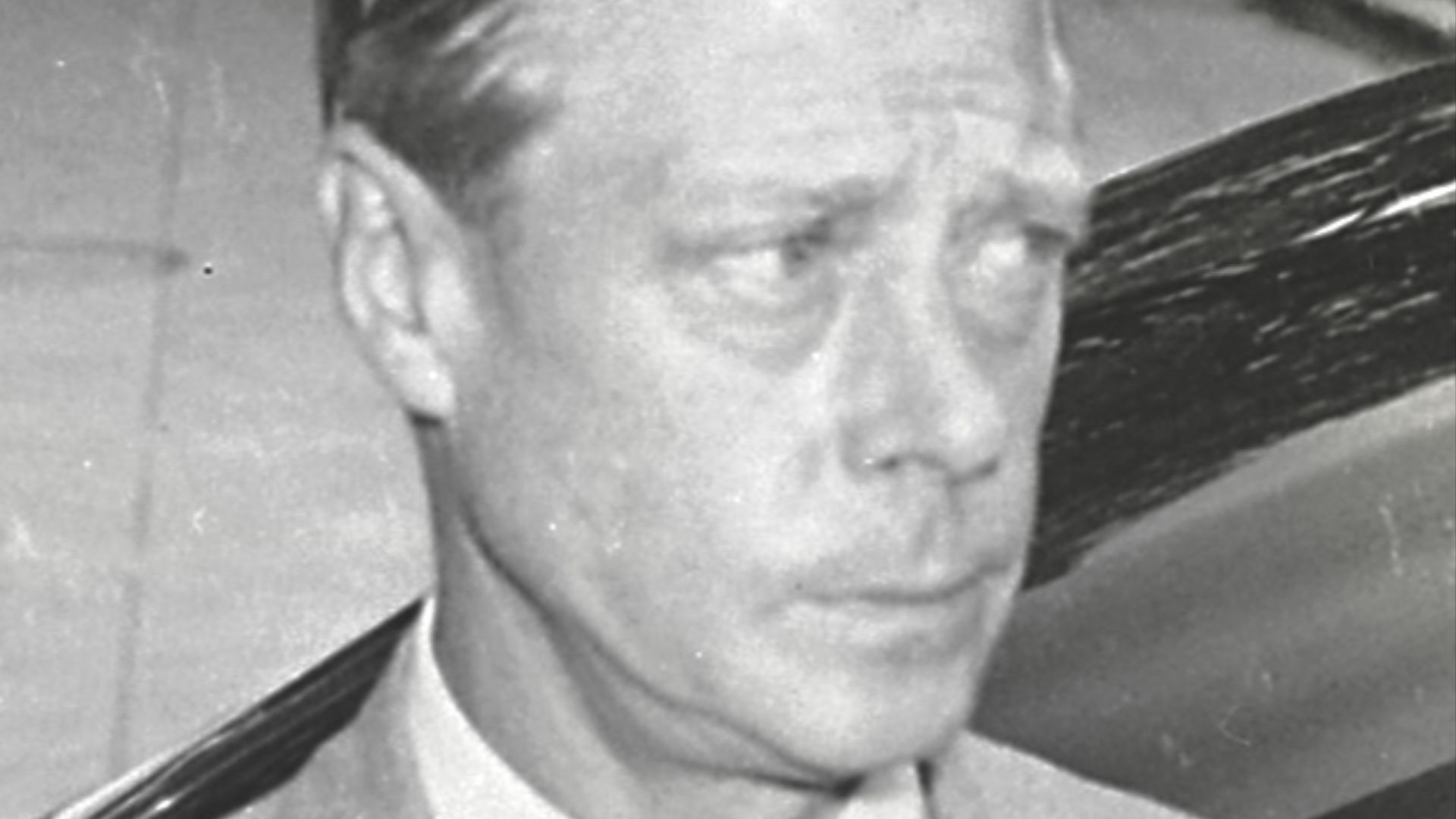
Edward gave up his position as king to marry Wallis Simpson. He still had money and enjoyed his life all over the world. Edward would try to find other ways to avoid paying when eating at a restaurant. His wife Wallis, meanwhile, had considerably more expensive tastes in clothes and jewelry, so the couple's approach to spending money was certainly interesting.
18. Anne Scheiber
She never had a high-paying job but saved up around $22 million. She worked for the IRS and saved almost all of her income. She never bought anything unnecessary. When she died in 1995, she left her fortune to support women's education at Yeshiva University, demonstrating that her frugality ultimately served a charitable purpose.
19. Ingvar Kamprad
Ingvar Kamprad founded IKEA and eventually became one of the wealthiest businessmen in the world. Despite his billions, he was famous for flying economy class, driving older vehicles, buying clothes at flea markets, and looking for bargains whenever he went shopping. He even reportedly reused teabags rather than throwing them away after a single use.
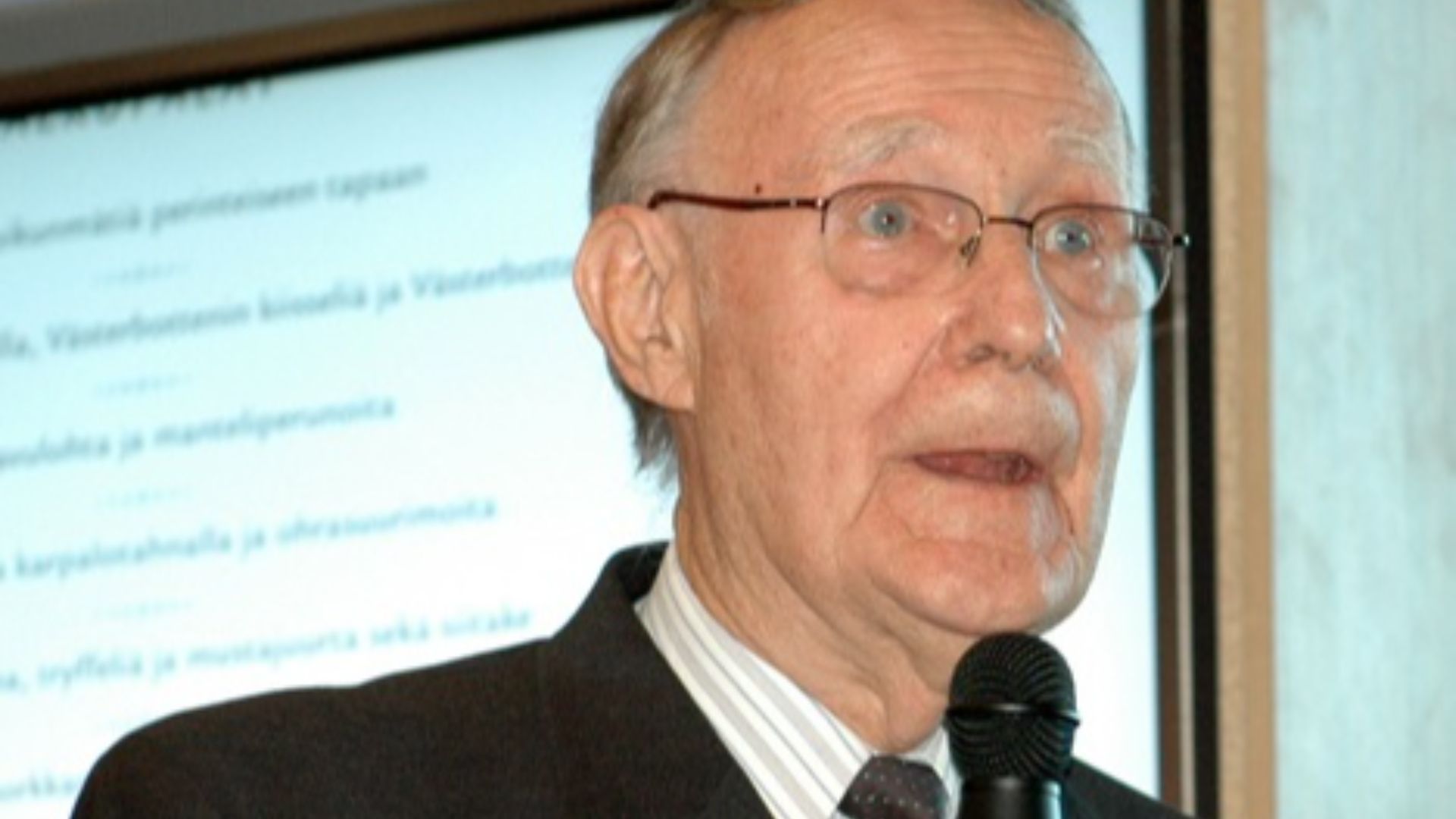 Ministry of Enterprise, Energy and Communications of Sweden/Sandra Baqirjazid on Wikimedia
20. Thomas Cooke
Thomas Cooke was an exceptionally wealthy 18th-century English businessman whose unusual methods of saving money became legendary. Despite owning considerable property and accumulating a substantial fortune, he reportedly kept a racehorse inside his kitchen to avoid paying stable fees.
He also earned the nickname "Cabbage Cooke" because of his unusual methods of collecting fertilizer for his vegetable garden.