

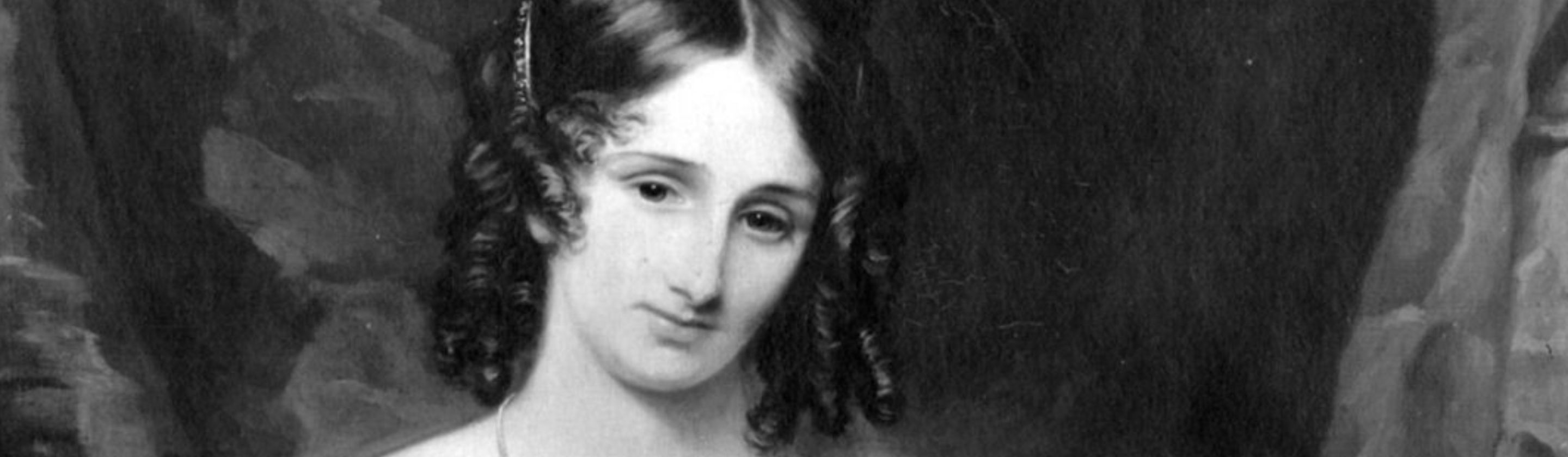
The Woman Behind the Monster
You’ve heard of Frankenstein, but how much do you really know about the woman behind the monster? Mary Shelley’s life was filled with rebellion, romance, tragedy, and brilliance that continues to influence literature and culture today. Her story goes far beyond one groundbreaking novel, and these fascinating facts reveal the unexpected sides of a writer who refused to follow the rules.
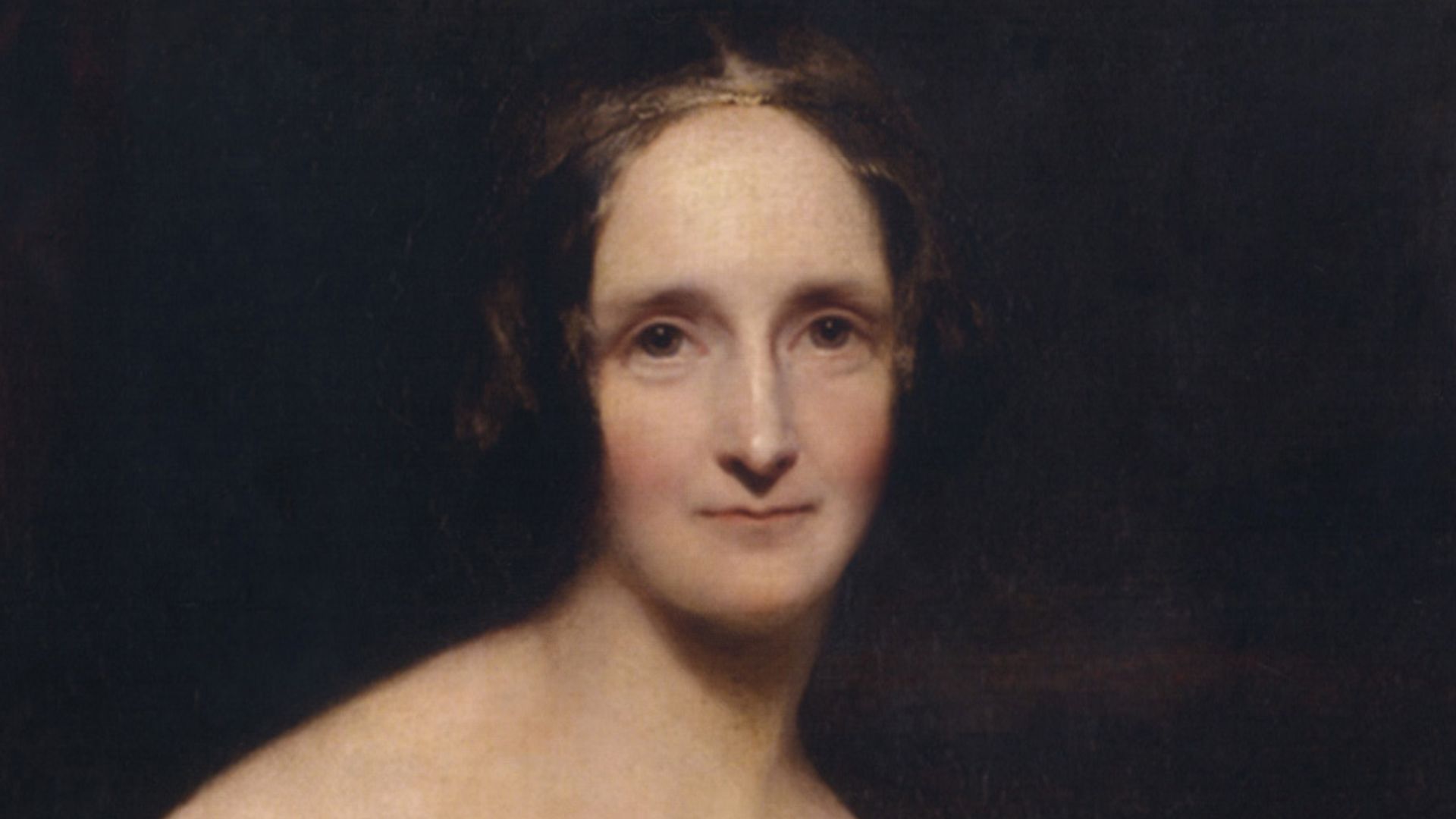
1. Her Mom Was a Feminist Icon
Mary Shelley never met her mother, Mary Wollstonecraft, who died shortly after childbirth. But her legacy was massive. In 1792, Wollstonecraft released her seminal text, A Vindication of the Rights of Woman, a groundbreaking book demanding education and equality for women—ideas that shaped Mary’s worldview.
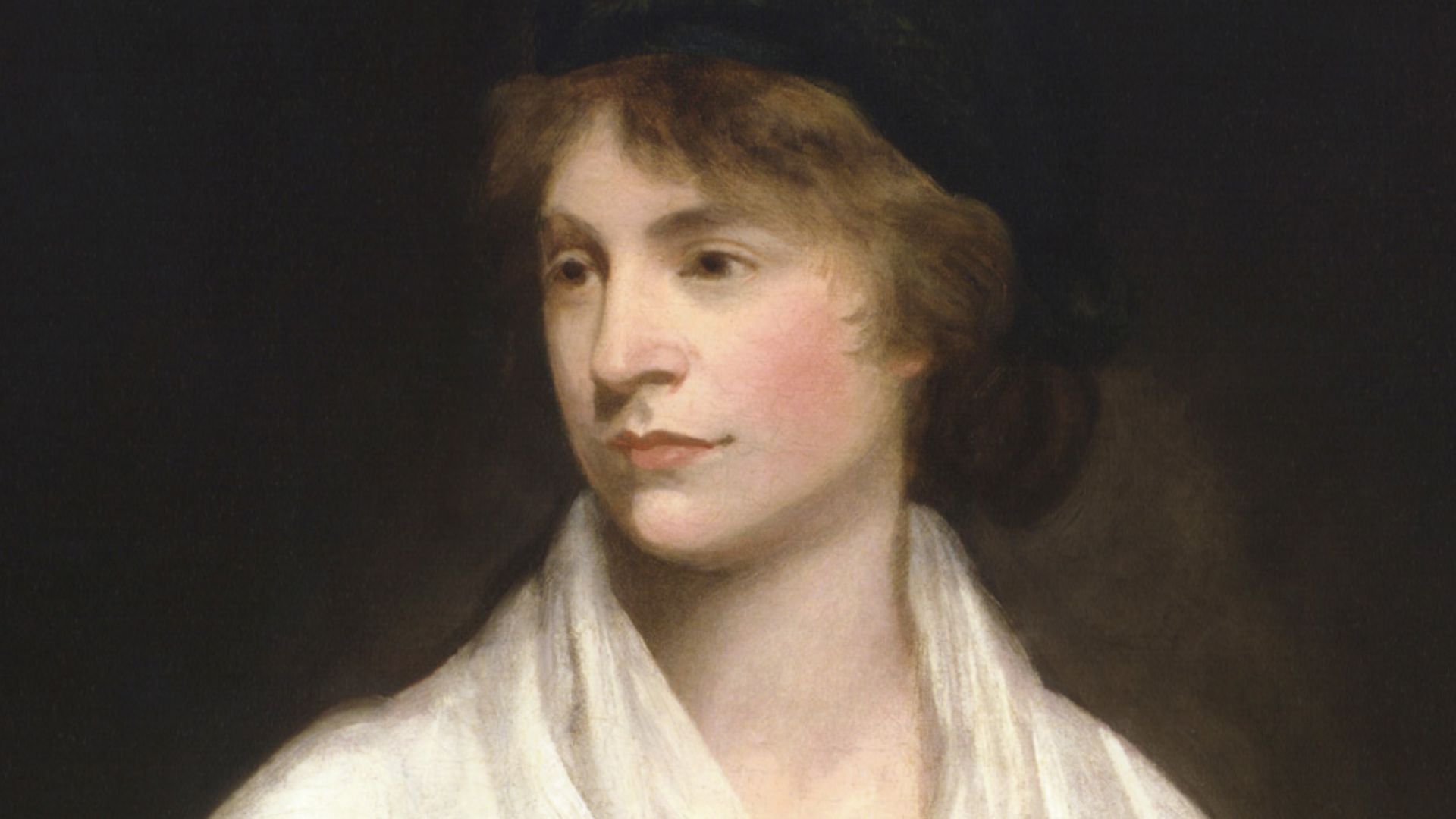
2. Raised By a Philosopher Father
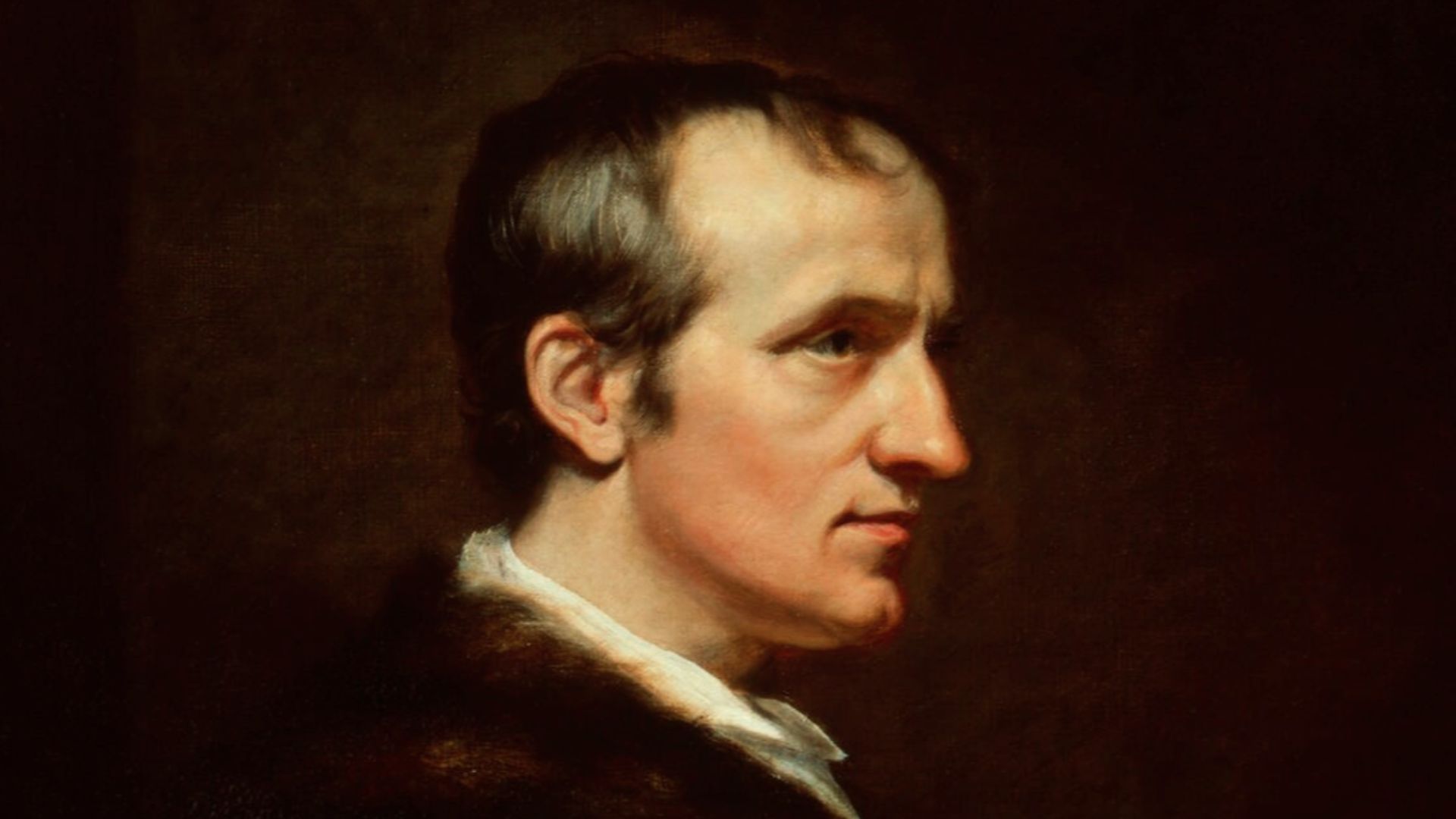
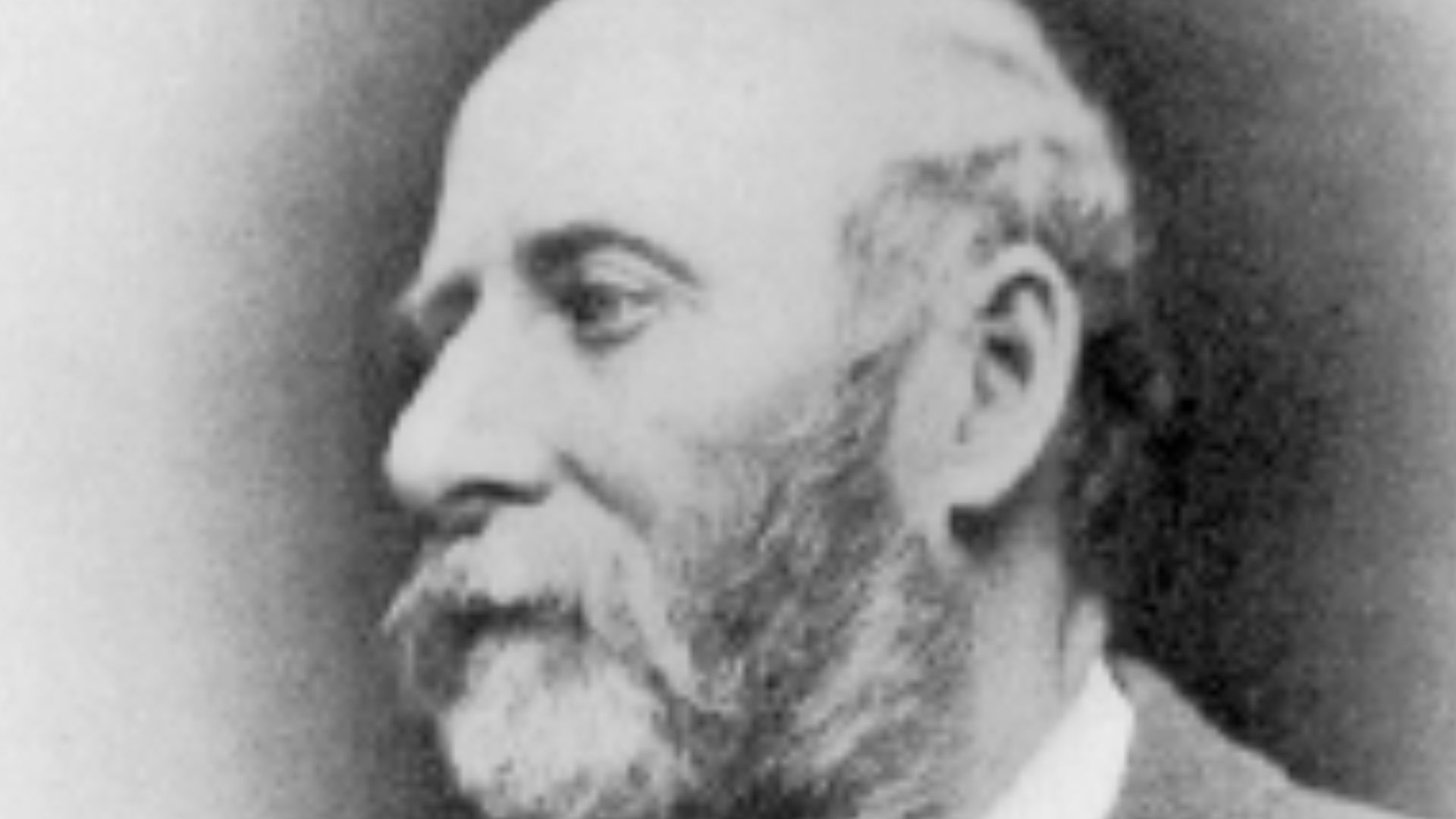
After her mother’s passing, she was raised by her father, William Godwin, a radical philosopher known for his progressive ideas. Their home became a hub for writers and thinkers, exposing Mary to bold conversations and revolutionary beliefs from a very young age.
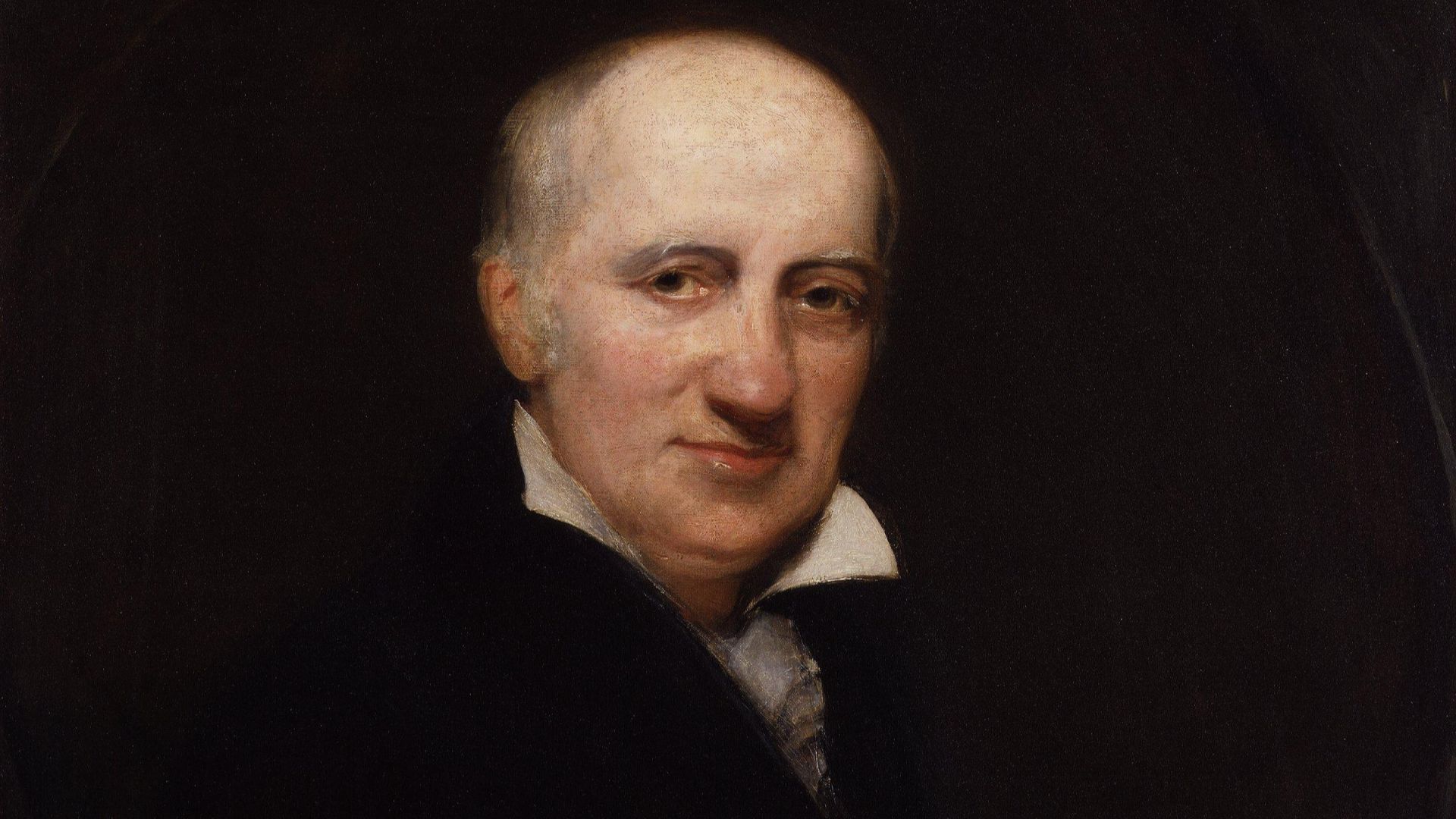 Henry William Pickersgill on Wikimedia
3. Had a Strained Relationship With Her Stepmother
Mary never got along with her stepmother, Mary Jane Clairmont. Their tension stemmed from jealousy, control, and intellectual differences. The conflict led to Mary spending time away from home and played a part in her decision to run off with Percy Shelley.
4. Published Her First Work at Age Ten
Her first known published piece appeared when she was just ten years old. It was a short poem printed in her father’s publication, The Juvenile Library. Even as a child, she was already stepping into the literary world around her!
5. Eloped With a Married Poet
At just 16, Mary ran away with Percy Bysshe Shelley, who was already married. Their scandalous relationship shocked London society, but despite the controversy, the two shared a deep intellectual bond, writing, traveling, and challenging norms together during their passionate but turbulent partnership.
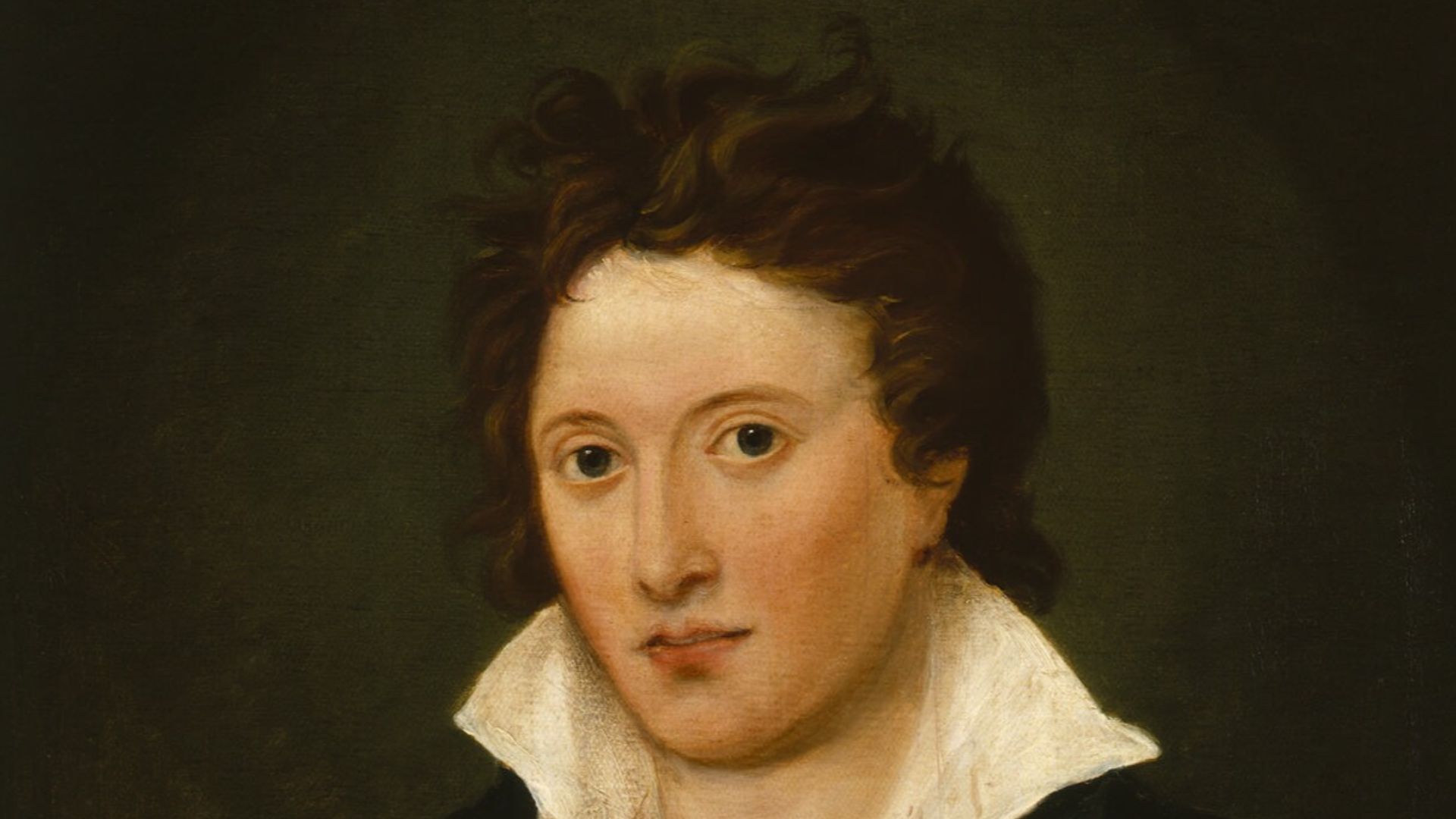 After Amelia Curran on Wikimedia
6. Frankenstein Began During a Stormy Summer
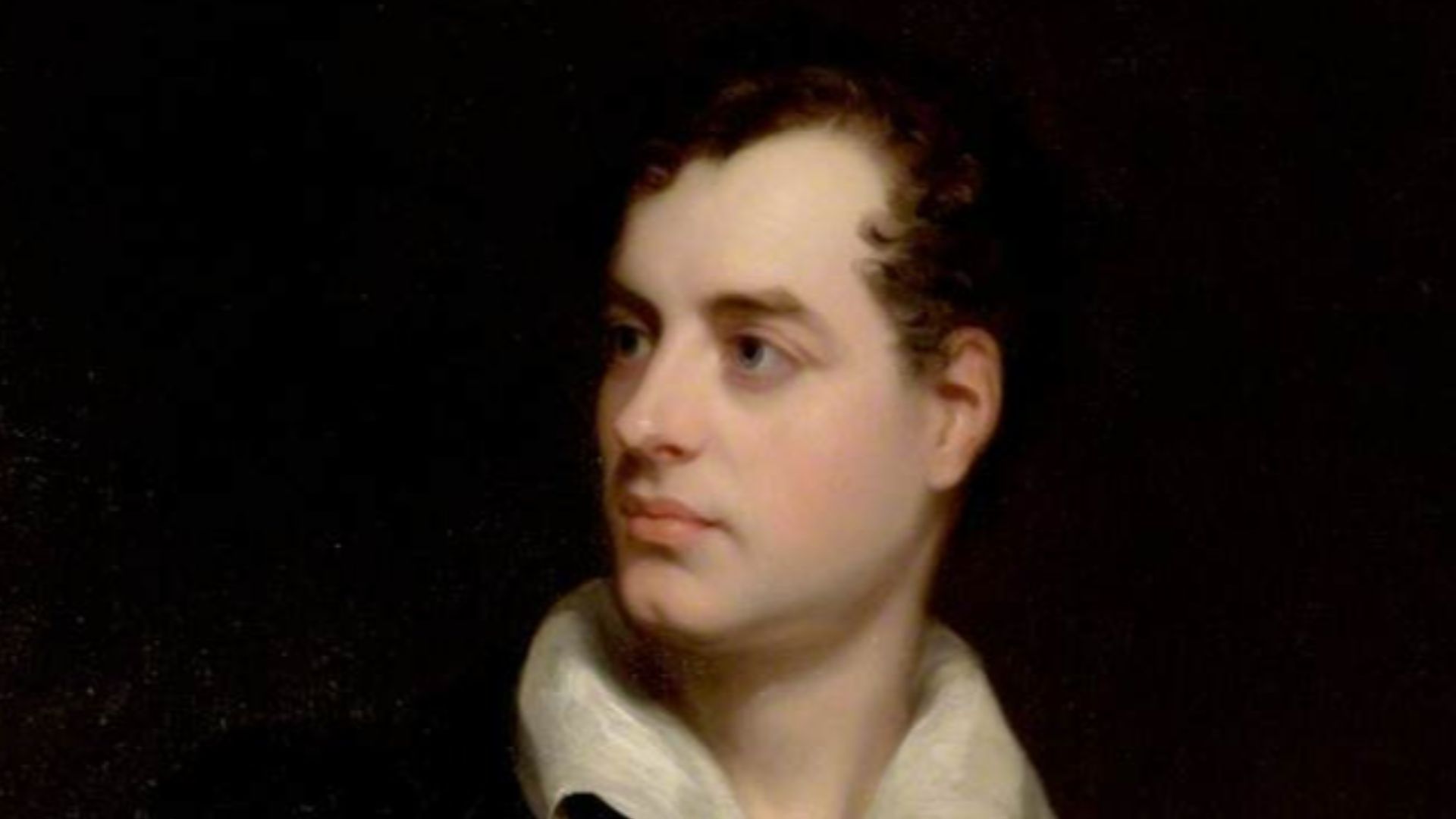
In 1816, Mary stayed at Lake Geneva with Percy and Lord Byron. Cold, stormy weather from the Mount Tambora eruption kept them indoors, so Byron proposed a ghost story challenge. From that eerie gathering, Frankenstein and even early vampire fiction were born.
7. Imagined Frankenstein at Eighteen
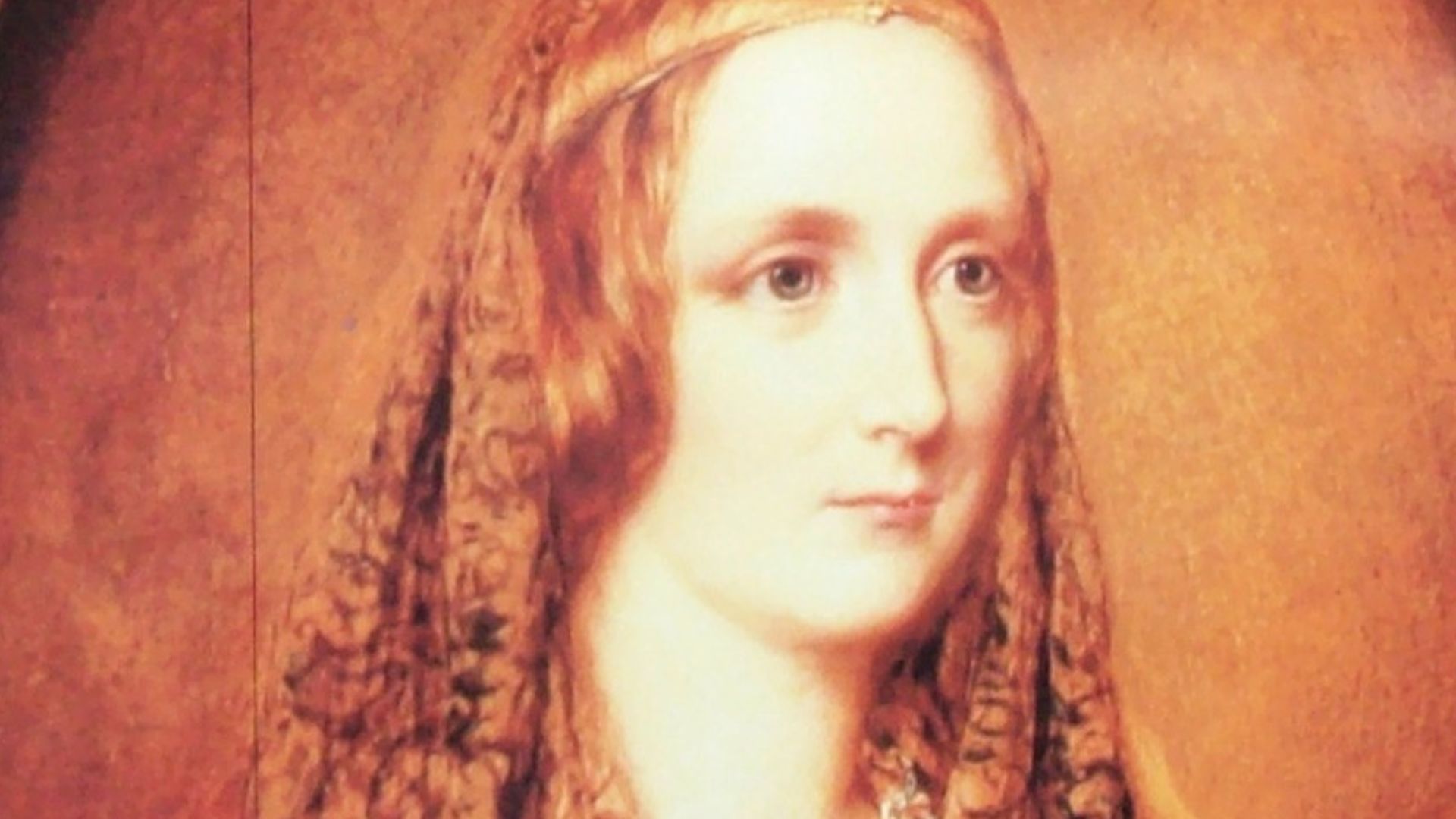
She was just 18 when she came up with Frankenstein. She later explained that the idea came to her in a vivid waking dream, and even in her 1831 introduction, she emphasized that the story wasn’t planned—it simply rose from her imagination.
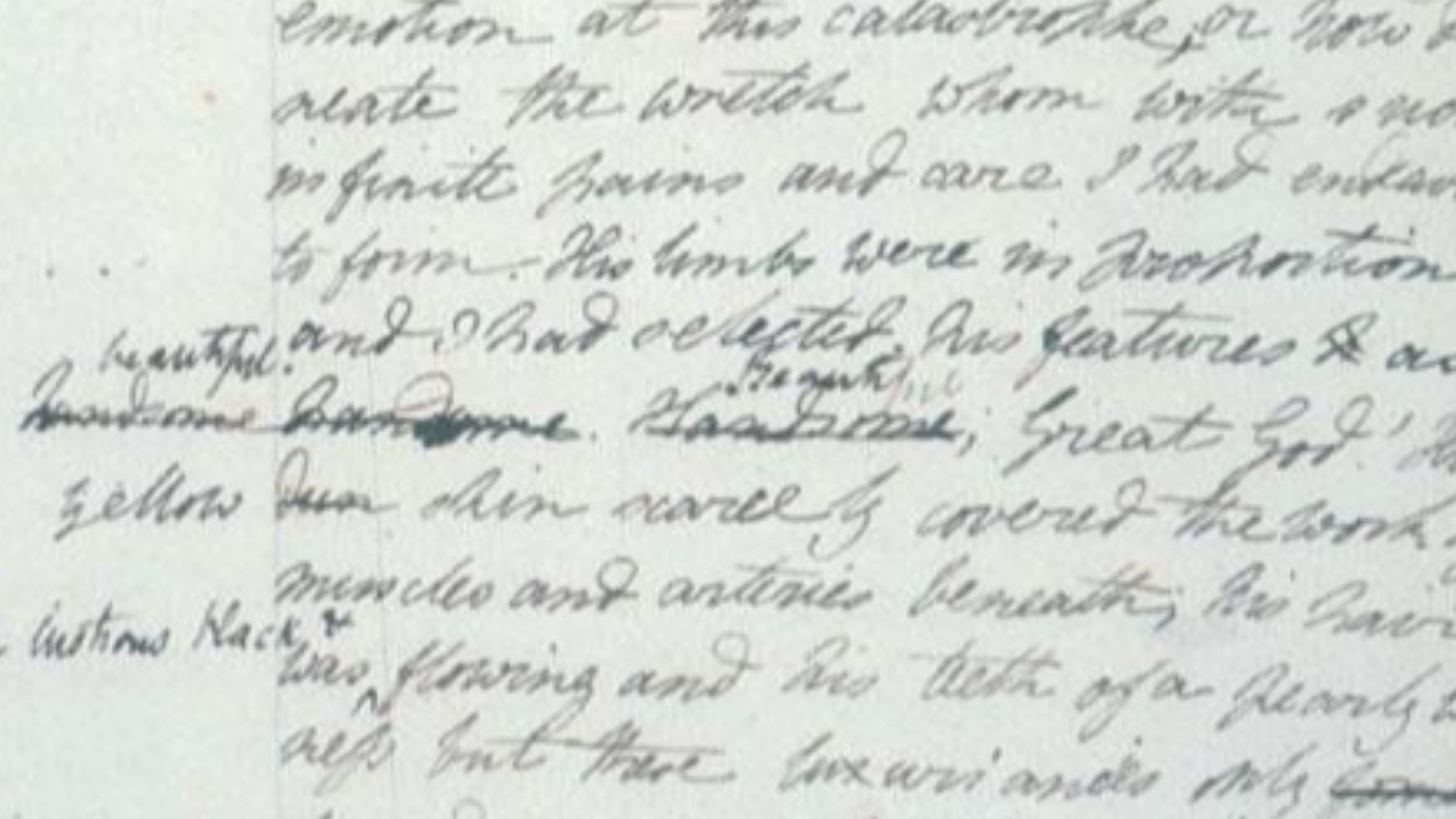 Mary Shelley (1797-1851) on Wikimedia
8. Published Frankenstein Anonymously
When Frankenstein hit shelves in 1818, Mary Shelley’s name wasn’t on the cover. Readers and critics guessed her husband, poet Percy Shelley, wrote it. Her name only appeared years later, after the book became a success and people finally knew who really created the monster.
9. Critics Hated It, Plays Saved It
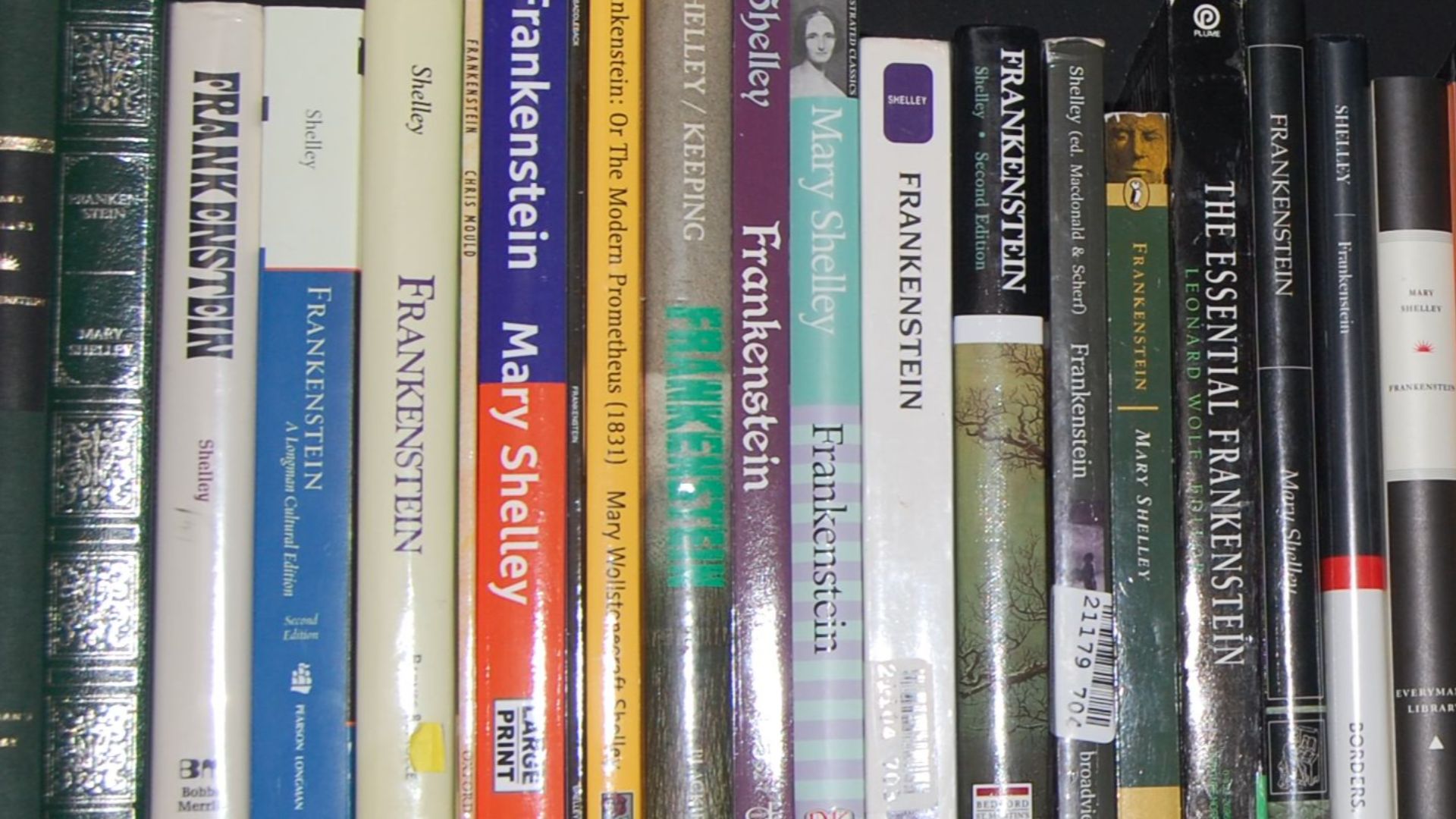
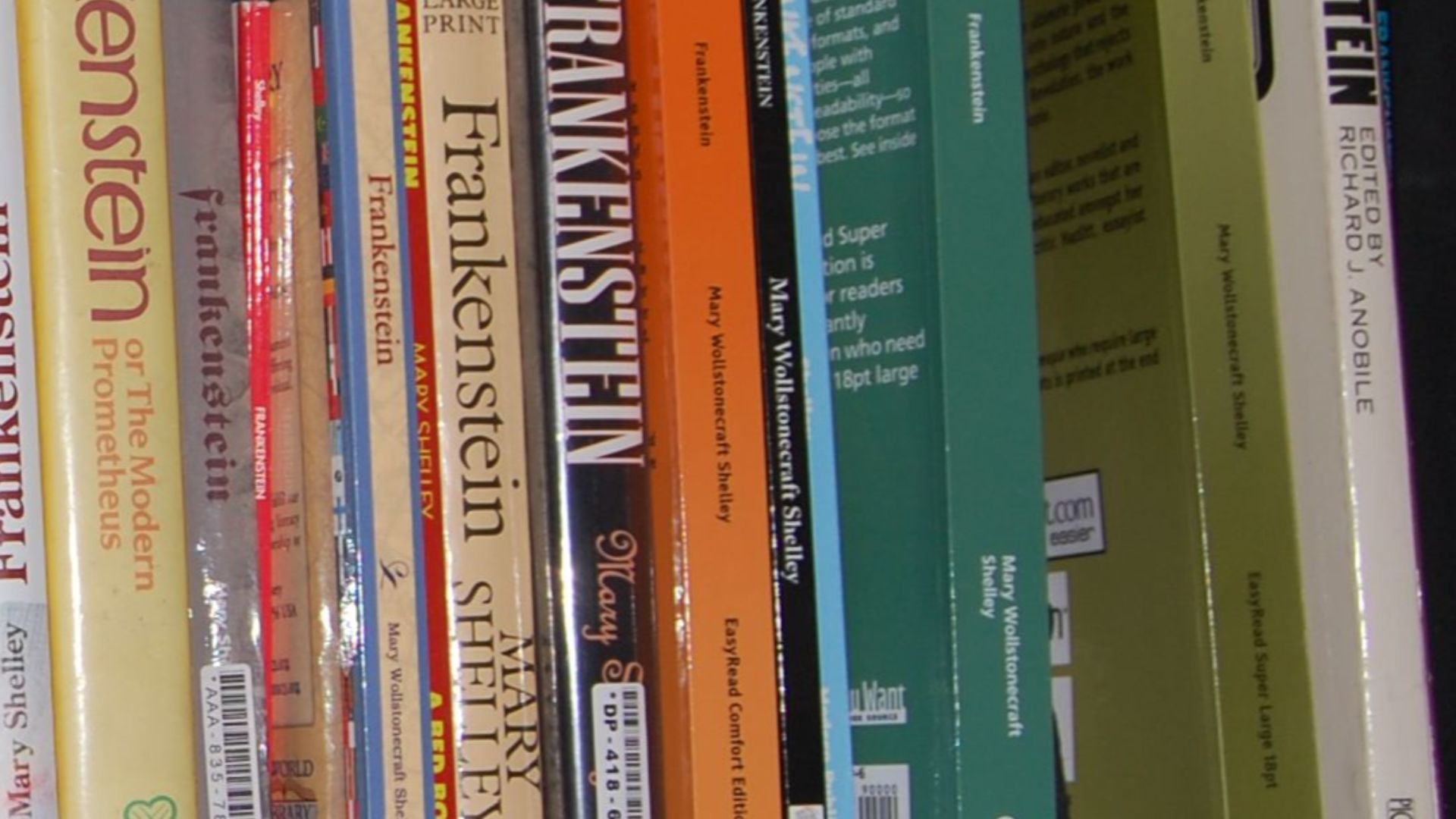
Many critics slammed Frankenstein as immoral and disturbing when it first came out. But things changed once theater adaptations started popping up in the 1820s. These plays helped the story reach wider audiences; some people saw it onstage before they ever picked up the book.
10. Wrote Children’s Stories, Too
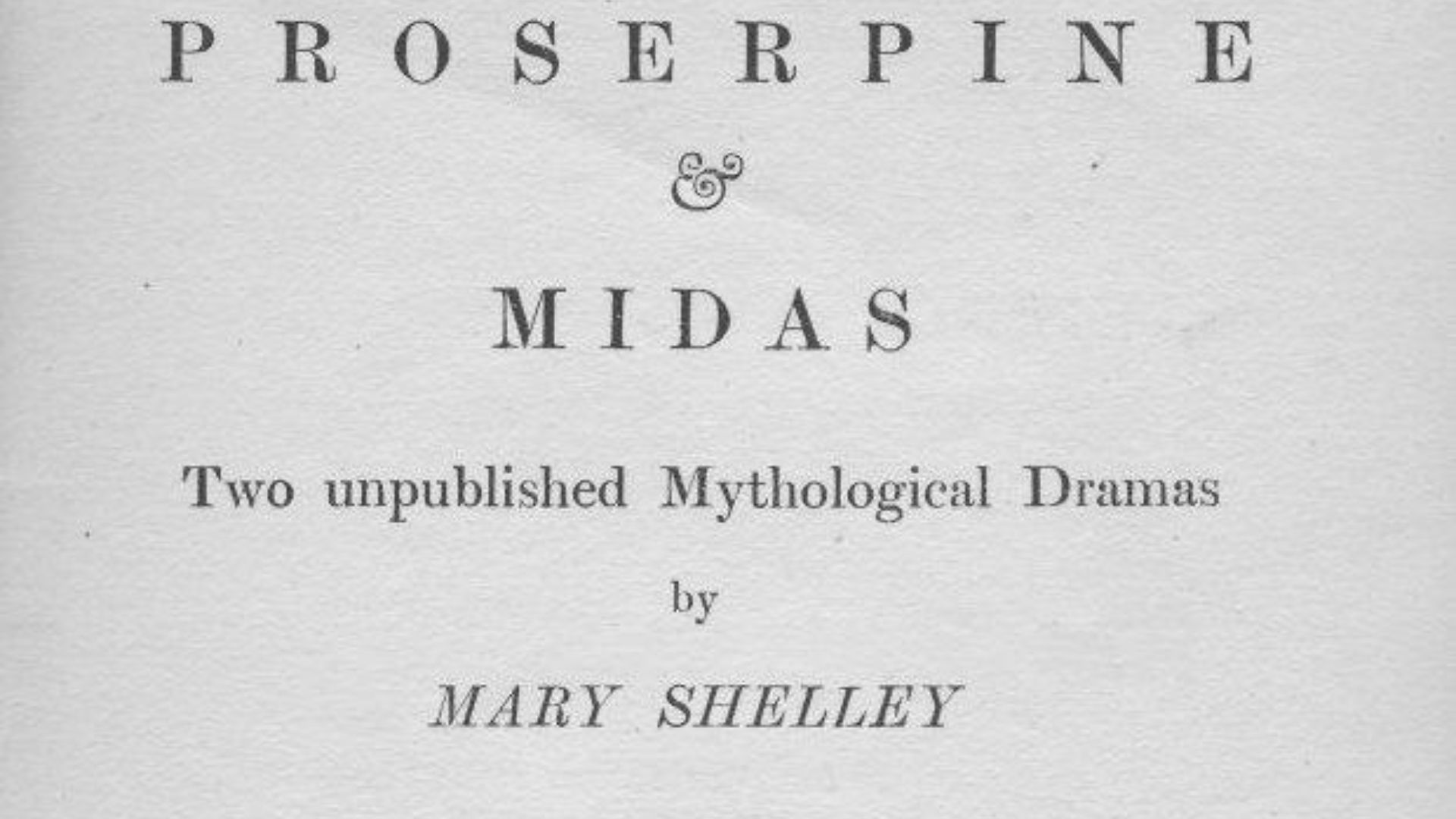
Mary Shelley didn’t just write about monsters and plagues. In the early 1820s, she created children’s stories like Proserpine and Midas, which retold ancient myths in simple, engaging ways. She wrote them while living in Italy with Percy and their young son.
 User:Awadewit and User:Shoemaker's Holiday cleaned up the image on Wikimedia
11. Widowed at Twenty-Four
She lost her husband, Percy Bysshe Shelley, in a tragic drowning accident in 1822. She was just 24. Despite being young, she never remarried. Instead, she dedicated much of her life to preserving and promoting Percy’s poetry and legacy.
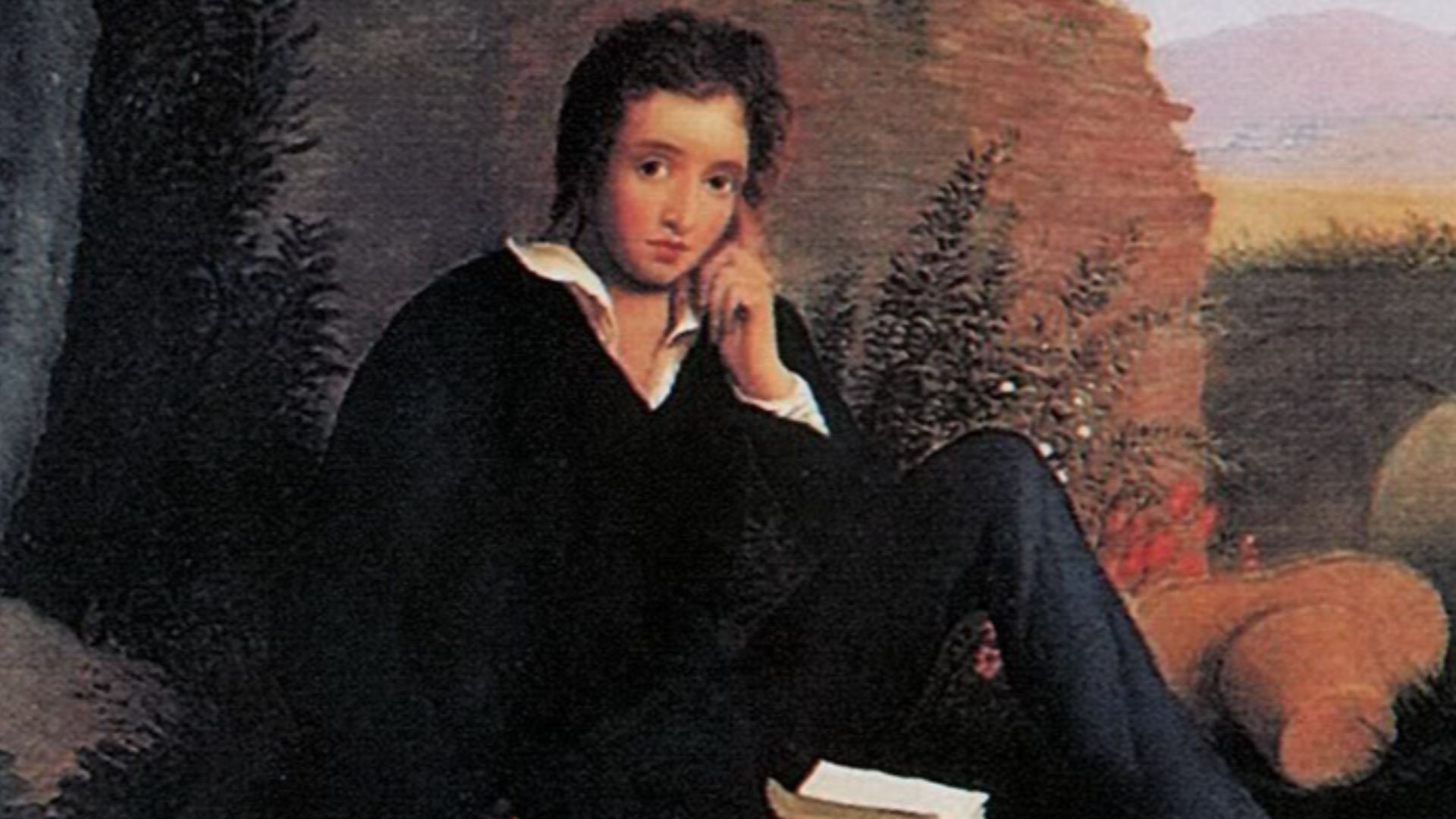 Unknown authorUnknown author on Wikimedia
12. Preserved Percy’s Unburned Heart
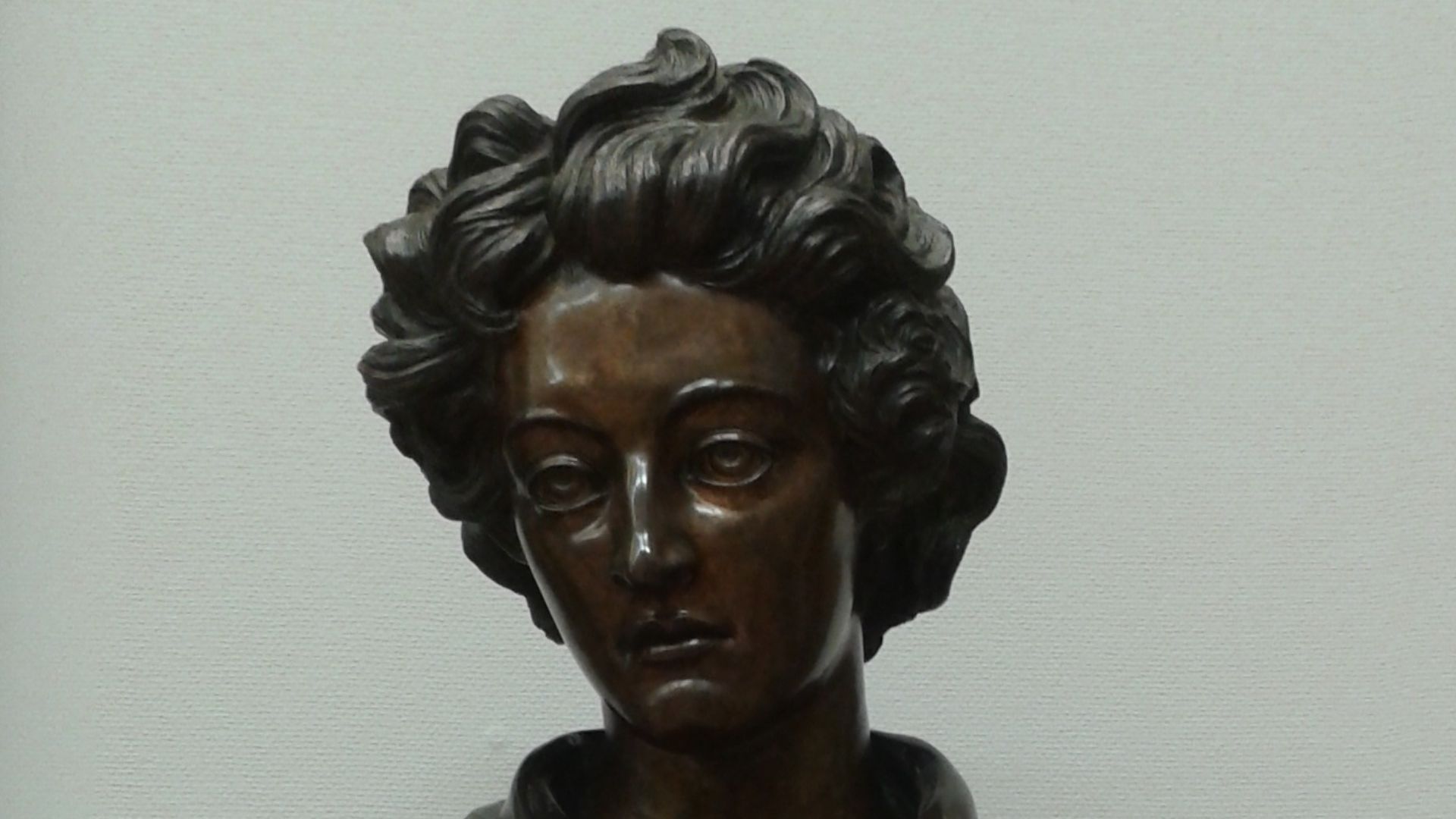
After Percy’s cremation in Italy, something shocking happened—his heart didn’t burn. She kept the calcified remains wrapped in paper for years. The heart stayed with her long after his passing and was only discovered among her belongings after she passed away.
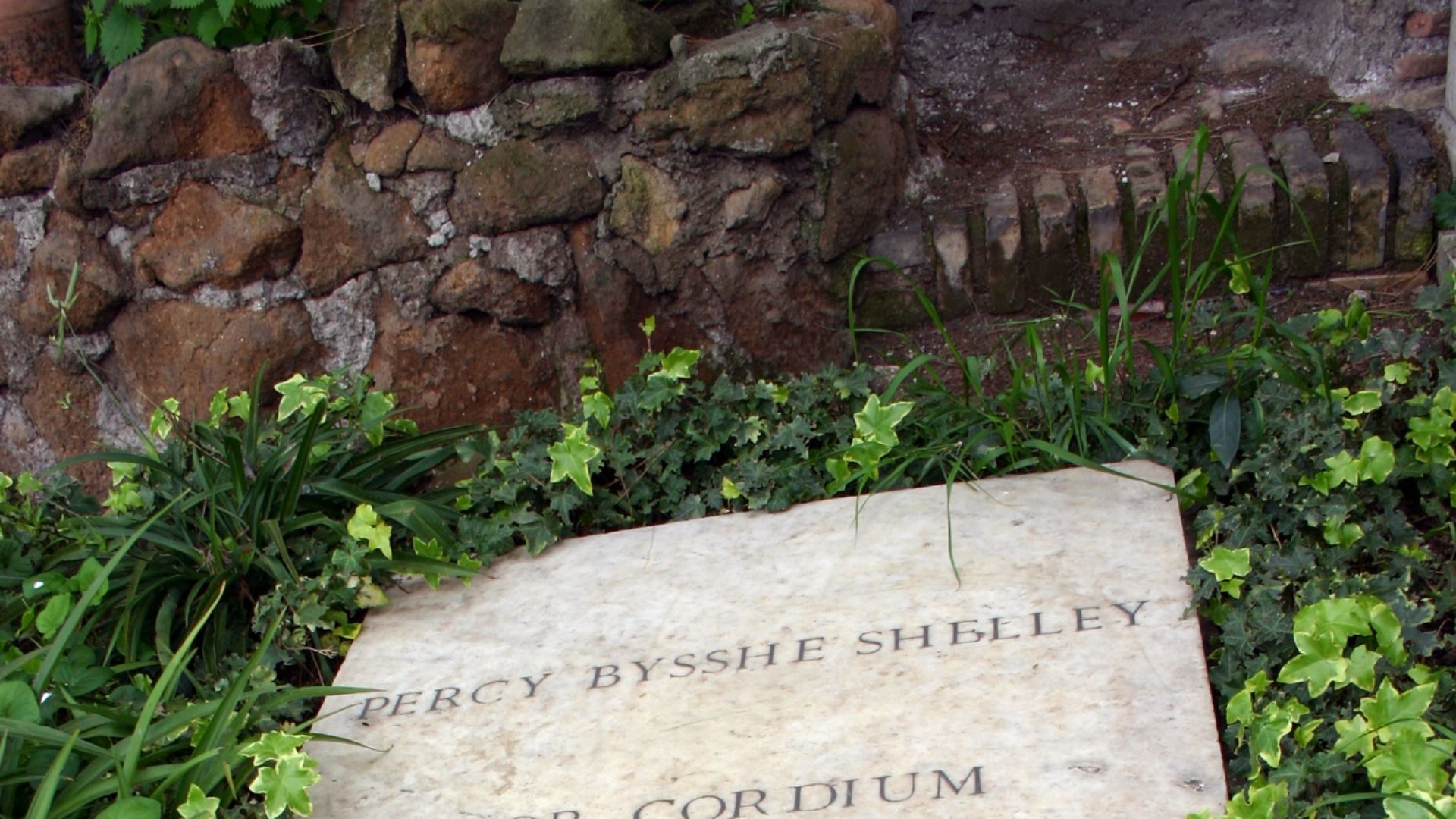 Giovanni Dall'Orto on Wikimedia
13. Shaped Percy’s Legacy After Death
Mary became Percy’s literary guardian after he died; she edited his poetry collections, added notes, and wrote introductions. Her dedication ensured his work reached future generations. Without her efforts, much of his poetry might’ve faded into obscurity.
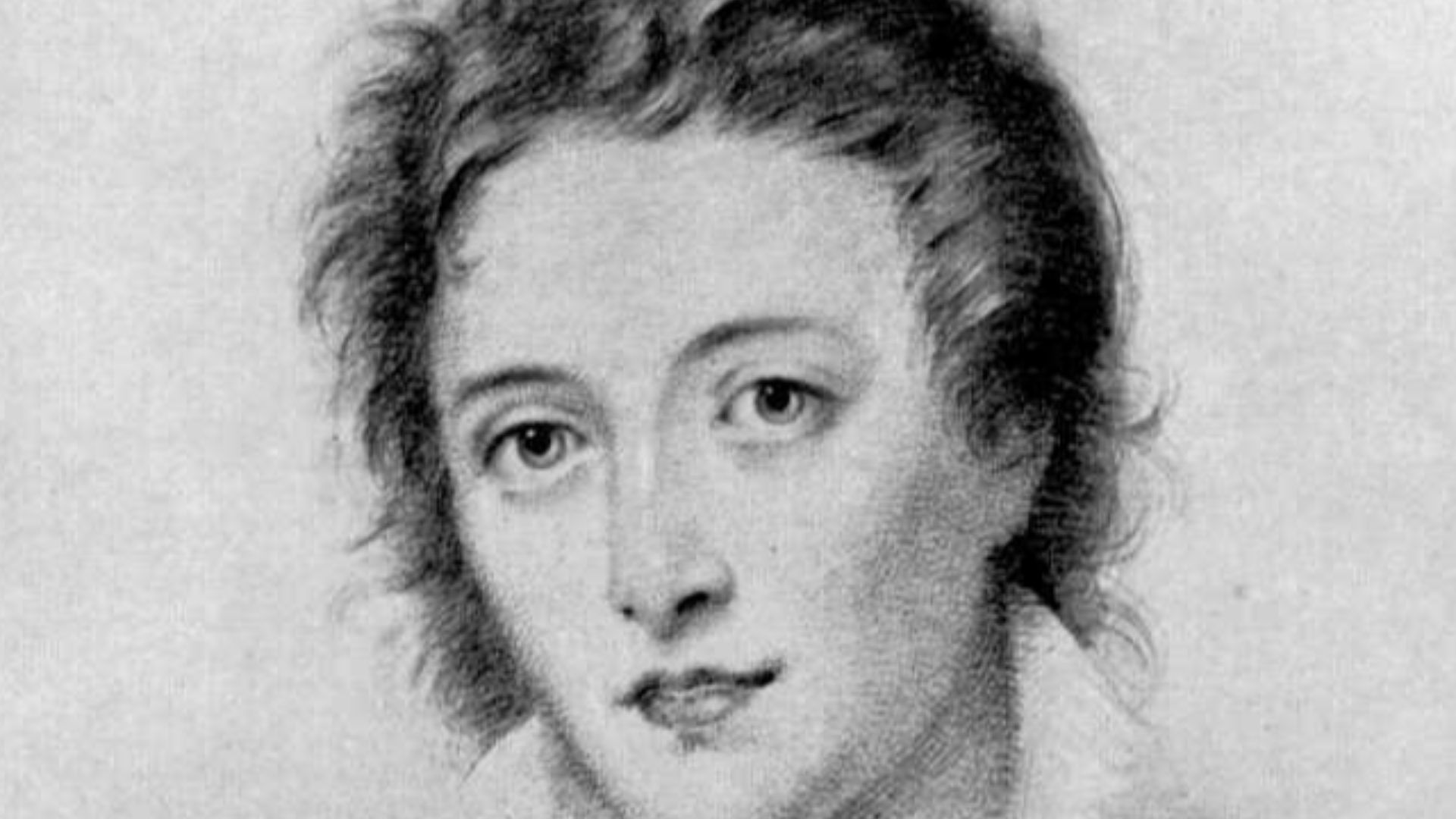
14. Supported Herself as a Writer
After Percy’s passing, Mary didn’t rely on family wealth. She supported herself and her son through writing biographies and novels. In a male-dominated literary world, she built a career on her own talent and intellectual credibility.
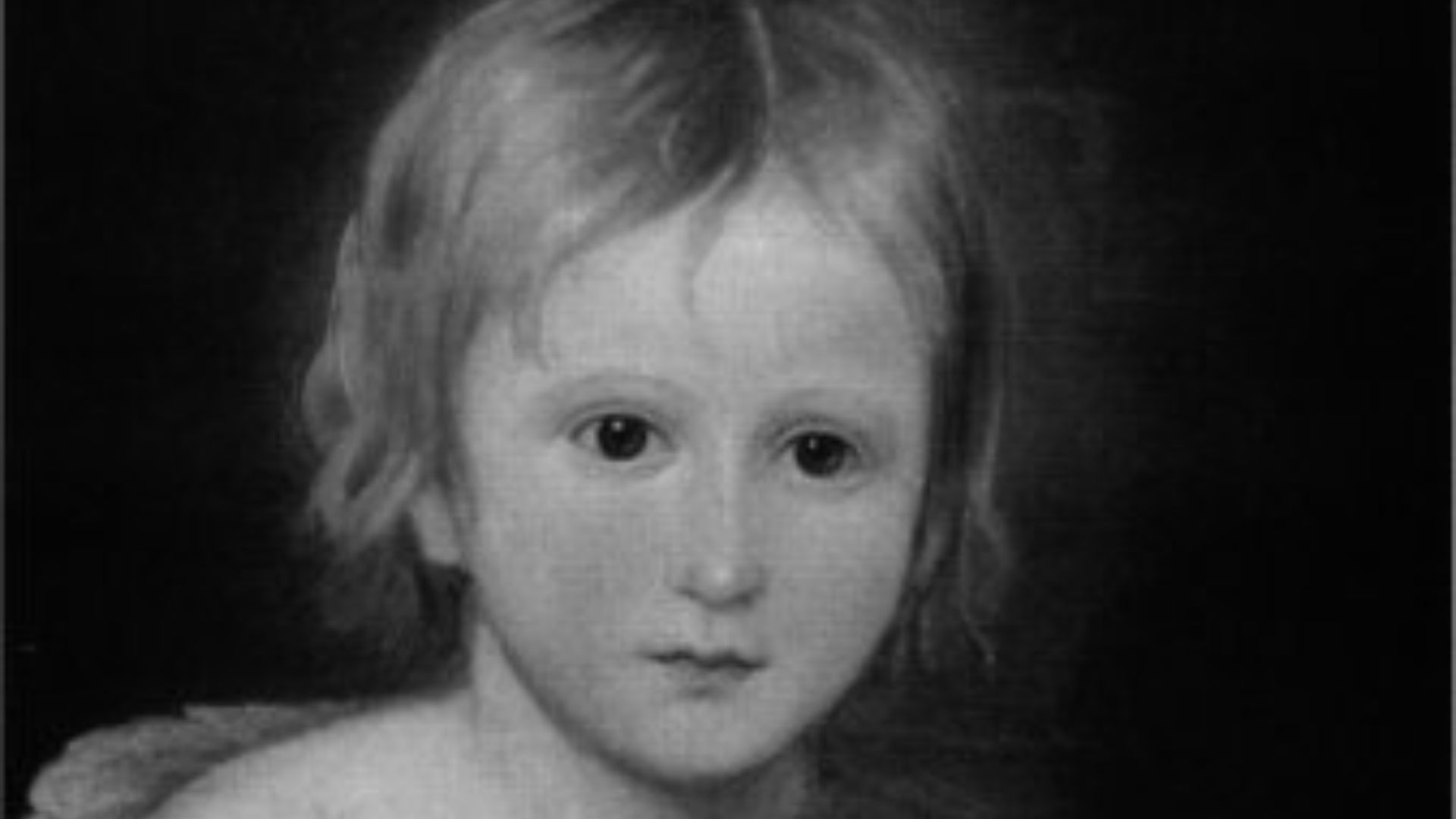
15. Endured Heartbreaking Losses
She gave birth to four children, but only one survived into adulthood. Of course, the deaths of her babies and young children devastated her, and these personal tragedies haunted her for life and shaped the emotional depth found in much of her writing.
16. Traveled Extensively Across Europe
Her life wasn’t confined to England. She lived in Italy, Switzerland, and France at different points, often with Percy and their circle. These travels exposed her to political unrest and new cultures that deeply influenced her worldviews and writings.
17. Stayed Politically Bold in Her Writing
She never stopped challenging authority. Even after Percy’s death, her novels questioned inequality and criticized power structures. Though her tone became more restrained with time, she remained committed to reformist ideals and used fiction to push back against injustice and oppression.
18. Wrote About a Global Plague
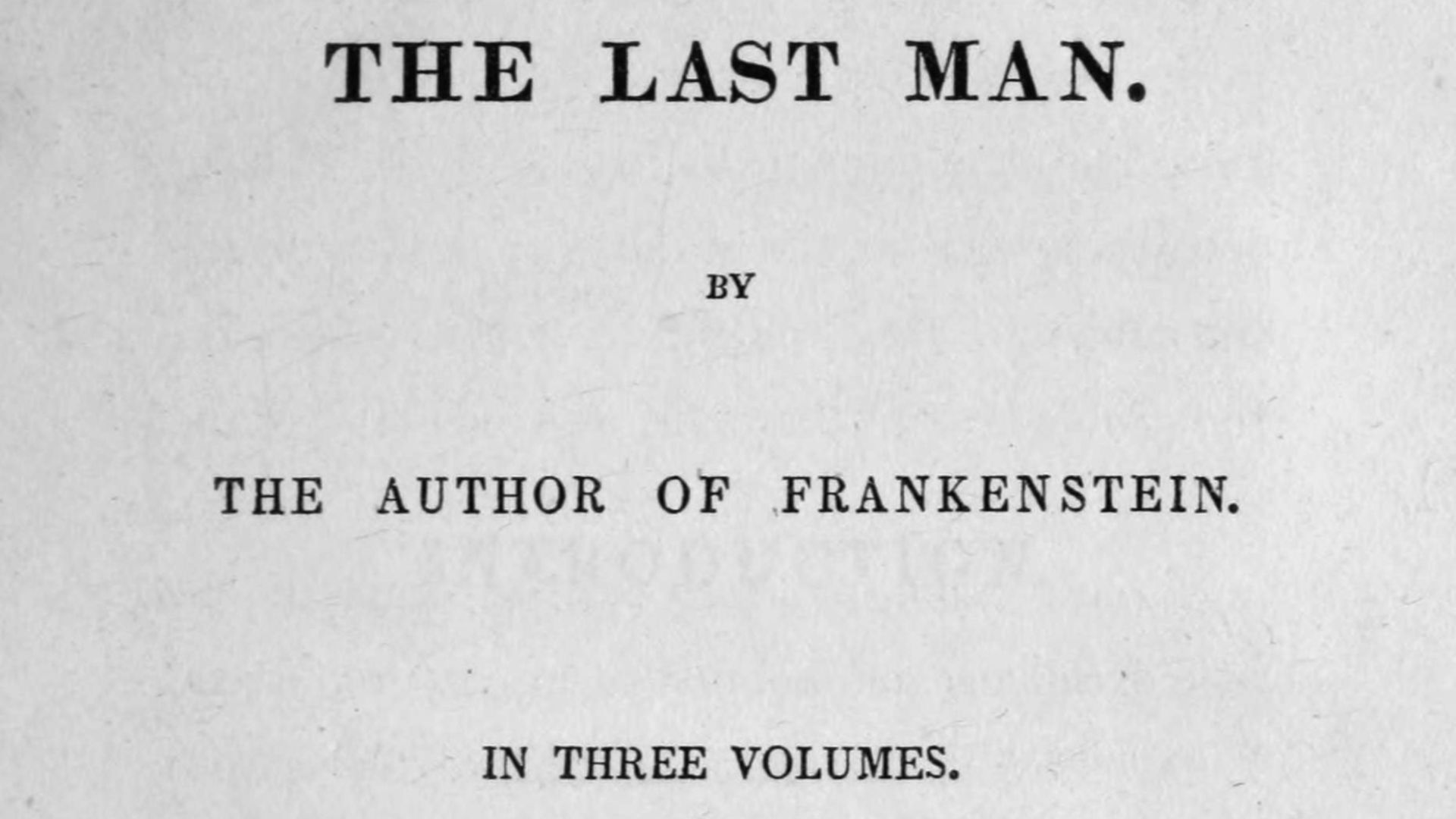
Long before apocalyptic fiction became popular, Mary imagined a future destroyed by disease. Her 1826 novel The Last Man tells the story of a worldwide plague that wipes out humanity. It’s actually now seen as one of the earliest dystopian science fiction works.
19. Invented Science Fiction Before It Had a Name
Shelley’s Frankenstein didn’t rely on ghosts or magic—it explored scientific experiments and the consequences of human ambition. Many scholars consider it the first true science fiction novel. Mary herself once called it a “scientific romance,” long before the genre had a label.
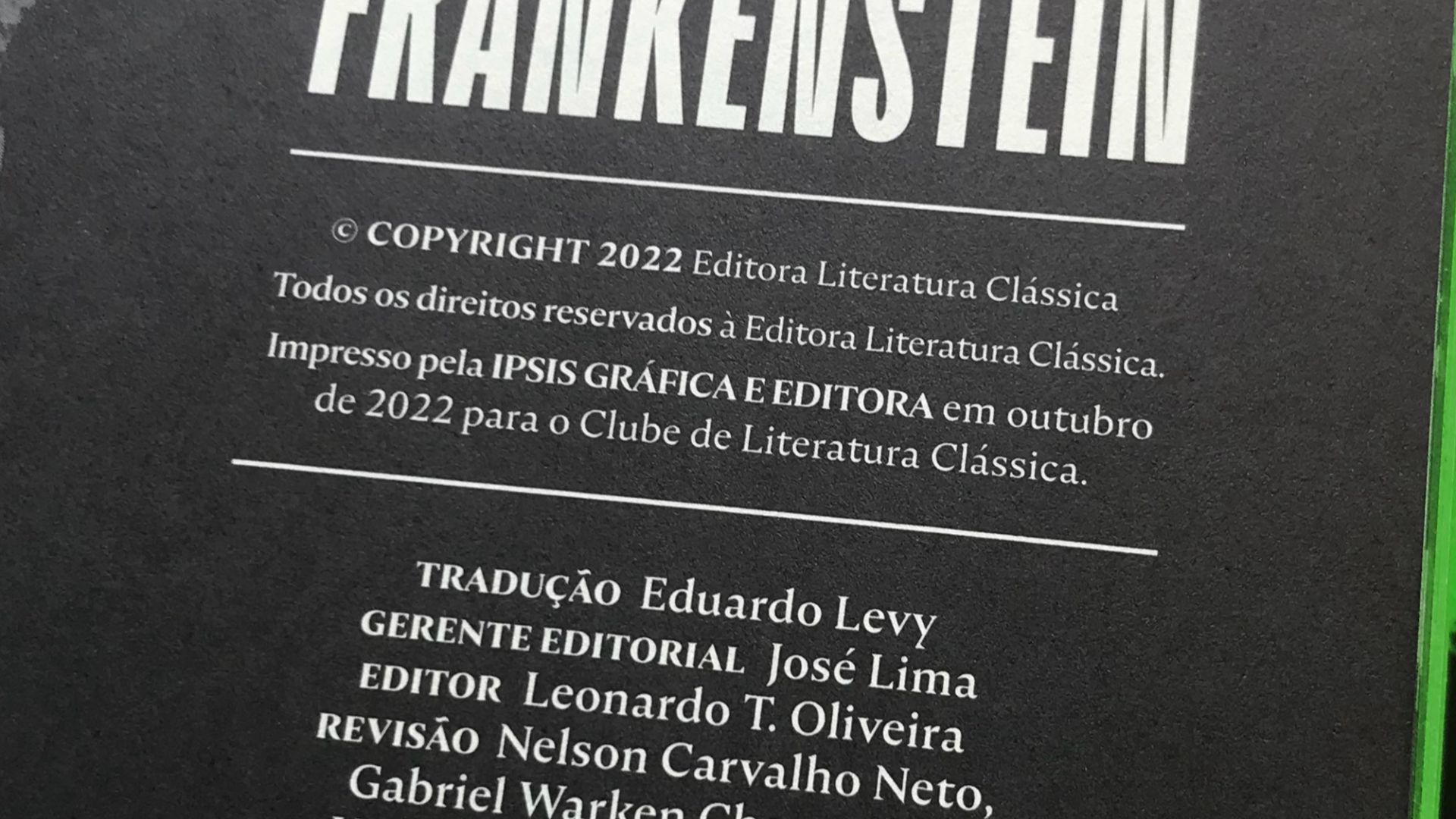
20. Dozens of Frankenstein Films Exist
Since the early 1900s, Frankenstein has been adapted for the screen more than fifty times. Versions range from silent films to modern remakes in multiple languages. It remains one of the most frequently reimagined stories in cinema history—an enduring tale of science and consequence.
KEEP ON READING
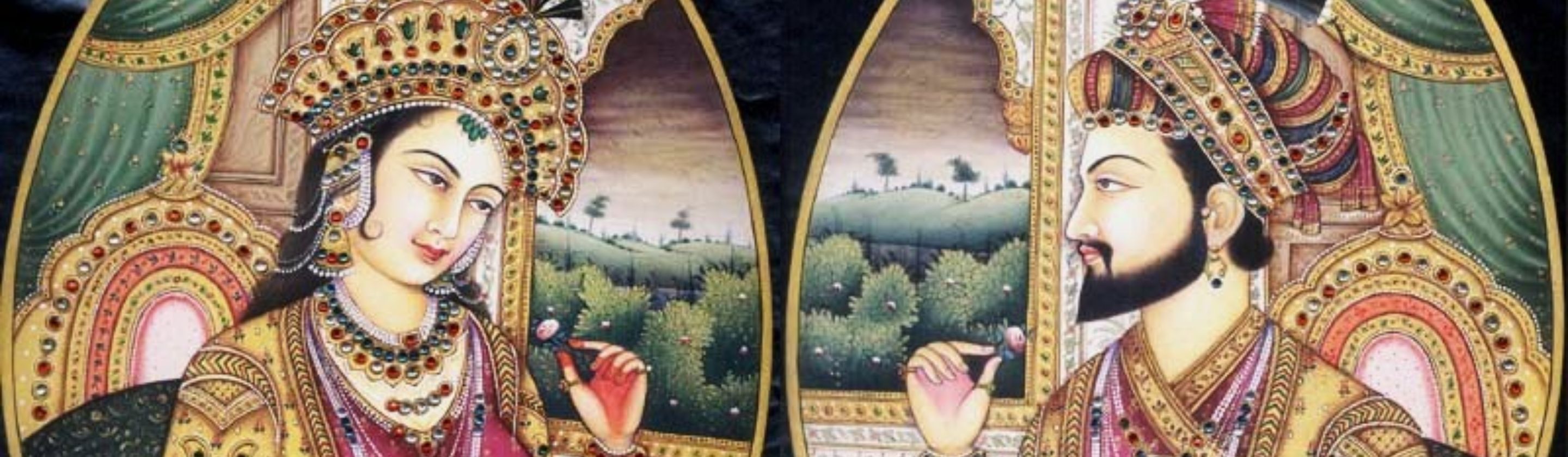
The Love Story Behind the Taj Mahal Was Also a…
Koushik Chowdavarapu on UnsplashThe Taj Mahal is often introduced as…
By Emilie Richardson-Dupuis Apr 2, 2026
JFK's Last Meal Is A Testament To His Character
Walt Cisco, Dallas Morning News on WikimediaHistory often focuses on…
By Sara Springsteen Apr 2, 2026
Public Executions Were Once the Most Attended Events in Town…
Georg Heinrich Sieveking on WikimediaFor centuries, a public execution could…
By Breanna Schnurr Apr 2, 2026
20 Old Hollywood Feuds That Went Beyond The Studio Lot
When The Smiles Stopped. Old Hollywood sold a polished fantasy,…
By Breanna Schnurr Apr 2, 2026
The Coup Triggered by a Pop Song
Matheus Ferrero on UnsplashMost political upheavals have a trigger that…
By Cameron Dick Apr 2, 2026
How The Black Death Spurred the Renaissance
Art Institute of Chicago on UnsplashThe Black Death, which swept…
By Rob Shapiro Apr 2, 2026