

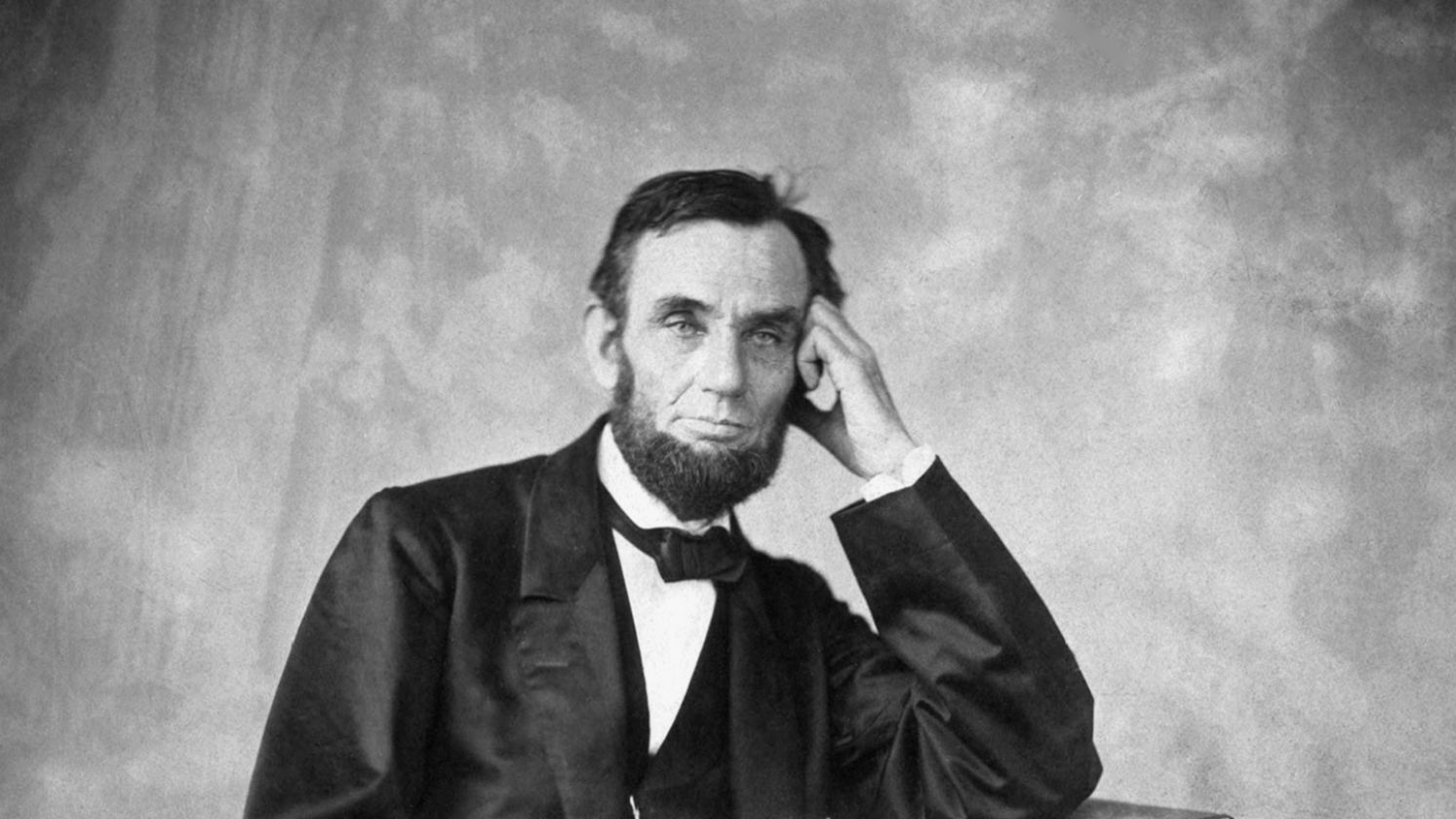
20 Historical U.S. Figures Even The Rest Of The World Knows About
Icons That Made It Everywhere
Some names echo beyond borders without trying. That's what happens when a person's impact spills past headlines and history books. Across politics, music, science, and sport, certain American figures became global touchpoints—recognizable and relevant no matter where you are. Here, we look at 20 of those names.
 Unknown authorUnknown author on Wikimedia
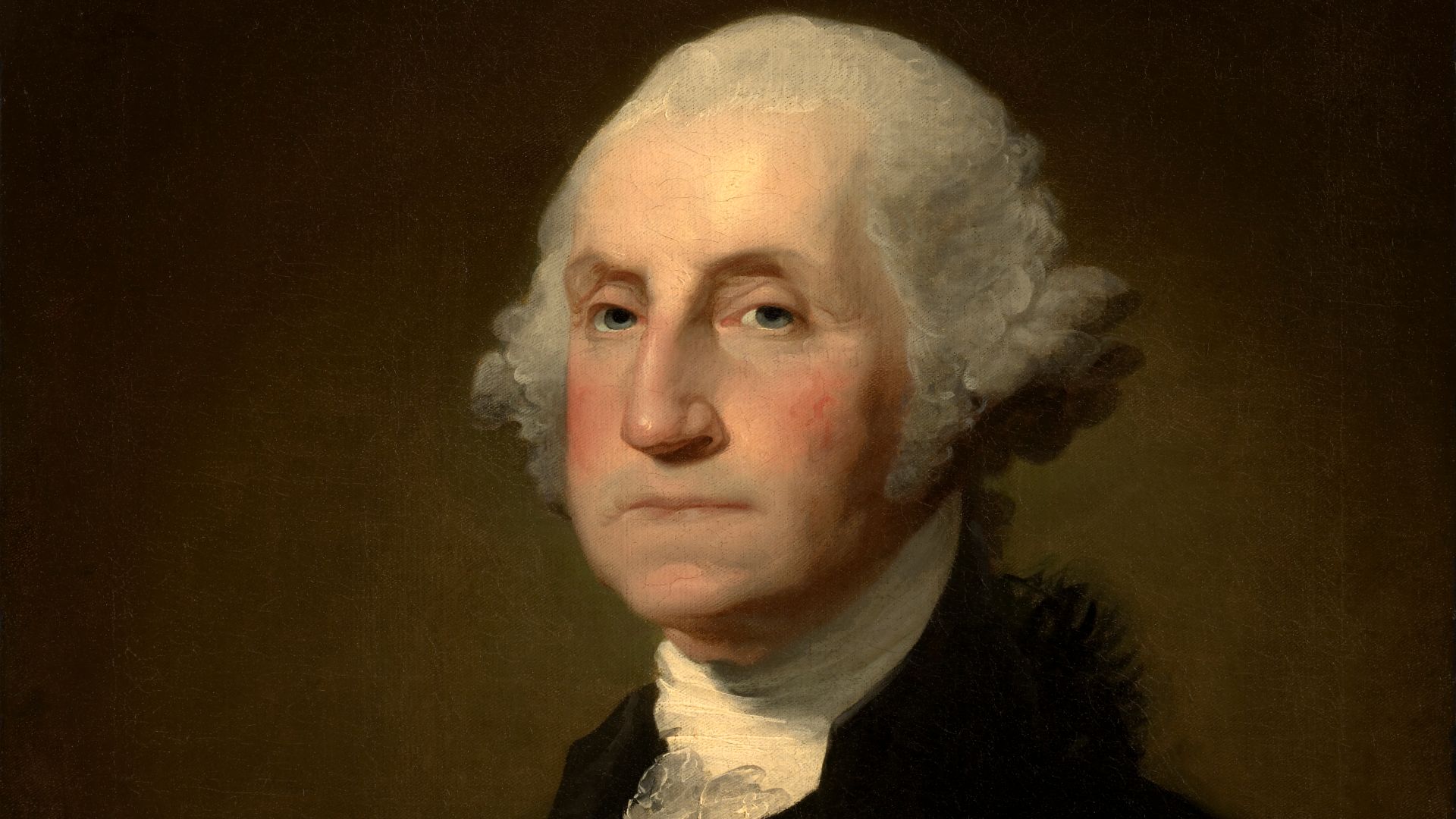
1. George Washington
Washington led armies, declined to be a monarch, and built a republic. He fought for independence, defined what leadership would look like, and in 1789, became the first U.S. president. After two terms, he walked away voluntarily. His name still anchors capital and currency.
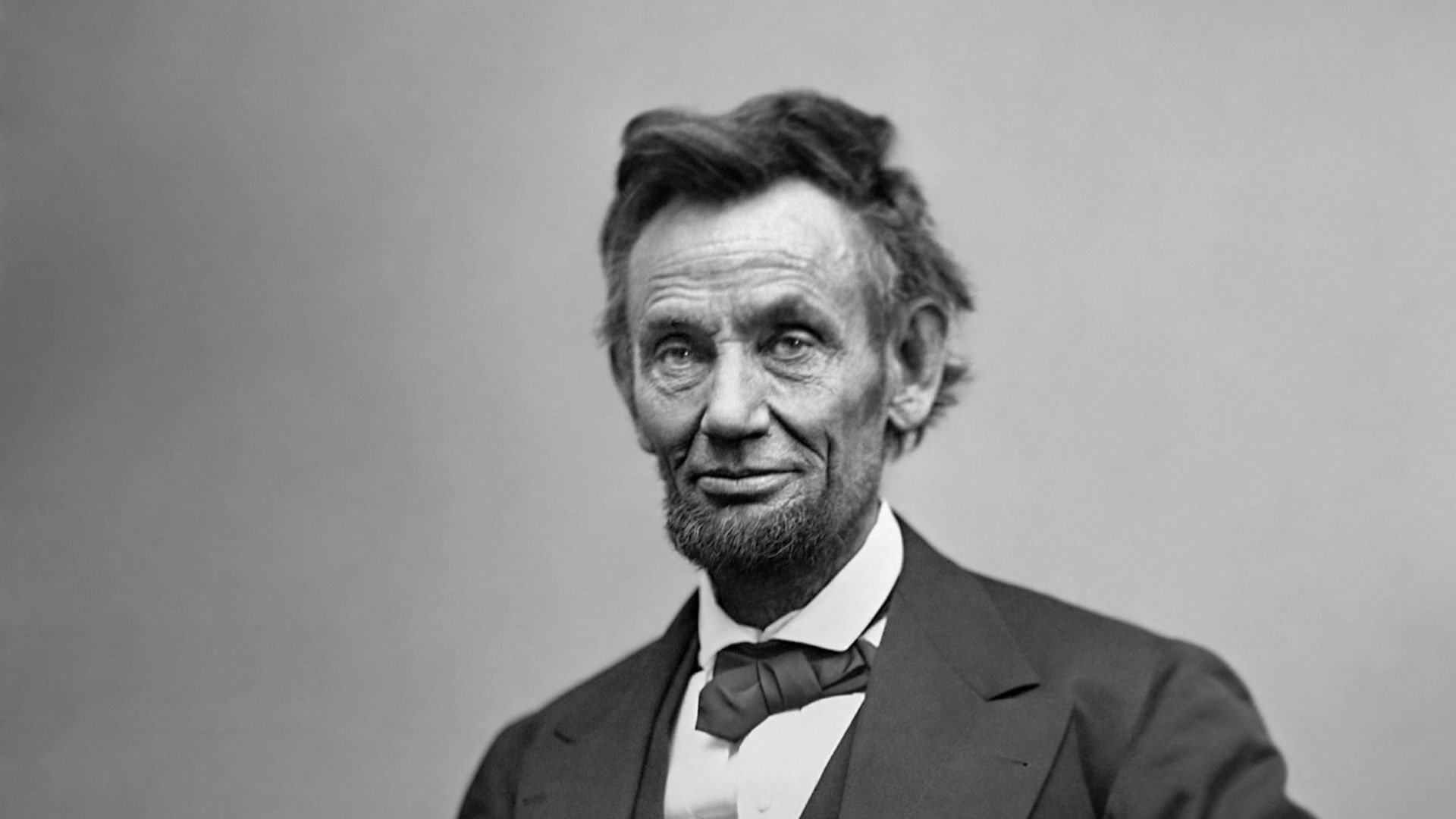
2. Abraham Lincoln
Struggling through civil war and personal grief, Lincoln still redefined the country's identity. With the Emancipation Proclamation in 1863, he reframed freedom itself. His speeches, like Gettysburg, also reshaped political language. But just five days after the Confederacy surrendered, he was shot at Ford's Theatre, and history changed again.
 Alexander Gardner on Wikimedia
3. Harry S. Truman
A plainspoken Missourian ended World War II with decisions no one wanted to make. Dropping atomic bombs on Japan remains history's moral crucible. Truman also launched the Marshall Plan to rebuild Europe and stood firm against Soviet expansion.
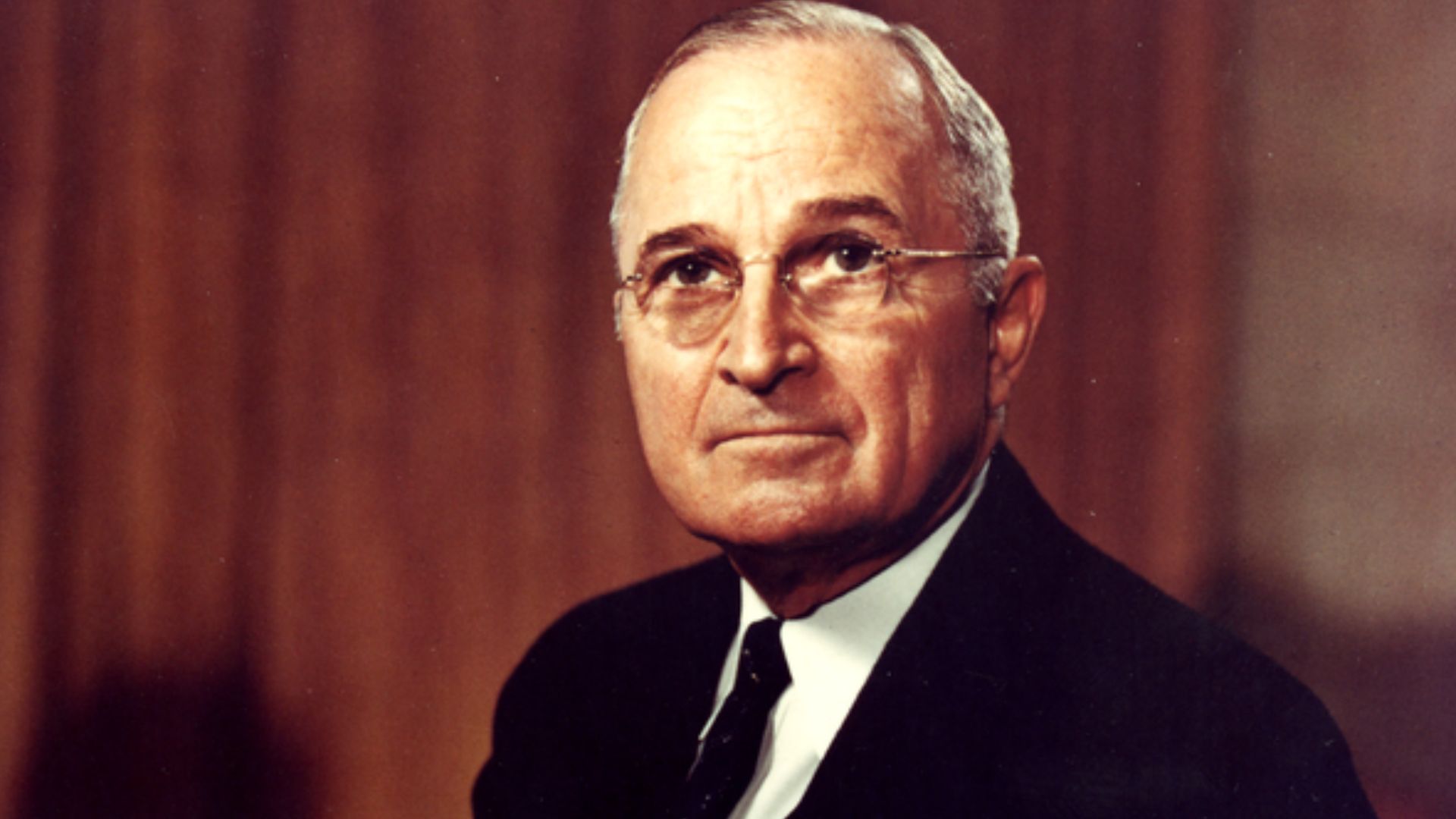
4. John F. Kennedy
Elegance met urgency when JFK stepped into the White House. His 1961 moonshot speech ignited a generation-defining space race. He also managed Cold War standoffs with steely charm. After his 1963 assassination, his vision lived on. Without his push, Apollo 11 wouldn't have launched.
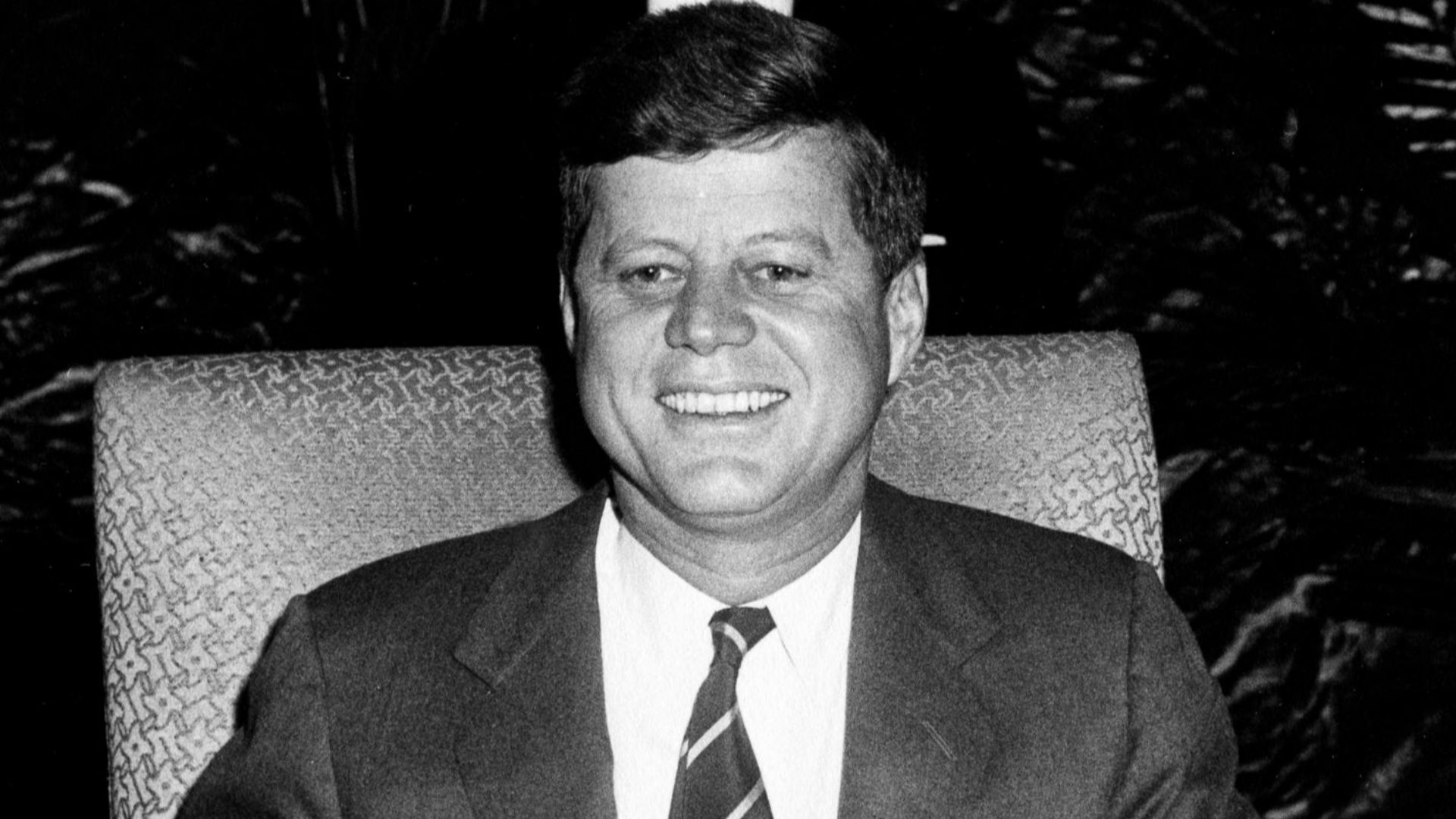
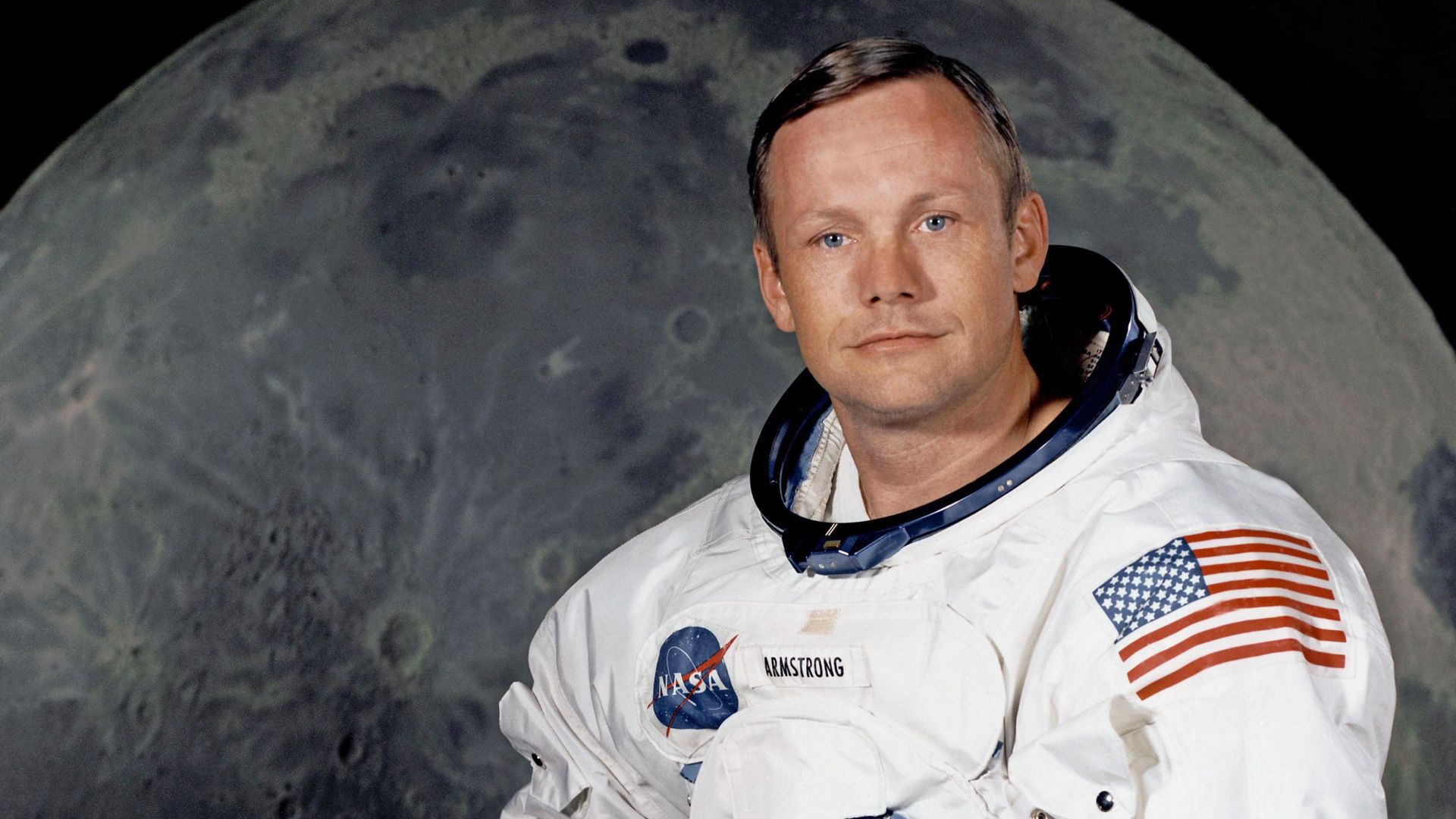
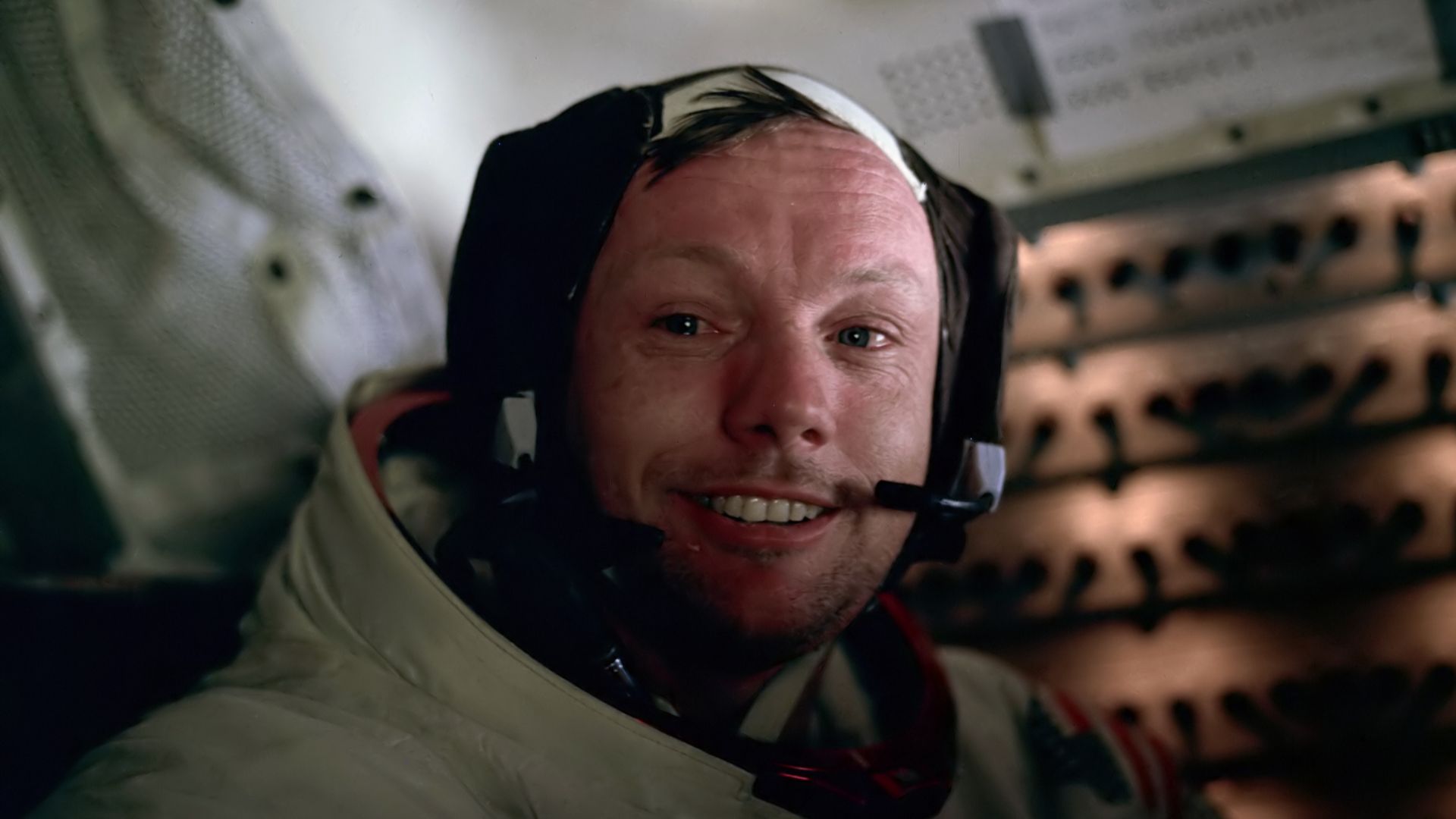
5. Neil Armstrong
Training, precision, and decades of dreaming led Armstrong to one small step in July 1969. He piloted the lunar module and stepped into history's spotlight. Though he stayed approximately 22 hours, the mission involved 400,000 people and changed space forever.
 NASA / Edwin E. Aldrin, Jr. on Wikimedia
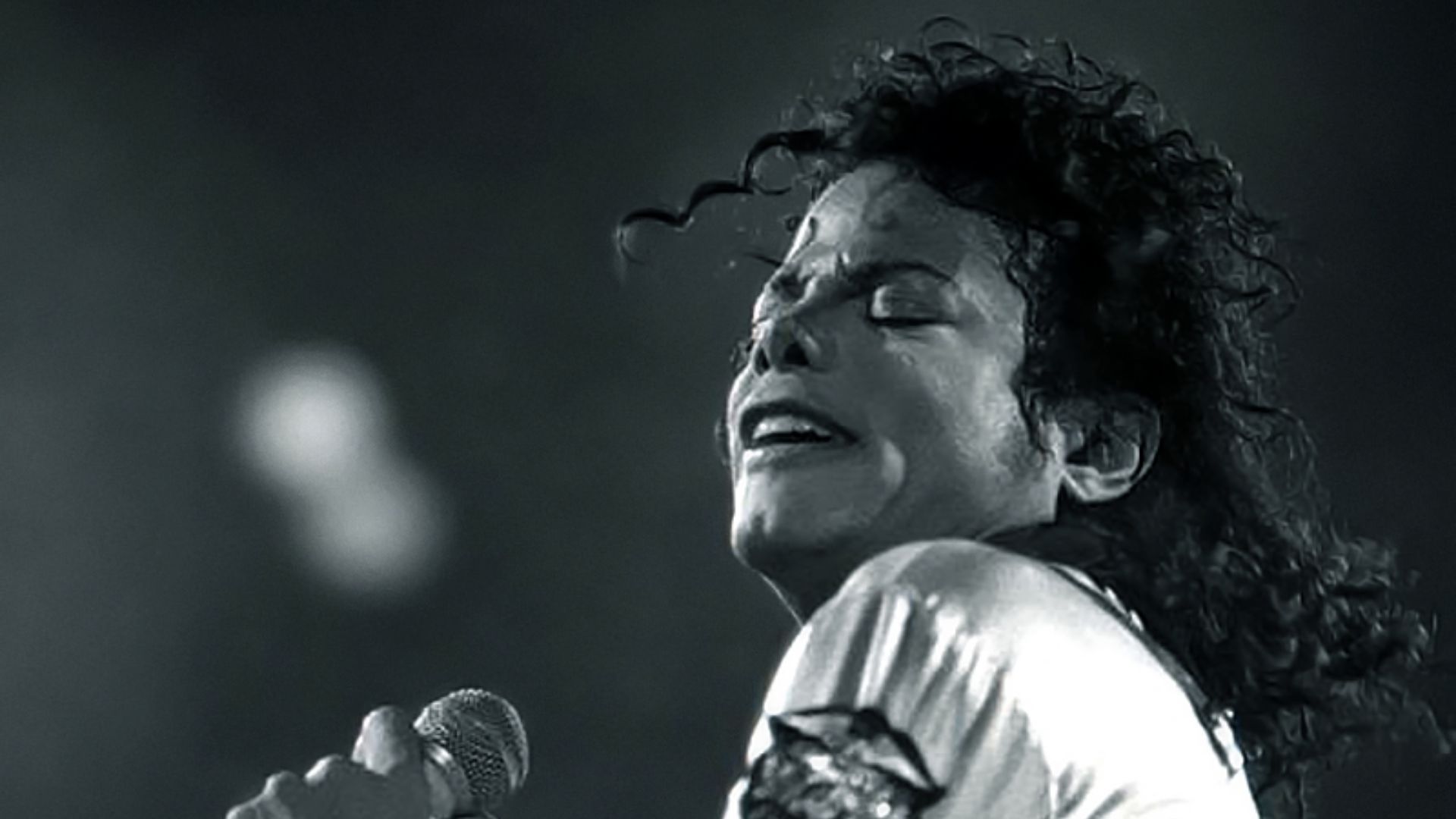
6. Michael Jackson
The Thriller album shattered expectations. Jackson had already risen through Motown with The Jackson 5, but his solo career changed the global music industry. Music videos became mini-films, and concerts became spectacles. No pop artist has since matched his reach.
 Zoran Veselinovic on Wikimedia
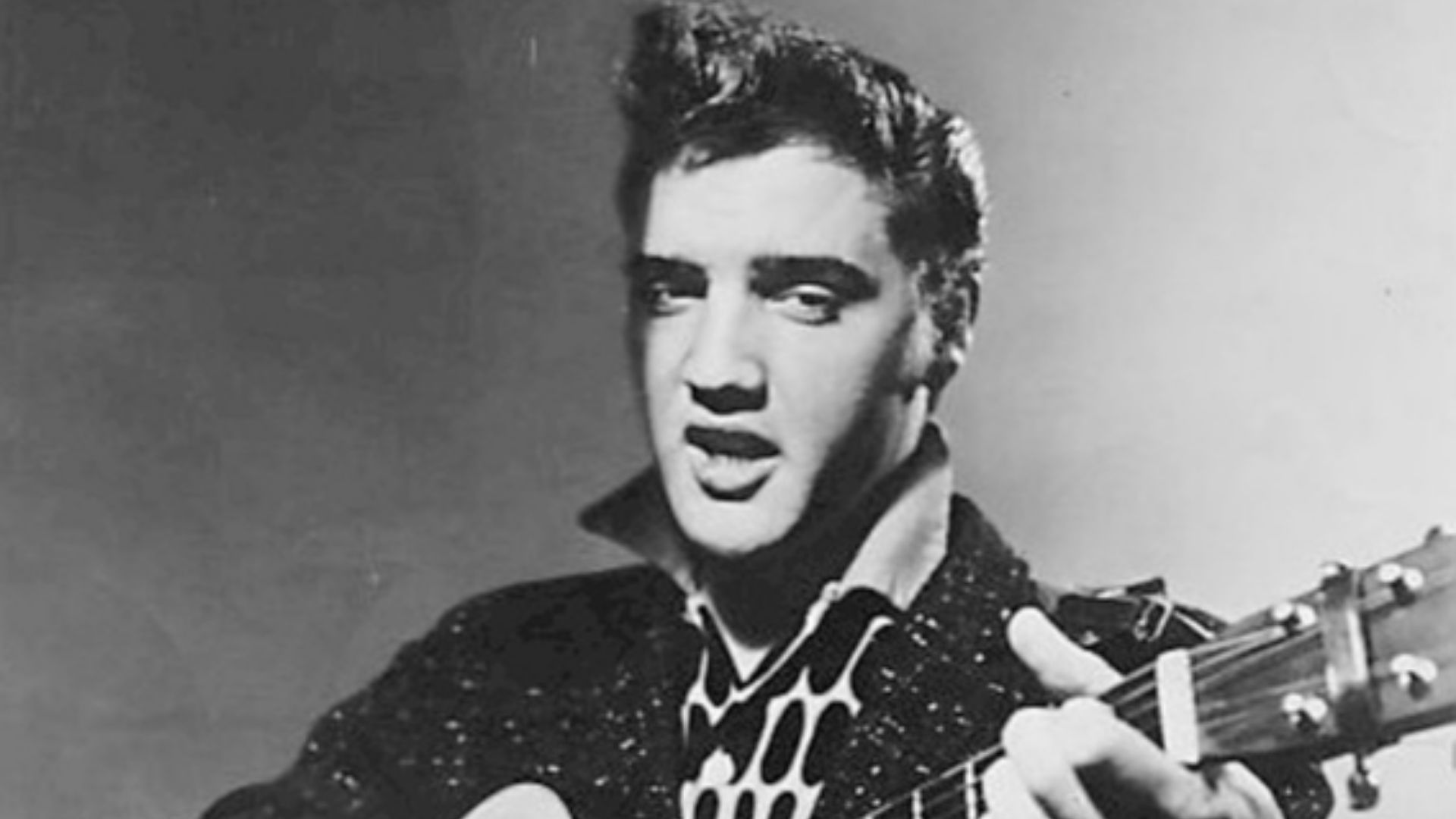
7. Elvis Presley
Sun Records captured his voice in 1954, launching a cultural eruption. Fusing gospel, rock, and other genres, he became both an icon and a controversy. His 31 films and Vegas residencies extended his fame, but it's Graceland—visited by over half a million yearly—that keeps the legend humming..
8. Benjamin Franklin
Before there were presidents, there was Franklin, a writer, inventor, and diplomat. He gave you lightning rods and witty almanacs but also laid the groundwork for revolutions—both scientific and political. His Paris negotiations helped secure U.S. independence. Few thinkers have stamped their names on so many disciplines.
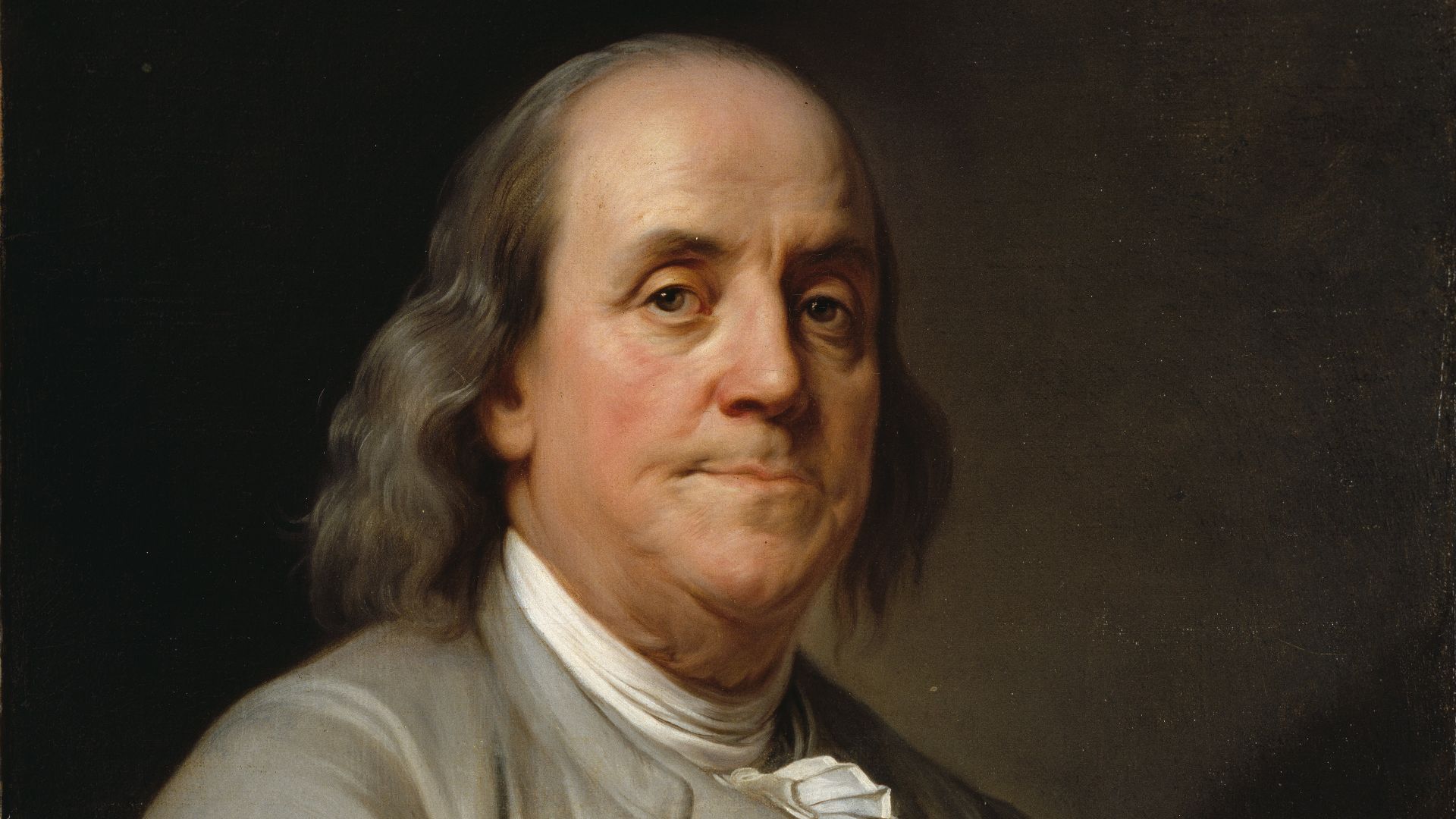 Joseph-Siffred Duplessis on Wikimedia
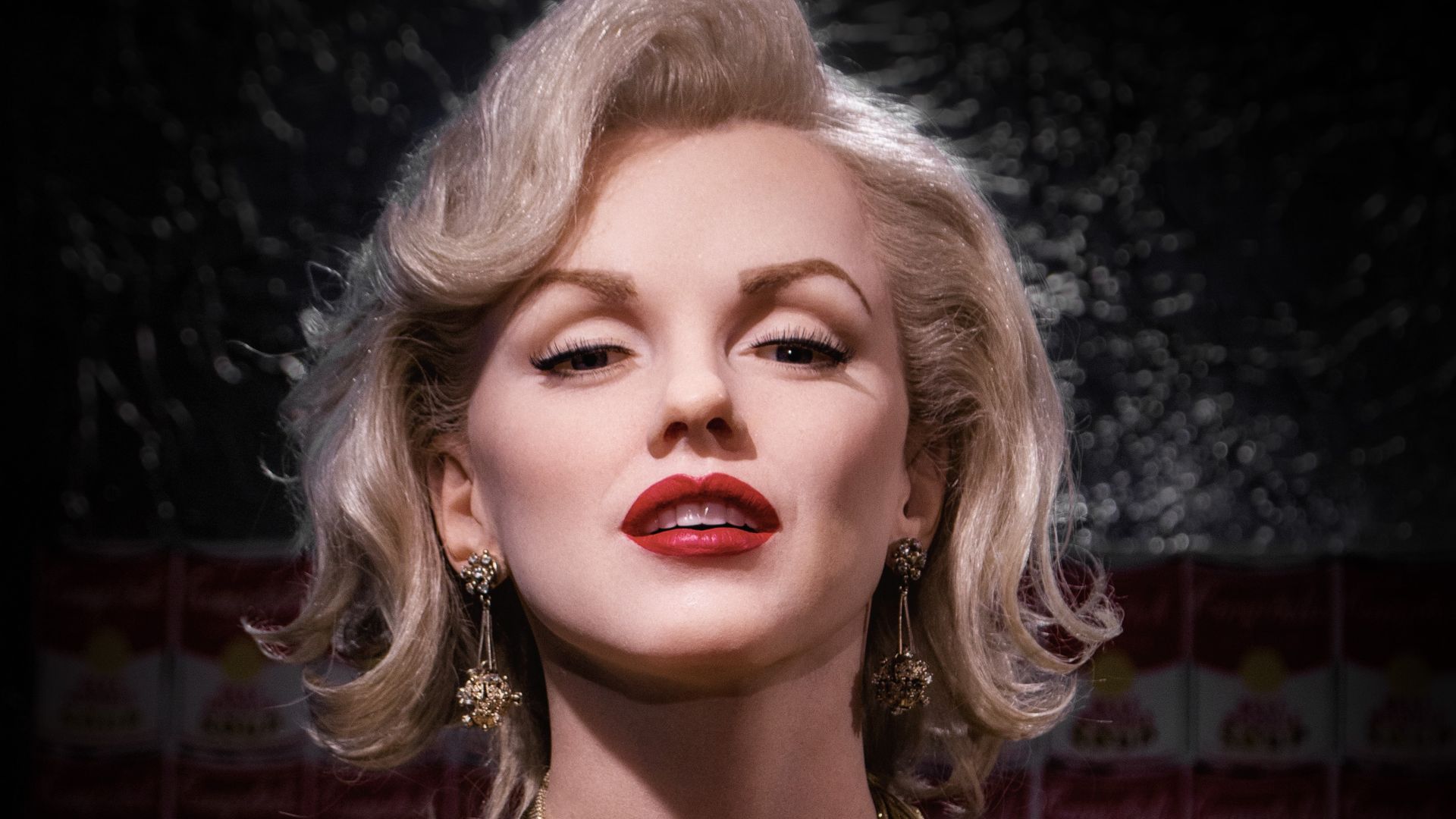
9. Marilyn Monroe
Studio executives didn't invent her image. She curated it with precision and vulnerability. Known for her charm and comedic timing in films like Gentlemen Prefer Blondes, Monroe's fame endured long after her death. Today, her likeness remains one of the most replicated in pop culture history.
10. Muhammad Ali
Born Cassius Clay, he claimed the Olympic gold at 18 and never slowed down. His fights with Frazier and Foreman became cultural events. Ali's refusal to serve in Vietnam gained him admirers. By the time he lit the Olympic torch, the world had followed his transformation.
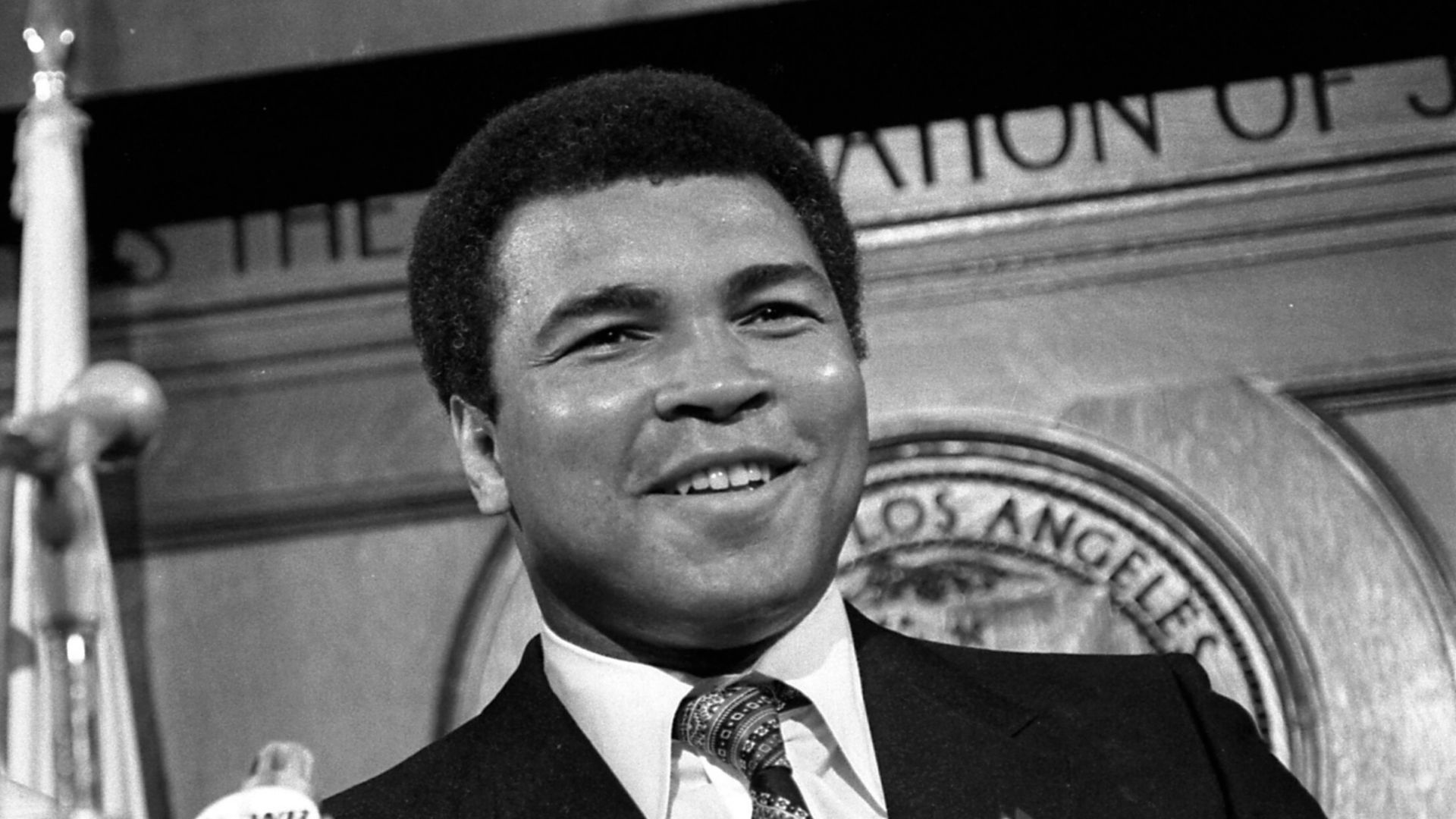 Fitzgerald Whitney, Los Angeles Times on Wikimedia
11. Walt Disney
Fantasy became infrastructure under his vision. Starting with Steamboat Willie in 1928, Disney introduced characters that crossed borders and languages. When Disneyland opened in 1955, it wasn't just a theme park but an immersive storytelling blueprint. His empire still grows nearly a century later.
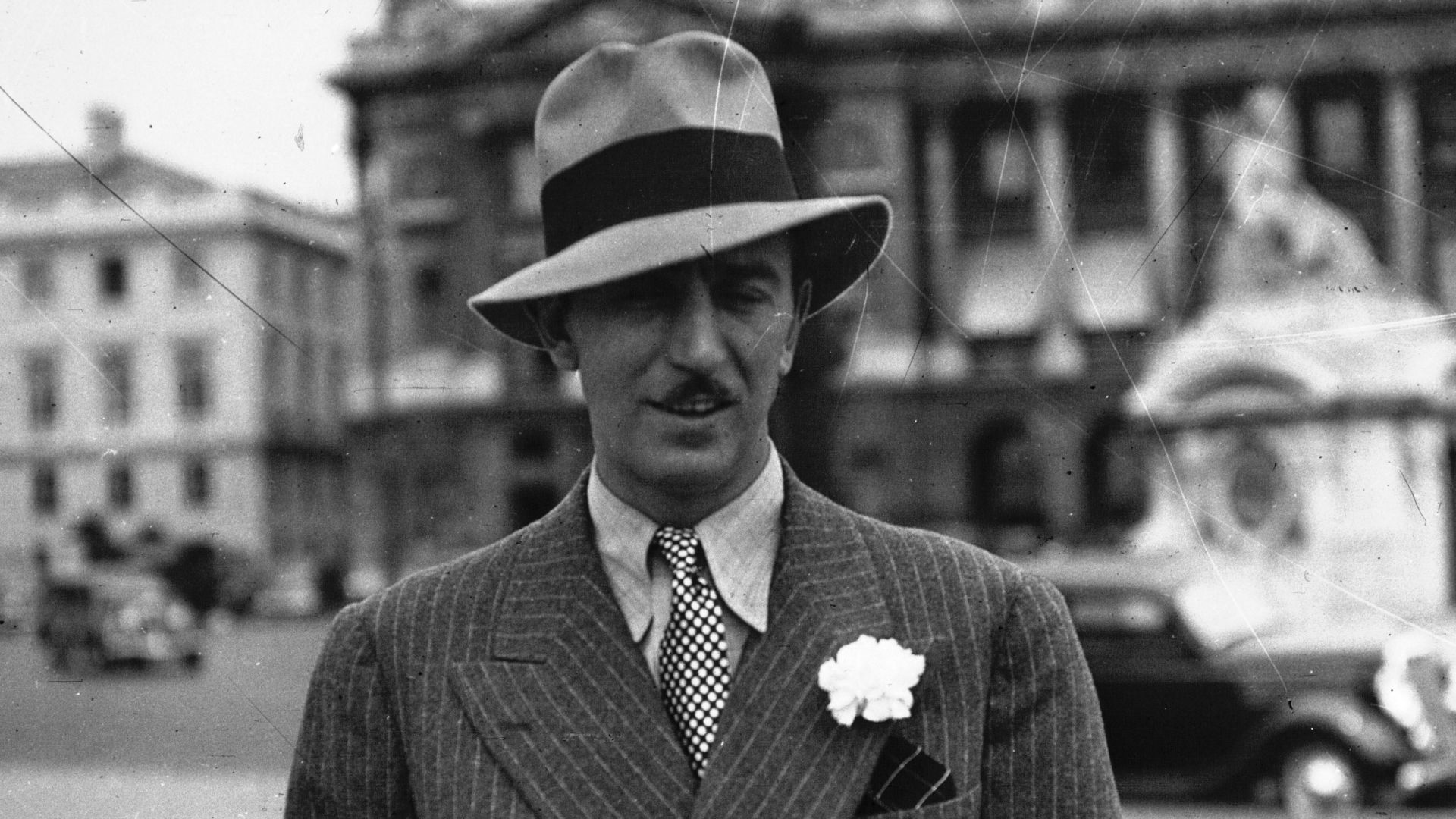 Agence de presse Meurisse on Wikimedia
12. Amelia Earhart
In 1932, alone in the cockpit above the Atlantic, Earhart became a global icon of courage. Beyond being a pilot, she was a public thinker, pushing gender norms and aeronautical boundaries. Her disappearance in 1937 locked her legacy in time.
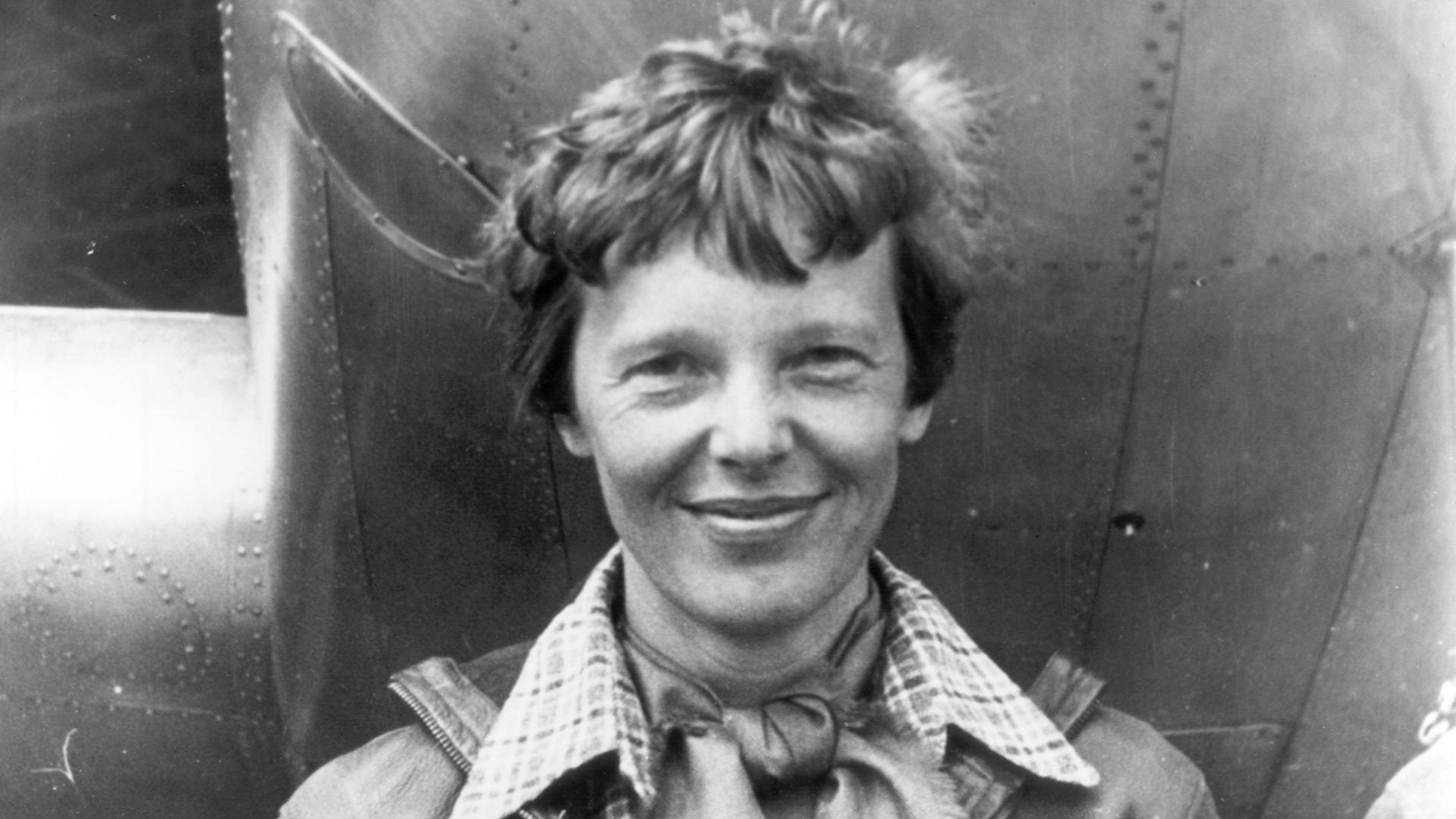 Underwood & Underwood (active 1880 – c. 1950)[1] on Wikimedia
13. Bob Dylan
Folk music found its prophet in Dylan's gravel-toned storytelling. His rise in the 1960s wasn't smooth or predictable. He infuriated fans by going electric, then stunned critics by winning the Nobel Prize in Literature. For generations, his verses have doubled as protest banners and sacred text.
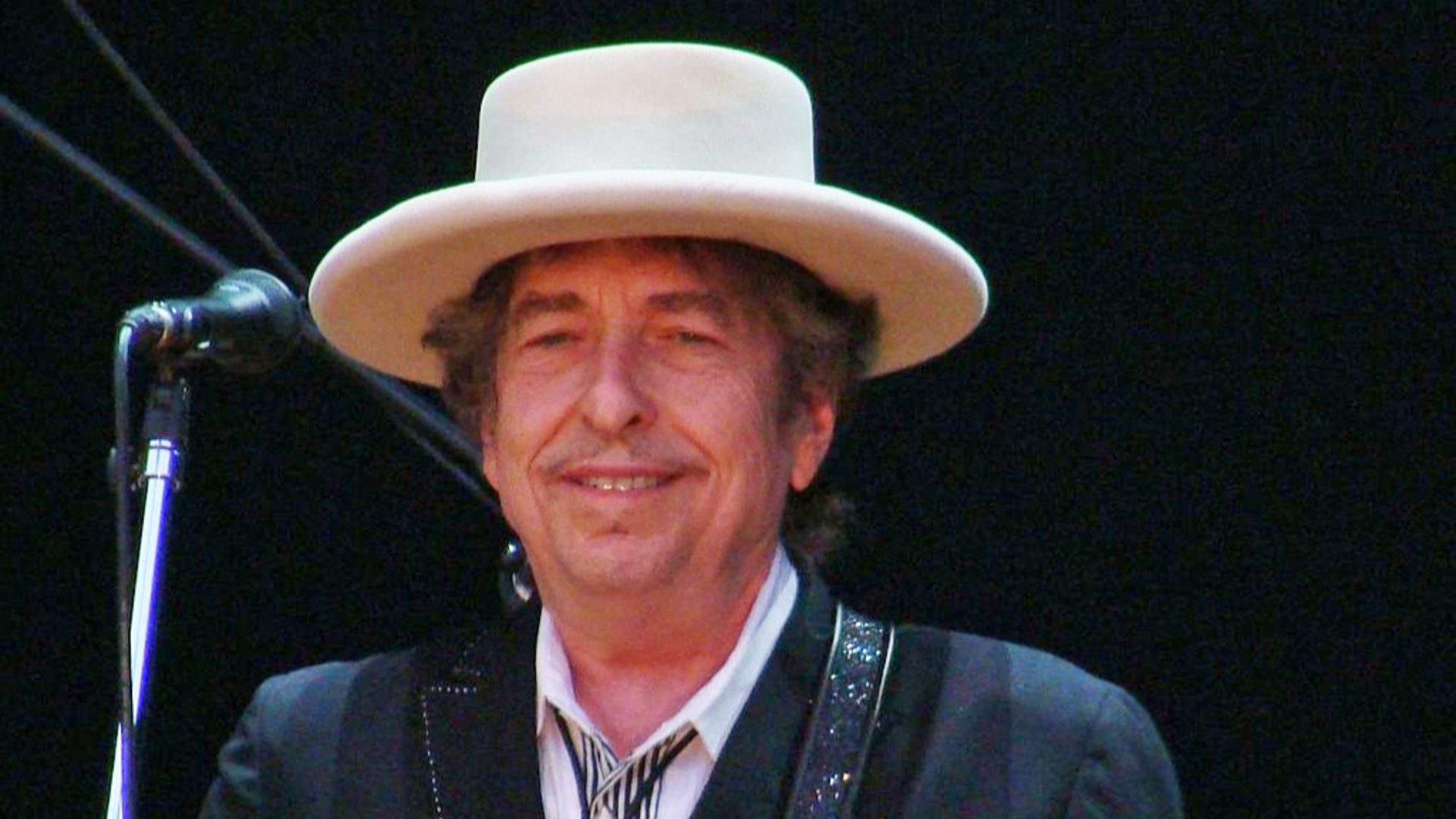 Alberto Cabello from Vitoria Gasteiz on Wikimedia
14. Thomas Edison
While most slept, he worked under gaslight on devices that would eliminate it. Edison's lab at Menlo Park churned out over 1,000 patents—from phonographs to electric grids. While he didn't invent the lightbulb outright, he made it practical. Entire cities began glowing in his lifetime.
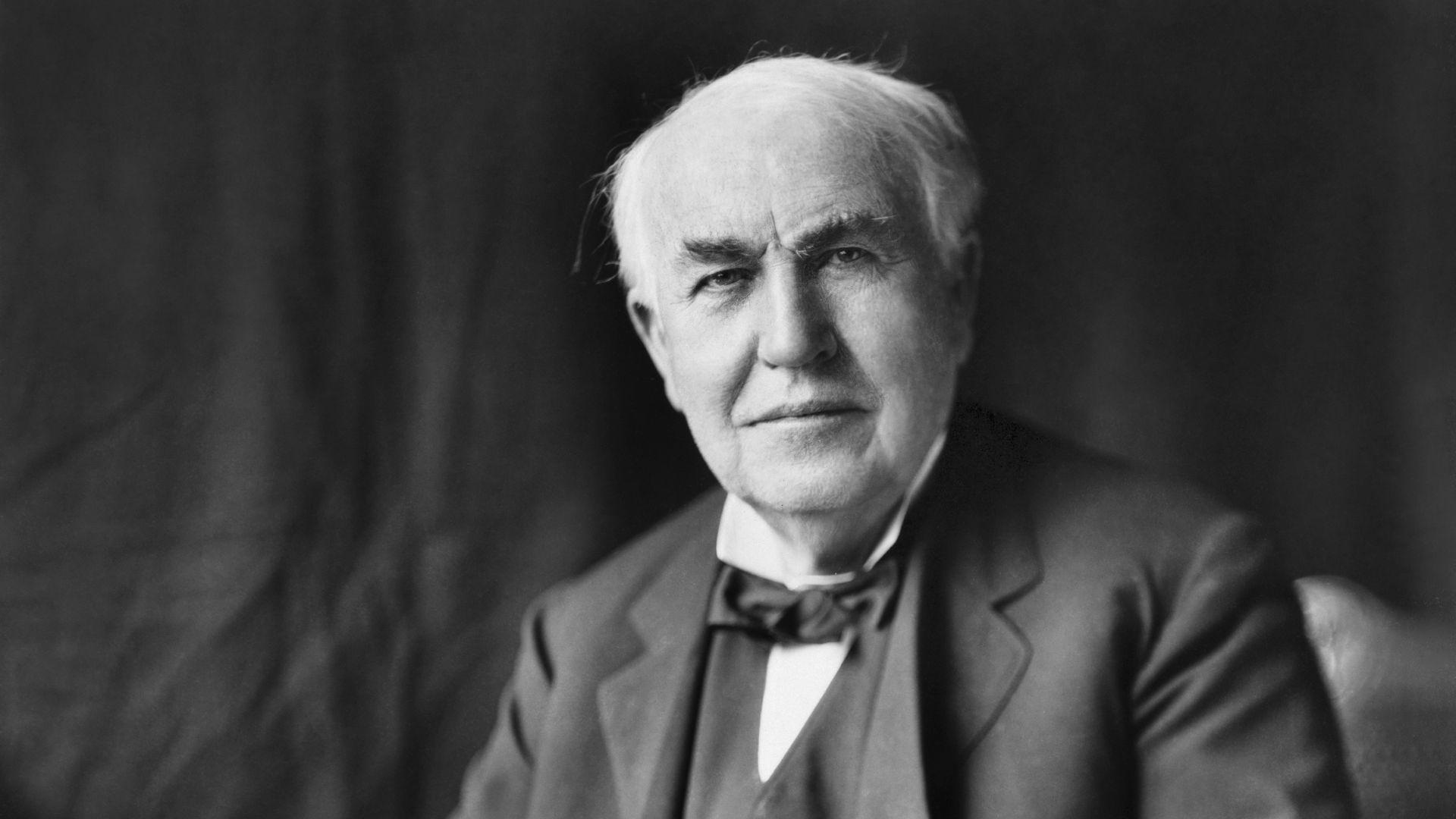 Louis Bachrach, Bachrach Studios, restored by Michel Vuijlsteke on Wikimedia
15. Mark Twain
With well-known novels like Adventures of Huckleberry Finn and The Adventures of Tom Sawyer under his belt, Mark Twain is highly regarded across the globe. His novels unmasked hypocrisy while celebrating American speech and storytelling. He toured the world on lecture circuits, turning humor into exportable insight.
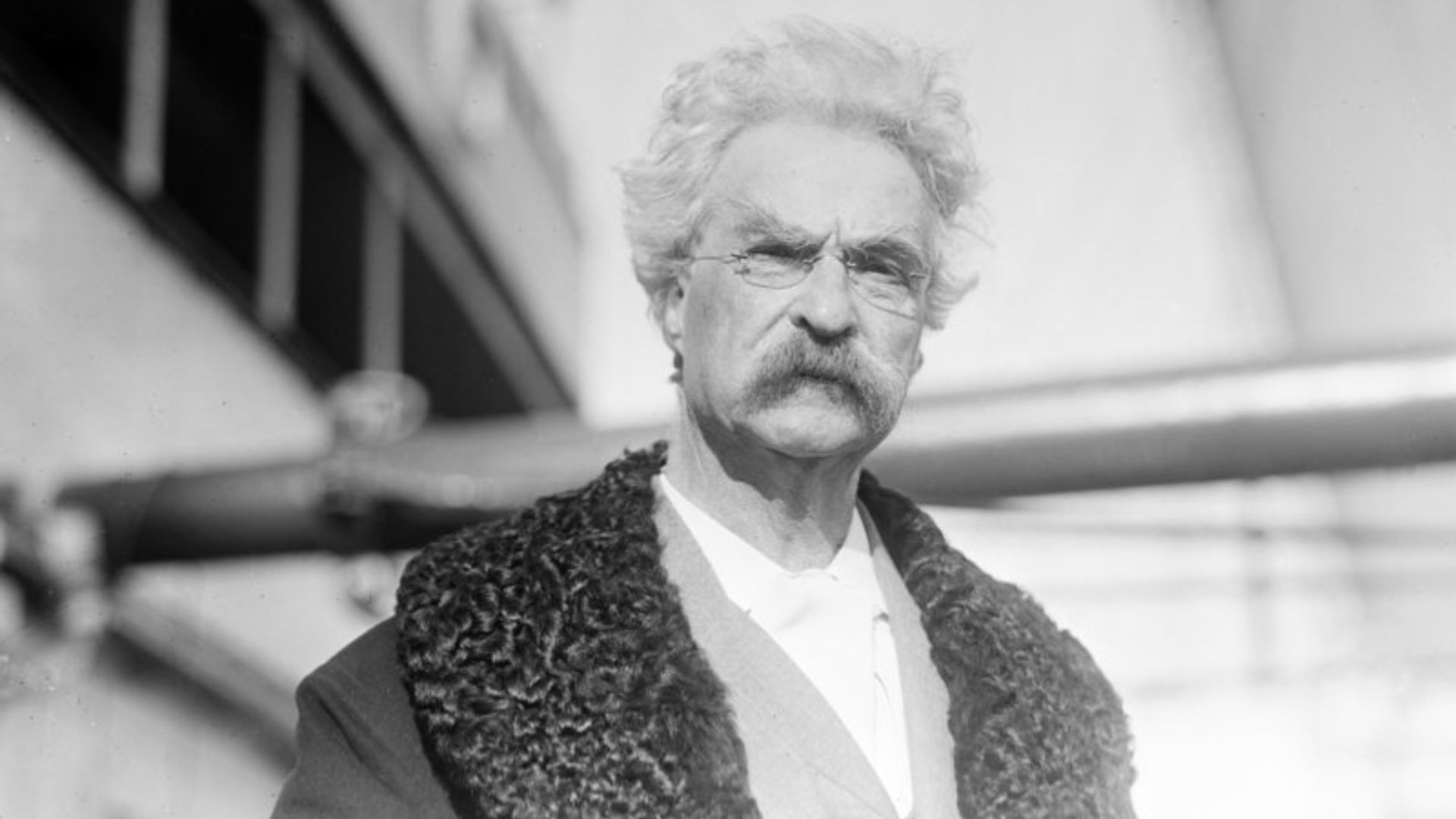 Bain News Service, publisher on Wikimedia
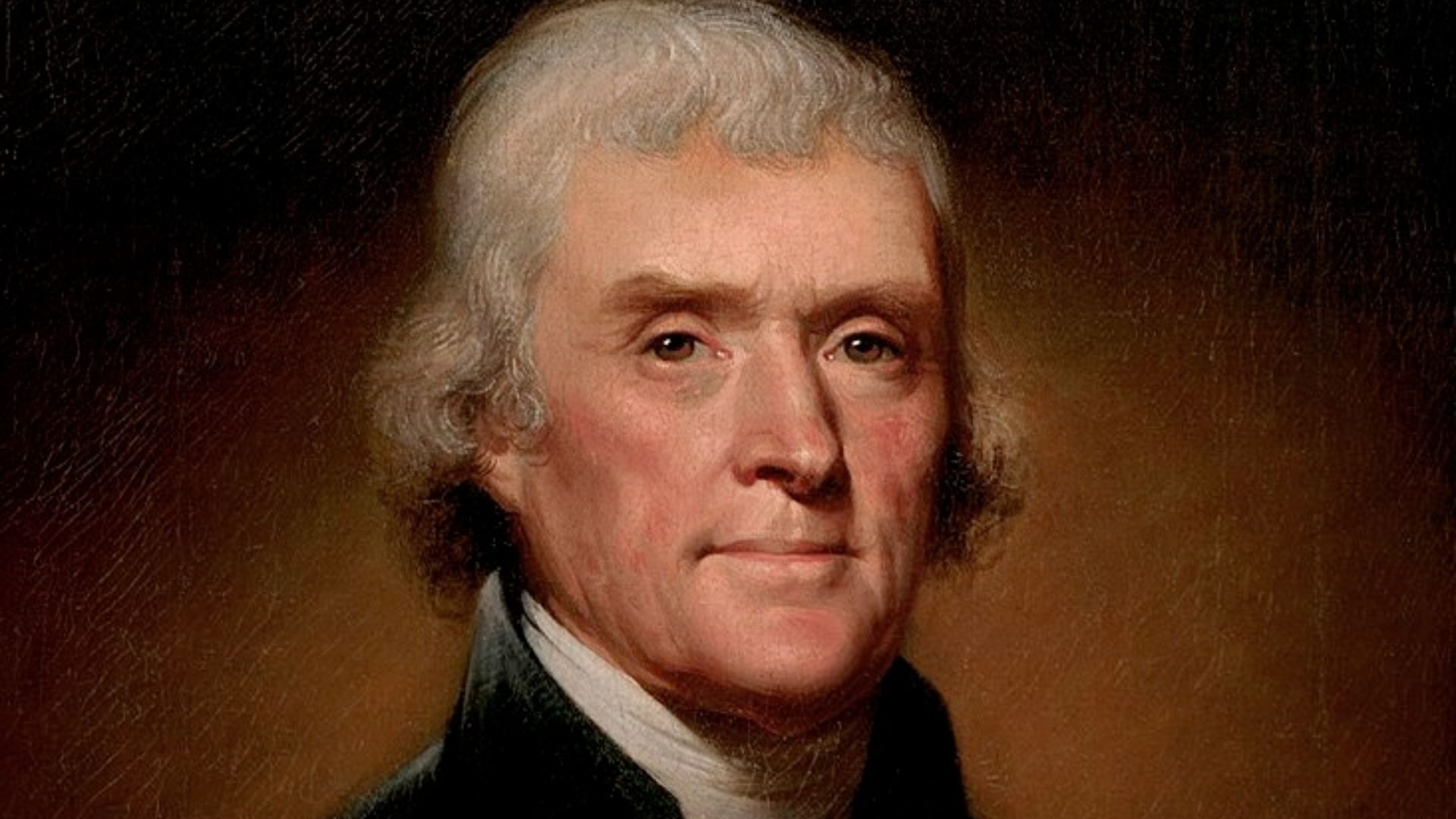
16. Thomas Jefferson
Drafting the Declaration at 33, Jefferson shaped revolutionary rhetoric with a pen. As the third U.S. president, he doubled America's size with the Louisiana Purchase. A scholar, architect, and founder of the University of Virginia, he left ideas etched across law and national growth.
17. Franklin D. Roosevelt
FDR spoke calmly into your radio when fear ruled headlines. Elected in 1932, he led through economic collapse and global war, and his New Deal reshaped the role of government. While he used a wheelchair privately, his policies moved the nation—Social Security still reaches your paycheck today.
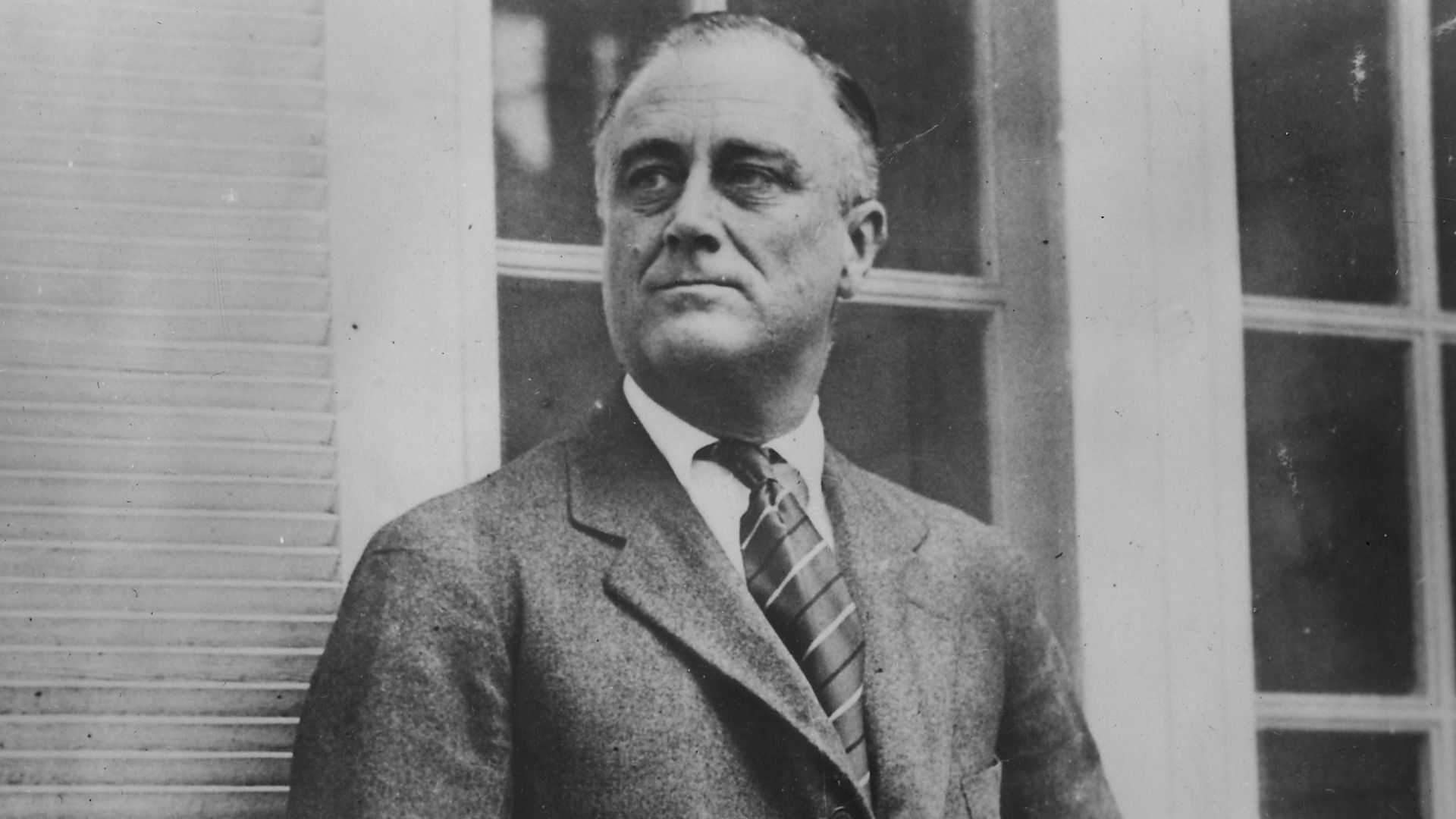 Unknown authorUnknown author or not provided on Wikimedia
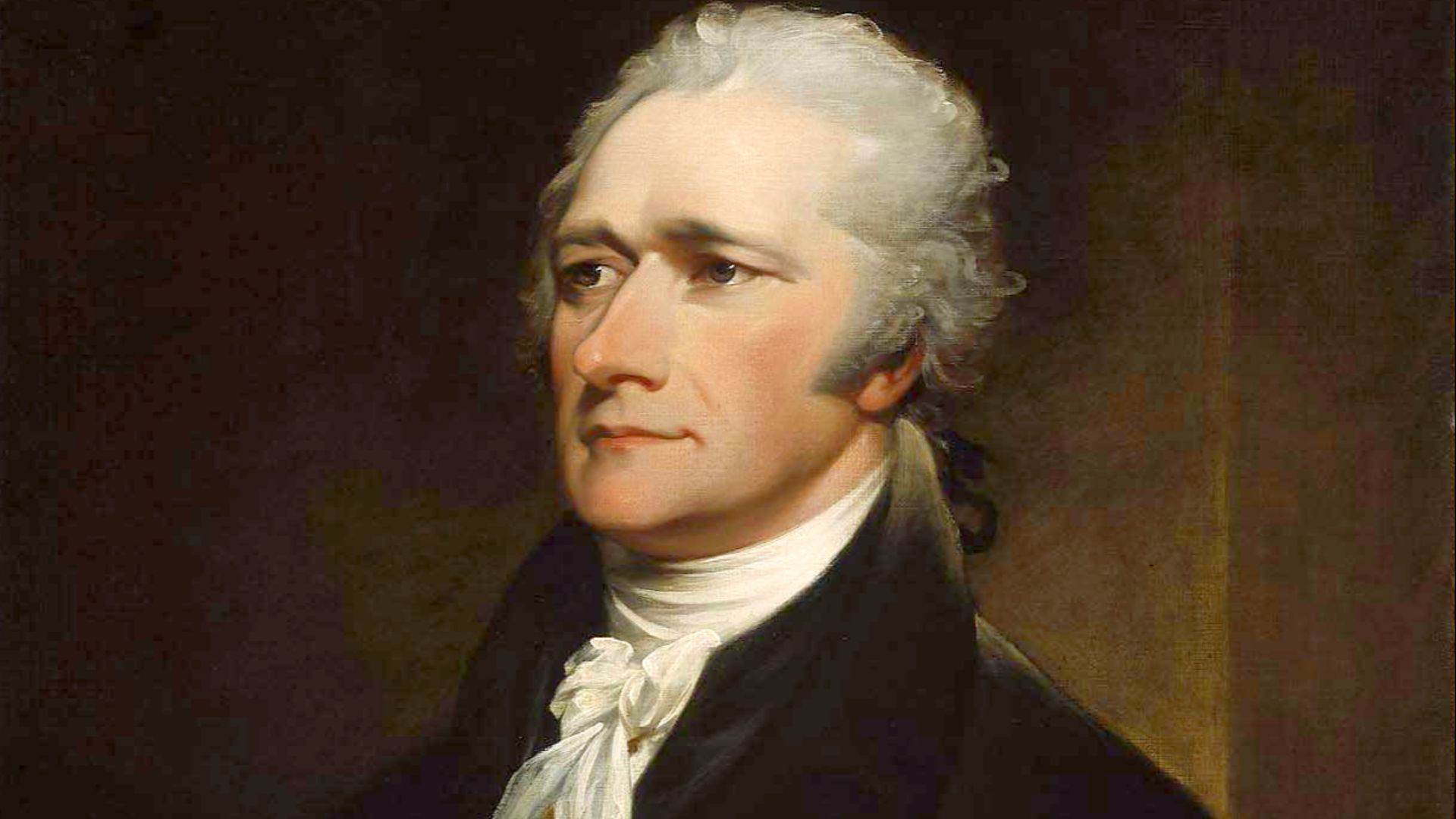
18. Alexander Hamilton
Impoverished immigrant turned financial architect, Hamilton designed the modern U.S. economy before dueling ended his life at 47. His Federalist Papers argued for a strong central government, and his Treasury policies kept it solvent. Centuries later, Broadway revived his legacy through rap verses.
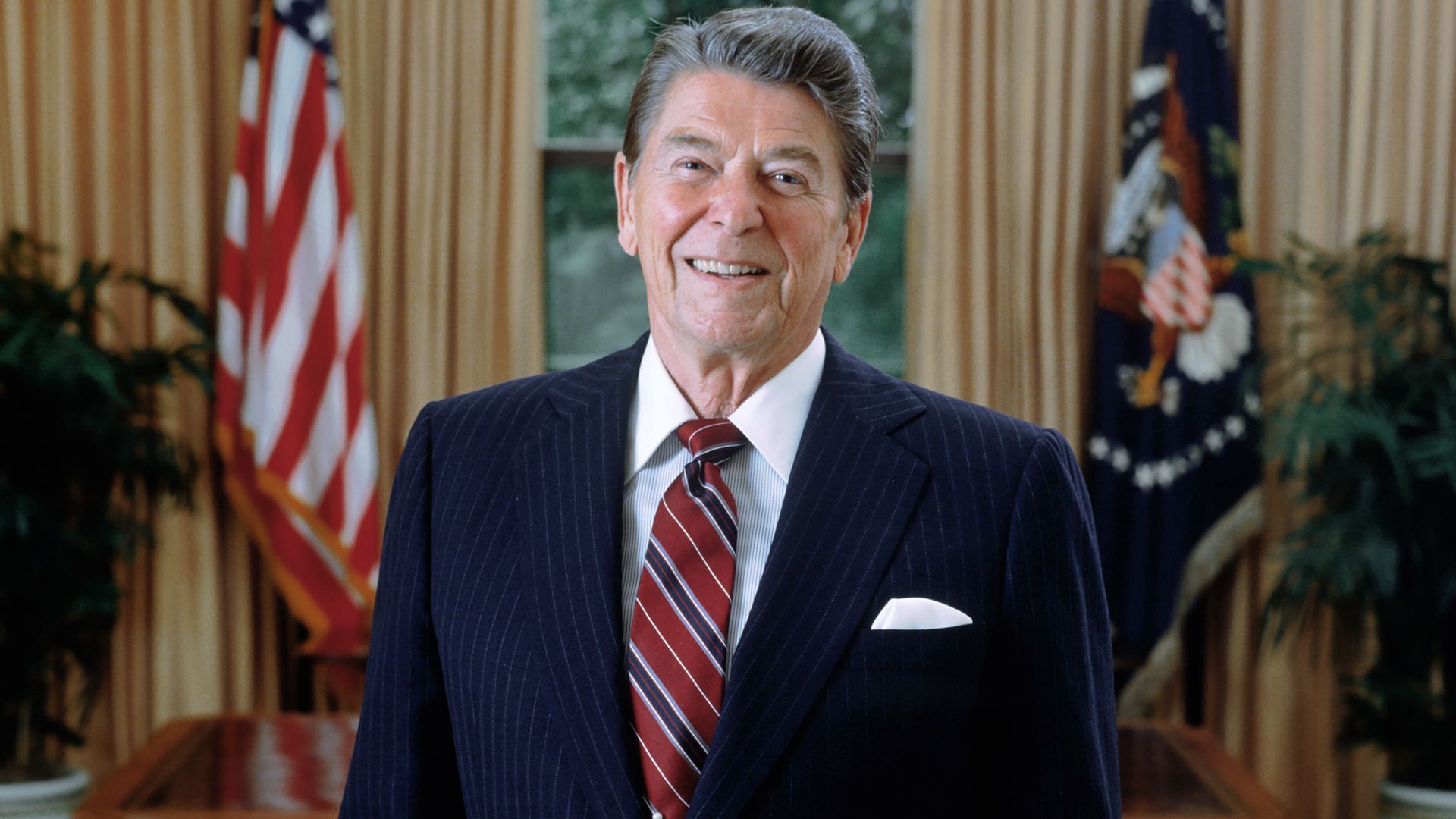
19. Ronald Reagan
Before politics, Hollywood knew him as an affable actor. By 1981, he took the presidential oath amid Cold War tension and economic struggle. Reaganomics, his push for smaller government, and speeches challenging the Soviet Union shaped the '80s. "Mr. Gorbachev, tear down this wall" still echoes.
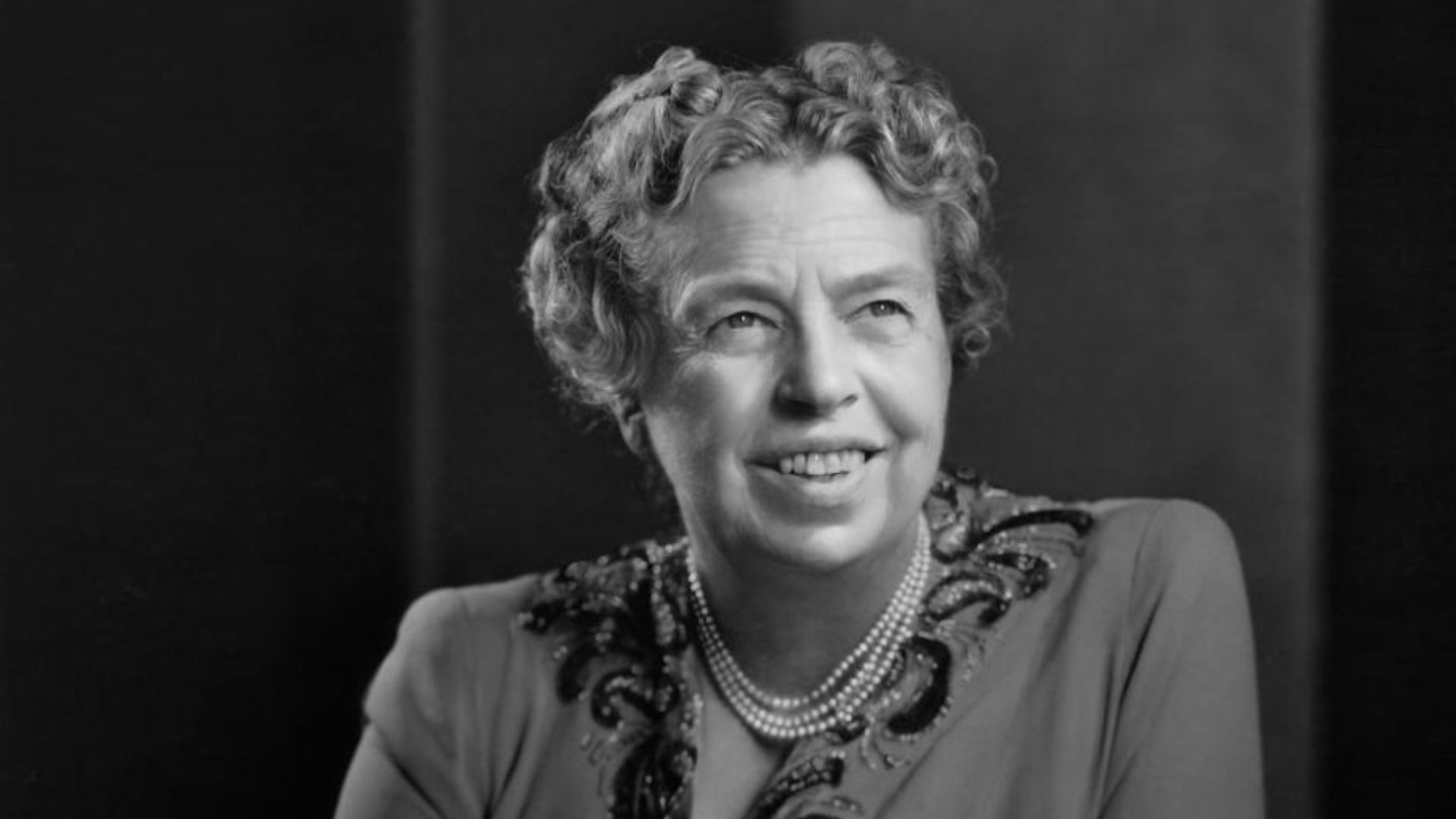
20. Eleanor Roosevelt
First Ladies used to host teas, but Eleanor rewrote the role. She pressed FDR to hire women and chaired the U.N. committee drafting the Universal Declaration of Human Rights. By speaking out, she expanded the meaning of what political partnership could be.
KEEP ON READING
The 20 Most Recognized Historical Figures Of All Time
The Biggest Names In History. Although the Earth has been…
By Cathy Liu Oct 4, 2024
10 of the Shortest Wars in History & 10 of…
Wars: Longest and Shortest. Throughout history, wars have varied dramatically…
By Emilie Richardson-Dupuis Oct 7, 2024
10 Fascinating Facts About Ancient Greece You Can Appreciate &…
Once Upon A Time Lived Some Ancient Weirdos.... Greece is…
By Megan Wickens Oct 7, 2024
20 Lesser-Known Facts About Christopher Columbus You Don't Learn In…
In 1492, He Sailed The Ocean Blue. Christopher Columbus is…
By Emilie Richardson-Dupuis Oct 9, 2024
20 Historical Landmarks That Have The Craziest Conspiracy Theories
Unsolved Mysteries Of Ancient Places . When there's not enough evidence…
By Megan Wickens Oct 9, 2024
The 20 Craziest Inventions & Discoveries Made During Ancient Times
Crazy Ancient Inventions . While we're busy making big advancements in…
By Cathy Liu Oct 9, 2024