

20 Historical Figures Who Were Known For Having A Weird Eating Habits
History’s Big Names Weren't Always Eating Like Normal People
History books usually focus on battles, speeches, inventions, scandals, and the occasional execution, which means the food habits often get pushed to the side. That's a shame, because a lot of historical figures' eating habits were interesting enough to be entertaining. Some of these people were obsessed with one specific food, some followed rigid eating rules, and some seemed to have built their diets around ideas that would make modern nutrition advice sit down quietly in a corner. Here are 20 historical figures who were known for having a weird diet.
1. Henry VIII
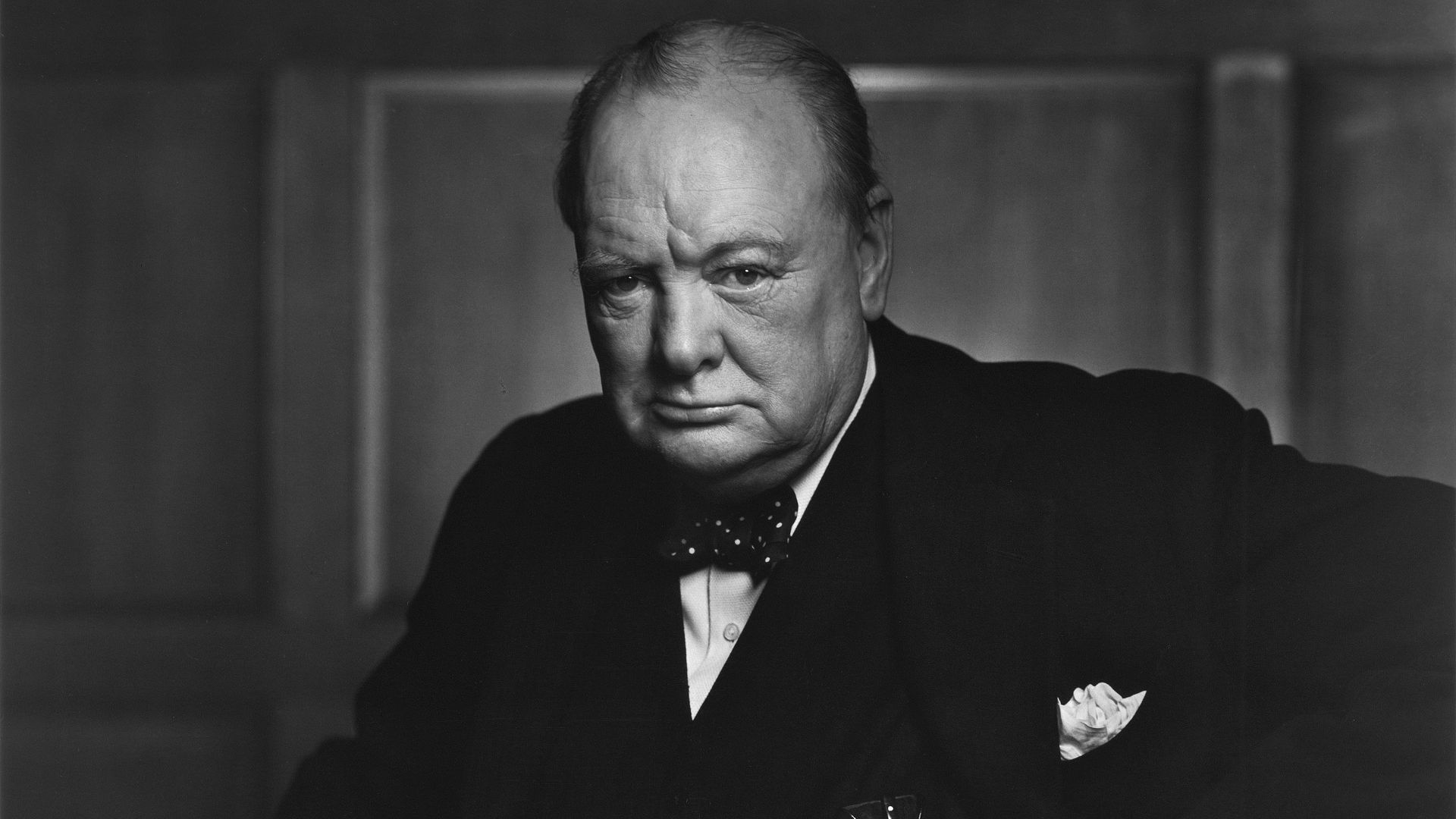
Henry VIII didn't exactly believe in light dining. Accounts of his court describe huge feasts built around meat, rich sauces, and enormous quantities of food, which fit the king’s larger commitment to excess in almost every area of life. By the end of his reign, his diet had become one more symbol of a monarch who didn't recognize the concept of moderation.
2. Queen Elizabeth I
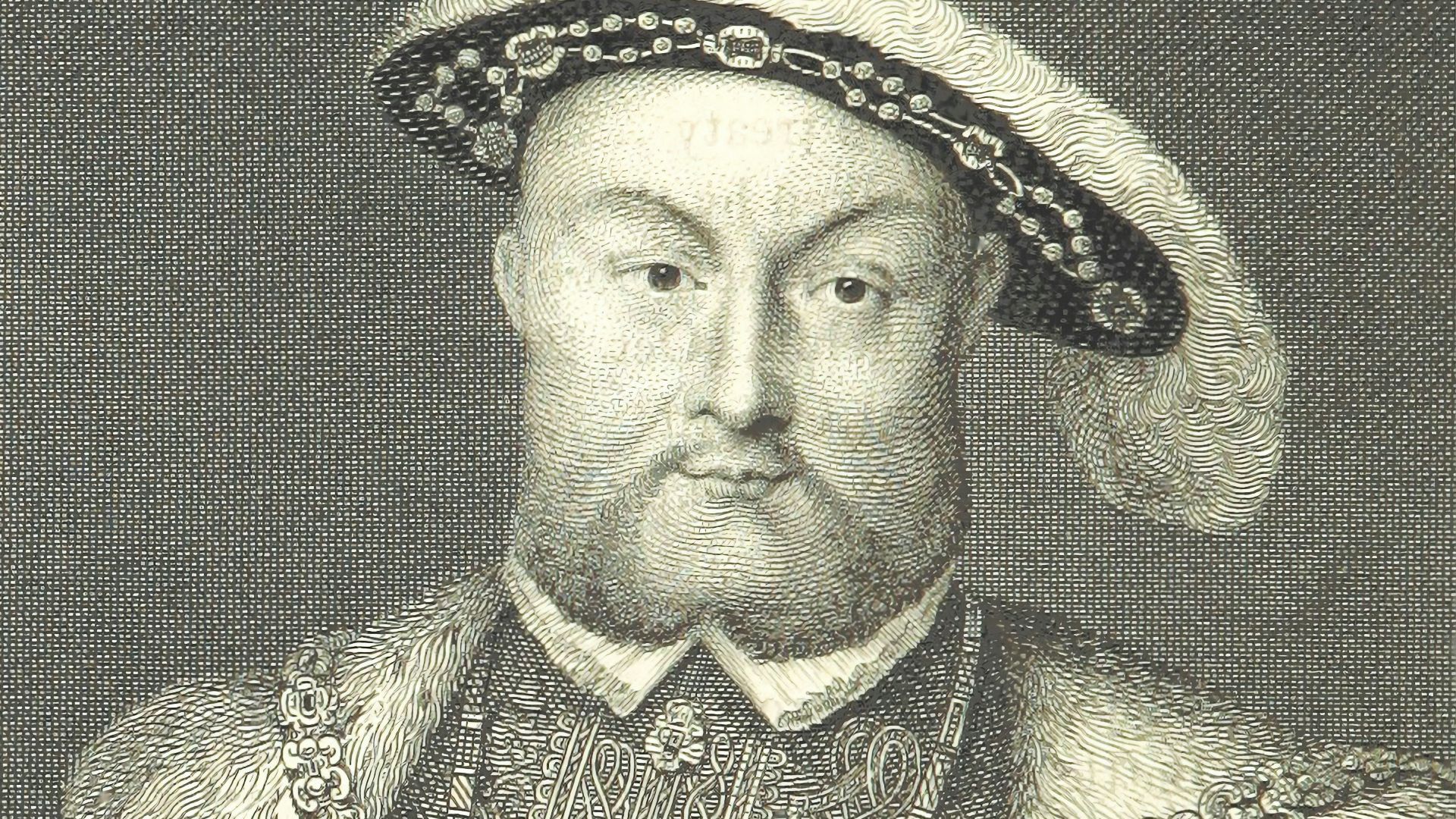
Elizabeth I famously had an enormous sweet tooth. Sugar was still a luxury, which made heavy sugar consumption both a pleasure and a status display, though it also helped destroy her teeth, which is why some historians believe her mouth is closed in all her portraits.
 Unidentified painter on Wikimedia
3. Lord Byron
Lord Byron’s eating habits sounded less like a healthy routine and more like a dramatic warning label. Obsessed with staying thin, he was known for periods of surviving on things like biscuits, soda water, potatoes with vinegar, and later the infamous vinegar-heavy slimming diet.
He was living proof that bad celebrity diets are nothing new.
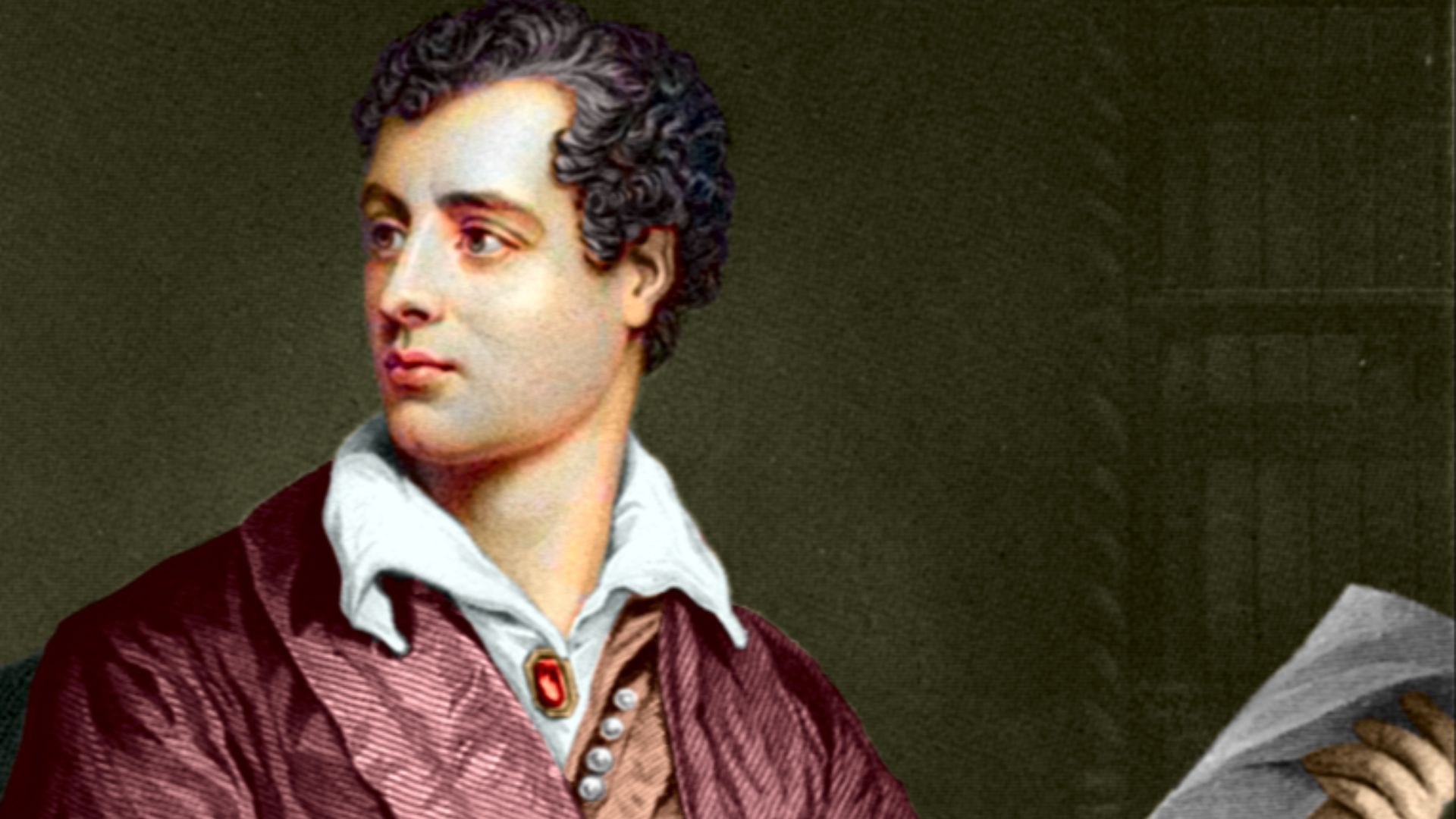 Unknown author, coloured by uploader on Wikimedia
4. Benjamin Franklin
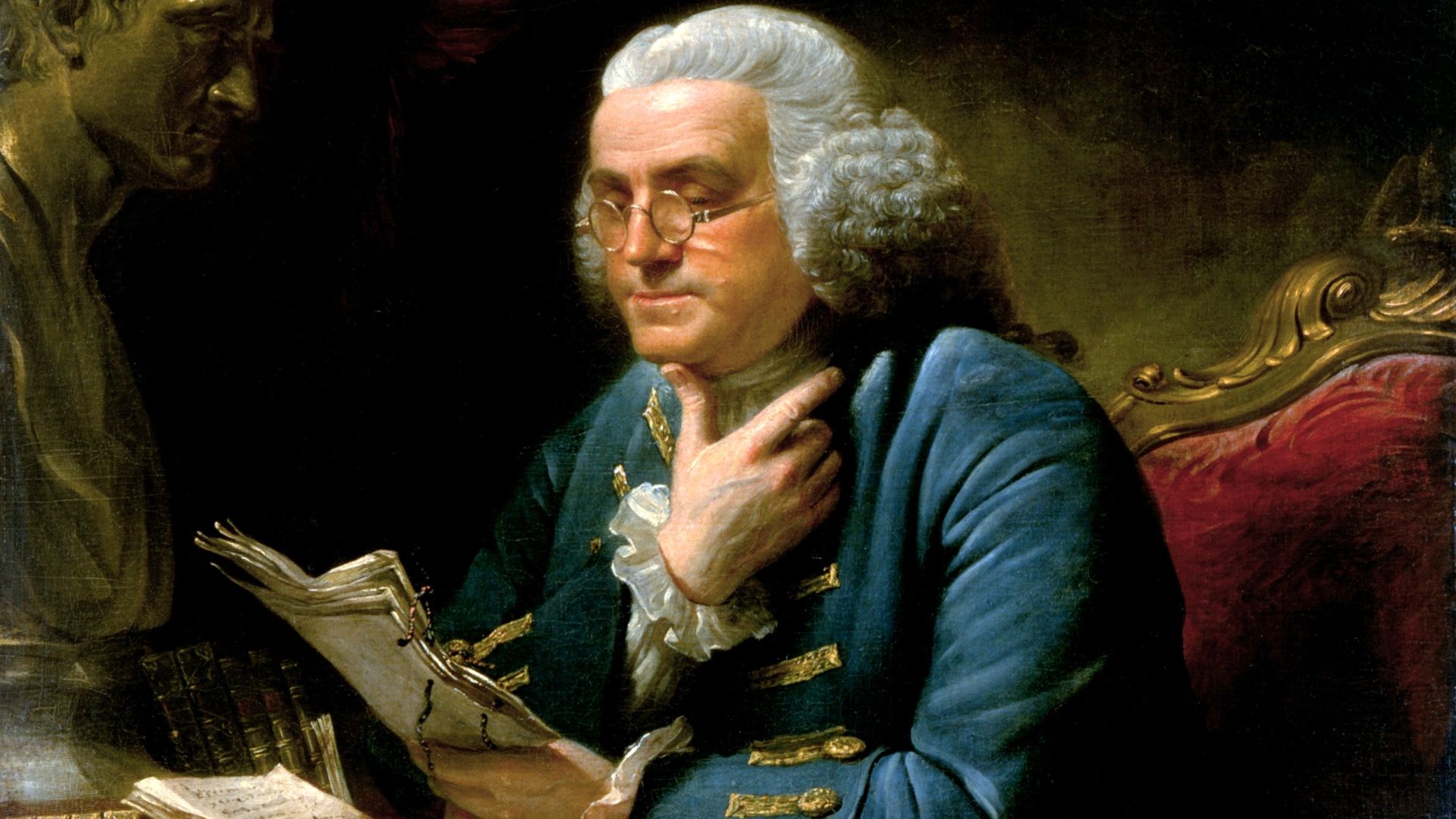
Young Benjamin Franklin went through a vegetarian phase, which may not be strange by today's standards, but was very unusual in the 18th century. In his writings, he stated that a vegetable diet promoted “clearness of ideas and quickness of thought,” which is a very Benjamin Franklin way to justify adopting a diet.
5. Immanuel Kant
Kant managed to make eating feel philosophical simply by being himself. Accounts of his daily routine describe him taking one large, leisurely meal around midday, turning it into the center of a very structured life. He believed that dining alone was bad for your health, so he invited guests, and lunch would often last several hours. He enjoyed wholesome food, had a fondness for cheese, and famously adored condiments, particularly mustard.
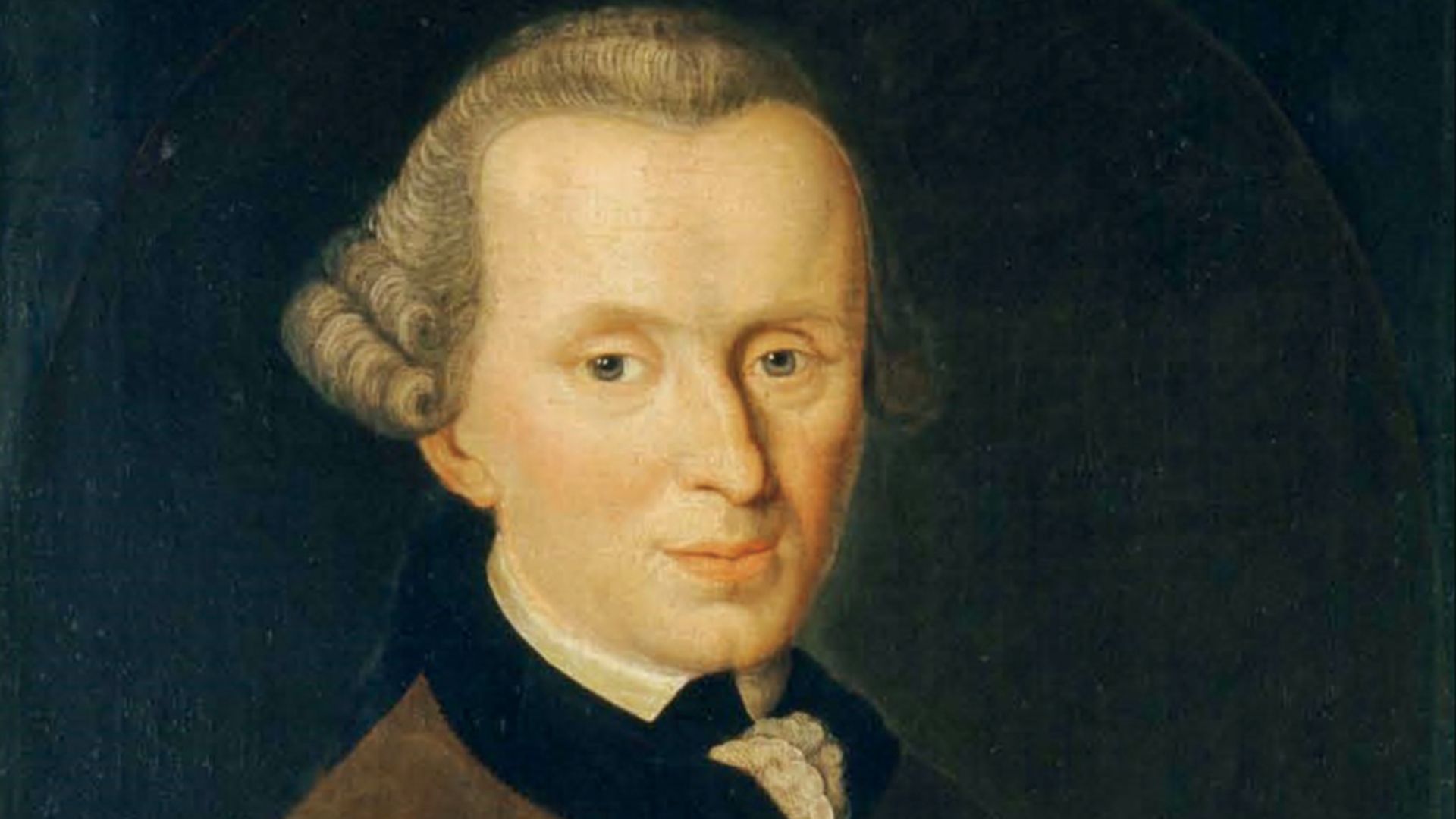 Johann Gottlieb Becker (1720-1782) on Wikimedia
6. George Washington
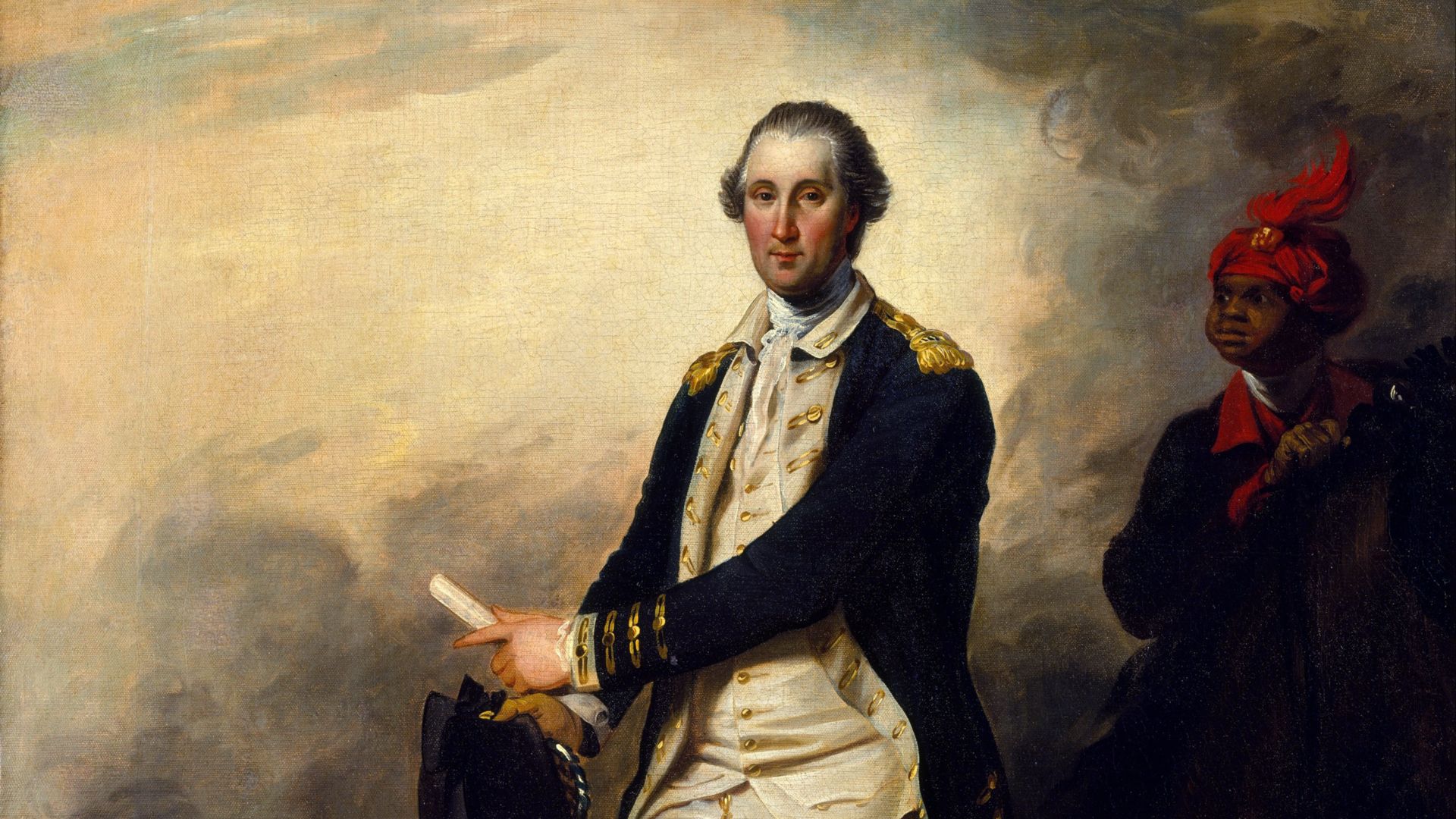
George Washington’s breakfast of choice was much simpler, though still distinctive enough to become part of his legend. He regularly ate hoecakes, cornbread-based pancakes, with butter and honey, along with tea, as a steady morning favorite. There are stranger foods on this list, but the daily commitment is doing a lot of the work here.
7. Giacomo Casanova
Casanova’s reputation for oysters is almost comically on brand. Smithsonian notes that oysters were supposedly a regular part of his routine as a kind of virility booster, and later accounts ran with the image so enthusiastically that it became part of his whole identity.
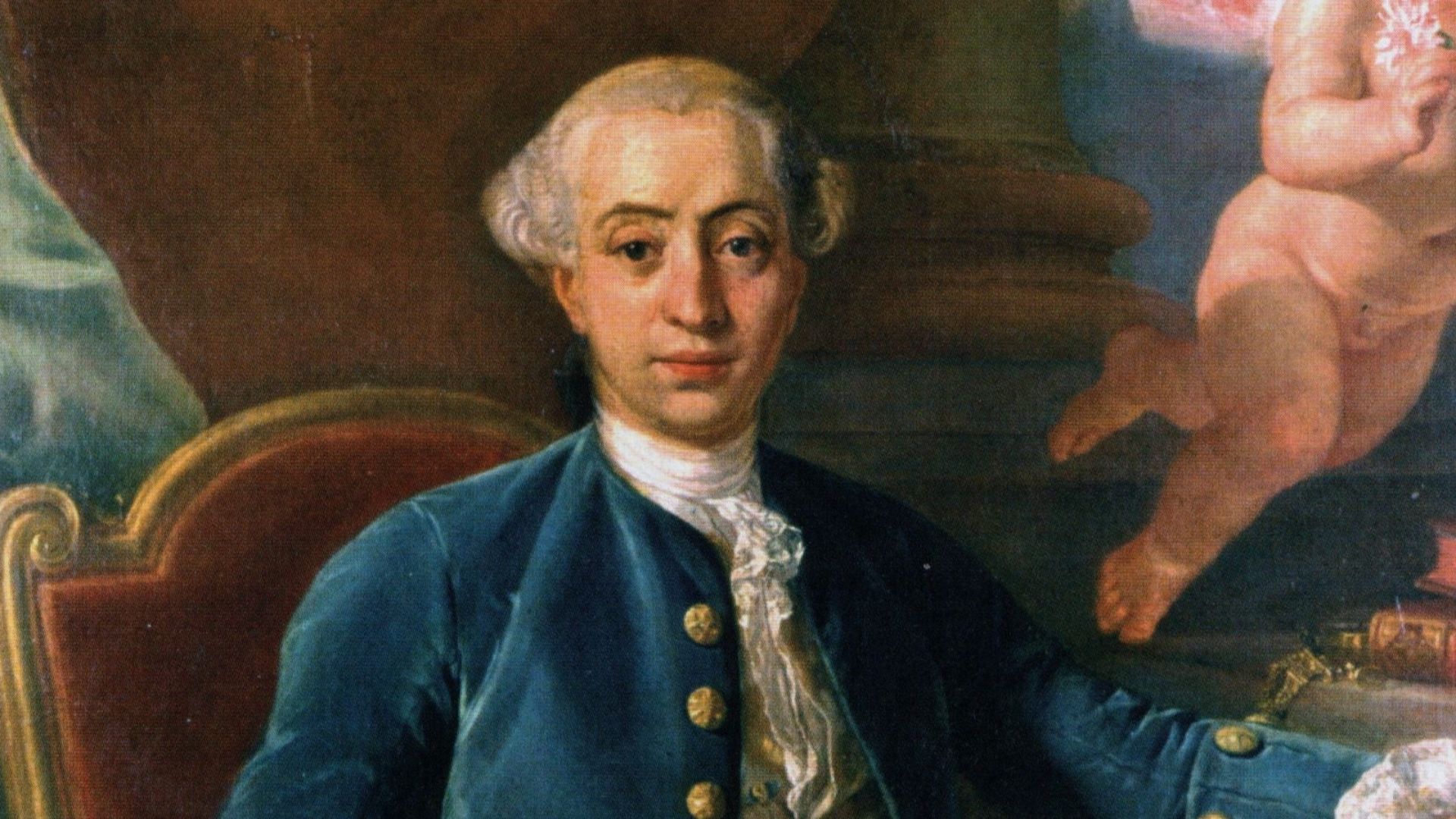 Attributed to Francesco Narici on Wikimedia
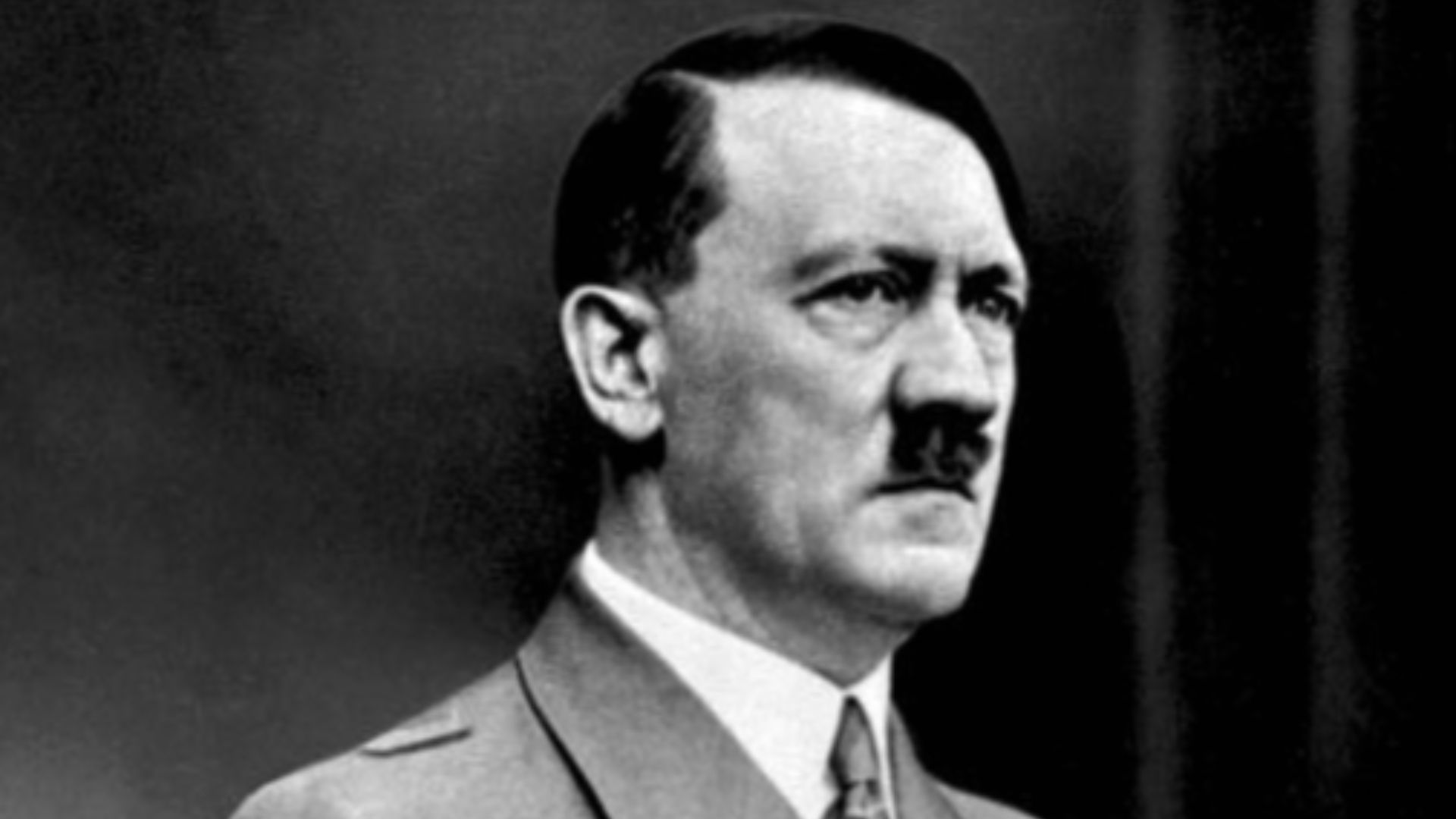
8. Adolf Hitler
Hitler’s late-life diet is often described as vegetarian, though the full history is more complicated than a simple label. By the later part of his life, accounts repeatedly describe him avoiding meat and making a point of that restraint, using it to project an image of self-control and high moral standing. It's still one of the most commonly cited ironies about his personal habits, considerig his apparent lack of regard for human lives.
9. Steve Jobs
Steve Jobs had a habit of treating food like another experiment. He is widely remembered for intense fruitarian phases and other highly restrictive eating periods where he would focus on just a few foods at a time. Even in Silicon Valley, that takes a certain amount of commitment to weirdness.
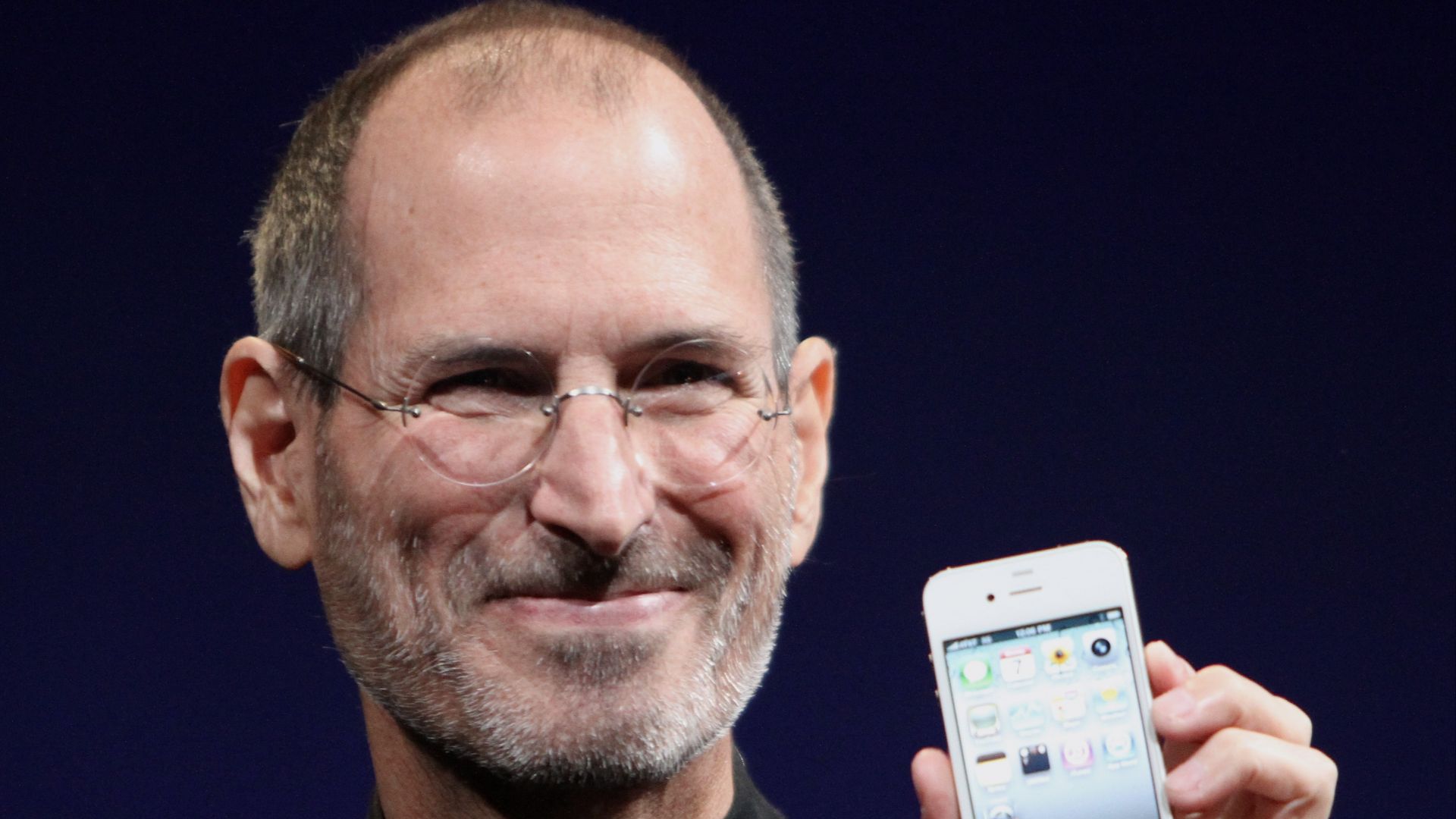 Matthew Yohe (talk) on Wikimedia
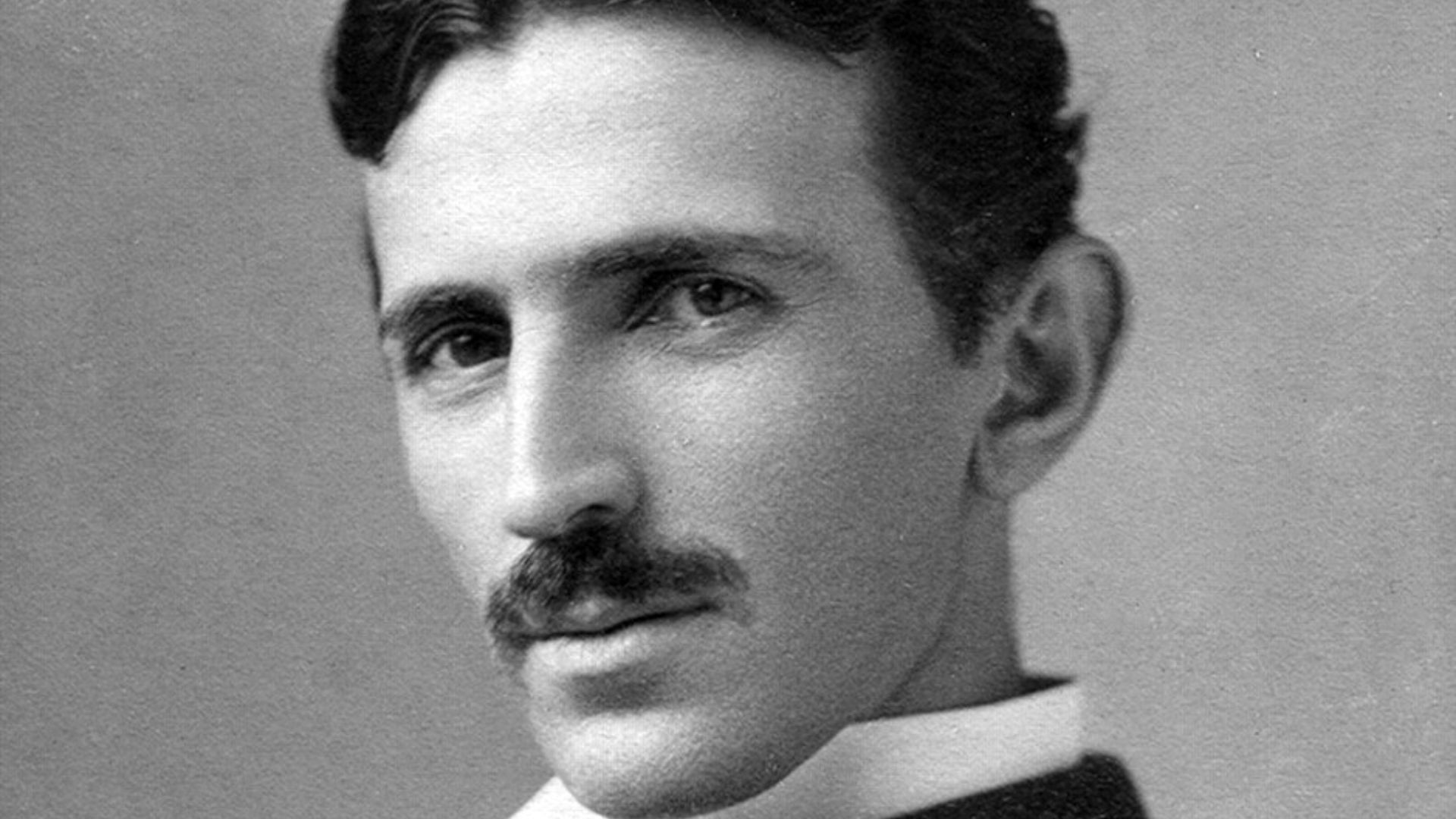
10. Nikola Tesla
Nikola Tesla’s later diet has become almost as eccentric in memory as the man himself. Accounts describe him moving toward a highly controlled routine centered on things like milk, bread, honey, and vegetable juices, all tied to his ideas about efficiency and mental clarity. Some inventors build machines. Tesla seems to have tried building a diet that behaved like one.
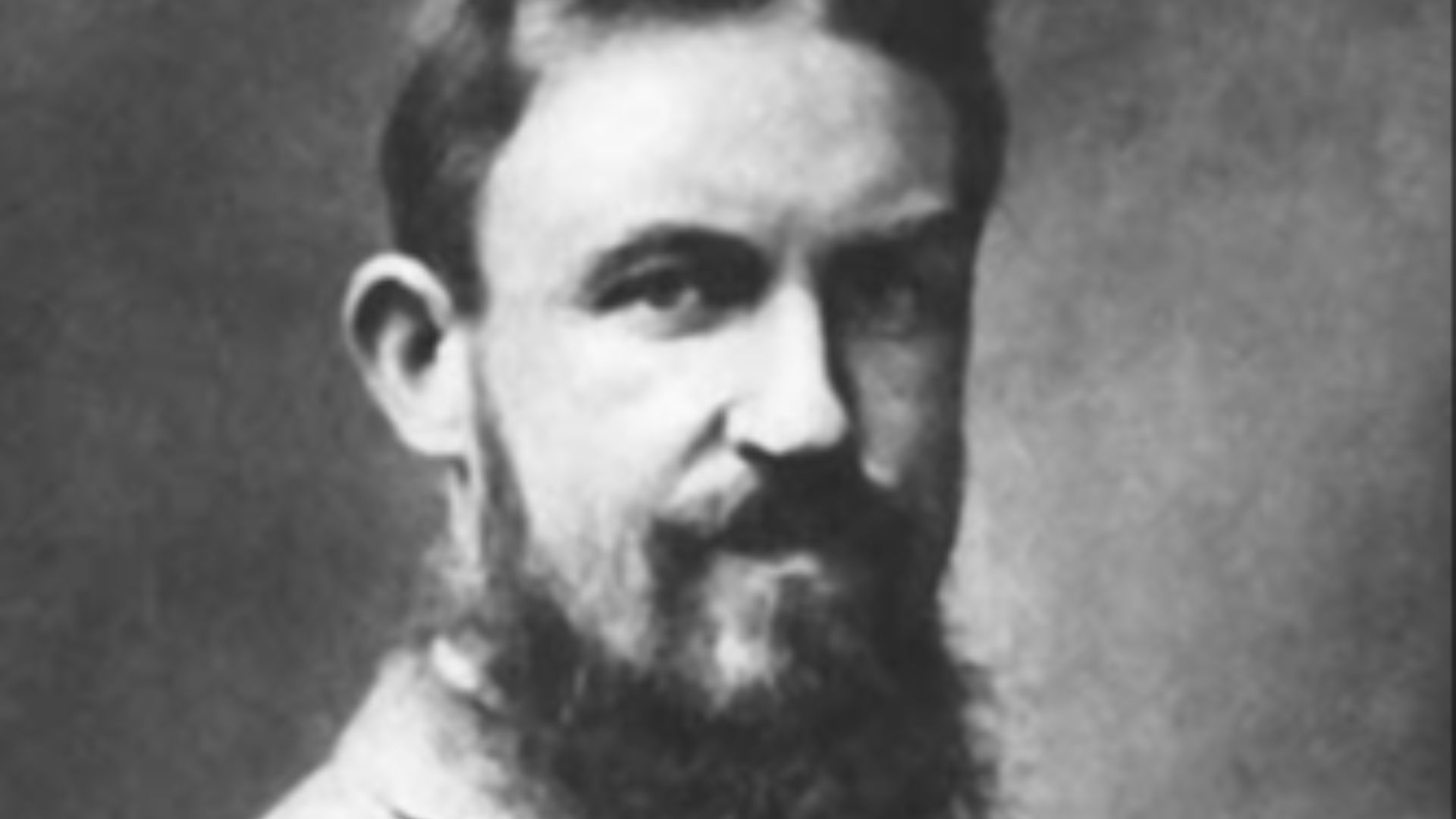
11. George Bernard Shaw
George Bernard Shaw turned vegetarianism into one of his most famous long-term commitments. Historical vegetarian records celebrated him as having remained vegetarian for 66 years by the time he turned 90.
The fact that he stuck with it for decades before that was a mainstream thing to do made it more of a lifestyle choice than a simple diet.
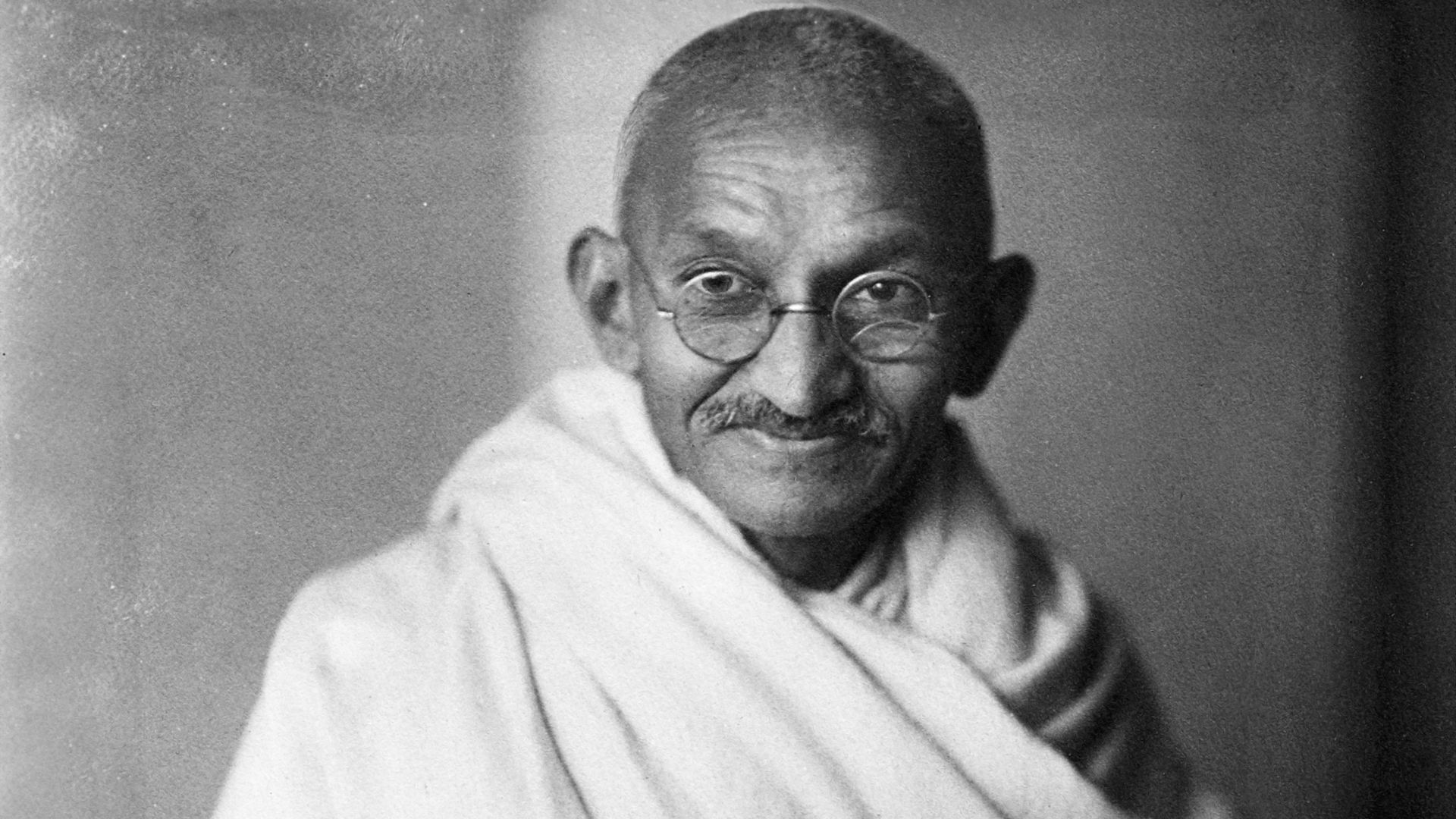
12. Mahatma Gandhi
Gandhi didn't merely follow a diet. He ran ongoing experiments on himself through food, fasting, abstinence, and highly controlled choices about what he believed the body should or should not need. One especially memorable chapter involved his daily consumption of goat's milk and rejection of cow's milk. He even had a goat brought to the Round Table Conference in London, which caused a brief spike in the popularity of goat dairy products in England.
13. Pythagoras
Pythagoras is remembered for mathematics, but he also left behind one of history’s oddest food taboos. Ancient tradition strongly linked him and his followers with a prohibition on beans, especially fava beans, though the reasons given range from mystical to political to medically speculative. If your philosophical movement includes a weirdly dramatic anti-bean stance, people are going to remember that.
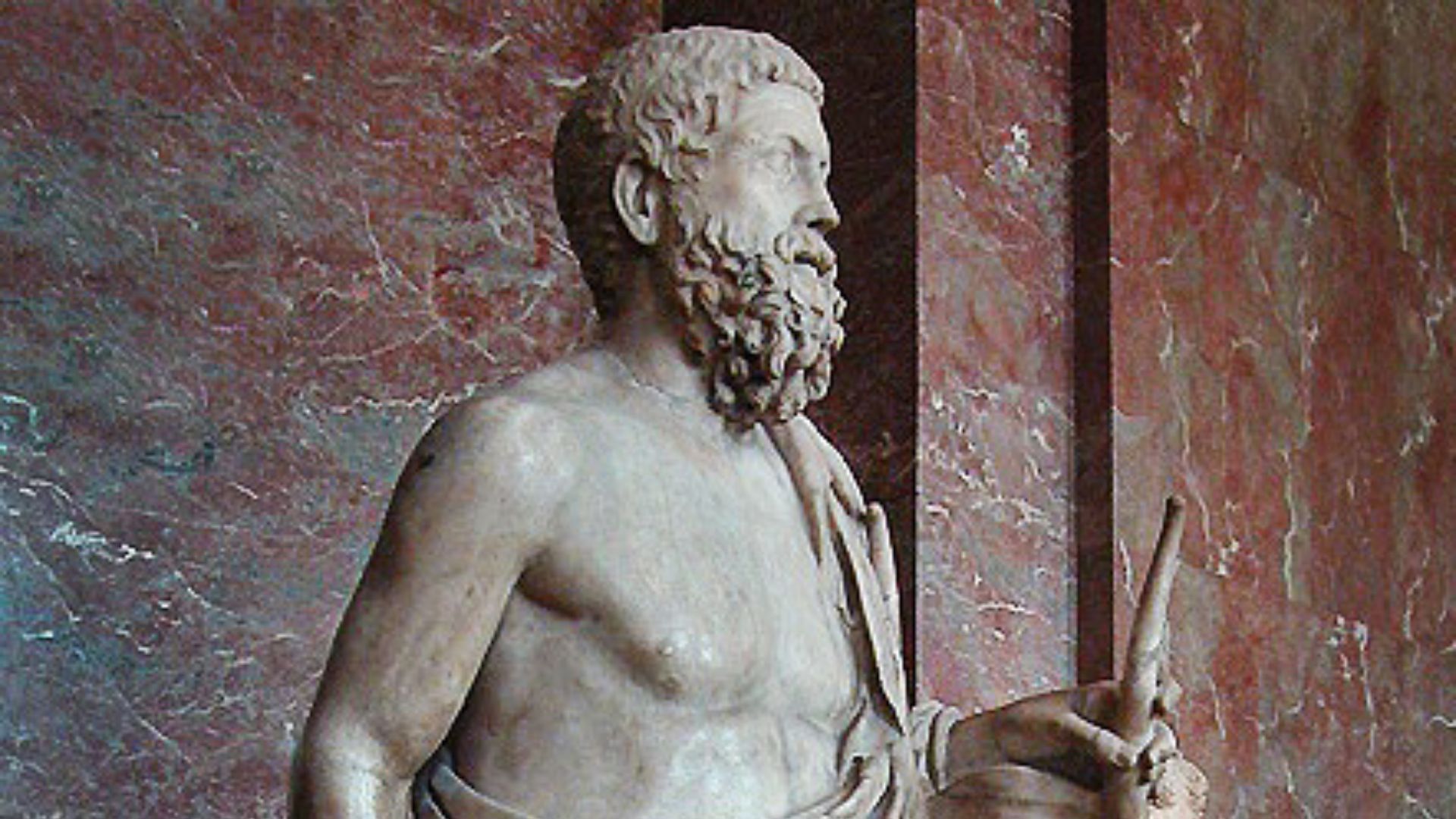 Pythagoras of Rhegion on Wikimedia
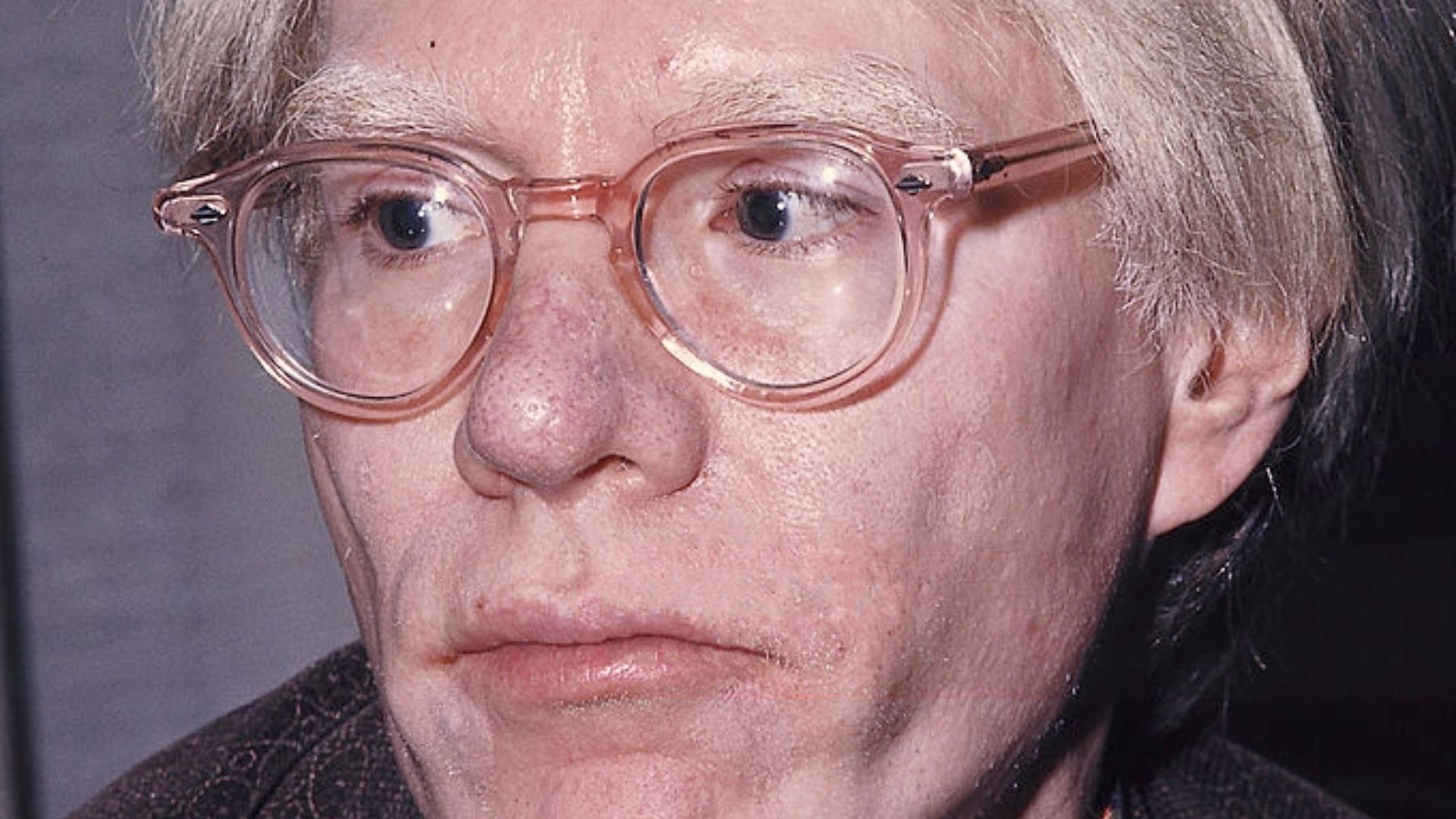
14. Andy Warhol
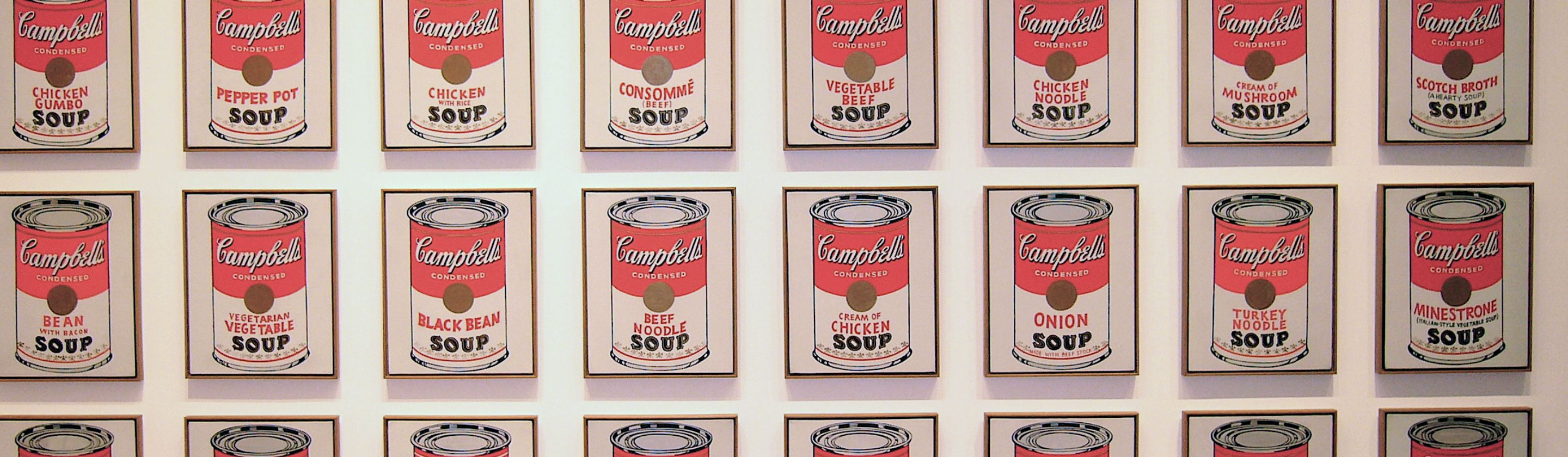
Andy Warhol once said he had the same lunch every day for 20 years, and the lunch in question was Campbell’s soup. That's not a rumor built after the fact, but something Warhol himself said, and the Museum of Modern Art repeats it right alongside the iconic soup can paintings.
Few artists have ever managed to turn lunch monotony into both branding and biography so effectively.
15. Marilyn Monroe
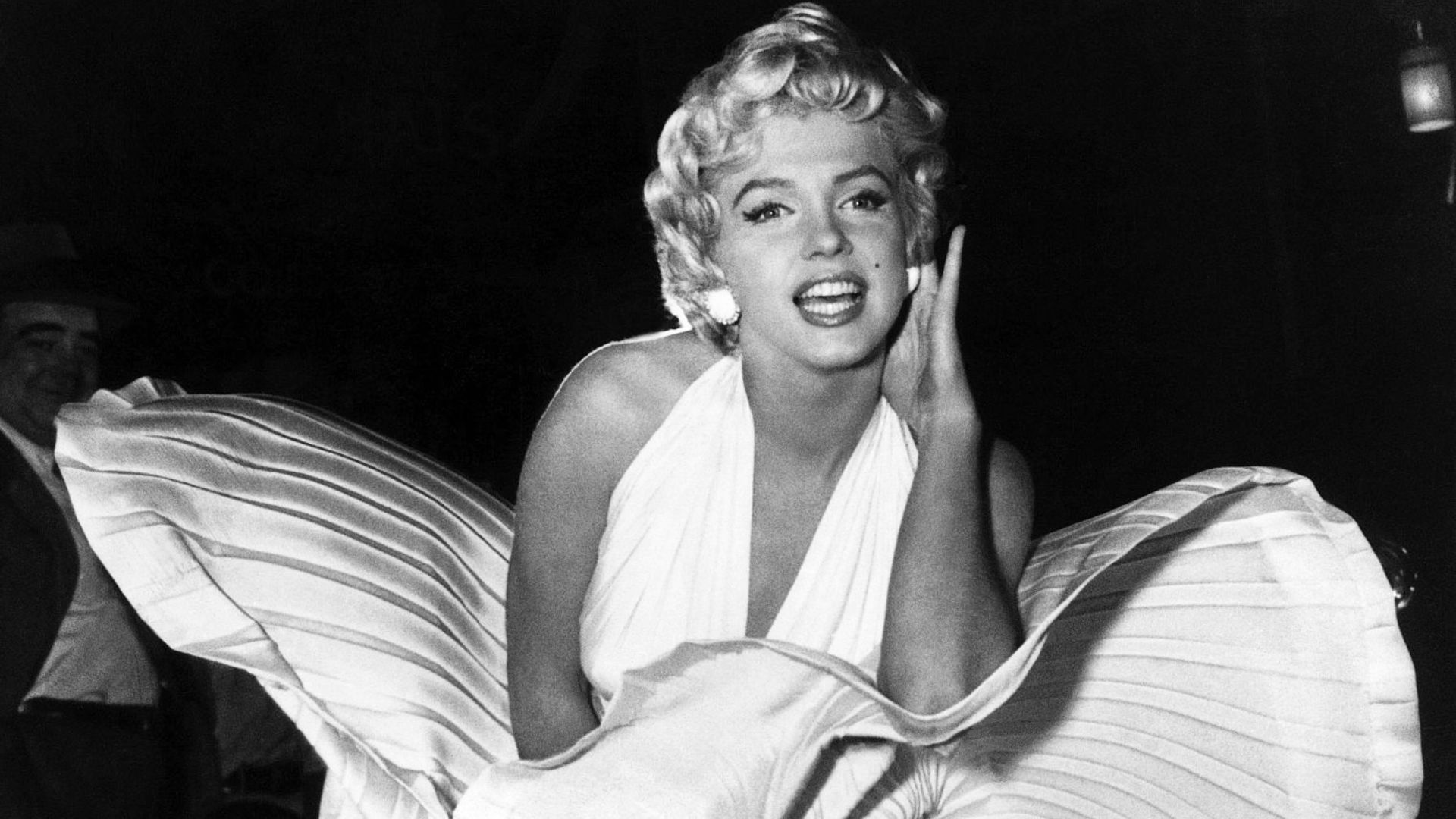
Marilyn Monroe’s breakfast routine sounds like something invented by a screenwriter trying too hard, but it comes from her own 1950s interview material. She described warming milk and cracking raw eggs into it before drinking the whole thing, which she treated as a practical, protein-heavy start to the day.
16. Howard Hughes
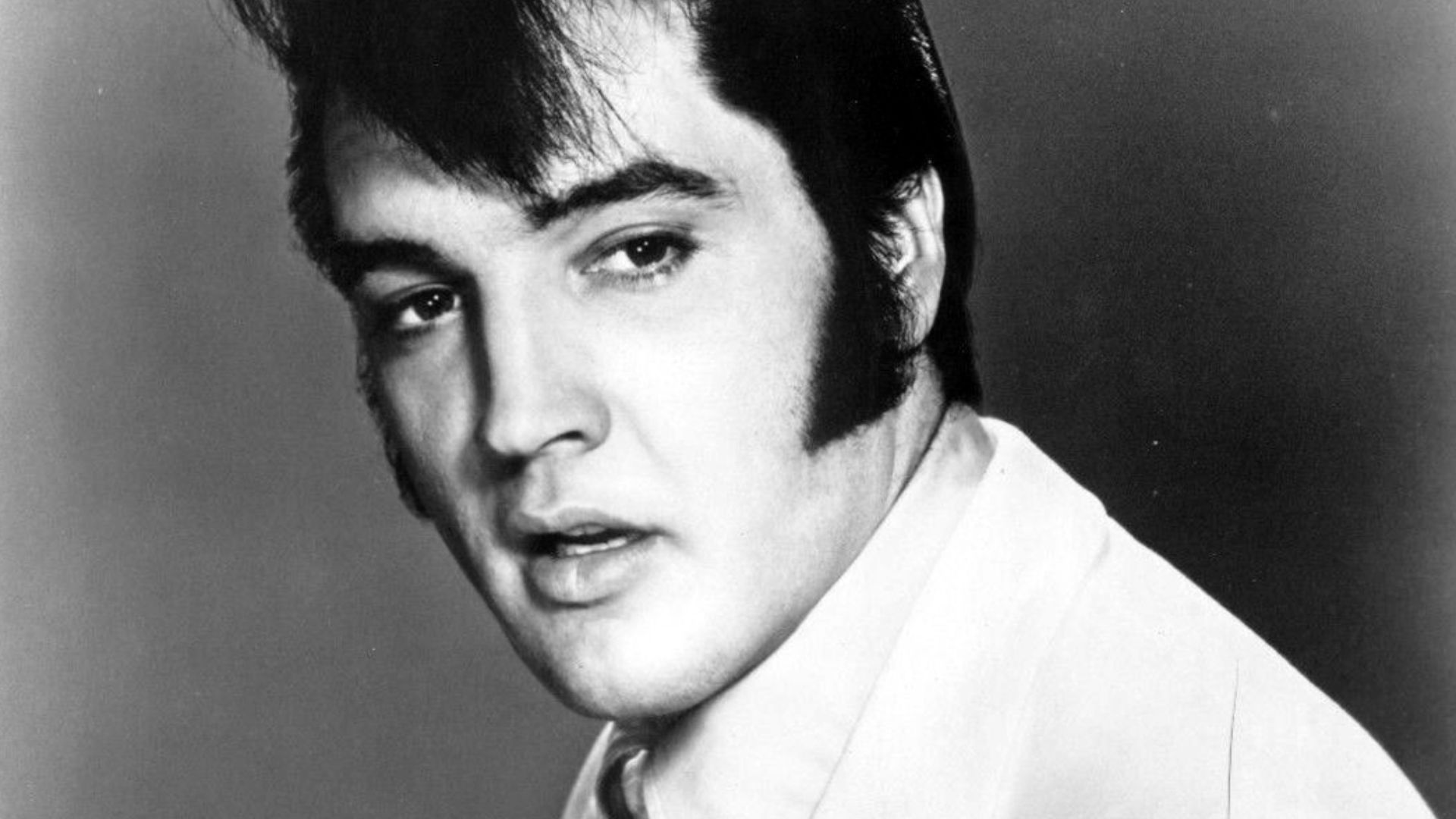
Howard Hughes had enough eccentric habits to fill several books, and his food choices didn't exactly calm things down. He often required food to be prepared with obsessive precision, such as arranging peas by size. In one later-life episode, he reportedly spent months isolated in a screening room while living largely on chicken, chocolate bars, and milk.
17. Elvis Presley
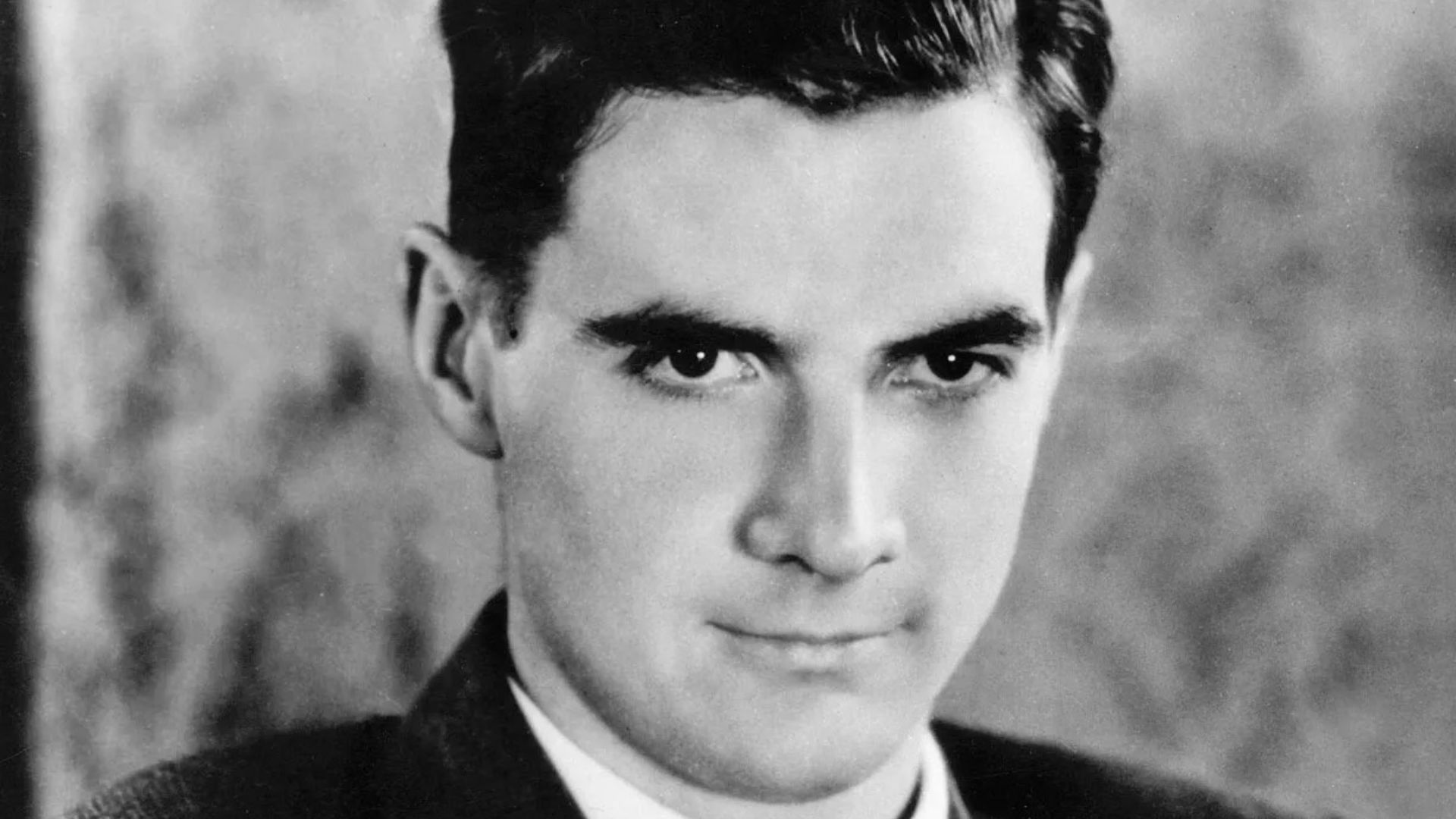
Elvis had several famous food obsessions, but the peanut butter, banana, and bacon combination remains the most culturally durable. Add in the Fool’s Gold Loaf story, in which he reportedly flew to Denver for a huge sandwich made from a hollowed loaf filled with peanut butter, jelly, and a lot of bacon, and you get a diet history that's impossible to keep modest. Plenty of musicians had strong opinions about food but Elvis turned his into folklore.
18. Napoleon Bonaparte
Napoleon’s weirdness wasn't so much about one bizarre dish as the whole style of eating. Contemporary descriptions say he ate fast, irregularly, and impatiently, with chicken, cutlets, and coffee expected to appear whenever appetite struck.
Accounts of his habits makes him sound less like a diner and more like a man ambushing meals between campaigns.
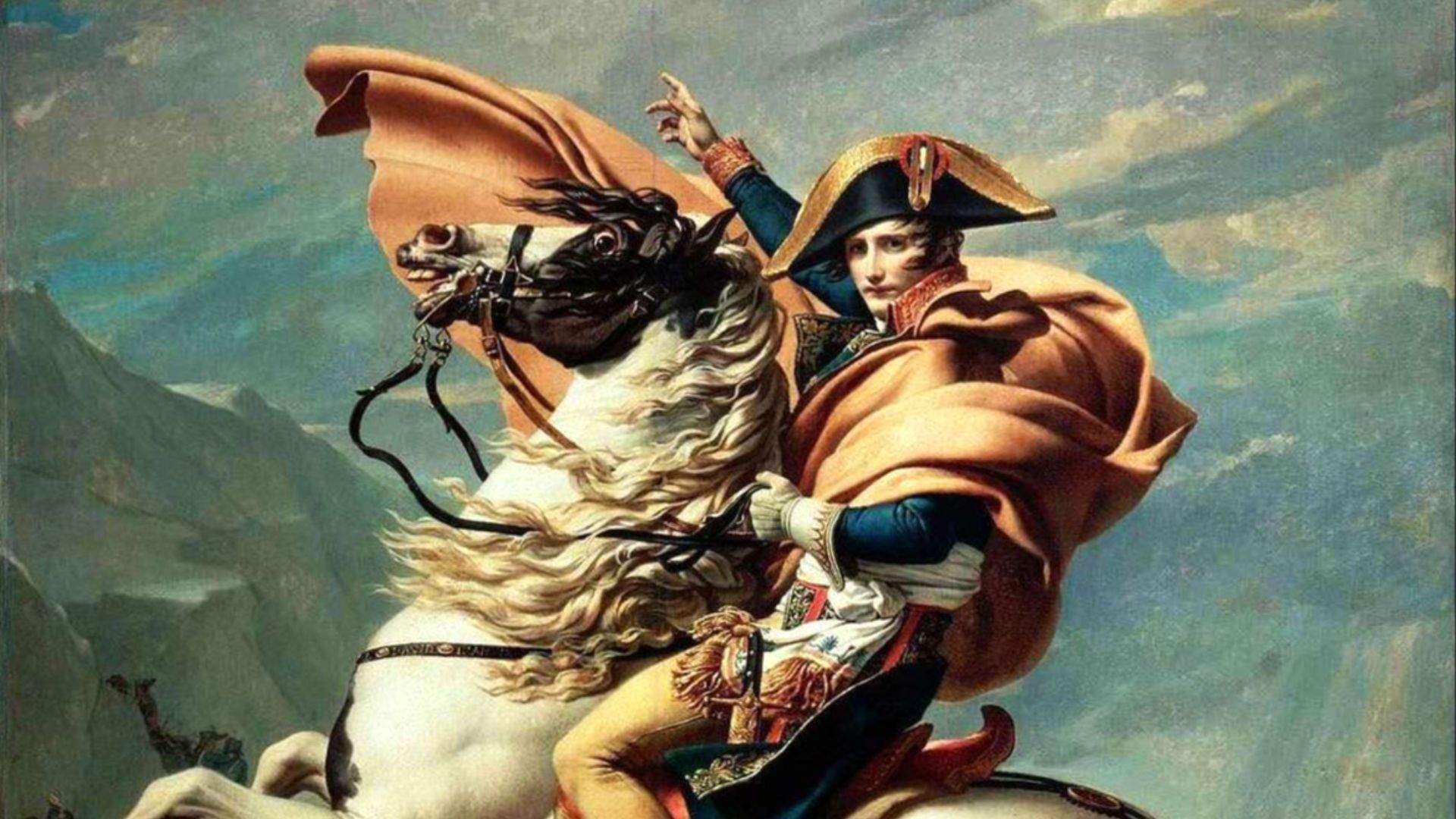 Jacques-Louis David on Wikimedia
19. Henry Ford
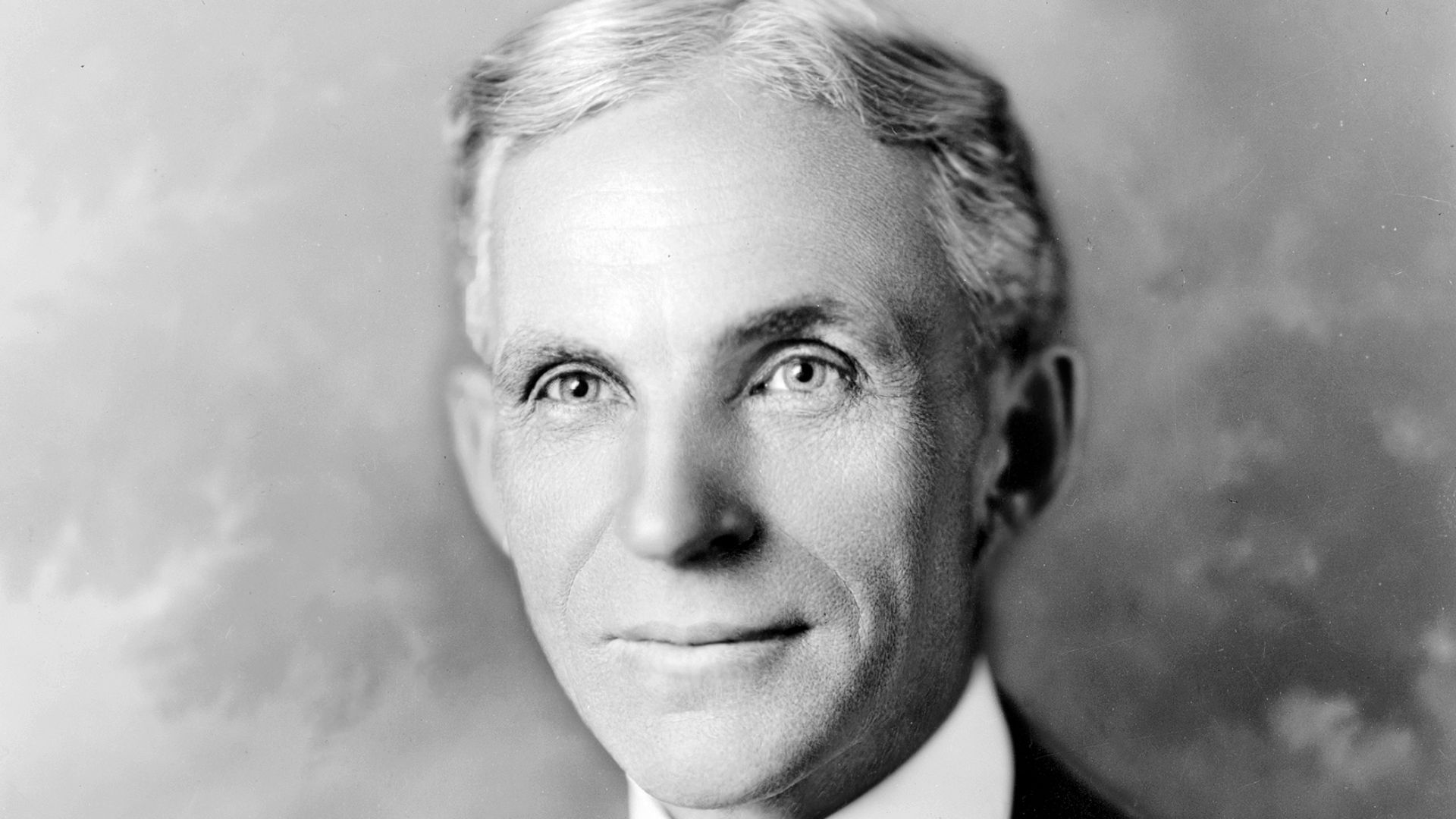
Henry Ford reportedly treated his body like a machine and food like fuel, which made his eating habits sound more practical than pleasurable. He favored a plain, largely vegetarian diet and had little patience for rich meals or anything that seemed indulgent. He was known for eating weeds from his garden and nuts from his pocket instead of sitting down for a true meal.
20. Winston Churchill
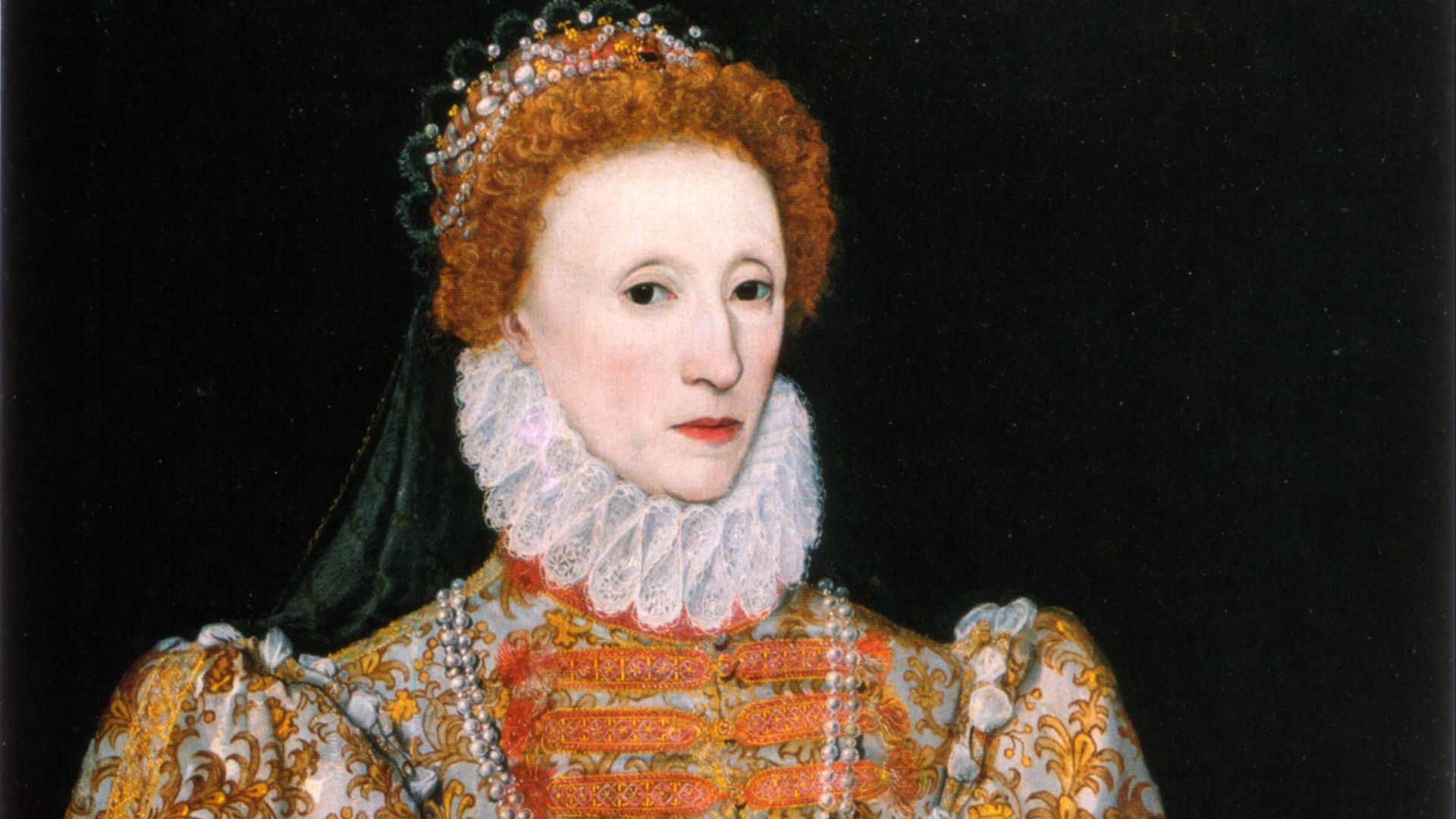
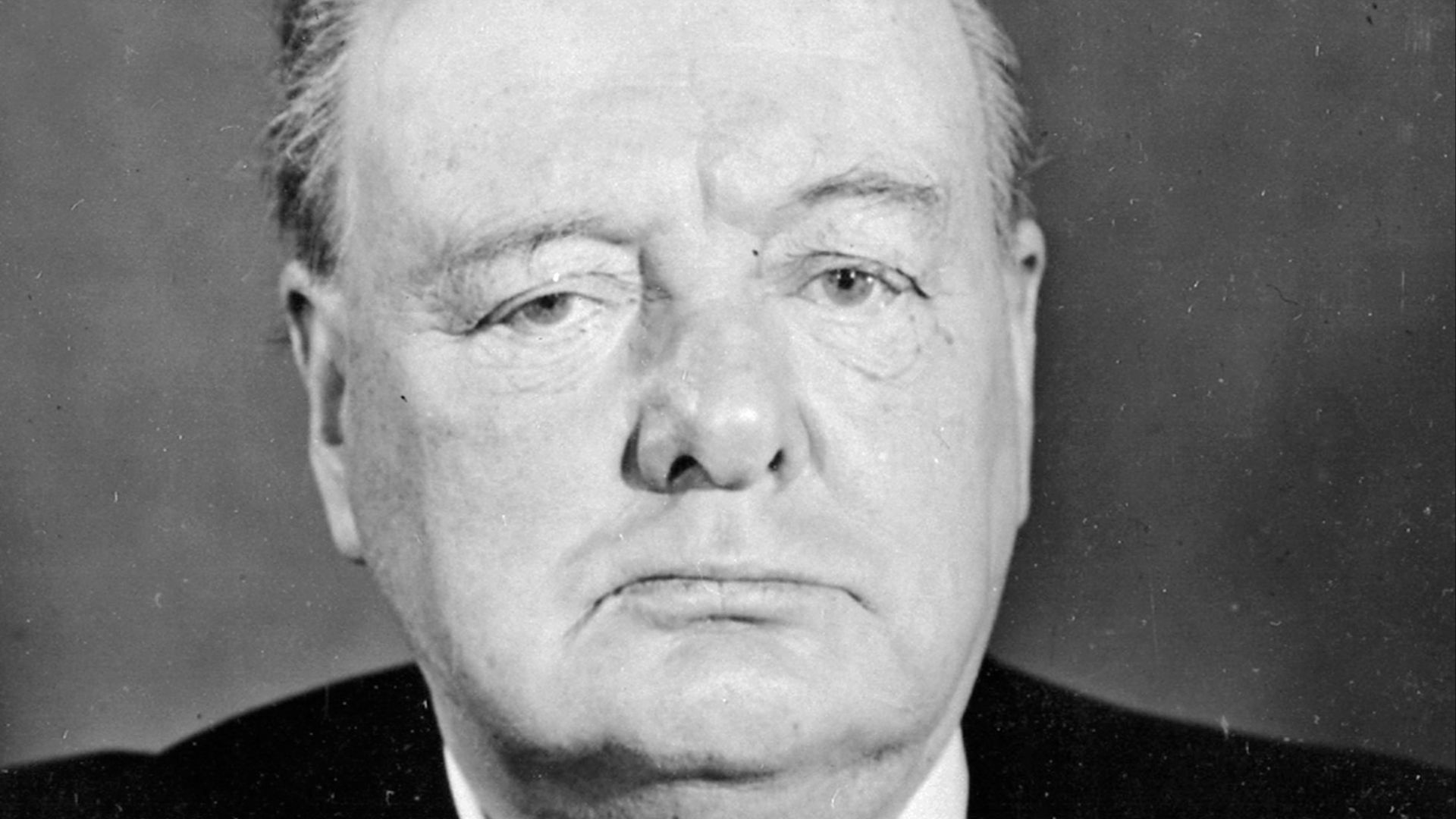
Churchill’s daily habits had a gift for sounding both stately and unreasonable. He was famous for breakfasting in bed, indulging in multiple-course lunches, dinners with champagne, 8–10 daily cigars, and constant alcohol consumption. Plenty of leaders have unusual working habits, but Churchill managed to make his meals and drinks sound like part of a permanent campaign against moderation.
KEEP ON READING
10 Greatest Quarterbacks Of All Time & 10 That Are…
Do You Disagree?. Few topics in sports generate as much…
By Farva Ivkovic Dec 2, 2025
The story of Ching Shih, the Woman Who Became the…
Unknown author on WikimediaFew figures in history are as feared…
By Emilie Richardson-Dupuis Dec 29, 2025
20 Shakespearean Words, Translated For A Modern Audience
What’s In A Word?. Shakespeare was a wordsmith of the…
By Breanna Schnurr Dec 17, 2025
20 Inspiring Stories From Native American History
Incredible Stories Of Resilience And Endurance. Many of us didn't…
By Ashley Bast Dec 17, 2025
You Think You Have Problems? These Royal Families Were Cursed
Boasson and Eggler St. Petersburg Nevsky 24. on WikimediaHeavy is…
By Ashley Bast Dec 5, 2025
MH370: The Plane That Can't Be Found
Anna Zvereva from Tallinn, Estonia on WikimediaEleven years after Malaysia…
By Christy Chan Dec 10, 2025