20 Historical Figures Who Only Became Legends After Their Death
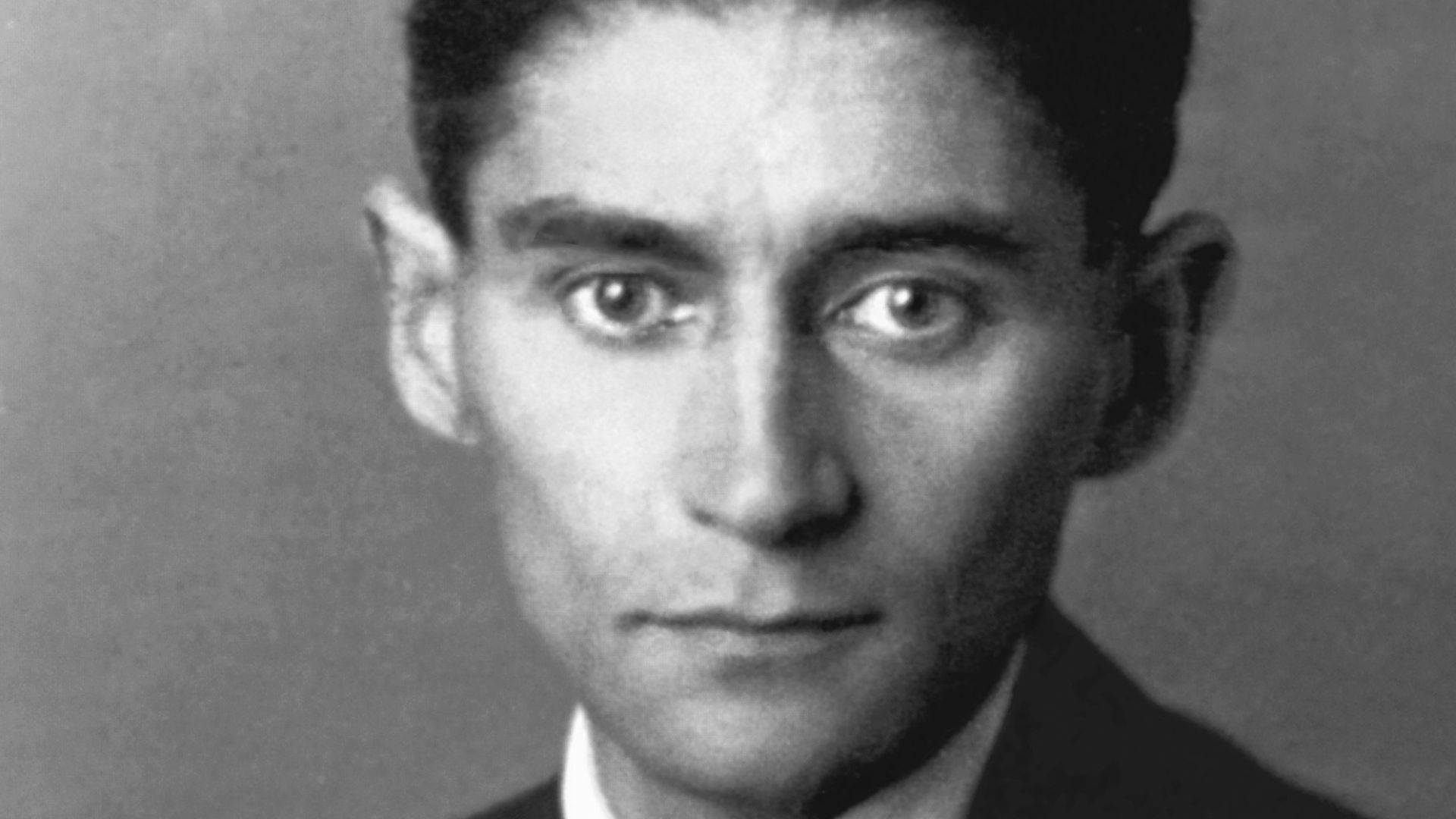
4. Franz Kafka
Kafka instructed his friend Max Brod to burn his manuscripts. Fortunately, Brod ignored him. Published posthumously, The Trial, The Metamorphosis, and other works became hallmarks of existentialism and bureaucratic absurdity. Kafka’s alienated voice spoke to the 20th century far more profoundly than his tormented life ever suggested.
 Unknown authorUnknown author on Wikimedia
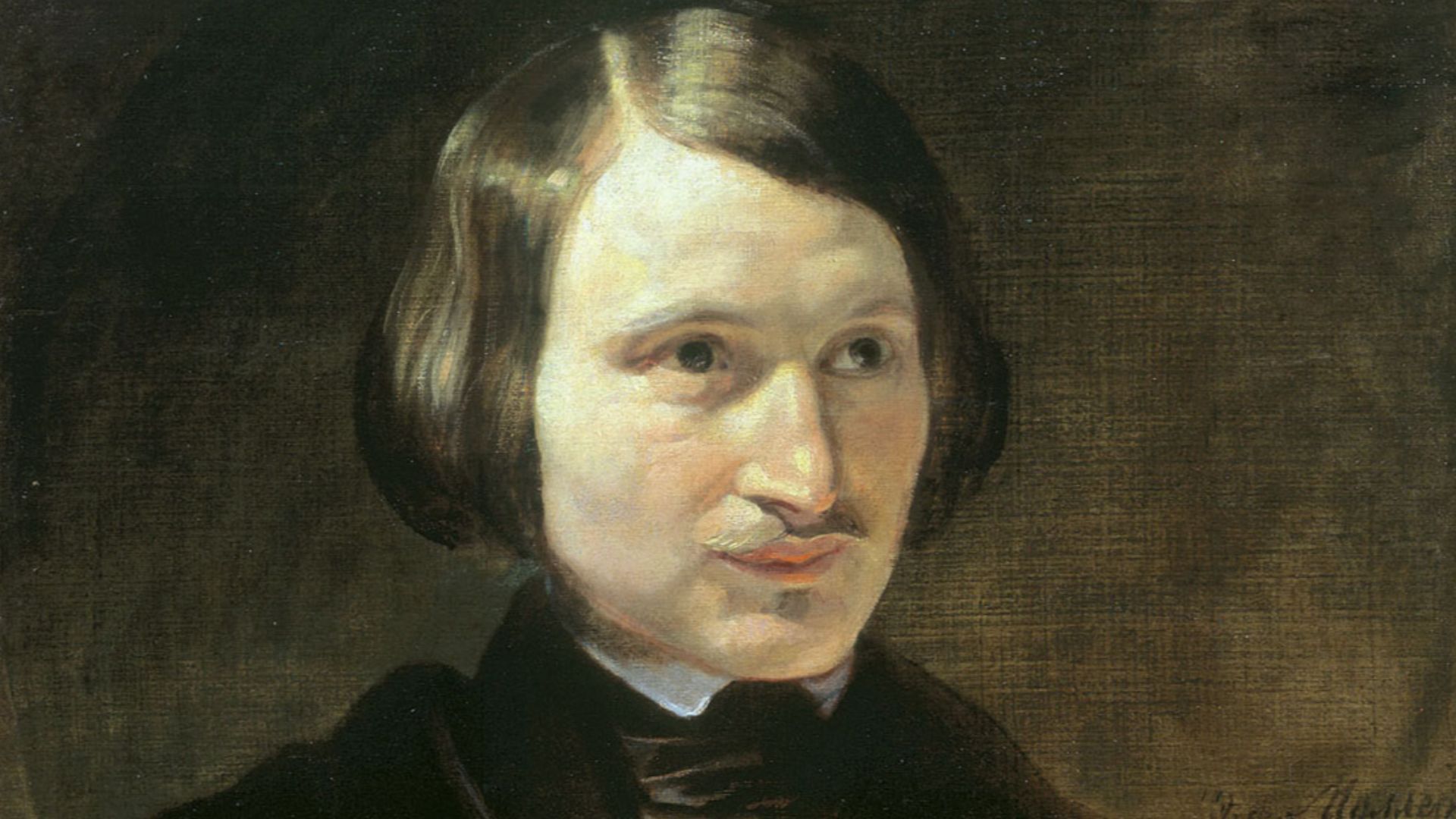
5. Nikolai Gogol
While Gogol’s satire had some popularity in Tsarist Russia, much of his work was misunderstood or dismissed as bizarre. After his 1852 death, writers like Dostoevsky and Nabokov helped raise his reputation. His surreal, absurdist tone now defines him as a visionary precursor to modernist and absurdist literature.
 Otto Friedrich Theodor von Möller on Wikimedia
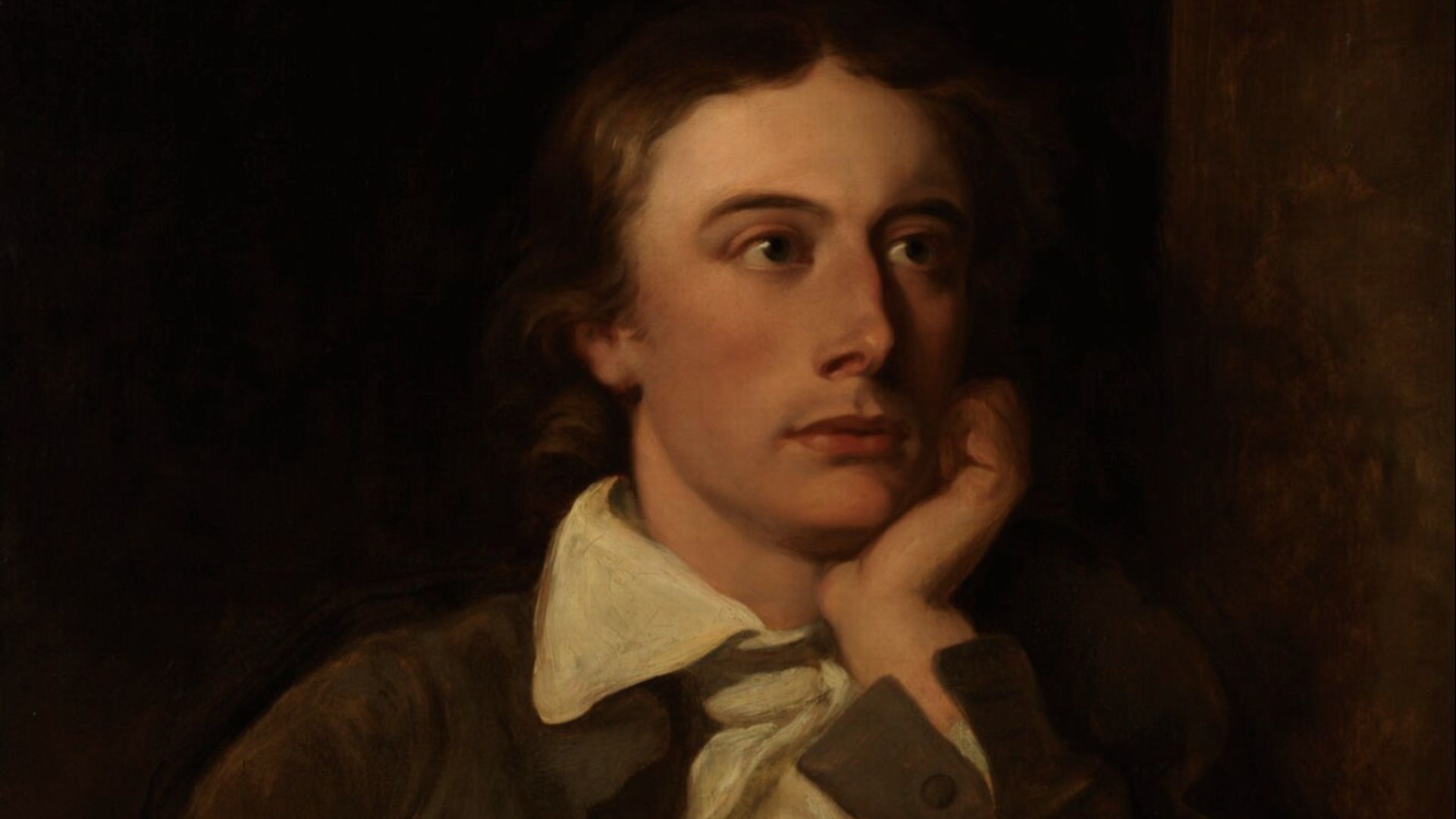
6. John Keats
Critics in early 19th-century England mocked Keats’ romanticism and lyricism. He died of tuberculosis at 25, feeling like a failure. However, his body of work was later hailed as the peak of English Romantic poetry. Today, his poetic influence is considered foundational across generations.
7. Vincent Van Gogh
No galleries clamored for his work during his lifetime. Van Gogh sold only one painting while alive despite creating over 2,000 pieces. He passed away in 1890, virtually unknown. Later, art exhibitions and his sister-in-law Johanna catapulted him into global reverence.
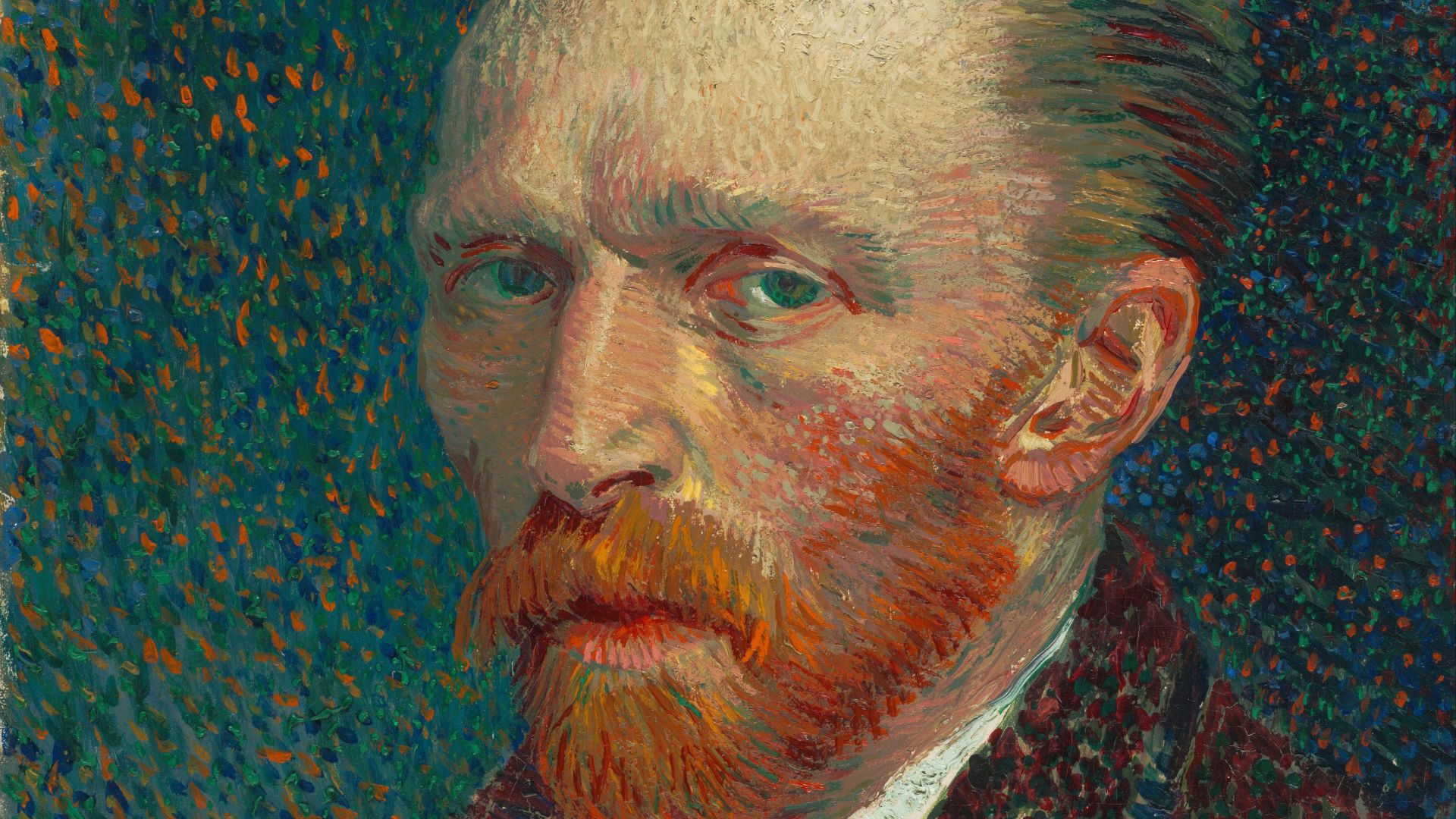
8. Emily Dickinson
Her poetry feels immortal now, yet during her lifetime, only a few of her nearly 1,800 poems were published. Dickinson lived in seclusion in Amherst and wasn’t recognized as a major literary force until decades after she left the world in 1886.
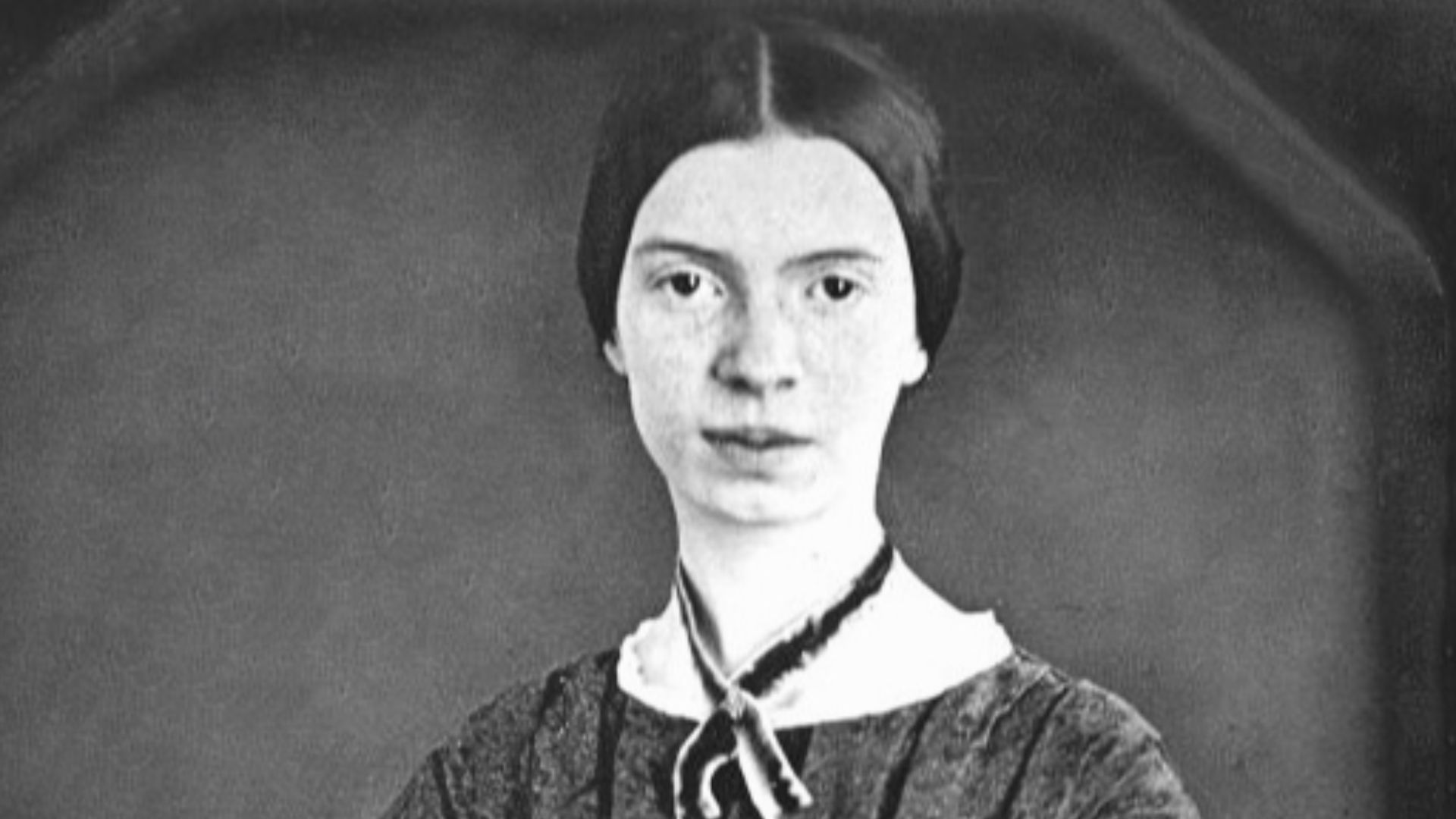 Original image: unknown derivative work: deerstop. on Wikimedia
9. Alan Turing
Though he hastened Allied victory, Turing was prosecuted for homosexuality in 1952. He died under tragic circumstances two years later. Not until 2009 did Britain officially acknowledge his contribution and apologize. His posthumous legend now frames him as both a computing pioneer and a persecuted genius.
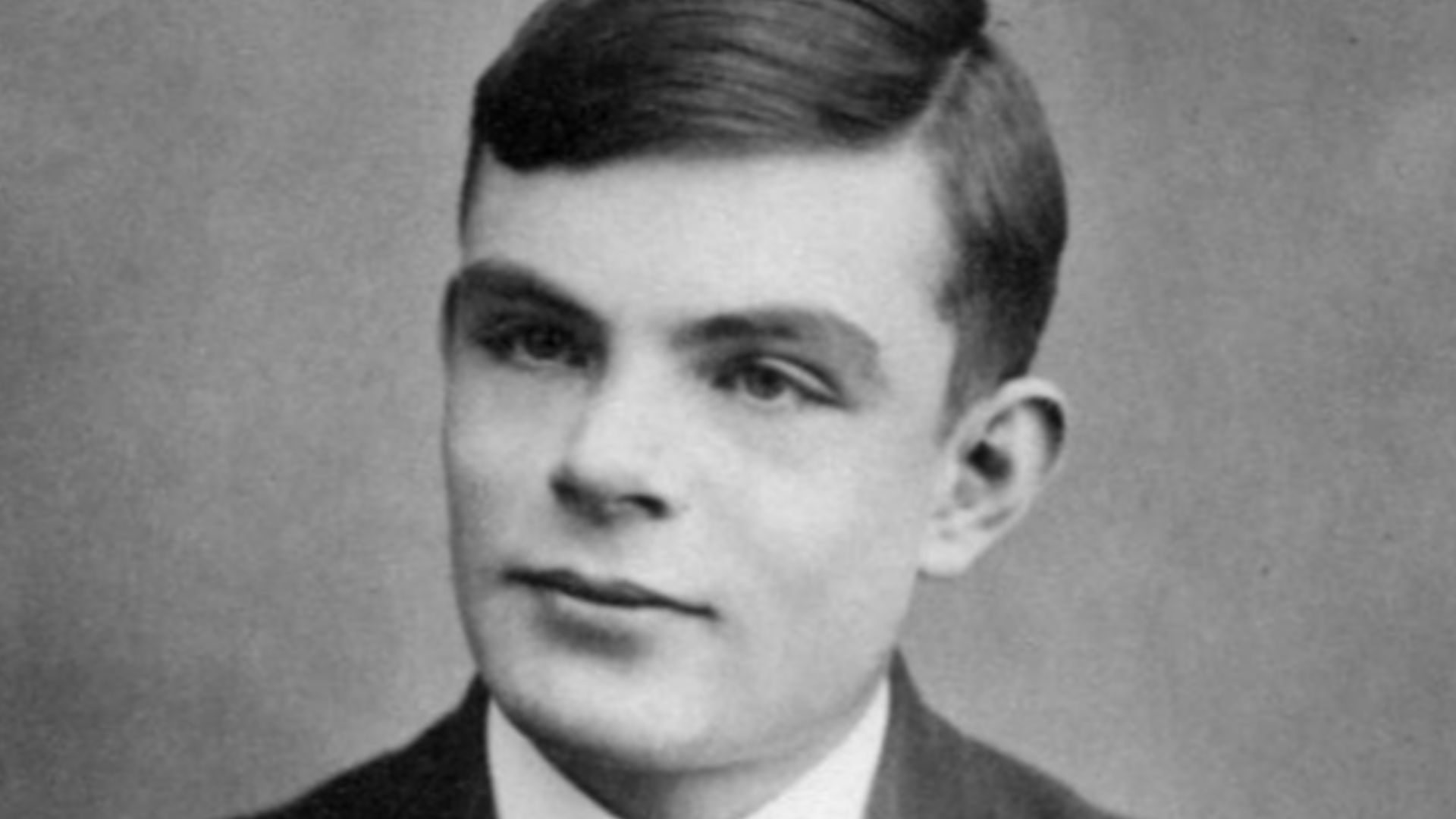 Possibly Arthur Reginald Chaffin (1893-1954) on Wikimedia
10. H. P. Lovecraft
His stories rarely appeared outside obscure pulp magazines during his life. Lovecraft died in 1937 with little recognition. Decades later, his mythos of cosmic horror and human insignificance inspired generations of authors and game designers. His influence birthed an entire genre long after he left it behind.
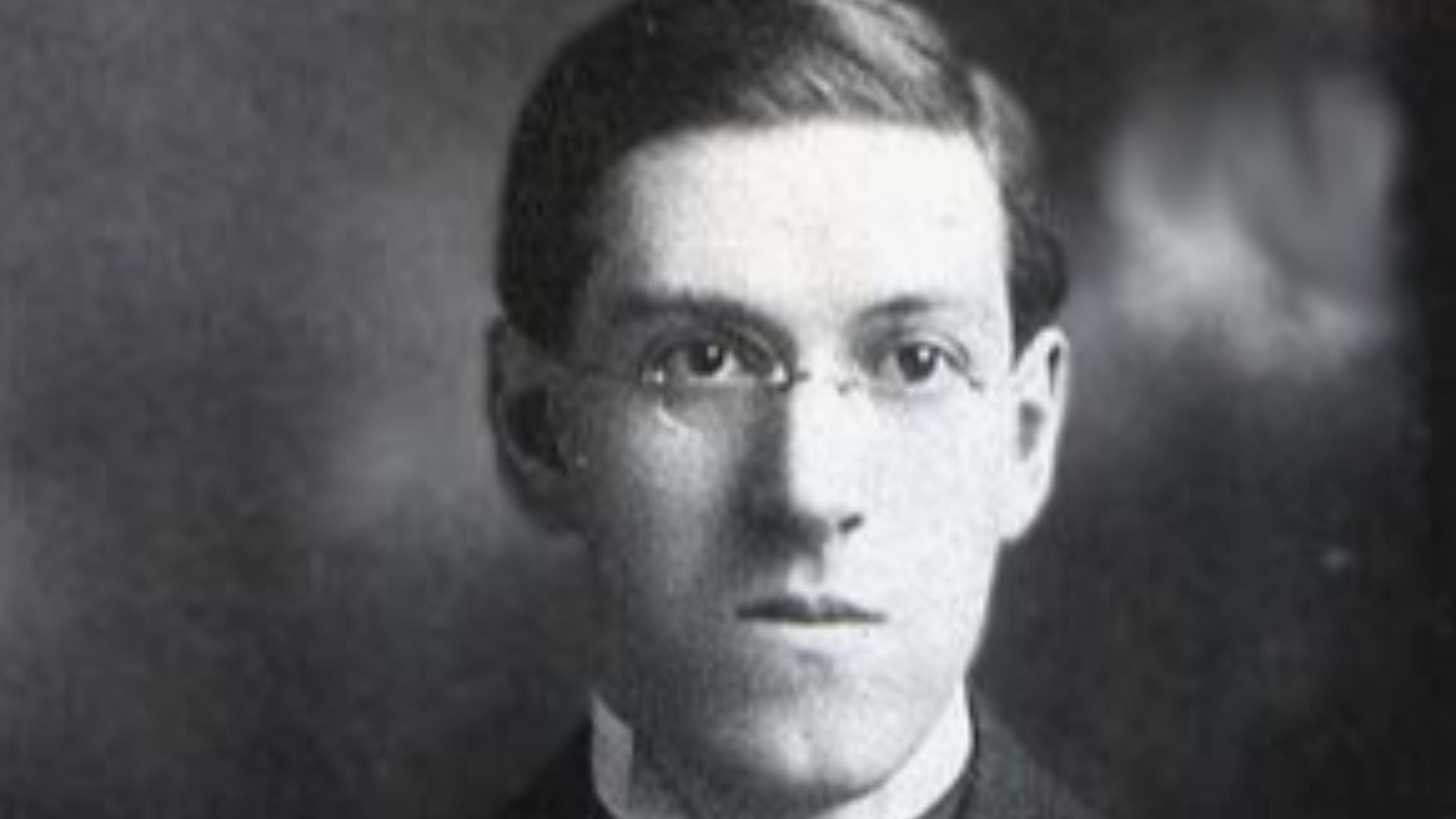 Unknown authorUnknown author on Wikimedia
11. Johannes Vermeer
After Vermeer’s demise in 1675, his work vanished for nearly two centuries. In the 1800s, art critics reattributed unsigned canvases and revived his legacy. With just 35-36 known paintings, his mastery of light and domestic realism now defines Dutch Golden Age excellence across global galleries.
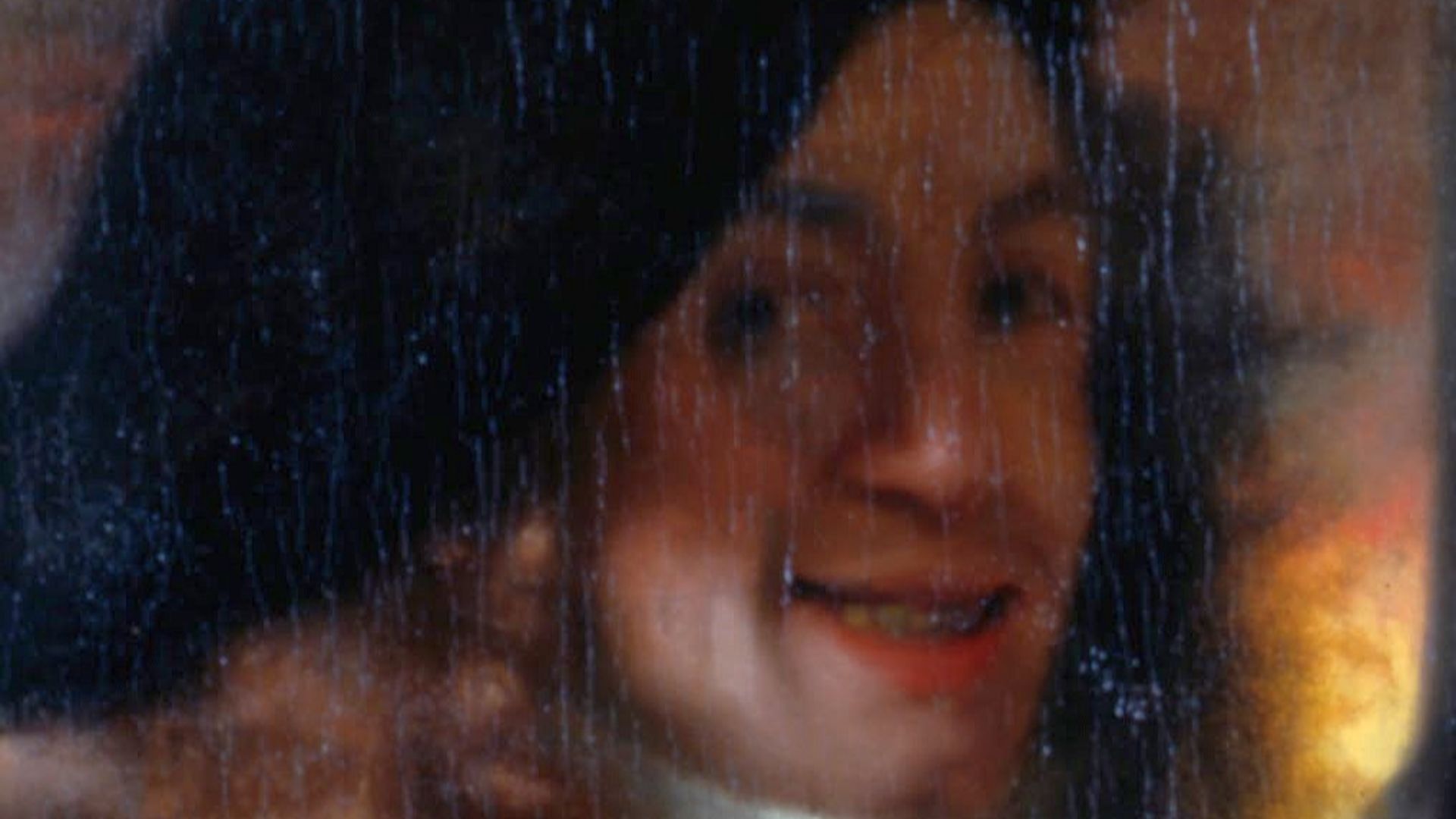
12. Henry James
Though respected during his lifetime, Henry James didn’t achieve wide readership or full critical acclaim until after he passed away in 1916. His dense prose and psychological depth alienated many early readers. Today, he’s credited as a foundational figure in the development of modern literary fiction and narrative complexity.
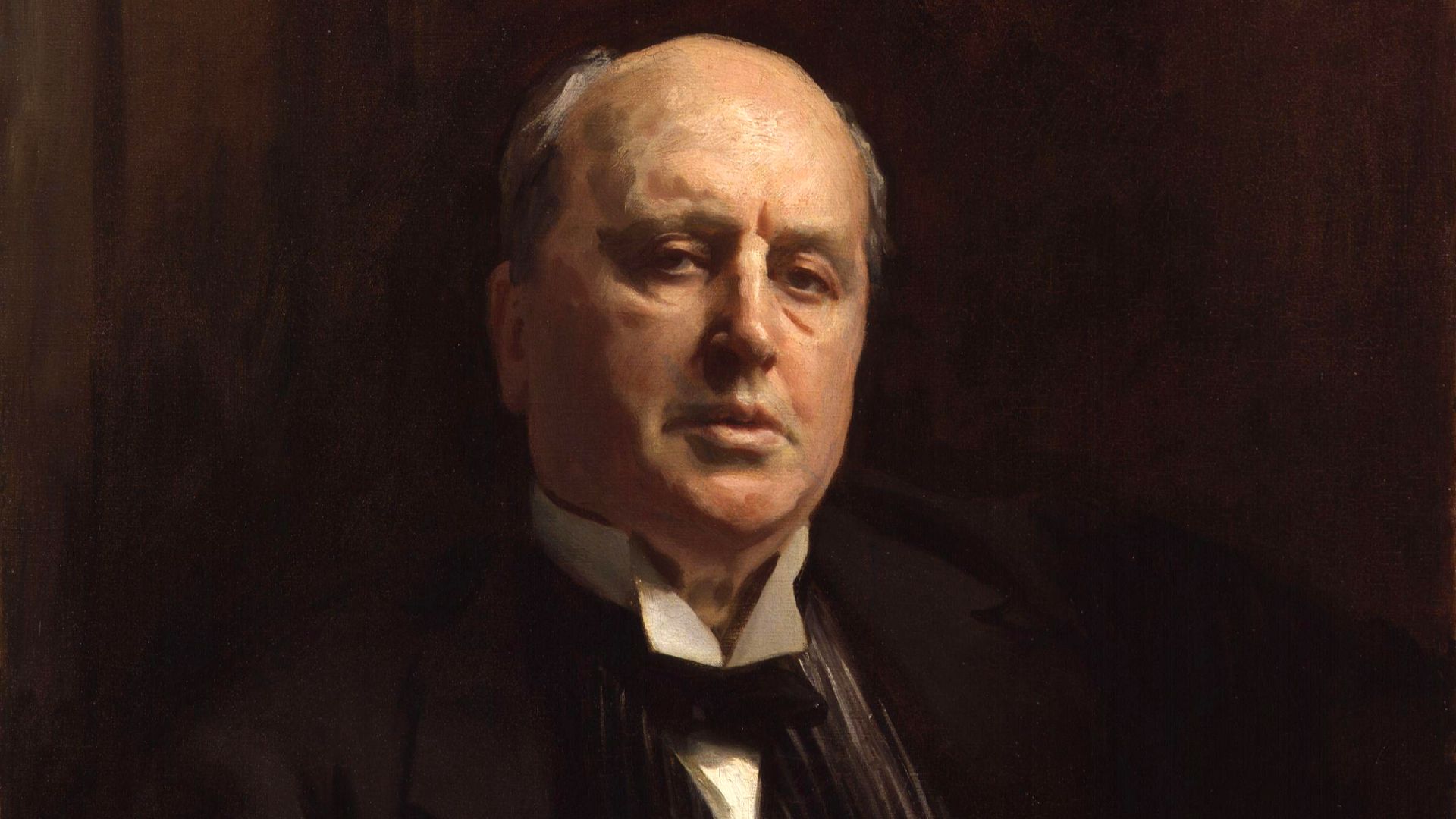 John Singer Sargent (died 1925) on Wikimedia
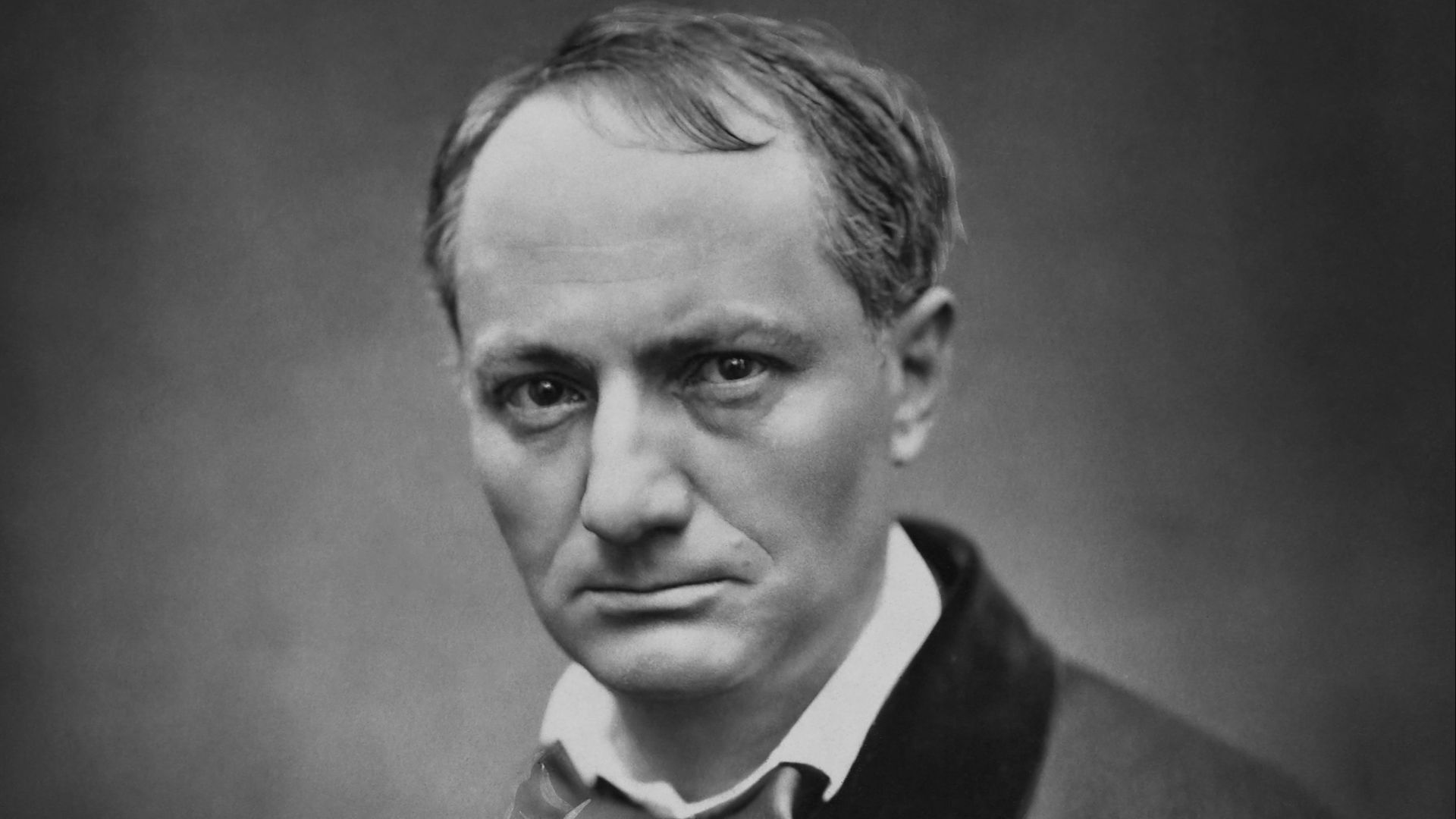
13. Charles Baudelaire
The French poet Les Fleurs du mal was banned for obscenity in 1857. Baudelaire died nine years later, financially ruined and artistically sidelined. Over time, his exploration of modernity and urban life influenced symbolists and surrealists, which turned him into legendary status in both literature and modern cultural criticism.
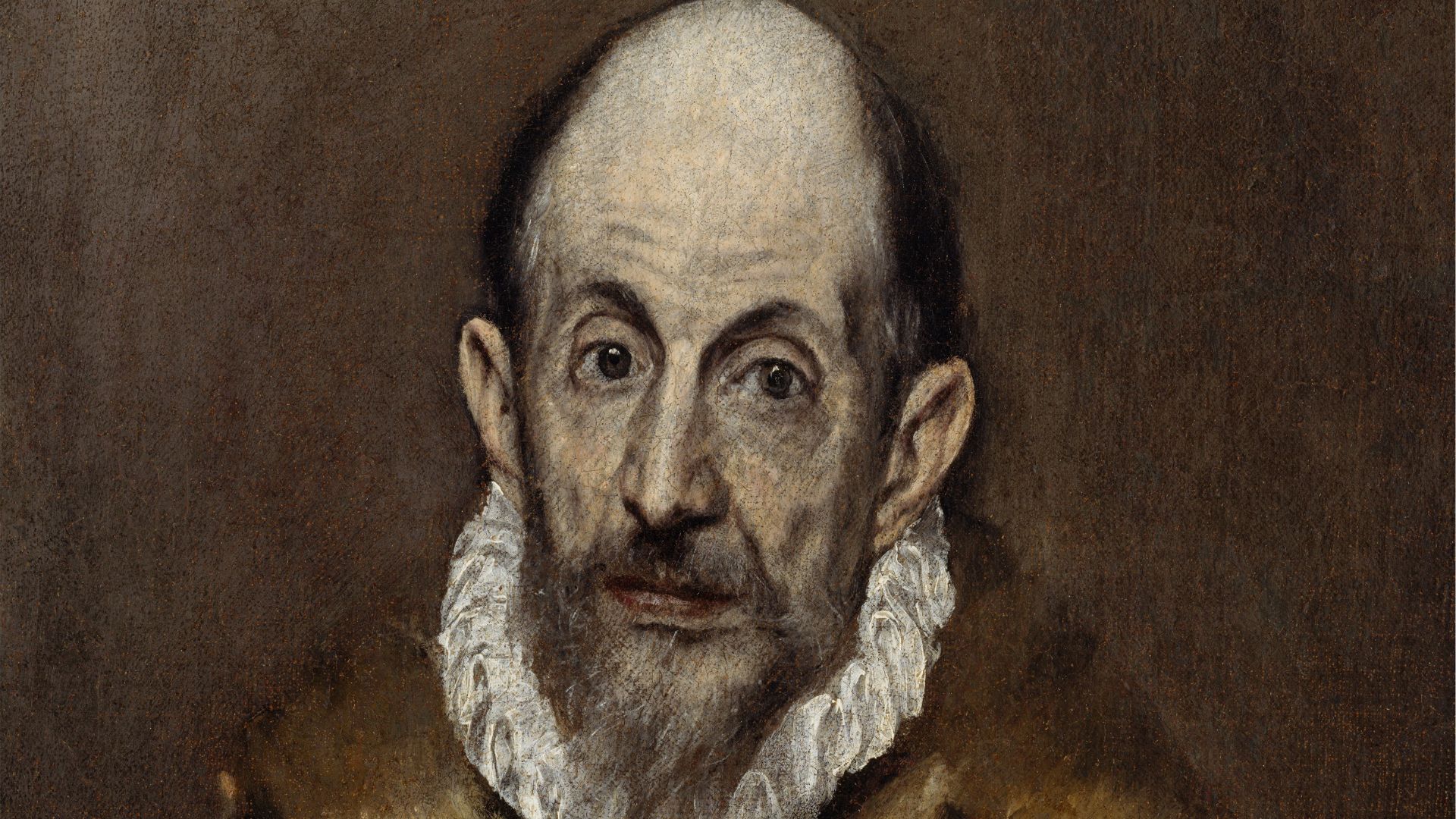
14. El Greco
A Greek painter misunderstood by Renaissance audiences, El Greco’s elongated figures and spiritual drama clashed with mainstream tastes. After his demise in 1614, Greco faded from view. But he was rediscovered by 20th-century expressionists and cubists, and earned praise for modern sensibilities centuries ahead of his time.
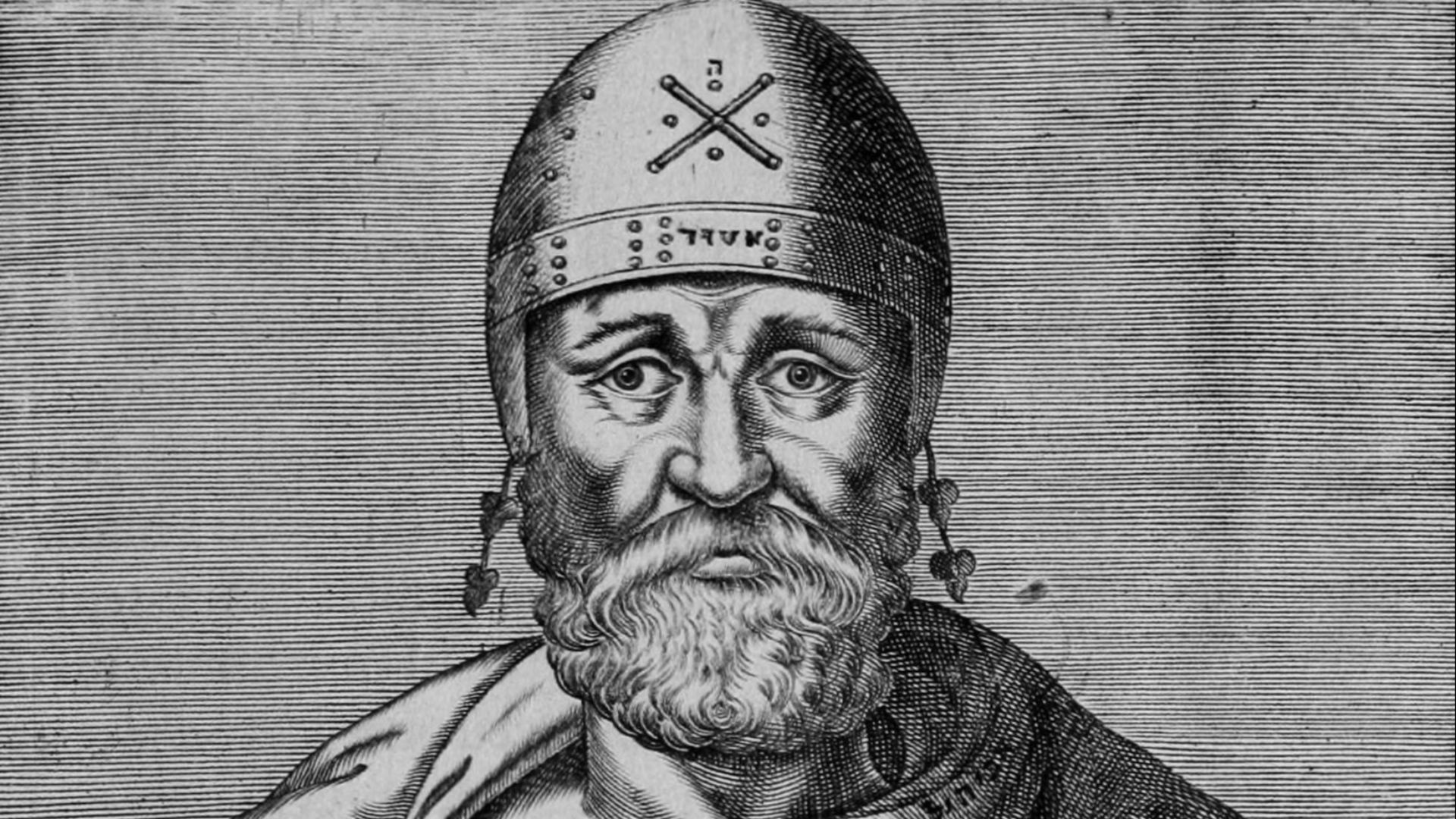
15. Philo Of Alexandria
Philo lived during the turn of the first century, blending Hellenistic philosophy with Jewish theology. However, his ideas were largely overlooked during his life. Centuries later, early Christian theologians drew heavily from his writings. They retroactively made him a critical figure in the formation of Judeo-Christian philosophical traditions.
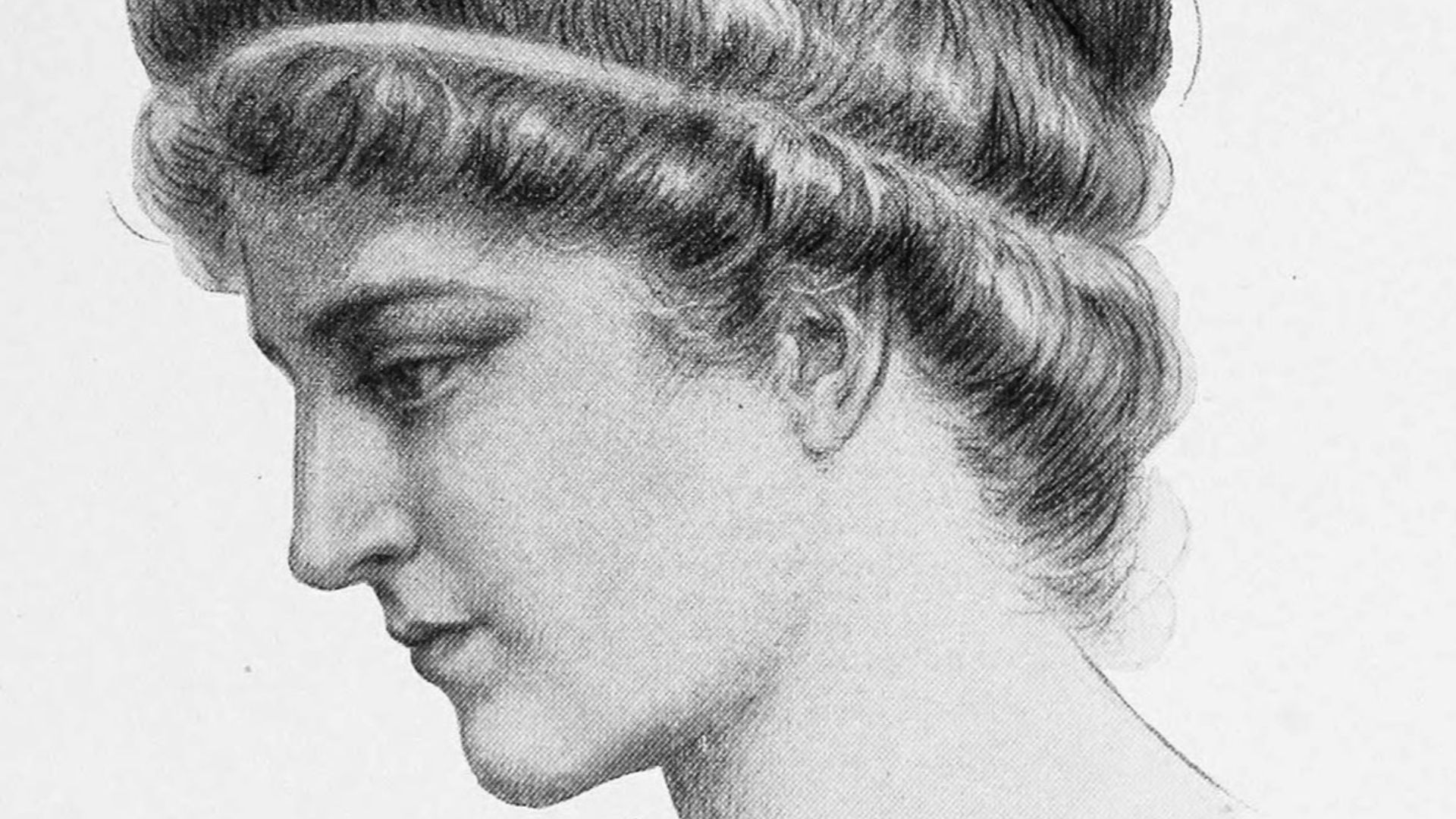
16. Hypatia Of Alexandria
Born in the 4th century, Hypatia excelled in mathematics and astronomy, but she died a brutal death. A mob in 415 CE silenced her era’s brightest female scholar. Her story resurfaced as a symbol of reason and feminist resistance against dogmatic oppression.
 Elbert Hubbard (June 19, 1856 – May 7, 1915) on Wikimedia
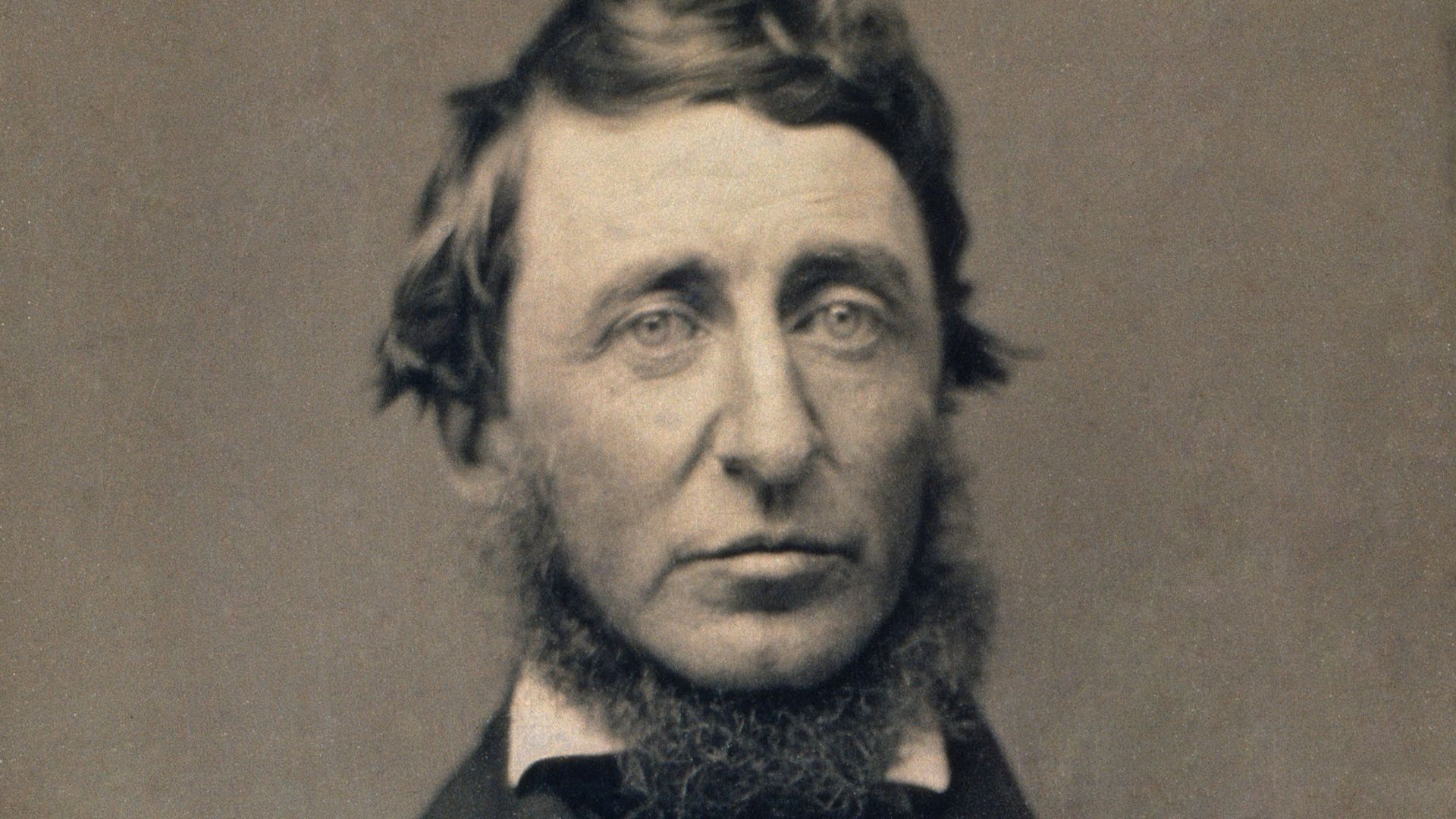
17. Henry David Thoreau
Thoreau’s writings received little acclaim during his life. Walden and Civil Disobedience struggled for attention in mid-1800s America. Later generations found in his words a blueprint for nonviolent protest and ecological thought. Gandhi and Martin Luther King Jr. credited Thoreau’s ideas as foundational to their movements.
 Benjamin D. Maxham active 1848 - 1858 on Wikimedia
18. Alfred Jarry
Jarry’s absurdist play Ubu Roi was mocked and short-lived. He died in poverty in 1907, dismissed as eccentric. His irreverent style, however, seeded the roots of surrealism and the Dada movement. Later, playwrights and philosophers hailed him as a father of modernist rebellion in literature and theater.
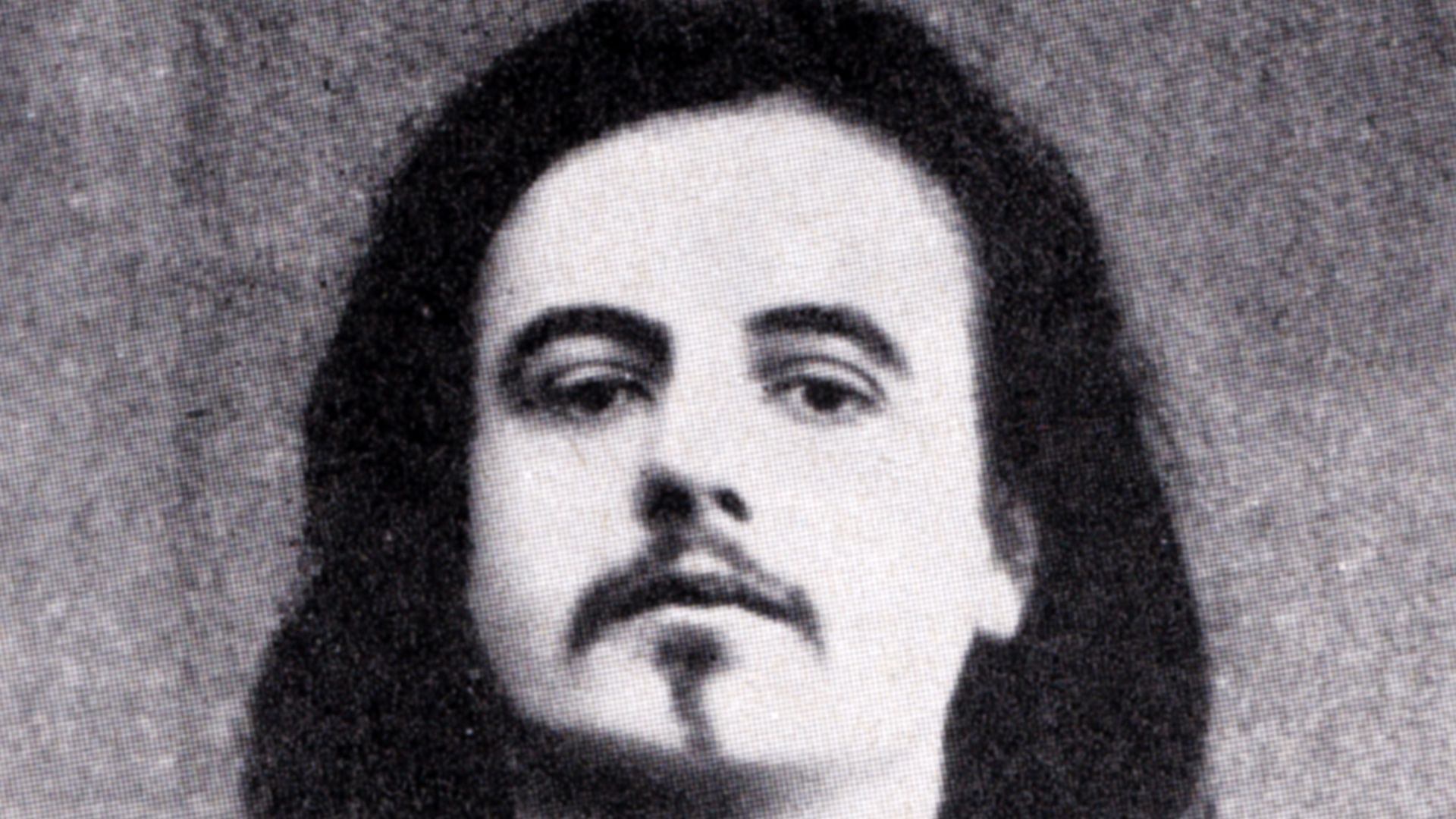
19. Modigliani
Despite a distinct visual style, Modigliani struggled to sell his art during his lifetime. His photos were even censored. Then, he passed away at 35 from tuberculosis in 1920. In the decades that followed, collectors and critics reassessed his work, which put him among the great modernist painters.
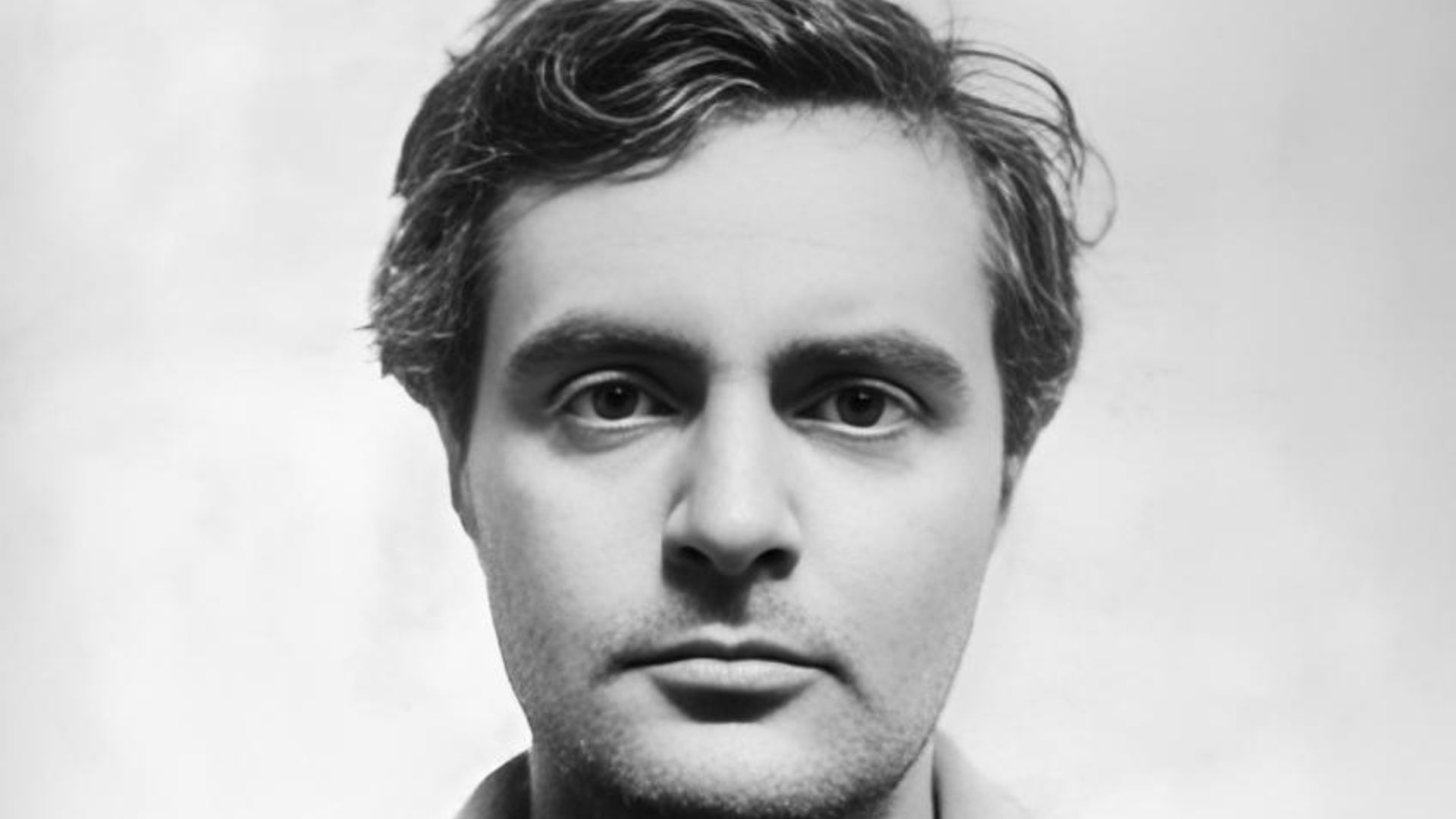 Unknown authorUnknown author on Wikimedia
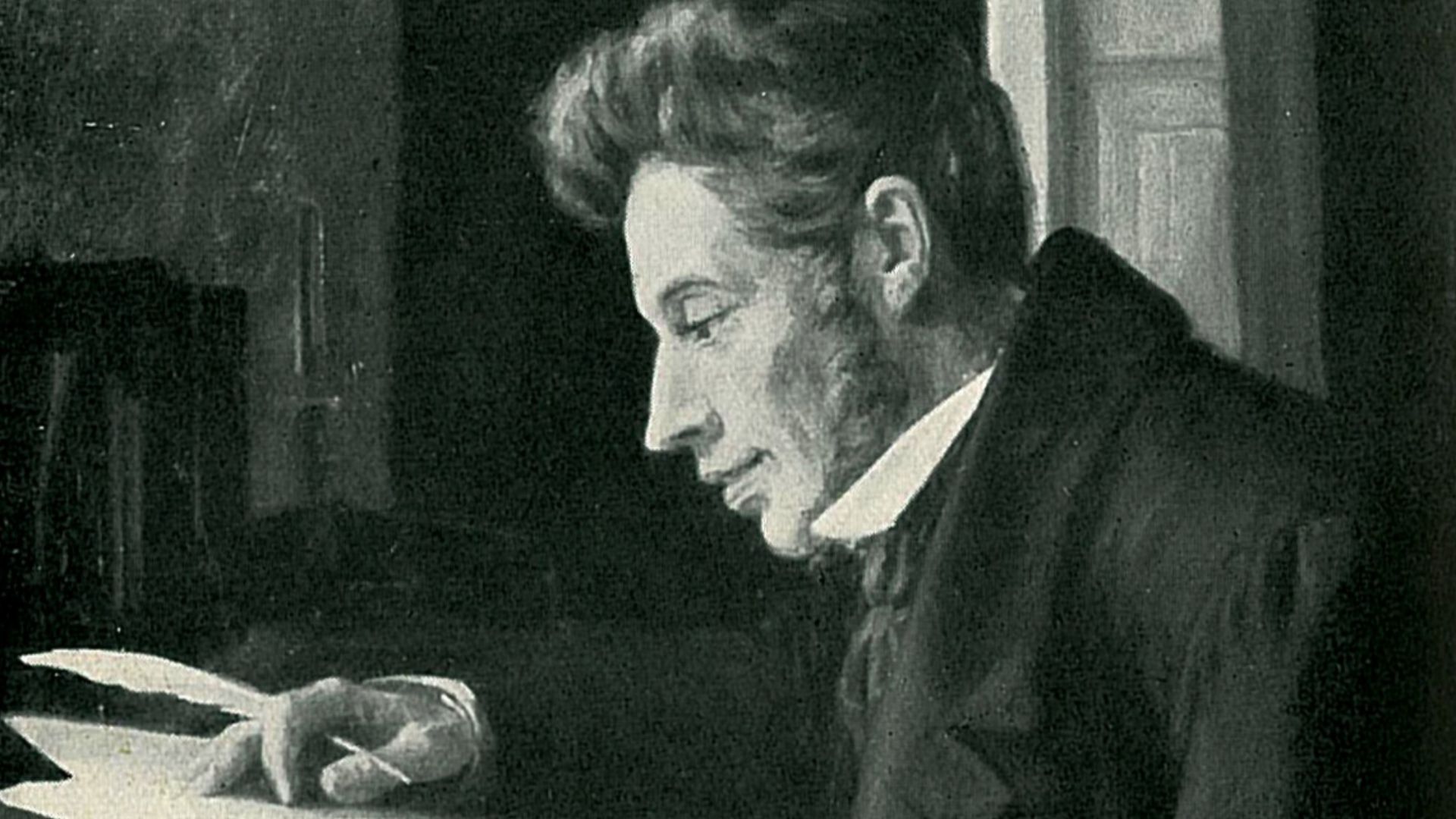
20. Søren Kierkegaard
Largely dismissed by 19th-century Danish society, Kierkegaard’s philosophical writings saw little success before his 1855 death. Only in the 20th century did existentialists like Sartre and theologians like Tillich recognize his groundbreaking thoughts on anxiety and individuality, turning him into a foundational figure of modern existential philosophy.
KEEP ON READING