A Name That Keeps Showing Up in History
If you’ve ever felt like “George” pops up everywhere in the history books, you’re not imagining it. The name spans monarchs, presidents, writers, scientists, and artists, you name it! It's amazing just how many of these Georges are people who shaped institutions, ideas, and culture in ways you still feel today. If you keep reading, you’ll find 20 well-known Georges, each with a distinct legacy, so you can connect the name to the moments that made it famous.
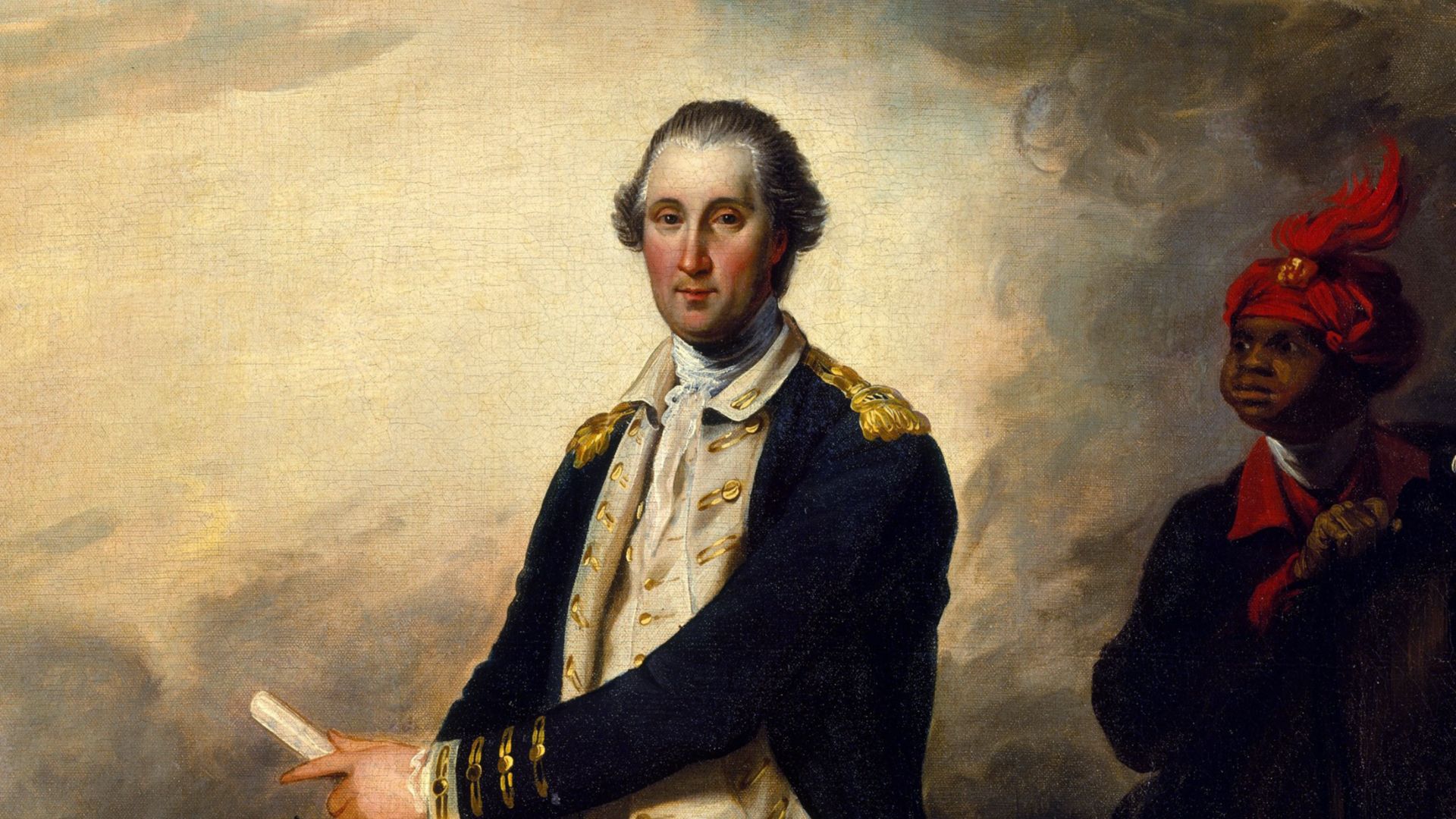
1. George Washington
What American wouldn't know who this man is? George Washington led the Continental Army to victory in the American Revolutionary War and later became the first president of the United States. He set enduring precedents, including the peaceful transfer of power and a limited presidential tradition. When you picture early American leadership, you’re usually picturing the standard he helped define.
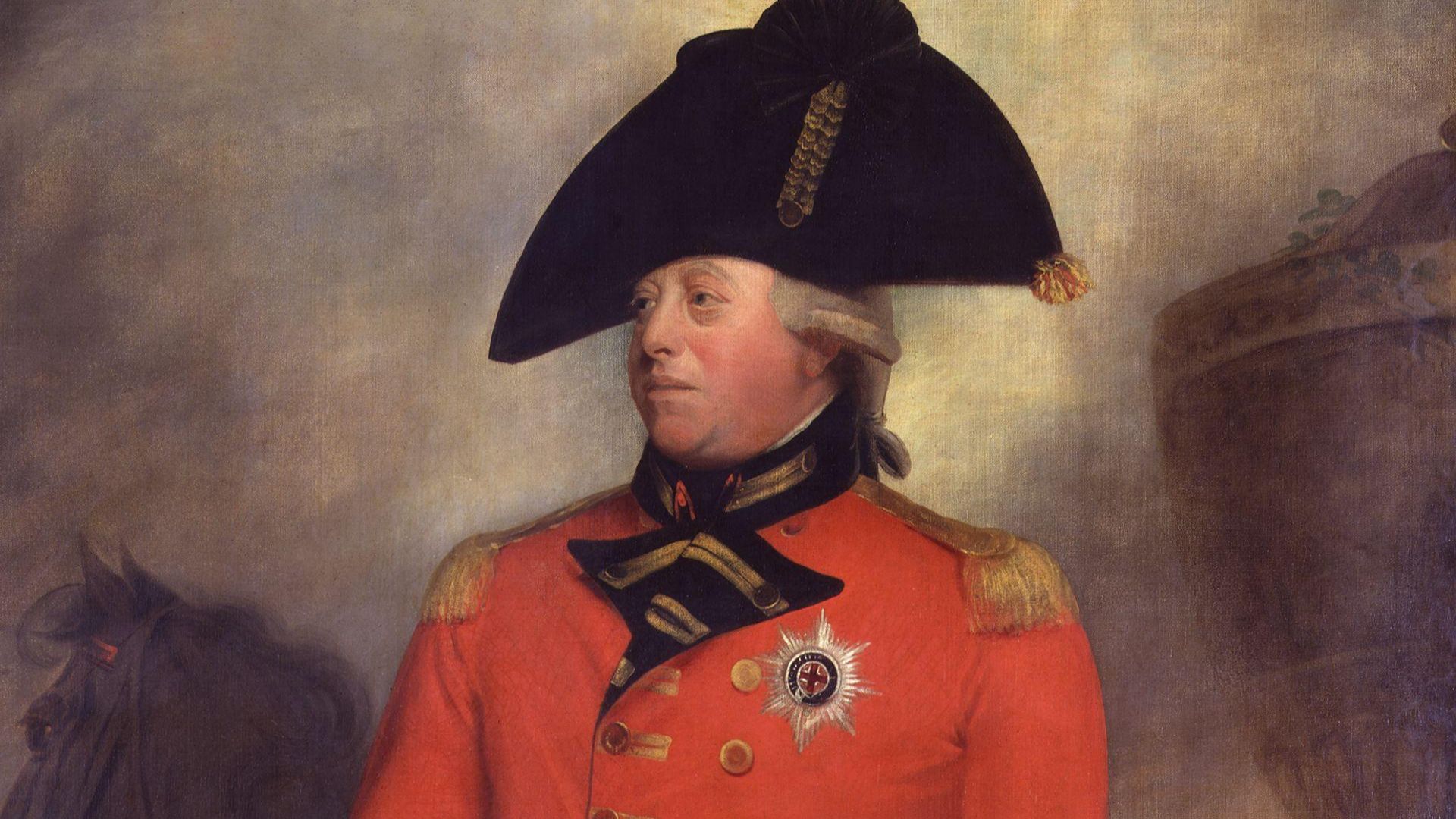
2. King George III
King George III ruled Great Britain during the era of the American Revolution, and his reign became tightly associated with the imperial crisis. While he was often portrayed as a symbol of British authority in the colonies, the conflict involved complex parliamentary politics and global power struggles. His long reign also included periods of serious illness that deeply affected public perception.
 Workshop of William Beechey on Wikimedia
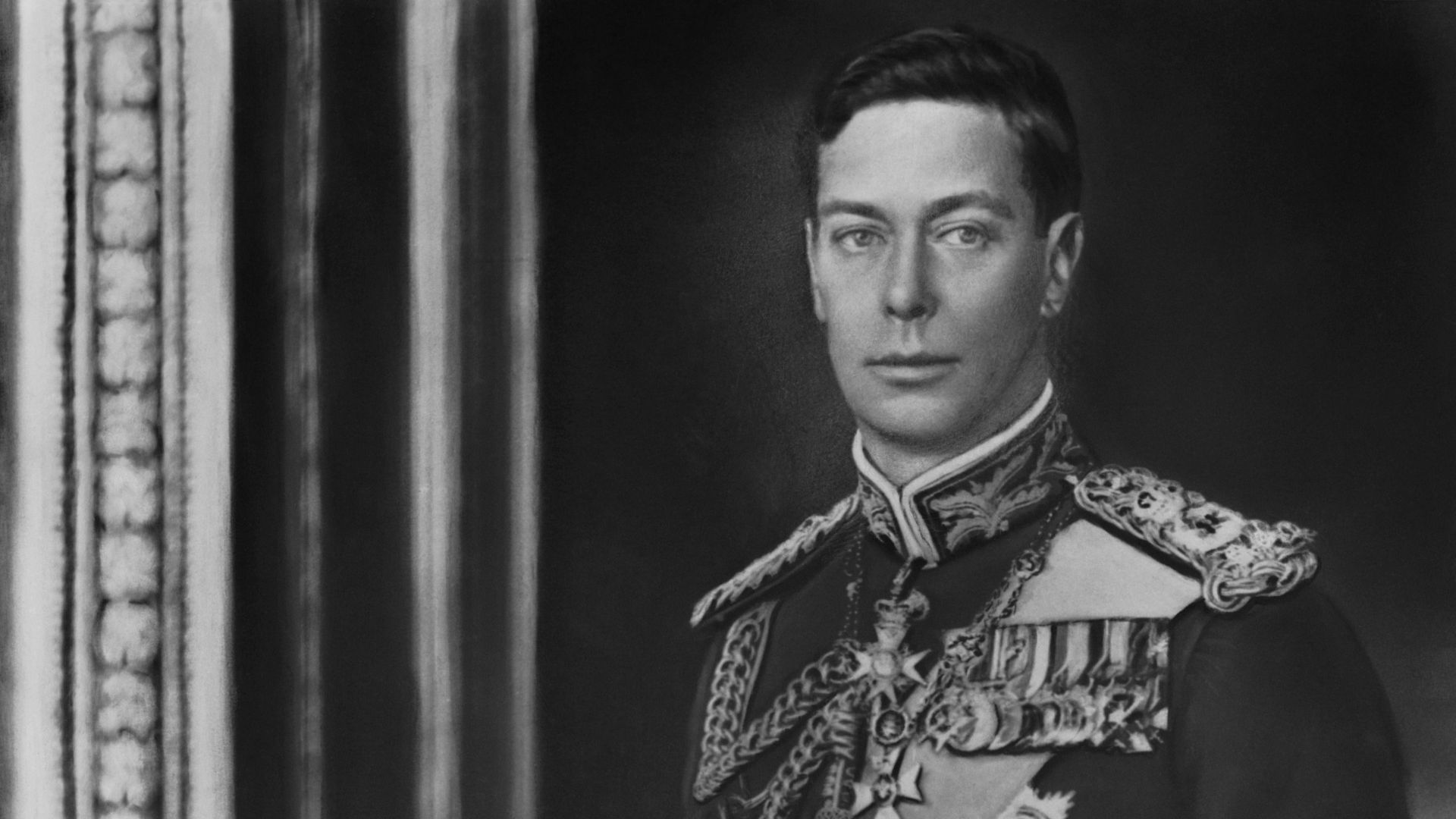
3. King George VI
Another royal with the same name, King George VI became king after his brother Edward VIII abdicated, a sudden change that placed heavy responsibilities on him. He guided the monarchy through World War II, becoming a steady public figure during national trauma and uncertainty. Many people remember him for his perseverance, including his well-documented struggle with a stammer.
 Matson Photo Service on Wikimedia
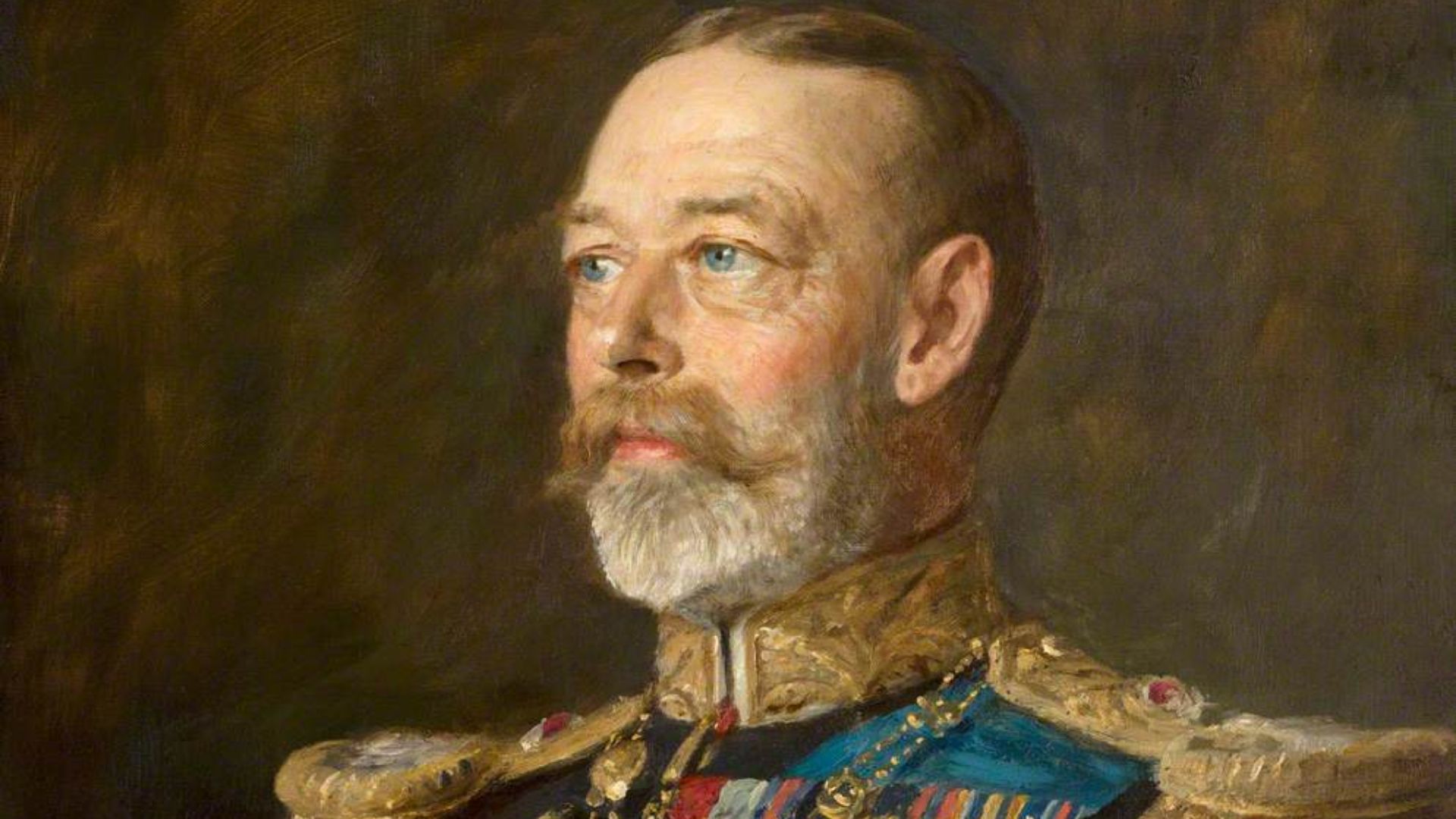
4. King George V
Reigning during a time of profound upheaval, including World War I and the reshaping of European monarchies, King George V helped modernize the British monarchy’s public image and navigated political tensions at home and abroad. If you’ve heard of the House of Windsor, his decision to adopt that name in 1917 is a major reason why.
 Arthur Stockdale Cope on Wikimedia
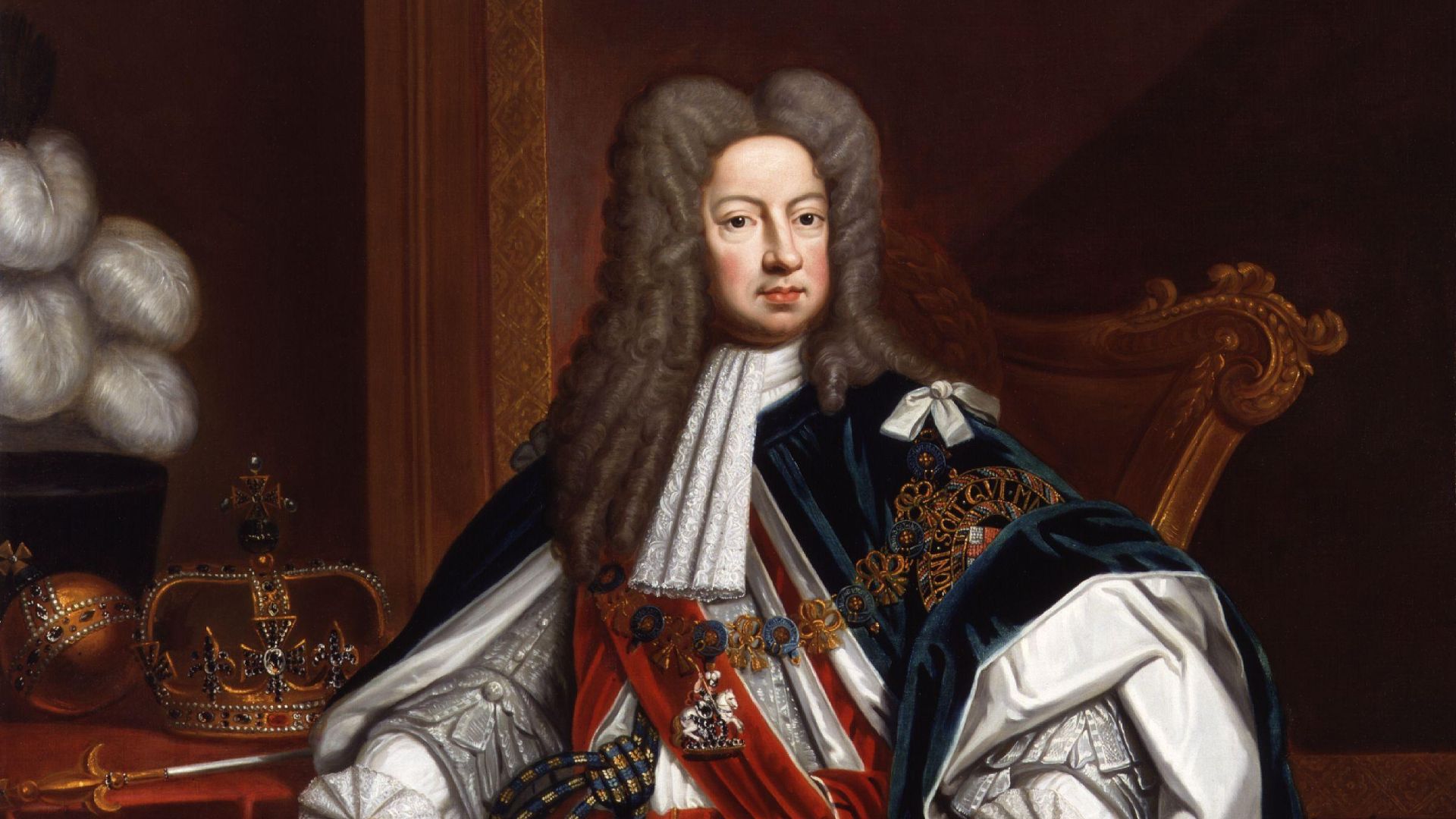
5. King George I of Great Britain
This royal line had to start somewhere! George I was the first Hanoverian monarch of Great Britain, taking the throne in 1714 under the Act of Settlement. His accession reinforced Protestant succession and shifted the political landscape toward stronger parliamentary influence. He also maintained deep ties to his German territories, which shaped how the public viewed his rule.
 Workshop of Godfrey Kneller on Wikimedia
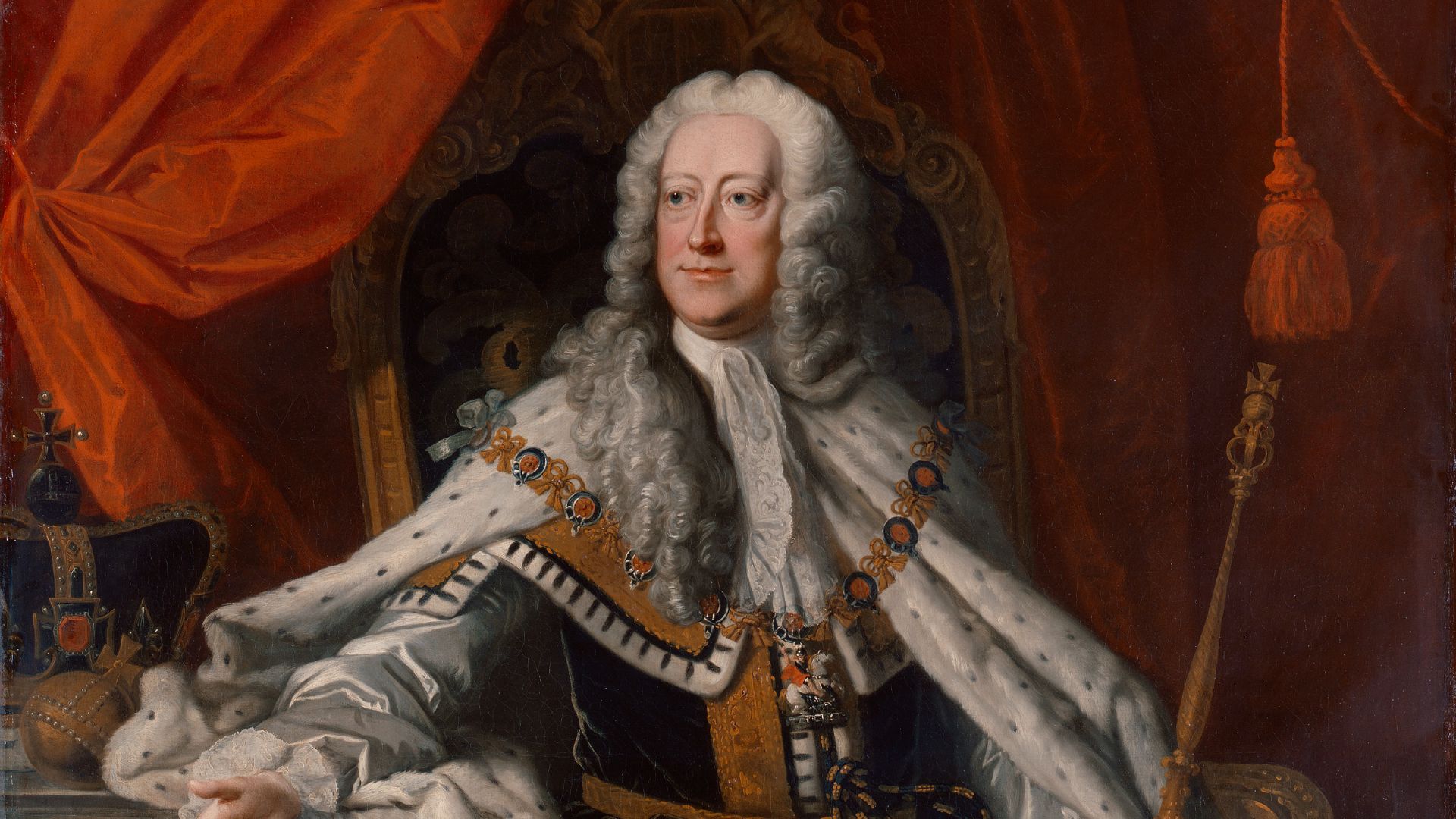
6. King George II of Great Britain
George II is often remembered as the last British monarch to personally lead troops into battle, notably at the Battle of Dettingen in 1743. His reign saw Britain’s growing global interests and frequent wars that tested state capacity and strategy. Even if you don’t follow royal history closely, you’ve likely encountered his imprint on empire and finance.
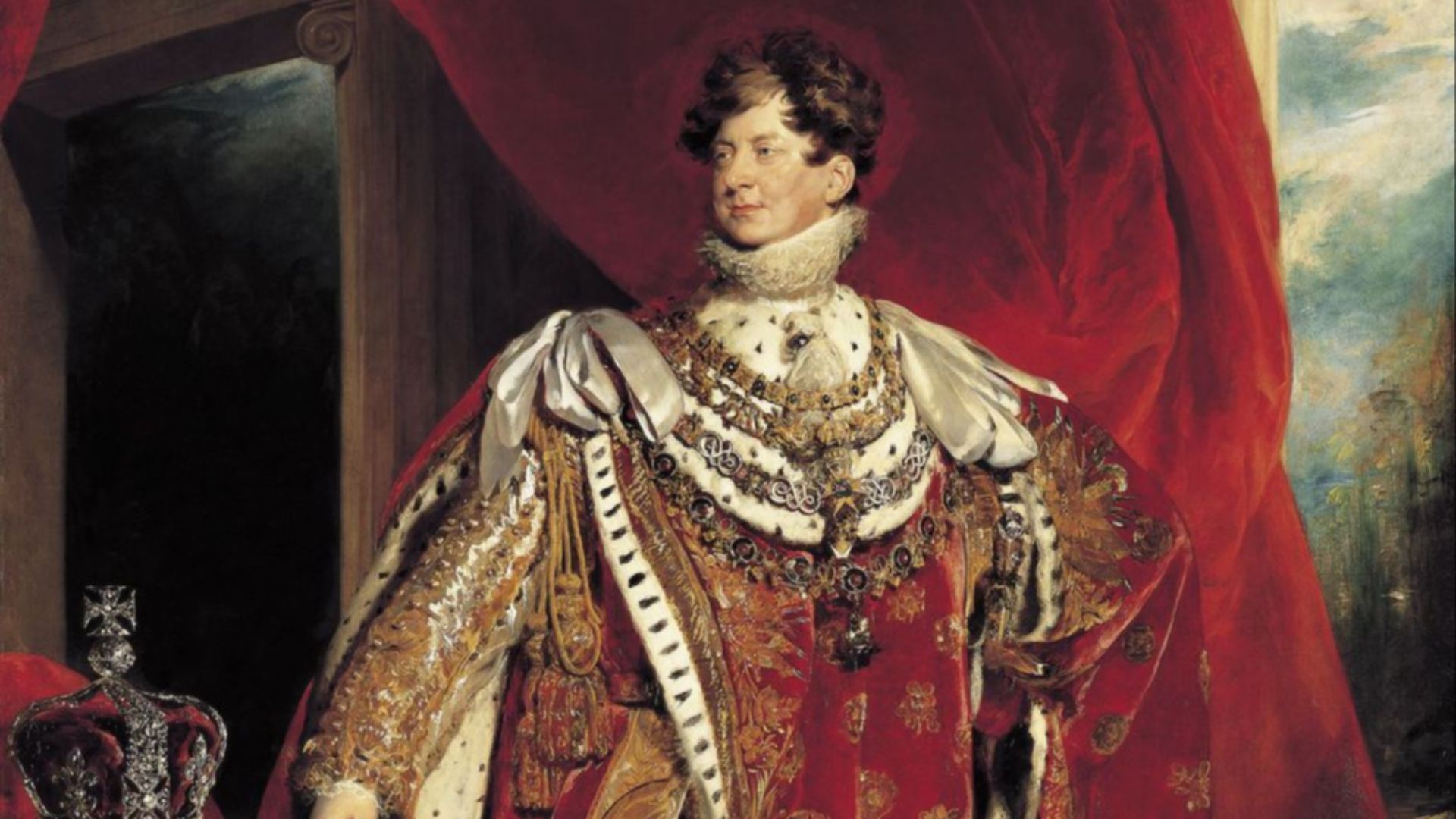
7. King George IV
Once the Prince Regent, King George IV became king after years of highly visible controversy and extravagance. His personal reputation drew criticism, but his period was also aligned with major cultural and architectural developments, including the flamboyant Royal Pavilion in Brighton. You can see how style and politics collided in his reign, albeit sometimes uncomfortably so.
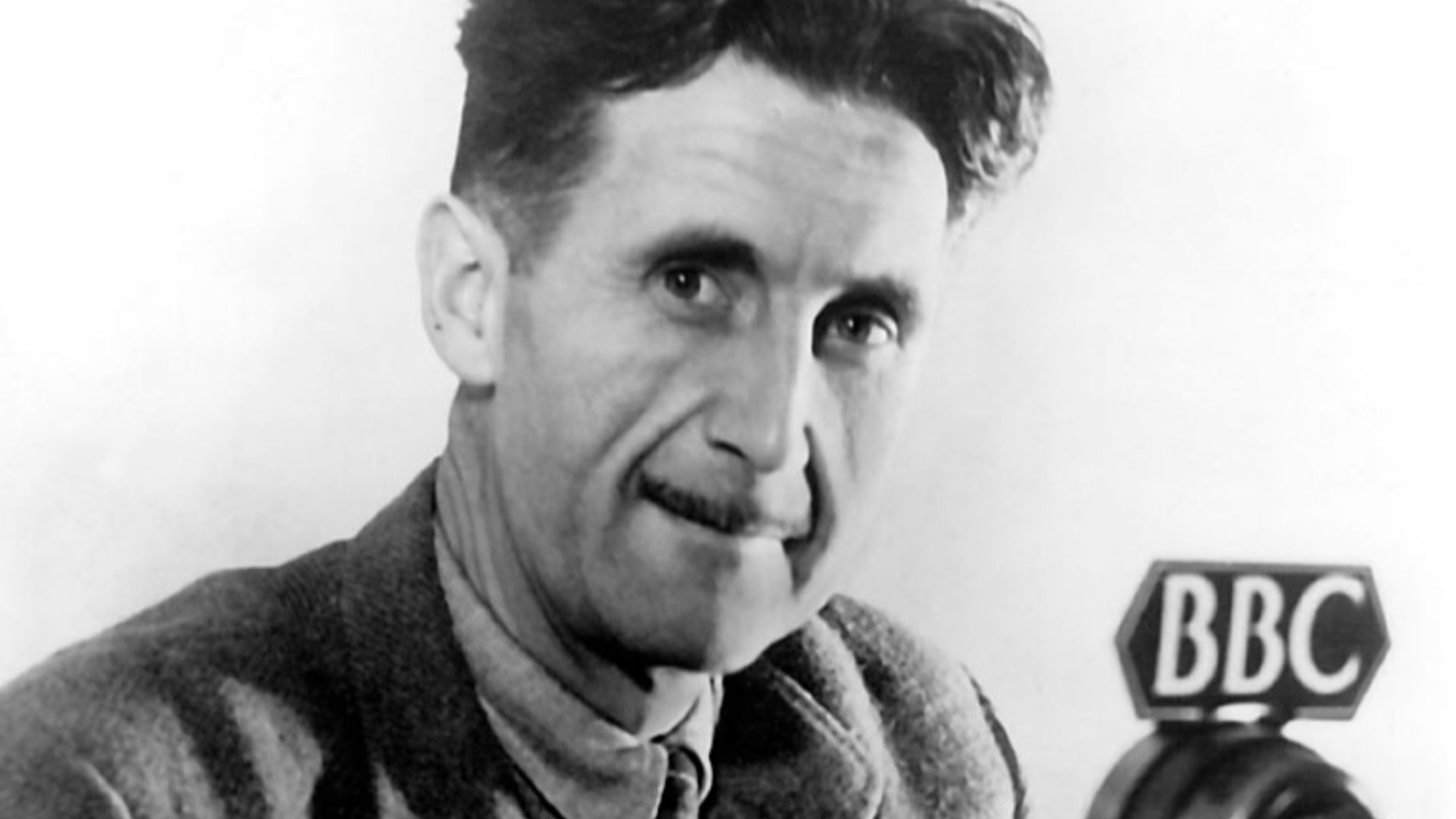
8. George Orwell
Moving away from British royalty, George Orwell, born Eric Arthur Blair, wrote incisive political literature that still frames debates about power and truth. His novels Animal Farm and 1984 turned abstract fears into vivid, memorable warnings. When you hear terms like “Big Brother” or “Orwellian,” you’re seeing his influence in real time.
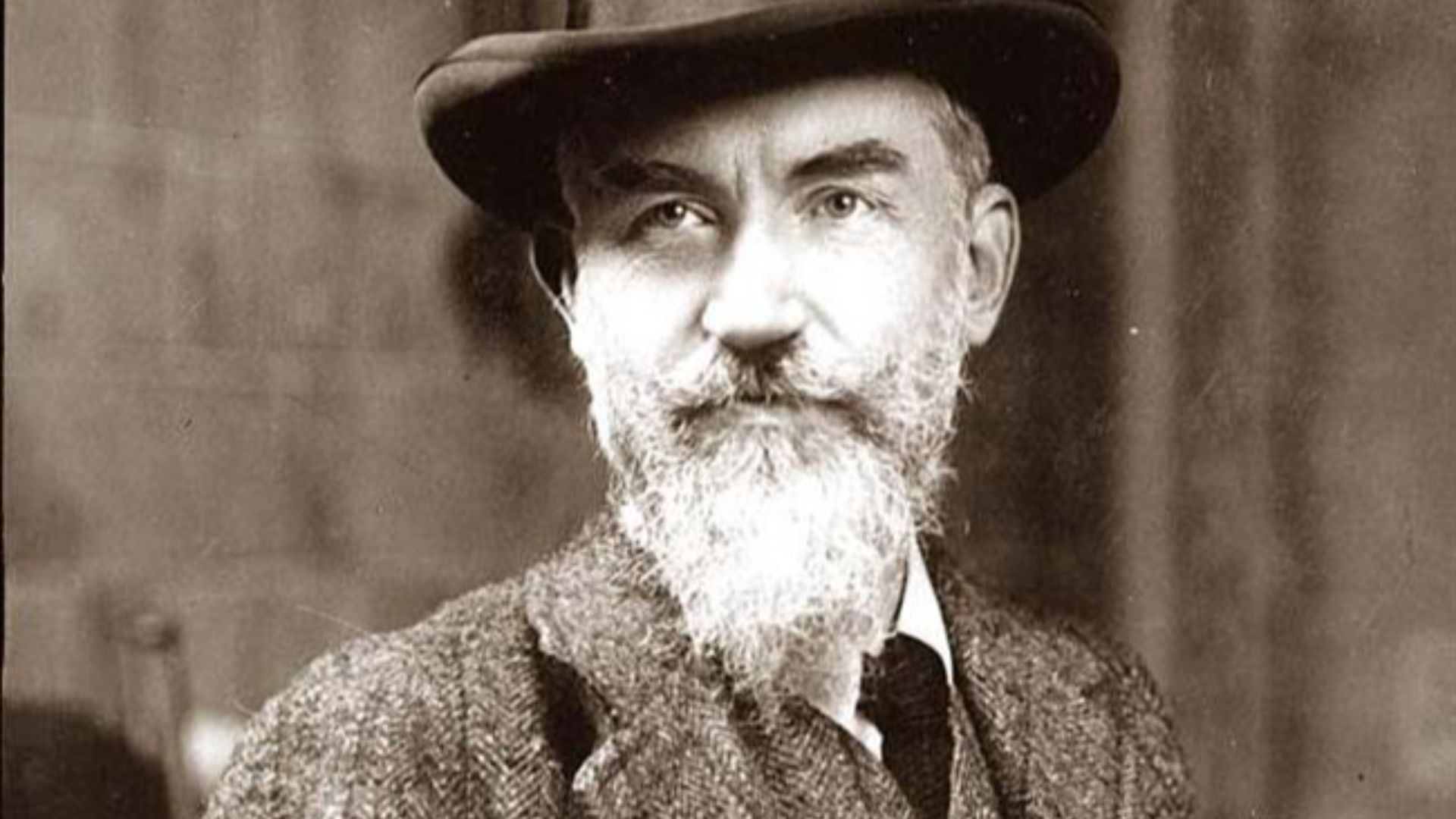
9. George Bernard Shaw
George Bernard Shaw was an Irish playwright and critic whose wit doubled as social critique. He wrote plays like Pygmalion that challenged class assumptions while staying sharply entertaining. It’s hard not to admire how he could lecture society and still keep you listening.
 Unknown authorUnknown author on Wikimedia
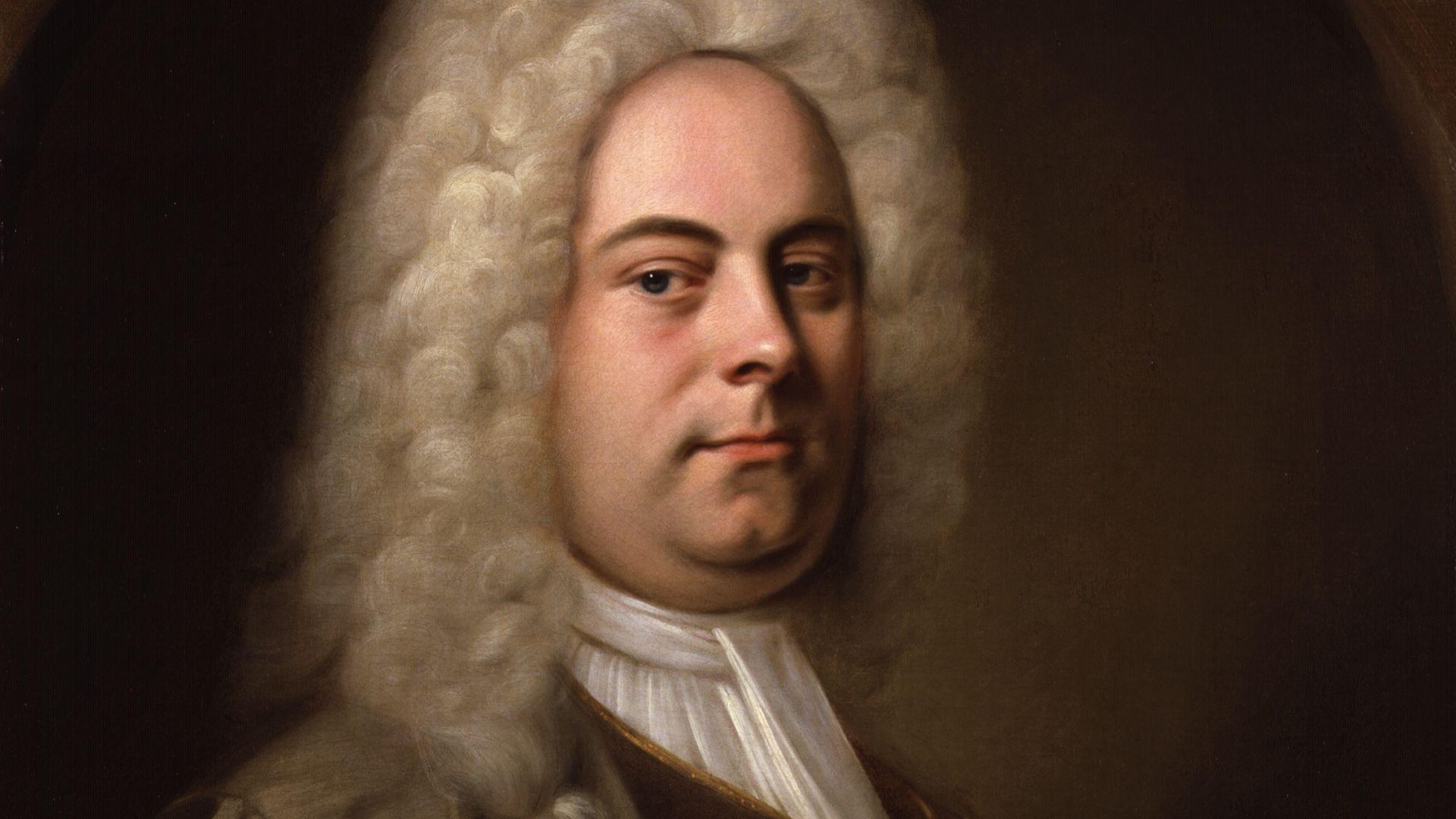
10. George Frideric Handel
A German-British Baroque composer whose music became central to English concert life after he settled in London, George Frideric Handel's oratorio, Messiah, remains one of the most performed works in Western classical music. Even if you only know the “Hallelujah” chorus, you’re already in his world.
 Attributed to Balthasar Denner on Wikimedia
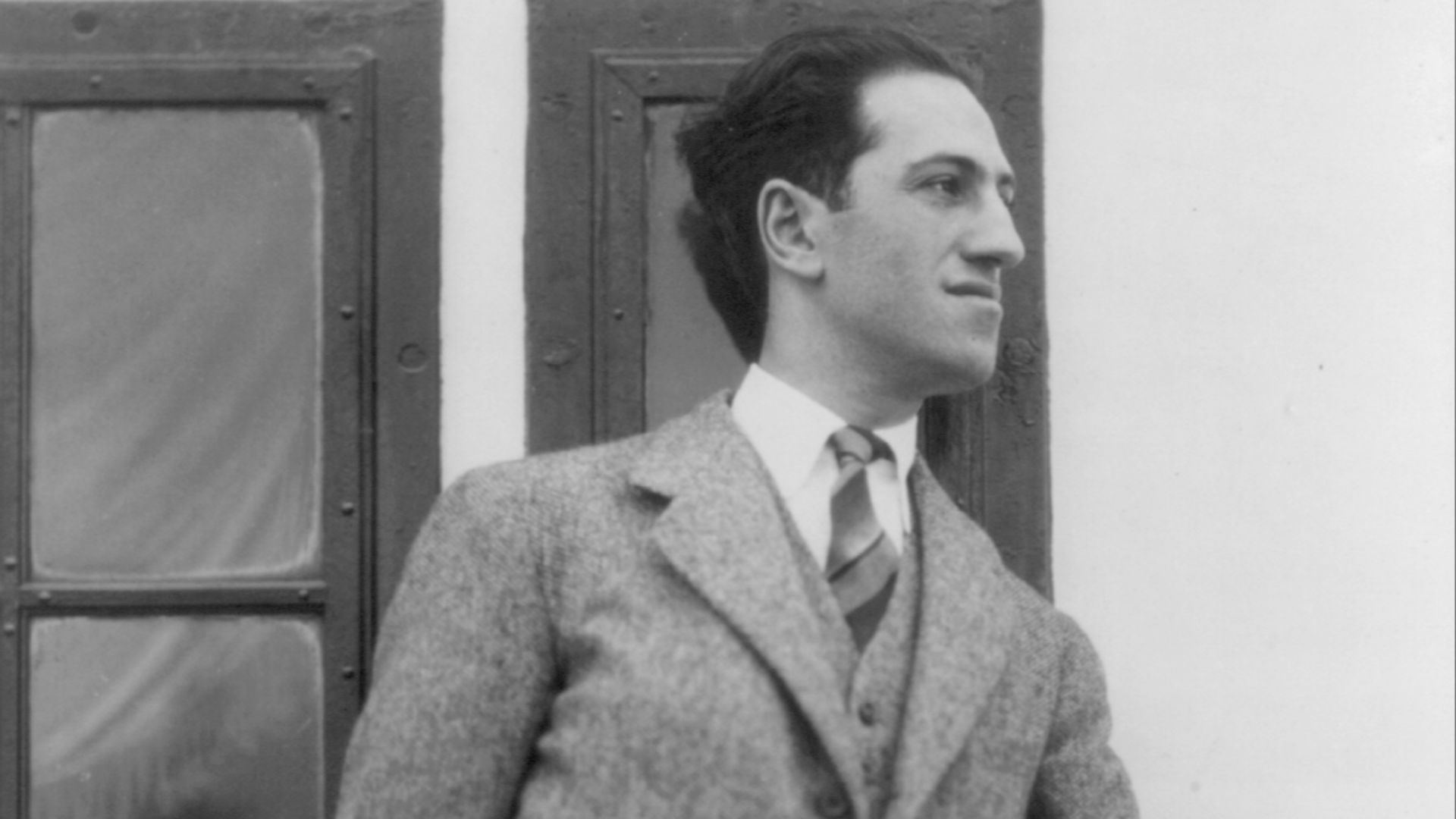
11. George Gershwin
George Gershwin was a composer who blended classical traditions with jazz idioms, helping define an unmistakably American musical voice. Works like "Rhapsody in Blue" captured the energy of modern urban life with unusual sophistication. If you’ve ever wondered what the 1920s sounded like in music, he’s a compelling answer.
 unnamed photographer in employ of Bain News Service on Wikimedia
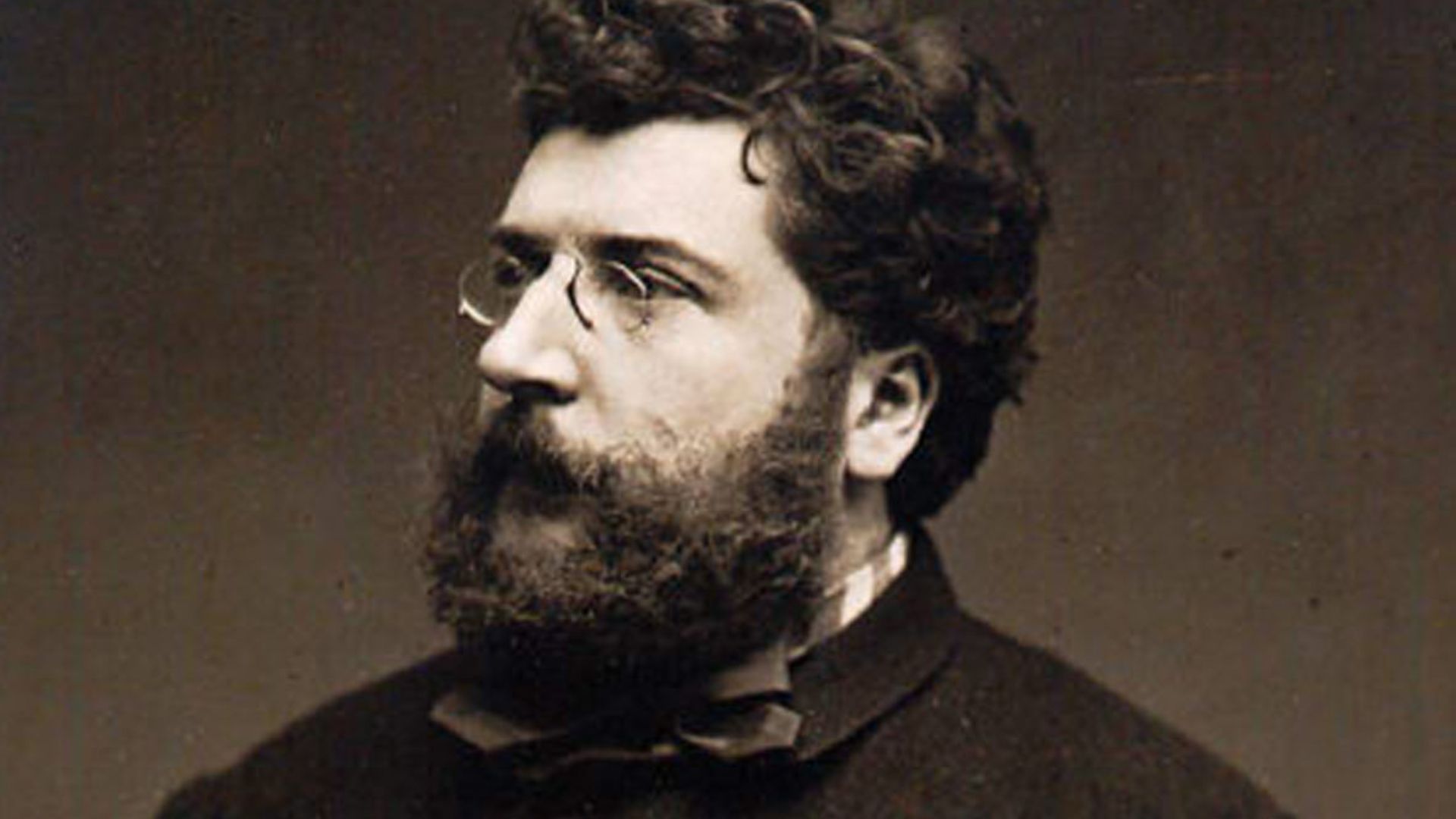
12. Georges Bizet
This French composer is best known for the opera Carmen, a work that transformed operatic storytelling with its realism and intensity. Although he died young, his music outlived him in a way few composers ever manage. You can hear his gift for melody in passages that feel like they've always existed.
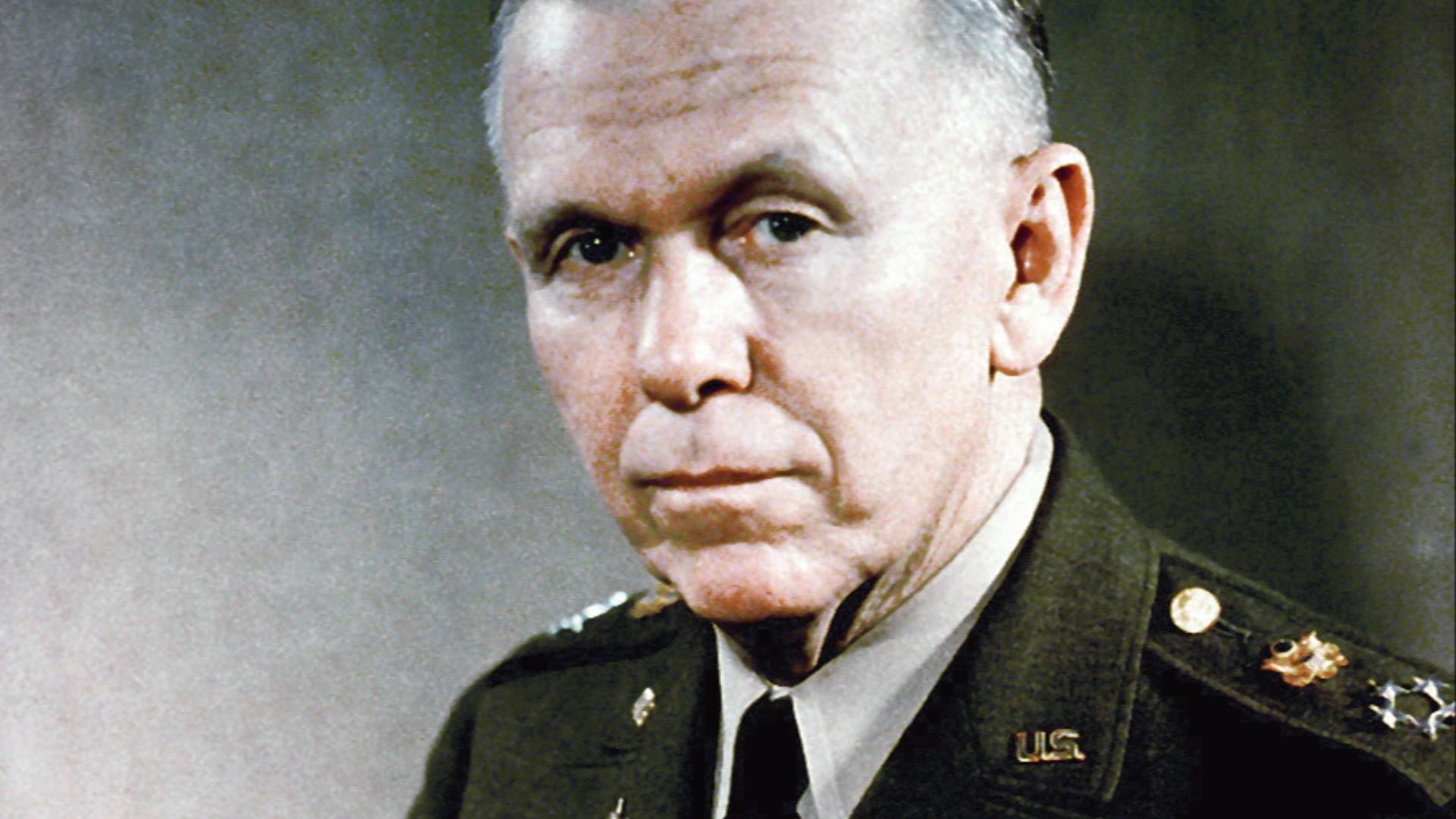
13. George C. Marshall
George C. Marshall served as a senior American military leader during World War II and later became a key architect of postwar recovery. The Marshall Plan helped rebuild Western Europe, aiming to stabilize economies and reduce the conditions that fuel conflict. If you’re tracking how policy can shape peace, his career is an essential case study.
 Unknown authorUnknown author on Wikimedia
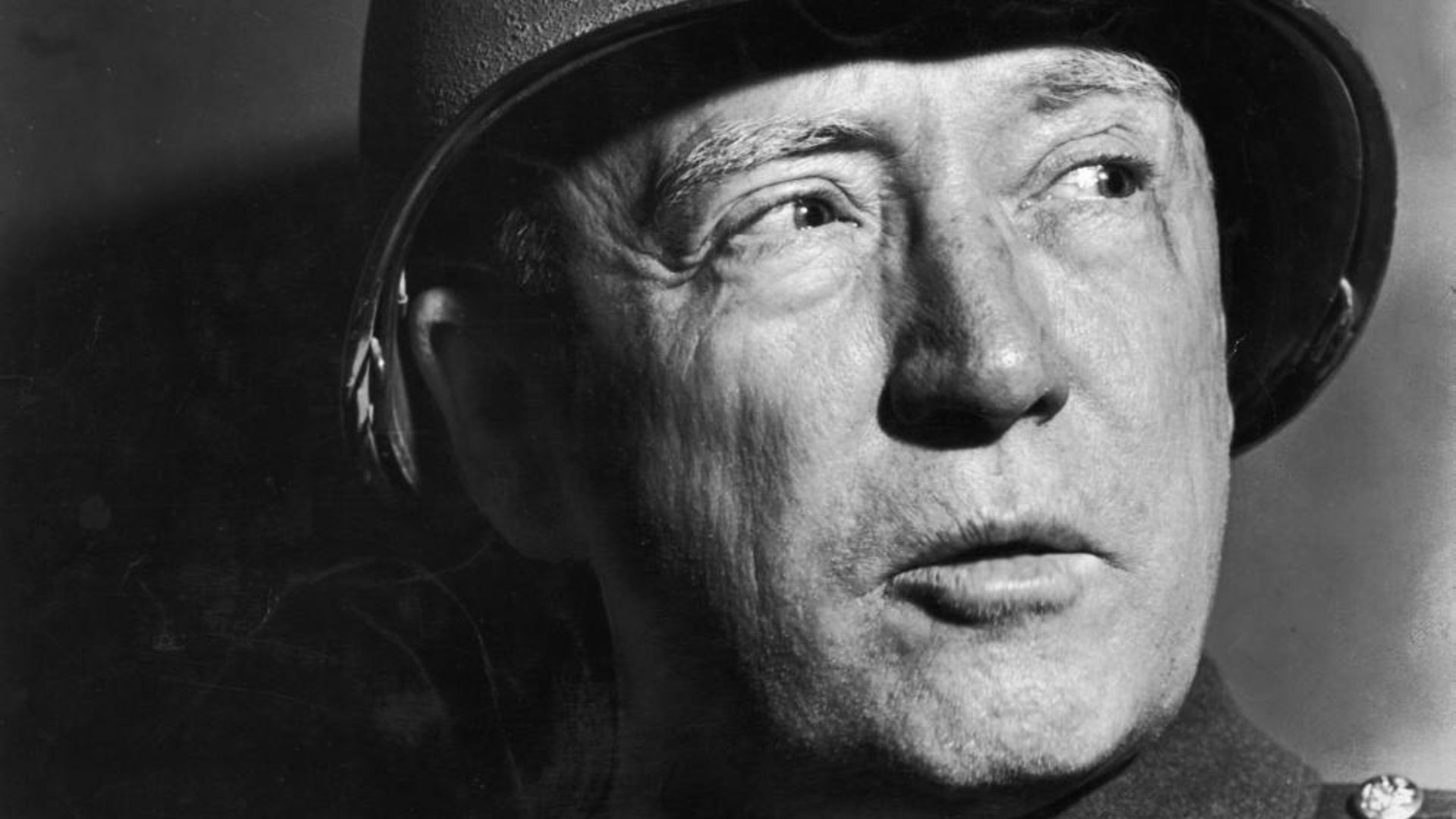
14. George S. Patton
Another amazing George in the army, George S. Patton was a prominent U.S. general in World War II, famous for his aggressive tactics and blunt, uncompromising leadership. His battlefield effectiveness made him a legend, even though his temperament created political and ethical controversy. You can’t study modern military history for long without running into his name.
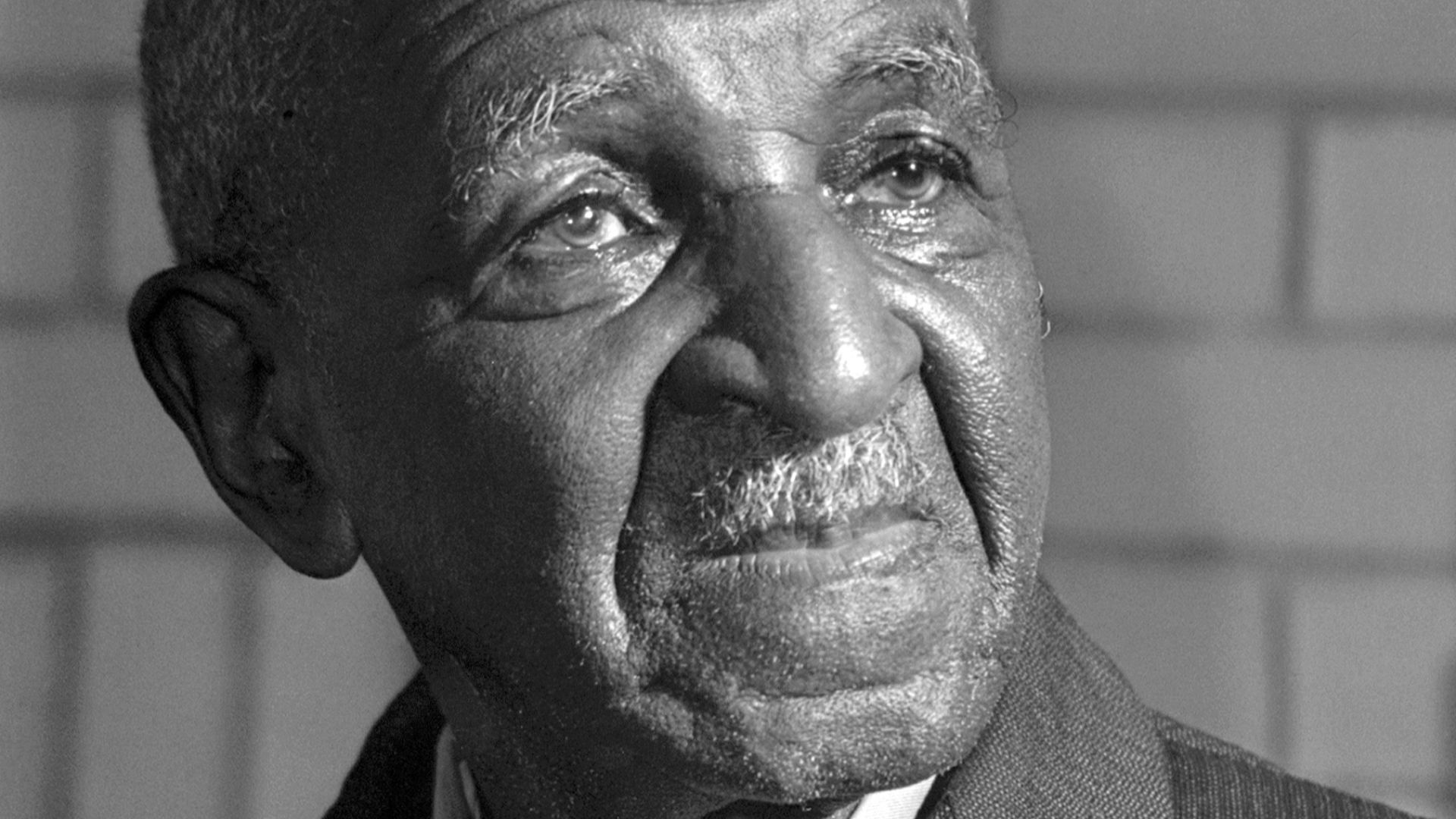
15. George Washington Carver
George Washington Carver was an American agricultural scientist who promoted crop rotation and sustainable farming practices in the post–Civil War South. He worked as a professor at Tuskegee Institute and became a widely respected educator and innovator. People often reduce him to a single crop, but his broader impact was about soil health, farmer resilience, and applied science.
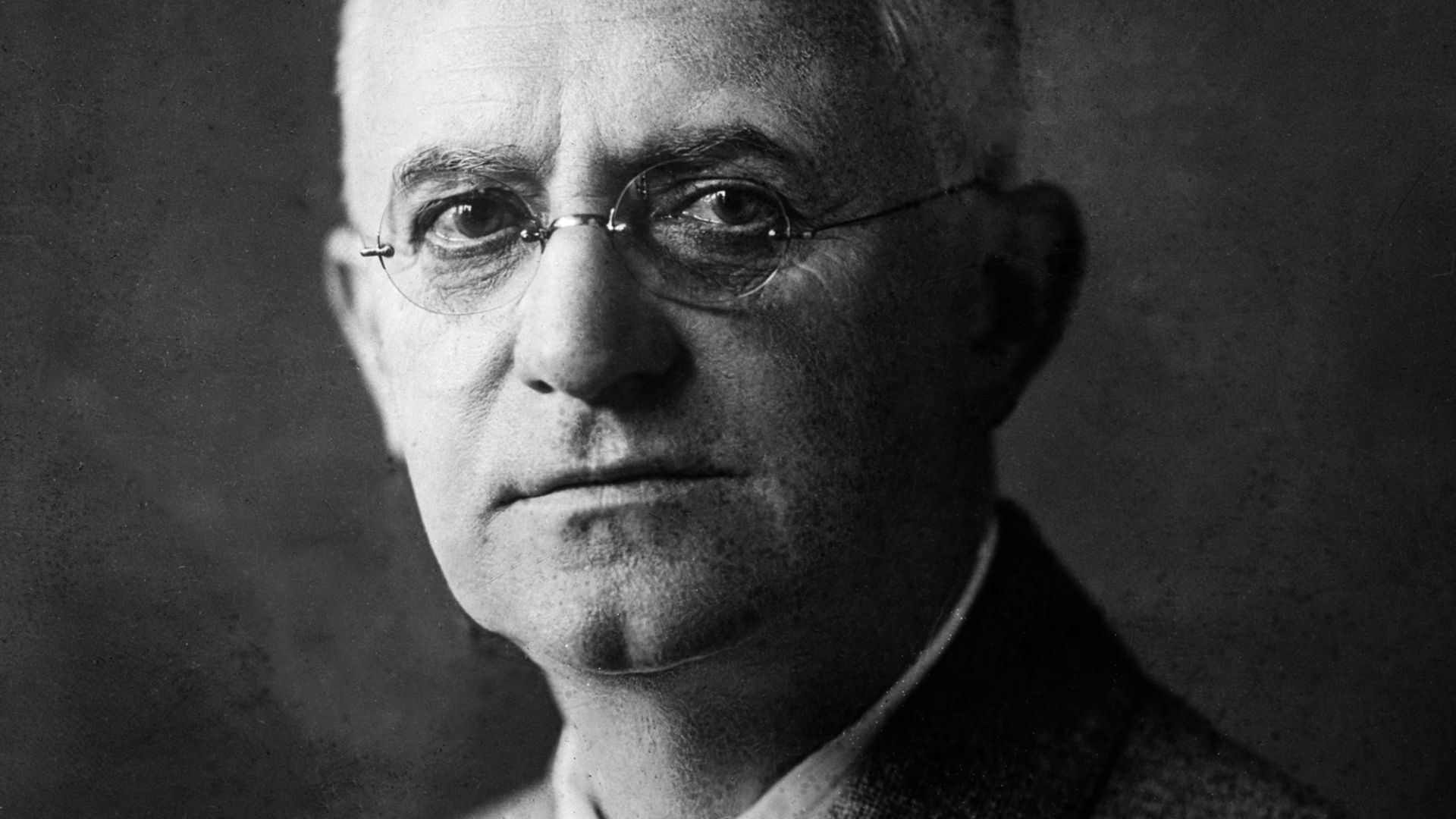
16. George Eastman
As the founder of Eastman Kodak, George Eastman helped popularize photography by making it more accessible to ordinary people. His business innovations changed how images were produced, shared, and remembered, long before the digital era. When you casually take photos today, you’re benefiting from a cultural shift he accelerated.
 The original uploader was Megapixie at English Wikipedia. on Wikimedia
17. George Stephenson
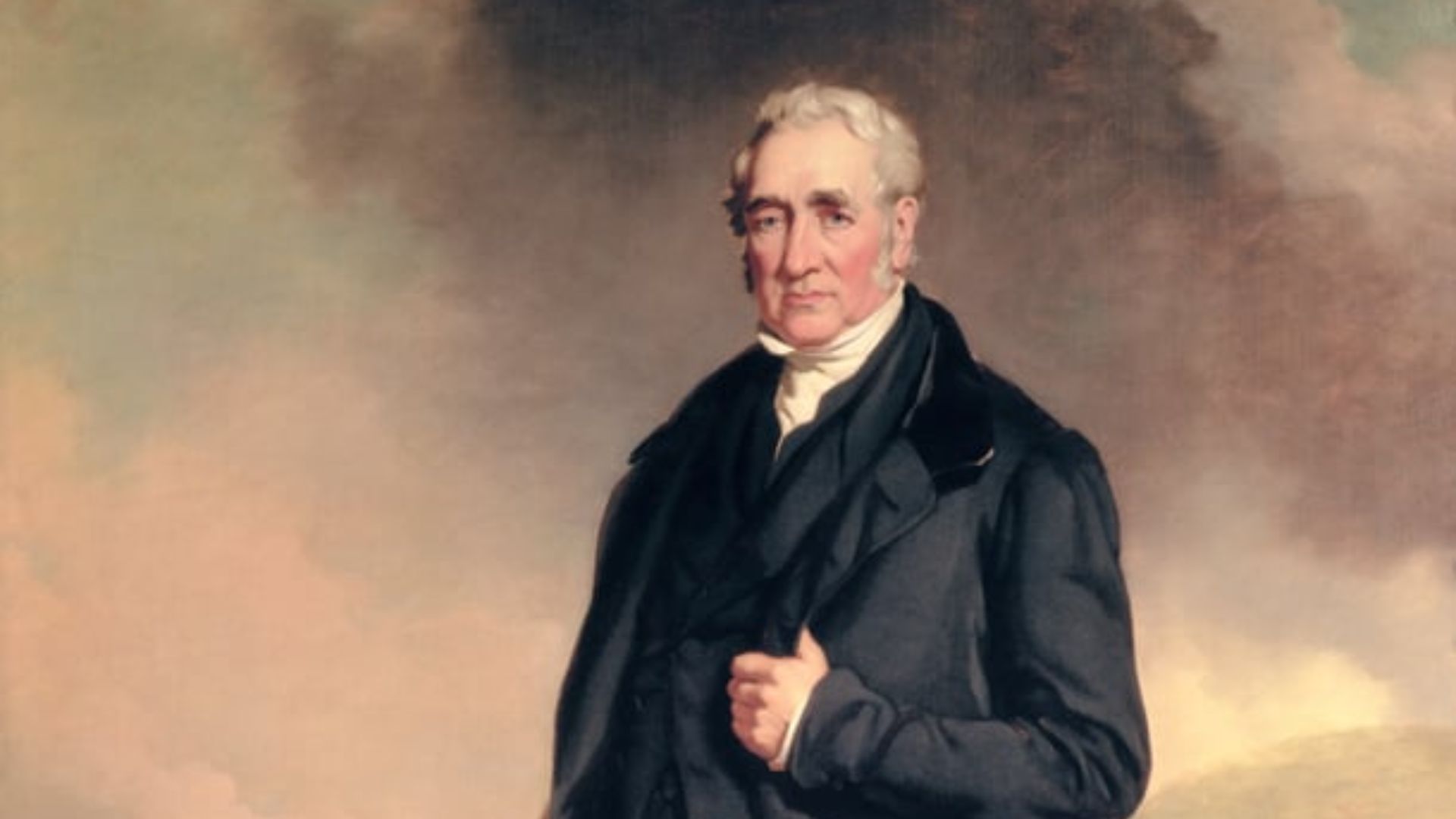
George Stephenson was a British engineer whose work on steam locomotives earned him the nickname “Father of Railways.” He helped develop practical rail systems and contributed to standards that shaped early railway expansion. If you’ve ever taken for granted that trains run smoothly on predictable tracks, his influence is part of that story.
 John Lucas (1807-1874) on Wikimedia
18. George Boole
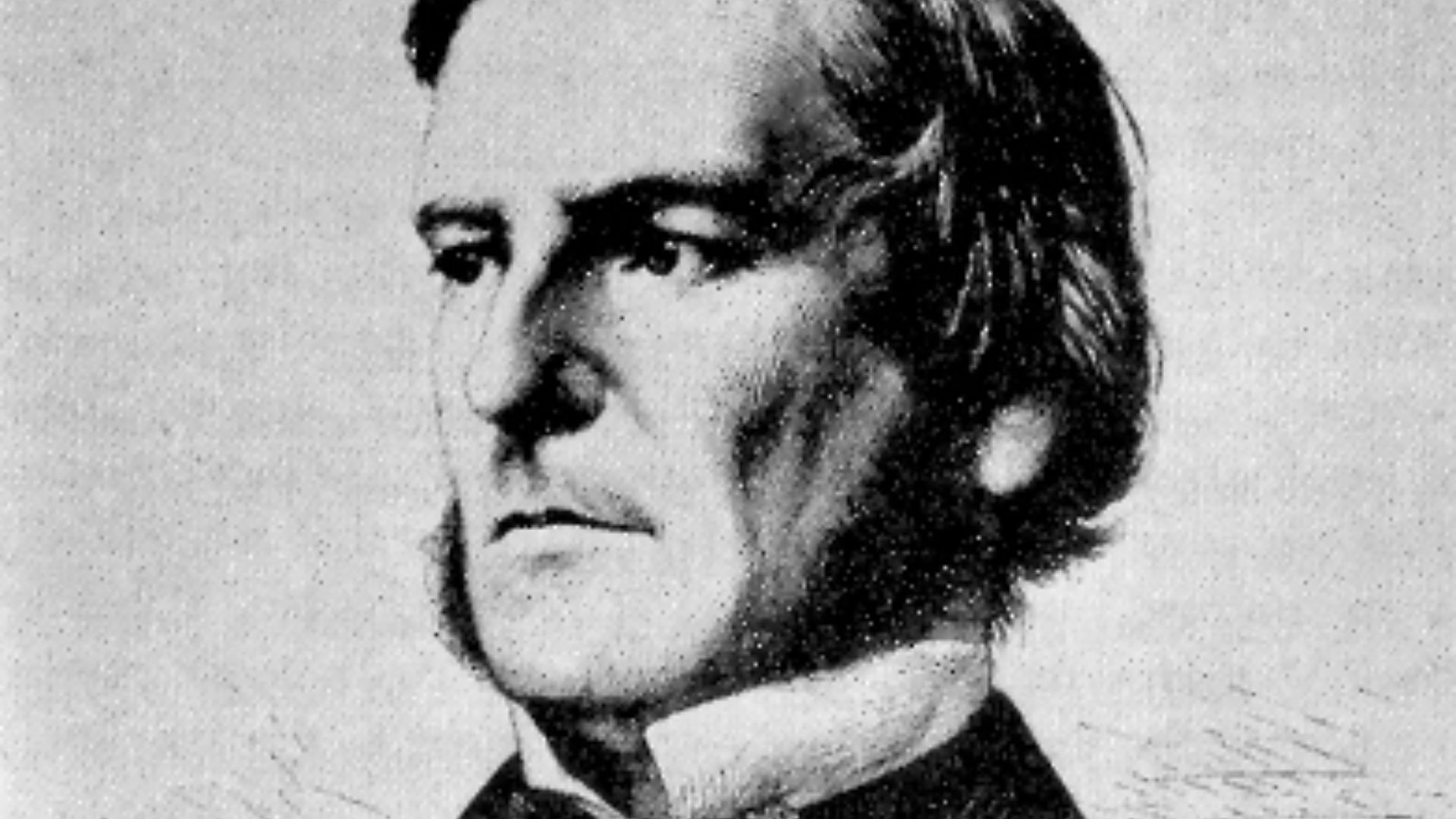
This genius mathematician's logical system became foundational for modern computing. Named after him, Boolean algebra turned reasoning into a structured language of true and false that later mapped neatly onto electronic circuits. You might not see his name on your devices, but his ideas are built into how they think.
19. George H. W. Bush
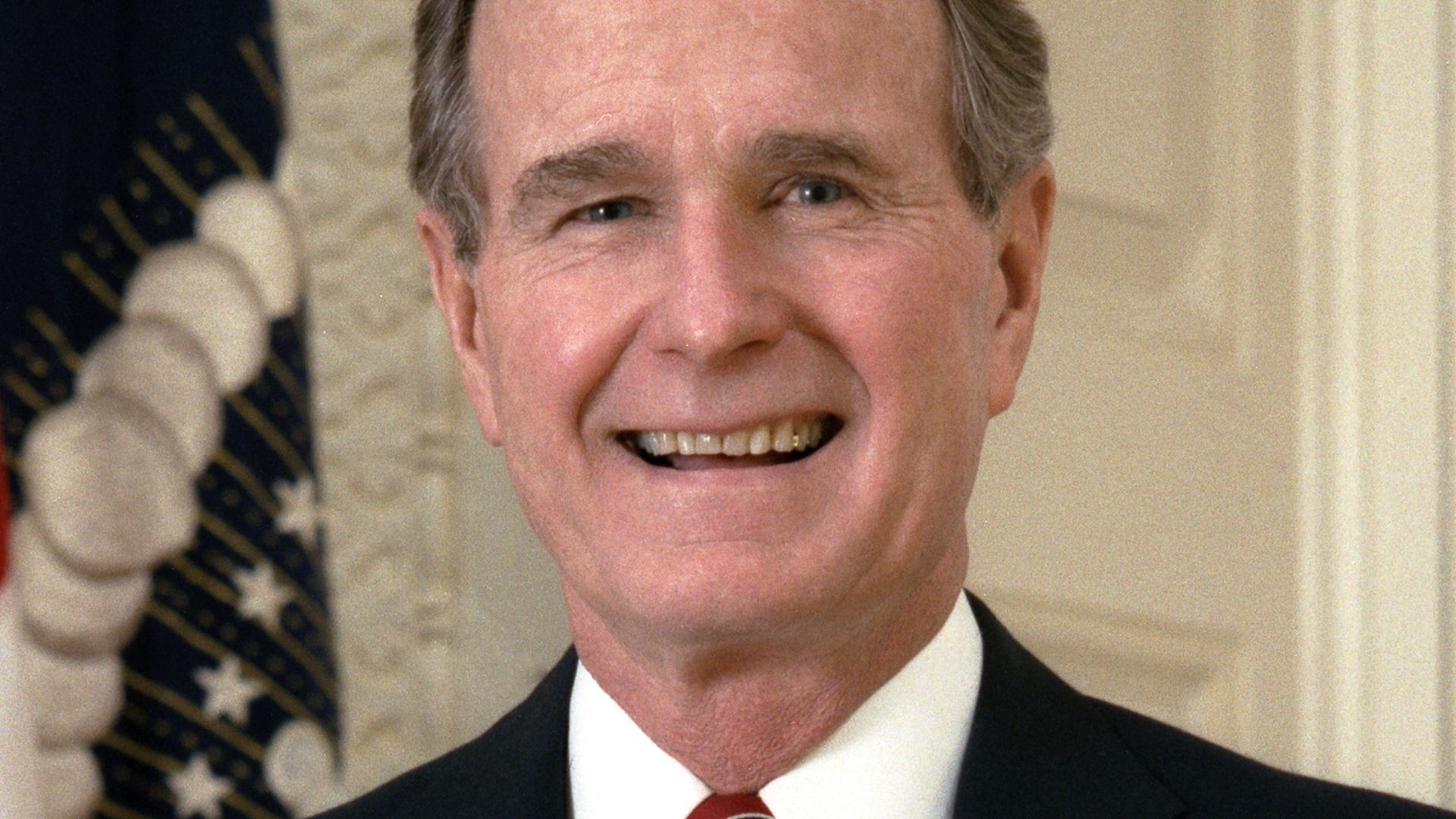
George H. W. Bush served as the 41st president of the United States and navigated major geopolitical change at the end of the Cold War. His administration is closely associated with the Gulf War coalition and the diplomacy surrounding German reunification and Soviet collapse. Whether you agree with his policies or not, the period demanded careful statecraft, and he was at the center of it.
20. Saint George
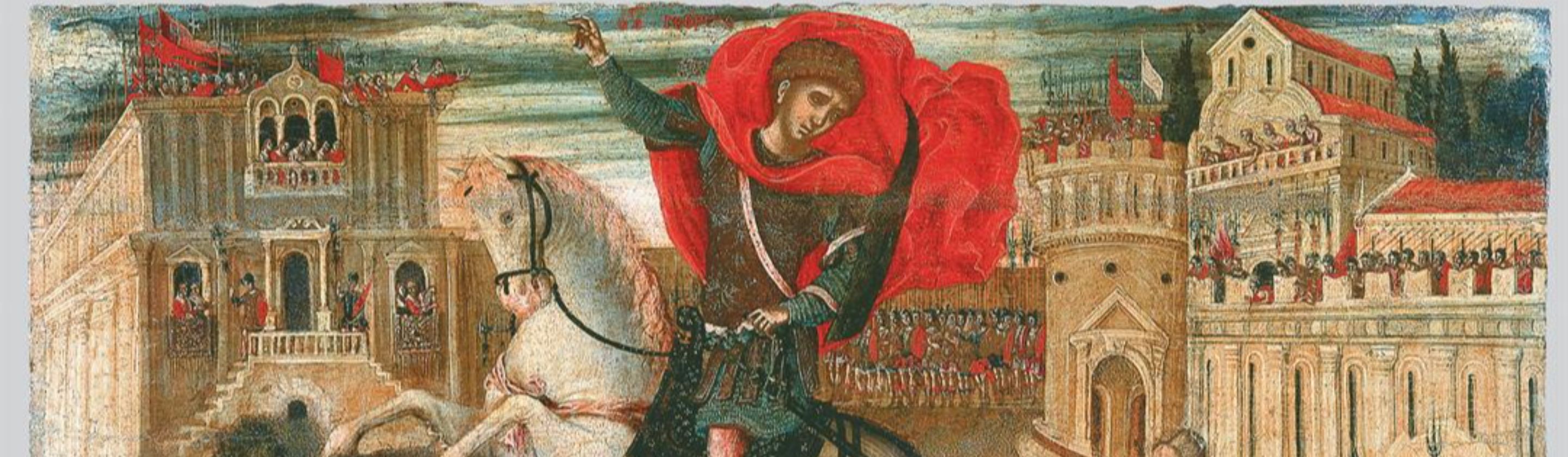
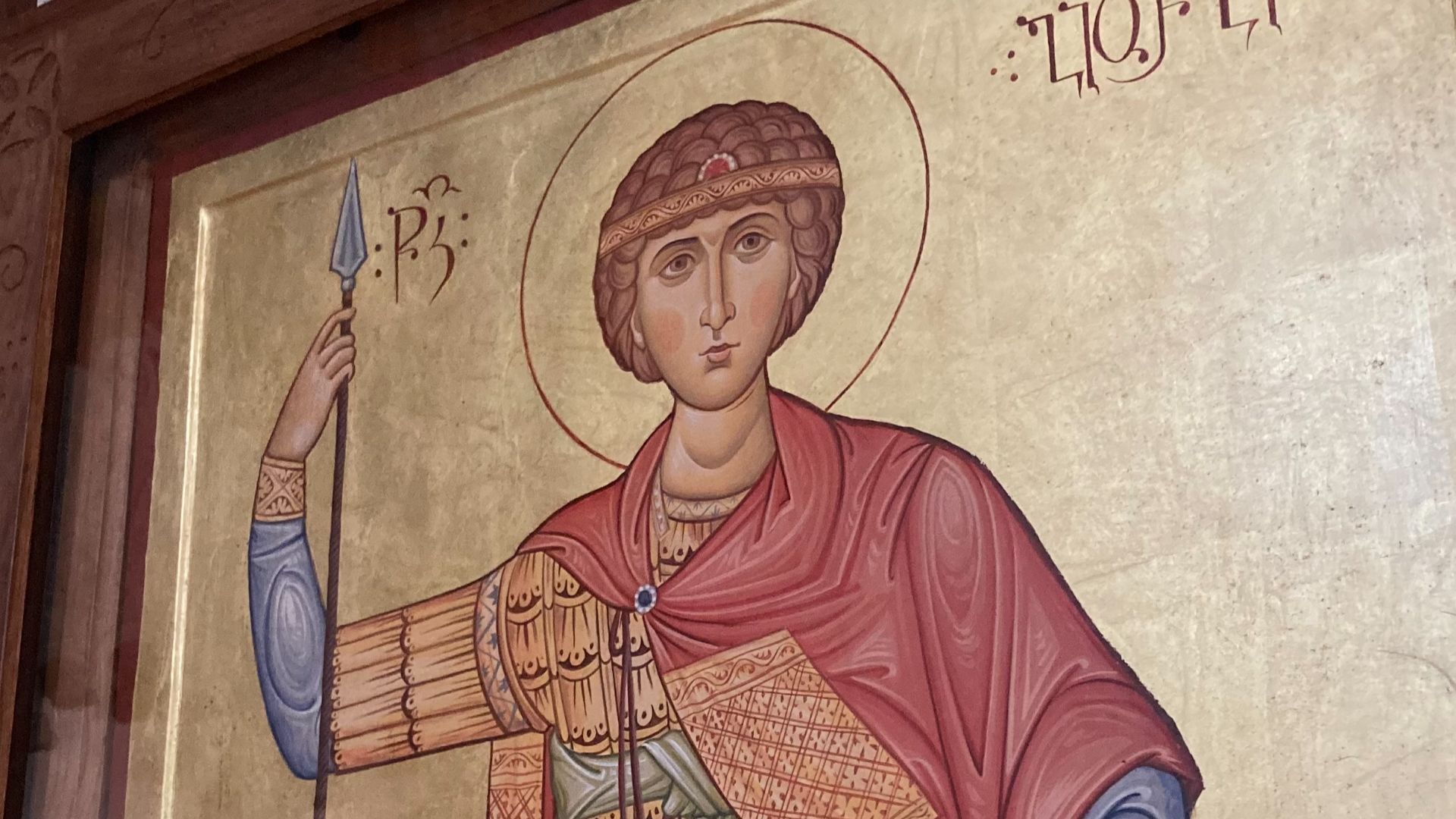
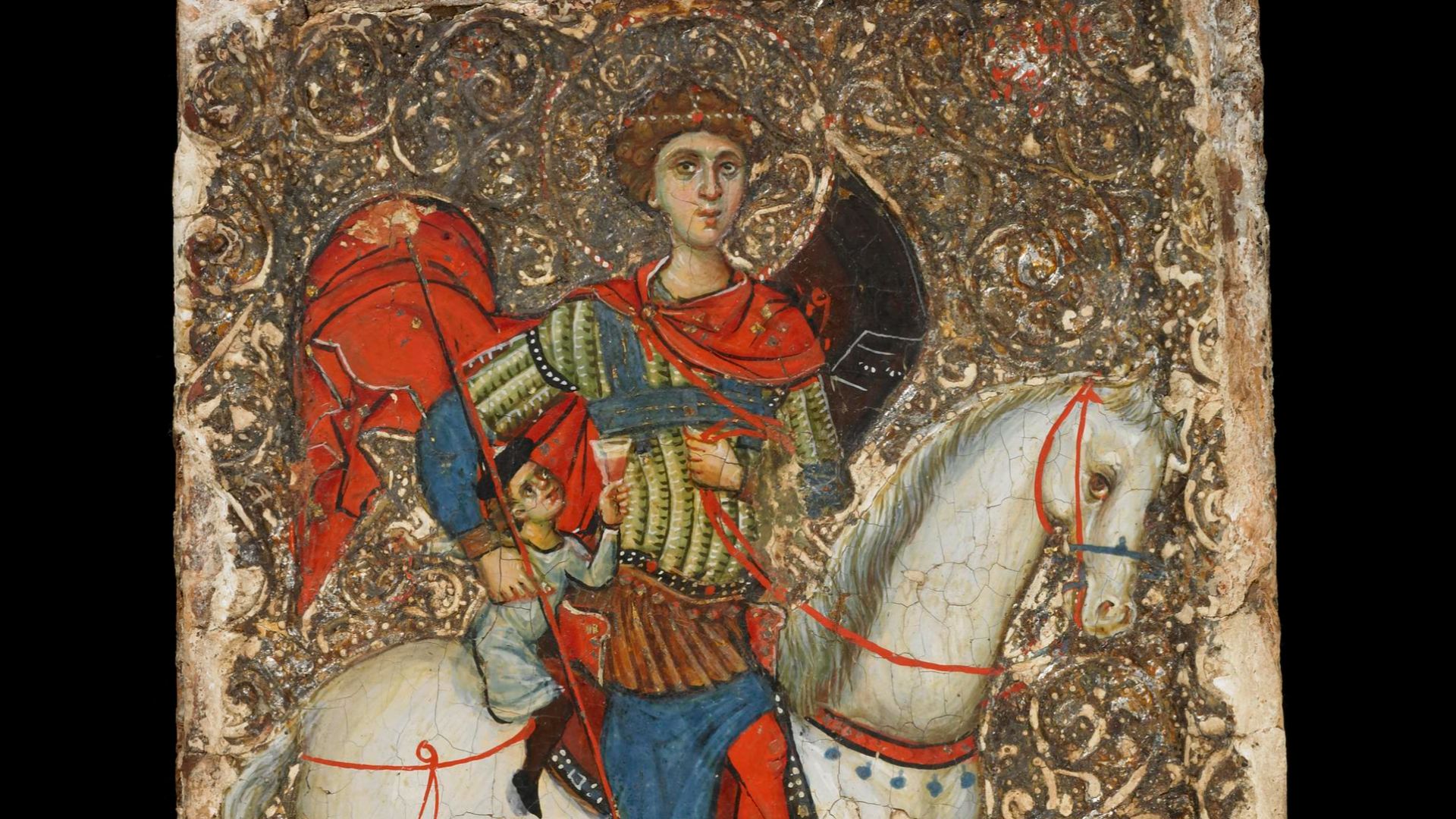
Saint George is venerated as a Christian martyr and is famously linked to the legend of a dragon-slaying rescue. Historical details are debated, but devotion to him spread widely across regions and centuries, making him one of the most recognized saints in Christian tradition. If you’ve seen a red cross on a white field or heard of England’s patron saint, you’ve already met his symbolism.
 Unknown authorUnknown author on Wikimedia