


Building What Others Said Couldn't Be Built
Throughout history, engineers have turned ideas that seemed unrealistic, impractical, or completely unworkable into reality. Whether they were spanning vast waterways, reaching the Moon, reshaping city skylines, or solving problems that had frustrated experts for generations, these individuals pushed beyond accepted limits and changed the world in the process. If you've ever crossed a major bridge, traveled by rail, flown on an airplane, or simply switched on a light, you've benefited from the work of engineers who refused to accept that something couldn't be done. Here are 20 engineers who built the impossible.
1. Isambard Kingdom Brunel
Few engineers embodied ambition quite like Isambard Kingdom Brunel. During the nineteenth century, he designed railways, tunnels, bridges, and ships that stretched the capabilities of existing technology. His Great Western Railway and the massive steamship SS Great Eastern demonstrated a willingness to attempt projects many contemporaries considered unrealistic.
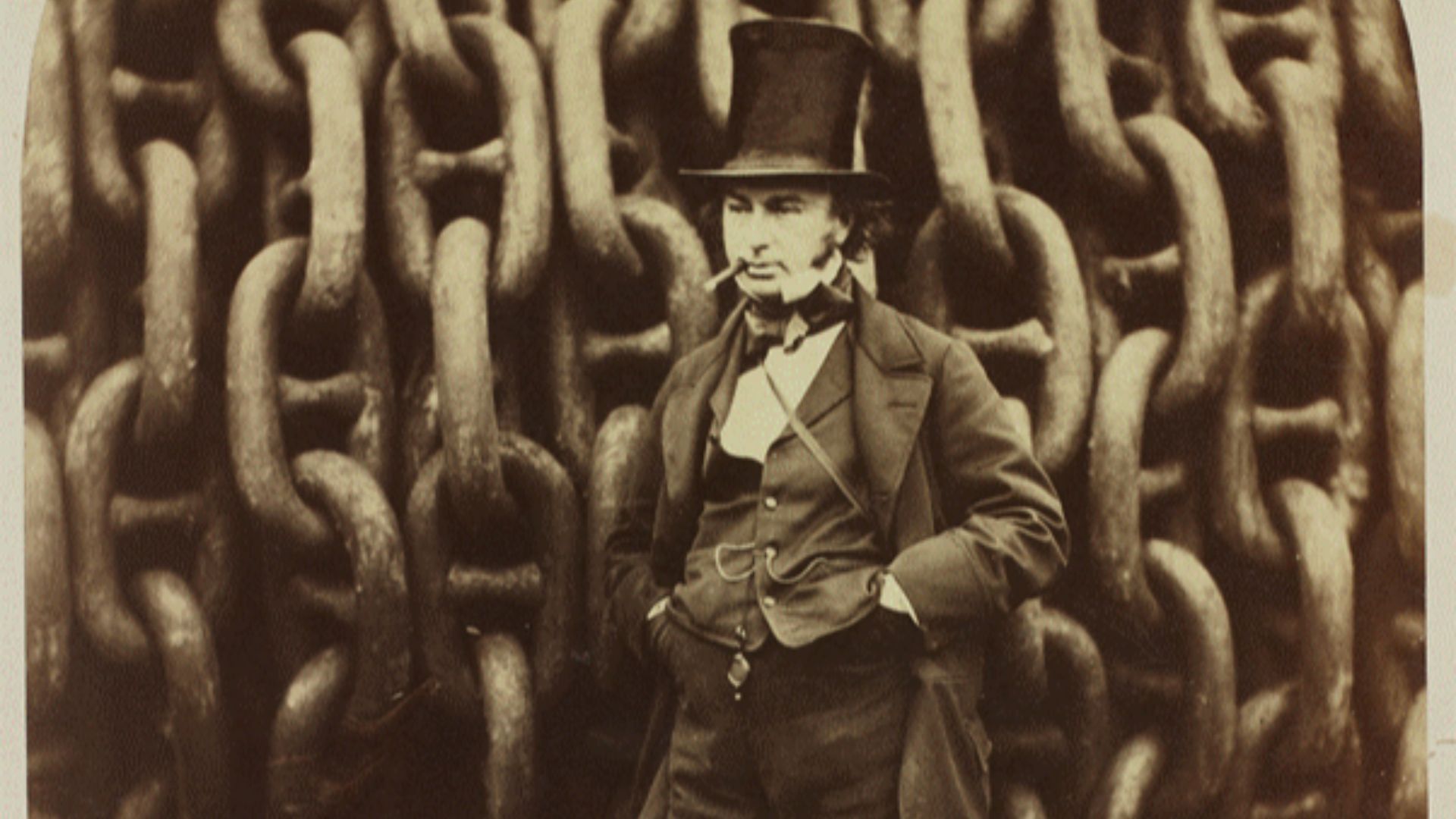 Robert Howlett (1830–1858) on Wikimedia
2. Gustave Eiffel
Although he's best known for the Eiffel Tower, Gustave Eiffel's engineering achievements extended far beyond a single landmark. The tower itself faced heavy criticism before construction began, with many doubting both its practicality and appearance. Once completed, it became one of the most recognizable structures ever built and a symbol of engineering confidence.
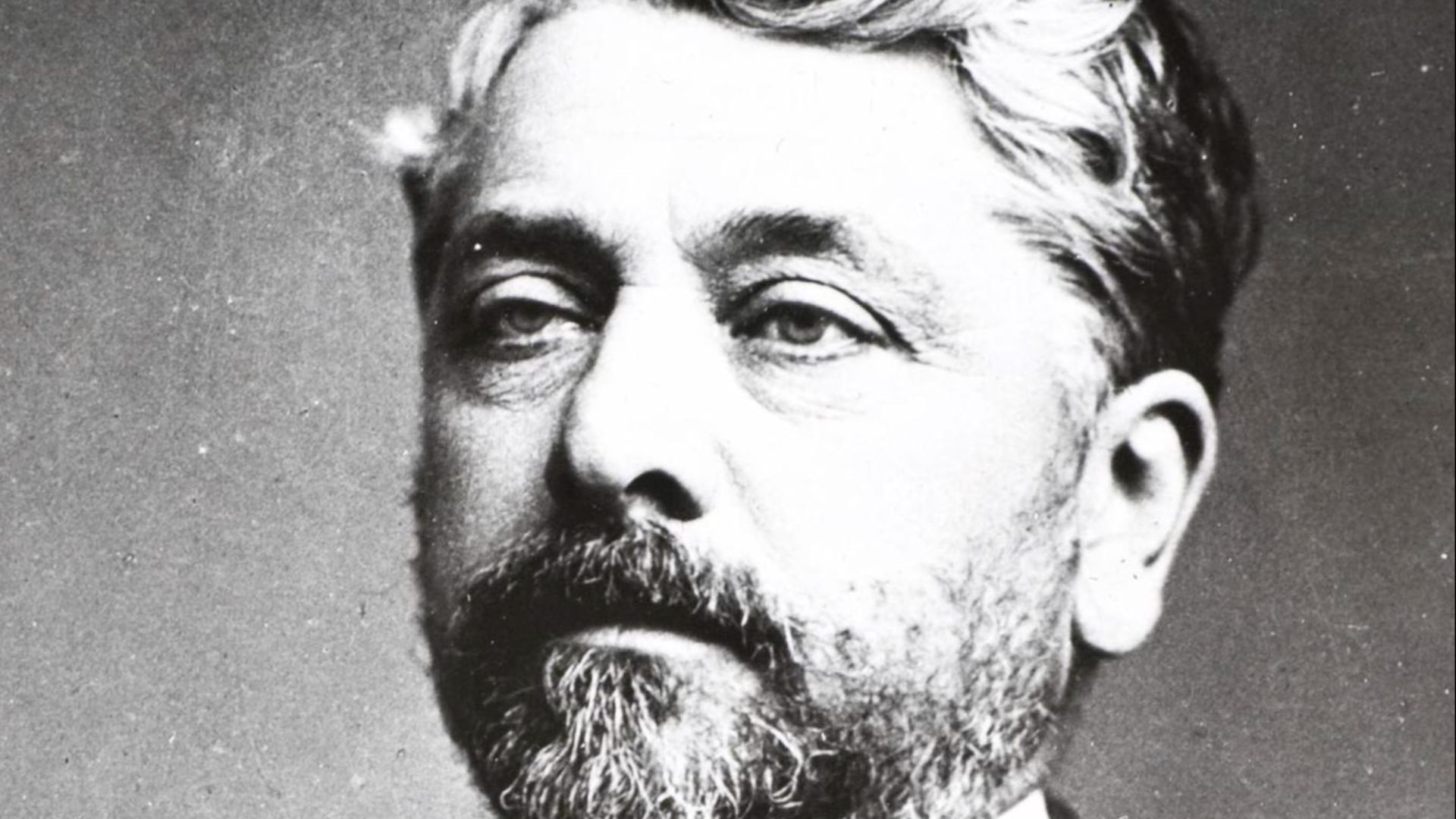 USMC Archives from Quantico, USA on Wikimedia
3. John Roebling
John Roebling revolutionized suspension bridge construction through his pioneering use of wire cables.
His vision for the Brooklyn Bridge called for a structure unlike anything previously attempted in the United States. Even though he died before construction truly began, his designs laid the foundation for one of America's greatest engineering achievements.

4. Emily Warren Roebling
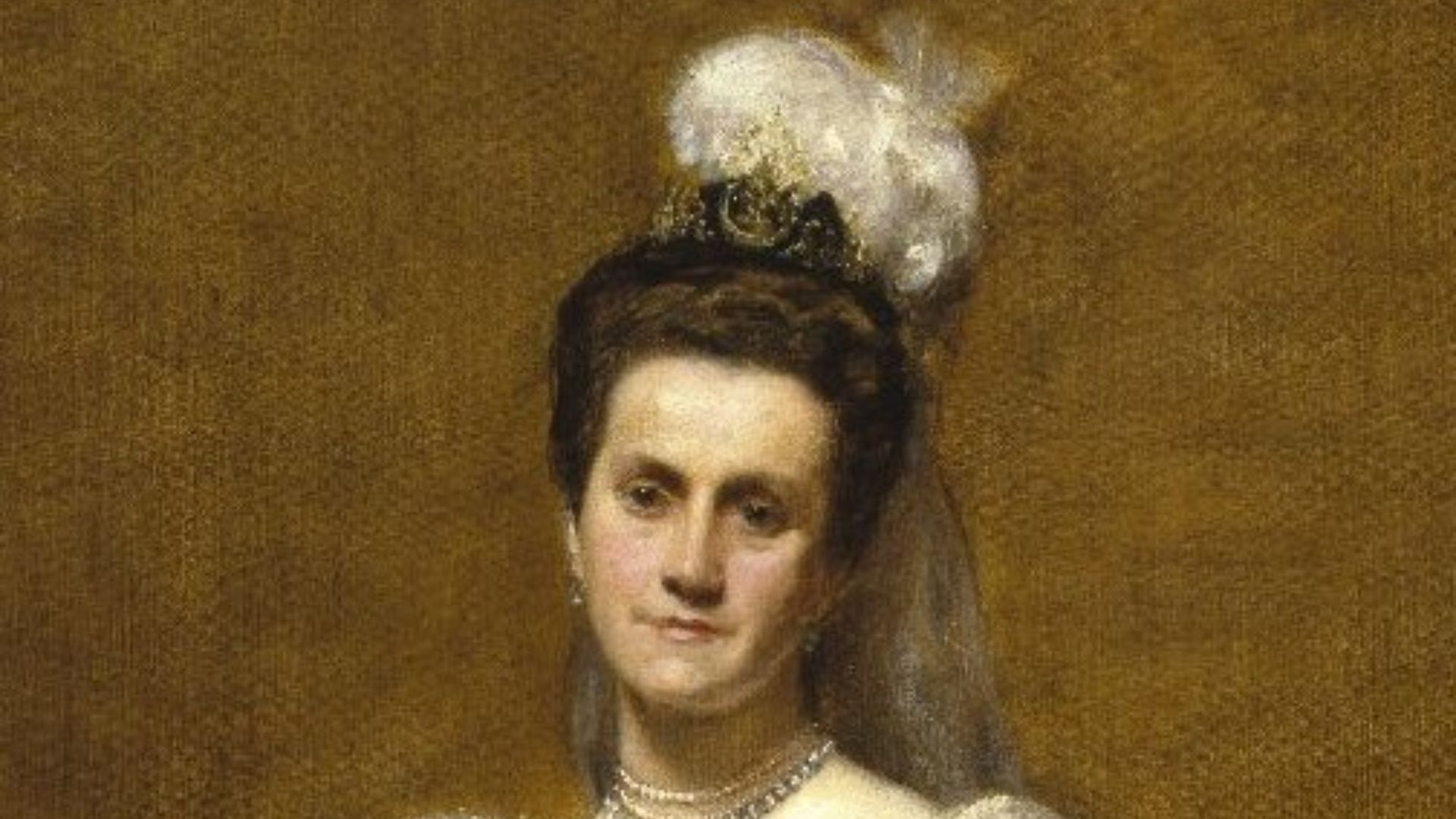
Emily Warren Roebling accomplished something extraordinary when circumstances forced her into a leadership role on the Brooklyn Bridge project. She learned advanced engineering concepts while acting as the primary link between her ill husband and the construction team. Thanks to her efforts, one of history's most famous bridges reached completion despite significant setbacks.
5. Washington Roebling
Washington Roebling inherited an engineering challenge that tested both his technical abilities and personal resilience. After suffering severe health problems related to bridge construction work, he continued directing the project from home. His persistence ensured the successful completion of the Brooklyn Bridge in 1883.

6. Nikola Tesla
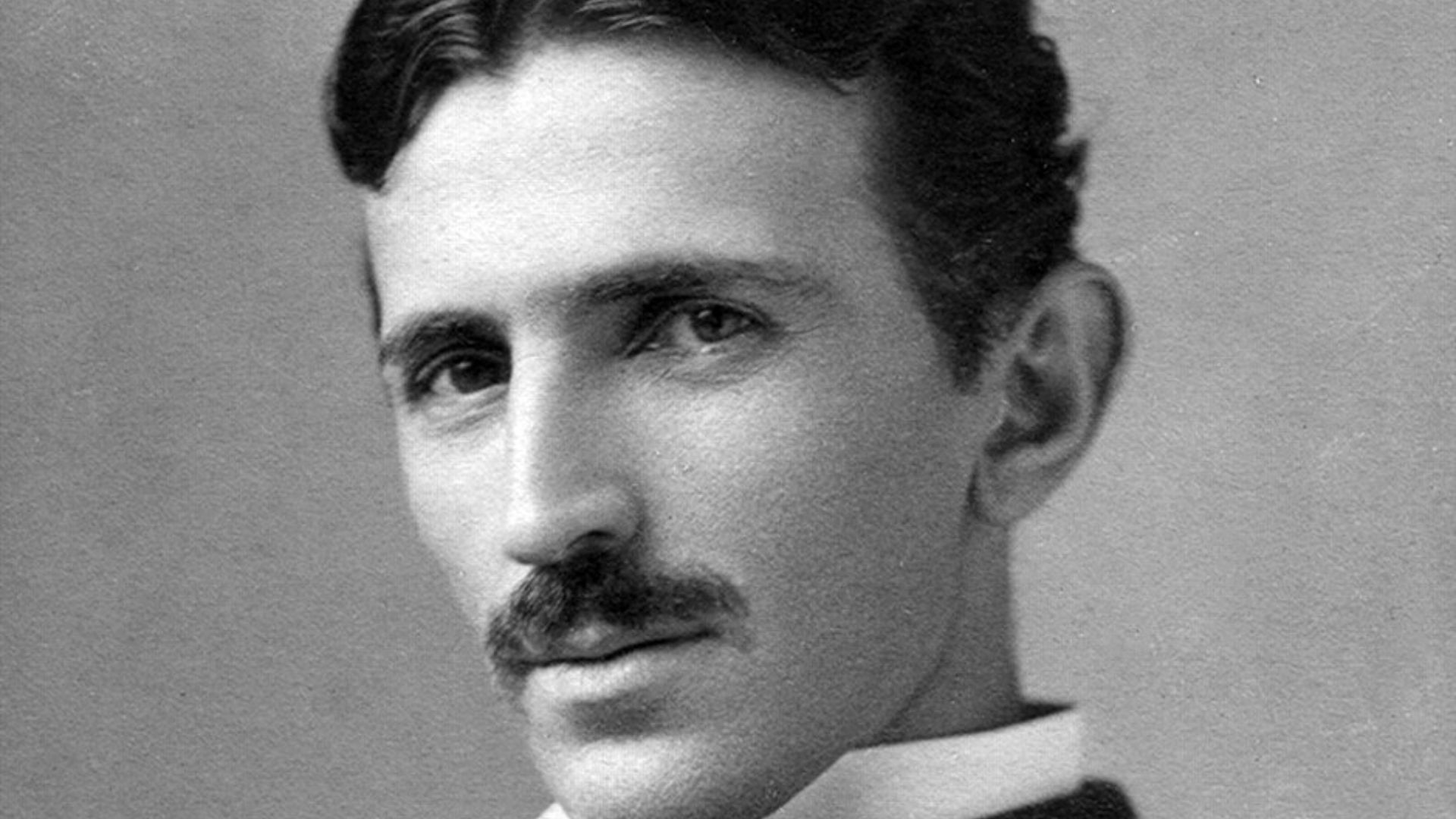
Nikola Tesla's engineering contributions helped shape the modern electrical world. He championed alternating current systems at a time when many influential figures favored competing technologies. Today, the efficient transmission of electricity over long distances remains one of the clearest examples of his lasting impact.
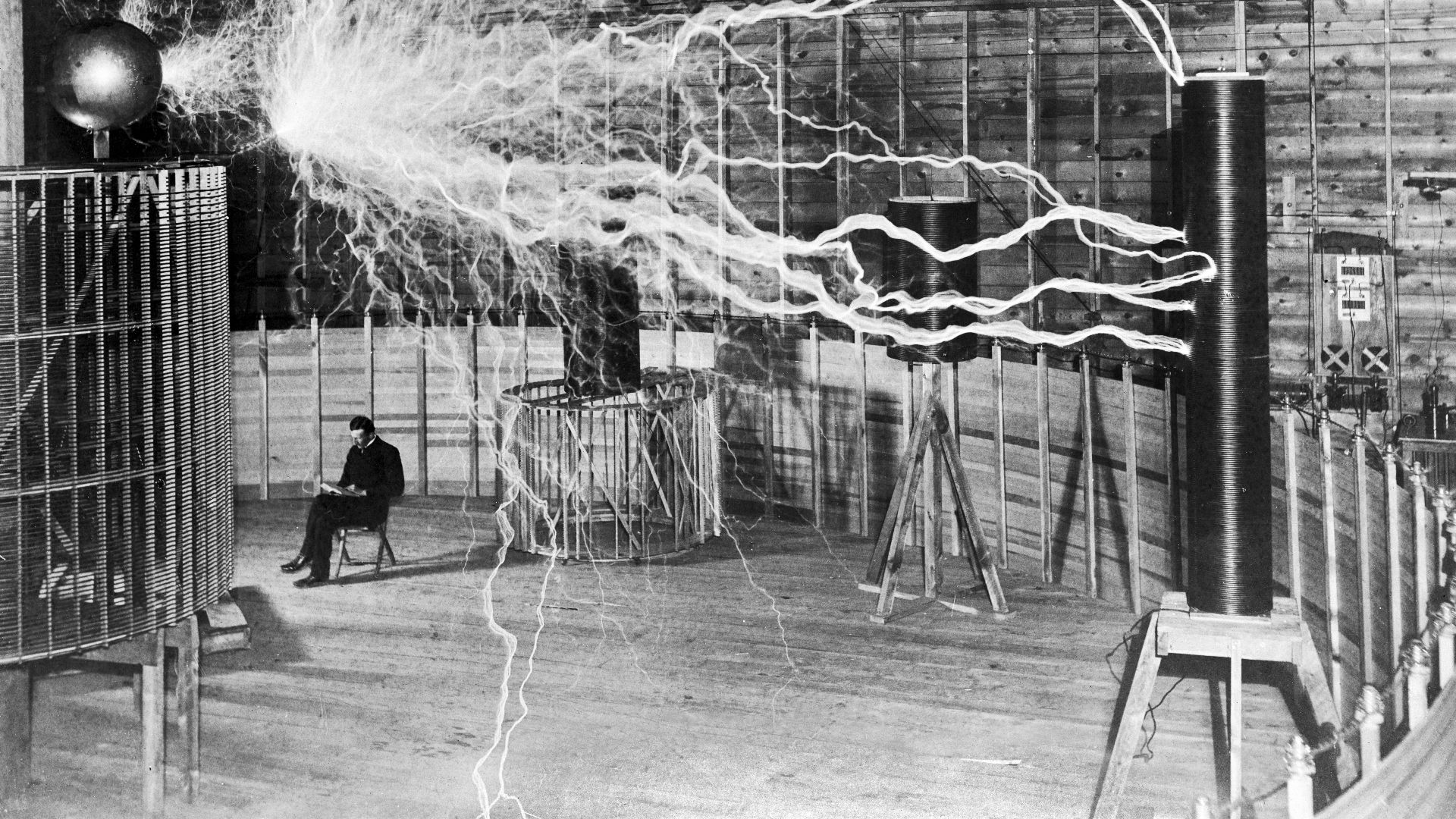 Photographer: Dickenson V. Alley Restored by Lošmi on Wikimedia
7. George Stephenson
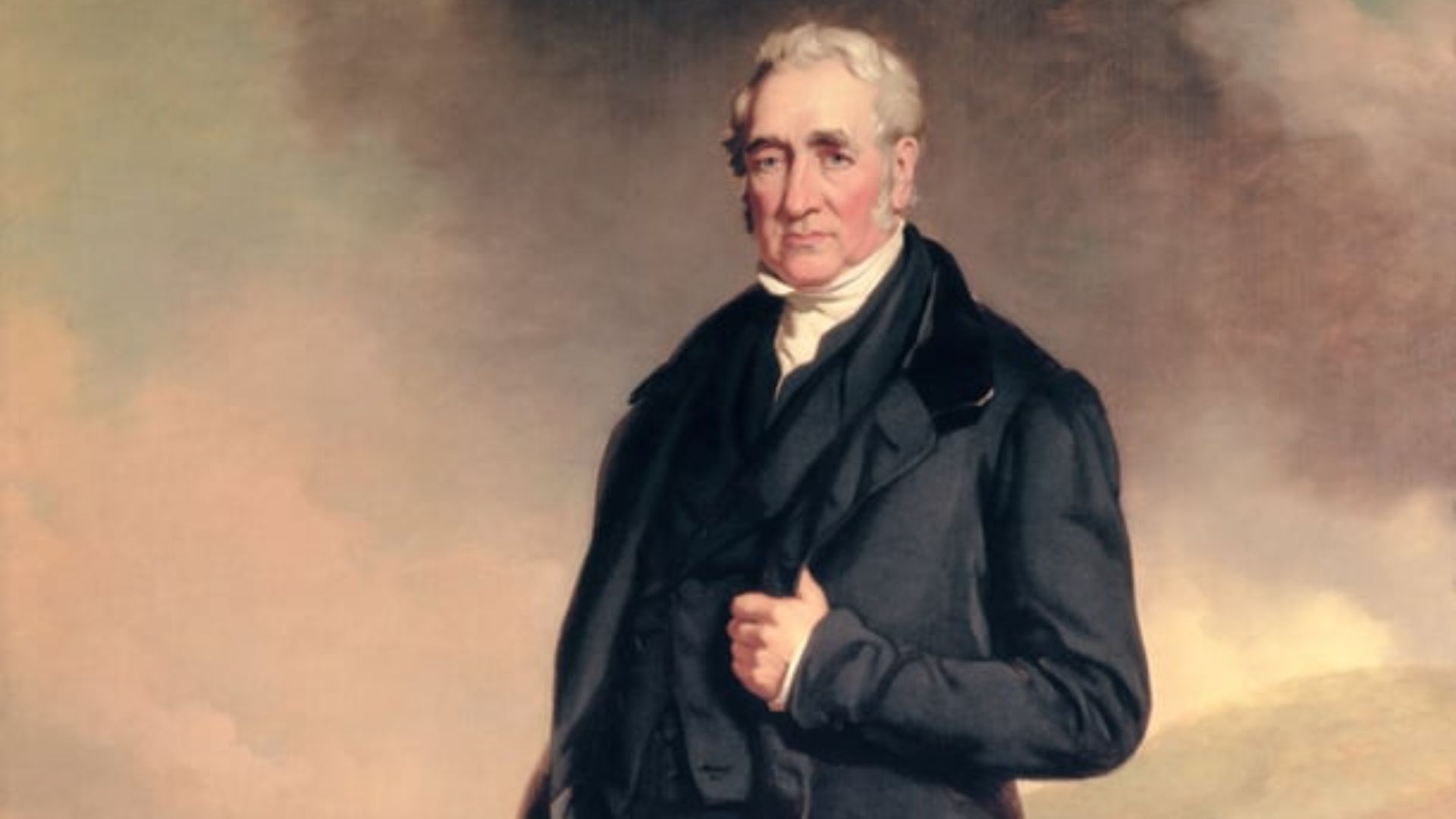
George Stephenson played a central role in proving that rail transportation could work on a large scale. His locomotive designs showed businesses and governments that railways could move people and goods efficiently.
As railroad networks expanded, they transformed economies across entire continents.
8. Othmar Ammann
Othmar Ammann became one of the most influential bridge engineers of the twentieth century. He designed major structures, including the George Washington Bridge, which was the world's longest suspension bridge upon opening. His projects demonstrated that larger spans could be achieved safely and economically.
 Martin St-Amant (S23678) on Wikimedia
9. Fazlur Rahman Khan
Modern skyscrapers owe much of their existence to Fazlur Rahman Khan. He developed innovative structural systems that allowed buildings to reach greater heights without becoming prohibitively expensive. Structures such as Chicago's Willis Tower showcased how engineering innovation could reshape entire city skylines.

10. Hyman Rickover
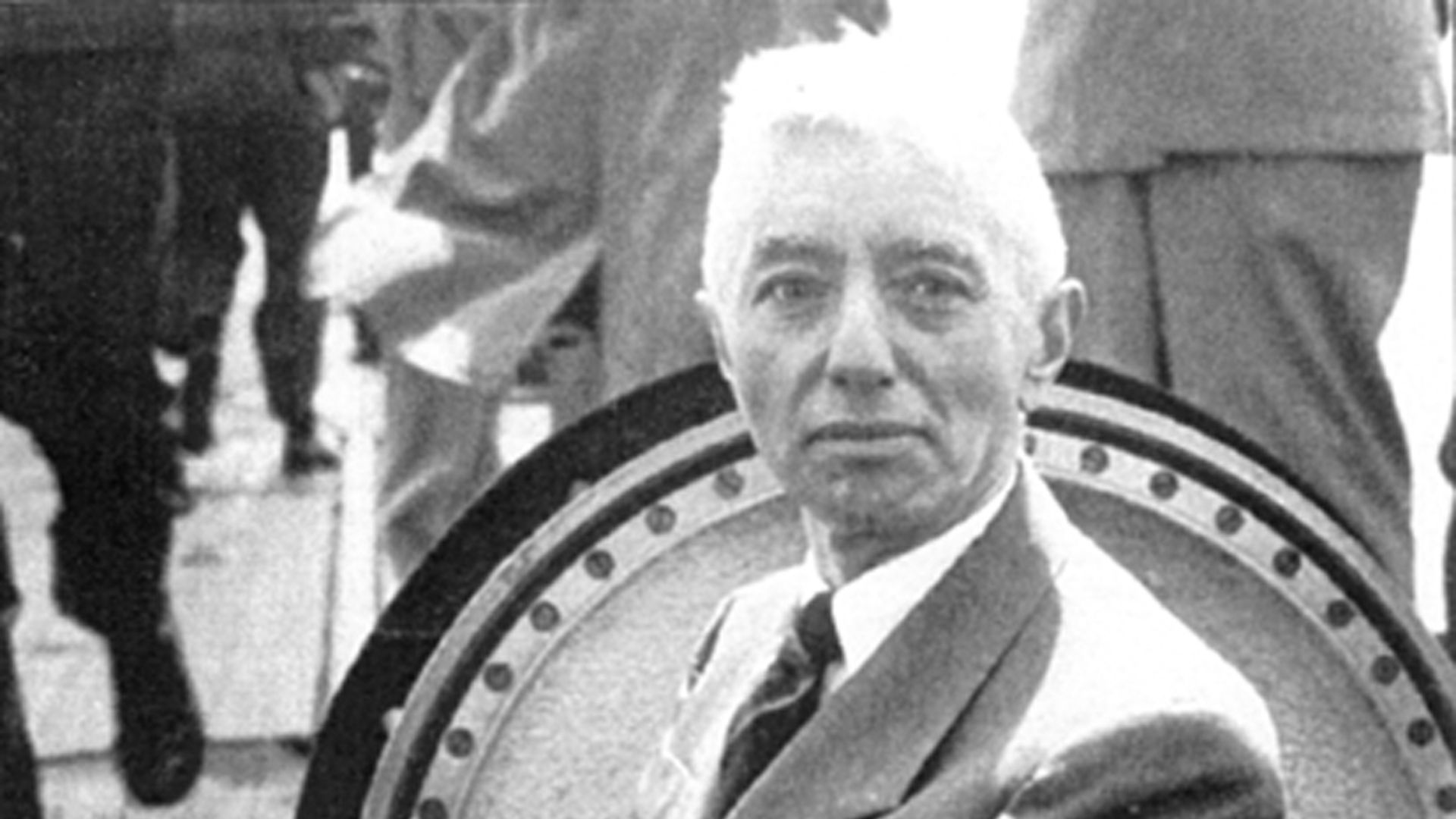
Hyman Rickover transformed naval engineering through his leadership of nuclear propulsion programs. Under his guidance, nuclear-powered submarines gained the ability to remain underwater for extended periods without refueling. His uncompromising standards helped establish one of the most reliable engineering programs in military history.
11. Wernher von Braun
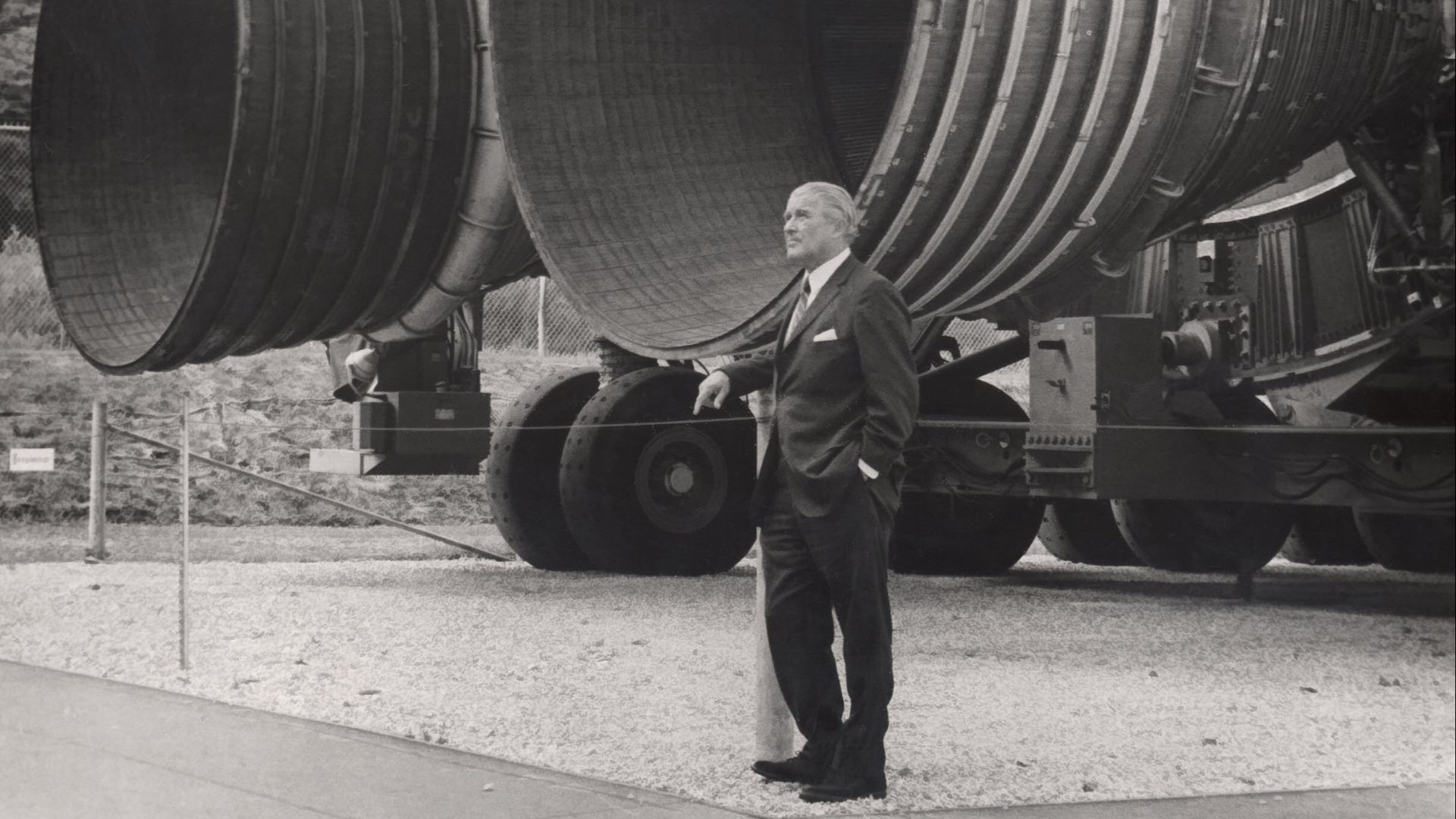
Wernher von Braun was instrumental in advancing rocket engineering during the twentieth century. After joining the American space program, he became a leading figure behind the Saturn V rocket. That vehicle ultimately carried astronauts to the Moon during NASA's Apollo missions.
12. Sergei Korolev
While largely unknown to the public during his lifetime, Sergei Korolev directed many of the Soviet Union's greatest space achievements. He oversaw the launch of Sputnik, the world's first artificial satellite.
His leadership also helped send Yuri Gagarin into orbit as the first human in space.
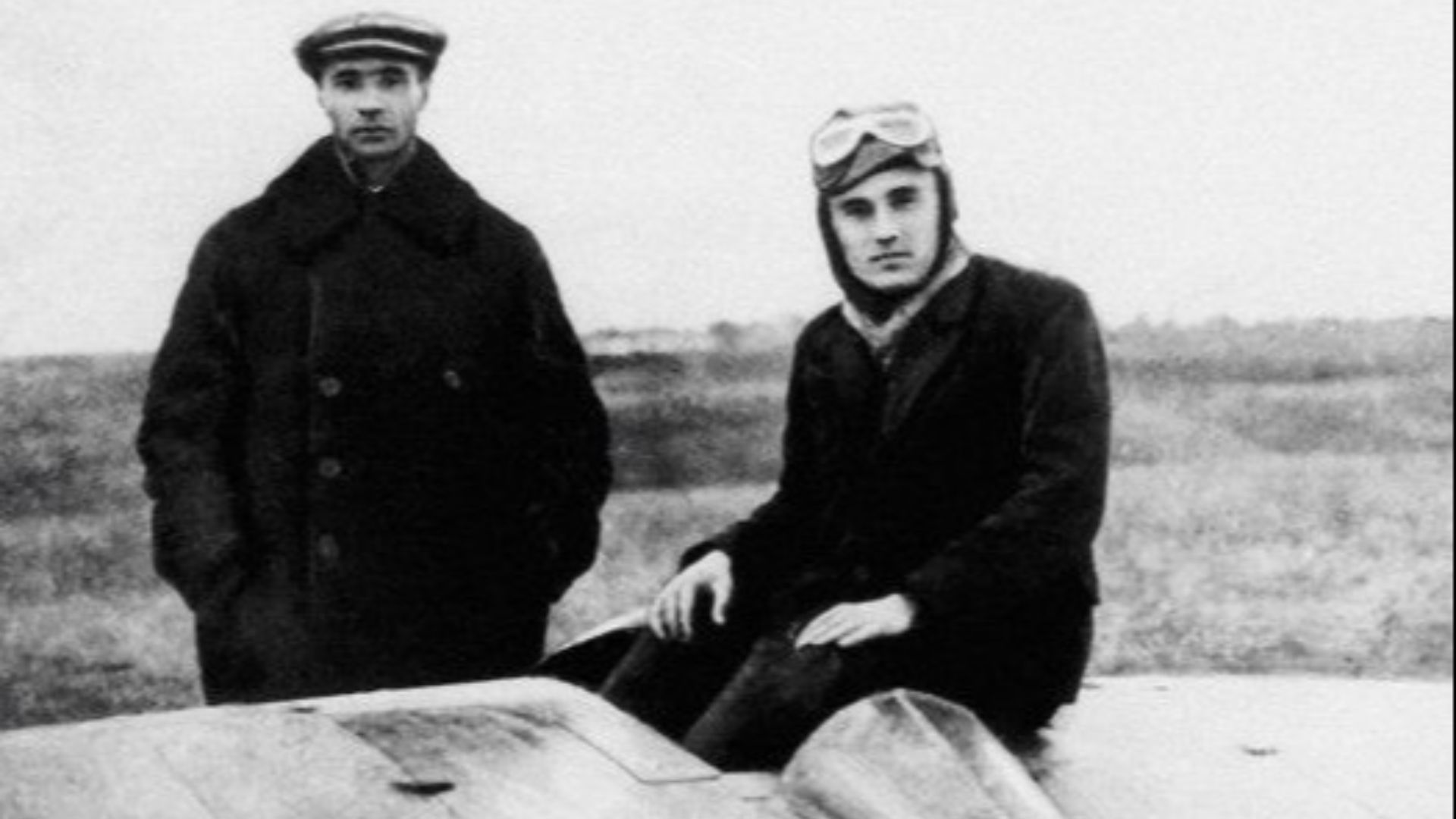 Unknown authorUnknown author on Wikimedia
13. Elmer Sperry
Elmer Sperry improved navigation through the development of advanced gyroscopic systems. His inventions enhanced the accuracy of ships, aircraft, and military equipment operating over long distances. These innovations made transportation and navigation far more dependable than they had been before.
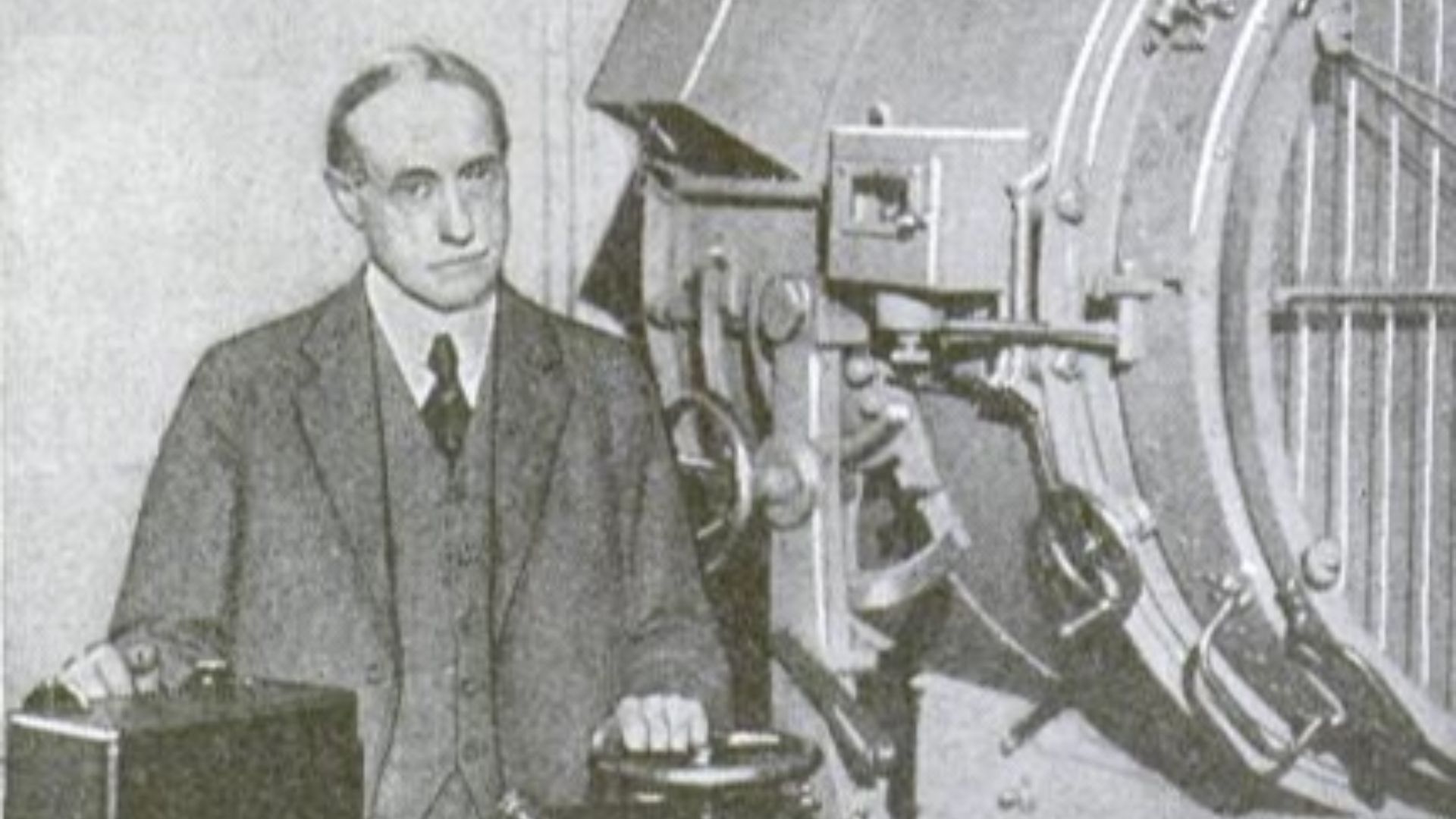 Unknown authorUnknown author on Wikimedia
14. Robert Maillart
Swiss engineer Robert Maillart transformed concrete bridge design through elegant and efficient structural solutions. Rather than relying on excessive material, he created forms that maximized strength while reducing weight.
 unknown (photo taken and reworked by Хрюша) on Wikimedia
15. Joseph Strauss
Joseph Strauss devoted years to making the Golden Gate Bridge a reality. Building a suspension bridge across the challenging waters and winds of the Golden Gate Strait seemed nearly impossible to many observers.
 Maarten van den Heuvel on Unsplash
16. Theodore von Kármán
Theodore von Kármán helped establish the scientific principles behind modern aerospace engineering. His research influenced aircraft performance, high-speed flight, and rocket development.
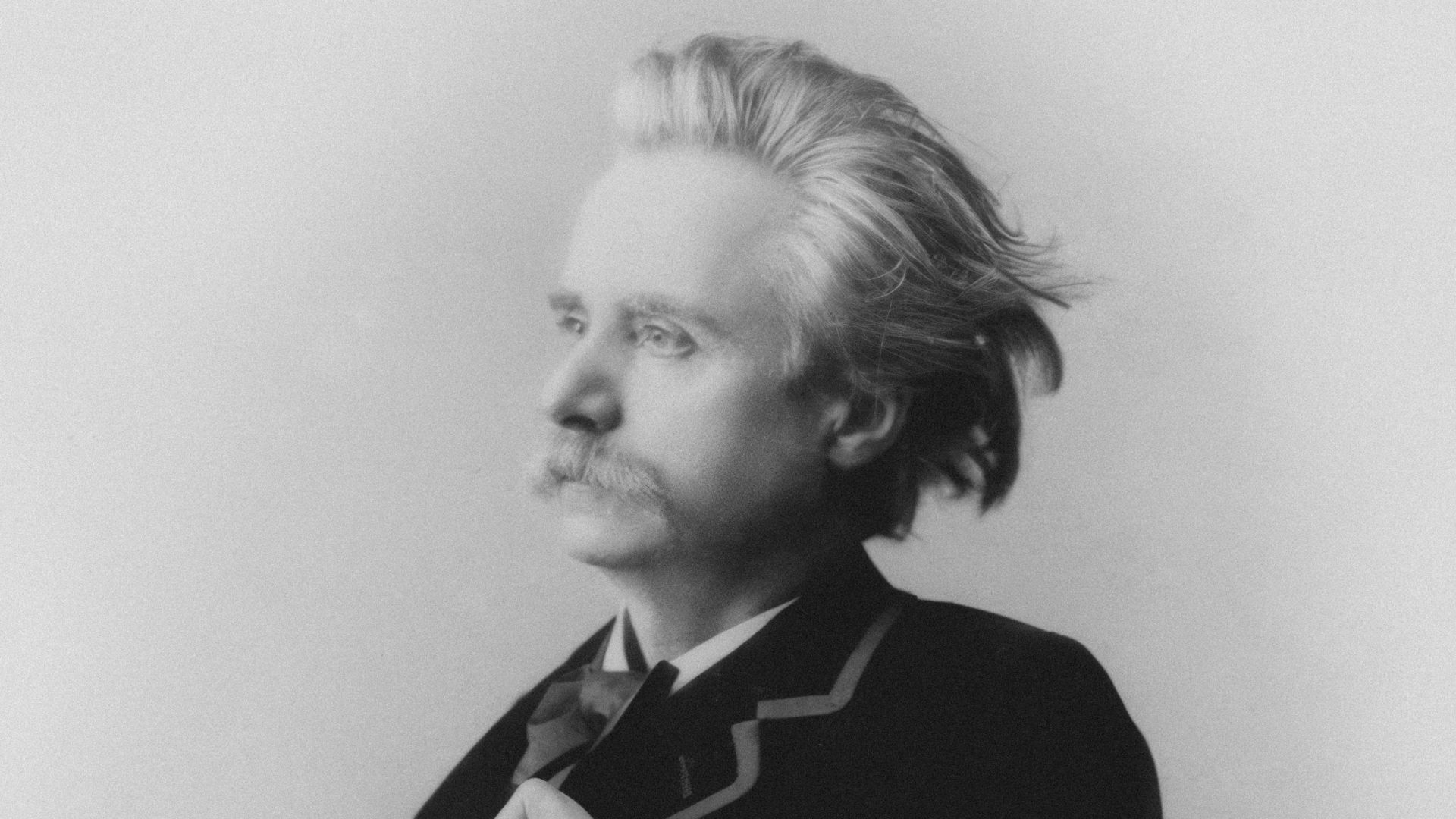 Bergen Public Library on Unsplash
17. John Harrison
For centuries, sailors struggled to determine longitude accurately while at sea. John Harrison addressed this problem by developing highly precise marine chronometers that could withstand long ocean voyages.

18. Karl Terzaghi
Karl Terzaghi transformed civil engineering by establishing the field of soil mechanics. Before his research, engineers lacked a thorough understanding of how soil behaved under heavy structures.
 Unknown authorUnknown author on Wikimedia
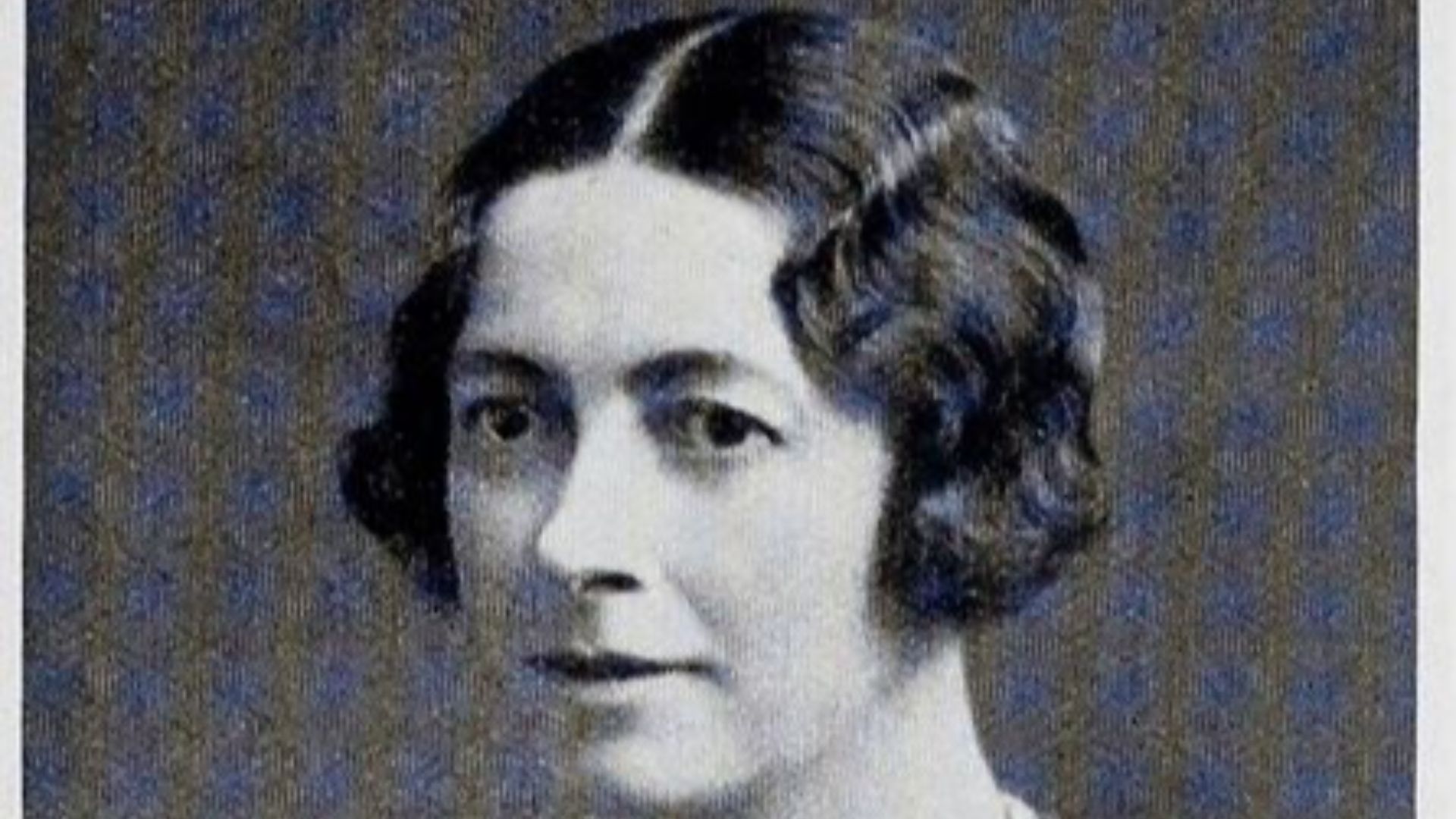
19. Verena Holmes
Verena Holmes built a successful engineering career during a period when women faced significant barriers in technical professions.
She contributed to marine and mechanical engineering projects while advocating for greater opportunities for women.
20. The Akashi Kaikyo Bridge Engineering Team
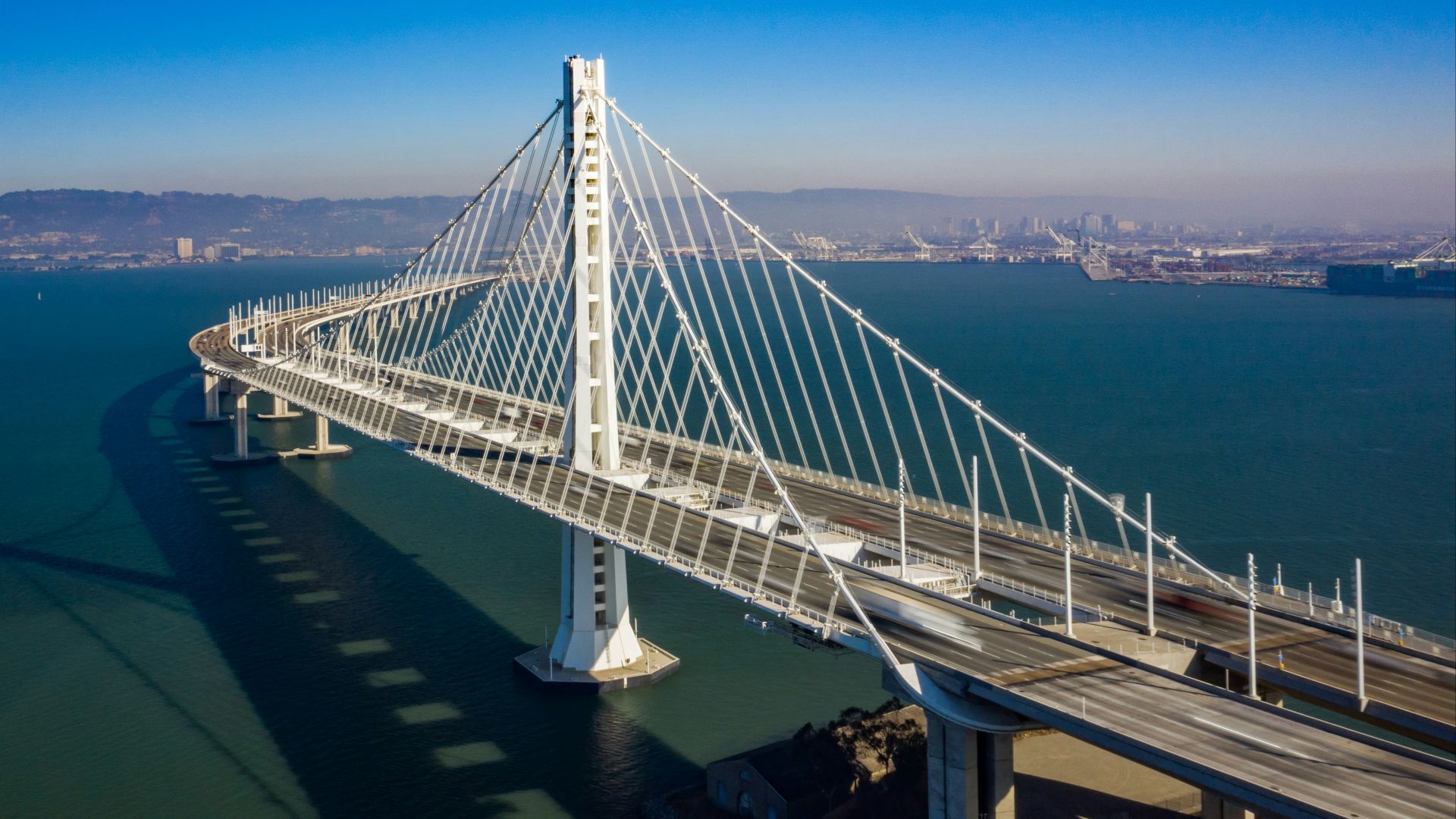
Not every impossible achievement belongs to a single individual. The engineers responsible for Japan's Akashi Kaikyo Bridge overcame earthquakes, powerful winds, and enormous technical challenges while creating the world's longest suspension bridge span.
KEEP ON READING
The 20 Most Recognized Historical Figures Of All Time
The Biggest Names In History. Although the Earth has been…
By Cathy Liu Oct 4, 2024
10 of the Shortest Wars in History & 10 of…
Wars: Longest and Shortest. Throughout history, wars have varied dramatically…
By Emilie Richardson-Dupuis Oct 7, 2024
10 Fascinating Facts About Ancient Greece You Can Appreciate &…
Once Upon A Time Lived Some Ancient Weirdos.... Greece is…
By Megan Wickens Oct 7, 2024
20 Lesser-Known Facts About Christopher Columbus You Don't Learn In…
In 1492, He Sailed The Ocean Blue. Christopher Columbus is…
By Emilie Richardson-Dupuis Oct 9, 2024
20 Historical Landmarks That Have The Craziest Conspiracy Theories
Unsolved Mysteries Of Ancient Places . When there's not enough evidence…
By Megan Wickens Oct 9, 2024
The 20 Craziest Inventions & Discoveries Made During Ancient Times
Crazy Ancient Inventions . While we're busy making big advancements in…
By Cathy Liu Oct 9, 2024