

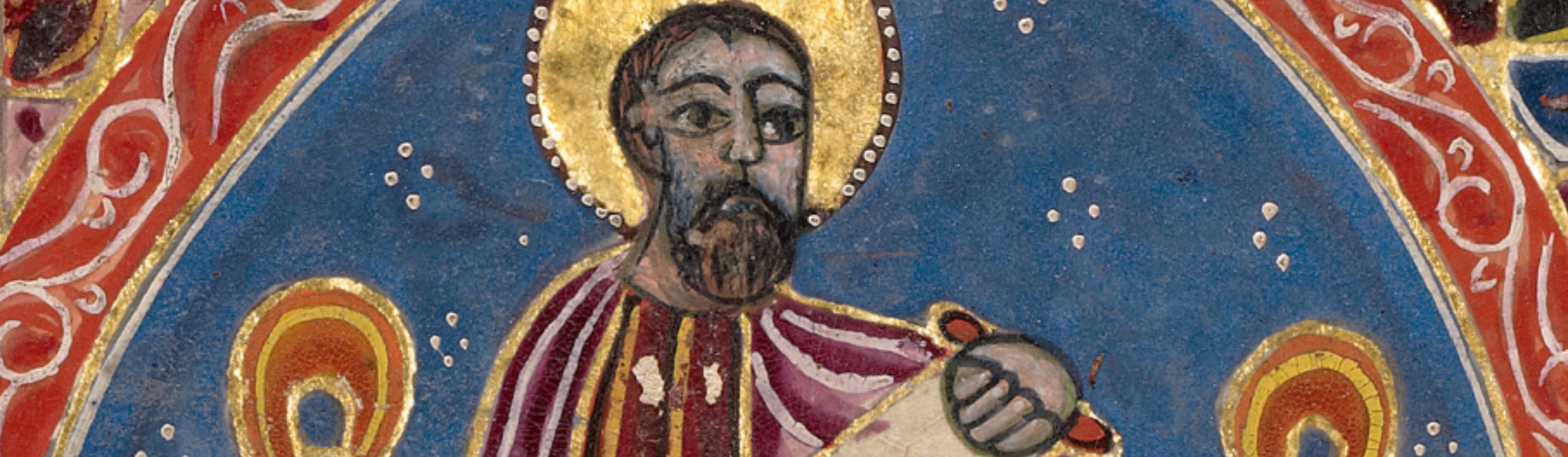
10 Scholars Who Preserved The Ancient World & 10 Who Rewrote It
The People Who Shaped What We Know About Antiquity
Much of what we know about the ancient world survives because generations of scholars copied, translated, studied, and interpreted older texts. Some focused primarily on preserving knowledge that might otherwise have been lost, while others transformed how people understood ancient history, literature, philosophy, and religion. Together, these individuals played a major role in determining which aspects of antiquity reached later generations and how they were understood. Here are 10 scholars who preserved the ancient world and 10 who rewrote it.
1. Callimachus of Cyrene
Callimachus worked at the Library of Alexandria during the third century BC and helped organize one of the greatest collections of ancient knowledge ever assembled. He created the Pinakes, a massive catalog that classified thousands of scrolls by subject and author. Although much of the library was eventually lost, his efforts made preserving and locating texts far more efficient.
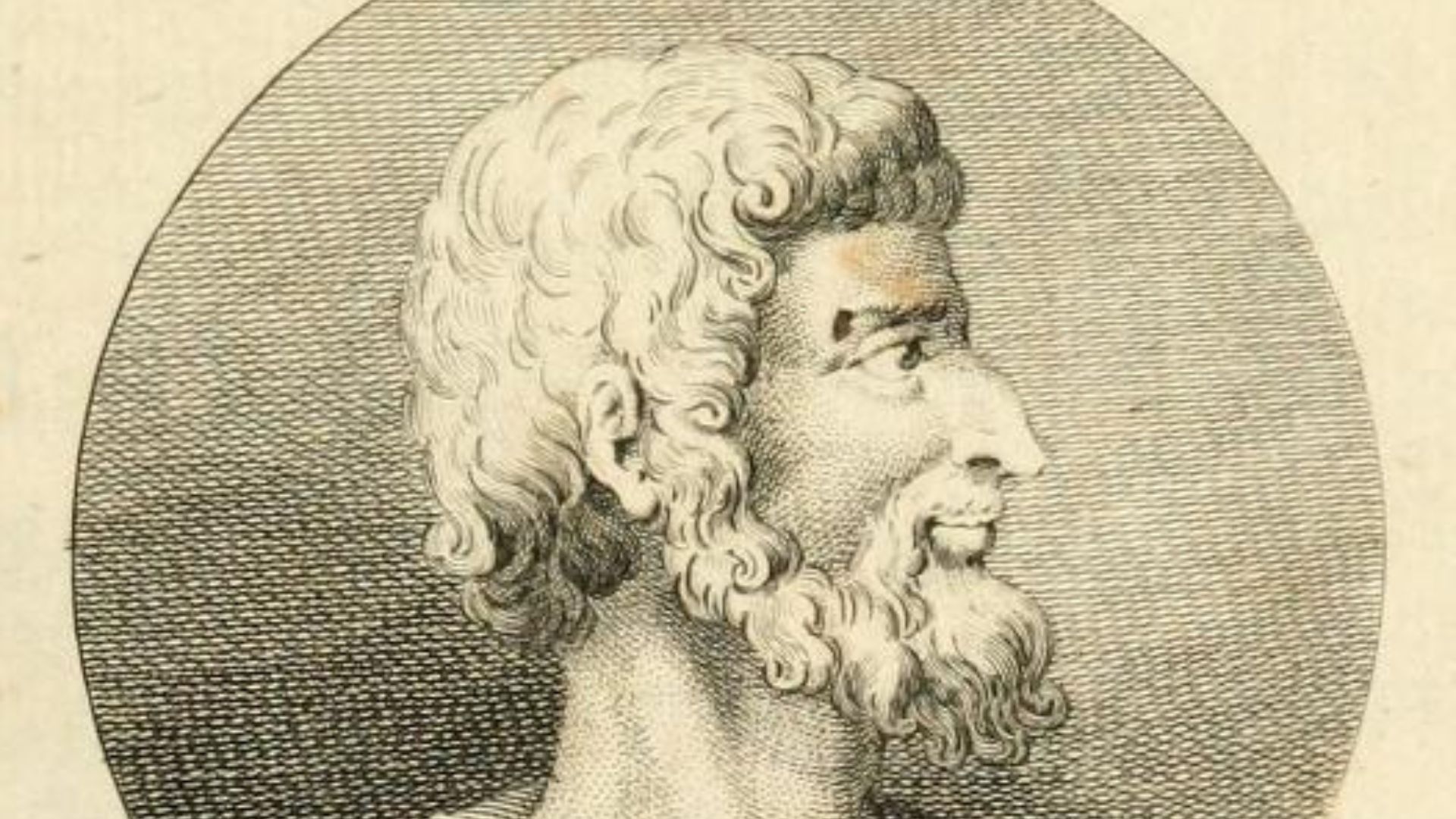 Wiliam Henry Toms on Wikimedia
2. Aristophanes of Byzantium
As a librarian and scholar at Alexandria, Aristophanes developed methods for editing and comparing manuscripts. He introduced critical markings that helped readers identify questionable passages and textual variations. His work improved the accuracy of many Greek literary texts that survived into later centuries.
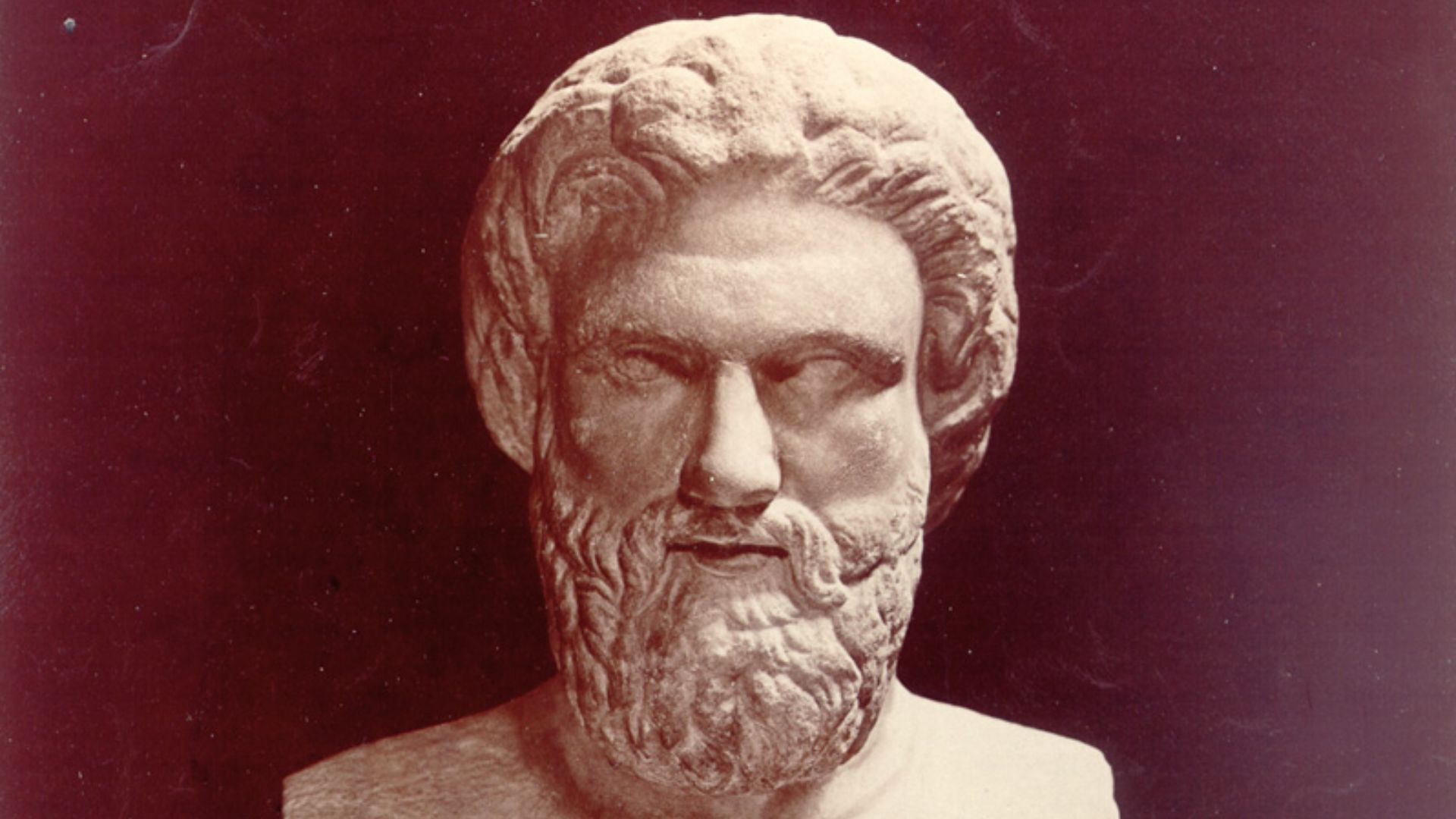 Original uploader was Torquemada at es.wikisource on Wikimedia
3. Didymus Chalcenterus
Didymus was an extraordinarily prolific scholar active during the first century BC. He produced extensive commentaries on Greek literature, history, and grammar, often drawing on earlier sources that have since disappeared.
Through his citations and explanations, valuable fragments of lost works were preserved.
4. Origen of Alexandria
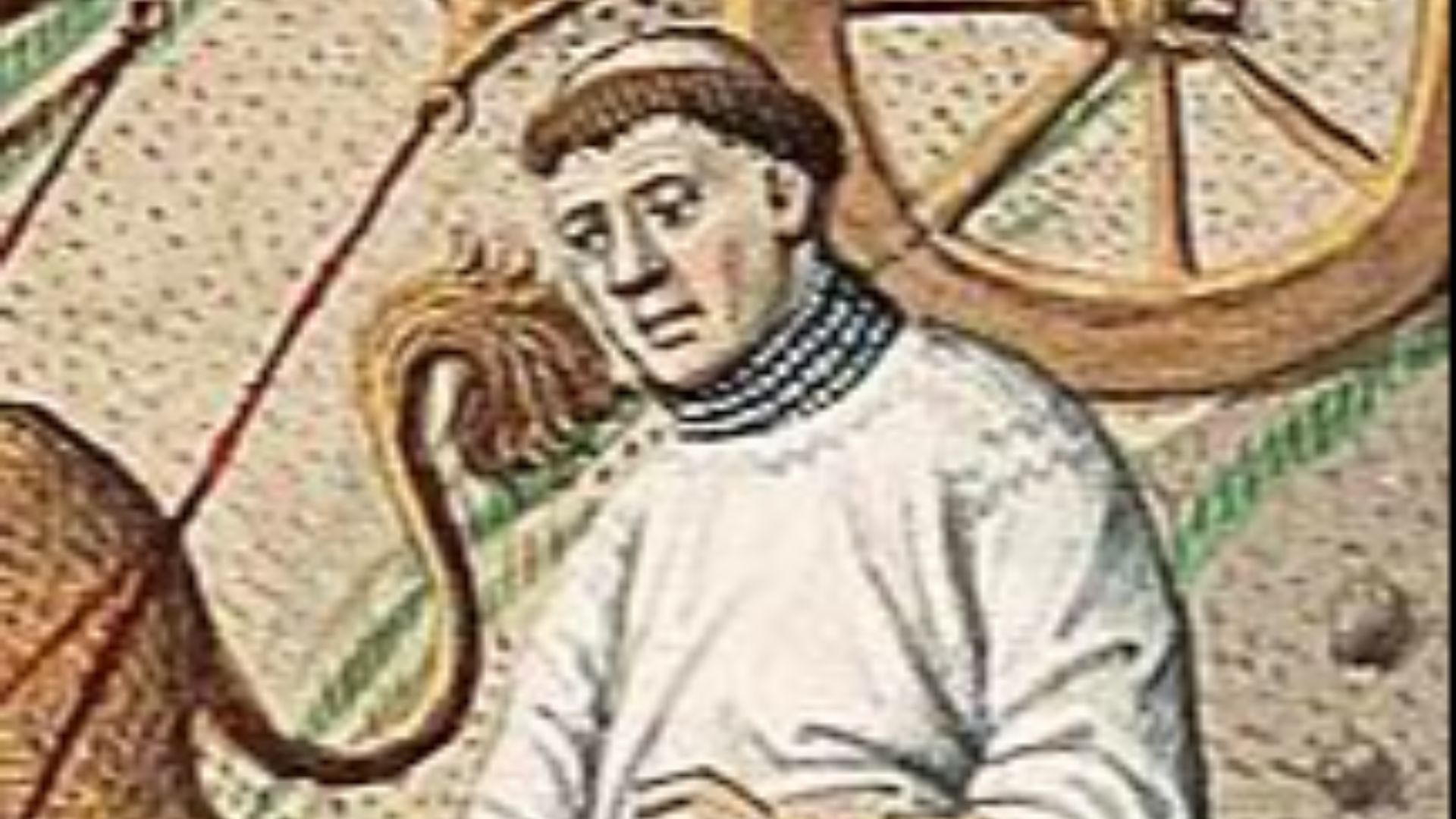
Origen was one of the most influential scholars of the early Christian world. His massive Hexapla compared multiple versions of the Hebrew Bible and Greek translations side by side. Although most of the work no longer survives, it preserved important textual information that later scholars used.
 Unknown authorUnknown author on Wikimedia
5. Cassiodorus
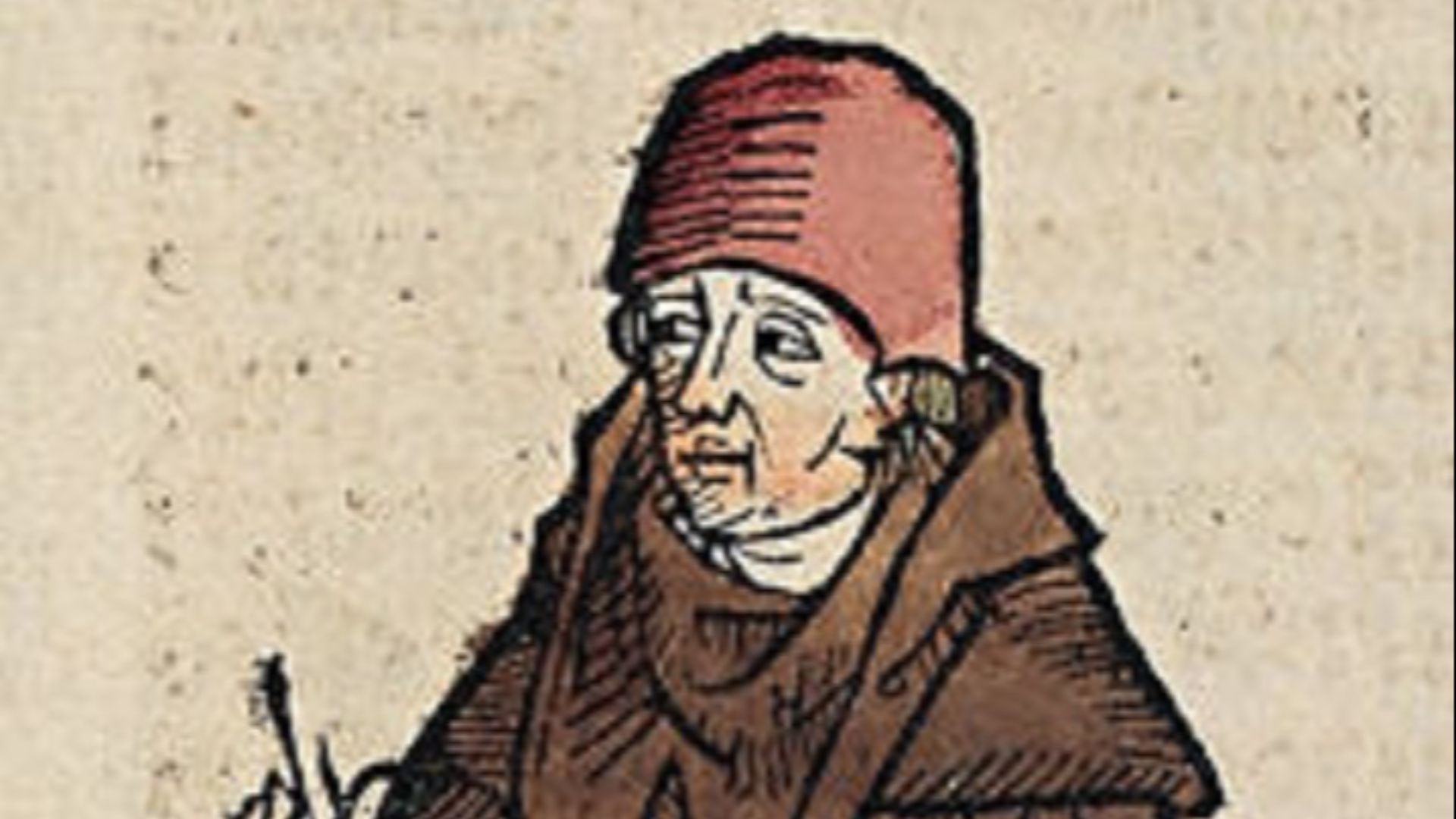
Living in sixth-century Italy, Cassiodorus recognized that many classical texts were at risk during a period of political instability. He encouraged monks to copy both Christian and secular works in monastery scriptoria. His efforts helped preserve numerous texts that might otherwise have vanished.
 Michel Wolgemut, Wilhelm Pleydenwurff (Text: Hartmann Schedel) on Wikimedia
6. Isidore of Seville
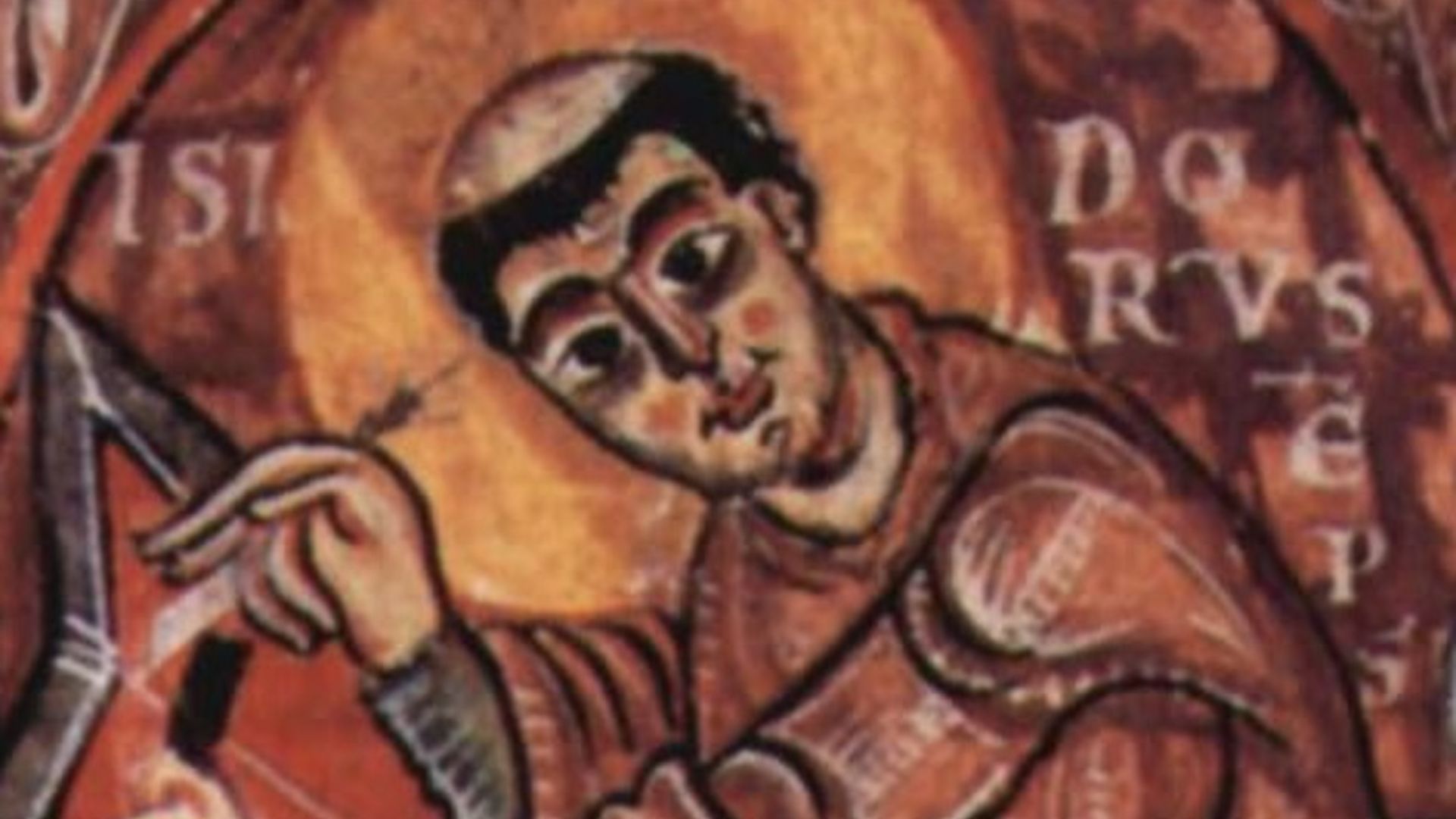
Isidore compiled the Etymologiae in the seventh century, creating a vast encyclopedia of ancient knowledge. Drawing on hundreds of earlier sources, he summarized information on history, science, language, and philosophy. Many details from lost classical works survive because he recorded them.
 Meister des Codex 167 on Wikimedia
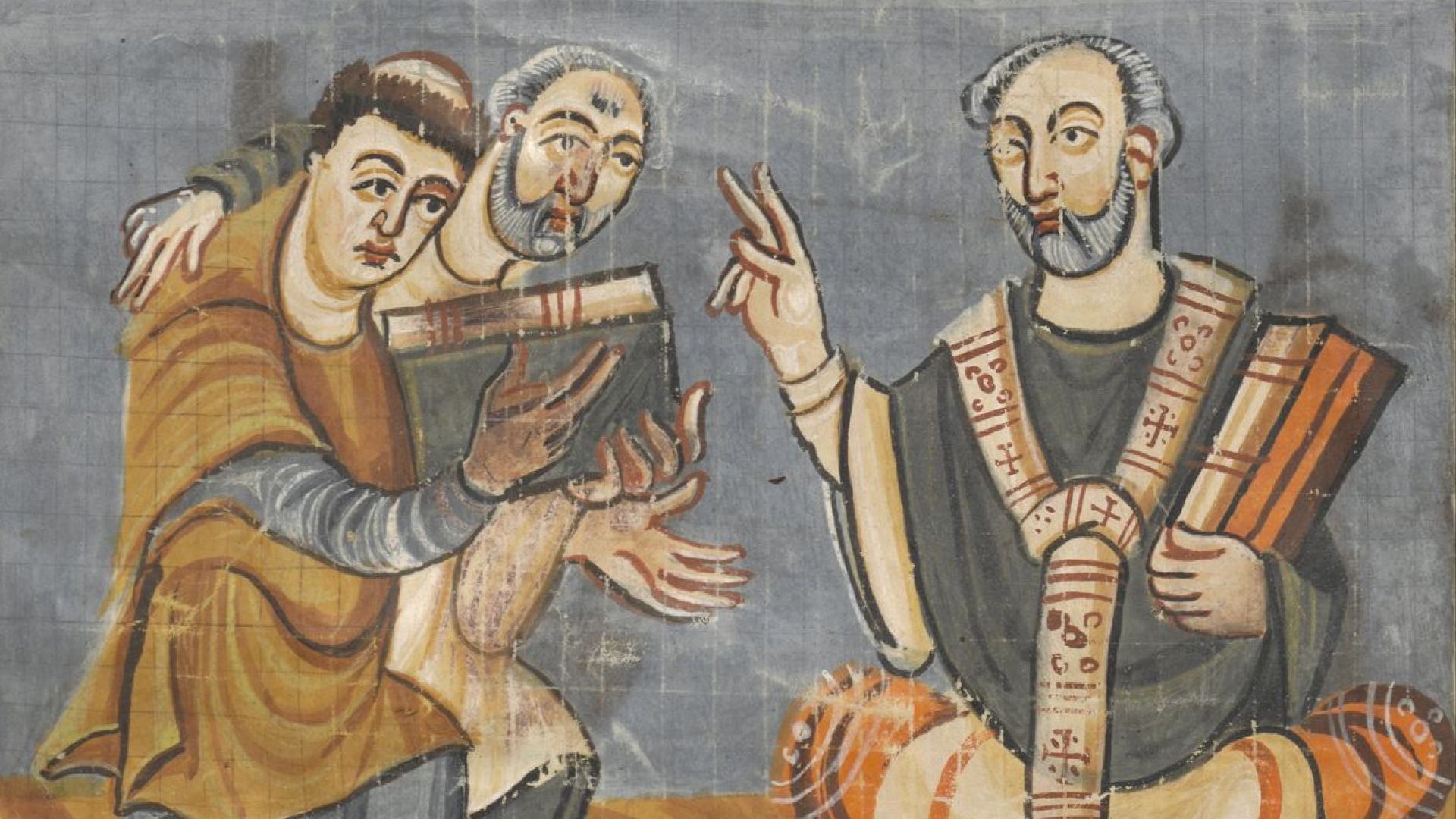
7. Alcuin of York
Alcuin became a leading intellectual figure during the Carolingian Renaissance in the eighth and ninth centuries. He promoted education and manuscript copying throughout Charlemagne's empire. These reforms contributed significantly to the survival of many classical Latin texts.
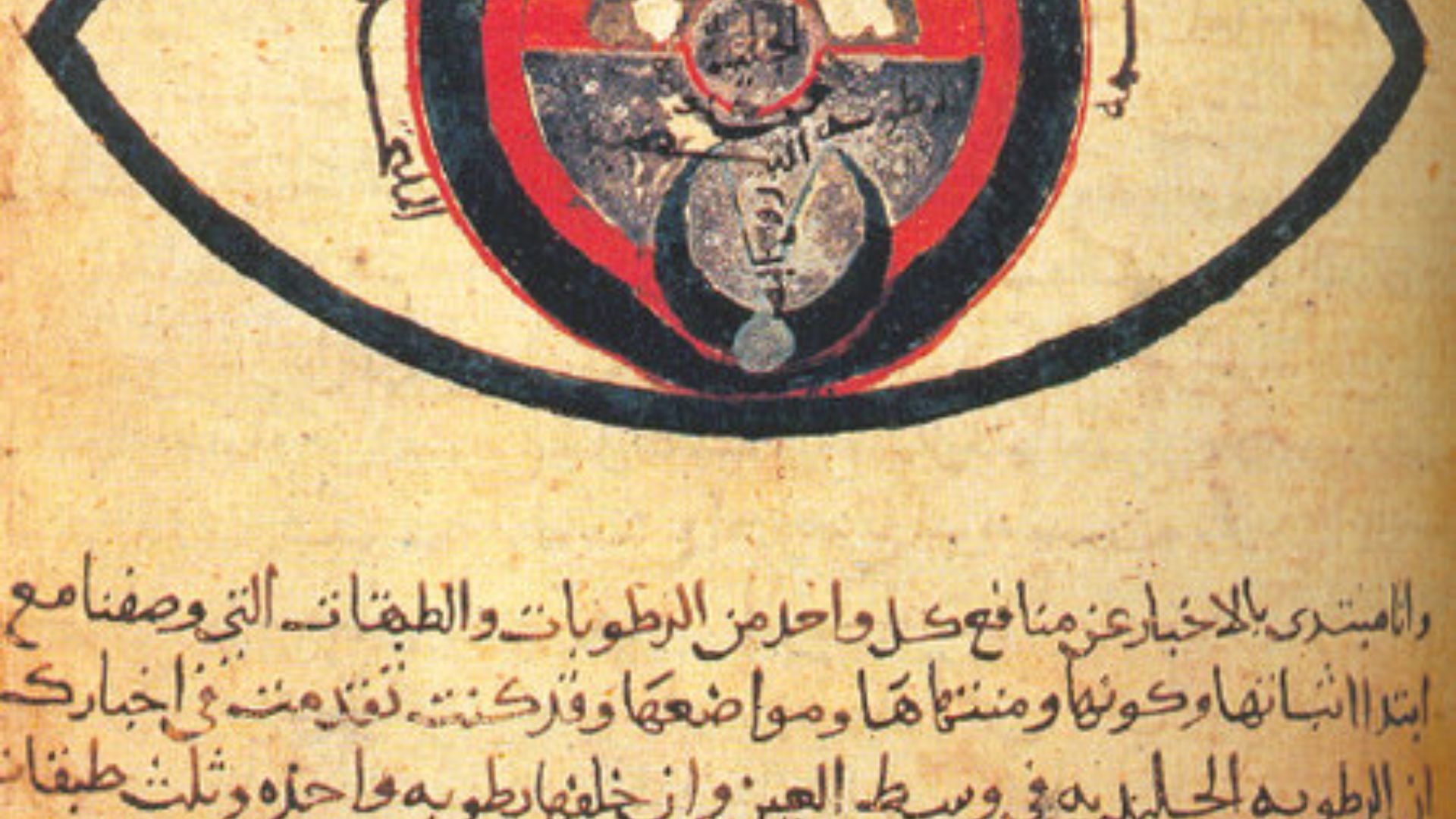
8. Hunayn ibn Ishaq
Hunayn was a ninth-century scholar and translator working in the Abbasid Caliphate. He translated major Greek medical and philosophical works into Arabic with remarkable care and accuracy.
His translations preserved important writings that later influenced both the Islamic world and medieval Europe.
 Urban~commonswiki on Wikimedia
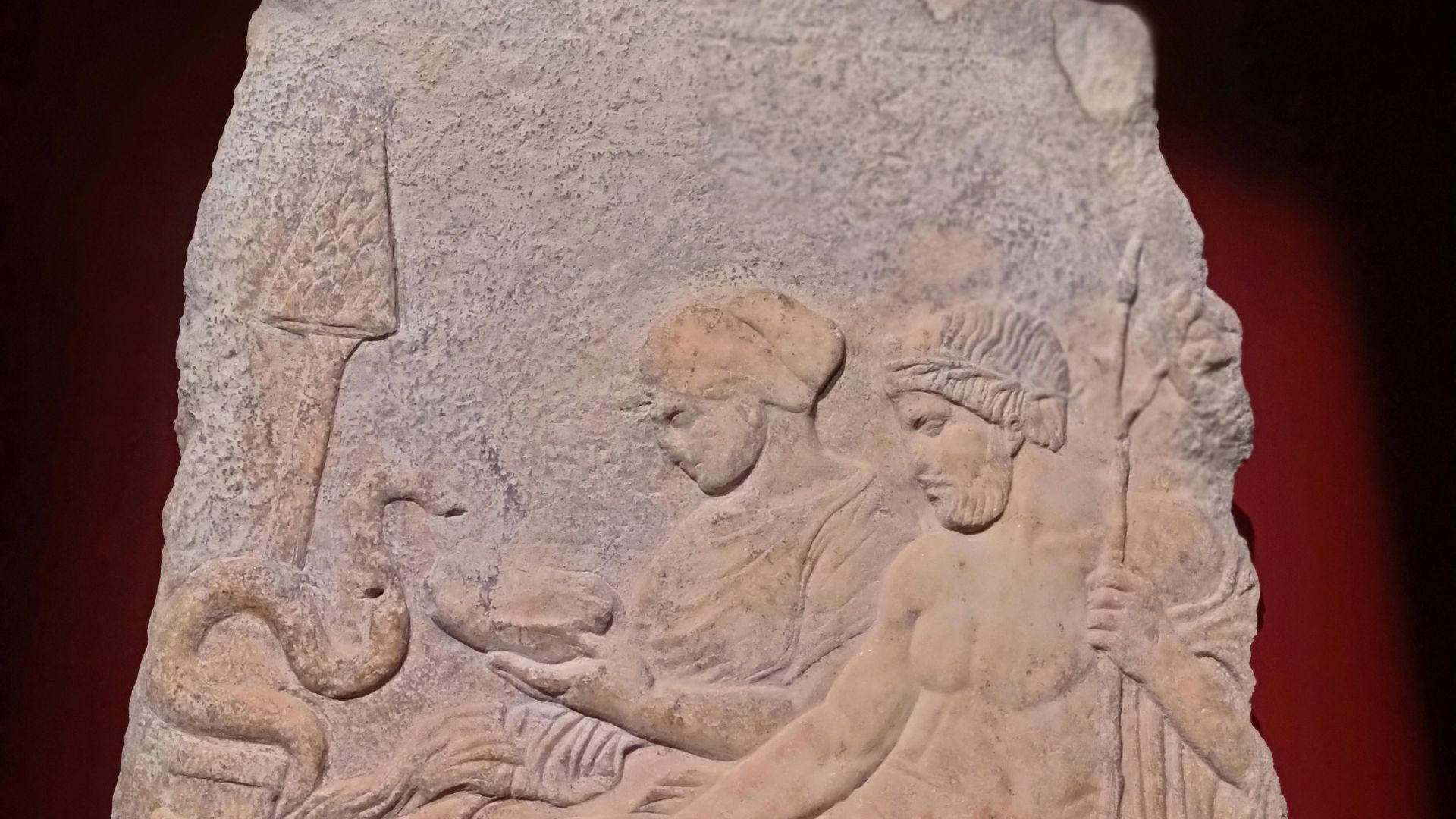
9. Photius of Constantinople
Photius compiled the Bibliotheca, a collection of summaries and reviews of hundreds of books. Many of the works he described have since been lost entirely. Thanks to his detailed notes, modern historians know about numerous ancient texts that would otherwise be almost completely unknown.
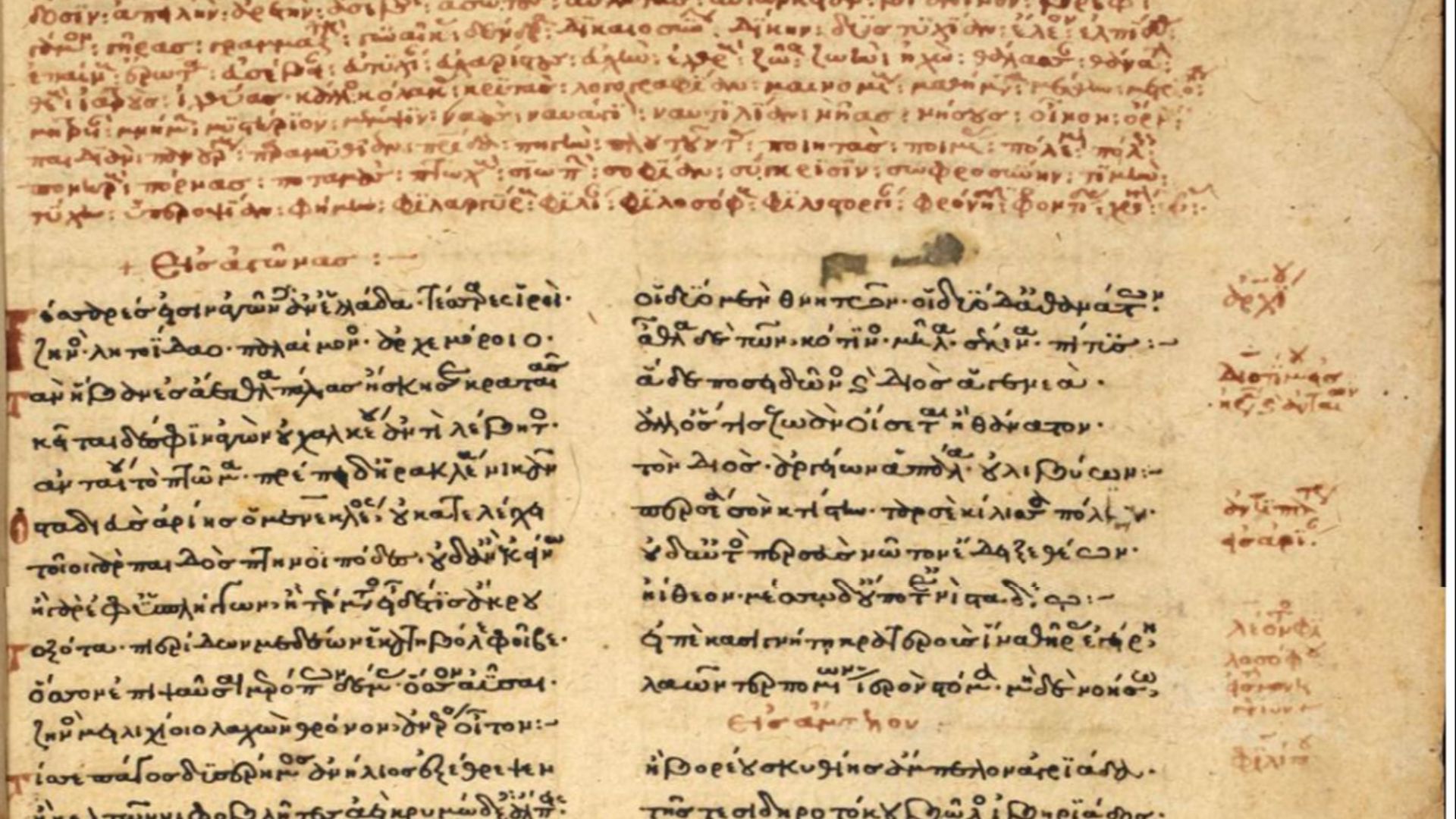
10. Maximus Planudes
Planudes was a Byzantine scholar active during the late thirteenth century. He collected, edited, and copied many ancient Greek works at a time when some existed in very few manuscripts. His efforts helped ensure that important classical texts survived into the Renaissance.
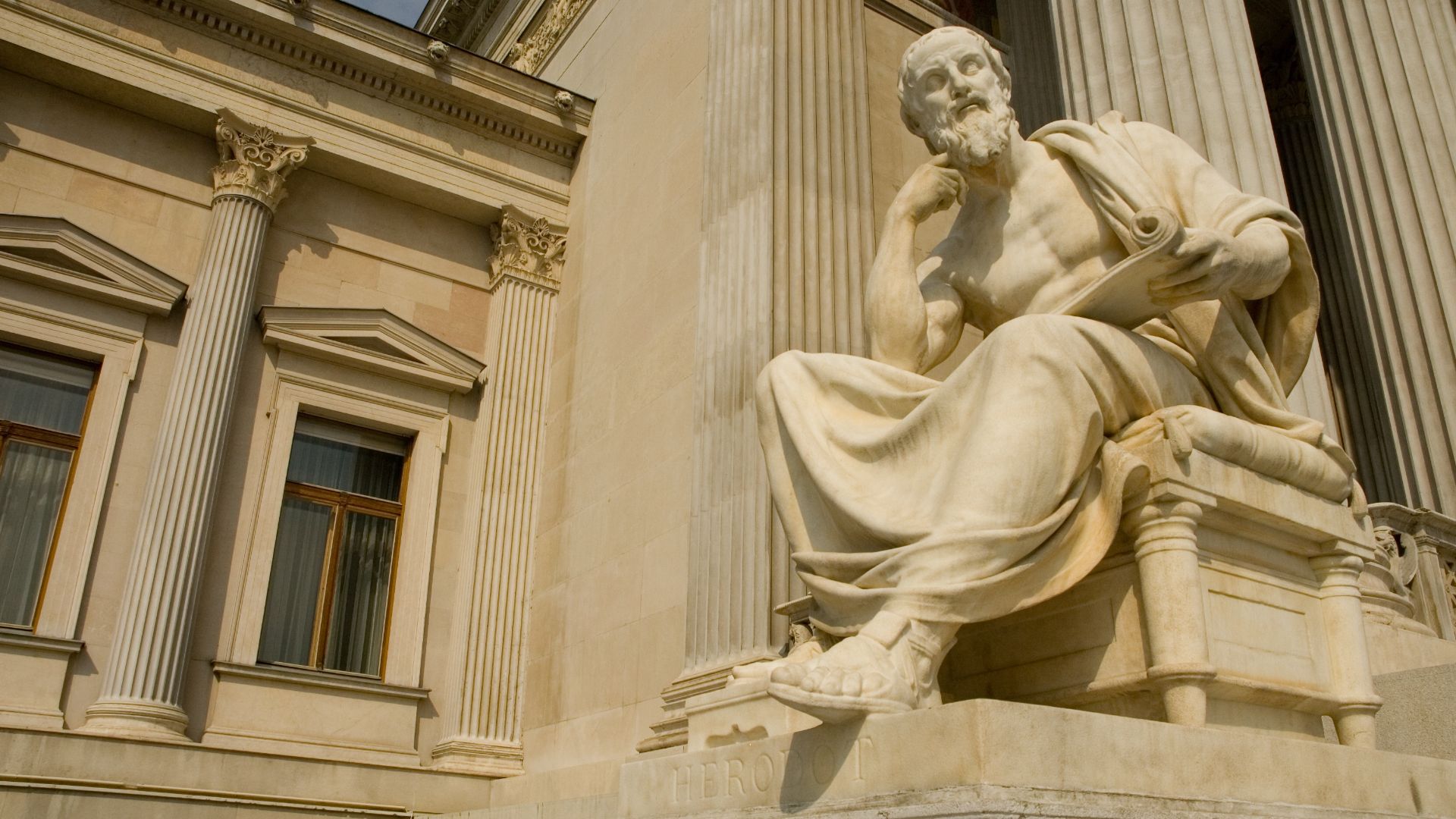
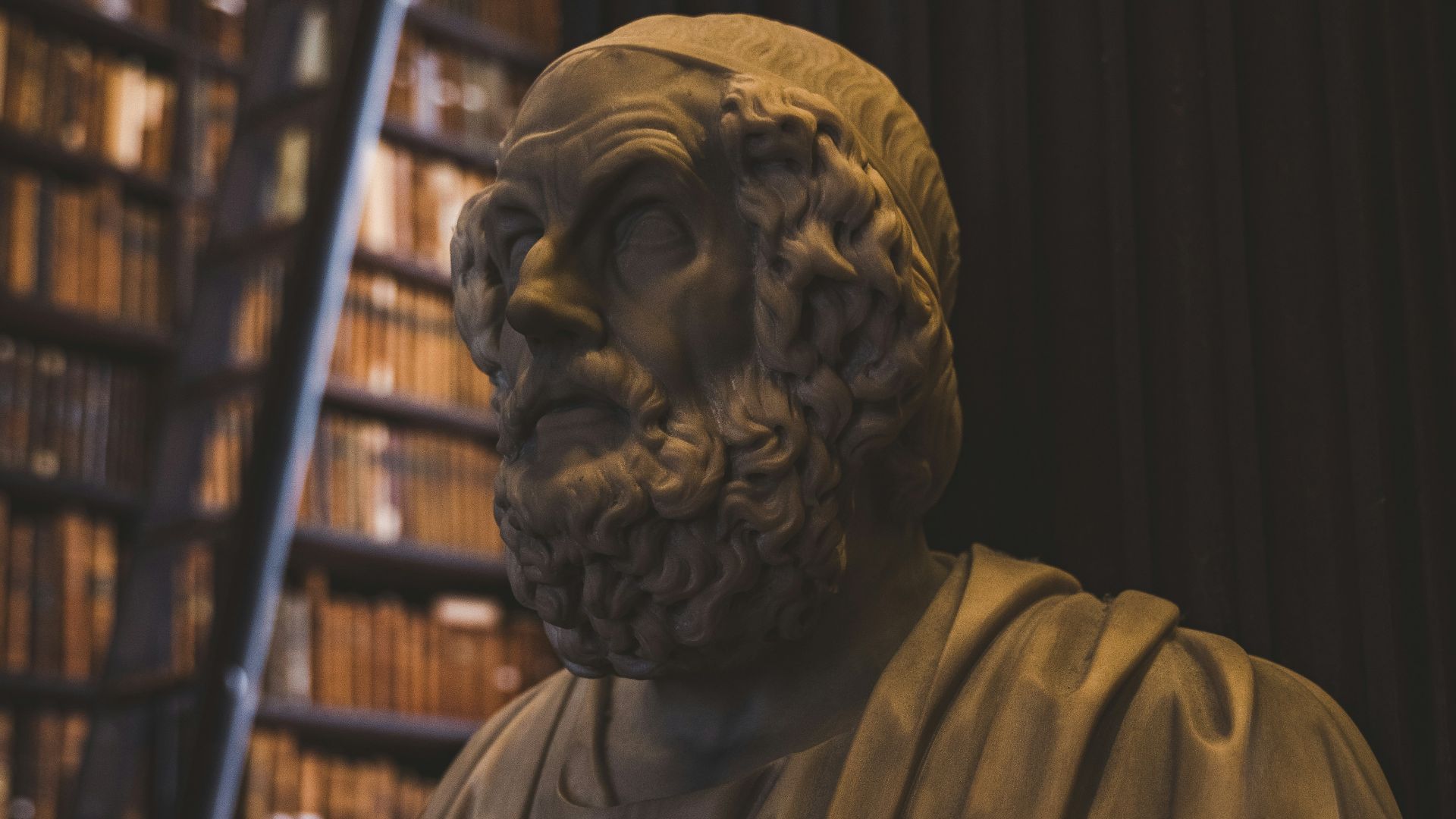
1. Herodotus
Often called the "Father of History," Herodotus didn't simply record events. He combined investigation, storytelling, geography, and cultural observations into a new historical approach. His work shaped how later generations interpreted the ancient Mediterranean world.
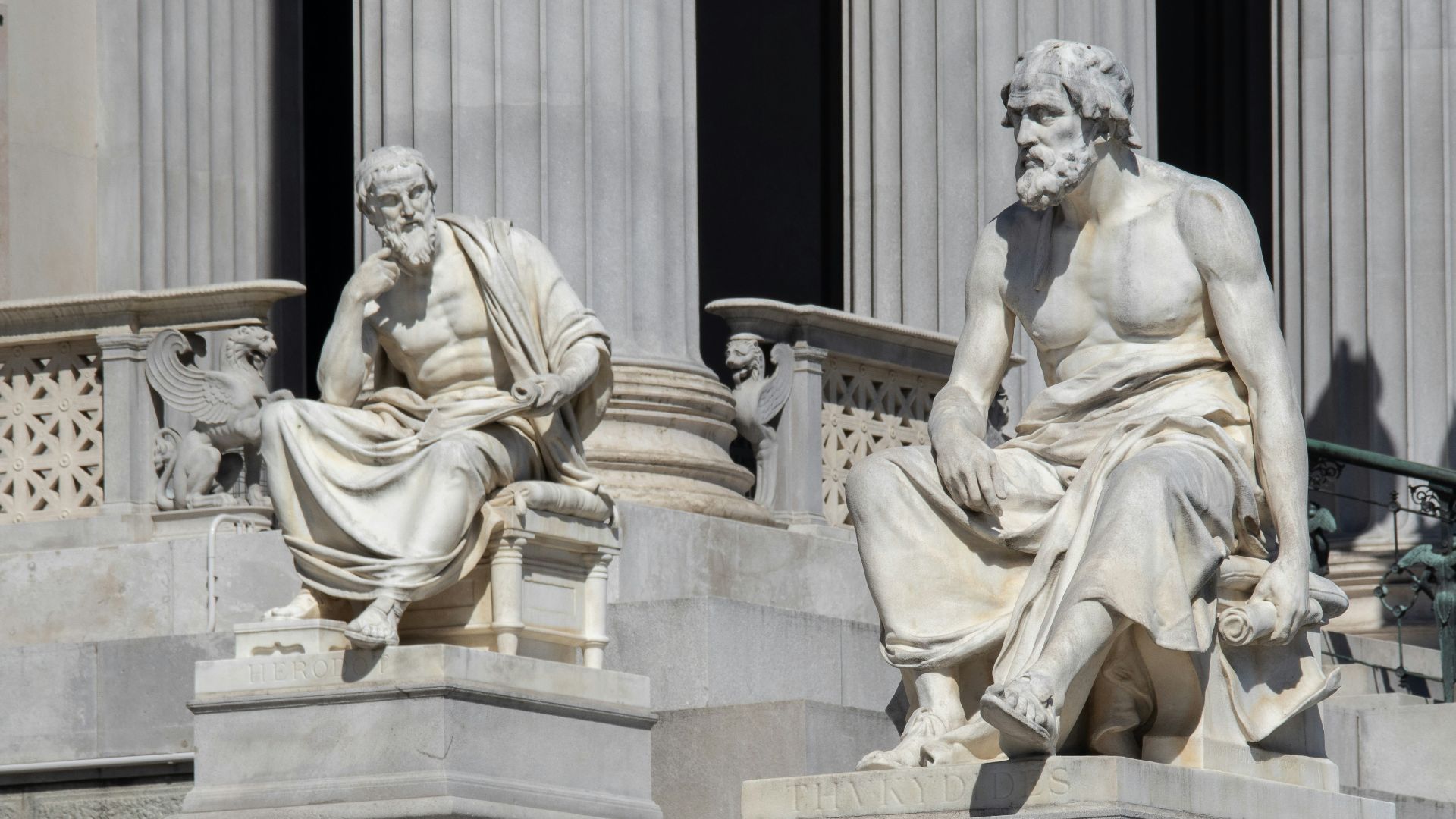
2. Thucydides
Thucydides transformed historical writing by emphasizing evidence, political analysis, and human decision-making. Unlike many earlier writers, he sought natural rather than supernatural explanations for events. His methods influenced historical scholarship for centuries.
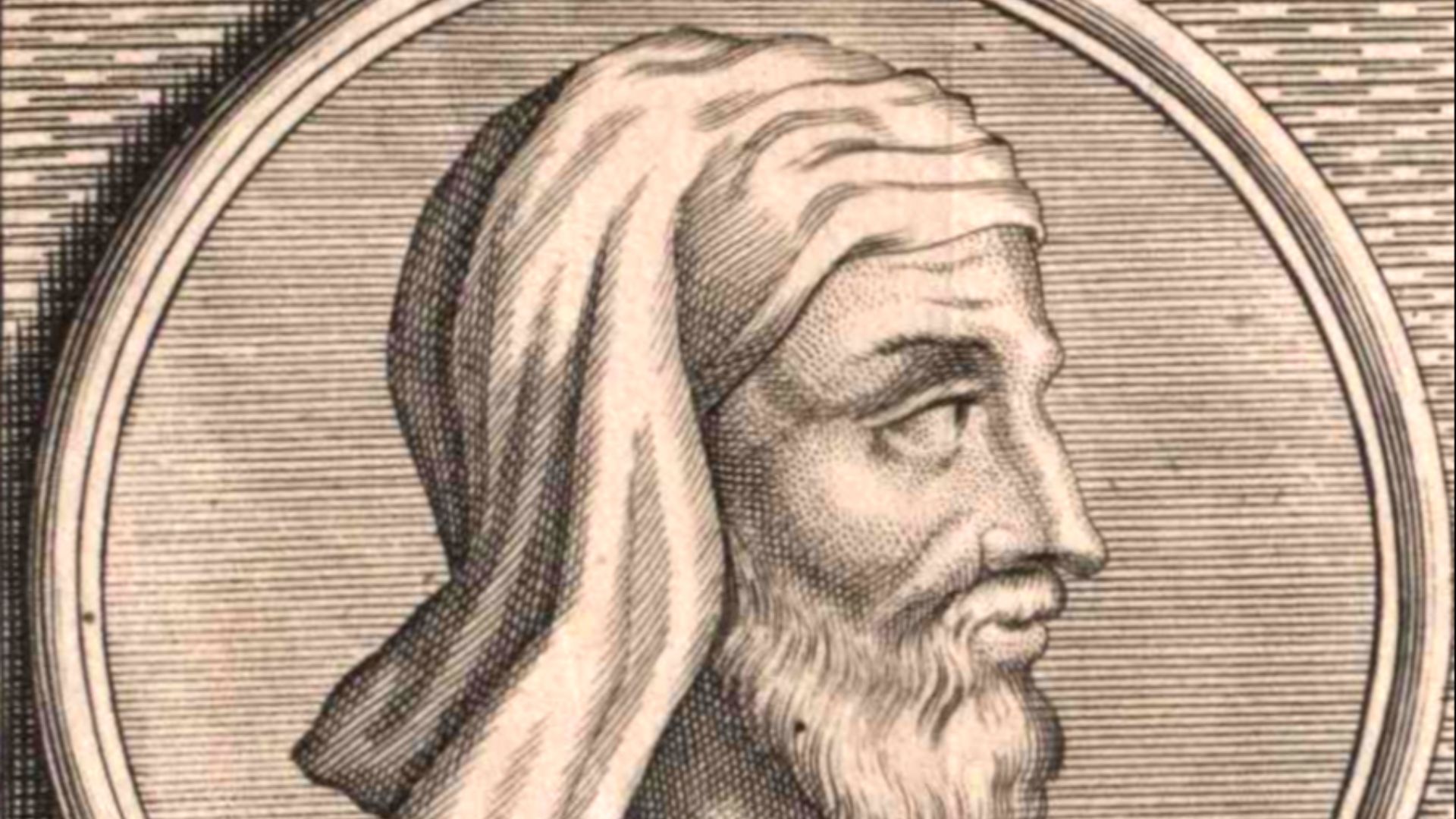
3. Plutarch
Plutarch's Parallel Lives compared Greek and Roman figures through moral biography rather than strict historical narrative. His portrayals became enormously influential in shaping public perceptions of ancient leaders.
 Unknown authorUnknown author on Wikimedia
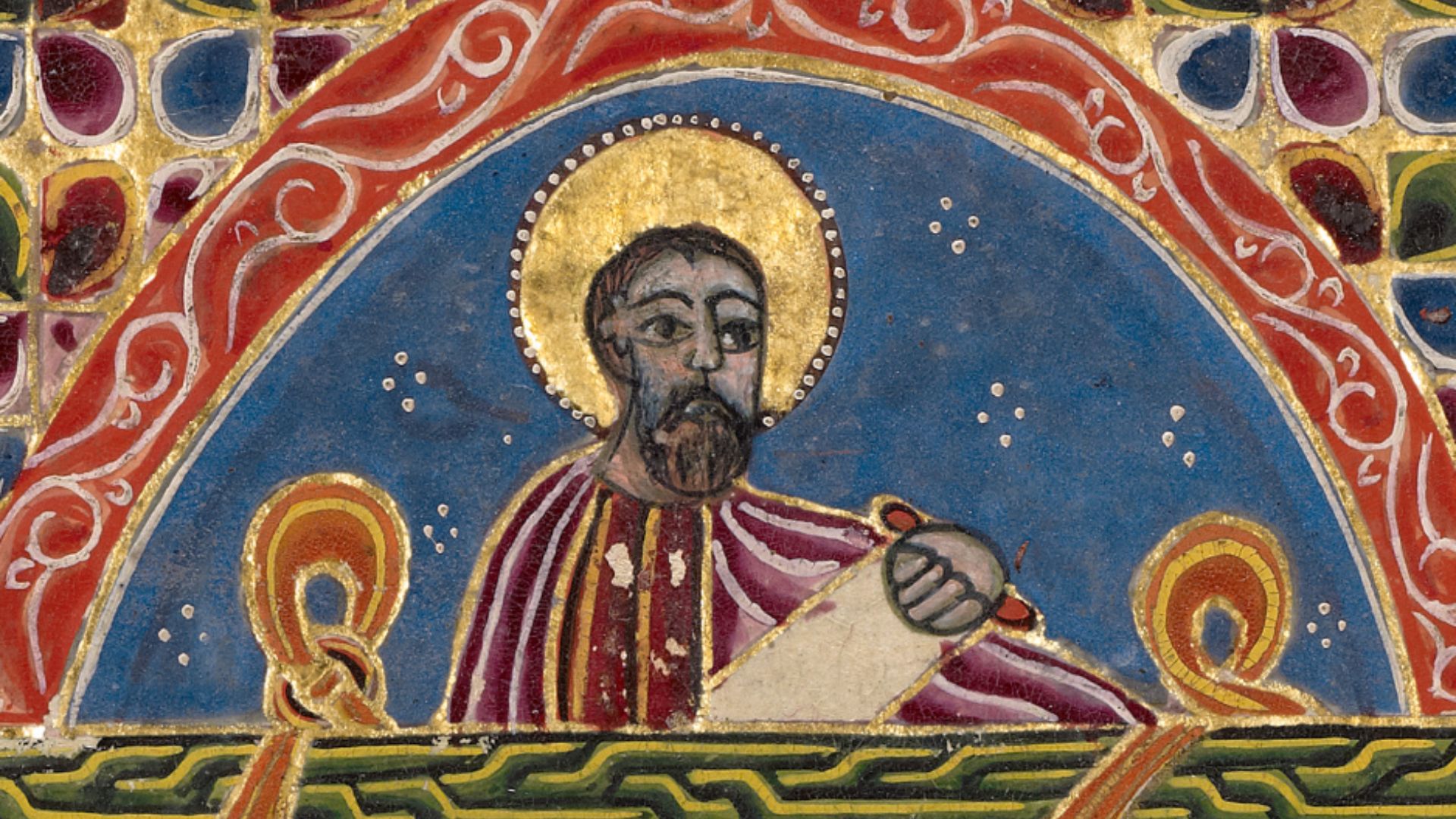
4. Eusebius of Caesarea
Eusebius helped establish a Christian framework for understanding ancient history.
His writings connected biblical events with broader historical chronology and influenced medieval historical thought. Through this lens, many later readers viewed antiquity in fundamentally different ways.
5. Ibn Khaldun
Writing in the fourteenth century, Ibn Khaldun developed innovative theories about society, politics, and historical change. He challenged traditional approaches that merely repeated earlier accounts.
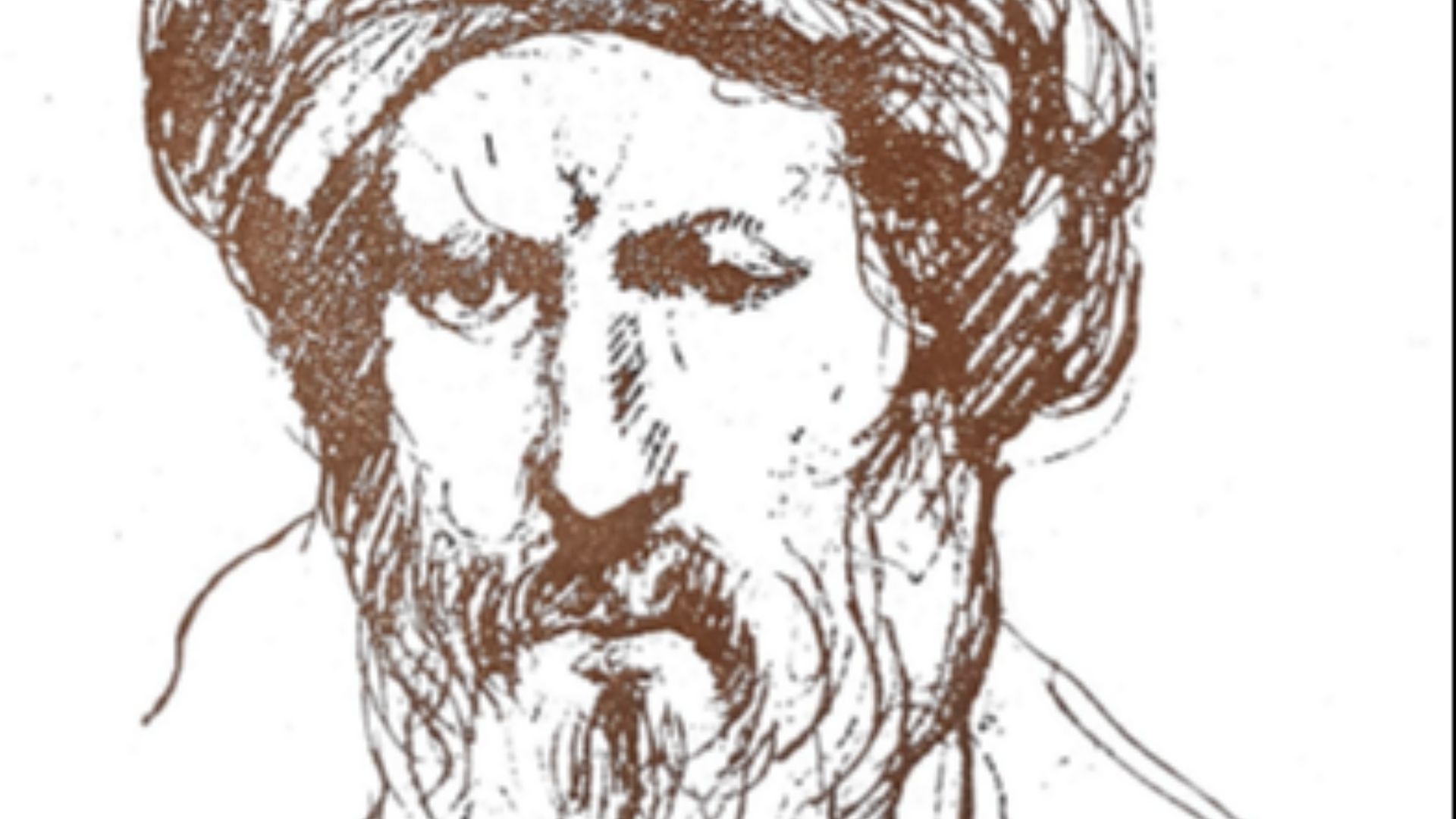
6. Lorenzo Valla
Valla used linguistic analysis to challenge accepted historical assumptions during the Renaissance. His famous demonstration that the Donation of Constantine was a forgery showed how critical scholarship could reshape historical understanding. This marked an important step toward modern historical methods.
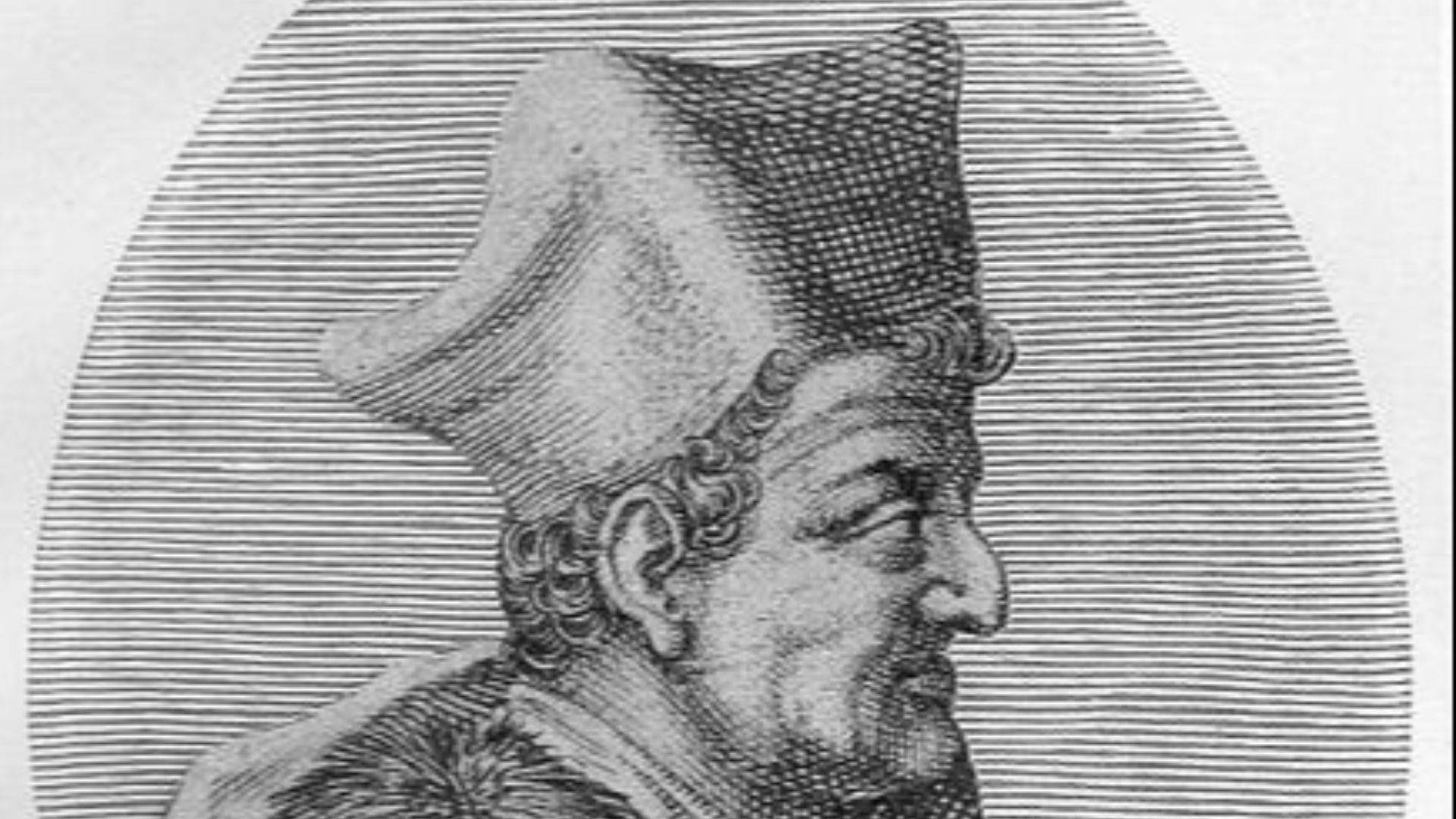
7. Joseph Scaliger
Scaliger revolutionized chronology during the sixteenth century. By comparing sources from different civilizations, he created more accurate timelines for ancient history. His work changed how scholars organized and interpreted historical events.
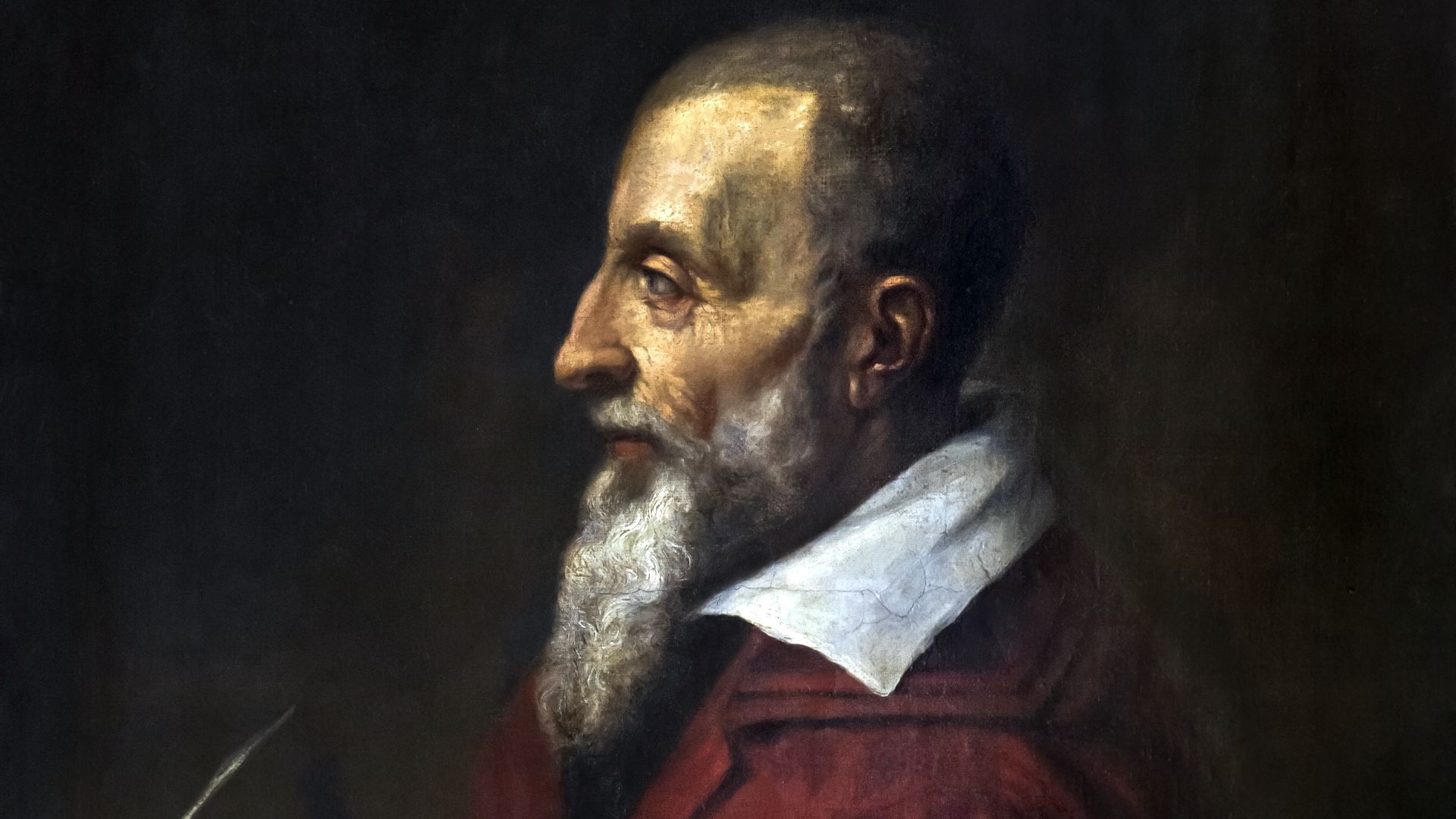
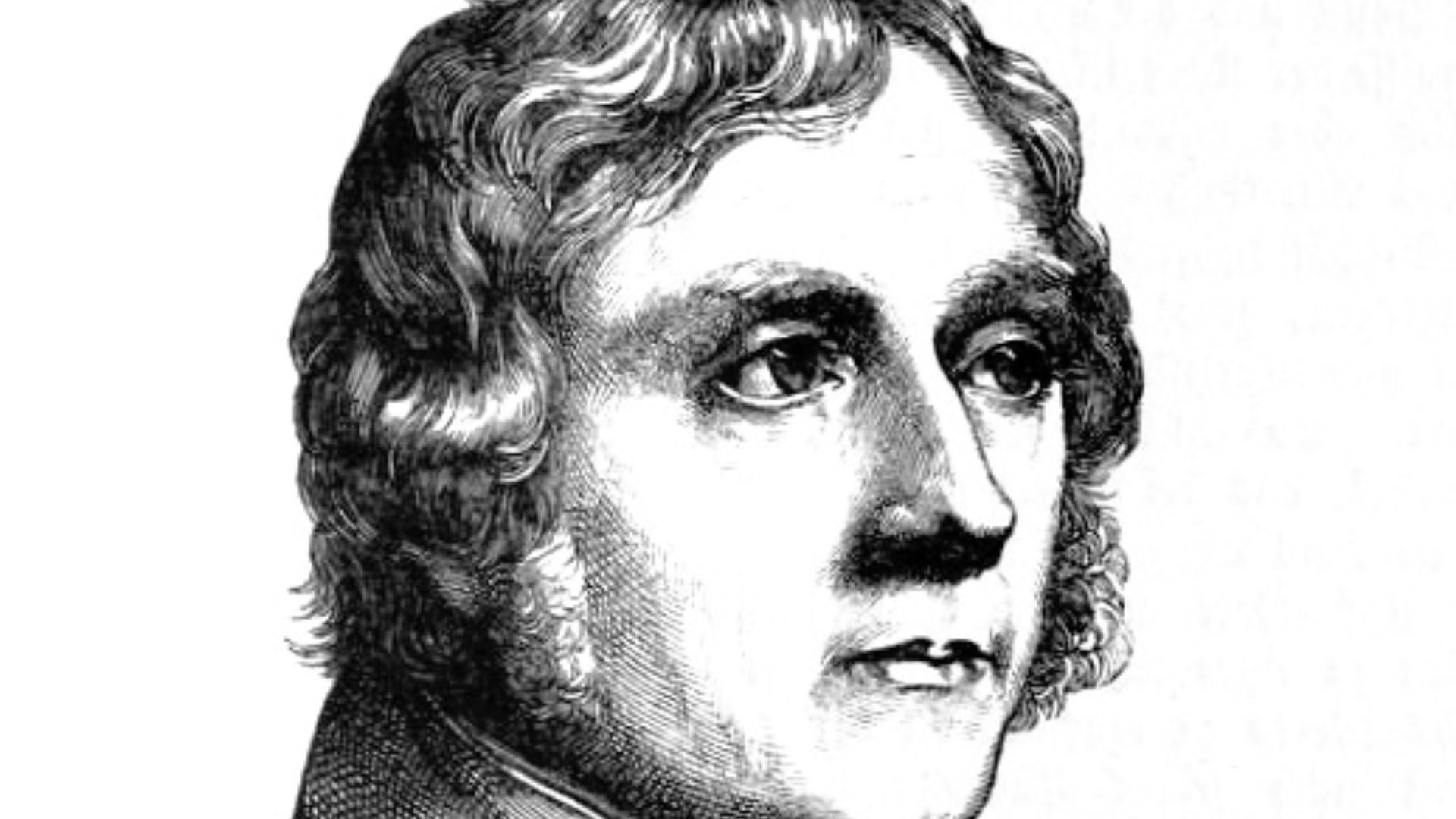
8. Barthold Georg Niebuhr
Niebuhr transformed the study of ancient Rome in the nineteenth century. Rather than accepting traditional accounts at face value, he critically examined sources for errors and legends.
 Unknown authorUnknown author on Wikimedia
9. Theodor Mommsen
Mommsen's scholarship reshaped the study of Roman history through extensive use of inscriptions, legal texts, and archaeological evidence. His interpretations influenced generations of historians. Many modern understandings of Rome developed from foundations he helped establish.
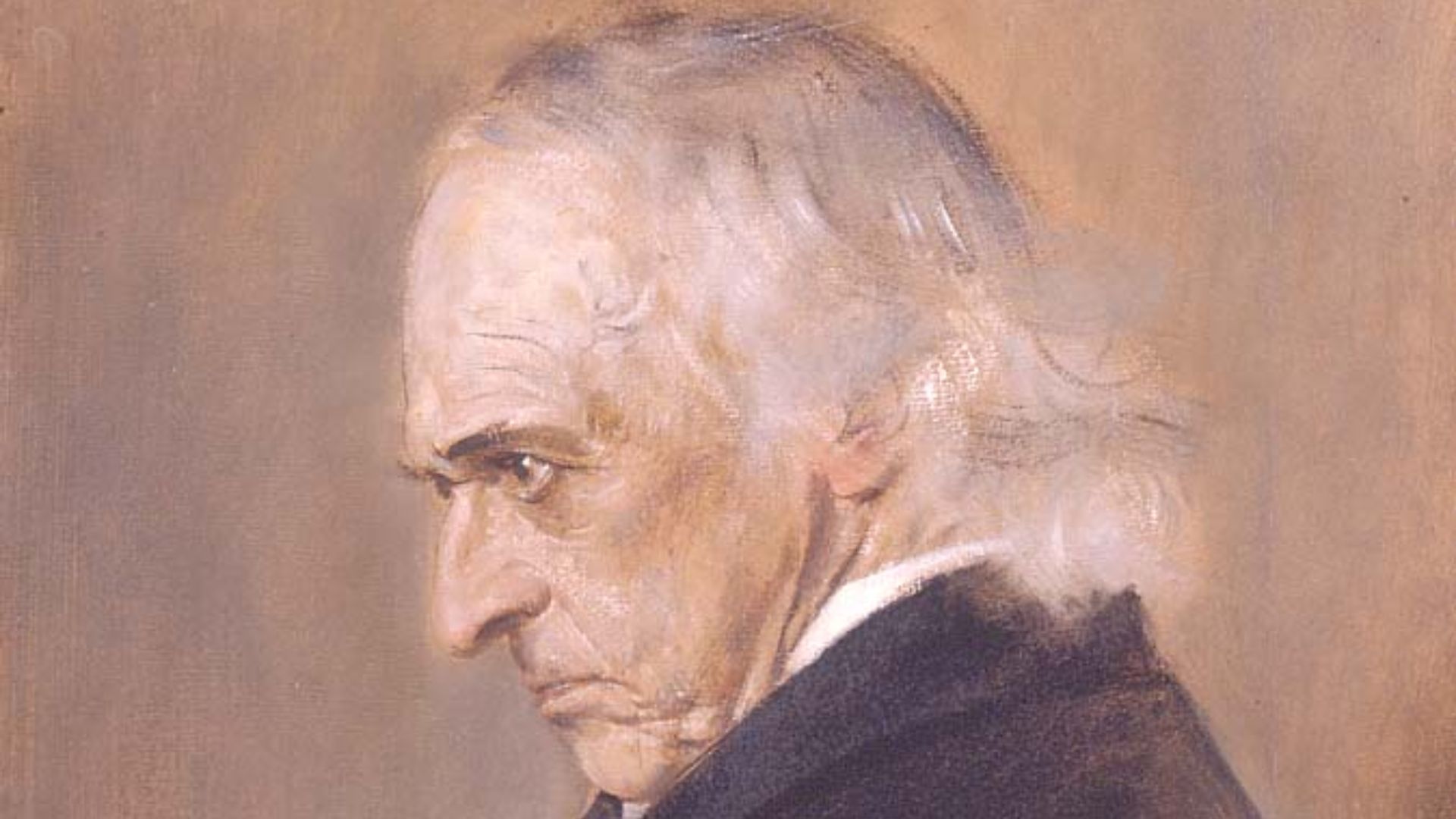 Franz von Lenbach on Wikimedia
10. Moses Finley
Finley challenged long-standing assumptions about ancient economies and societies during the twentieth century. He argued that many ancient institutions functioned differently from modern ones and should be understood on their own terms.
 Department of Commerce and Labor. Bureau of the Census. 7/1/1903-1913 on Wikimedia
KEEP ON READING

The 10 Youngest Monarchs In History & The 10 Oldest
Age Is Just A Number. Imagine being crowned king or…
By Chase Wexler Mar 11, 2025
You Think You Have Problems? These Royal Families Were Cursed
Boasson and Eggler St. Petersburg Nevsky 24. on WikimediaHeavy is…
By Ashley Bast Dec 5, 2025
You Can Thank This Greek-Canadian For Creating Pineapple On Pizza…
Love it or hate it, pineapple on pizza sparks debate…
By David Davidovic Dec 1, 2025
Yes, Female Gladiators Existed, And Here's Everything You Need To…
History of Women in Combat. Most people picture gladiators as…
By David Davidovic Jan 17, 2026
Yes, Australians Once Lost A Battle Against Flightless Birds
David Clode on UnsplashIn 1932, the Australian military went to…
By David Davidovic Nov 24, 2025
The Y2K Bug: Why Did Everyone Think Year 2000 Was…
Alan W on UnsplashOn December 31, 1999, people all over…
By Christy Chan Dec 22, 2025