

The Enormous Influence of Trusted Counsel
Throughout history, rulers have depended on advisors to help them navigate wars, political crises, economic troubles, and succession disputes. Some advisors remained loyal and provided guidance that preserved kingdoms and empires, while others pursued their own ambitions and helped bring about the downfall of the very leaders they served. In many cases, a single piece of advice, whether good or bad, changed the course of history. These 20 examples show just how much power trusted counselors could wield behind the throne.
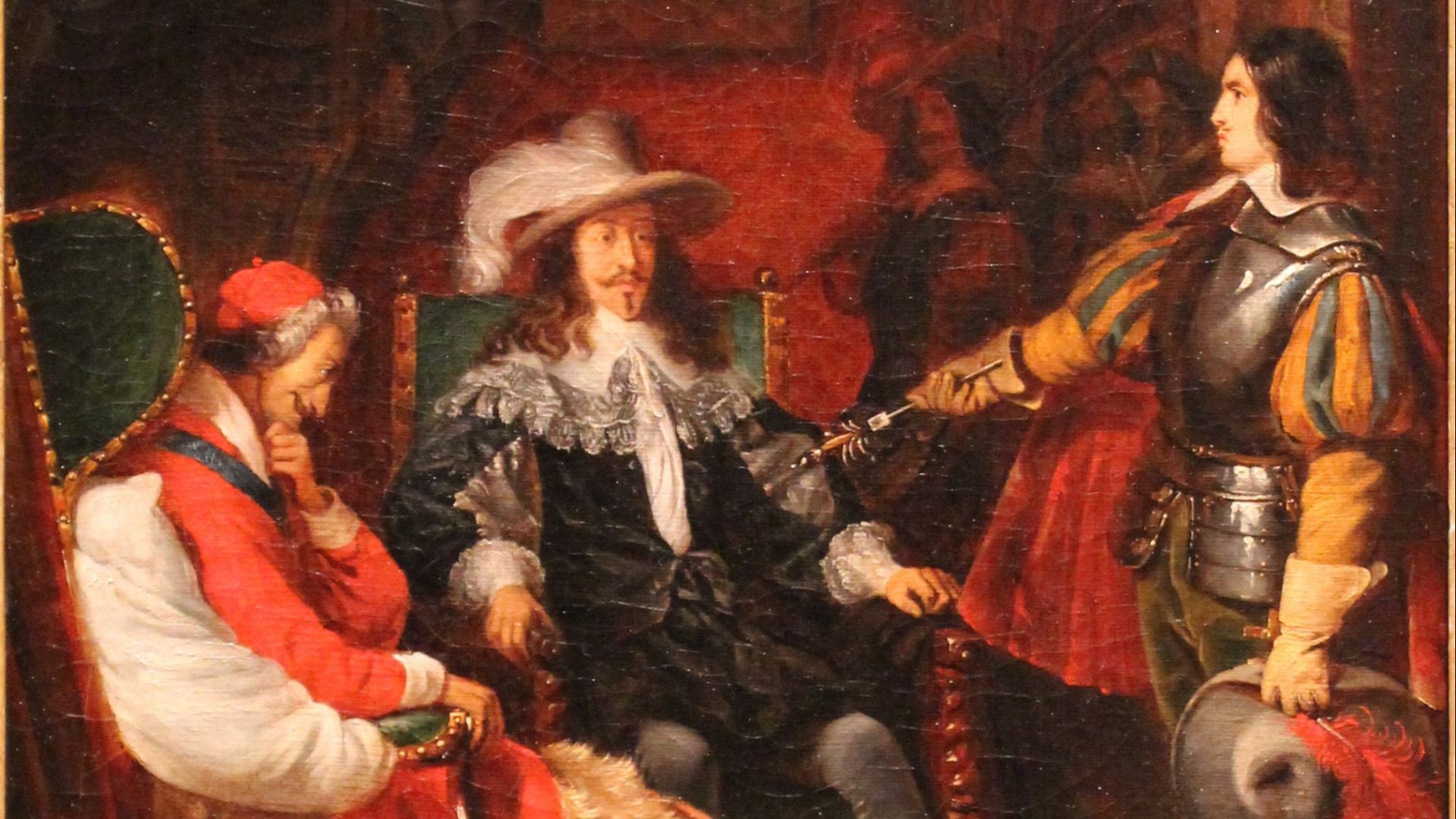 Claudius Jacquand on Wikimedia
1. Julius Caesar – Betrayed by Decimus Junius Brutus Albinus
While Marcus Brutus is often remembered for Caesar's assassination, Decimus was one of the dictator's most trusted advisors and military commanders. On the Ides of March in 44 BC, Decimus convinced Caesar to attend the Senate meeting despite warnings to stay away. His involvement was crucial to the success of the conspiracy.
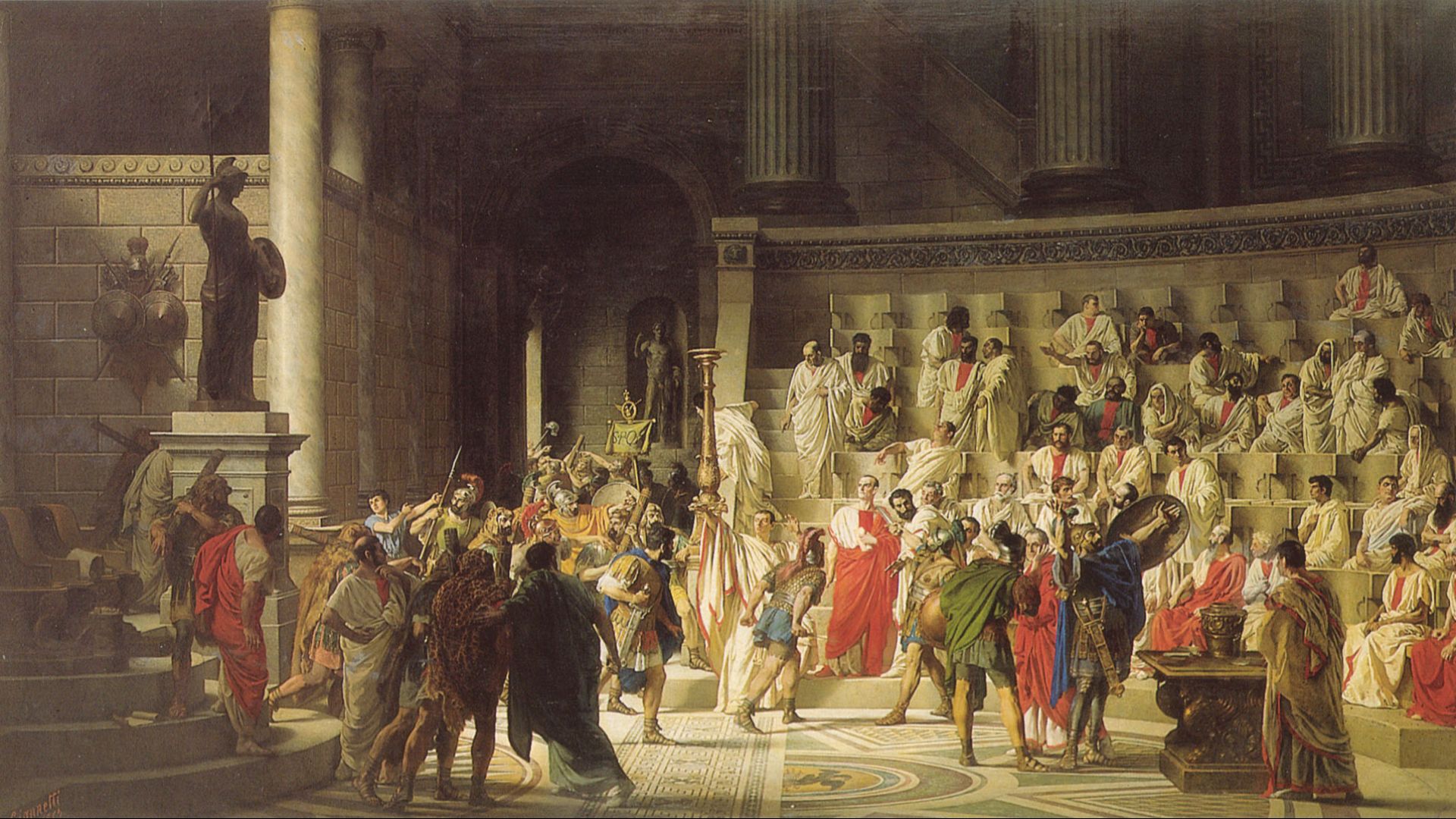 Raffaele Giannetti on Wikimedia
2. Richard II of England – Betrayed by Several Senior Nobles
Richard II relied heavily on court favorites and trusted noble supporters during his reign. When Henry Bolingbroke returned from exile in 1399, several advisors and nobles abandoned Richard rather than defend him. Their shifting loyalties left the king politically isolated.
 AnonymousUnknown author on Wikimedia
3. Sultan Osman II – Betrayed by Court Officials
Osman II attempted to reform the Ottoman military after becoming dissatisfied with the Janissaries. Several senior officials and military leaders secretly opposed his plans and encouraged resistance. Their actions contributed to a revolt that led to the young sultan's capture and murder in 1622.
4. Emperor Yang of Sui – Misled by Flattering Courtiers
Emperor Yang of China's Sui Dynasty became increasingly dependent on officials who told him what he wanted to hear. Rather than providing honest assessments of growing unrest, many concealed the severity of rebellions throughout the empire. As conditions worsened, the dynasty's position deteriorated rapidly.
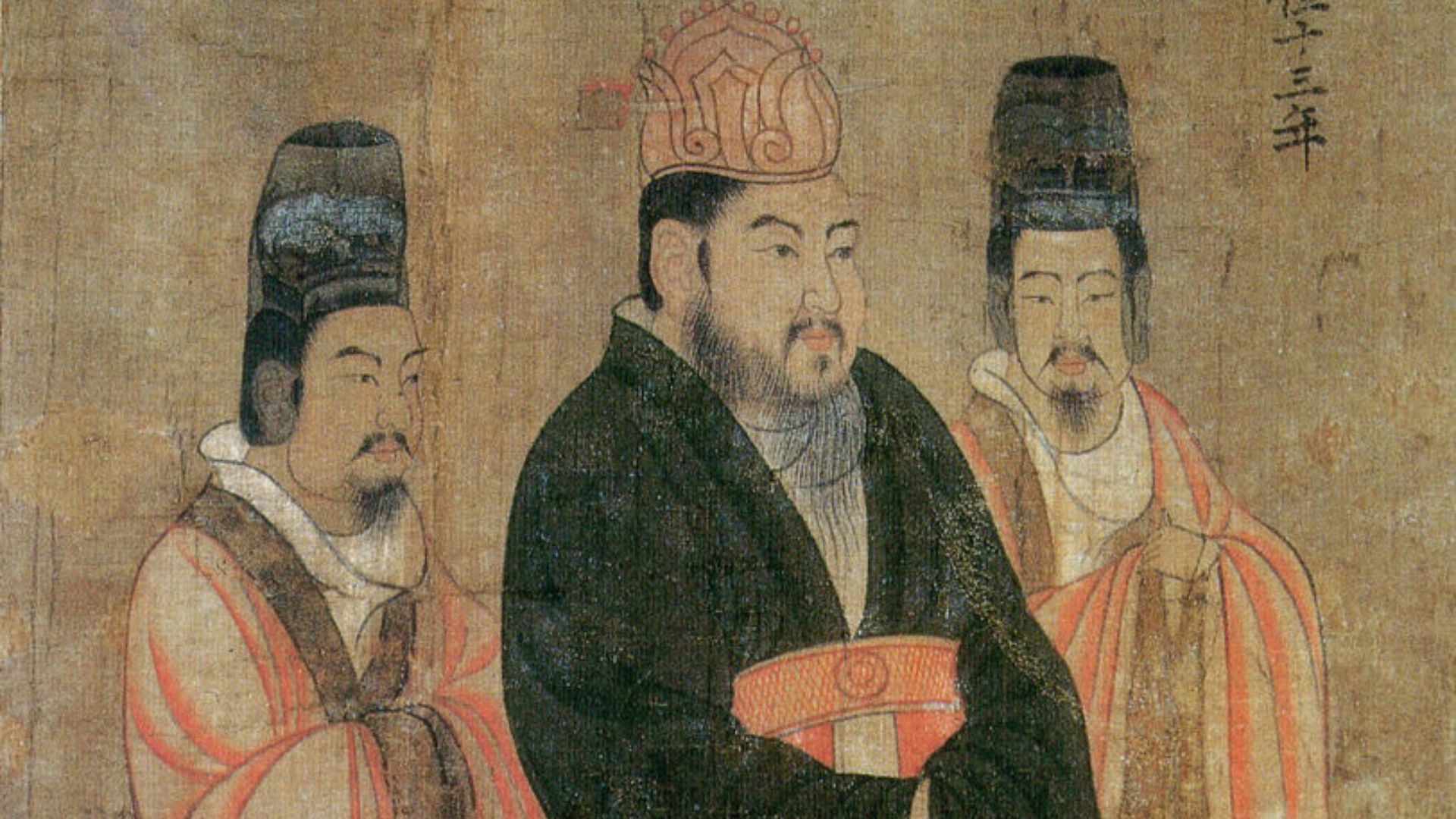
5. Darius III – Betrayed by Bessus
During Alexander the Great's conquest of Persia, Darius III relied on regional governors to help defend his empire. After a series of defeats, the satrap Bessus turned against him. Bessus arrested Darius and later had him killed while attempting to claim power for himself. The betrayal marked the effective end of Achaemenid resistance.
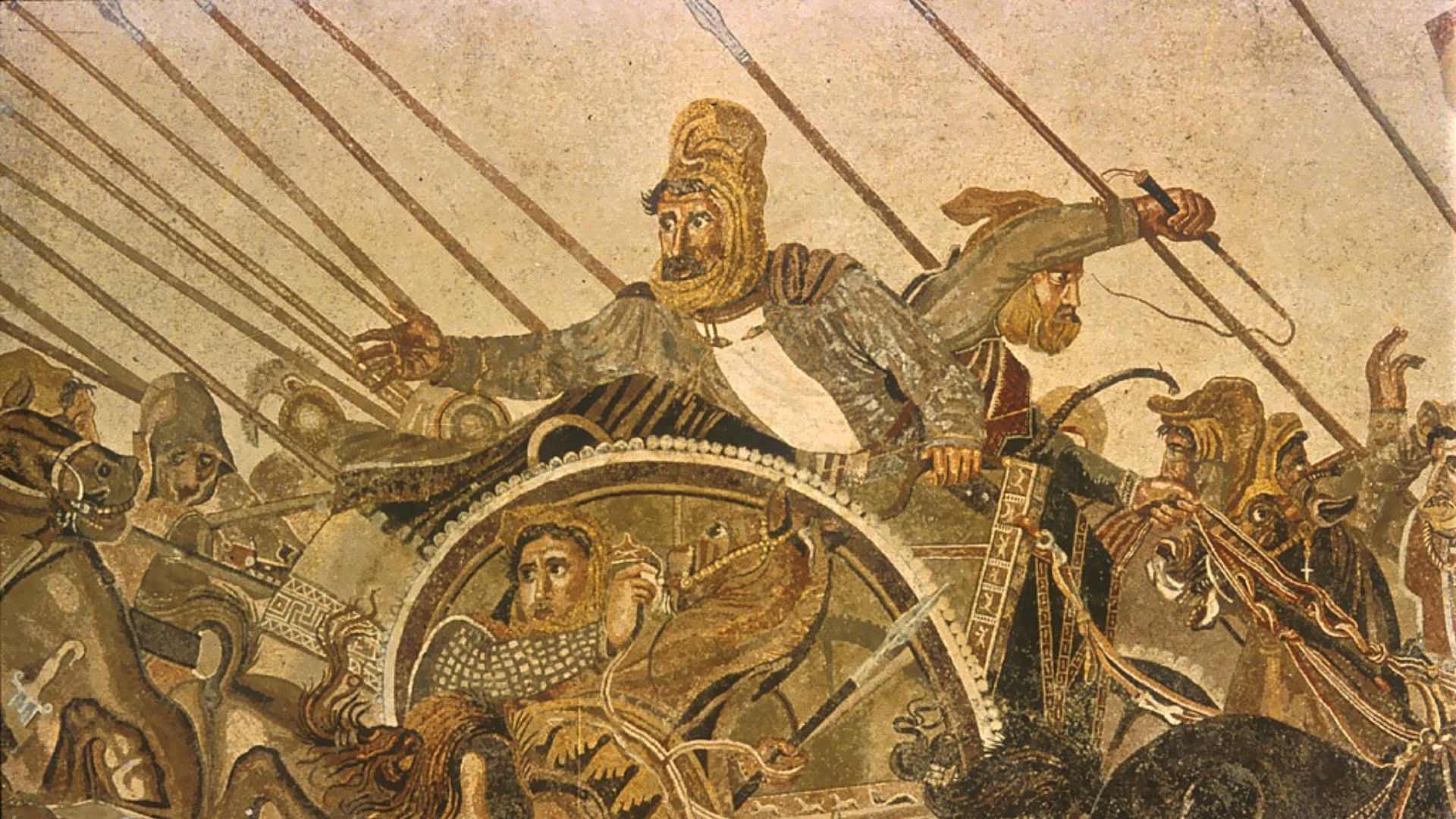
6. Edward II of England – Abandoned by Key Supporters
Edward II's reign was troubled by political divisions and noble opposition. As his position weakened, several advisors and allies chose self-preservation over loyalty. Their willingness to support Queen Isabella and Roger Mortimer left the king vulnerable. Edward was eventually deposed in 1327.
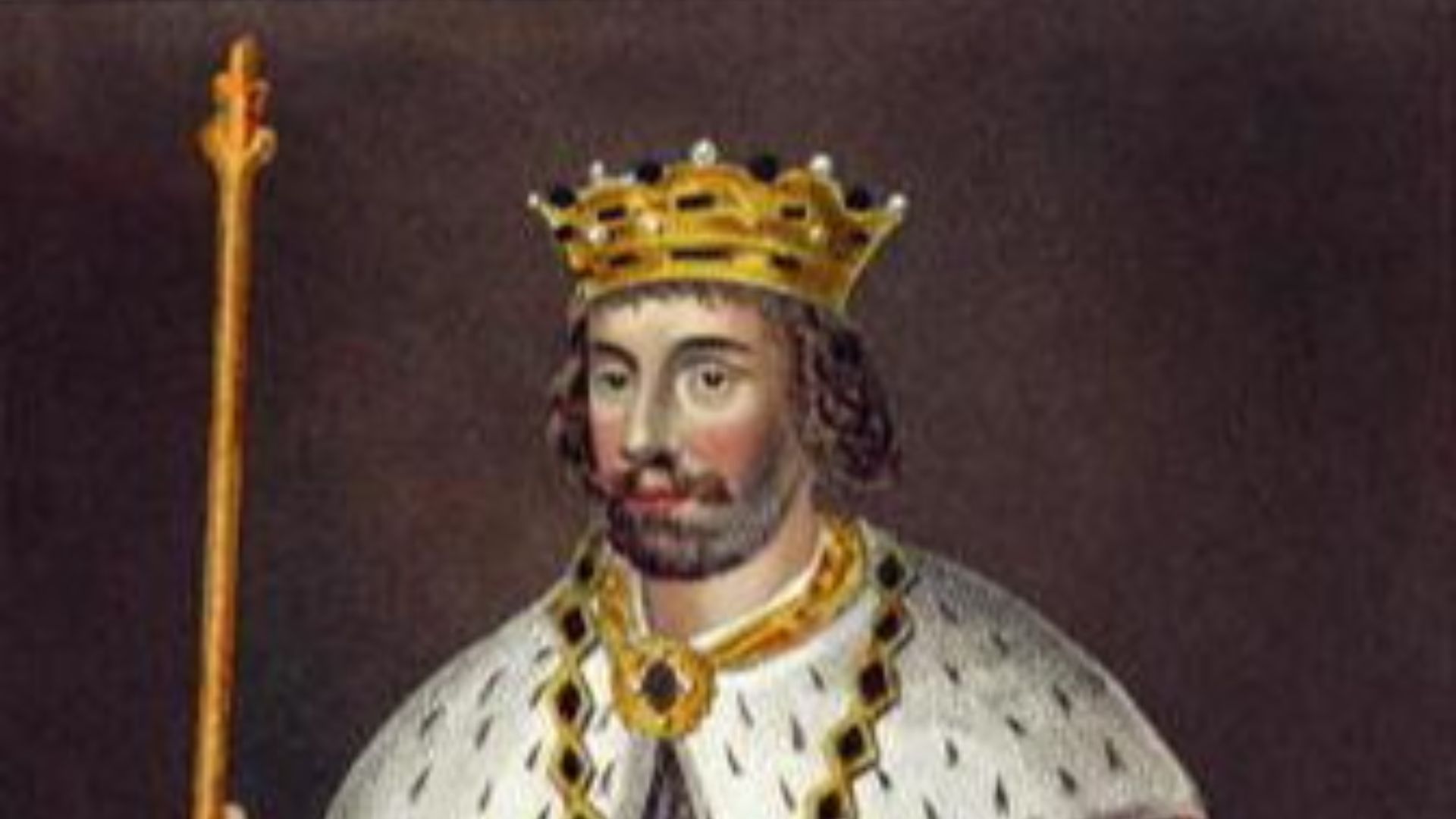
7. Emperor Aurelian – Killed Due to a False Plot
Aurelian was one of Rome's most capable emperors and had restored stability to the empire. However, a secretary named Eros feared punishment for falsifying records. To save himself, he fabricated evidence suggesting the emperor planned to execute several officers.
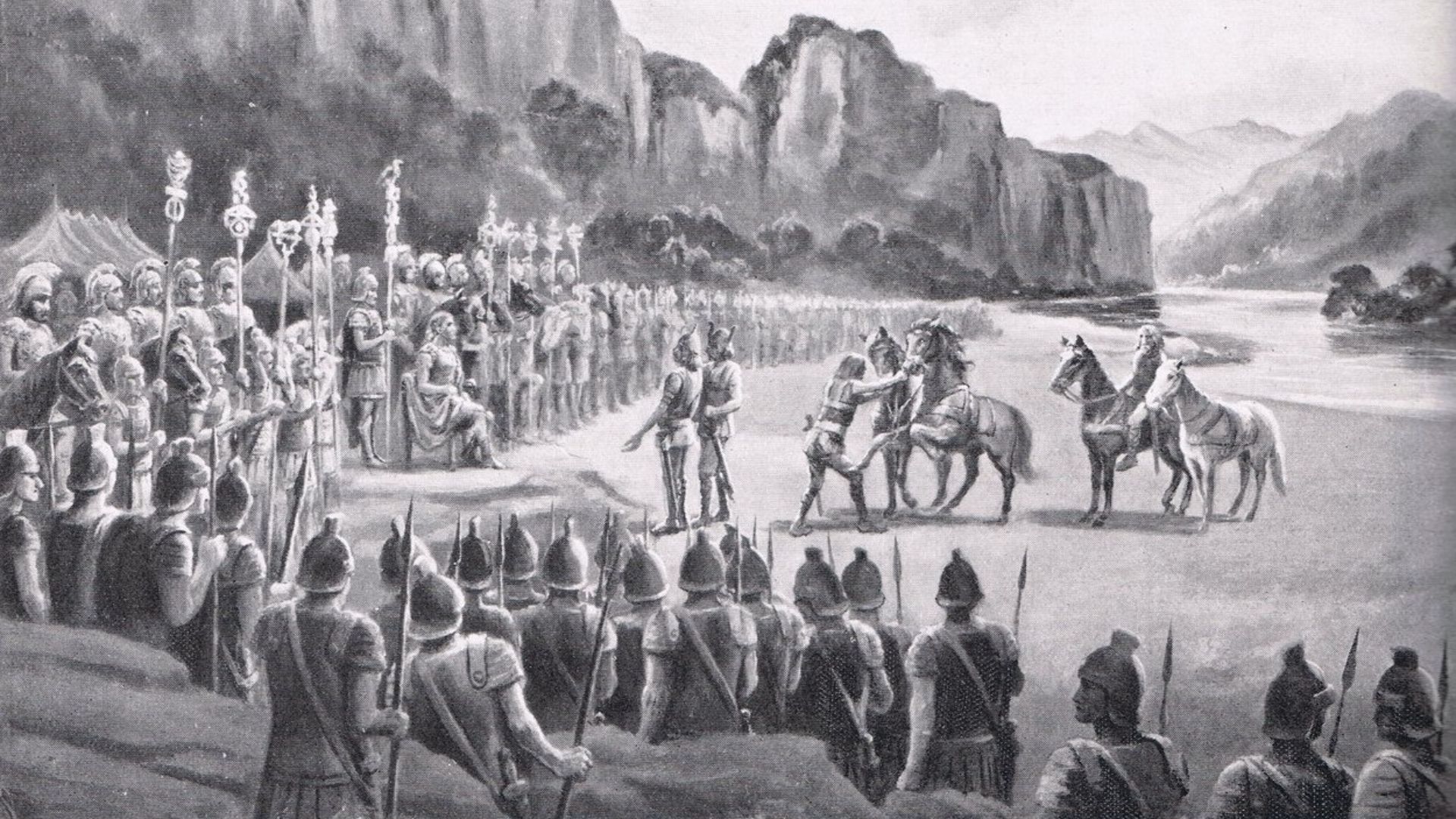 Norman Prescott Davies on Wikimedia
8. Shah Abbas II – Undermined by Corrupt Officials
Although the Safavid Empire remained powerful during much of Abbas II's reign, corruption among court officials weakened the government's effectiveness. Court officials frequently pursued personal gain instead of serving state interests.
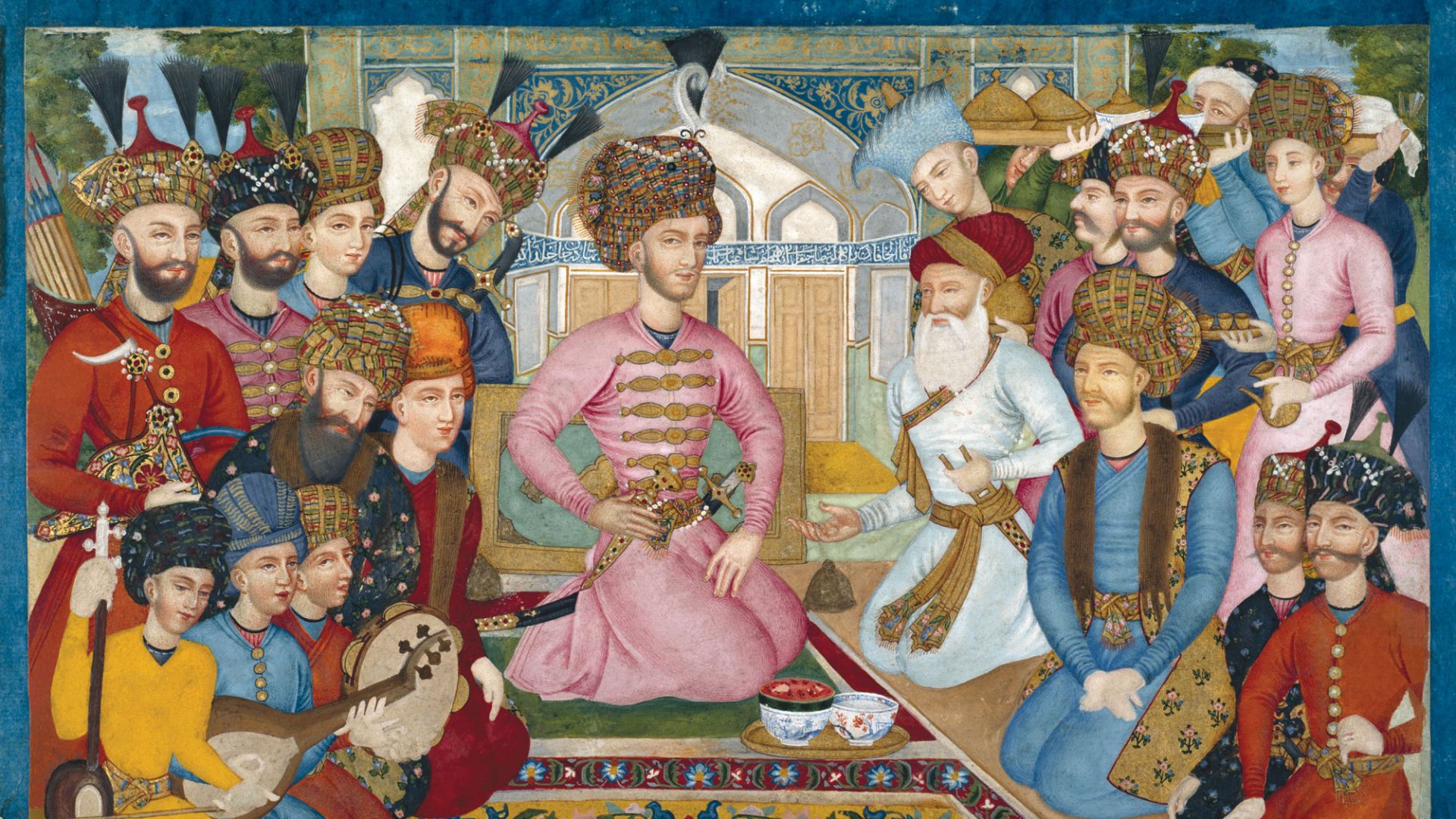 Abolhassan Mostofi Ghaffari on Wikimedia
9. Emperor Xuanzong of Tang – Misled by Li Linfu
Li Linfu served as a powerful chancellor during the Tang Dynasty. He worked to eliminate rivals and often concealed problems from Emperor Xuanzong. By discouraging honest criticism within the government, he contributed to administrative weakness.
 Unknown authorUnknown author on Wikimedia
10. Tsar Nicholas II – Influenced by Grigori Rasputin
Rasputin never officially held high office, but he became an influential advisor within the imperial court. Many government officials viewed his influence as harmful and damaging to public confidence in the monarchy.
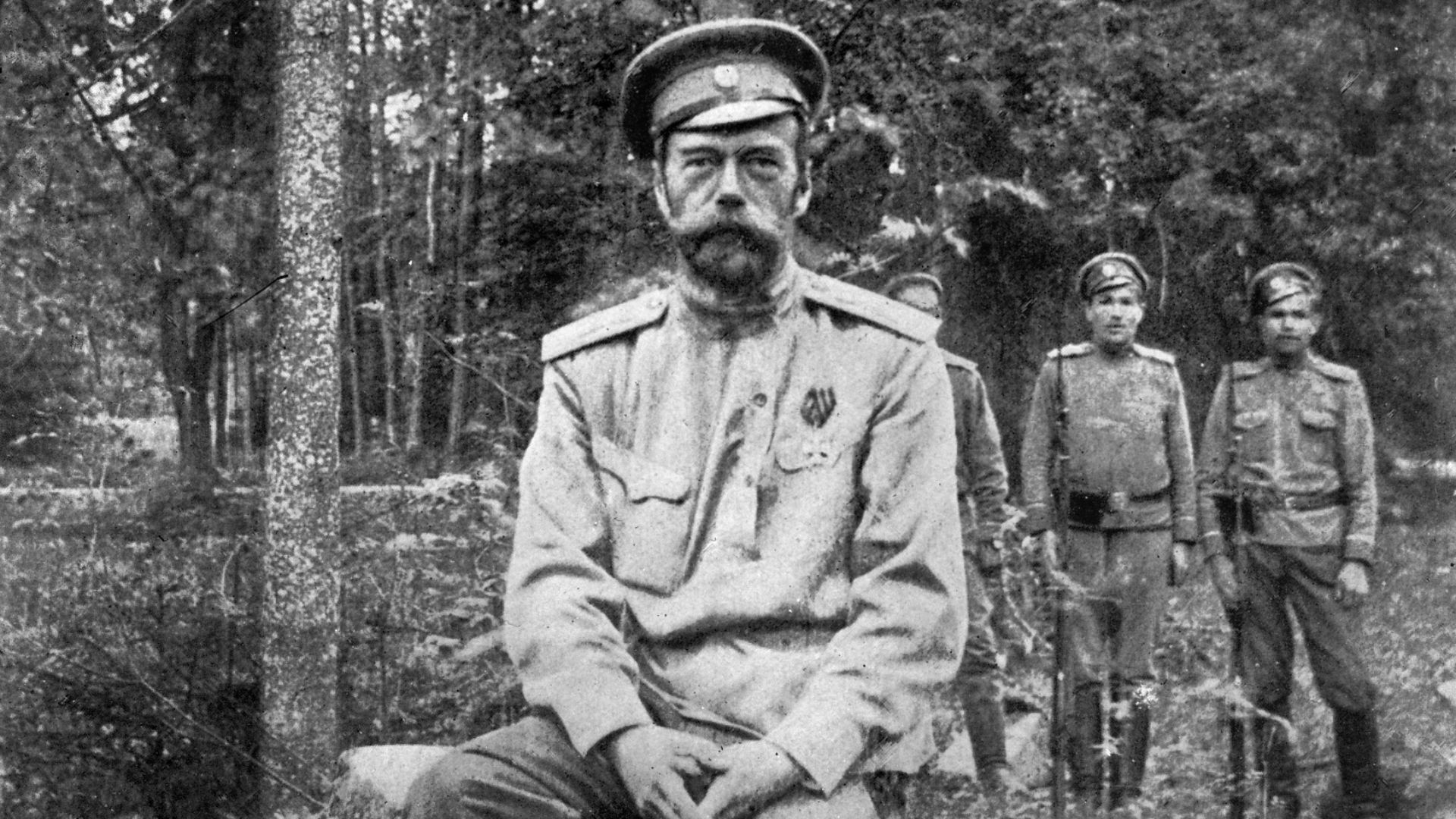 Unknown authorUnknown author on Wikimedia
1. Elizabeth I – Guided by William Cecil
William Cecil, later Lord Burghley, served as Elizabeth I's chief advisor for much of her reign. He provided careful counsel on diplomacy, religion, and national security. His steady guidance helped England avoid numerous political dangers.
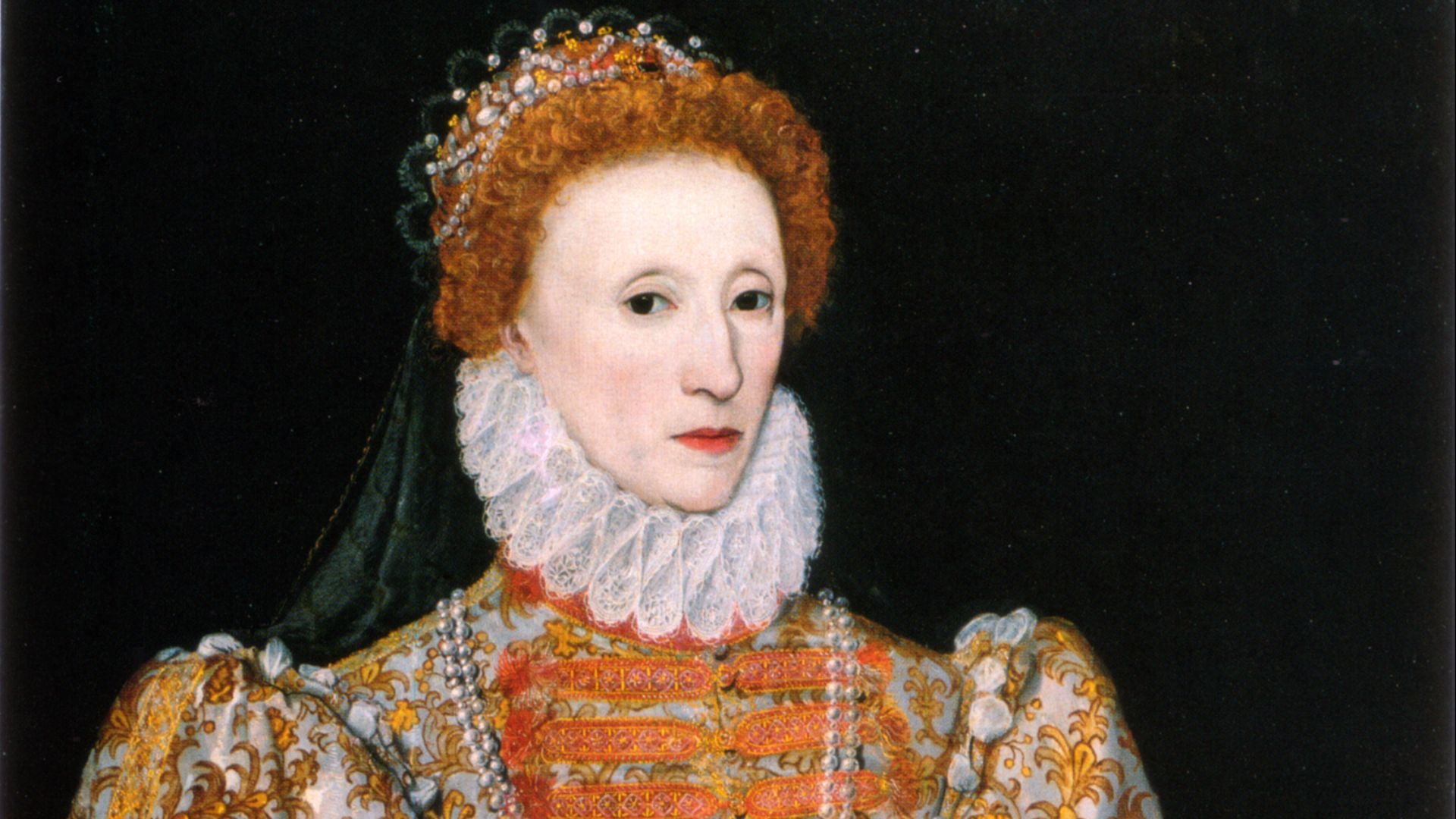 Unidentified painter on Wikimedia
2. Chandragupta Maurya – Supported by Chanakya
Chanakya was a scholar and strategist who helped Chandragupta build the Mauryan Empire in ancient India. He offered military, political, and administrative guidance during the ruler's rise to power. His advice strengthened the new state's foundations.

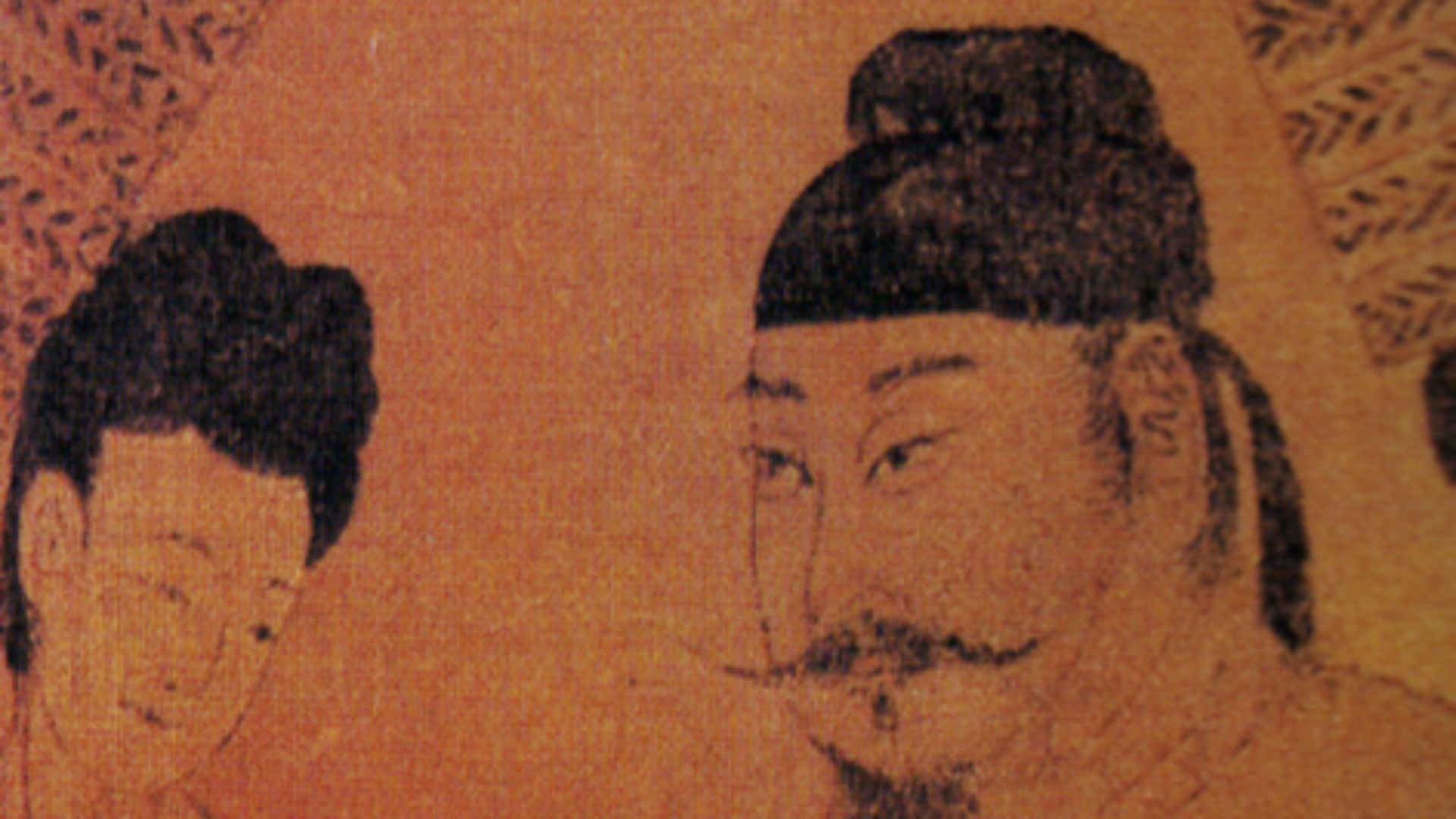
3. Emperor Taizong of Tang – Advised by Wei Zheng
Wei Zheng became famous for his willingness to criticize the emperor when necessary. Rather than punishing him, Taizong valued his honesty. This relationship helped the ruler avoid costly mistakes and improve governance.
4. George VI – Supported by Winston Churchill
During the Second World War, King George VI worked closely with Prime Minister Winston Churchill. Churchill's leadership helped Britain navigate one of the most dangerous periods in its history. His strategic direction and determination strengthened national morale.
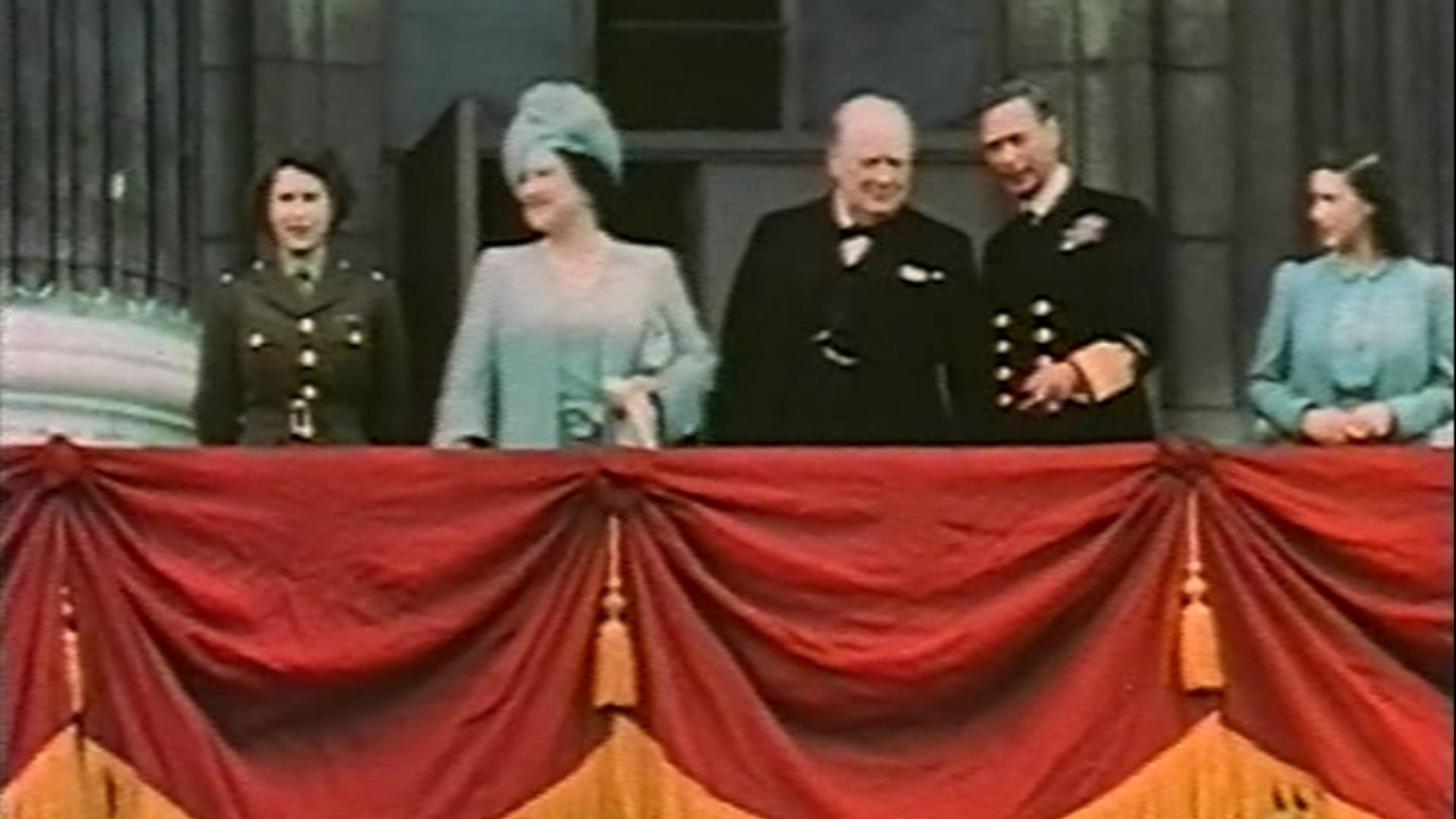 Kameramann des Special Film Project 186 der United States Army Air Forces (USAAF) on Wikimedia
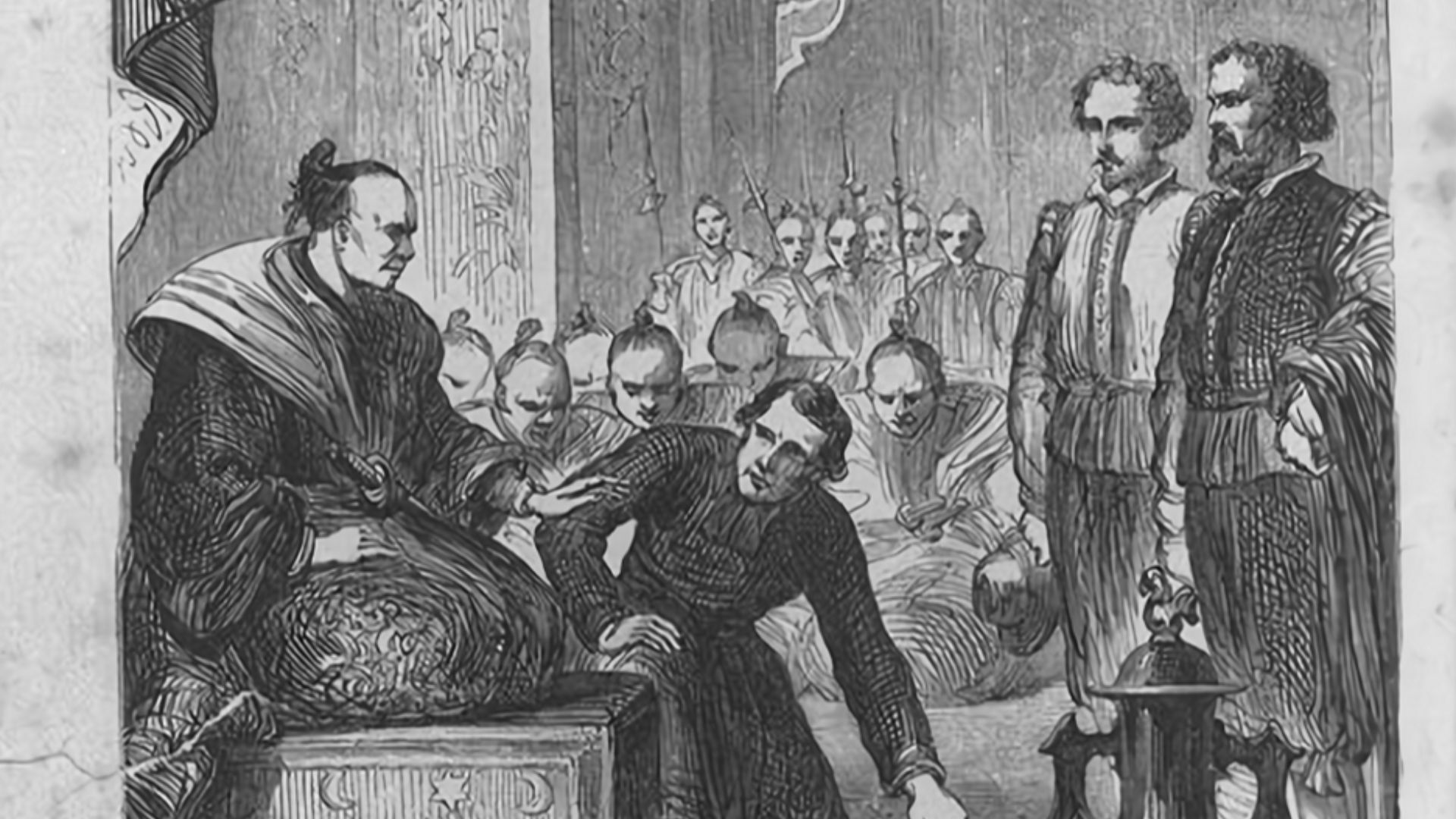
5. Tokugawa Ieyasu – Guided by Honda Tadakatsu
Honda Tadakatsu was among Tokugawa Ieyasu's most loyal and capable retainers. He provided military leadership throughout numerous campaigns during Japan's turbulent Sengoku period.
 Editor = Dalton, W. / (Dalton, William). on Wikimedia
6. Emperor Kangxi – Assisted by Songgotu
Early in Kangxi's reign, powerful regents threatened imperial authority. Songgotu played a major role in helping the young emperor remove the regent Oboi from power. This strengthened Kangxi's control over the Qing government.
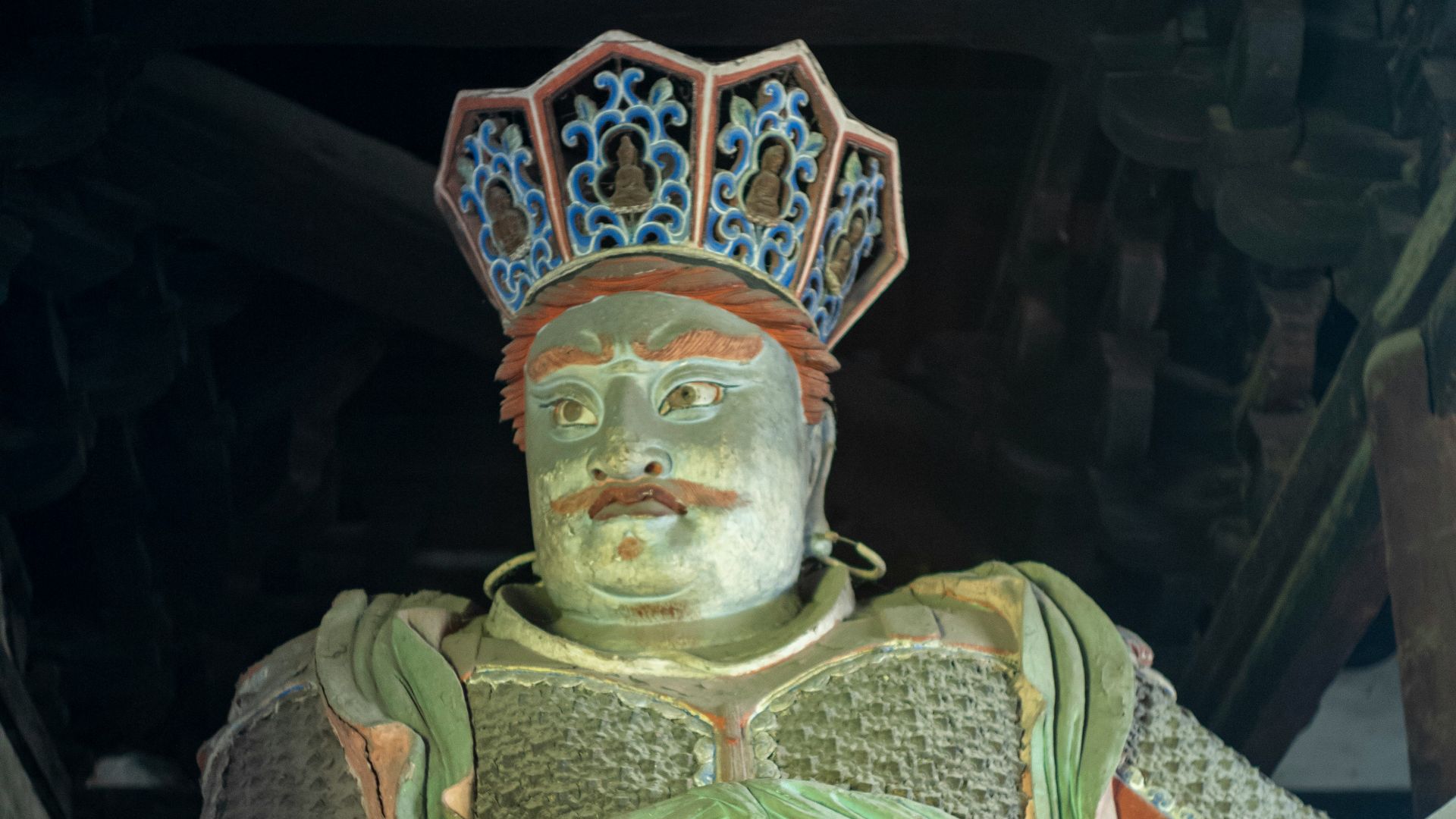
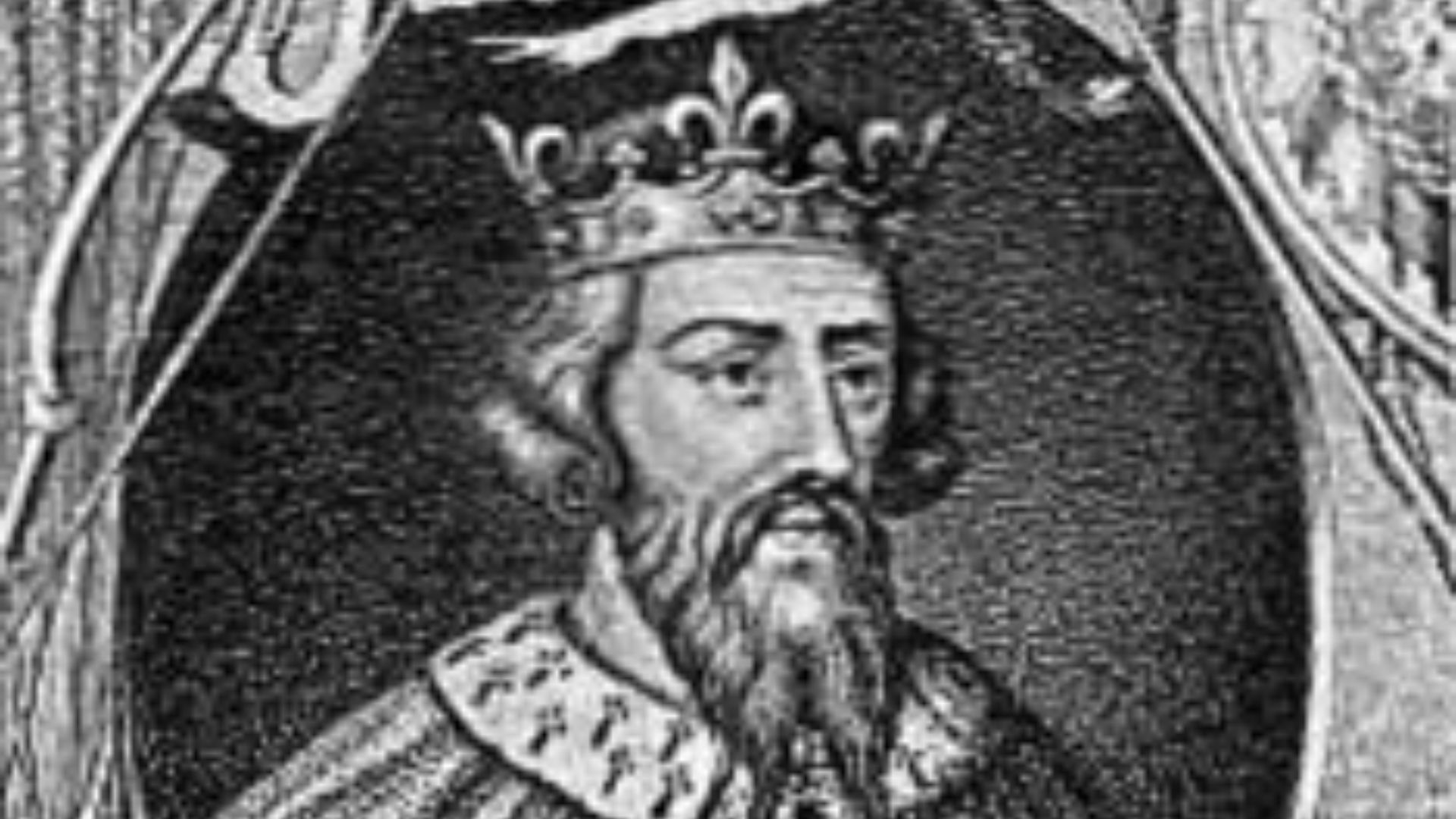
7. Alfred the Great – Supported by Loyal Nobles
When Viking invasions threatened Wessex, Alfred depended heavily on trusted nobles and military leaders. Their continued support allowed him to rebuild his forces after major setbacks. Together they achieved important victories, including the Battle of Edington.
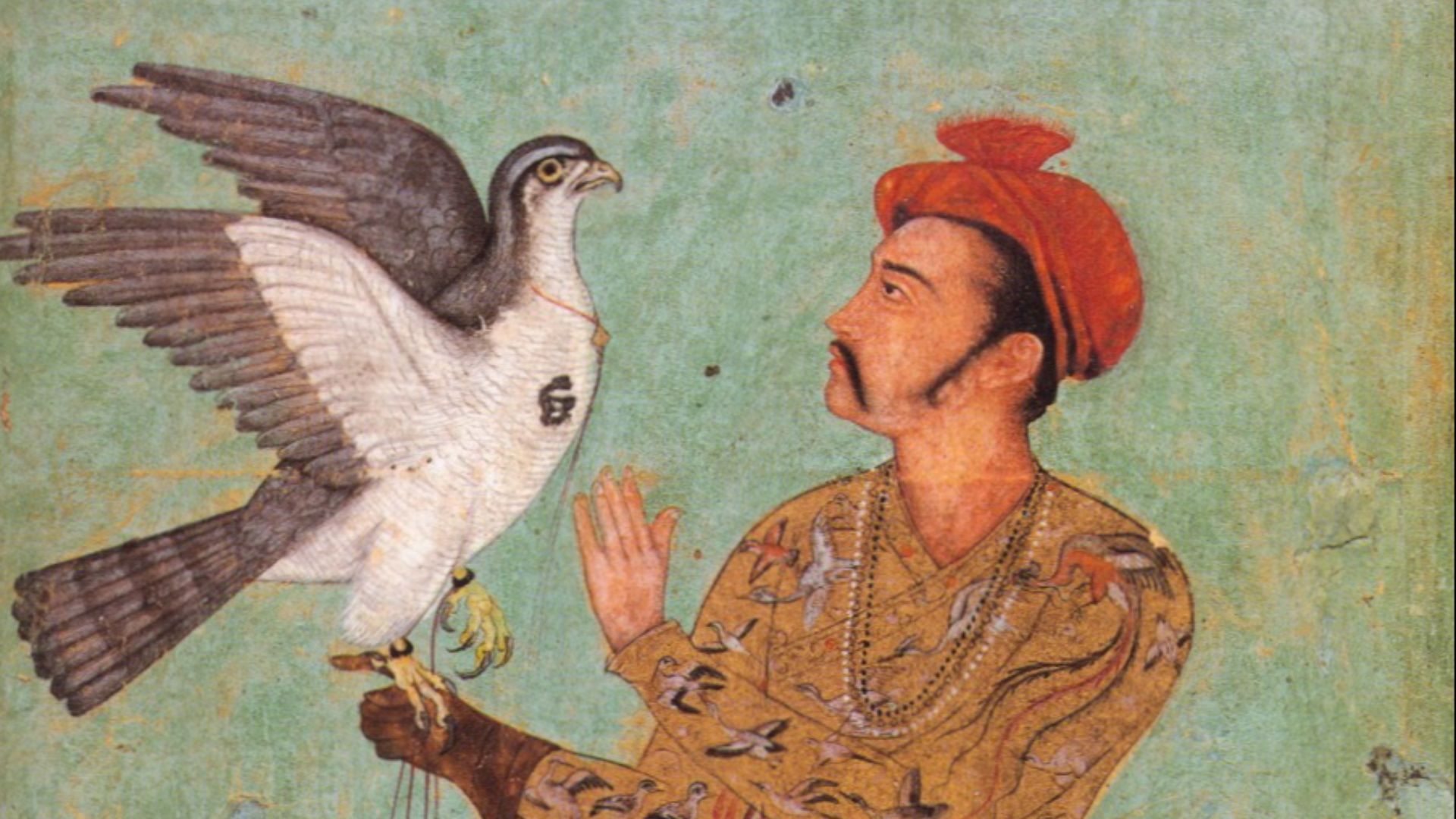
8. Akbar the Great – Advised by Raja Todar Mal
Raja Todar Mal was one of Akbar's most talented administrators. He developed tax reforms that improved revenue collection and strengthened imperial finances. These changes increased stability across the Mughal Empire.
 Unknown authorUnknown author on Wikimedia
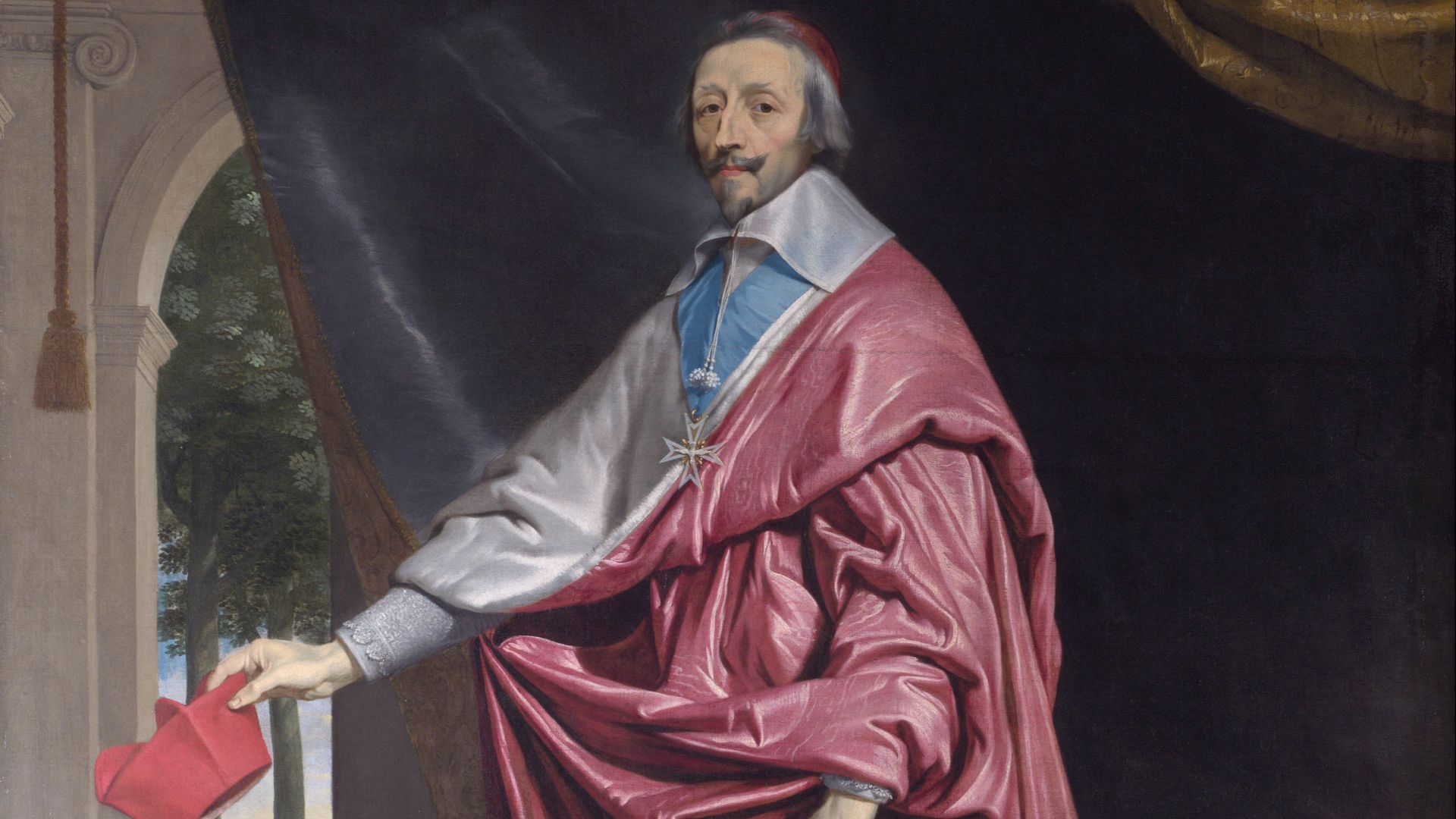
9. Louis XIII of France – Strengthened by Cardinal Richelieu
Cardinal Richelieu served as Louis XIII's chief minister and dramatically increased royal authority. He weakened rebellious nobles and reduced threats to the centralized government. His policies strengthened France both domestically and internationally.
 Philippe de Champaigne on Wikimedia
10. Abraham Lincoln – Guided by a Strong Cabinet
Lincoln intentionally filled his cabinet with experienced political rivals and respected leaders. Advisors such as William H. Seward often challenged his assumptions and offered alternative perspectives.

KEEP ON READING

20 Times a Scientific Mistake Led Somewhere Important
Wrong Turns That Changed Everything. Science gets taught as a…
By Cameron Dick Jun 5, 2026
20 Greatest Game 7s in NBA Playoff History
When One Game Carries the Whole Season. Game 7 is…
By Emilie Richardson-Dupuis Jun 5, 2026
20 Archaeological Hoaxes That Fooled People For Way Too Long
The Past Got a Little Too Convenient. Archaeology is supposed…
By Annie Byrd Jun 5, 2026
10 Rulers Betrayed By Their Advisors & 10 Saved By…
The Enormous Influence of Trusted Counsel. Throughout history, rulers have…
By Rob Shapiro Jun 5, 2026
The Strange History of the “Poison Apple”
Avin CP on UnsplashTomatoes are so ordinary now that it’s…
By Emilie Richardson-Dupuis Jun 4, 2026
The Most Famous Media Interpretations of Dante's Inferno
Emw on WikimediaDante Alighieri’s Inferno has lasted partly because it…
By Breanna Schnurr Jun 4, 2026