10 Historical Royals Known For Their Intelligence & 10 For Their Eccentricity
10 Historical Royals Known For Their Intelligence & 10 For Their Eccentricity
The Weirdest Kings
Intelligent royals brought us innovative and progressive policies, vision, creative geniuses, writers, new laws, and technology, expanding kingdoms and challenging their people to greatness. Other royals were power-mad or so unstable they became unpredictable in the extreme, subject to paranoia, wild and sudden changes in behavior, or generally self-serving beyond belief. With that in mind, here are the 10 smartest, and the 10 strangest.
1. Alfred the Great
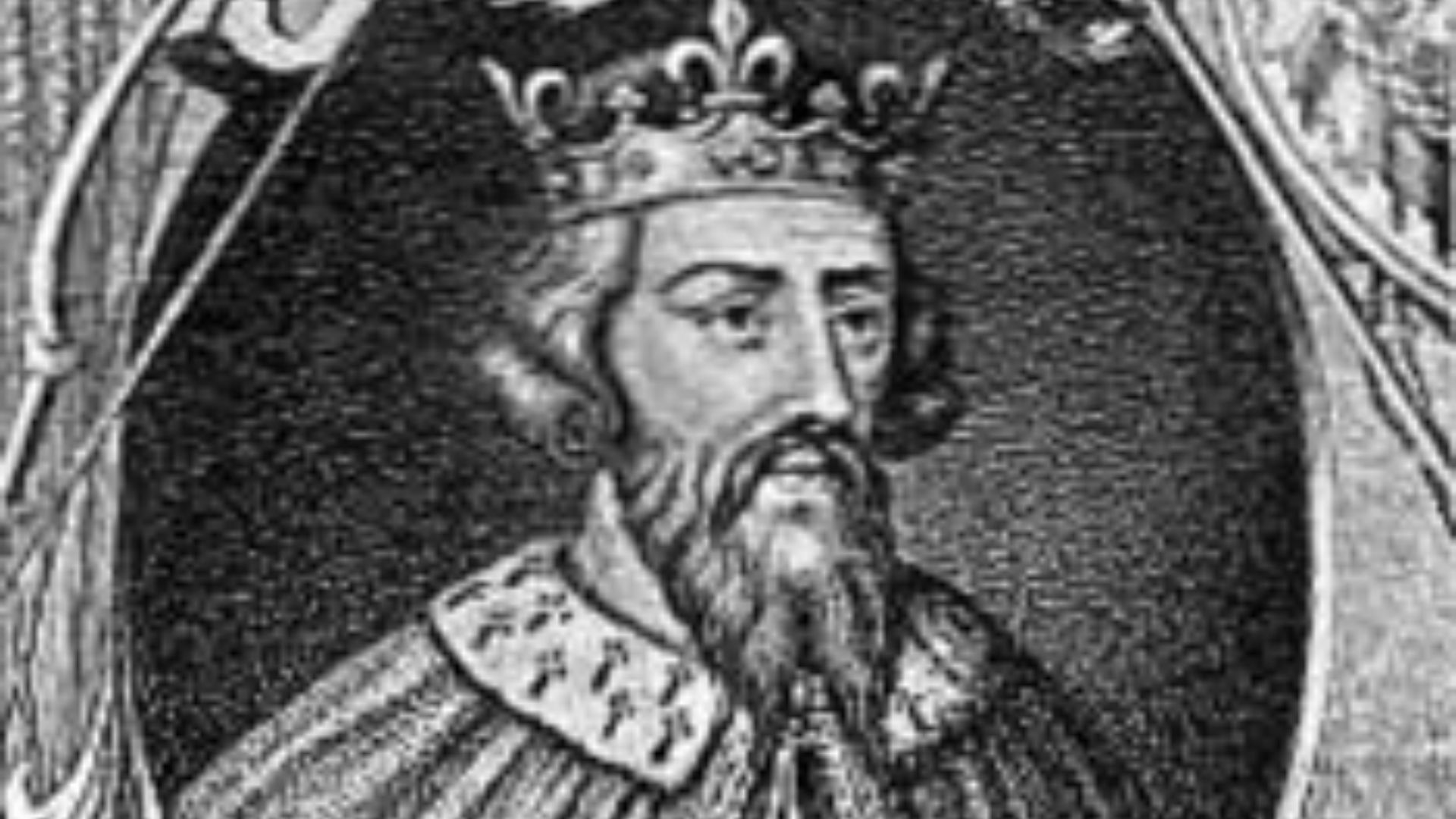
Alfred the Great, the king of Wessex, faced the threat of Viking invasions with wisdom and diplomacy. He encouraged learning, translating Latin works into Old English and establishing a court school to educate future leaders. His vision and leadership set the stage for a united England.
2. Hammurabi
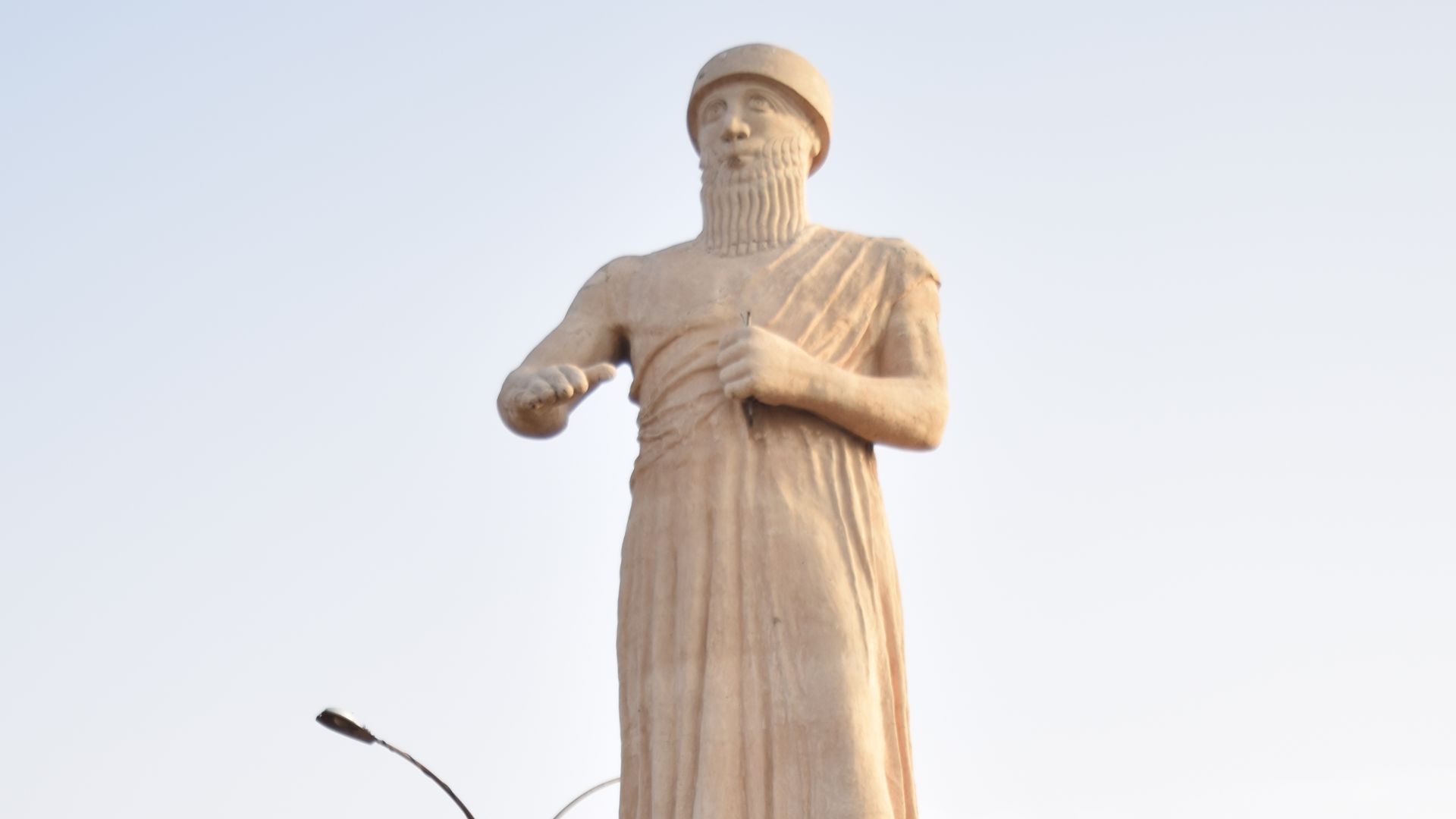
Hammurabi, the king of Babylon, was a master strategist who used a combination of military might and political cunning to expand his territory. He is most famous for his code of laws, the Code of Hammurabi, which is one of the earliest known written constitutions. It contained 282 laws and established principles such as the presumption of innocence and the rule of retribution. He was a visionary ruler who combined administrative skill with legal innovation.
3. Elizabeth I
Queen Elizabeth I of England was politically savvy and a skilled diplomat. She was comfortable in her role as monarch in a patriarchal society. Trained in languages (she was fluent in six) and well-educated, she was very literate. She personally managed diplomatic affairs and was fastidious about her public image and personal authority. Her intelligence and flexibility enabled her to remain in power and oversee a long period of stability and prosperity.
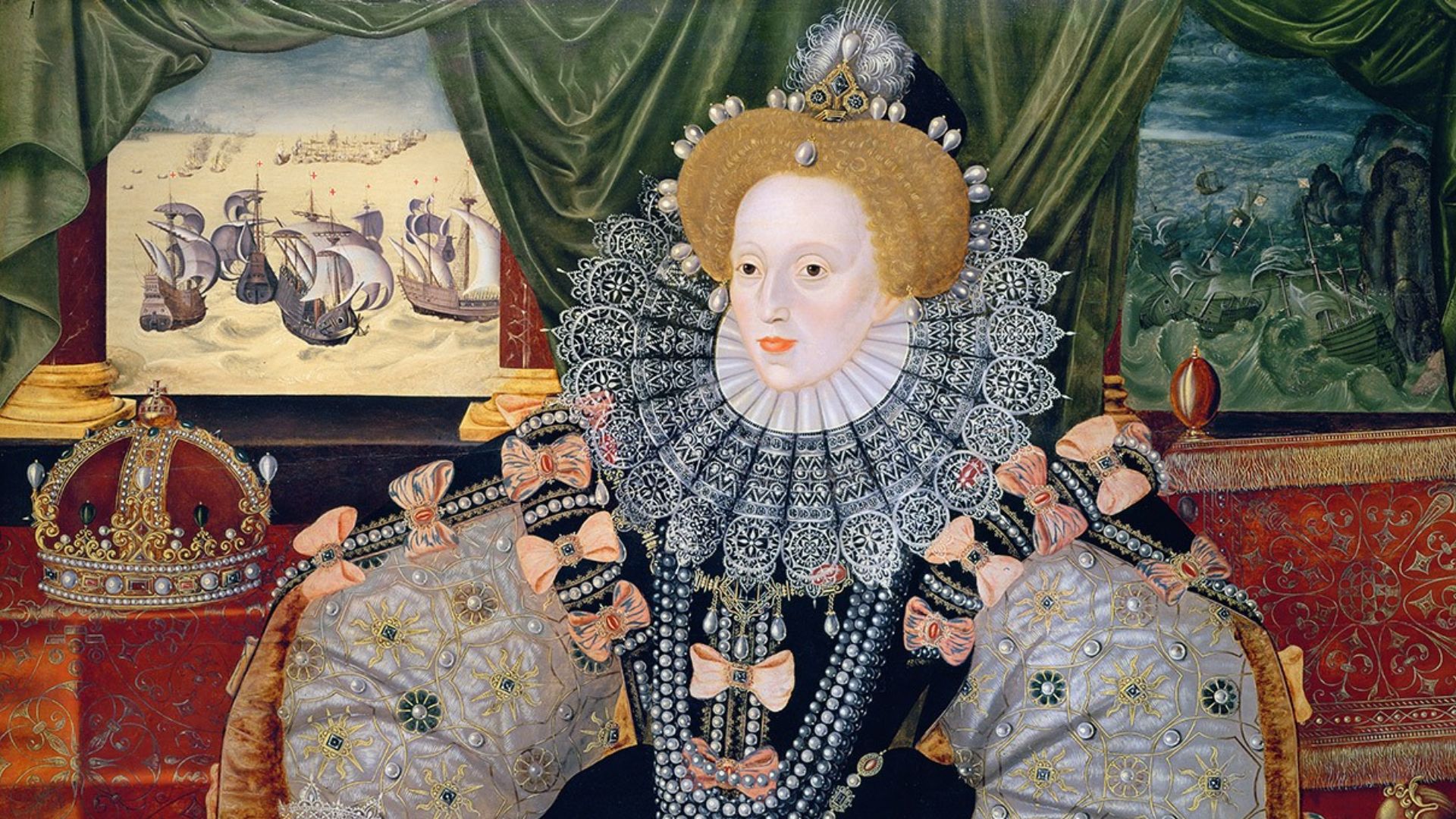 Formerly attributed to George Gower on Wikimedia
4. Julius Caesar
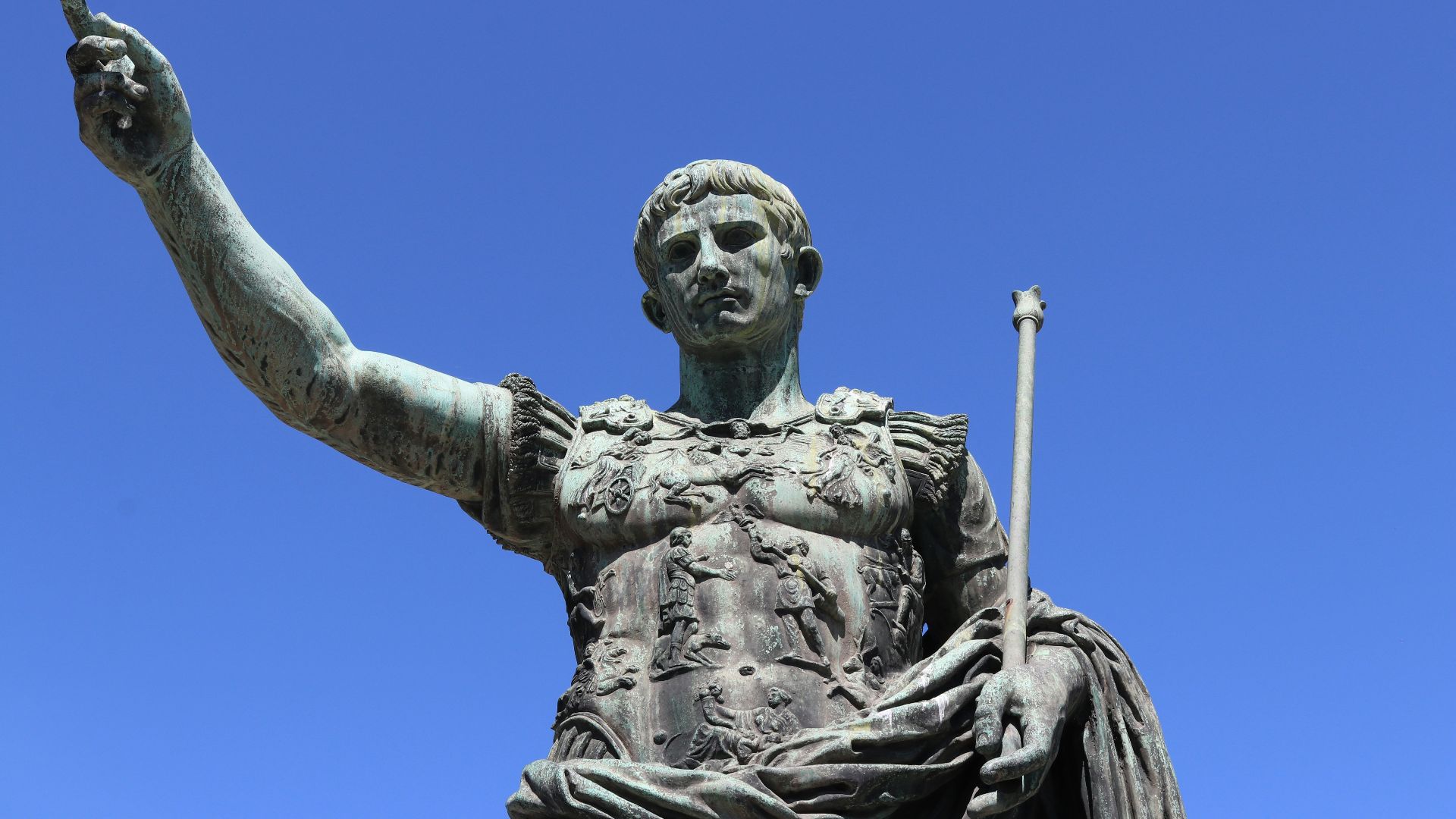
Julius Caesar was a strategic military and political leader who transformed Rome. He strategically reformed its power structures and addressed its weaknesses. Caesar's strategic vision and reforms significantly strengthened the state. His decisiveness and influence make him one of history's most impactful leaders.
5. Alexander the Great
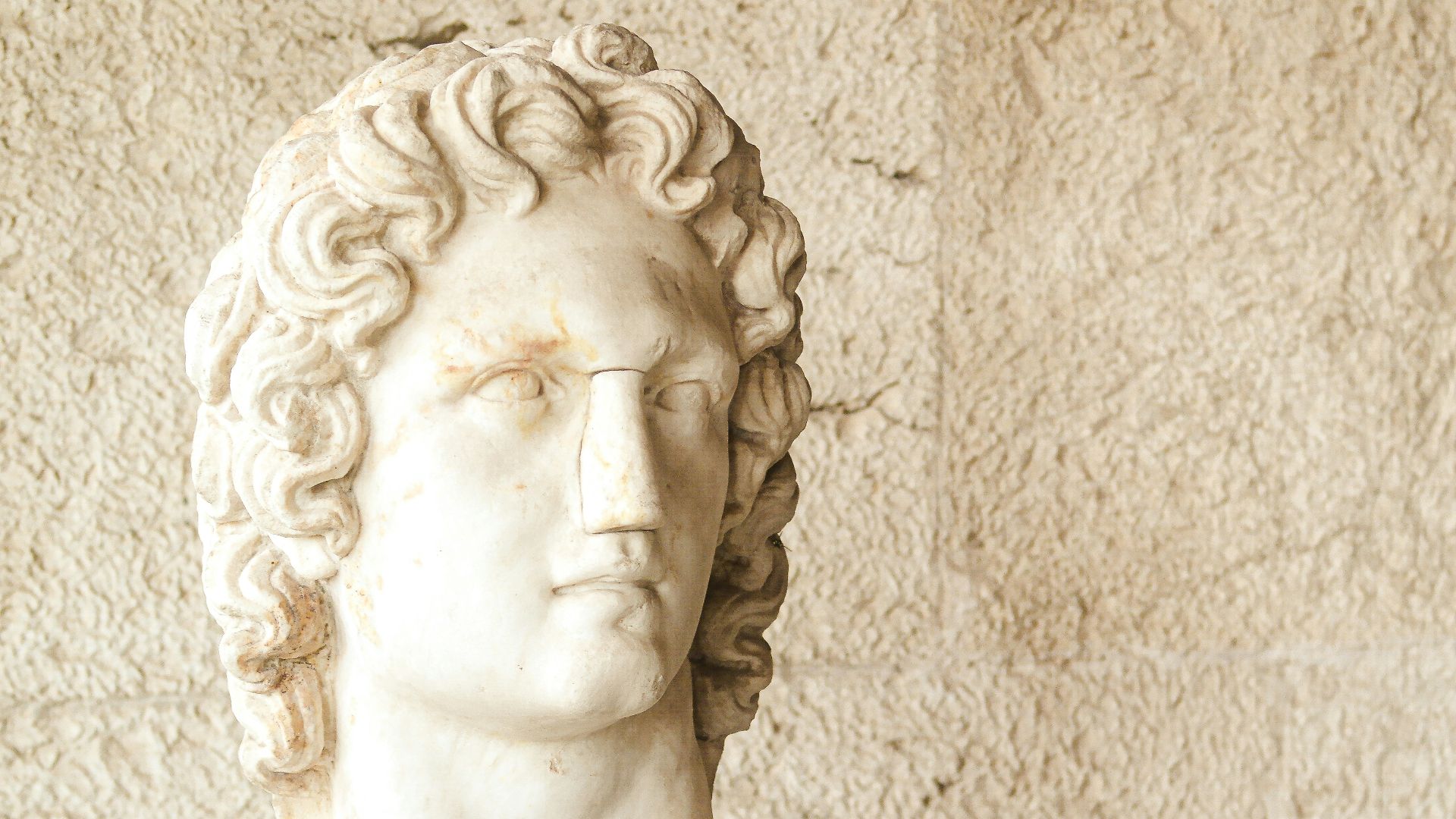
King Alexander of Macedonia used his intellect to form the warring Greek states and launch military campaigns into Persia and beyond that no one had ever attempted. He never lost a battle, and his concept of a cosmopolitan empire spread Greek culture to all corners of the known world. His military strategy changed history and set the stage for the Hellenistic period for centuries to come.
6. Catherine the Great
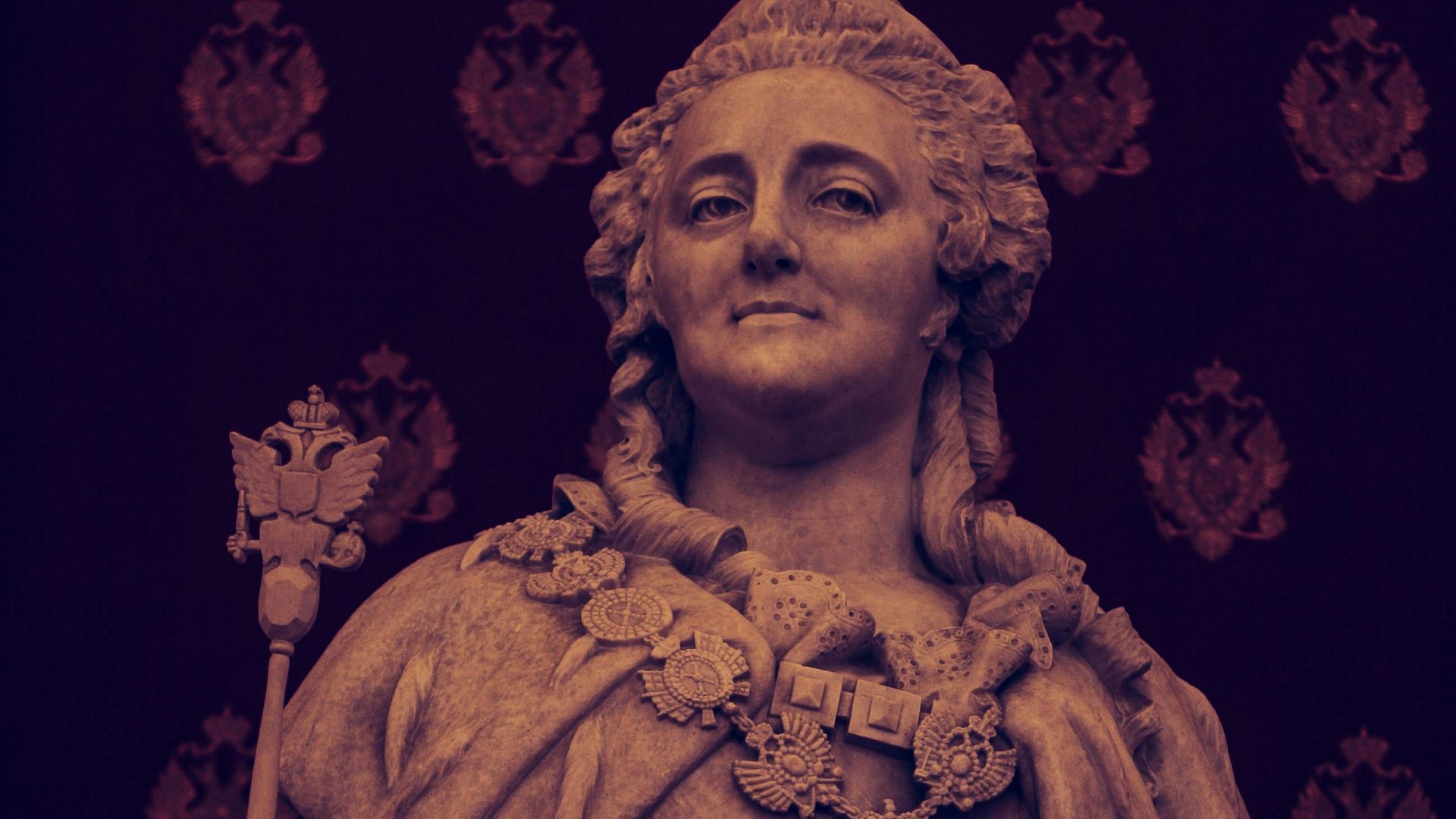
Catherine II used her intelligence to westernize and expand her Russian empire, modernizing law and education, and adopting the philosophy of the Enlightenment. She corresponded with the most important thinkers of the time, including Voltaire and Diderot. She also wrote prolifically herself, producing plays, journals, and political works. Her leadership shows a nuanced combination of cunning, governing, and culture.
7. Hatshepsut
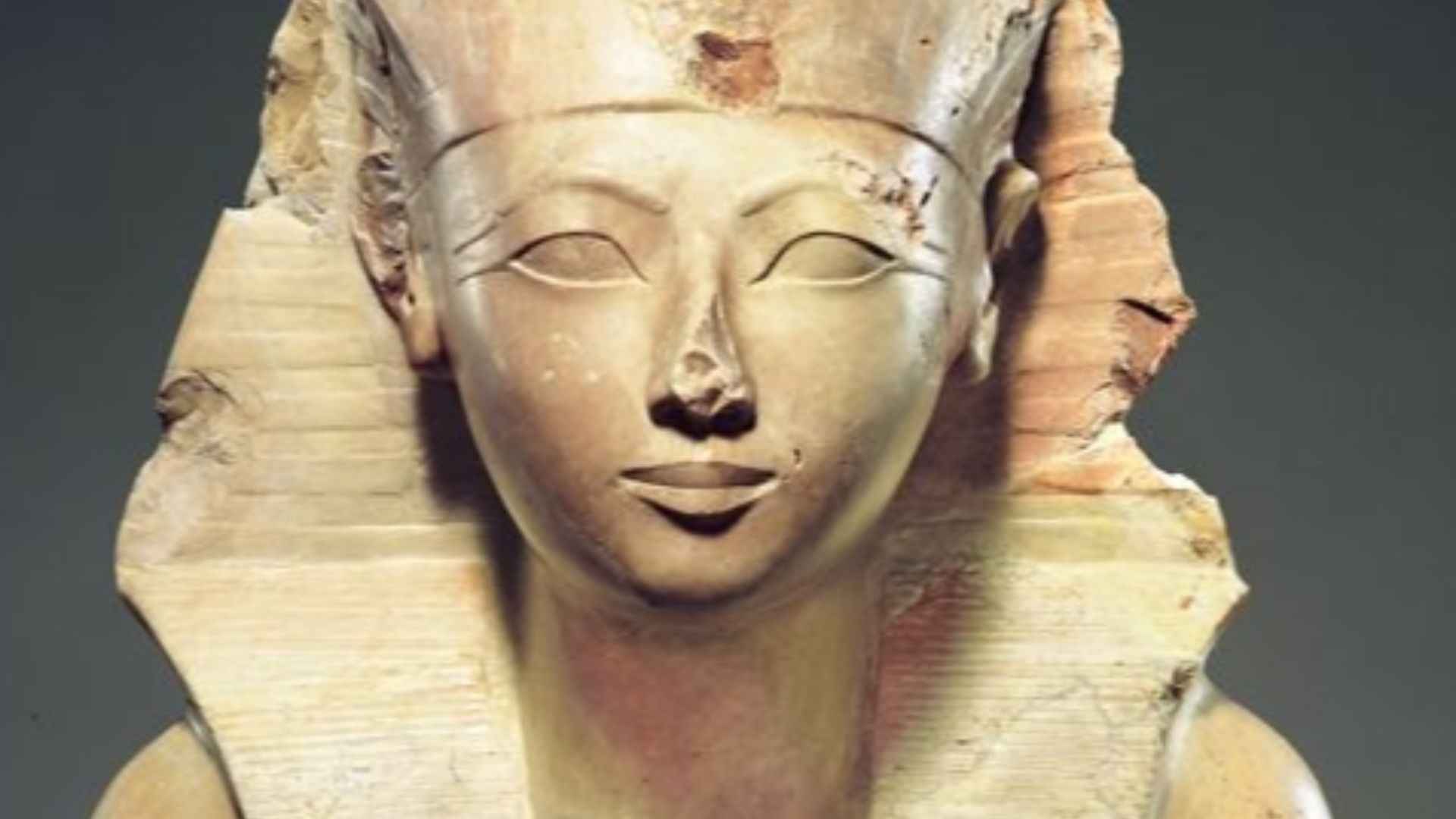
In ancient Egypt, Hatshepsut was one of the most influential women to ever become pharaoh. With clever use of laws and tradition, she gained complete authority. She managed extensive building projects, restored trade networks, and initiated military campaigns, bringing wealth to the 18th dynasty. Her intelligence and political savvy guaranteed her a place in history for millennia.
8. Wu Zetian
A shrewd and able politician, Wu Zetian was the only woman to rule China in her own right, and her reign was part of the Tang Dynasty’s Golden Era. She fortified the country and showed strong leadership, overcoming resistance to a female ruler. Her rule was marked by a mix of administrative skill and calculated ruthlessness.
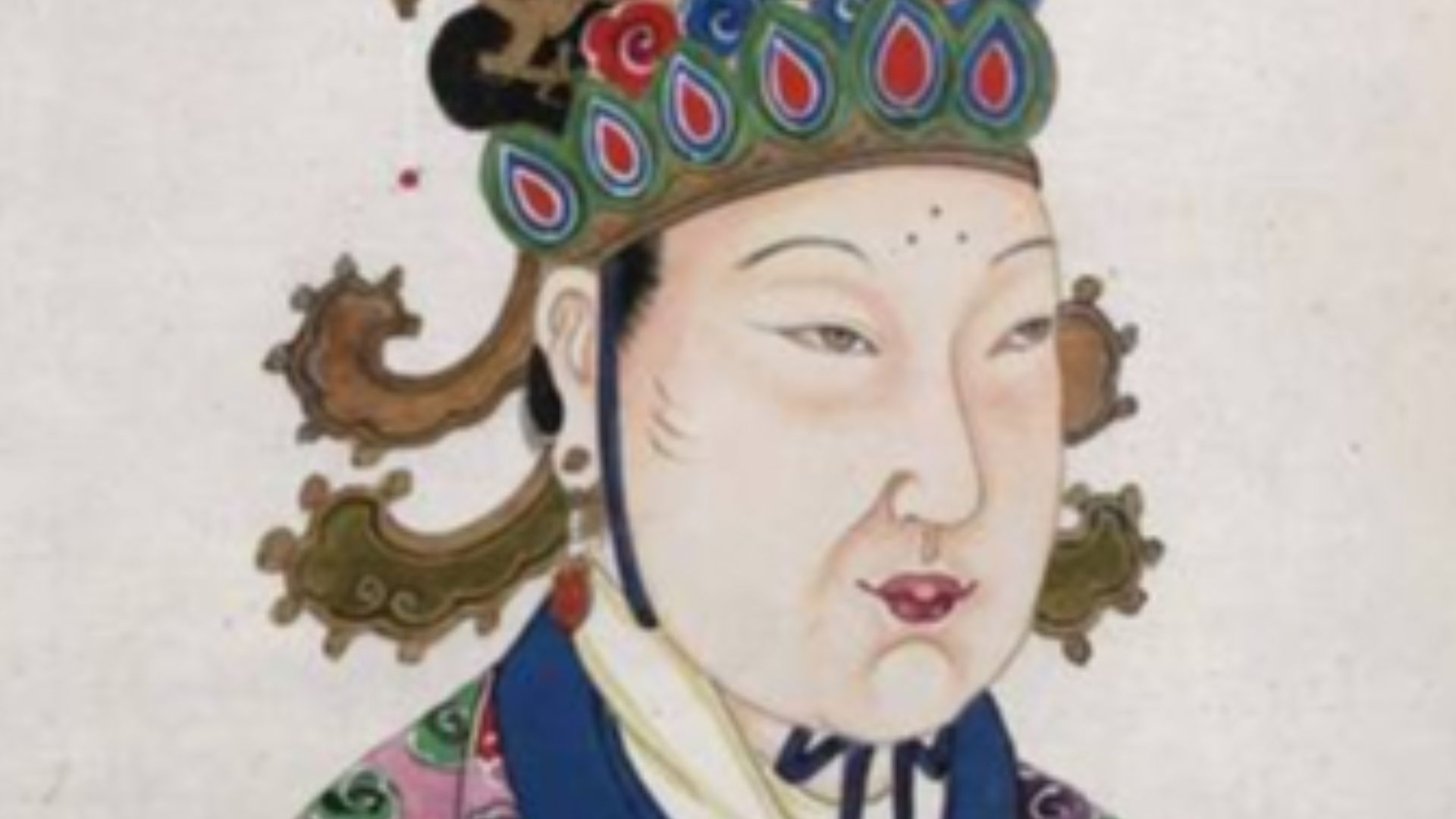 Unknown authorUnknown author on Wikimedia
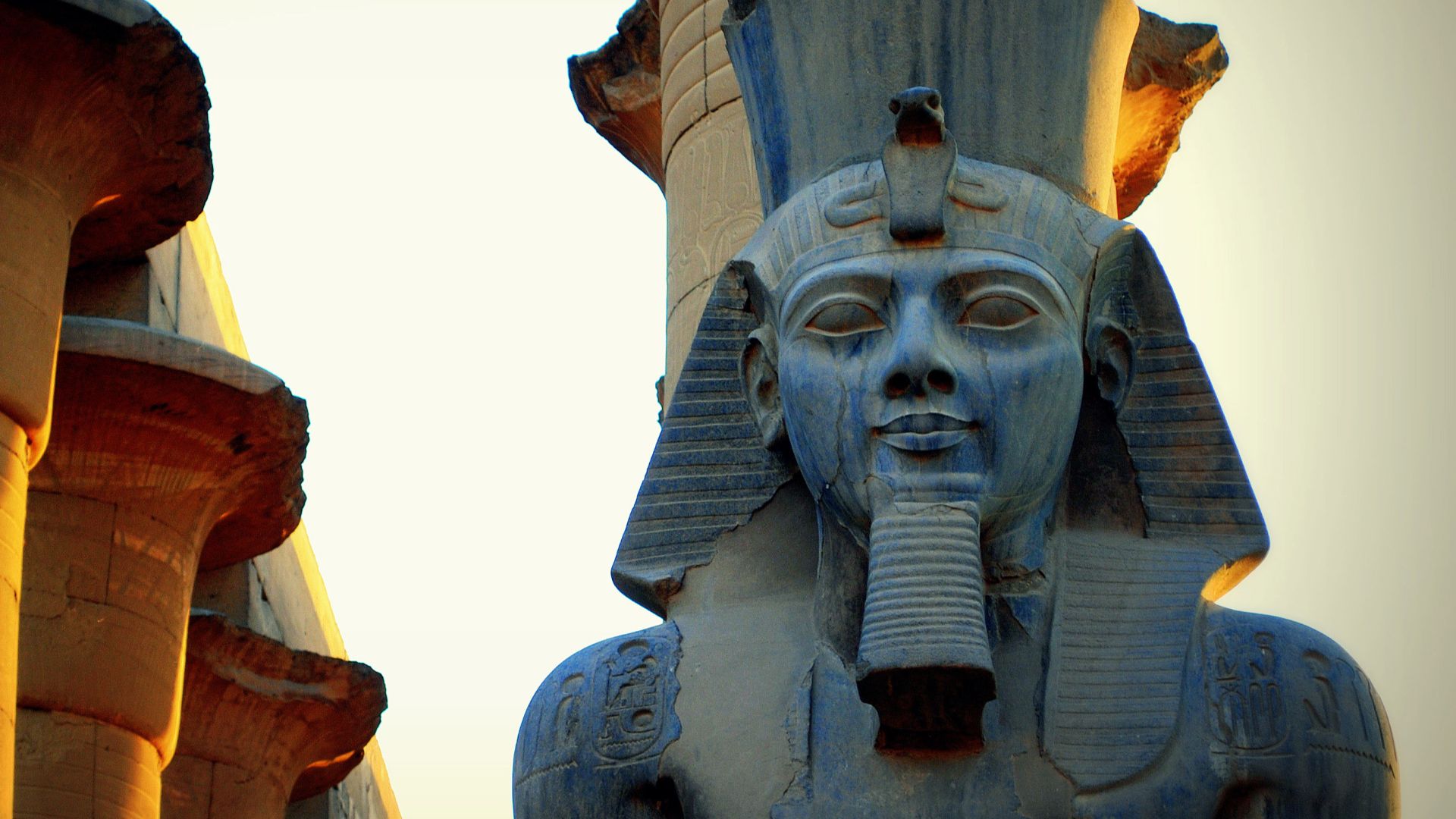
9. Ramses II
Adept both as a military strategist and a builder, Ramses constructed Pi-Ramesses, as well as monuments and temples such as Abu Simbel, to cement his authority and intimidate his rivals. He led Egypt through a sustained period of prosperity, navigating external and internal upheavals, such as the Bronze Age Collapse. The scale of his architectural contributions and the length of his reign have made Ramses one of the most celebrated pharaohs in history.
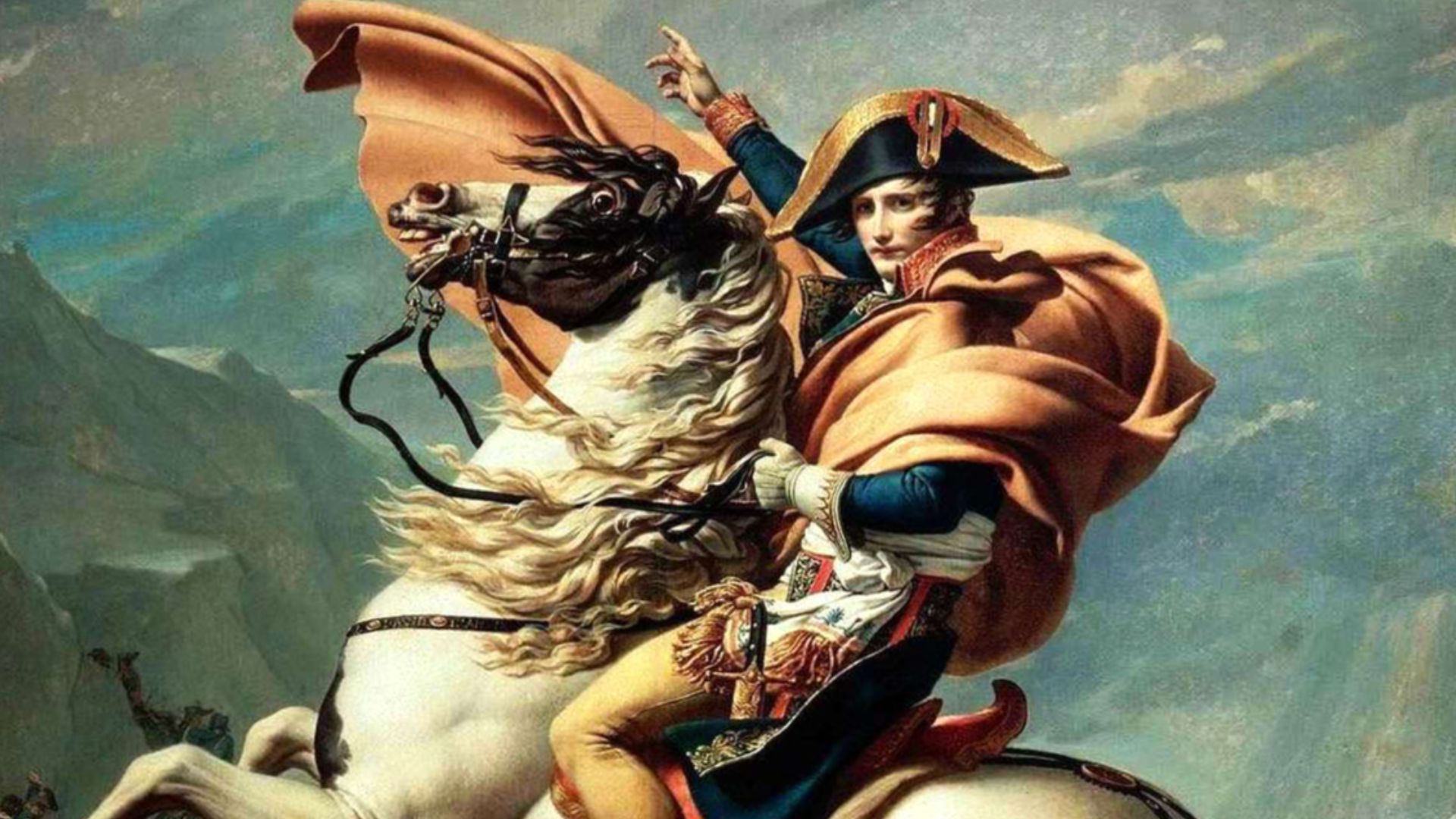
10. Napoleon Bonaparte
Napoleon Bonaparte, of aristocratic background, ascended to the French Empire through a combination of military and political prowess. He inspired the French citizenry, as well as reorganized the French governmental and legal systems. He would ultimately outstretch the empire's capability through his ambition, but would have a permanent legacy throughout Europe due to his intelligence.
Now that we talked about some of the most intelligent leaders out there, here are 10 that were a bit… weirder…
 Jacques-Louis David on Wikimedia
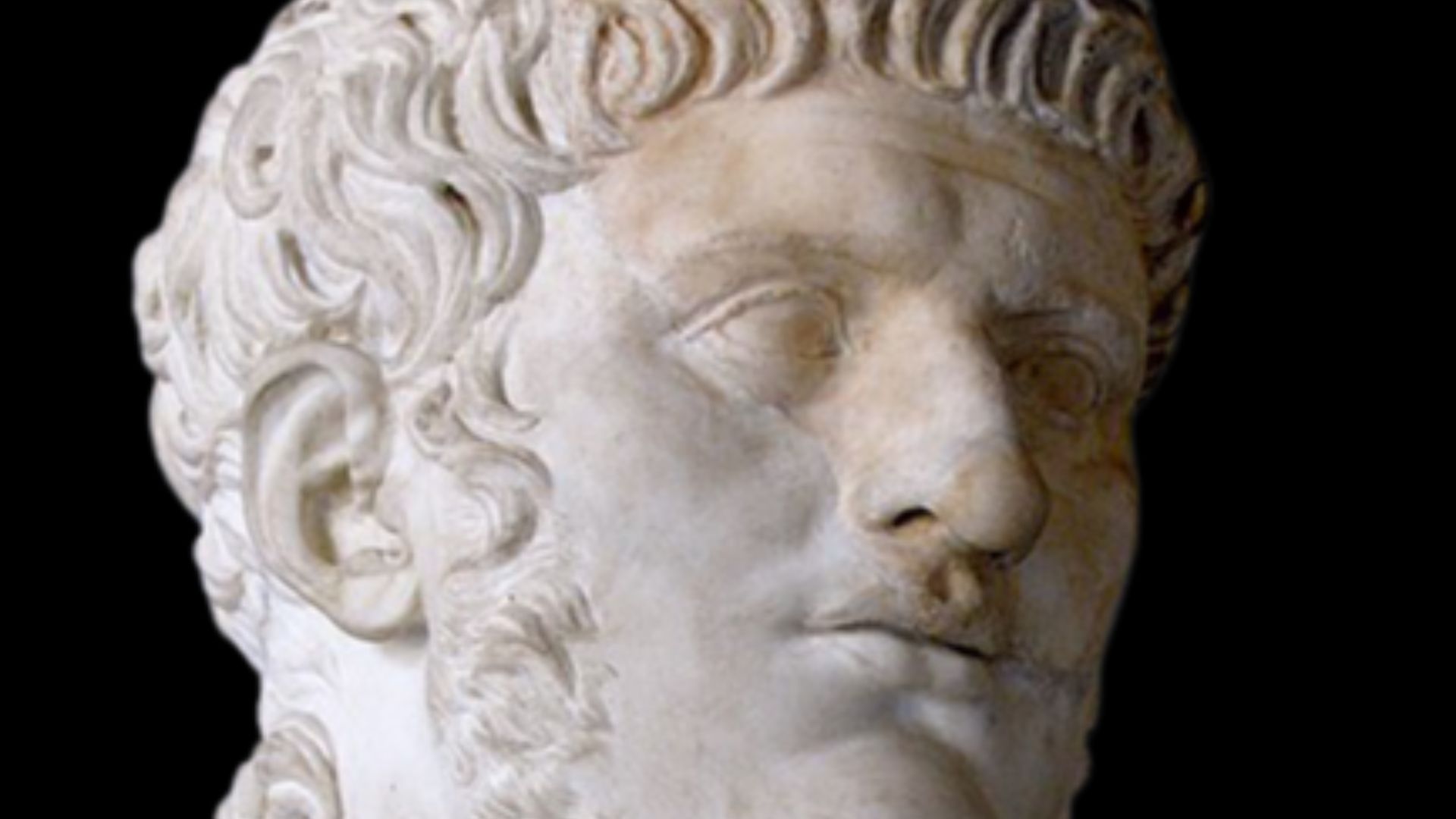
1. Nero
Nero was a narcissistic and sadistic ruler who destroyed his own mother and his wife without remorse. He is said to have watched Rome burn in 64 AD while cavorting with musicians, punishing Christians, and composing his own opera. His documented proclivities and cruel "games" (e.g., forcing a man to dress and act as his late wife) made him one of the most cruel and strange rulers in history.
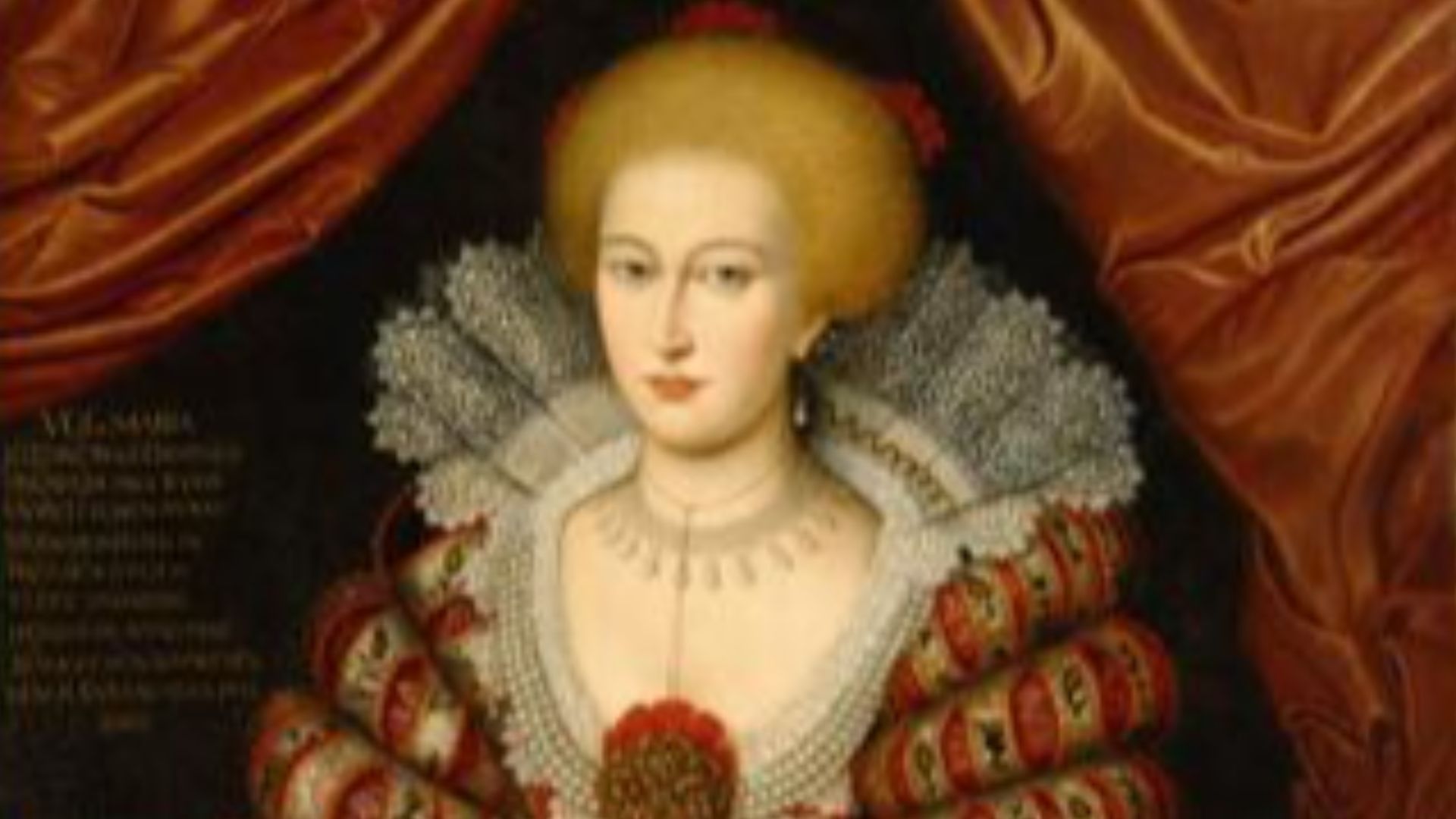
2. Maria Eleonora
Maria Eleonora of Sweden was obsessed with having a male heir. She was violently insane when her daughter Christina was born. Maria Eleonora reportedly attempted to destroy Christina several times and called her a monster. When her husband passed, Maria Eleonora refused to bury him for more than a year, instead sleeping beneath his casket and descending further into insanity.
 After Michiel Jansz. van Mierevelt on Wikimedia
3. Peter III
Peter III of Russia was immature and childlike, playing with toy soldiers and preferring games to the serious business of statecraft. Peter's arrested development due to brutal tutoring made him both an incompetent ruler and out of touch with both his court and his Russian subjects, his eccentric conduct superseding his legitimacy.
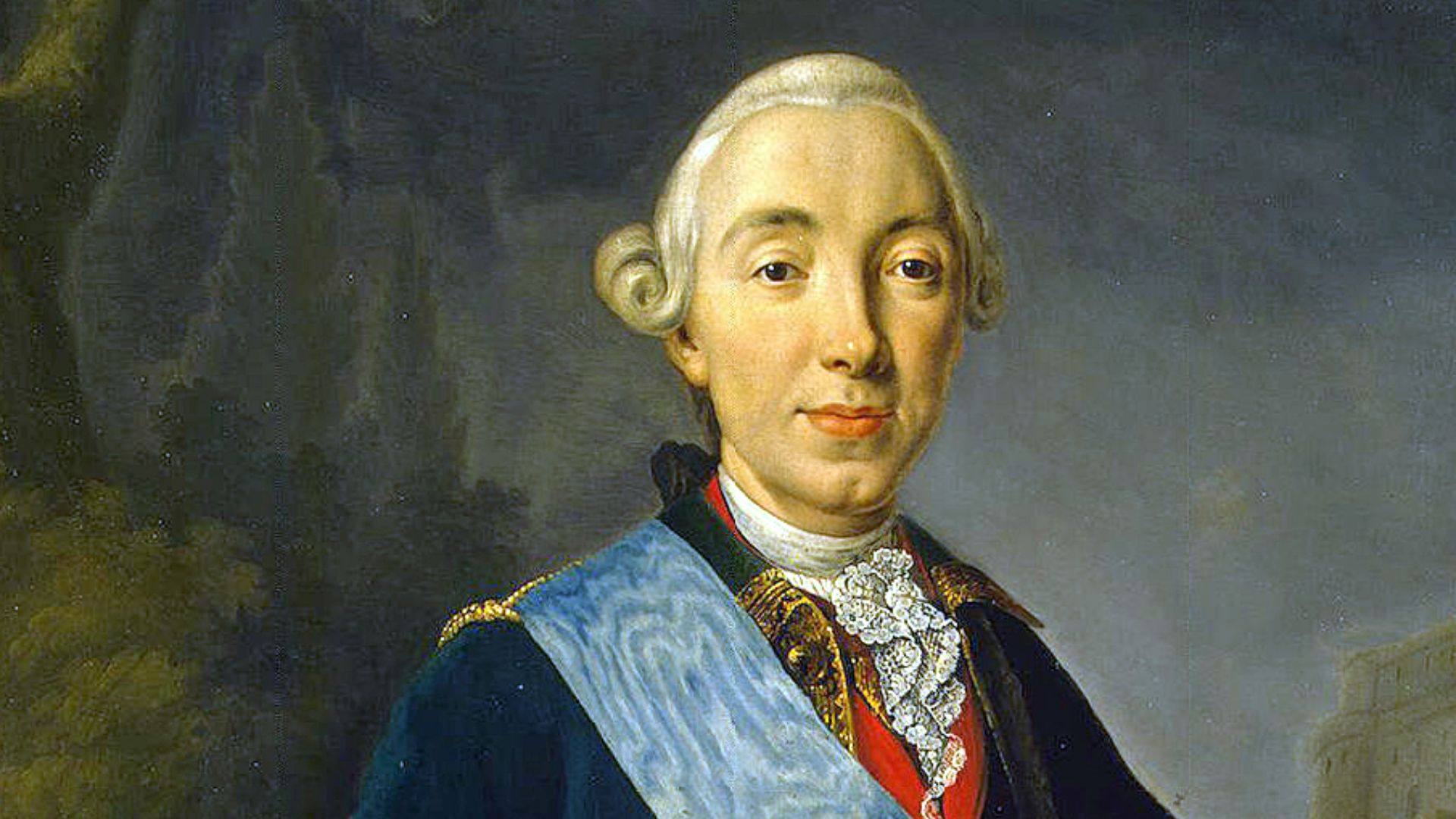 Lucas Conrad Pfandzelt on Wikimedia
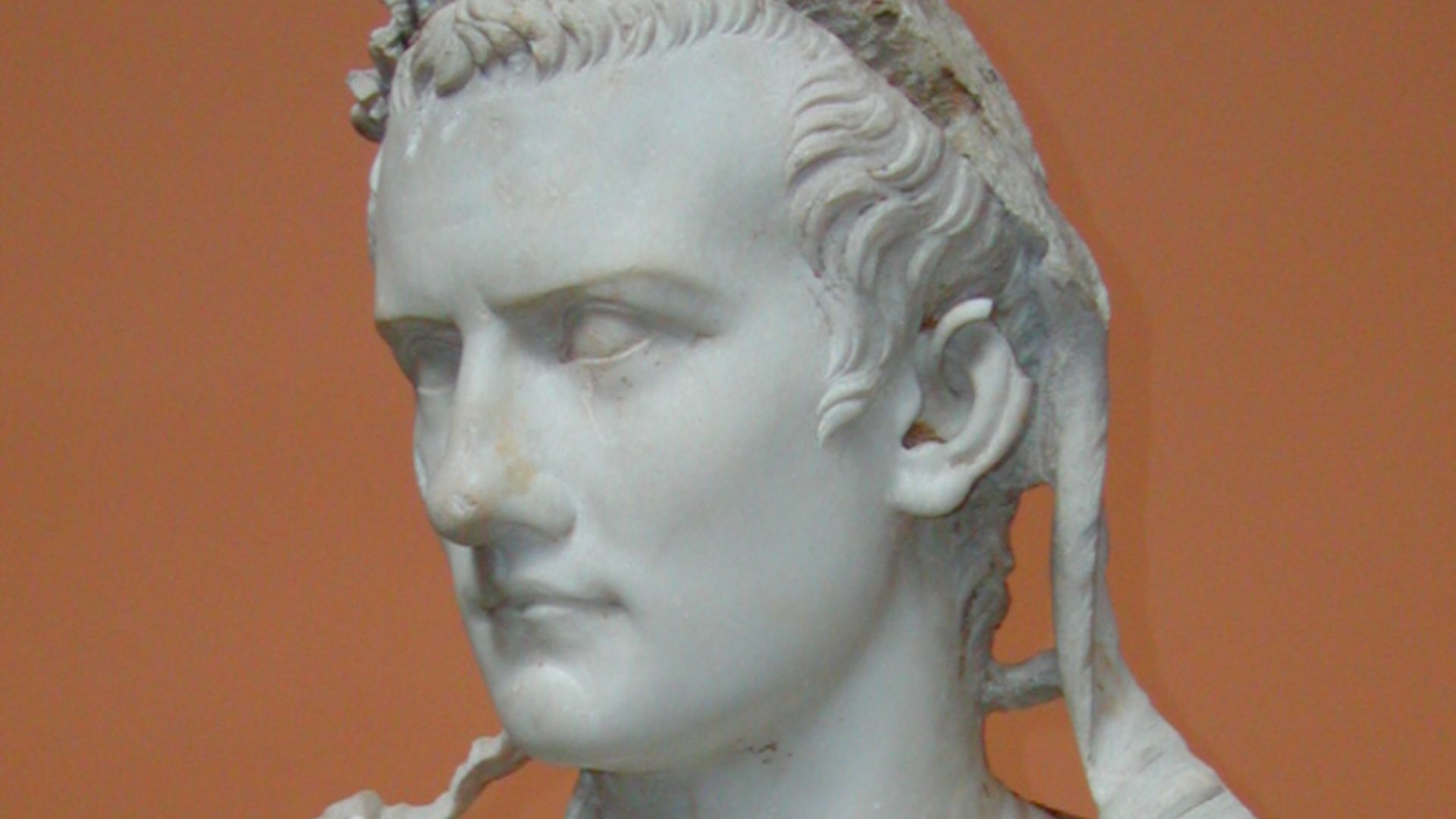
4. Caligula
Caligula was an emperor of Rome. He thought he was a living god and wanted people to worship him. He got rid of any possible rivals, even his own family. Caligula was erratic and cruel, so he confused and frightened Rome.
5. Elagabalus
Roman emperor Elagabalus of 218 AD took pleasure in unusual cruelty and hedonism. He chained women to chariots and had poisonous snakes released onto the public. He also enjoyed drowning dinner guests for his amusement. He was similarly erratic in government, naming officials for arbitrary physical traits.
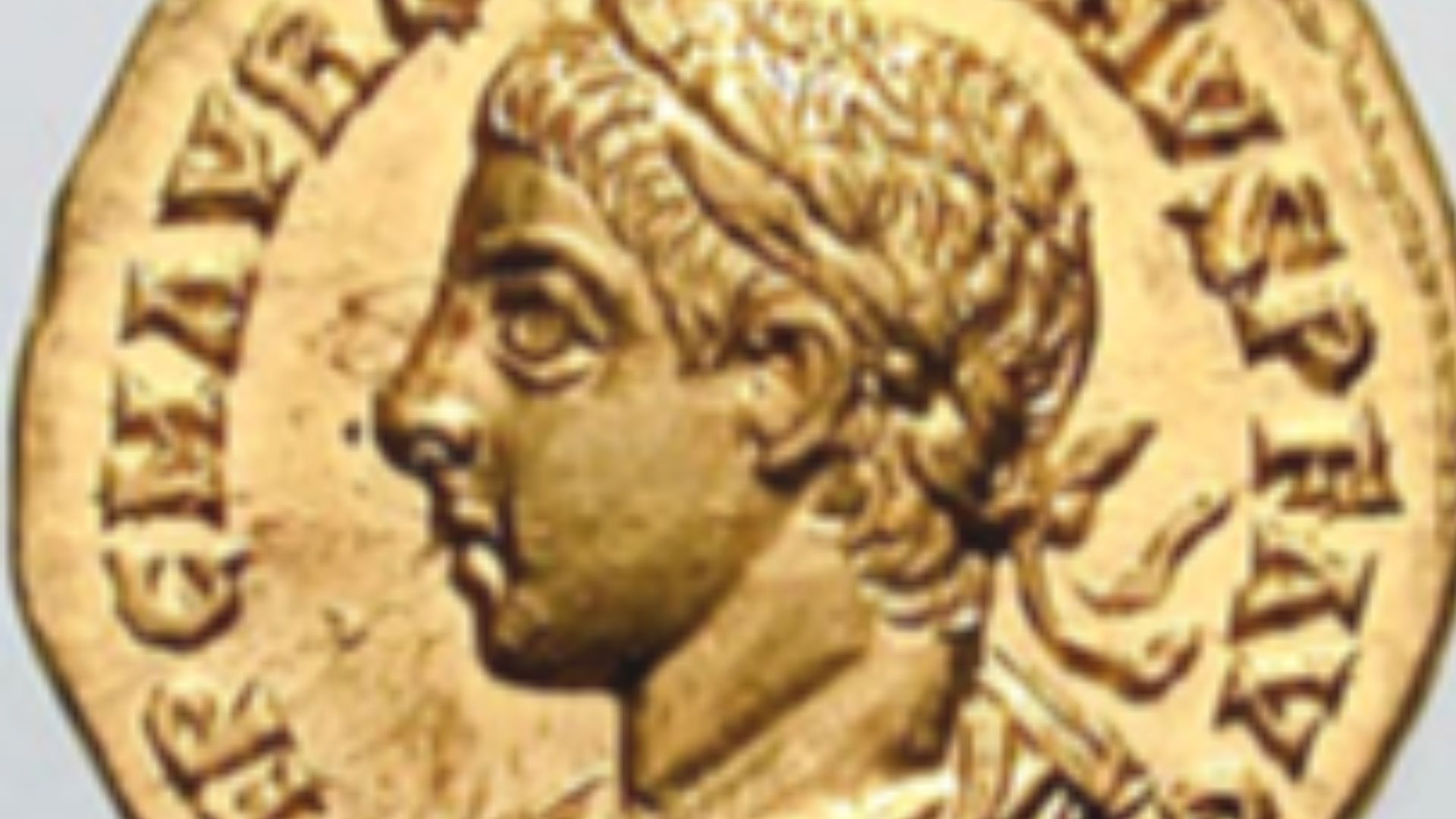 Original author: Classical Numismatic Group. on Wikimedia
6. Charles VI
Charles VI, king of France, was afflicted by periodic madness. He was paranoid and homicidal. He was convinced he was made of glass and would shatter if not handled carefully. He had episodes of wild conduct, violence, and refusal to care for his hygiene.
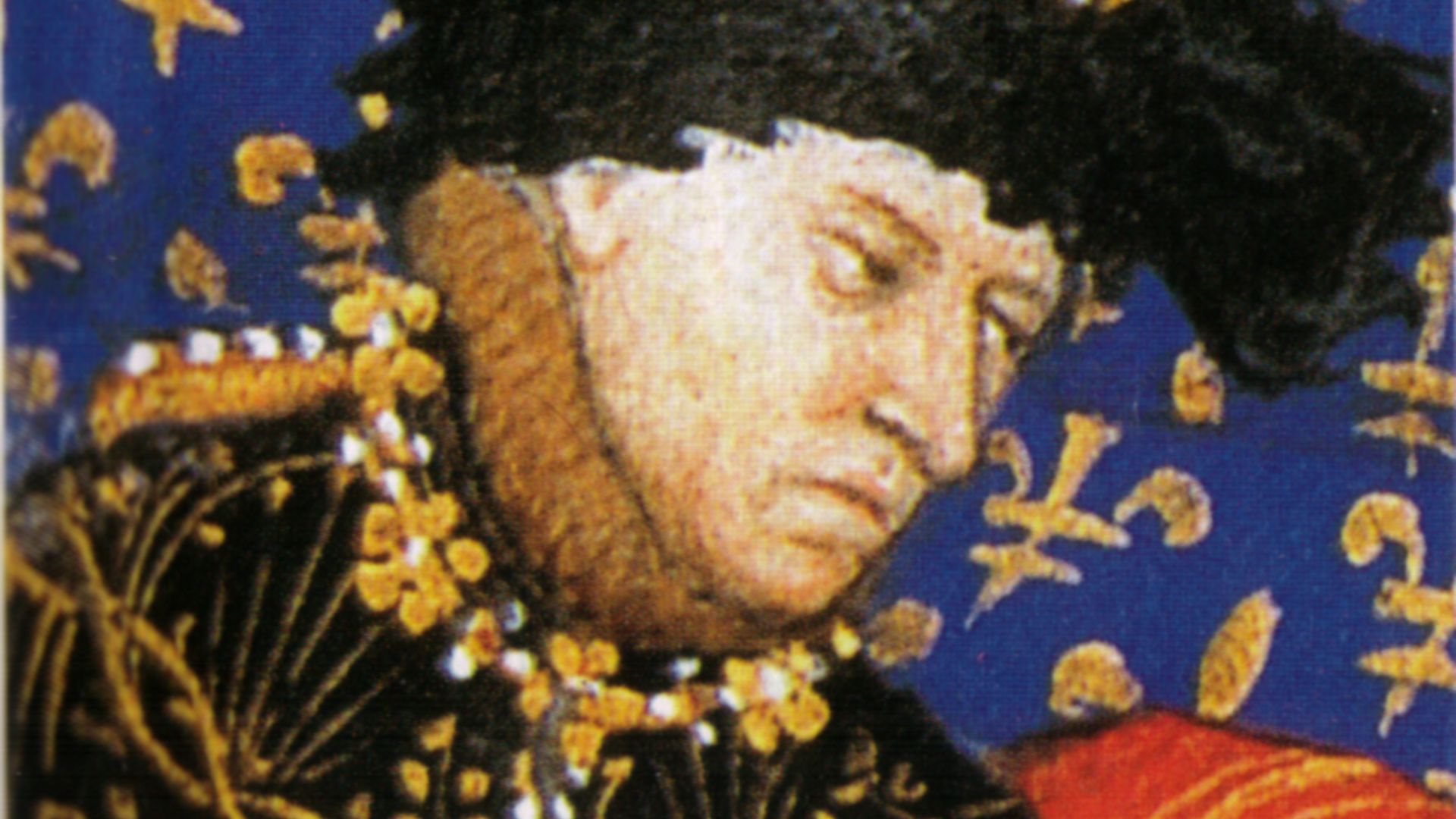 Attributed to Mazarine Master on Wikimedia
7. Justin II
Justin II of Byzantium was known for many very eccentric habits. He frequently had violent outbursts, often made animal noises, and even tried to bite courtiers. He constantly had to be restrained by his advisors and his wife, Empress Sophia. He had such violent outbursts that the people in his court thought he was possessed.
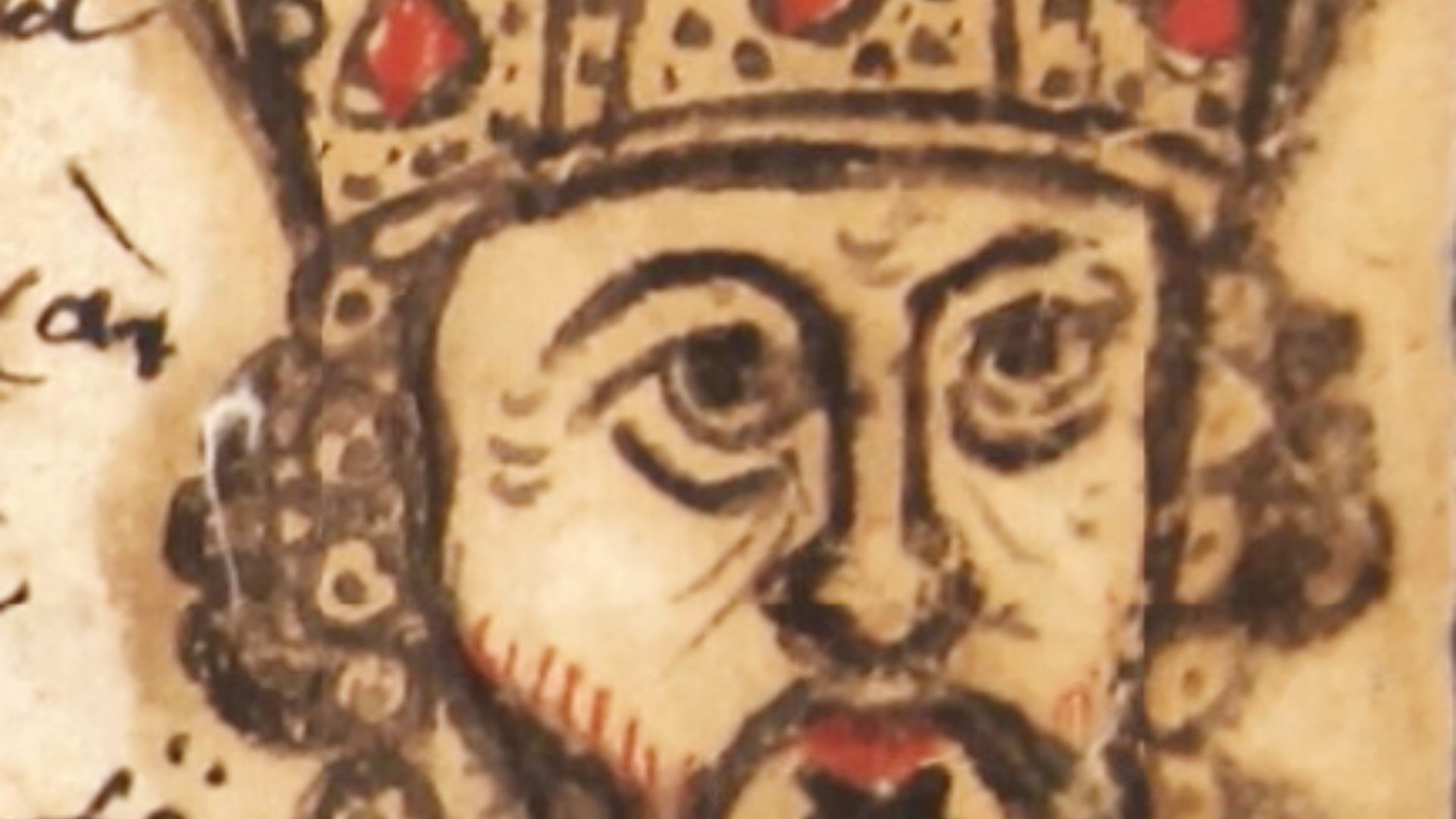 Unknown Byzantine scribes on Wikimedia
8. Princess Alexandra
Princess Alexandra of Bavaria thought she swallowed a glass grand piano as a child. The daughter of the Duke of Bavaria is said to have walked sideways through doorways and corridors to prevent it from breaking. Alexandra was a notable example of the so-called “Glass Delusion.”
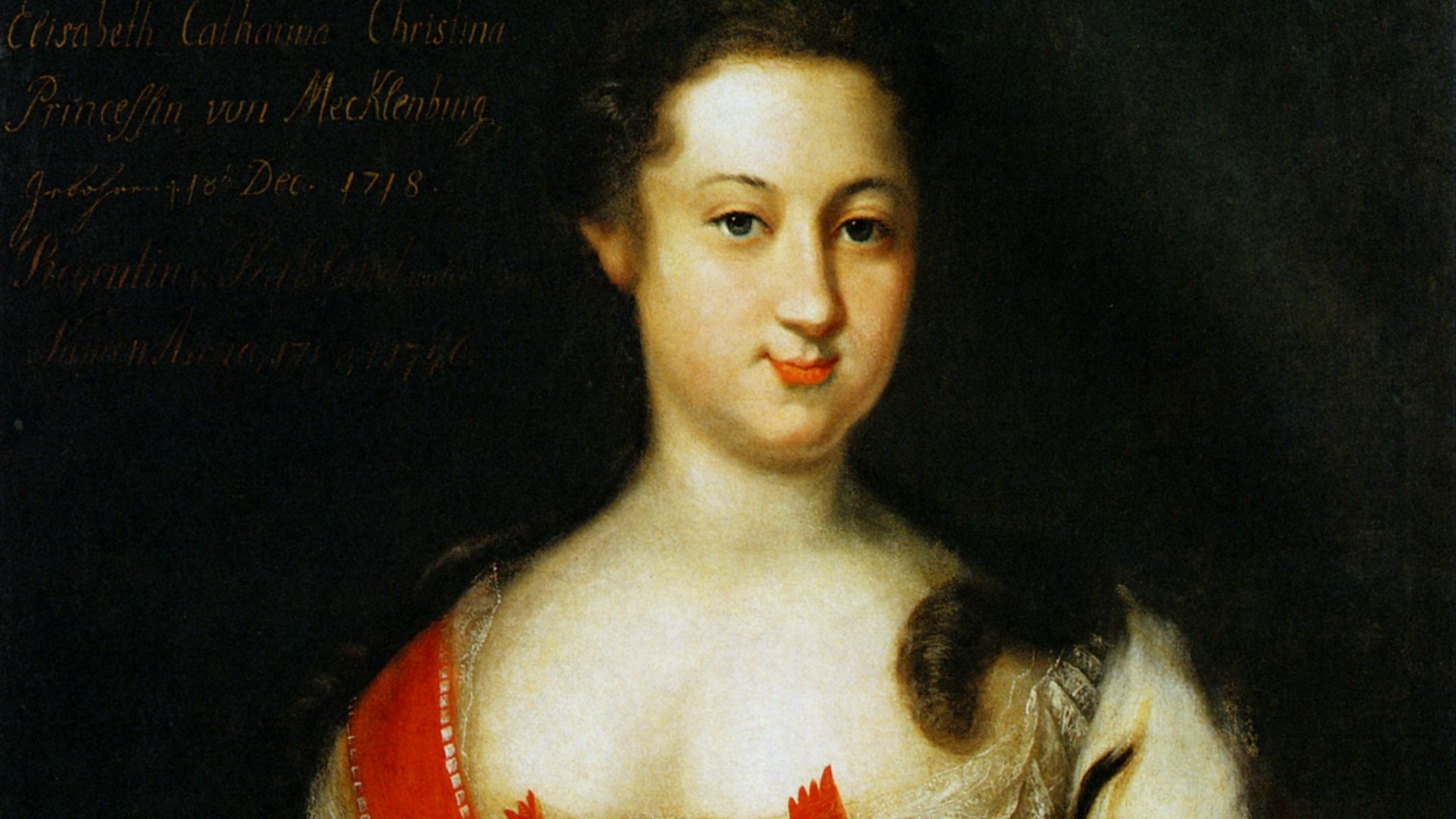 National Library of Russia on Unsplash
9. Ivan IV
Ivan IV of Russia was a tyrant in a very real sense. He devastated nobles, caused the passing of his own son, and beat and ravaged those he felt crossed him. His legacy of violence and terror is all too real.
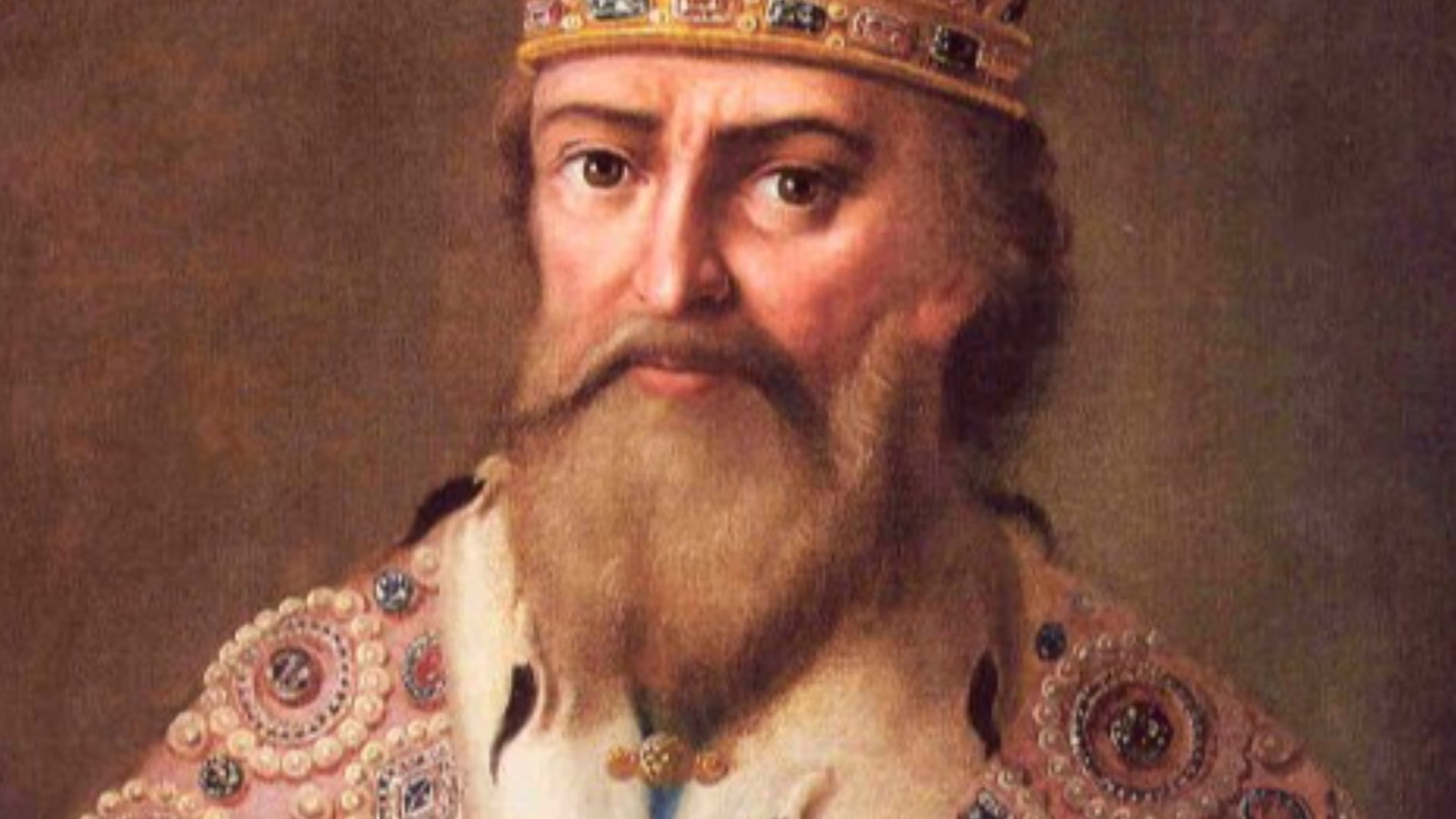 Anonymous Russian painter (1670s-1917) Public domain image (according to PD-RusEmpire) on Wikimedia
10. Sado
Prince Sado of Korea had a life full of delusions. In a pathetic attempt to satisfy his father, King Yongjo, Sado's sadism grew out of control. As his father continued to beat Sado into insanity, the young prince became more and more evil. Sado's father finally locked the prince in a chest in a sad royal tragedy.
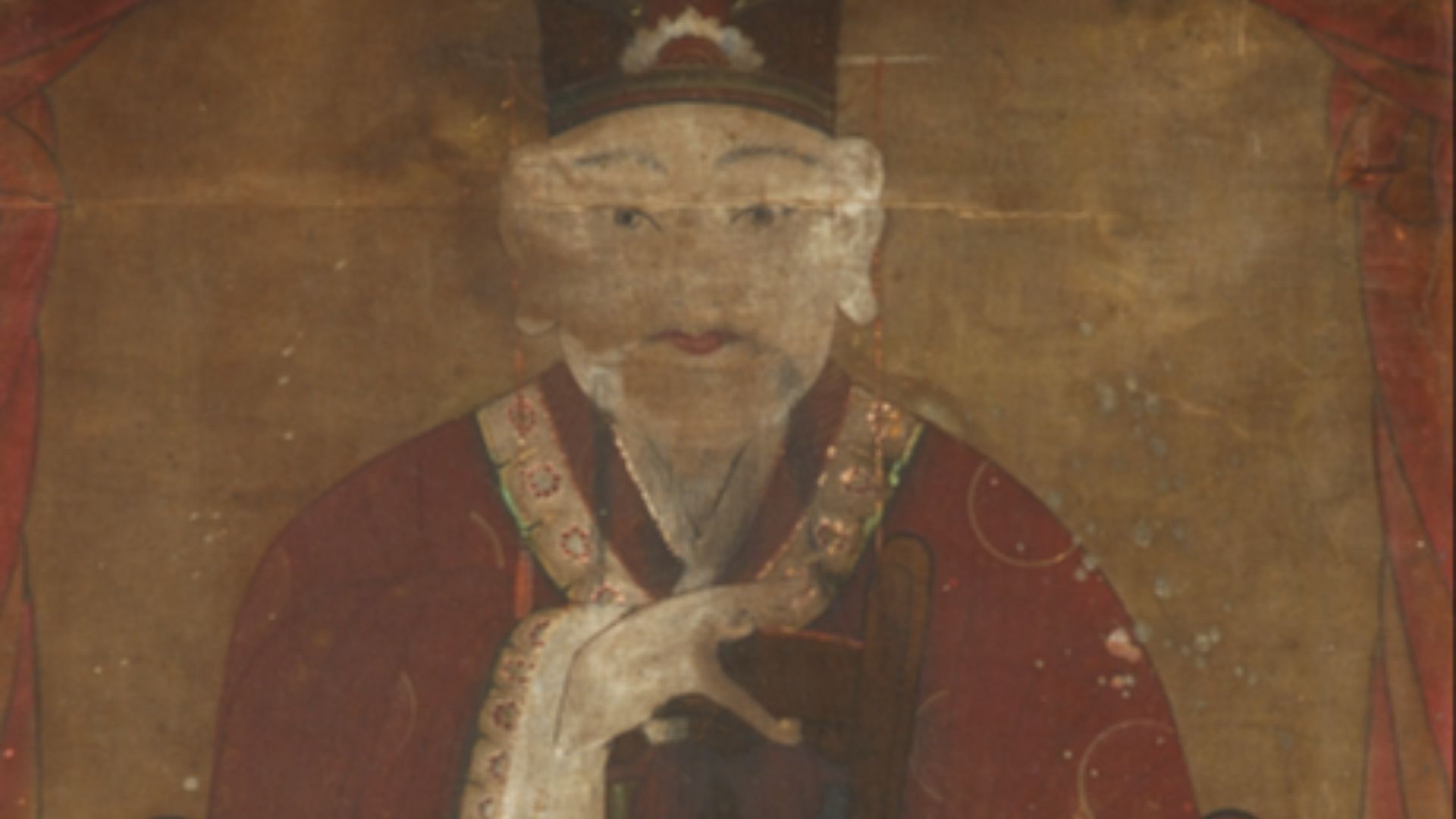 Unknown authorUnknown author on Wikimedia
KEEP ON READING