

10 Historical Figures Who Escaped Justice & 10 Who Were Punished Too Harshly
10 Historical Figures Who Escaped Justice & 10 Who Were Punished Too Harshly
Sometimes, History Is Unfair
History isn't exactly famous for handing out fair outcomes. Some people caused enormous damage and still managed to die peacefully, hold onto power, or avoid anything close to meaningful accountability, while others were punished with such brutality that even their real mistakes don't fully explain what happened to them. If you look closely, the historical record is full of moments where justice either failed to show up at all or arrived in a form so extreme it became its own kind of wrong. Here are 10 people who escaped justice and 10 who were punished far too harshly.
1. Leopold II
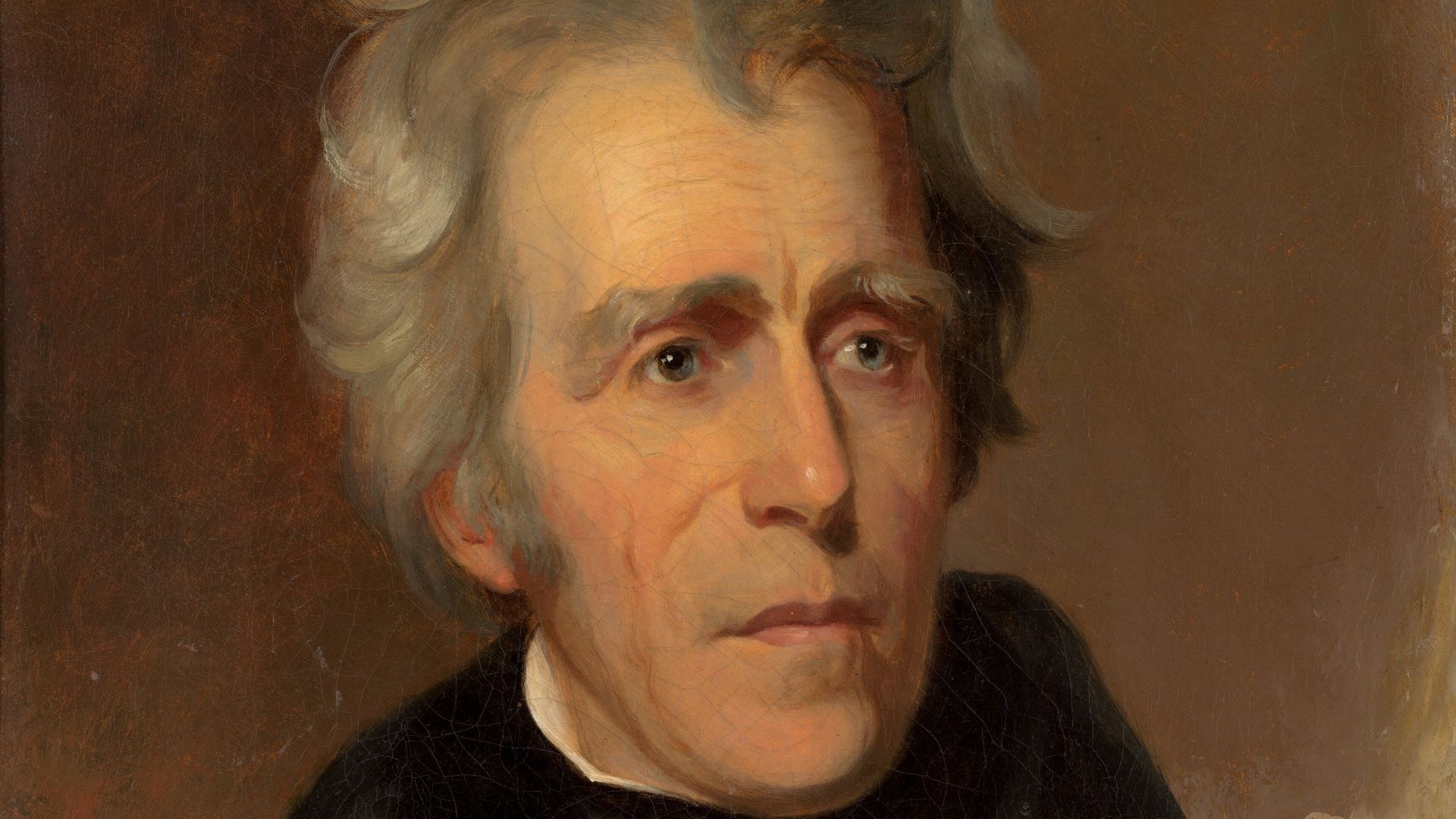
Leopold II oversaw a horrifying regime in the Congo Free State, where exploitation, forced labor, and staggering cruelty produced immense suffering. Even though outrage eventually spread, he never faced anything close to a proper reckoning for the full scale of what happened under his rule. He died as a monarch, wealthy and protected by the structures that had long served him.
 London Stereoscopic and Photographic Company on Wikimedia
2. Joseph Stalin
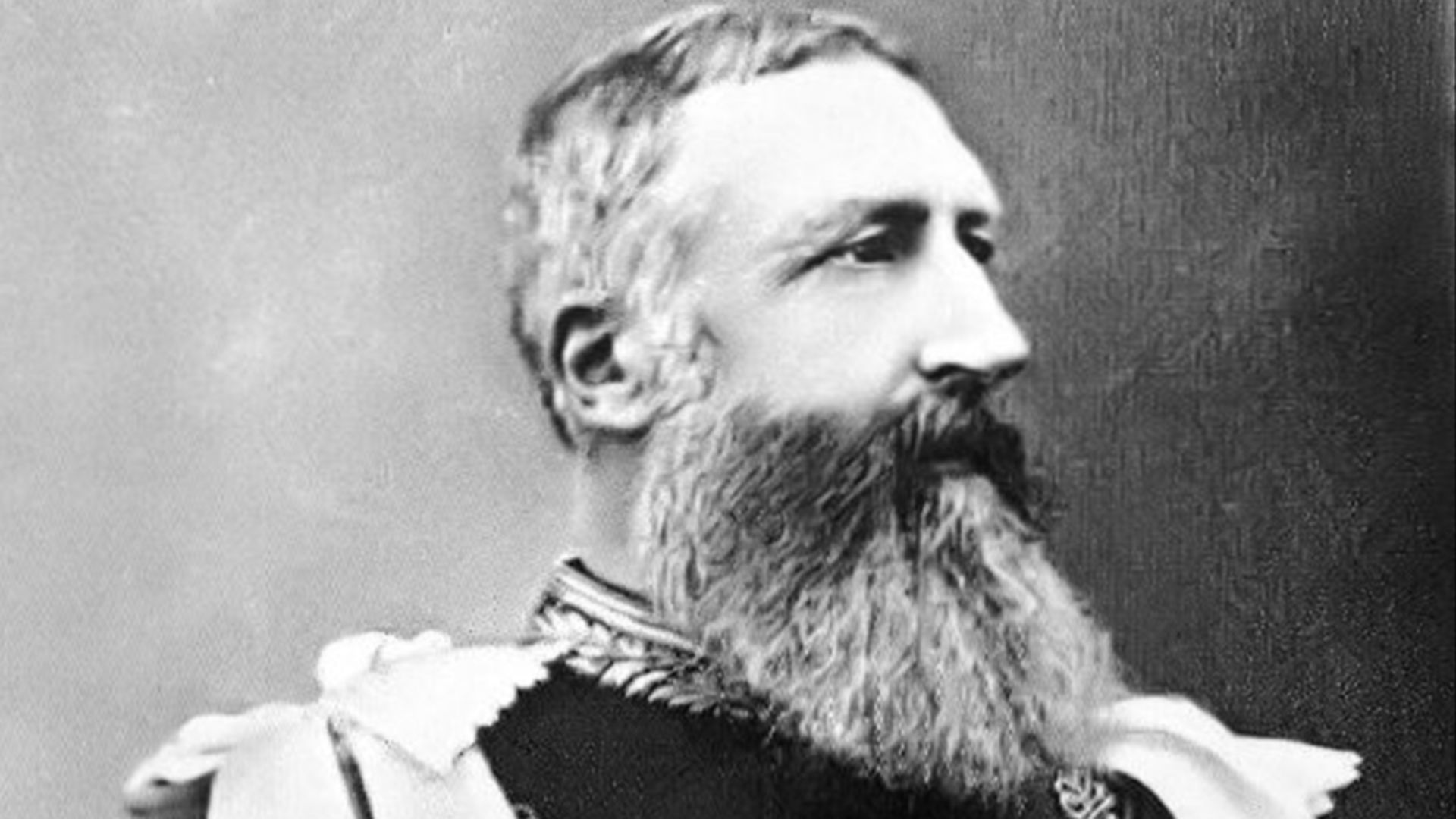
Stalin presided over purges, famine, and forced labor systems responsible for a staggering 20 to 60 million deaths, yet he remained in power until the end of his life. There was no courtroom moment, no final public accounting, and certainly no punishment proportionate to the suffering caused by his rule. Instead, he died in office after decades of state violence and repression.
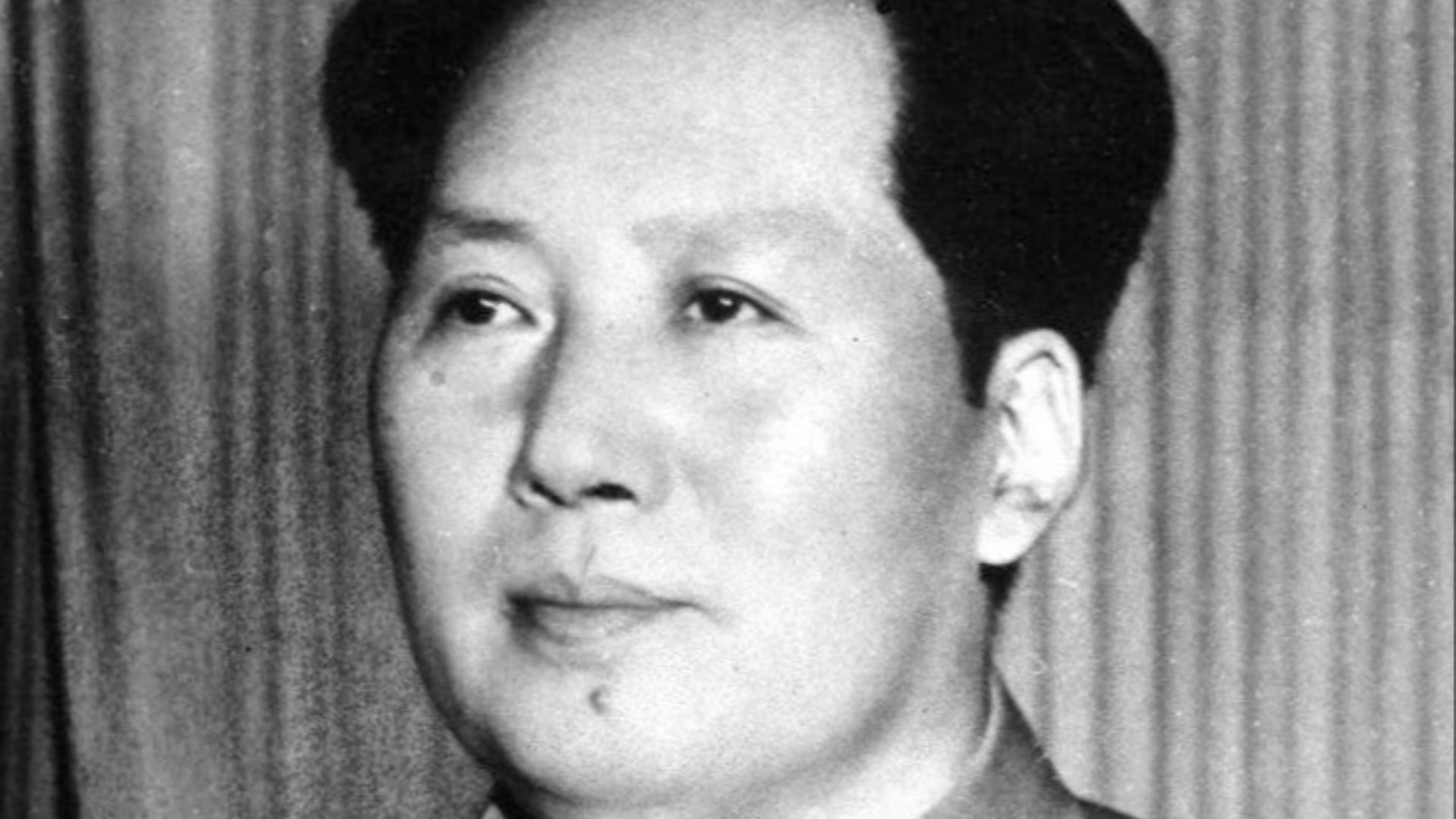
3. Mao Zedong
No single person in history is responsible for more deaths than Mao Zedong. His policies helped produce disasters on an enormous scale, especially during the Great Leap Forward and the Cultural Revolution. Millions suffered, and yet he never faced anything resembling legal judgment for the devastation tied to his leadership. He remained the central figure of the Chinese state and died with his authority largely intact.
 Chen Zhengqing (1917–1966) on Wikimedia
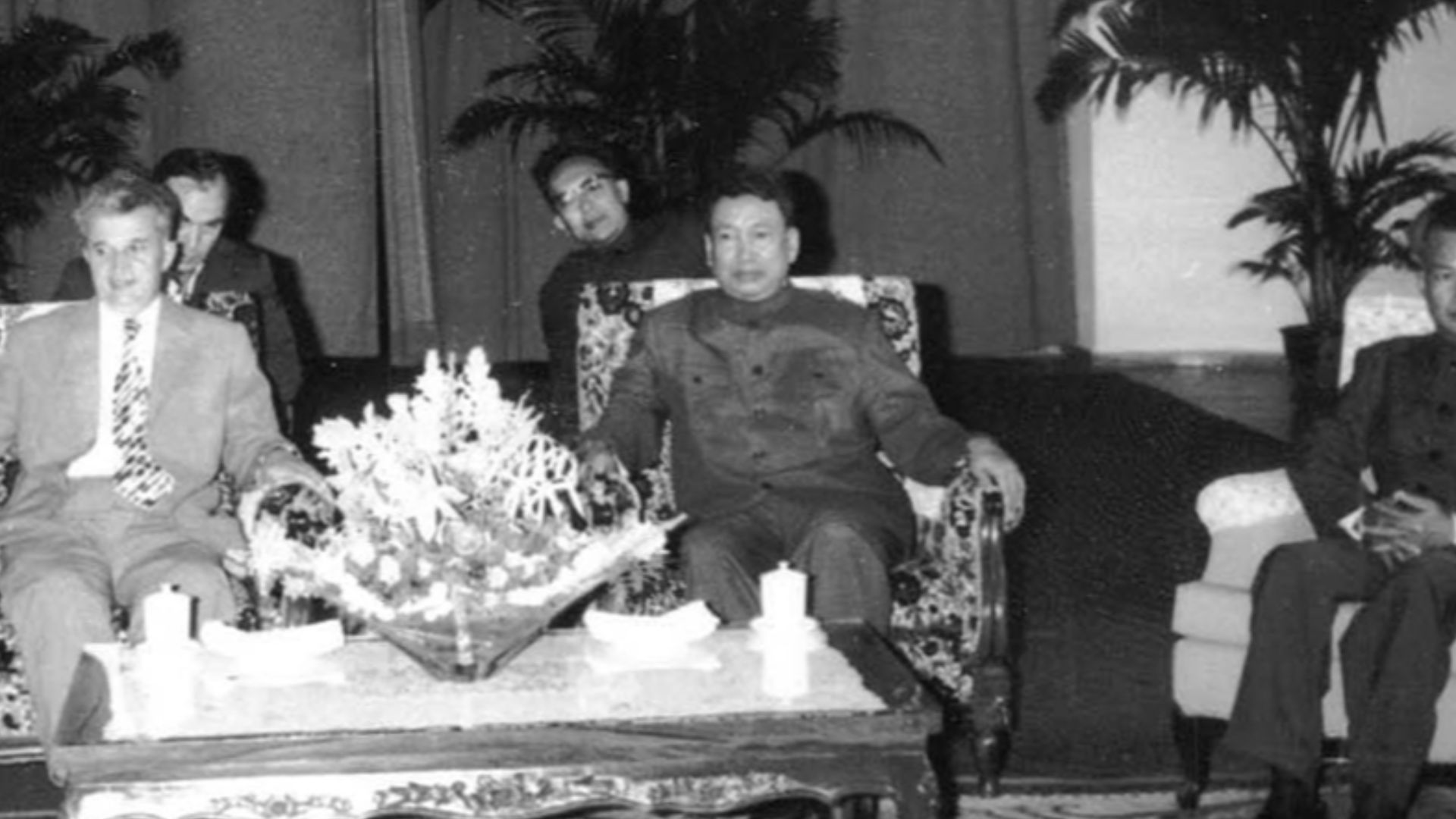
4. Pol Pot
Pol Pot led the Khmer Rouge through one of the most terrifying periods of the twentieth century, leaving Cambodia devastated by mass death and brutality. Yet he managed to avoid a full international trial and died before formal justice could truly catch up with him.
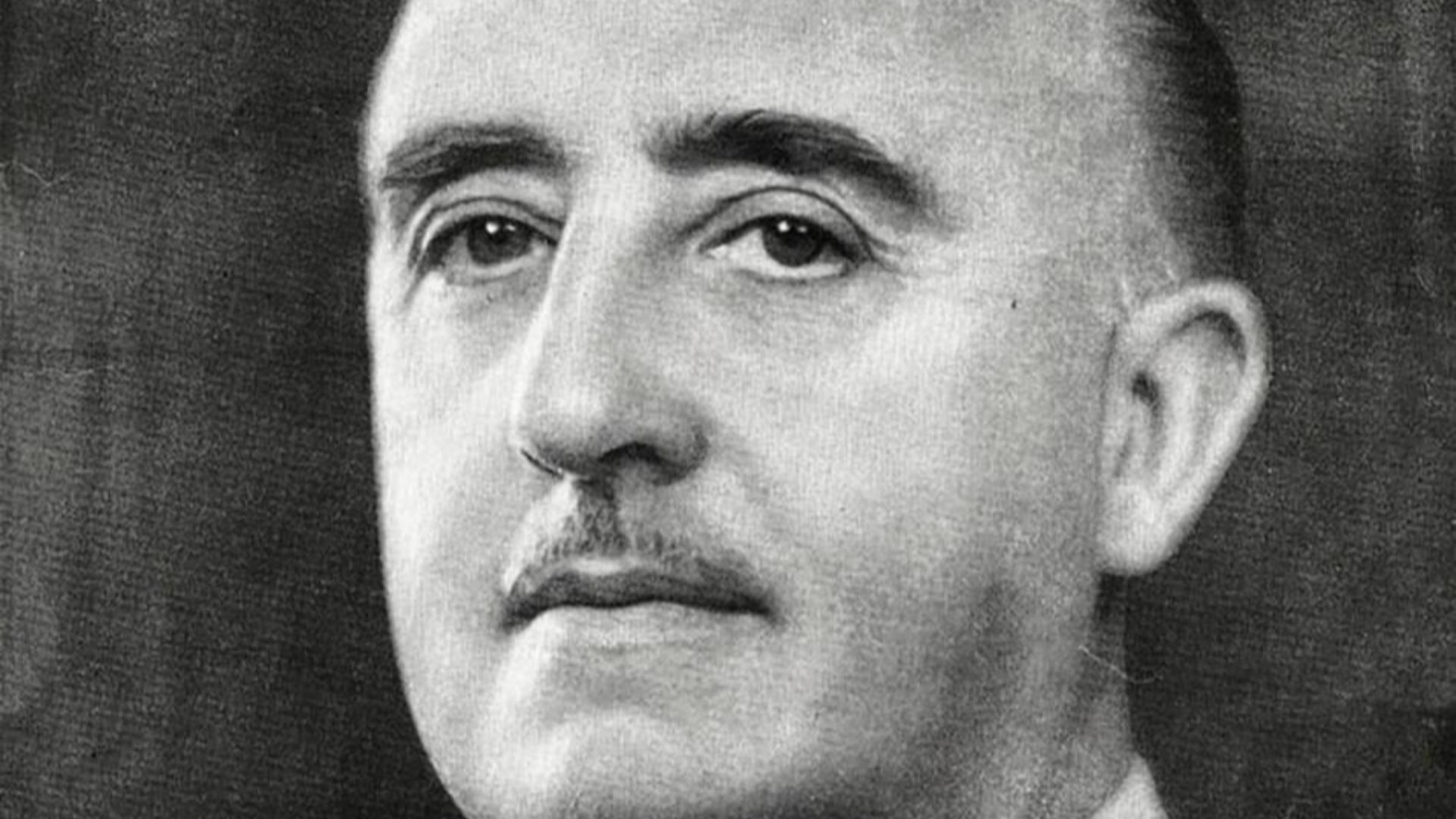
5. Francisco Franco
Added to the list of powerful dictators who got off scot-free, Franco ruled Spain for decades after a bloody civil war and a long era of repression. Even though his regime punished countless opponents, he himself was never removed and brought to justice for the political violence associated with his rule. He died in bed from old age with his power intact.
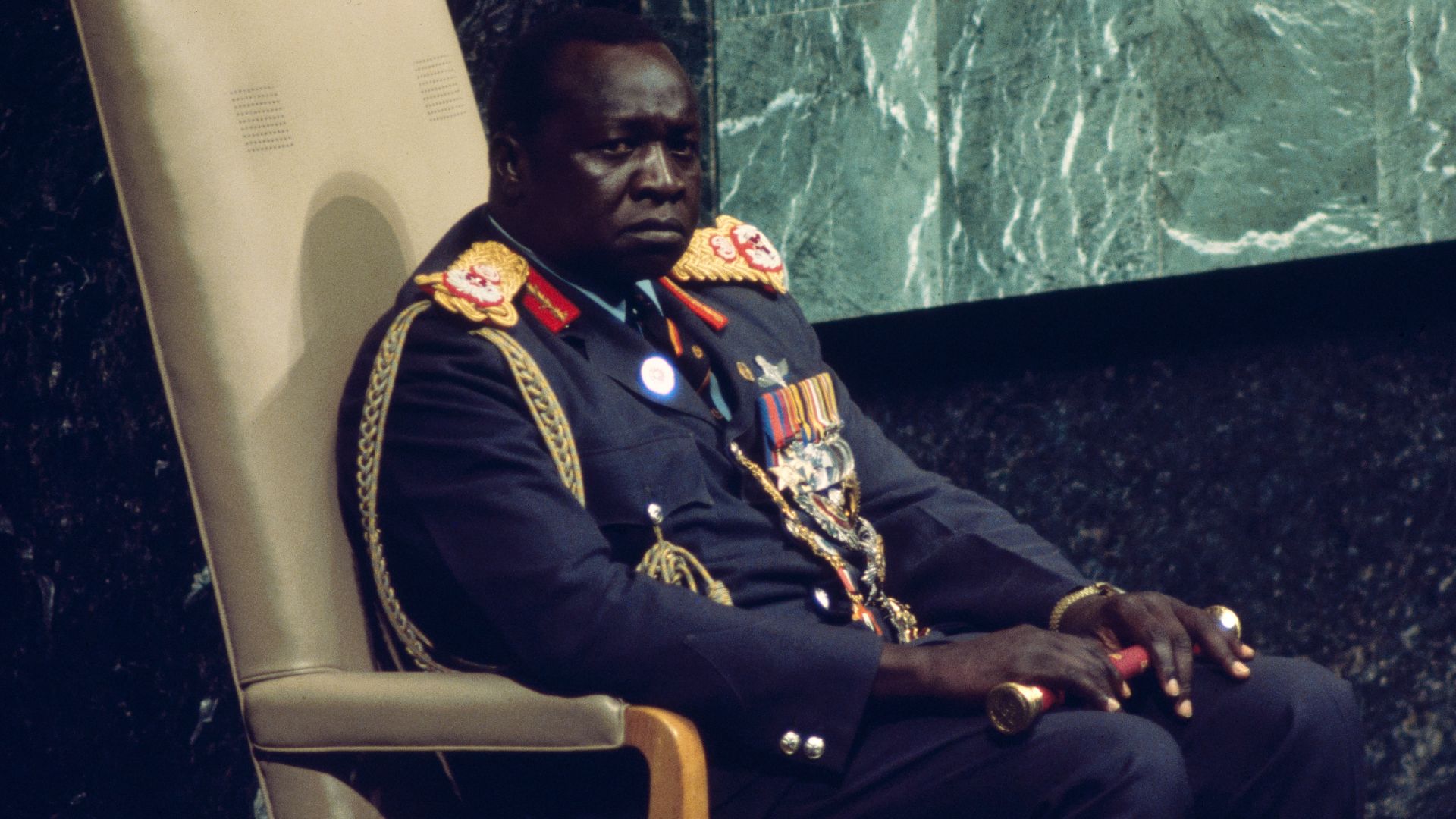
6. Idi Amin
Idi Amin's rule in Uganda became infamous for killings, terror, and state brutality, yet he ultimately fled rather than standing trial in any meaningful way. After leaving power, he lived in exile instead of being formally judged for the crimes associated with his regime.
7. Alois Brunner
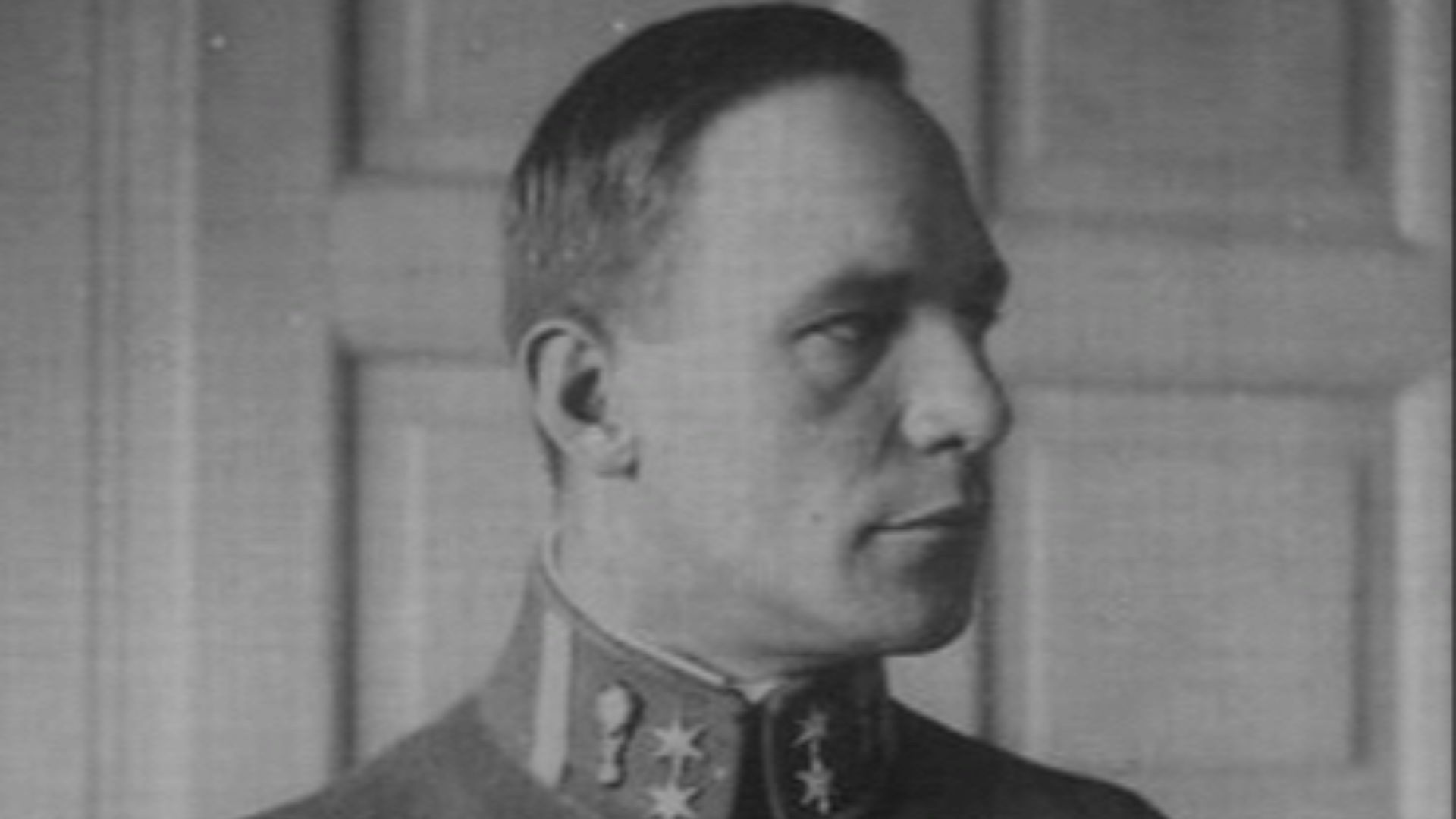
Alois Brunner was one of the most wanted Nazi war criminals, yet he managed to avoid a real trial by fleeing to Syria, shielded by the Ba'athist regime. As a close associate of Adolf Eichmann, he played a major role in the deportation of over 100,000 Jews to ghettos and death camps, which makes his long evasion especially chilling.
8. Andrew Jackson
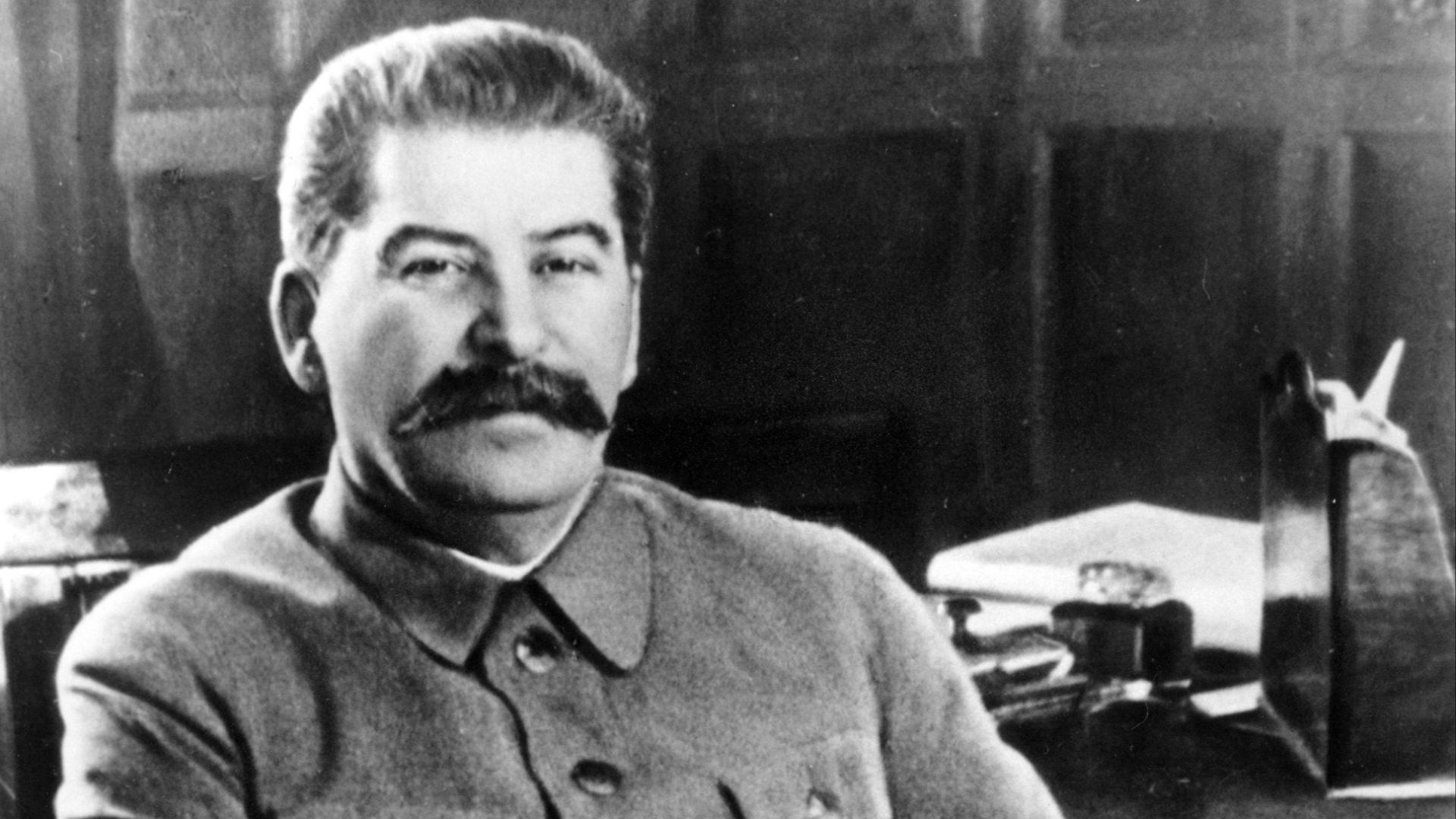
Andrew Jackson remains a celebrated American political figure in many corners, his face still adorning the $20 bill, even though his policies toward Native peoples caused profound suffering and displacement. The Indian Removal Act and its consequences were catastrophic, yet Jackson faced no punishment and instead retained a powerful place not only in his own lifetime but in national memory. He left office as an established statesman rather than a disgraced architect of misery.
 Design from the United States Treasury Department on Wikimedia
9. Jefferson Davis
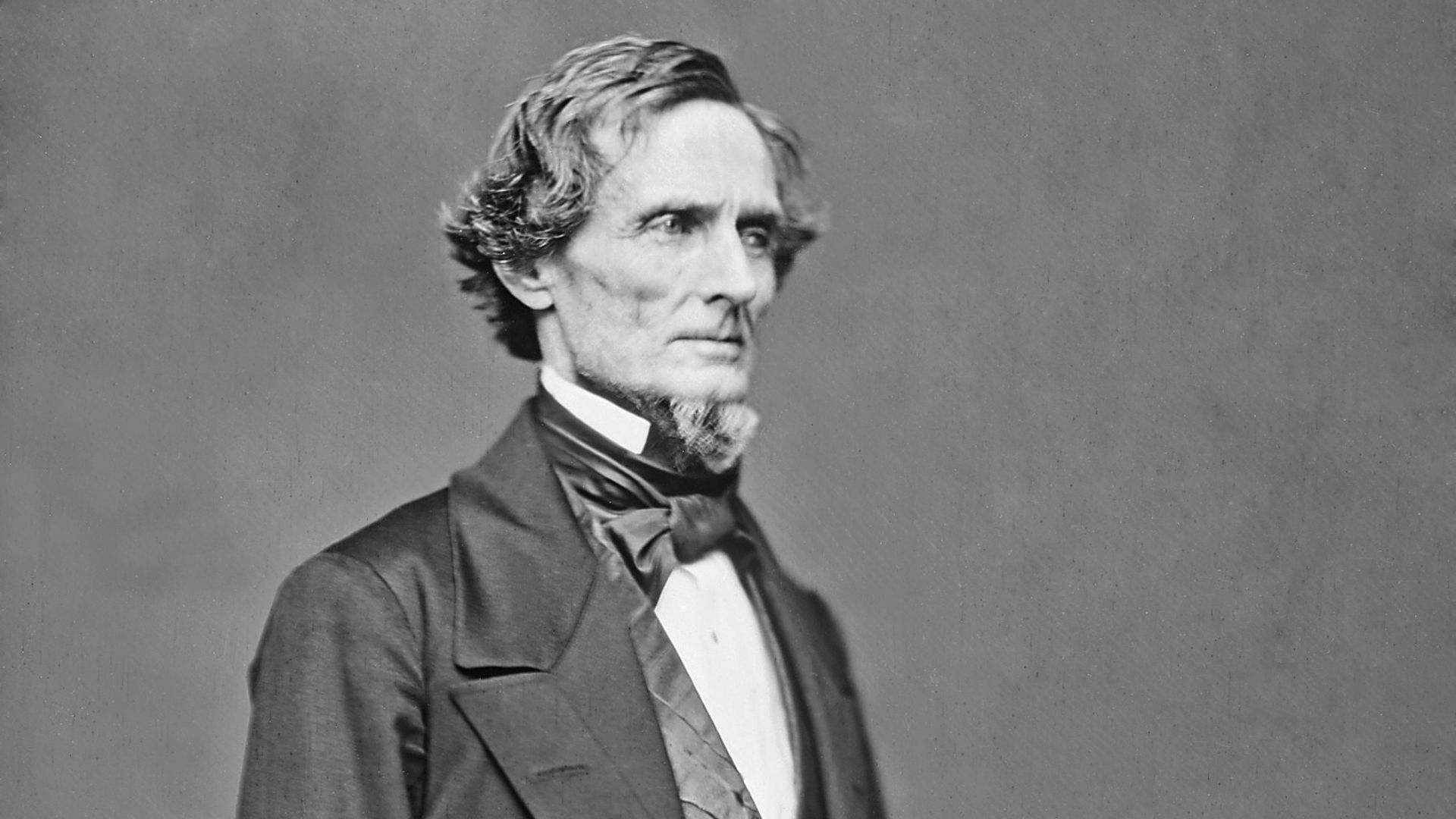
Jefferson Davis led the Confederacy in defense of a slaveholding order and rebellion against the United States, yet he was never tried for treason. He was imprisoned for a time, but the government ultimately chose not to prosecute him in court. That left him free to shape his legacy and live out the rest of his life without a definitive legal judgment.
 Mathew Benjamin Brady on Wikimedia
10. Henry Kissinger
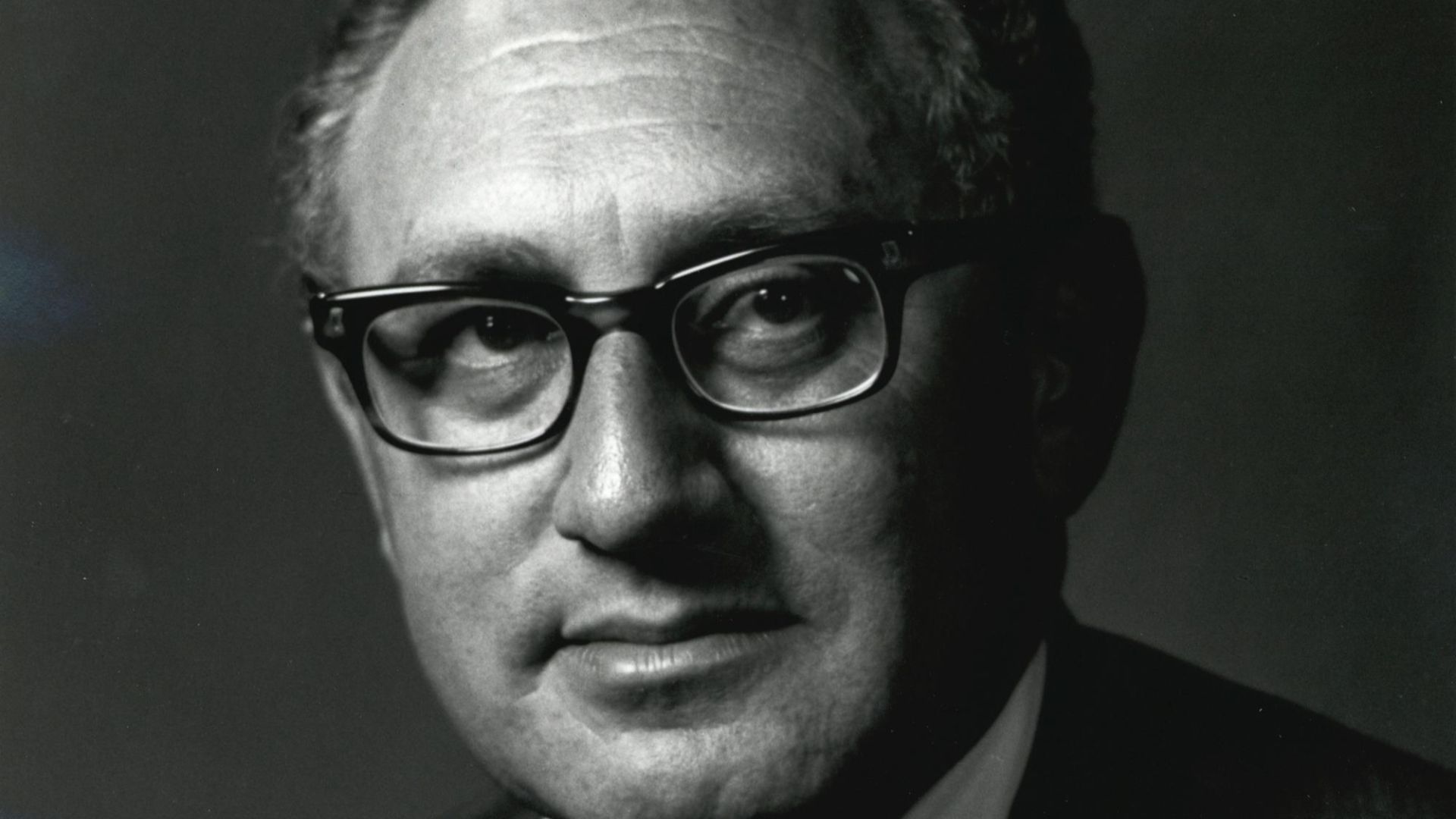
Henry Kissinger remains one of the most debated examples of a powerful modern figure accused of grave wrongdoing without ever facing formal legal consequences. Critics point to bombing campaigns, covert actions, and foreign policy decisions with devastating human costs, while he continued to enjoy establishment respect for decades. Whatever view you take of his overall career, he was never forced into a courtroom to answer for those choices.
 United States Department of State on Wikimedia
Now that we've covered the figures in history who never got what they deserved, let's talk about the ones who were too harshly or unfairly punished.
1. Anne Boleyn
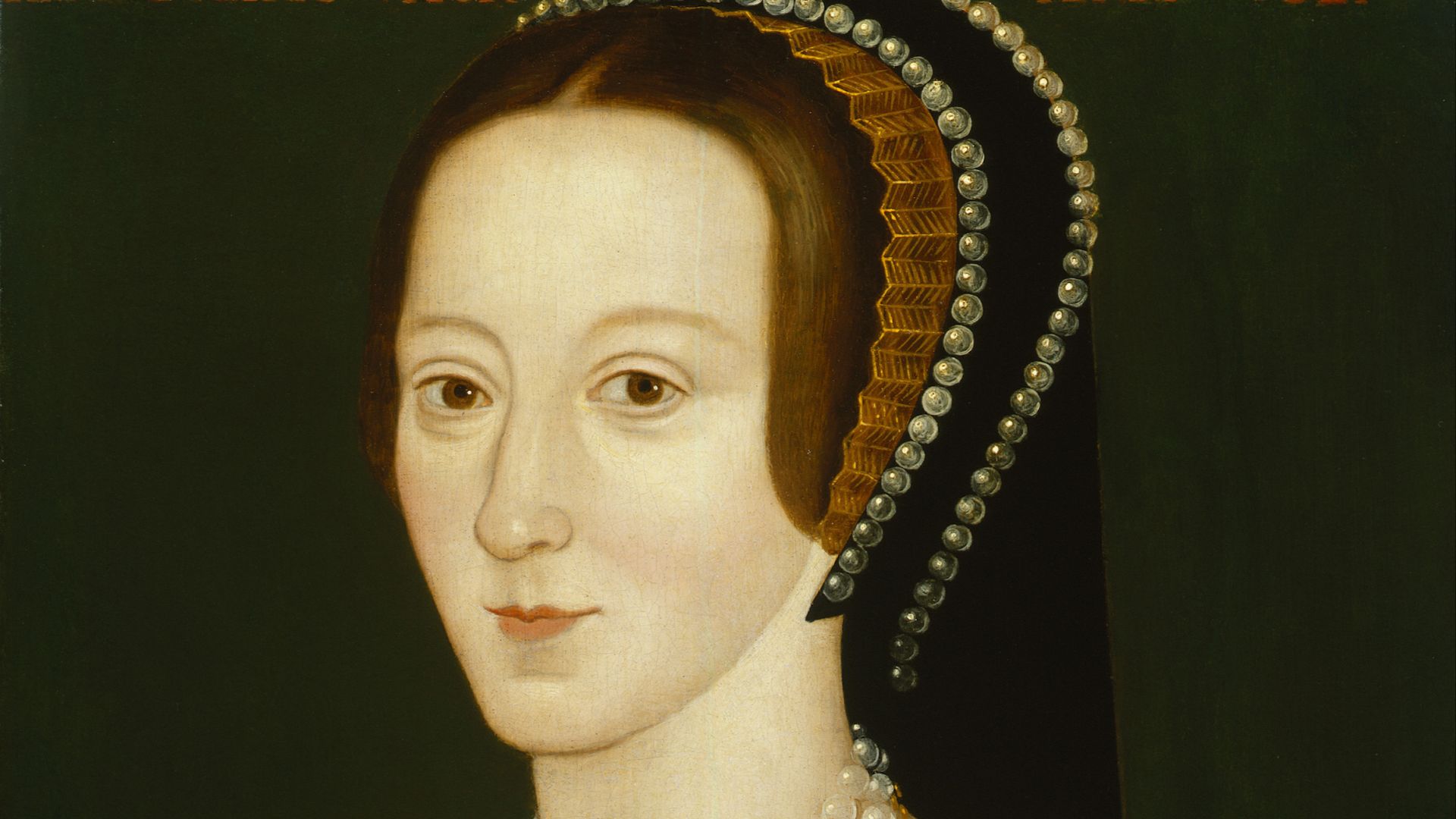
Anne Boleyn fell from the center of Tudor power to the scaffold with astonishing speed. The charges against her included adultery, incest, and treason, and historians have long questioned the credibility of the case built to destroy her. Even in a brutal political culture, execution was an extreme end for a queen whose real crime may have been becoming inconvenient.
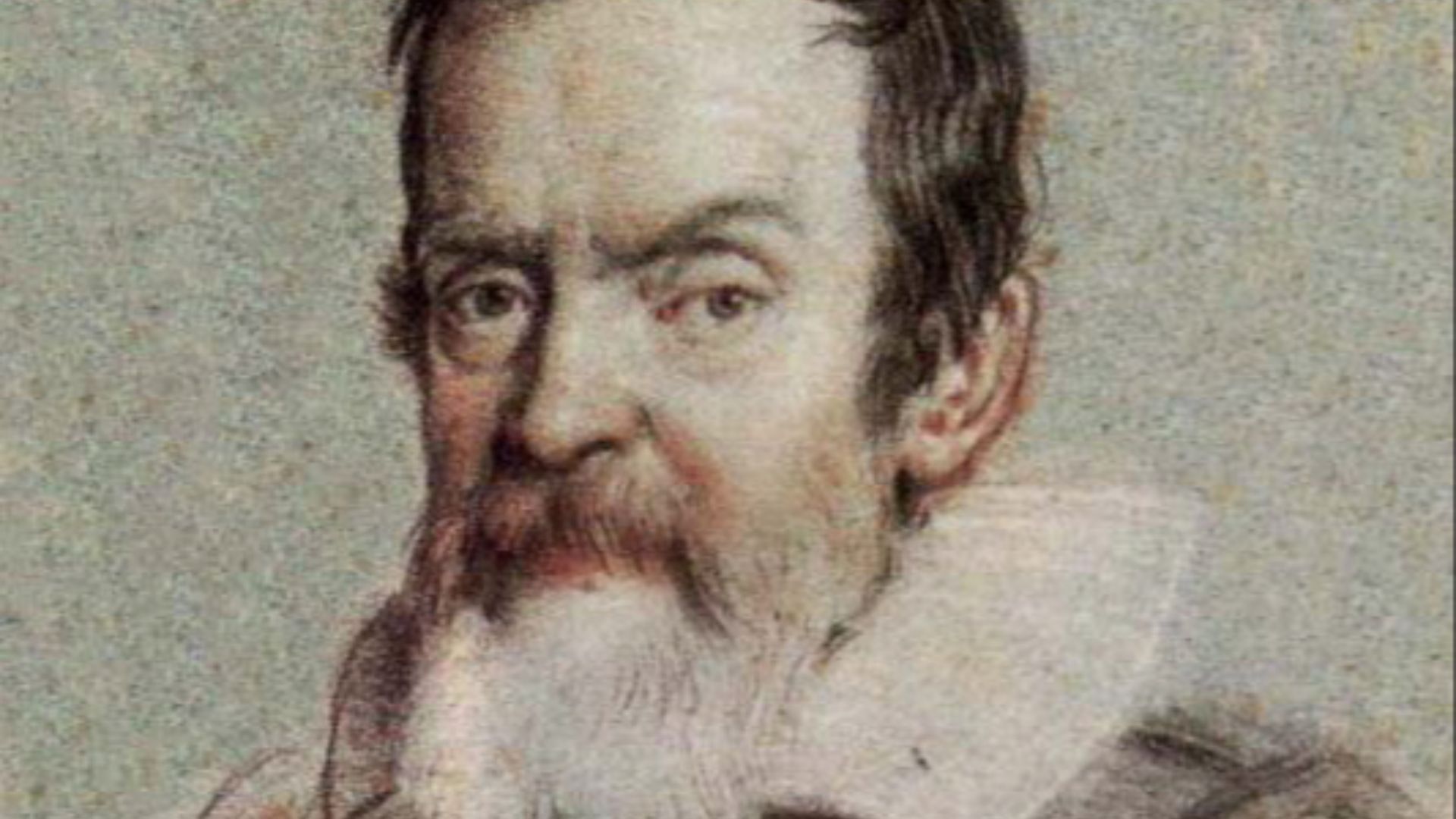
2. Galileo Galilei
Galileo challenged accepted authority with scientific observations, and the Church responded by forcing him into trial and house arrest. He wasn't executed, but the punishment still feels heavy-handed given that he was advancing ideas now seen as foundational to modern science.
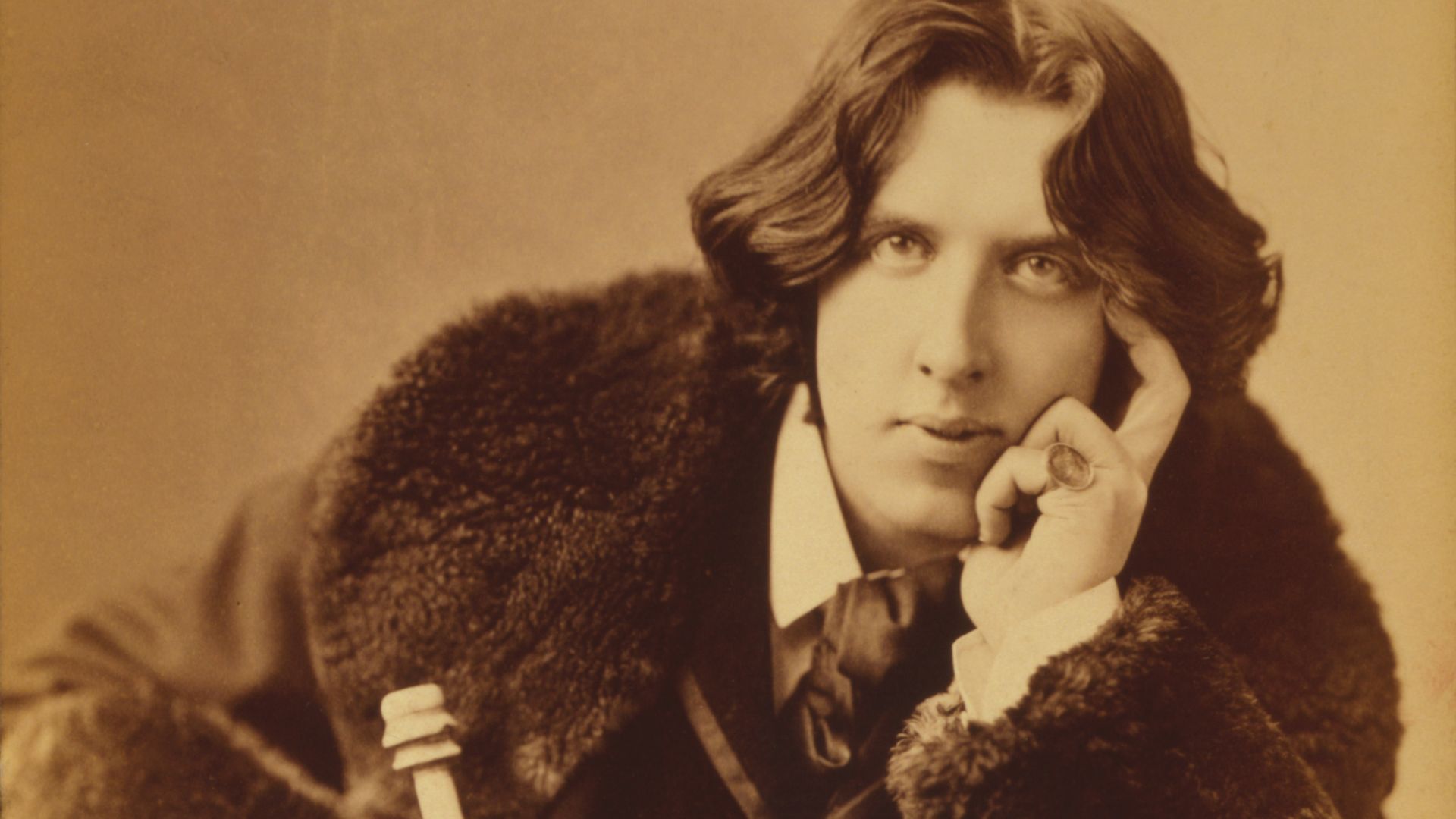
3. Oscar Wilde
Oscar Wilde's trial and imprisonment for "gross indecency" destroyed his health, career, and social standing. Whatever the moral codes of the time claimed, the severity of the punishment, which was simply for his sexual orientation, now looks horrendously cruel and invasive. He wasn't merely reprimanded or socially shunned, but locked away in a manner that crushed the rest of his life.
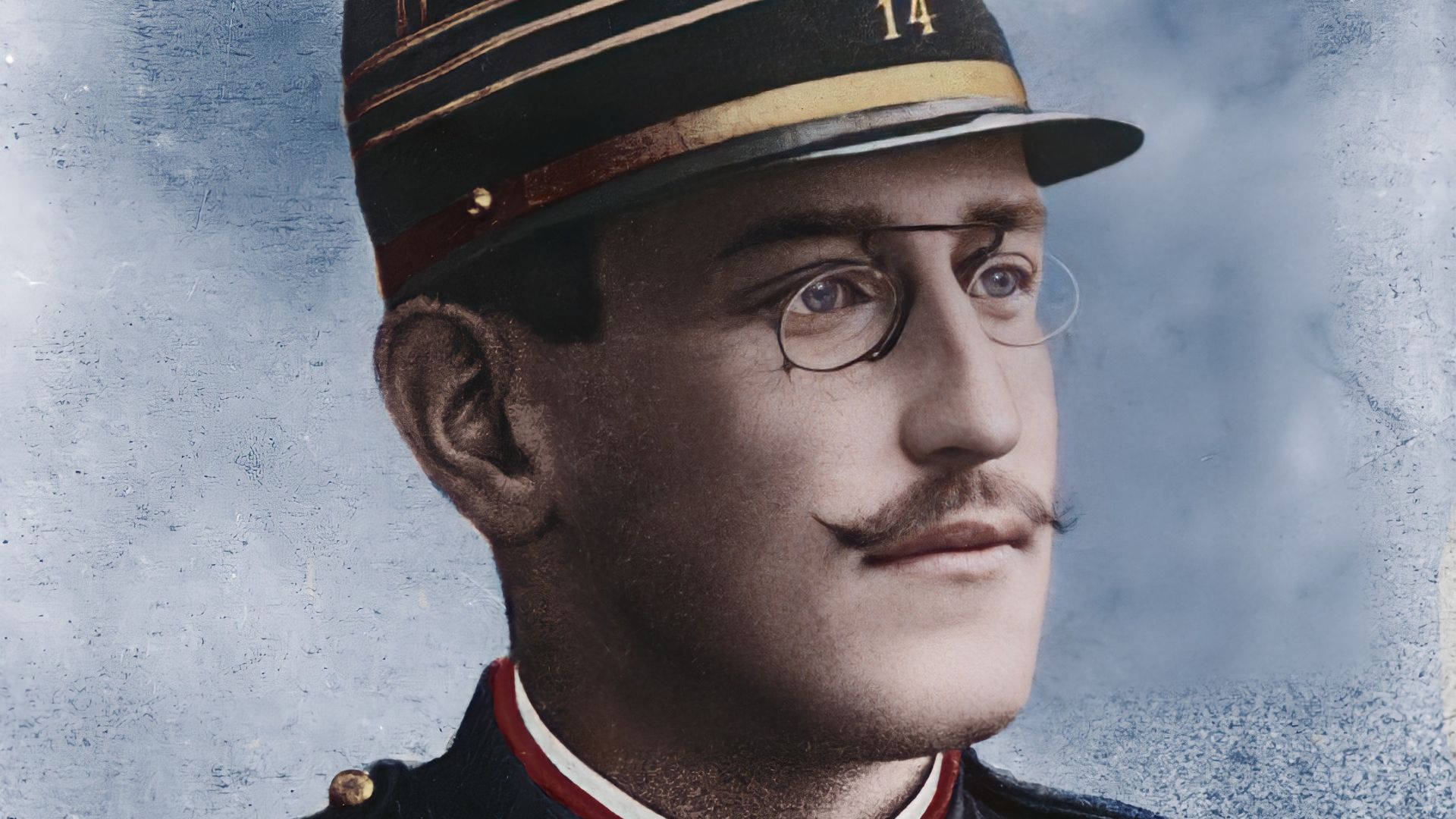
4. Alfred Dreyfus
French Jewish army officer, Alfred Dreyfus, was falsely convicted of treason in a scandal driven by antisemitism, bad evidence, and institutional corruption. He was publicly humiliated and sent to a penal colony on Devil's Island, which is already an absurdly severe punishment even before you factor in his innocence. The whole affair became a lasting example of how prejudice can warp a legal system beyond recognition.
5. Joan of Arc
Joan of Arc was tried for heresy and burned at the stake after playing a remarkable political and military role in France's history. Her enemies had every incentive to destroy not just her body but her symbolic power, and the punishment reflected that ruthlessness. Execution by burning was horrific even by the standards of a violent era. It's hard to read the end of her story without seeing how thoroughly fear and politics shaped the verdict.
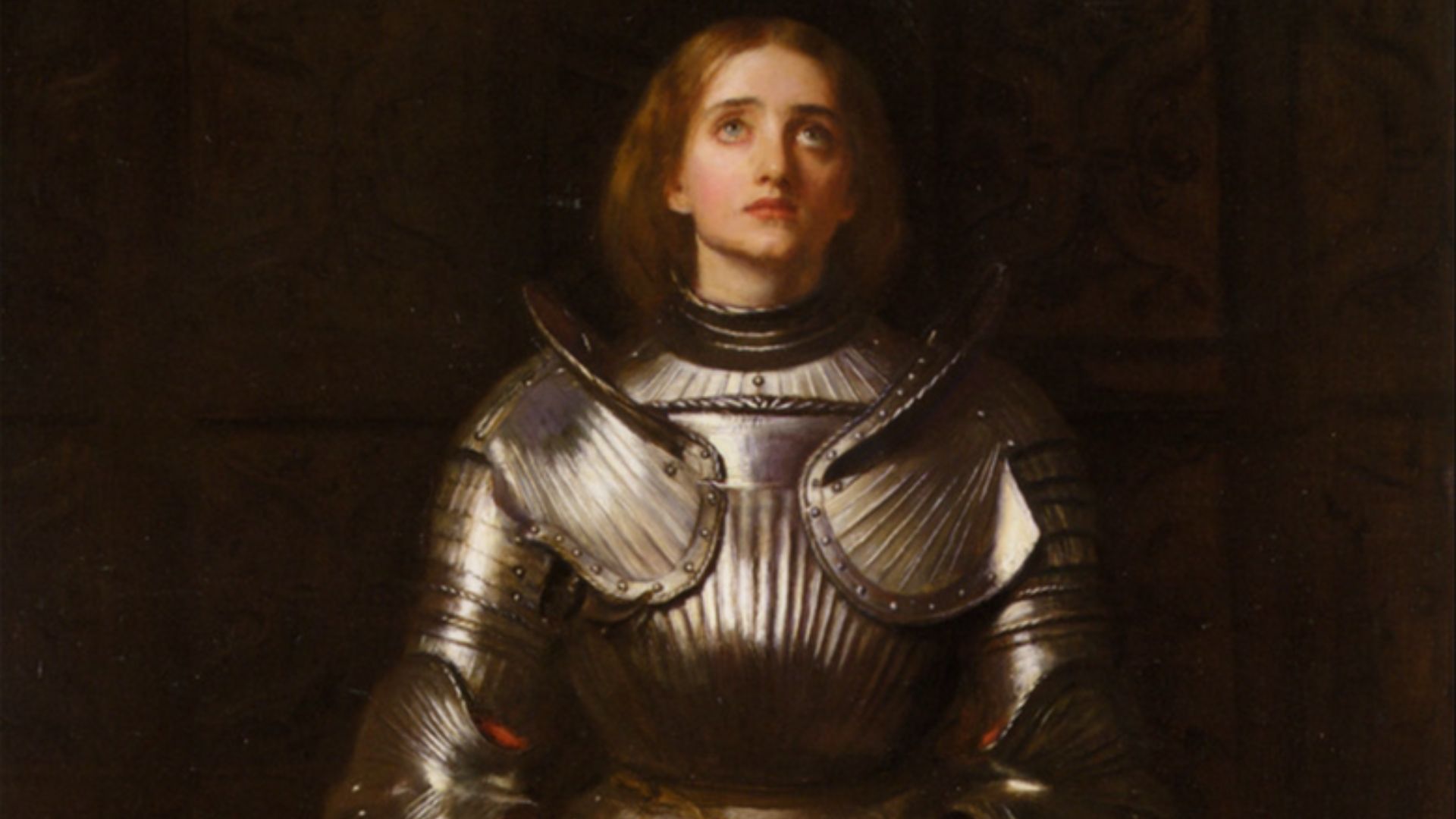 John Everett Millais on Wikimedia
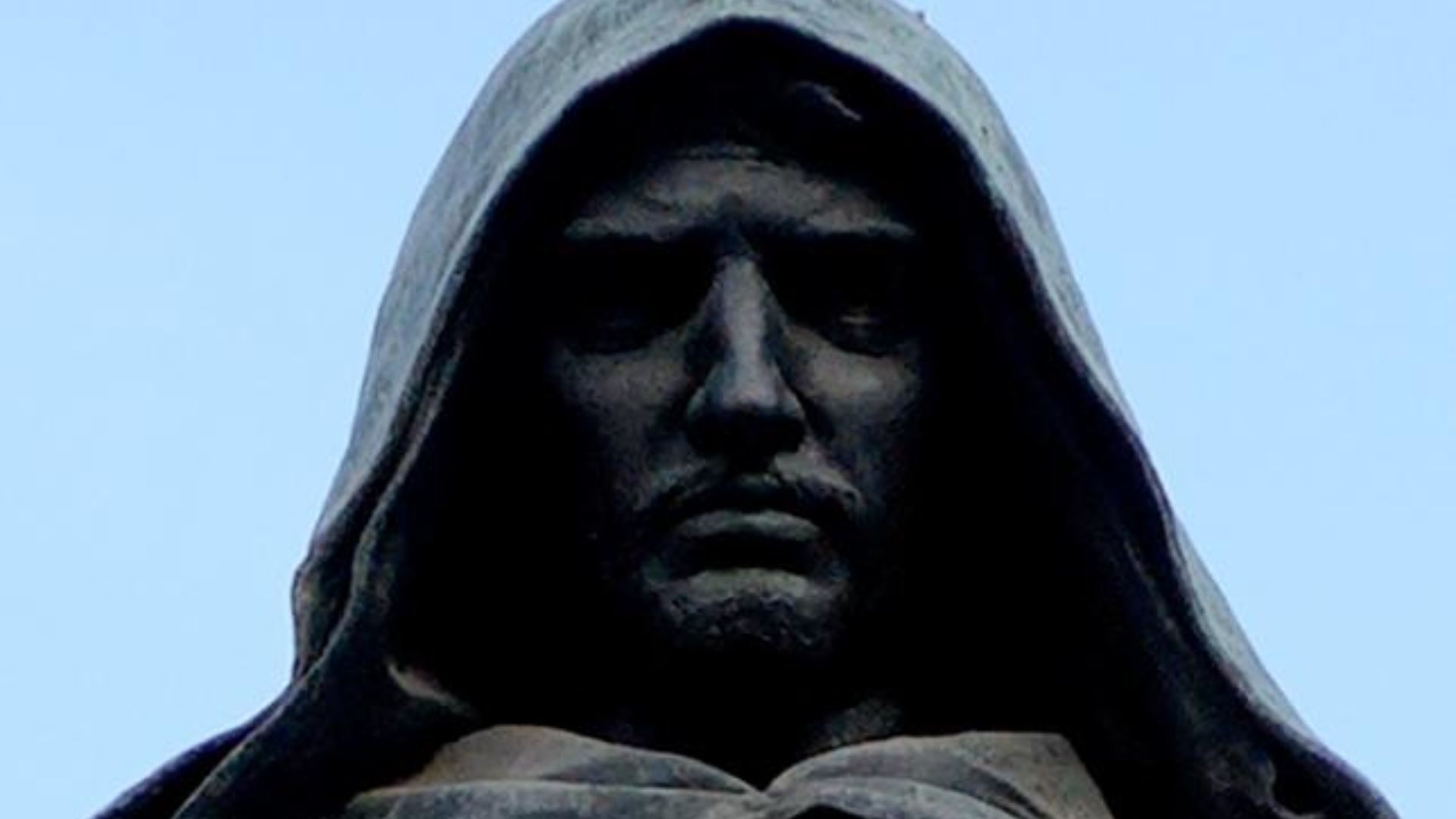
6. Giordano Bruno
Giordano Bruno's ideas, which contradicted Christian dogma, made him deeply controversial, but being burned alive for them still lands as an extraordinary level of punishment. His fate showed how dangerous it could be to challenge religious orthodoxy too directly in the wrong century.
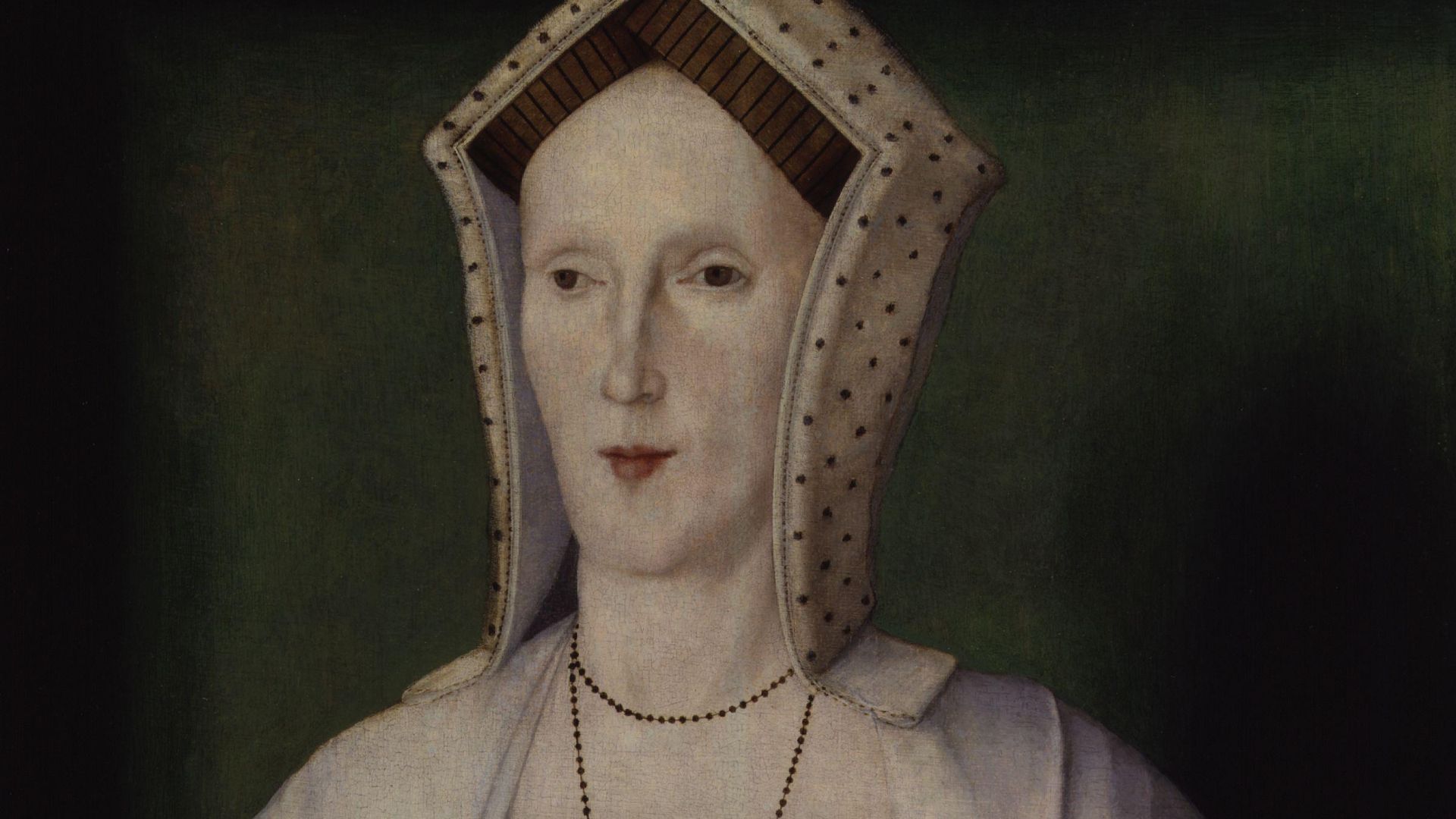
7. Margaret Pole
Margaret Pole was an elderly noblewoman caught in the paranoia and bloodiness of Henry VIII's reign. She was executed in a case that many historians see as politically driven and wildly disproportionate, especially given her age and the shakiness surrounding the accusations. The image of a woman in her late sixties facing that kind of end merely because she stayed loyal to Rome is grim.
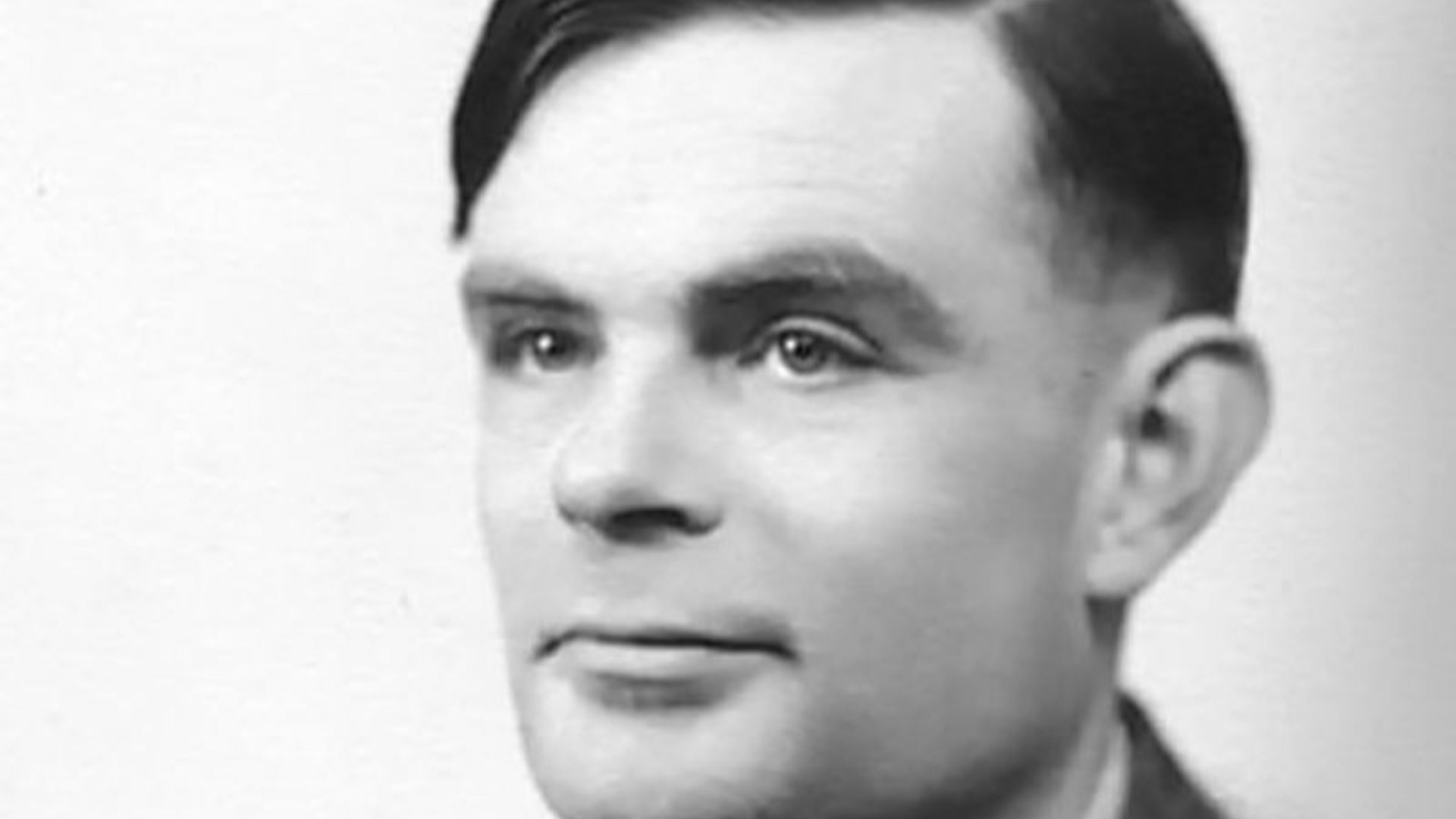
8. Alan Turing
Alan Turing helped lay the foundation for modern computing and played a crucial role in breaking Nazi codes during World War II, yet the British government still prosecuted him for homosexuality in 1952. Instead of being treated with gratitude, he was forced to choose between prison and chemical castration.
9. Mata Hari
Mata Hari was executed by France during World War I after being accused of espionage, but her actual importance as a spy remains heavily debated. Many historians think her case was inflated by wartime panic, misogyny, and the usefulness of making an example out of a glamorous outsider. In that sense, she was punished not only for what she may have done, but for what authorities wanted her to represent.
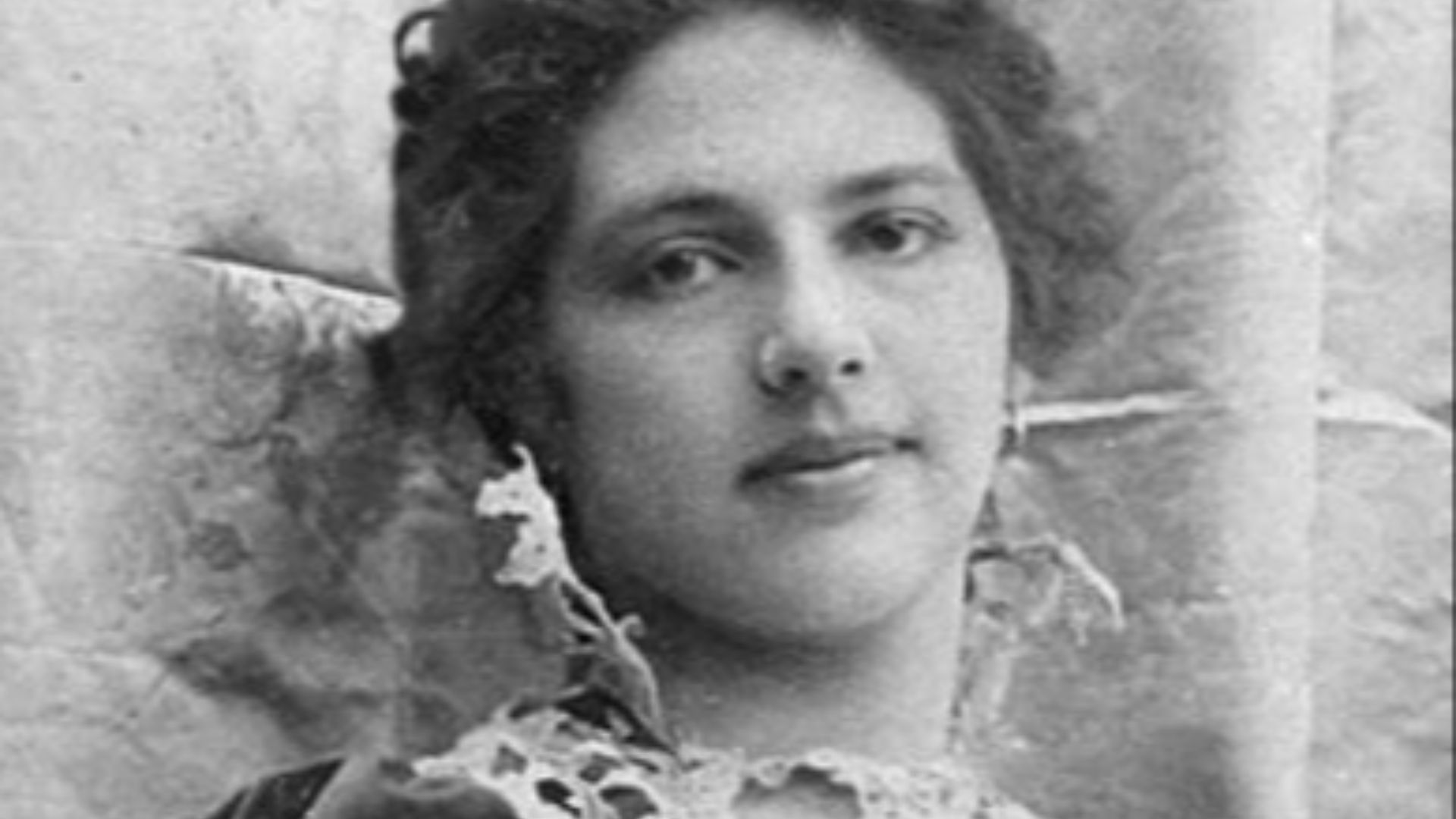 Koene & Com / Batavia-Amsterdam on Wikimedia
10. Socrates
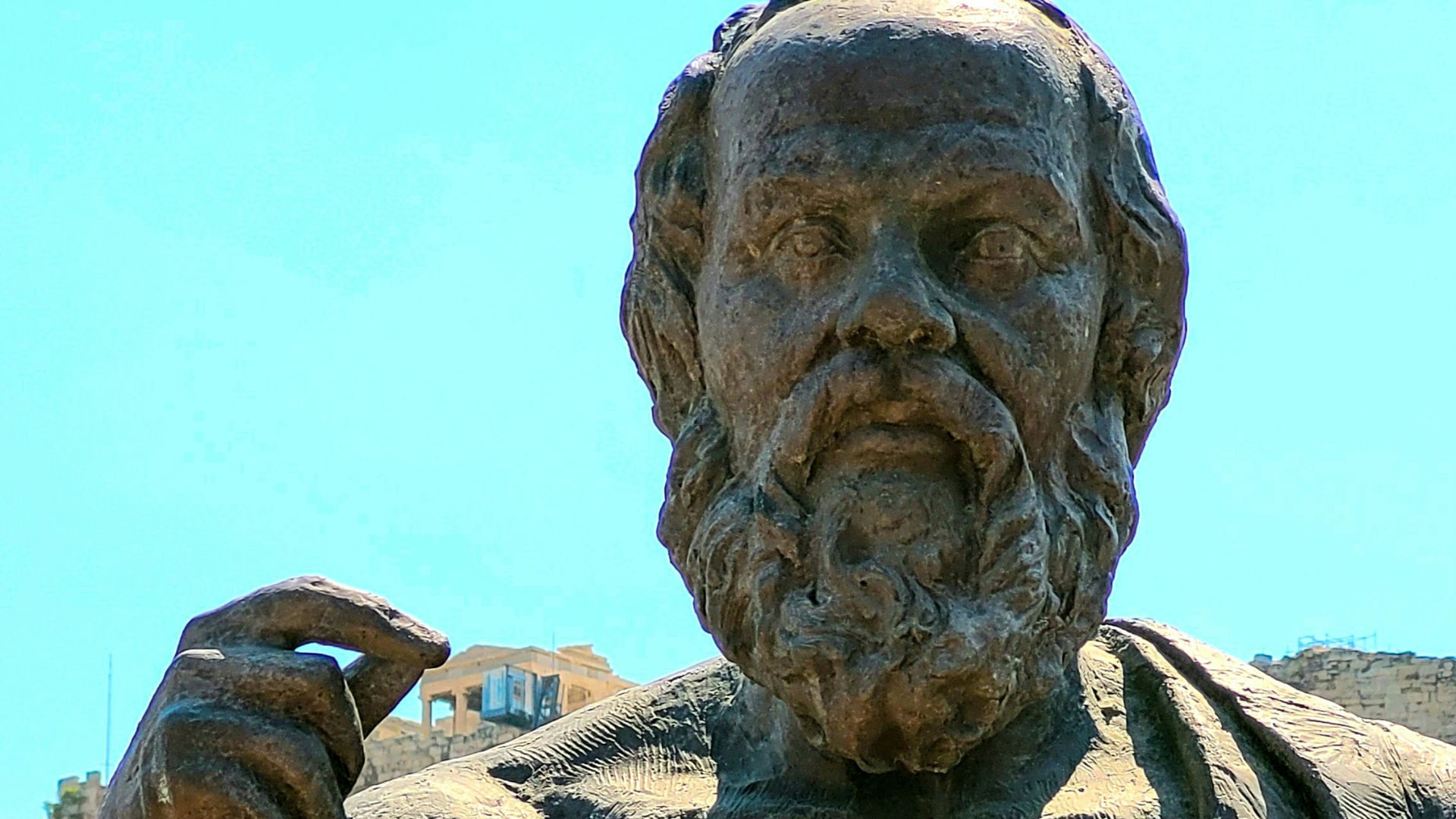
Socrates was sentenced to death by the Athenian state on charges of impiety and corrupting the youth. Even in the context of a fragile democracy under strain, forcing a philosopher to drink hemlock for asking difficult questions feels very excessive. His death remains one of history's clearest examples of a society punishing thought more harshly than it could justify.
KEEP ON READING
The story of Ching Shih, the Woman Who Became the…
Unknown author on WikimediaFew figures in history are as feared…
By Emilie Richardson-Dupuis Dec 29, 2025
Einstein's Violin Just Sold At An Auction—And It Earned More…
A Visionary's Violin. Wanda von Debschitz-Kunowski on WikimediaWhen you hear…
By Ashley Bast Nov 3, 2025
This Infamous Ancient Greek Burned Down An Ancient Wonder Just…
History remembers kings and conquerors, but sometimes, it also remembers…
By David Davidovic Nov 12, 2025
The Mysterious "Sea People" Who Collapsed Civilization
3,200 years ago, Bronze Age civilization in the Mediterranean suddenly…
By Robbie Woods Mar 18, 2025
The Most Miserable Century To Be Alive
Pierart dou Tielt (fl. 1340-1360) on WikimediaWhen people talk about…
By Emilie Richardson-Dupuis Apr 14, 2026
20 Soldiers Who Defied Expectations
Changing the Rules of the Battlefield. You’ve probably heard plenty…
By Annie Byrd Feb 10, 2026