

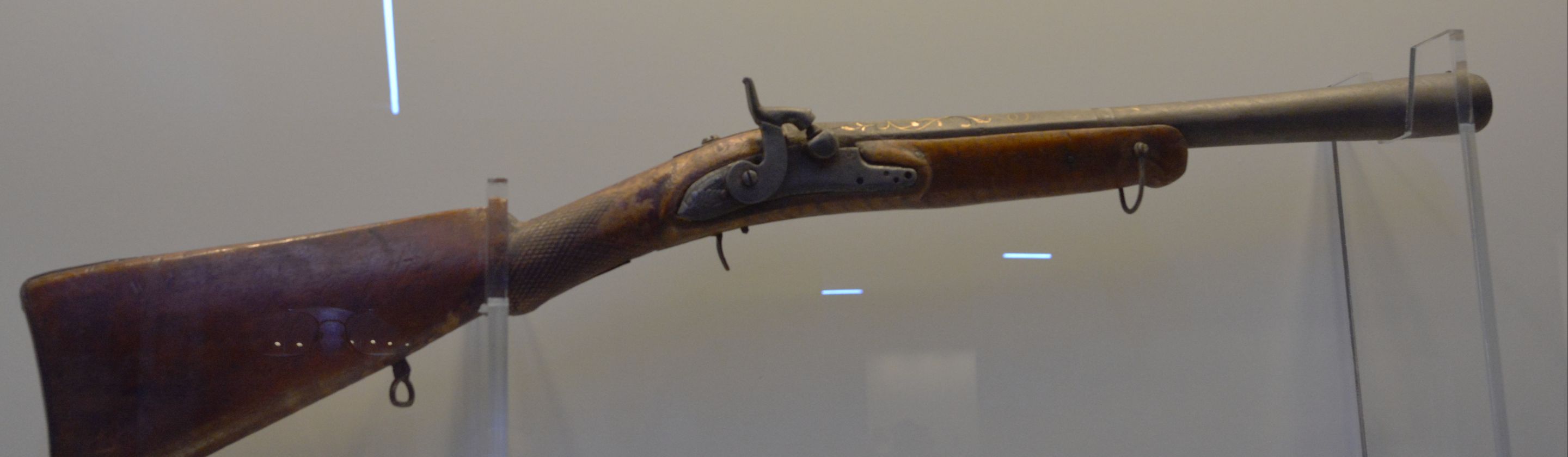
Chaos and Discipline
Movies get volley fire spectacularly wrong. Those dramatic scenes where soldiers fire in perfect unison? They miss the actual point entirely. Volley fire wasn't about looking impressive or achieving pinpoint accuracy. It solved a very specific problem that early firearms created on battlefields. The real story involves slow reload times, psychological warfare, and tactical ingenuity.
 MC2 Corbin J. Shea on Wikimedia
1. Archers Used Musket-Style Volley Fire
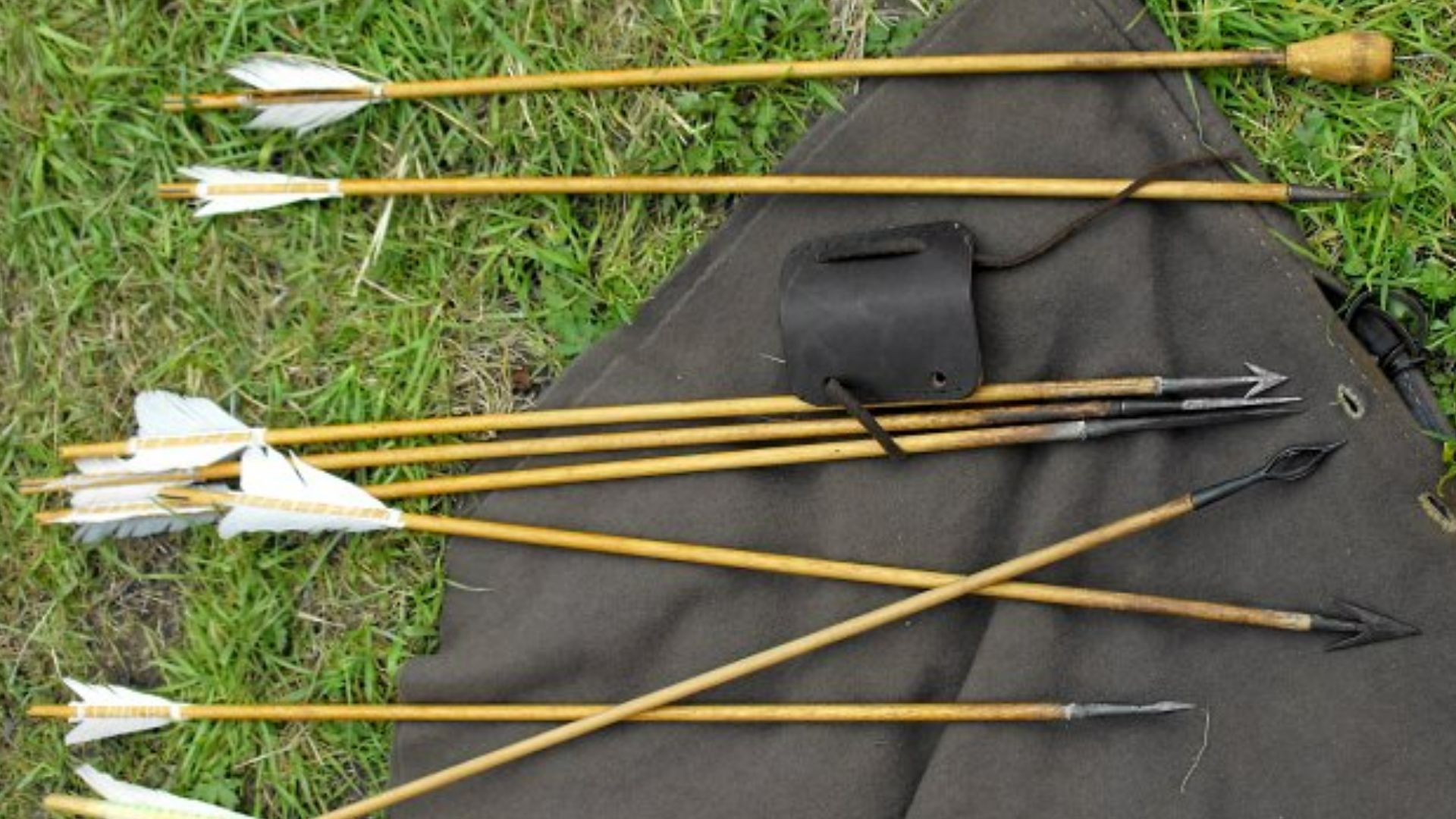
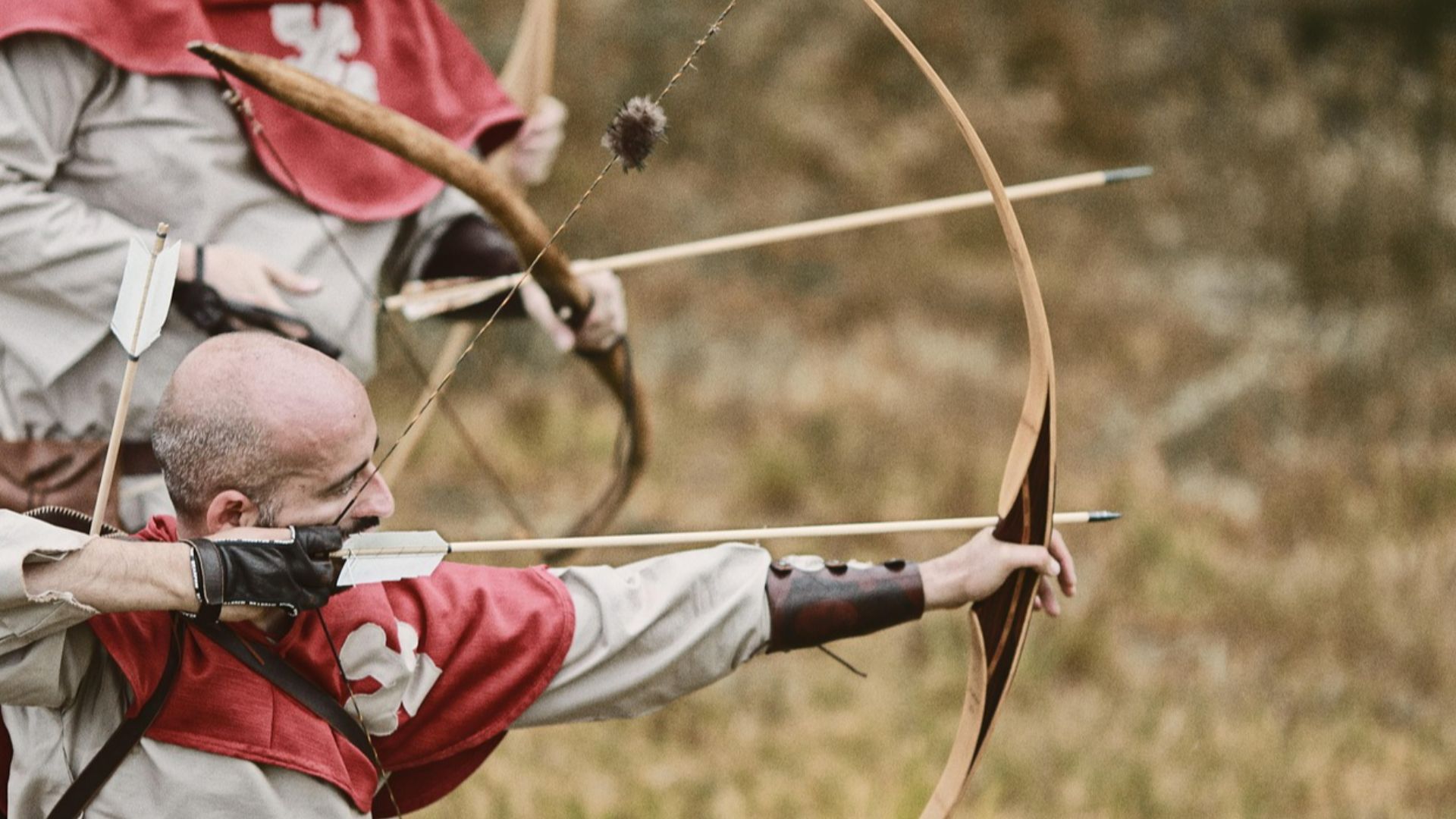
Medieval longbowmen didn't operate like later musket formations at all. They fired in loose waves rather than rigid, synchronized volleys. Each archer aimed individually, constantly adjusting their shots based on distance, wind conditions, and battlefield changes. The effectiveness came from sustained, continuous shooting.
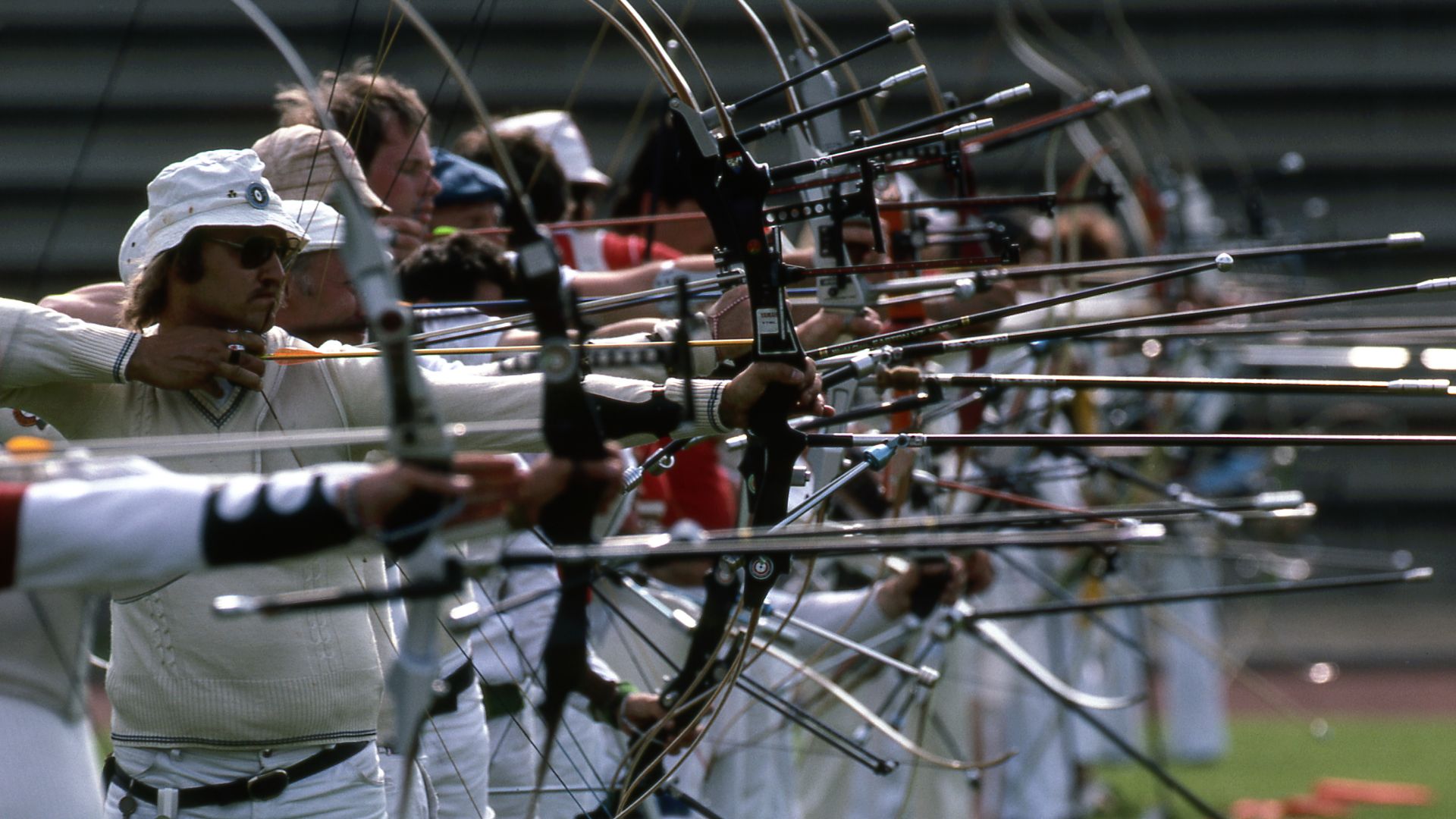 Eddi Laumanns aka RX-Guru on Wikimedia
2. Archery Relied on Synchronized Command Firing
Here's where Hollywood gets it spectacularly wrong. Training emphasized continuous pressure rather than waiting for a single dramatic command. Commanders wanted their archers to maintain relentless fire against enemy formations, keeping opponents constantly under threat.
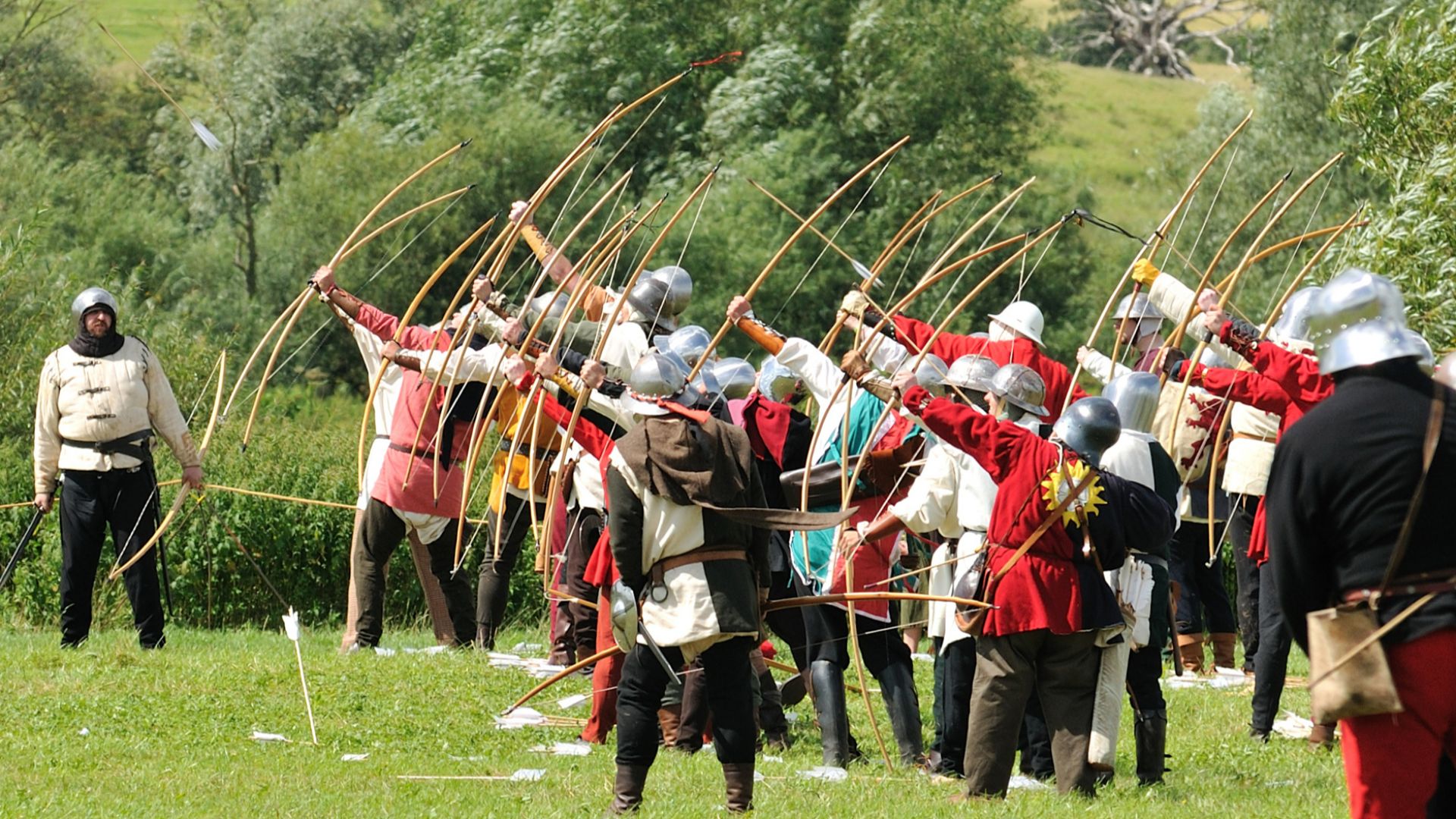 Fac-Man aka Lee Hawkins on Wikimedia
3. Archery Aimed For Instant Battlefield Annihilation
The psychological weight of expectations versus reality shows up clearly here. Arrow volleys were tactical tools designed to weaken and disrupt enemy formations before the real killing began with cavalry charges or infantry clashes. Casualties from archery were typically spread out.
4. Muskets Were Uselessly Inaccurate at Range
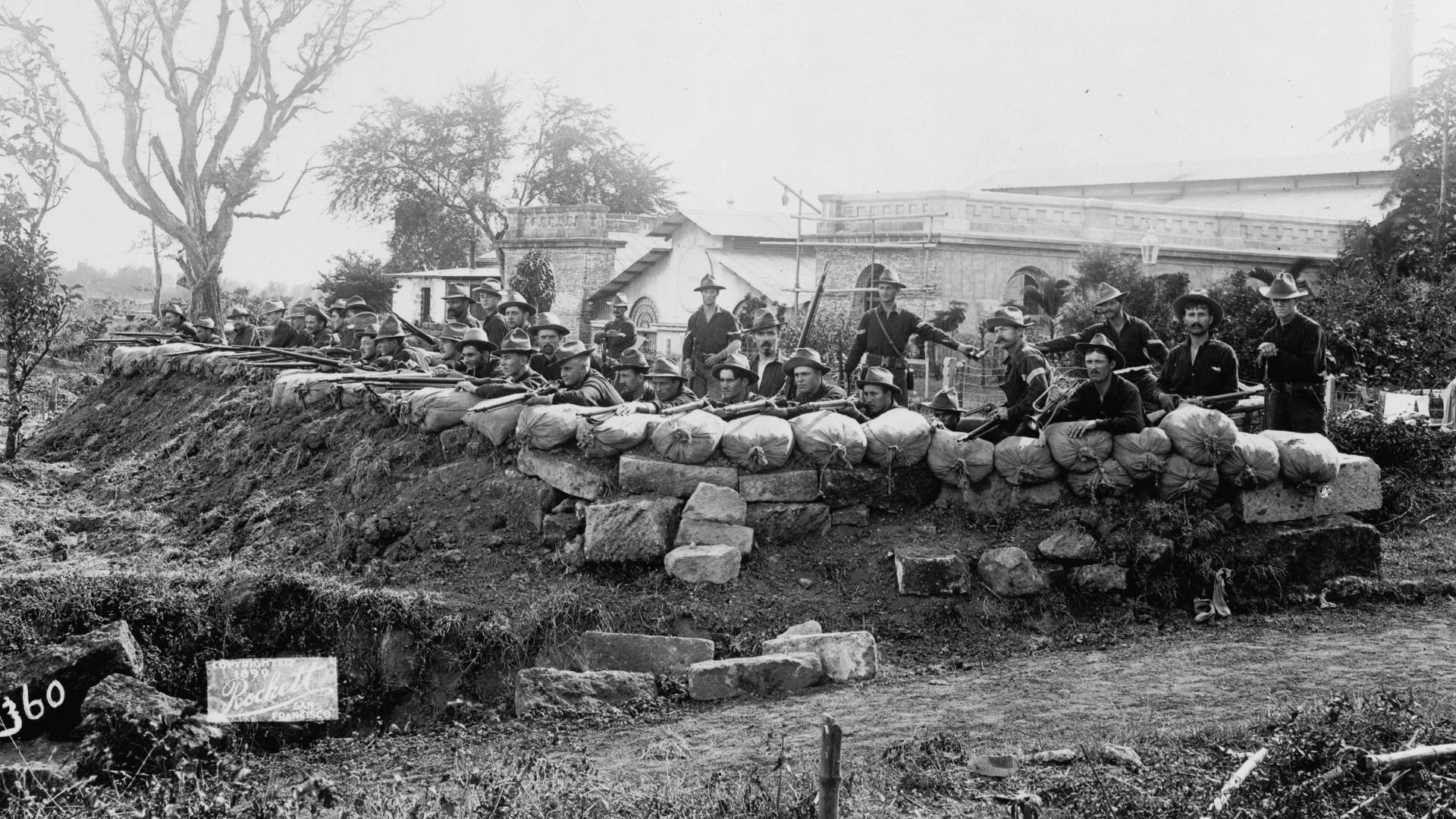
Smoothbore muskets definitely had accuracy limitations, but calling them useless misses the point entirely. Against large military formations at short to medium range, they were remarkably effective. Massed fire compensated for individual weapon imprecision—you didn't need to hit a specific soldier.
 Mike Cumpston / Mcumpston at English Wikipedia on Wikimedia
5. Musket Fire Targeted Individual Enemy Soldiers
Military training specifically worked against individual targeting. Musketeers learned to fire at formations—large groups of enemy troops—rather than picking out single soldiers. The weapon limitations simply made individual targeting impractical during the chaos of battle. Volley fire's entire purpose was to maximize damage.
 Miscellaneous Items in High Demand, PPOC, Library of Congress on Wikimedia
6. Volley Fire Was a Random Event
The drilling behind volley fire was exhaustive and deliberate, not chaotic. Soldiers learned to fire in ranks, creating overlapping fields of fire that covered approaching enemies without gaps. Officers controlled the timing meticulously to maximize both physical and psychological effect on opponents.
 Mike Cumpston / Mcumpston at English Wikipedia on Wikimedia
7. Psychological Impact Played No Major Role
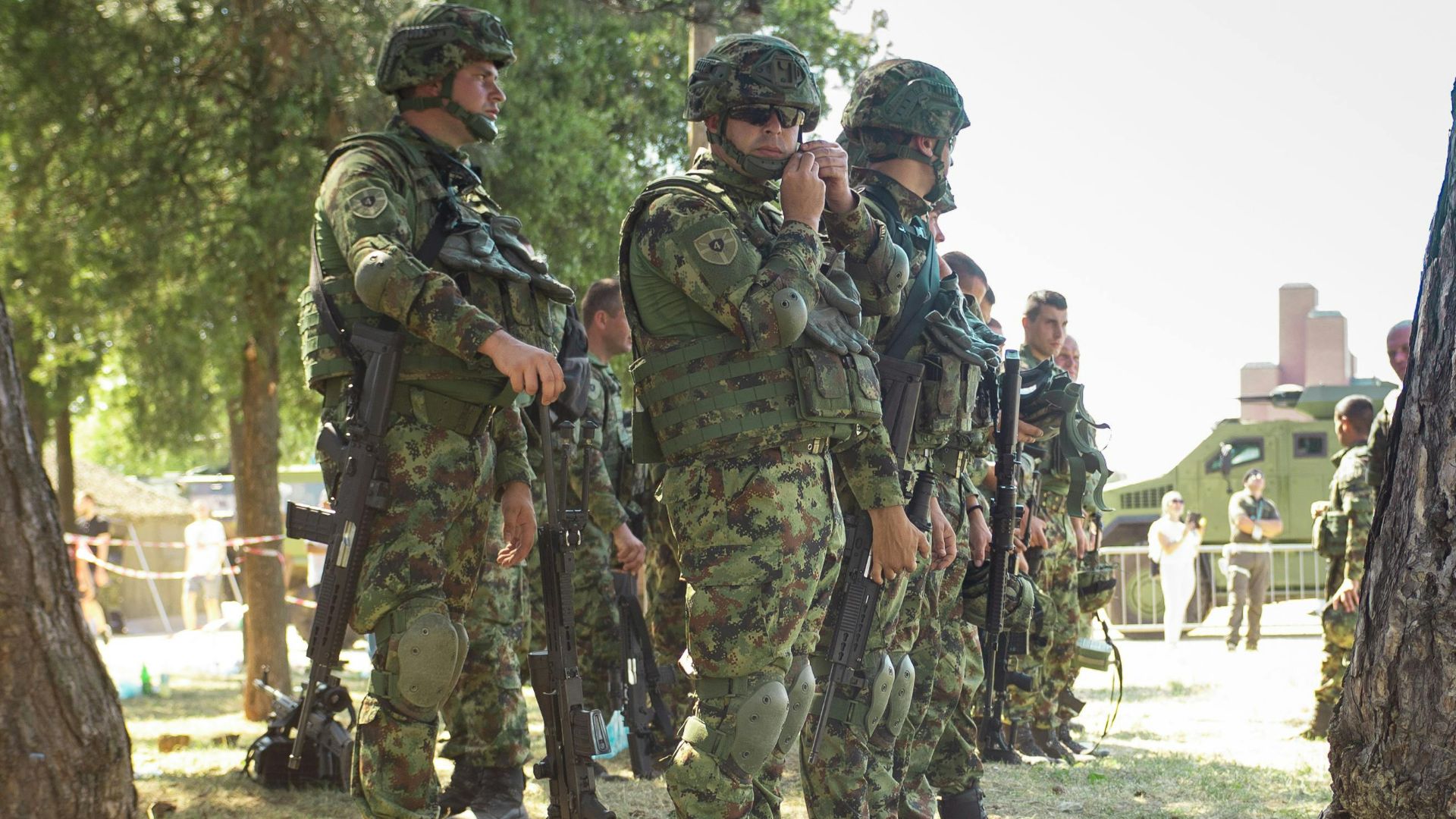
The sight of disciplined volleys didn't just end lives—it terrorized. Hundreds of muskets firing together created a deafening noise that could unnerve even veteran troops. Thick smoke rolled across battlefields, obscuring vision and adding confusion to already chaotic situations.
8. Volley Fire Existed Only to Increase Accuracy
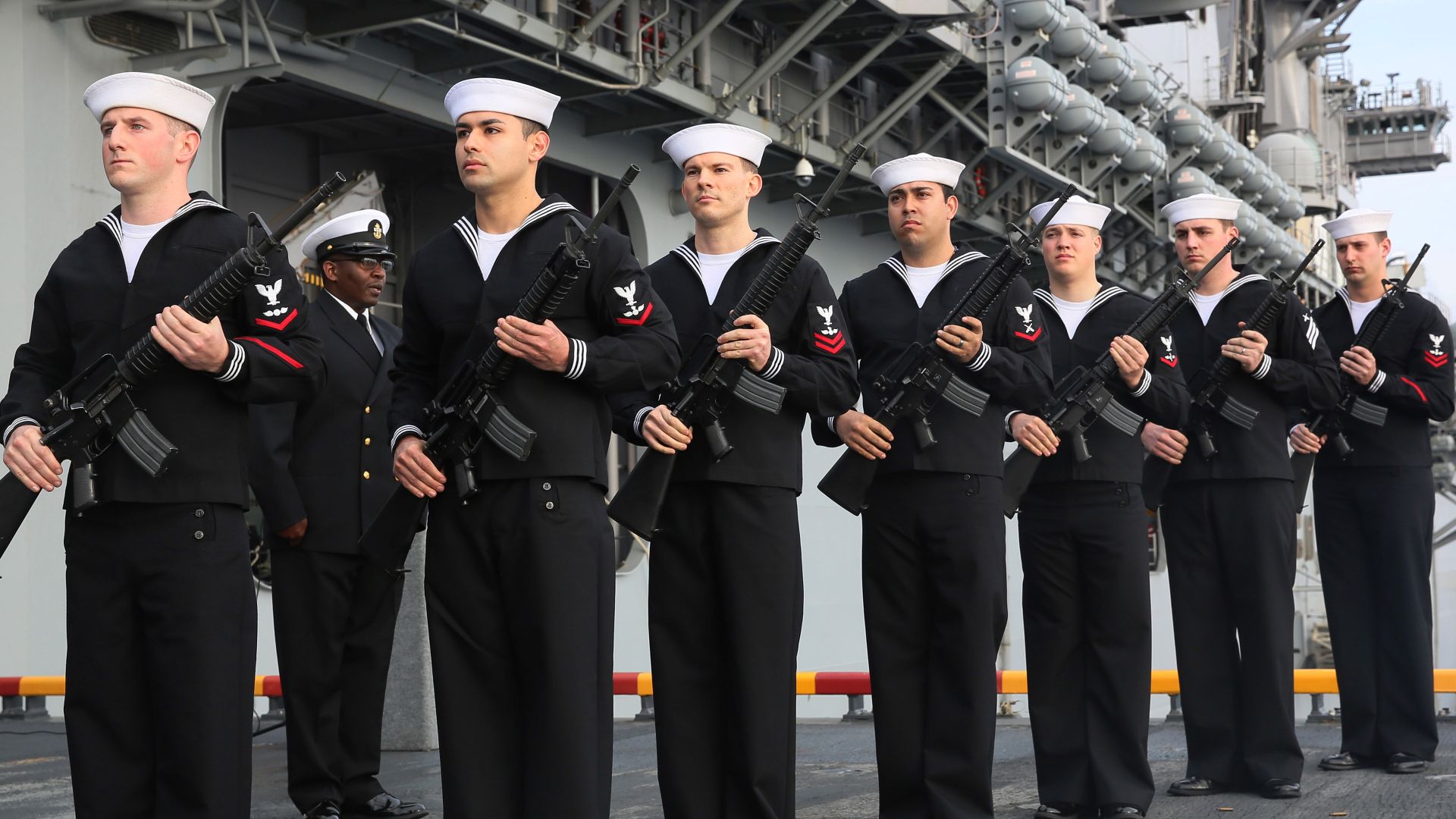
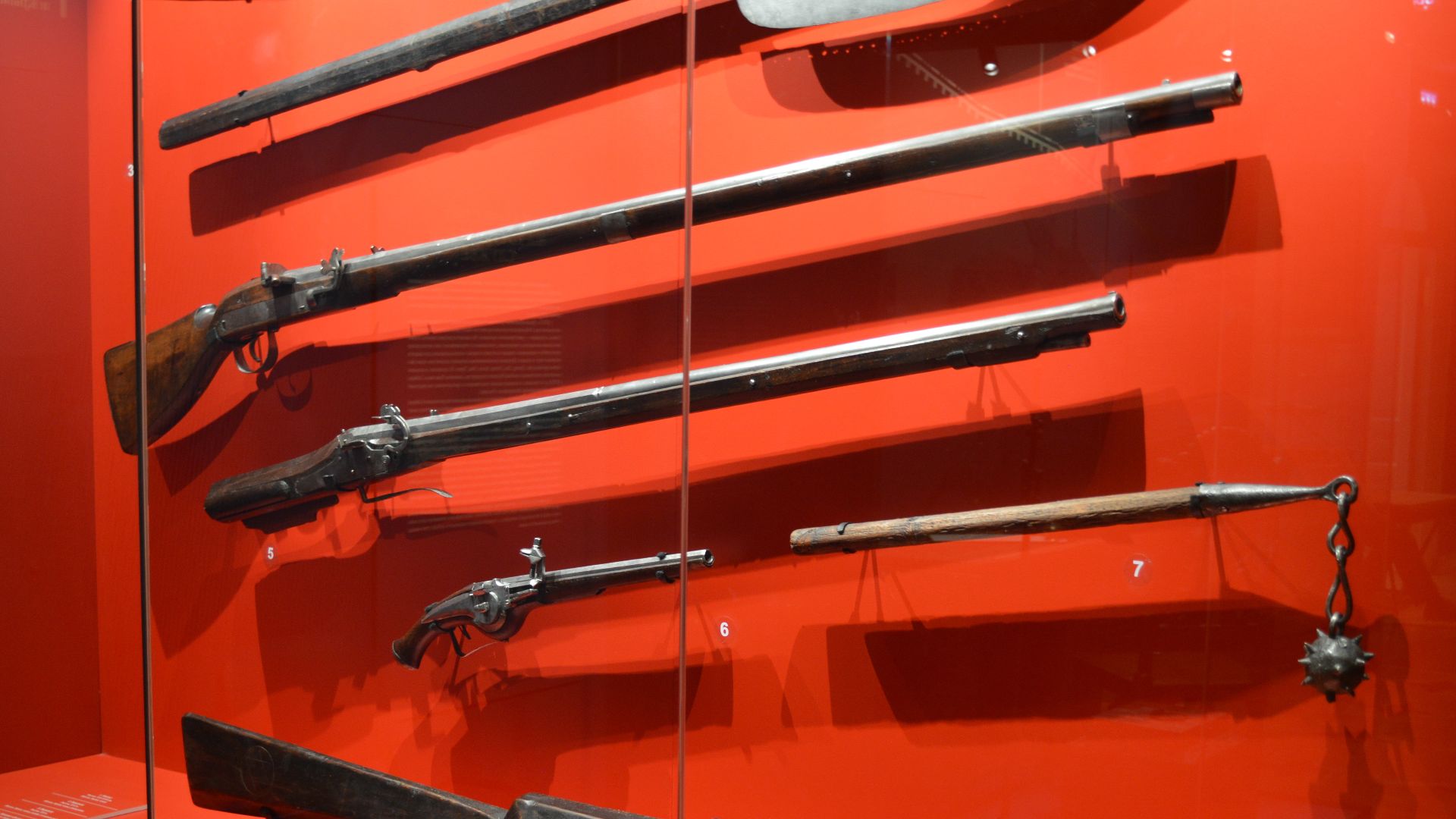
Reload times were the actual problem volley fire solved. Early matchlock and flintlock muskets required significant time between shots—a dangerous vulnerability when enemies were charging toward you. Volley fire is compensated by maintaining constant pressure through coordinated rotation.
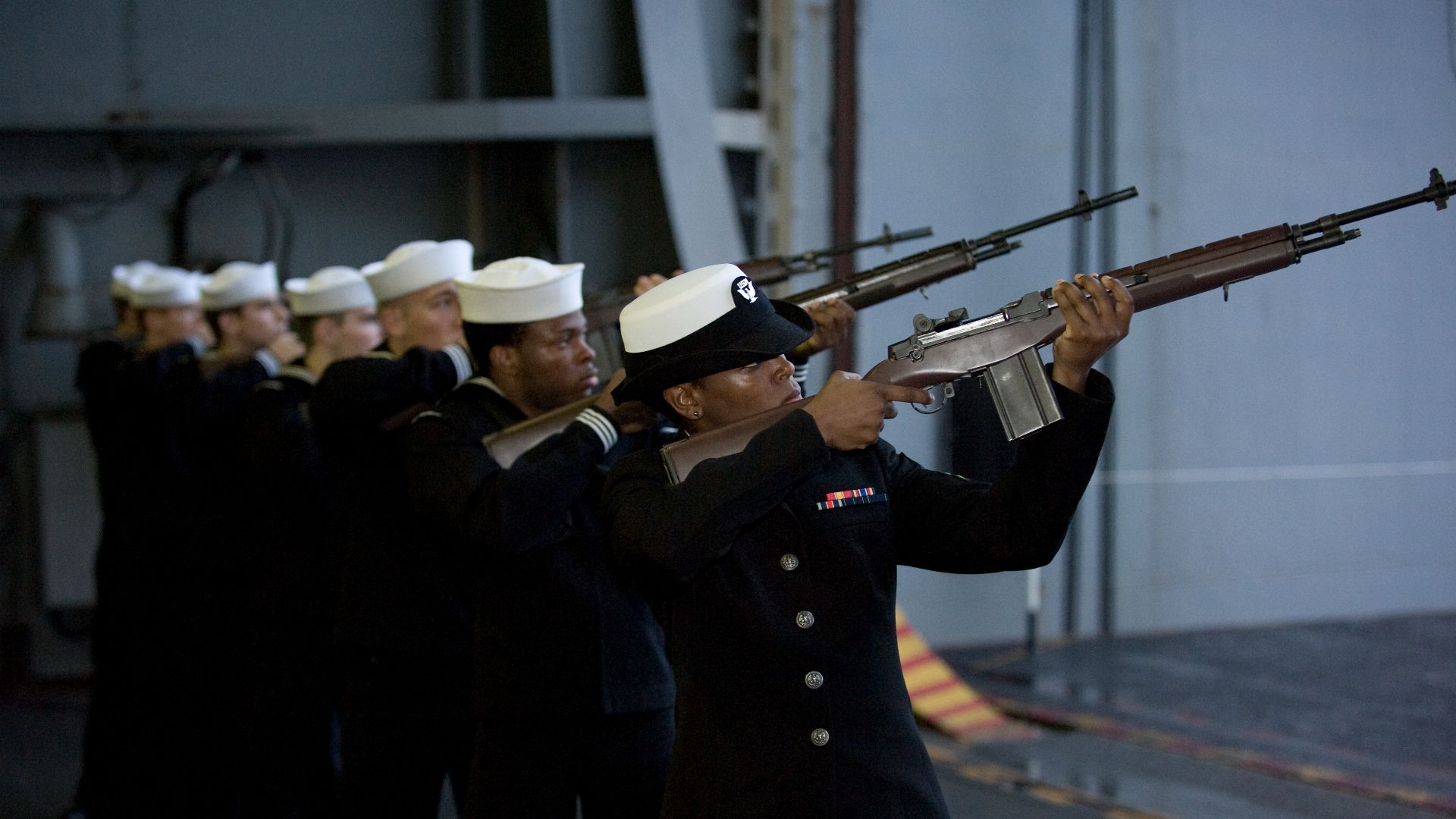 U.S. Navy photo by Mass Communication Specialist Seaman Jacob I. Allison on Wikimedia
9. Volley Fire is Primarily Aimed to End Lives
Breaking formations mattered more than taking lives. The design philosophy behind volley fire focused on disrupting enemy momentum and cohesion rather than maximizing casualties. Wounds and chaos effectively slowed enemy advances, even without mass casualties.
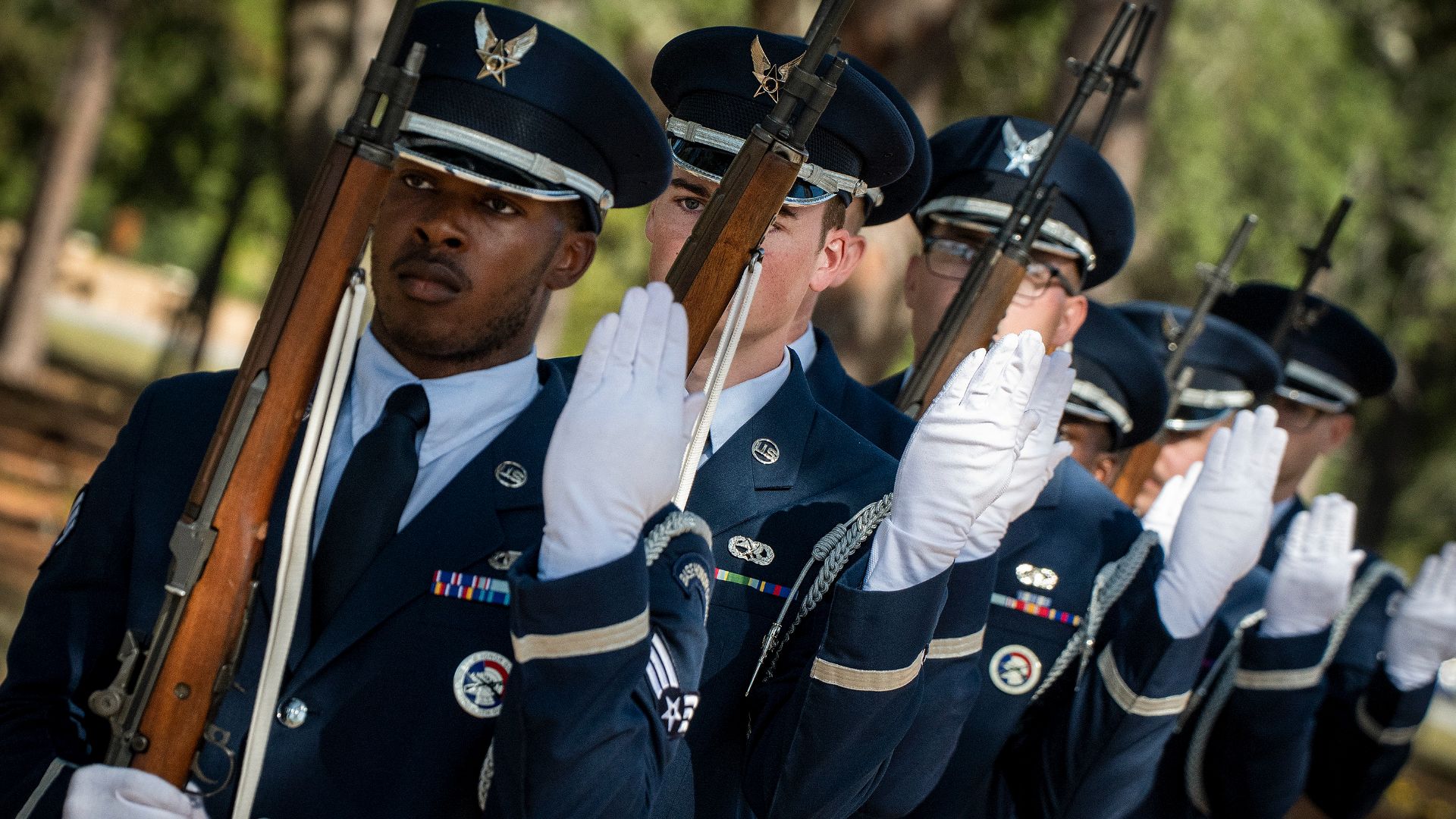
10. Volley Fire Always Caused Massive Casualties
Terrain, troop density, and countless battlefield variables meant casualty rates fluctuated wildly. Many volleys inflicted far more psychological damage than physical wounds, leaving more traumatized survivors than corpses. Survivors frequently regrouped quickly after initial volleys passed, especially when they maintained formation discipline.

Now, let's dig into the actual mechanics that made volley fire work.
1. Volley Fire Emerged to Coordinate Slow Firearms
Early matchlock and flintlock muskets created a serious battlefield problem: they were painfully slow to reload. Commanders needed a solution that kept enemies under constant fire despite these weapon limitations. Coordinated volleys became the answer, ensuring a steady stream of shots.
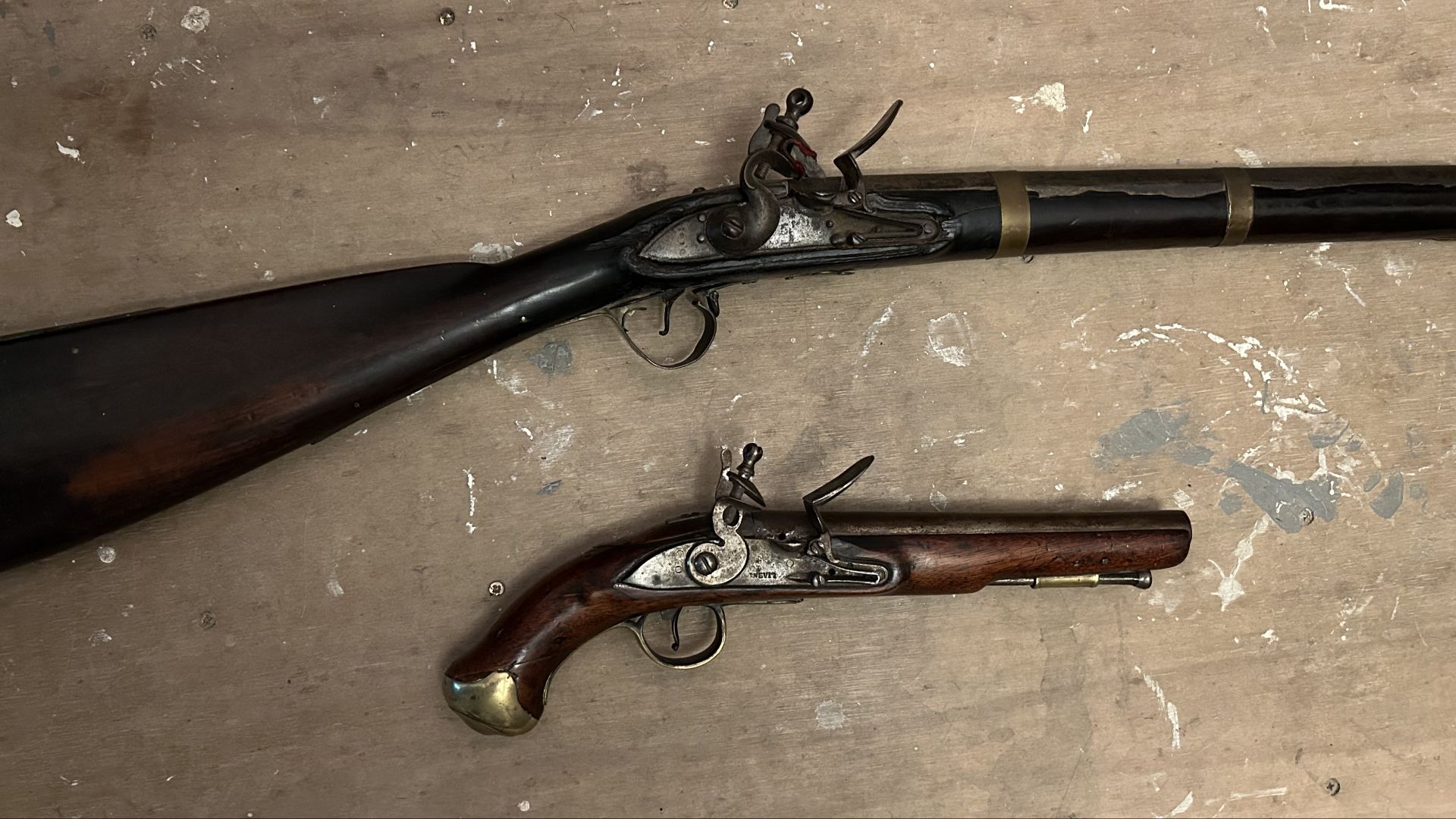
2. Early Firearms Required Collective Firing Discipline
Individual firing risked catastrophic gaps in defense and squandered precious ammunition. Soldiers underwent relentless drilling to load and fire in unison, transforming chaotic individual actions into coordinated military power. The collective discipline allowed armies to maintain cohesion under tremendous pressure.
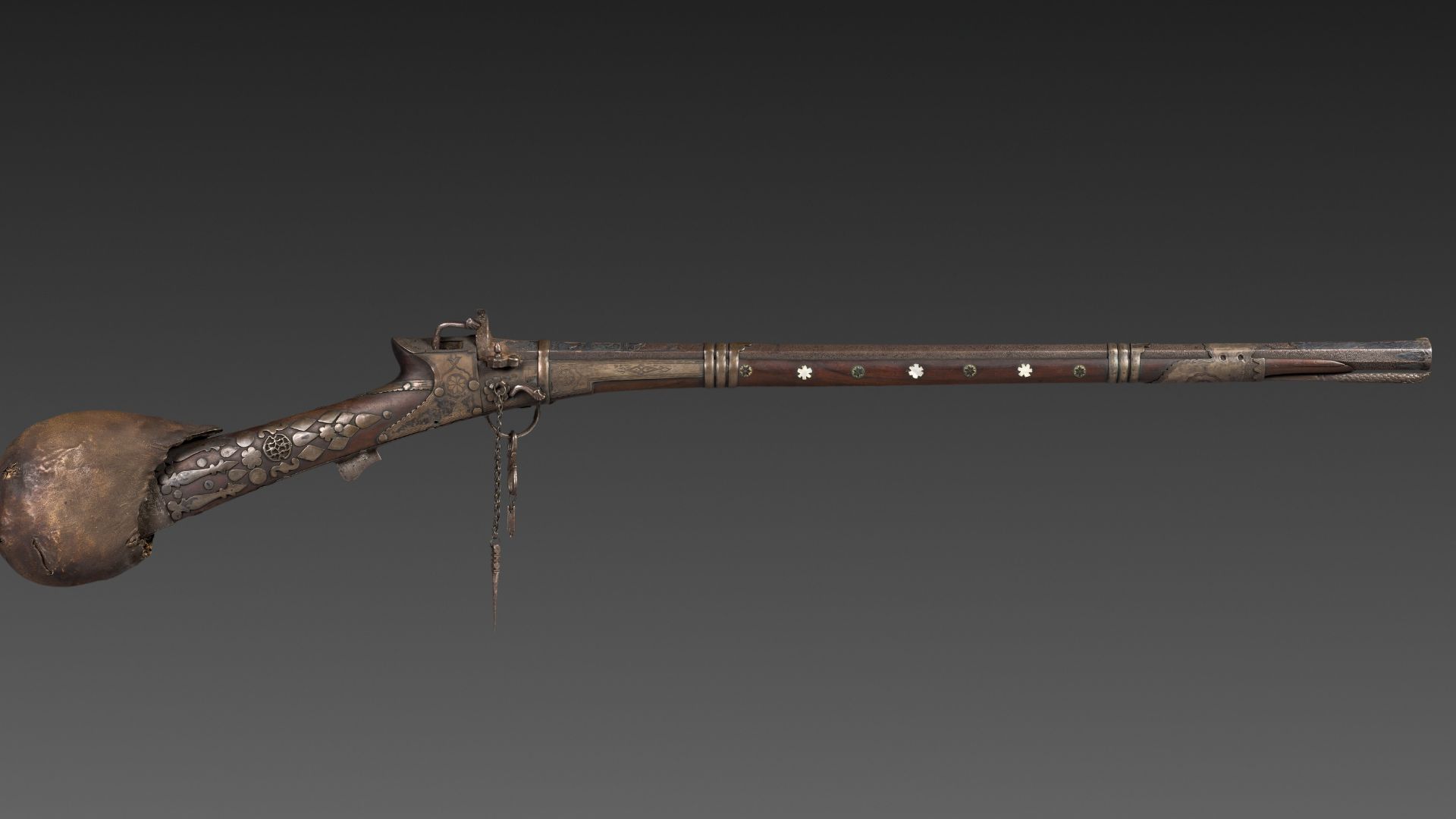
3. Accuracy Was Secondary to Massed Firepower
Smoothbore muskets couldn't hit much beyond short ranges with any reliability. That technical limitation shaped entire tactical systems. Massed volleys compensated by saturating enemy formations with fire. If one ball missed, twenty others might connect. Disruption became the goal.
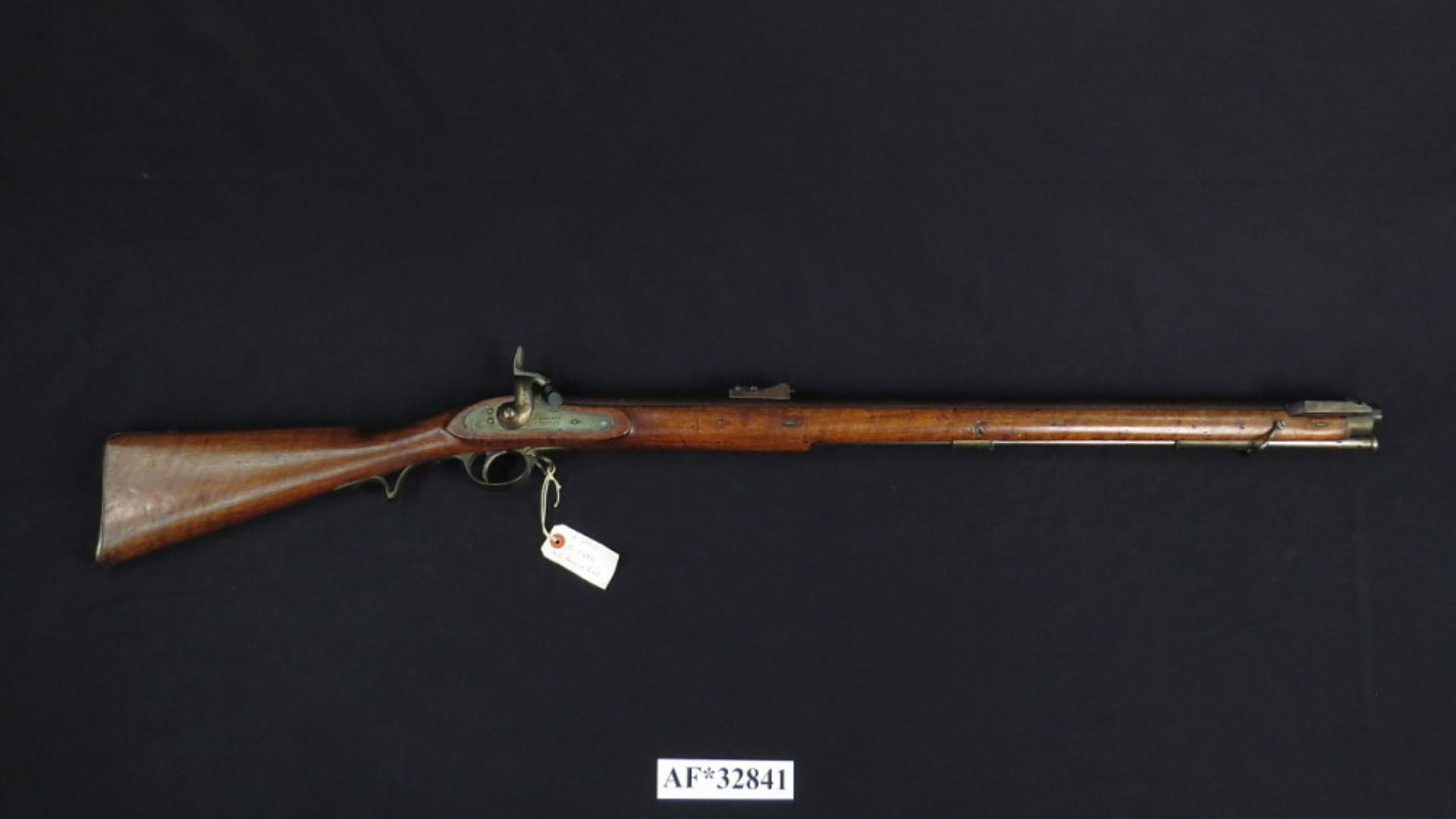 National Museum of American History on Wikimedia
4. Tactics Relied on Formation, Not Individual Aim
Linear formations maximized how many muskets could fire simultaneously at approaching enemies. Commanders emphasized maintaining ranks over developing personal marksmanship skills—the formation's integrity mattered infinitely more than any soldier's shooting ability. Soldiers learned to fire straight ahead.
5. Psychological Shock Was a Key Battlefield Effect
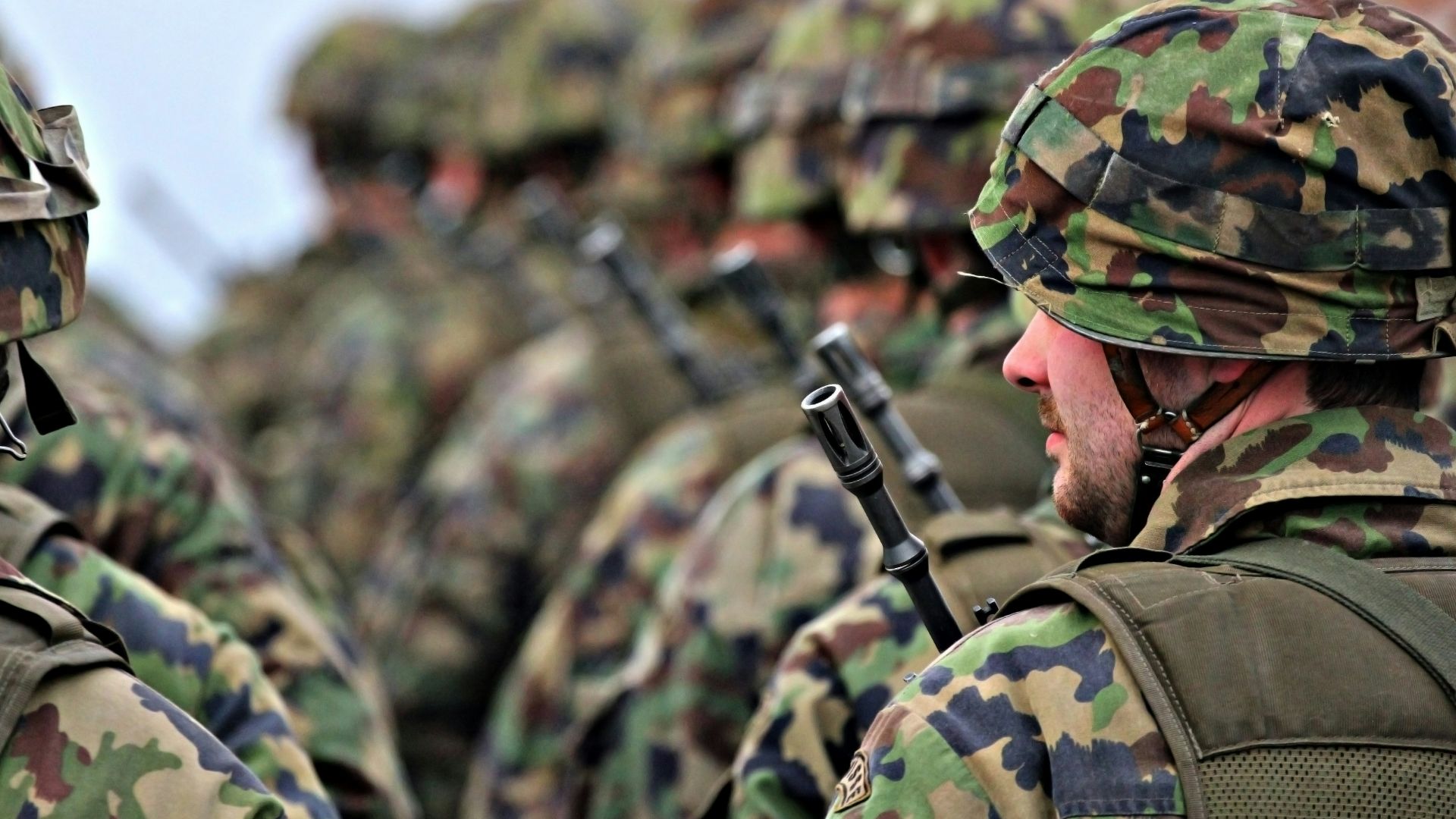
The sound alone could break men's nerves. Hundreds of muskets firing together created deafening explosions that damaged eardrums and rattled bones. Thick smoke from black powder billowed across battlefields, obscuring vision and converting orderly formations into shadowy nightmares of confusion.

6. Rank Rotation Maintained Continuous Battlefield Pressure
Soldiers in the front ranks fired their weapons, then stepped backward to begin the laborious reloading process. Rear ranks moved forward to fire while others reloaded, creating a perpetual cycle of violence. This rotation maintained a near-constant wall of musket fire against advancing enemies.
7. Volley Fire Targeted Enemy Formations, Not Soldiers
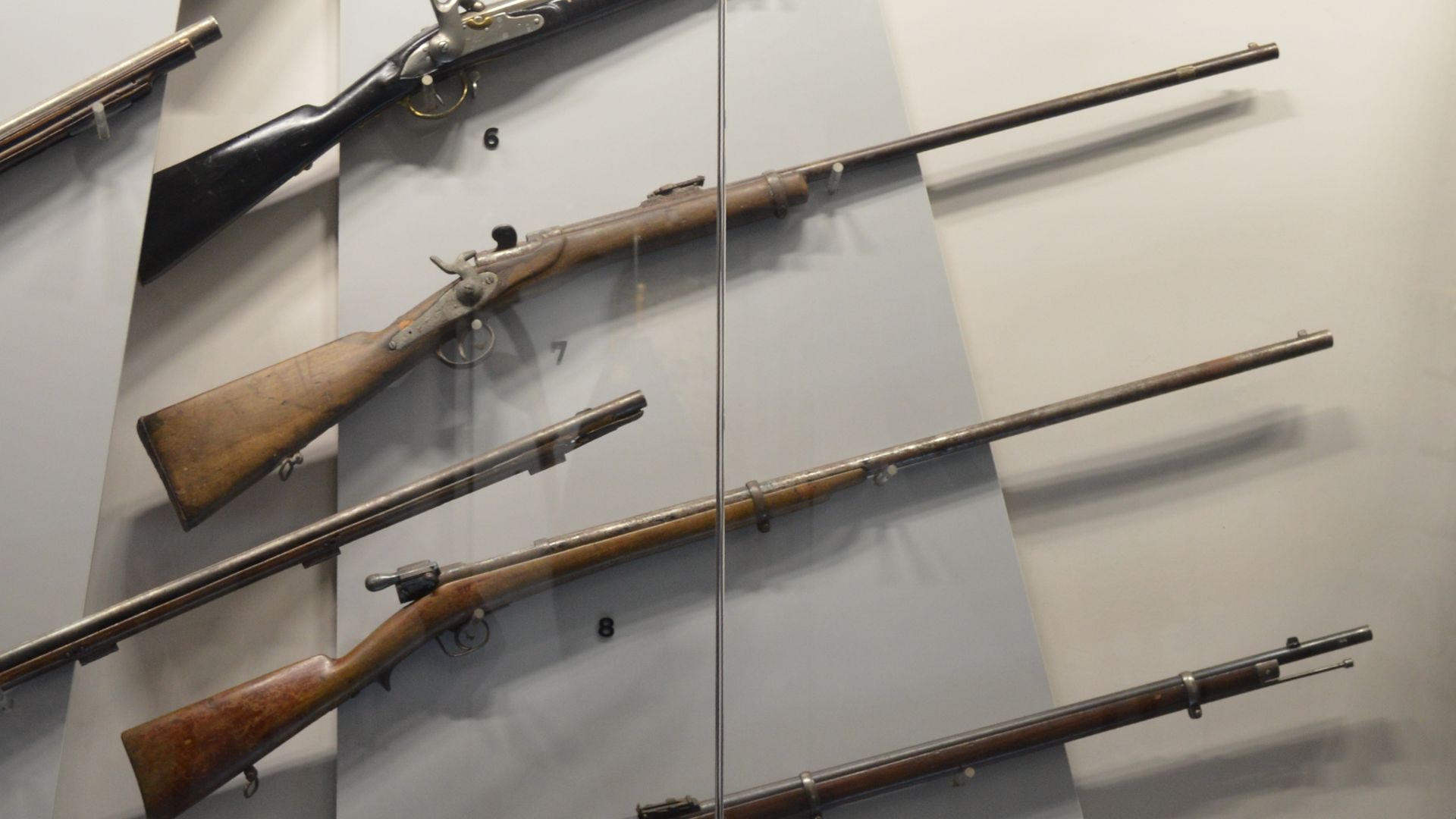
Armies aimed at dense blocks of troops rather than picking individual targets through the smoke. Breaking cohesion and momentum mattered more than targeting specific enemies. The intent was to disrupt formations—creating gaps, spreading panic, forcing units to lose their organization and effectiveness.
8. Drill and Timing Mattered More Than Precision
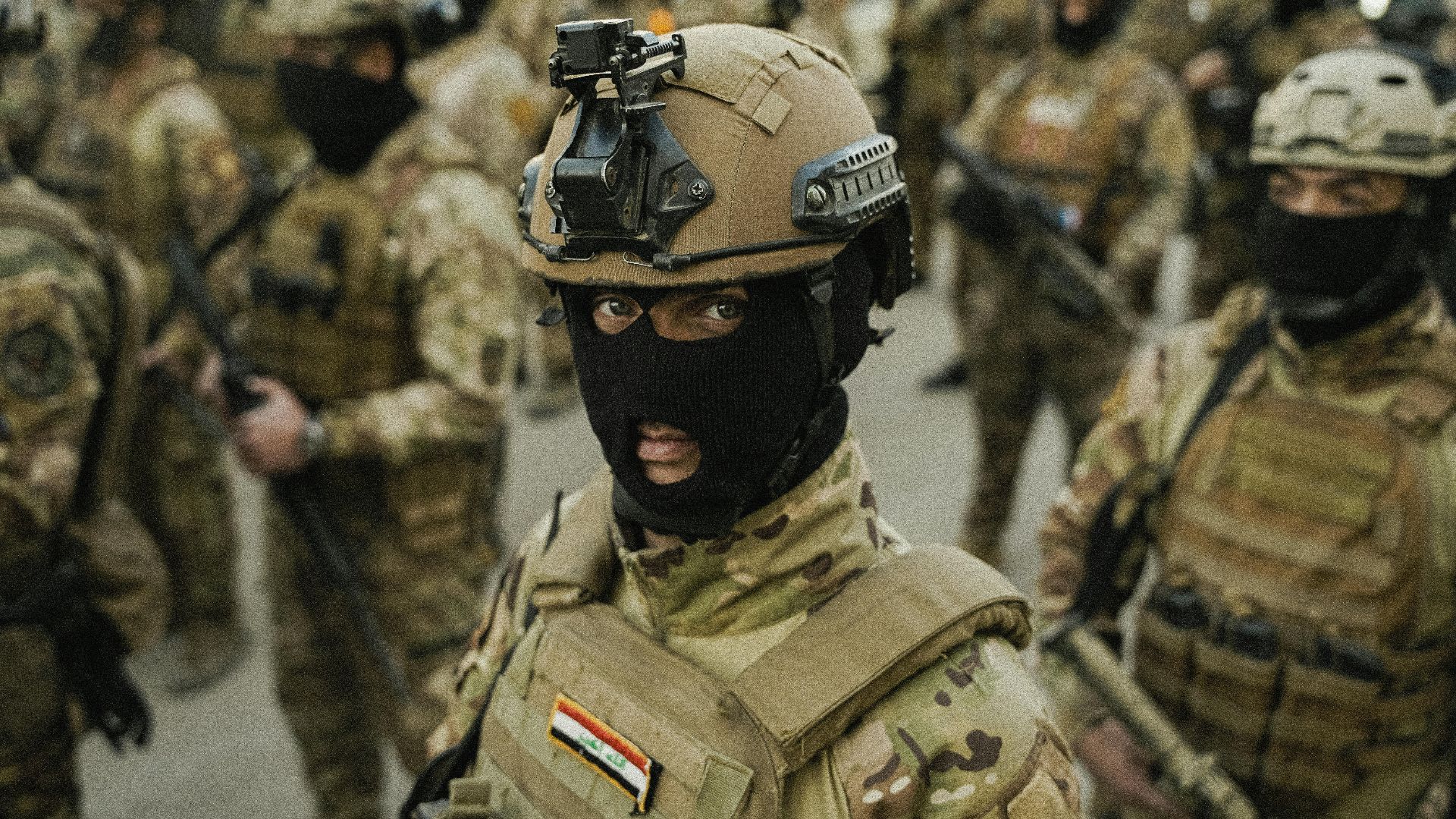
Success depended entirely on soldiers firing together, not hitting exact targets through the chaos. Officers drilled troops relentlessly to perfect timing, turning farmers and craftsmen into synchronized instruments of war. Precision was deliberately sacrificed for the overwhelming effect of massed fire.
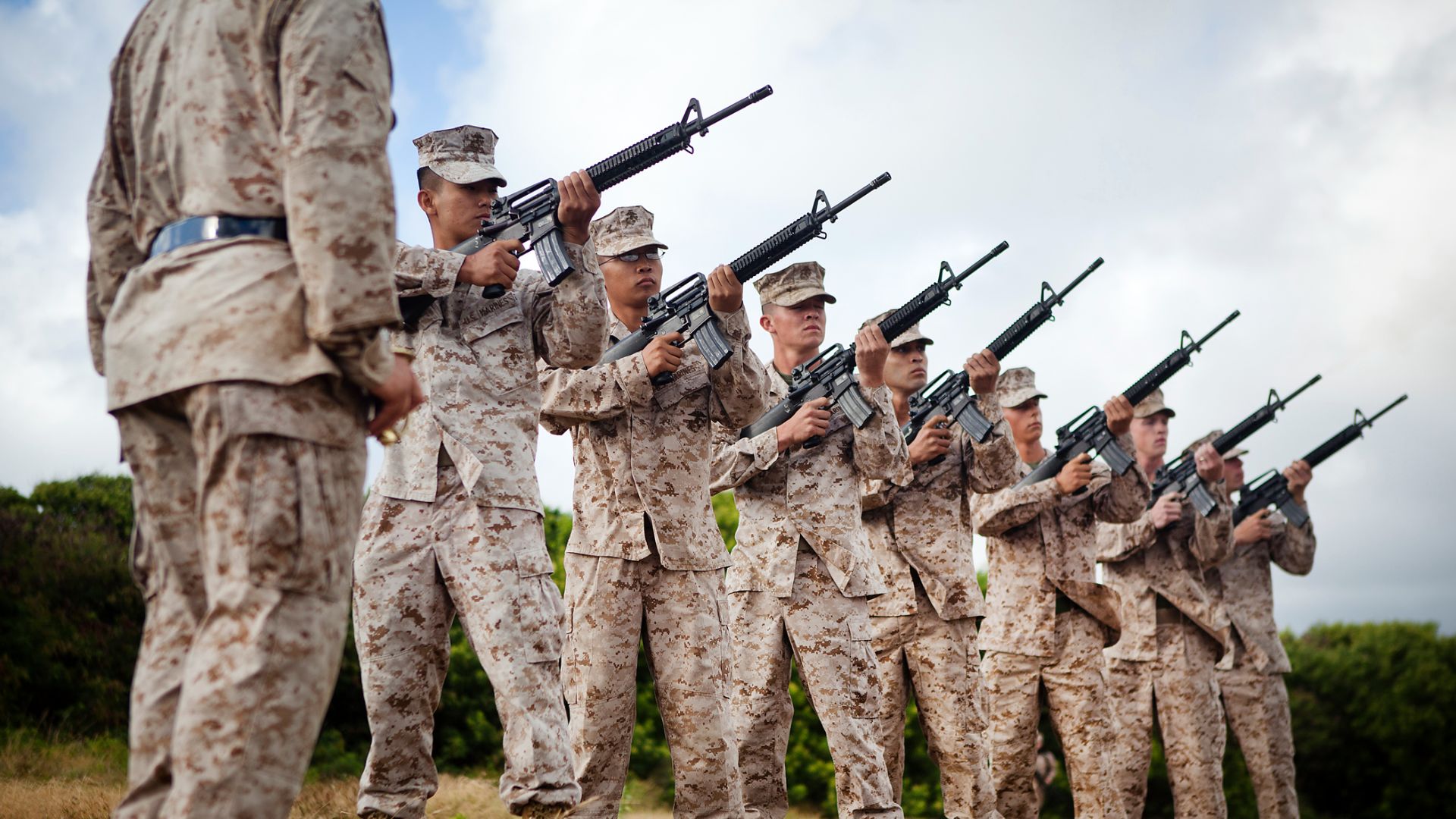 Marines from Arlington, VA, United States on Wikimedia
9. Archers Did Not Use True Volley Fire Systems
Medieval archers operated under completely different principles from later musketeers. They fired continuously rather than waiting for strictly timed commands, creating arrow storms through sustained individual effort. Archers adjusted each shot individually for distance and wind conditions, using skill and judgment.
10. Volley Fire Evolved Differently Across European Armies
The Dutch pioneered systematic volley fire under Maurice of Nassau, developing the early principles and drilling methods. The British refined linear tactics throughout the eighteenth century, perfecting the three-rank system. Other armies adapted volleys to their own circumstances.

KEEP ON READING
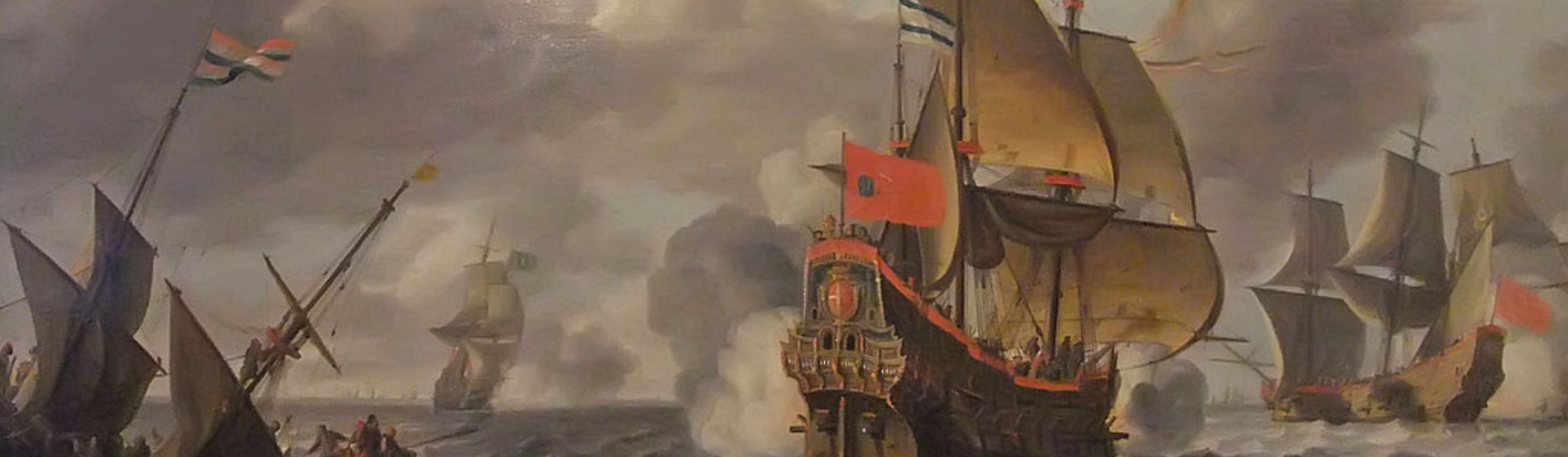
The story of Ching Shih, the Woman Who Became the…
Unknown author on WikimediaFew figures in history are as feared…
By Emilie Richardson-Dupuis Dec 29, 2025
Einstein's Violin Just Sold At An Auction—And It Earned More…
A Visionary's Violin. Wanda von Debschitz-Kunowski on WikimediaWhen you hear…
By Ashley Bast Nov 3, 2025
This Infamous Ancient Greek Burned Down An Ancient Wonder Just…
History remembers kings and conquerors, but sometimes, it also remembers…
By David Davidovic Nov 12, 2025
The Mysterious "Sea People" Who Collapsed Civilization
3,200 years ago, Bronze Age civilization in the Mediterranean suddenly…
By Robbie Woods Mar 18, 2025
20 Greatest Ancient Athletes In History
Ancient Olympics. Long before modern stadiums and multimillion-dollar endorsements, athletes…
By Sara Springsteen May 1, 2026
20 Soldiers Who Defied Expectations
Changing the Rules of the Battlefield. You’ve probably heard plenty…
By Annie Byrd Feb 10, 2026