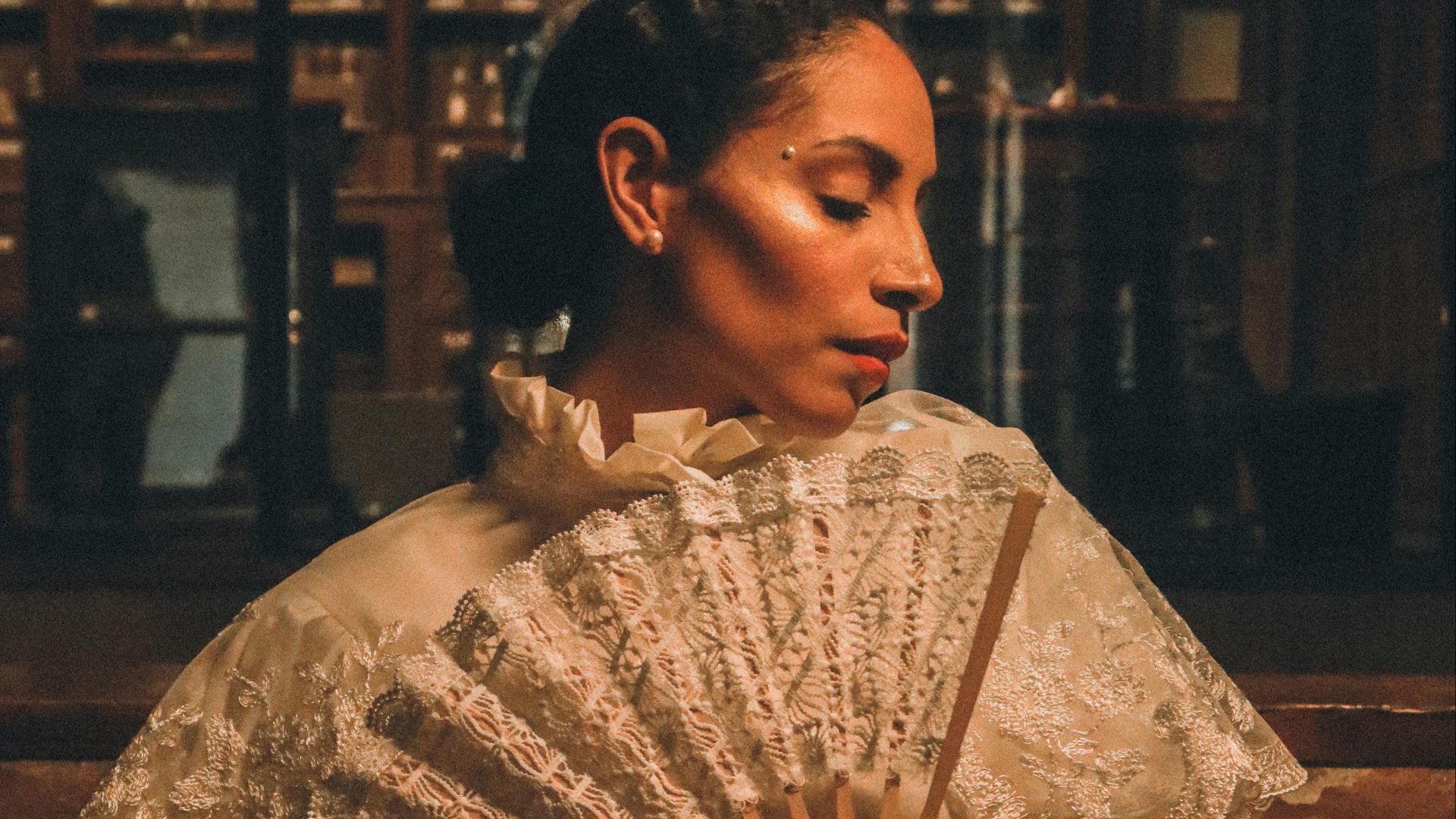
Social norms evolve as society moves forward. They reflect changes in values, technology, and culture, and many normal behaviors today were once considered improper or immoral. Every era has its breach of etiquette, only for it to be later viewed as progressive before becoming normalized.
From how we communicate to our choices in fashion, society's rules change fast and could even be considered more flexible than ever before. While everyone is entitled to dress how they want and speak how they wish, it's good to be aware of current social norms and to understand their evolution and how they became so widespread.
Here are three social norms that were once faux pas, and each provides a glimpse into how our views about self-expression, identity, relationships, and life change.
Wearing Casual Clothing in Public Spaces
Casual wear dominates contemporary fashion. People dress in jeans, hoodies, and leisure wear in restaurants, offices, airports, and at school. Historically, casual clothing was unacceptable in public places and was considered inappropriate and sometimes disrespectful.
Before the 20th century, Western dress codes were relatively strict. Men wore suits and hats regularly, while women wore gowns, dresses, and structured garments in everyday life. Denim was intended for miners and laborers in the 1800s and would never be worn in social settings.
This social norm started changing after WWII when returning soldiers chose to wear more casual clothing, and then it spread to youth culture in the '50s and '60s when jeans became a symbol of rebellion and self-expression. By the 1970s, casual wear was ubiquitous in mainstream culture, and workplaces adopted more flexible dress codes.
What started as casual Fridays in the workplace has expanded into fully casual workplaces across sectors. The focus is on comfort, and this has become the cultural norm rather than a rebellion against etiquette.
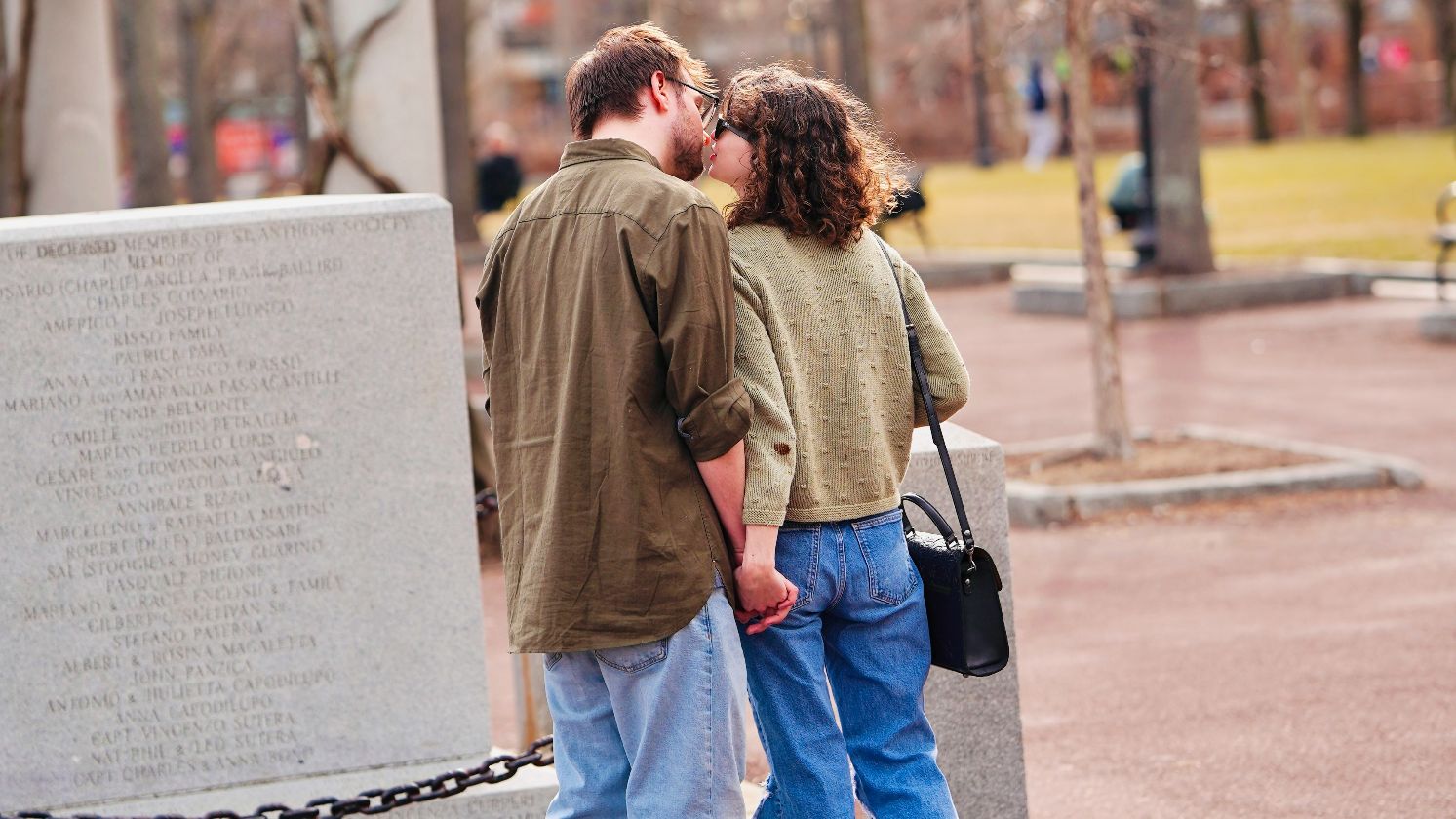
Public Displays of Affection (PDA)
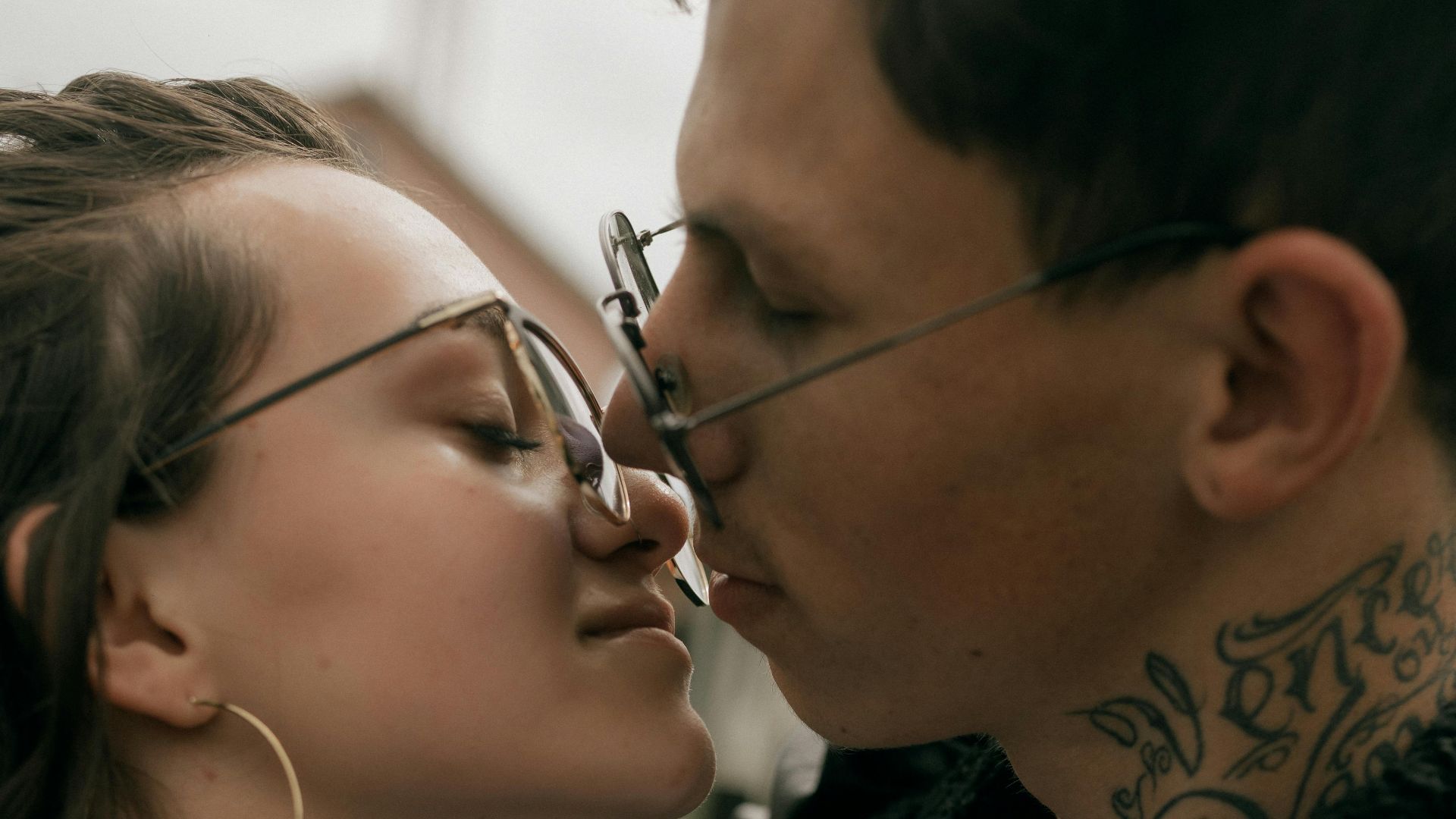
During the Victorian era, strict social conduct presided over how people interacted with one another. This meant no PDAs to the point that married couples were held to a modesty standard. Any type of physical affection was deemed improper.
Courtship rituals were once very formal and supervised, and physical contact only came after marriage. These attitudes evolved somewhat, but still carried into the 20th century, when PDAs would still garner disapproval or even social reprimand in some cases.
Open Conversations About Mental Health
Talking about mental health was taboo, but it has become increasingly more common in workplaces, our homes, and schools. Historically, discussing any type of emotional struggle was frowned upon and treated as shameful or a sign of weakness.
Throughout the 19th and early 20th centuries, mental health was poorly understood even by the medical community. Stigma was more common than treatment and empathy. Many avoided seeking professional help out of fear for social consequences, and any type of treatment was hidden from public view to protect reputations.
Today, open dialogue is encouraged, and resources are more readily available than ever before. These conversations are widespread, and mainstream and mental wellness is supported and promoted in many parts of the country.
What society treats as proper or immoral is constantly changing. Casual clothing, PDAs, and discussing mental health were once breaches of social etiquette, but are now accepted or, in some cases, encouraged. These social norms reflect a broader cultural evolution toward comfort and empathy, reminding us that social norms are not laws.
KEEP ON READING