

Imagine looking up at the sky and seeing rain. Now imagine that the rain continues tomorrow. And the next day. And the next. For a million years straight.
If you think this is science fiction, you're wrong. It actually happened on Earth around 232 million years ago during an event geologists call the Carnian Pluvial Episode. Our planet turned into a waterworld that would have made Noah's flood look like a spring shower.
When Volcanoes Drowned The World
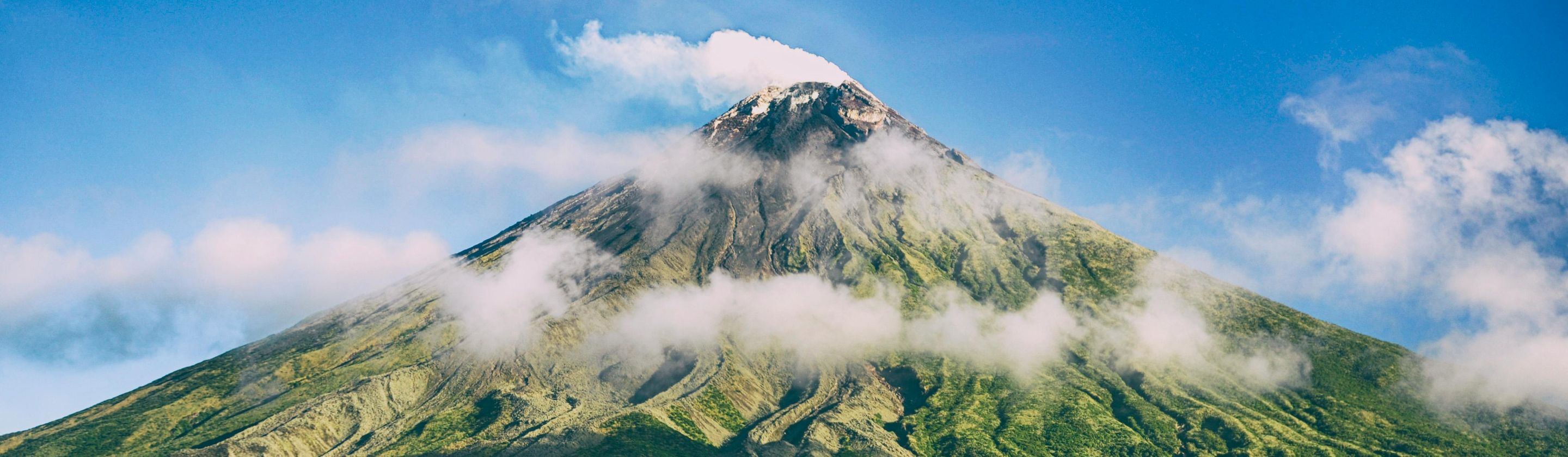
The story begins in what is now western Canada, where massive volcanic eruptions in the Wrangellia Large Igneous Province pumped unprecedented amounts of carbon dioxide into the atmosphere. We're talking about volcanic activity on a scale that makes modern eruptions look like birthday candles.
These weren't your typical cone-shaped mountains—this was flood basalt volcanism, where lava oozed from enormous cracks in the Earth's crust, covering areas the size of modern countries. The CO2 from these eruptions created a supergreenhouse effect, raising global temperatures by 5 to 10 degrees Celsius.
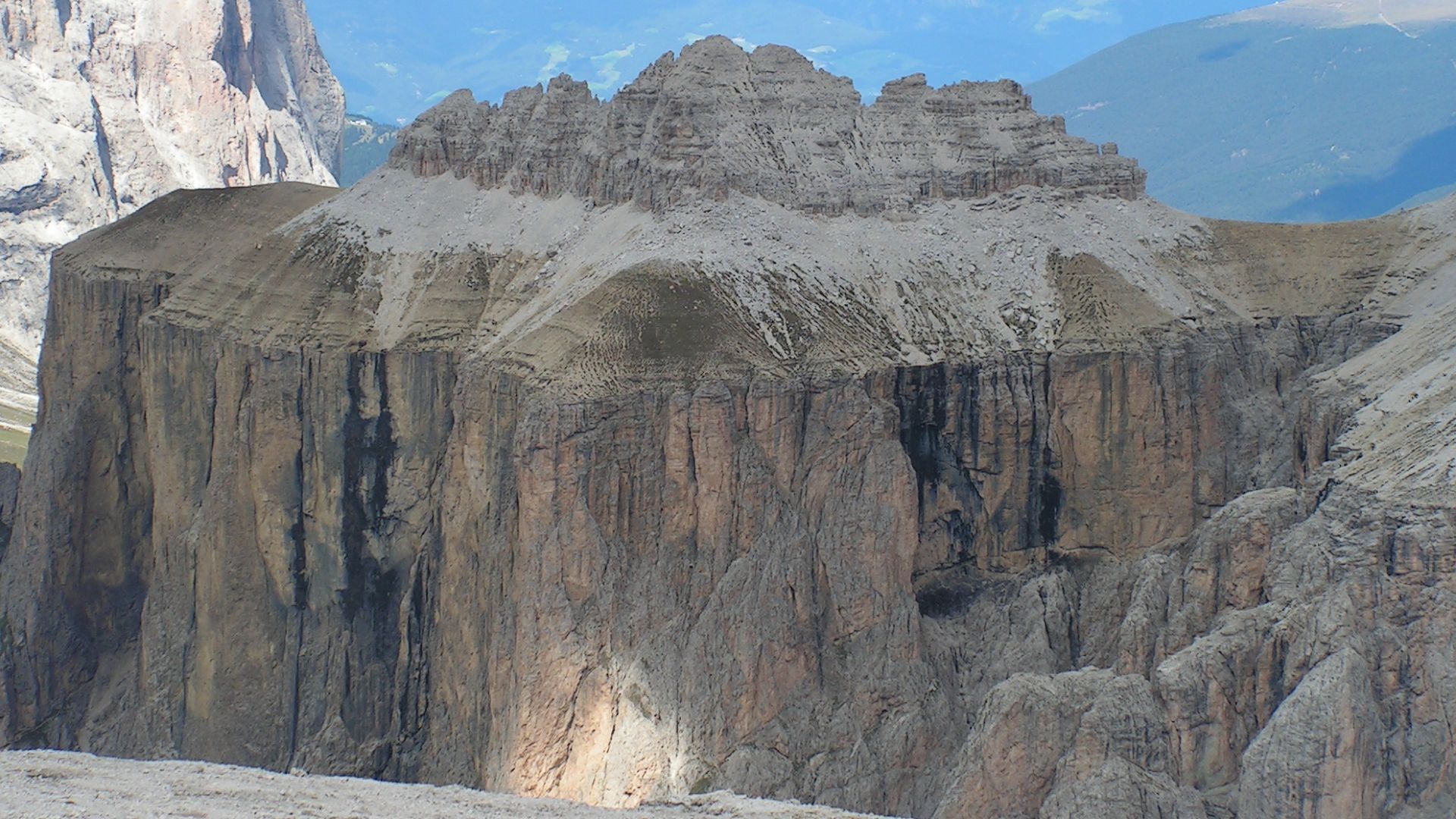
This atmospheric change turbocharged the water cycle into overdrive. Warmer air held more moisture, and what goes up must come down and boy, did it come down. The geological record preserves this catastrophe in layers of sediment that suddenly shift from dry, desert-like deposits to thick sequences of mudstone and clay that could only form in persistently wet conditions.
Life In The Endless Storm
You might think a million years of rain would devastate all life, but evolution is wonderfully adaptable. The Carnian Pluvial Episode actually triggered one of the most significant evolutionary explosions in Earth's history. The constant deluge converted arid landscapes into lush wetlands and massive river systems, creating entirely new ecological niches.
Dinosaurs, which had been relatively minor players before this event, suddenly found themselves in a world tailor-made for expansion. The wet conditions favored the diversification of herbivorous dinosaurs that could exploit the explosion of plant life. Meanwhile, modern conifer groups evolved and spread rapidly.
In the oceans, this soggy period saw the rise of new coral reef systems and the diversification of marine reptiles. The rain literally reshaped the intriguing trajectory of life on Earth.
The Lasting Legacy
When the rain finally stopped, Earth was fundamentally different. The prolonged wet period had weathered rocks and transported nutrients on a massive scale, permanently altering ocean chemistry. The evolutionary changes set during this million-year monsoon established patterns that would persist for the next 150 million years of the Mesozoic Era.
Today, scientists study the Carnian Pluvial Episode not just as a fascinating chapter in Earth's past, but as a window into how our planet responds to rapid climate change. The event demonstrates that relatively sudden shifts in atmospheric carbon dioxide can trigger cascading environmental changes lasting far longer than the initial cause.
It's a sobering reminder, written in ancient stone and preserved across multiple continents for us to read.
KEEP ON READING

20 Weirdest Historical Objects in Museums
Check Out the Pickled Heart of a Saint. Museums carry…
By Rob Shapiro Oct 1, 2025
20 Scariest Missing Persons Cases in History
Eerie Disappearances. There's something uniquely unsettling about a person who…
By Christy Chan May 1, 2026
20 Greatest Ancient Athletes In History
Ancient Olympics. Long before modern stadiums and multimillion-dollar endorsements, athletes…
By Sara Springsteen May 1, 2026
10 Phenomenal Mythical Creatures & 10 That Are Just Plain…
Legends Both Majestic And Peculiar. Do you ever wonder why…
By Chase Wexler Oct 1, 2025
10 Presidents Who Never Served In The Military & 10…
Commanders And Civilians In Office. Power can rise from very…
By David Davidovic Sep 1, 2025
20 Wars That Could Have Ended Much Sooner Than They…
Wars That Lasted Far Too Long. Wars are often remembered…
By David Davidovic Sep 1, 2025