

Innovation Gone Dangerously Wrong
History loves celebrating brilliant weapons, but failure often tells the better story. Across centuries, armies fielded devices that looked intimidating yet punished their own users with awkward design or poor reliability. These creations reveal how innovation and bad assumptions collided on real battlefields—and many weapons vanished after embarrassing results.
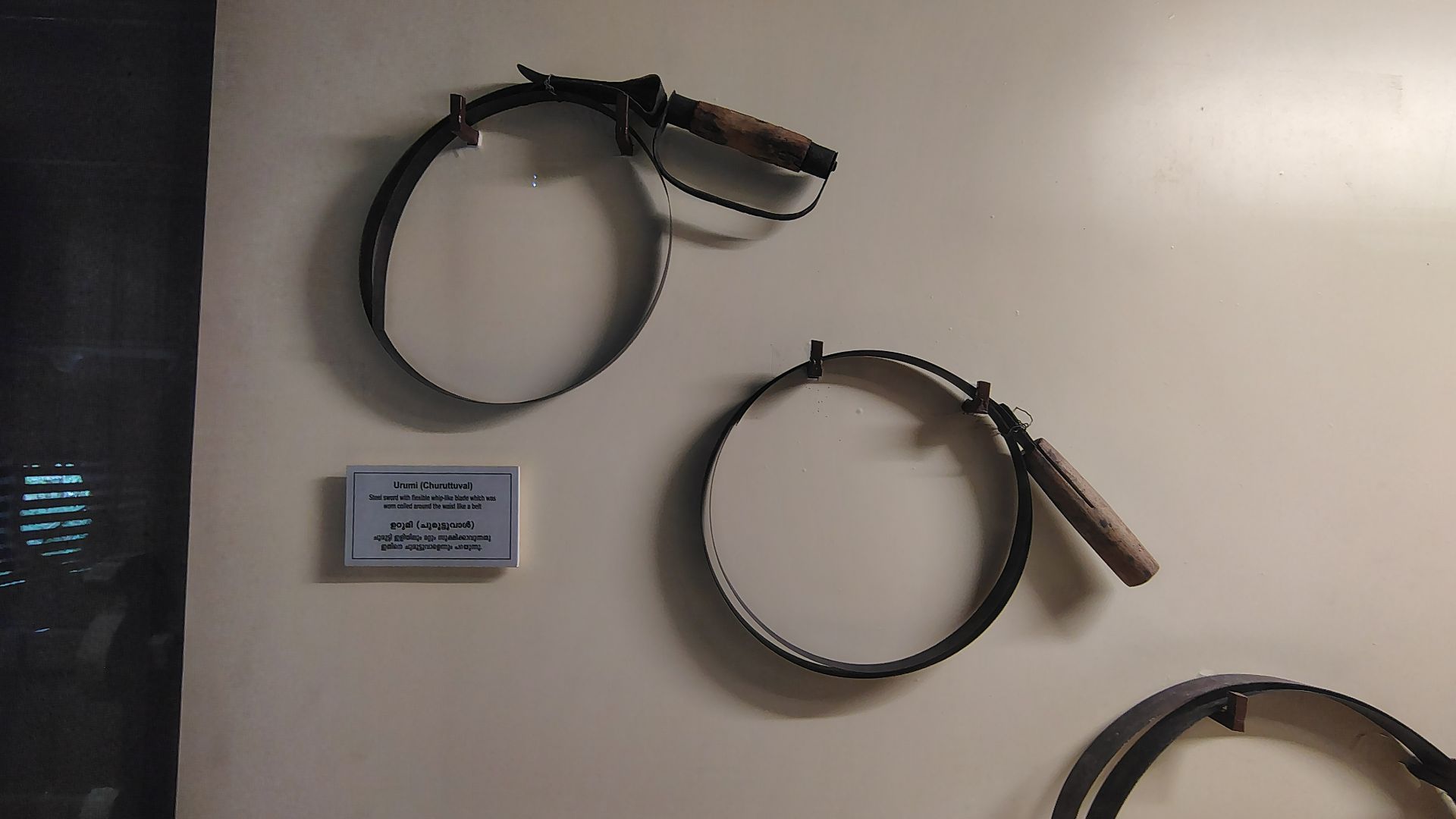
1. Urumi (Whip Sword)
This flexible blade was a nightmare to control, often slicing up its own user during fights. It took years of intense training to master it. Plus, those thin blades were useless against armor, barely scratching chainmail or shields when it mattered most.
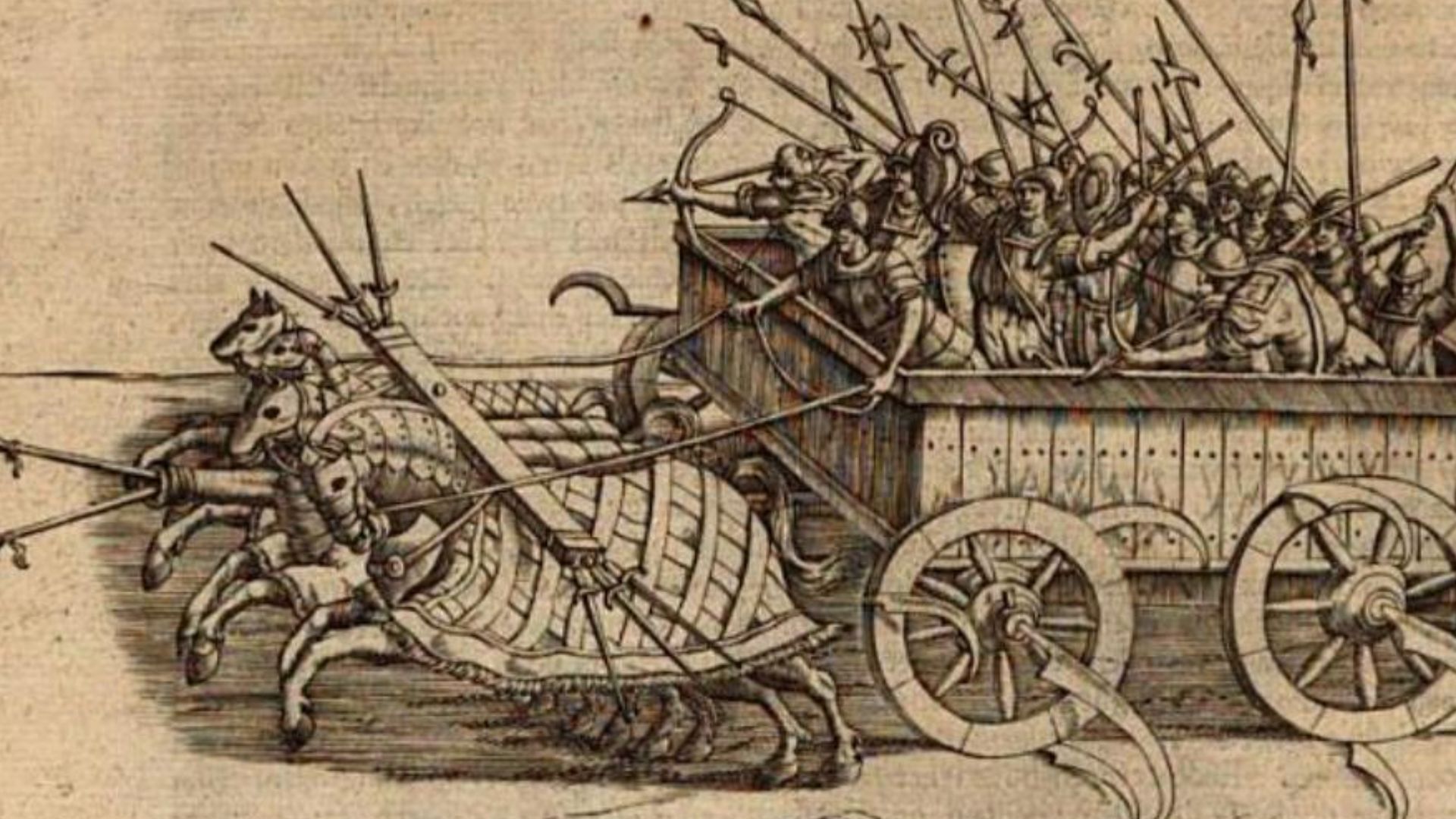
2. Scythed Chariot
These blade-covered chariots flipped over constantly on bumpy ground and got stuck when the terrain wasn't perfectly flat. Terrified horses would panic and charge wildly, sometimes trampling their own side instead of the enemy.
 Johan van Paffenrode (1618-1673) on Wikimedia
3. Fire Lance
The bamboo tubes frequently exploded in the wielder’s face due to poor construction and weak seals. Effective range was under 10 feet, forcing fighters into dangerously close quarters and making the weapon as hazardous to its operator as to the enemy.
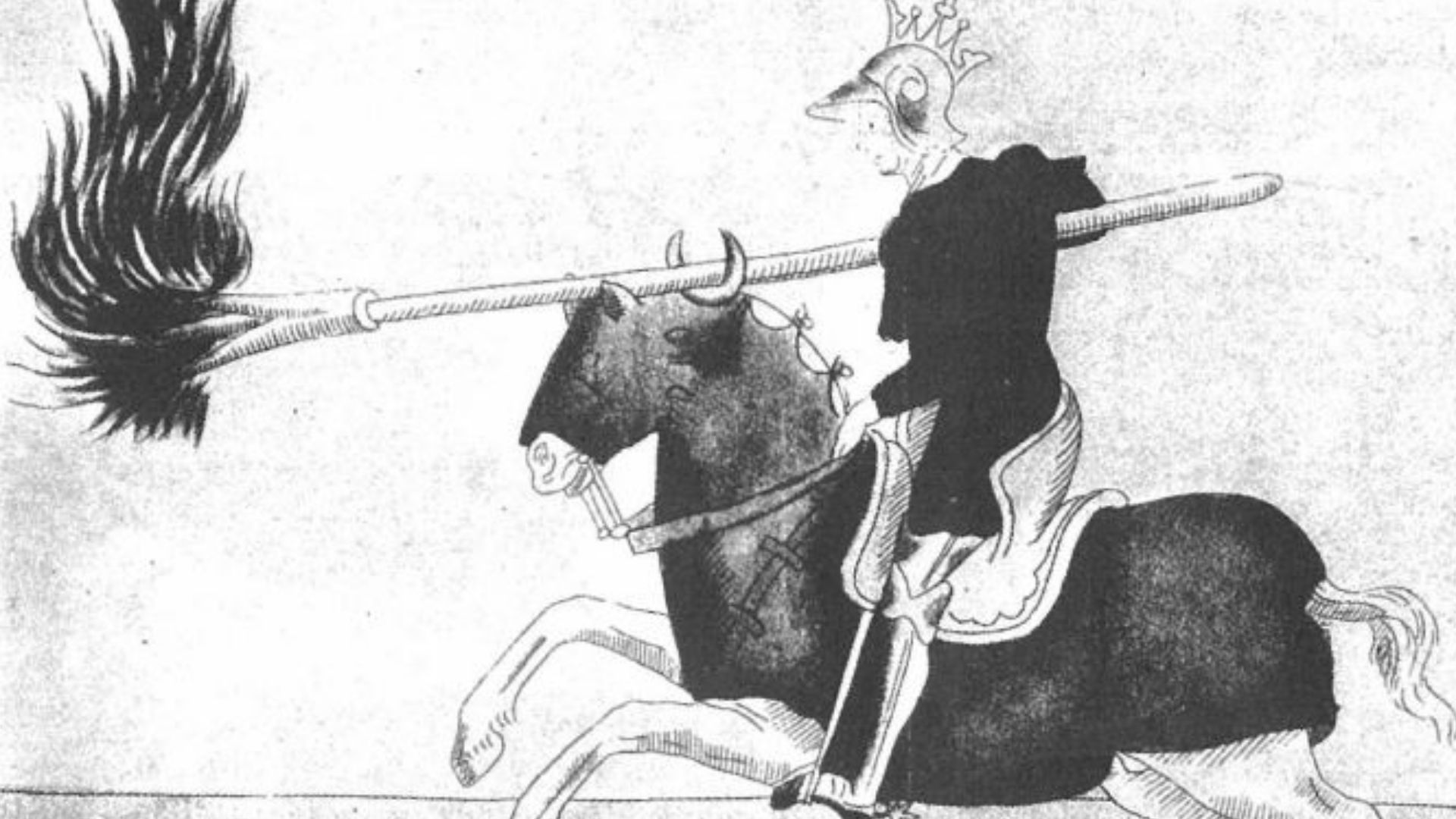 Unknown authorUnknown author on Wikimedia
4. Man Catcher
The man catcher’s eight-foot length made it slow and awkward in tight fights. Its prongs often failed against armor, and if the grab missed, the user was left defenseless. Despite its scary look, it worked better for guards than warriors.
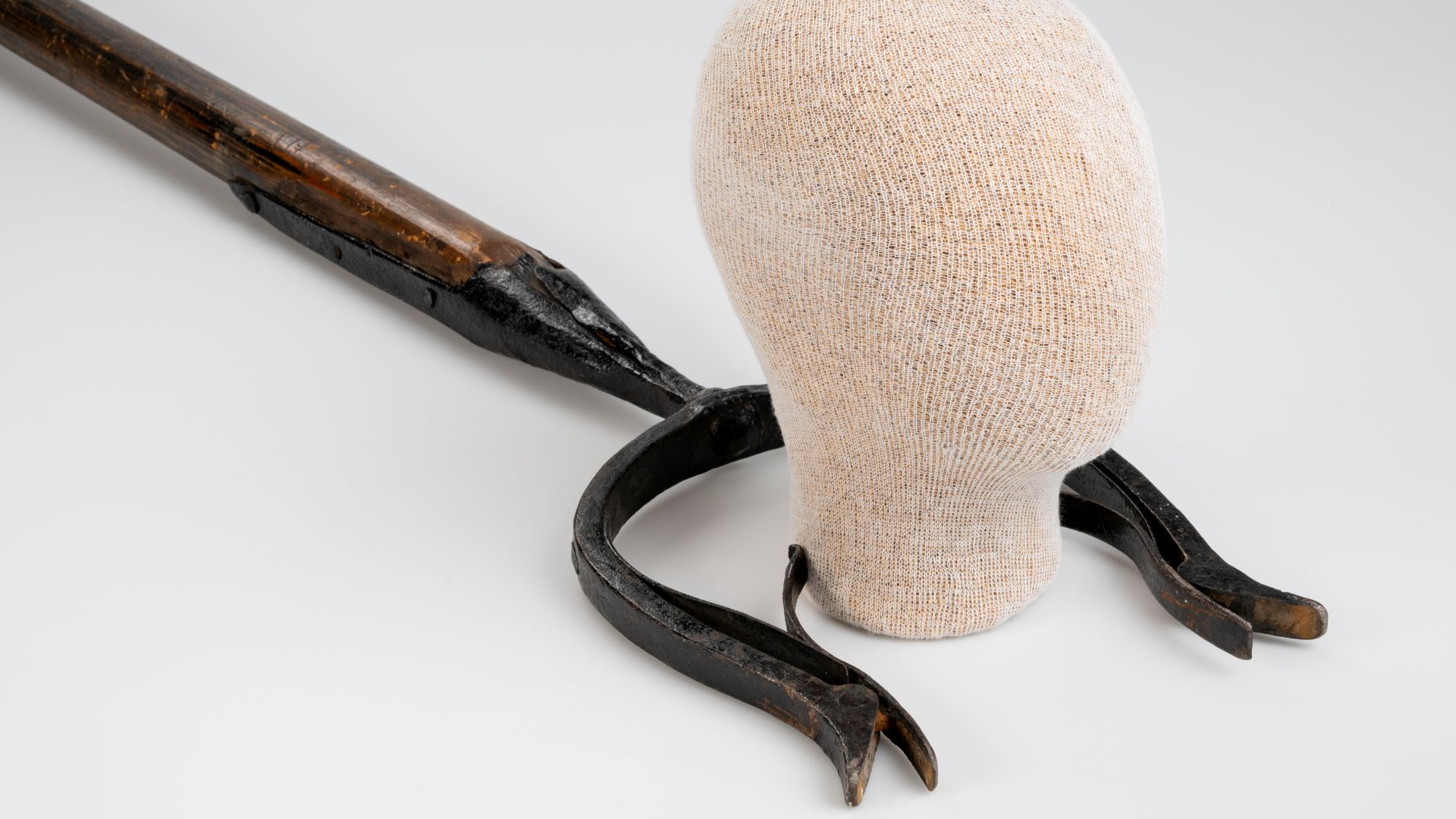 Kulturparken Småland / Smålands museum on Wikimedia
5. Flail
The wild swinging motion made flail just as dangerous to you as it was to enemies. Missing a strike left the fighter completely exposed since the chain took a long time to reset for another swing. Against armored foes, the flail mostly just bounced off harmlessly.
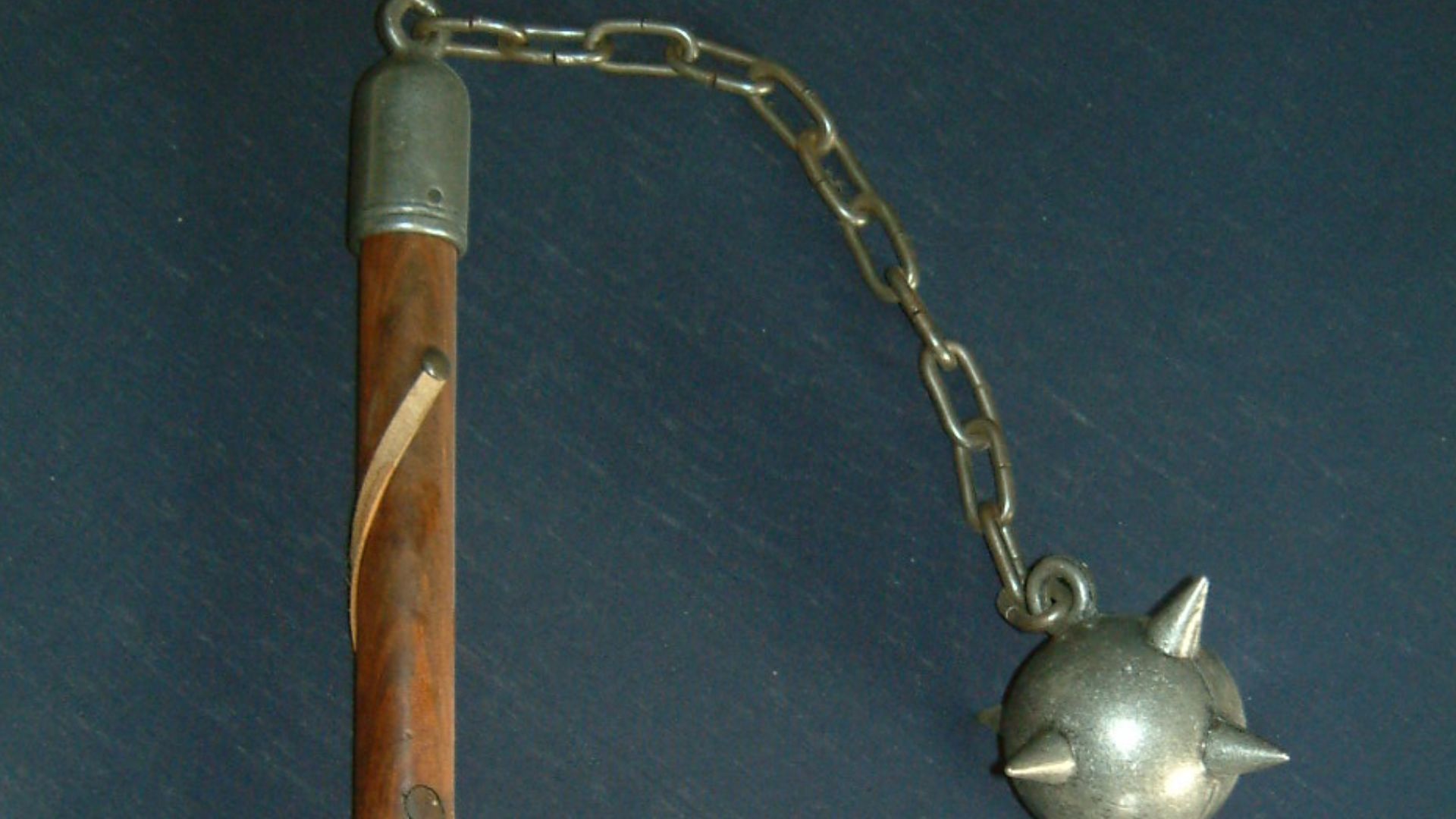 Tim Avatar Bartel on Wikimedia
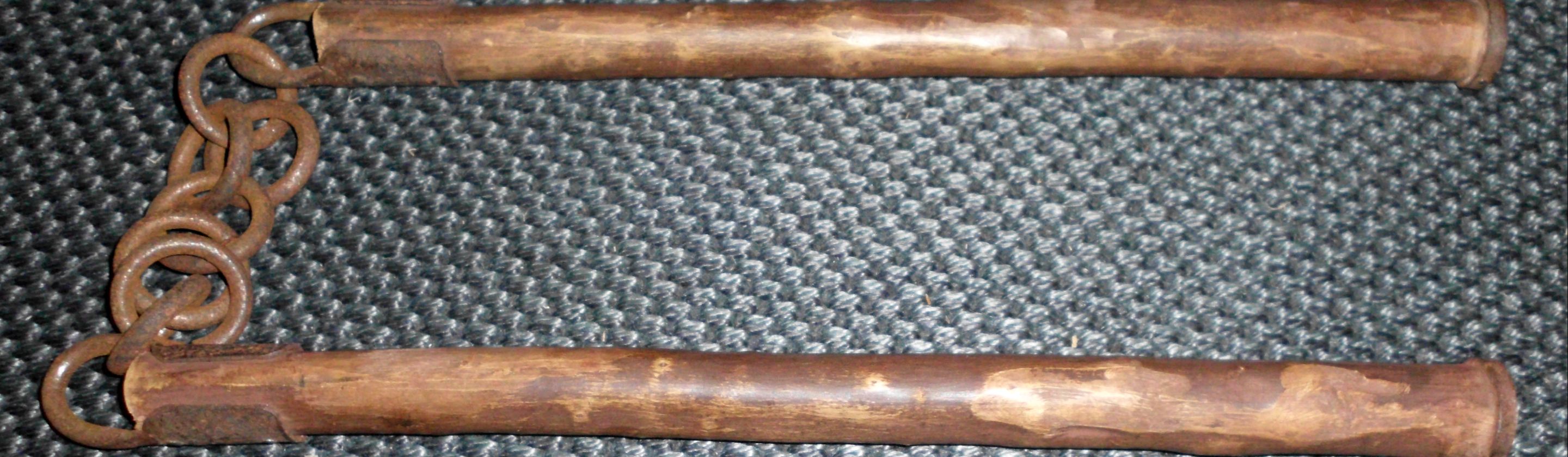
6. Nunchaku
This one demanded serious training just to avoid self-injury, with mistakes ending painfully. Their short reach struggled against swords or spears, and armor reduced their impact. Despite pop culture fame, many real fighters preferred basic sticks for safer control.
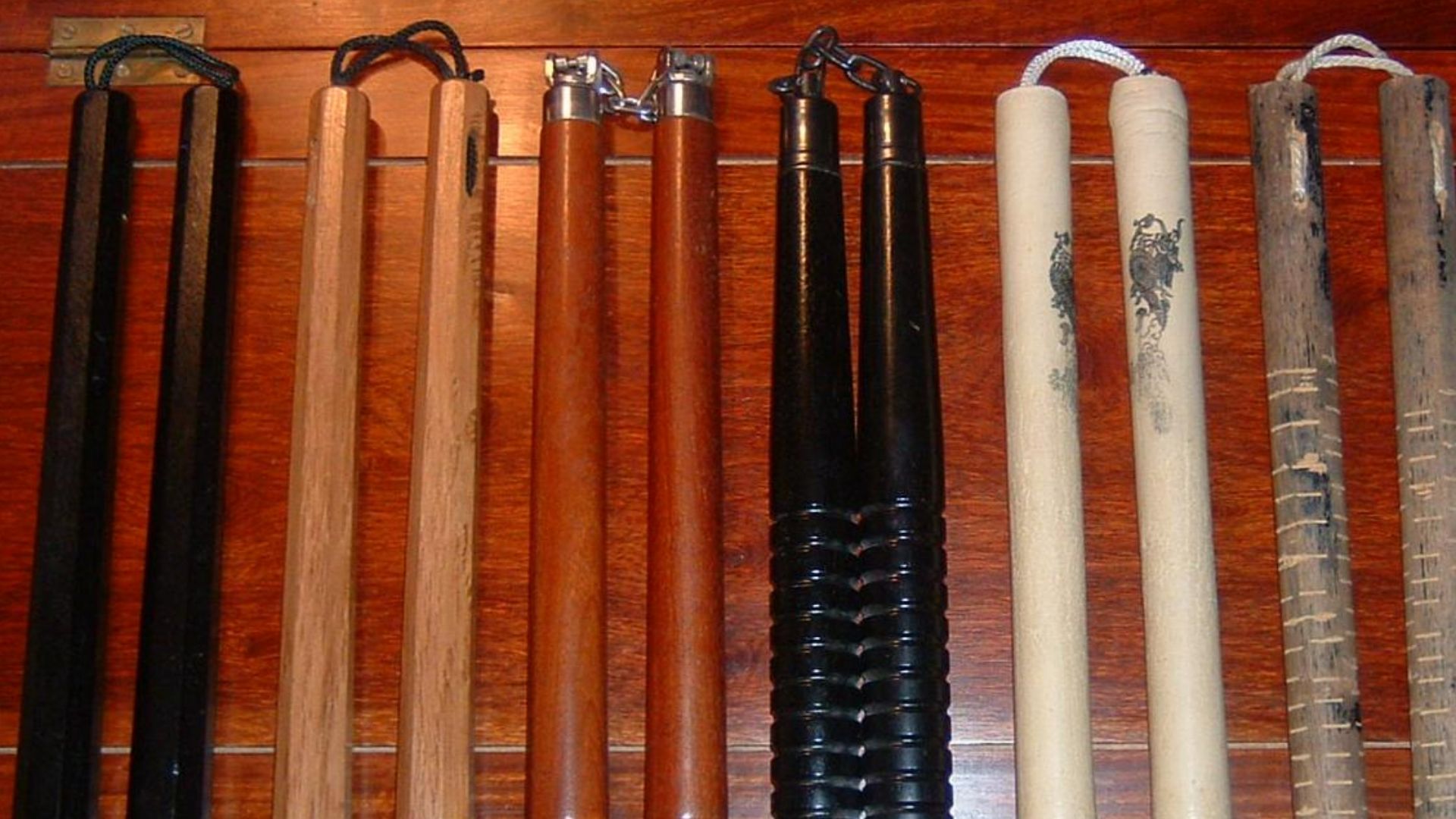 Jimmijon~commonswiki assumed (based on copyright claims). on Wikimedia
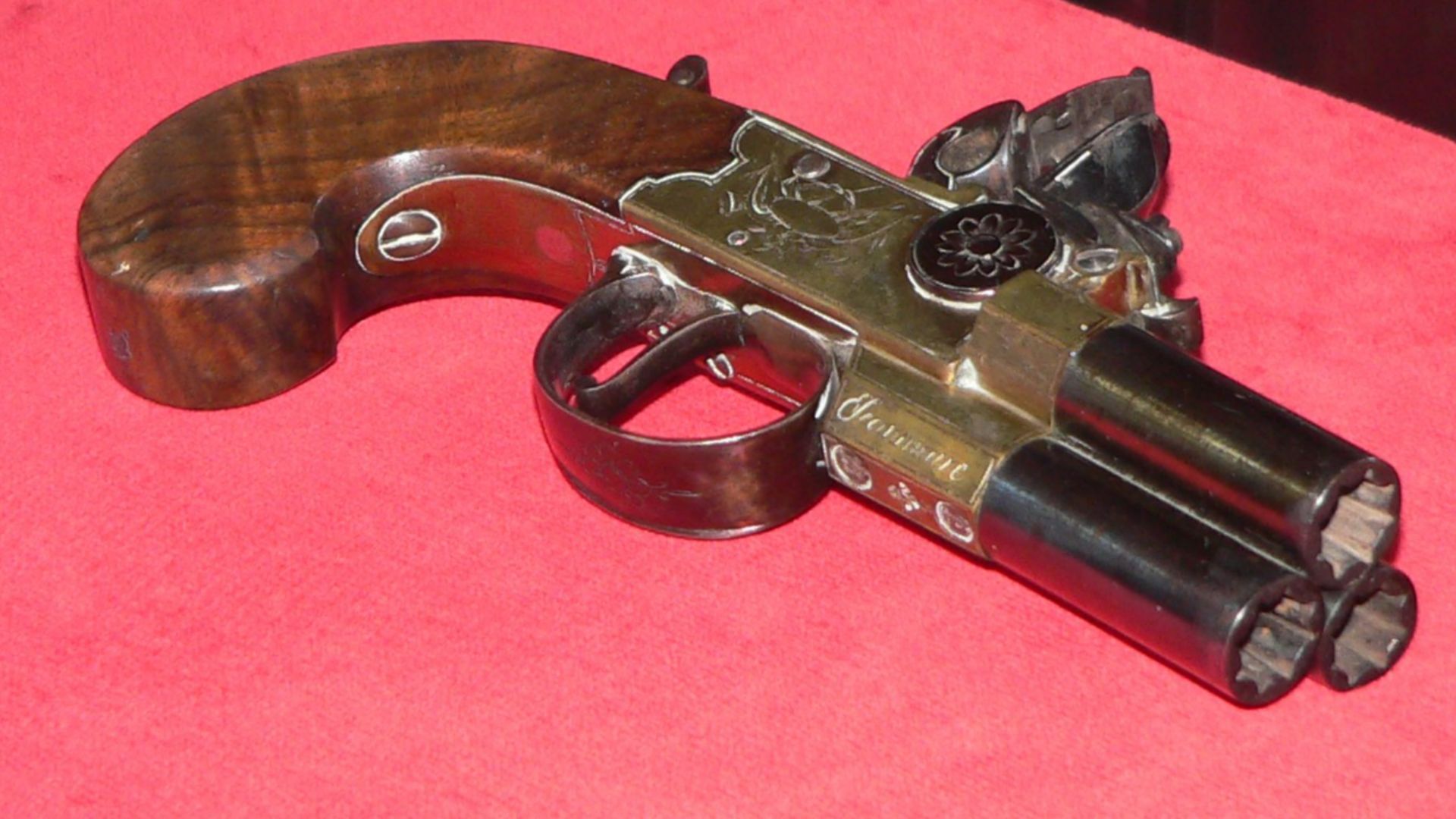
7. Duck’s Foot Pistol
Designed for crowd control, this odd pistol kicked back violently, often injuring the shooter. The wide shot spread was useless beyond point-blank range, and reloading several barrels took so long that it was impractical in chaotic fights.
8. Nock Firearm
Firing all seven barrels at once meant brutal recoil that could seriously injure the shooter. Its heavy weight made aiming a struggle, and sparks from each blast could ignite ship rigging. Naval use turned into a dangerous fire risk.
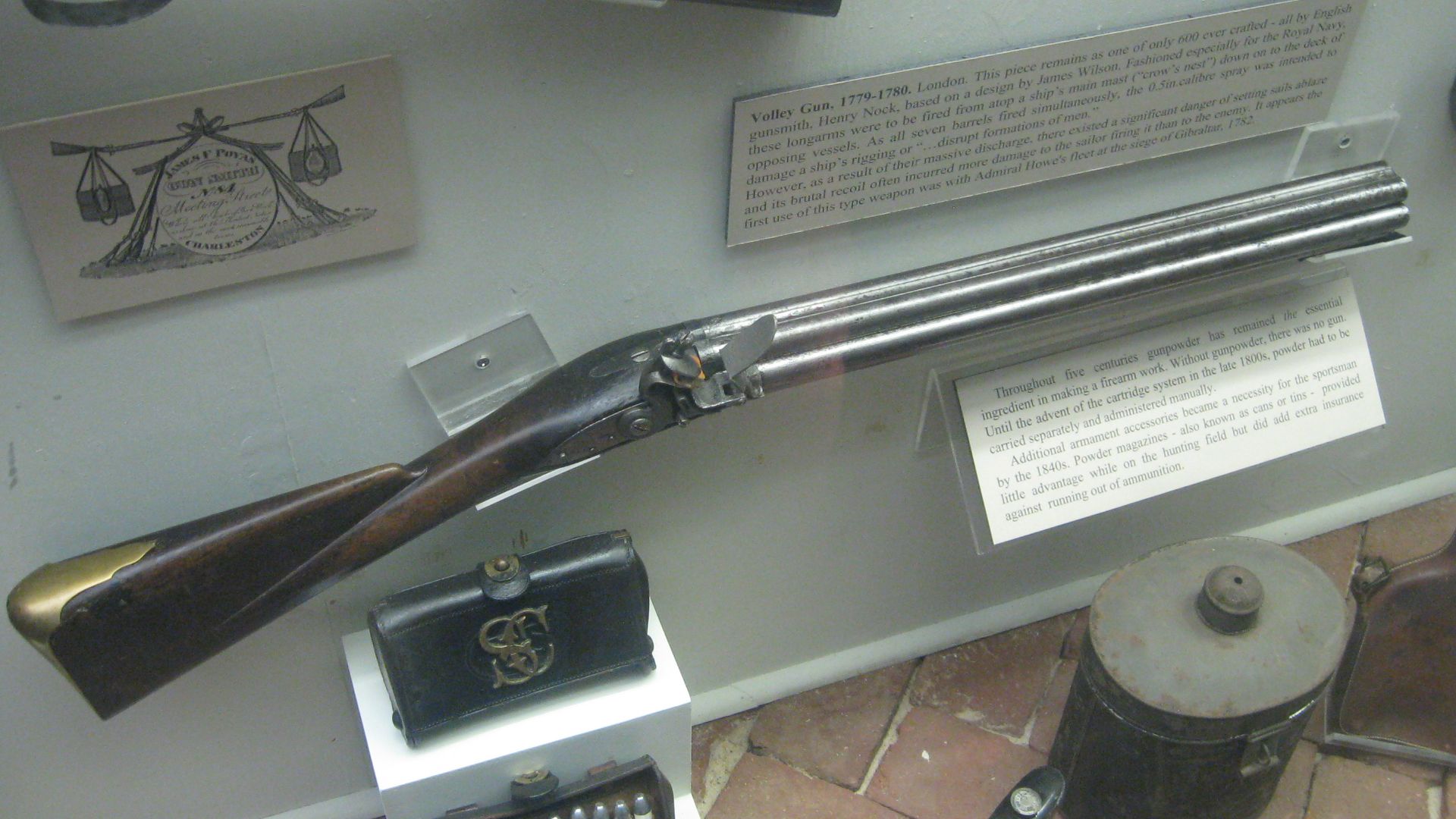 jim.rocco at Flickr on Wikimedia
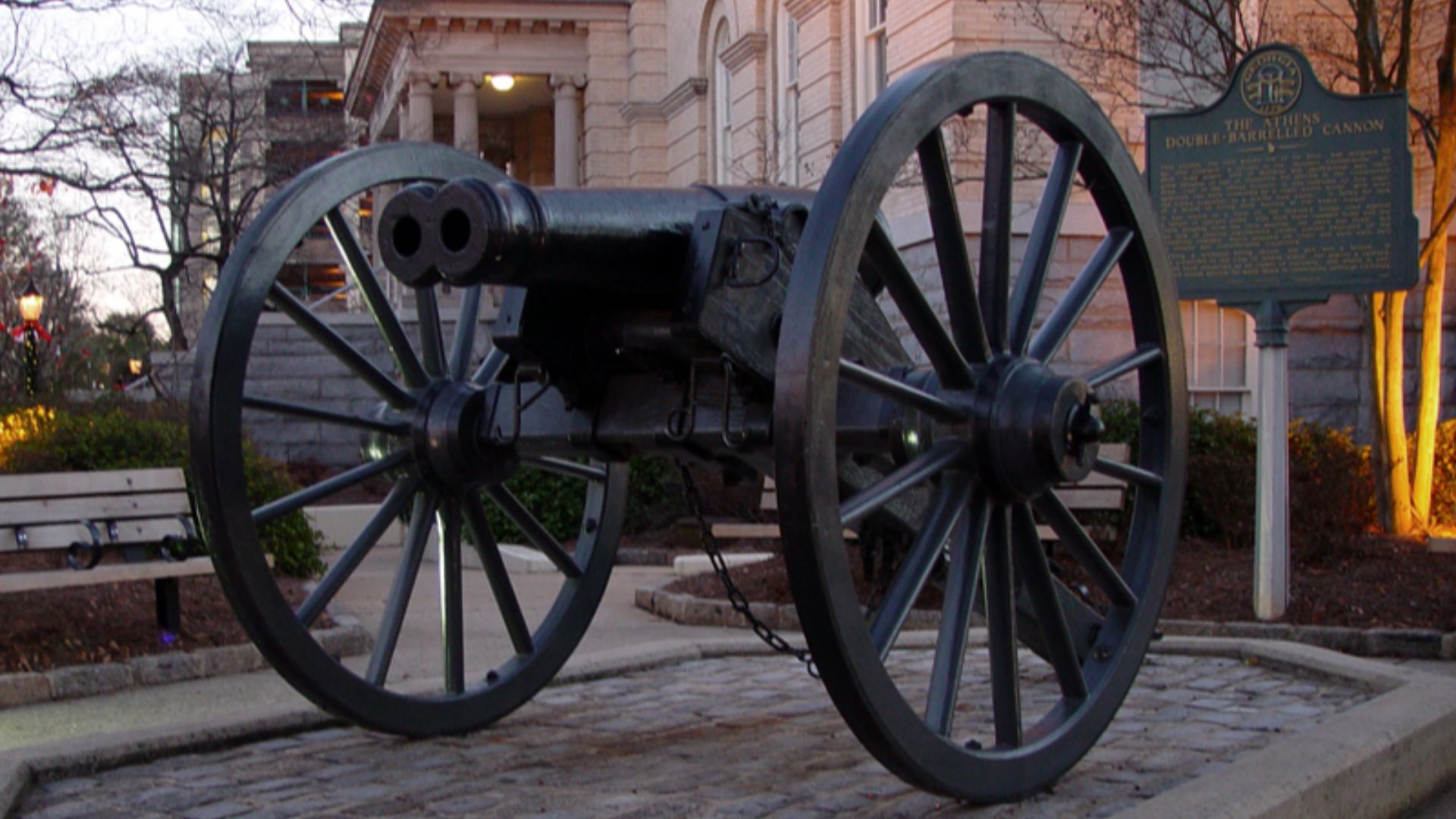
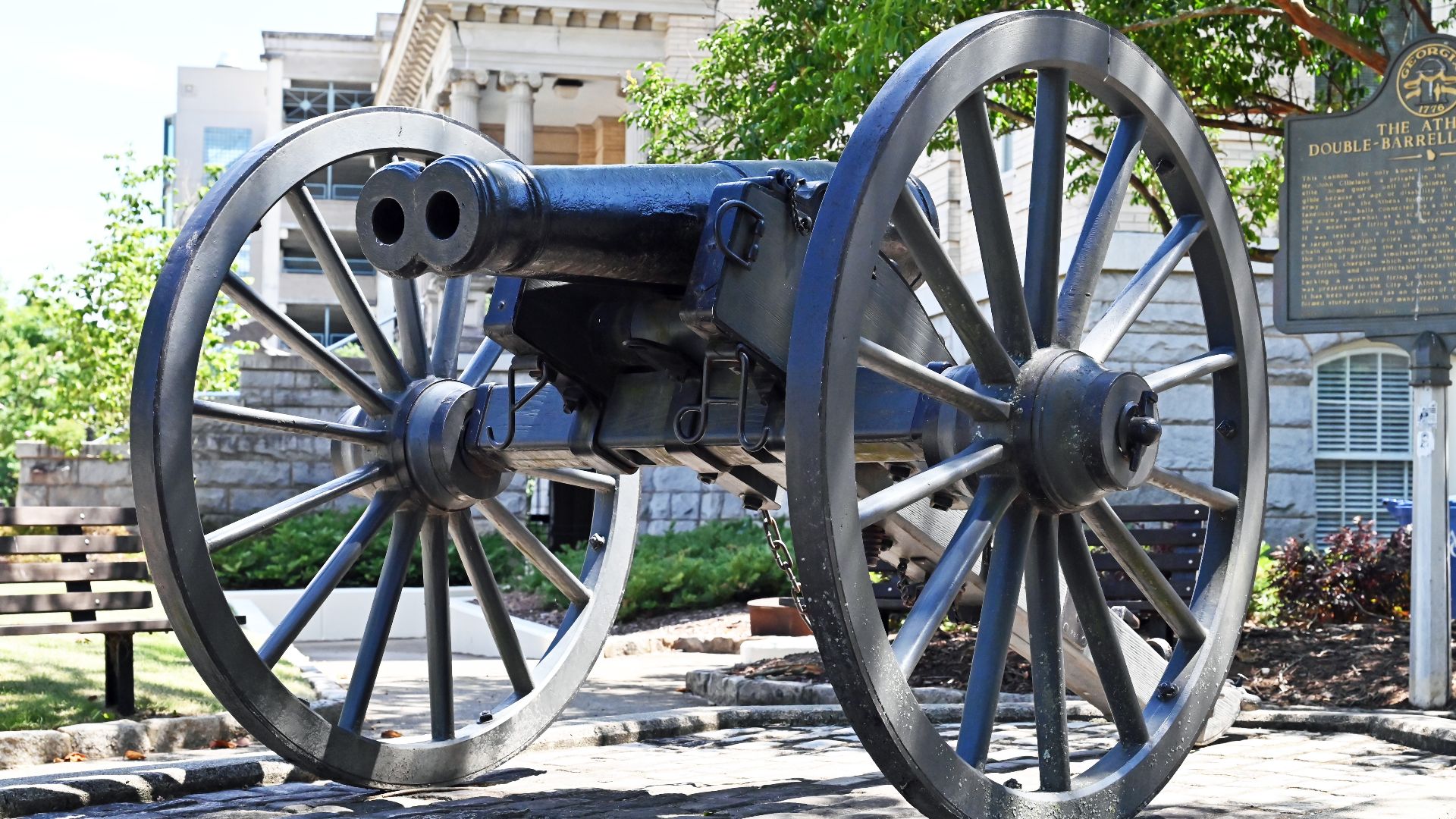
9. Double-Barreled Cannon
Poor barrel timing sent shots flying in random directions. Chains snapped without warning, and repeated test failures kept it out of real battles. All these malfunctions sealed its reputation as a dangerous idea that never actually worked.
10. Chauchat Light Machine Gun
Mud-filled trenches exposed the biggest flaw right away. Open magazines collected dirt, jamming the weapon repeatedly. Then came overheating and misfires from sloppy manufacturing. To make matters worse, the recoil was so harsh that accuracy suffered badly.
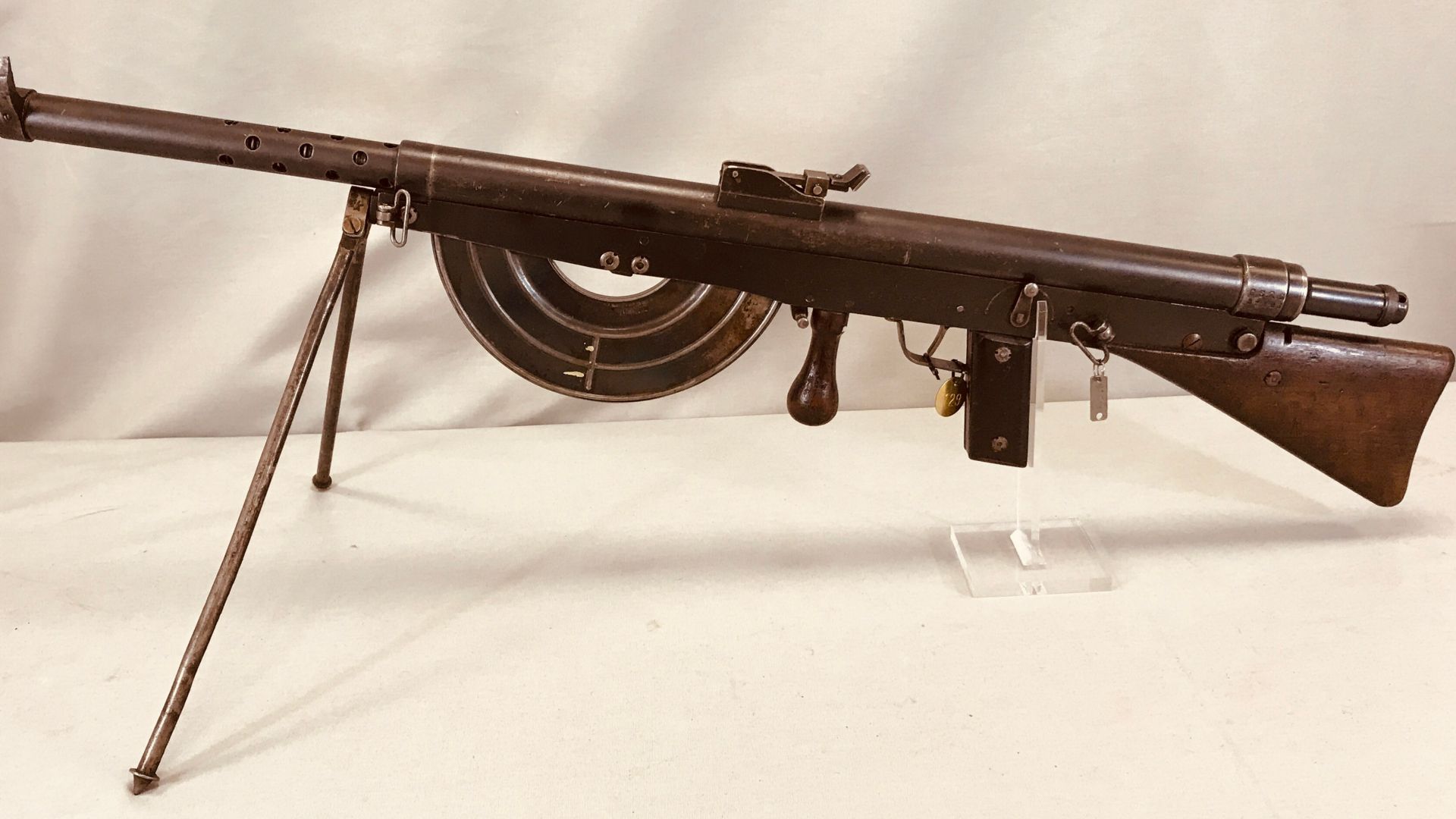 National Guard Militia Museum from Also Lawrenceville on Wikimedia
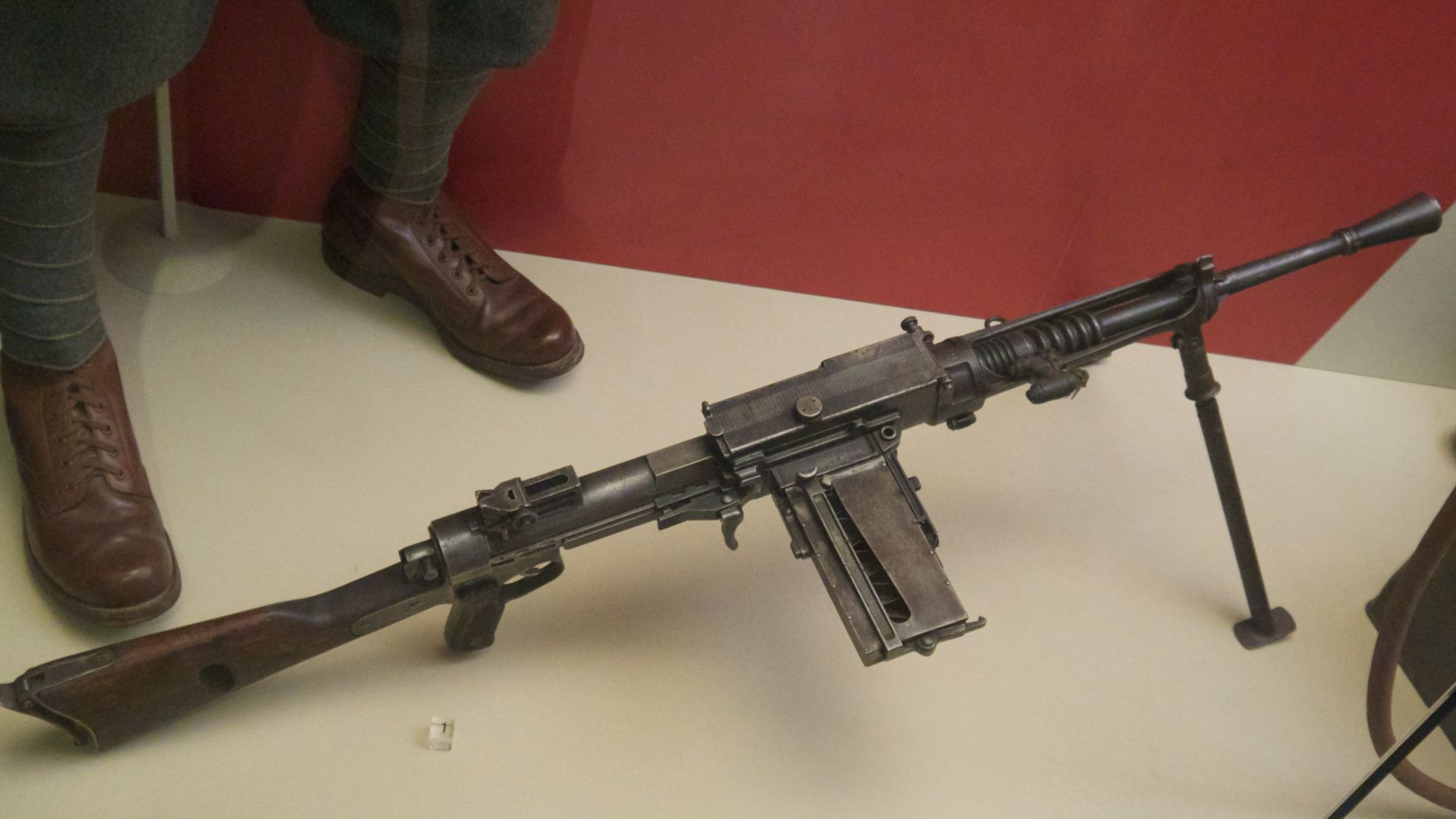
11. Breda Model 30 Light Machine Gun
Cartridges needed oiling to prevent jams, but that oil was a magnet for dust and sand in desert conditions. The fixed magazine and stripper clip design made reloading painfully slow. It also overheated almost immediately, which completely ruined sustained fire.
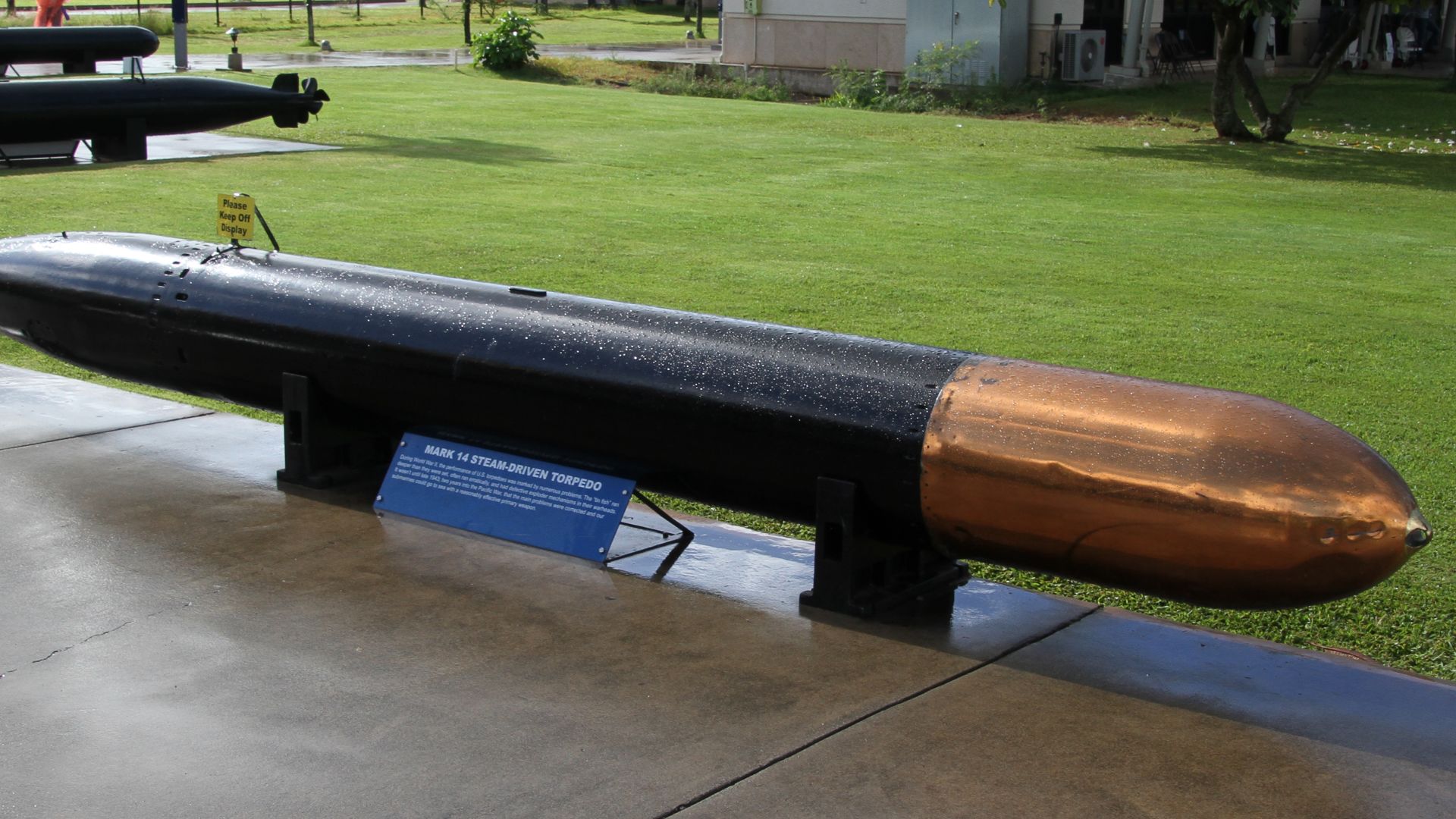
12. Mark 14 Torpedo
Early versions were plagued by serious design flaws; many ran too deep and missed their targets. Meanwhile, magnetic detonators failed or exploded early. Faulty impact triggers caused duds, and crews even feared the weapons circling back toward their own submarines.
 Tony Hisgett from Birmingham, UK on Wikimedia
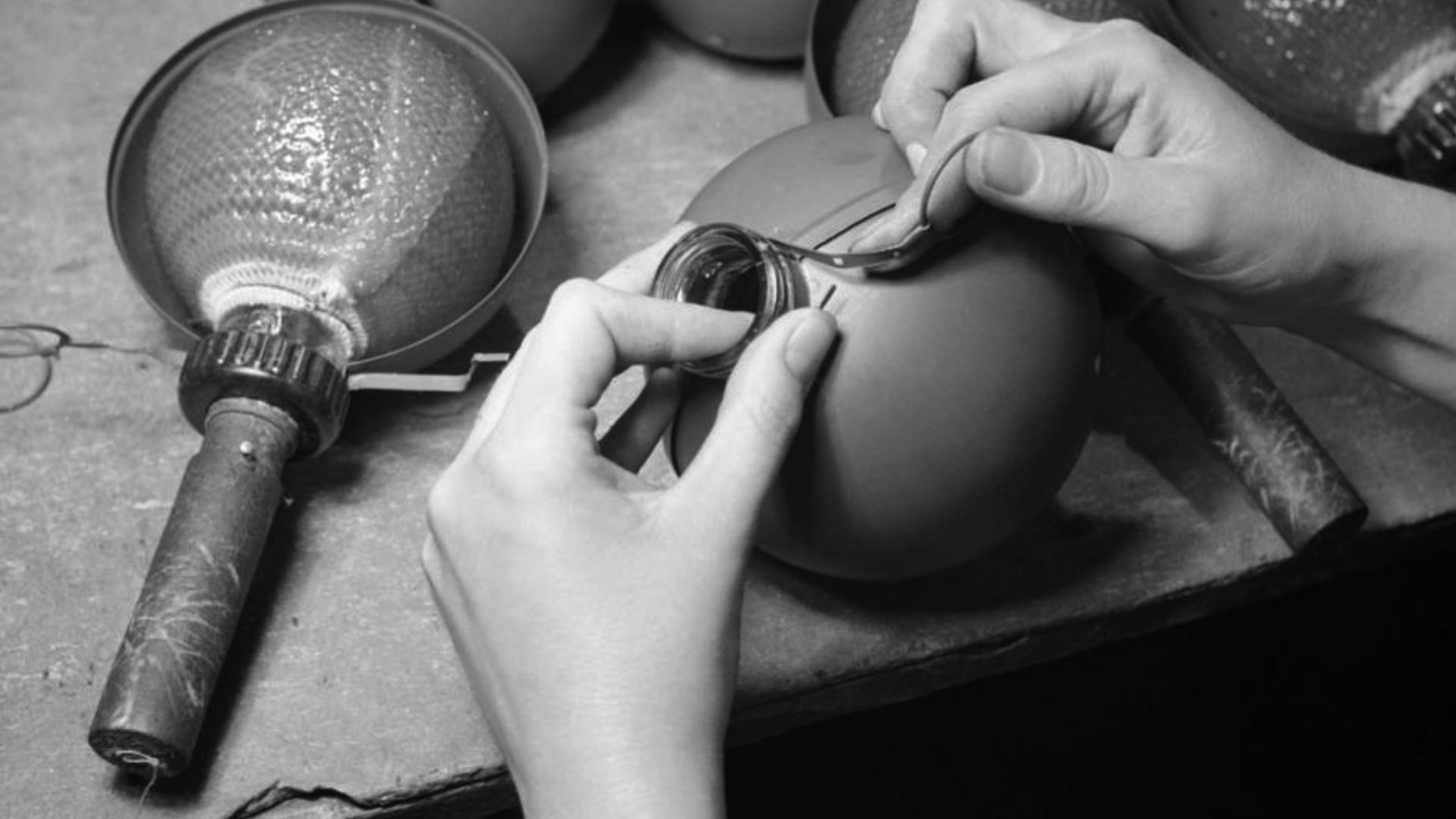
13. Sticky Bomb
What looked smart on paper fell apart quickly in real use. The glue often stuck to uniforms or hands, and moisture weakened its grip. Soldiers had to get dangerously close to tanks, an attempt that made this feel like a risky gamble.
 Ministry of Information Photo Division Photographer Bryson Jack on Wikimedia
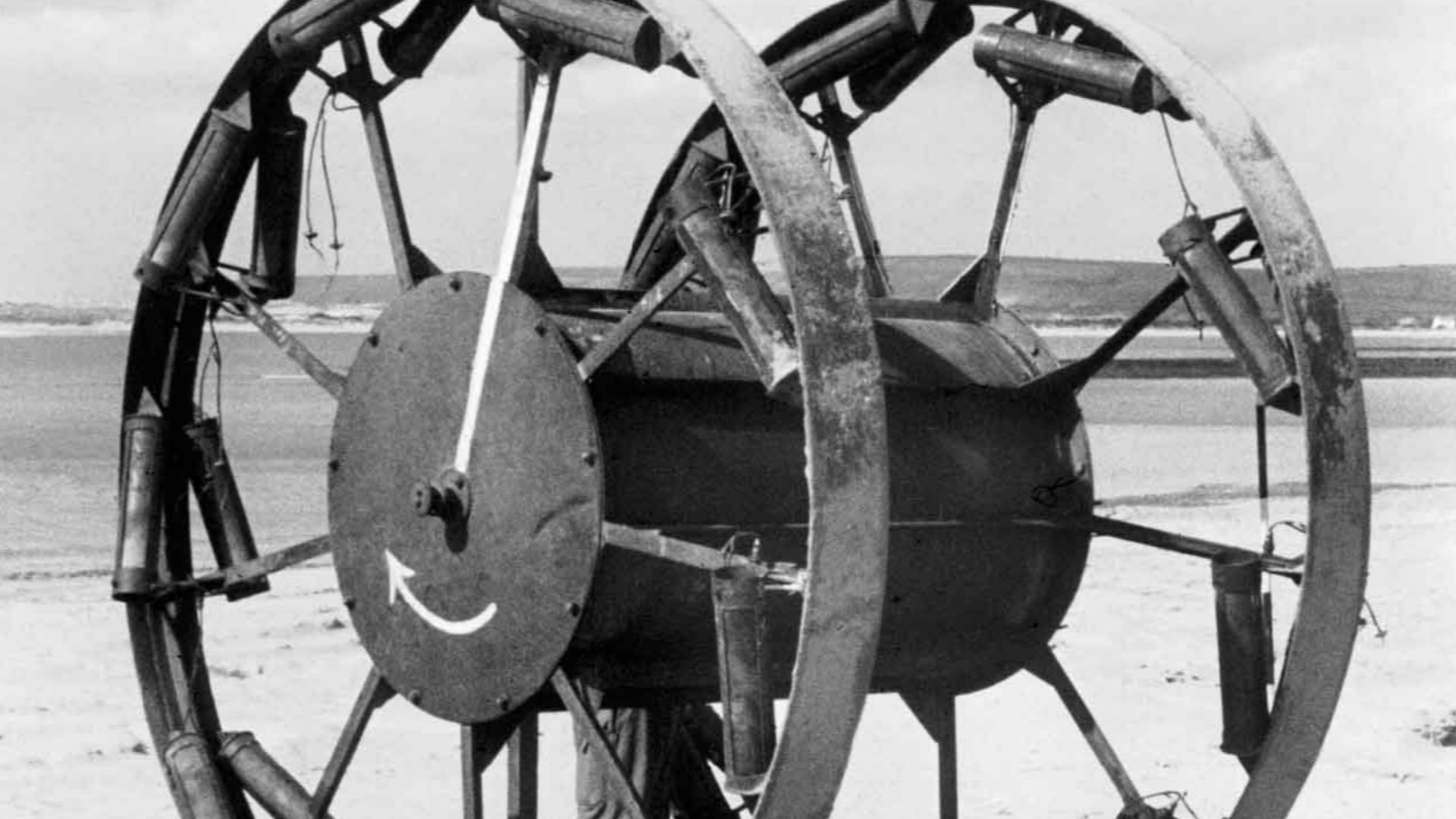
14. Panjandrum
Built to blast through beach defenses, it quickly proved uncontrollable. Uneven rocket thrust sent it spinning or racing backward, with no steering to correct its path. After repeatedly charging toward test crews, the project was quietly scrapped.
 British Government on Wikimedia
15. Anti-Tank Dogs
The Soviet anti-tank dog program was meant to stop enemy armor, but it ended in disaster. Trained dogs panicked under gunfire and followed familiar smells back to friendly lines. Handlers were forced into danger zones, which led to tragic friendly casualties.
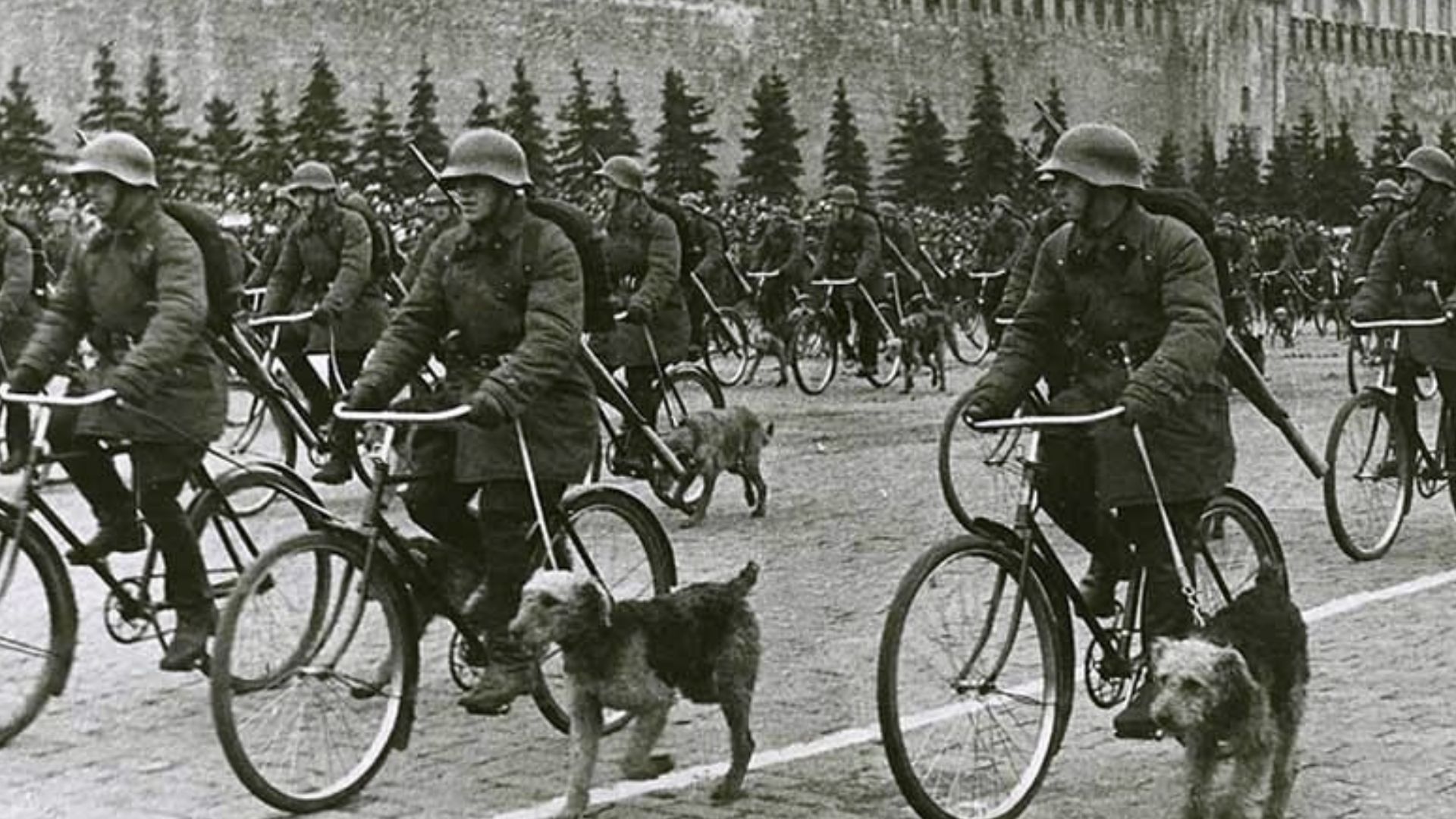 Unknown authorUnknown author on Wikimedia
16. Bat Bomb
The plan went wrong when armed bats were released too early during World War II tests in 1943. Instead of flying toward targets, they escaped into nearby buildings, where the timed incendiaries ignited and accidentally set a U.S. airfield on fire.
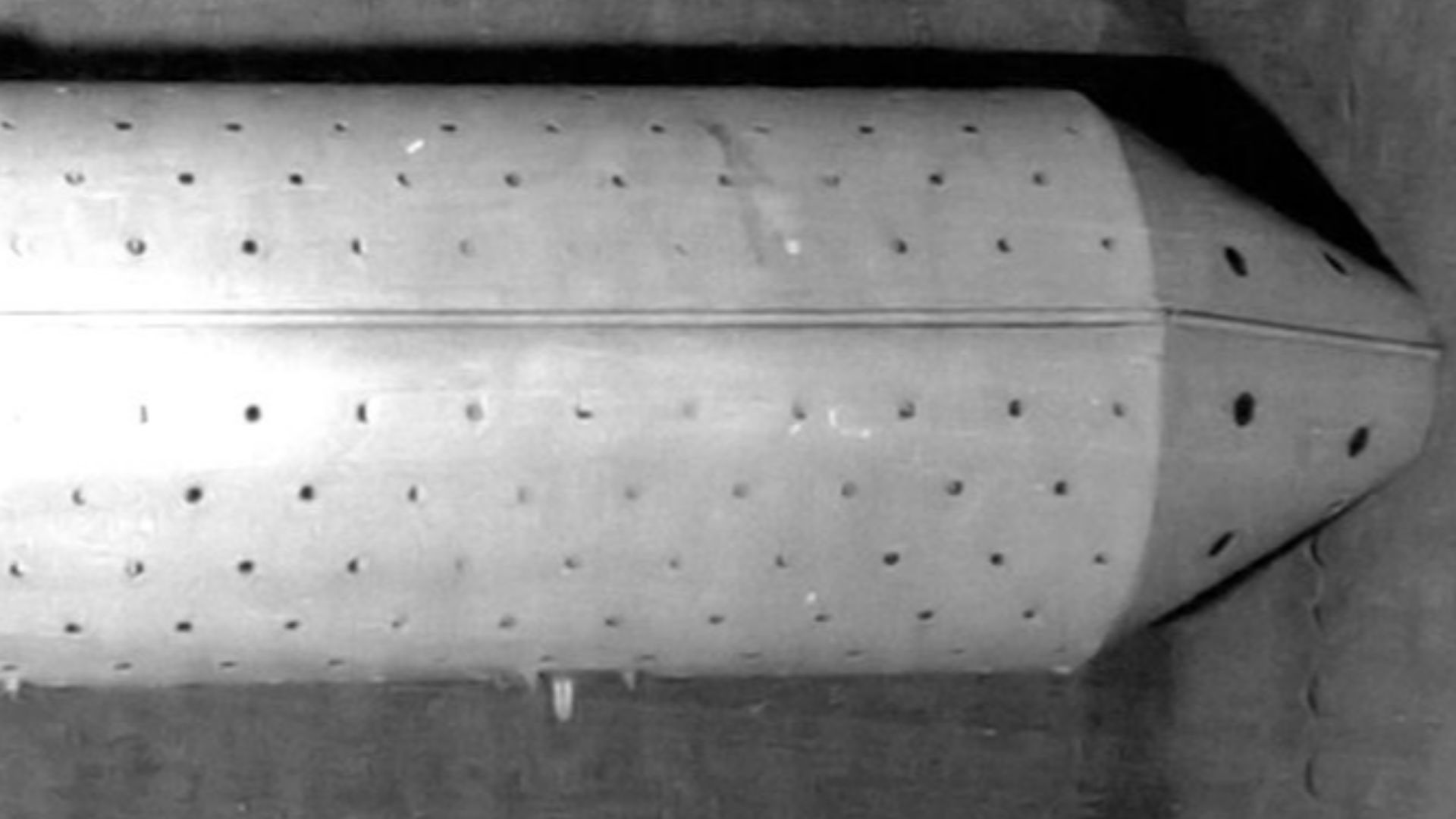 United States Army Air Forces on Wikimedia
17. Krummlauf
Designed to shoot around corners, the curved barrel caused bullets to fragment and lose speed. Barrels wore out after a few hundred rounds as recoil felt awkward, and the novelty turned rifles into short-lived weapons.
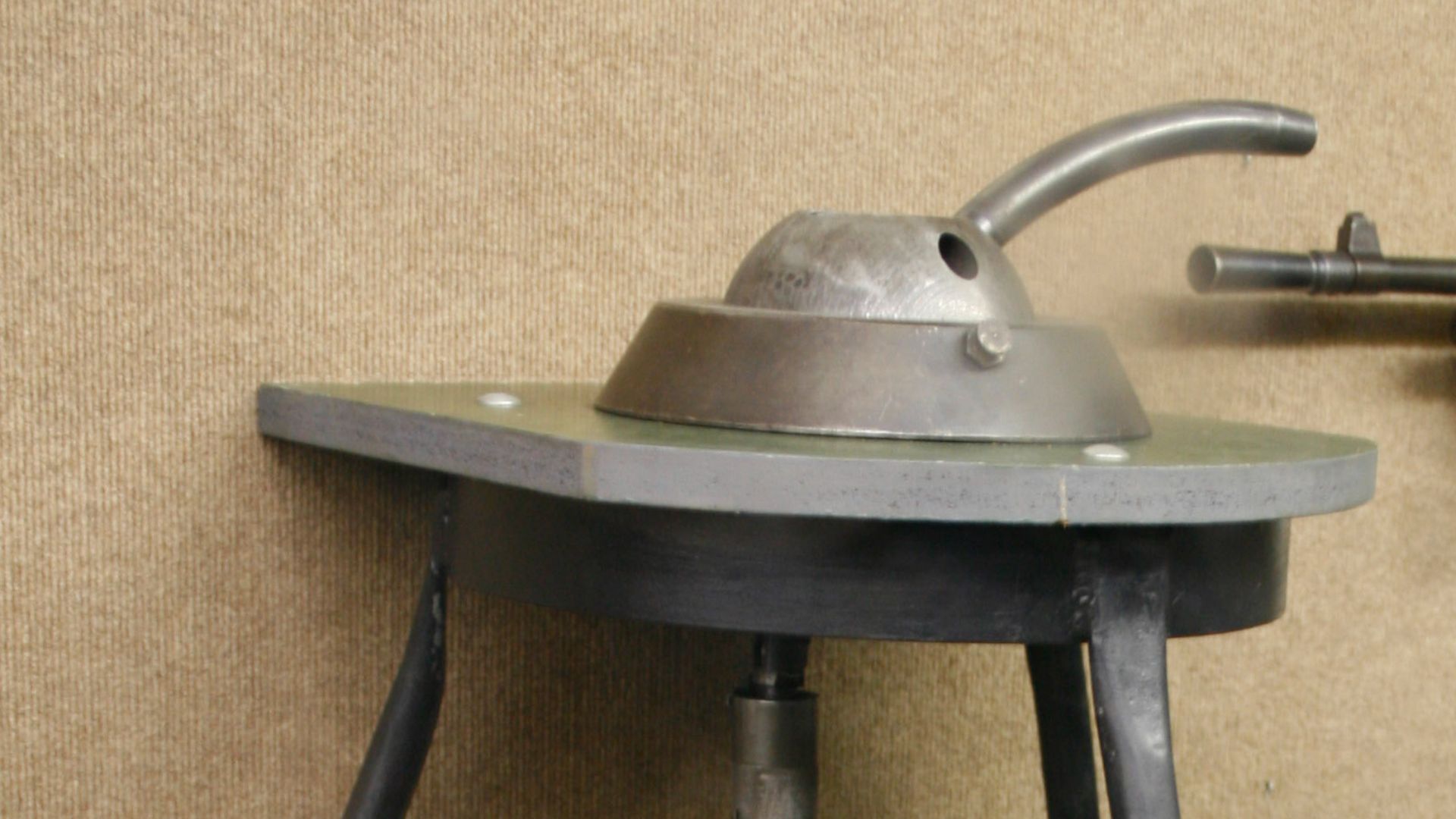
18. Goliath Tracked Mine
With a top speed of just six miles per hour, avoiding this weapon wasn’t hard. Small-arms fire could sever its control wires, uneven ground stopped it outright, and many units failed long before getting close to enemy positions.
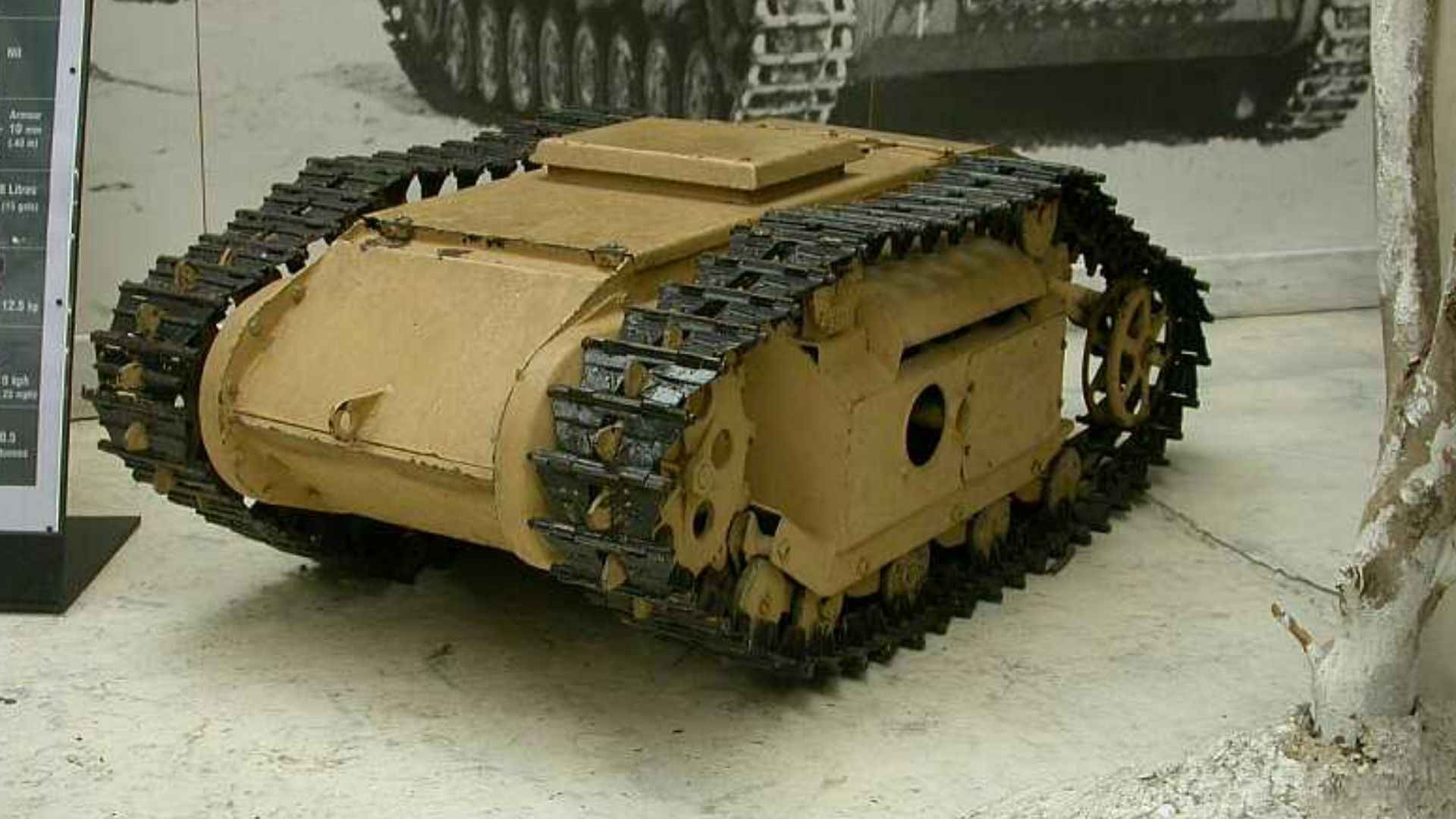 Andreas Mehlhorn (Kettenkrad) on Wikimedia
19. Whirlwind Cannon
The vortices faded out almost immediately. They never reached high enough to hit bombers. The system also required huge amounts of energy, which made it impractical in the field. Its fixed position left it exposed and turned it into an easy target with no real results.
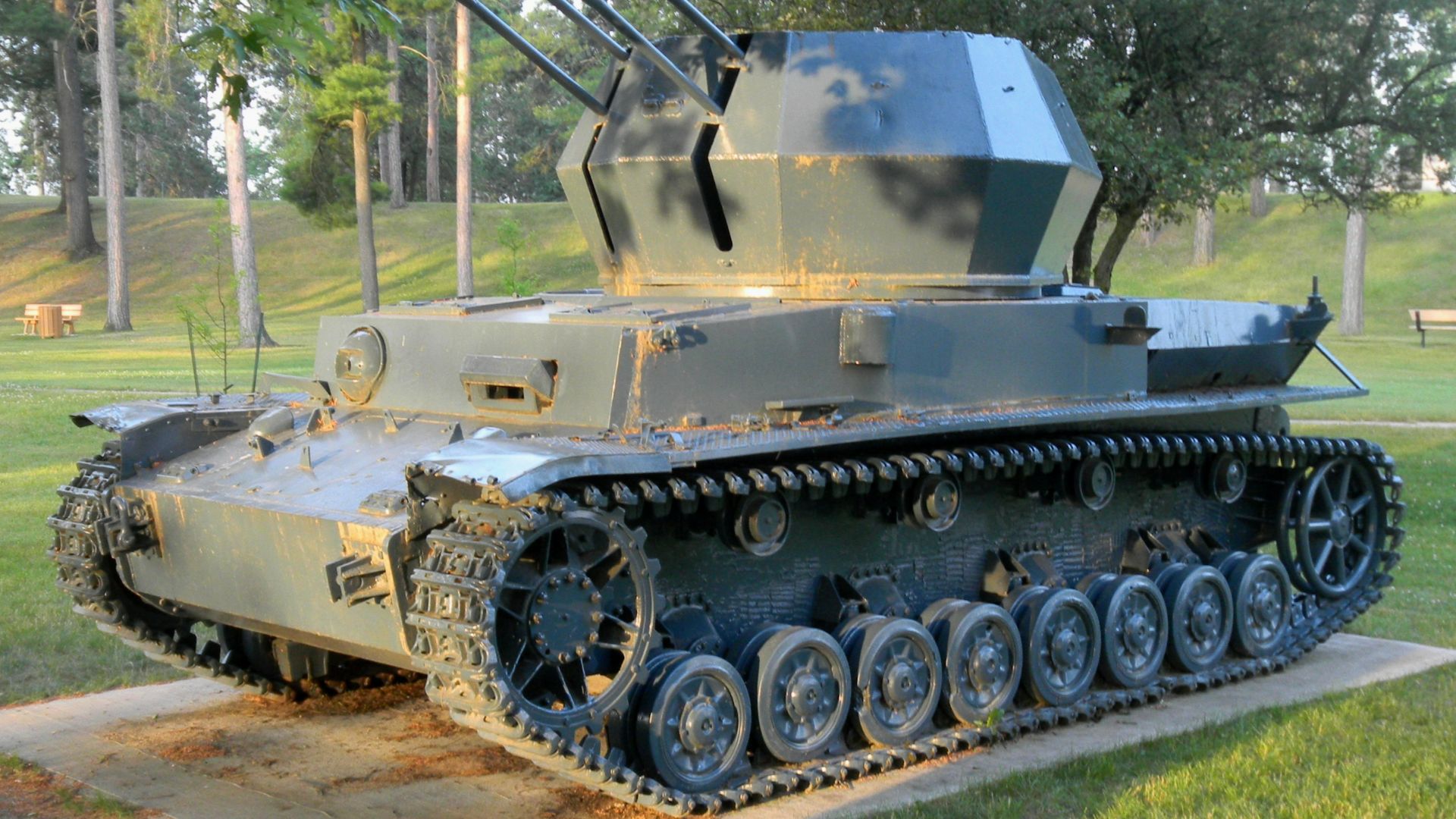
20. Schwerer Gustav Railway Gun
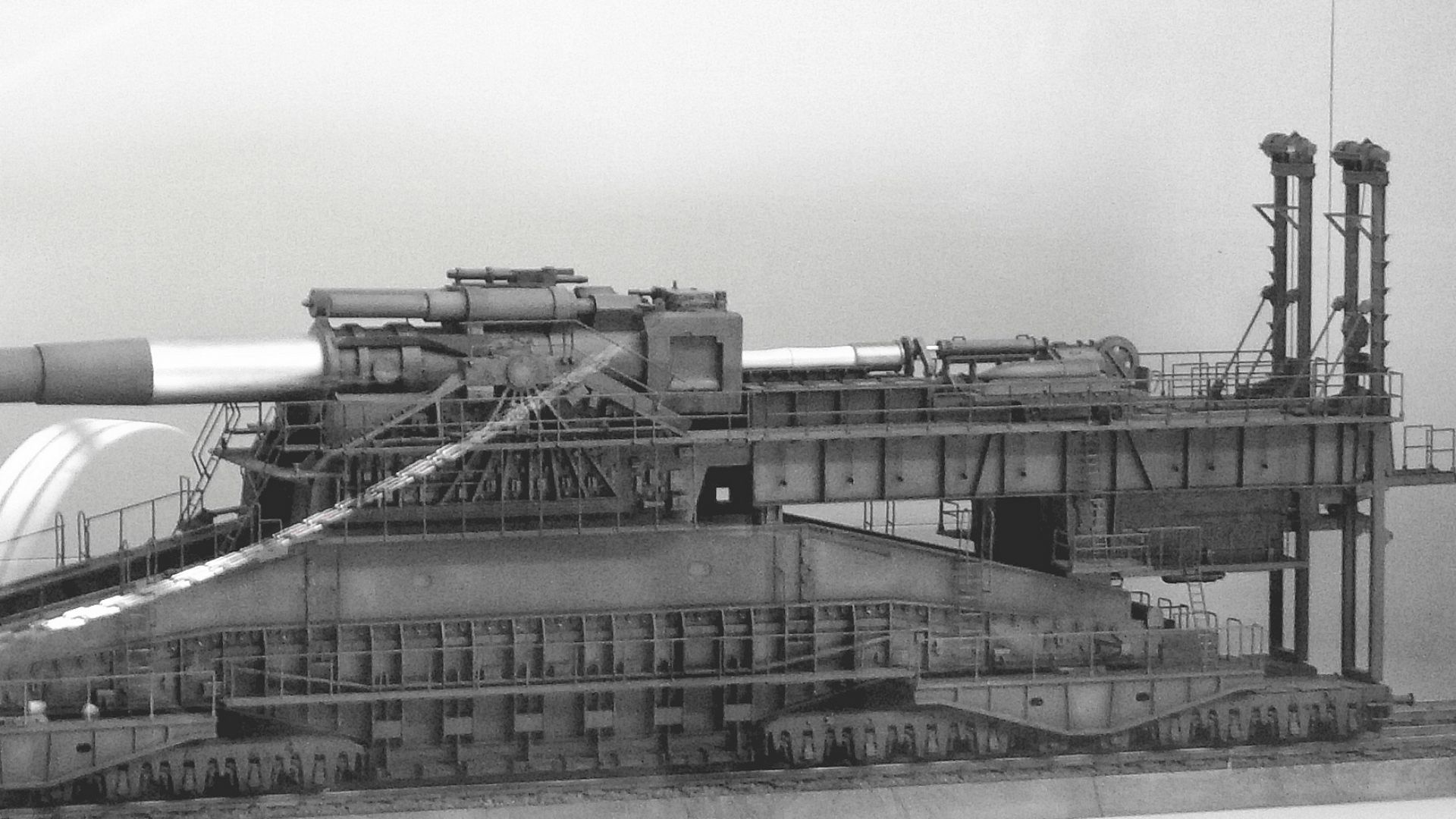
The assembly required 2,000 personnel and took weeks to complete, which caused massive deployment delays. It could only move on custom rail tracks, severely limiting mobility. The barrel wore out after just 48 shells, needing constant and expensive replacements to keep it functional.
KEEP ON READING

The 10 Youngest Monarchs In History & The 10 Oldest
Age Is Just A Number. Imagine being crowned king or…
By Chase Wexler Mar 11, 2025
You Think You Have Problems? These Royal Families Were Cursed
Boasson and Eggler St. Petersburg Nevsky 24. on WikimediaHeavy is…
By Ashley Bast Dec 5, 2025
You Can Thank This Greek-Canadian For Creating Pineapple On Pizza…
Love it or hate it, pineapple on pizza sparks debate…
By David Davidovic Dec 1, 2025
Yes, Female Gladiators Existed, And Here's Everything You Need To…
History of Women in Combat. Most people picture gladiators as…
By David Davidovic Jan 17, 2026
Yes, Australians Once Lost A Battle Against Flightless Birds
David Clode on UnsplashIn 1932, the Australian military went to…
By David Davidovic Nov 24, 2025
The Y2K Bug: Why Did Everyone Think Year 2000 Was…
Alan W on UnsplashOn December 31, 1999, people all over…
By Christy Chan Dec 22, 2025