

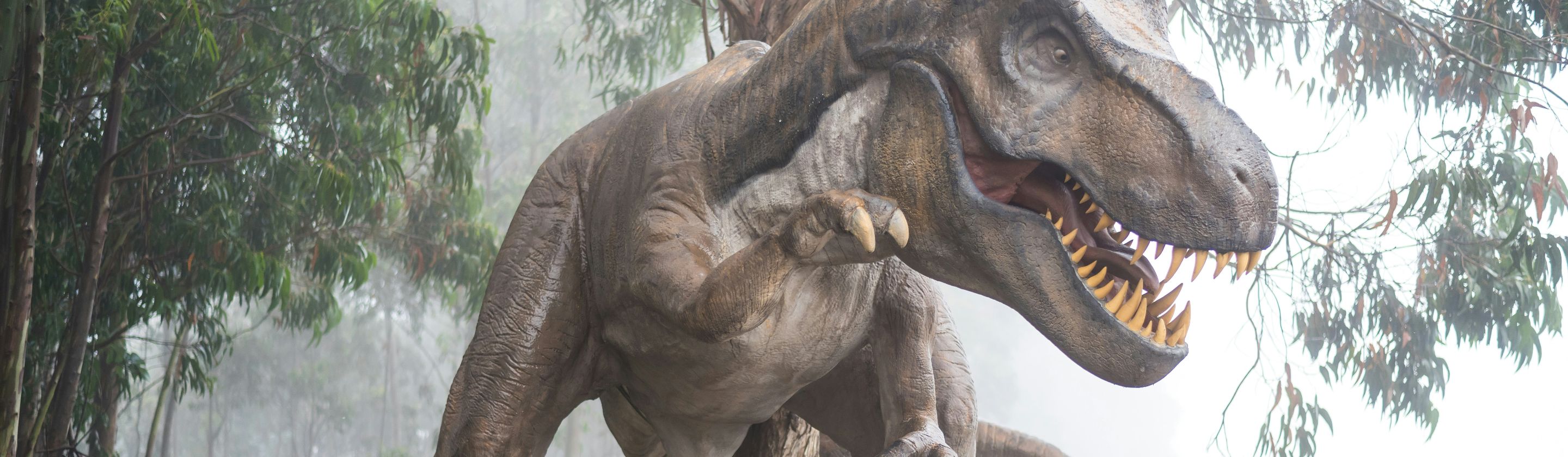
Sort The Softies From The Scary
When people hear the word “dinosaur,” they usually picture something massive, fast, and equipped with a mouth full of sharp teeth. Blame movies and over-the-top documentaries for that. However, dinosaurs came in all shapes, sizes, and threat levels. Some looked like they were just trying to get through the day without tripping over their own feet. Others were too small or too awkward to scare anything with a pulse. So, first, here are ten dinosaurs that honestly don’t seem intimidating.
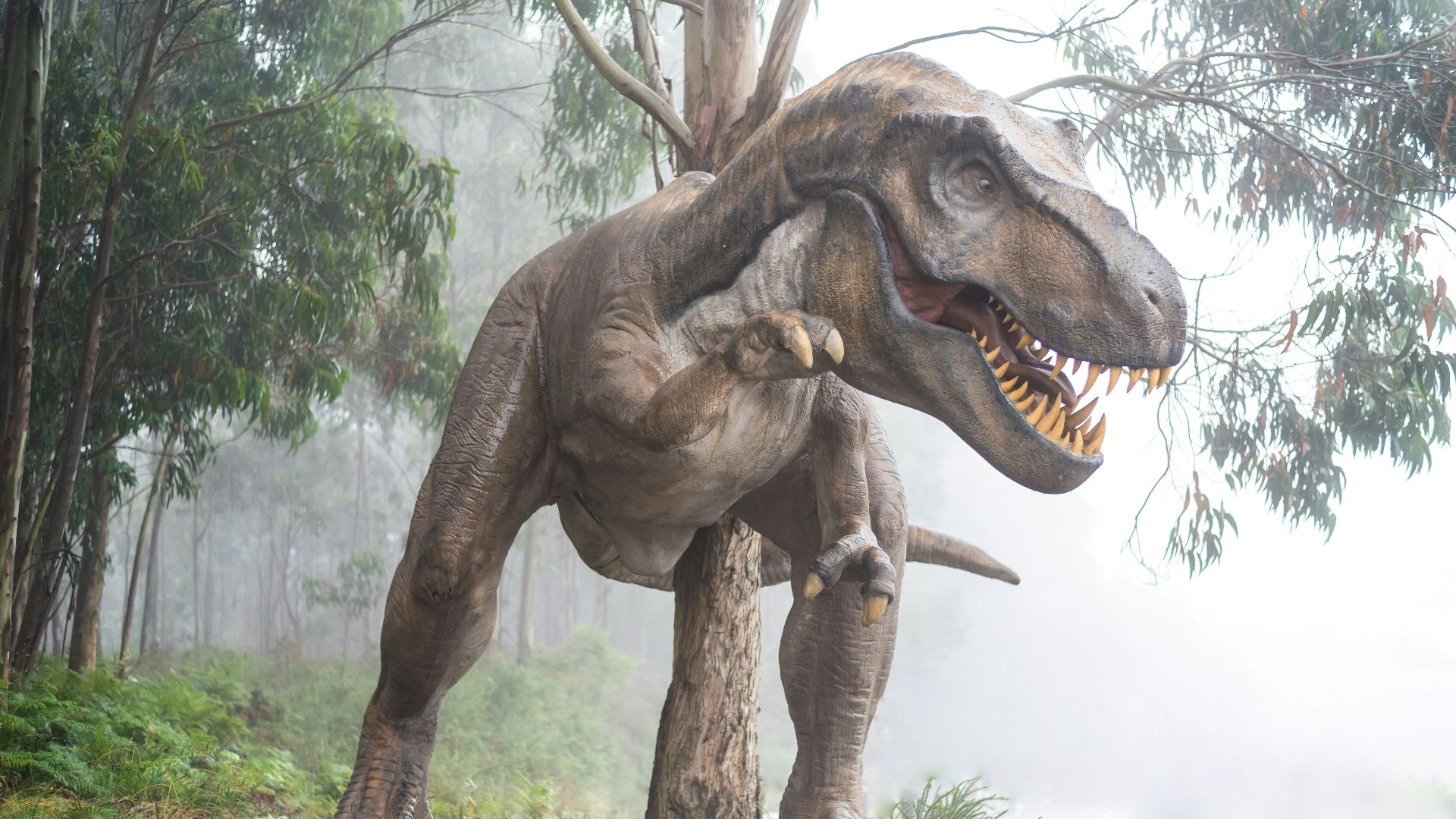 Fausto García-Menéndez on Unsplash
1. Protoceratops
Protoceratops, a small herbivore from Mongolia’s Gobi Desert, measured just 1.8 meters long and stood 0.6 meters tall. Its modest frill and lack of horns gave it a non-threatening look, especially when found in fossils alongside family groups.
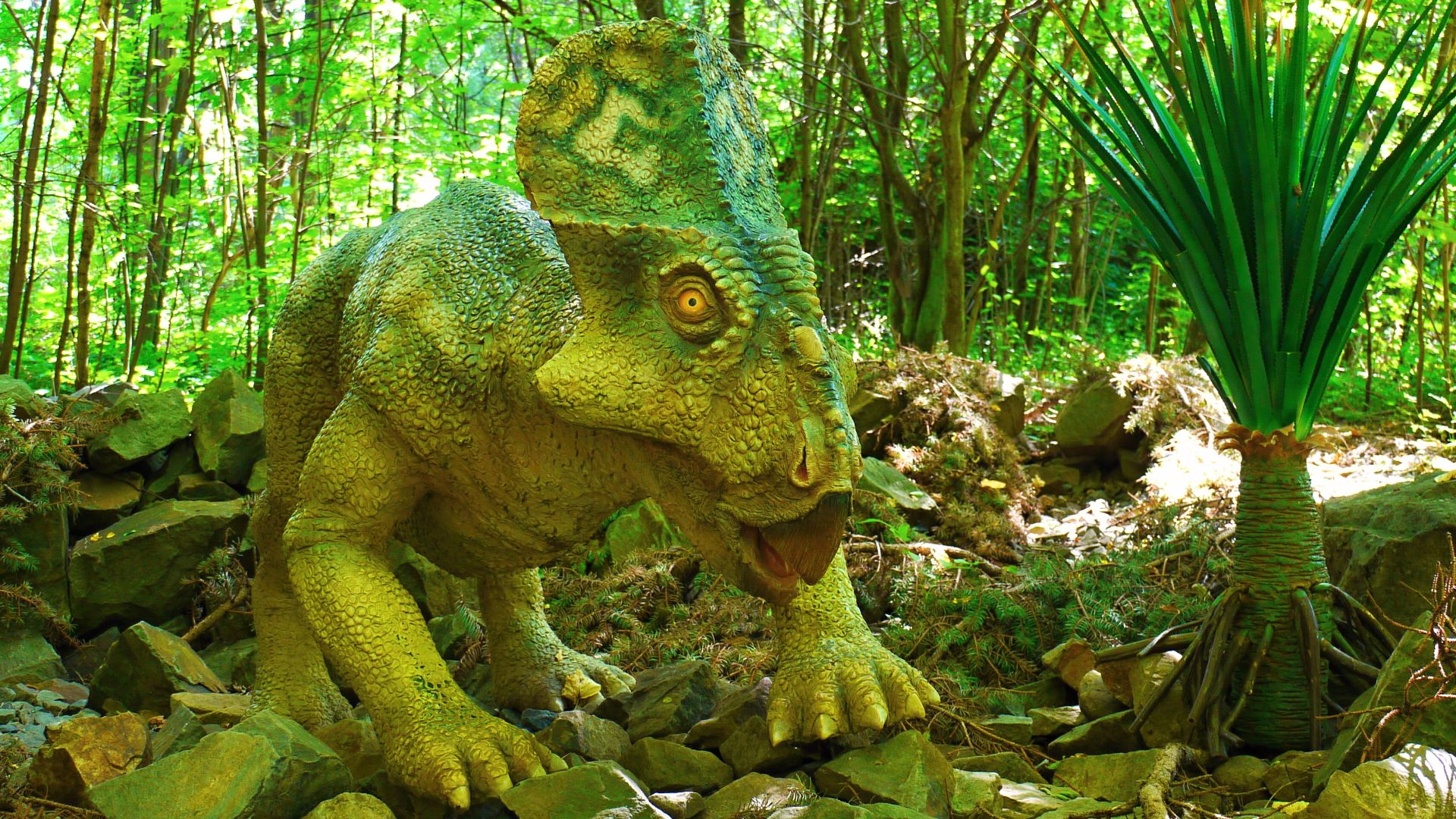
2. Hypsilophodon
In the woodlands of Early Cretaceous England, Hypsilophodon moved like a blur. Its long legs and stiff tail worked in sync, giving it the speed and balance needed to flee predators. Plus, a sharp beak and cheek teeth made it well-equipped for a strictly plant-based diet.
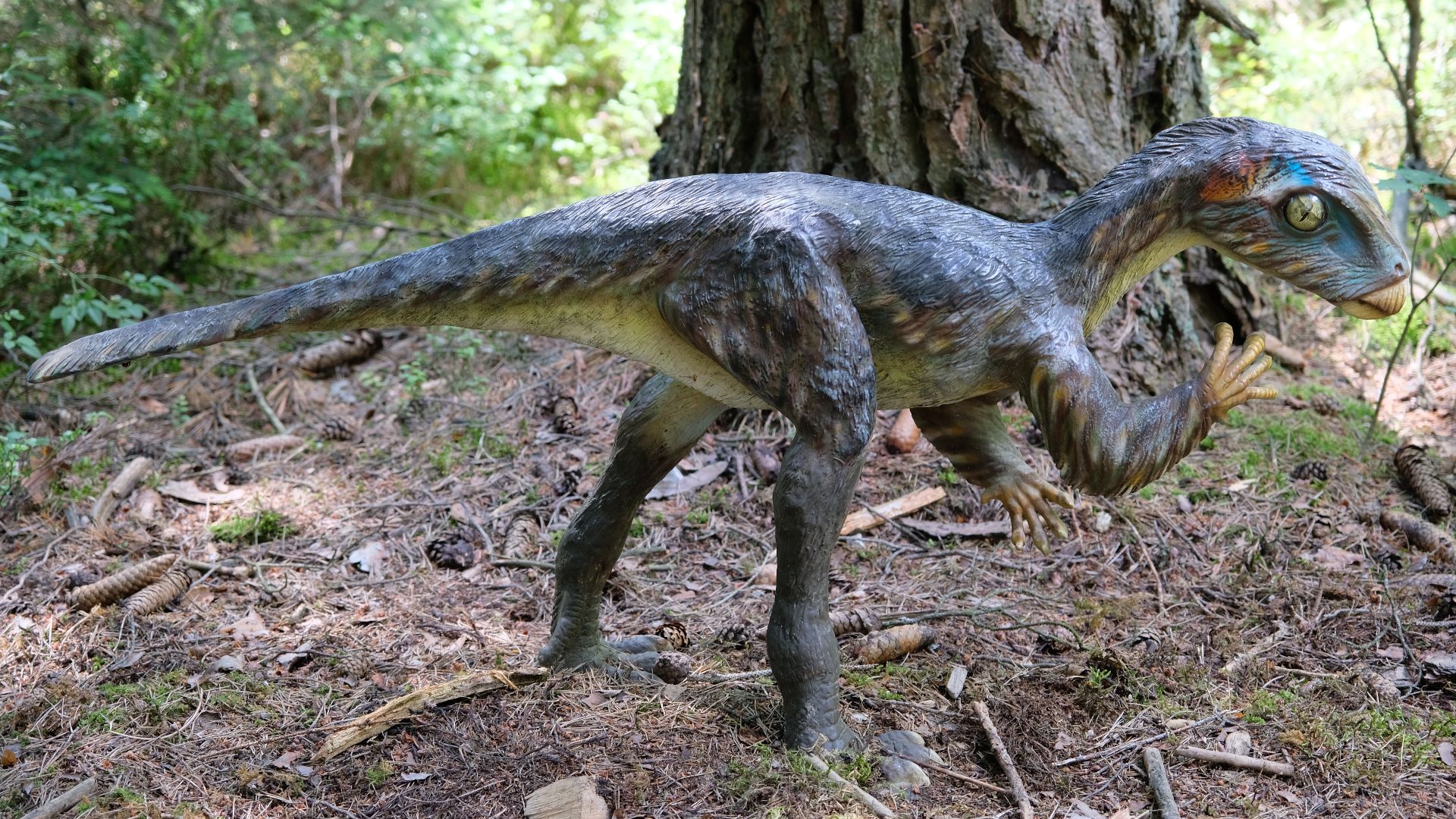 Christian-wittmann-1964 on Wikimedia
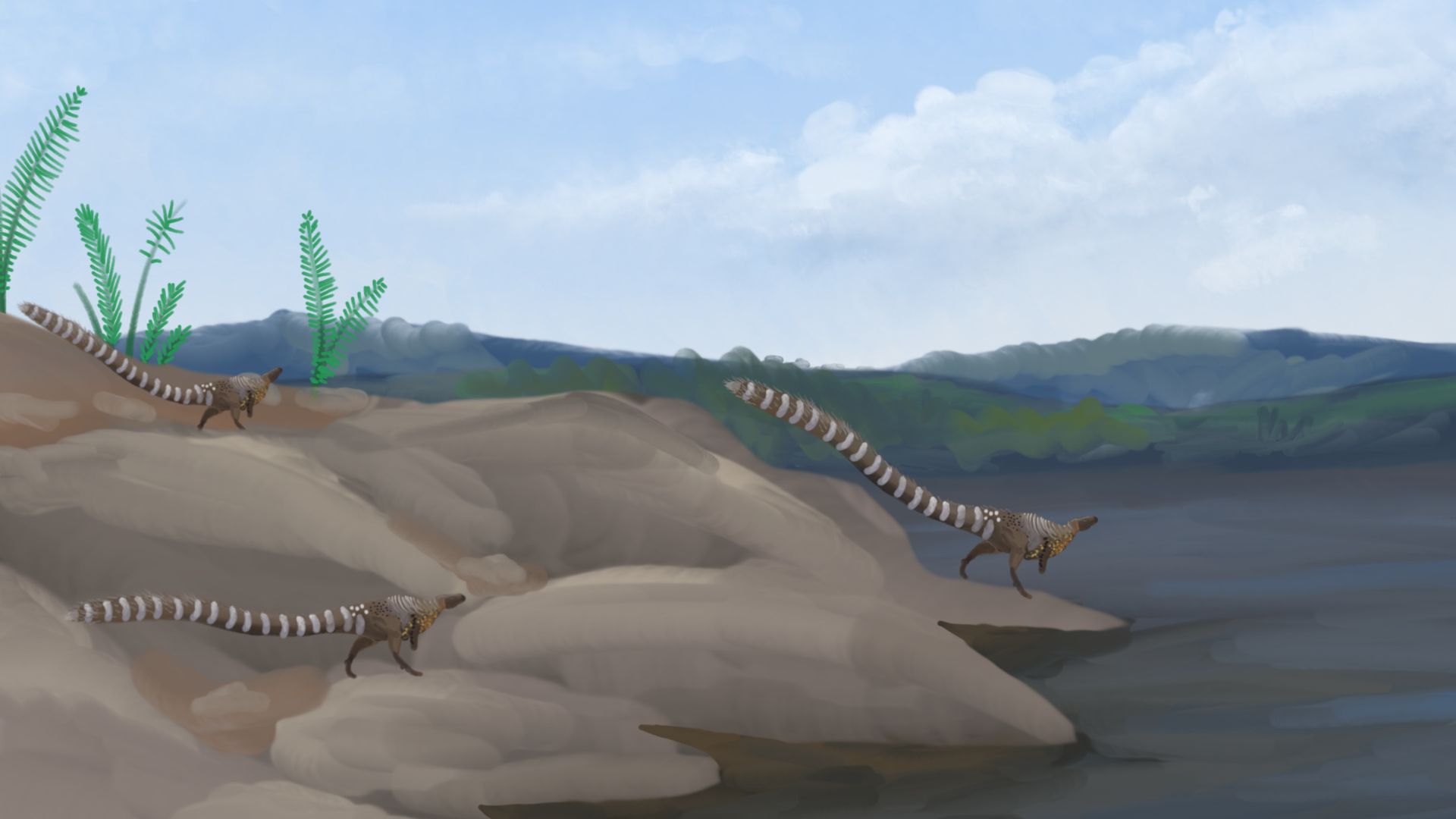
3. Leaellynasaura
Leaellynasaura thrived in the polar regions of Early Cretaceous Australia. Just a meter long, this tiny bipedal dinosaur adapted to long, dark winters with unusually large eyes. Likely covered in insulating proto-feathers, Leaellynasaura was built for cold survival.
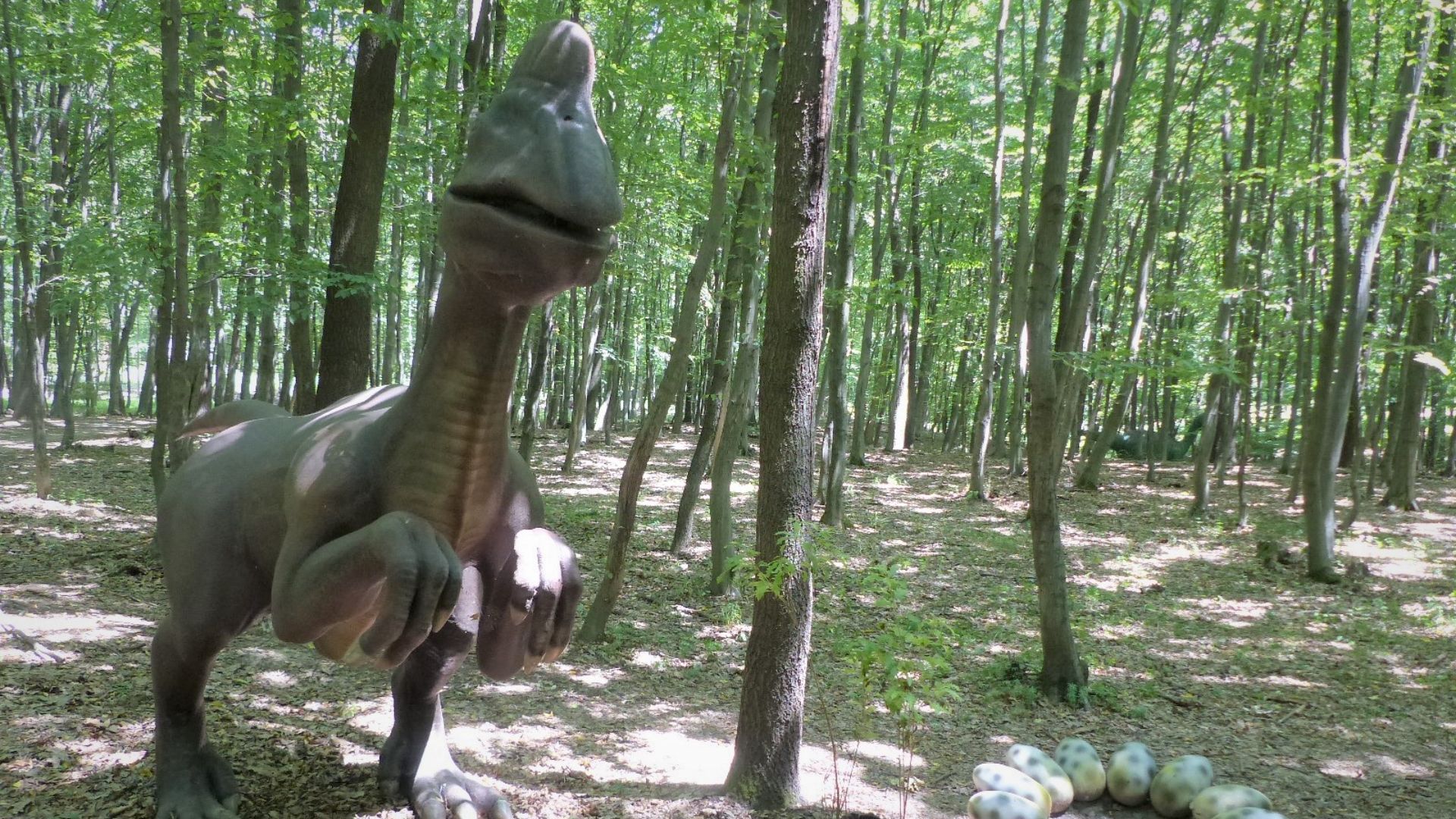
4. Oviraptor
Once wrongly labeled an egg thief, Oviraptor earned its name through a misunderstanding—it was actually guarding its own nest. Fossils show it brooding atop its eggs, offering early evidence of parental care. Interestingly, a distinct crest on its head may have played a role in courtship displays.
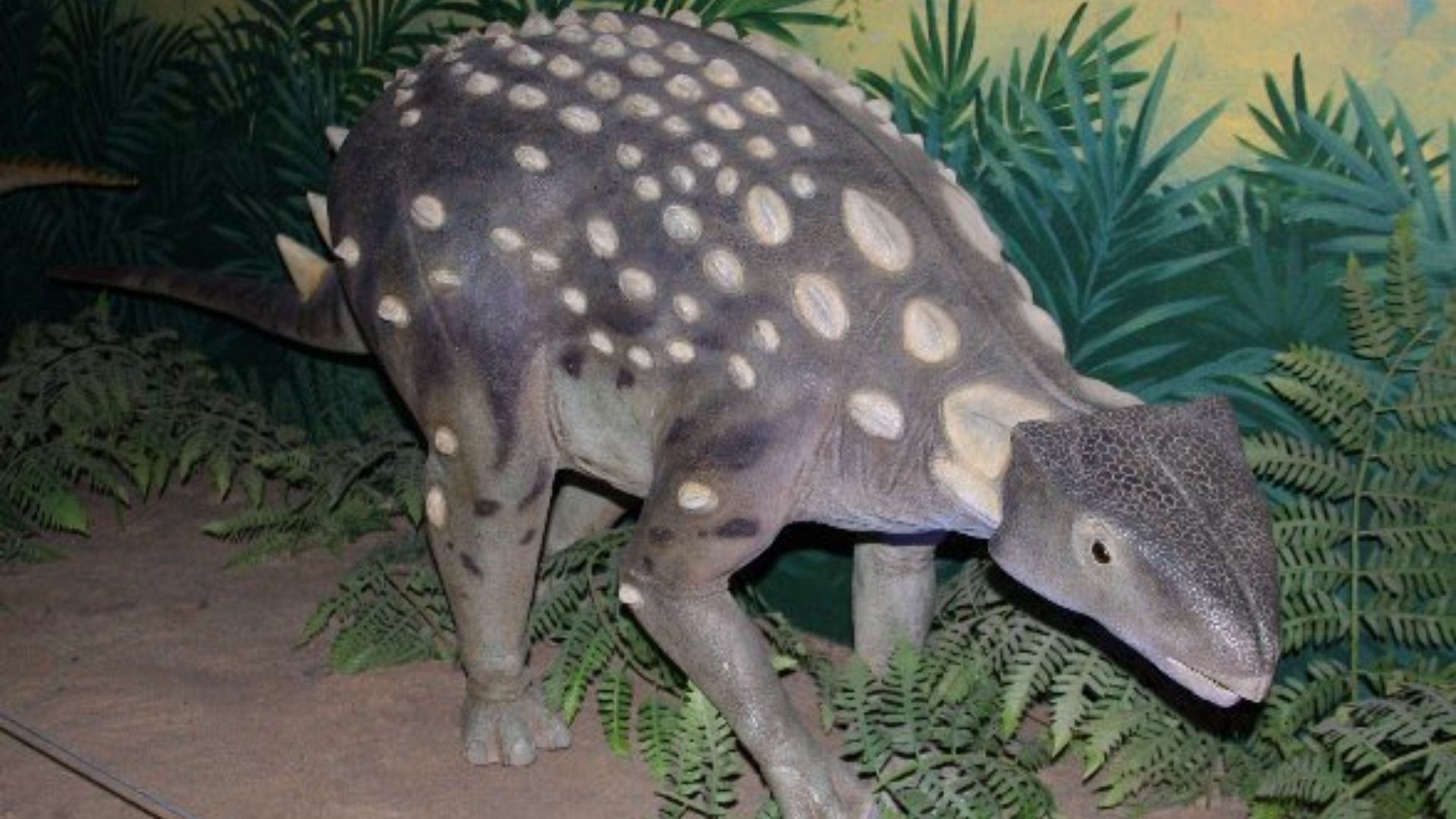
5. Minmi
Minmi, a small armored dinosaur from Early Cretaceous Australia, measured about 3 meters in length. Unlike some of its relatives, it didn’t wield a tail club, and its fossilized skeleton remains one of the most complete skeletons ever discovered in Australia.
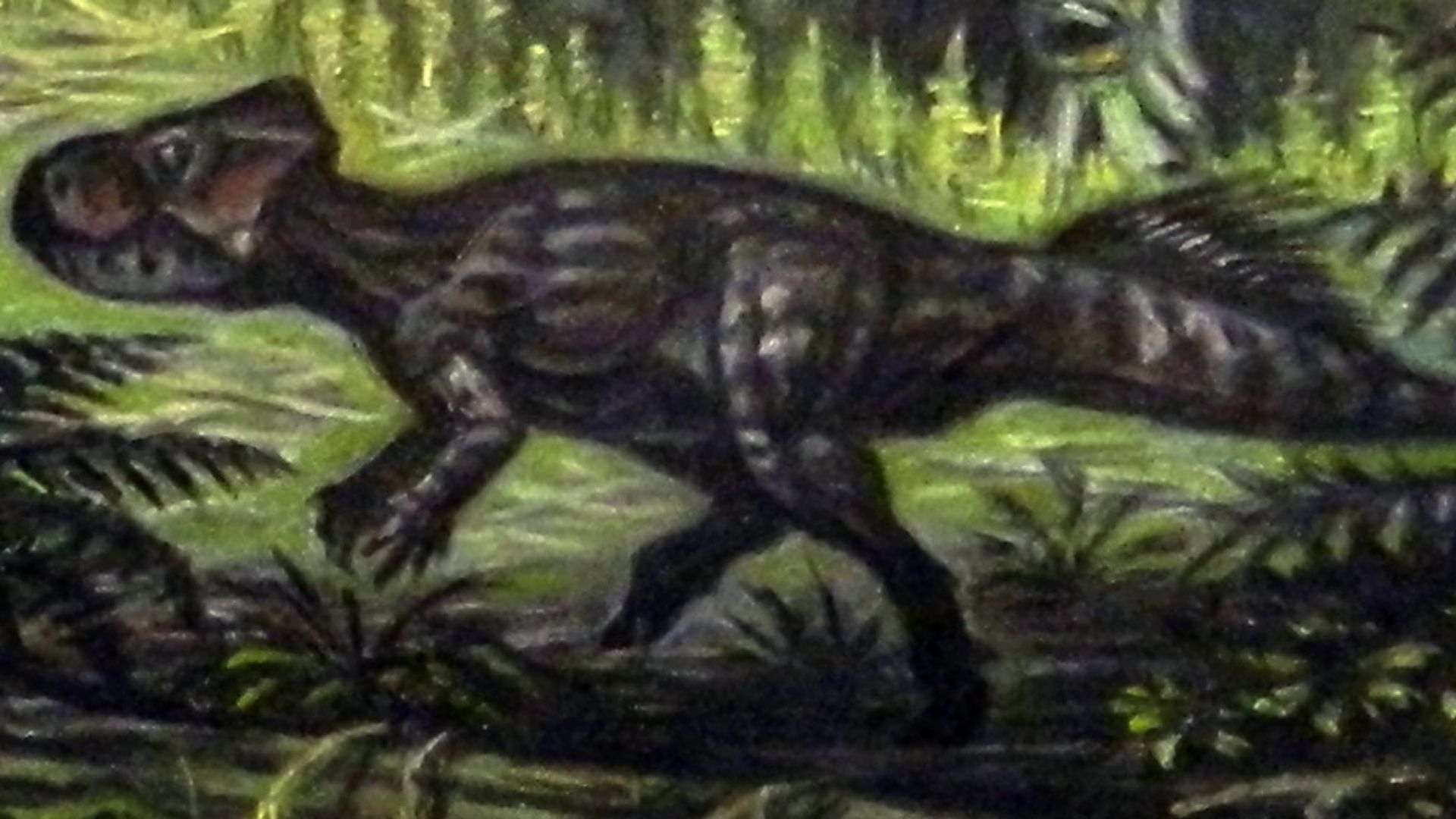
6. Microceratus
Microceratus, whose name means "small horned one," was a tiny ceratopsian from Late Cretaceous Asia, measuring under a meter long. Its beaked mouth was suited for nipping soft vegetation, making it a gentle, early member of the horned dinosaur family.
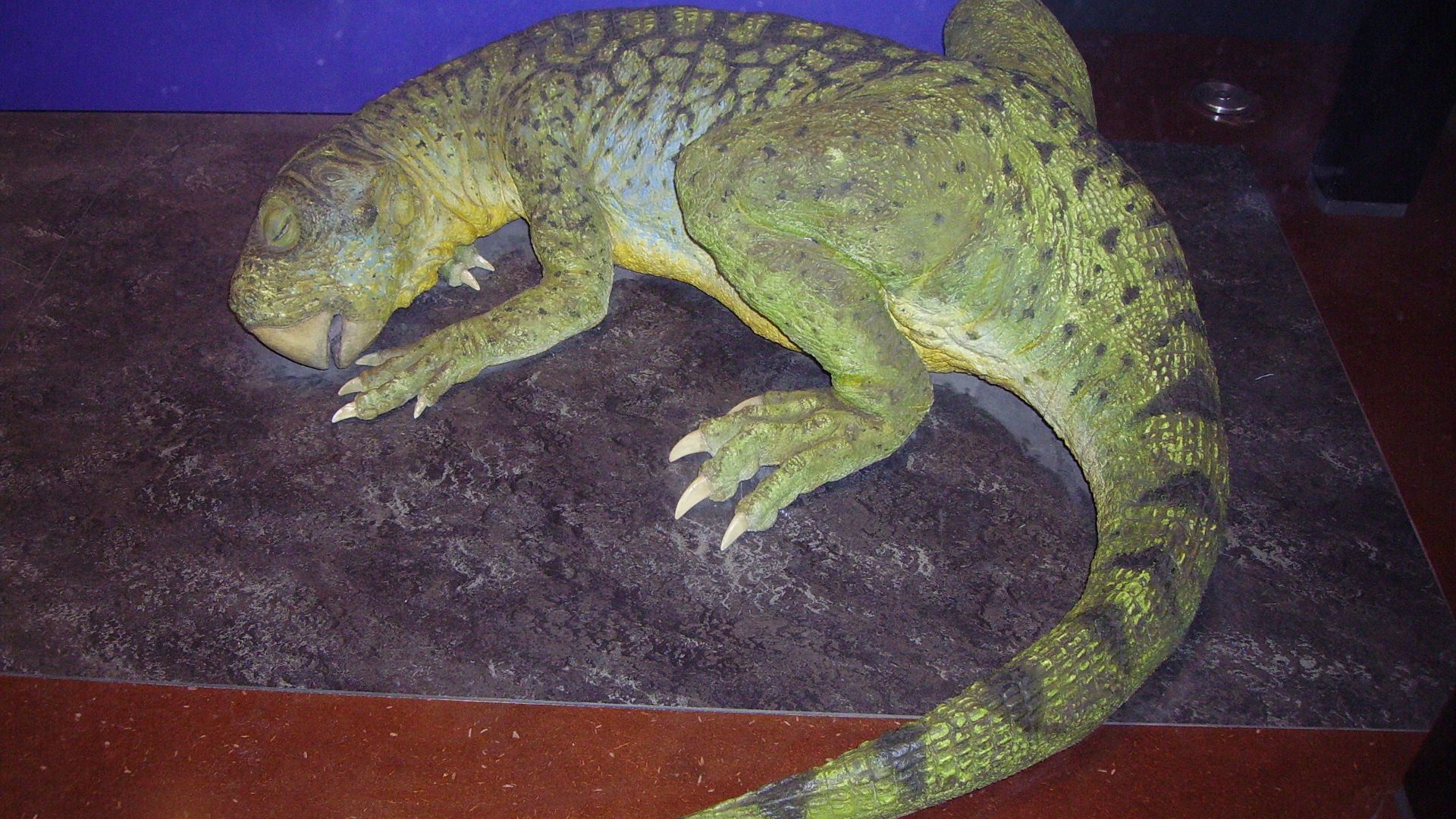
7. Psittacosaurus
With a name meaning "parrot lizard," Psittacosaurus lived up to the title. Its sharp, beak-like mouth was perfect for chewing fibrous plants, and at around 2 meters long, it stayed on the smaller side. Living in groups and backed by over 400 fossil discoveries, this dinosaur also swallowed stones.
 Dropzink~commonswiki on Wikimedia
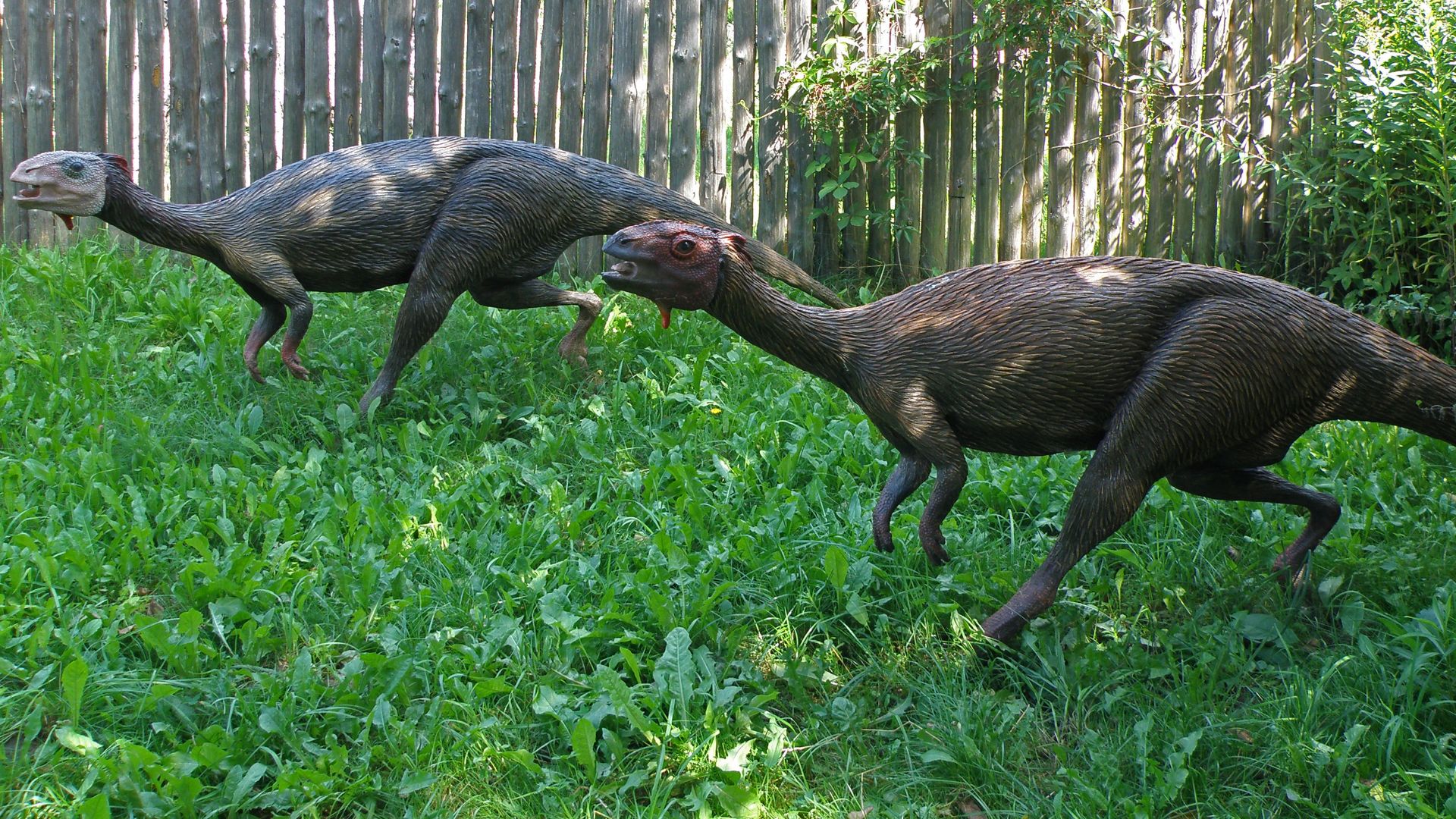
8. Dryosaurus
Dryosaurus, or “oak lizard,” earned its name from the forested habitats it once roamed. This medium-sized herbivore was a swift runner, using its long legs and stiff tail for balance. Besides, its teeth were specialized for feeding on vegetation, and fossils found in herds suggest it lived in social groups.
 Alina Zienowicz (Ala z), e-mail on Wikimedia
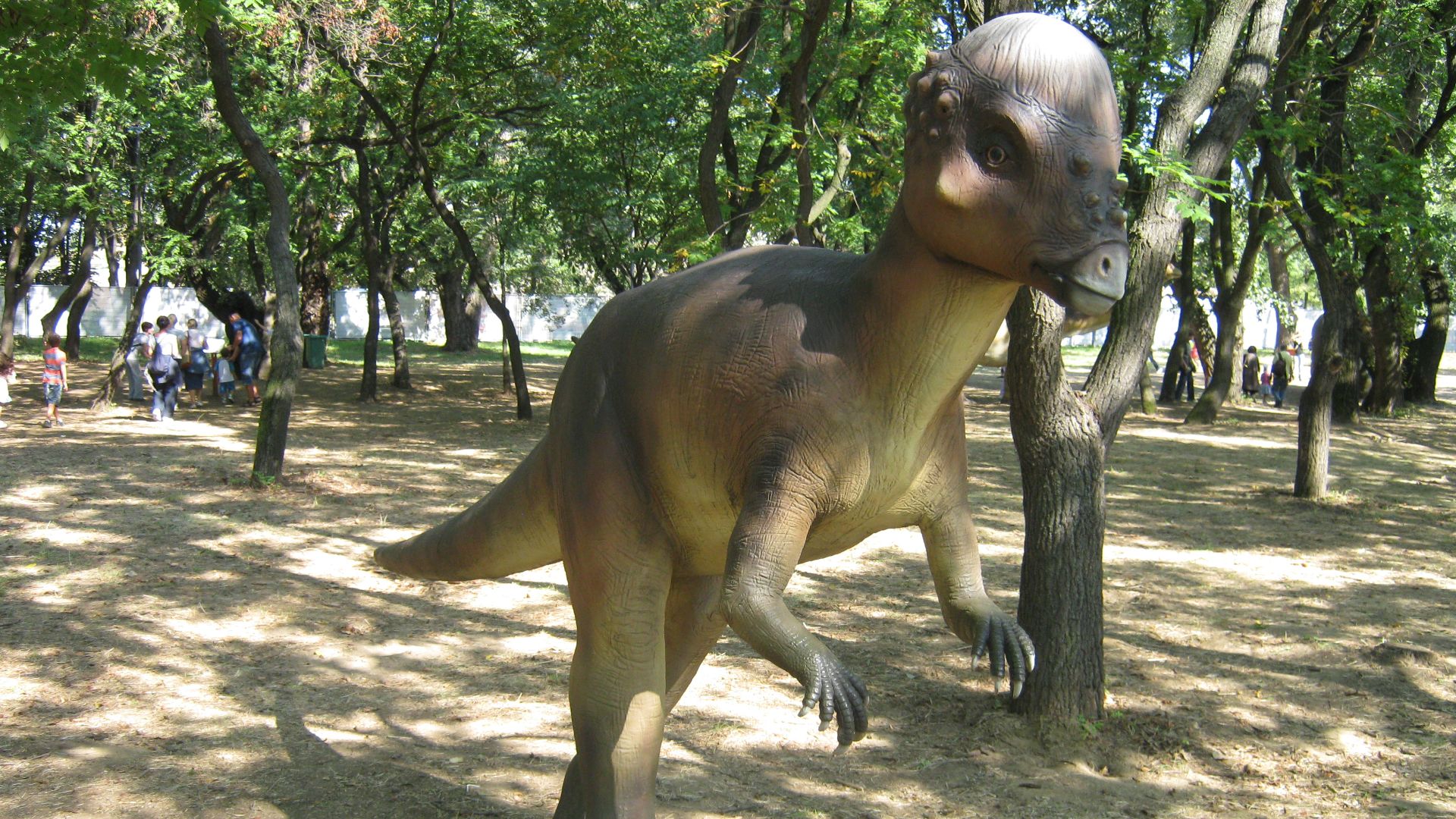
9. Pachycephalosaurus
Pachycephalosaurus, one of the last non-avian dinosaurs to roam the Earth, stood out with a skull dome up to 25 centimeters thick—possibly used for sparring or display. This bipedal herbivore reached about 4.5 meters in length, yet its small teeth point to a diet of soft plant matter.
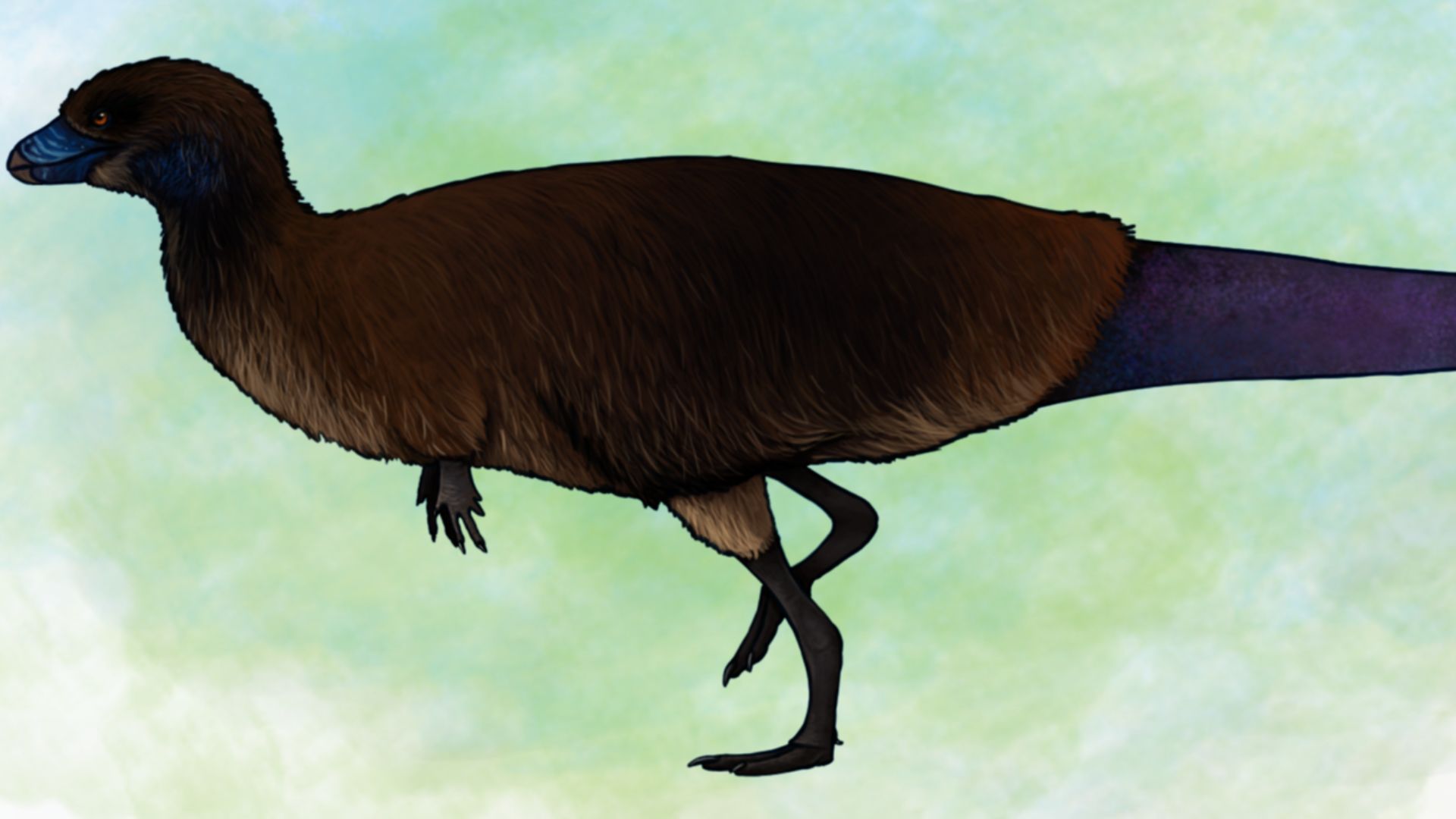
10. Lesothosaurus
As one of the earliest known dinosaurs, Lesothosaurus measured only about a meter long but made up for its size with speed and agility. Sharp-edged teeth helped it slice through plants, and its place as a basal ornithischian marks it as a key figure in herbivorous dinosaur evolution.
Now, let’s look at ten that fully justify every terrifying scene you’ve ever seen on screen.
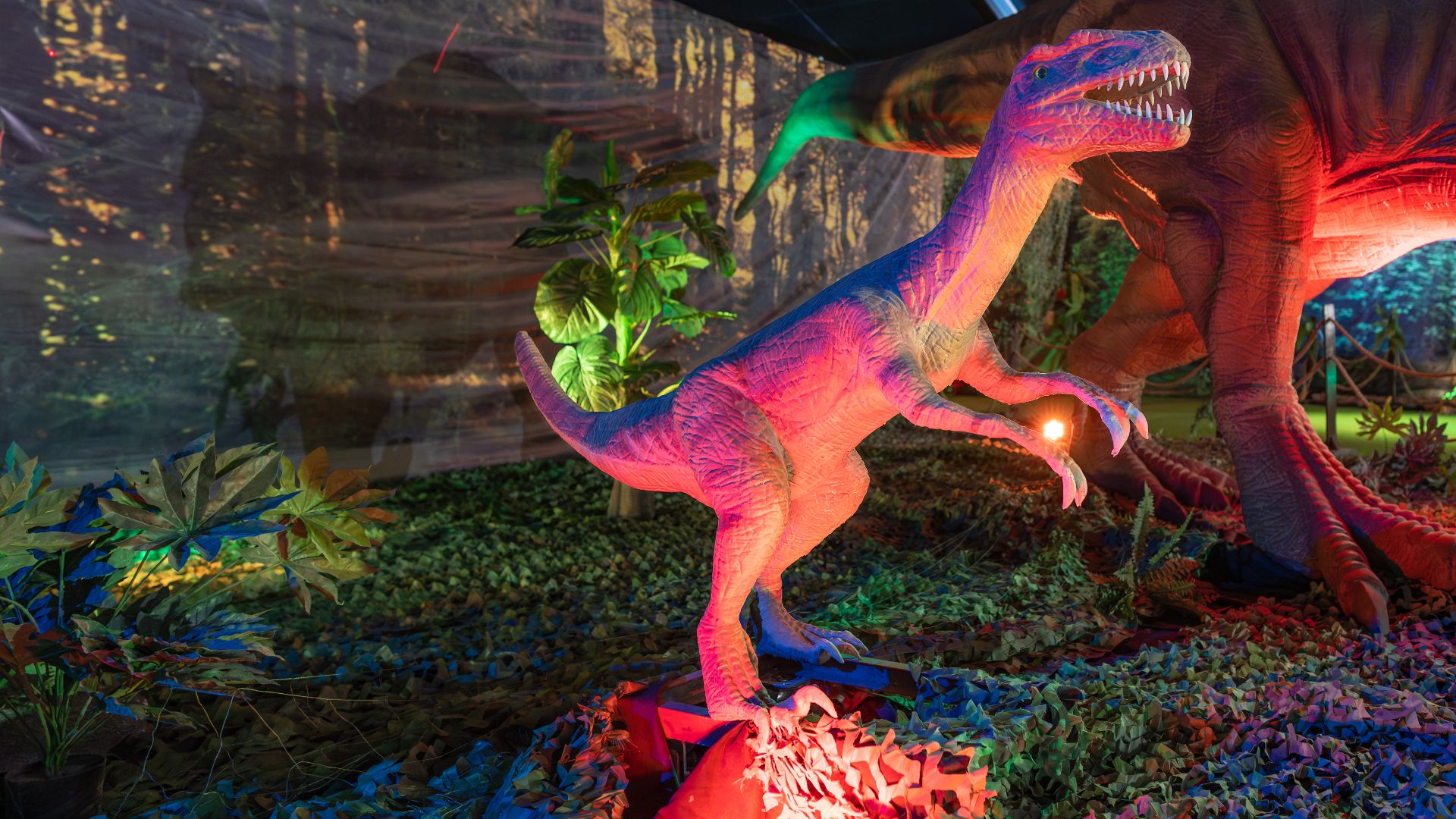
1. Tyrannosaurus Rex
Stretching over 12 meters and weighing up to 9 tons, Tyrannosaurus Rex towered as the dominant apex predator of Late Cretaceous North America. Backed by sharp vision, acute hearing, and an exceptional sense of smell, this predator was built for precision, power, and relentless pursuit.
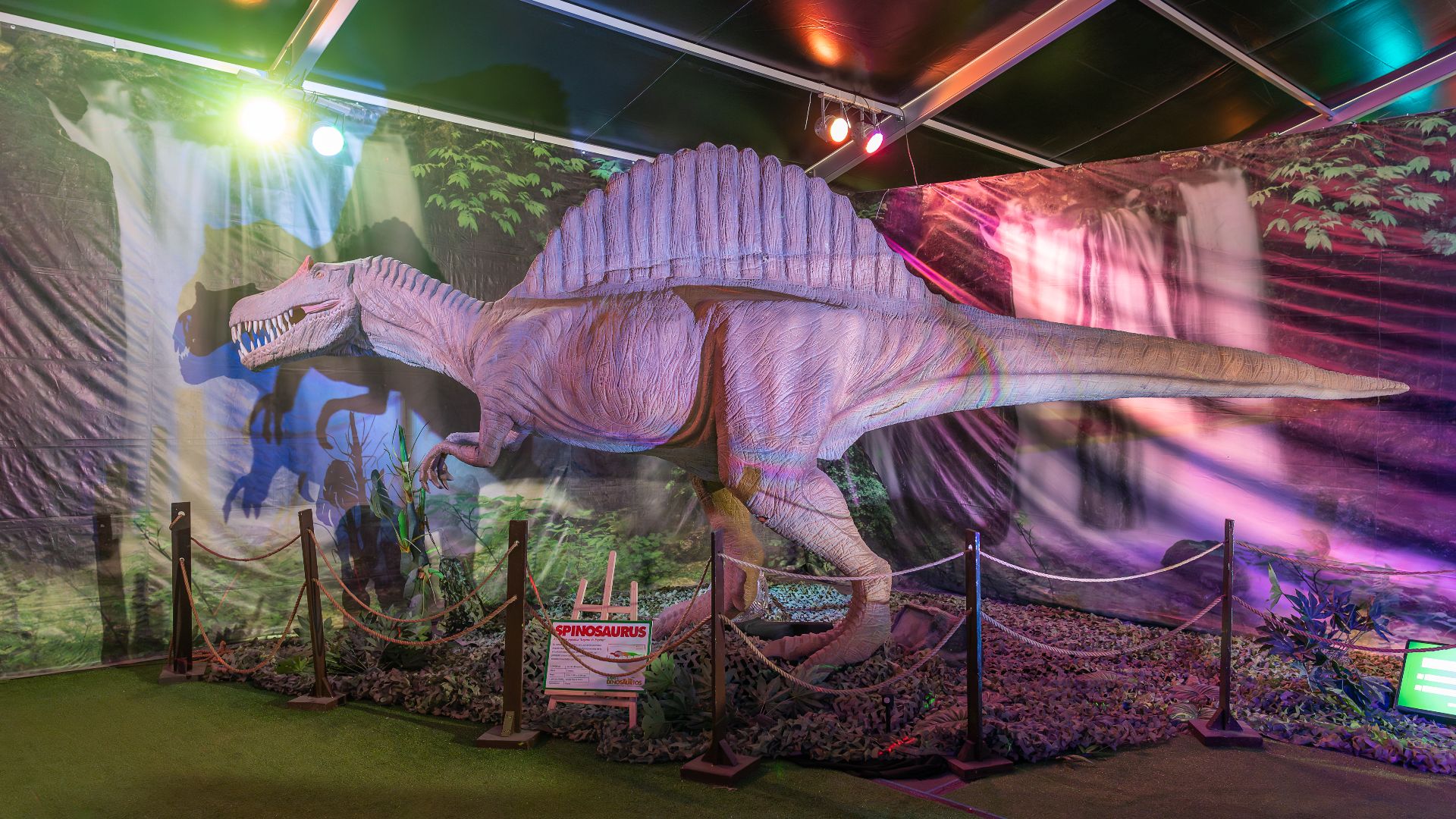
2. Spinosaurus
Spinosaurus is considered the largest known carnivorous dinosaur. Unlike its land-hunting relatives, it was adapted for aquatic life in North Africa. A paddle-shaped tail helped it swim with ease, while the long sail on its back—possibly used for temperature control or display—made it formidable in the water.
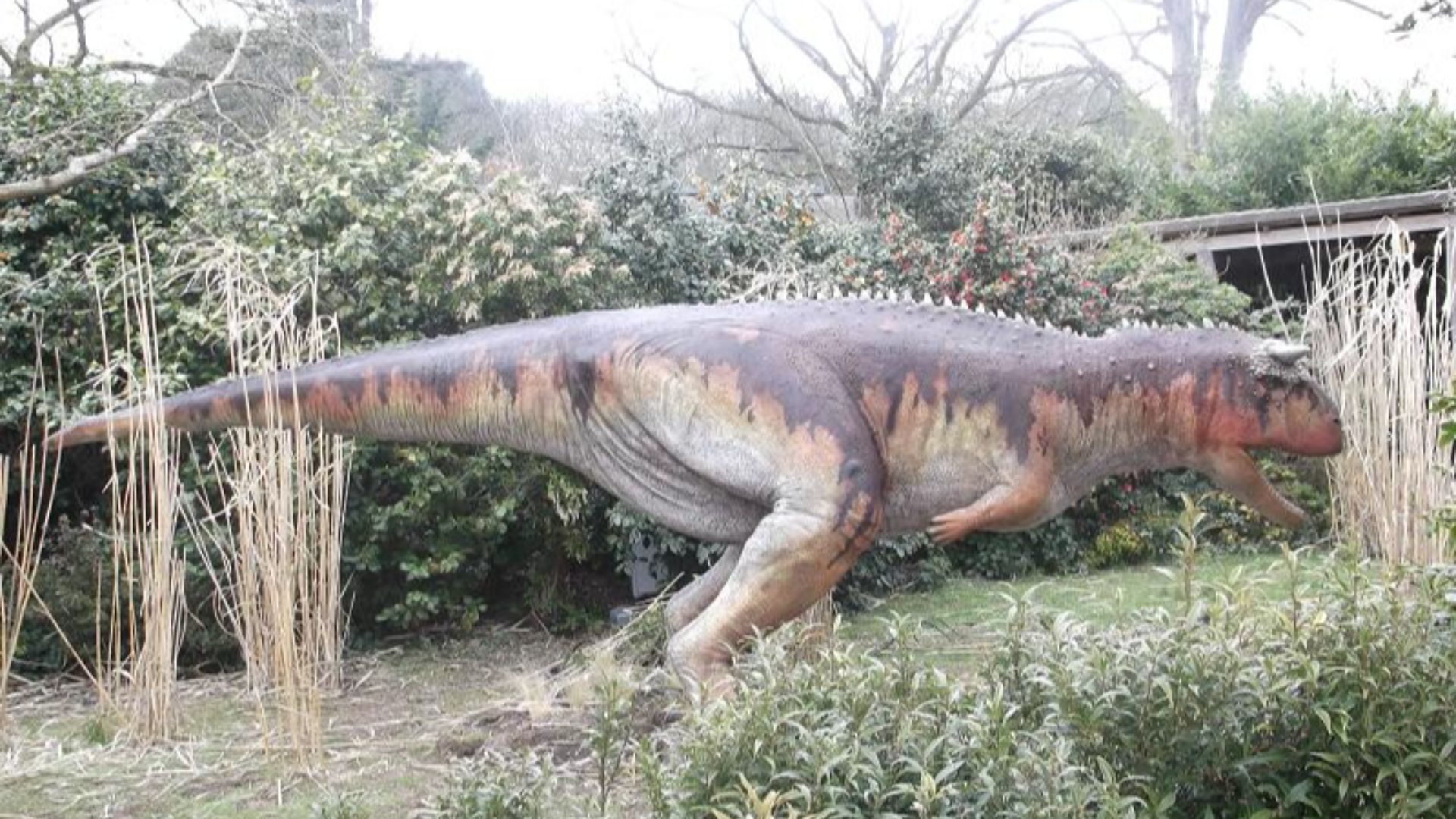
3. Carnotaurus
At around 9 meters long, Carnotaurus stood out with its bull-like horns jutting above the eyes, which was an unusual trait among predators. Native to Late Cretaceous South America, its forearms were shockingly tiny but equally powerful.
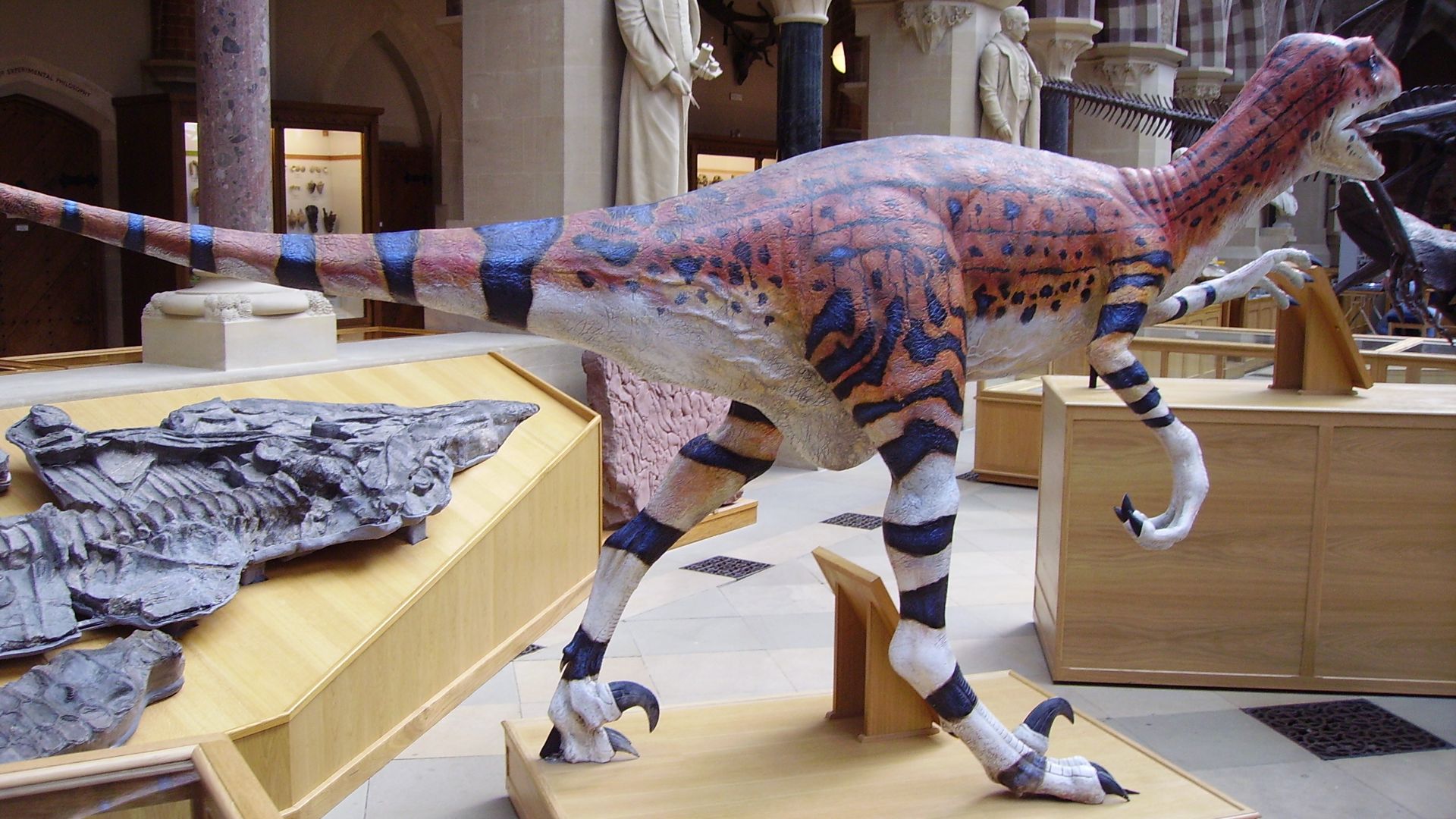
4. Utahraptor
Topping the charts as the largest known “raptor,” Utahraptor stretched up to 7 meters long and brought serious weaponry to the hunt. It may have hunted in coordinated packs, much like modern wolves, turning it into a fearsome force.
 Ballista at en.wikipedia on Wikimedia
5. Giganotosaurus
Roaming South America during the Late Cretaceous, Giganotosaurus stretched over 13 meters—outpacing T. rex in length. Moreover, this predator may have targeted colossal sauropods like Argentinosaurus, using agility and sharp jaws to take down giants
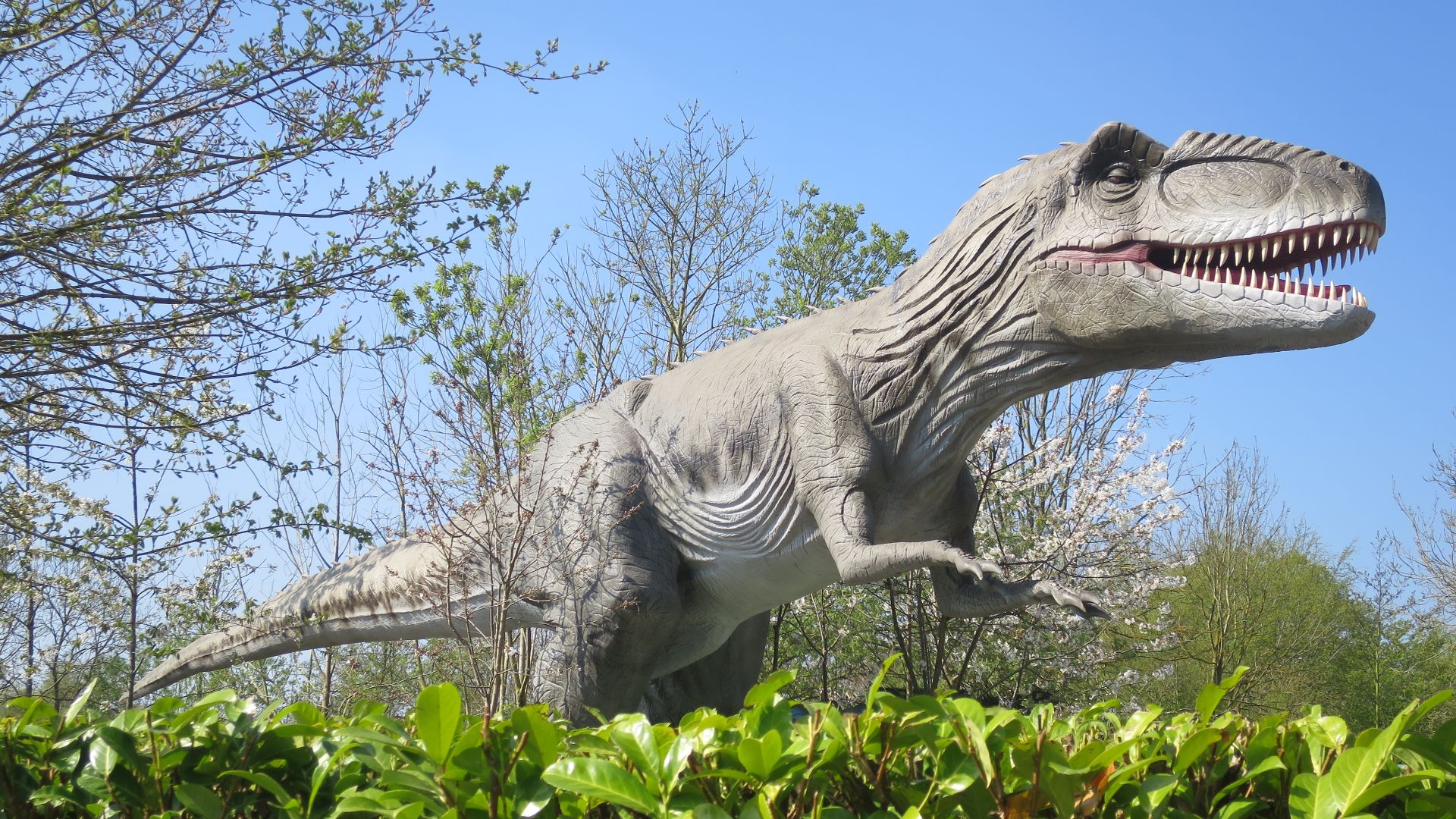
6. Allosaurus
Measuring up to 10 meters long, Allosaurus was the dominant predator of the Jurassic. Its recurved teeth, combined with a jaw that opened nearly 90 degrees, made it well-equipped for brutal slashing attacks. Interestingly, clustered fossil beds hint at its possible group-hunting behavior.
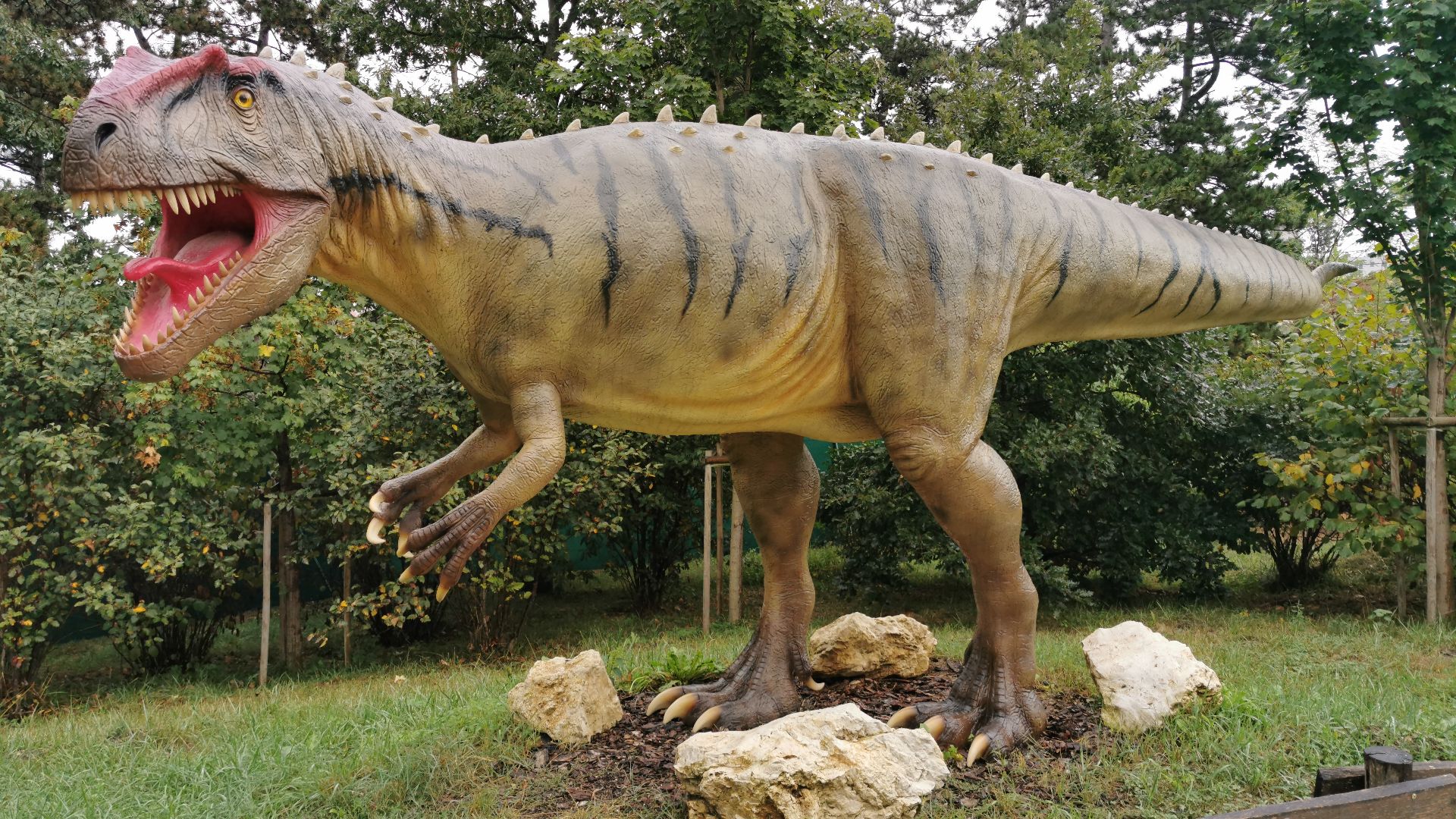
7. Mapusaurus
Think of Mapusaurus as Giganotosaurus’s equally fearsome cousin—stretching about 12 meters long and stalking the plains of Late Cretaceous Argentina. Fossil bonebeds suggest it may have hunted in groups, which makes the idea of several Mapusauruses working together even scarier.
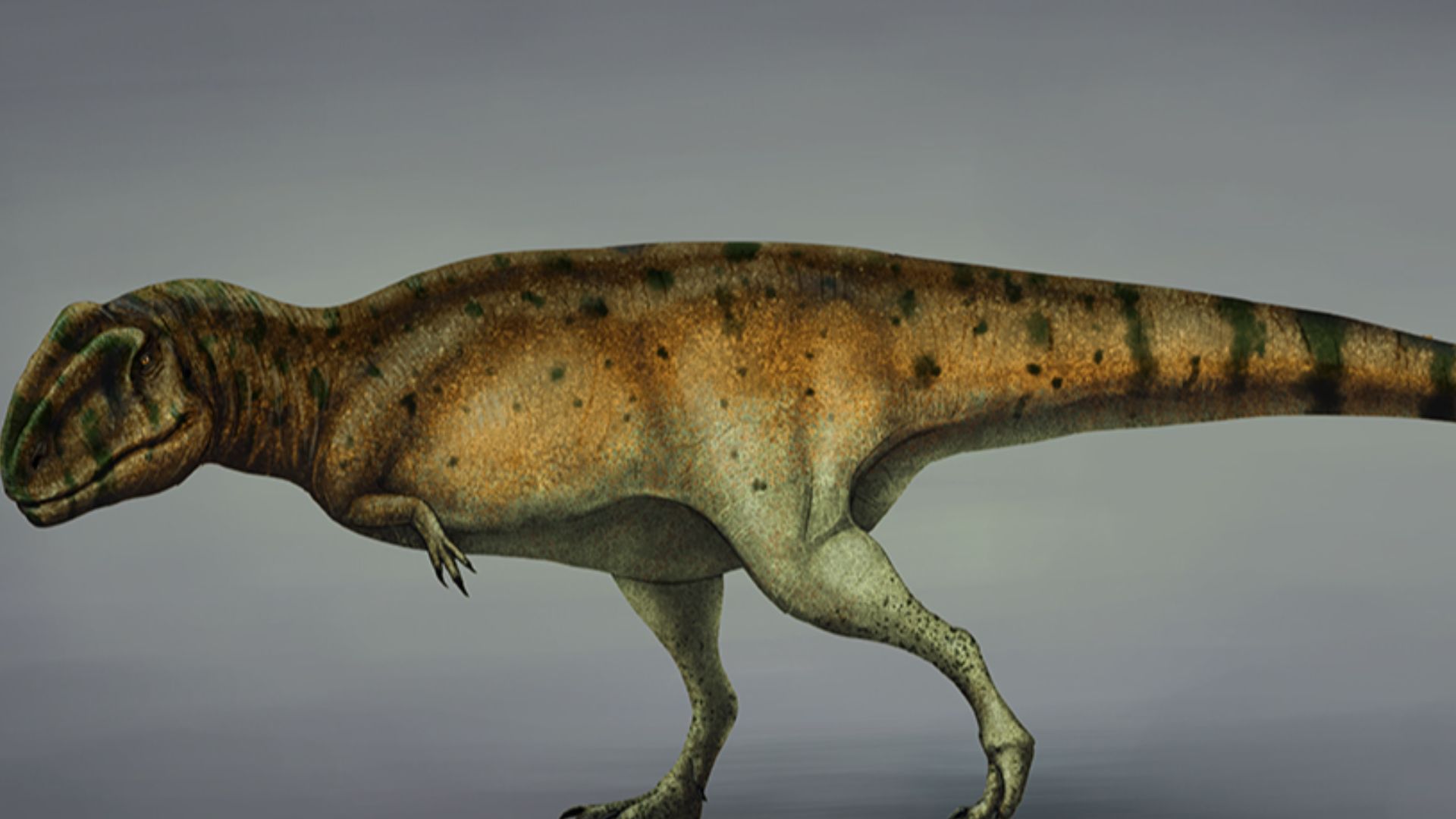
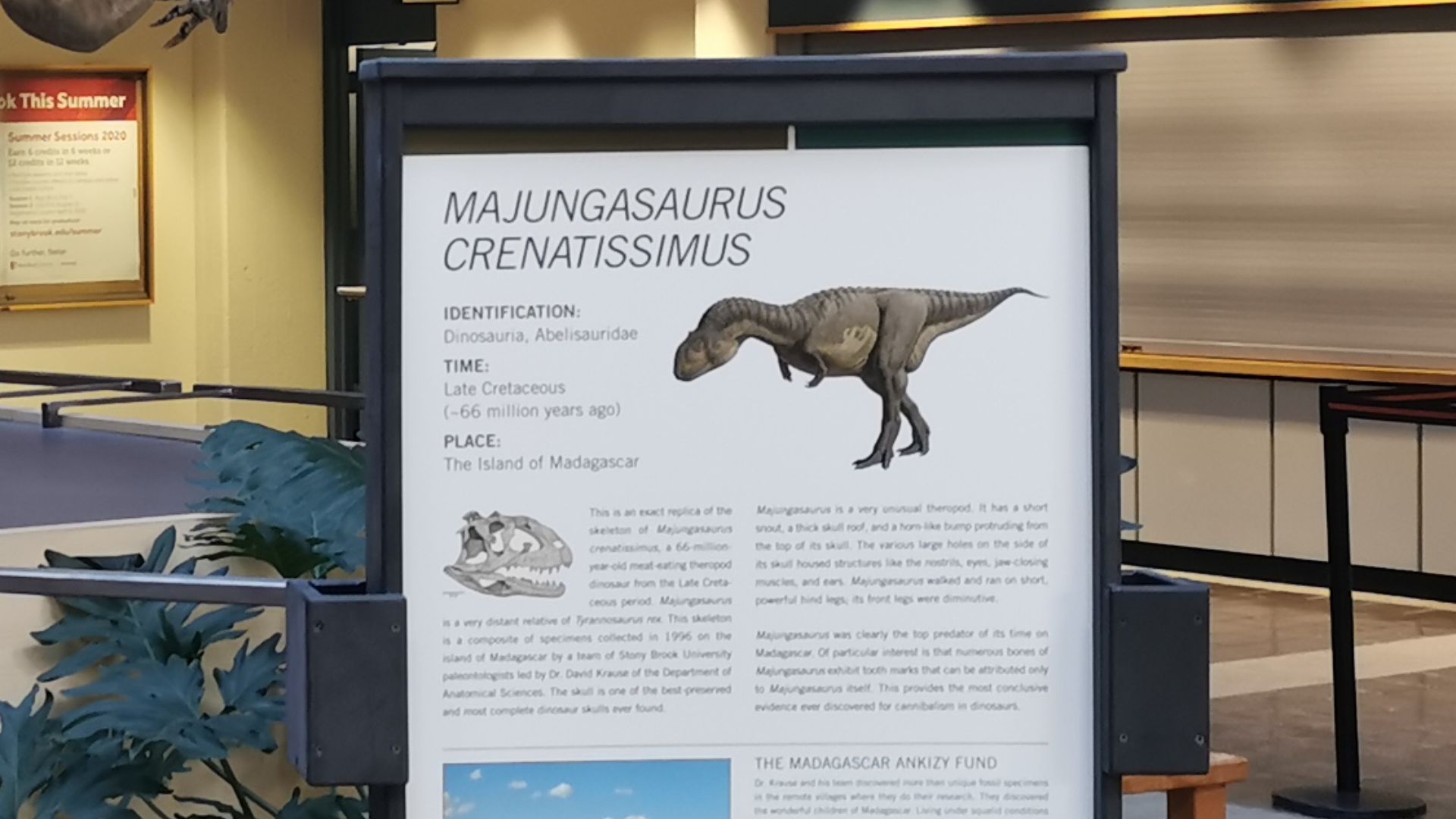
8. Majungasaurus
Living in the prehistoric wilds of Madagascar, Majungasaurus grew to about 6–7 meters and packed a powerful punch. But here’s the kicker—fossil bones show bite marks from other Majungasauruses, making it one of the few dinosaurs with solid evidence of cannibalism.
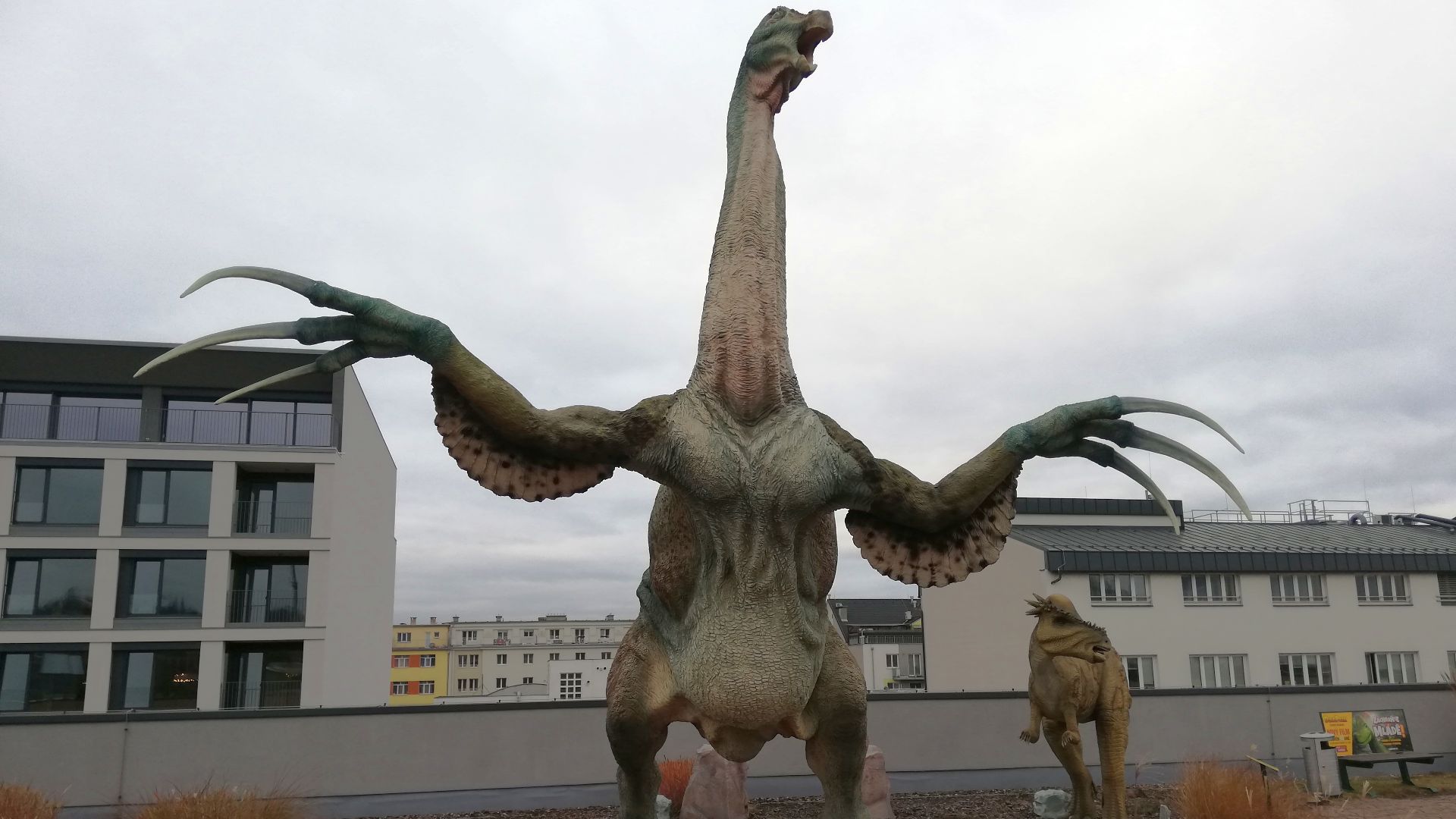
9. Therizinosaurus
With claws stretching a full meter, Therizinosaurus holds the record for the longest of any land animal. Despite its fearsome arms, this pot-bellied oddball was a plant-eater. It likely used those massive claws to hook vegetation or swipe at anything daring enough to attack.
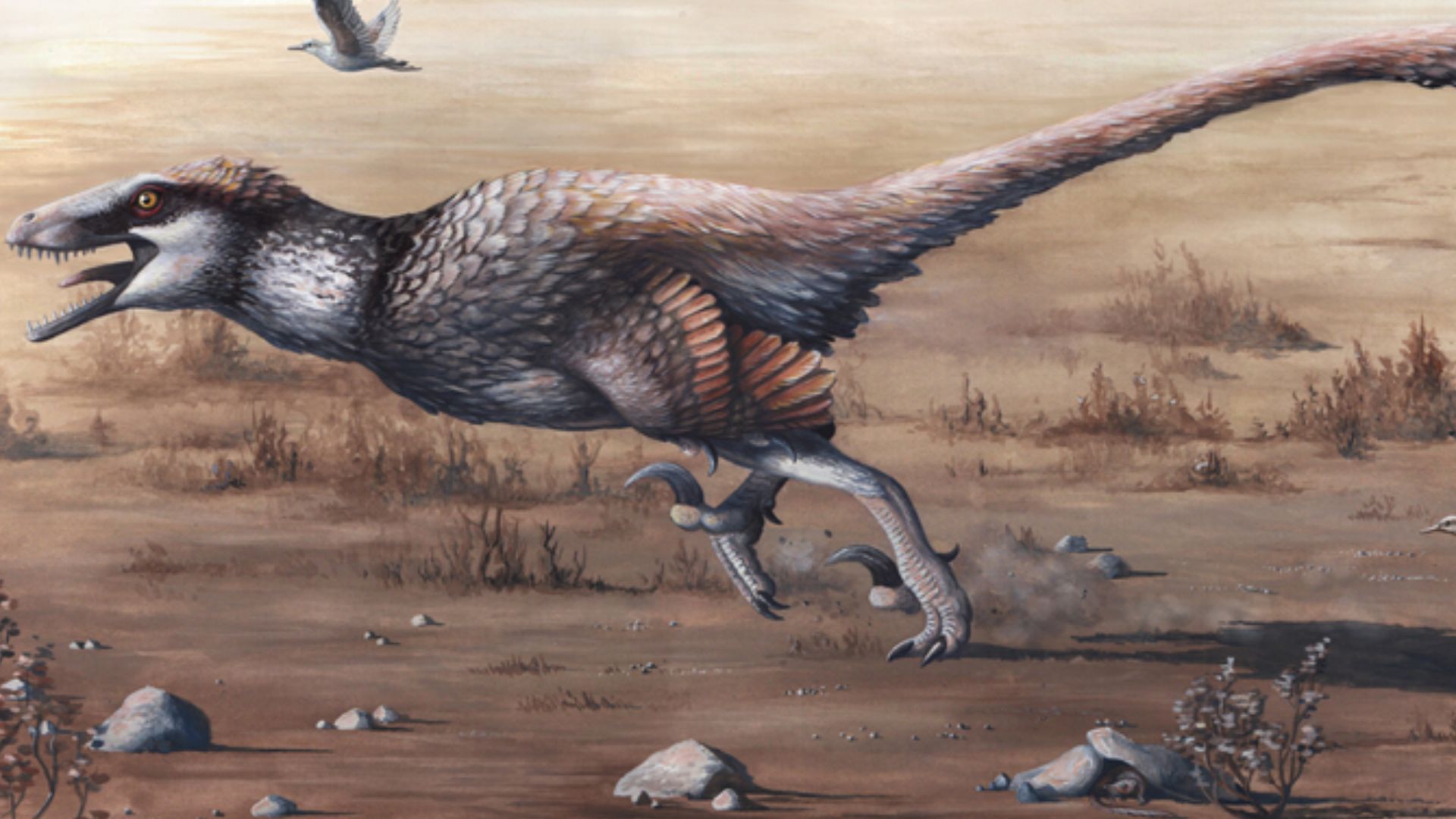
10. Dakotaraptor
Dakotaraptor was one raptor you wouldn’t want to meet in a Late Cretaceous alley. It had powerful legs, a massive sickle claw, and the agility to use both with deadly precision. At its size, it may have filled the apex predator role where T. rex wasn’t around.
KEEP ON READING
The 20 Most Recognized Historical Figures Of All Time
The Biggest Names In History. Although the Earth has been…
By Cathy Liu Oct 4, 2024
10 of the Shortest Wars in History & 10 of…
Wars: Longest and Shortest. Throughout history, wars have varied dramatically…
By Emilie Richardson-Dupuis Oct 7, 2024
10 Fascinating Facts About Ancient Greece You Can Appreciate &…
Once Upon A Time Lived Some Ancient Weirdos.... Greece is…
By Megan Wickens Oct 7, 2024
20 Lesser-Known Facts About Christopher Columbus You Don't Learn In…
In 1492, He Sailed The Ocean Blue. Christopher Columbus is…
By Emilie Richardson-Dupuis Oct 9, 2024
20 Historical Landmarks That Have The Craziest Conspiracy Theories
Unsolved Mysteries Of Ancient Places . When there's not enough evidence…
By Megan Wickens Oct 9, 2024
The 20 Craziest Inventions & Discoveries Made During Ancient Times
Crazy Ancient Inventions . While we're busy making big advancements in…
By Cathy Liu Oct 9, 2024