


Shame Was Part of the Sentence
Public humiliation wasn’t just a side effect of punishment in many earlier societies; it was often the entire point of the punishment. History didn’t have time to just dole out a slap on the wrist, either; courts, churches, mobs, and local officials used shame to warn everyone else what could happen if they broke the rules or simply offended the wrong people. When you look at these 20 punishments now, what stands out isn’t only their cruelty, but how deliberately they turned ordinary life into stages.
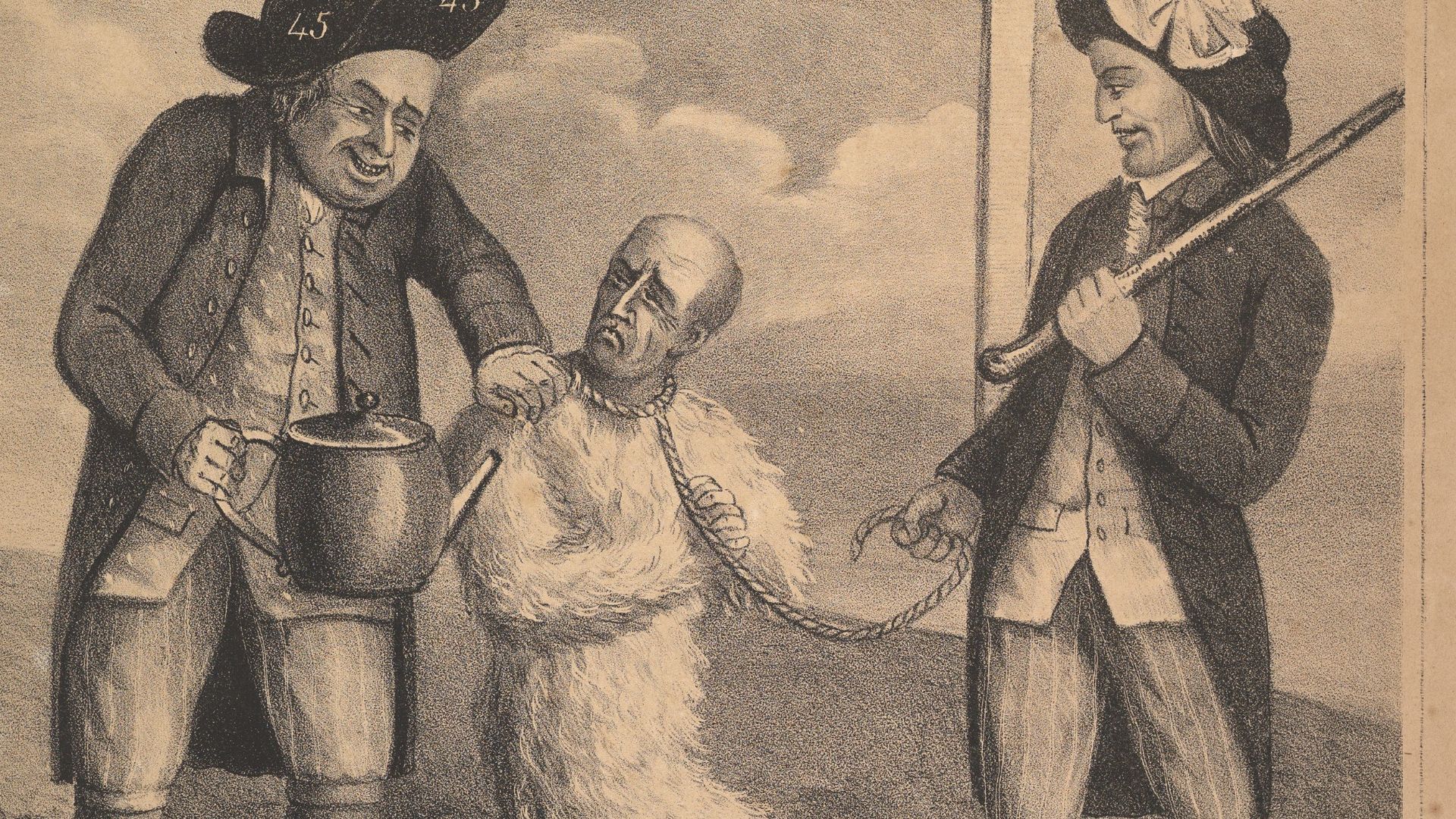 David Claypoole Johnston on Wikimedia
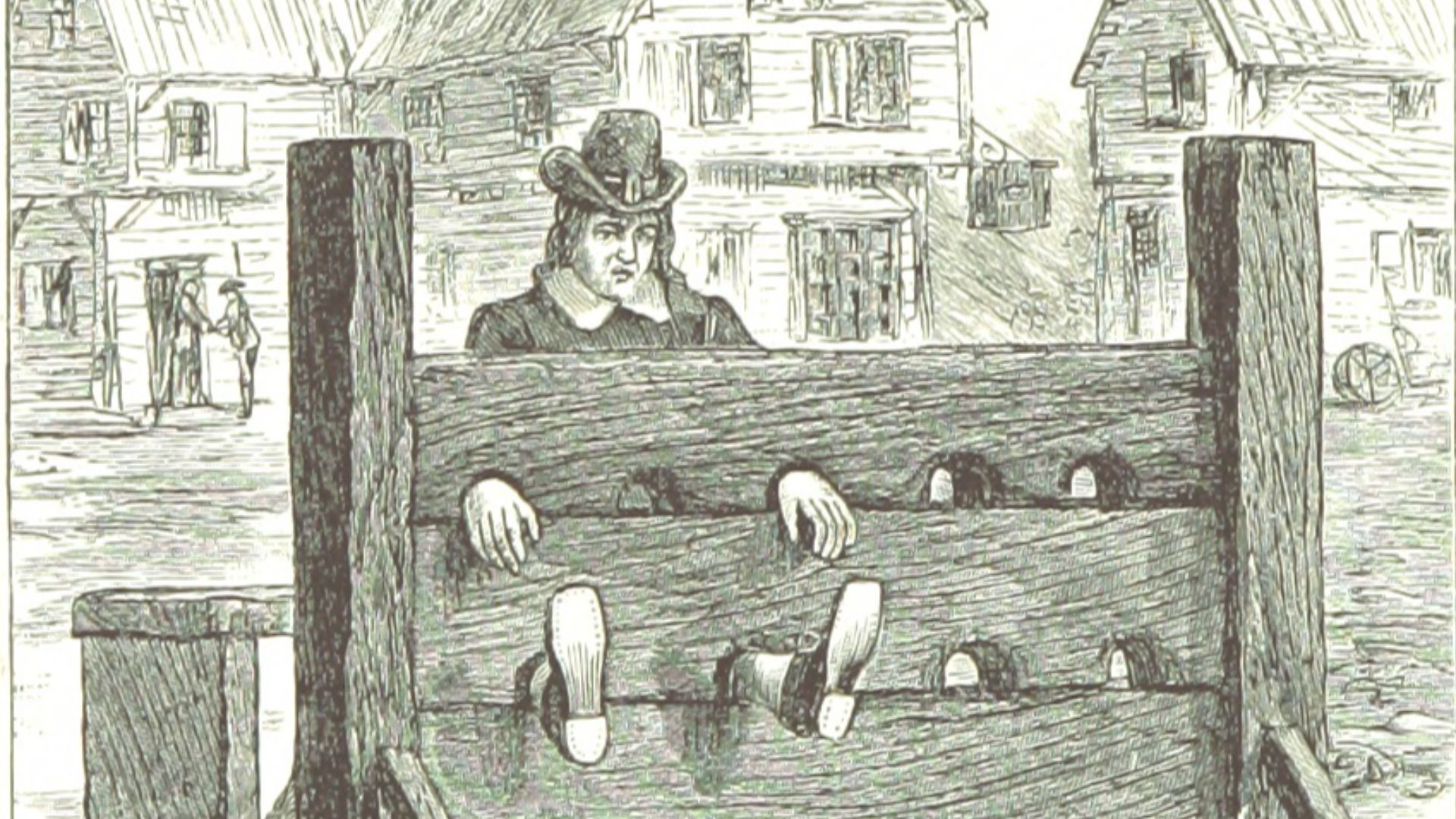
1. The Pillory
The pillory was one of the most recognizable public punishments in medieval and early modern Europe. Put simply, it locked a person’s head and hands into a raised wooden frame. Though some famous writers were subjected to it, for many less famous offenders, the experience meant being trapped in public while neighbors insulted them, threw refuse, or remembered their disgrace long after the punishment officially “ended.”
2. The Stocks
No, we’re not talking about the market crashing. In the 1300s, stocks actually held a person’s ankles in place, leaving them seated or stretched out in a public location where passersby could stare and laugh. They were common enough in England that laws such as the 1351 Statute of Labourers helped tie them to the punishment of people accused of breaking labor regulations after the Black Death.
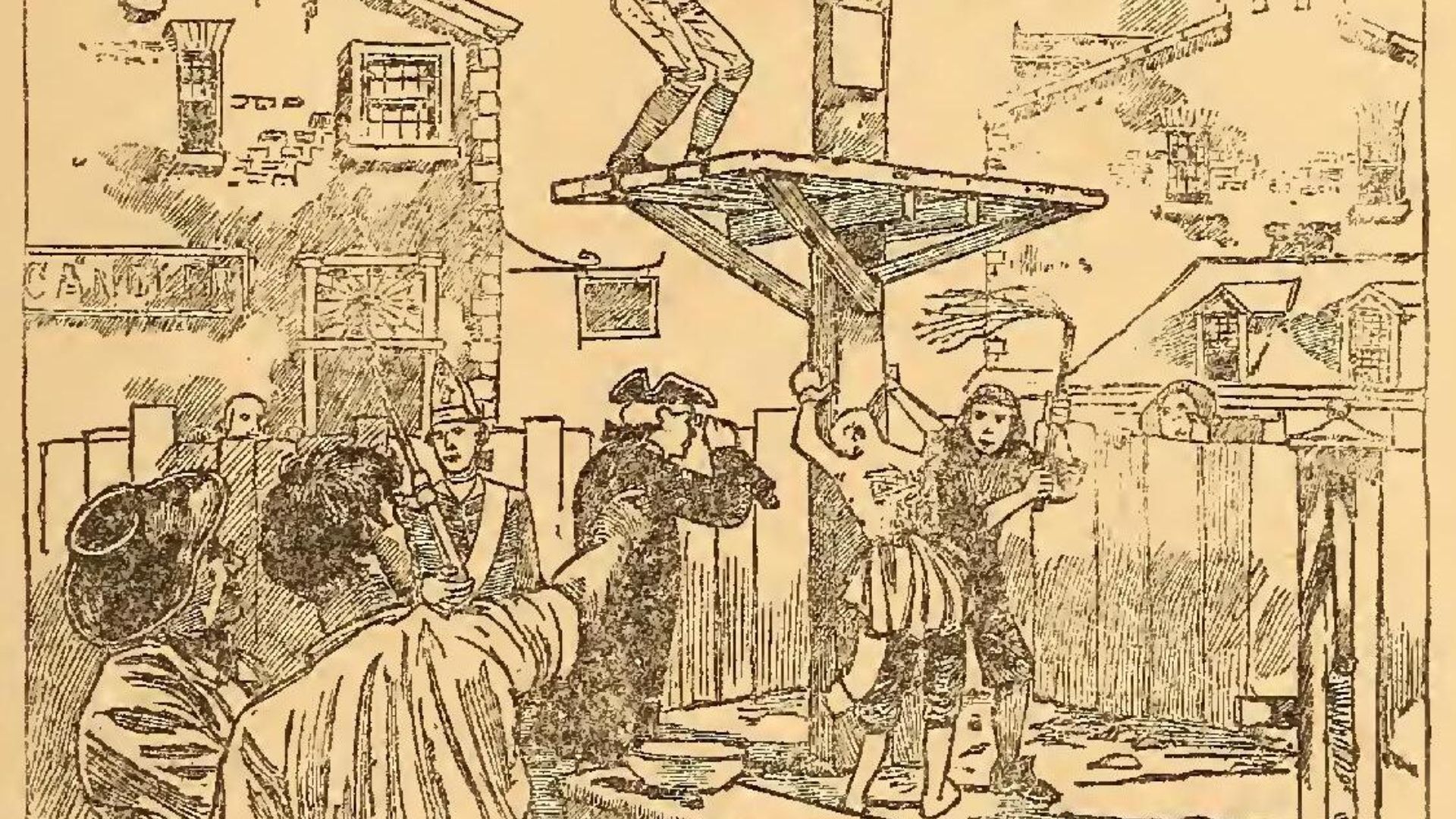
3. Public Whipping
Make no mistake: public whipping was just as much about physical punishment as it was the humiliation of being disciplined. In Britain and its colonies, whipping posts stood in visible places, and enslaved people, servants, thieves, and other accused offenders could be punished where others were meant to take the lesson.
 Folsom, De Francias on Wikimedia
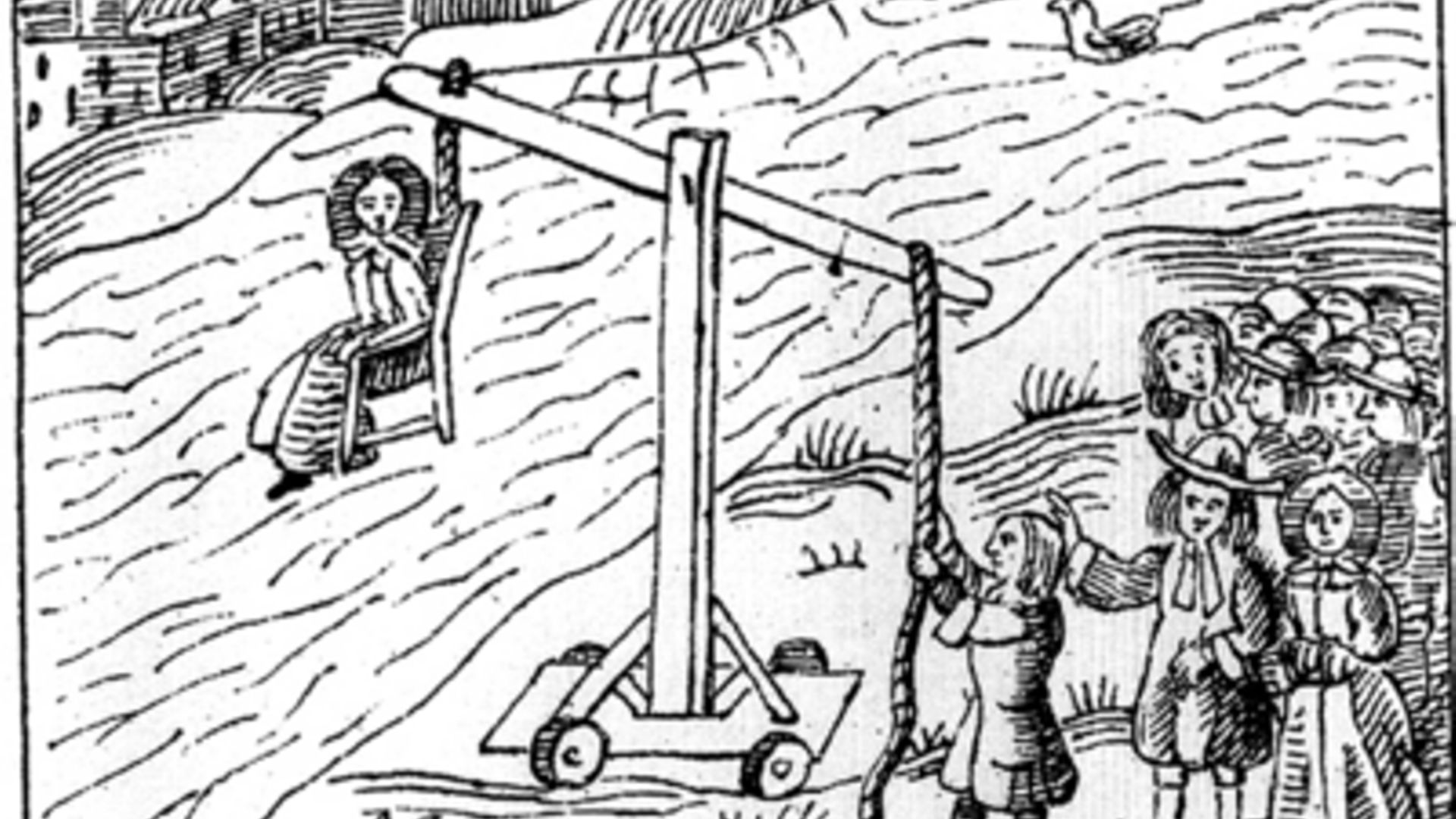
4. The Ducking Stool
The ducking stool was used in early modern England against people accused of being “common scolds”; in other words, a charge often aimed at women considered loud or disruptive. It also targeted women who bore illegitimate children or sold services to men.

5. The Cucking Stool
Though often used interchangeably with the ducking stool, a cucking stool was a little different. It was essentially a public seat of shame used in England before the ducking stool became more widely associated with water punishment. Unlike a fine paid, being placed on the stool put the accused person’s name and body directly in front of the community to be paraded around town.
6. The Scold’s Bridle
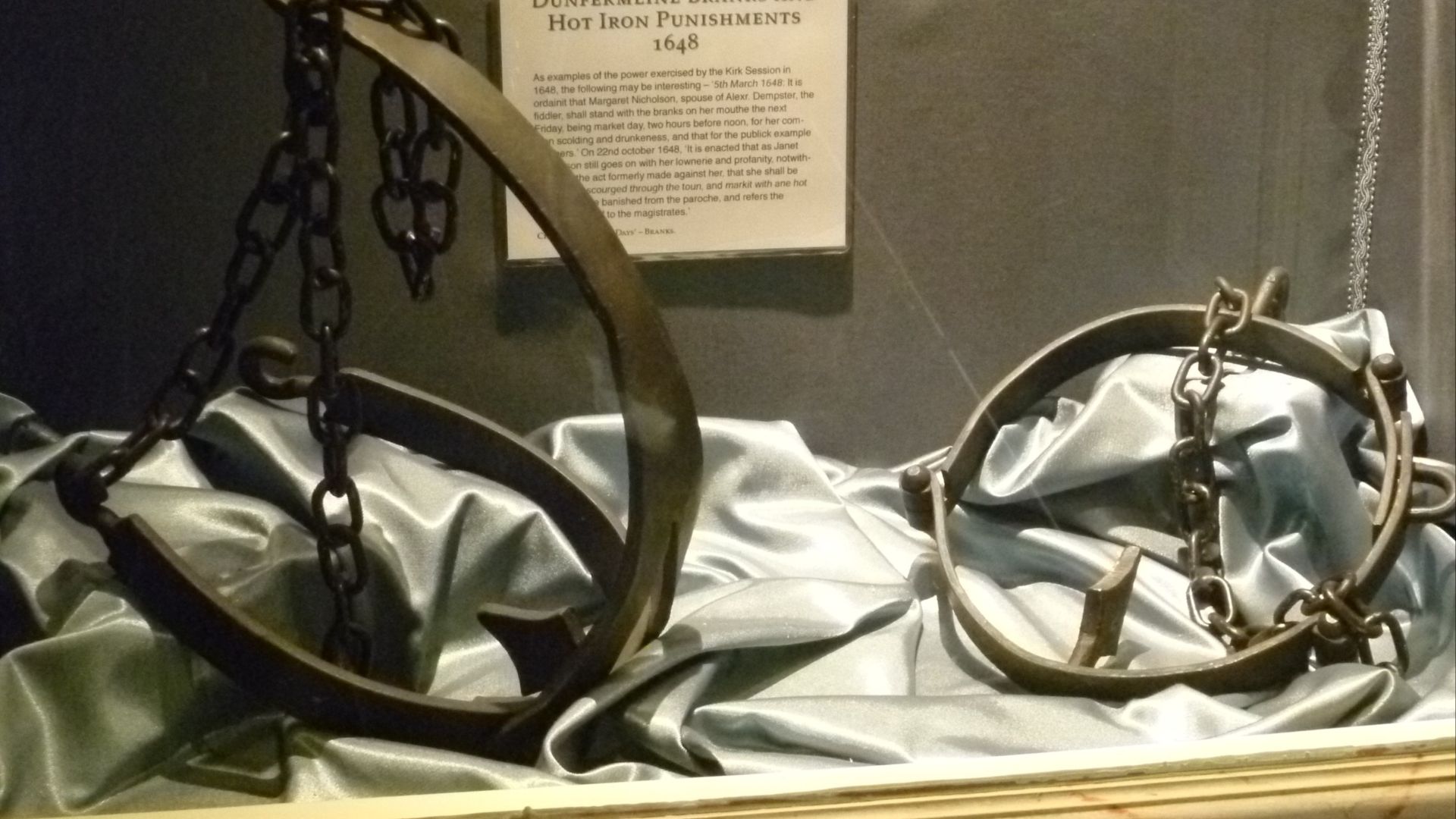
The scold’s bridle, also called the branks, was an iron headpiece used to silence and shame people accused of offensive speech. But “unruly” speech back then was a lot different than today; in 1567, Bessie Tailiefeir in Edinburgh was sentenced to be “brankit” and fixed to the town cross after allegedly slandering a local official.
7. The Drunkard’s Cloak
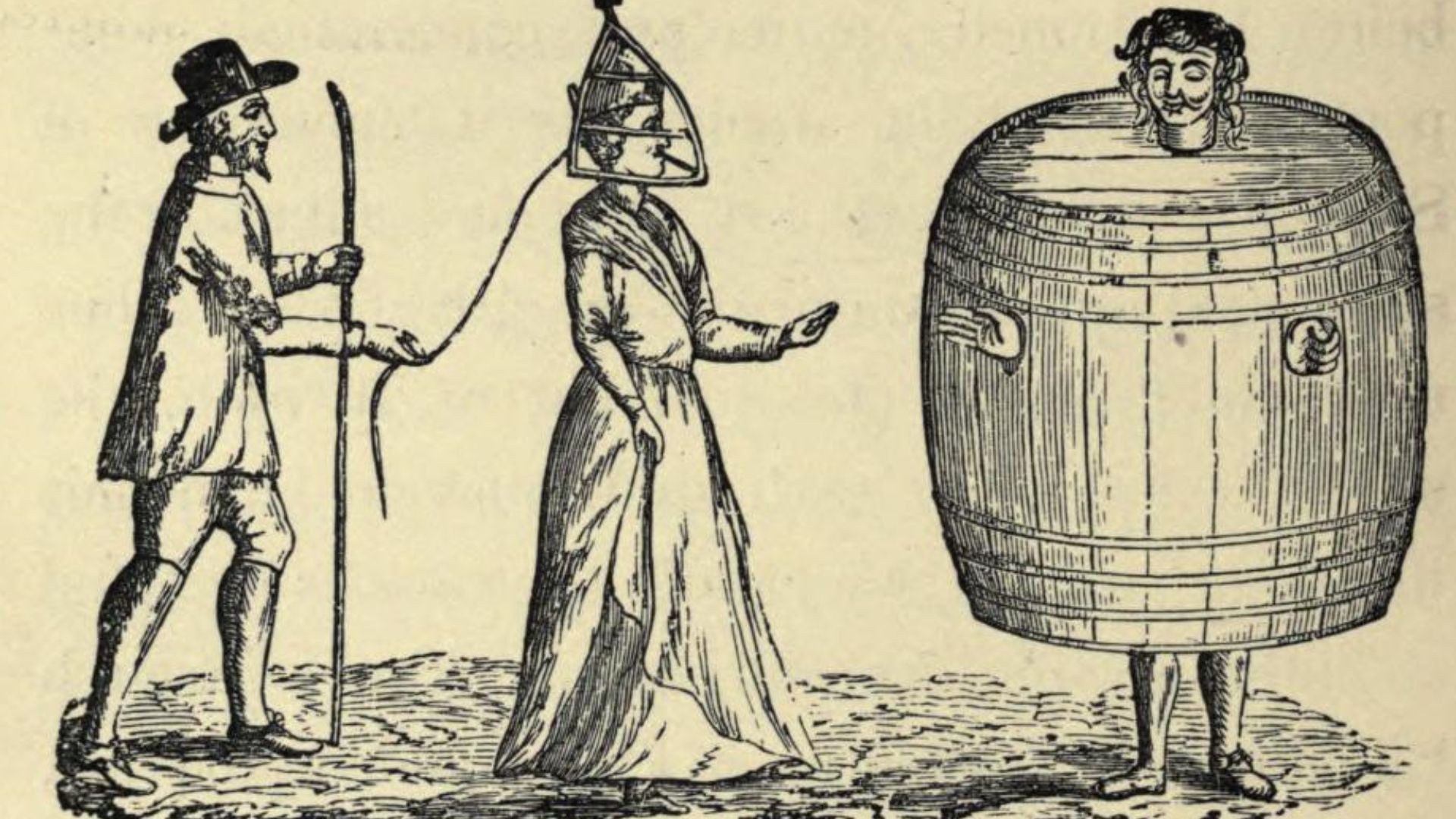
The drunkard’s cloak sounds simple enough, but it was more humiliating than its name suggests. It was a barrel-like punishment associated especially with Newcastle in the seventeenth century, where you’d essentially be forced through town wearing a wooden cask instead of normal clothing.
8. Tarring and Feathering
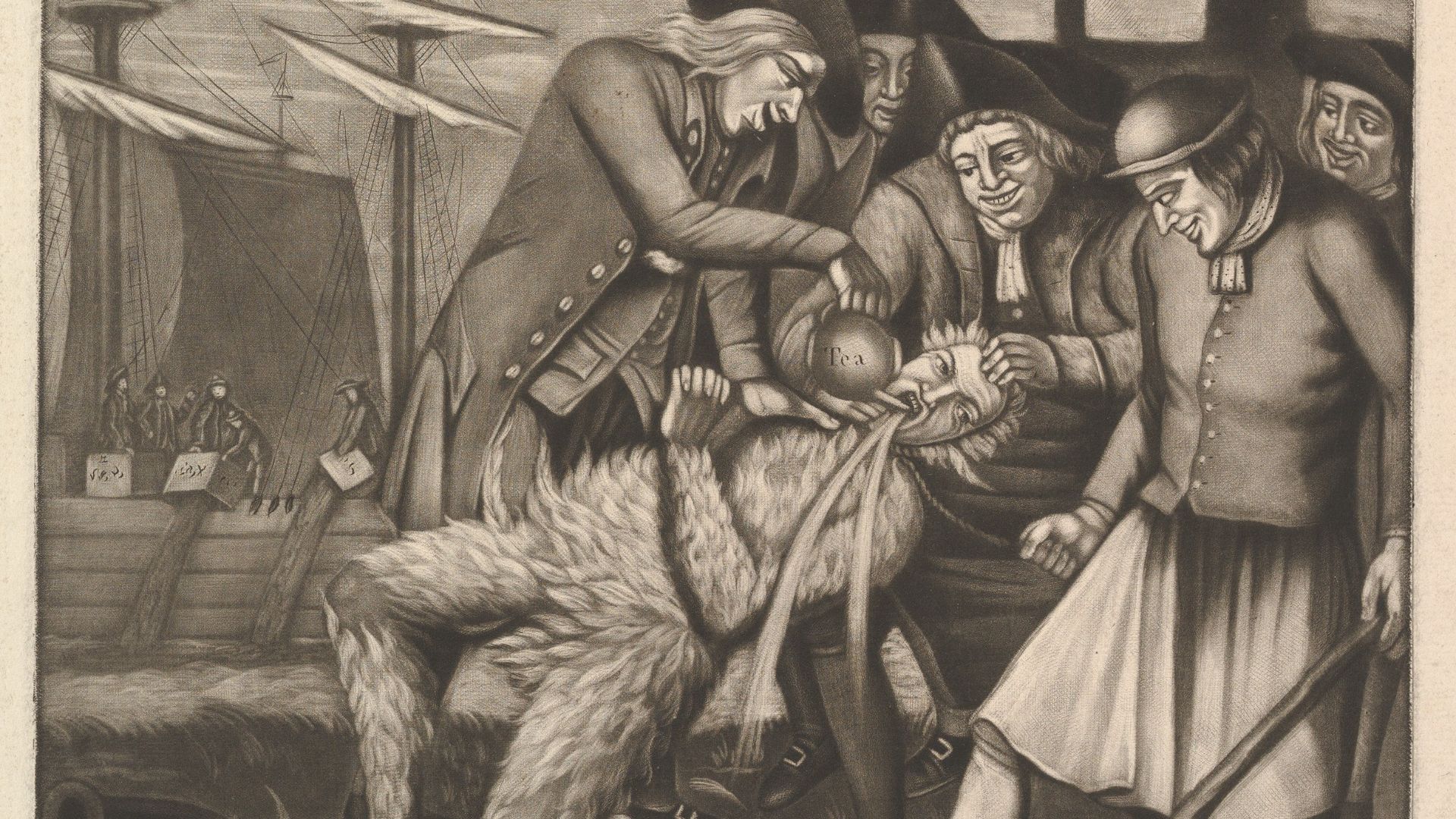
You’ve likely heard of tarring and feathering before—and for good reason. This punishment was easily one of the more brutal of its period, and it became notorious in Britain’s North American colonies during the 1760s and 1770s. It was mob punishment, not courtroom justice, and entailed the victim being stripped, restrained, smeared with hot tar, and then covered with feathers before being paraded through public streets.
9. Charivari and Rough Music
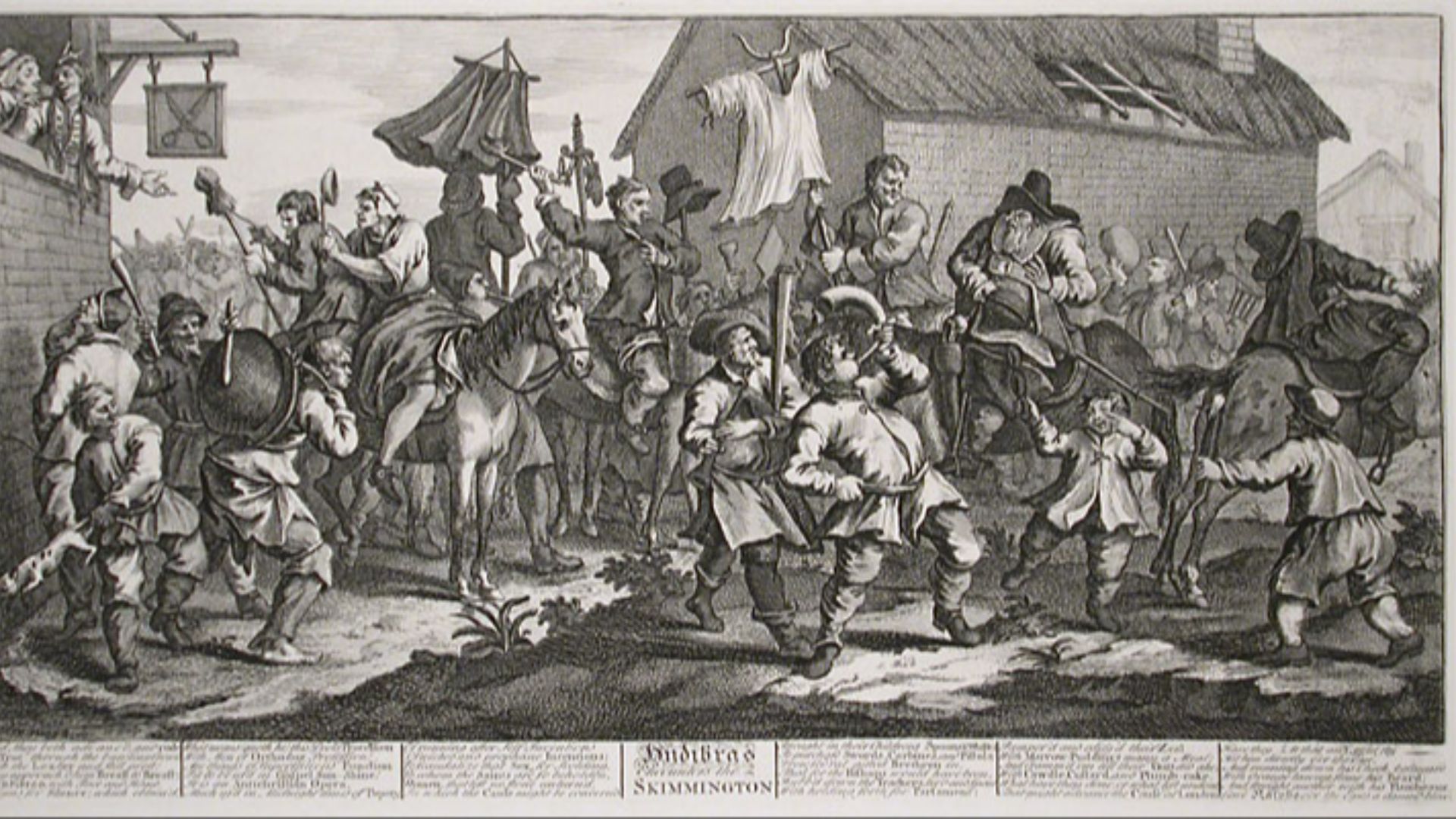
Charivari, known in England as rough music, was a noisy ritual of public mockery used to shame people accused of violating community standards. In nineteenth-century English villages, crowds would bang pots, shout insults, or simply stage a humiliating procession outside a person’s home.
10. Shame Badges
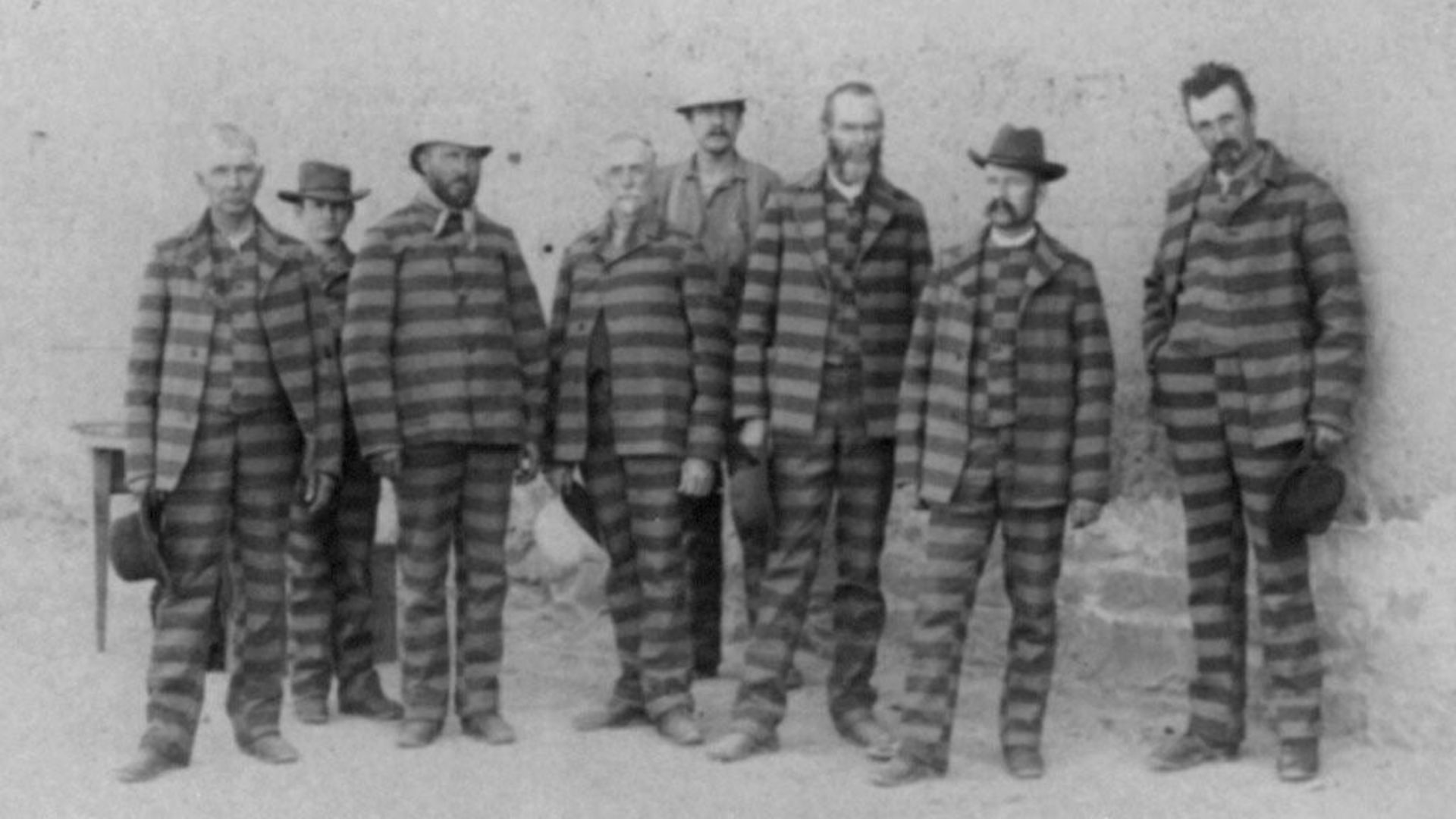
Some colonial American punishments forced offenders to wear letters or labels that announced their offense in public. Think of the Scarlet Letter: red letters stitched onto clothing. The badge turned daily life into an extended sentence, too; every errand, church service, and public meeting would only reopen the wound.
11. Public Church Penance
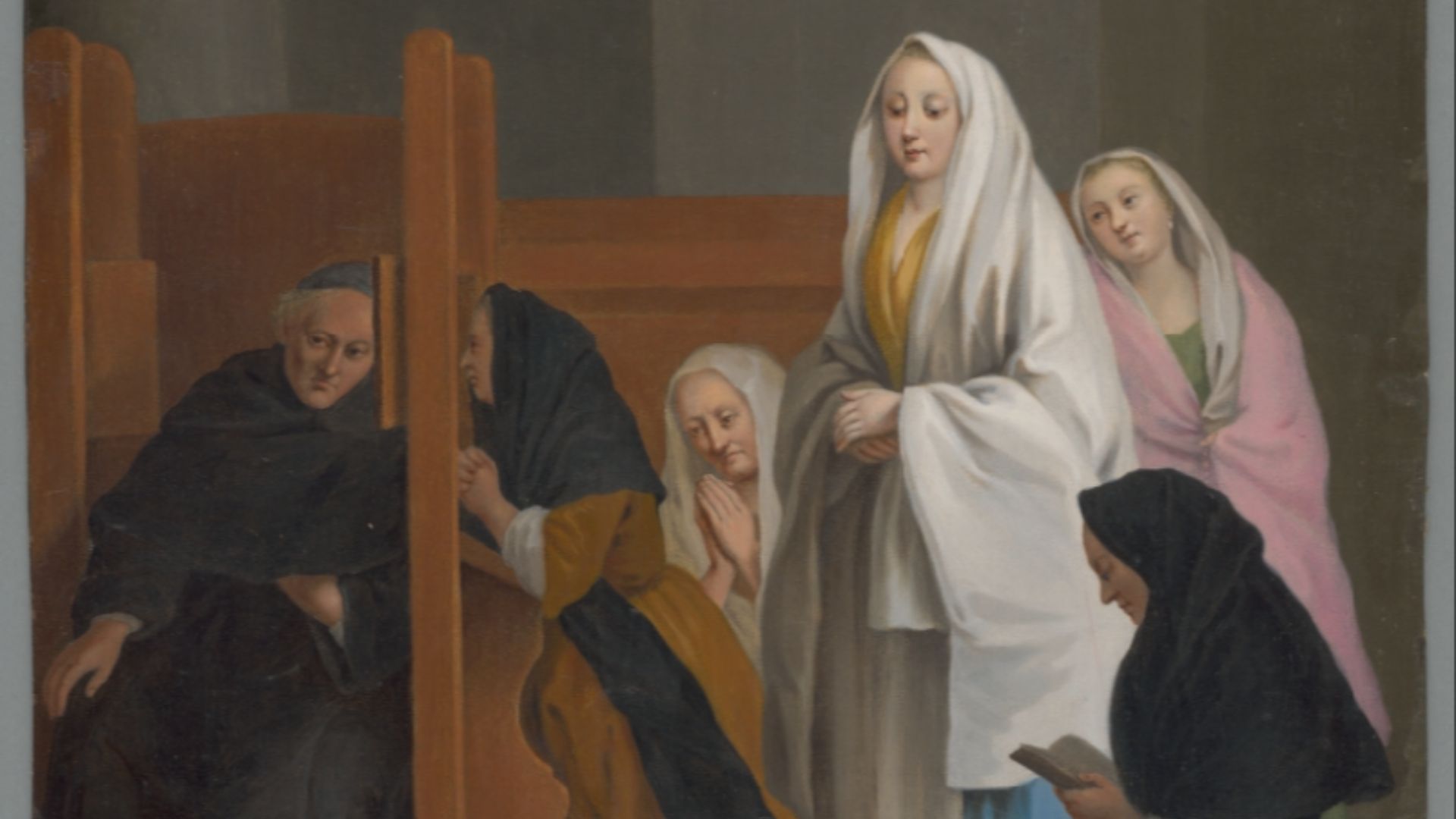
Church courts in England were once able to require those accused of moral offenses to perform penance in front of a congregation. You were sometimes made to wear a white sheet or hold a candle before repeating a confession in front of everyone, who were then privy to your private offenses.
 Pietro Longhi / Giovanni Marco Pitteri on Wikimedia
12. The Amende Honorable
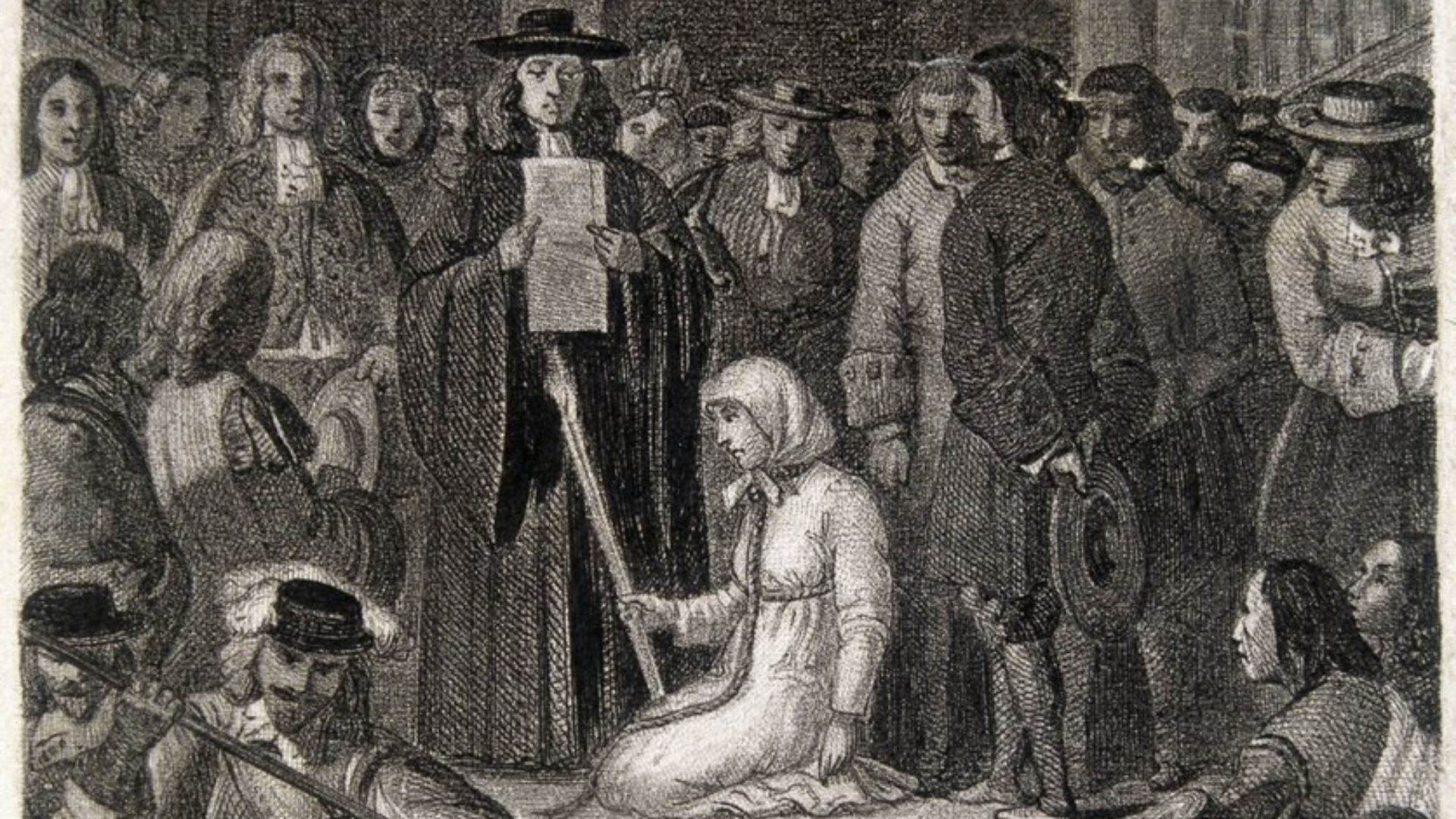
Don’t let the name fool you—the amende honorable was hardly honorable at all. It was a French ritual of public apology used in church and legal settings. You’d be brought before a church in a deliberately humiliating state, often barefoot and bareheaded, and sometimes with a rope around your neck. You then had to confess, ask forgiveness, and accept the shame.
 Creator:Louis Boulanger on Wikimedia
13. Branding
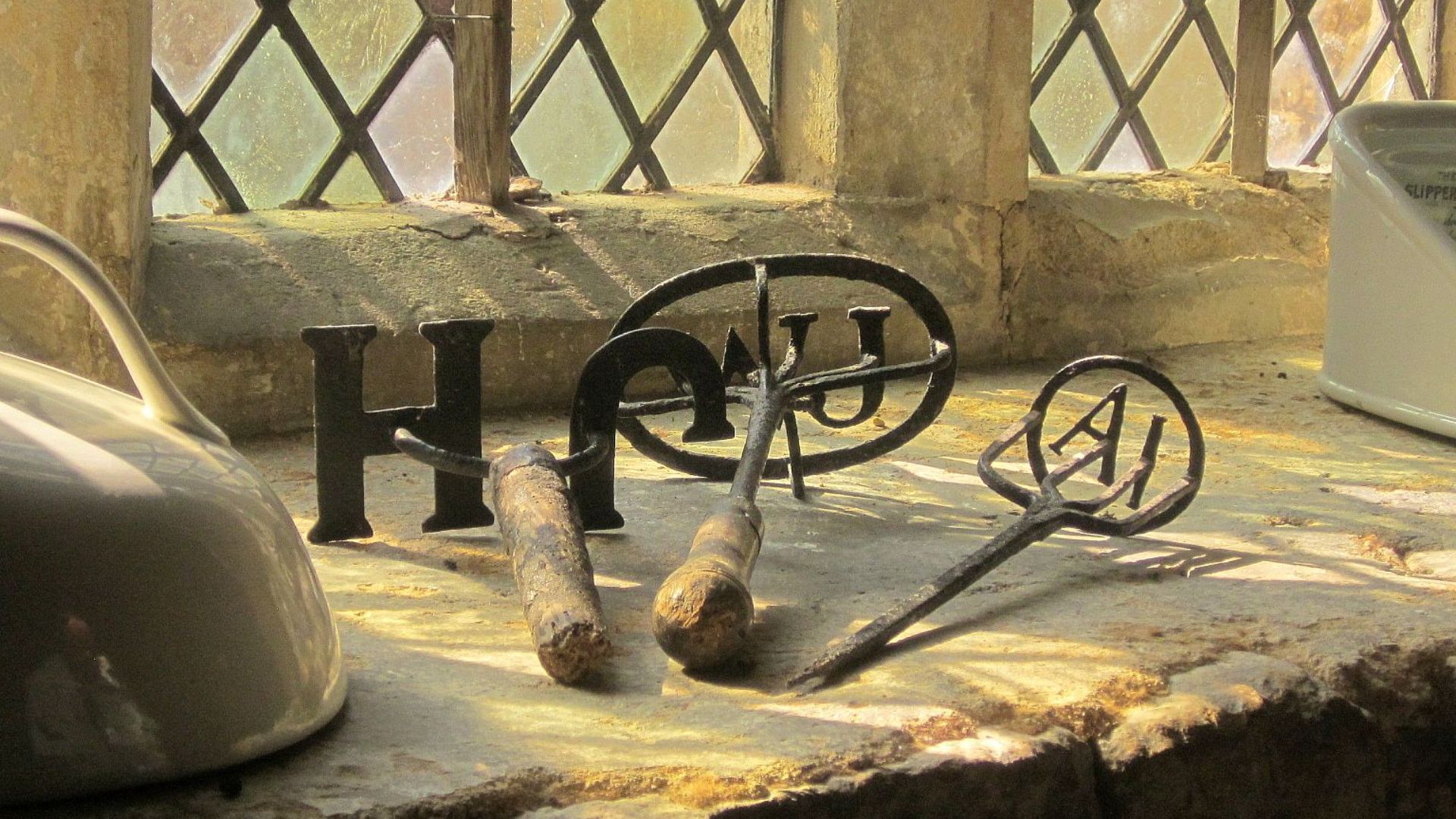
Branding marked the body so that basically everyone would remember what you did. In Roman law, enslaved people and criminals could be branded for identification, and later European systems also used branding to mark convicted offenders. England still used hand branding for some crimes in the eighteenth century, and Parliament didn’t even end the act until 1822.
14. The Shrew’s Fiddle
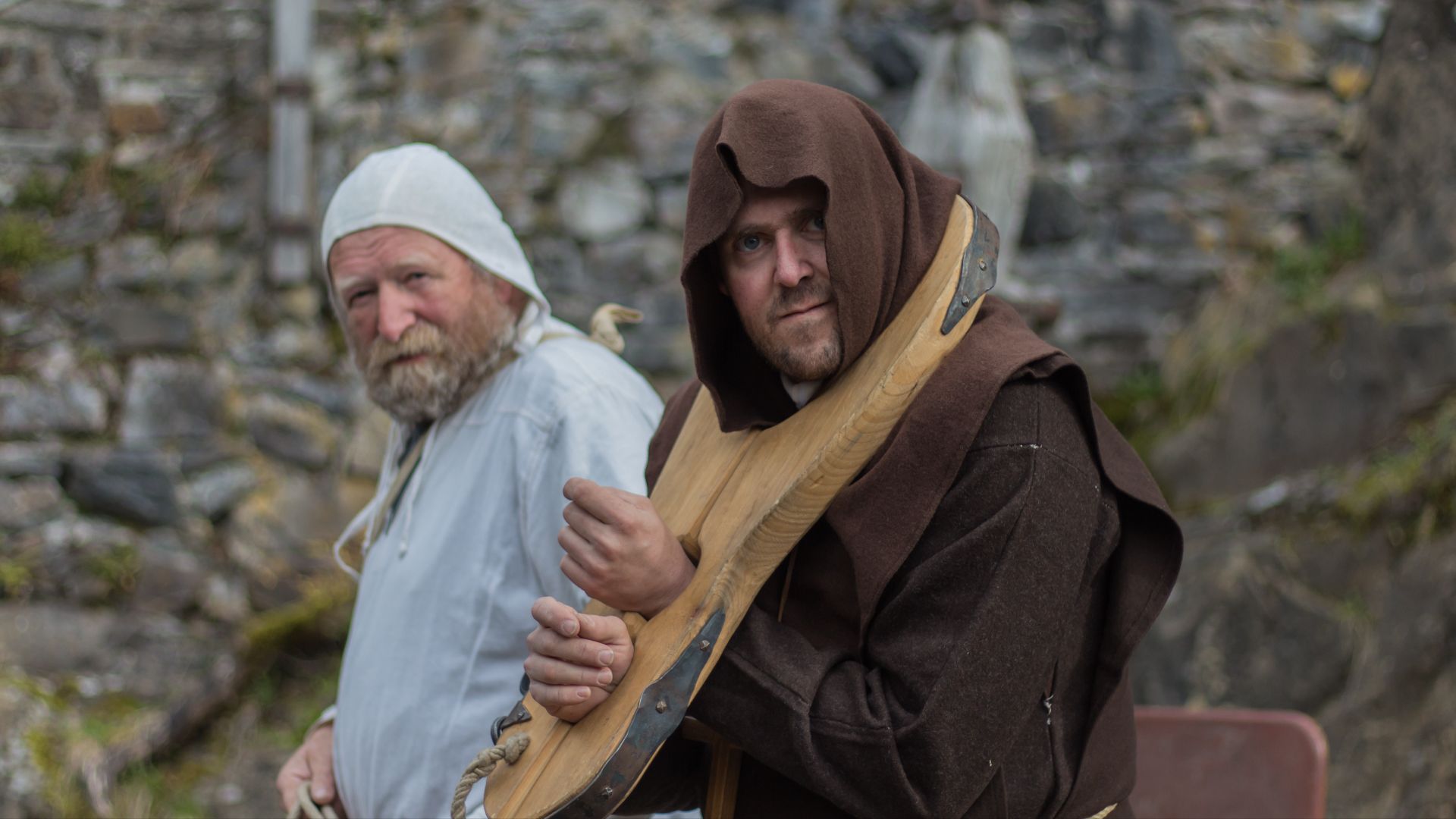
The shrew’s fiddle, also known as the neck violin, was used in parts of medieval and early modern Germany and Austria. Basically, it locked the neck and wrists into a wooden or metal frame, sometimes with a bell attached so people would know you were coming. Upsettingly, the device was especially used on women accused of arguing or bickering.
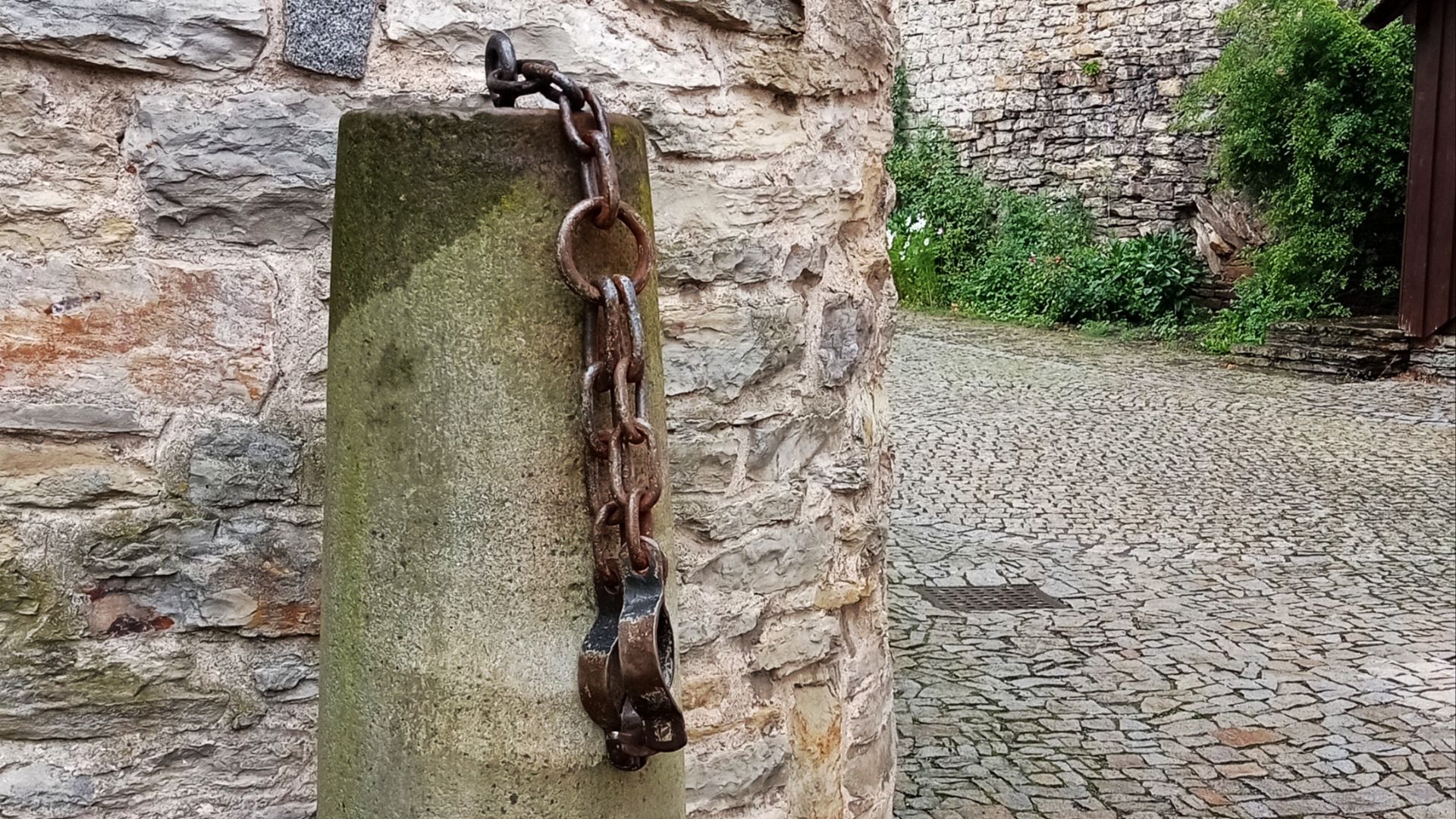
15. The Jougs
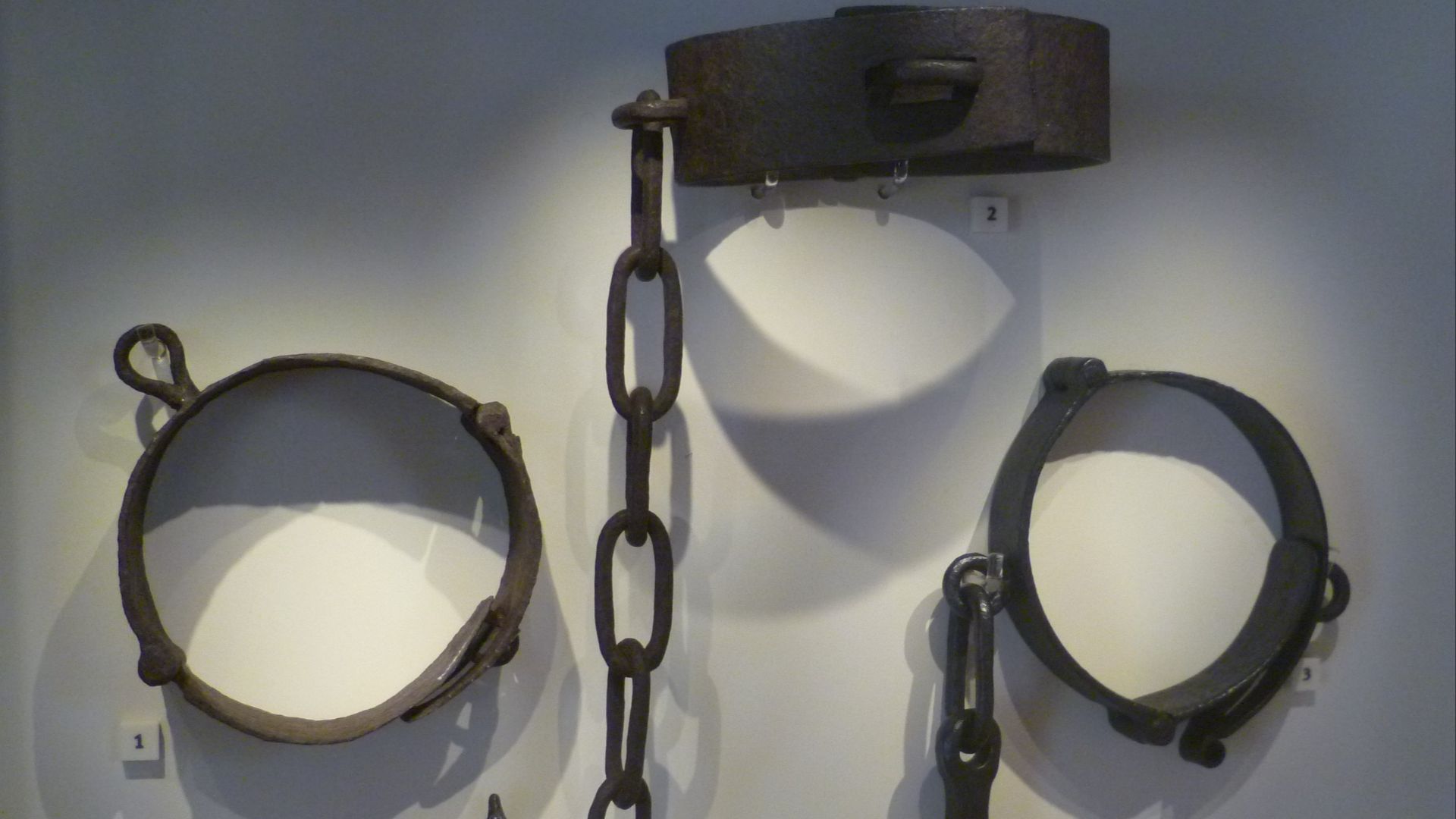
The jougs were iron collars attached by a chain to a church wall or tree, and they were mostly used in Scotland for both civil and religious offenses. Parish churches and town centers alike made sure the spectacle was highly visible, which meant the offender could be displayed at the very heart of the community.
16. The Sanbenito
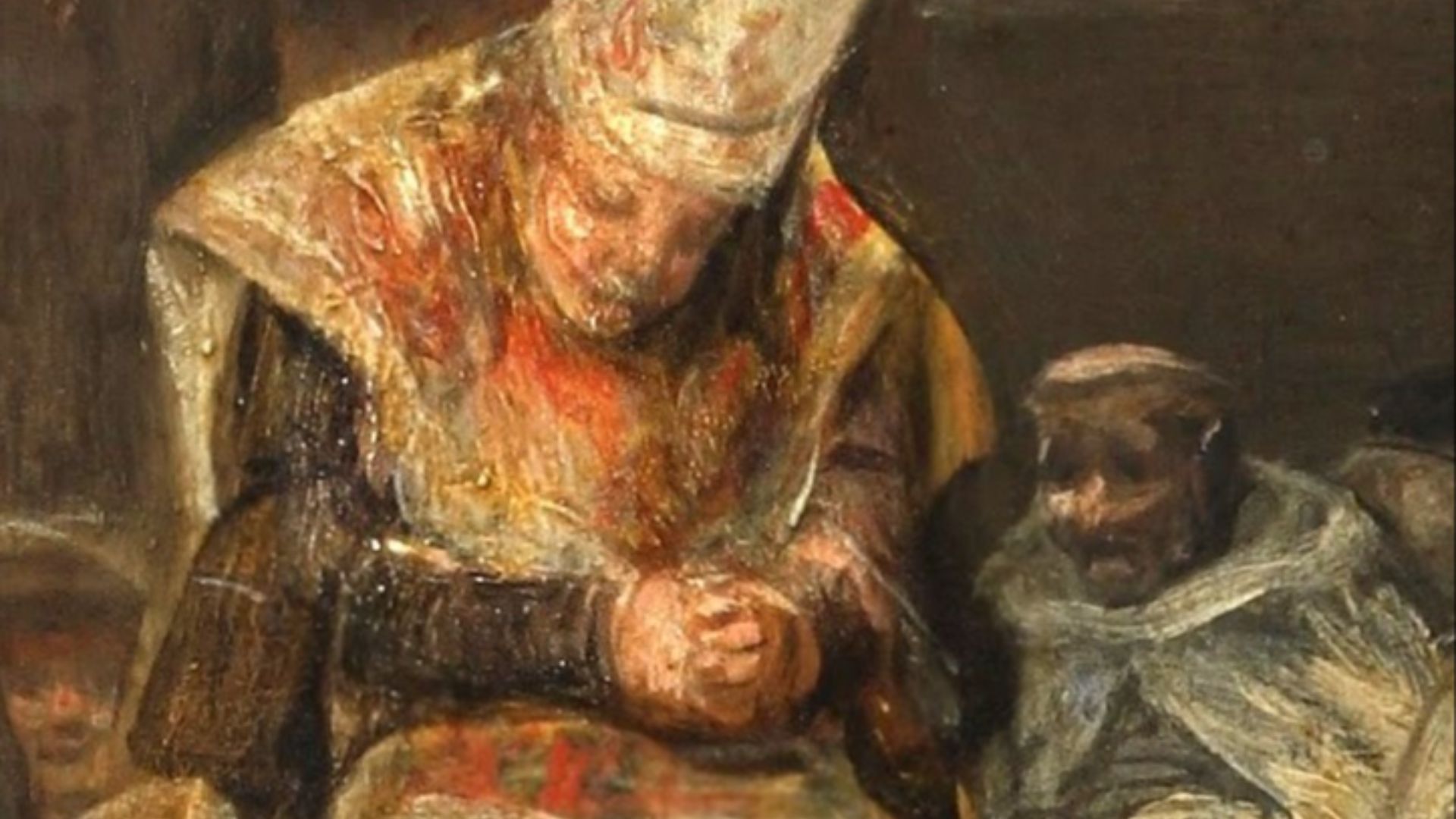
The sanbenito was a penitential garment used by the Spanish and Portuguese Inquisitions, especially during autos-da-fé. The Spanish Inquisition was authorized in 1478, and they were used from the institution’s early years as a visible marker of religious disgrace, usually marked with symbols that showed a person’s supposed offense.
17. Head Shaving
Forced head shaving was one of the go-to ways to publicly strip people of dignity. One of the most infamous modern examples came during the Liberation of France, when thousands of women accused of collaboration with the Germans were shaved in public between 1943 and 1946.
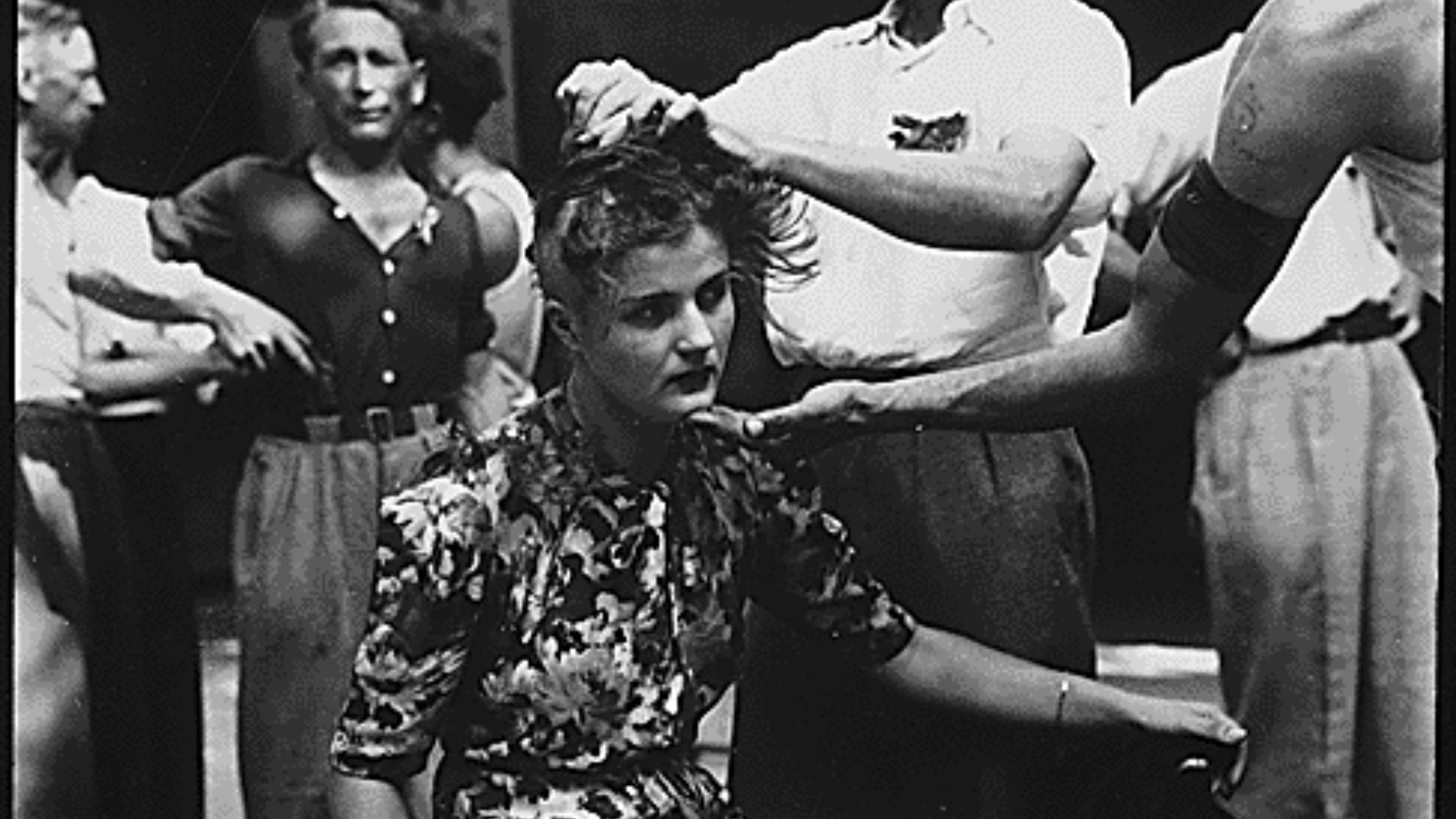 Smith (NARA record: 10574656) on Wikimedia
18. Gibbeting
Gibbeting might not sound like much to look at, but the act was actually pretty heinous. Essentially, it meant displaying the body of an executed person in either a cage or in chains as a warning to others. Worst of all, they could remain on posts or in public for several years.
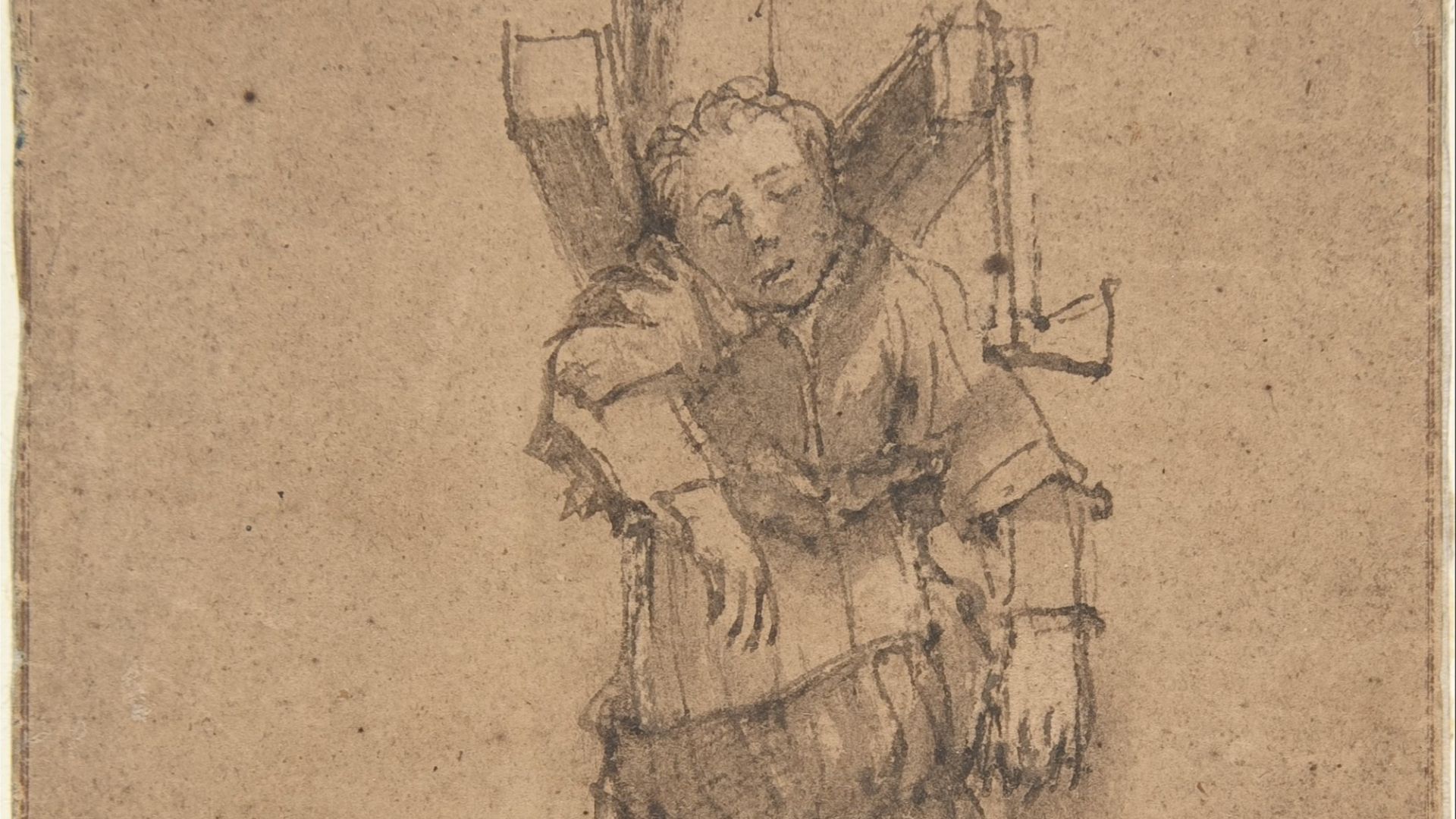
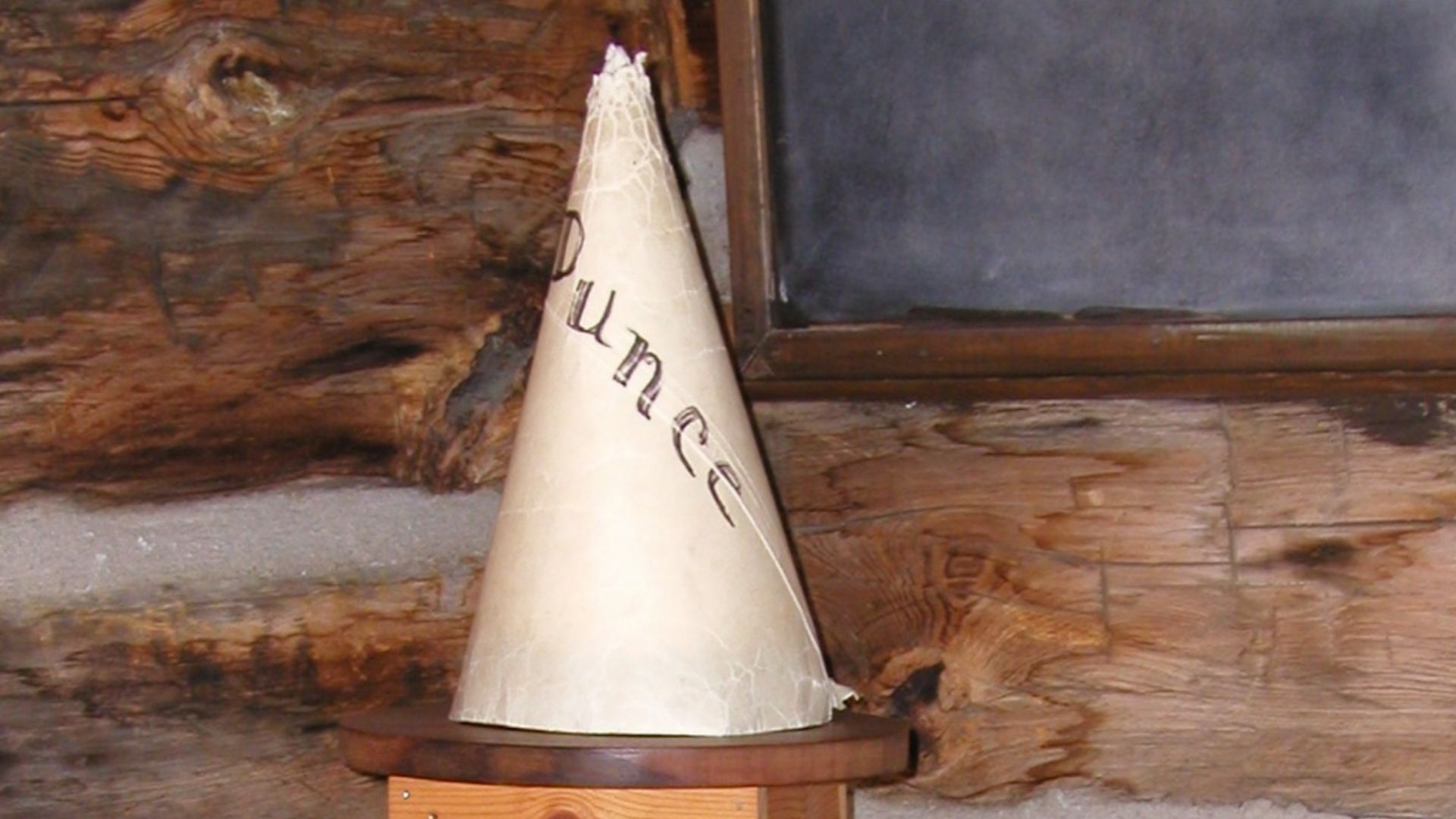
19. The Dunce Cap
The dunce cap became a classroom punishment in Europe and the United States, and though it’s easy to poke fun at now, it was a notorious humiliation ritual from the nineteenth and early twentieth centuries. No one wants to be remembered as the kid in the hat.
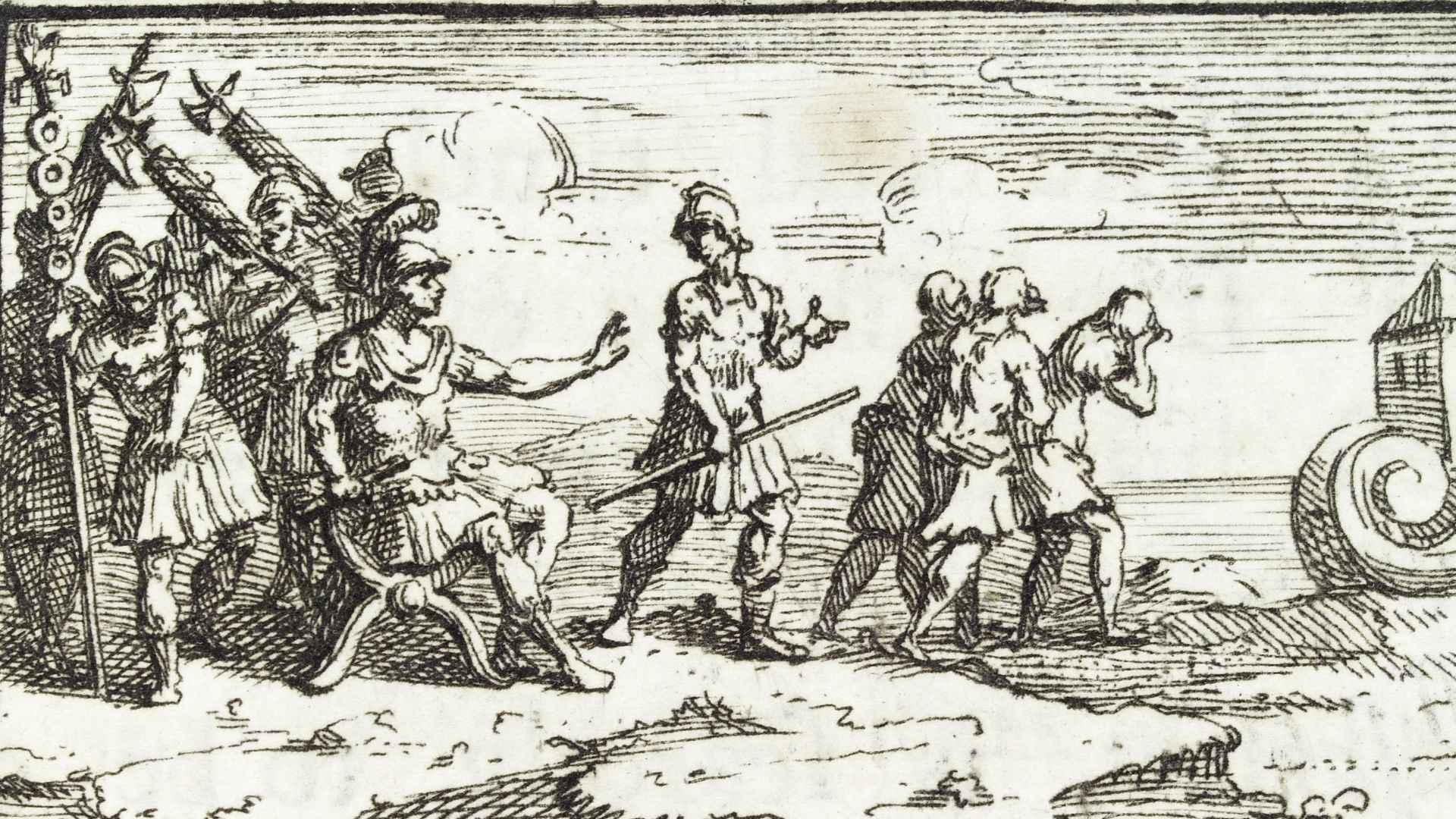
20. Banishment Ceremonies
Banishment was often more than being told to leave—it could be staged so the entire community witnessed your downfall. In early modern towns, expulsion could follow accusations of religious dissent, moral misconduct, vagrancy, or repeated disorder. Either way, the humiliation came from being publicly cut off and having everyone watch you pack your bags.
KEEP ON READING
The story of Ching Shih, the Woman Who Became the…
Unknown author on WikimediaFew figures in history are as feared…
By Emilie Richardson-Dupuis Dec 29, 2025
Einstein's Violin Just Sold At An Auction—And It Earned More…
A Visionary's Violin. Wanda von Debschitz-Kunowski on WikimediaWhen you hear…
By Ashley Bast Nov 3, 2025
This Infamous Ancient Greek Burned Down An Ancient Wonder Just…
History remembers kings and conquerors, but sometimes, it also remembers…
By David Davidovic Nov 12, 2025
The Mysterious "Sea People" Who Collapsed Civilization
3,200 years ago, Bronze Age civilization in the Mediterranean suddenly…
By Robbie Woods Mar 18, 2025
20 Greatest Ancient Athletes In History
Ancient Olympics. Long before modern stadiums and multimillion-dollar endorsements, athletes…
By Sara Springsteen May 1, 2026
20 Soldiers Who Defied Expectations
Changing the Rules of the Battlefield. You’ve probably heard plenty…
By Annie Byrd Feb 10, 2026