

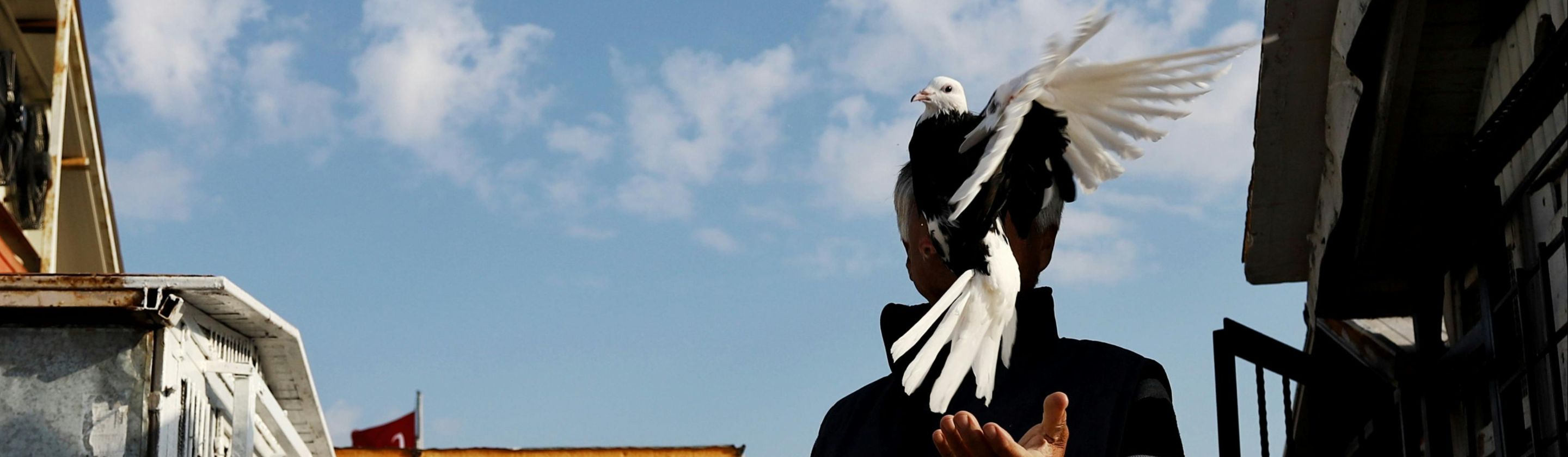
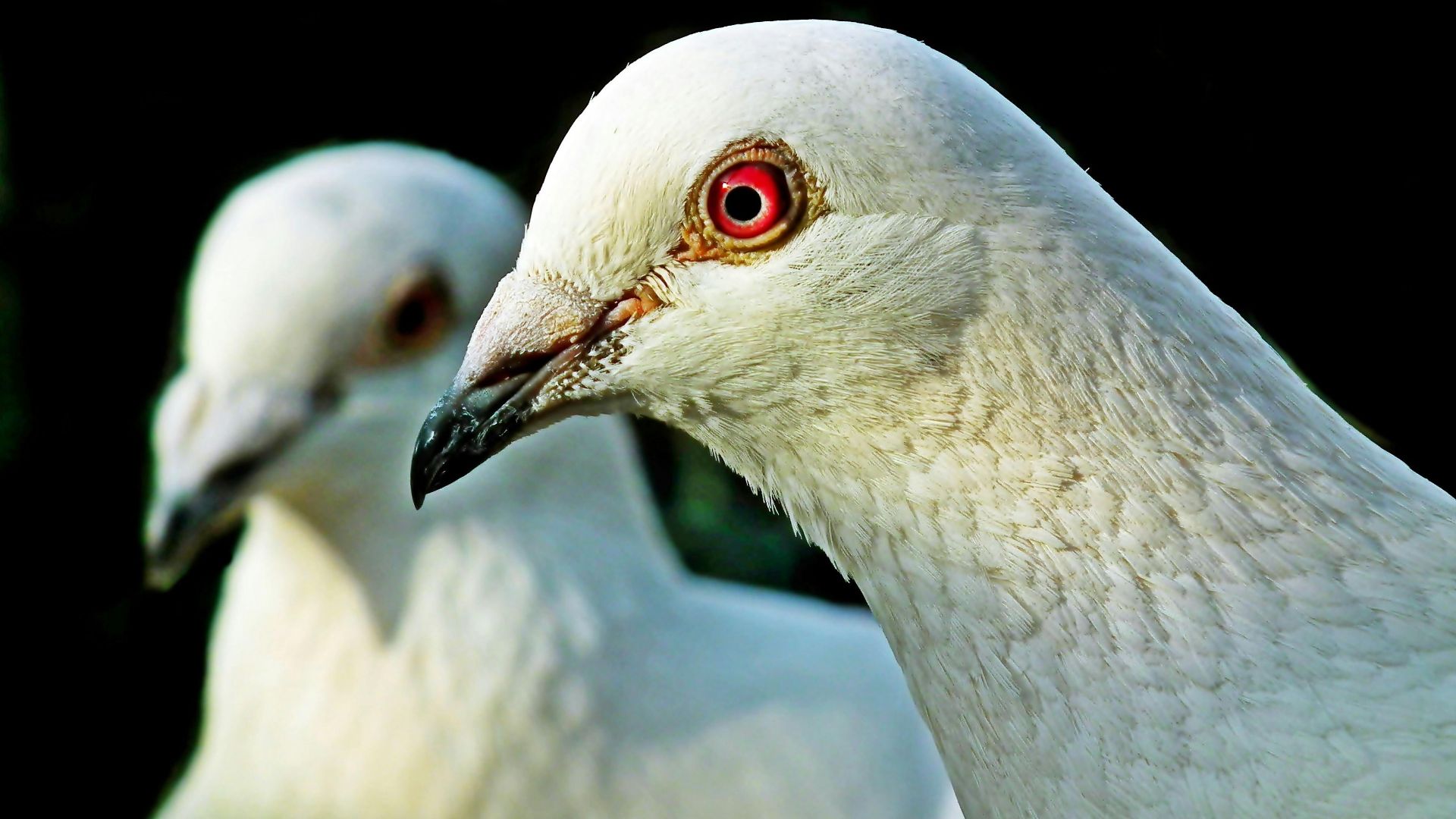
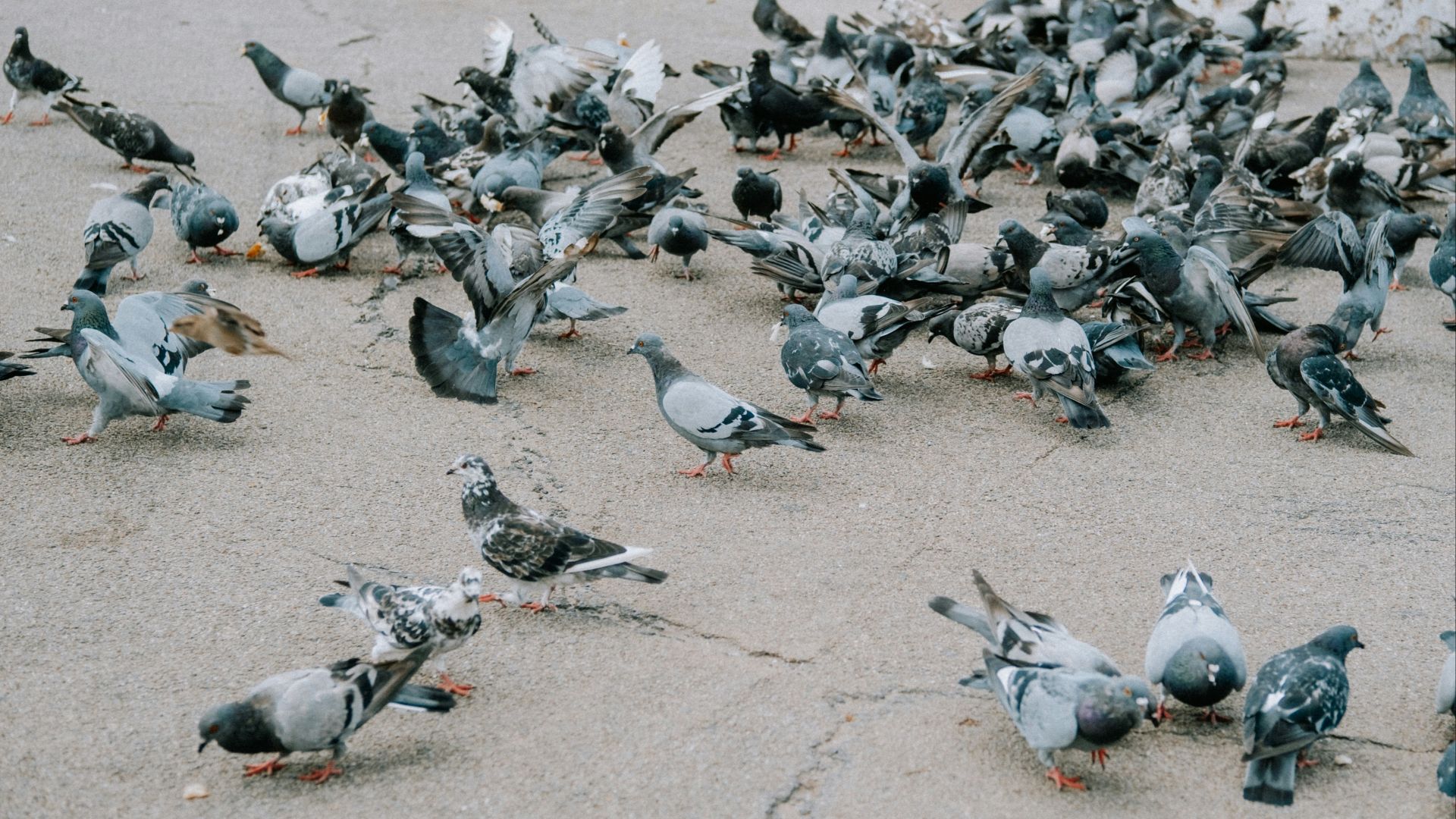
We call them flying rats now, shooing them away from park benches and cursing when they leave droppings on our cars. These days, the pigeon pecking at discarded French fries outside a subway station gets nothing but contempt. It’s difficult to believe these same birds once received military medals for bravery, saved lives during wartime, and were so valued that killing one could mean serious consequences. Somewhere between 1945 and now, pigeons went from heroes to vermin.
They Literally Won Medals for Valor
A pigeon named Cher Ami saved nearly 200 American soldiers during World War I. The bird delivered a critical message from a trapped battalion in France despite being shot through the chest, blinded in one eye, and missing a leg. Cher Ami received the Croix de Guerre medal for her actions and got fitted with a tiny wooden leg.
Dozens of pigeons earned the Dickin Medal, basically the animal version of the Victoria Cross, during World War II. G.I. Joe flew 20 miles in 20 minutes to deliver a message that prevented Allied bombers from hitting their own troops in Italy. This resulted in over 100 lives being saved.
Cities Actually Cared About Their Pigeon Populations
Major cities maintained pigeon lofts well into the 1950s. London, Paris, and New York all had official pigeon keepers on municipal payrolls. Racing pigeons were serious business, with organized competitions and substantial prize money. People bred them carefully, trained them extensively, and knew their individual birds by sight.
Pigeon racing still exists, with a dedicated following, particularly in Europe and parts of Asia. Some birds sell for hundreds of thousands of dollars. One Belgian racing pigeon named New Kim sold for $1.9 million in 2020.
These days, we've segregated pigeons into two categories: the fancy racing ones that matter and the feral street pigeons that don't.
We Created the Feral Pigeon Problem
Every pigeon you see in a city is descended from domesticated rock doves that Europeans introduced to North America in the 1600s as food sources and message carriers, then basically abandoned when we didn't need them anymore. They adapted to urban environments because cities accidentally recreate their natural cliff-dwelling habitats with their tall buildings, ledges, and plentiful nooks for nesting.
The population exploded because we keep feeding them, intentionally or otherwise. We engineered the perfect conditions for them to succeed, then got mad that they succeeded too well.
Disease Fears Are Mostly Overblown
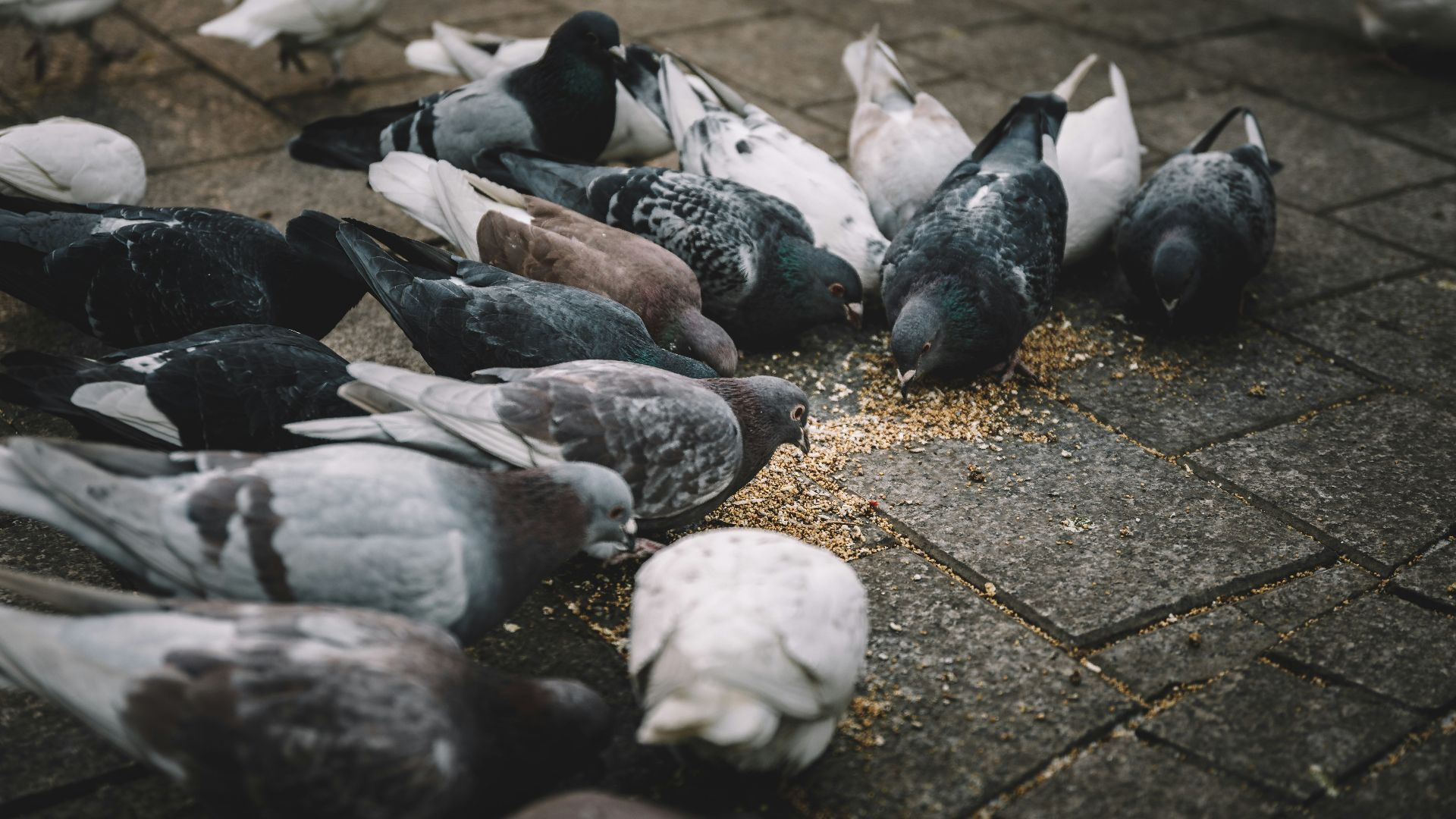
Everyone worries about pigeon-borne diseases, but you're far more likely to get sick from your kitchen sponge than from a pigeon. Histoplasmosis exists, sure, and cryptococcosis is a thing, though both are rare and typically only dangerous to immunocompromised people. The disease risk from pigeons is roughly equivalent to the disease risk from any other urban wildlife.
We've turned them into symbols of urban decay and filth. They represent everything we don't like about cities: crowding, dirt, and the failure to maintain public spaces properly. The actual health risk is secondary to their cultural association with uncleanliness.
Other Countries Never Stopped Respecting Them
Walk through a plaza in Istanbul or Venice and you'll see a different relationship. Nobody's yelling or swatting at them with newspapers. Many cultures still view pigeons as noble birds, symbols of peace, or at minimum harmless parts of the urban ecosystem.
The shift happened primarily in American and some European cities starting around the 1960s and 1970s, coinciding with urban decay and an increased focus on sanitation. We needed a scapegoat for dirty cities, and pigeons were convenient. They were everywhere, visible, and couldn't defend themselves against the rebrand. A bird that once carried messages across battlefields became just another unpleasant element of our daily commute.
KEEP ON READING
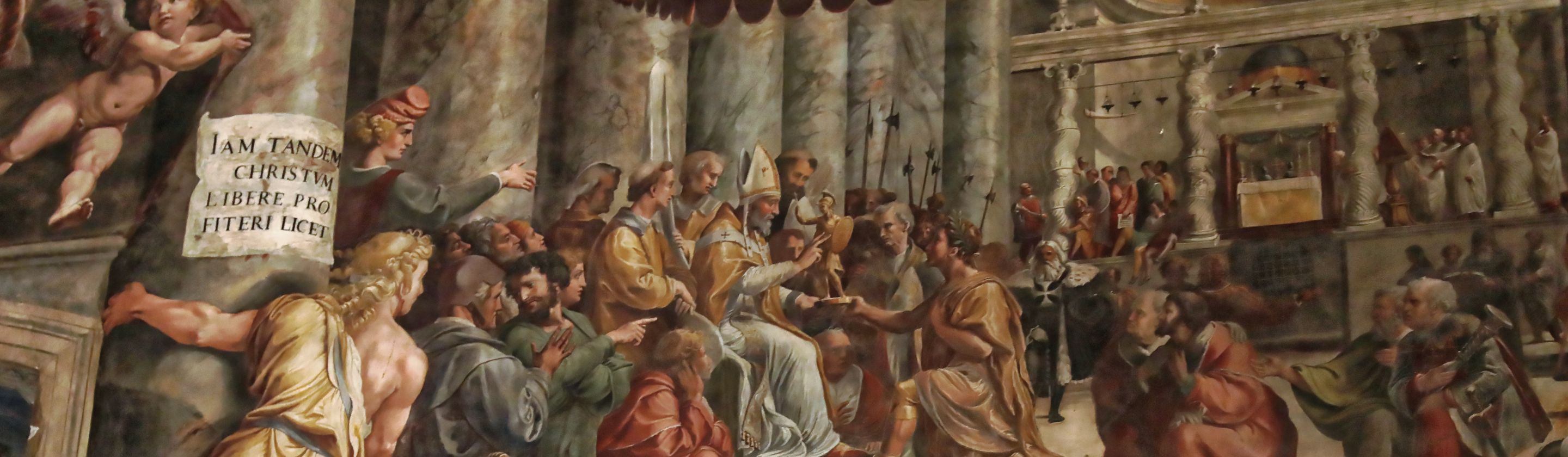
The Donation of Constantine: When a Forgery Changes a Nation
School of Raphael on WikimediaMost forgeries get exposed and forgotten.…
By Cameron Dick Mar 4, 2026
The Last Samurai: The True Story Of Saigō Takamori And…
Susann Schuster on UnsplashYou probably imagine a samurai as a…
By Sara Springsteen Mar 3, 2026
20 Historical Hacks People Used to Survive Plagues, Famine, and…
Low-Tech Moves That Kept People Alive. When things fall apart,…
By Cameron Dick Mar 3, 2026
Why Old-School Names Keep Coming Back
Unknown photographer on WikimediaYou know how it goes. A name…
By Breanna Schnurr Mar 3, 2026
20 Famous People Who Almost Boarded The Titanic
A Close Call With History. It's wild to think how…
By Sara Springsteen Mar 3, 2026
The New Archaeology Boom Is Underwater
commons.wikimedia.org on GoogleThe most significant archaeological discoveries of the next…
By Cameron Dick Mar 3, 2026