A Strange, Dangerous Time When Anyone Was Guilty
Witch trials weren’t unheard of by the late 1600s—but this bizarre Massachusetts chapter took the paranoia to an all-new level. From accusing children of witchcraft to crushing men under stones, let’s dive into Salem’s dark past.
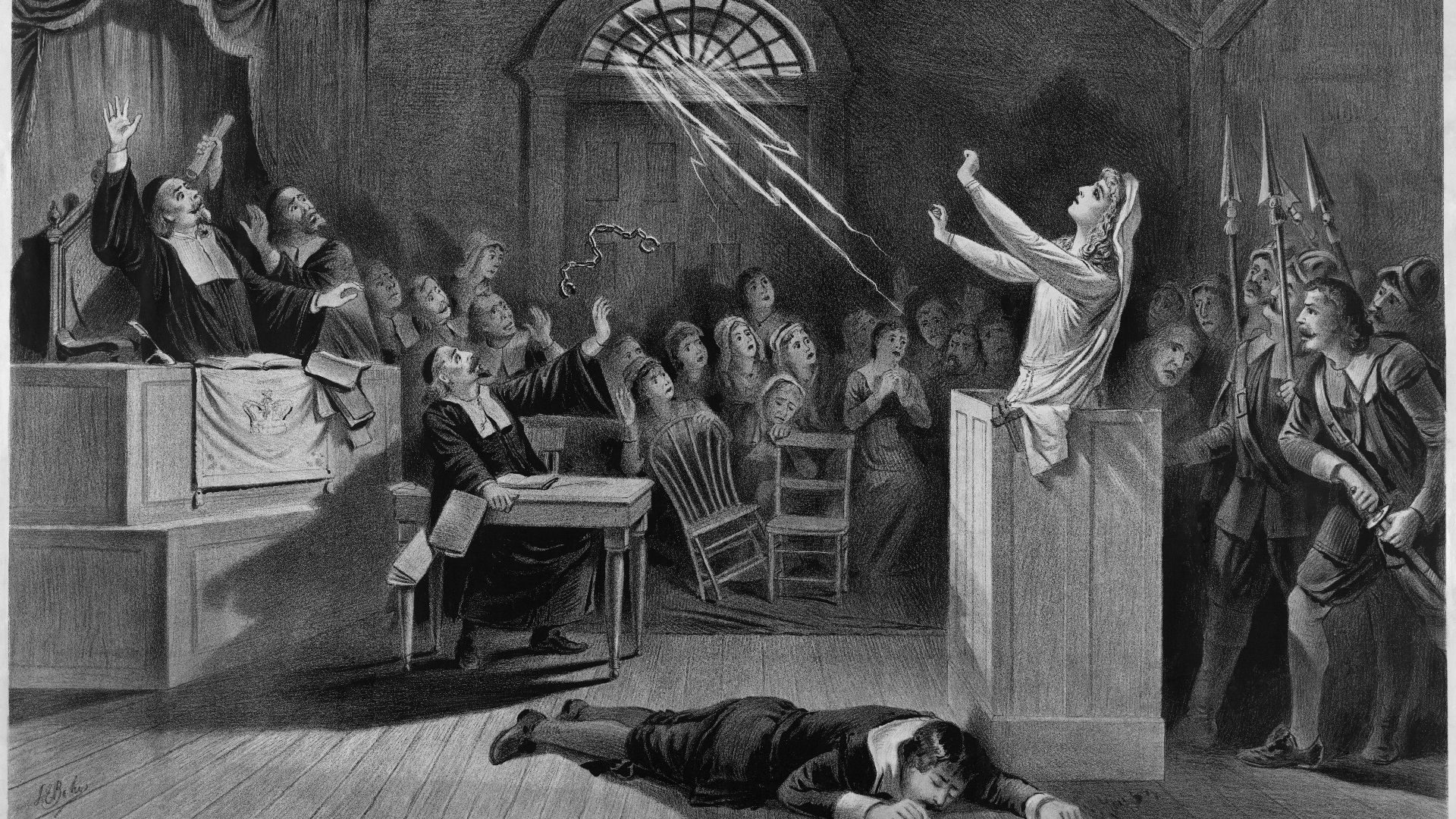 Joseph E., ca. 1837-1914, artist. on Wikimedia
1. It All Started in the 1600s
Witch hunts were hardly new by the 1600s, centuries of accusations already under Europe’s belt. However, Salem’s panic officially lasted between February 1692 and May 1693. Hundreds of people were called to trial, dozens lost their lives, and this dark spot in history still looms over the present-day town.
2. Witch Hunts Were Dwindling
Despite the immediate panic in 1692, witch hunts were dwindling elsewhere. The boom of Europe’s witch hunts lasted roughly until the 1630s, but pockets of hysteria were still present throughout the 17th century, most notably in Sweden and Salem.
 Thomas Satterwhite Noble on Wikimedia
3. Four Girls Kickstarted the Panic
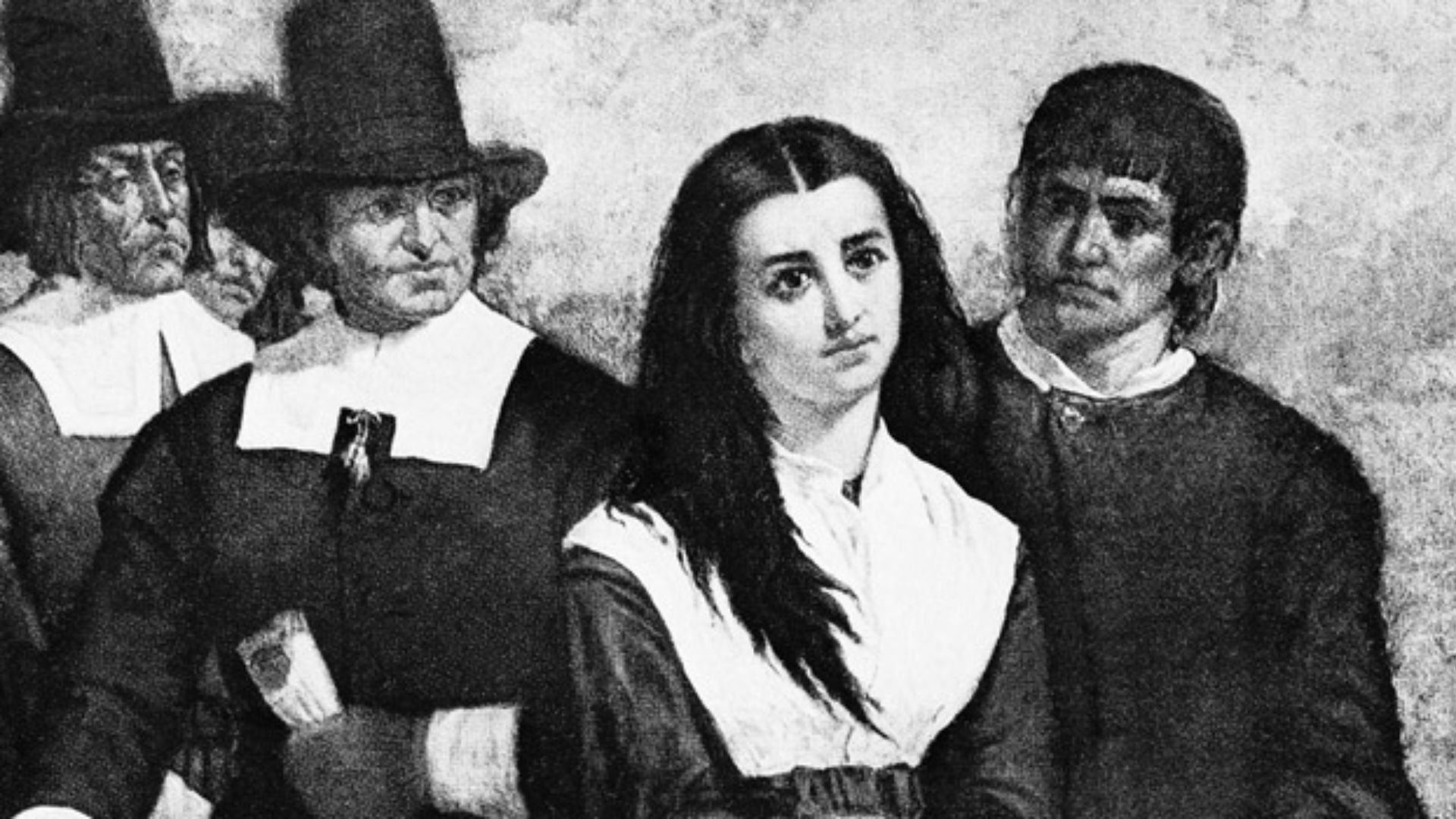
Four young girls catalyzed Salem’s panic—Betty Parris, Abigail Williams, Ann Putnam Jr., and Elizabeth Hubbard. Accusations flew after Reverend Samuel Parris’s daughter Betty (and her cousin Abigail) started to exhibit strange, inexplicable behavior. They were the youngest of the quartet, barking and speaking in tongues when the doctor arrived, and soon cried that they were bewitched.
4. Theories Range on What Really Happened
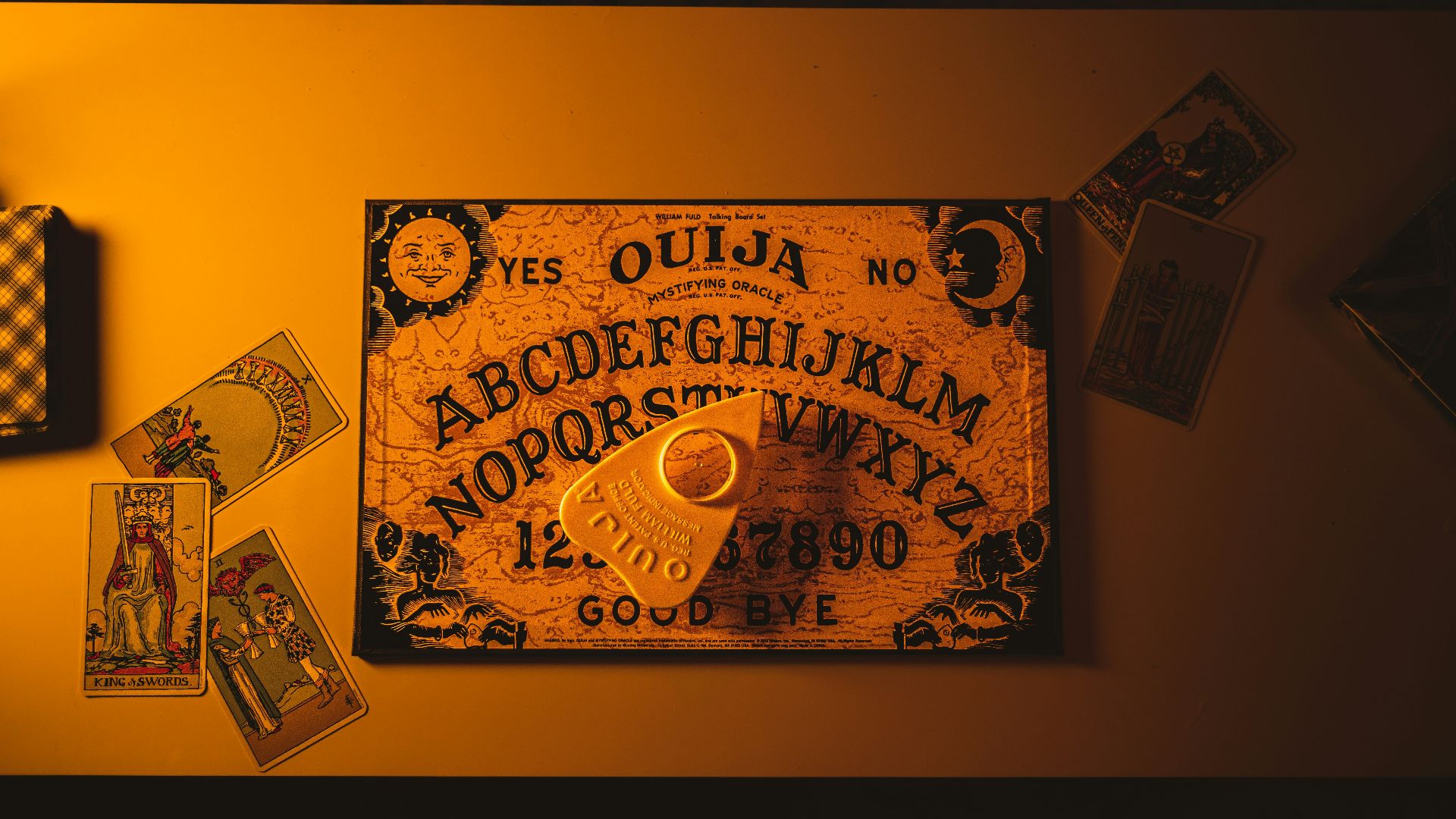
Theories range on what truly happened to the girls. Anything from Lyme disease or asthma to epilepsy or fungus poisoning have been suggested in modern discussions, though no one knows for sure. At the time, their “fits” were quickly labeled supernatural and fingers started to point.
5. Tituba, Salem’s Scapegoat
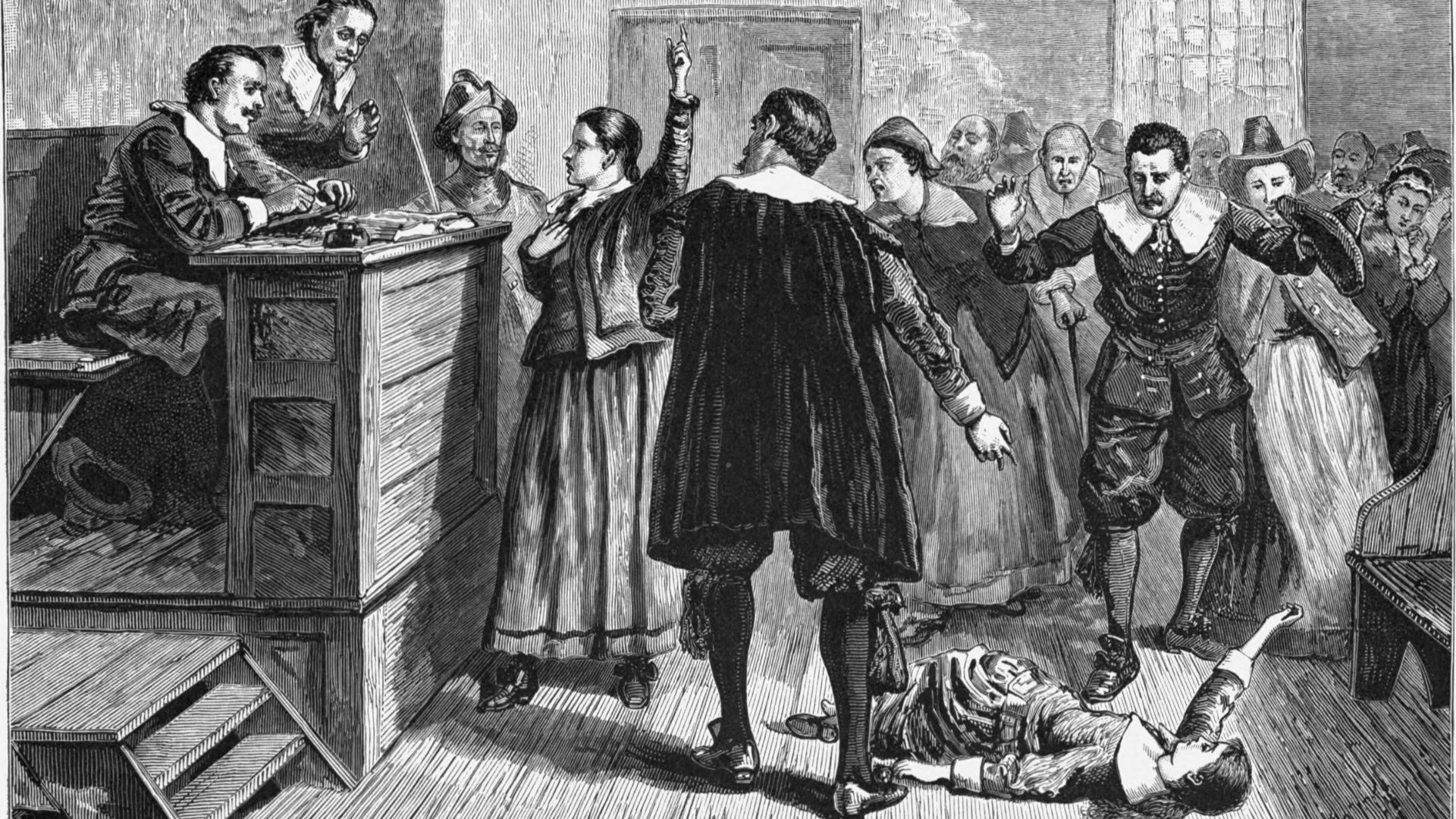
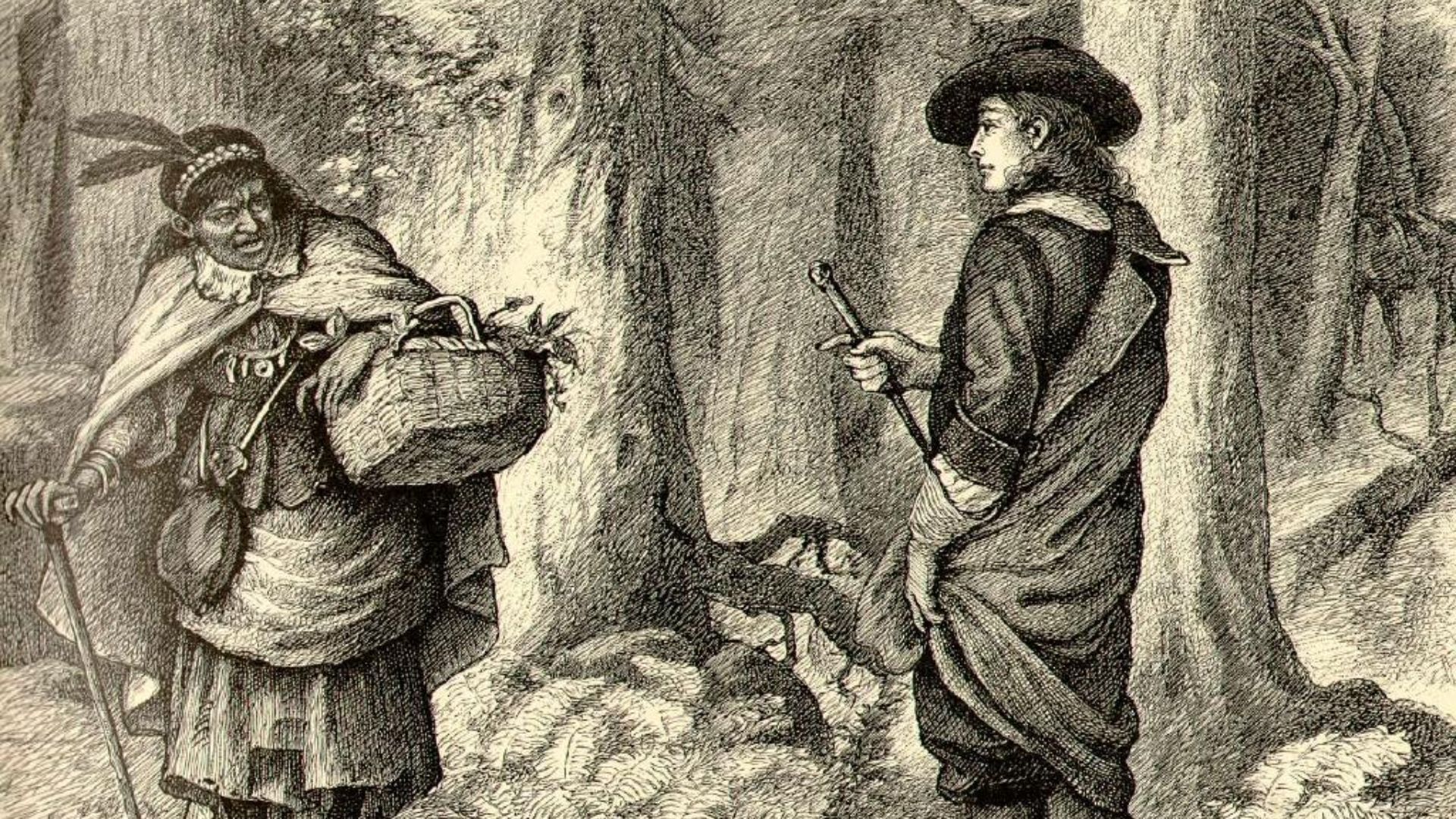
Tituba was an enslaved worker in the Parris household, and one of the first women accused of witchcraft. When she was put on the stand, all sorts of horrifying confessions tumbled out. Accounts vary, but some historians claim she testified to being visited by the devil or having two servant rats aid her plot. It hardly mattered as she later recanted, admitting that Samuel Parris beat a confession out of her.
 John Whetton Ehninger on Wikimedia
6. Accusations Get More Serious
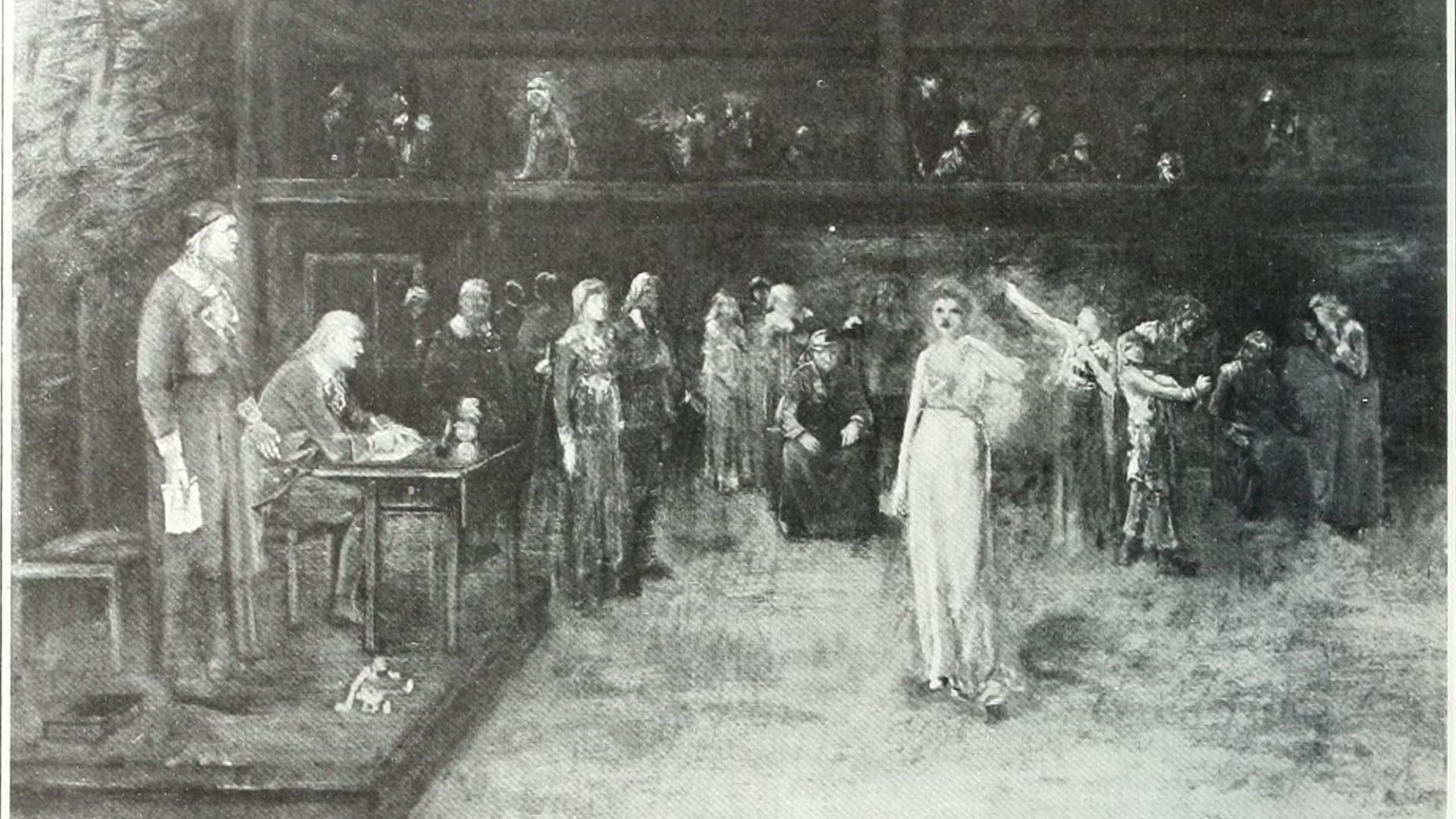
Though Tituba fabricated her story, it was enough to jumpstart Salem’s paranoia. Two additional women, Sarah Good and Sarah Osborne, were accused alongside Tituba in March 1692. They were eventually brought to trial in front of local magistrates. After being sentenced to prison, dozens more were made to stand trial, accusing more and more people until the panic spread.
 Internet Archive Book Images on Wikimedia
7. Children Were Questioned
In just three months more than sixty people were brought to trial on hearsay accounts of witchcraft—and no name was spared. Among them was four-year-old Dorothy Good, Sarah Good’s daughter. She too was questioned by the magistrates, her answers taken as a confession against her mother.

8. Court of Oyer and Terminer
By May 1692, The Court of Oyer and Terminer was officially introduced to conduct trials against the accused. Governor William Phips appointed the new Lieutenant Governor, William Stoughton, Chief Magistrate. The court’s creation led to dozens more arrests, and now the accused had to face their “crimes” in a legitimate establishment.
9. Bridget Bishop, First to the Gallows
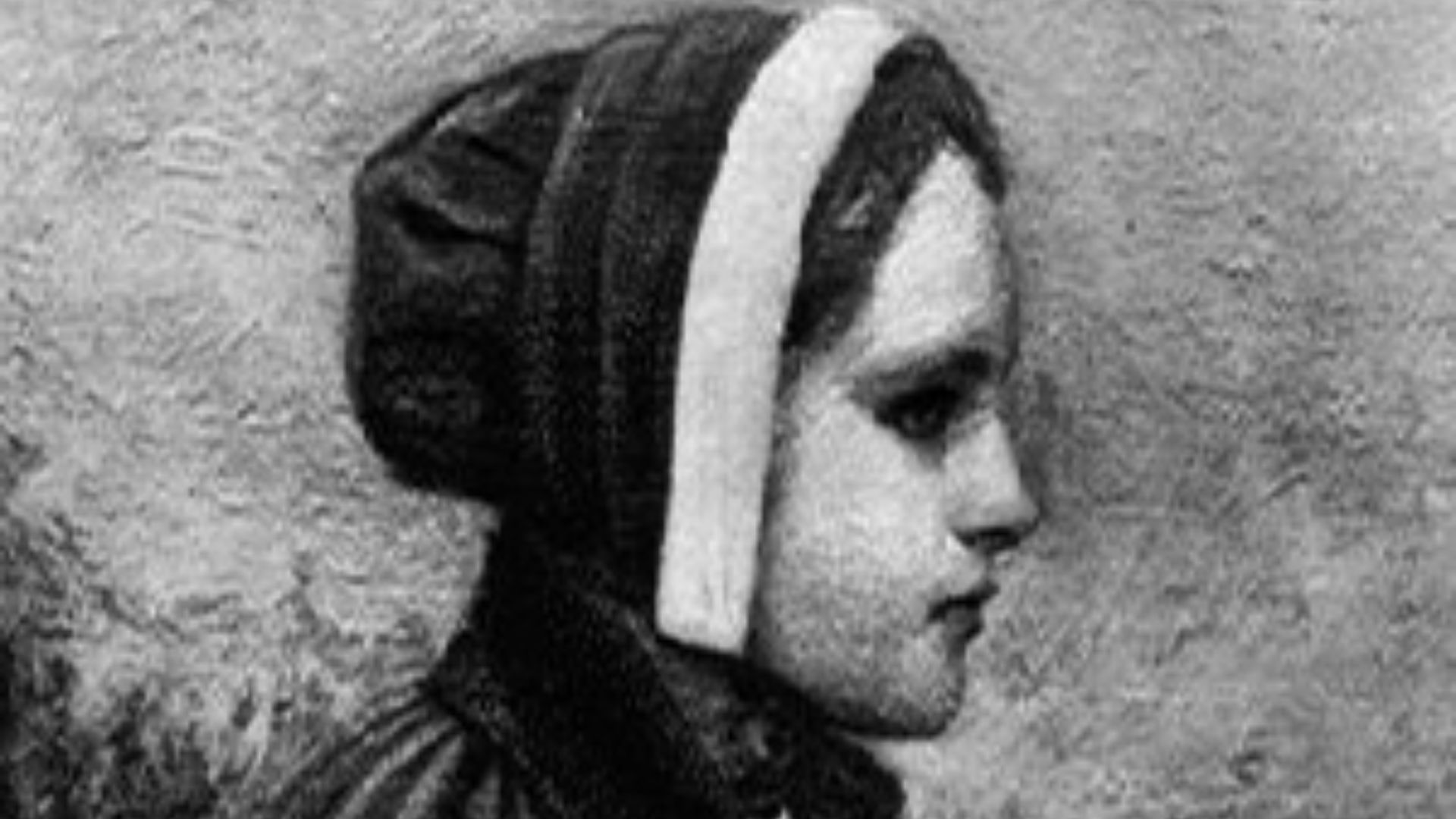
Bridget Bishop was the first person accused of and hanged for witchcraft. Her trial lasted for eight days. One by one so-called witnesses testified that she attacked them, practiced witchcraft, and bewitched their children. Hers was the first case brought to the grand jury, all of whom believed she was guilty and sentenced her to the gallows on June 10, 1692.
 Unknown authorUnknown author on Wikimedia
10. Spectral Evidence Becomes Legitimate
Things only got worse as the months went by. The presence of a grand jury did nothing to stop phony testimonies or the “spectral evidence” in court, which allowed claims that the accused attacked people in dreams or visions. People cried these so-called specters clawed, bit, or visited them as apparitions—and the entire practice turned Massachusetts law on its head.

11. A Kangaroo Court of Paranoia
Spectral evidence wasn’t present in court before the witch trials. Until then, everyday proceedings adhered to the 1641 Massachusetts Body of Liberties and the 1648 Laws and Liberties. By introducing such testimony, Salem essentially rewrote the rules and sentenced dozens more people to hang.
 Christian Wasserfallen on Pexels
12. Men Under the Spotlight
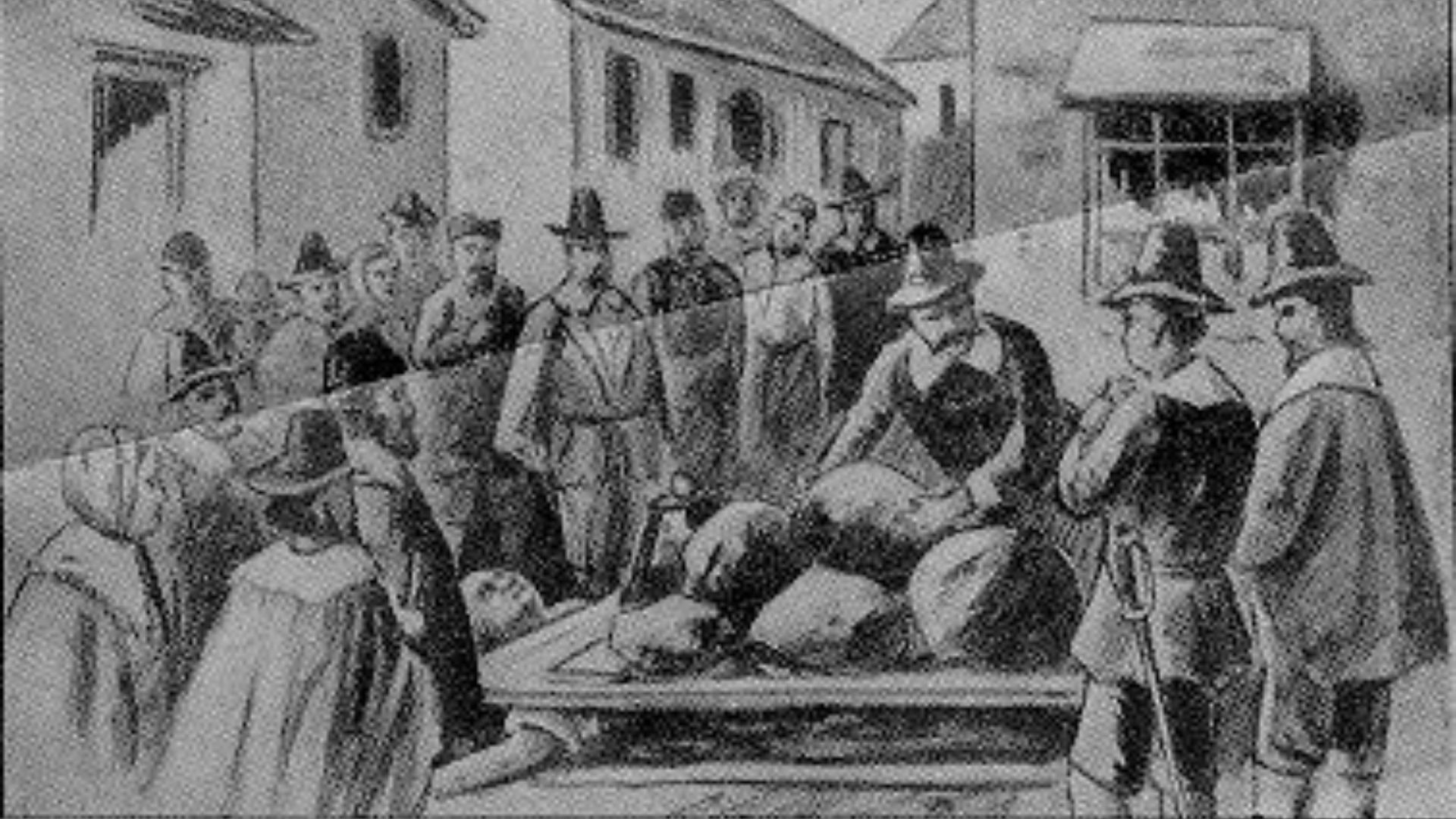
Trials ran amok—witnesses claimed apparitions taunted them in court and more people were getting targeted. Among them were notable men in the colony like George Burroughs, John Proctor, and John Willard. Accusations flew, townspeople watched in awe, and eventually all three were sentenced to hang. Perhaps most upsetting was Giles Corey, the 81-year-old who refused to plead during his September 1692 trial and was subjected to peine forte et dure.
13. A New Court in Town
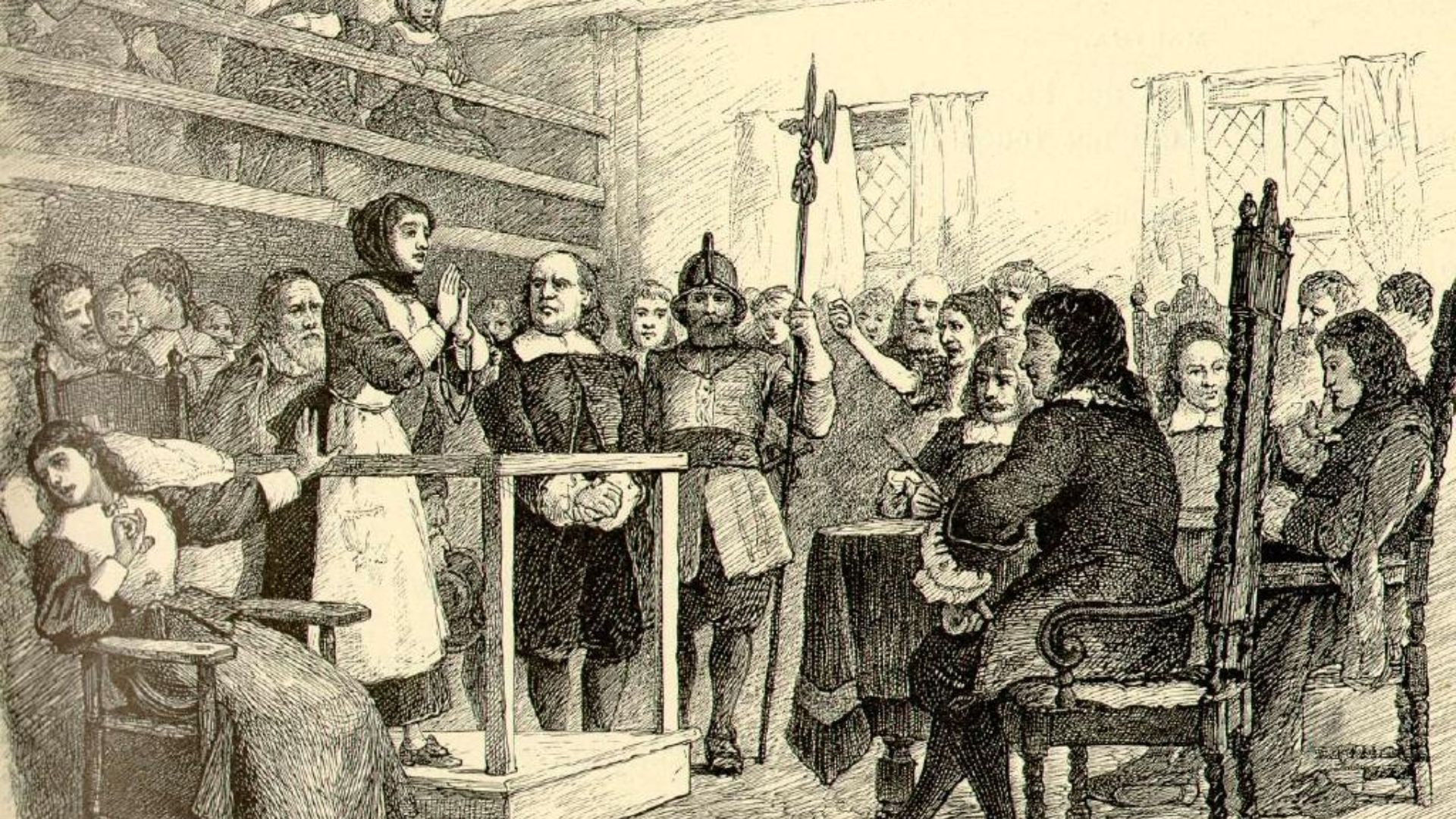
It’s theorized that Governor Phips might not have known the severity of Salem’s paranoia; he certainly didn’t condone accusations against his wife. After months of arrests and hangings, Phips ordered that the court disband, and by October 1692 they were no more. This is also when the hangings thankfully stopped.
 John Whetton Ehninger on Wikimedia
14. Tables Start to Turn
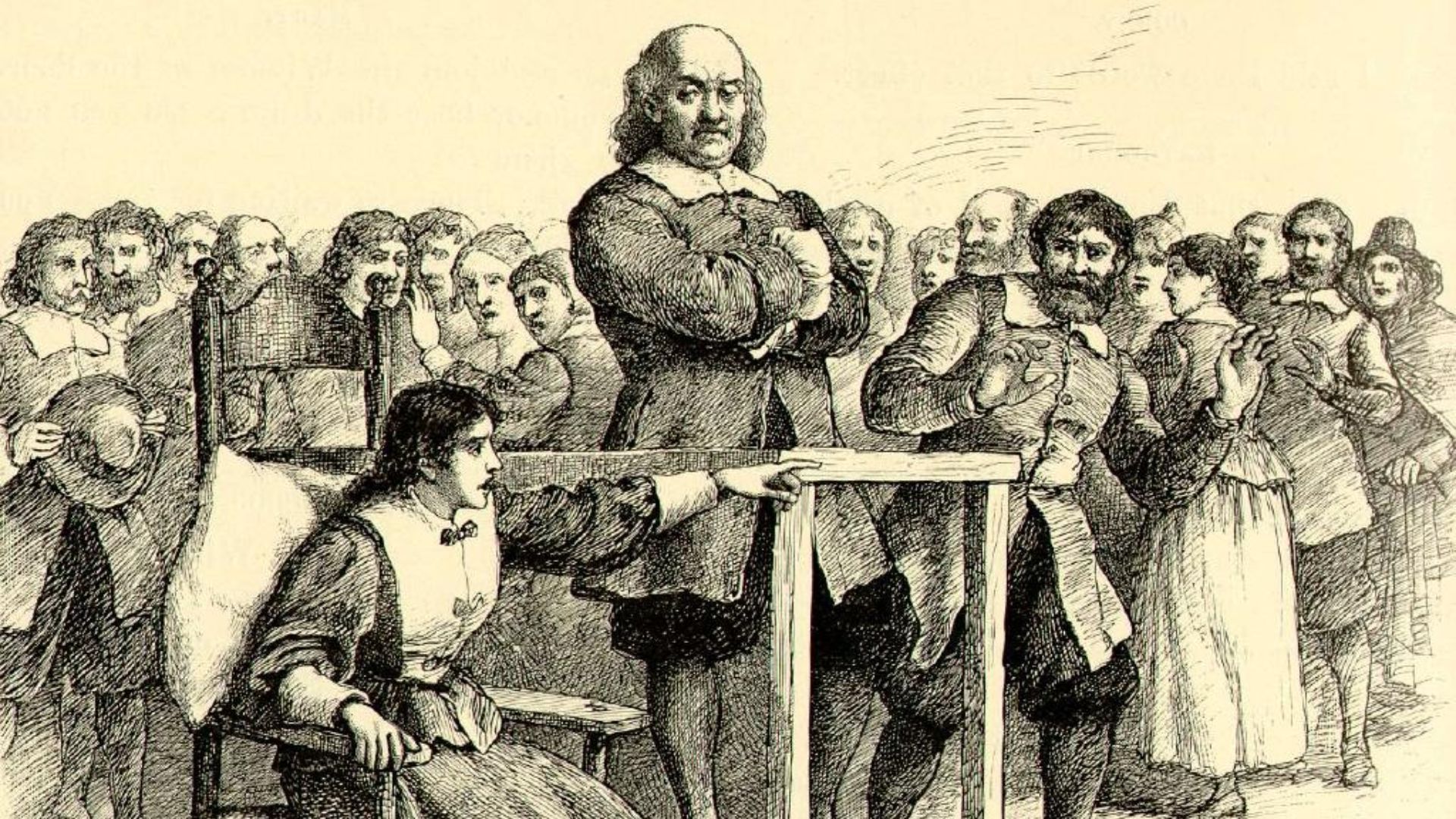
January 1693 signaled a new leaf for Salem. The new Superior Court of Judicature handled the remaining cases, absolving many imprisoned or indicted for supposed witchcraft. Governor Phips himself pardoned several others (though a few people weren’t released until they paid their jail fines), and the hysteria finally ended in May 1693.
 John Whetton Ehninger on Wikimedia
15. Hundreds of People Were Accused
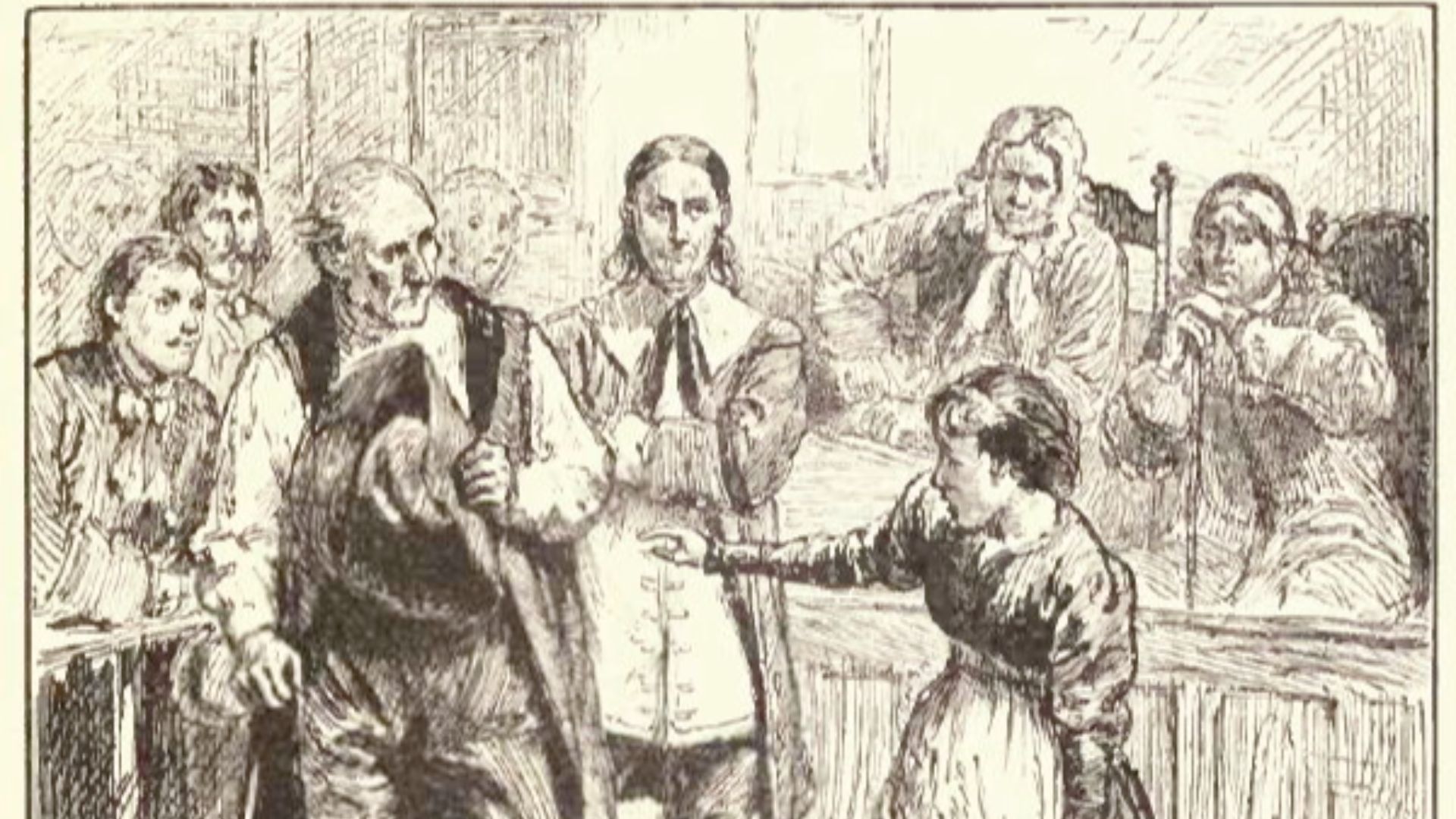
The damage was done, though. Hundreds stood trial and everyone pointed fingers for little over a year. The social stigma of such accusations didn’t go away either and it’s reported that many left the village afterward. Surviving family members wouldn’t forget the injustice either, calling for reparations decades after the fact.
 William Cullen Bryant on Wikimedia
16. Several People Lost Their Lives
Documentation shows that nineteen people were sentenced to swing and one, poor Giles Corey, was crushed under rocks. Men and women lost their lives and it’s even theorized that dogs may have been caught in the crosshairs—often associated with the devil.
17. Public Repentance by Big Players
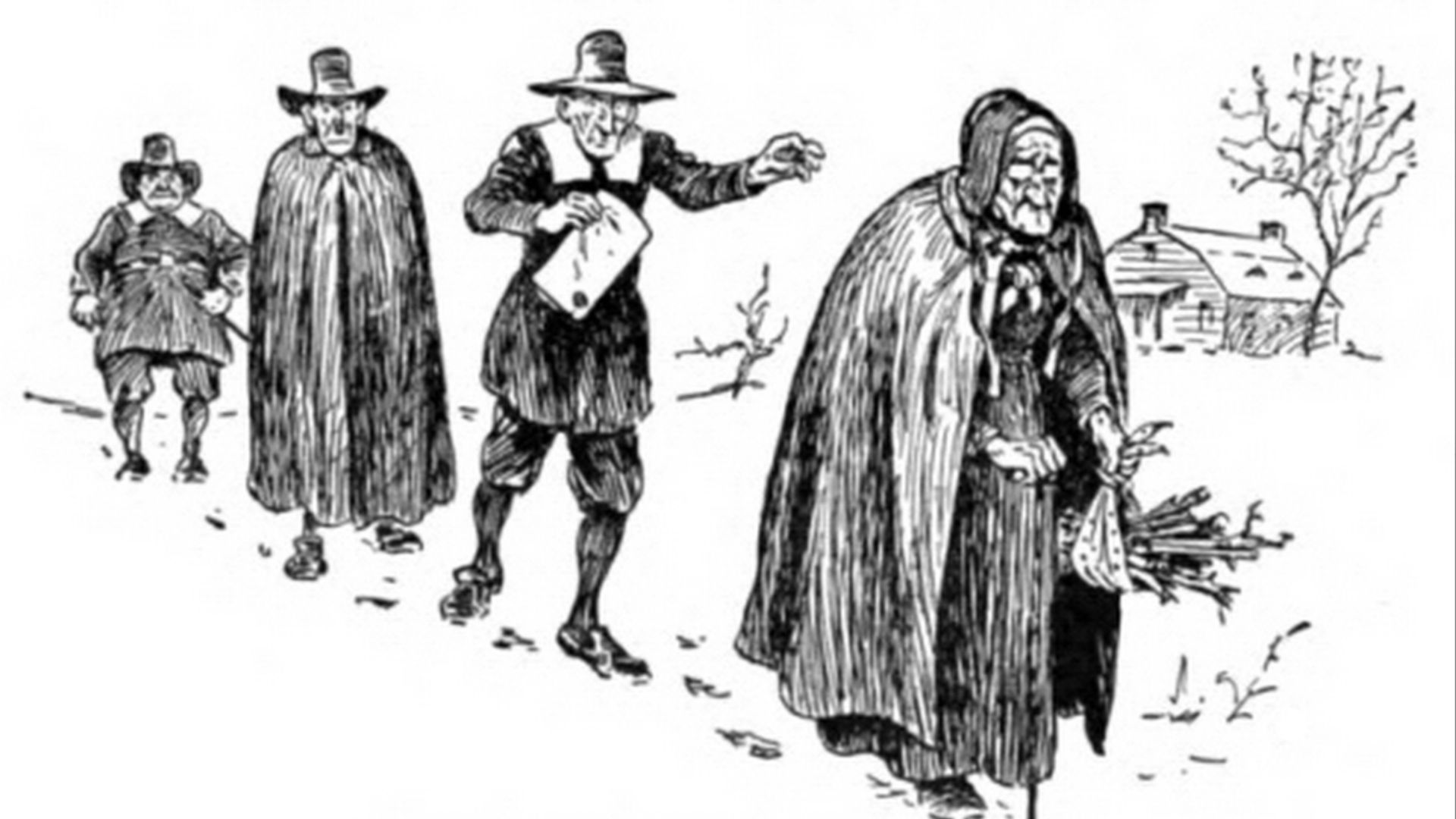
1697 saw multiple apologies from reverends, ministers, and trial jurors involved during the trials. Ann Putman Jr., one of the first accusers, also publicly sought forgiveness in 1706. However, not everyone admitted guilt; Betty Parris never recanted despite living well into her 70s.
18. Reparation Attempts Made
The early 1700s saw petitions for conviction reversals and the demand for compensation, both of which were given by the courts. By 1711, dozens of names listed in the petition were cleared and excommunications of certain townspeople were also reversed.
19. No One Was Burned at the Stake
It’s a common misconception that people were burned at the stake during the Salem witch trials, but there’s no actual evidence of that. Hangings and crushing were the two primary sentences, despite what historical fiction has claimed over the years.
20. Remaining Legacy
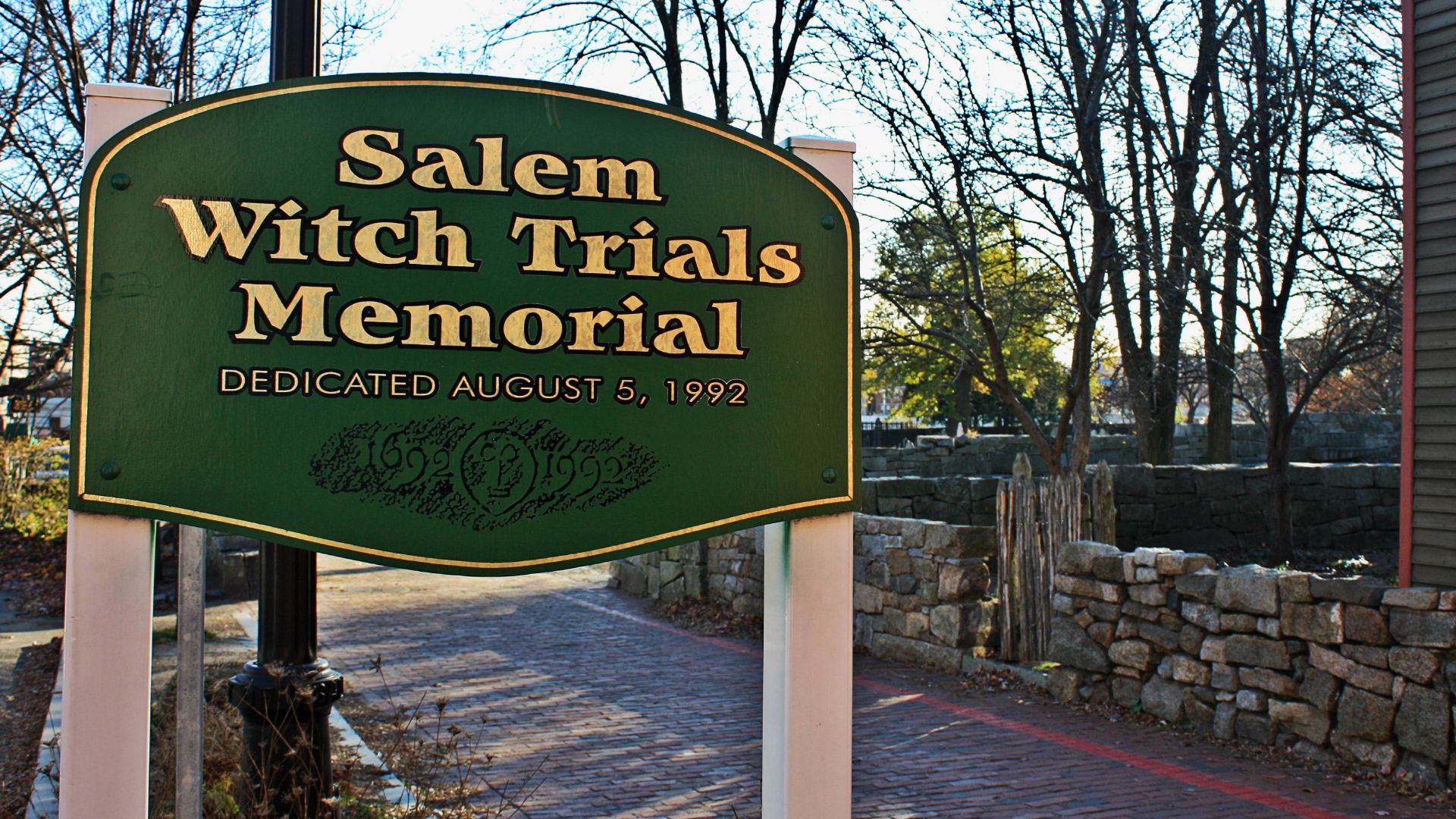
The trials only took place for little over a year, but the mass hysteria spawned all sorts of creativity. Written works like Rachel Dyer and The Crucible highlight Salem’s panic in its pages and to this day, memorials in Massachusetts honor those accused—and finally, in 2001, every name was at long last proclaimed innocent.