


Looking Stylish Hasn't Always Been a Safe Hobby
Fashion has always asked people to suffer a little for the look, but history shows that “a little” has not always stayed little. Across different eras, people have worn clothes, cosmetics, accessories, and body-shaping items that made it harder to breathe, easier to catch fire, more likely to get poisoned, or just physically miserable in ways that seem almost impressive now. Additionally, in many periods, wearing the “wrong” thing could bring ridicule, arrest, exclusion, assault, or worse because it challenged social rules around gender, class, race, or identity. Here are 20 times a trend was genuinely dangerous.
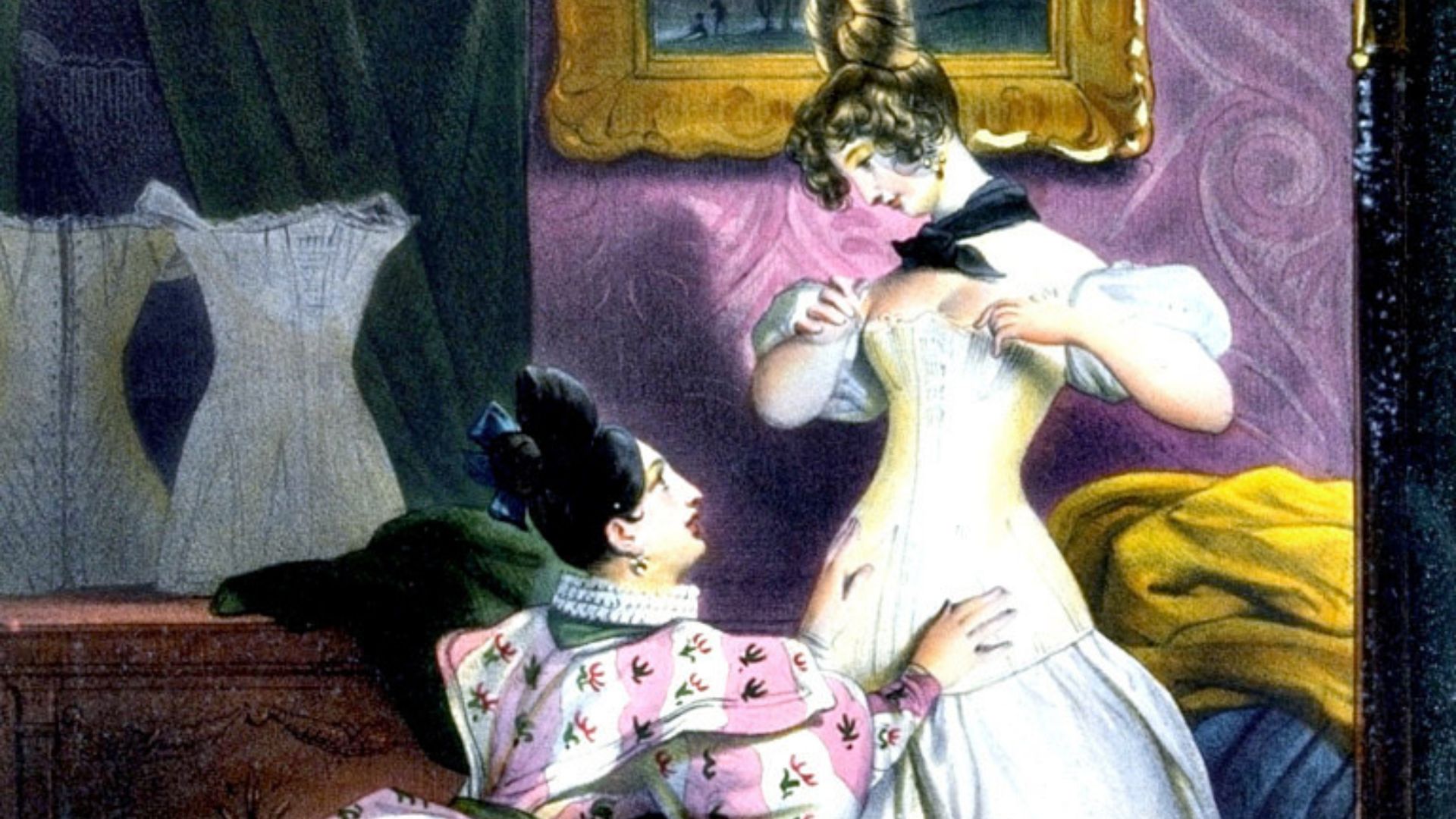
1. Tight-Laced Corsets
There were periods when tight lacing became extreme enough to cause real problems. When worn too aggressively, corsets could restrict breathing, compress the torso, and make everyday movement much harder than it needed to be. It may have been "the look" to have an impossibly tiny waist, but a garment that leaves you faint, sore, and structurally annoyed has crossed well past “fashionable.”
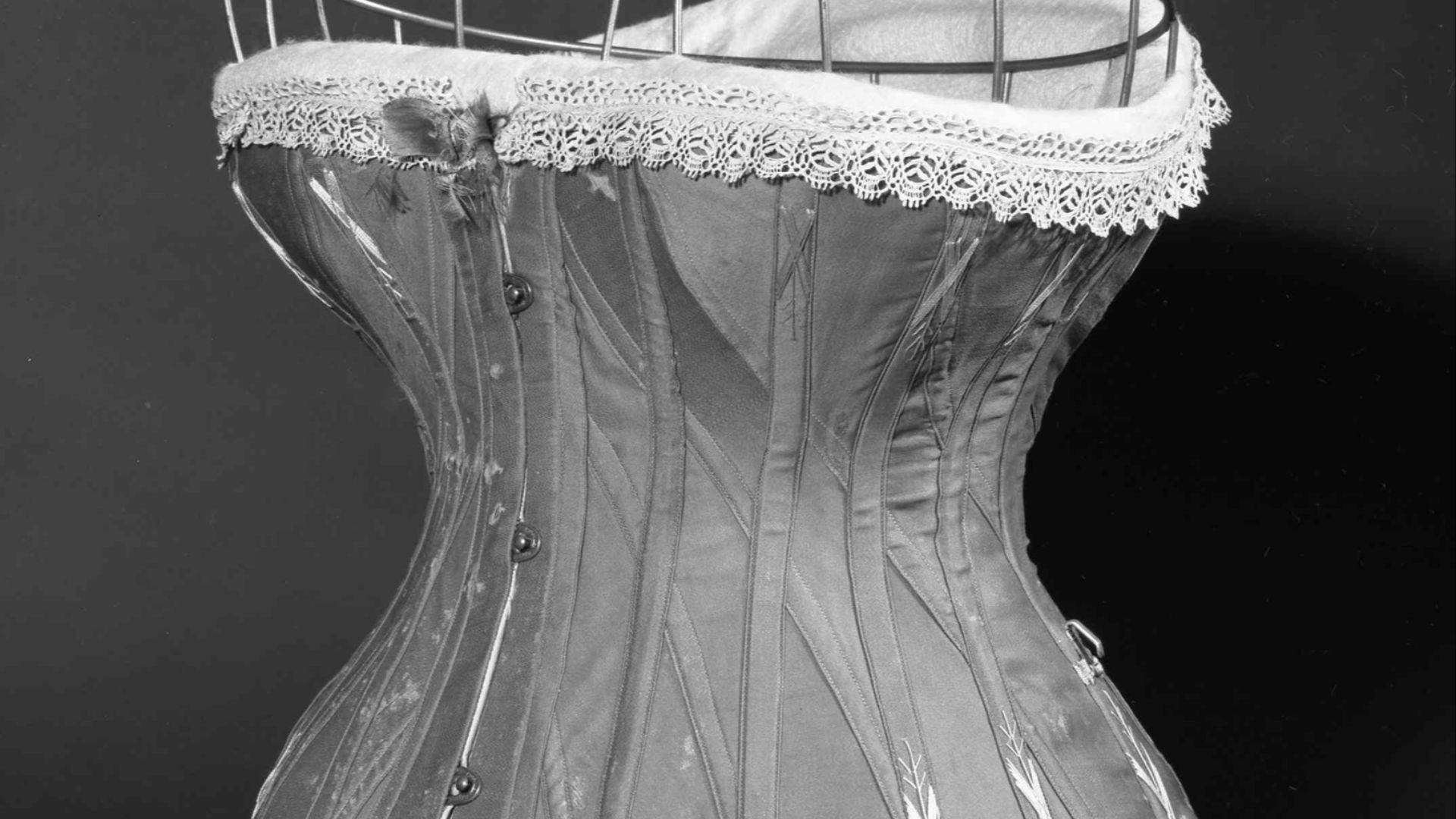
2. Arsenic Green Dresses
In the nineteenth century, it was discovered that arsenic could turn green dyes vibrant and durable. That meant a fashionable dress, artificial flower, or accessory might expose the wearer to something toxic. It's hard to enjoy a color trend once you realize it came with poisoning as a possible side effect.
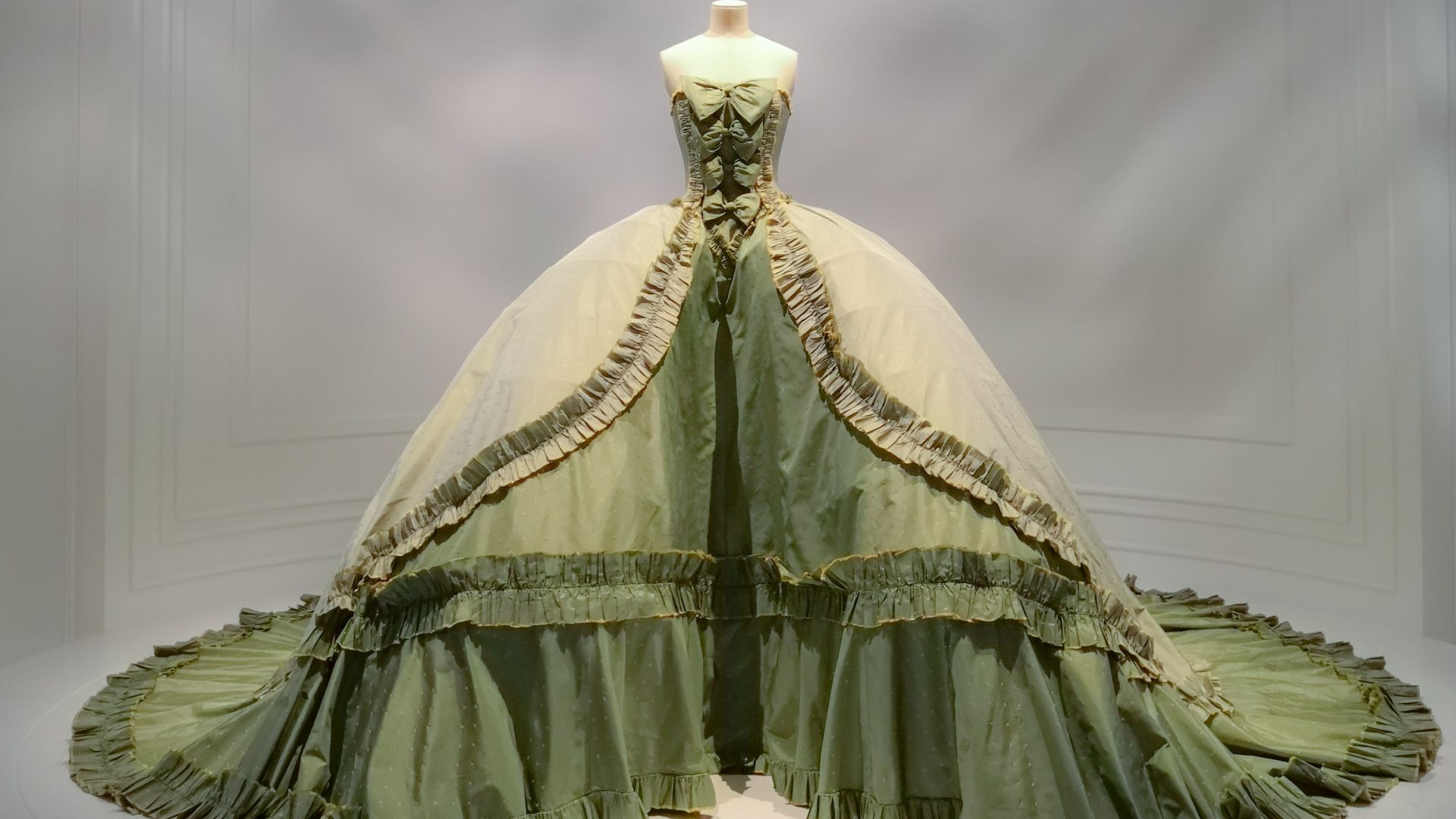
3. Lead-Based Face Makeup
For centuries, pale skin was treated as a beauty ideal worth almost any sacrifice. Unfortunately, some of the products used to create that smooth white finish contained lead, which is just about the worst thing you can put on your face. Looking elegant is less impressive when the cosmetic routine is quietly damaging your health.

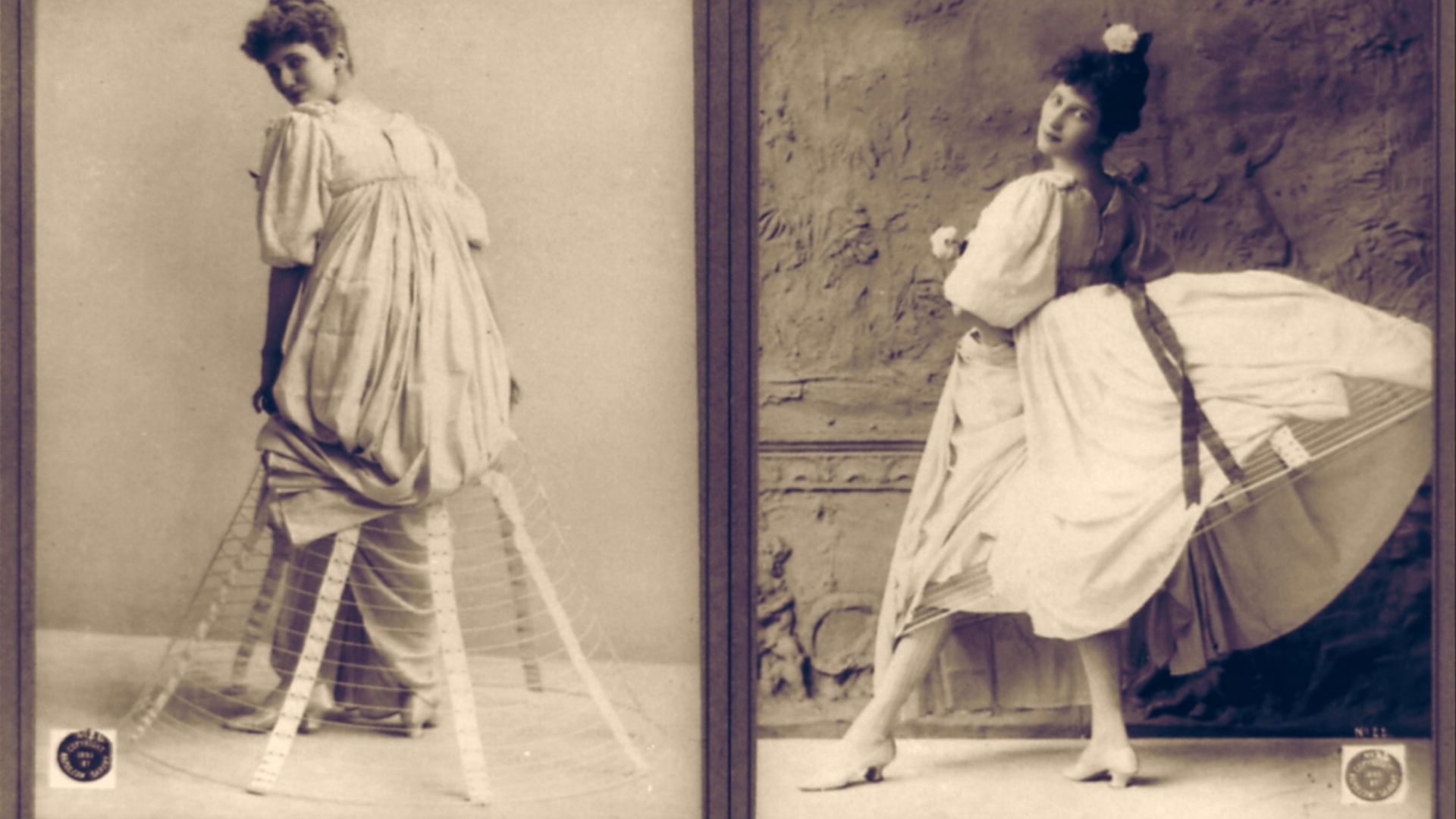
4. Crinolines Near Open Flames
Wide crinolines created dramatic silhouettes, but they also created a larger radius for disaster. In rooms full of candles, fireplaces, and lamps, all that fabric could catch fire quickly and with terrible consequences. A skirt that turns you into a larger target for household flames is not exactly practical fashion engineering.
5. Highly Flammable Gauze Gowns
In some periods, women’s evening wear relied on fabrics so airy and delicate that they burned frighteningly fast. The effect under soft lighting may have looked dreamy, but the safety tradeoff was absurd, especially considering this was pre-electric lighting. If your dress can go from fashionable to fatal because you stood too close to a candle, the trend deserves side-eye.
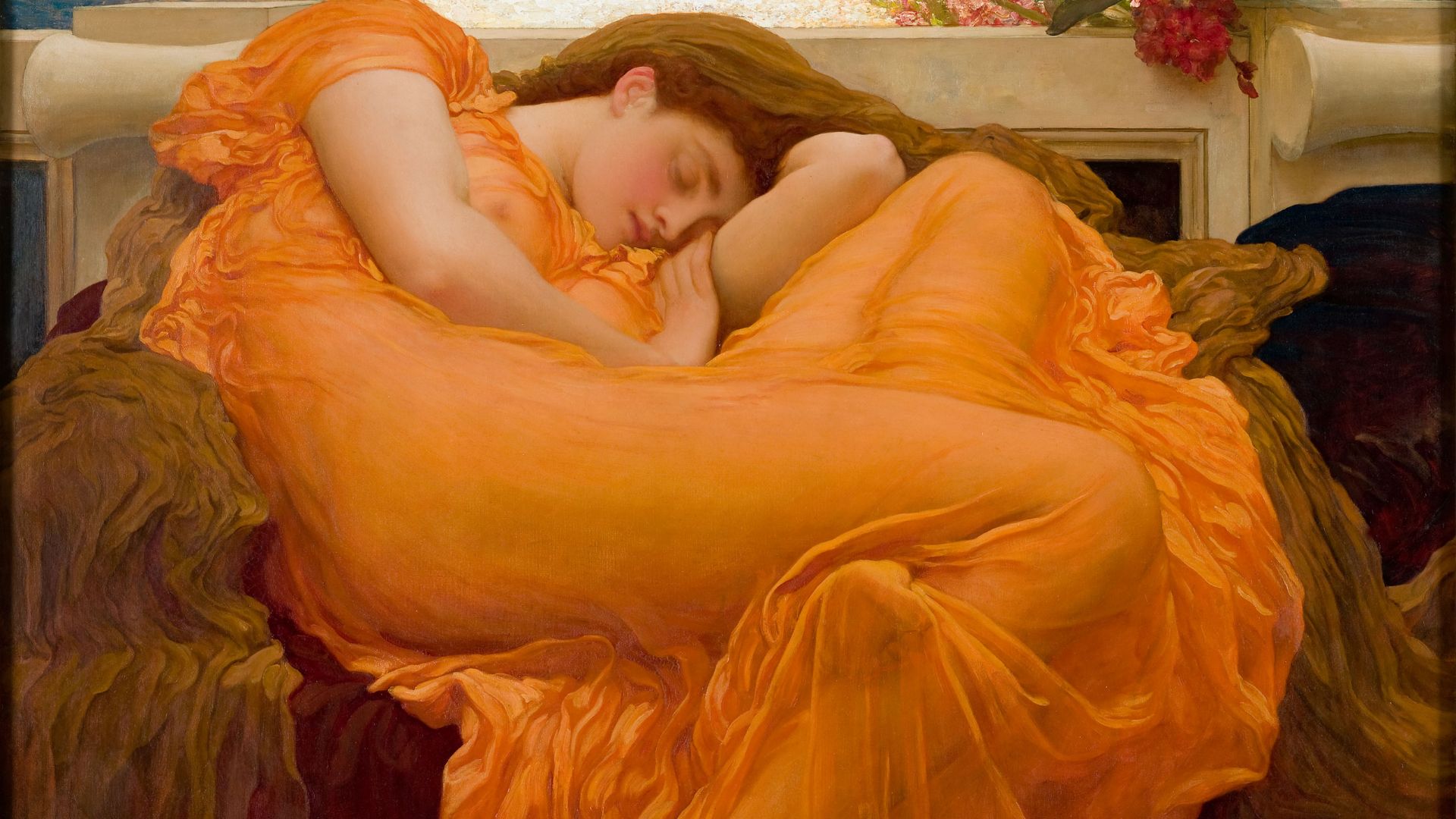 Frederic Leighton on Wikimedia
6. Chopines
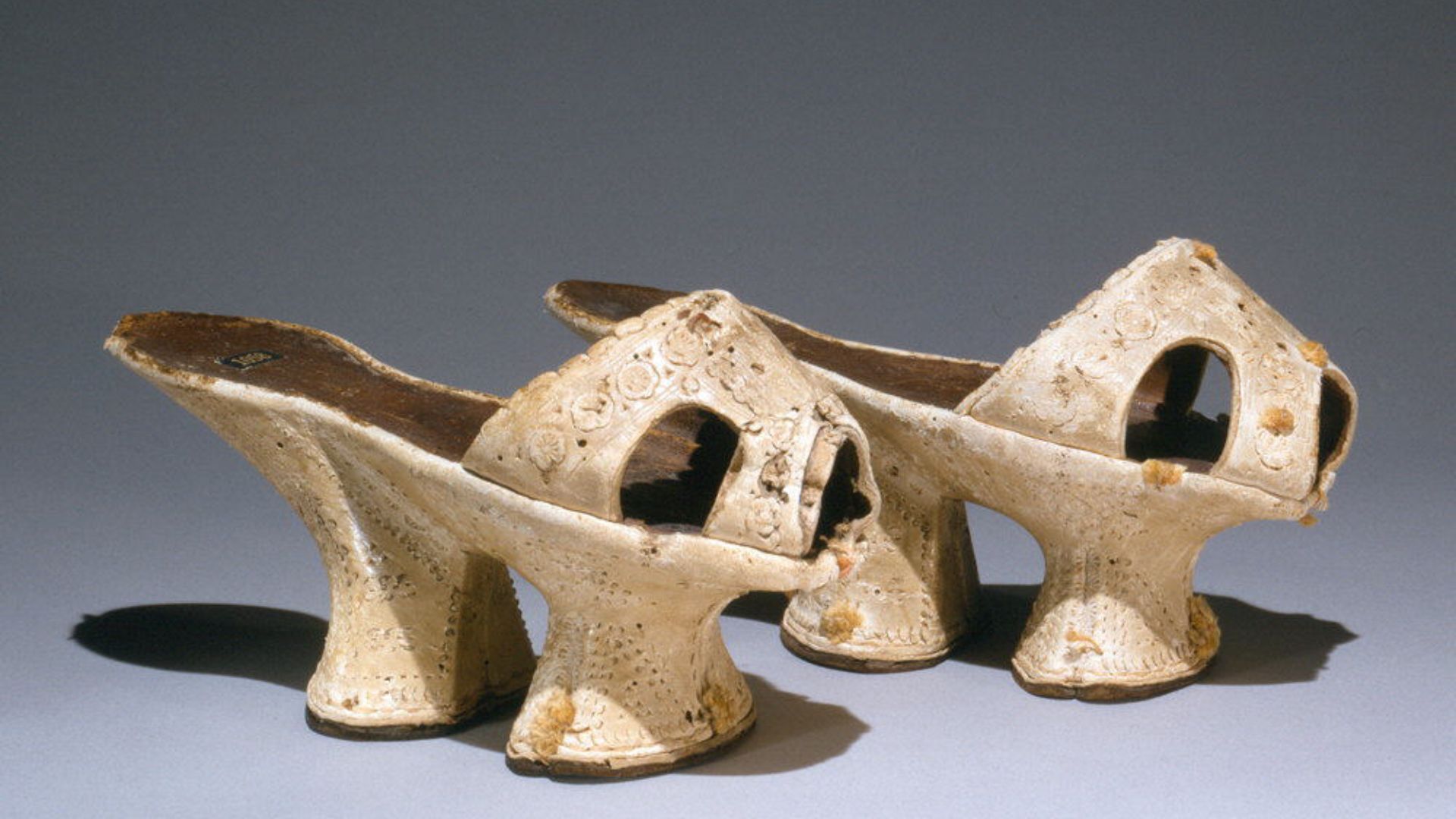
Renaissance chopines raised women high off the ground, sometimes to ridiculous levels. They were status symbols, but they also made balance and movement much harder than any shoe should. When footwear starts requiring assistance just to cross a room, it's wandered away from style and into risk management.
7. Foot Binding
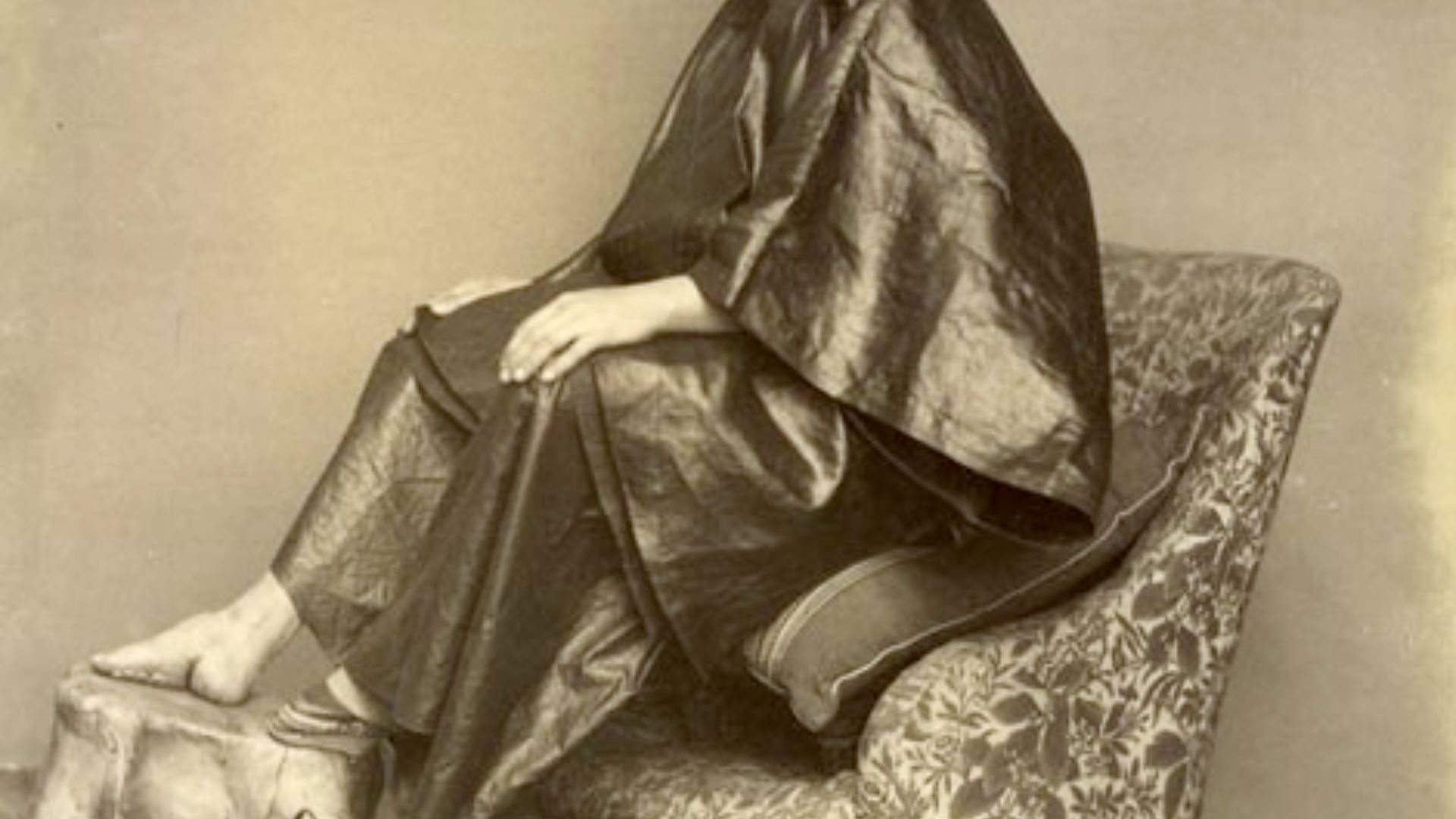
Foot binding in China was not merely restrictive by modern standards, but deeply painful and permanently damaging. It reshaped the feet over time, often reduced mobility, and turned beauty into a long-term physical burden, all so that adult women could keep having size four feet forever. Few fashion practices make the cost of fitting a "beauty standard" more brutally clear than this one.
8. Mercury in Hat Making
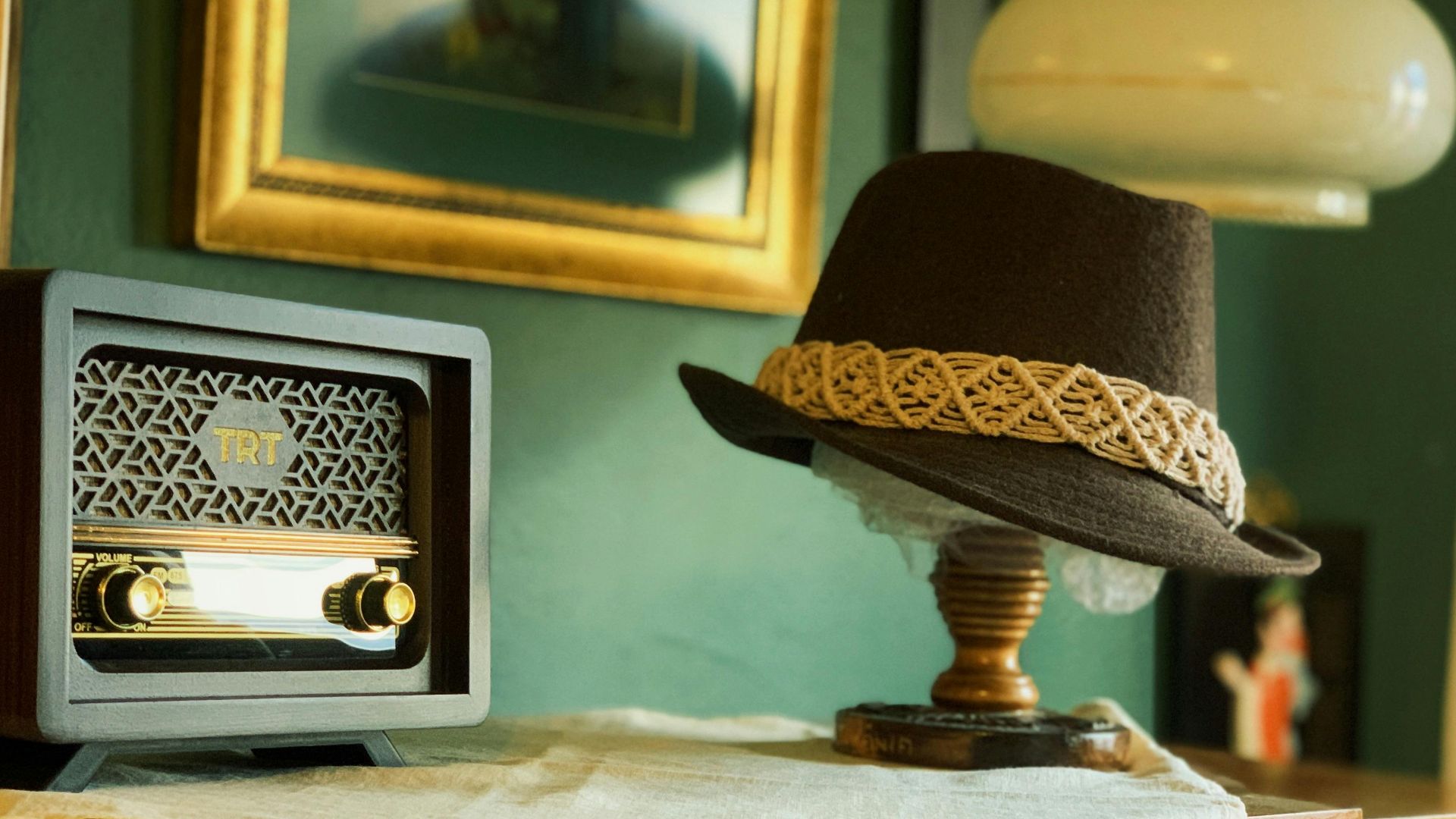
Fashion can also be dangerous for the people making it, not just wearing it. Hat makers were often exposed to mercury during the felting process, which could lead to serious health problems over time. That's where the old phrase about being “mad as a hatter” gets its darker edge.
9. Mercury in Beauty Treatments
Mercury didn't stay in the workshops. It also found its way into skin products and beauty treatments that promised a more refined complexion. Even to this day, certain beauty products may contain mercury, particularly those marketed for whitening or removing dark spots.
10. Celluloid Hair Accessories
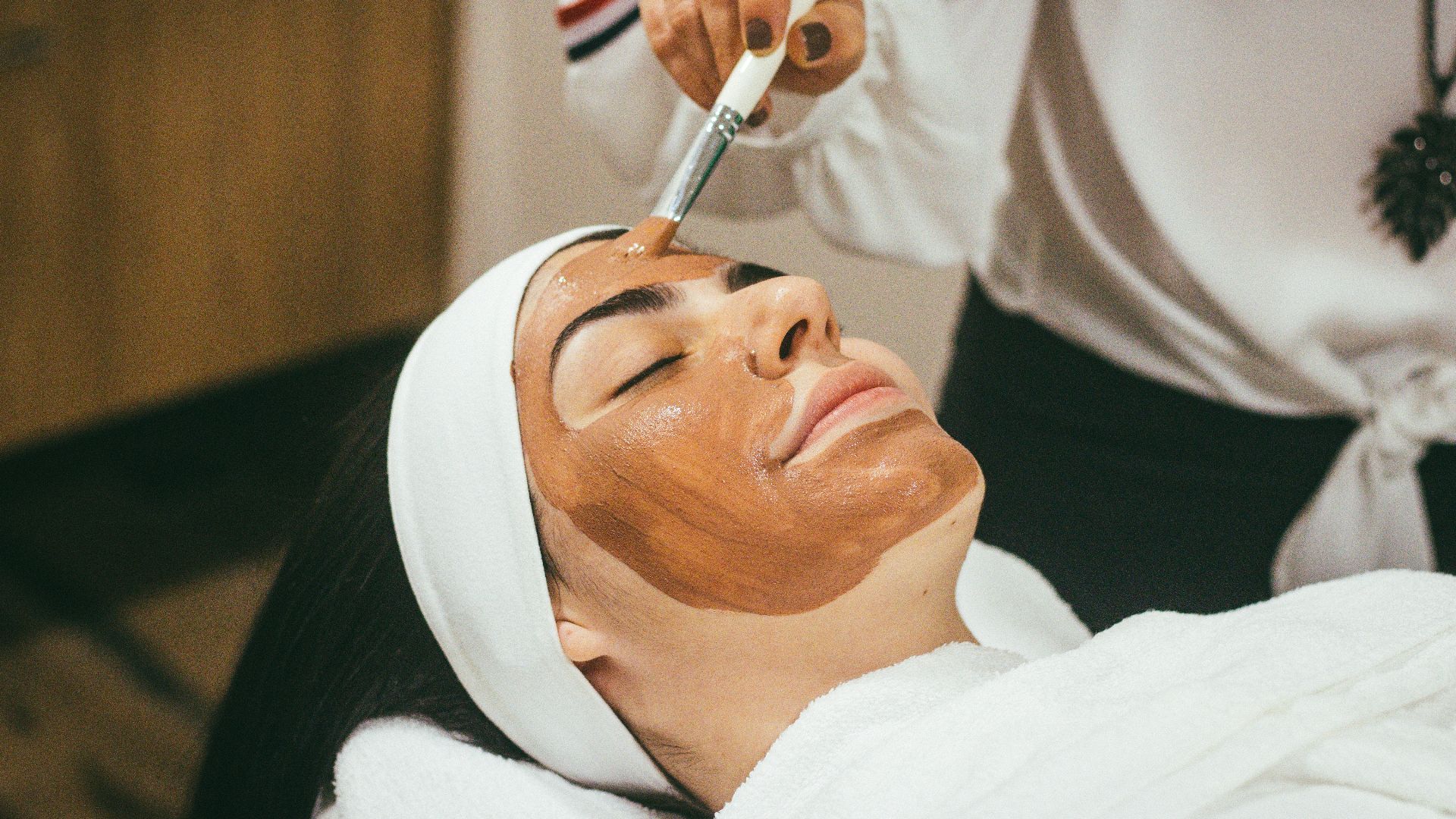
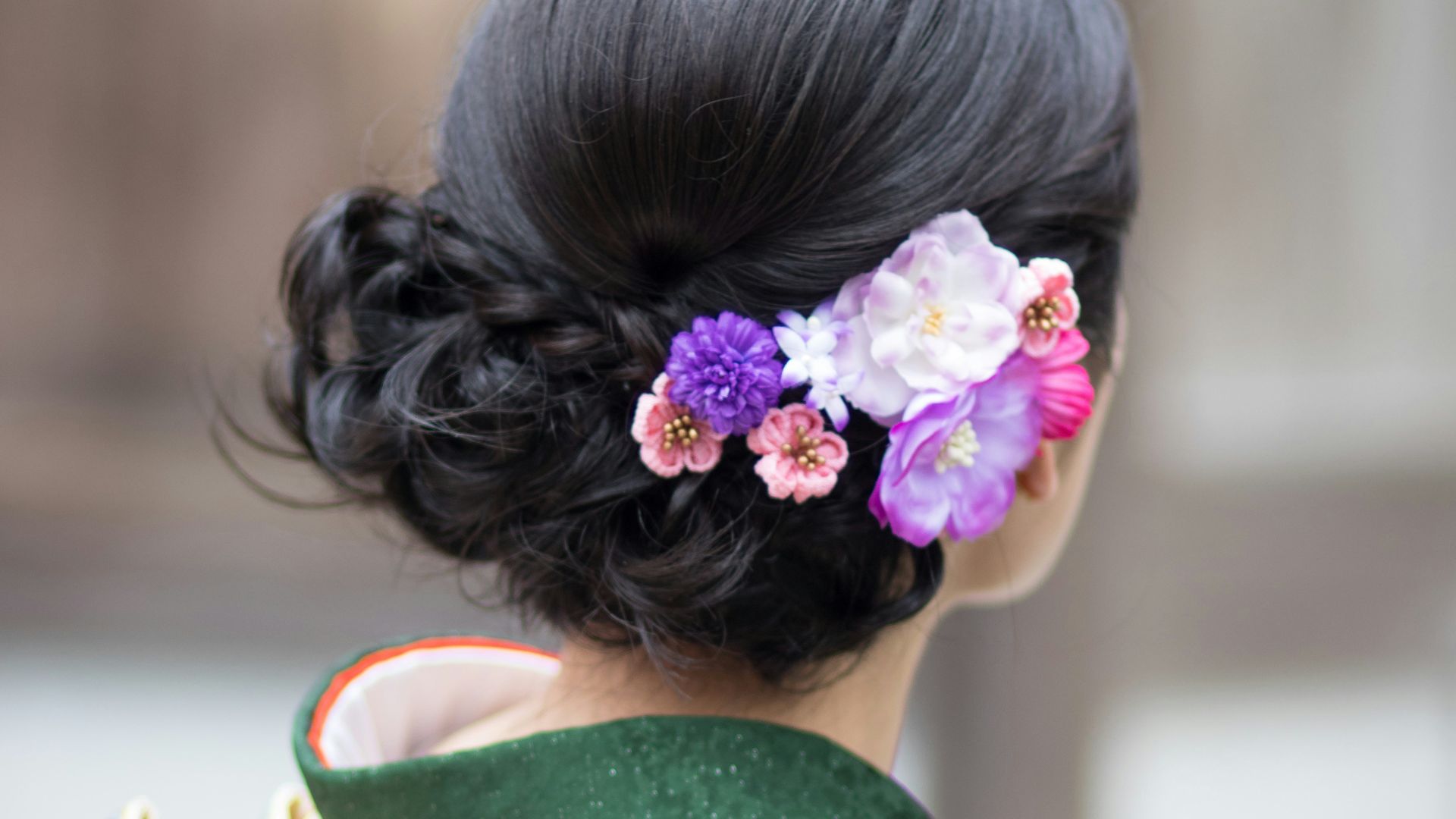
Early plastic accessories could look modern and stylish while hiding one very important flaw: some forms of celluloid were highly flammable. Wearing a decorative piece near your hair is already a commitment, but wearing one that could ignite too easily takes things in an especially bad direction.
 Riccardo Trimeloni on Unsplash
11. Women Wearing Bloomers
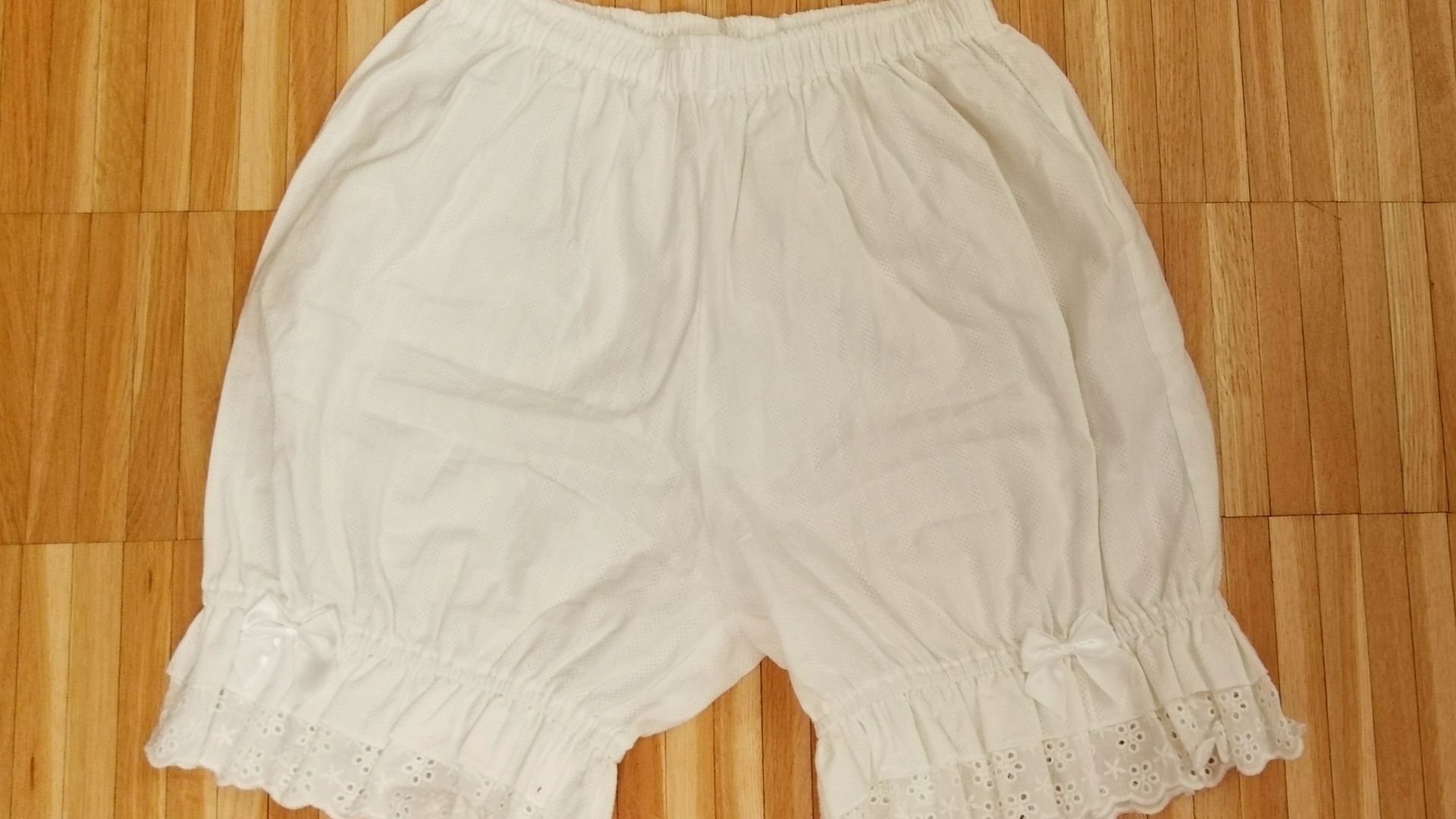
Not all dangerous fashion was physically harmful. In the nineteenth century, bloomers offered women a more practical alternative to restrictive dress, and that practicality was exactly why some people found them threatening. Women who wore them could face ridicule, hostility, and moral judgment simply for dressing in a way that suggested greater freedom.
12. Cross-Dressing
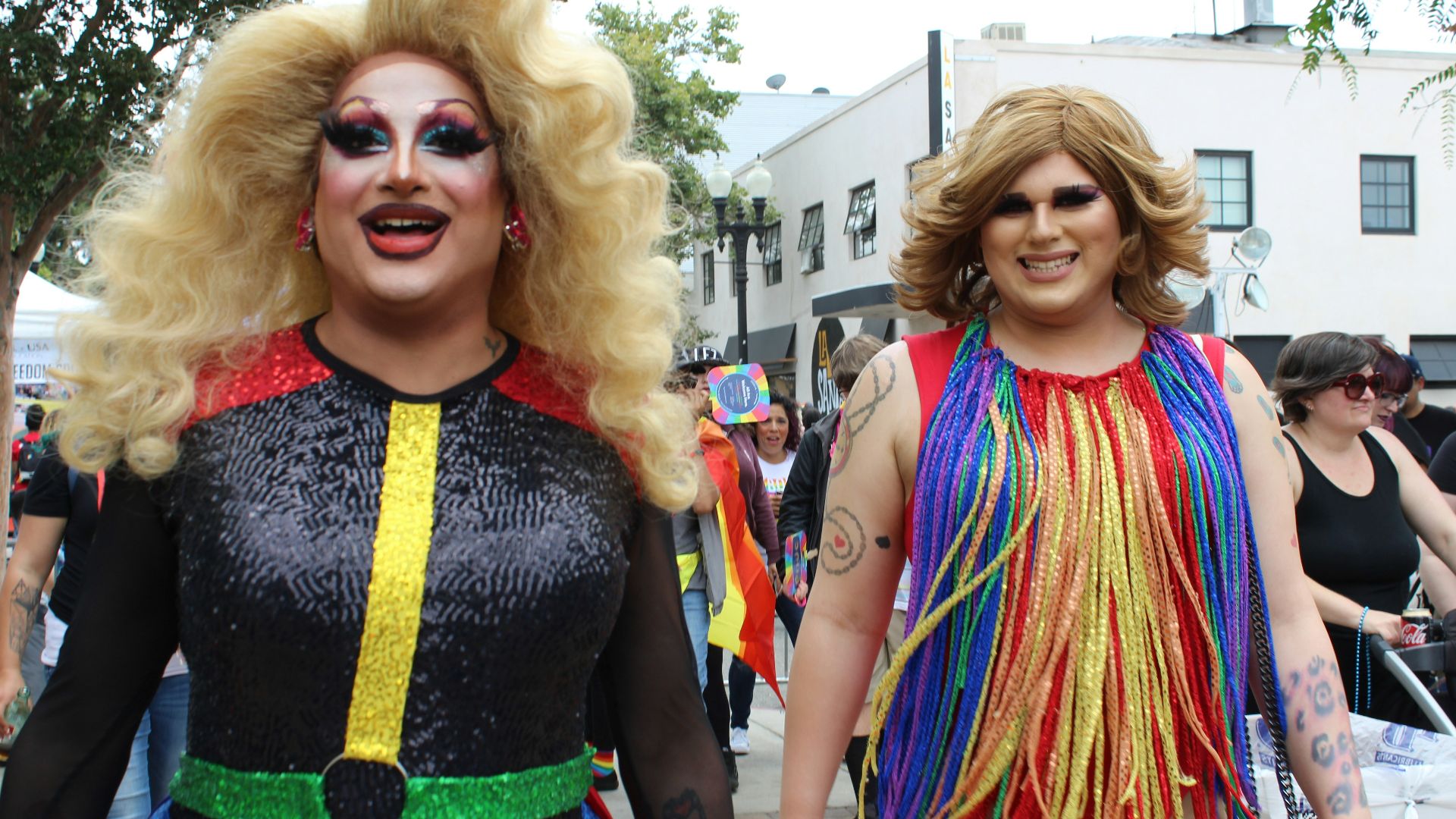
Throughout the years, people who dressed outside expected gender norms risked arrest, harassment, or public humiliation. Clothing that should have been a matter of identity or comfort became evidence for punishment under vague rules about public order or decency. That kind of danger came not from the outfit, but from how aggressively society policed it.
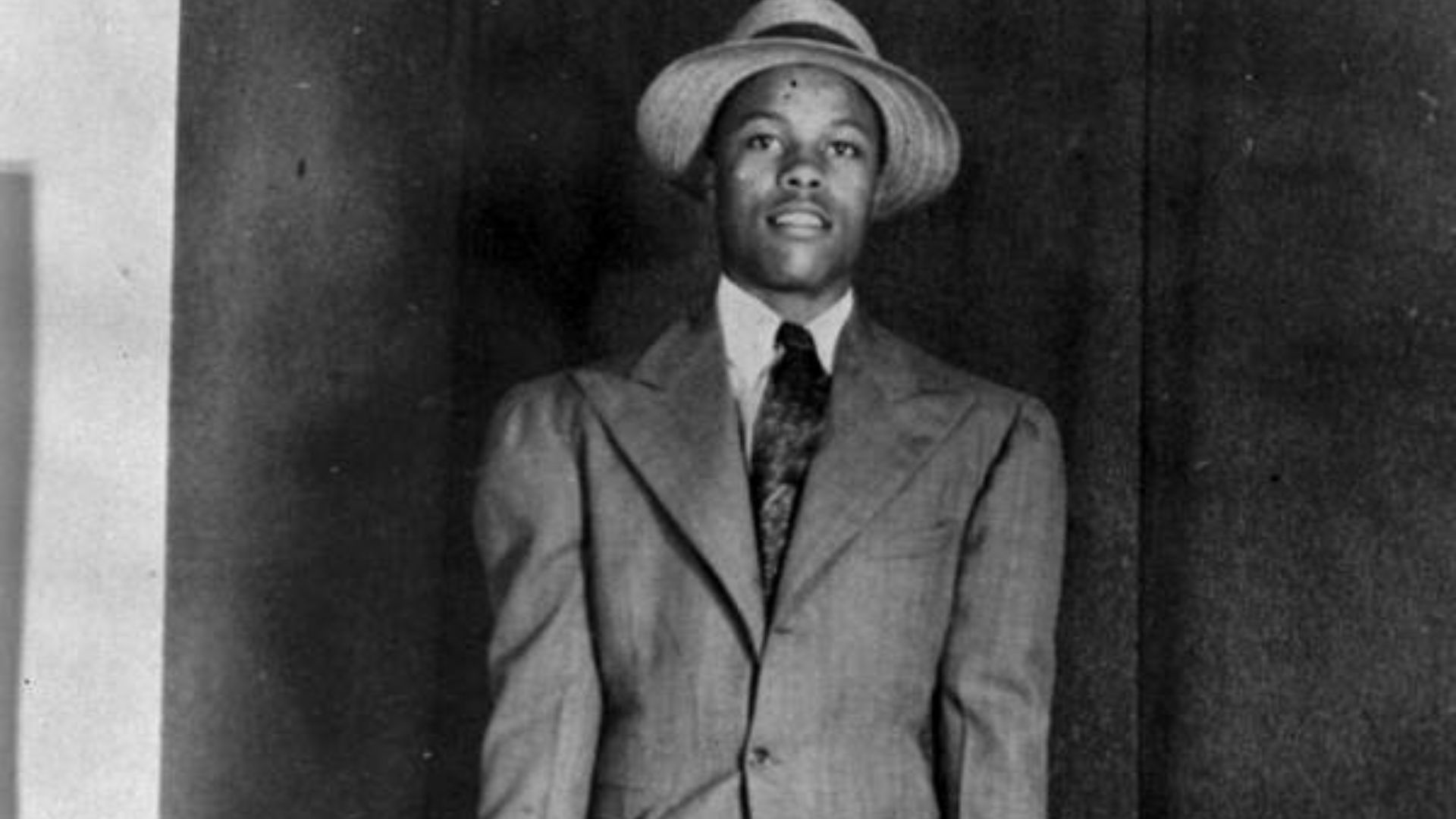
13. Zoot Suits in the 1940s
Zoot suits became style statements for many young men, especially among Mexican American and Black communities, but they also became flashpoints for anger and violence. Their bold silhouette and cultural meaning made wearers visible in ways that some people deeply resented. In that case, a suit became dangerous because prejudice turned clothing into a target.
14. Natural Black Hairstyles Treated as “Unacceptable”
Natural Black hairstyles have long been treated unfairly in schools, workplaces, and public life. What should have been ordinary self-presentation could instead bring discrimination, exclusion, or punishment because institutions insisted on narrow ideas of what looked “professional.”

15. Long Hair on Men
There have been periods when long hair on men was treated as a sign of rebellion, weakness, or social deviance. That could bring ridicule, job trouble, or even violence from people who saw appearance as a threat to order. It's a strange reminder that something as simple as hair length can become politically charged very quickly.
 Alexander Krivitskiy on Pexels
16. Punk Fashion
Punk style was meant to provoke, and it often succeeded a little too well. Studs, leather, spikes, ripped clothes, and confrontational styling could make wearers targets for police scrutiny, harassment, or street violence. Looking deliberately different can feel liberating, but history keeps showing that difference is not always greeted kindly.

17. Mini Skirts
Mini skirts didn't poison anyone, but they absolutely came with social risks. Women who wore them were often judged as immoral, blamed for unwanted attention, or treated as though their clothing justified bad behavior from others. The garment itself wasn't dangerous, but the reaction to it often was.

18. Religious Dress
Headscarves, hijabs, turbans, and other visible religious garments have often made wearers more vulnerable in times of political or social tension. A piece of clothing meant to express faith or identity can suddenly attract harassment, exclusion, or violence when prejudice rises.

19. Radium-Infused Beauty Products & Accessories
In the early twentieth century, radioactive materials were sometimes treated as modern, exciting, and even healthful, before it was understood that they're actually cancerous. That absurd confidence extended into beauty and novelty products, including items meant to glow or seem scientifically advanced.
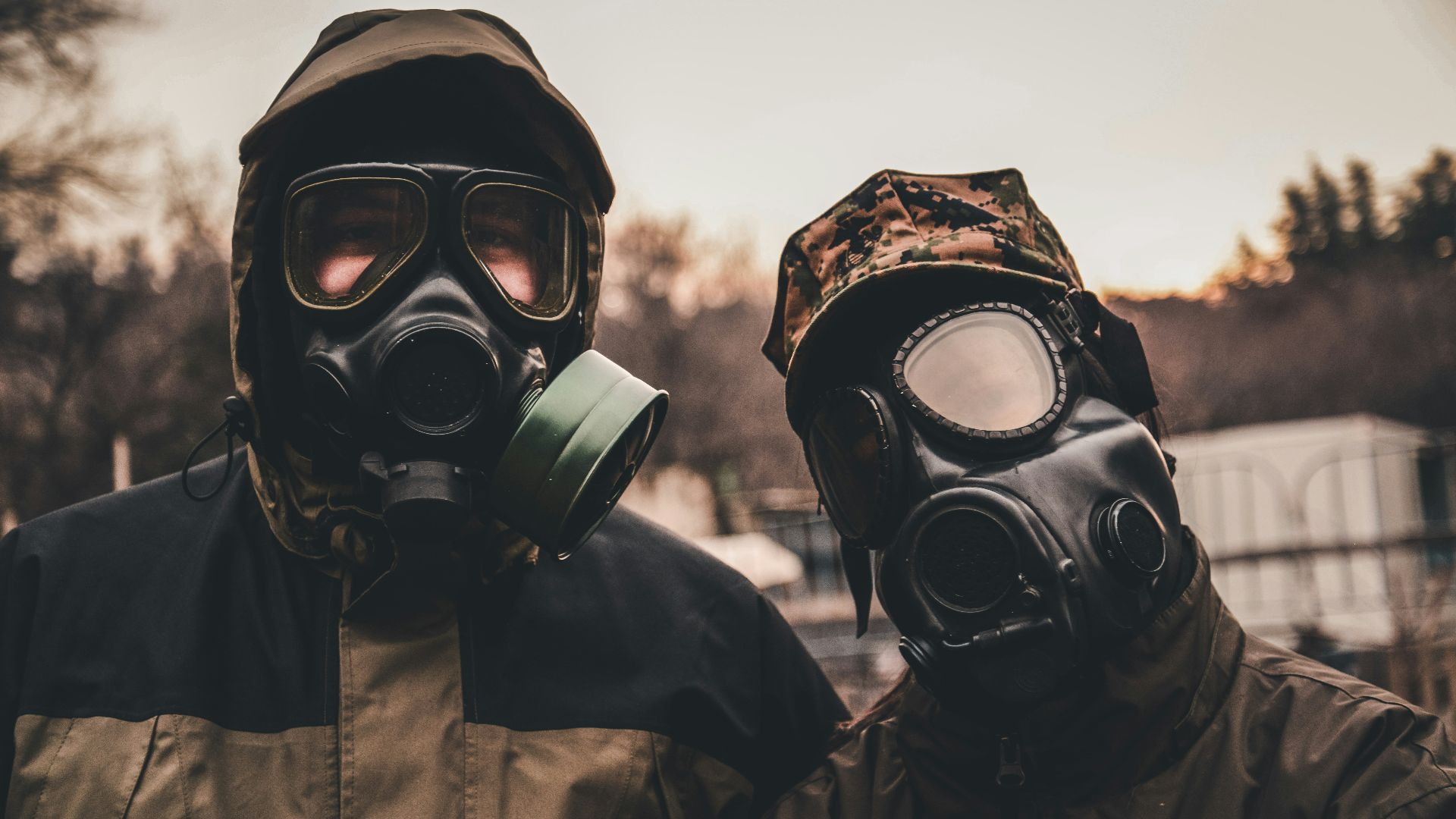
20. Hobble Skirts
The hobble skirt may be one of the funniest and bleakest examples of fashion defeating function on purpose. Its tight cut restricted stride so much that women were forced into tiny steps, making movement awkward and falls more likely. Thankfully, this trend was pretty short-lived.
KEEP ON READING
The 20 Most Recognized Historical Figures Of All Time
The Biggest Names In History. Although the Earth has been…
By Cathy Liu Oct 4, 2024
10 of the Shortest Wars in History & 10 of…
Wars: Longest and Shortest. Throughout history, wars have varied dramatically…
By Emilie Richardson-Dupuis Oct 7, 2024
10 Fascinating Facts About Ancient Greece You Can Appreciate &…
Once Upon A Time Lived Some Ancient Weirdos.... Greece is…
By Megan Wickens Oct 7, 2024
20 Lesser-Known Facts About Christopher Columbus You Don't Learn In…
In 1492, He Sailed The Ocean Blue. Christopher Columbus is…
By Emilie Richardson-Dupuis Oct 9, 2024
20 Historical Landmarks That Have The Craziest Conspiracy Theories
Unsolved Mysteries Of Ancient Places . When there's not enough evidence…
By Megan Wickens Oct 9, 2024
The 20 Craziest Inventions & Discoveries Made During Ancient Times
Crazy Ancient Inventions . While we're busy making big advancements in…
By Cathy Liu Oct 9, 2024