


Everyday Luck And Fear
For a long stretch of human history, superstition was not some quirky side habit. It sat right in the middle of ordinary life, shaping what people carried, what they avoided, which days they feared, and how they explained bad luck when it showed up at the door. A broken mirror was not just annoying, a black cat was not just a cat, and a spilled pile of salt could feel like the start of a very bad week. Even when people laughed about these beliefs, they often still followed the rule, just in case. These 20 superstitions show how much daily life used to lean on signs, omens, and small rituals meant to keep trouble away.

1. Friday The 13th
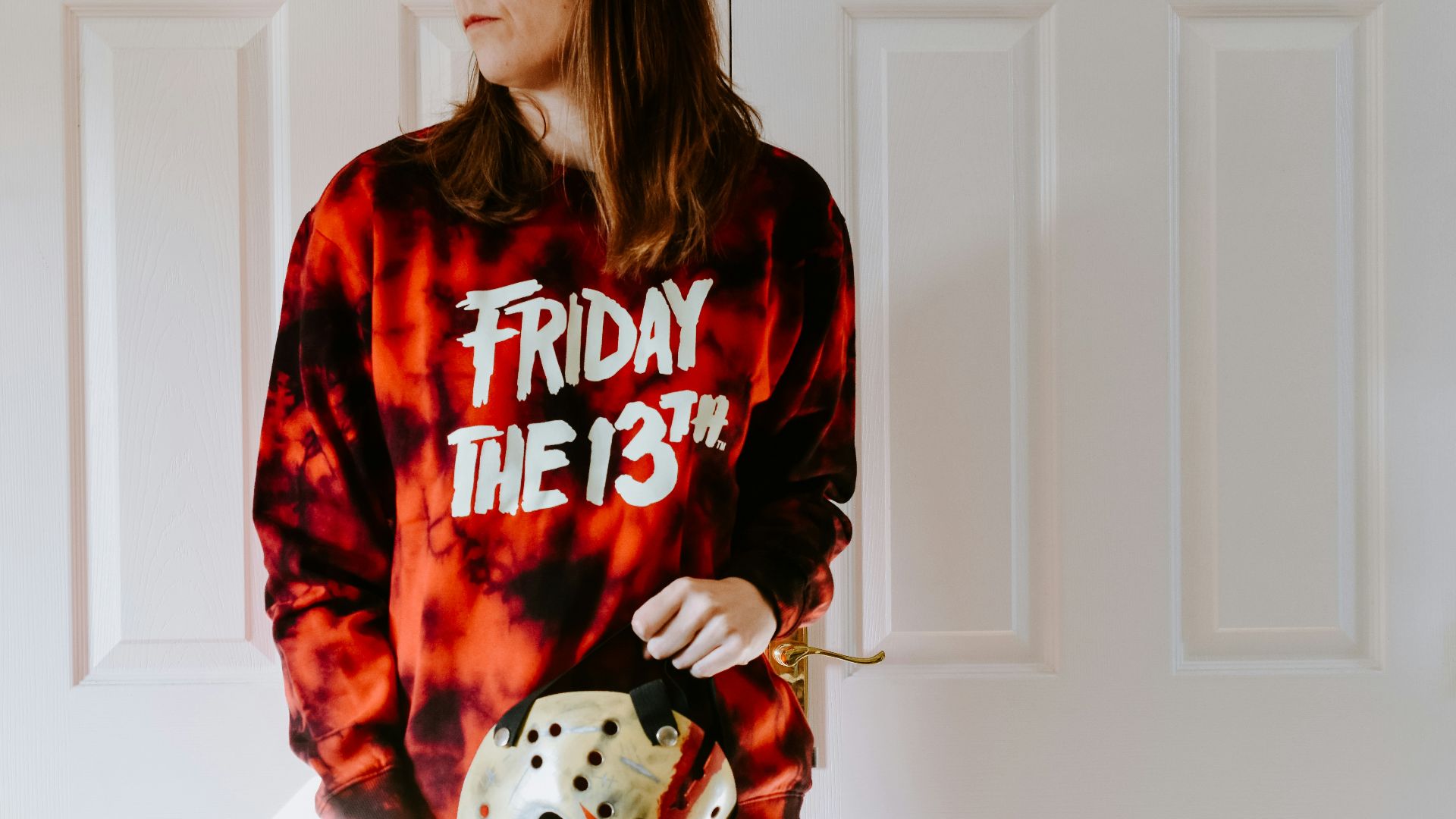
Fear of Friday the 13th became one of the best-known bad luck beliefs in the Western world, blending old anxiety around the number 13 with older ideas about Friday as an unlucky day. Even now, the date still makes some people uneasy, which says a lot about how sticky old superstition can be.
2. Black Cats Crossing Your Path
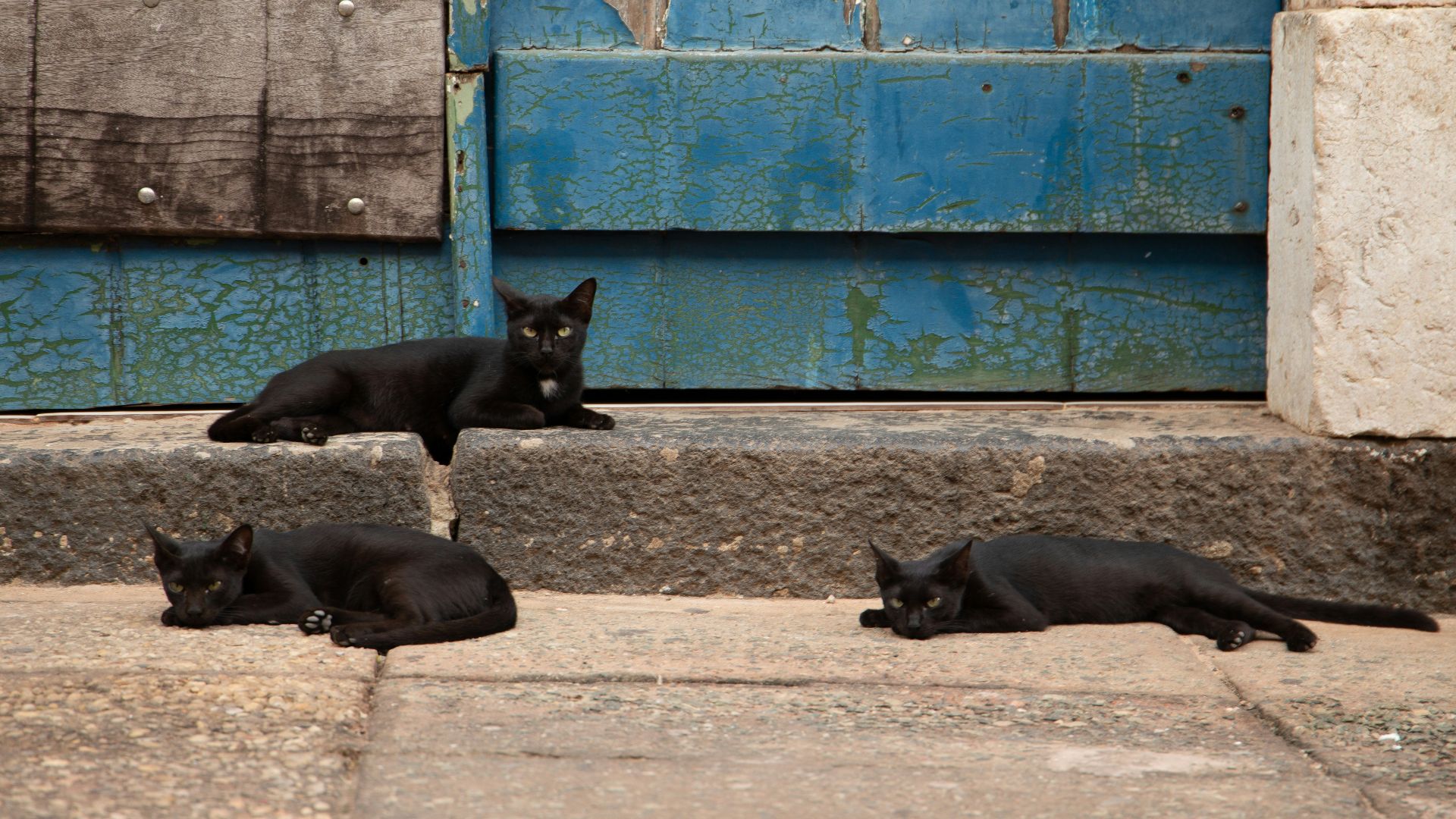
Black cats picked up their bad reputation in medieval and early modern Europe, when they were often linked to witchcraft and the devil. That old suspicion lasted for centuries, which is why an ordinary cat on the road could once send people straight into omen-reading mode.
3. Walking Under A Ladder
This one sounds practical now, because yes, a ladder is an object you probably should not wander under. But the belief also had symbolic force, since the triangle formed by a ladder against a wall was treated in some traditions as a sacred shape that should not be disturbed.

4. Breaking A Mirror
For a long time, mirrors were thought to reflect more than a face. In parts of Europe, they were tied to the soul or the deeper self, so breaking one was not just costly, it was believed to bring years of bad luck.

5. Spilling Salt
Salt used to matter more than it does now. It was valuable, it preserved food, and it carried religious and symbolic weight, which helps explain why spilling it came to feel like a small disaster with spiritual overtones.

6. Throwing Salt Over The Left Shoulder
Once salt hit the table, people often tried to fix the problem immediately by tossing a pinch over the left shoulder. The idea was that the devil was lurking there, and the salt would blind or repel him before he could make use of your bad luck.

7. Knocking On Wood
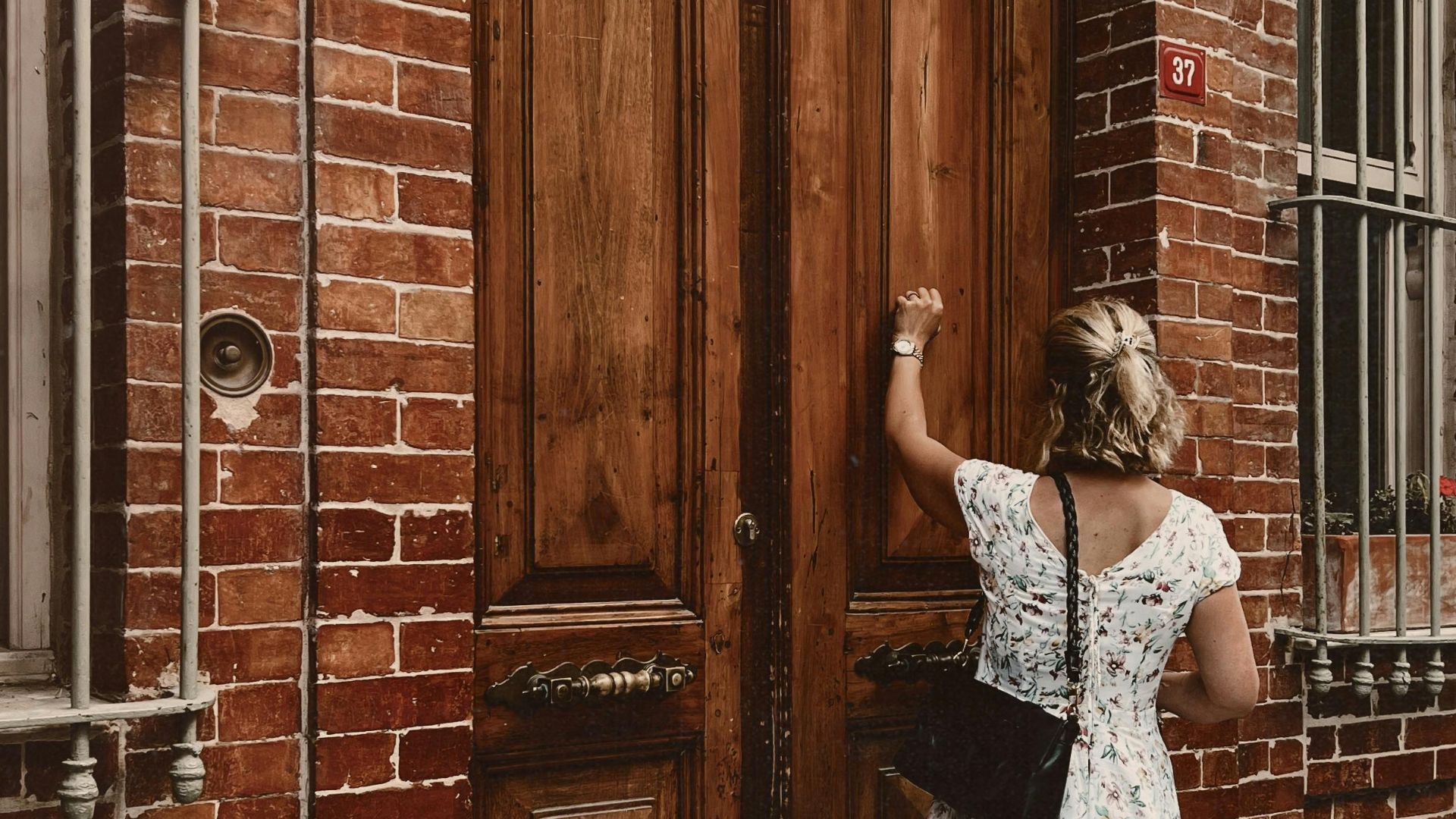
Knocking on wood still slips into conversation so casually that it barely registers as superstition anymore. Its exact origin is debated, but the custom has long been tied to the idea that wood held protective power, or that touching it could keep fate from hearing you brag.
 Mehmet Turgut Kirkgoz on Pexels
8. Opening An Umbrella Indoors
Opening an umbrella inside the house was treated as inviting misfortune, not just clutter. Some historians point to older Egyptian beliefs about shade and sacred protection, while others note that early rigid umbrellas were clumsy enough indoors to make people feel that tempting fate was part of the offense.

9. Carrying A Rabbit’s Foot
The rabbit’s foot charm mixed folk magic, luck symbolism, and some fairly dark old beliefs about how the charm had to be obtained for it to work. For years, people carried one in a pocket or purse the way we might carry a lucky token today, only with much stronger faith in its power.
 Maegan Tintari from USA on Wikimedia
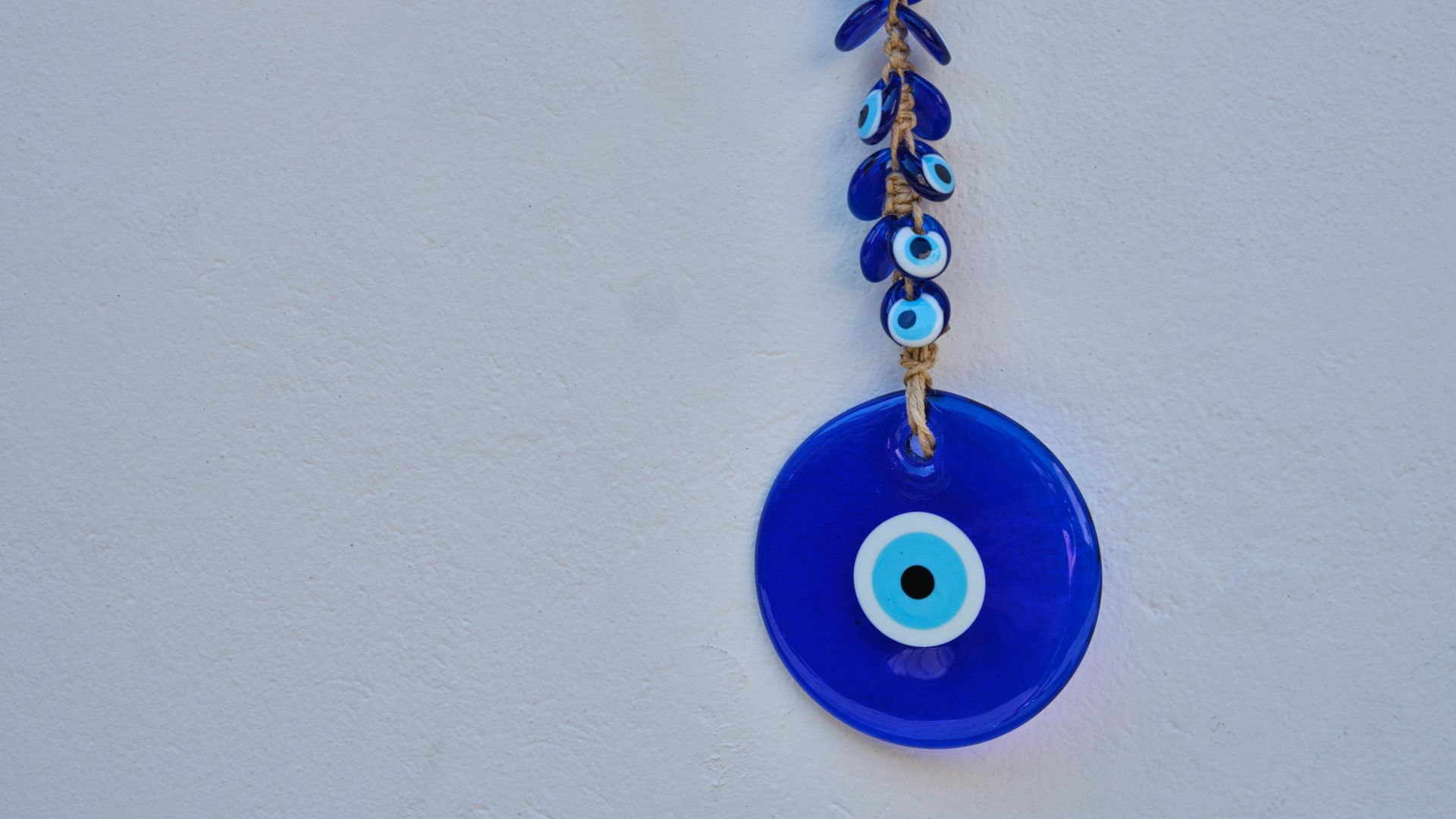
10. The Evil Eye
The evil eye was not a fringe belief tucked into one corner of the world. It appears across ancient Greece and Rome and in Jewish, Islamic, Hindu, and many other traditions, all built around the fear that a hostile glance could cause real harm.
11. Wearing Protective Charms
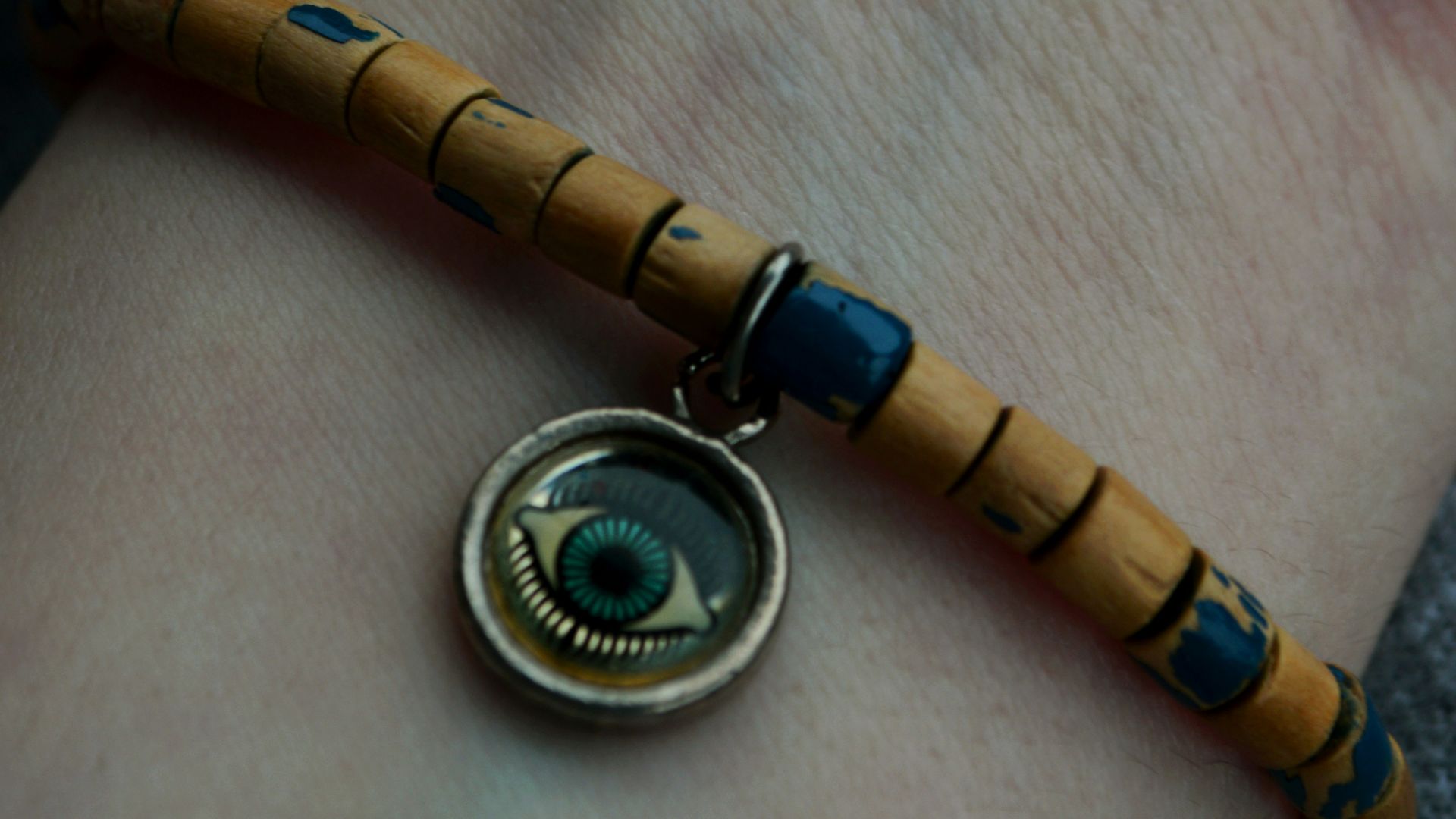
Once people believed harm could travel through a look, a curse, or bad fortune, protective objects became serious business. Amulets, beads, symbols, and small charms were worn not for style, but because people genuinely believed they stood between them and disaster.
12. Treating The Number 13 As Dangerous
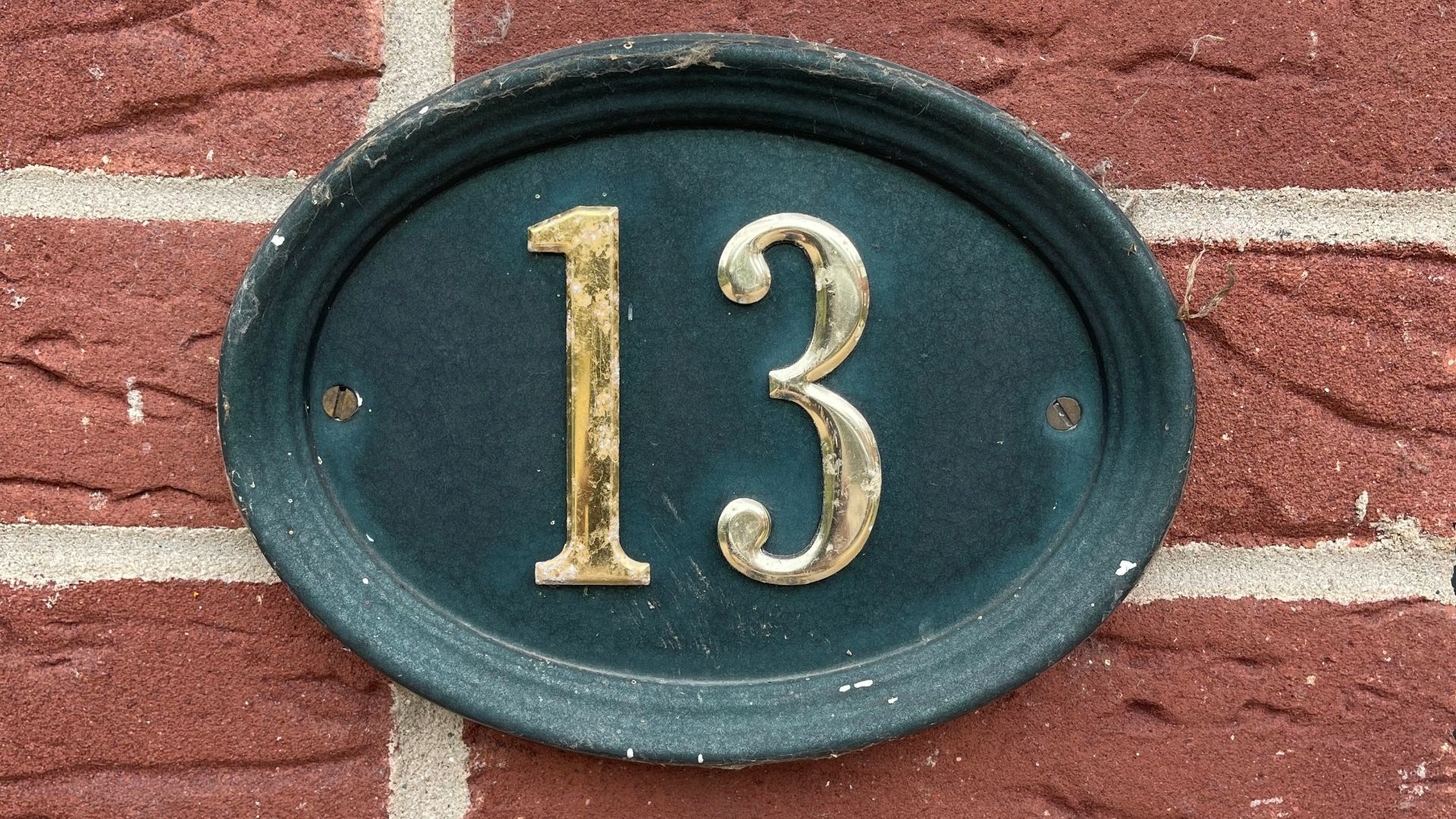
The number 13 had a rough reputation long before it got attached to Friday.
In Western tradition, it often signaled disorder or excess after the neat completeness of 12, which helped turn it into a number people avoided in dining, travel, and daily plans.
13. Fearing The Number 4 In East Asia
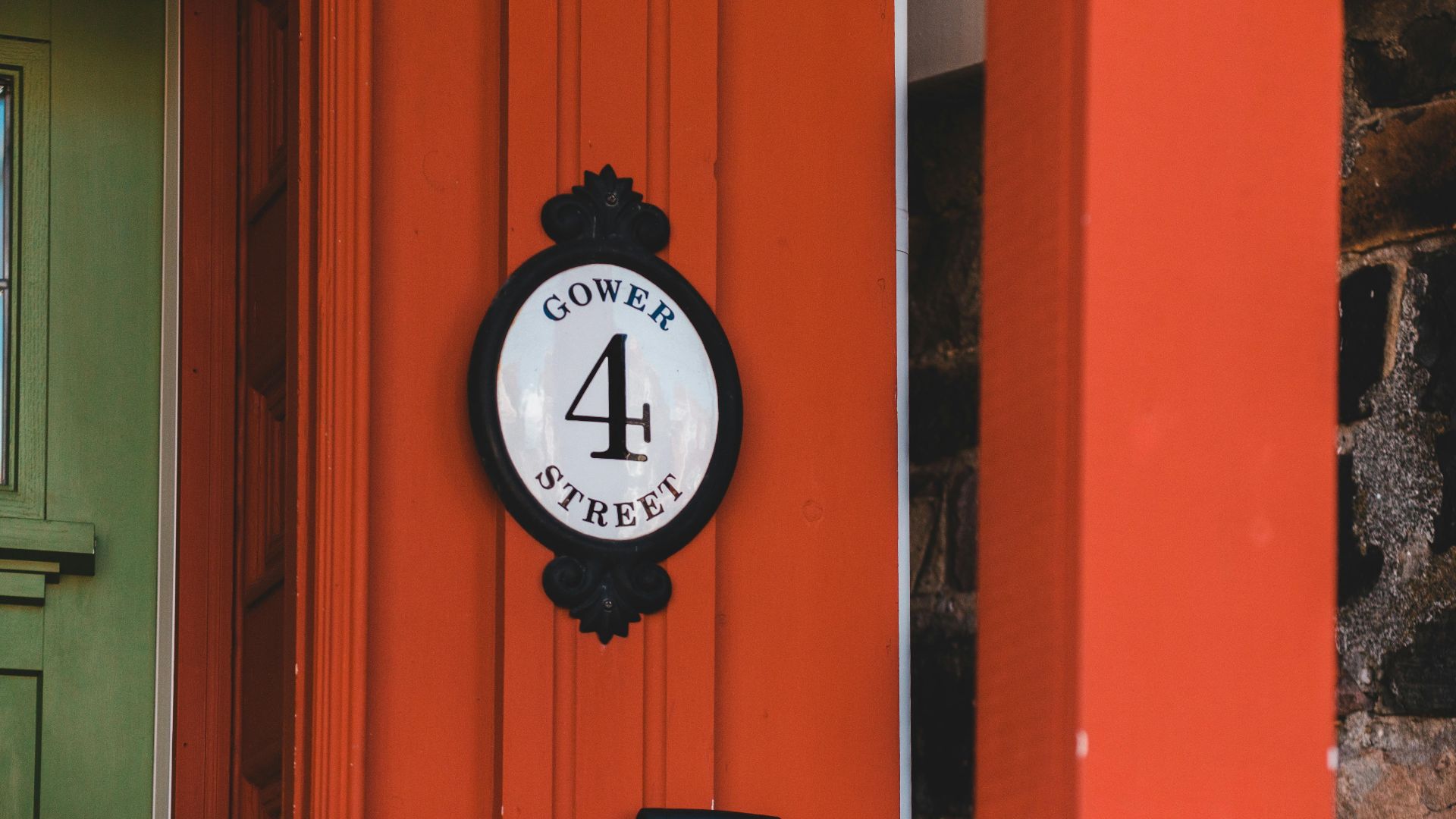
Not every unlucky number story belongs to the West. In China and Japan, the number 4 has long been considered ominous because its pronunciation resembles the word for death, and that shaped choices about rooms, floors, and gift-giving.
14. Avoiding Cracks
“Step on a crack” sounds like playground material now, but older superstition often treated ordinary lines, thresholds, and breaks in the ground as charged spaces. The idea that a careless step could trigger harm fit neatly into a world that saw hidden danger in everyday movement.

15. Reading Animal Omens
People once read animals the way we read weather apps. A bird at the wrong time, a strange cry in the night, or an animal crossing the road could all be treated as signs that something was coming, because folklore often cast animals as messengers of luck or warning.
16. Treating Eclipses As Warnings
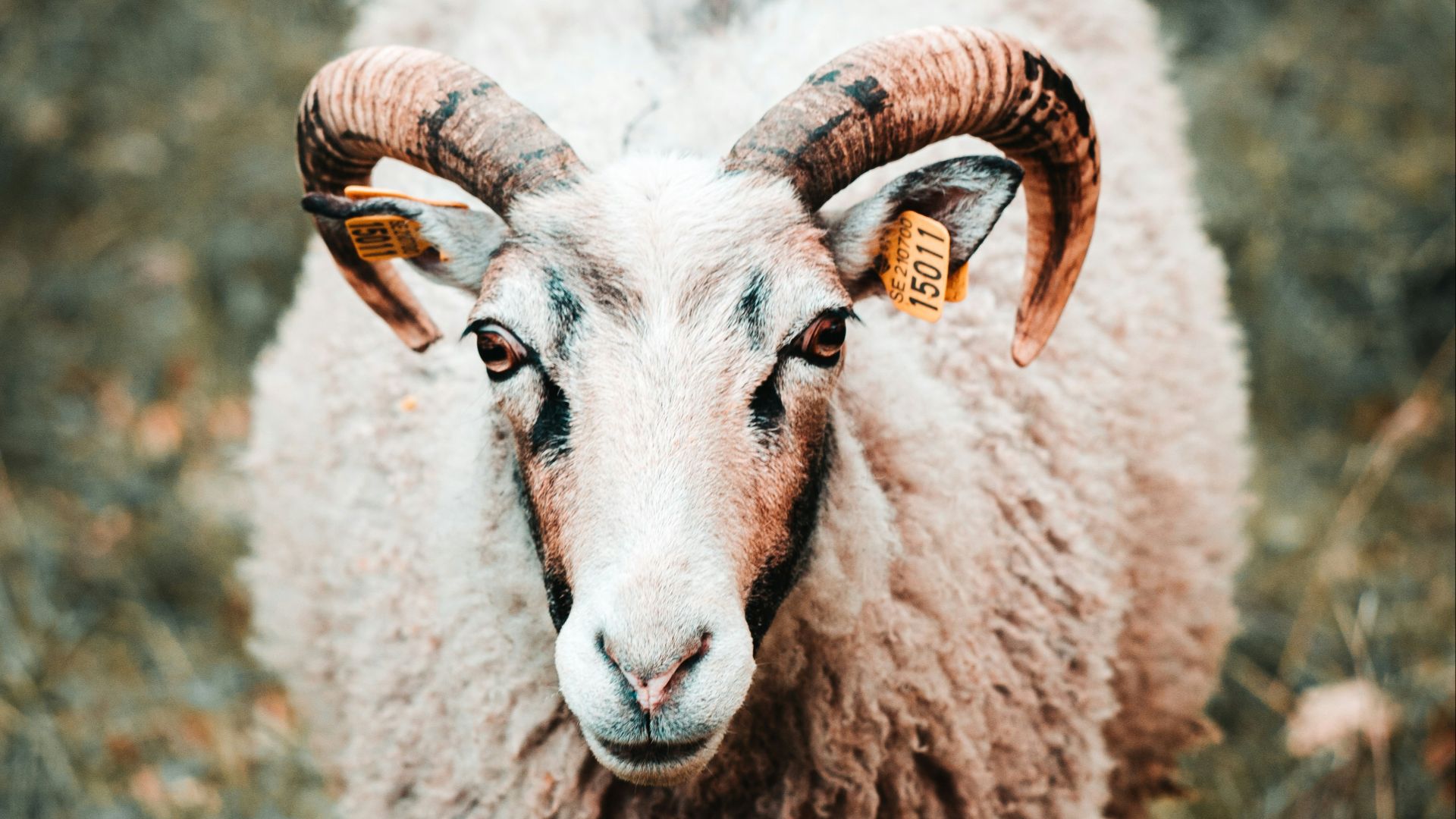
Before astronomy explained what was happening, an eclipse could feel terrifyingly personal. A darkened sun or a bitten-looking moon looked less like orbital mechanics and more like a sign that the heavens were upset and that people on earth should be worried.
 Community Archives of Belleville and Hastings County on Unsplash
17. Seeing Comets As Bad News
Comets were dramatic, rare, and hard to ignore, which made them perfect vehicles for superstition. For centuries, many people read them as warnings of war, plague, or the death of rulers, because a strange light in the sky never seemed likely to mean nothing.

18. Guarding The Threshold
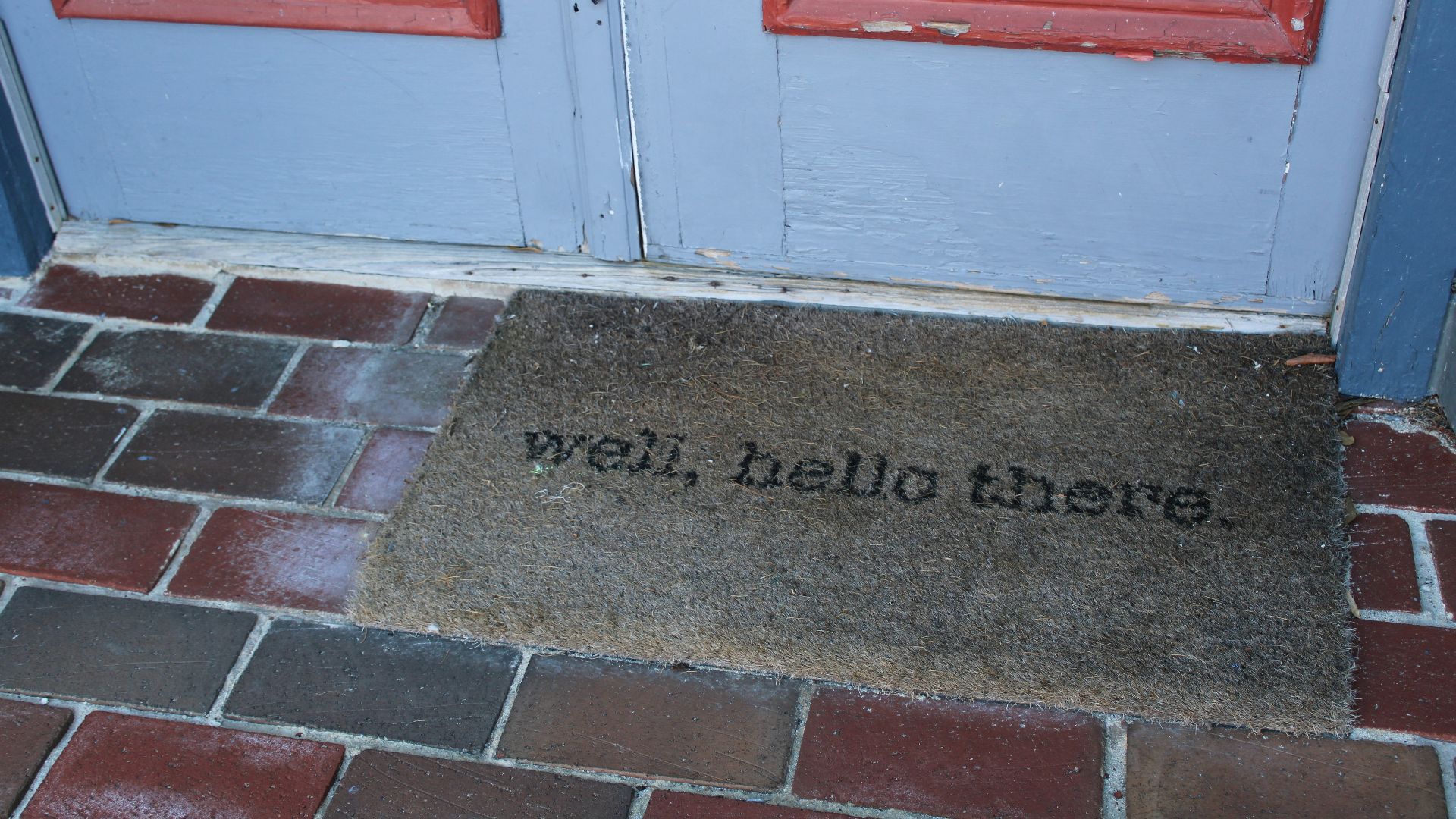
Doorways were not just practical spaces in older folk belief. They were edges between safe and unsafe worlds, which is why so many customs gathered around thresholds, from blessings and charms to rules about how and when you crossed them.
19. Watching For Lucky And Unlucky Firsts
The first day of a month, the first guest through the door, and even the first word spoken in the morning could carry real weight in older superstition. That habit of loading the first moment with meaning survives in small ways even now, like saying “rabbit rabbit” for luck.
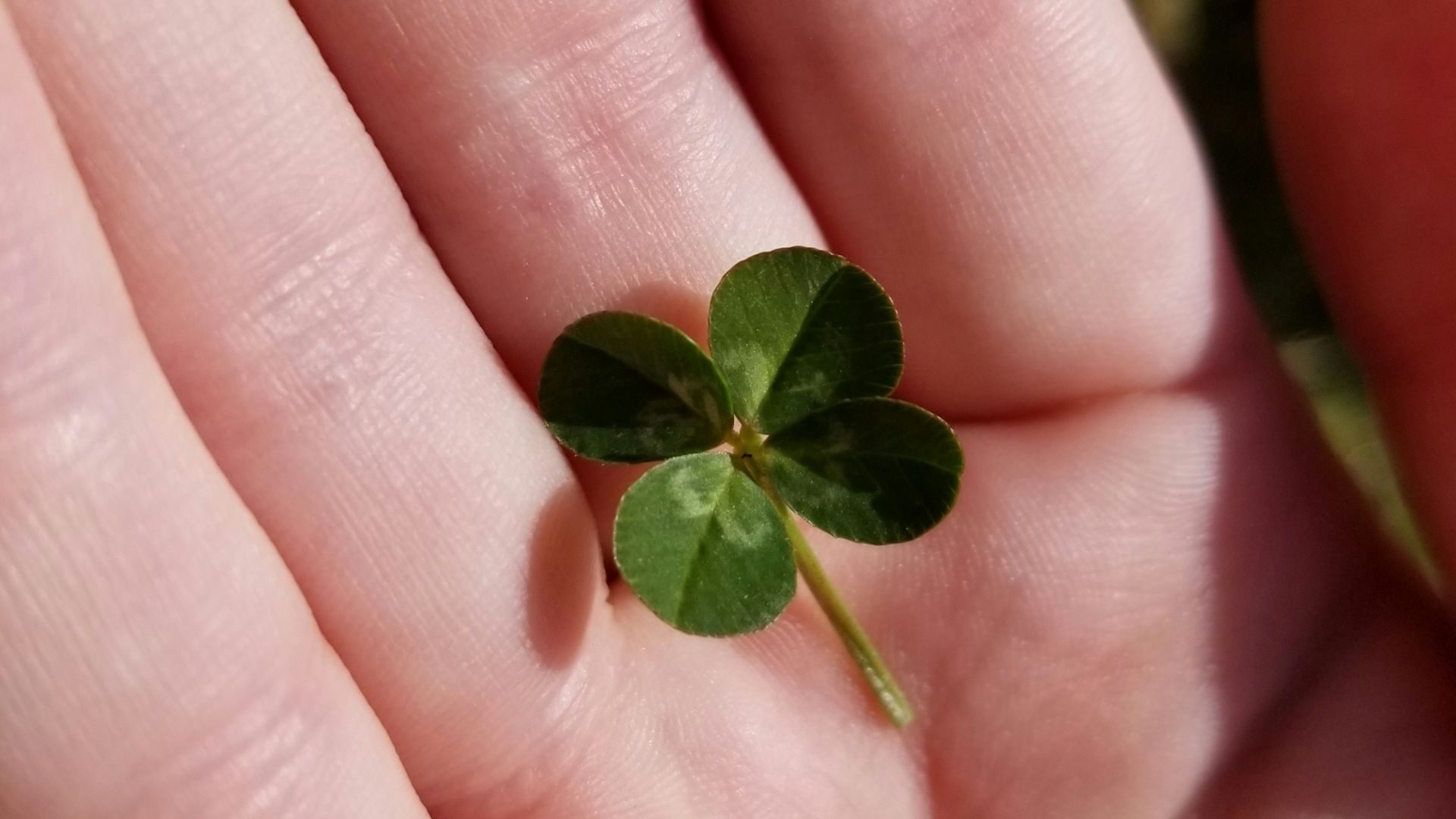
20. Using Small Rituals To Keep Chaos In Check
That may be the most important piece of all. Superstitions lasted because they gave people something to do when life felt uncertain, whether that meant touching wood, carrying a charm, or avoiding one date on the calendar that simply felt wrong.

KEEP ON READING
The Most Miserable Century To Be Alive
Pierart dou Tielt (fl. 1340-1360) on WikimediaWhen people talk about…
By Emilie Richardson-Dupuis Apr 14, 2026
The Woman History Wants You To Forget
Anthony22 (photograph)Anna Hyatt Huntington (statue) on WikimediaWhen you flip through…
By Sara Springsteen Apr 14, 2026
20 Famous Figures Who Were Obsessed With The Occult
They Believed in Demons. You've probably learned about these famous…
By Sara Springsteen Apr 14, 2026
20 Powerful Women from the Middle Ages
Women in Power. The Middle Ages are still too often…
By Christy Chan Apr 14, 2026
The Long, Weird History of People Sleeping in Two Shifts
Ron Lach on PexelsFor much of early modern Europe, sleep…
By Breanna Schnurr Apr 14, 2026
The Forgotten Expeditions Of Early Polar Explorers
Unknown authorUnknown author on WikimediaThe story of early polar exploration…
By Rob Shapiro Apr 14, 2026