

What Gladiators Were Actually Fed Tells a Different Story Than Hollywood
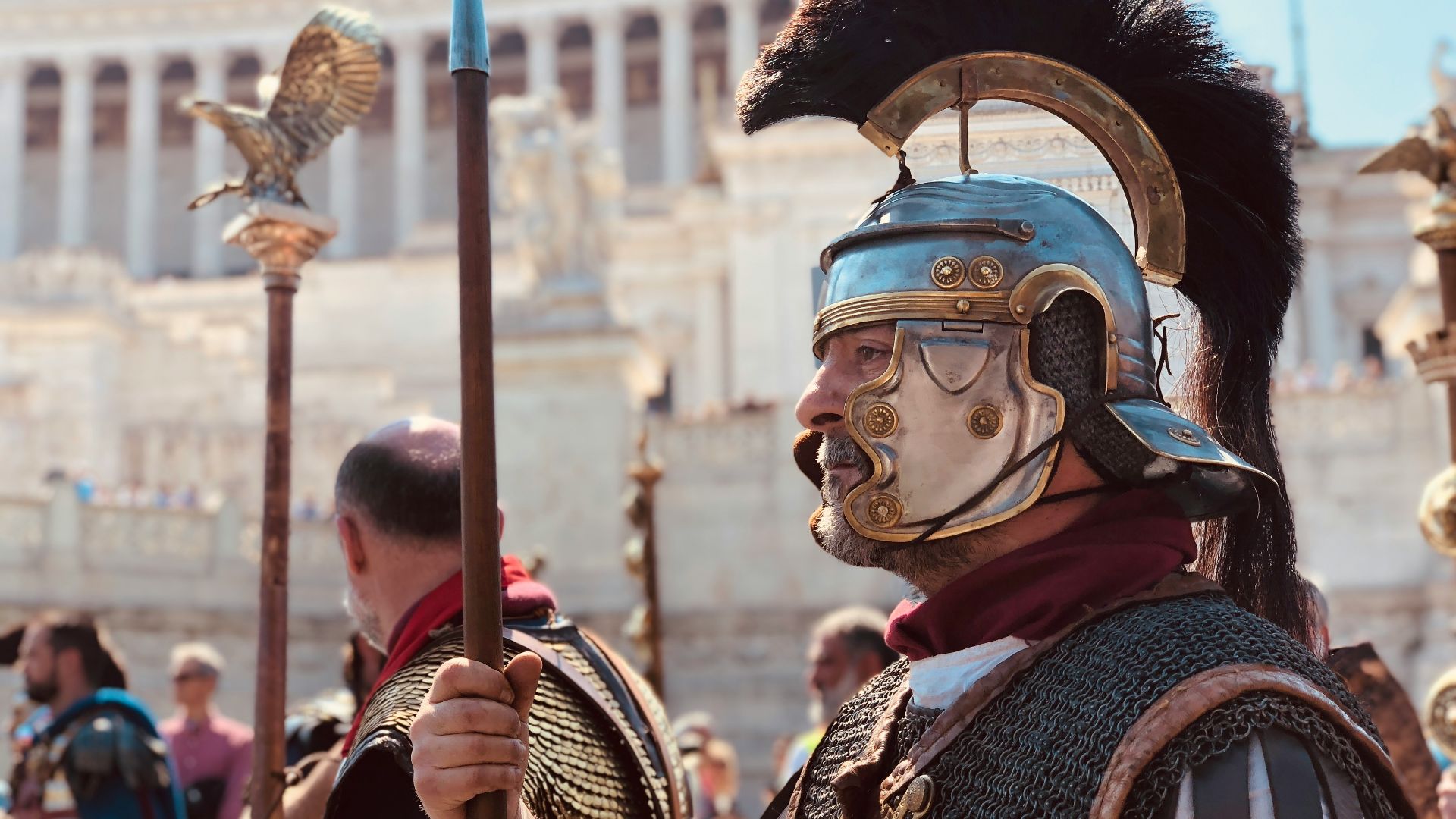 Maria Dolores Vazquez on Unsplash
When people picture "gladiator food," they usually imagine huge slabs of meat, endless wine, and the kind of high-protein diet that would make a modern gym bro emotional. It fits the fantasy because Hollywood loves to treat ancient fighters like they were basically shirtless bodybuilders with swords. The real story is a lot more interesting, and honestly, a little less macho in the way people expect.
Ancient sources and modern archaeology suggest that many gladiators ate a diet built heavily around barley, beans, and other plant foods. Researchers studying gladiator remains from Ephesus also found evidence that supports the old written accounts, including the idea that these fighters were known as hordearii, or barley eaters. That doesn't mean they never ate meat, but it does mean the popular image of gladiators feasting like kings is badly off target.
They Were Trained Fighters
One of the biggest problems with the Hollywood version is that it assumes gladiators ate for glamour instead of function. In reality, they were part of a highly organized training system, and their food had to support recovery, stamina, and the practical demands of repeated combat preparation. Ancient writers and modern researchers both point toward a diet centered on affordable, filling staples rather than a nonstop parade of roasted meat.
Barley shows up again and again in discussions of gladiator food. Beans also appear in the historical record, especially broad beans, and together those foods would have supplied carbohydrates, fiber, and a decent amount of plant protein. That sounds much closer to a fueling strategy than a warrior fantasy menu, which is probably why the evidence lines up so well.
That difference matters because it changes how you think about gladiators in the first place. Having a carb-heavy diet, they probably didn't look super built like the Hollywood actors portraying them because they weren't being fed to look dramatic in a movie close-up. They were being maintained as expensive, trained performers whose bodies had to stay useful, durable, and capable of surviving brutal physical stress for as long as possible.
Their Diet Was Probably Built for Endurance & Body Protection
Modern readers often hear “mostly plant-based” and assume that must have made gladiators somehow less formidable. The research suggests the opposite, or at least something more nuanced. A carb-heavy diet from grains and legumes would have helped fuel intense endurance training, and some scholars have argued that a thicker layer of subcutaneous fat may even have offered practical advantages in the arena by helping protect nerves and blood vessels from shallow cuts.
That's where the Hollywood image really starts to fall apart. Movies usually prefer sharply cut abs and sculpted torsos because that reads well on screen, but real gladiators may not have been aiming for that look at all. If your job involved surviving public combat and repeated injury, you would care a lot more about resilience and recovery than whether your abs looked impressive under torchlight.
There's also the famous ash drink. Researchers studying the Ephesus remains found unusually high strontium levels in gladiator bones, which suggests they may have consumed a plant ash beverage to increase calcium intake after training. So yes, the men fighting in Roman arenas may have been downing something closer to a mineral supplement than a goblet of wine with their pounds of steak.
What They Ate Says More About Rome Than About Fantasy
Once you move past the movie version, the gladiator diet starts telling you something bigger about Roman society. These men were valuable investments, and feeding them in a consistent, efficient way made economic sense. Barley and beans were accessible, filling, and practical on a scale that fancy meat-heavy meals simply were not, especially in a system built around training schools and professional management.
It also reminds you that ancient strength didn't always look the way modern fitness culture assumes it should. People now tend to equate physical power with a very specific high-protein aesthetic, but the gladiator evidence points toward a different model, one focused on sustained energy, repair, and bodily protection. That doesn't make gladiators vegetarians in the modern lifestyle sense, but it does make them a lot less like action-movie carnivores than popular culture would like.
So what gladiators were actually fed tells a different story than Hollywood because the real version is less about fantasy and more about strategy. Their meals seem to have been designed for performance, not macho symbolism, and that makes them more interesting rather than less. If anything, the truth is a nice reminder that ancient combat wasn't powered by theatrical excess, but by barley, beans, and a surprisingly disciplined idea of what a fighter’s body needed.
KEEP ON READING

The story of Ching Shih, the Woman Who Became the…
Unknown author on WikimediaFew figures in history are as feared…
By Emilie Richardson-Dupuis Dec 29, 2025
Einstein's Violin Just Sold At An Auction—And It Earned More…
A Visionary's Violin. Wanda von Debschitz-Kunowski on WikimediaWhen you hear…
By Ashley Bast Nov 3, 2025
This Infamous Ancient Greek Burned Down An Ancient Wonder Just…
History remembers kings and conquerors, but sometimes, it also remembers…
By David Davidovic Nov 12, 2025
The Mysterious "Sea People" Who Collapsed Civilization
3,200 years ago, Bronze Age civilization in the Mediterranean suddenly…
By Robbie Woods Mar 18, 2025
What Gladiators Were Actually Fed Tells a Different Story Than…
Maria Dolores Vazquez on UnsplashWhen people picture "gladiator food," they…
By Emilie Richardson-Dupuis Apr 16, 2026
20 Soldiers Who Defied Expectations
Changing the Rules of the Battlefield. You’ve probably heard plenty…
By Annie Byrd Feb 10, 2026