Why These Legends Still Hold Their Place
It’s not easy to pick the so-called greatest of all time in any genre of music, let alone jazz. But certain musicians’ influence is so deep, their recordings so enduring, that they stand at the center of history. Come with us as we revisit some of the most iconic legends to have ever graced the stage, and why their names still send a jolt through our spines.
 Gottlieb, William P. on Wikimedia
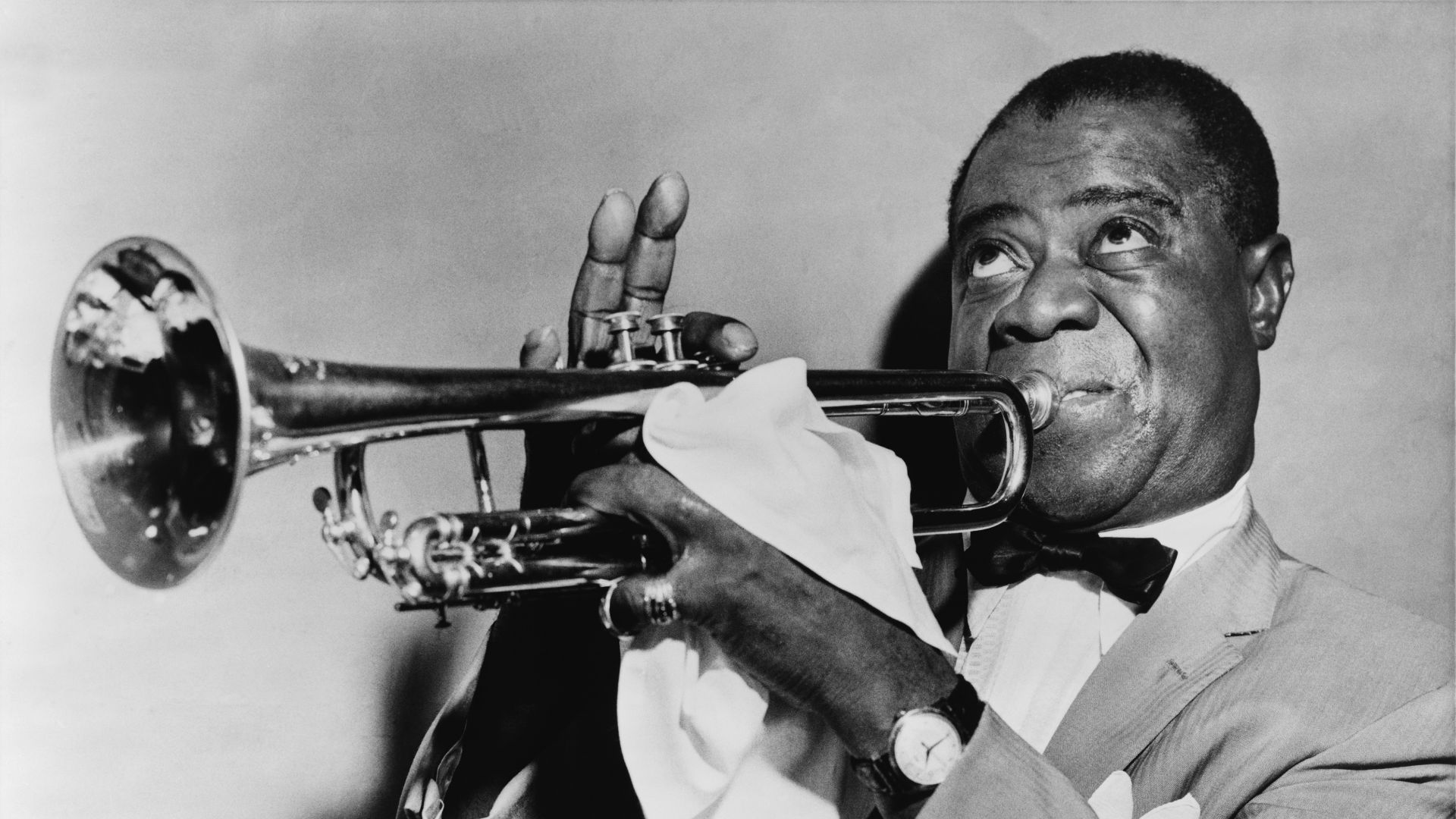
1. Louis Armstrong
Louis Armstrong was a trumpeter and singer who was most popular from the 1920s through the 1960s. You wouldn’t think he’d still carry such immense influence, but he transformed jazz into a soloist's art, bringing unmatched swing and a brilliant tone that changed the music forever.
 World-Telegram staff photographer on Wikimedia
2. Charlie Parker
Charlie Parker was an alto saxophonist whose peak popularity came in the 1940s and early 1950s. But don’t let that fool you—he remains revered. He helped create bebop and pushed jazz harmony, rhythm, and improvisation into a more charged space without losing any of the emotion.
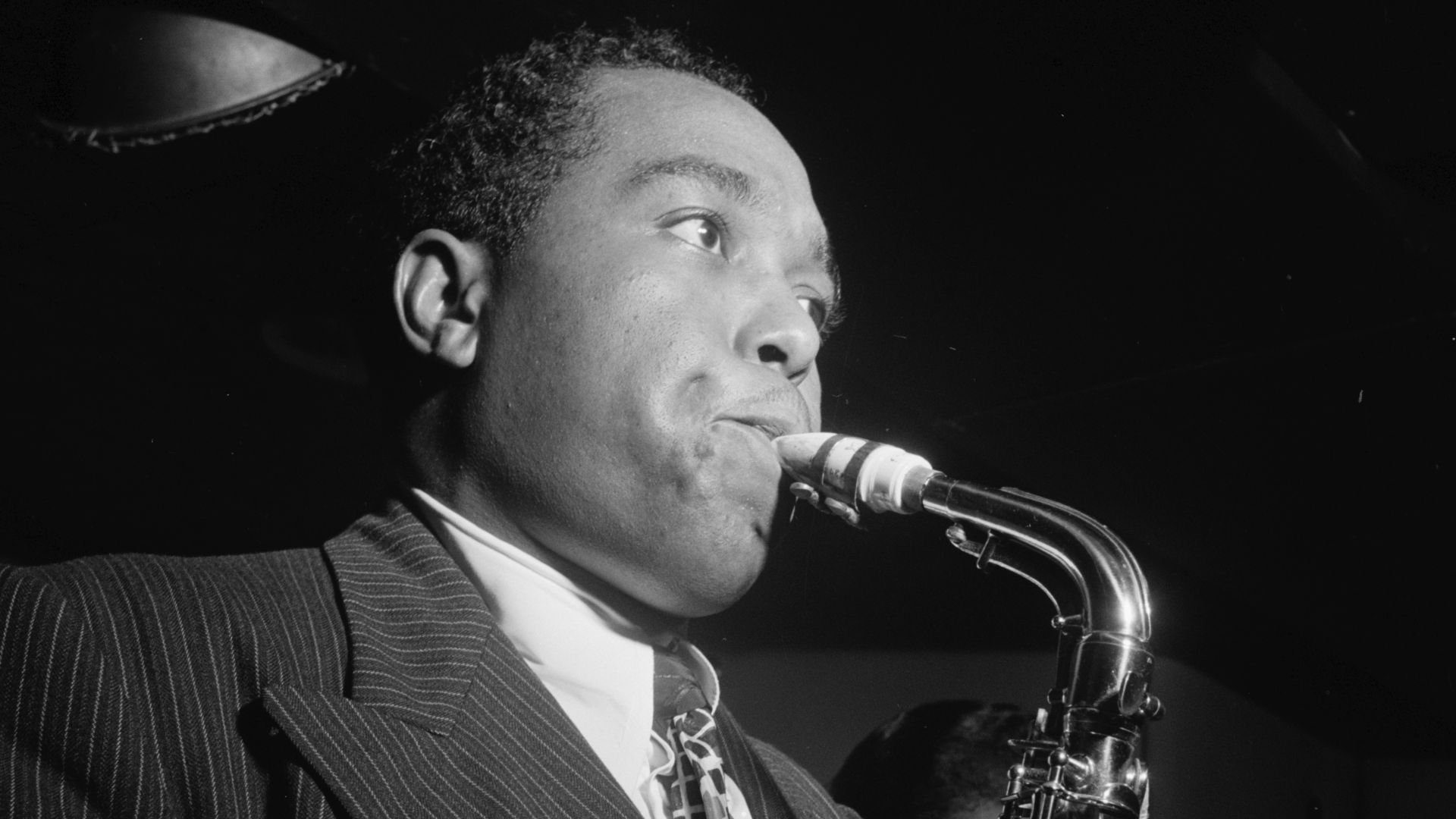 William P. Gottlieb on Wikimedia
3. Duke Ellington
Duke Ellington: pianist, composer, bandleader who was most popular from the 1930s through the 1950s. If the name doesn’t ring a bell, there’s no time like the present to educate yourself. He expanded the artistic reach of jazz composition, writing music that was so sophisticated and unmistakably personal it kept the pulse of the genre alive.
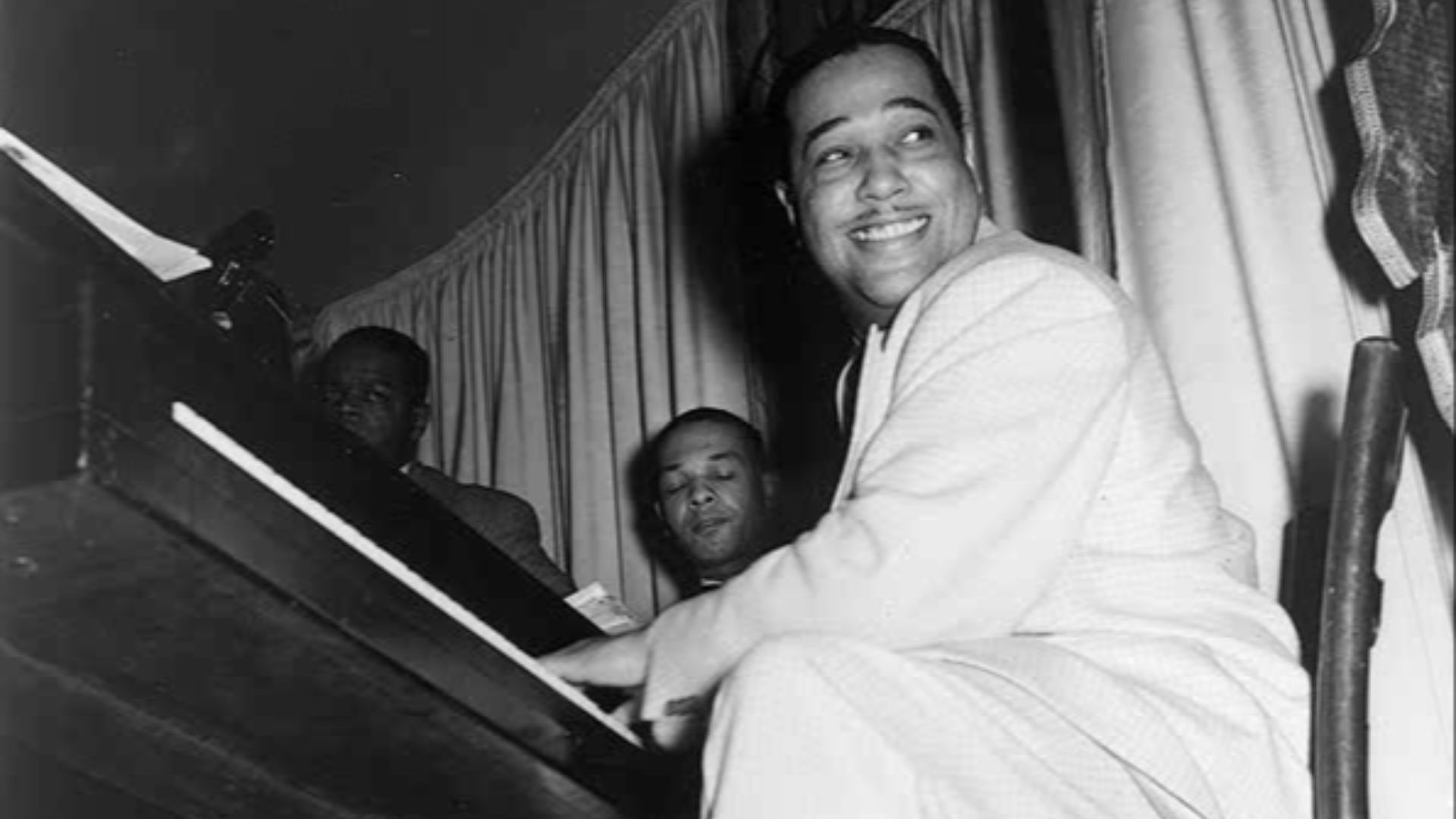 Koeppen~commonswiki on Wikimedia
4. Miles Davis
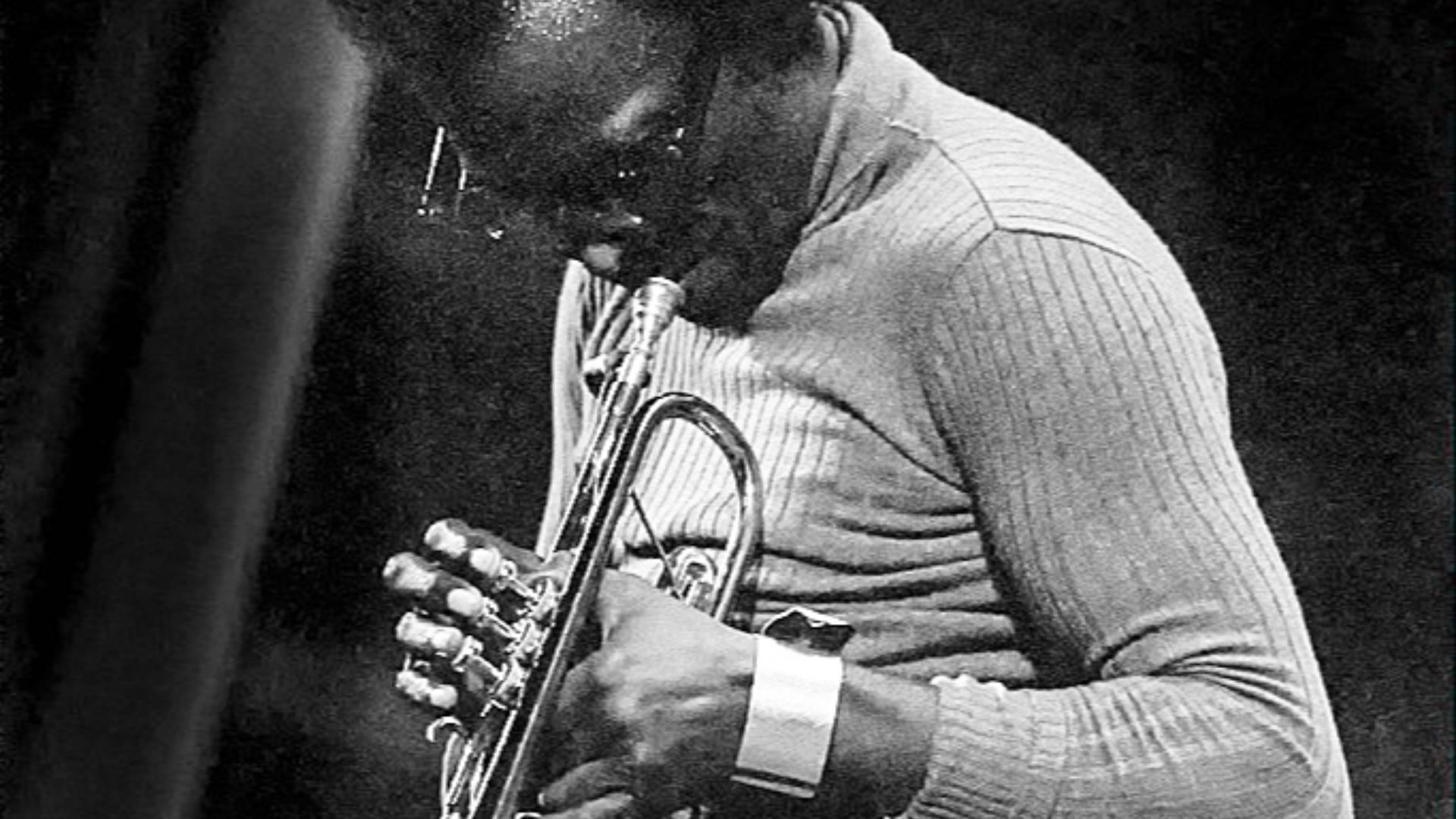
There’s not a jazz fan alive who wouldn’t crown Miles Davis as an icon. A trumpeter and bandleader, his influence touched the landscape for decades. It’s a good thing, too, since he kept redefining jazz without chasing trends blindly, and he had a rare ability to gather musicians who would shape entire generations.
5. John Coltrane
John Coltrane was a tenor and soprano saxophonist whose most influential years were the late 1950s and the 1960s. In that time, he brought extraordinary discipline and emotional intensity into his improvising, creating deeply impactful performances.
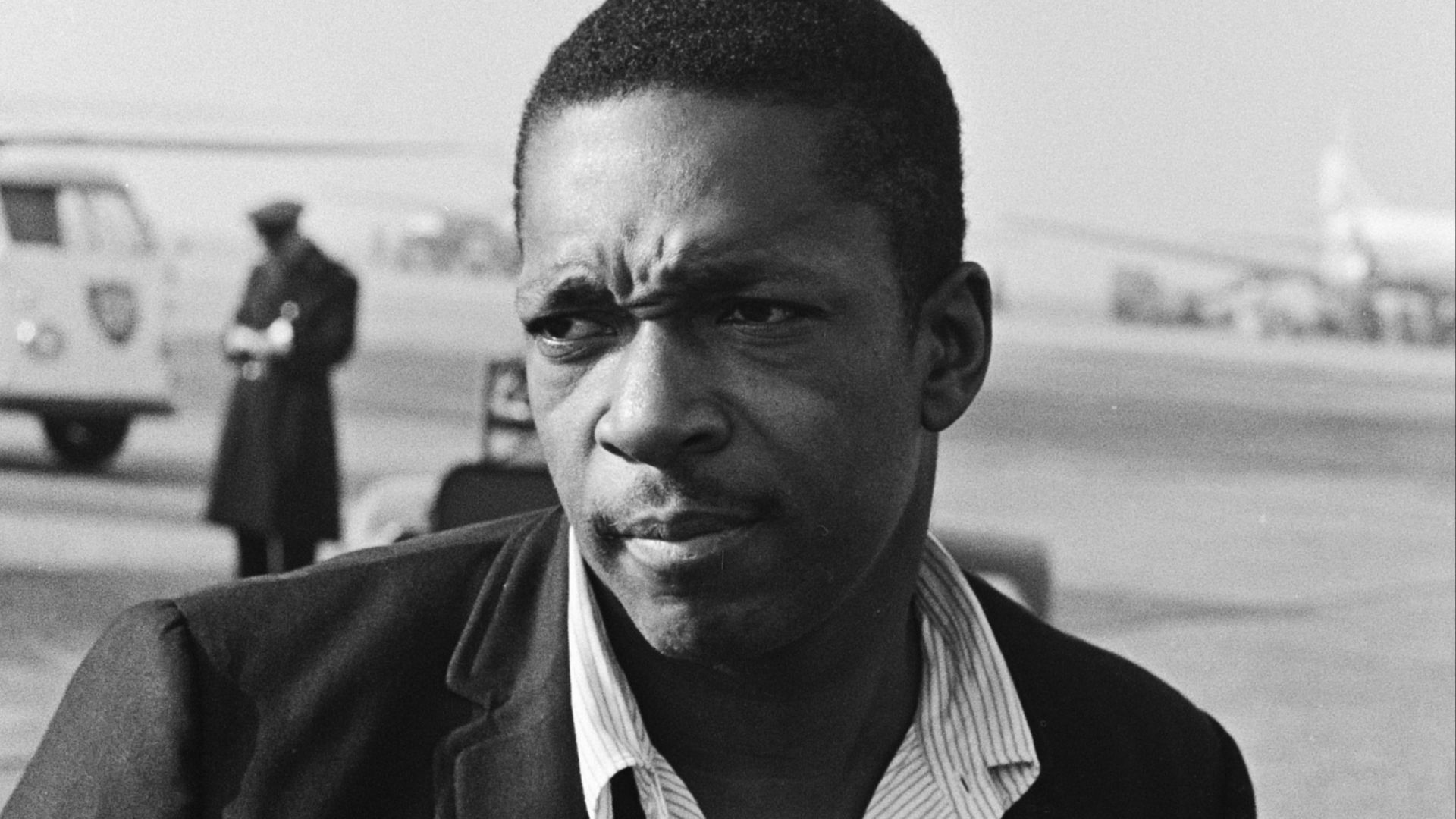 Gelderen, Hugo van / Anefo on Wikimedia
6. Billie Holiday
Billie Holiday was a singer from the 1930s and 1940s—and her reputation only continued to grow. She did everything you could dream of, changing vocal jazz by making phrasing, timing, and personal truth central to interpretation. Her performances still sound intimate and honest, and that never really goes out of style.
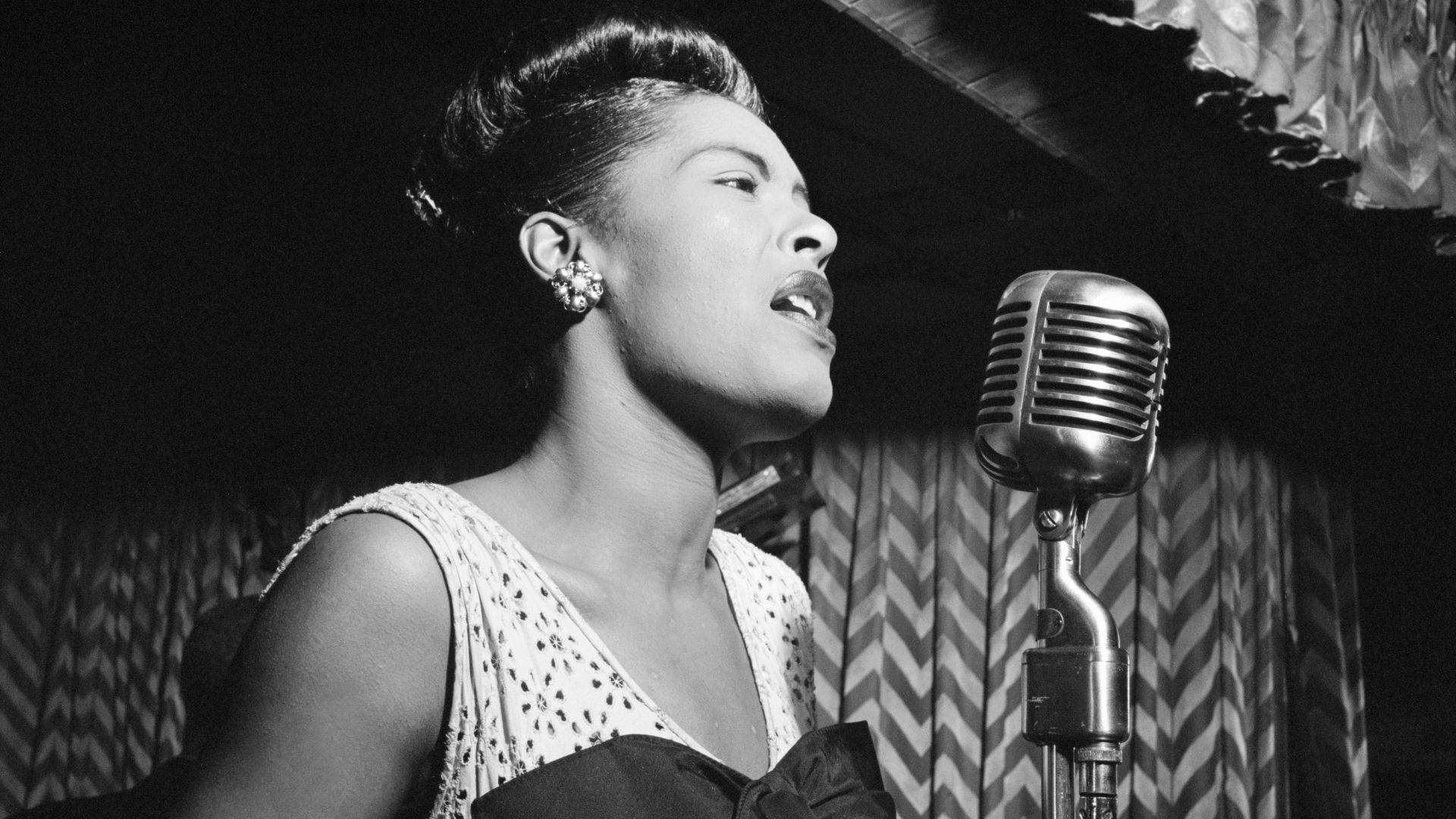 William P. Gottlieb on Wikimedia
7. Thelonious Monk
Amazing name aside, Thelonious Monk was a pianist and composer jazz fans never forgot. Most popular in the 1940s through the 1960s, his music sounded unlike anyone else's. It was full of unusual intervals, carried sharp rhythmic turns, and possessed a dry wit that made even the strangest ideas memorable.
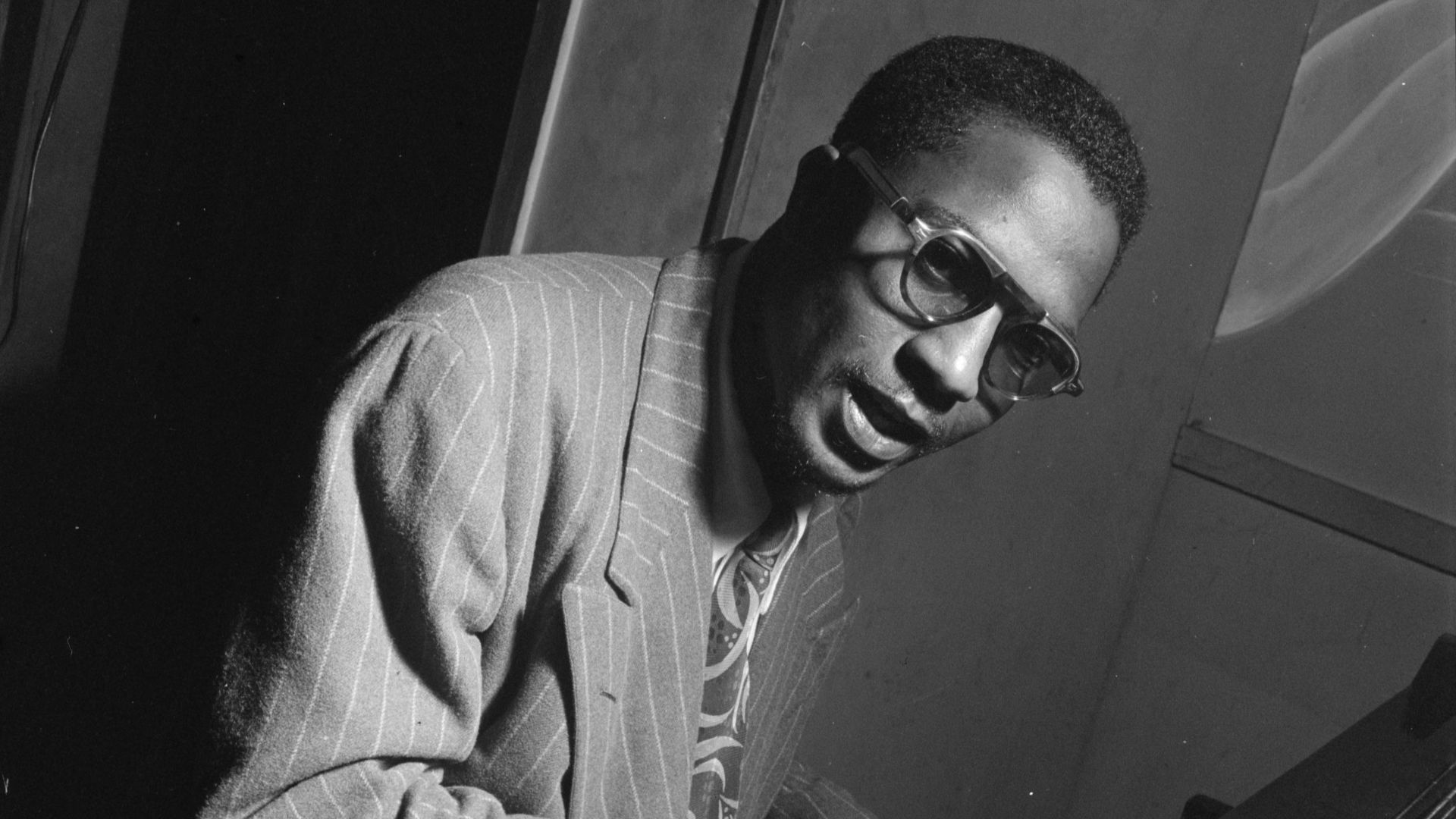 William P. Gottlieb on Wikimedia
8. Ella Fitzgerald
Any Ella fans in the house? We certainly hope so! Fitzgerald was a singer whose biggest years ran from the 1930s through the 1960s, thanks to her astonishing control and sheer tone. She also had flawless timing and could improvise with the freedom and intelligence of a top instrumentalist.
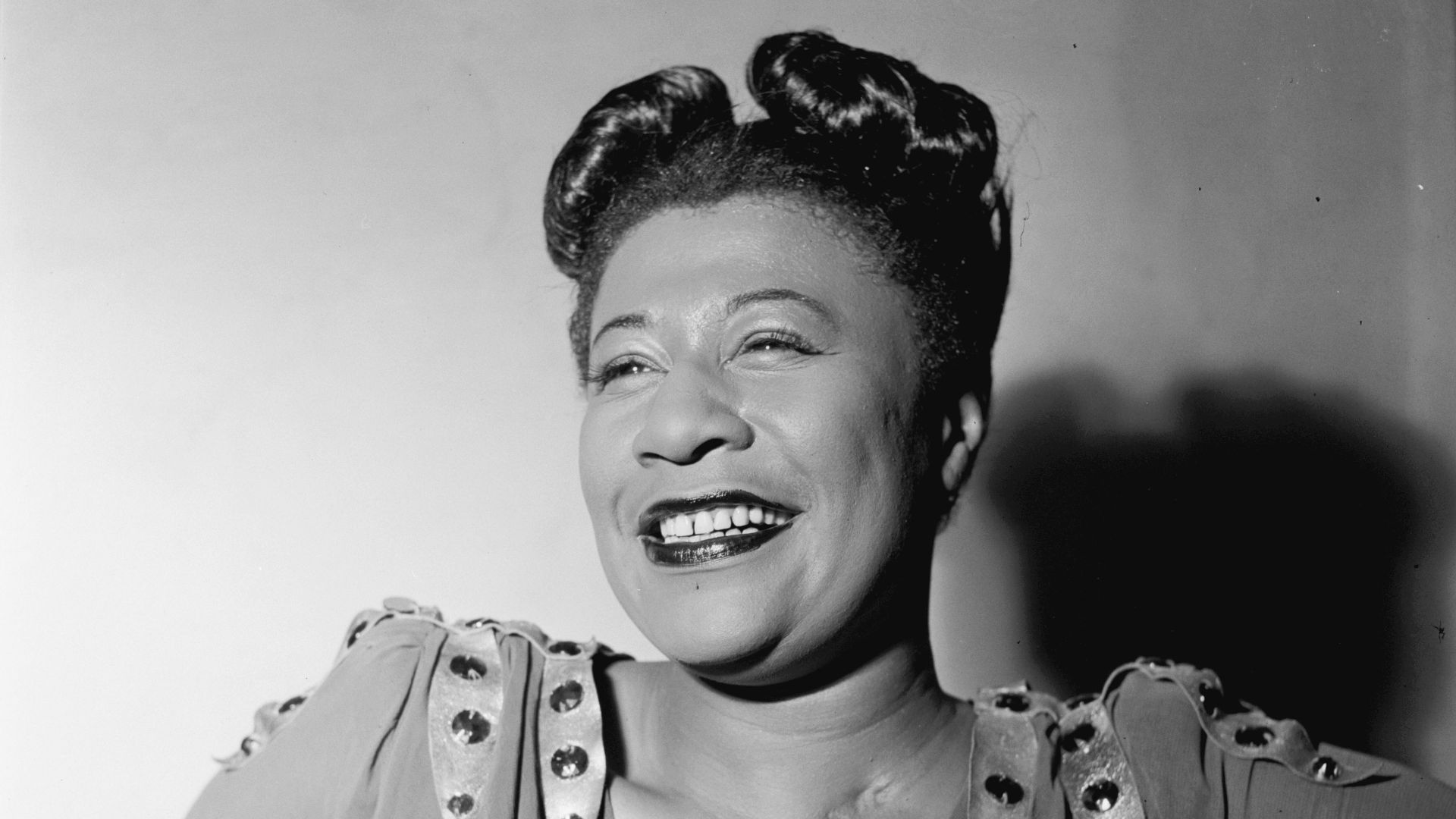 William P. Gottlieb on Wikimedia
9. Lester Young
Lester Young? More like Lester Timeless. For those unfamiliar, he was a tenor saxophonist who was most popular in the 1930s and 1940s. He brought nothing but a light tone and conversational sense of swing, offering a new path for the saxophone, influencing countless later players who wanted to sound more lyrical.
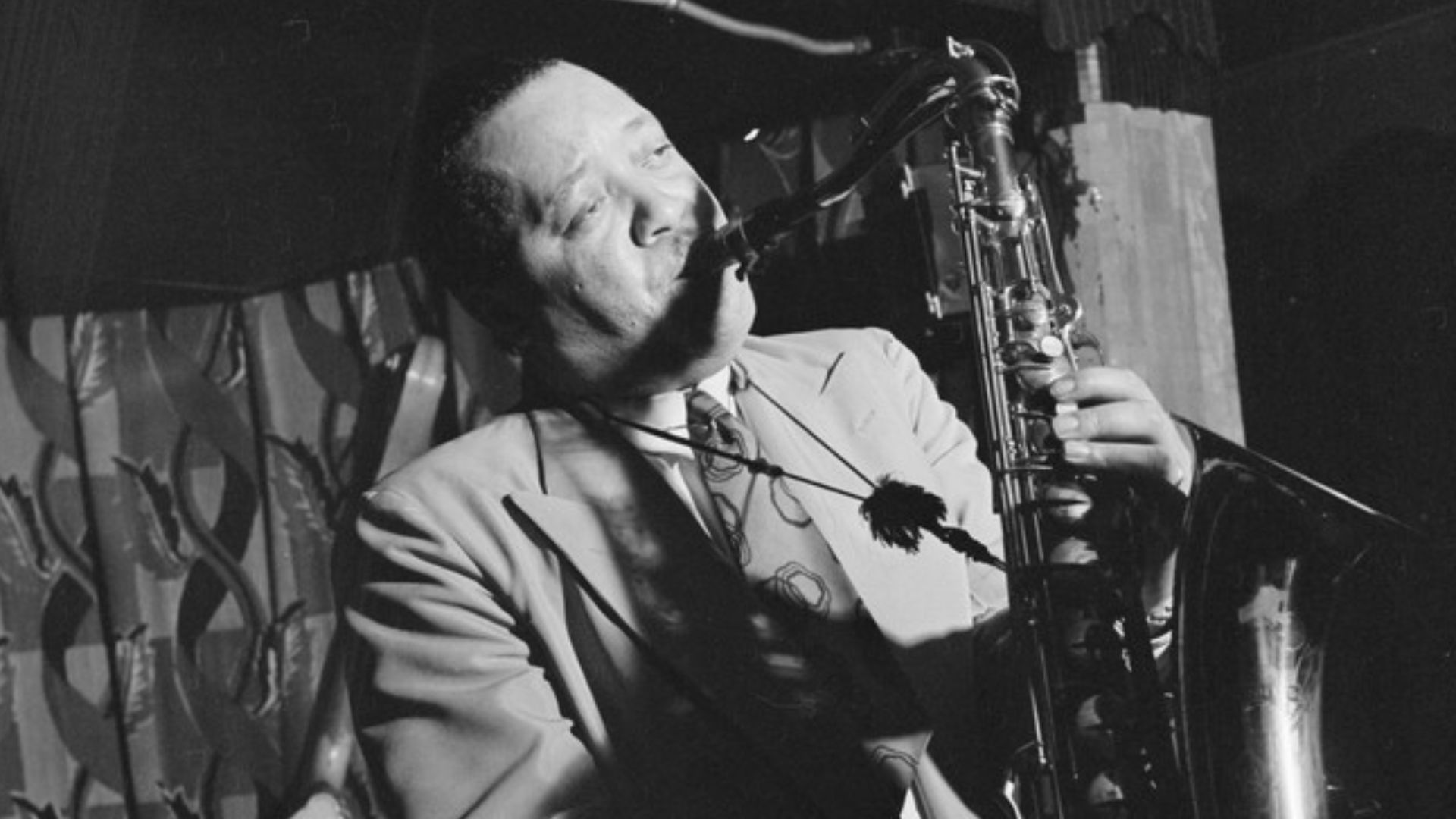 William P. Gottlieb on Wikimedia
10. Charles Mingus
Charles Mingus was everything but the kitchen sink: a bassist, composer, and bandleader whose most powerful period came in the 1950s and 1960s. He wrote ambitious, emotionally charged music that could combine gospel feeling, blues intensity, and fierce improvisation in a single piece.
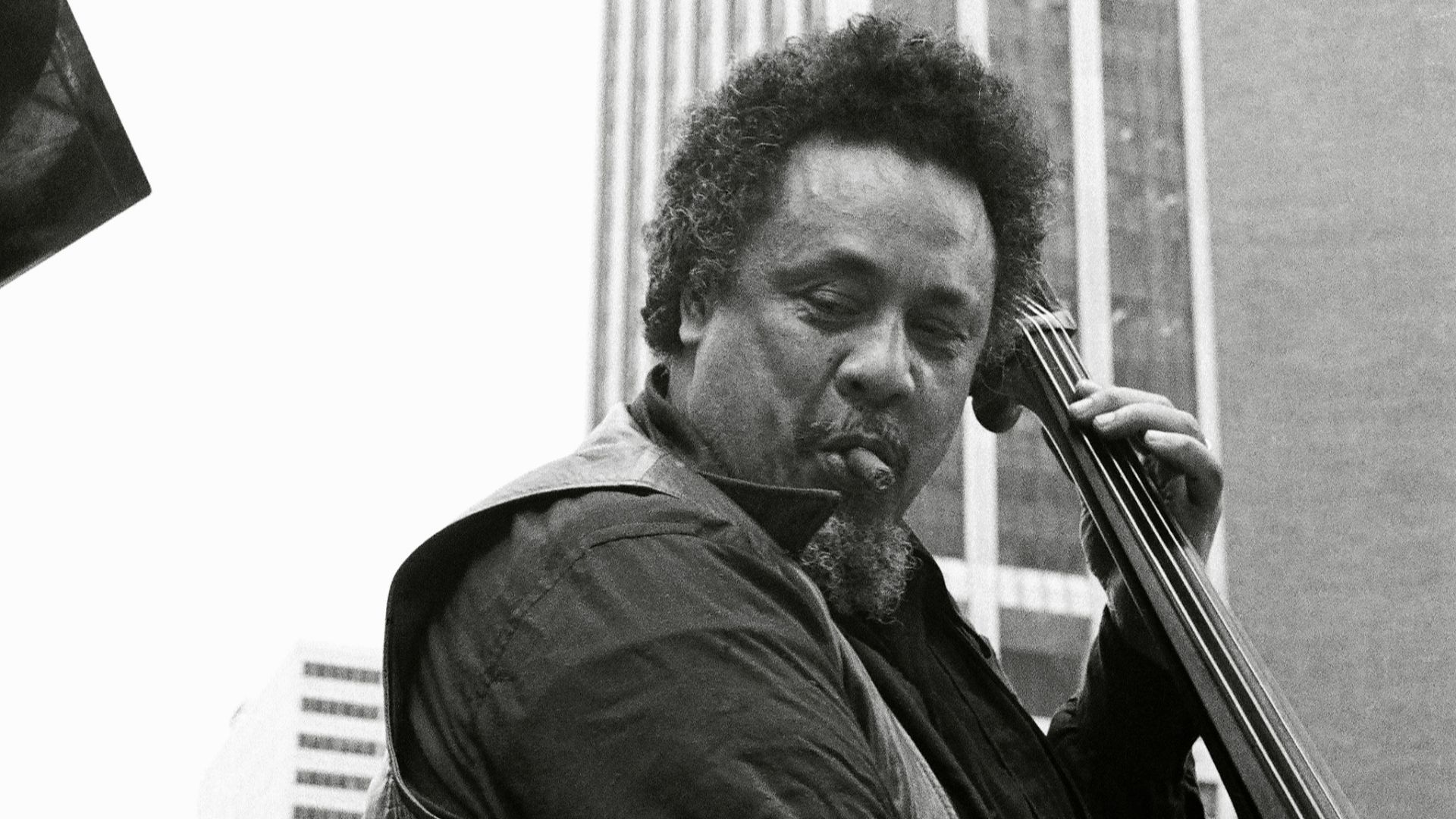 Tom Marcello Webster, New York, USA on Wikimedia
11. Art Tatum
With a name like Art, it’s no surprise how much he changed jazz for the better! Tatum was a pianist whose greatest popularity came in the 1930s and 1940s. Even at the time, his technique was so advanced, his harmonic imagination so rich, that he altered what musicians thought the piano could do in jazz.
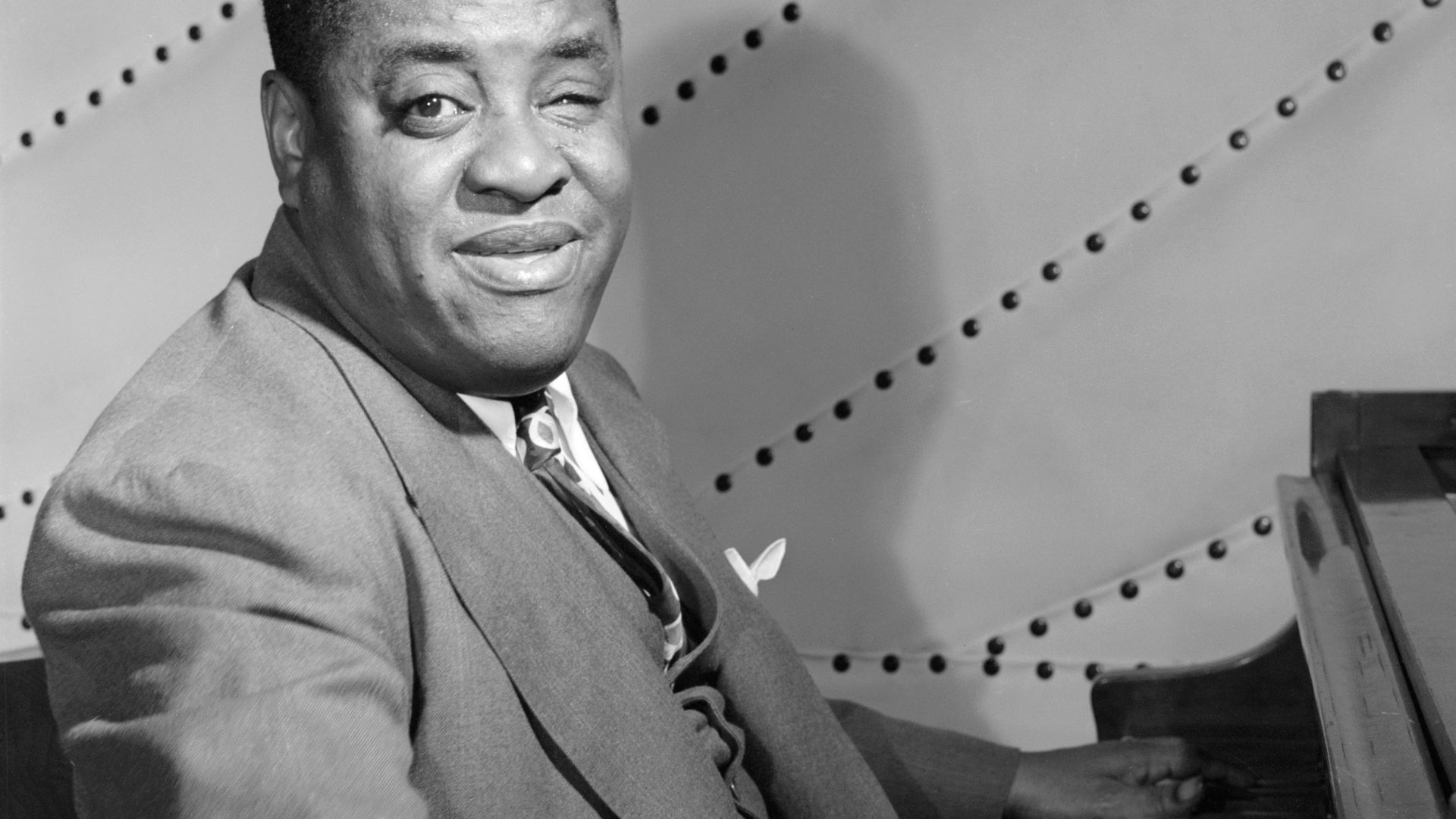 William P. Gottlieb on Wikimedia
12. Ornette Coleman
Ornette Coleman, the phenomenal alto saxophonist and composer, from the 1950s and 1960s. But those years are just numbers, and he’s still remembered for challenging fixed ideas about harmony and form. He proved that freedom in jazz could be thoughtful and deeply expressive.
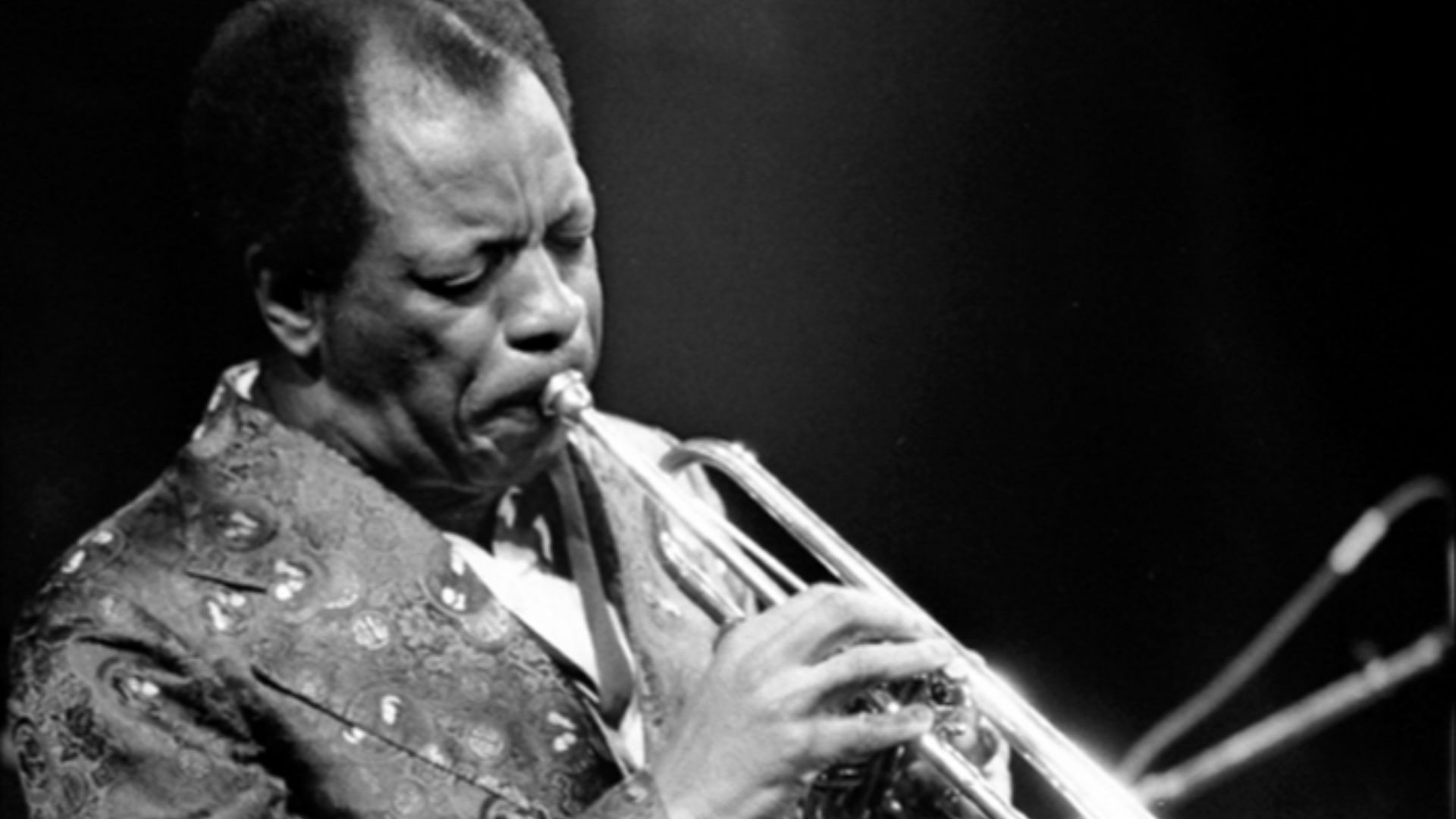
13. Sarah Vaughan
Sarah Vaughan was a singer whose biggest years were the 1940s and 1950s, though don’t assume her legend stopped there. She’s still admired today for that her voice of hers, one that combined richness, flexibility, and harmonic intelligence in a way that made nearly every performance sound imaginative.
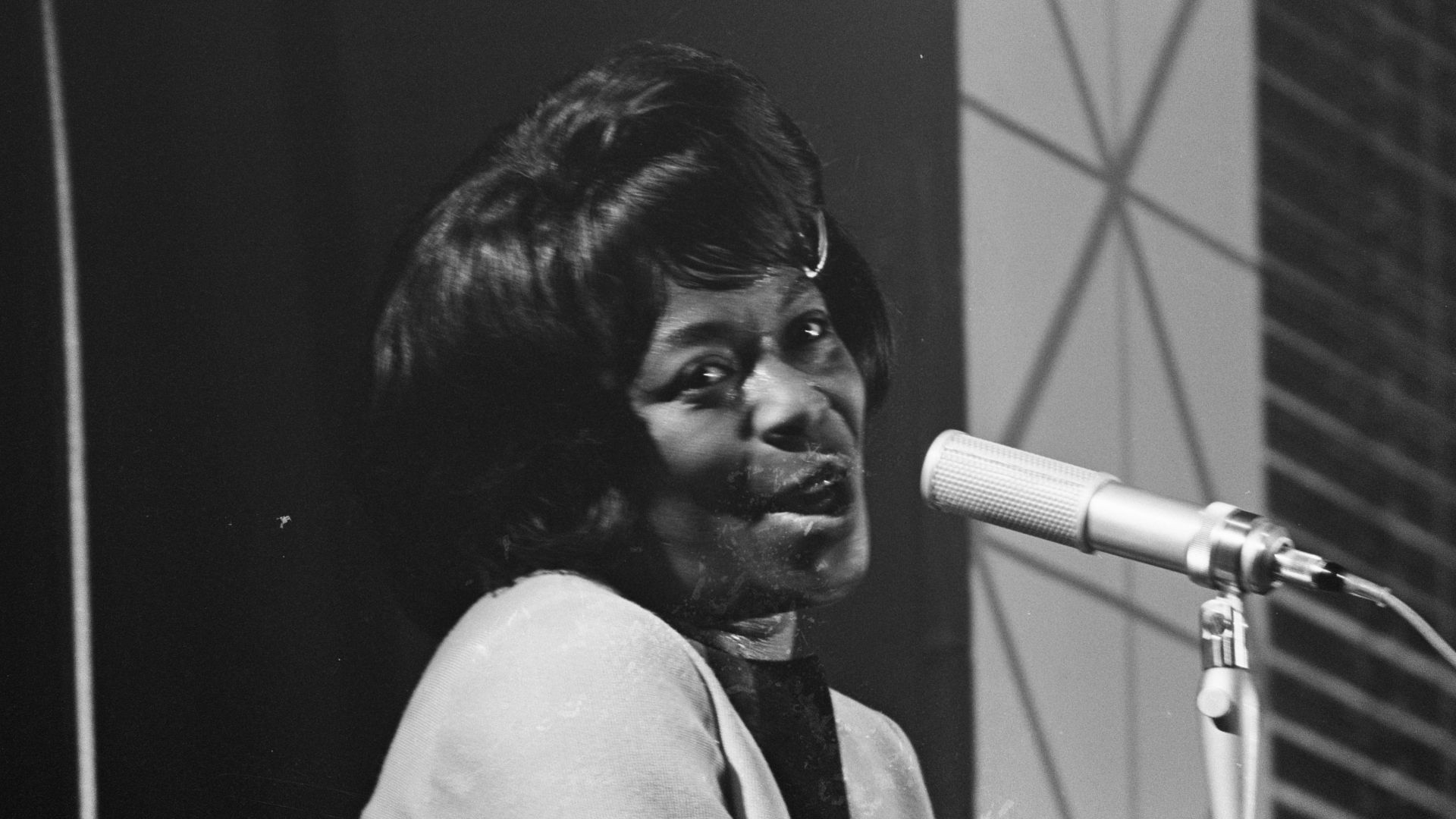 Eric Koch for Anefo on Wikimedia
14. Coleman Hawkins
Coleman Hawkins was a tenor saxophonist most popular from the ‘30s through the ‘40s. He accomplished quite a bit during his career; he established the tenor saxophone as a serious and commanding jazz instrument, giving it a full-bodied sound that influenced generations.
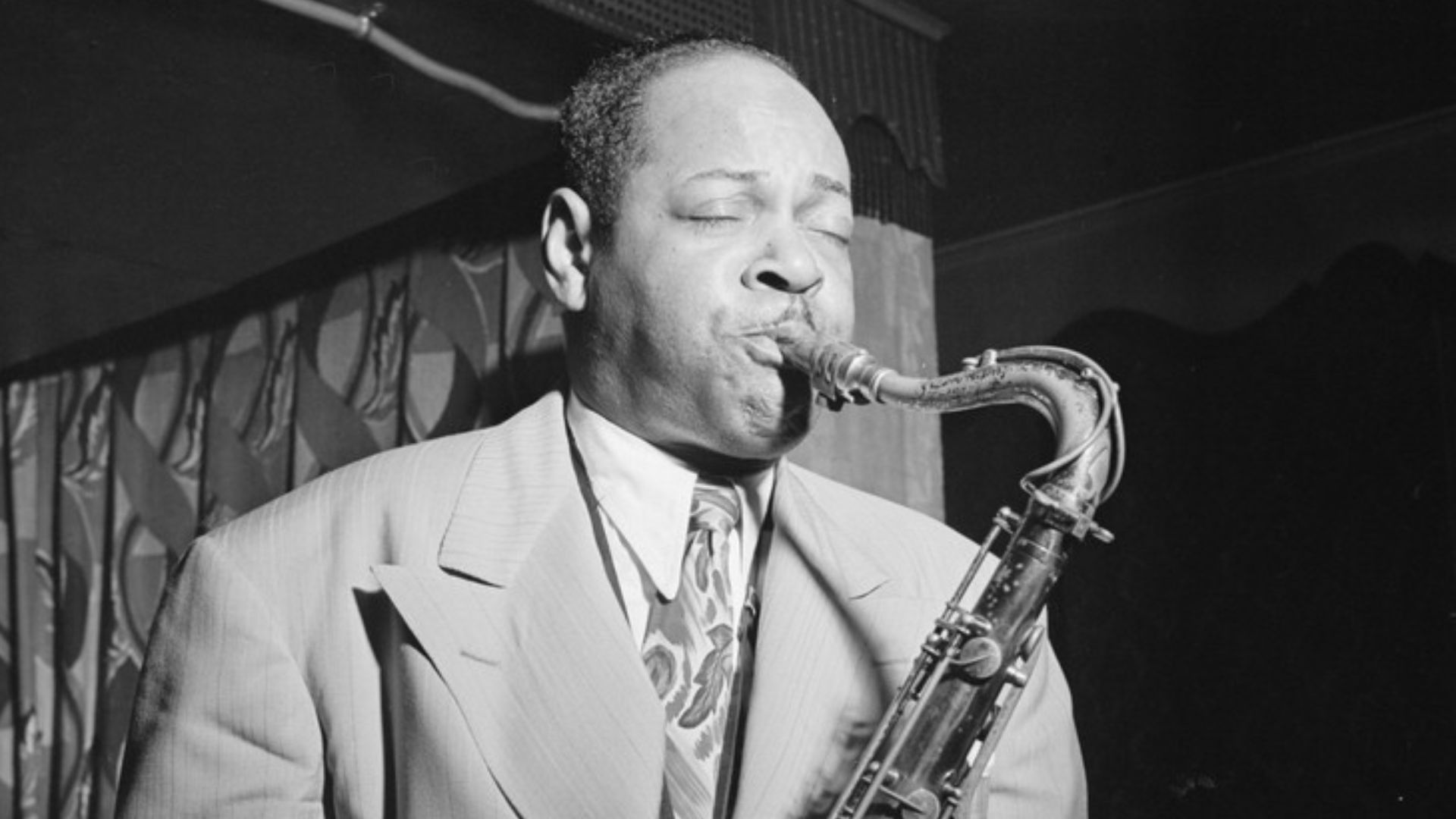 William P. Gottlieb on Wikimedia
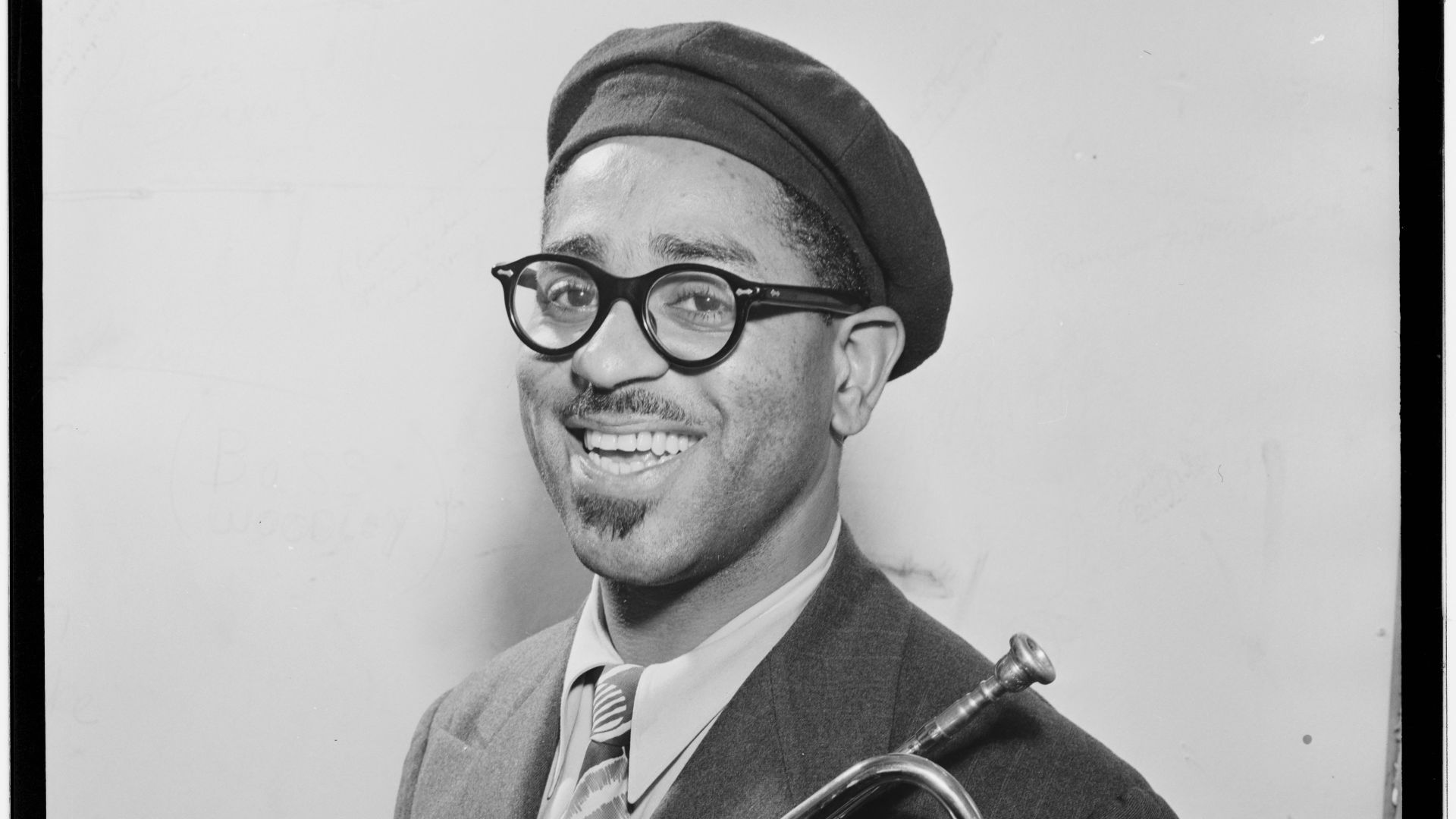
15. Dizzy Gillespie
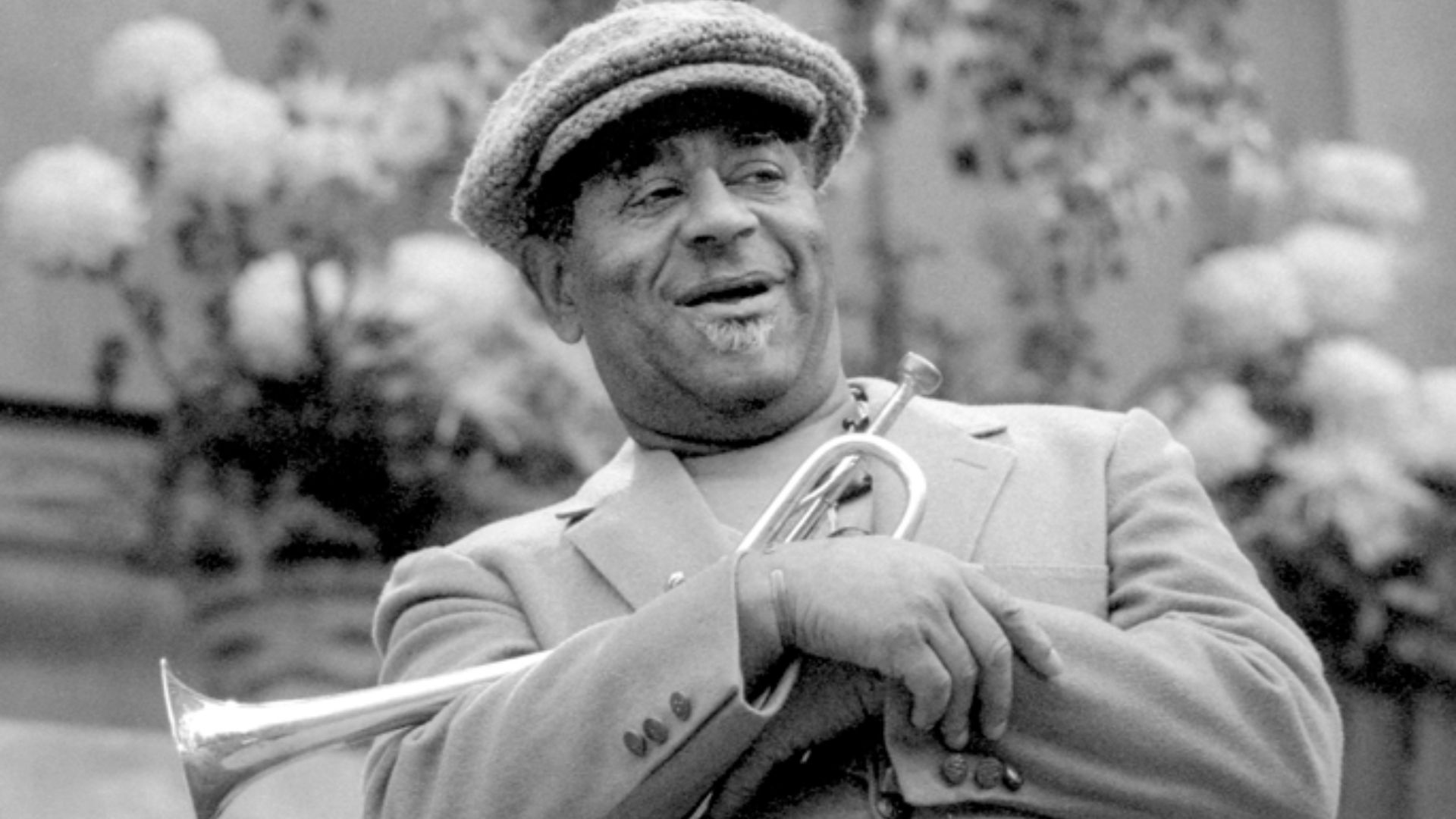
Look out, folks—we have another incredible name on the roster! Dizzy Gillespie wore all sorts of hats: trumpeter, composer, and bandleader whose greatest popularity came in the 1940s and 1950s. With all that to his name, he helped shape bebop with dazzling skill and a deep understanding of how advanced ideas could still feel exciting to hear.
16. Count Basie
Count Basie was a pianist and bandleader from the ‘30s through the ‘50s. Even today, it’s hard not to admire that he mastered the art of swing, leading bands with remarkable control. What makes Basie’s name endure even more is the effortless authority of his music.
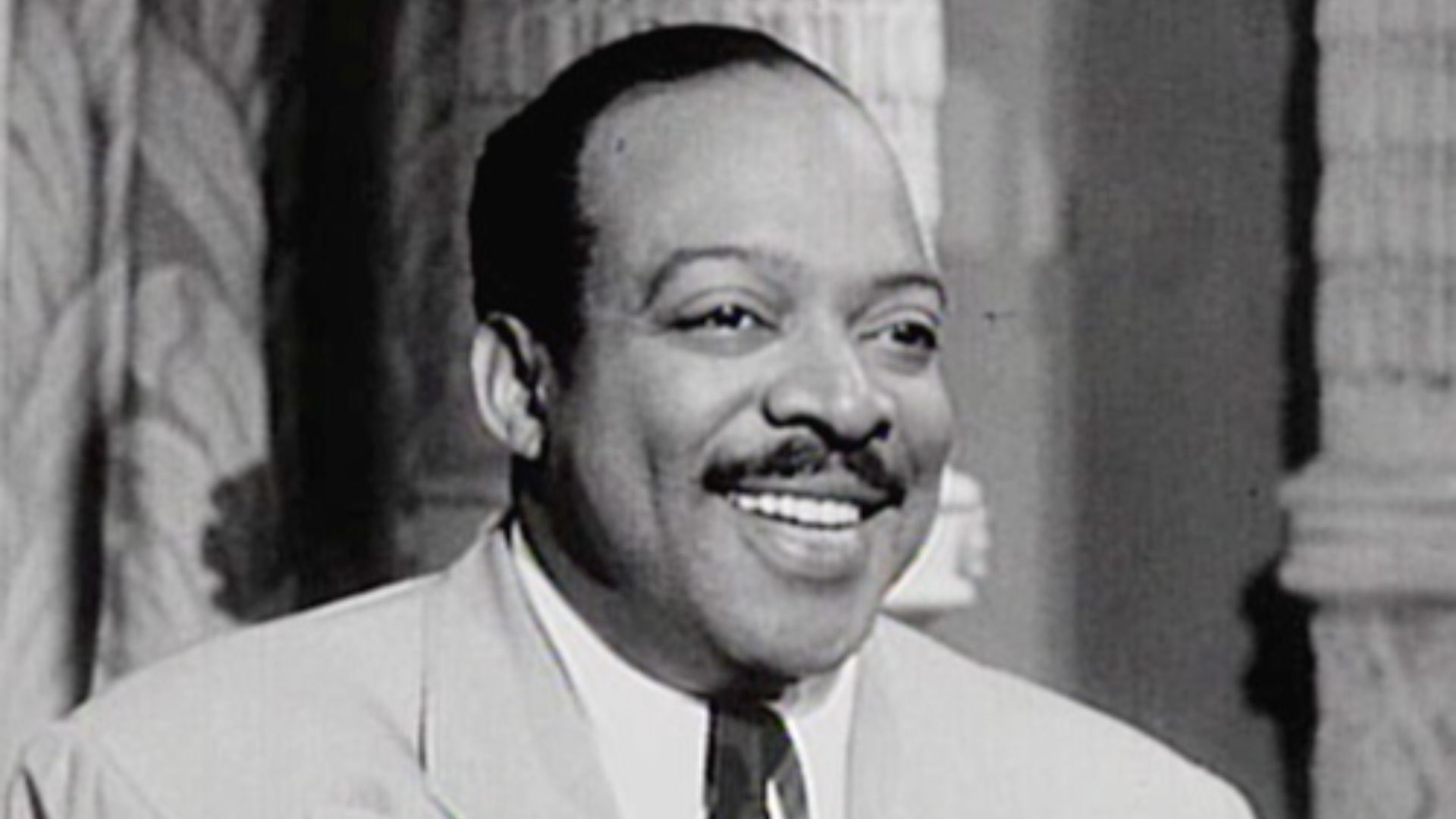 SeanO~commonswiki on Wikimedia
17. Max Roach
Max Roach was a drummer and composer whose popular years came in the 1940s through the 1960s—but he did a lot for the genre. He expanded the drummer's role from timekeeper to equal creative voice, making rhythm more interactive, more expressive, and more important in modern jazz.
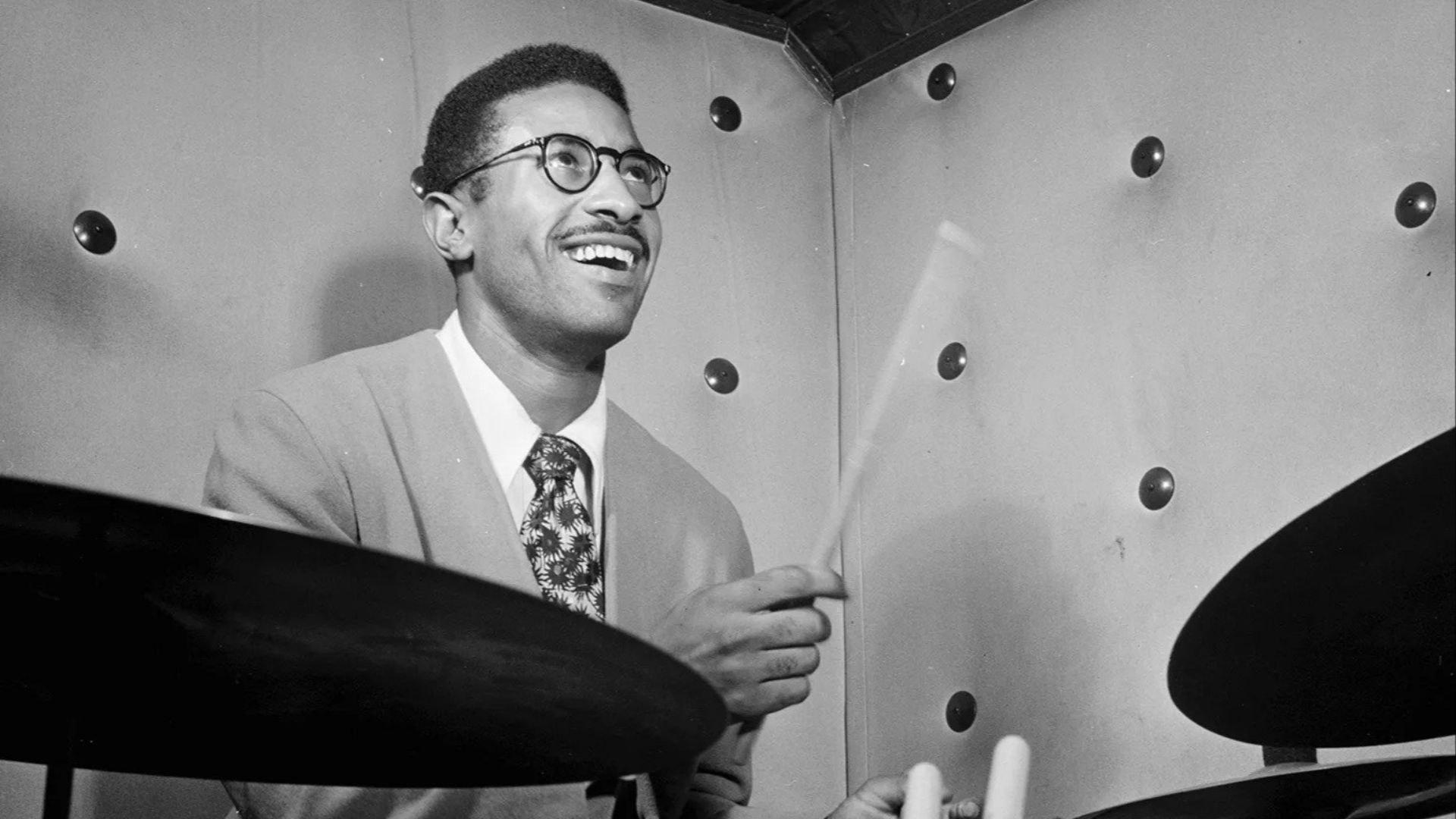 William P. Gottlieb on Wikimedia
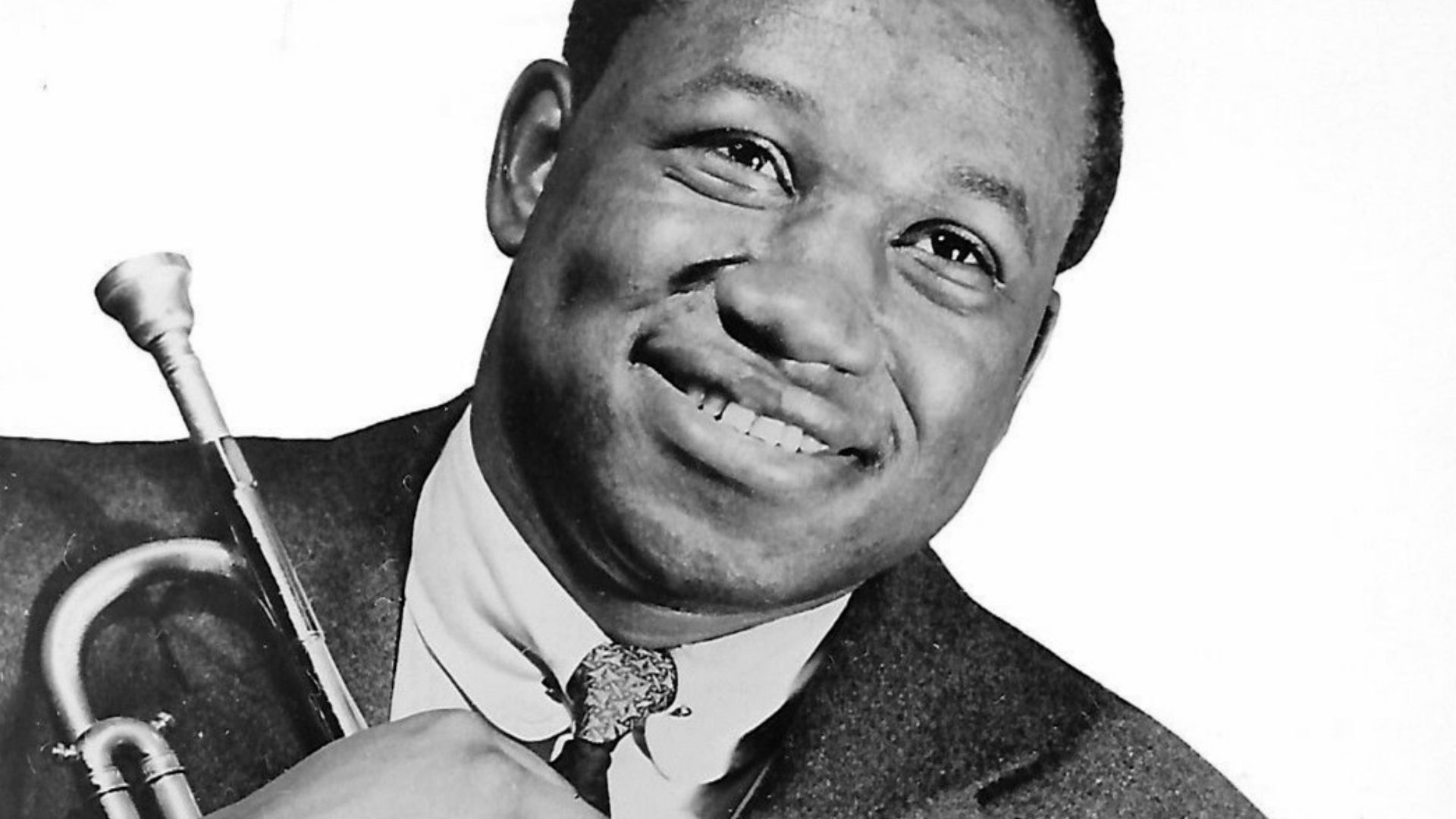
18. Clifford Brown
Make no mistake; trumpeter Clifford Brown had a brief but powerful peak in the early to mid-1950s. It didn’t take long for him to combine warmth, lyricism, technical command, and composure in a way that made him a model of complete jazz trumpet playing.
 Associated Booking Corporation (management) on Wikimedia
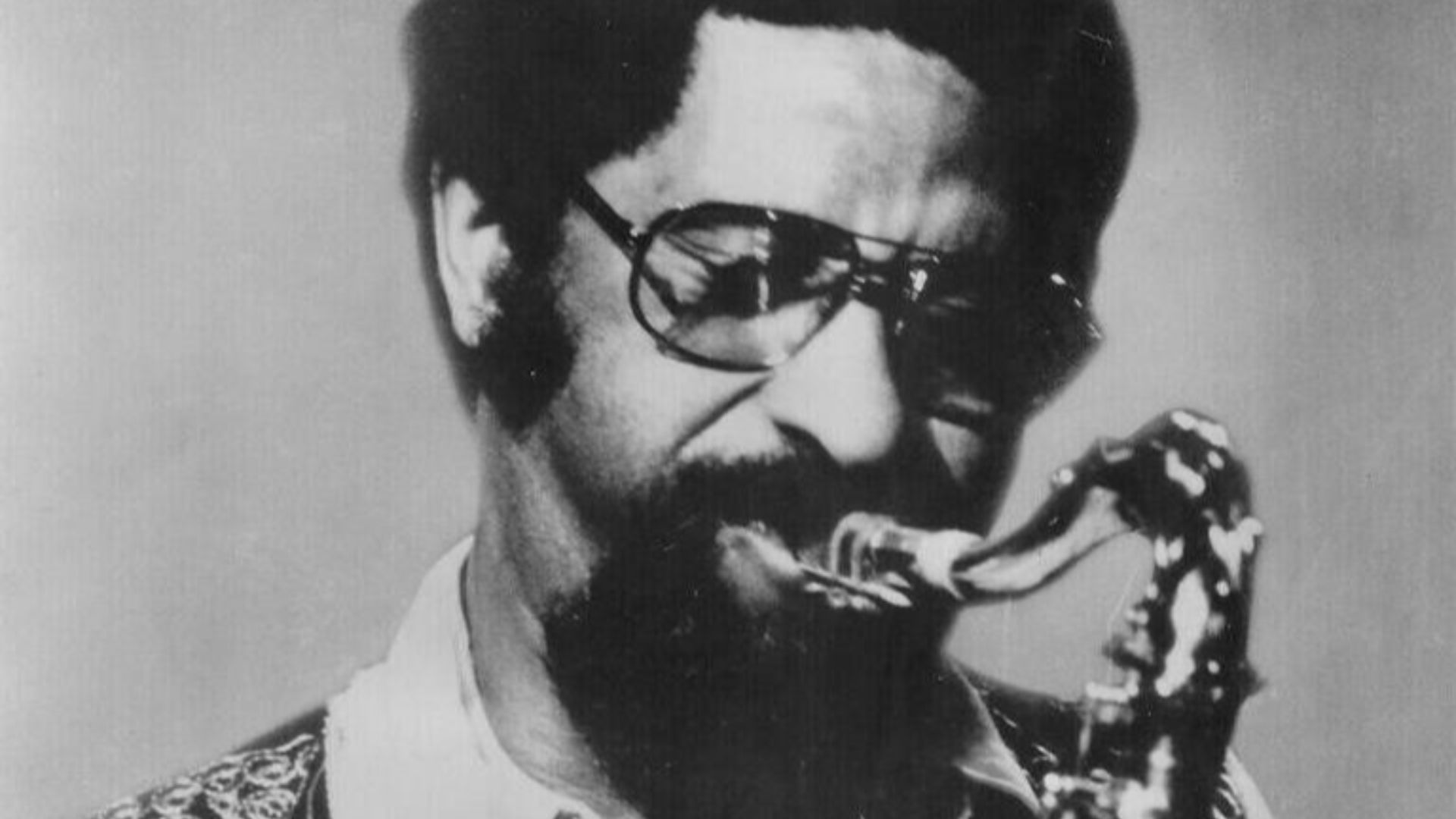
19. Sonny Rollins
Sonny Rollins was a tenor saxophonist in the 1950s, one who could build solos with extraordinary logic and imagination. He turned improvisation into something both spontaneous and strong, and even now, musicians respect every stone he laid in the path for future players.
 Distributed by Milestone Records on Wikimedia
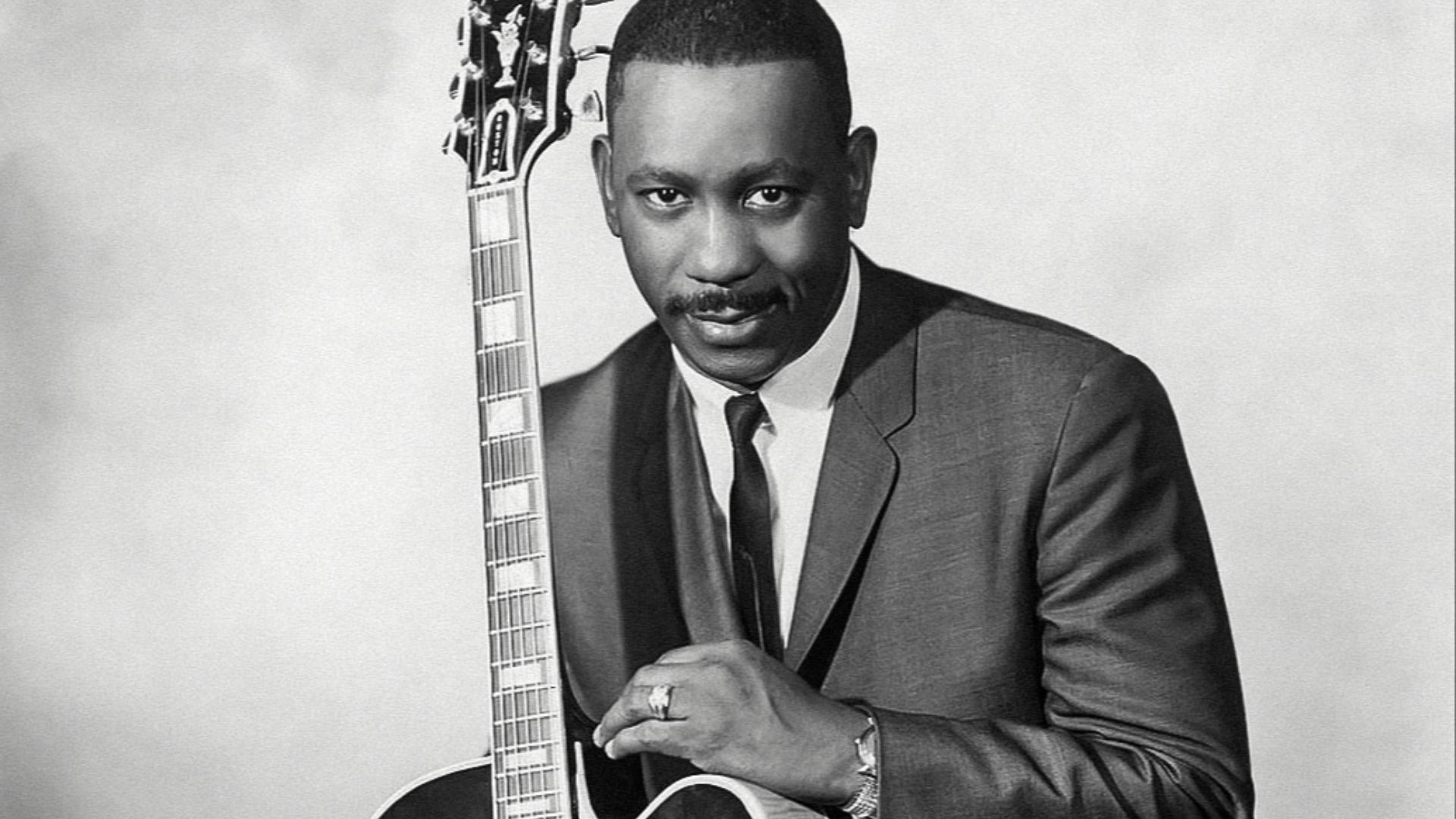
20. Wes Montgomery
It’s about time we focused on Wes Montgomery, the exquisite guitarist from the late 1950s and 1960s! Even stronger than his melodic clarity was that famous style that gave jazz guitar a warmer and more singable voice without ditching the sophistication. To this day, his music feels refined and inviting at the same time.
KEEP ON READING