

Everything You "Know” Might Be a Movie Scene
Ancient Greece and Rome are two of the most famous civilizations in the world, which means they’ve also collected centuries of exaggerations, half-truths, and Hollywood-friendly nonsense. Some myths started as misunderstandings, others were propaganda even back then, and a few are just modern people refusing to let go of a good story. Here are 20 myths people still believe about ancient Greece and Rome, and what’s actually closer to the truth.
1. People in Rome Spoke Latin Like Poetry
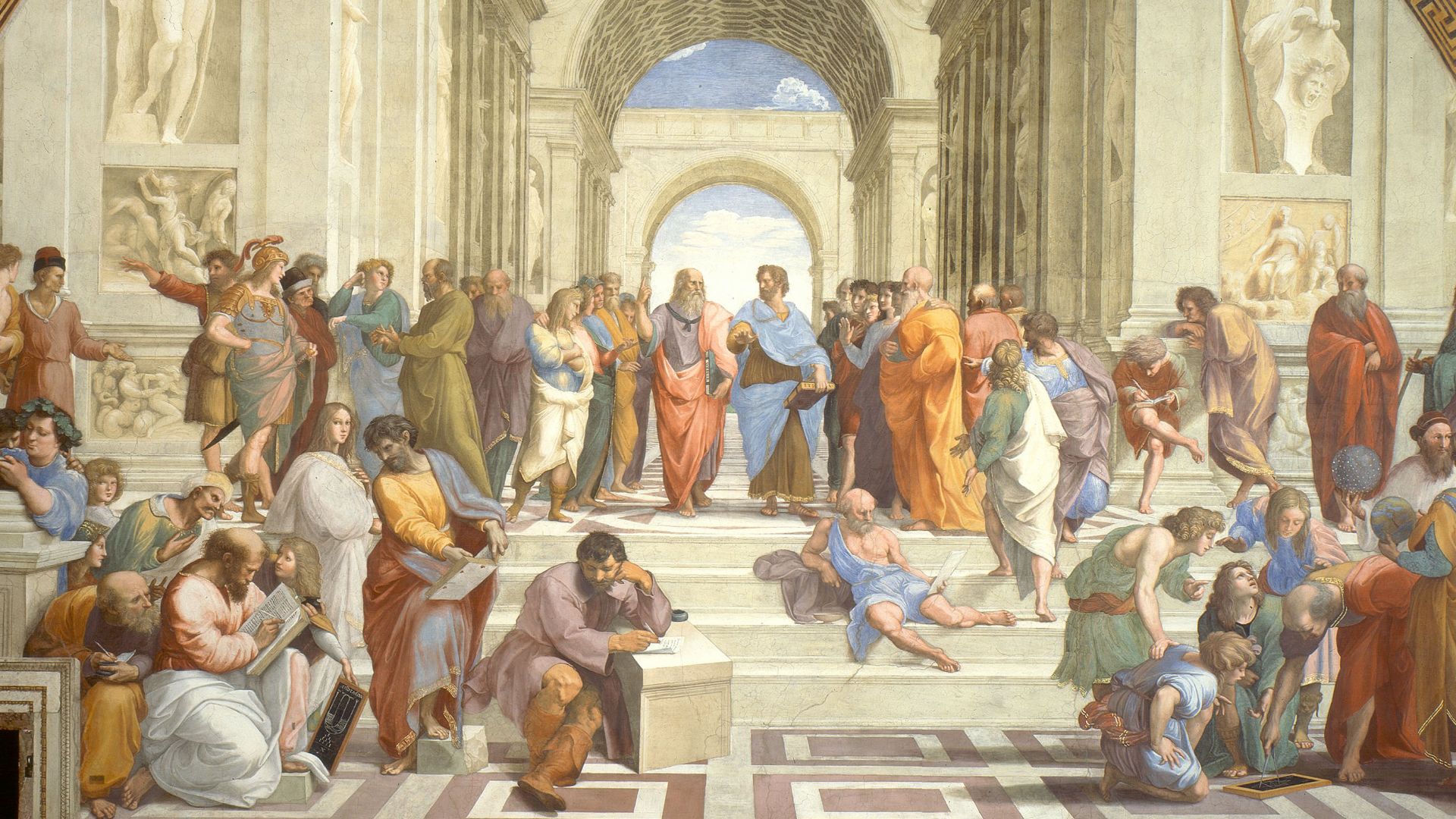
Latin was the official language of Rome, but daily speech didn’t sound like polished classroom Latin. People used slang, regional accents, and plenty of informal language just like anyone else. In many parts of the empire, Greek was widely spoken too, especially in the east. If you picture one neat language across a massive empire, you’re imagining a fantasy.
 Maria Dolores Vazquez on Unsplash
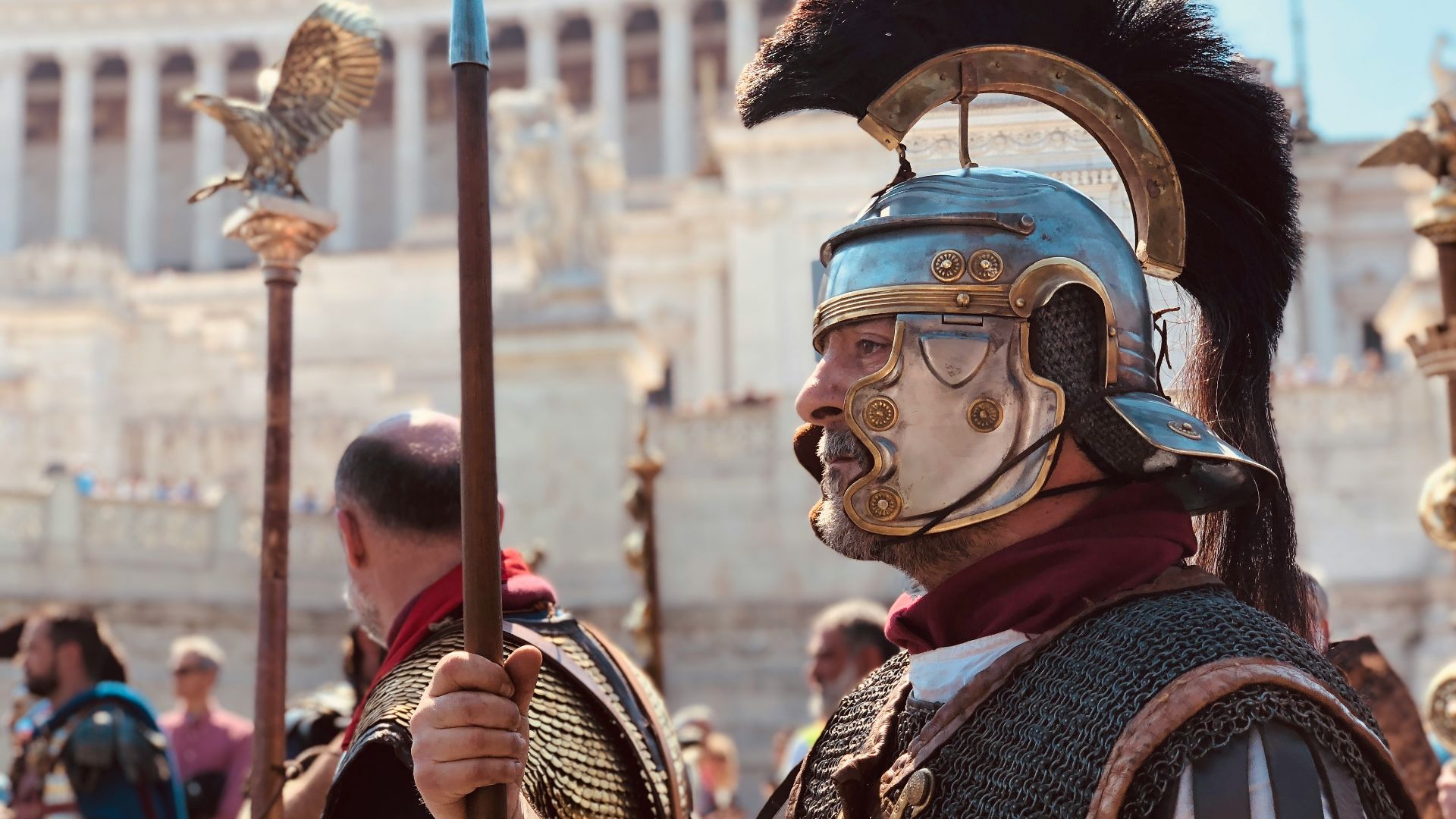
2. Roman Kings Gave a “Thumbs Down” to Kill Gladiators
The famous thumbs-down gesture is more modern than most people realize, and ancient sources aren’t crystal clear about which thumb signals meant what. Decisions about mercy were influenced by the crowd and the event sponsor—it wasn’t a simple universal hand sign.

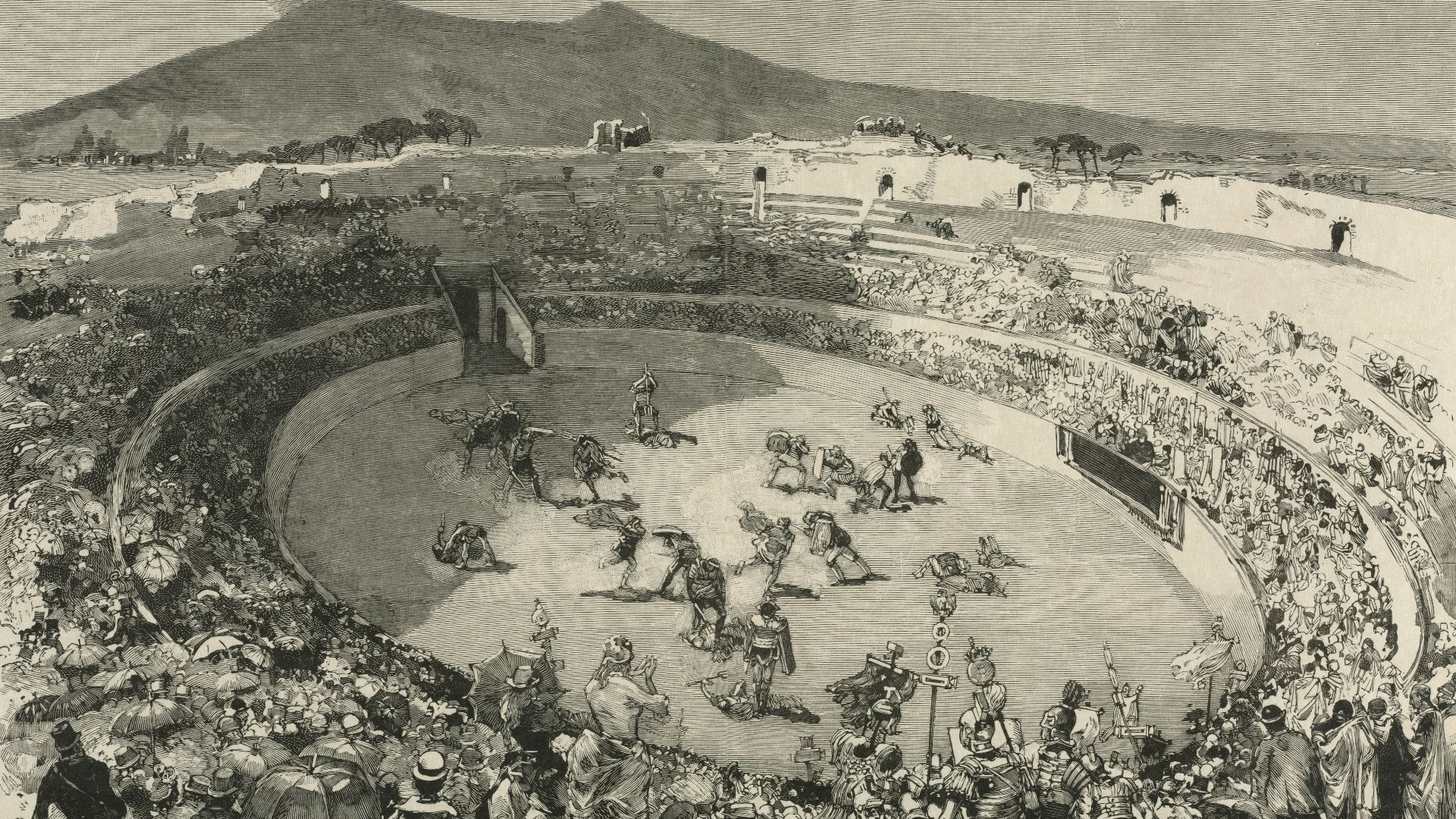
3. Gladiator Fights Were Always to the Death
Some fights ended in death, but many did not, especially when a skilled fighter could be used again. Gladiators were expensive to train, which meant they weren't disposable, and organizers often wanted repeat stars. Rules, referees, and match types existed, making it more structured than people assume.
 The Cleveland Museum of Art on Unsplash
4. Greek Statues Were Always Pure White
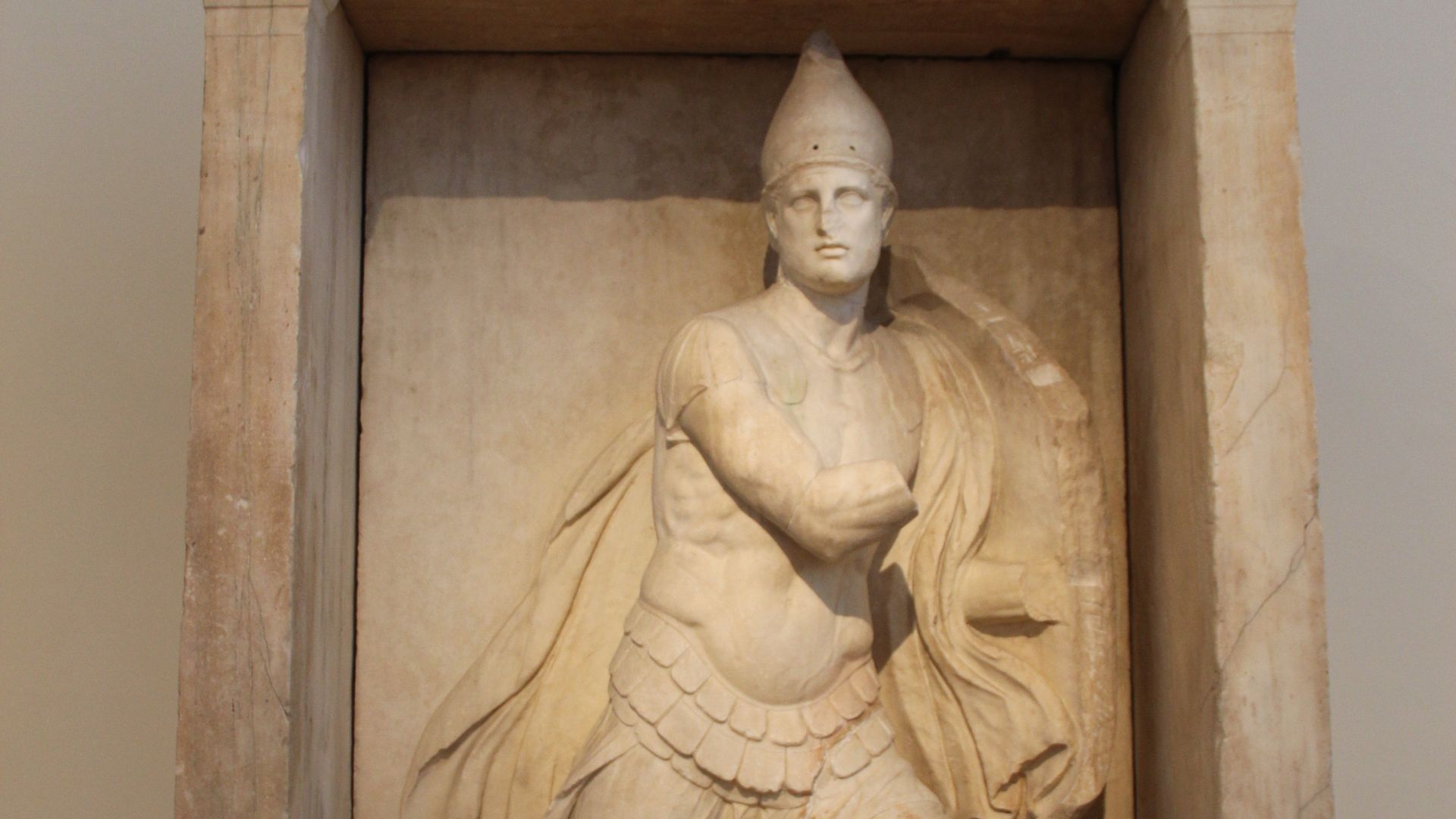
A lot of Greek and Roman sculpture was originally painted in bright colors, but the pigment faded or was removed over time. Modern museums trained us to think “marble white equals classical beauty,” but that's a modern taste, not an ancient one.
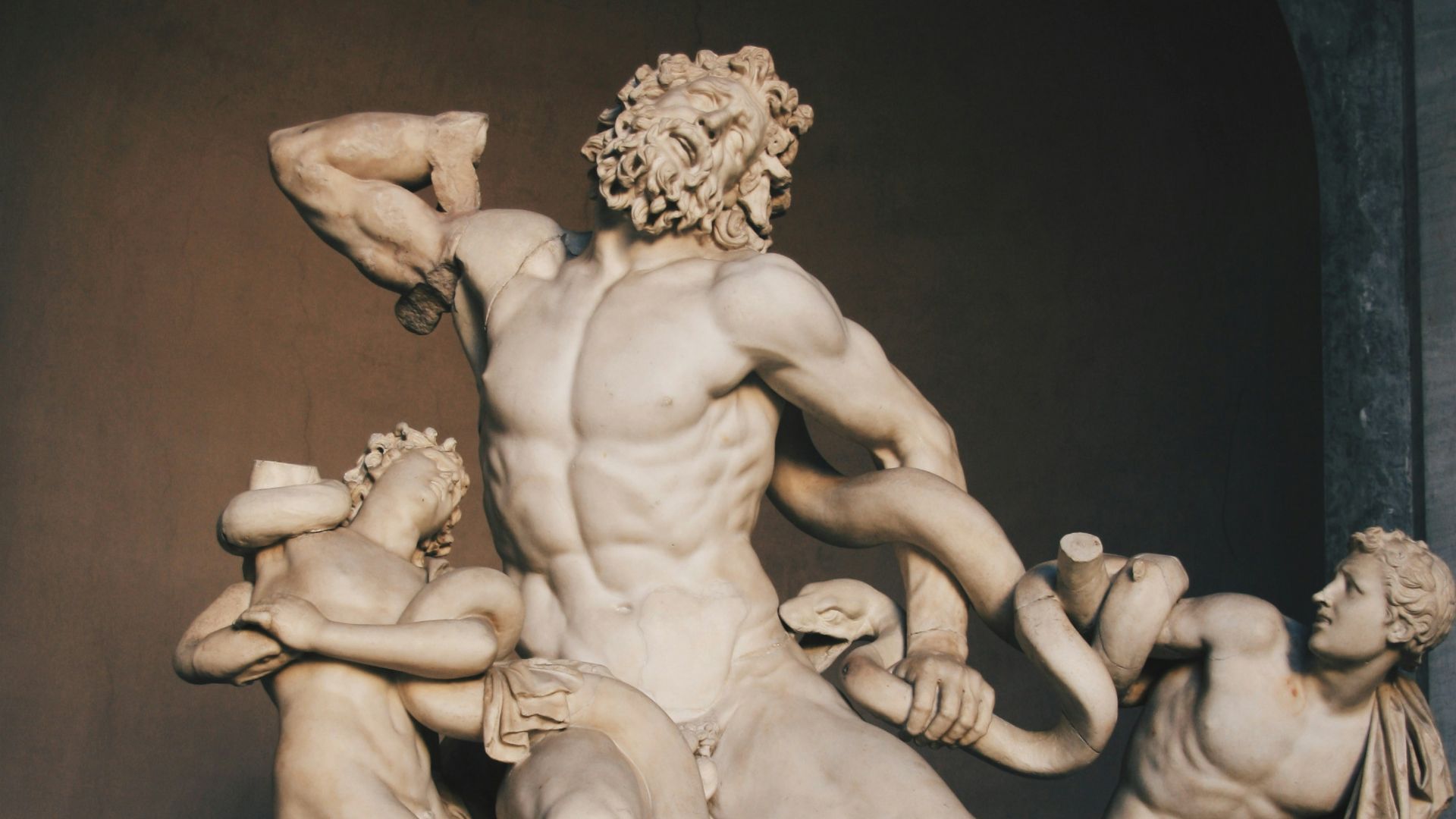
5. All Spartans Were Muscly Super-Soldiers
Sparta was militarized, yes, but it was also a society with politics, class divisions, and lots of people who weren’t full-time warriors. Their system relied heavily on enslaved labor, which allowed Spartan citizens to focus on training. Even then, real warfare involved logistics and strategy, not just dramatic last stands.
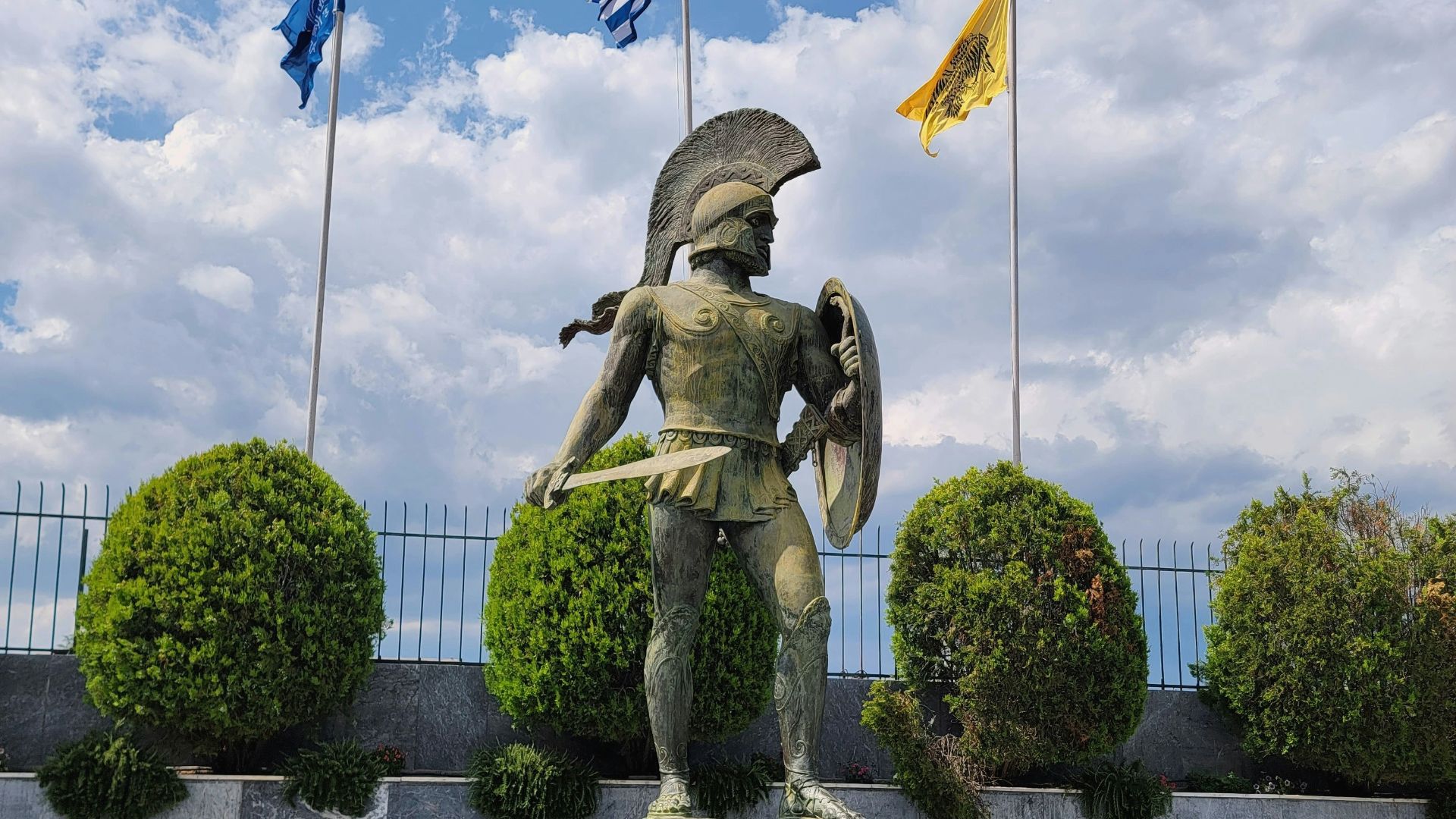
6. Spartans Actually Said, “This Is Sparta!” Before Kicking People
Spartans did have a reputation for blunt, witty sayings, but pop culture tends to invent the exact phrasing. Ancient sources are also filtered through later writers who loved a good story. The vibe may be real, but the script isn’t.
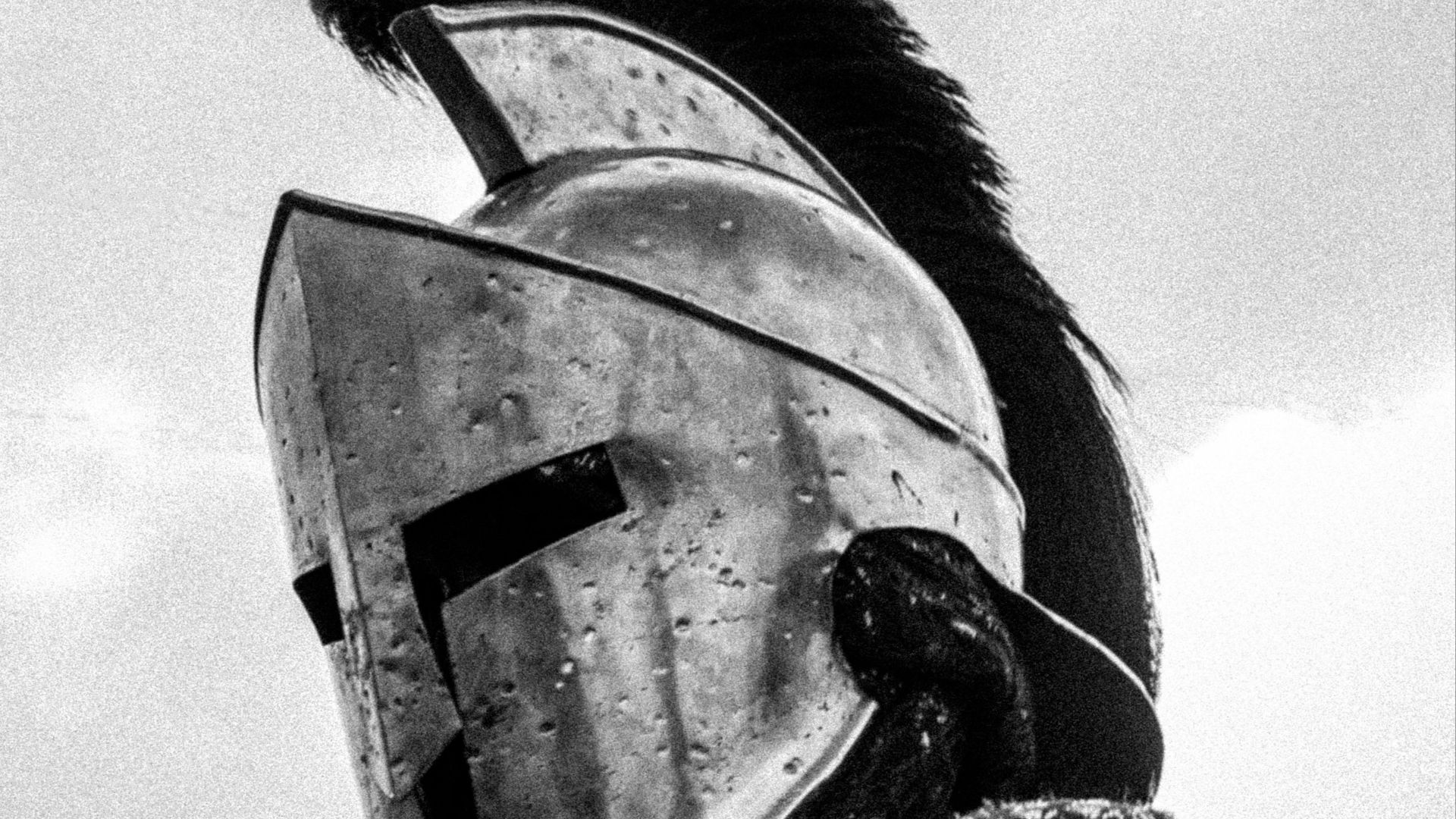
7. Athens Was a Democracy Like Modern Democracies
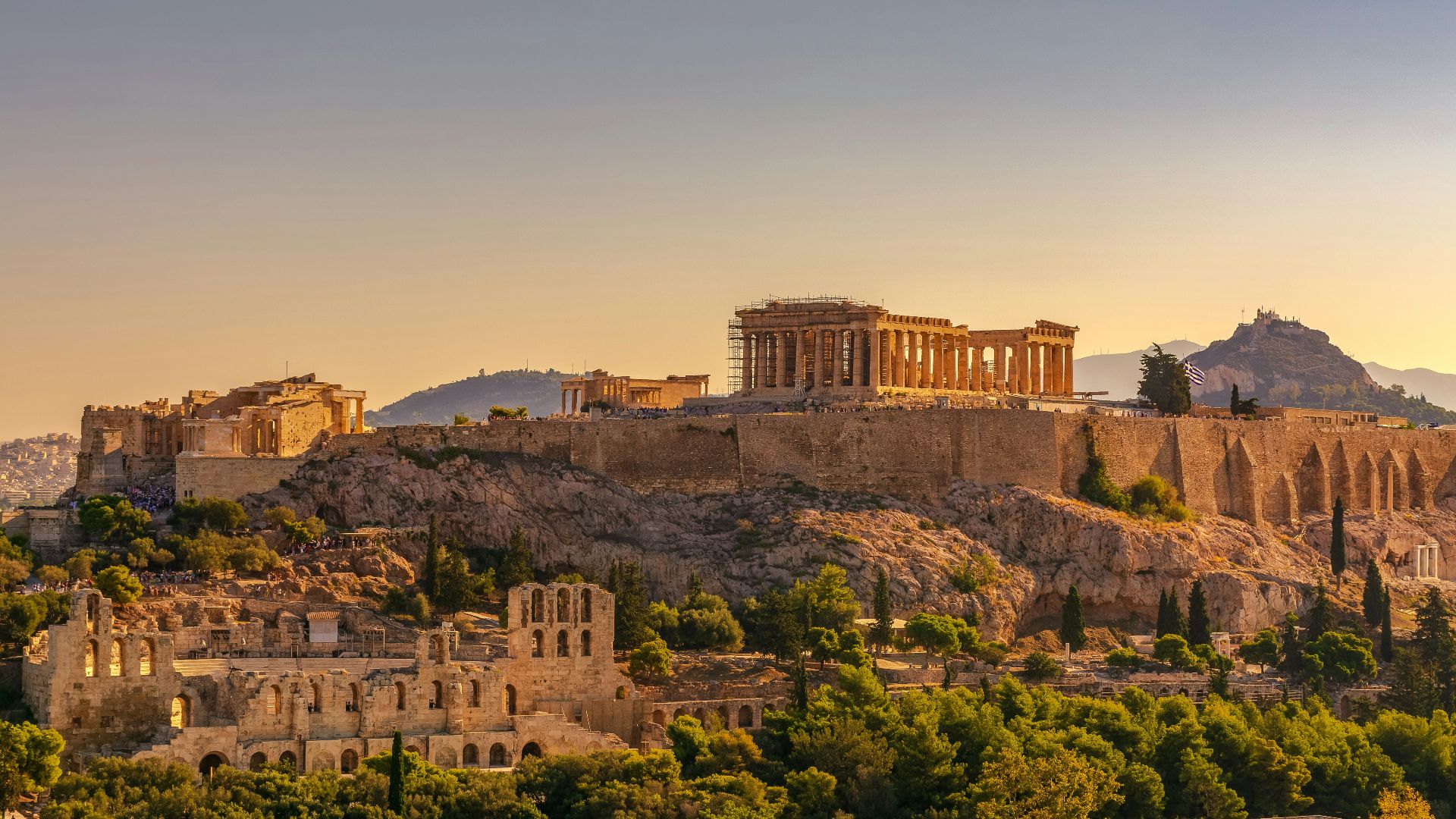
Athens pioneered forms of democracy, but it wasn’t “one person, one vote” in the modern sense. Citizenship was limited, and women, enslaved people, and many residents had no vote. Also, participation was direct and local, not a big national system with representatives.
 Constantinos Kollias on Unsplash
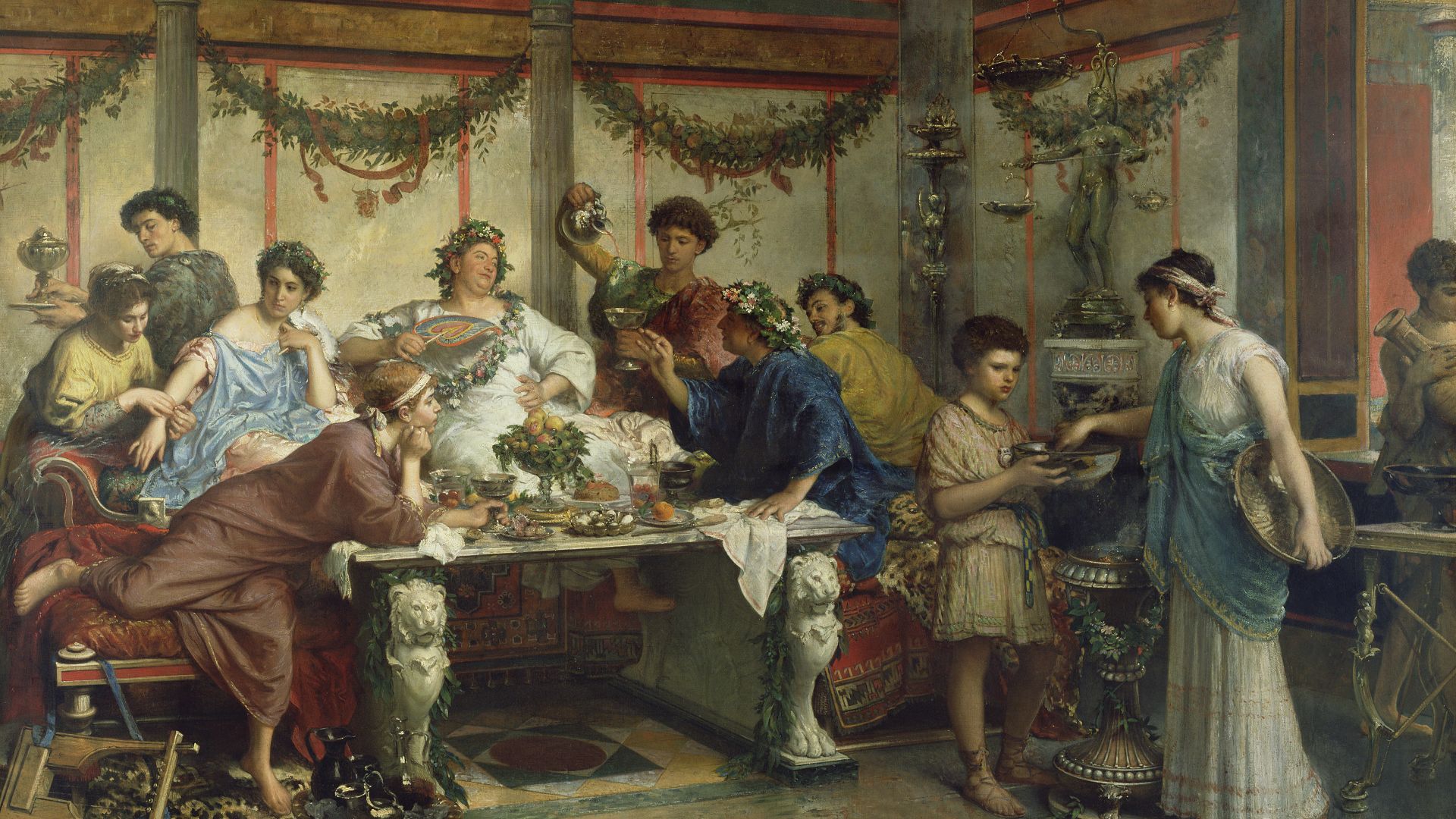
8. Romans Had Lavish Feasts Every Night
Elite banquets could be extravagant, but most Romans ate simple foods most of the time. Bread, porridge, olives, legumes, and basic vegetables were common staples. The wild, luxurious feasts we hear about were more like attention-grabbing events than daily routine.
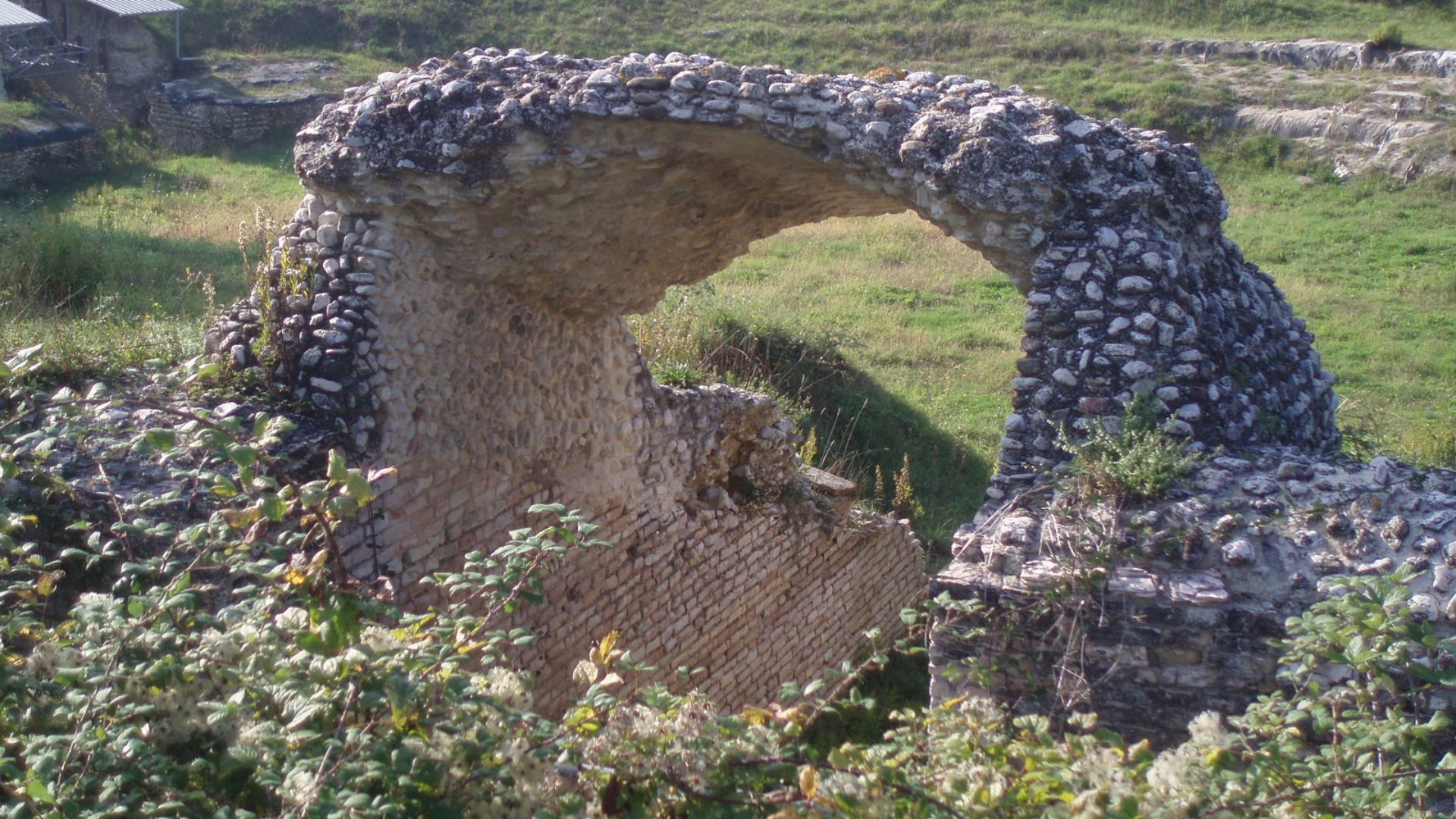
9. The Vomitorium Was a Room for Throwing Up After Feasts
A “vomitorium” was an architectural term for entrances and exits in large venues, not a stomach reset station. The word sounds gross, so it became the perfect myth magnet. Some elites did overindulge, but the specific “vomiting room” story is a modern misunderstanding.
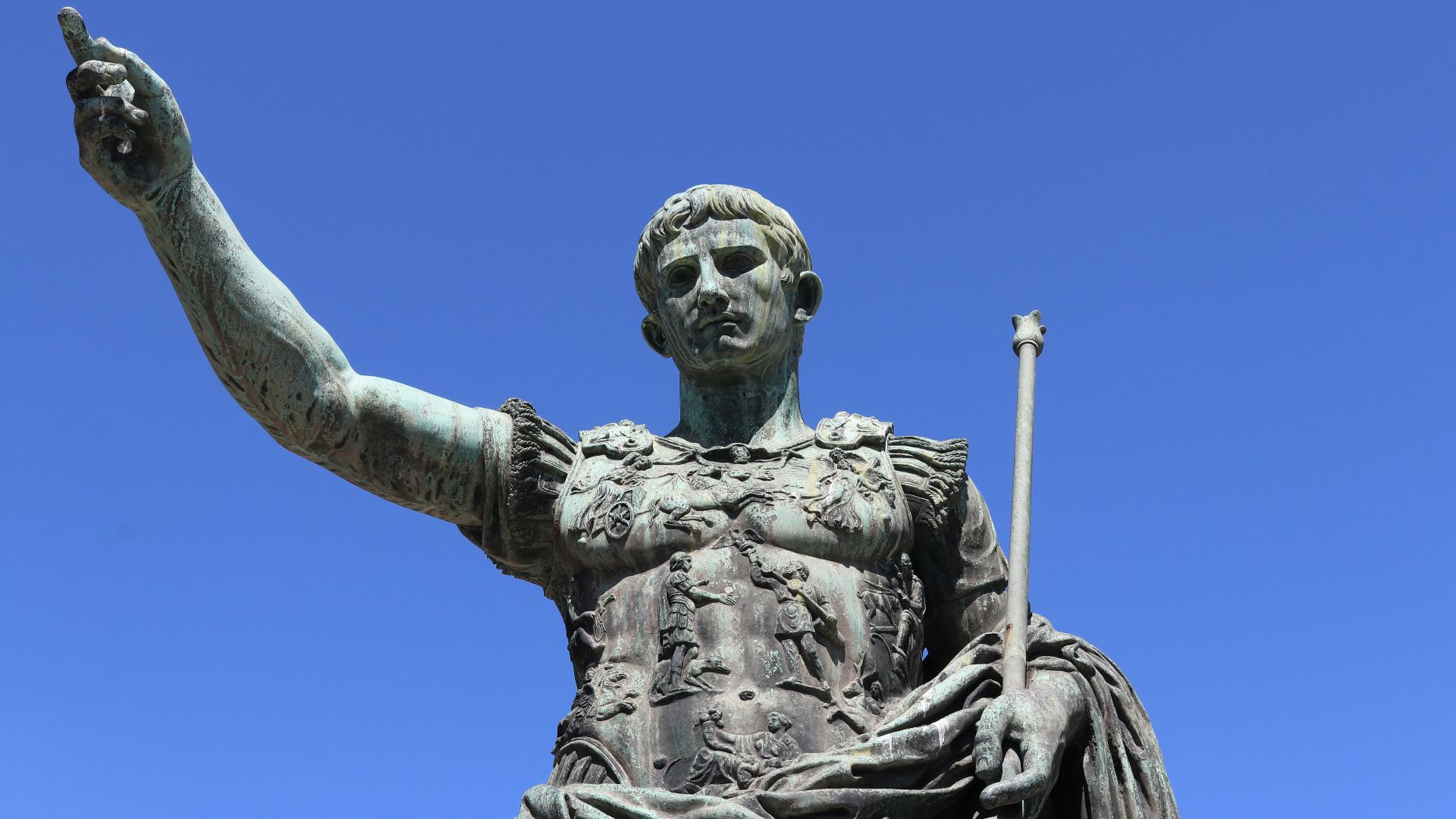
10. Julius Caesar Was an Emperor
Caesar was a powerful leader and dictator, but he wasn’t an emperor in the later institutional sense. The imperial system is more closely tied to Augustus, who came after him. Calling Caesar an emperor is common because it’s an easy label, but it blurs an important political shift.
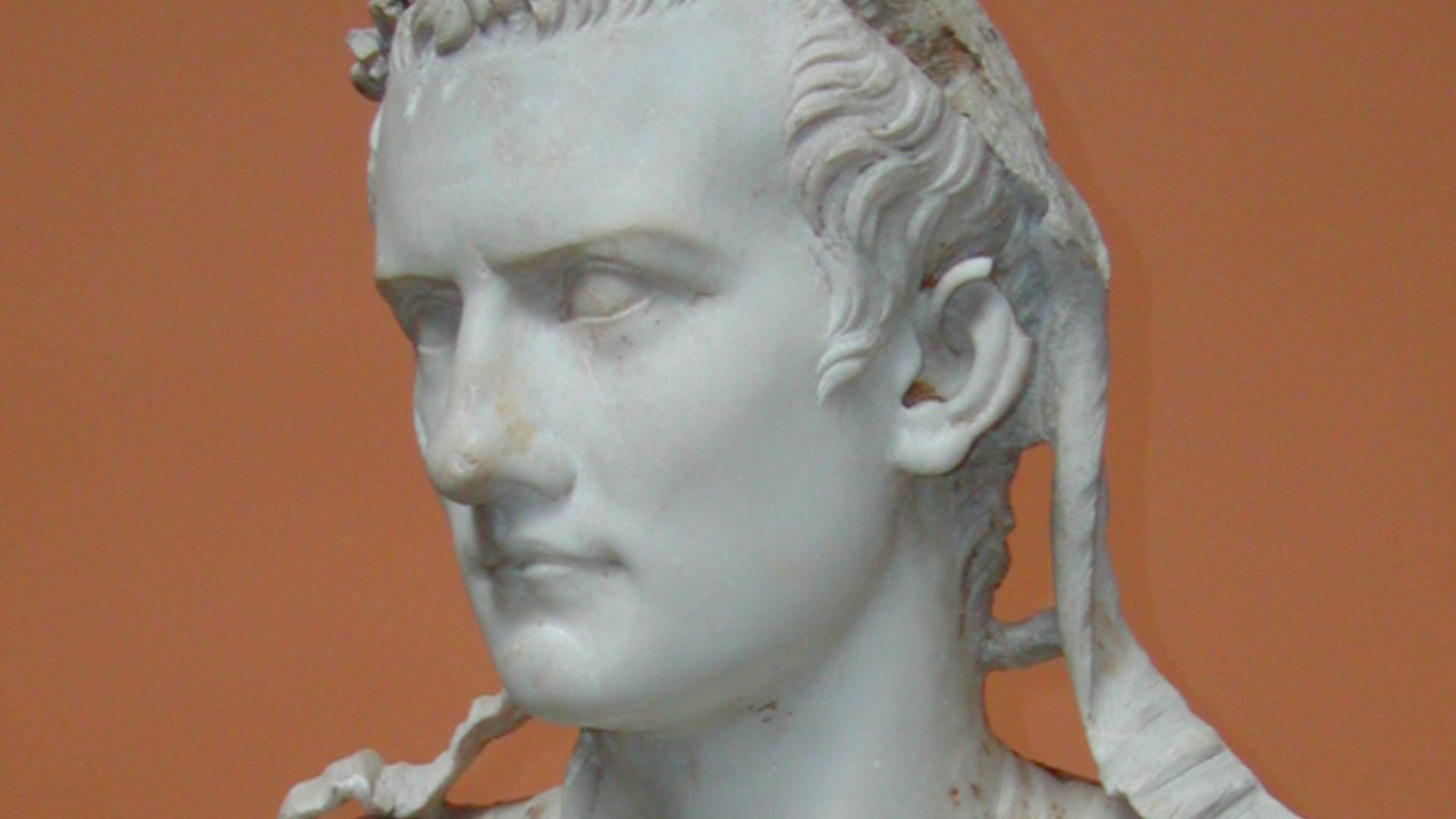
11. Caligula Made His Horse a Senator
Caligula is known for being a little mentally unstable, but no, he didn't make his horse a senator. The horse story is famous, but it likely reflects satire, rumor, or political messaging more than a literal appointment. Ancient writers often used shocking anecdotes to underline how unfit a ruler seemed.
12. Nero Played the Fiddle While Rome Burned
The fiddle didn’t exist in Nero’s time, and the story is more about blame than accurate history. Nero may have performed music and had a flair for drama, but the image of him serenading a burning city is a later narrative. Ancient accounts also conflict and are politically loaded. It’s a great line, but history rarely provides that kind of perfect villain tableau.
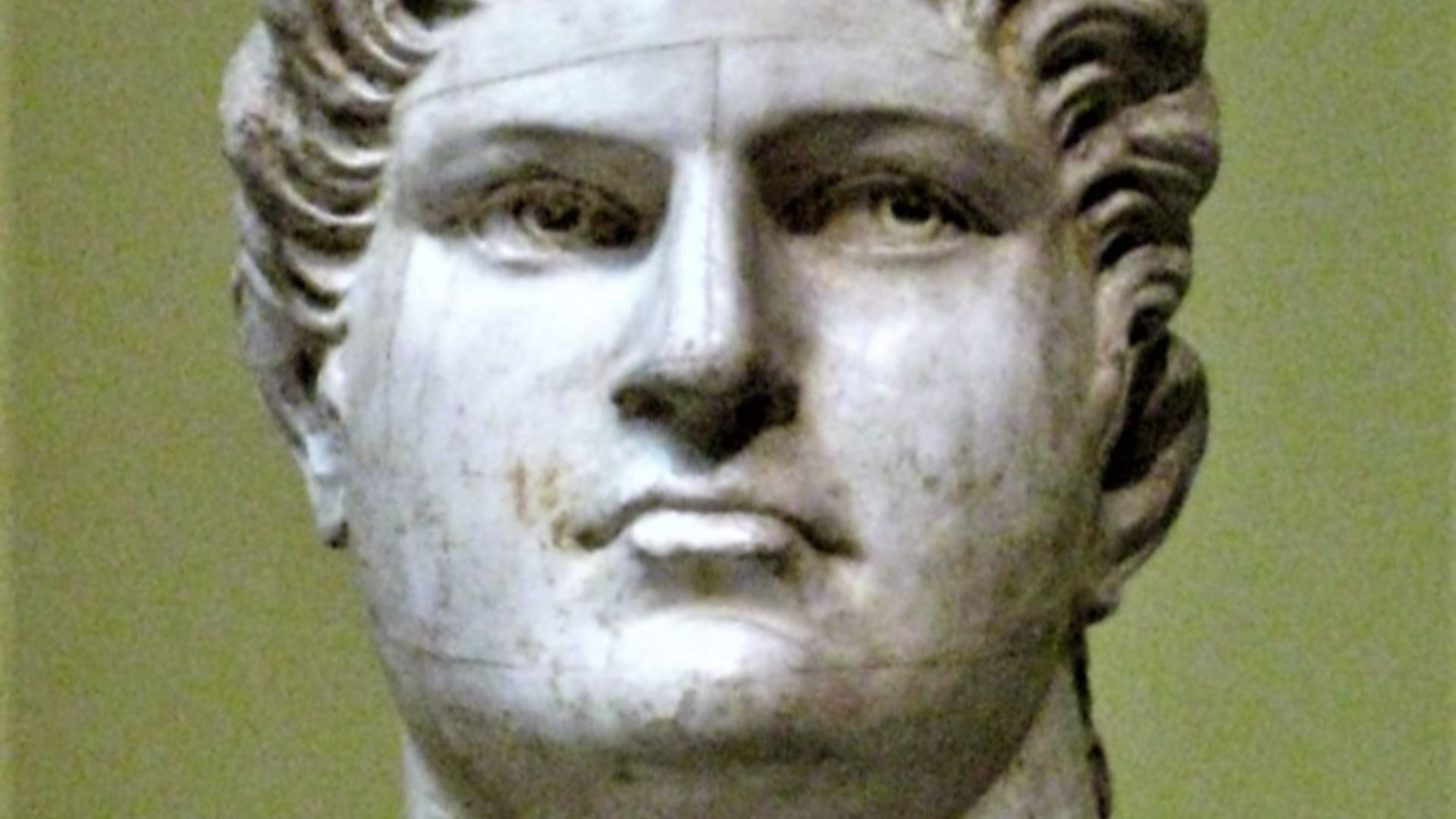
13. Roman Roads Were Perfect & Smooth Everywhere
Romans built impressive roads. Its infrastructure was advanced for its time, but nowhere near modern highways. Many roads varied by region, maintenance, and local resources. Travel was often slow, uncomfortable, and risky, depending on where you were going.
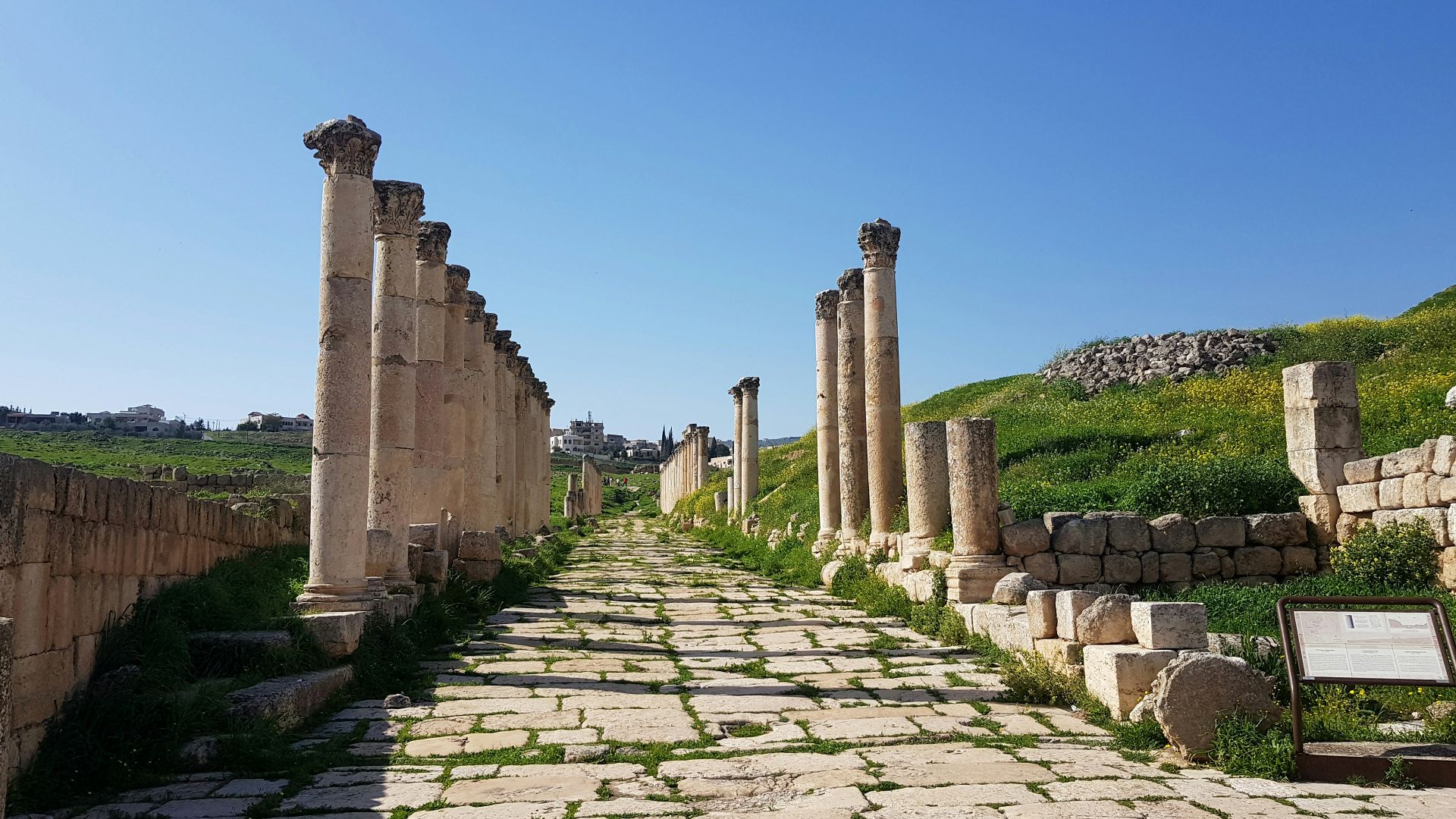
14. Romans Only Used the Colosseum for Gladiators
Gladiators were a big draw, but arenas were multi-use venues that hosted many types of spectacles. Animal hunts, public executions, reenactments, and staged events were part of the entertainment mix. The goal was a crowd-pleasing display, not one single sport.
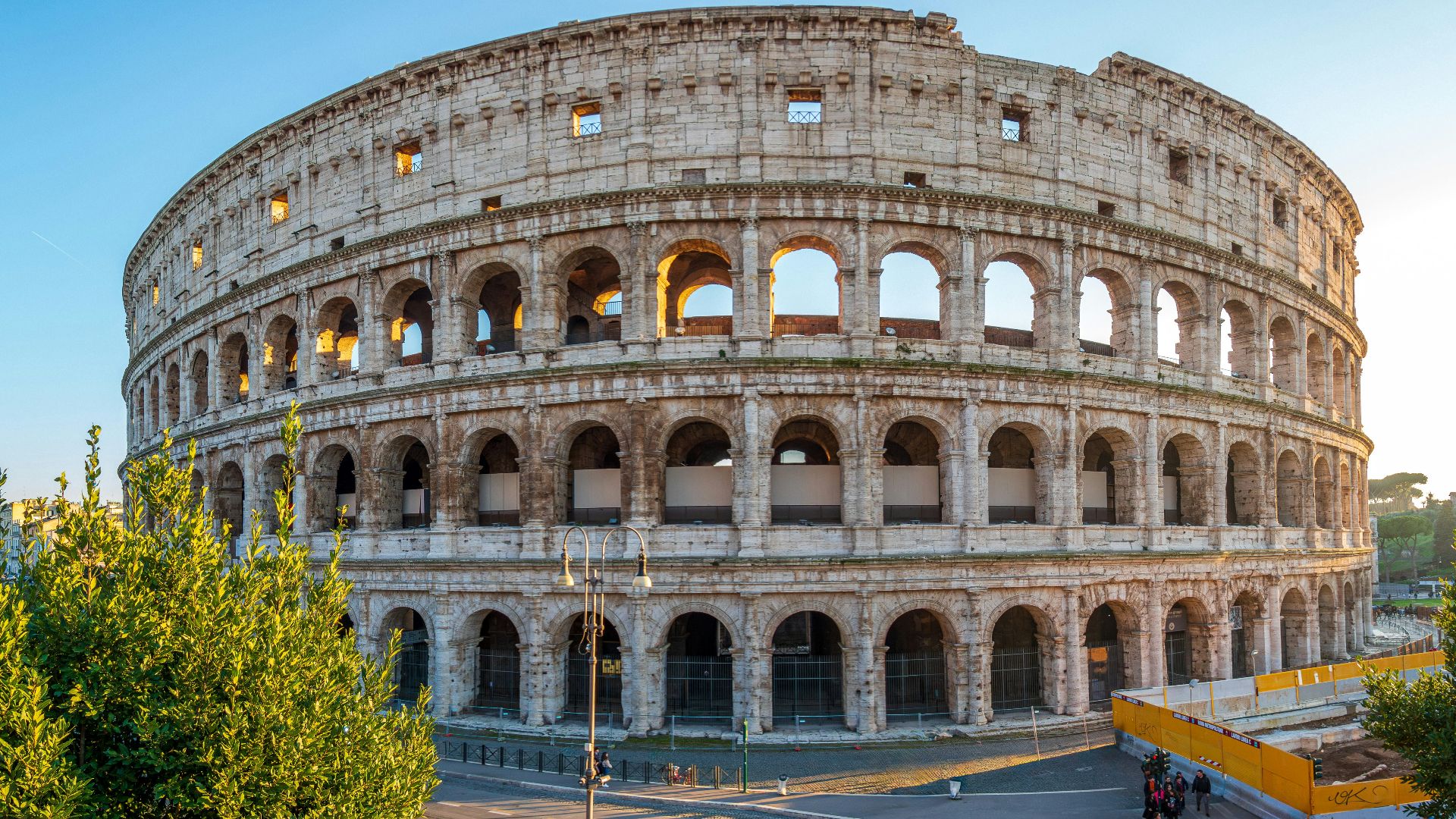
15. Ancient Greeks Believed Myths Literally & Singularly
There wasn't a single scripture for ancient Greeks like there is in many modern religions. Their myths were flexible, local, and often contradictory by design. People could honor the same gods in different ways depending on their city and traditions. Myths were told, adapted, and debated rather than treated as one fixed canon.
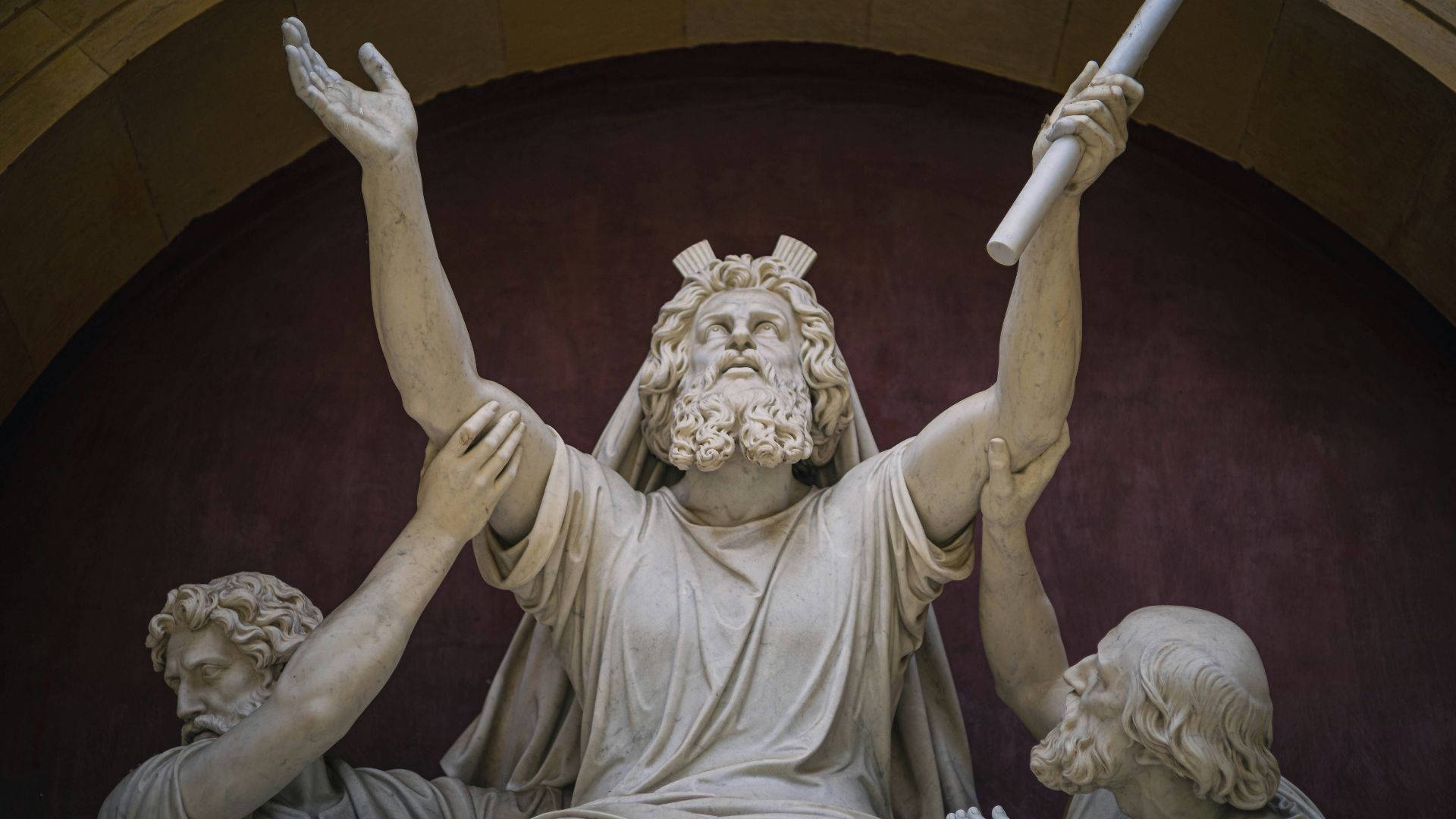
16. Everyone in Greece & Rome Wore Togas All the Time
The toga was a Roman status garment, not everyday comfortable clothing, and it wasn’t worn constantly by everyone. Greeks had their own common garments, like the chiton and himation, which looked different. Everyday clothing varied by gender, class, region, and activity.
17. Greek Philosophers Were Calm, Wise, & Always Respected
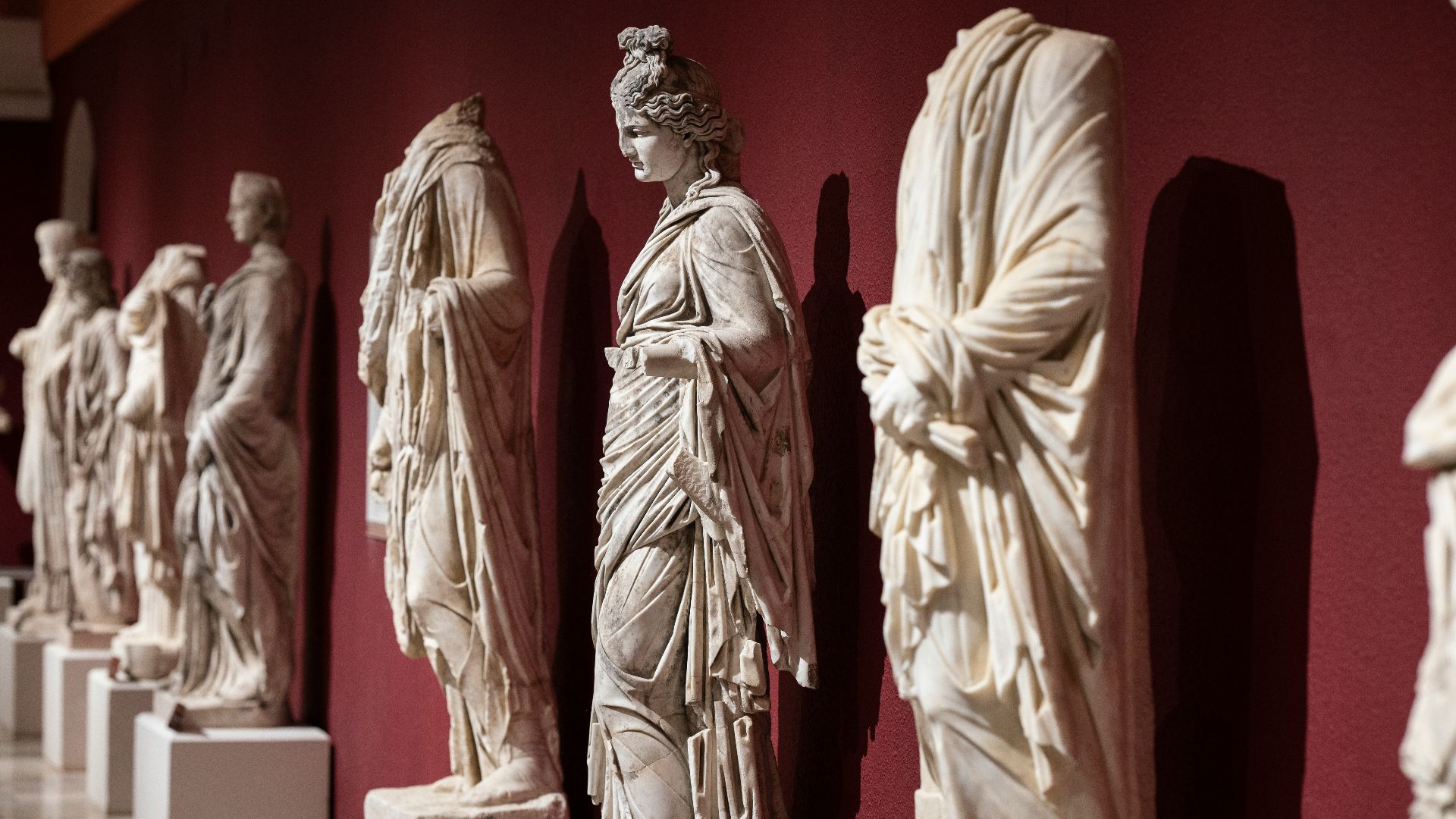
Some philosophers were respected, but many were also mocked, argued with, or treated as annoying public figures. Intellectual life was competitive and often petty. Some thinkers had students, enemies, and reputations that swung wildly depending on the moment.
18. Rome Fell in One Sudden Event
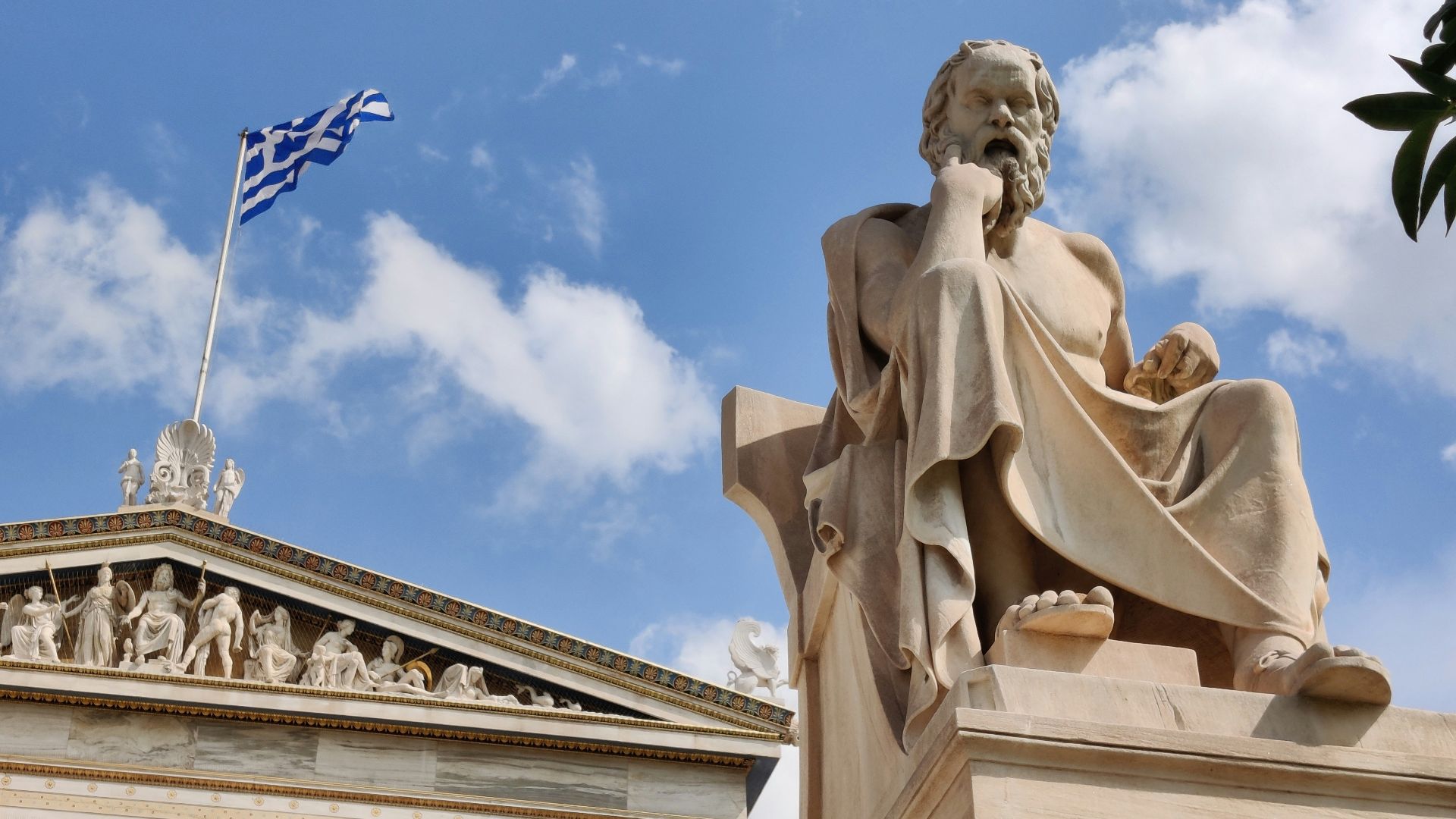
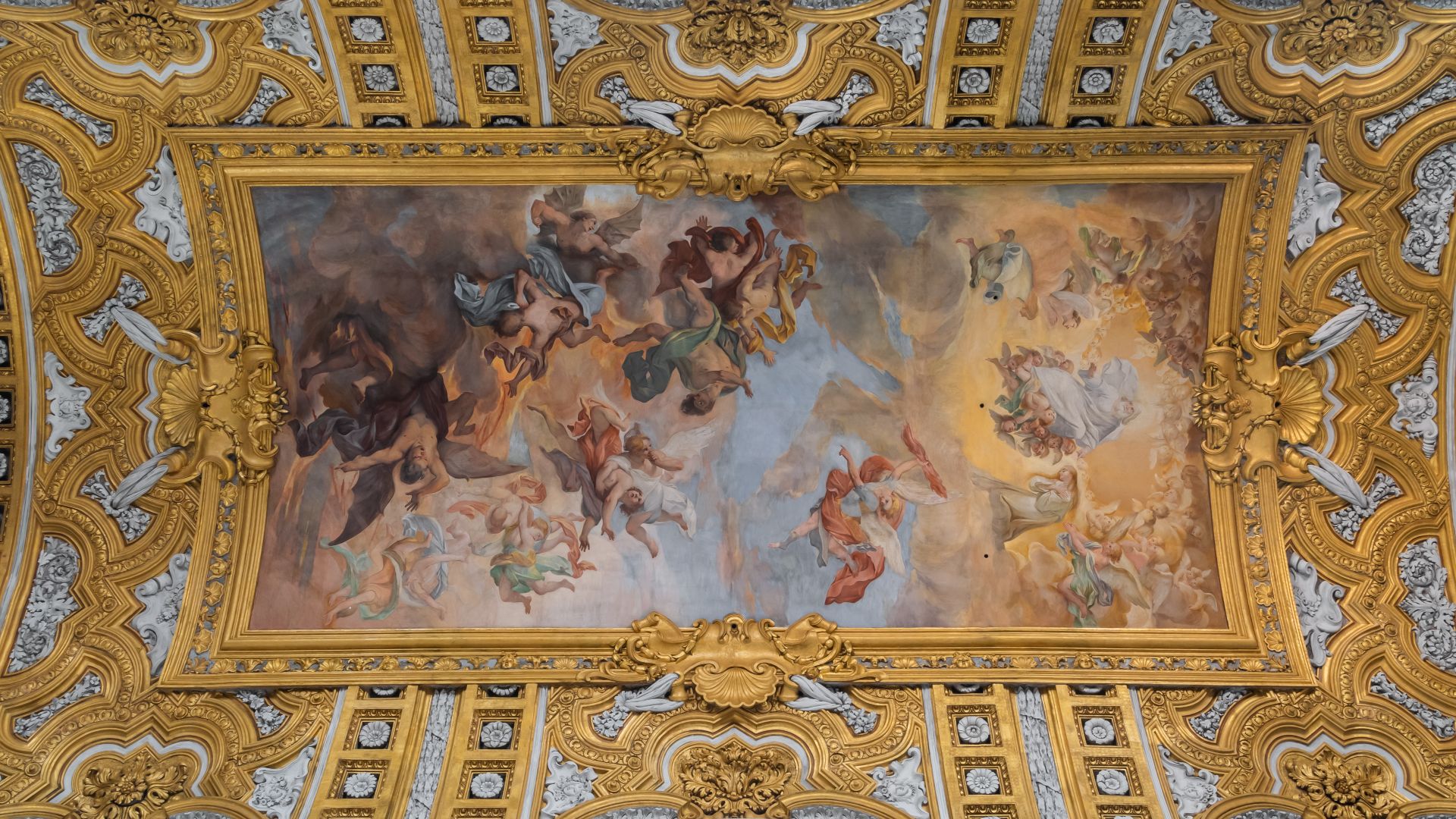
People love a dramatic “Rome fell in 476” storyline, but decline and transformation took centuries. Different parts of the Roman world changed at different speeds, and the eastern empire continued long after the western empire weakened. Life didn’t instantly switch from “Roman” to “medieval” overnight. The real story is long, gradual, and complicated.
19. Greeks & Romans Had No Technology Worth Mentioning
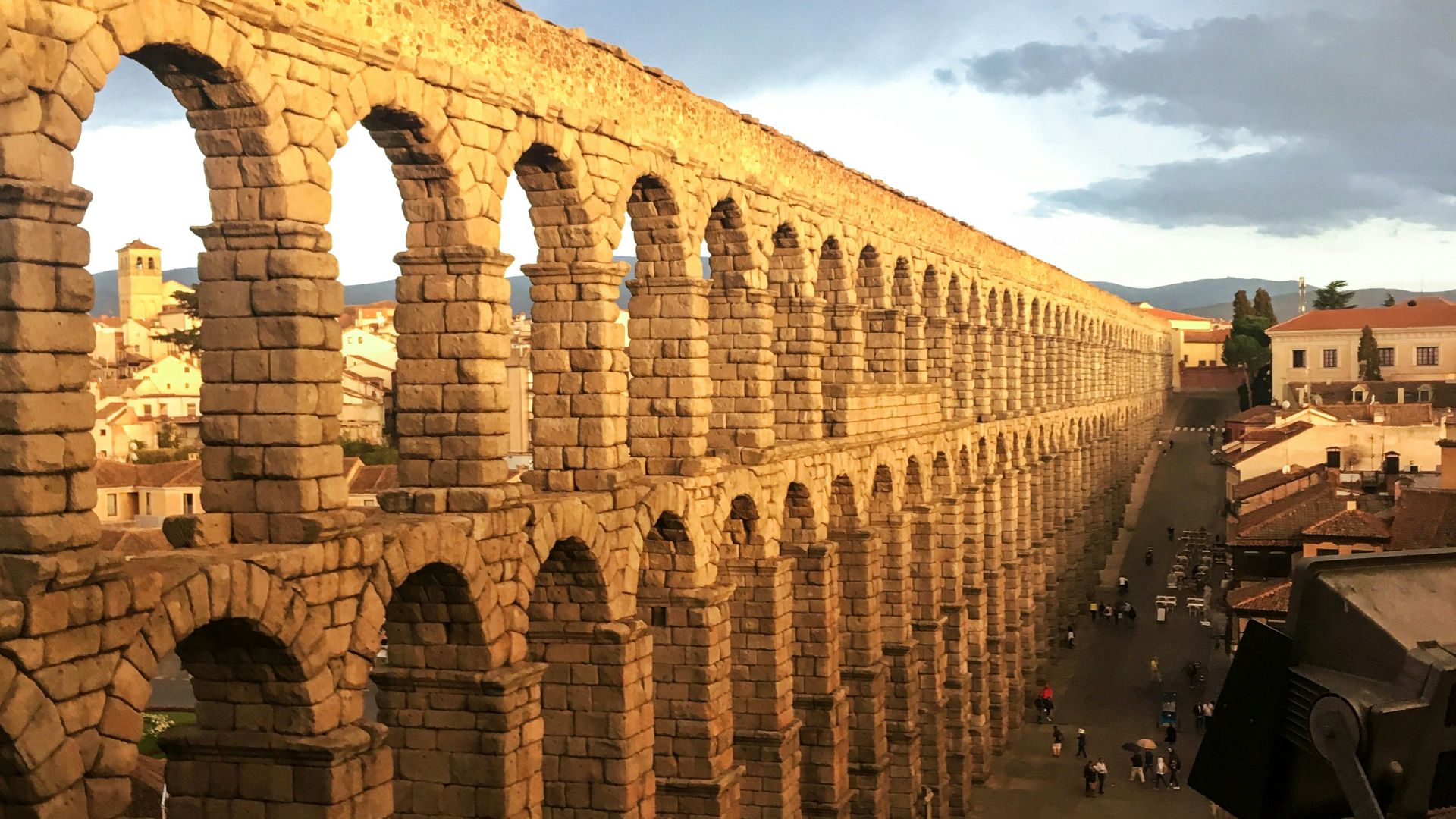
They didn’t have electricity, but they had engineering, plumbing, concrete, machines, and complex architecture. They also developed tools and systems that supported cities at a scale many people don’t expect. Innovation was often practical rather than flashy.
20. Ancient People Had Short Lives
Life expectancy at birth was low largely because infant and child mortality was high, not because everyone dropped at 30. If you survived childhood, you could live into middle age or beyond, depending on status, luck, and health. That doesn’t mean ancient life was easy, but it wasn’t universally a short sprint.
KEEP ON READING

The 10 Youngest Monarchs In History & The 10 Oldest
Age Is Just A Number. Imagine being crowned king or…
By Chase Wexler Mar 11, 2025
You Think You Have Problems? These Royal Families Were Cursed
Boasson and Eggler St. Petersburg Nevsky 24. on WikimediaHeavy is…
By Ashley Bast Dec 5, 2025
You Can Thank This Greek-Canadian For Creating Pineapple On Pizza…
Love it or hate it, pineapple on pizza sparks debate…
By David Davidovic Dec 1, 2025
Yes, Female Gladiators Existed, And Here's Everything You Need To…
History of Women in Combat. Most people picture gladiators as…
By David Davidovic Jan 17, 2026
Yes, Australians Once Lost A Battle Against Flightless Birds
David Clode on UnsplashIn 1932, the Australian military went to…
By David Davidovic Nov 24, 2025
The Y2K Bug: Why Did Everyone Think Year 2000 Was…
Alan W on UnsplashOn December 31, 1999, people all over…
By Christy Chan Dec 22, 2025