Ancient Chores
We're all familiar with cooking and doing the dishes. Mowing the lawn. Taking out the trash. And while you might hate to think about the chores you have to do every day, the modern era has made these tasks far, far easier. Our ancestors would've killed to live in such an era of convenience! Alas, in those earlier generations, even basic work like laundry and preserving eggs (yes, the ones you crack every morning) were a headache to carry out. Ever thought about what it'd be like to fill an oil lamp or clean out a chamber pot? Trust us, you don't. Here are 20 household chores that, thankfully, have largely gone nonexistent.
1. Beating Rugs Outdoors
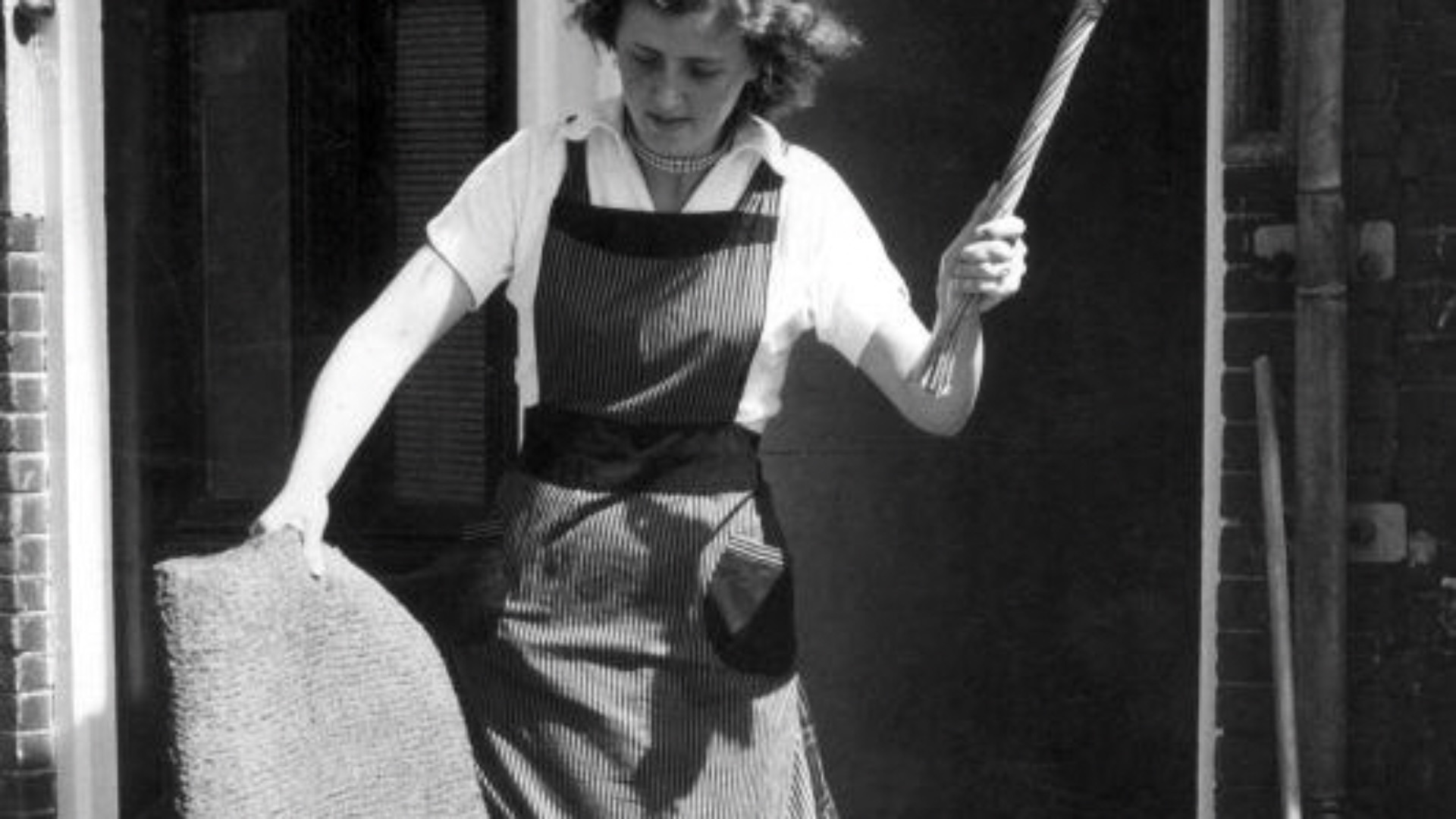
Before vacuum cleaners became common, large rugs often had to be carried outside and draped over a line for a good beating. You read that right: someone would strike them repeatedly with a carpet beater to knock out any loose debris. It was strenuous, messy work, especially with thicker, heavier rugs, but at the time it was completely necessary.
 Nationaal Archief on Wikimedia
2. Filling and Trimming Oil Lamps
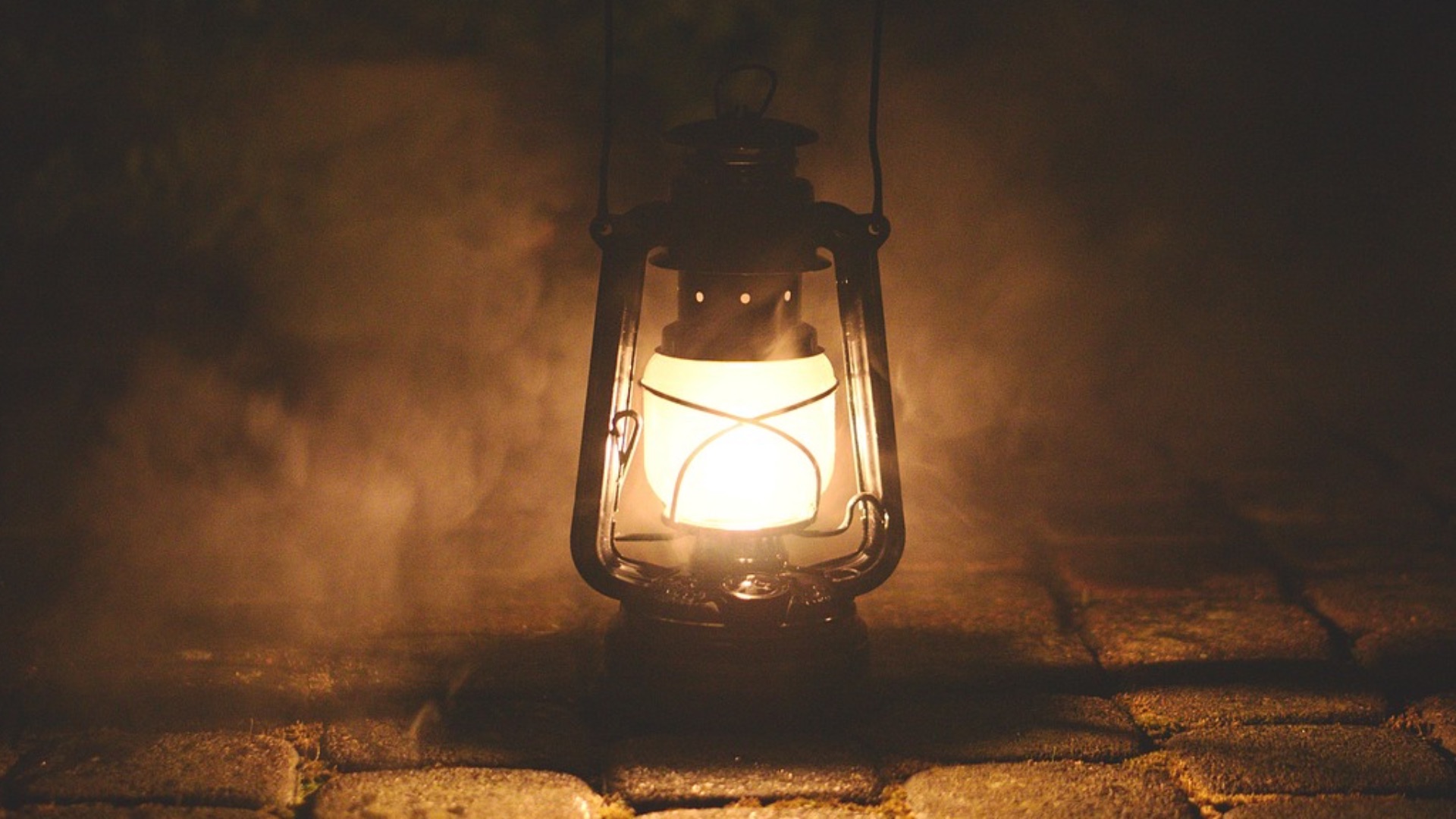
We're spoiled by electrical switches now, but oil lamps required far more attention. It was a tedious chore: you had to refill the reservoir, trim burned portions of the wick, clean soot from the glass chimney, and make sure the lamp was safely back in commission. Forgetting any part of the routine could leave you with poor light or worse: a potentially dangerous flame.
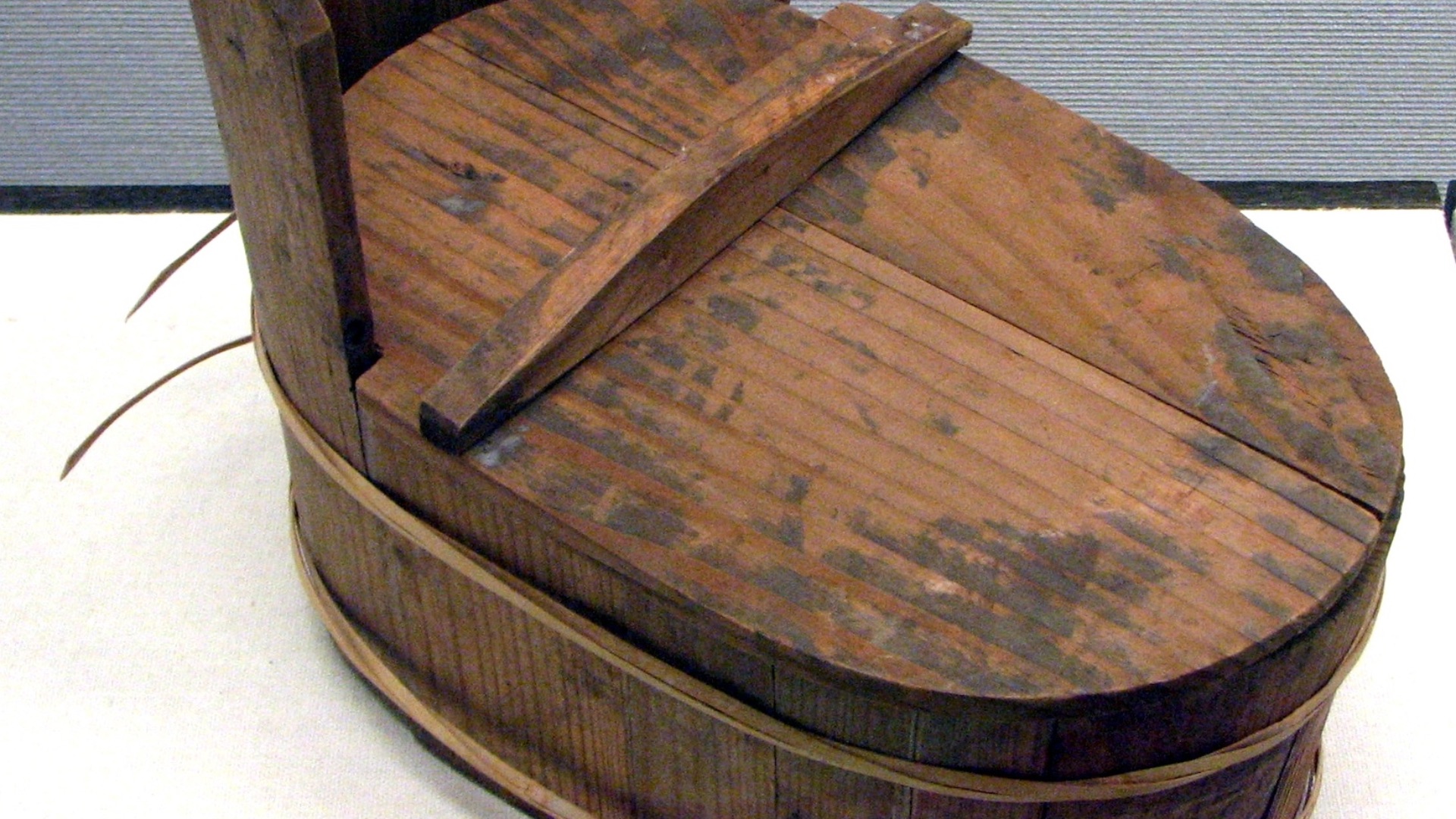
3. Emptying Chamber Pots
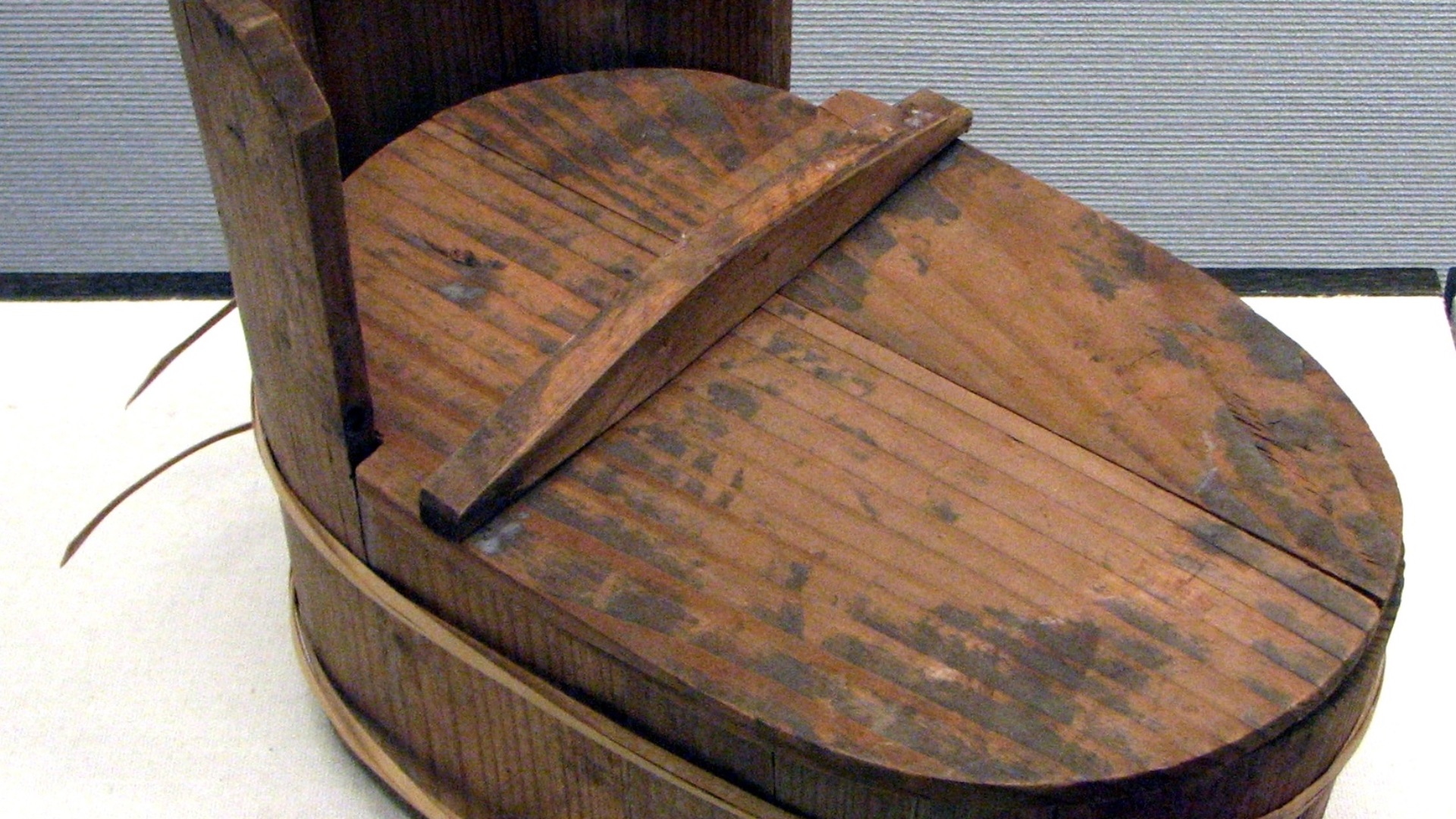
Indoor plumbing thankfully eliminated one of the least appealing household jobs of the past: emptying chamber pots. Back then, in homes without indoor toilets, these potty pots were commonly kept in bedrooms, which then had to be cleaned and emptied after use. You can probably see why no one misses doing this task.
4. Hauling Water Into the House
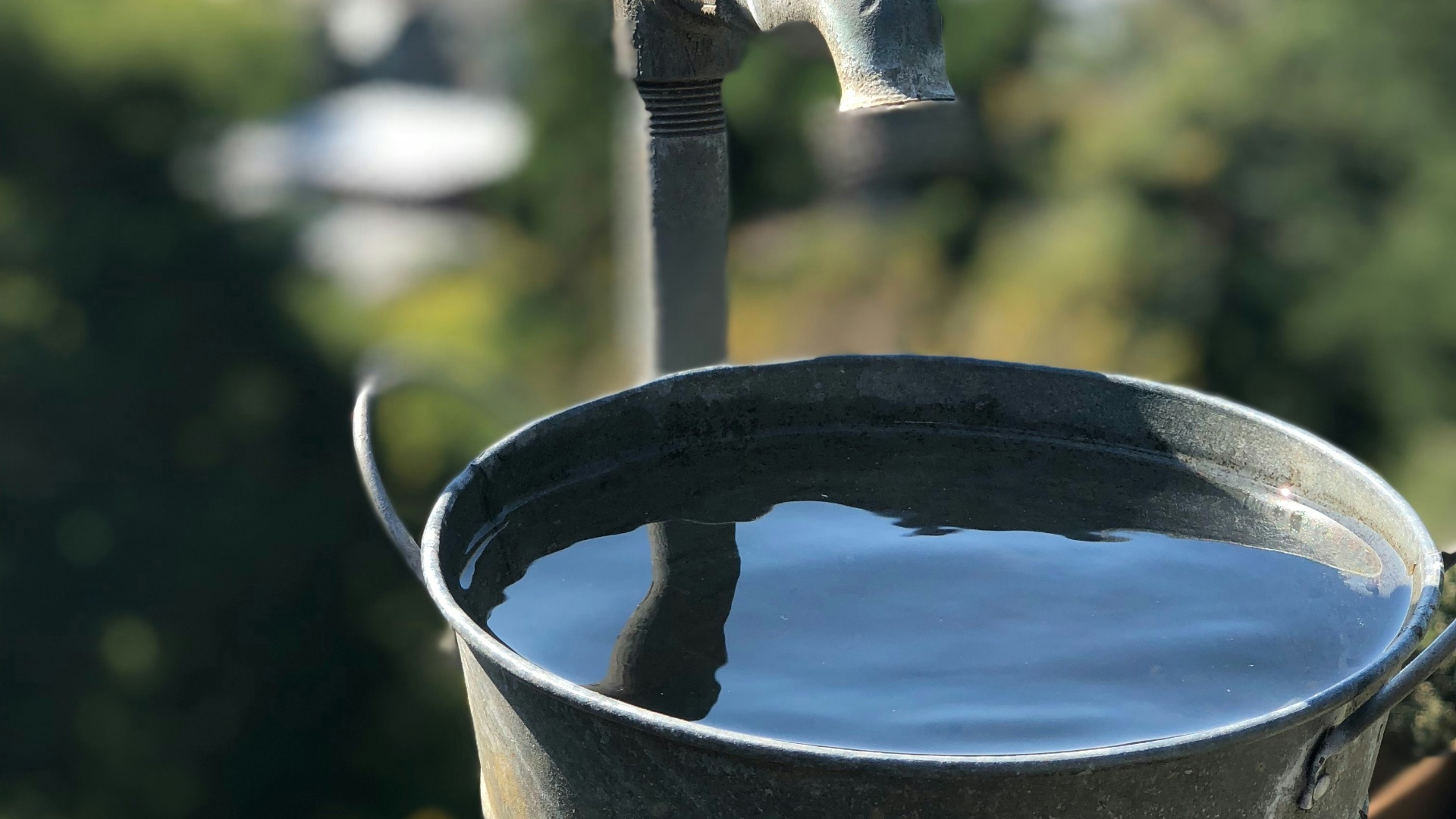
In the modern era, if you want water all you need to do is turn on the faucet. Back then, however, families without piped water often had to draw it from other nearby sources before transporting it in buckets. Water was needed for many different things, from washing to cooking, which meant this chore often took numerous trips.
5. Heating Bathwater by Hand
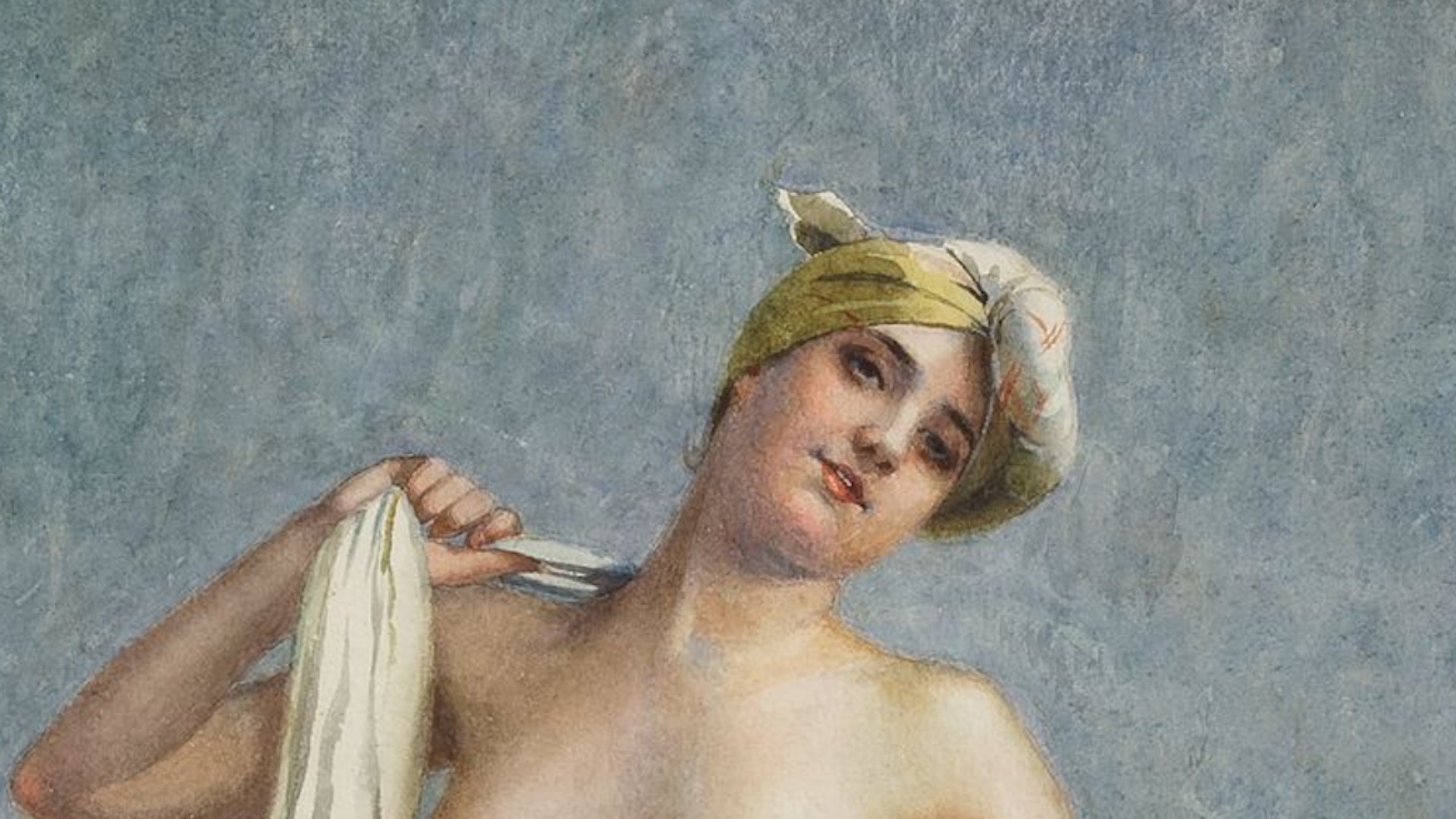
Probably unsurprisingly, taking a warm bath back then involved far more preparation than it does now. Water not only had to be hauled in by the bucket, but it also had to be heated in kettles or pots over a stove or fire, then poured into a tub in repeated batches. Once the bath was finished, someone had to remove the used water, too.
6. Blacking the Stove
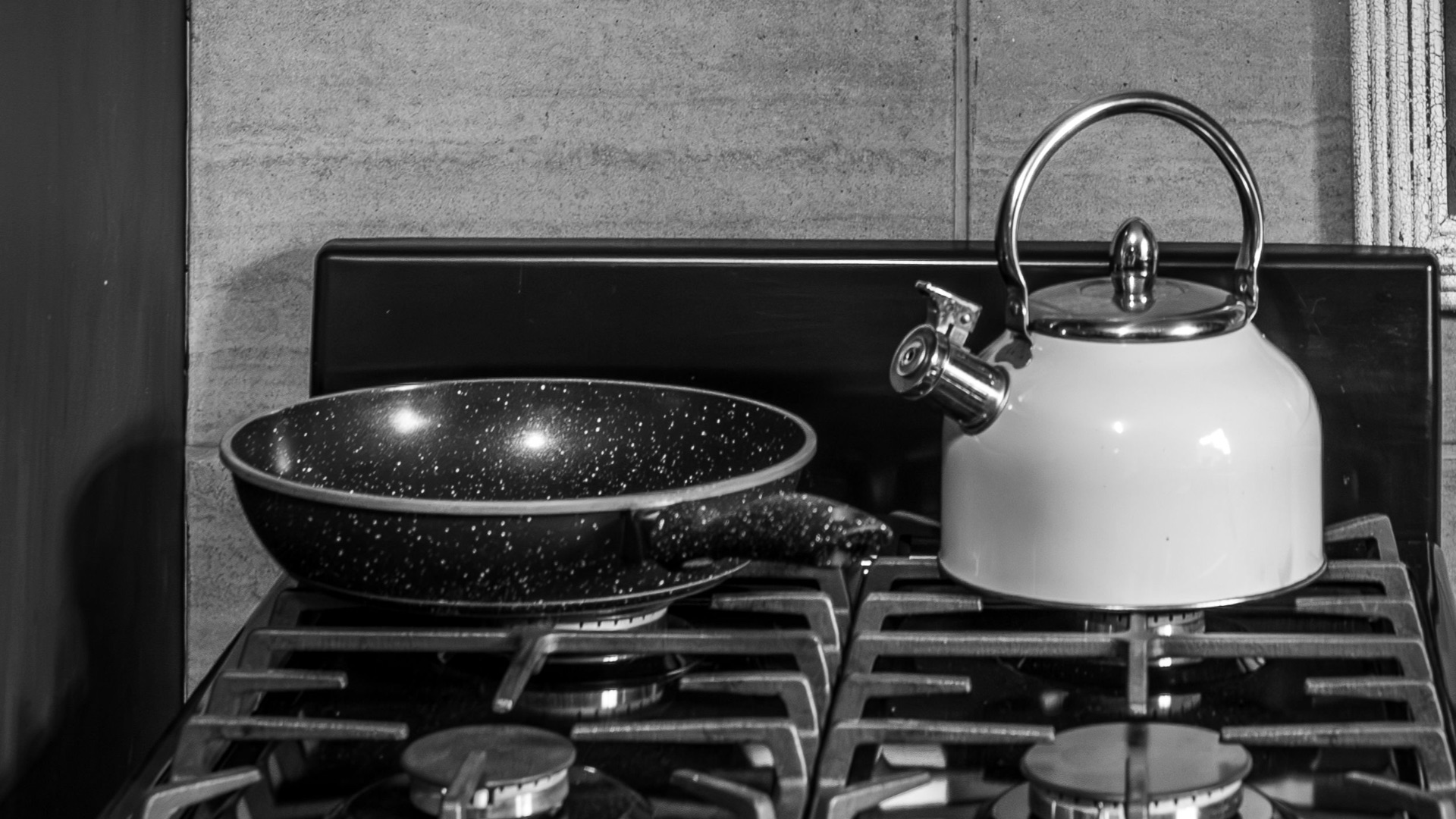
Cast-iron stoves needed regular, often tedious, maintenance. Because of this, many households applied a dark stove polish, called stove blacking, then buffed the metal until it looked clean. Plus, if the process wasn't done correctly, it could leave hands and nearby surfaces covered in dark, grimy residue.
7. Shaking Down Coal Ash
Coal-burning stoves and furnaces presented another tedious problem: ash that had to be managed routinely. That meant someone needed to rake the grate so spent ash dropped into an ash pan, then dispose of its contents. And since coal dust and fine ash could easily spread, cleanup was just as important.
8. Carrying Coal Indoors
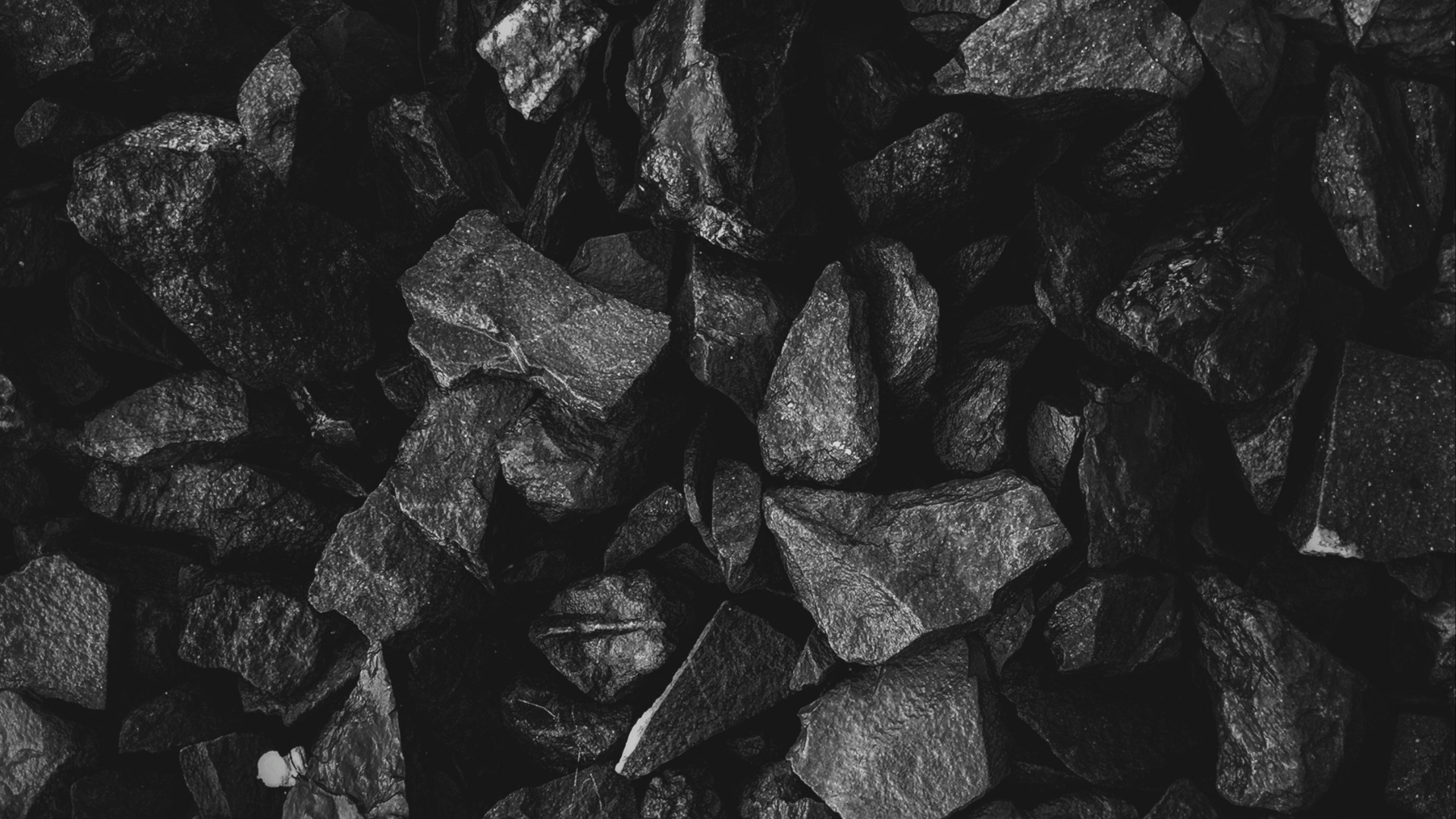
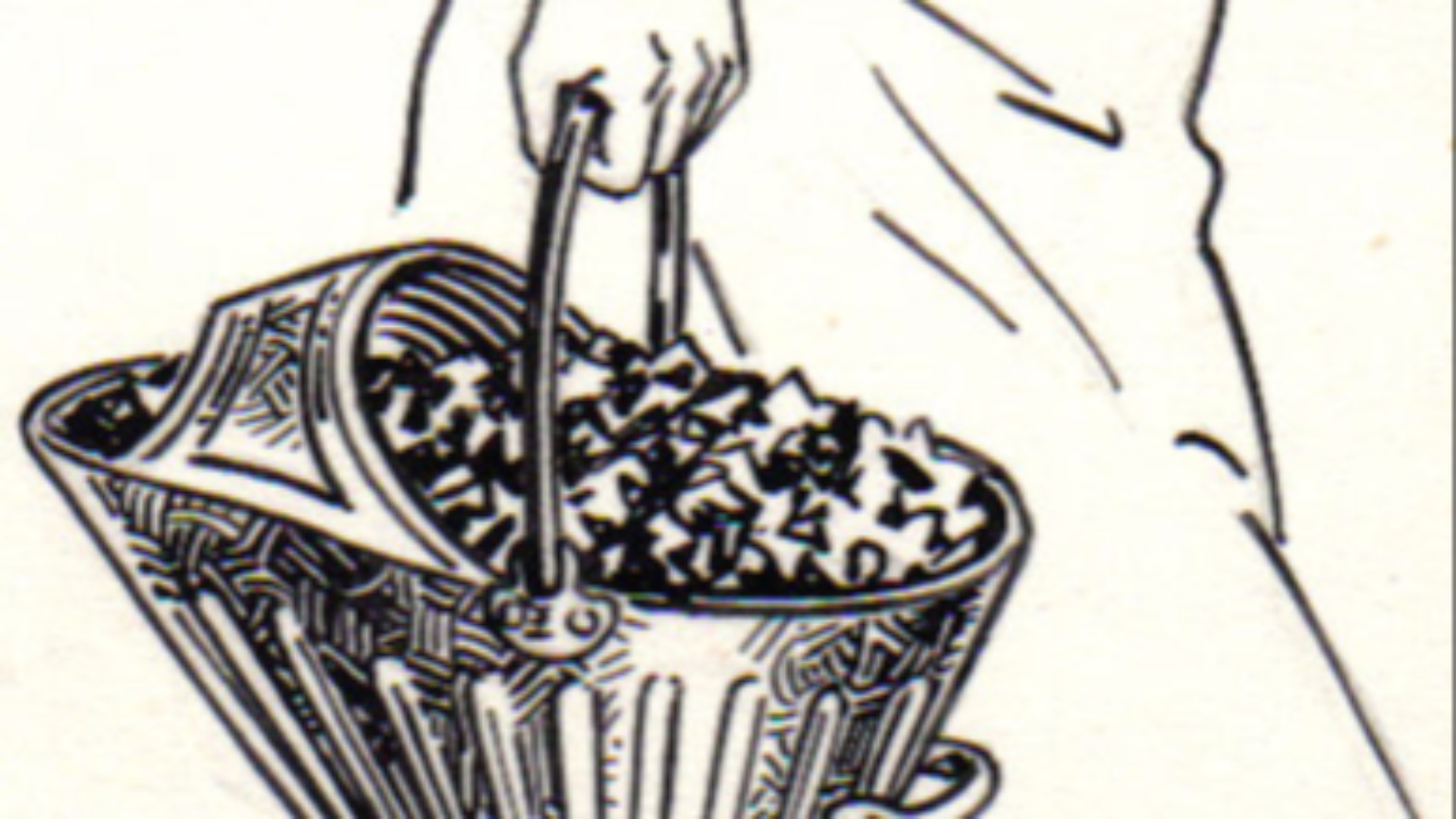
Heating a house with coal meant keeping fuel close enough to feed the furnace. But because coal was often stored in a cellar or outdoor bunker, it had to be brought inside via a scuttle at a time. Besides being physically demanding, the job also let in plenty of unpleasant black dust into the house.
 Pearson Scott Foresman on Wikimedia
9. Banking the Fire Overnight
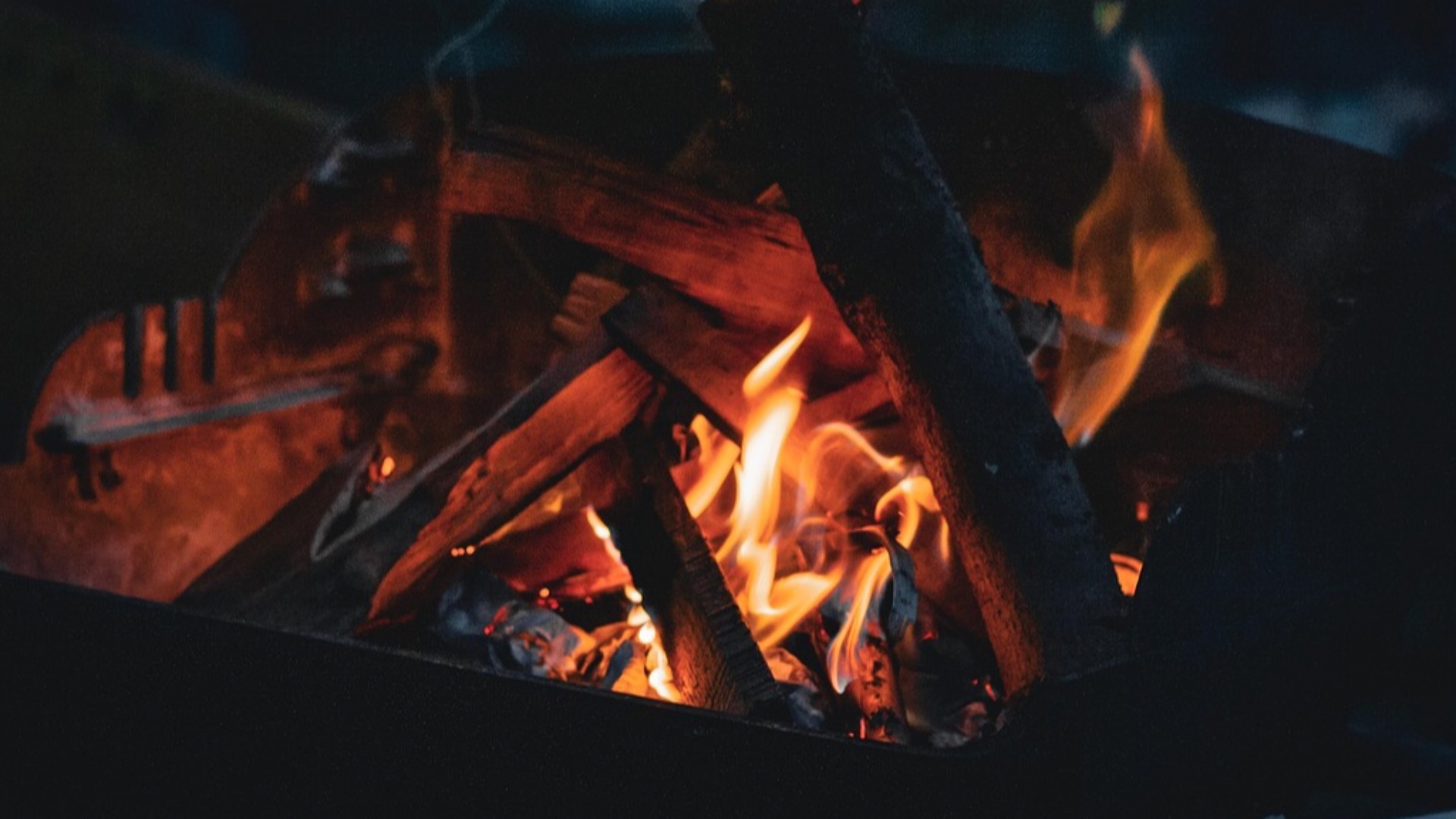
Before central heating, allowing fire to die completely meant starting over on a freezing morning. To avoid loss of heat, families sometimes "banked" a fire by arranging the fuel and ashes in such a way that their embers would survive for hours without burning too rapidly.
10. Churning Butter
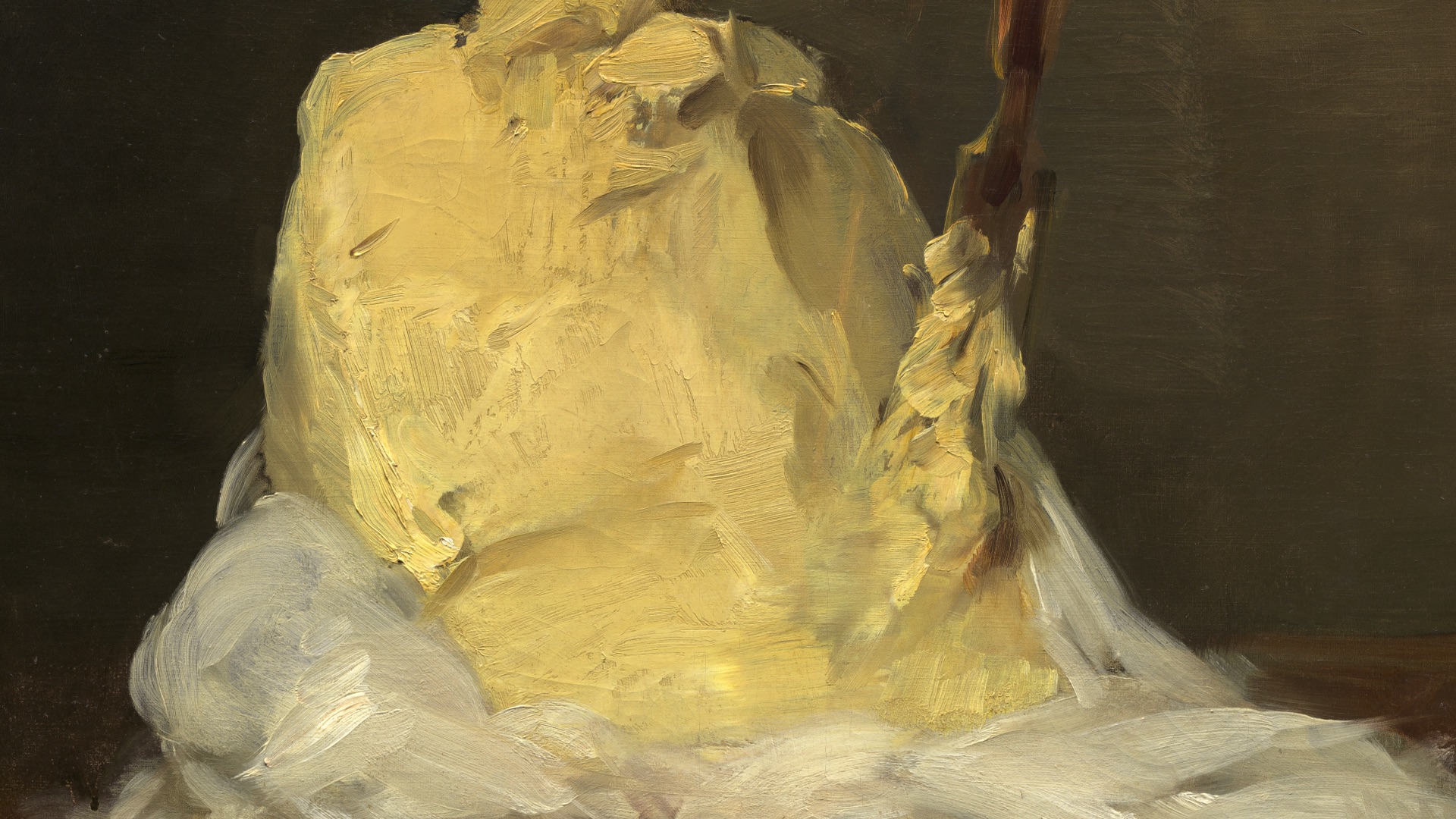
Getting butter wasn't always as easy as a trip to the grocery store. Households that processed their own dairy needed to churn the cream until the fat separated into butter, then wash and work the butter before storing it. You can probably see how the process often called for a considerable amount of elbow grease.
11. Plucking Poultry
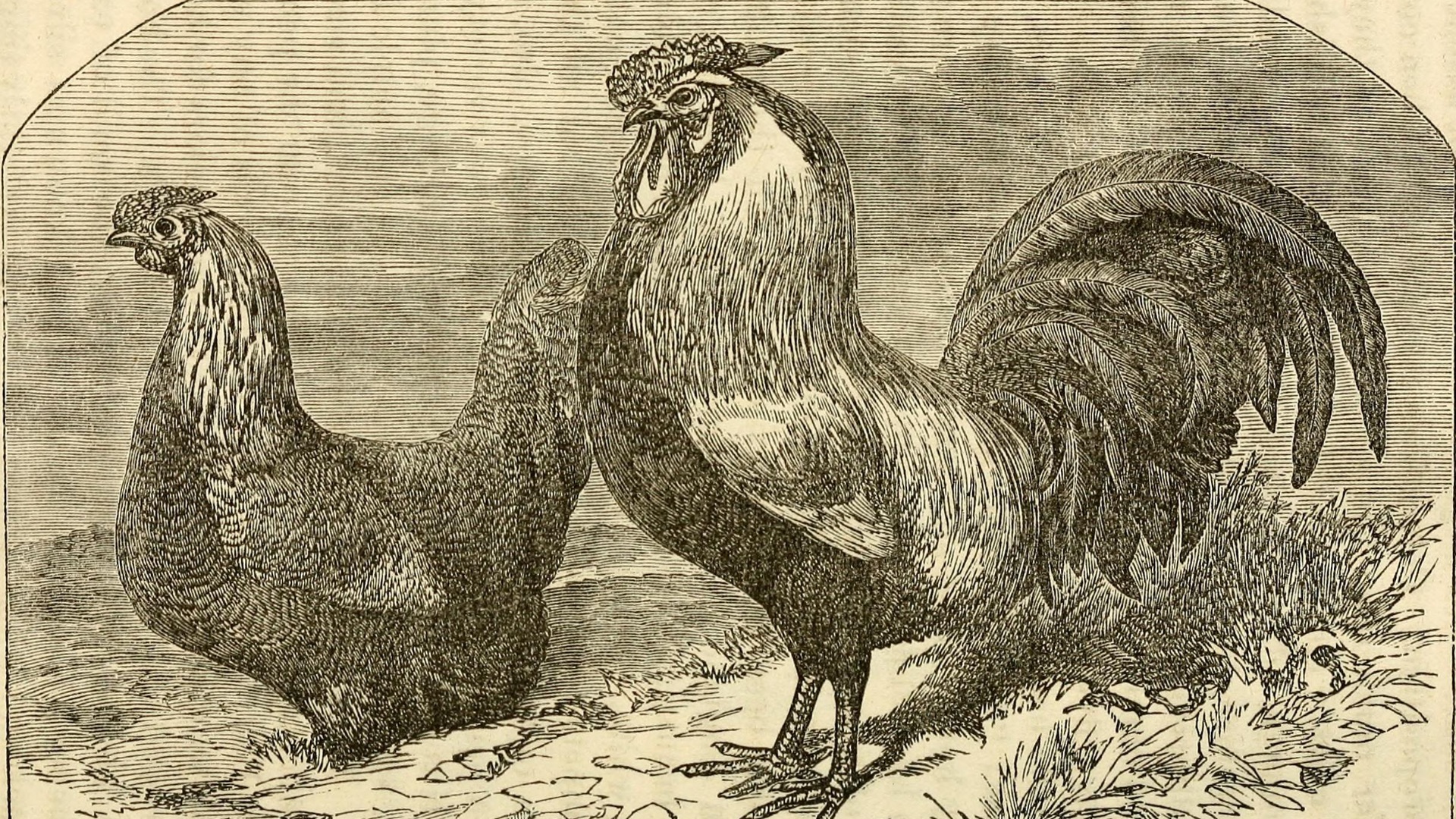
Where now you could buy a prepped chicken whenever you felt like having wings for dinner, buying one once involved far more preparation. When poultry was processed at home, the bird had to be dipped into hot water, then have their feathers plucked by hand. Unfortunately, fine pinfeathers could still remain, which meant more careful cleaning before cooking began.
 Internet Archive Book Images on Wikimedia
12. Making Soap from Scratch
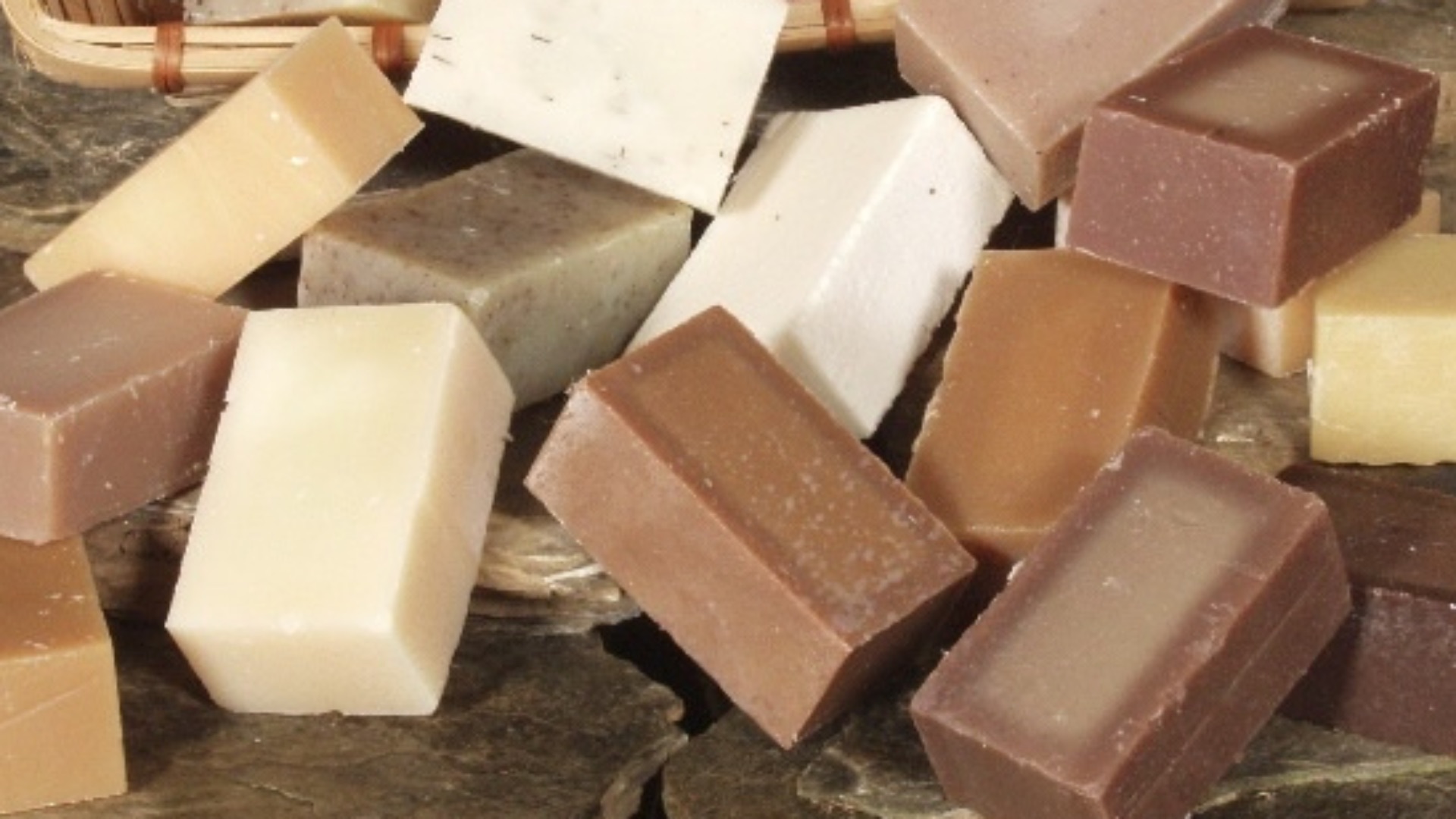
The next time you use bar soap, you should be thankful you didn't need to make it yourself. Commercial soaps have since spared households from a chore that was both laborious and potentially hazardous: traditional soapmaking often involved working with an alkaline substance such as lye to combine with rendered animal fat. Lye could cause serious chemical burns, so the job required serious care.
 Unknown author or not provided on Wikimedia
13. Rendering Animal Fat
Fat left over from butchering or cooking was once too useful to throw away, which meant most people didn't. In fact, many would slowly heat the fatty tissue to separate usable lard or tallow, which could then be used in cooking, soapmaking, or other domestic tasks. However, the tedious process often produced strong, unwelcome odors.
14. Dipping Candles
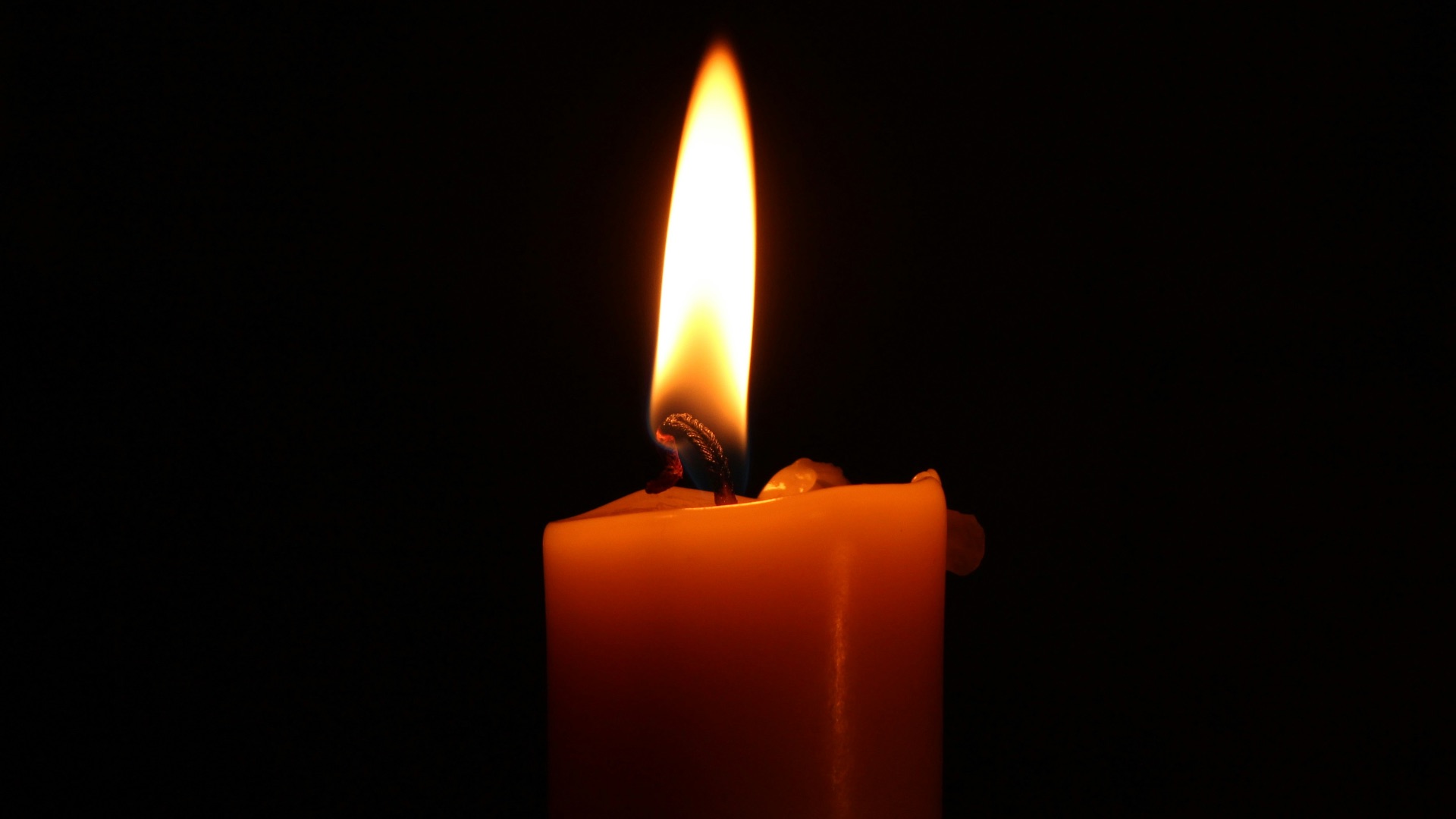
Oil lamps weren't the only source of light; candles were often used as well. But candle wicks had to be repeatedly dipped into melted tallow or wax, with each layer allowed to cool before another was added. It was a task that required time and patience, and past households would likely have traded anything for electrical lighting.
15. Boiling Laundry
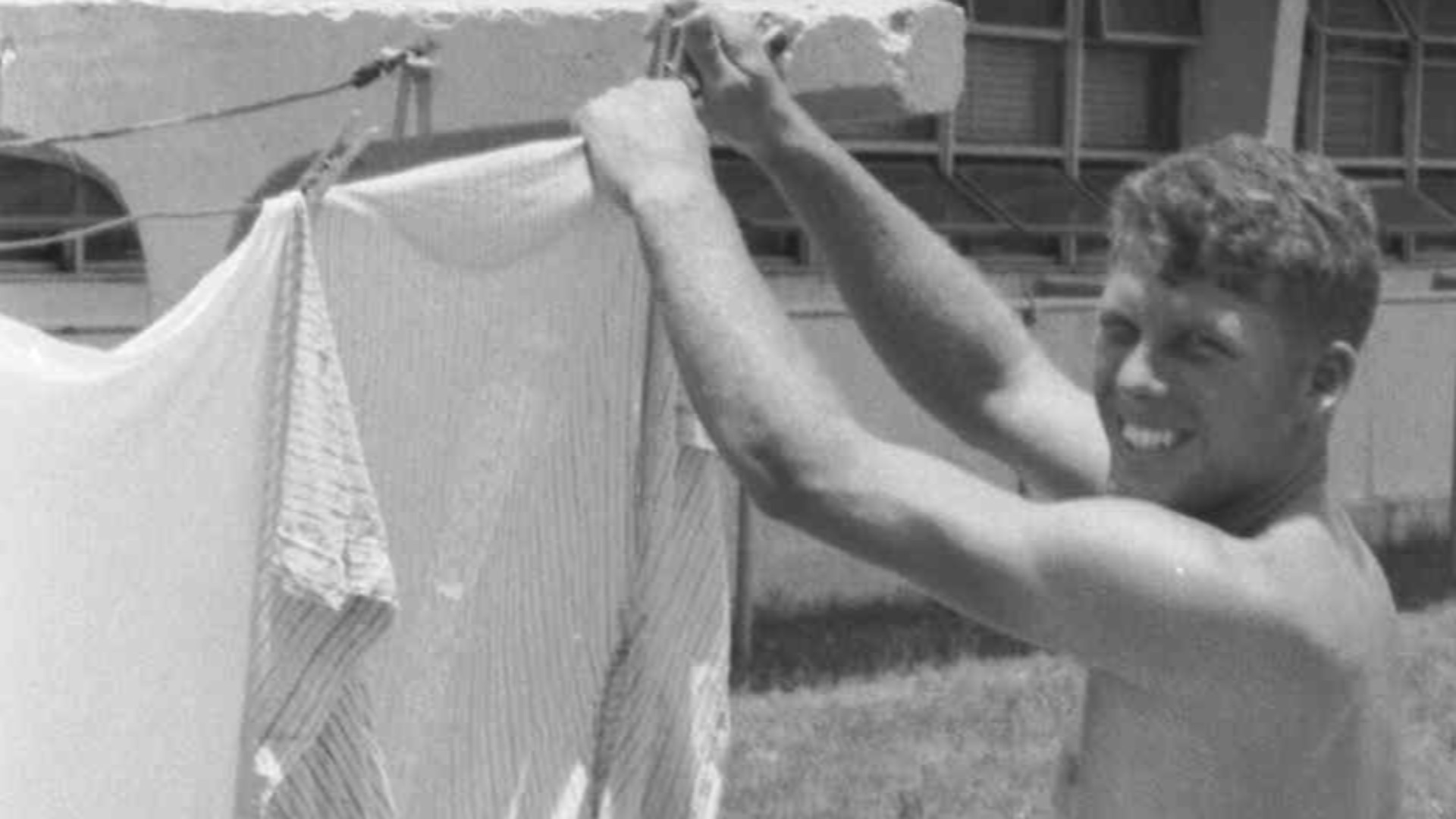
Whereas now you could load your clothes into a machine and press a button, it wasn't so easy back then. Heavily soiled linens were sometimes boiled in large tubs or copper wash boilers to sanitize the fabric. You can probably imagine how exhausting it was to handle steaming water and soaked textiles.
 USMC Archives from Quantico, USA on Wikimedia
16. Scrubbing Clothes on a Washboard
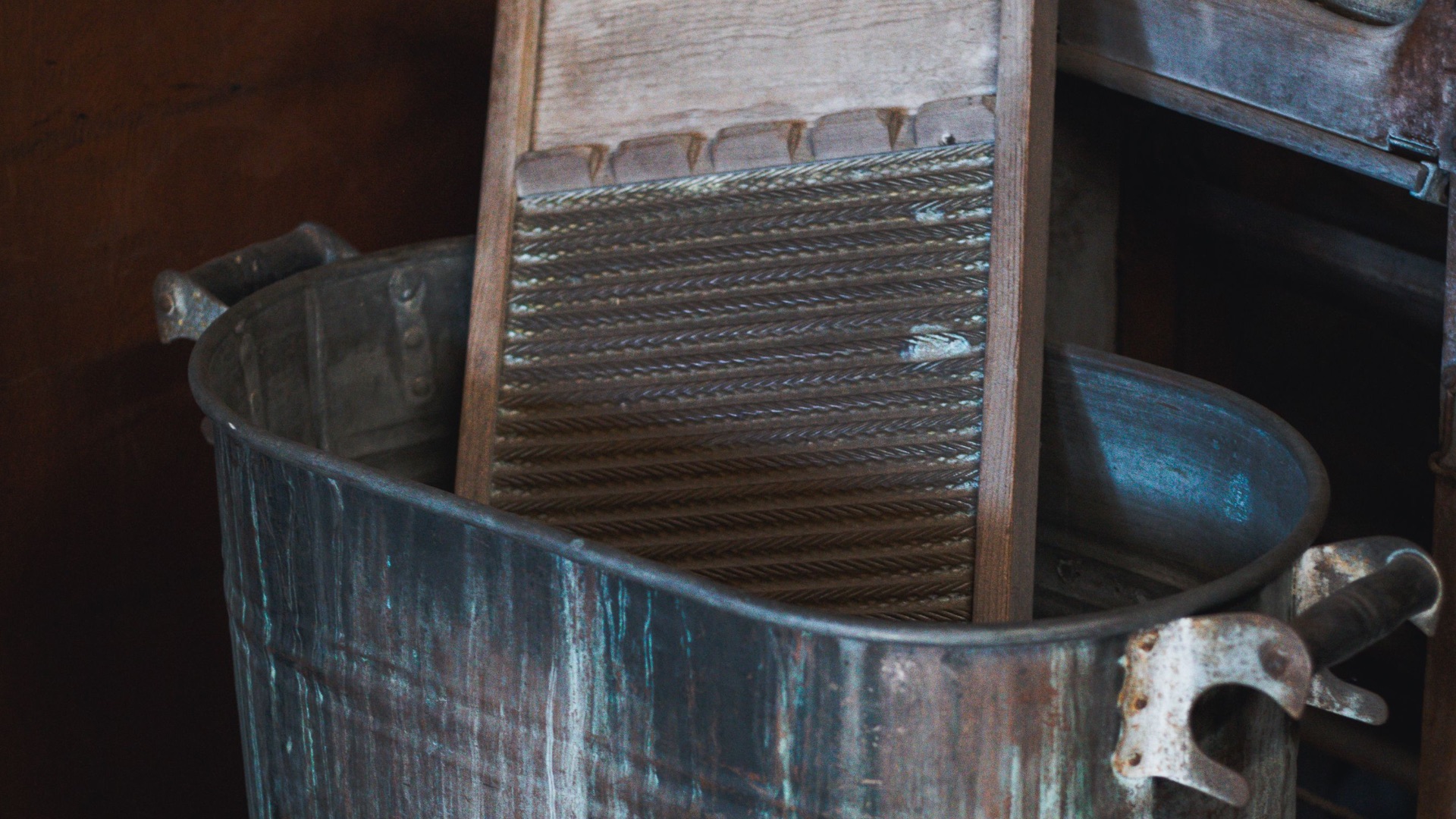
Boiling soiled linens wasn't the only thing you had to do, though; clothes still had to be actually washed. That's where the washboard came in, and you would have to scrub each piece with soap to work dirt from the fibers, sometimes for hours at a time. Repeated scrubbing was hard on both hands and fabric, and it was worse when you had a hefty laundry load.
17. Running Clothes Through a Wringer
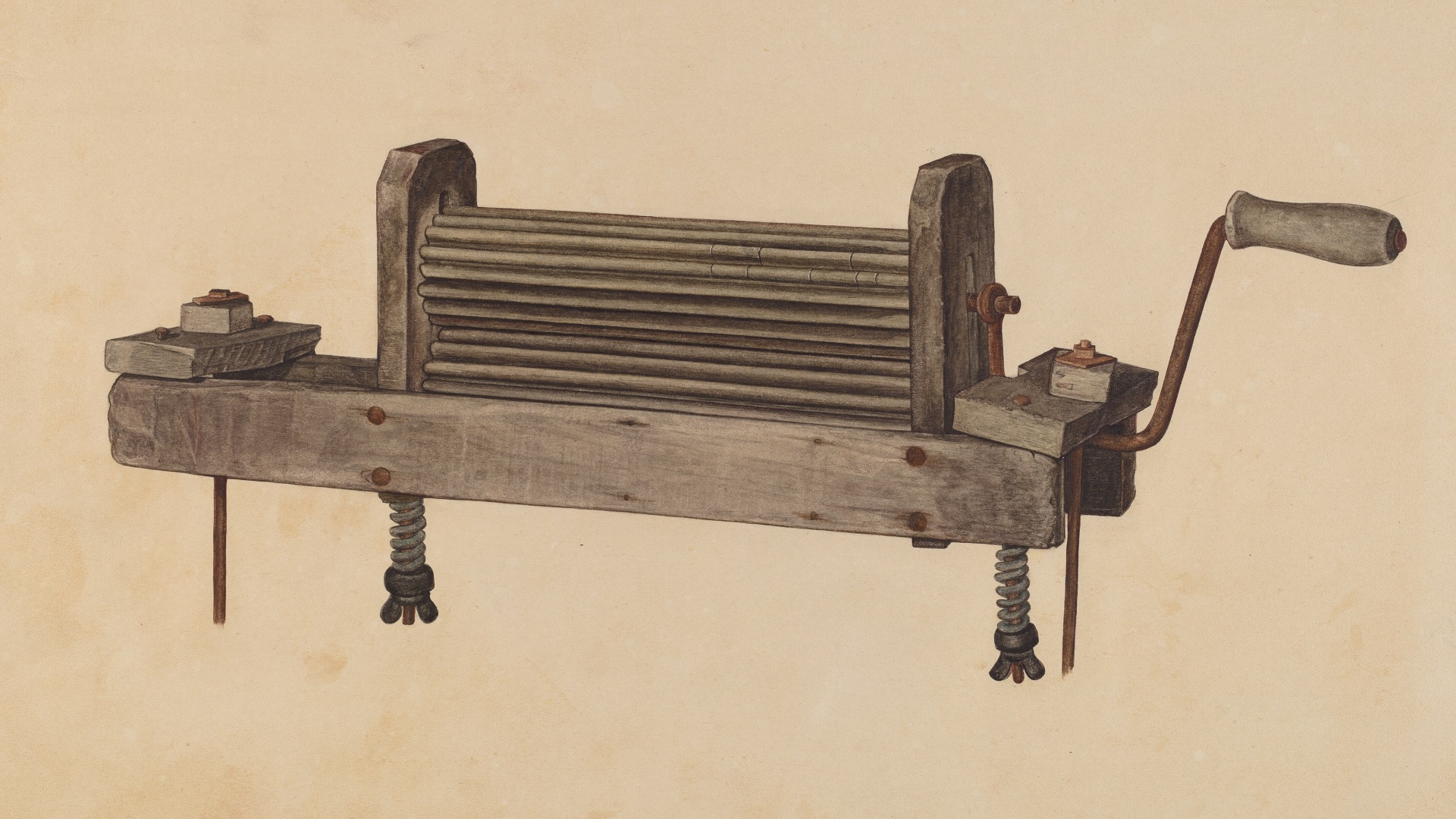
Before modern washing machines included spin cycles, excess water had to be forced out in other ways. A hand-cranked wringer was often the equipment of choice, and wet garments were fed between its two rollers. Because loose hair and clothing could get caught in the mechanism, though, it was sometimes a dangerous task.
 Herndon Hightower on Wikimedia
18. Starching and Ironing Nearly Everything
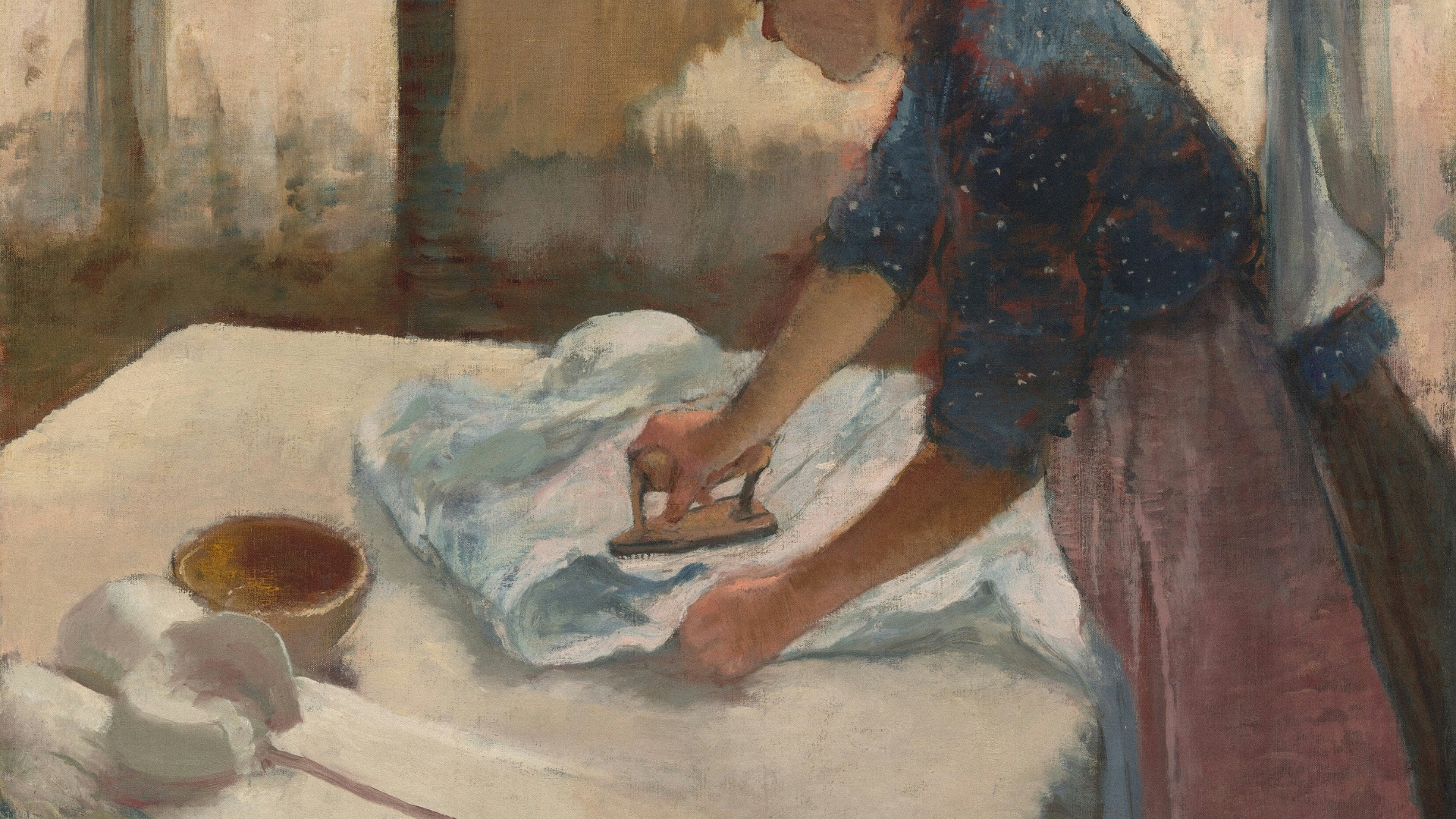
Ironing a shirt is much easier now. Back then, however, household textiles often had to be starched for stiffness and then pressed with heavy irons that were heated on a stove. If there were lots of clothes to work through, multiple irons had to be warmed at once so the process stayed efficient.
 National Gallery of Art on Unsplash
19. Emptying Icebox Drip Pans
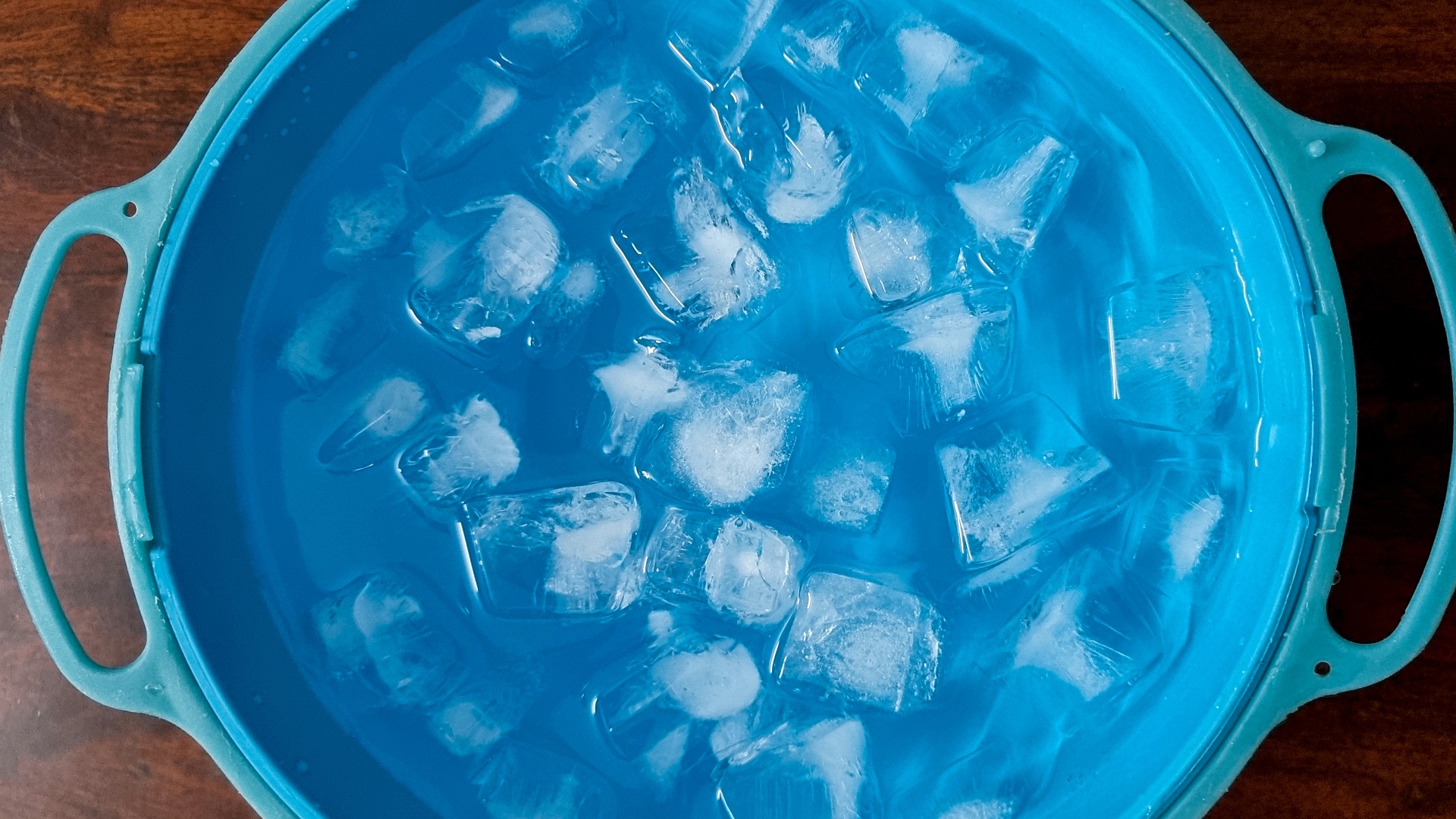
Before electric refrigerators, cooling was done with iceboxes and large chunks of ice. As the ice melted, water collected in a drip pan had to be emptied. There was also the task of arranging regular deliveries and purchases of ice, so refrigeration was an ongoing chore.
20. Preserving Eggs for Long-Term Storage
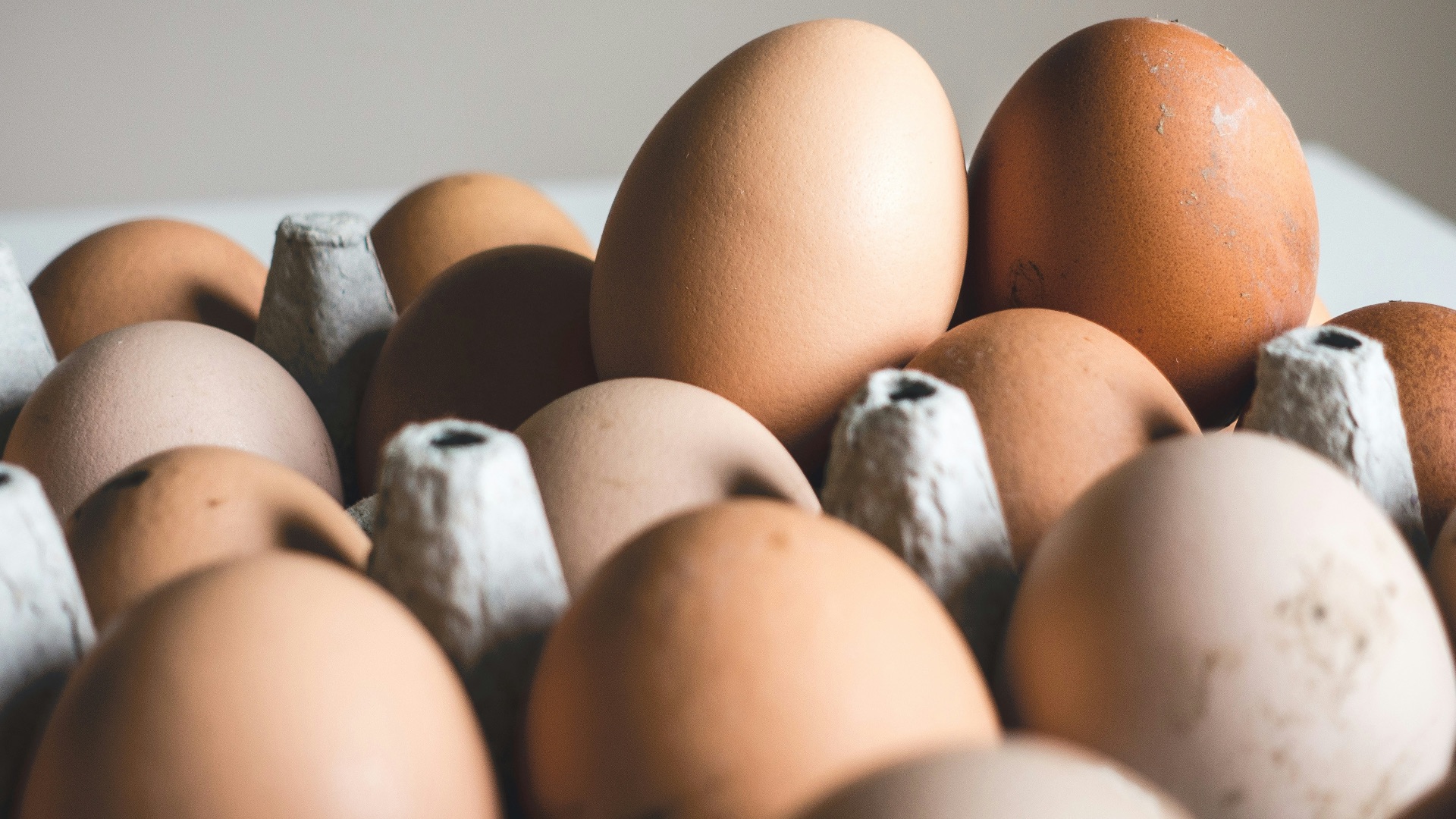
Because refrigeration was so complicated, preserving eggs was another tedious task. Households commonly placed fresh eggs in a mixture of sodium silicate, often called water glass, to seal the shells and slow spoilage. Nowadays, all you'd have to do is stick the carton in the fridge.
KEEP ON READING