

Gone, But Not Equally Long Gone
Extinction can feel like one big locked museum case, but the timeline is much messier than that. Some vanished animals were seen by sailors, farmers, hunters, children, and people who would recognize plenty about our lives. Others missed us by a thinner margin than it seems, disappearing before they could enter family stories, village warnings, or the kind of memory that gets passed down. Here are ten extinct animals our ancestors actually saw, and ten more that vanished before our time.
 commons.wikimedia.org on Google
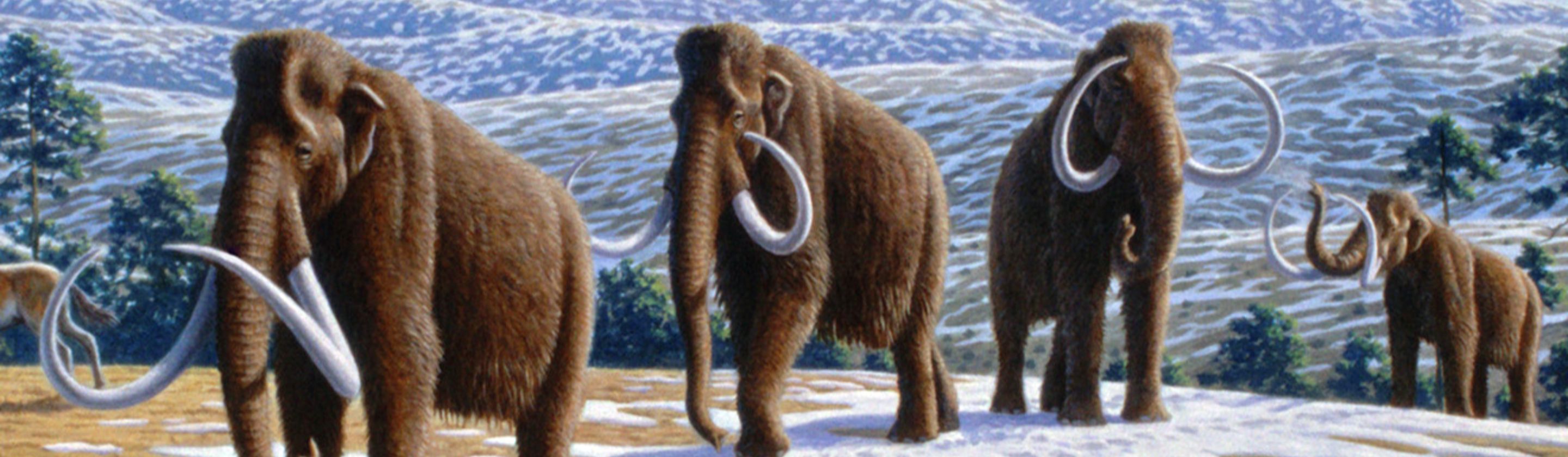
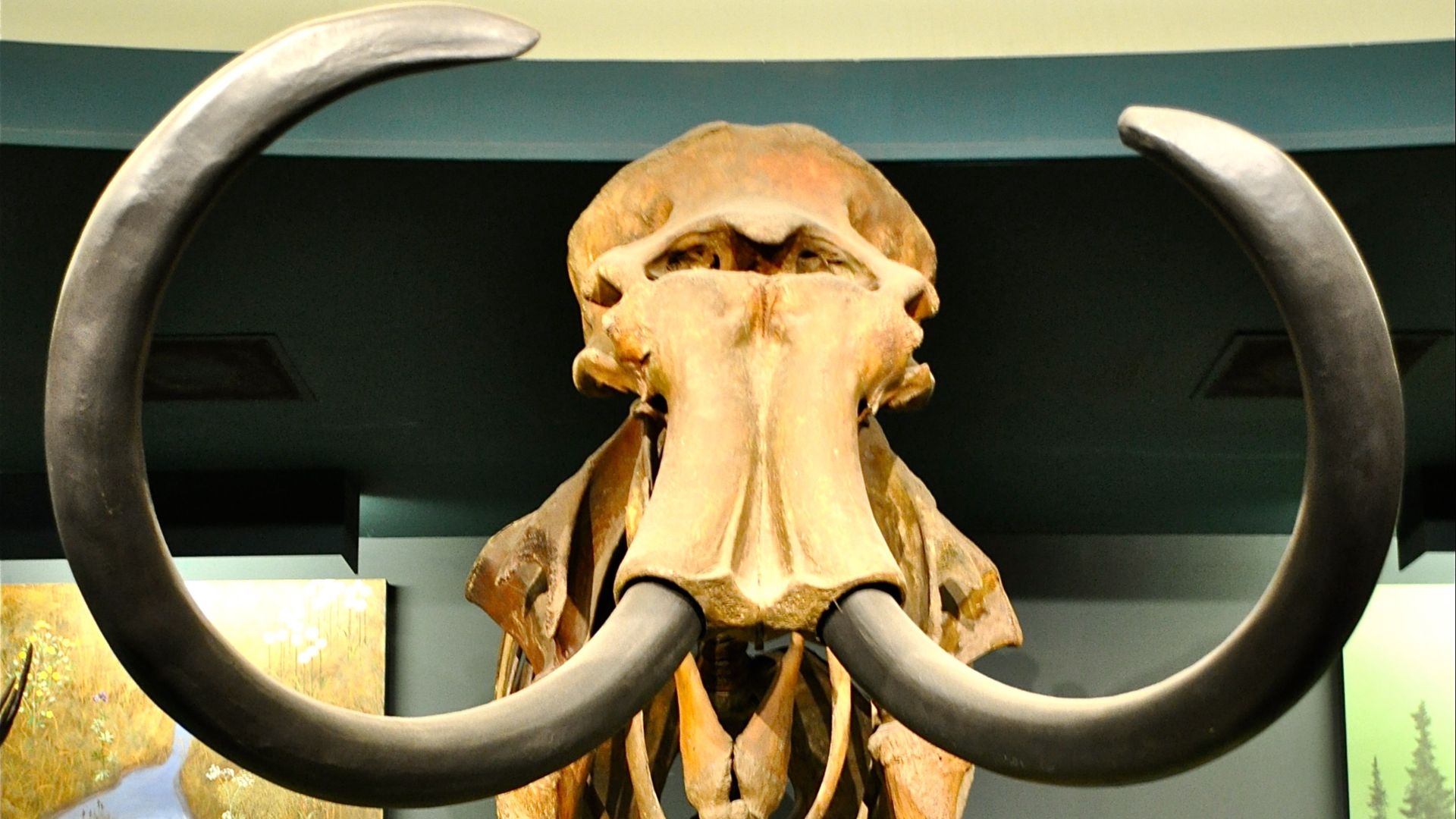
1. Woolly Mammoth
The woolly mammoth feels prehistoric in the movie-poster sense, but some survived surprisingly late. Small island populations were still around thousands of years after the Ice Age, close enough to human civilization to make the timeline feel a little uncanny. They were not just cave-painting creatures; for some people, they were living animals.
 commons.wikimedia.org on Google
2. Dodo
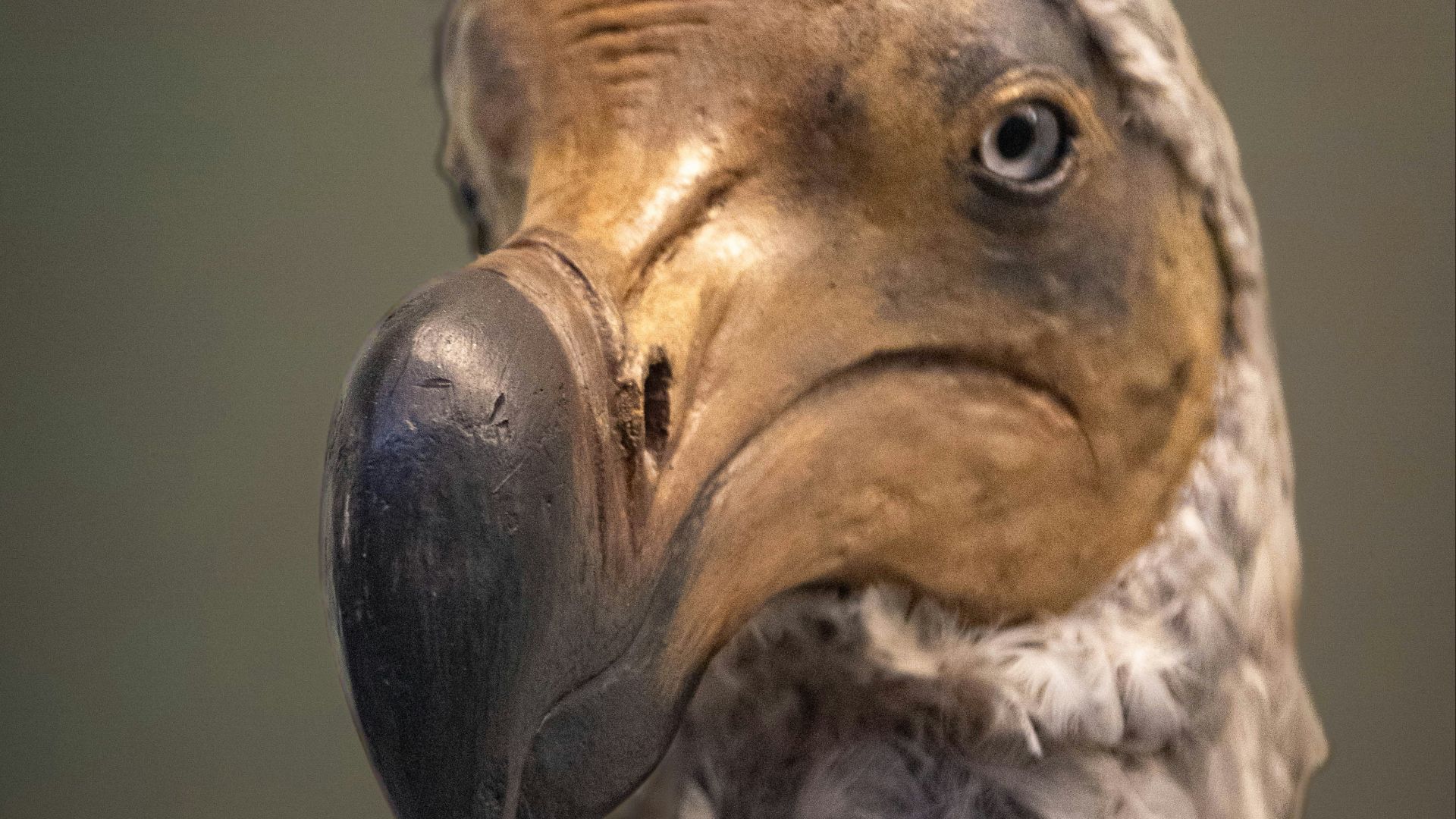
The dodo has been turned into a joke for so long that it is easy to forget it was a real bird with a real home. It lived on Mauritius, where it had no reason to fear people, ships, rats, pigs, or the sudden arrival of a very different world. By the late 1600s, it was gone.
3. Thylacine
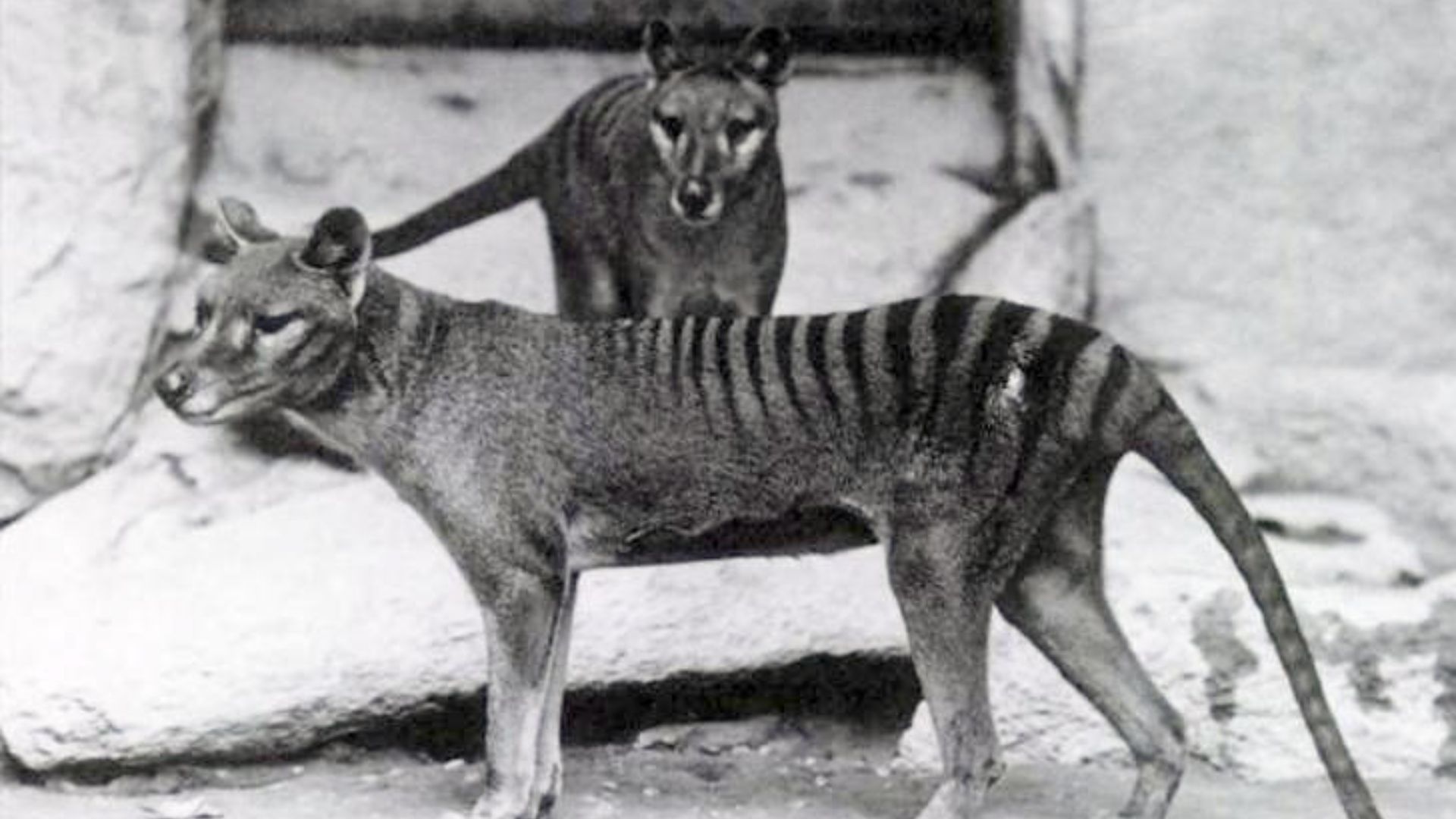
The thylacine, often called the Tasmanian tiger, looked like nature had mixed a dog, a marsupial, and a striped shadow.
The last known one died in captivity in 1936, which is recent enough to feel uncomfortable. There are people whose grandparents lived in a world where it still existed.
 Baker; E.J. Keller. on Wikimedia
4. Passenger Pigeon
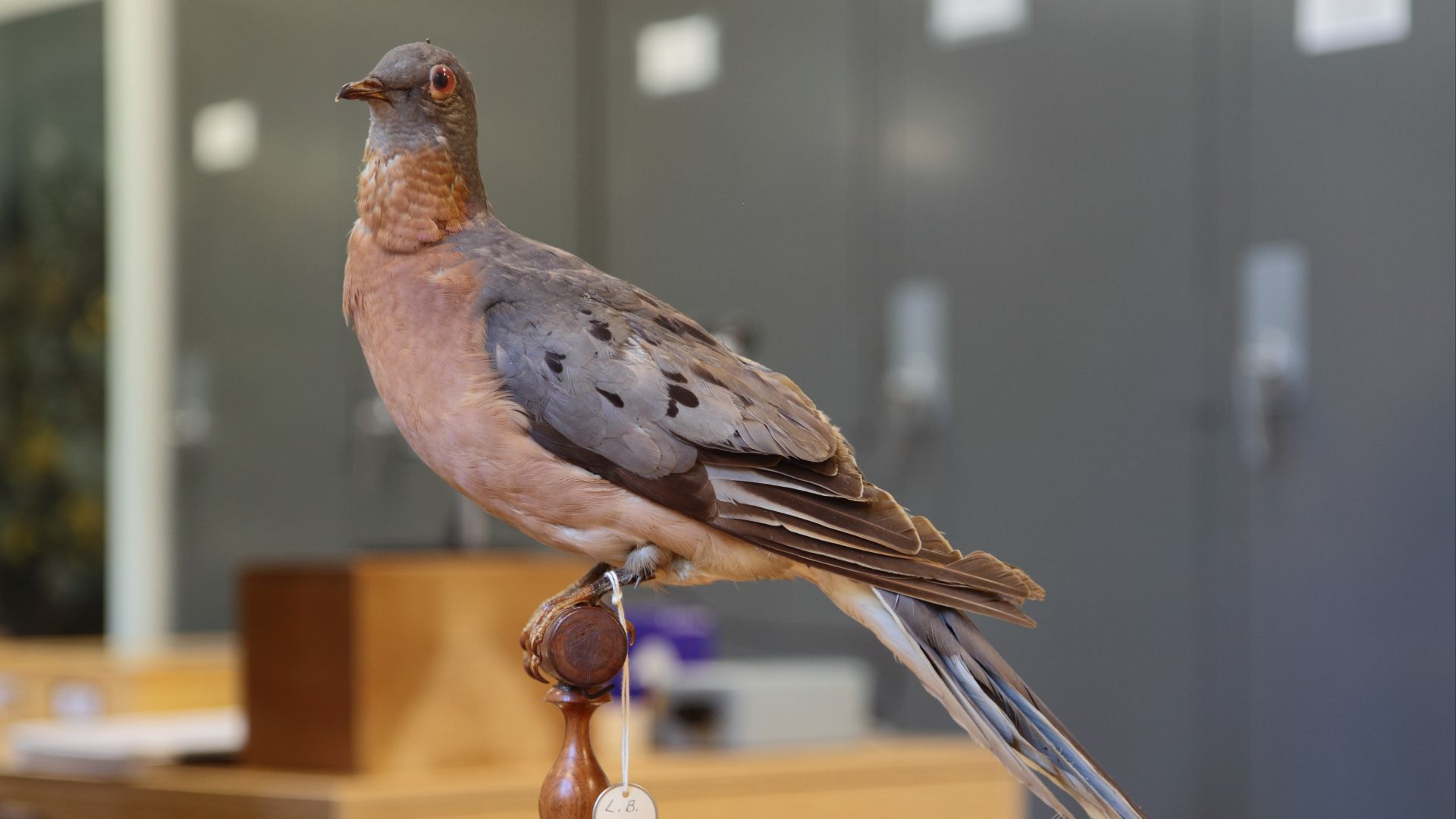
The passenger pigeon once moved through North America in numbers so huge they could darken the sky. Then hunting, habitat loss, and human appetite collapsed that abundance with brutal speed. The last known passenger pigeon died in 1914, turning a bird of millions into a museum name.
5. Great Auk
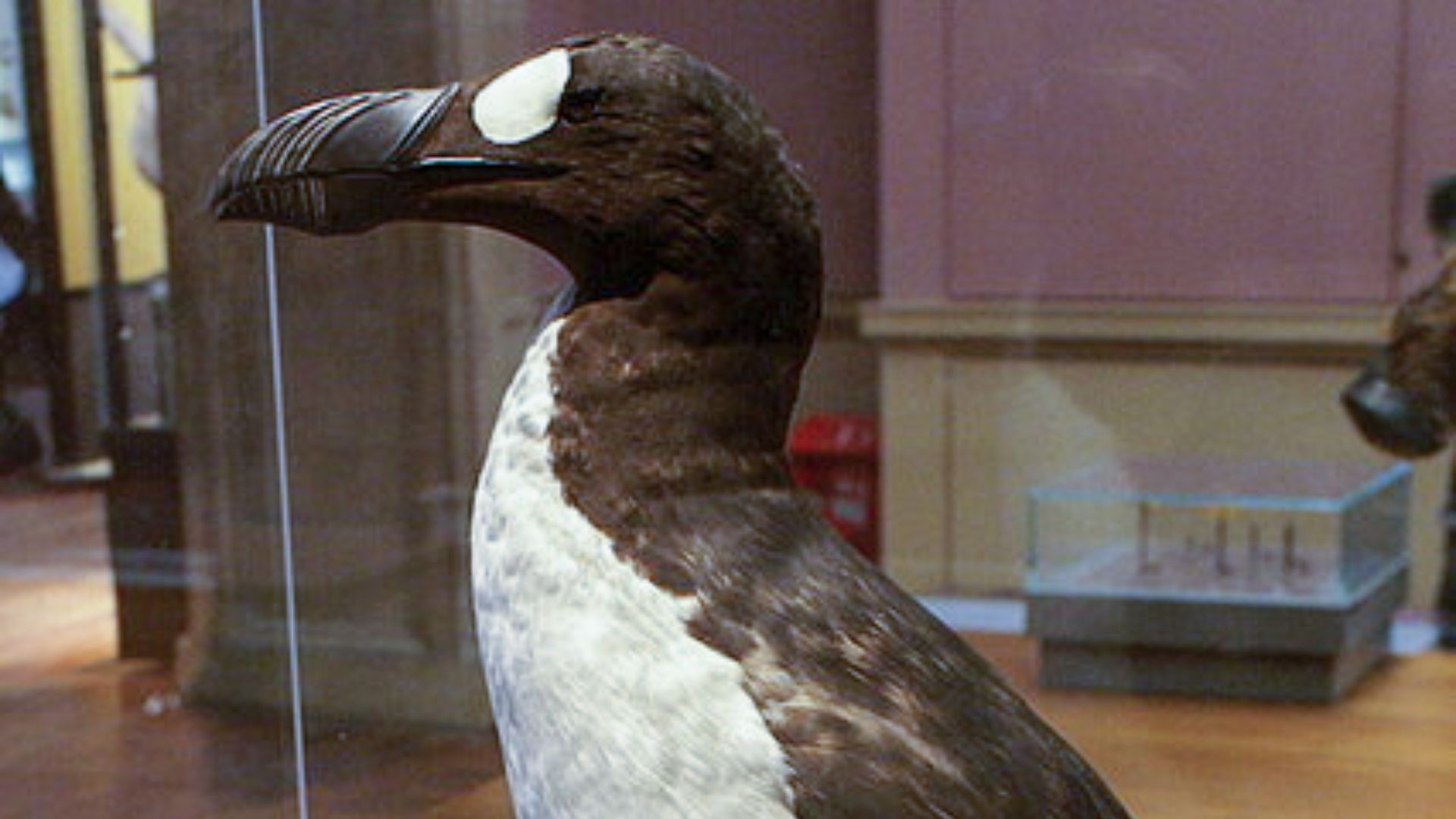
The great auk was a flightless seabird of the North Atlantic, built a little like a penguin but living in a very different world. People hunted it for food, feathers, oil, and eventually specimens. Its final known breeding pair was killed in the 1840s, which is a hard sentence to read without pausing.
6. Steller’s Sea Cow
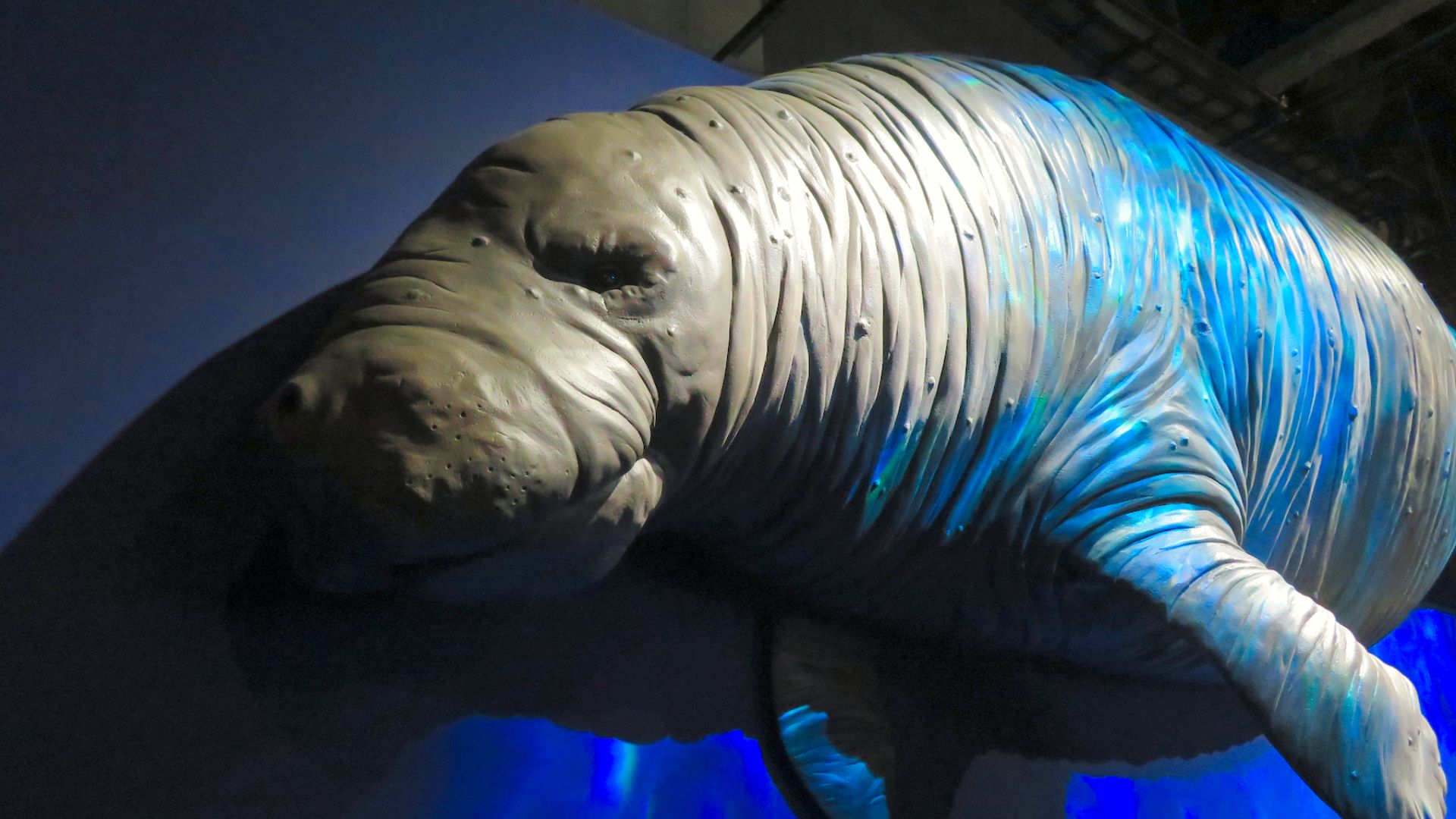
Steller’s sea cow was enormous, slow, and gentle, which turned out to be a terrible combination once humans found it. It lived in cold northern waters and fed on kelp like a floating, peaceful giant. Within a few decades of being described by Europeans, it had been hunted out of existence.
7. Quagga
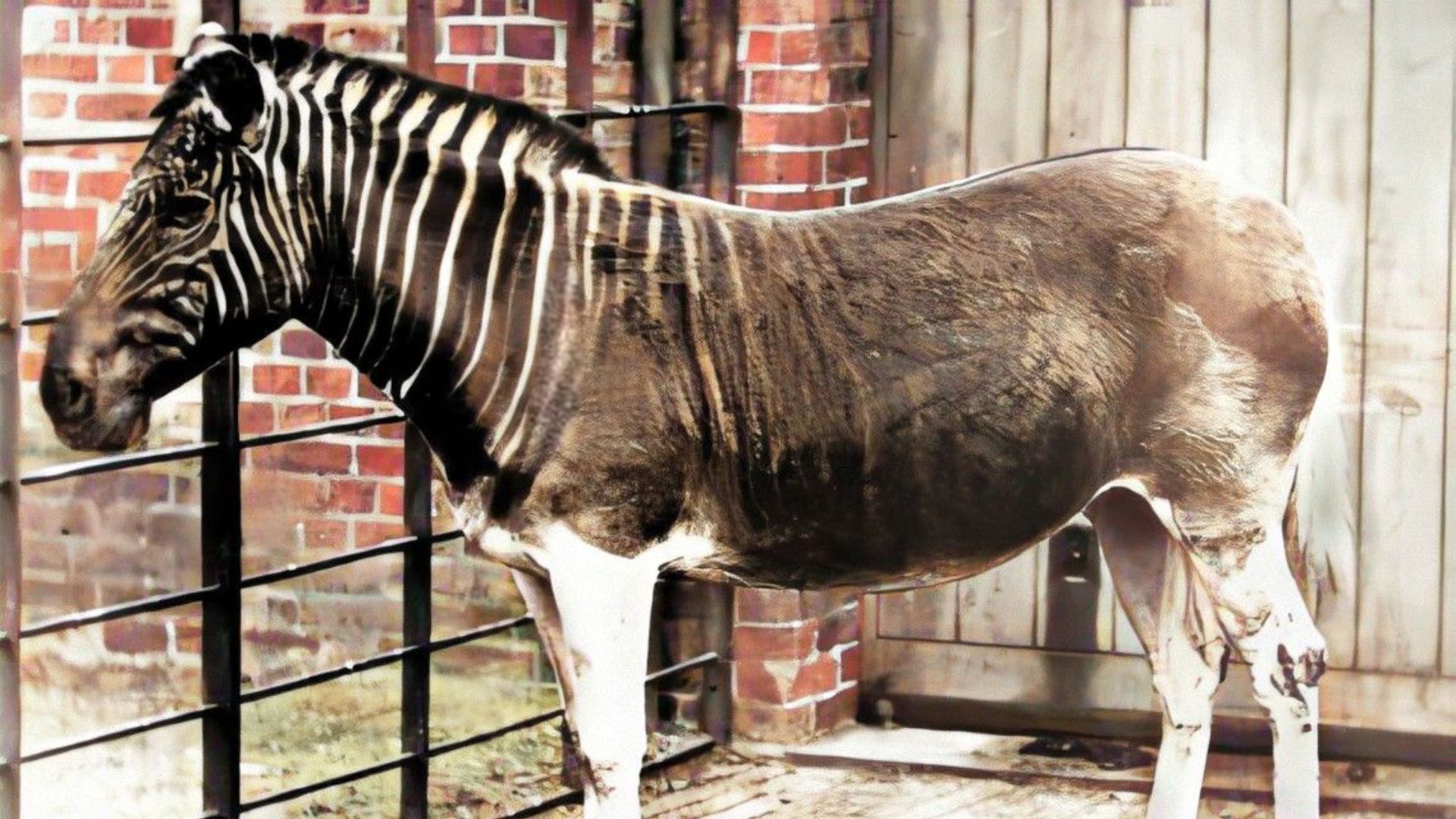
The quagga looked like someone had started painting zebra stripes and then lost interest halfway down. It lived in southern Africa and was hunted heavily during European settlement.
The last known quagga died in an Amsterdam zoo in 1883, close enough to early photography to feel almost reachable.
8. Aurochs
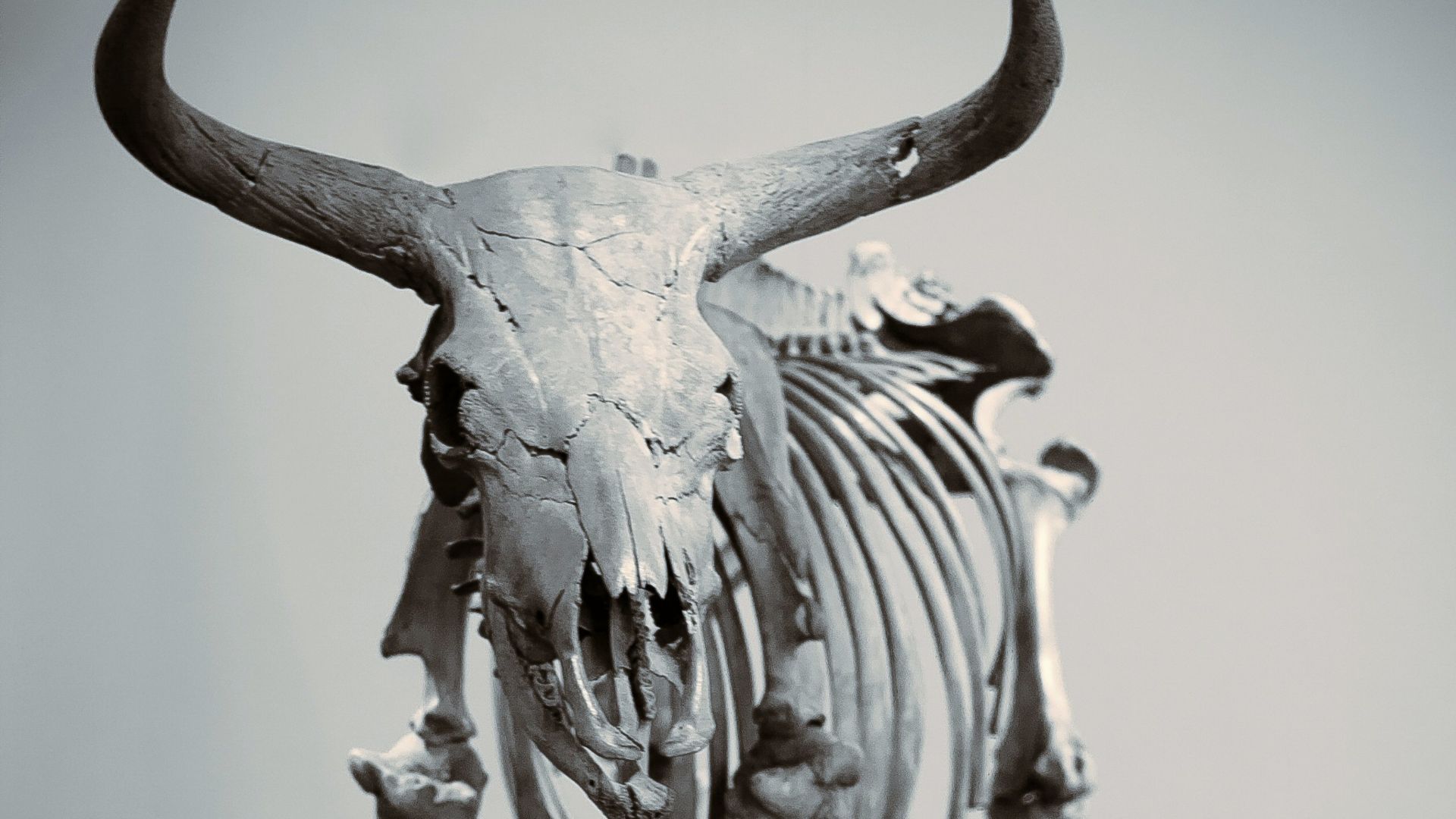
The aurochs was the wild ancestor of domestic cattle, but it was not just a rougher cow. It was bigger, fiercer, and impressive enough to show up in ancient art and old stories. The last known aurochs died in Poland in the 1600s, after a long retreat from forests and grasslands.
 Marcus Sümnick from Rostock, Germany on Wikimedia
9. Moa
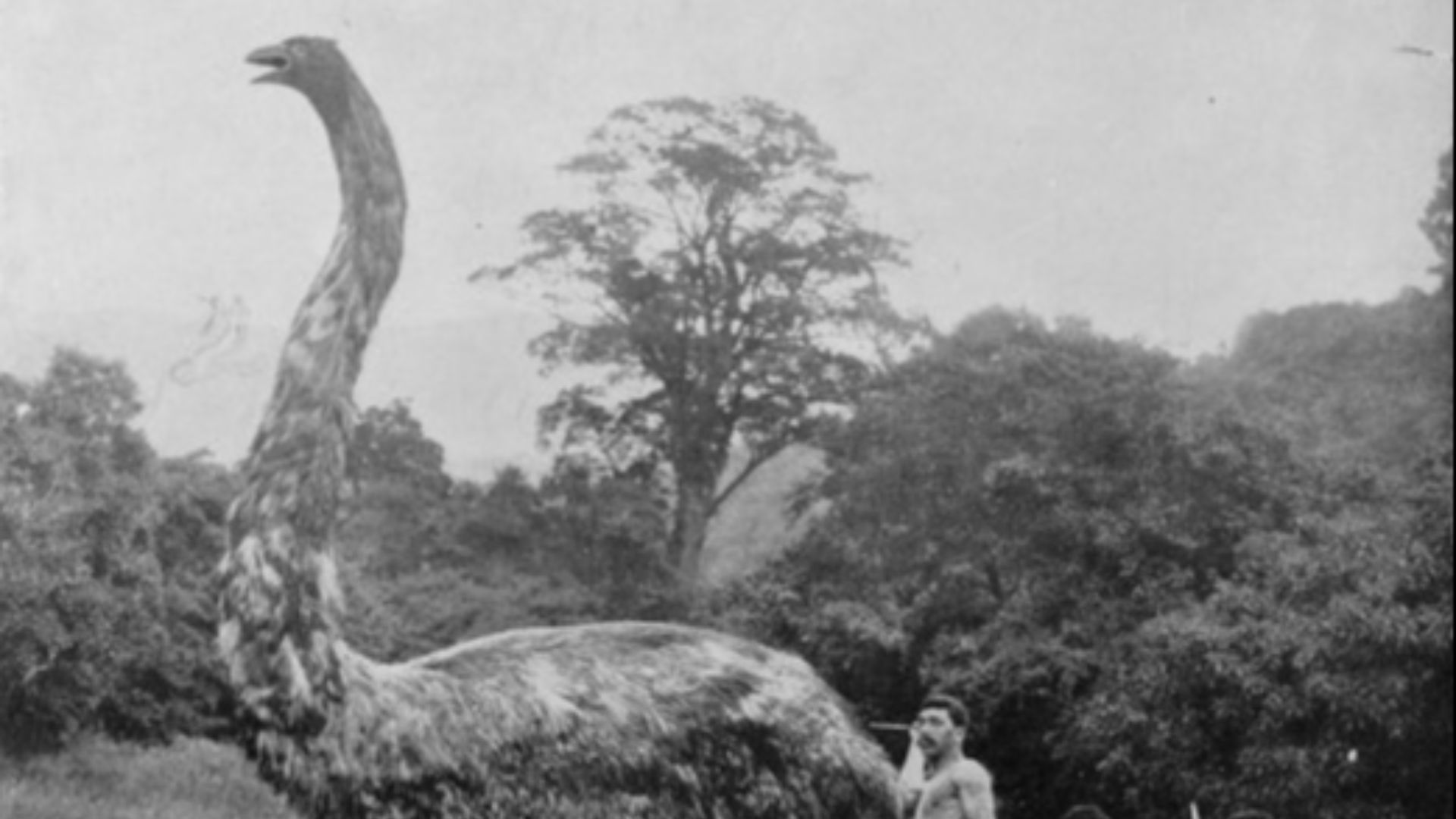
Moa were giant flightless birds from New Zealand, and some species stood taller than a person. They had no wings at all, not even little decorative ones. After humans arrived, hunting and ecological change pushed them out of the world in a few short centuries.
 Augustus Hamilton on Wikimedia
10. Elephant Bird
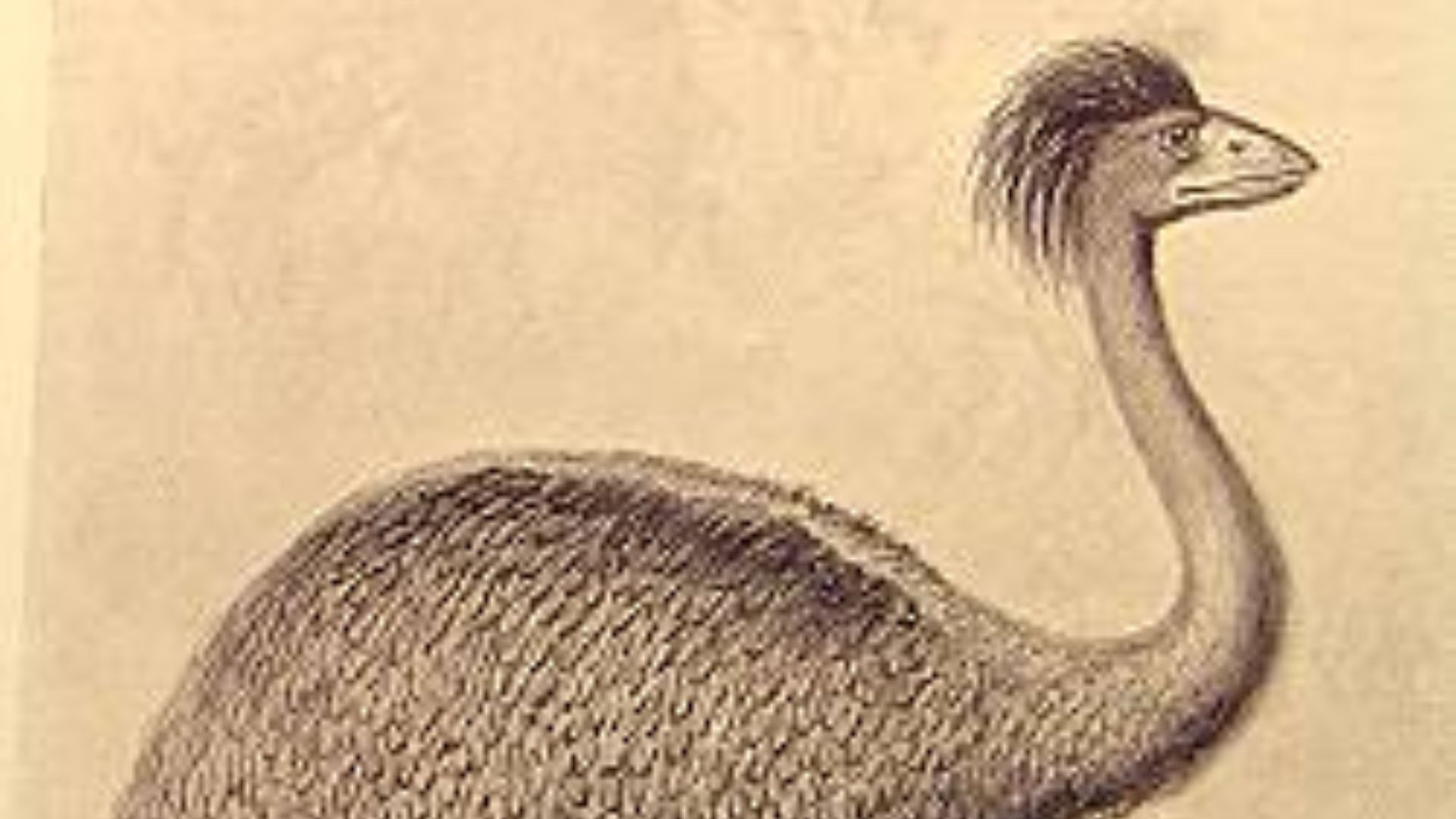
The elephant bird of Madagascar was another giant that made ostriches look modest. Its eggs were enormous, the kind of thing that sounds invented until you see one in a museum. Humans almost certainly lived alongside it before it vanished, leaving behind bones, eggshells, and the uneasy feeling that giants were not always imaginary.
Now here are ten from the other side of the line. These were not dinosaurs or ancient sea monsters but animals we can almost recognize that vanished before they could become part of ordinary human memory.
 Unknown authorUnknown author on Wikimedia
1. Saber-Toothed Cat
The saber-toothed cat was not actually a tiger, though the nickname has stuck hard. It was a powerful ambush predator with long curved canines and the kind of build that made it look more like a wrestler than a runner. By the end of the Ice Age, it was gone.
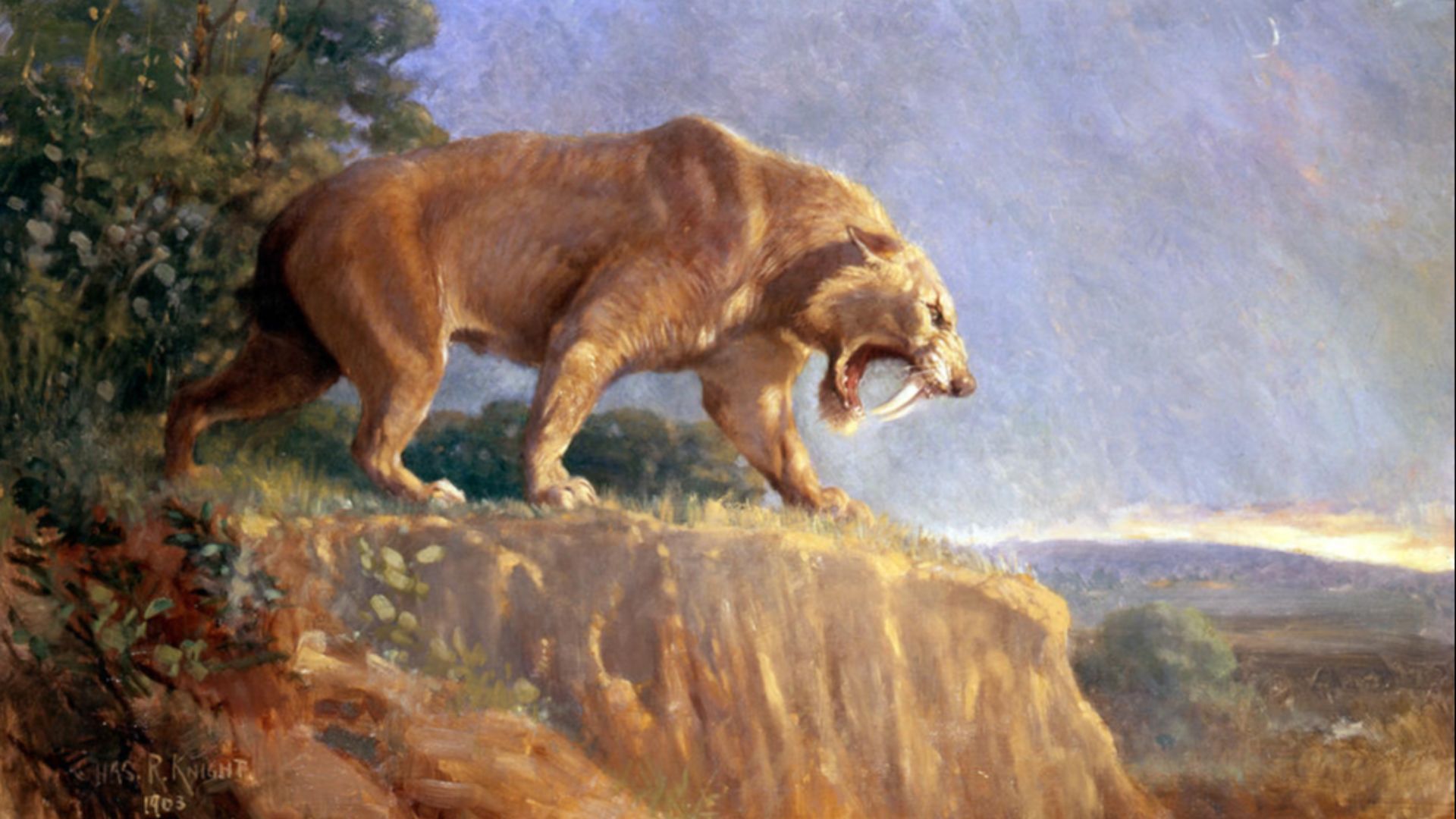 Charles Robert Knight on Wikimedia
2. American Lion
The American lion was larger than the lions we know today, which is already a difficult thing to improve on. It roamed parts of North America during the Ice Age, hunting in a landscape full of horses, camels, bison, and mammoths. Then the world warmed, prey changed, and this enormous cat slipped out of reach.
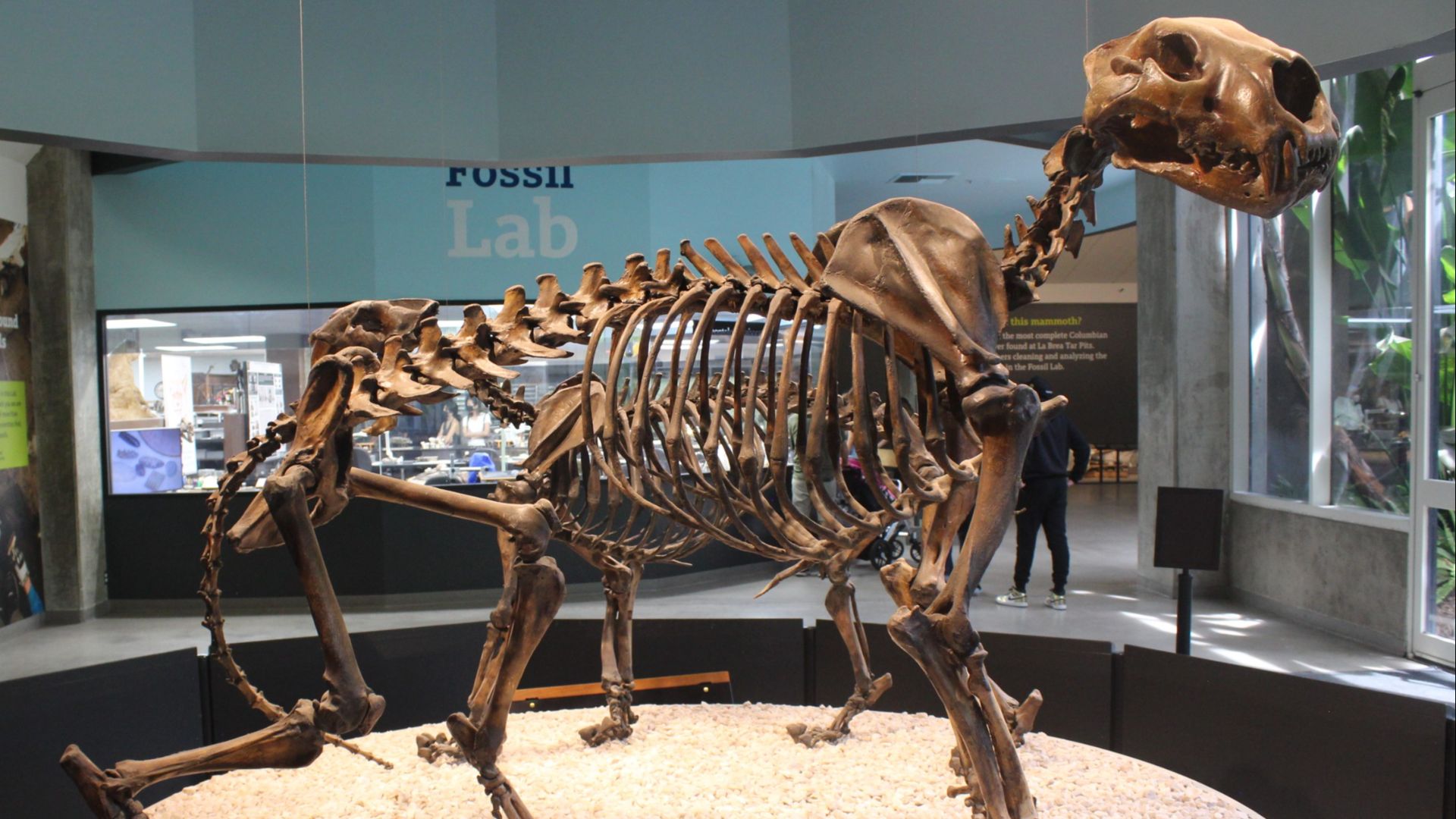
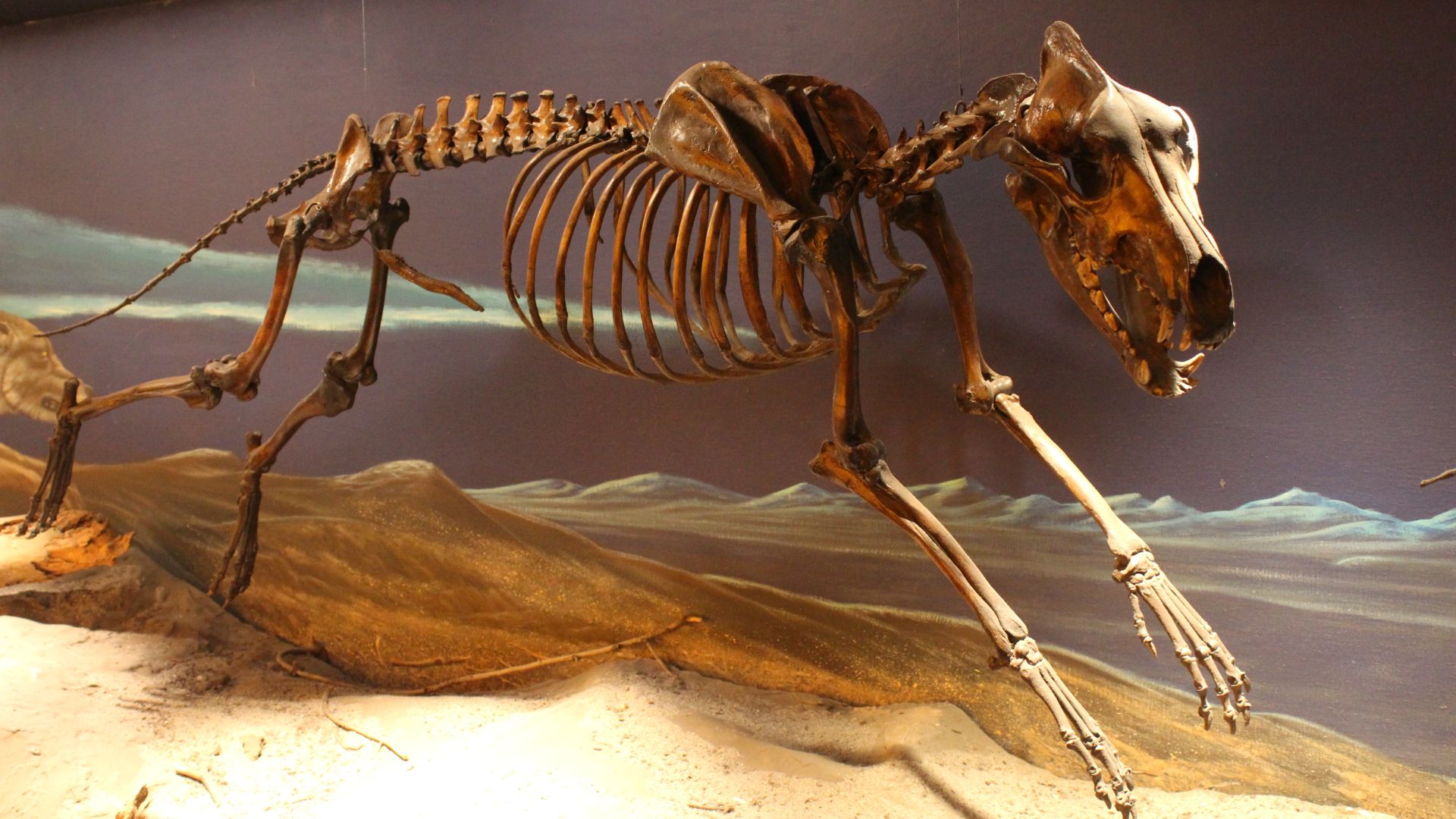
3. Dire Wolf
The dire wolf sounds invented for fantasy, but it was very real. It was stockier than the gray wolf and built for a rougher, heavier world. For thousands of years, it hunted across the Americas, then disappeared near the end of the Pleistocene.
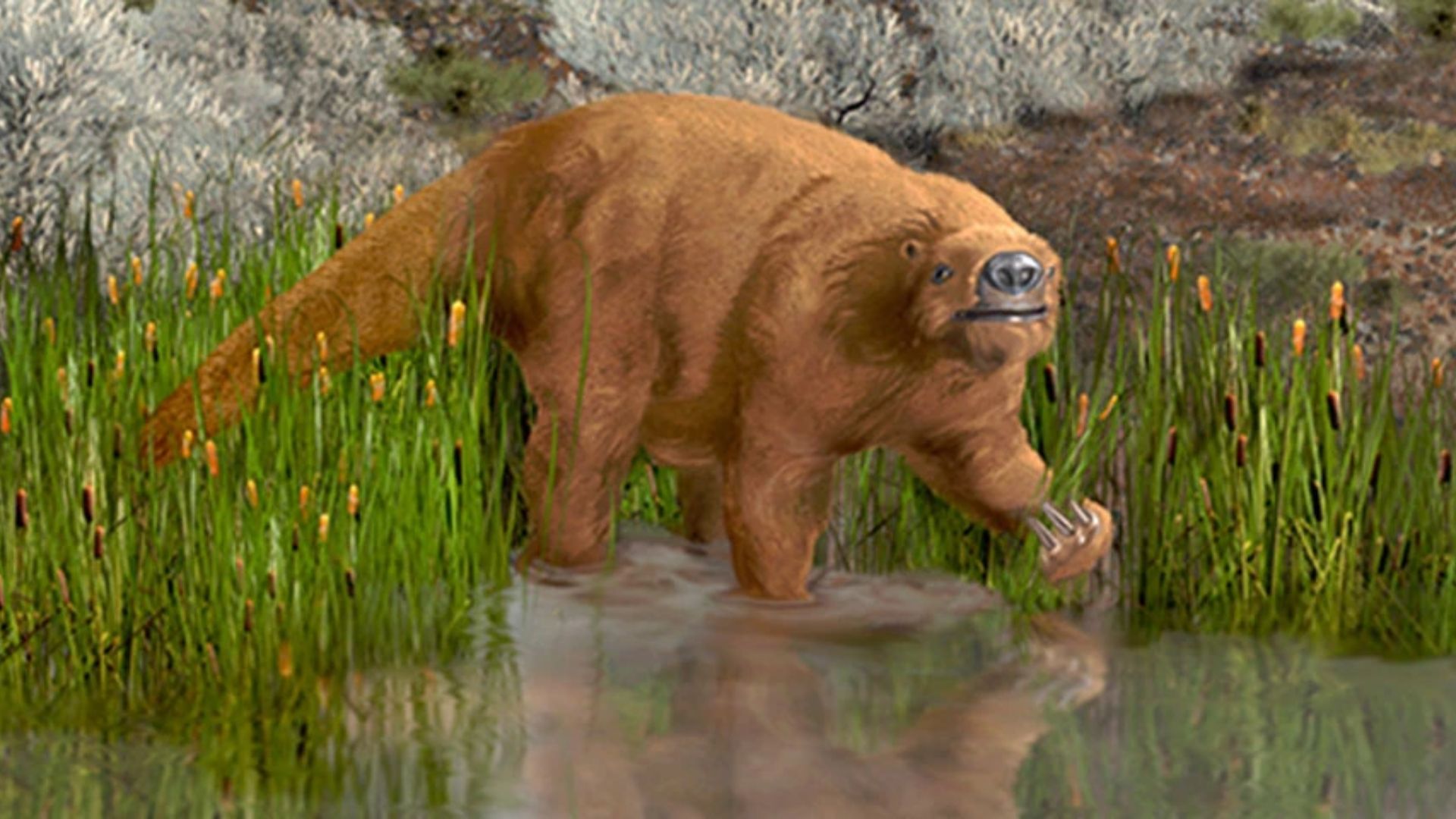
4. Giant Ground Sloth
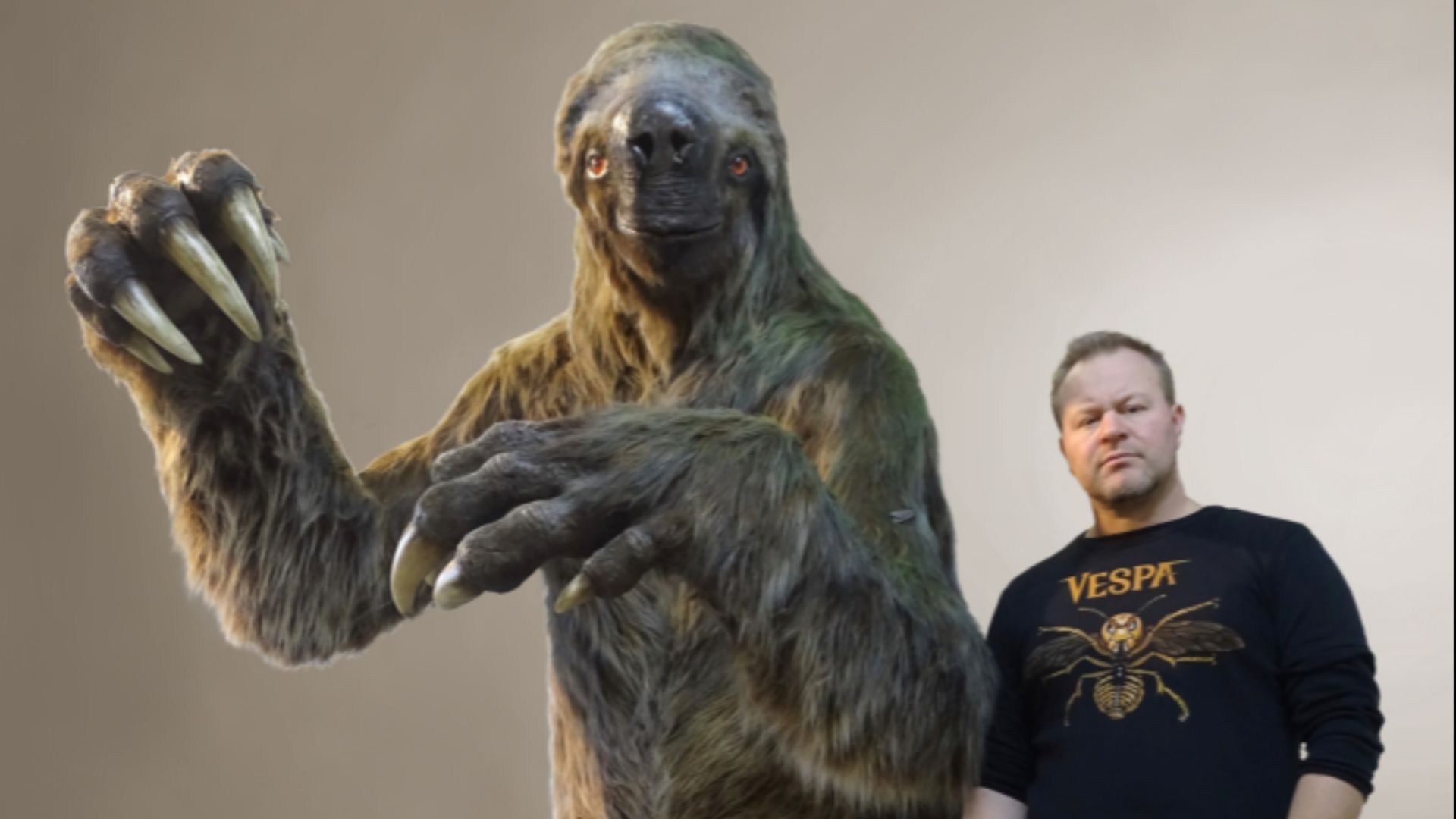
The giant ground sloth takes a familiar animal and stretches it into something almost unbelievable. Some species were large enough to stand taller than a person, with huge claws used for pulling branches, digging, or defense. It was not the sleepy tree-hanger we picture today; it was a slow-moving giant with real presence.
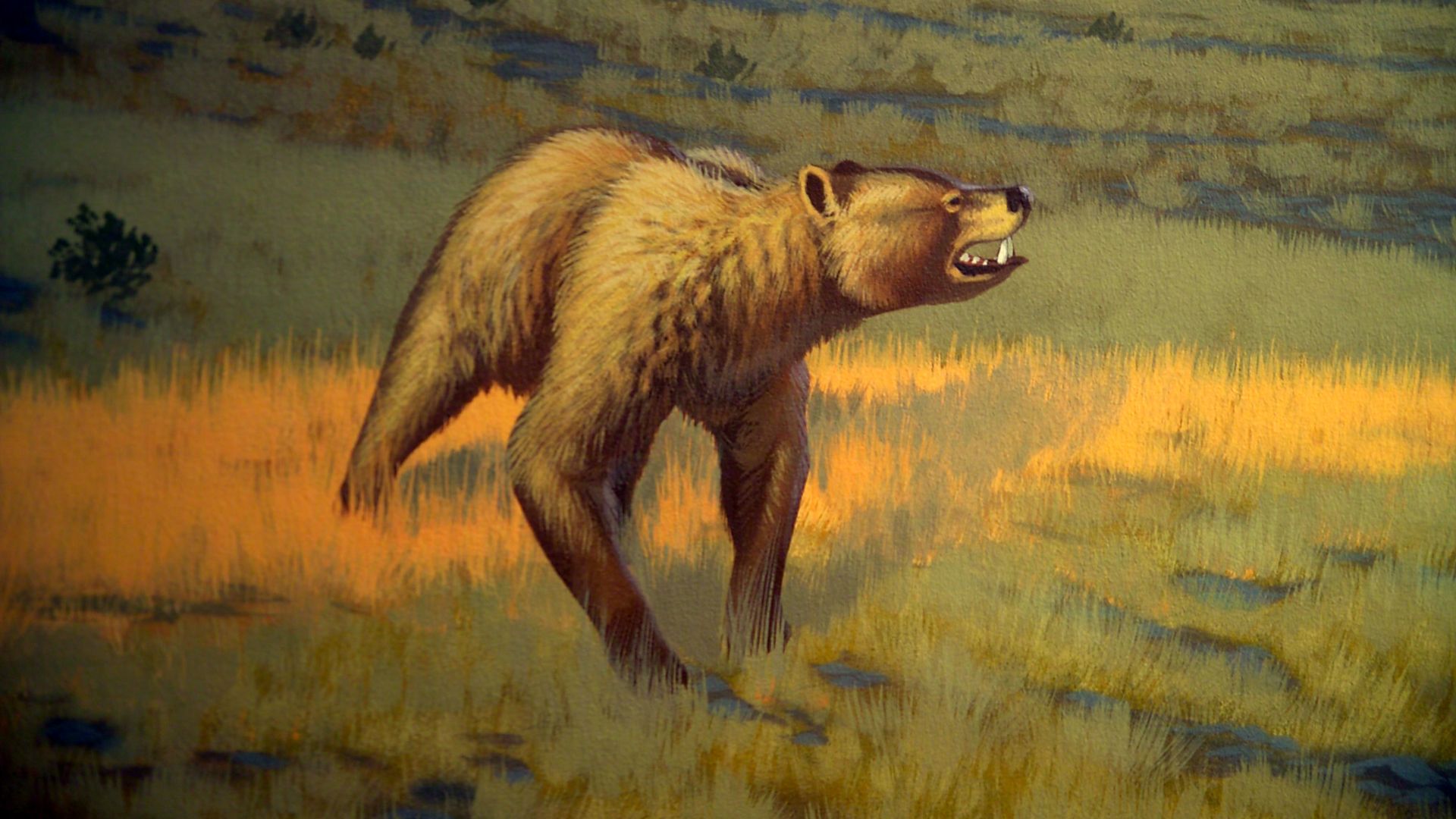
5. Short-Faced Bear
The short-faced bear was one of the most intimidating mammals of Ice Age North America.
It stood tall, moved on long limbs, and looked built to cover serious ground. Modern bears are impressive enough, but this one feels like a bear from a world where everything had been turned up a notch.
6. Woolly Rhinoceros
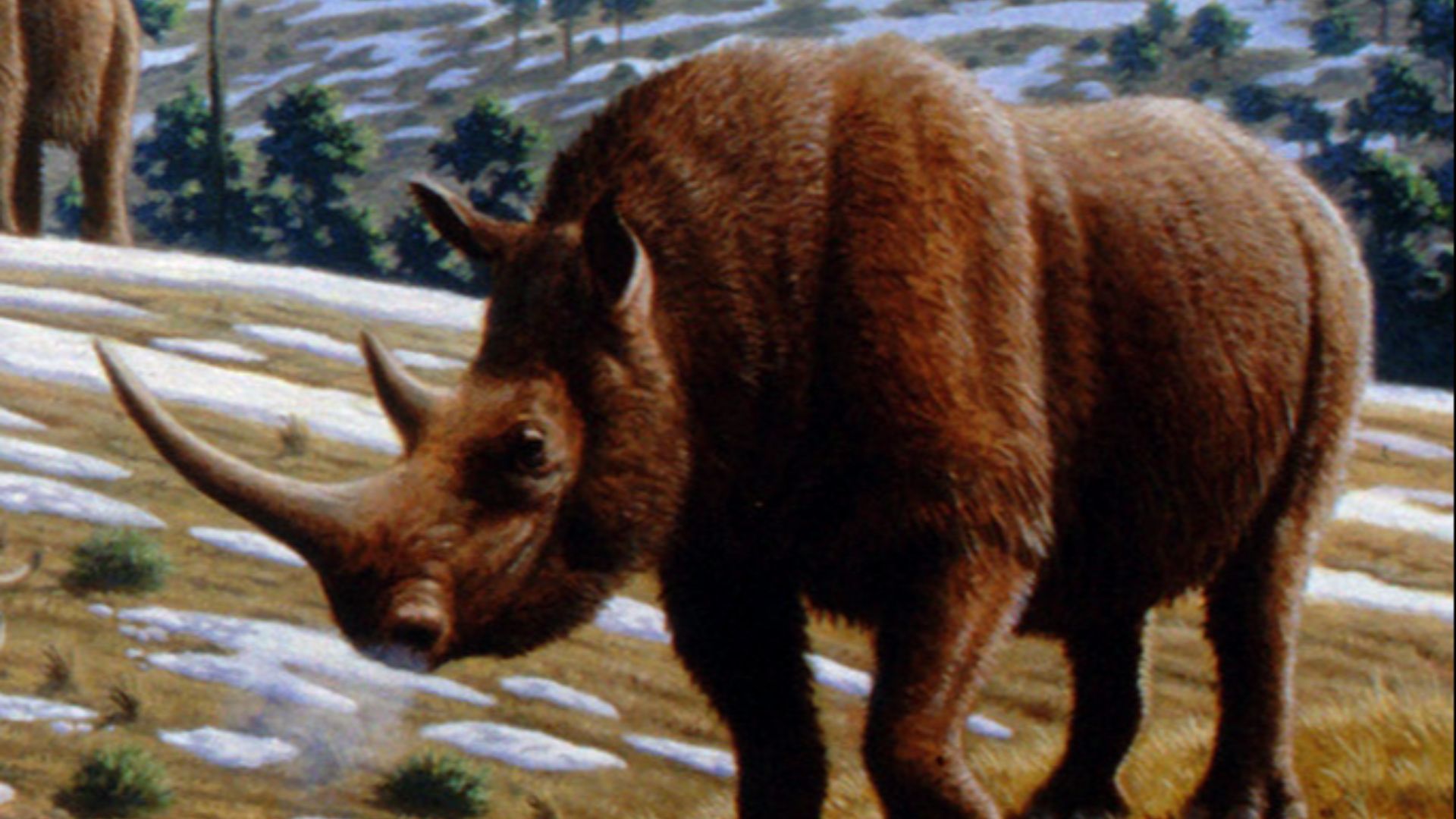
The woolly rhinoceros looked like a modern rhino prepared for brutal weather. It had a thick coat, a heavy body, and great horns suited to open, cold landscapes. Ancient people may have known it not as a fossil, but as a living animal moving through a hard, frozen world.
7. Irish Elk
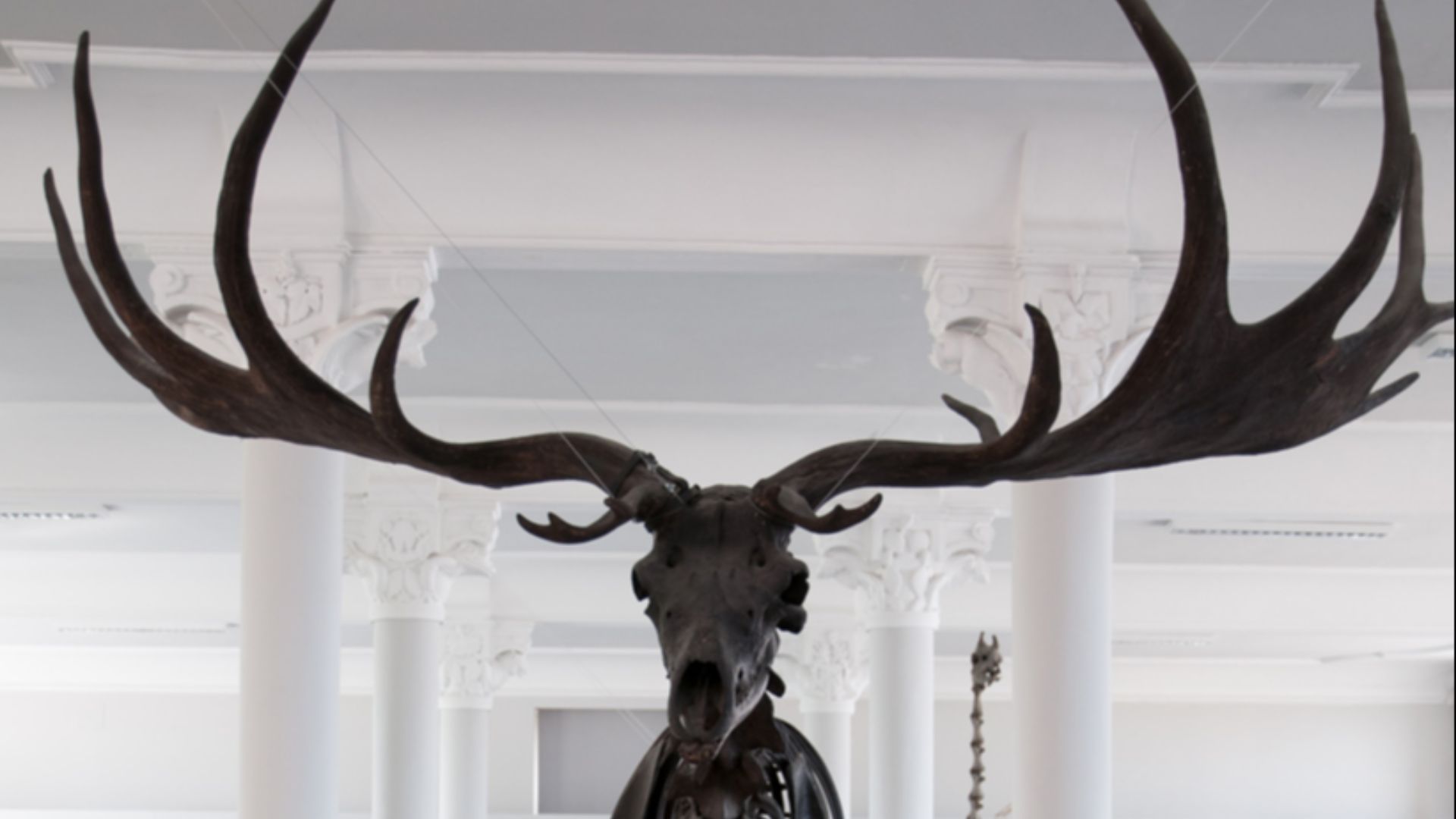
The Irish elk was not really an elk in the modern American sense, but the name has a nice old-world weight to it. Its antlers were enormous, stretching wider than a small car. Even now, its skeleton looks almost staged, as if nature got carried away.
8. American Cheetah
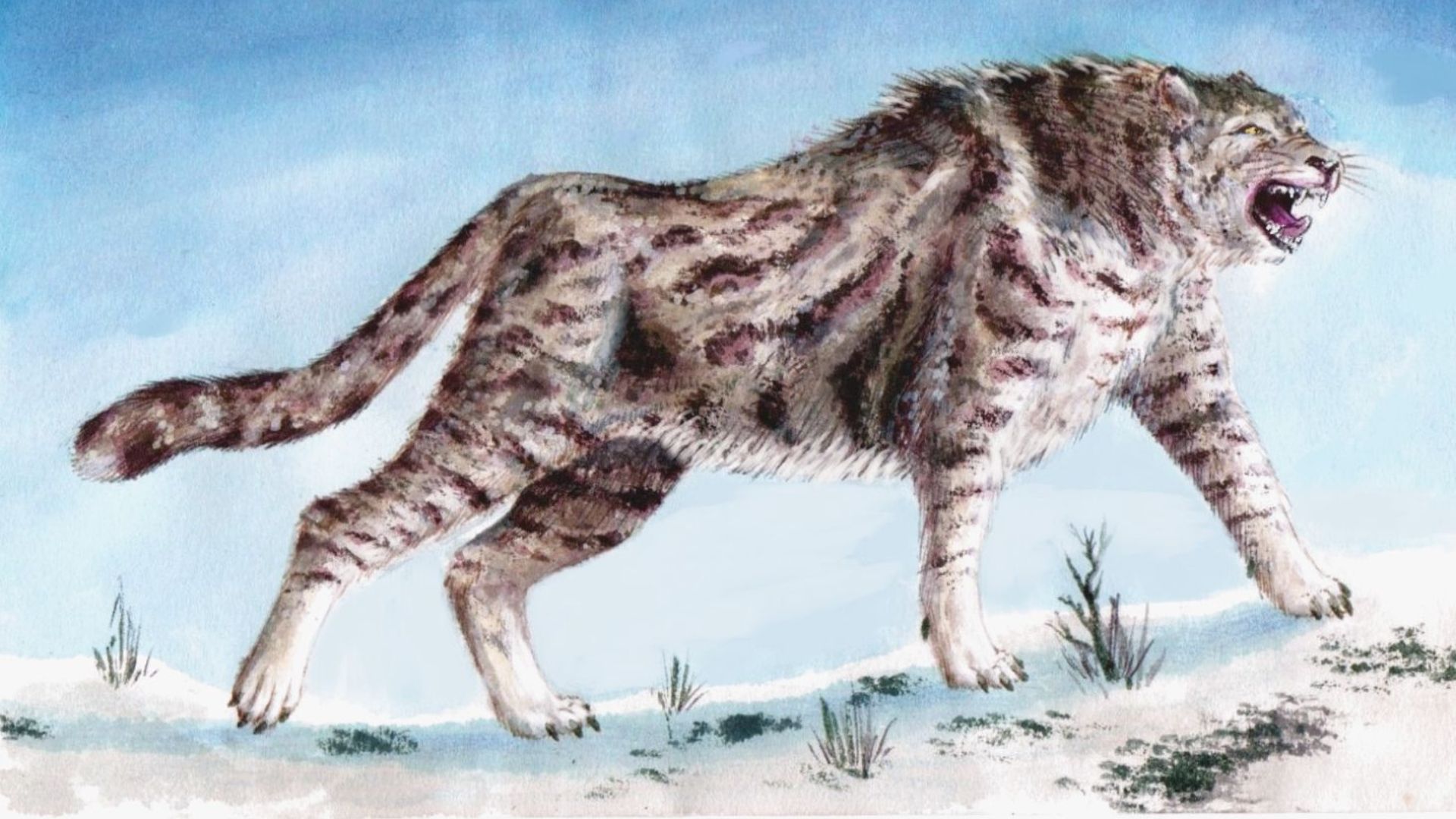
The American cheetah was not the same animal as the cheetah on the African plains, but it seems to have filled a similar role. It was fast, lean, and built for open country. Its absence may even explain why pronghorns are still so ridiculously quick, as if they are running from a predator that no longer exists.
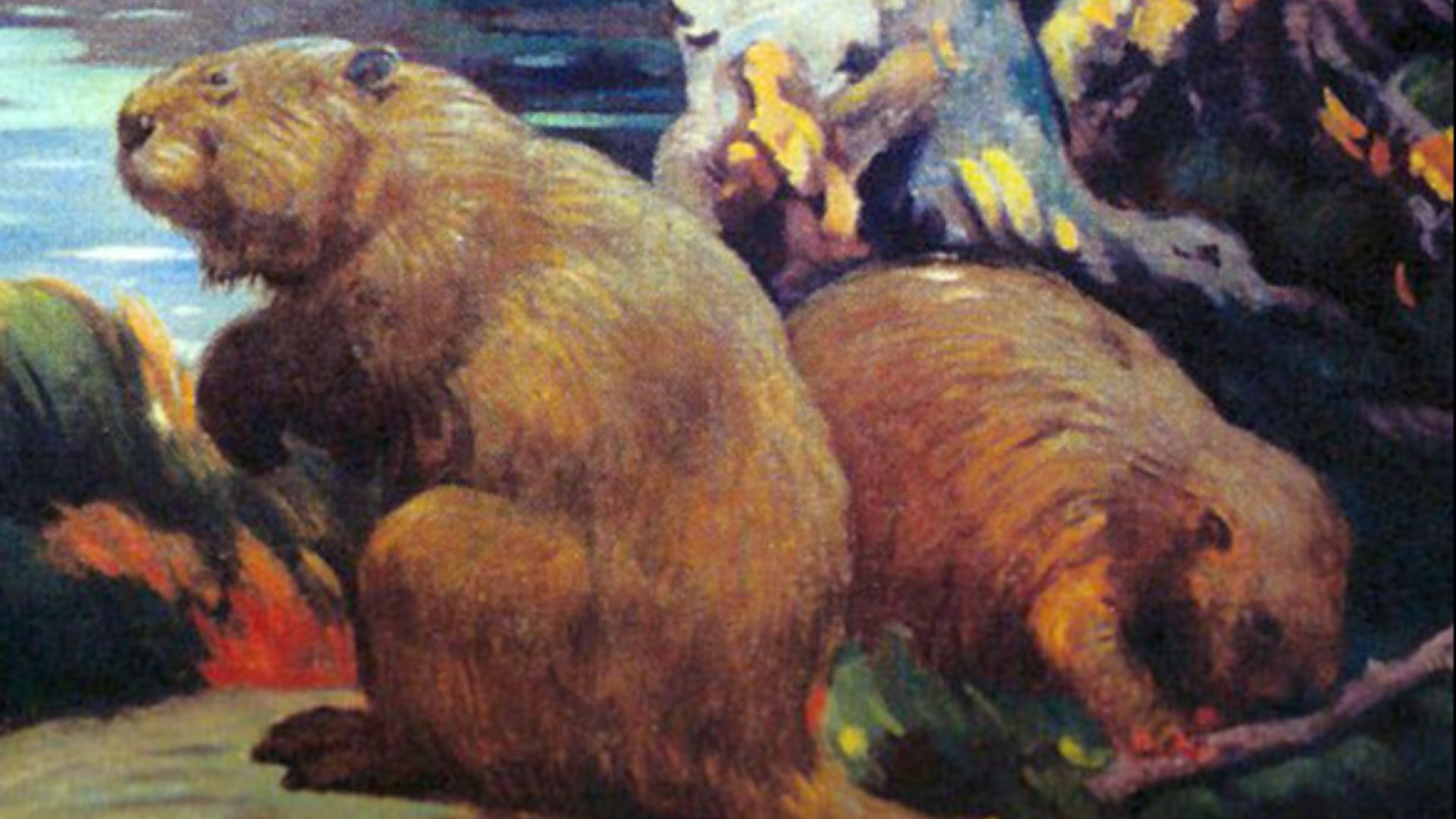
9. Giant Beaver
The giant beaver was not just a regular beaver scaled up for comedy.
It could grow to the size of a black bear, with huge teeth and a body made for wetlands very different from ours. It is strange to imagine something that familiar and that wrong moving through the reeds.
 Charles Robert Knight on Wikimedia
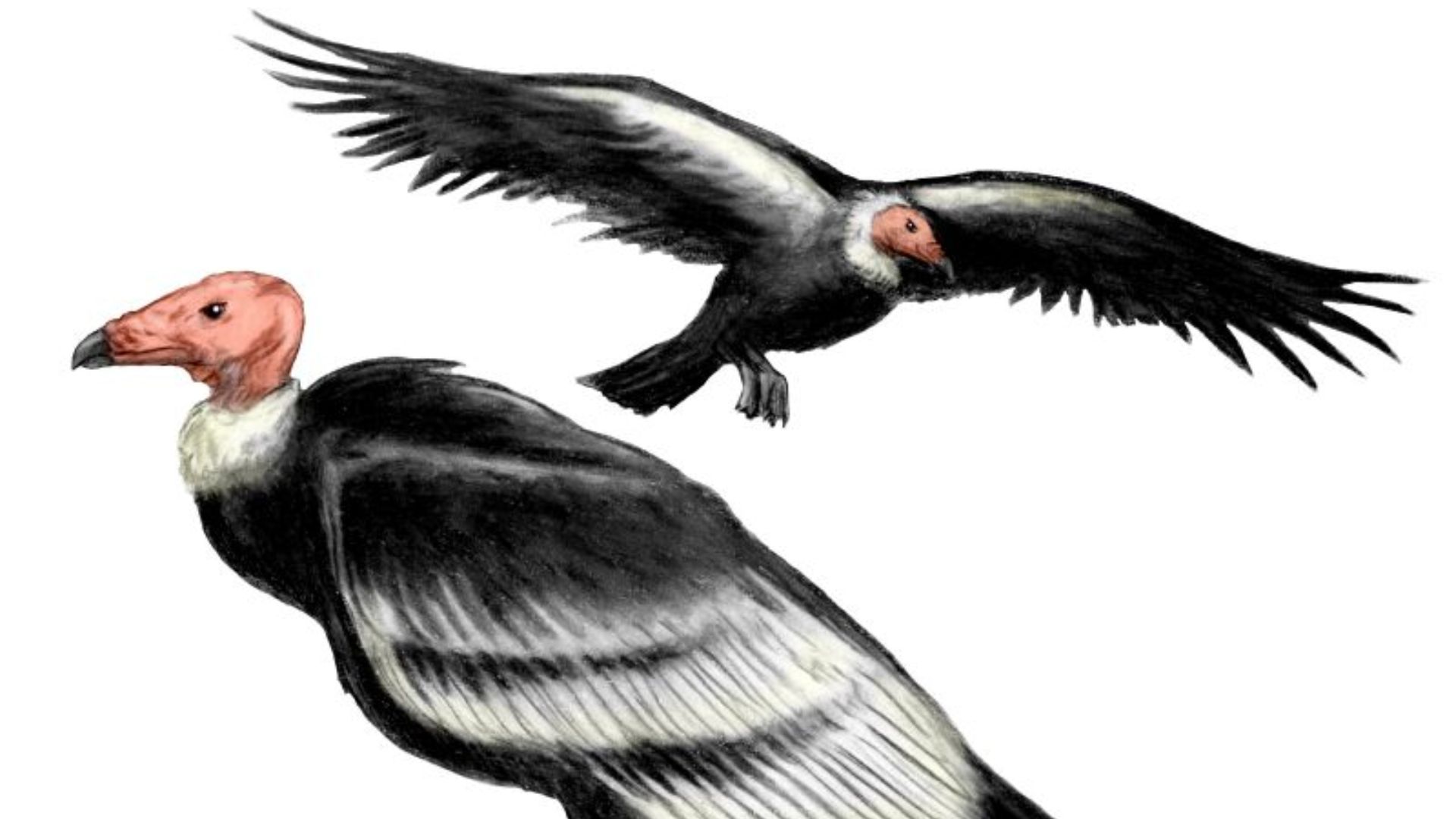
10. Teratorn
The teratorn was a massive bird, bigger than any vulture most people will ever see overhead. It soared across ancient landscapes, riding warm air above animals that are also gone now. A sky with teratorns in it would still look like our sky, just less tame.


KEEP ON READING
20 Greek Gods We Don't Often Talk About
Step Aside, Zeus. Greek mythology isn’t only about Zeus and…
By Elizabeth Graham Jan 16, 2026
10 Historic Courtship Practices That Should Be Brought Back &…
Old-School Dating Was a Mix of Charming & Unhinged. Historic…
By Emilie Richardson-Dupuis Jan 20, 2026
Pooches Of The Past: Extinct Dog Breeds
Unknown authorUnknown author on WikimediaDogs have been showing up in…
By Elizabeth Graham Jan 27, 2026
The 20 Craziest Silent Films Ever Made
When Silence Let the Madness Speak. Silent cinema didn’t just…
By Chase Wexler Jan 5, 2026
Legendary Tales: 20 Most Fascinating Mythical Creatures from Folklore
Mythological Beasts. Stories about mythical creatures endure for a simple…
By Christy Chan Jan 16, 2026
The three most expensive historical artifacts ever sold at auction
Attributed to Leonardo da Vinci on WikimediaAuctions are where history…
By Emilie Richardson-Dupuis Jan 9, 2026