

 Bureau of Engraving and Printing by Gwillhickers on Wikimedia
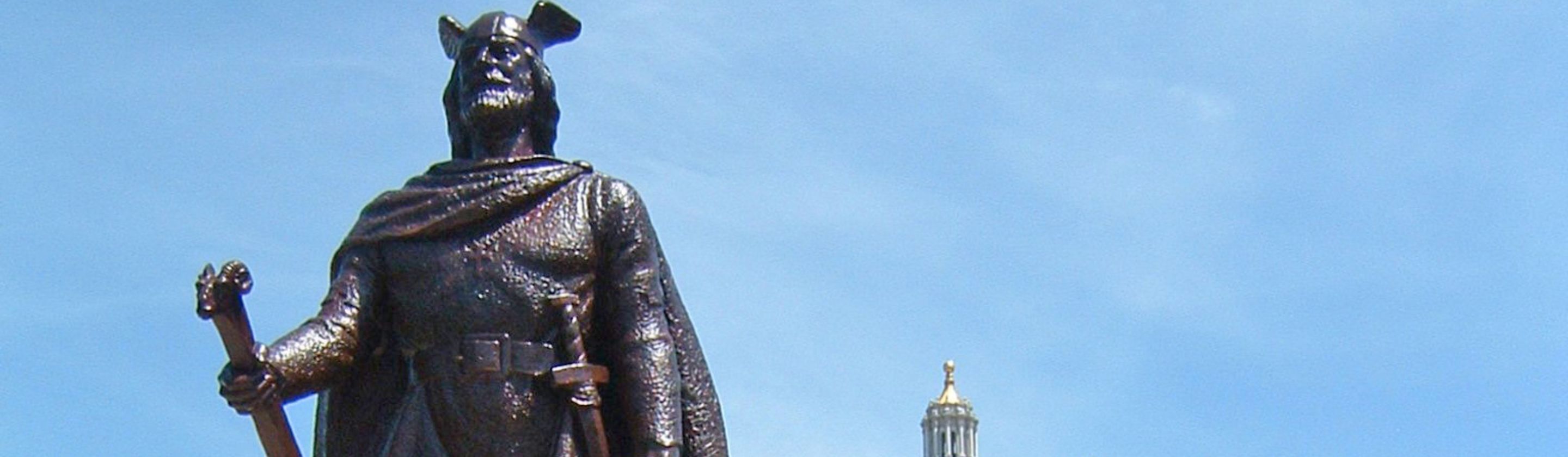
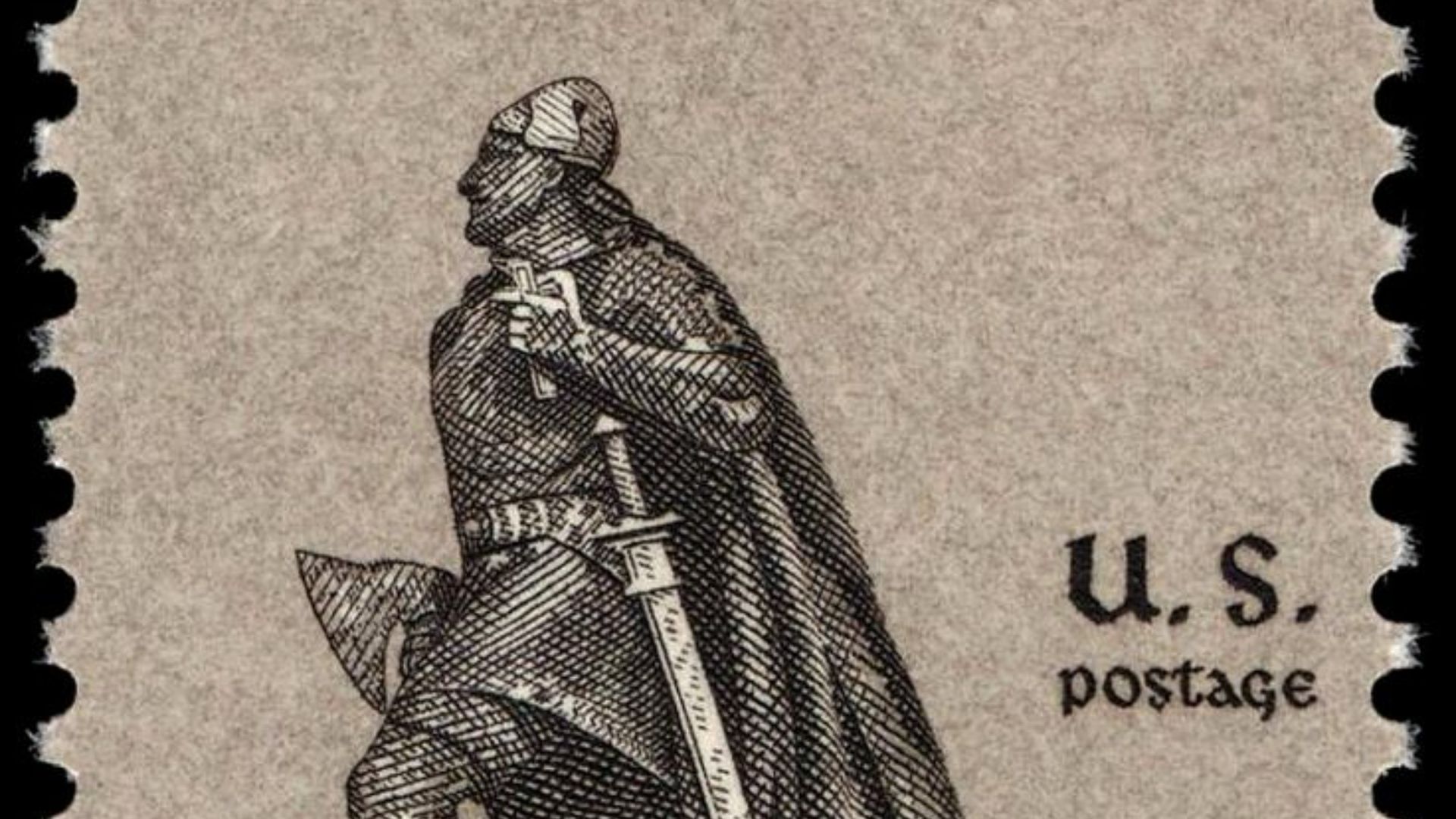
It's practically common knowledge by now that Leif Erikson, not Christopher Columbus, was the first European to set foot in the Americas. He arrived in modern-day Newfoundland around the year 1000, about 500 years before Santa Maria landed in the Bahamas. The Vikings set up a colony called Vinland here, and explored the coastline of North America.
However, despite their fierce reputation, impressive seafaring skills, and hunger for expansion, the Vikings abandoned their North American foothold after only a brief attempt. Evidence suggests they were only there for around 10 years, leaving historians to speculate on the reasons for their departure for centuries. Had the Norse people stayed, North America and its history would look very different.
Conflicts
One of the biggest challenges the Norse faced was persistent conflict with the Indigenous peoples there. Unlike in Greenland or Iceland, where they had little direct competition, North America was home to large, established communities with deep knowledge of the land.
Initially, the Vikings engaged in cautious trade with the Indigenous peoples, but this quickly devolved into violent clashes. The Norse were strong warriors, but they were vastly outnumbered and in unfamiliar territory. Without reinforcements or stable alliances, they couldn’t secure the area long-term and faced continuous danger.
Logistical challenges
 User carlb on en: on Wikimedia
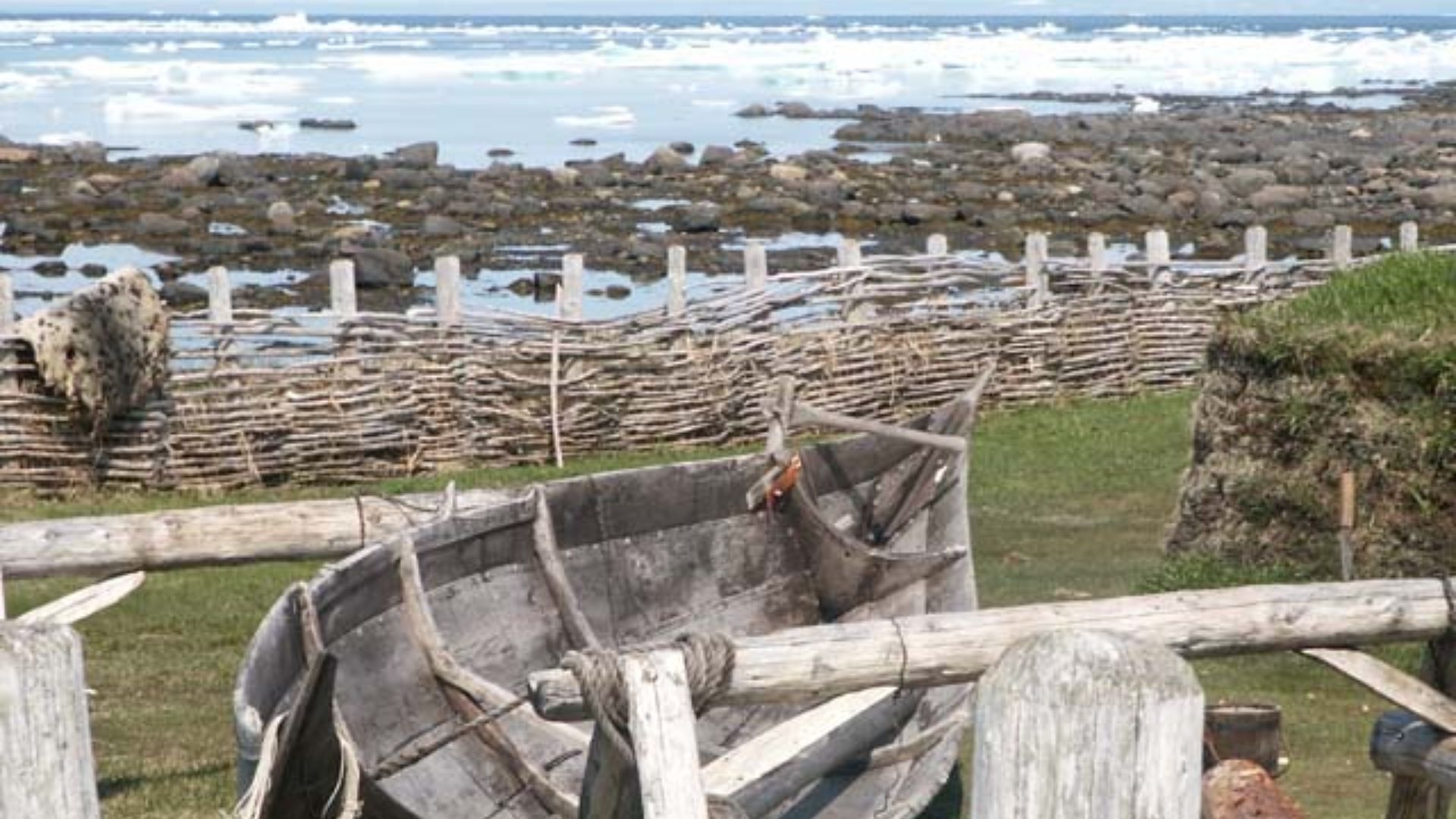
Another issue was logistics. Maintaining a colony across the North Atlantic was extraordinarily difficult because it was so remote. The Vikings relied on supply lines from Greenland and Iceland, but ship voyages were long and treacherous. Additionally, both of these places struggled with problems of their own, like limited resources and harsh climates.
This meant that any settlement in North America needed to quickly become self-sufficient if it was to survive. However, the the Vikings were primarily nomadic people. Their skills lay in exploration, not agriculture. While Vinland offered timber, game, and wild grapes, it wasn’t enough to justify the enormous effort of crossing the ocean year after year.
The climate in their North American settlement, Vinland, was also very harsh. Around this time, the Northern Hemisphere began cooling, marking the transition into the Little Ice Age, making for shorter growing seasons, more difficult winters, and dangerous sailing conditions. Even some of the established Viking settlements in Greenland would eventually collapse under this environmental pressure.
Shifting priorities
The Vikings who explored Vinland weren't driven by a unified empire. They were ruled by independent chieftains looking for resources or glory. As conditions became more challenging in North America, the interest in the land subsided, especially with little incentive to keep them there. Greenlanders were more concerned with survival at home, while Icelanders and Norwegians turned their attention toward Europe, trade, and political power. In Vinland, the risk was high,, and there was little reward.
The Vikings didn'd abandon North American because they lacked courage or curiosity—they left because the cost outweighed the benefit. The new land was rife with challenges, from hostile encounters to an unfriendly environment, that made it unsensible to stick it out, unless there were rewards too tantalizing to pass up.
KEEP ON READING

20 Bizarre Archaeological Finds That Mainstream History Refuses to Explain
Digging Up the UnexplainedStandard history textbooks like to present our…
By Sara Springsteen Jun 24, 2026
Wild Wild West: 20 Facts About the American Frontier
Much More Complicated Than the Legend. The American frontier is…
By Elizabeth Graham Jun 24, 2026
20 Evil Historical Figures People Don't Talk About Enough
Dark Corners History Tried to Leave Behind. History tends to…
By Annie Byrd Jun 24, 2026
20 Moments When Miscommunication Changed History
When a Message Goes Wrong, History Can Change Course. History…
By Rob Shapiro Jun 24, 2026
10 Rulers Who Outlived Their Empires & 10 Empires That…
When Leaders and States Parted Ways. History doesn't always end…
By Rob Shapiro Jun 24, 2026
20 People In History Who Backstabbed Those Who Trusted Them
The Long History of the Knife in the Back. Betrayal…
By Cameron Dick Jun 24, 2026