

These Three Ordinary Moments Quietly Altered History
 Official photographer on Wikimedia
History books love big scenes: speeches, battles, and dramatic turning points with thunderous music in the background. Real life is rarely that tidy, though, and some of the biggest changes began in moments so ordinary they almost didn’t register. If you’ve ever wondered how much hinges on daily decisions, you’re about to get a pretty solid answer.
What makes these stories fascinating isn’t that someone set out to “change the world” on purpose. It’s that a small observation, a calm response, or a simple refusal that ended up redirecting everything that came afterward. None of these moments looked historic while they were happening, and that’s exactly the point. Sometimes the future gets nudged by the most normal-looking day on the calendar.
A Messy Lab Bench That Led to Modern Antibiotics
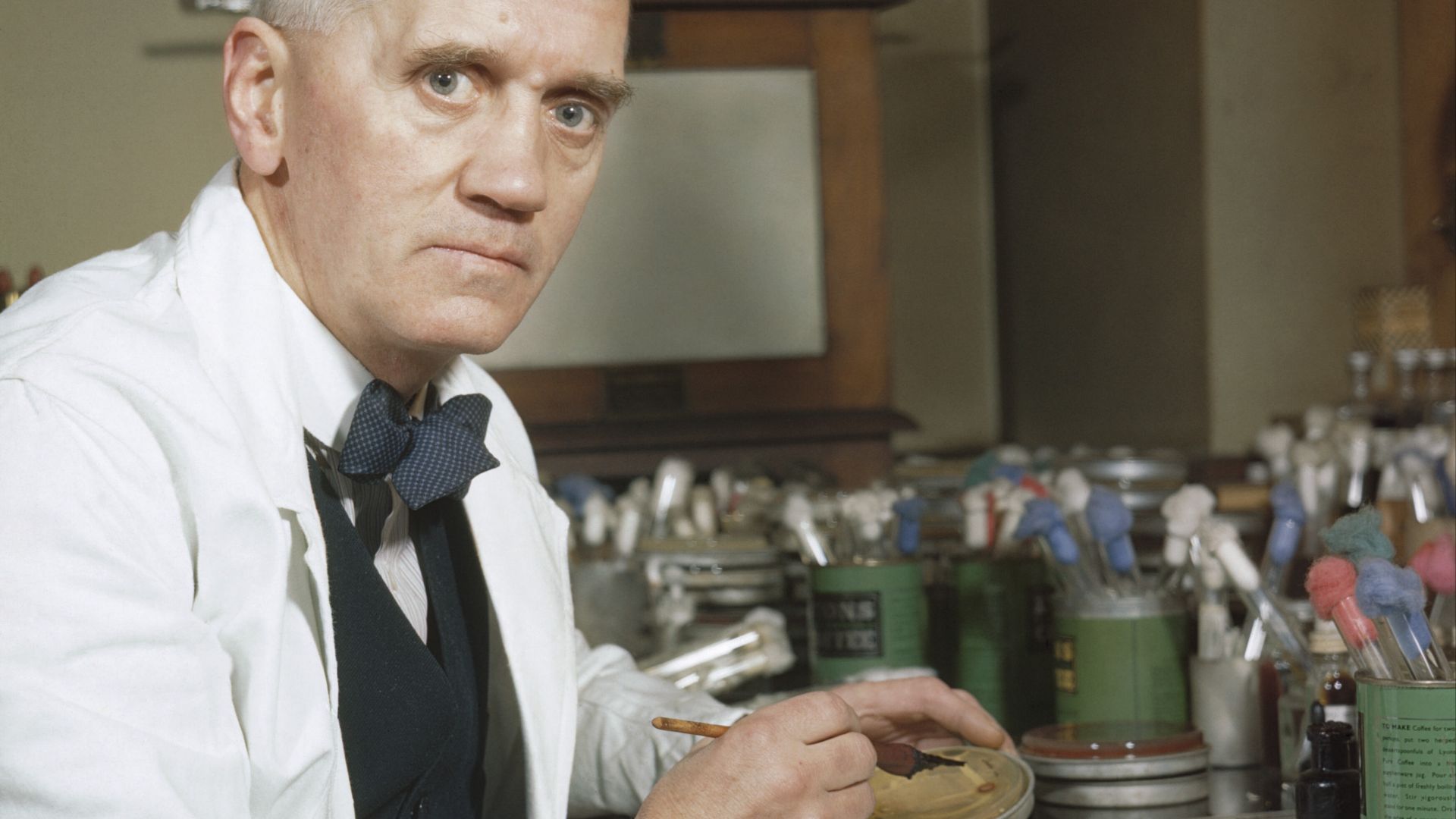
In 1928, Alexander Fleming returned to his lab and noticed something odd on a Petri dish he’d left behind. A common mold had contaminated the dish, which is the sort of thing that usually earns a sigh and a quick trip to the trash. Instead of tossing it immediately, he paid attention to the weird detail: bacteria weren’t growing near the mold. That quiet observation was the seed of what would become penicillin. Curiosity, not drama, did the heavy lifting.
The ripple effect was enormous once other scientists later figured out how to isolate and mass-produce penicillin. Antibiotics transformed medicine by making previously deadly infections far more treatable, which changed surgery, childbirth, and everyday life in ways people now take for granted. It also reshaped warfare survival rates and public health expectations across the globe. All of that traced back to one person refusing to ignore a moldy dish.
A Night Shift Decision That Helped Prevent Catastrophe
On September 26, 1983, Soviet officer Stanislav Petrov was on duty when his system reported incoming U.S. missiles. The situation was the opposite of a movie hero moment, because it was mostly screens, alarms, and procedure. Petrov could have followed the protocol to escalate the warning, which might have pushed leaders toward a terrifying decision. Seeing as it teetered on one man's judgement, it was one of the closest brushes to nuclear war the world has ever seen. Thankfully, he judged the alert as a likely false alarm and chose not to treat it as a confirmed attack.
This wasn’t bravado, and it wasn’t a grand political statement. He relied on reasoning that felt almost boring: the report didn’t match what a real first strike would probably look like, and the system was new enough to be questionable. That kind of calm skepticism is not the sort of quality that gets you applause in an emergency, since it can look like hesitation. Still, restraint can be just as consequential as action when the stakes are high enough.
Later investigations supported the idea that the alarm was caused by a technical error, not an actual missile launch. The wider lesson is unsettling in a very quiet way, because it suggests history can depend on a single person’s judgment under pressure. A routine shift, done by someone thinking clearly, may have helped the world avoid a chain reaction nobody could have taken back.
A Tired Commute That Became a Civil Rights Flashpoint
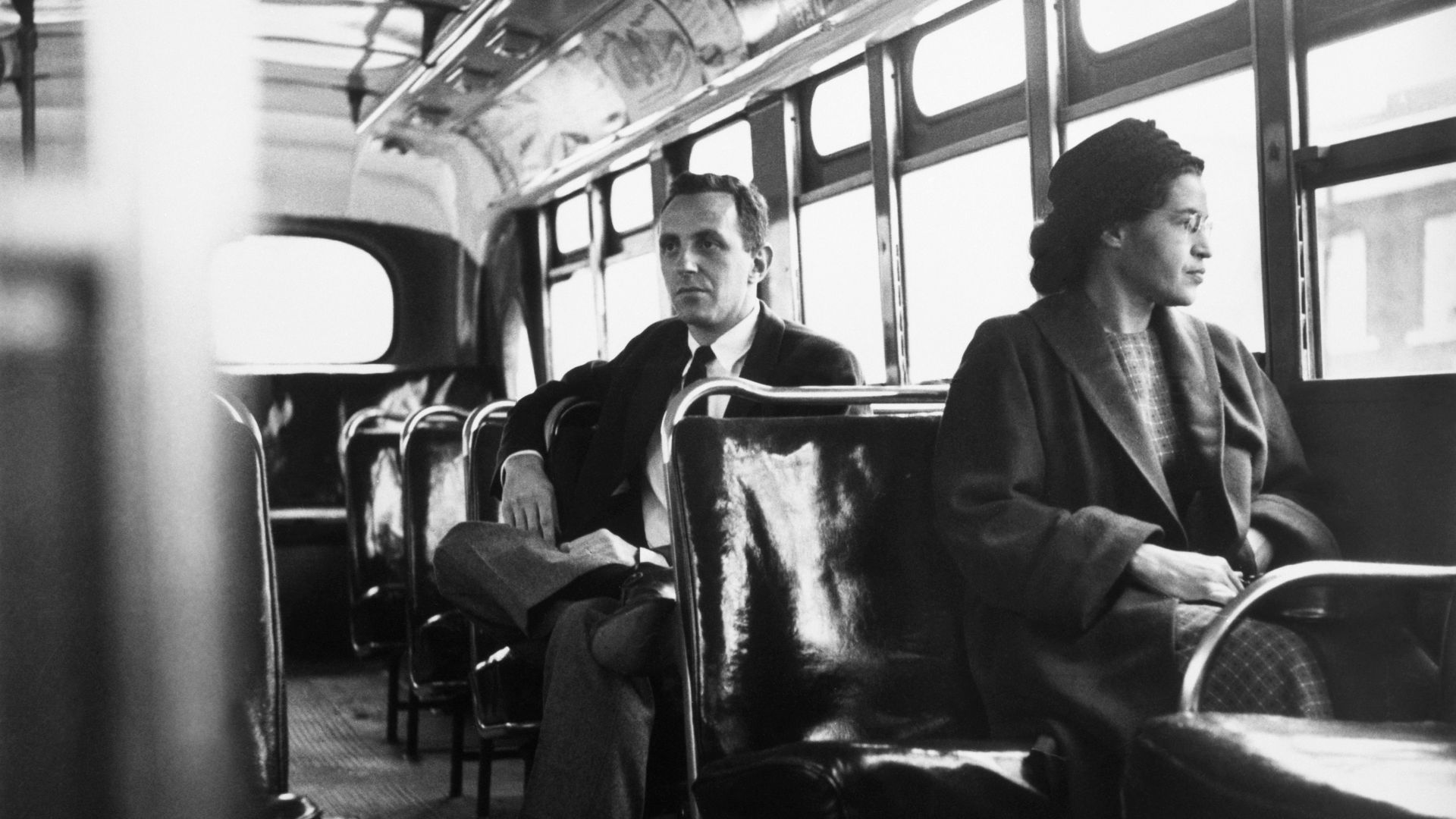
In December 1955, Rosa Parks boarded a bus in Montgomery, Alabama, after a long day and took her seat. When she was told to give it up under segregation rules, she refused, which is a simple act on paper and a seismic one in reality. It didn’t involve a stage, a microphone, or a carefully planned performance. It was a person saying “no” in a setting most people treat as part of the daily grind.
It’s important to understand that Parks wasn’t acting on a random impulse, even though the moment itself looked ordinary from the outside. She had a history of activism and knew the risks, which makes her decision have much more gravity. The bus ride was routine, but the system behind it was designed to be humiliating, and that’s what made her refusal so powerful.
Her arrest helped spark the Montgomery Bus Boycott, which lasted over a year and became a major milestone in the Civil Rights Movement. The boycott elevated community organizing, tested legal strategies, and introduced national attention that couldn’t be easily dismissed. It also helped bring forward leaders who would shape the next decade of American history. A commute that should’ve ended quietly instead became a turning point that still echoes today.
Each of these moments has a different mood, a different setting, and a different kind of courage behind it. Yet they share one trait that’s easy to miss: nothing about them looked “historic” while they were unfolding. If you’re looking for a takeaway, it’s that ordinary life contains real leverage, and you won't always know which choice is going to matter until long after you’ve made it.
KEEP ON READING
The 20 Most Recognized Historical Figures Of All Time
The Biggest Names In History. Although the Earth has been…
By Cathy Liu Oct 4, 2024
10 of the Shortest Wars in History & 10 of…
Wars: Longest and Shortest. Throughout history, wars have varied dramatically…
By Emilie Richardson-Dupuis Oct 7, 2024
10 Fascinating Facts About Ancient Greece You Can Appreciate &…
Once Upon A Time Lived Some Ancient Weirdos.... Greece is…
By Megan Wickens Oct 7, 2024
20 Lesser-Known Facts About Christopher Columbus You Don't Learn In…
In 1492, He Sailed The Ocean Blue. Christopher Columbus is…
By Emilie Richardson-Dupuis Oct 9, 2024
20 Historical Landmarks That Have The Craziest Conspiracy Theories
Unsolved Mysteries Of Ancient Places . When there's not enough evidence…
By Megan Wickens Oct 9, 2024
The 20 Craziest Inventions & Discoveries Made During Ancient Times
Crazy Ancient Inventions . While we're busy making big advancements in…
By Cathy Liu Oct 9, 2024