These Historical Movies Should Win The Oscar For Least Accurate
Historical films are a popular genre. The best ones bring history to life and transport us to a time and place, so we can experience them as if we were there. The problem is that Hollywood's desire for drama, romance, and spectacle forces them to take artistic license and play with history. The result is entertaining movies that are wildly inaccurate.
Many period pieces, war movies, and historical dramas succeed as sheer entertainment, but they make for terrible history lessons and create narratives that seem believable but are rarely rooted in facts. Unfortunately, many take these movies at face value.
Here are three popular historical movies that could have won the Academy Award for least accurate.
Braveheart
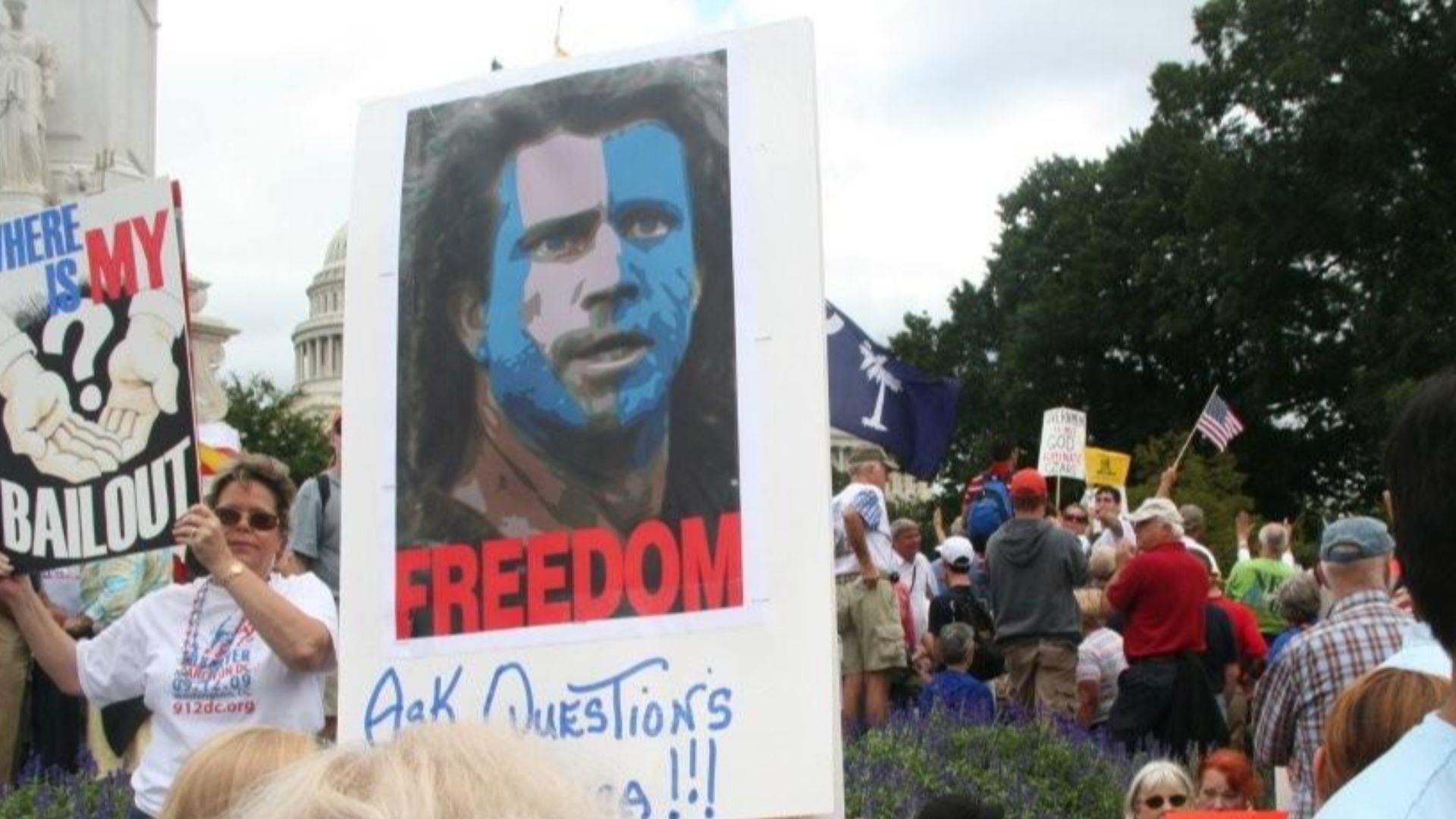
Mel Gibson's Scottish epic was released in 1995 and would go on to win the Best Picture Oscar. It's an emotionally charged film with big speeches and battles, and its rebellious spirit connected with audiences. That said, it might be the most historically inaccurate movie of all time.
William Wallace was depicted as a poor, uneducated peasant. In reality, he was a nobleman with military experience. The film also includes kilts hundreds of years before the Scots wore them. Also, Wallace's romance with Princess Isabella of France was impossible, as she was a child living in a different country during his lifetime.
Don't even get us started on the inaccuracies in the battle scenes and the portrayal of King Edward I.
The Last Samurai
Edward Zwick's historical action drama is beautifully shot with some great performances and surprising depth. Still, it earns its place by twisting history to build a story around one of Hollywood's favorite tropes: the Western outsider who rises to become the hero of a foreign culture.
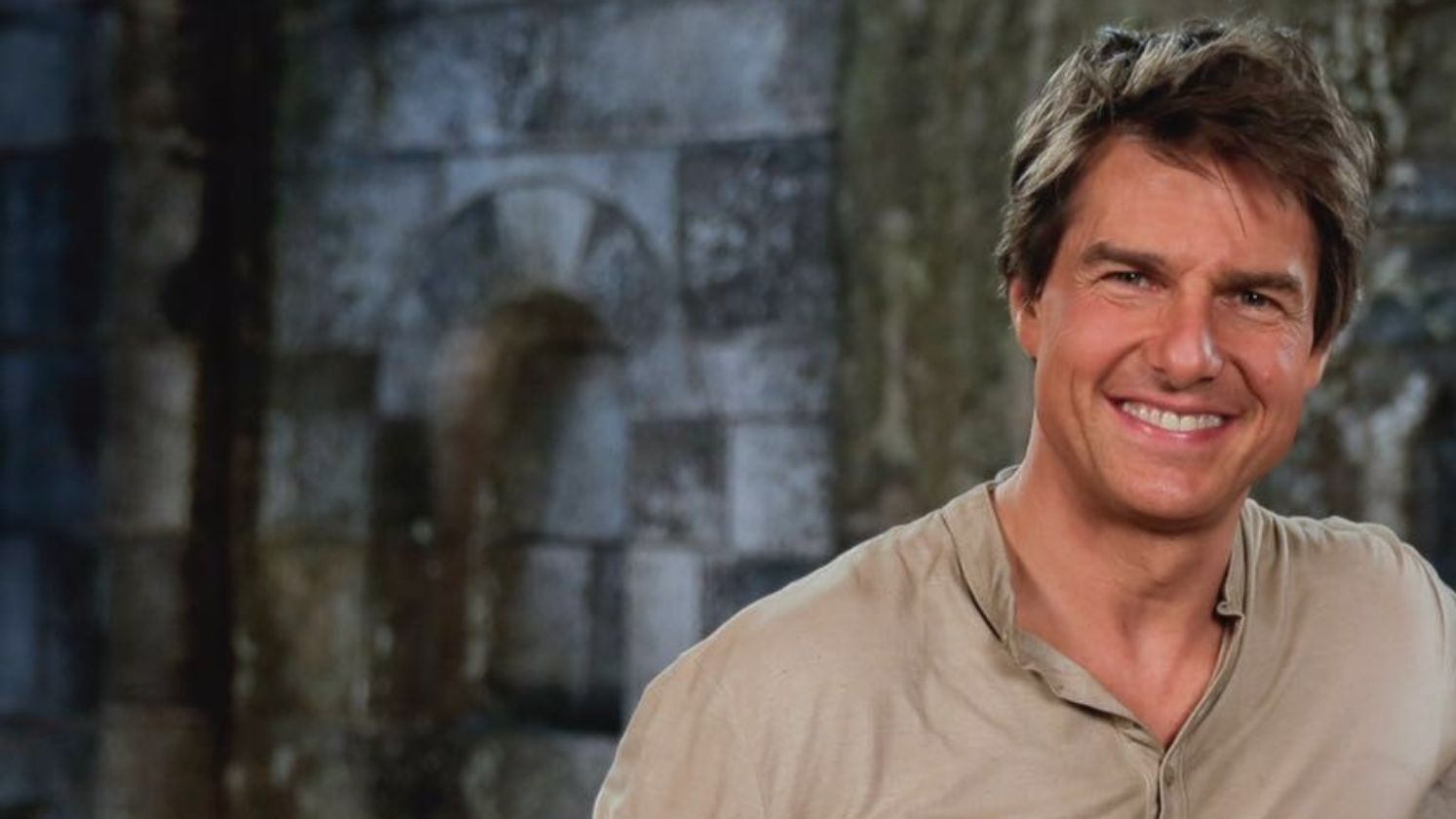
The biggest misconception centers on Tom Cruise's character, Nathan Algren, whose arc sees him become the ultimate samurai in skill and honor. While the film is loosely based on the life of Jules Brunet, a Frenchman who advised samurai rebels, it amplifies his contributions to almost comical heights.
The Last Samurai simplifies a very layered, complicated conflict into a noble fight to preserve tradition. In reality, it was a political struggle fuelled by class tensions.
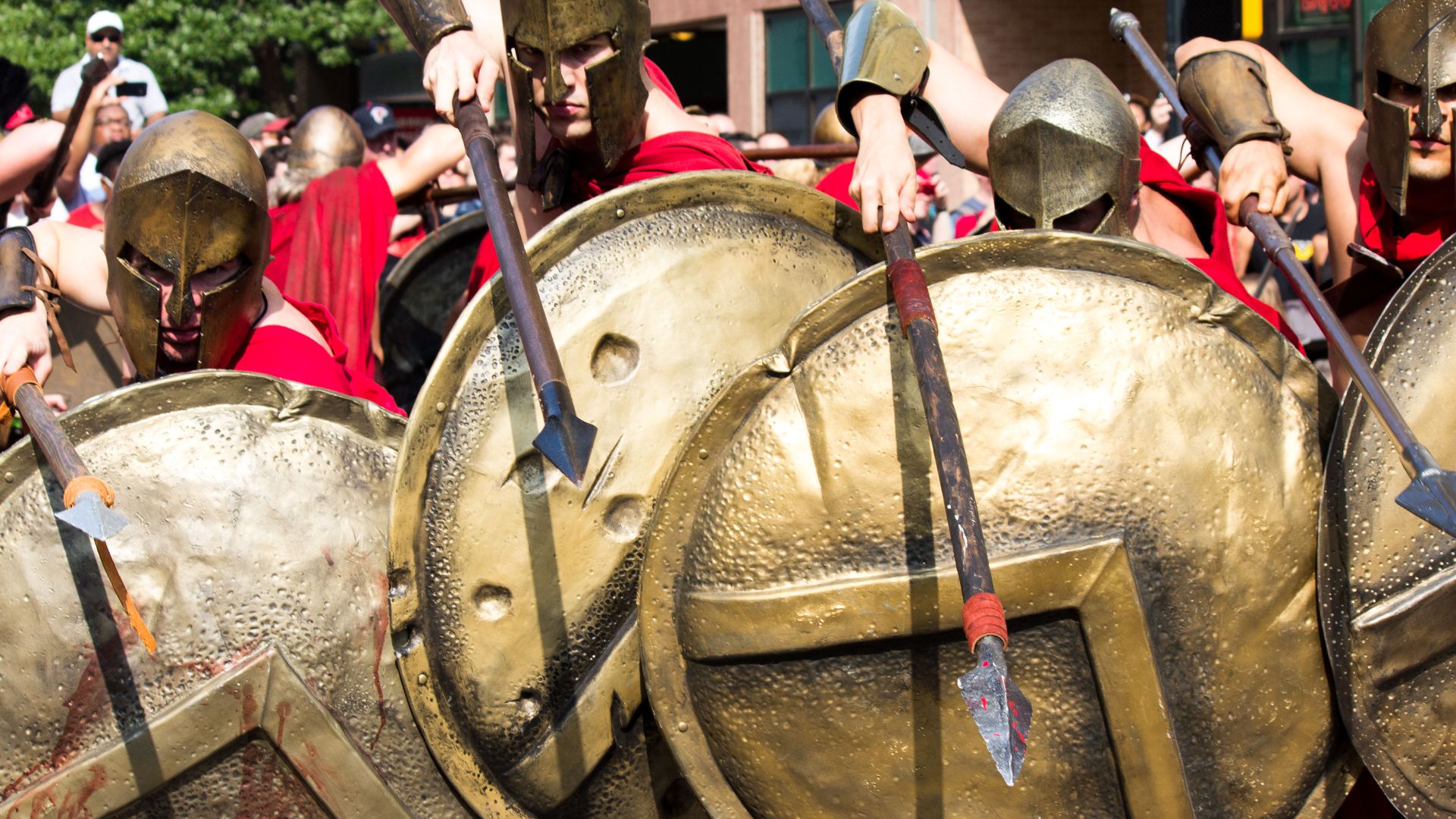
300
Zack Snyder's stylish war epic is visually unforgettable and has been imitated by dozens of movies since its release. Still, it has a very loose grip on history and leans more into its graphic novel source material than the actual Battle of Thermopylae.
In the film, the Spartans are impossibly fit and portrayed as freedom fighters. The truth is that Spartan society was brutally militaristic and built on a foundation of slave labor. They also valued obedience over individualism. Believe it or not, their enemies were also not monstrous giants and creatures. The screenwriters also changed the numbers, tactics, and the political context of the time.
Historical movies don't have to be perfectly accurate to be enjoyable, and they don't really have a responsibility to the audience to merely show an event exactly as it happened or figure as they was. But some films are so wildly out of touch with the facts that they deserve some recognition for the accomplishment.