

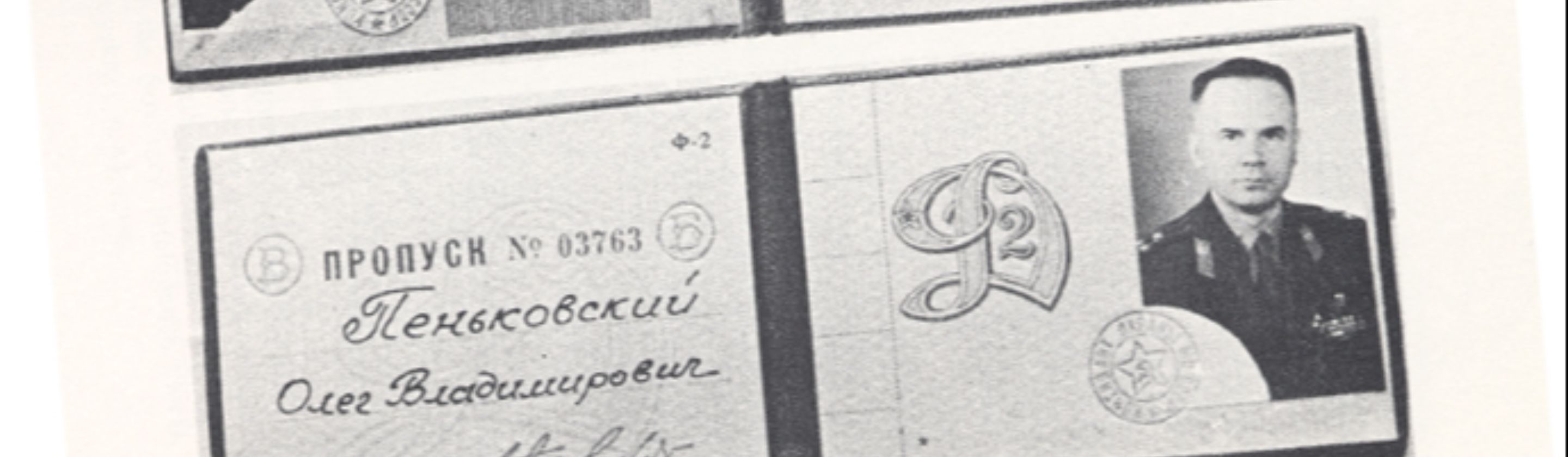

The Cold War wasn’t fought through direct large-scale conflict between superpowers, but through intelligence, strategy, and influence. Behind the public tension between the United States and the Soviet Union, vast networks of spies worked quietly to gather information and shape global outcomes. These intelligence efforts played a major role in preventing escalation while also giving each side a strategic advantage. Much of what determined success during this period happened out of sight.
Rather than relying only on military strength, both sides invested heavily in espionage. Intelligence agencies developed complex systems to recruit informants, intercept communications, and conduct covert operations. These networks influenced diplomacy, military planning, and even technological competition. Understanding how they operated helps explain how the Cold War was ultimately managed without direct conflict between nuclear powers.
The CIA’s Expanding Global Reach
The Central Intelligence Agency, established in 1947, quickly became a central player in U.S. Cold War strategy. It built extensive networks of informants and operatives across Europe, Asia, and Latin America. These networks gathered political and military intelligence that helped shape U.S. foreign policy decisions. The agency’s reach allowed it to monitor Soviet influence in multiple regions at once. This global presence became a defining feature of its operations.
In addition to intelligence gathering, the CIA conducted covert operations to influence events abroad. These included supporting allied governments and, in some cases, intervening in foreign political systems. While controversial, these actions were intended to limit the spread of Soviet influence. The agency’s activities often operated in secrecy, with details emerging years later. This level of discretion was considered necessary during a highly competitive geopolitical period.
Technological advancements also played a significant role in CIA operations. Programs like the U-2 spy plane provided high-altitude reconnaissance that was previously impossible. These missions offered critical insight into Soviet capabilities and intentions. Over time, satellite surveillance further expanded intelligence-gathering abilities. This combination of human and technological intelligence strengthened the agency’s effectiveness.
Soviet Intelligence And The KGB
The Soviet Union relied heavily on the KGB, one of the most powerful intelligence organizations of the era.
It was responsible for both foreign intelligence and internal security, making it uniquely influential. The KGB developed extensive spy networks in Western countries, often recruiting individuals with access to sensitive information. These operations provided valuable insights into U.S. and allied strategies. Their success depended heavily on secrecy and careful planning.
One of the KGB’s strengths was its ability to place long-term operatives in key positions. Some agents spent years building trust before passing along critical intelligence. This approach allowed the Soviet Union to gather information that was difficult to obtain through other means. It also made detection more challenging for opposing intelligence agencies. These deep-cover operations became a hallmark of Soviet espionage.
The KGB also focused on counterintelligence to protect its own operations. Identifying and neutralizing foreign spies within the Soviet Union was a constant priority. This effort helped maintain internal control and prevent information leaks. Combined with its global intelligence activities, the KGB played a major role in sustaining Soviet power during the Cold War. Its influence extended far beyond traditional espionage.
Allied Intelligence Networks And Shared Efforts
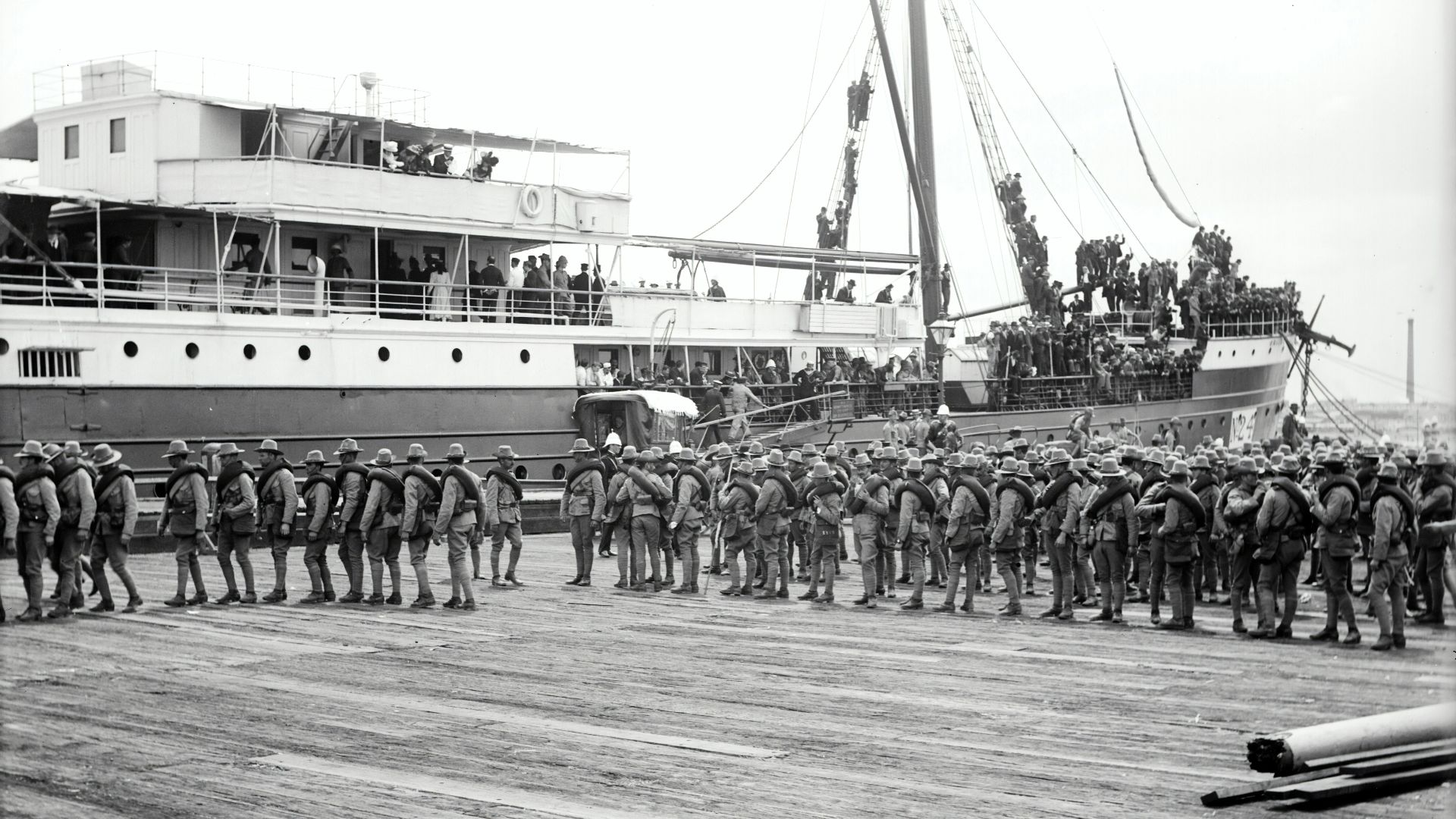
While the United States led many intelligence efforts in the West, it didn’t operate alone. Allied nations, particularly the United Kingdom, contributed significantly through agencies like MI6.
Cooperation between these organizations allowed for the sharing of intelligence and resources. This collaboration improved the overall effectiveness of Western intelligence operations. It also strengthened diplomatic relationships among allied countries.
One important example of cooperation was signals intelligence. Programs like the UKUSA Agreement led to the sharing of intercepted communications among allied nations. This collaboration allowed for more comprehensive monitoring of Soviet activities. It also reduced duplication of effort between agencies. Working together gave these networks a broader and more detailed view of global events.
Human intelligence was another area where allied cooperation proved valuable. Agents from different countries often worked together or shared information about key targets. This increased the accuracy and reliability of intelligence reports. It also allowed for more coordinated responses to emerging threats. These partnerships played a crucial role in maintaining balance during the Cold War.
Spy networks didn’t win the Cold War through a single decisive moment, but through continuous effort and adaptation. The information they gathered shaped decisions that avoided direct conflict while maintaining strategic pressure. Their work influenced everything from diplomacy to military planning. Without these intelligence operations, the outcome of the Cold War might have looked very different. Over time, their quiet contributions helped define one of the most complex periods in modern history.
KEEP ON READING

20 Historical Figures With The Most Epic Facial Hair
Whiskers Worth Remembering. History classes don’t always spend enough time…
By Emilie Richardson-Dupuis Apr 17, 2026
20 Historical Figures Who Were Obsessed With Finding Aliens
He Heard Radio Messages From Mars. For centuries, some of…
By Sara Springsteen Apr 17, 2026
No Answers in Sight: 20 Historical Mysteries That May Never…
History is filled with mysteries that continue to puzzle experts…
By Noone Apr 17, 2026
20 Places We “Discovered” That People Already Lived In
The Map Was Never Empty. The trouble with the word…
By Cameron Dick Apr 17, 2026
20 Famous Negative Speeches That Altered Public Opinion Overnight
When Words Shift Perception Instantly. Speeches are often remembered for…
By Rob Shapiro Apr 17, 2026
What Gladiators Were Actually Fed Tells a Different Story Than…
Maria Dolores Vazquez on UnsplashWhen people picture "gladiator food," they…
By Emilie Richardson-Dupuis Apr 16, 2026