The Modern Art Form That was Secretly Funded by the CIA During the Cold War
 Pedro Ribeiro Simões on Wikimedia
The image of a straight-laced CIA agent hardly goes hand and hand with the rebellious, chain-smoking, avant-garde artist, but the two are more closely linked than you might realize. During the Cold War, they worked together to fight against the rising threat of communism.
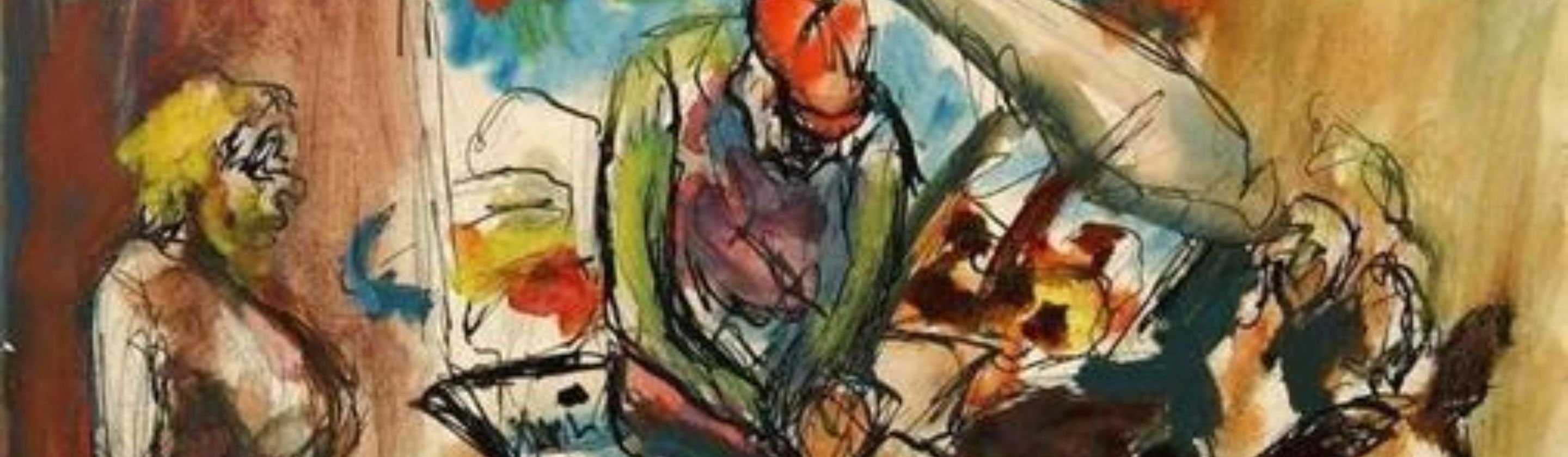
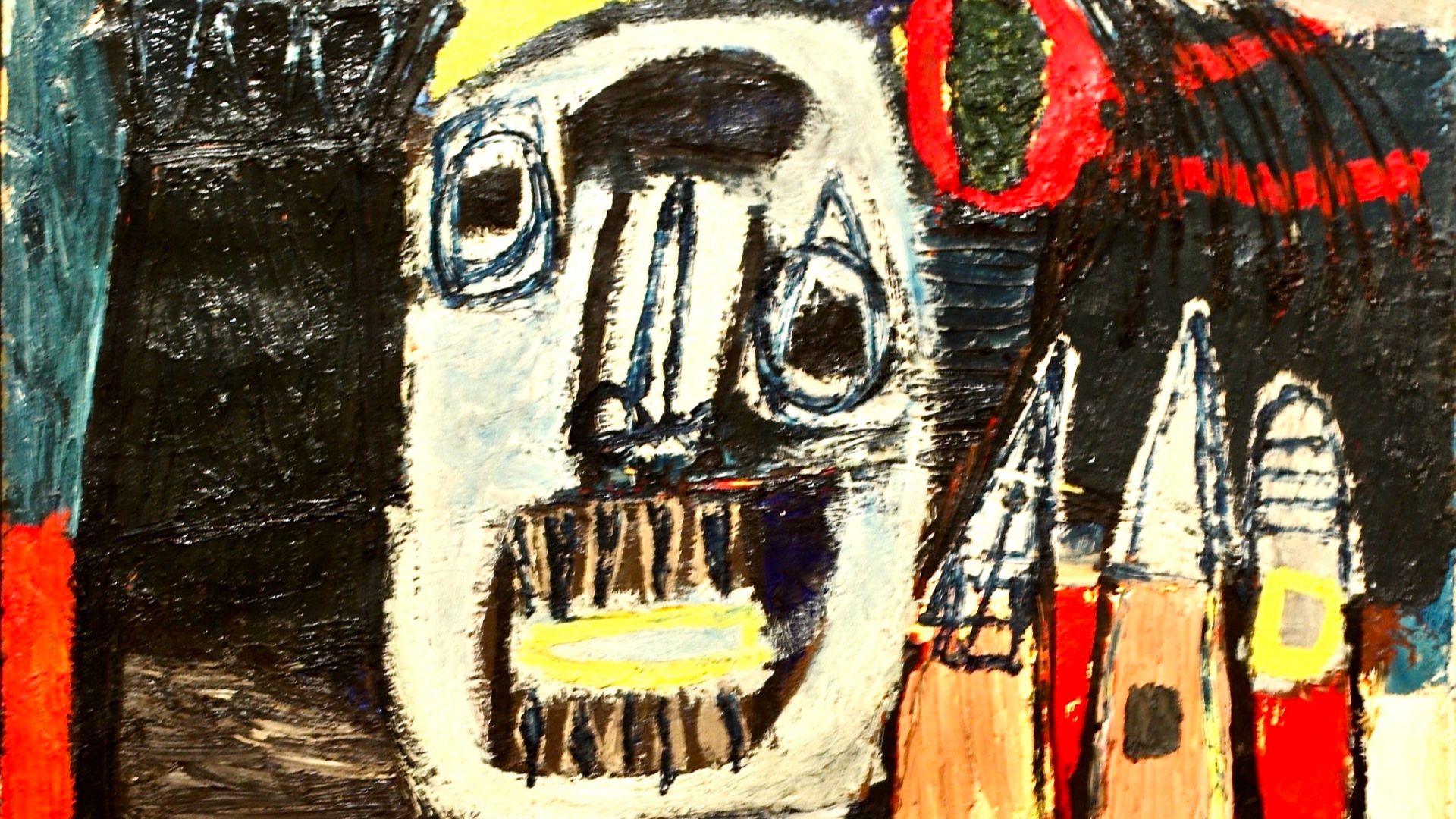
Abstract expressionism, the bold, emotionally charged art movement—led by figures like Jackson Pollock, Mark Rothko, Willem de Kooning, and Franz Kline—was quietly being funded and used as a tool of American propaganda.
What's the story?
After World War II, the United States and the Soviet Union weren’t just competing in nuclear stockpiles and space exploration; they were also in a cultural arms race, competing for global dominance. The Soviet Union promoted Socialist Realism—strict, realistic depictions of heroic workers meant to reinforce communist ideals—while the CIA believed that showcasing America’s artistic freedom would highlight the superiority of Western democracy. Abstract expressionism, with its huge canvases chaotically splattered with loudly-colored paint and passionate brush strokes, represented this.
To carry out this cultural mission, the CIA—through the fronts like the Farfield Foundation—covertly funded exhibitions, international tours, scholarly publications, and even museum departments that promoted Abstract Expressionism abroad. These programs helped send Pollock’s explosive drip paintings, Rothko’s luminous floating fields, and de Kooning’s haunting abstractions across Europe and beyond.
Unknowing pawns
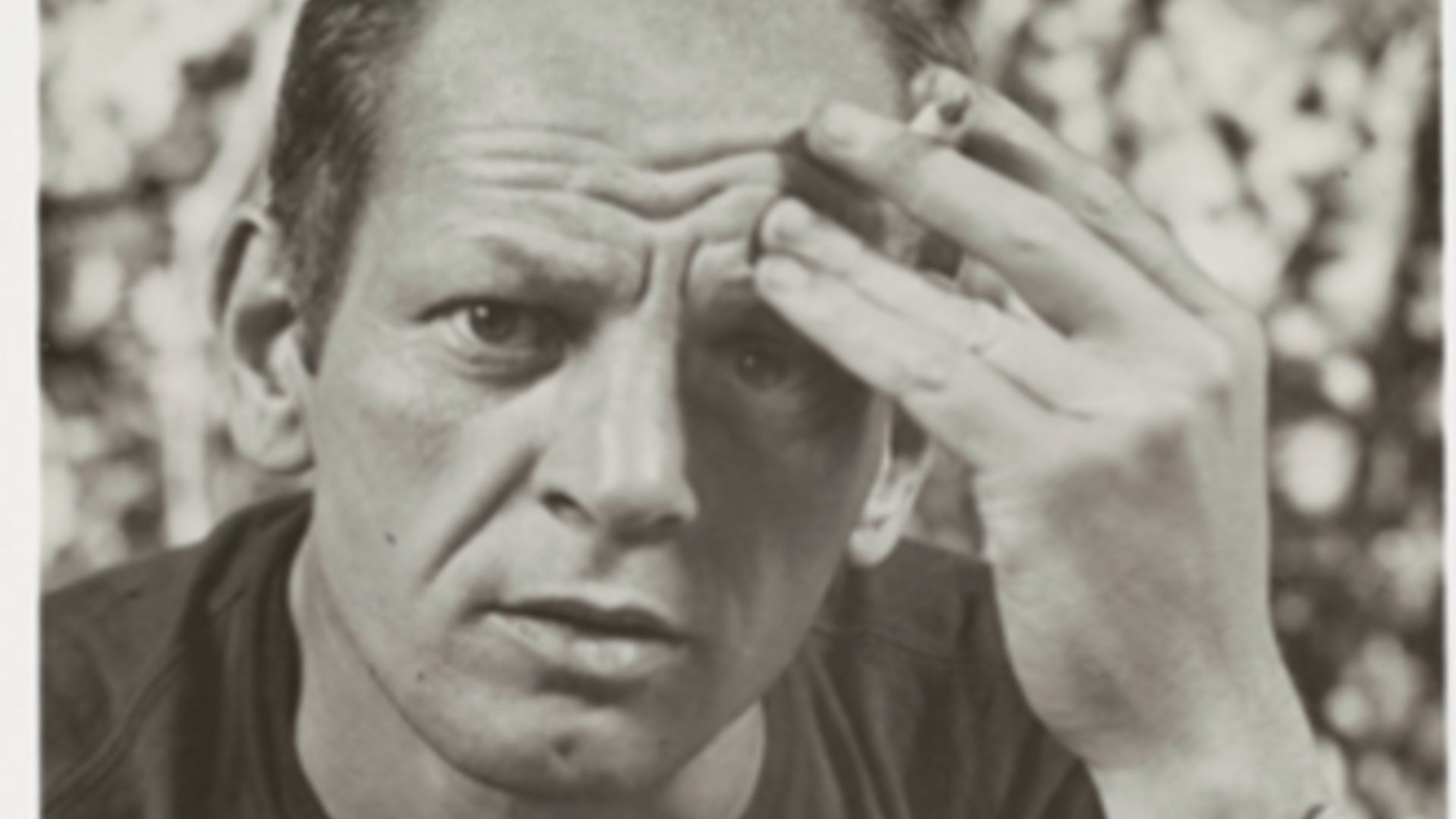
Interestingly, the artists themselves were not involved in—nor even aware of—the CIA’s support. Many were wary of institutions and capitalism, politically left-leaning, and sometimes openly critical of the U.S. government. Artists like Pollock and Rothko were unwitting propaganda pawns, but at least they became world-famous from it.
Abstract Expressionism showed that the American system allowed people to explore ideas, emotions, and identities without fear. The fact that the artists had no clue the government was backing them was crucial to this message and living proof of expressive freedom.
The outcome
By the late 1950s, Abstract Expressionism was the global face of cutting-edge art. MoMA became a huge force in the art world, with New York City surpassing Paris as the "art capital of the world." American artists began commanding international attention, partially thanks to the CIA's quiet amplification. The strategy worked.
Today, abstract art still reportedly hangs in the CIA headquarters, adding a welcome, albeit surprising, splash of expressiveness and color to the otherwise soulless environment. More than just a decoration, the CIA also routinely sends agents to look at abstract art to challenge their perceptions, in the hopes that it will lead to advancements in their anti-terrorism efforts.
So, at the surface level, the relationship between the CIA and abstract art may seem like the strangest intersection of art and politics ever, but upon further thought, it actually makes a lot of sense. Big, bold, and free, Abstract Expressionism is about as American as it gets, even if its creators were far from being patriots. It may have been their worst nightmare to support government agendas, but their work ultimately played a role in shaping the cultural identity of the free world. That's something they can be proud of.