Should European Museums Return Looted Artifacts? Experts Weigh In
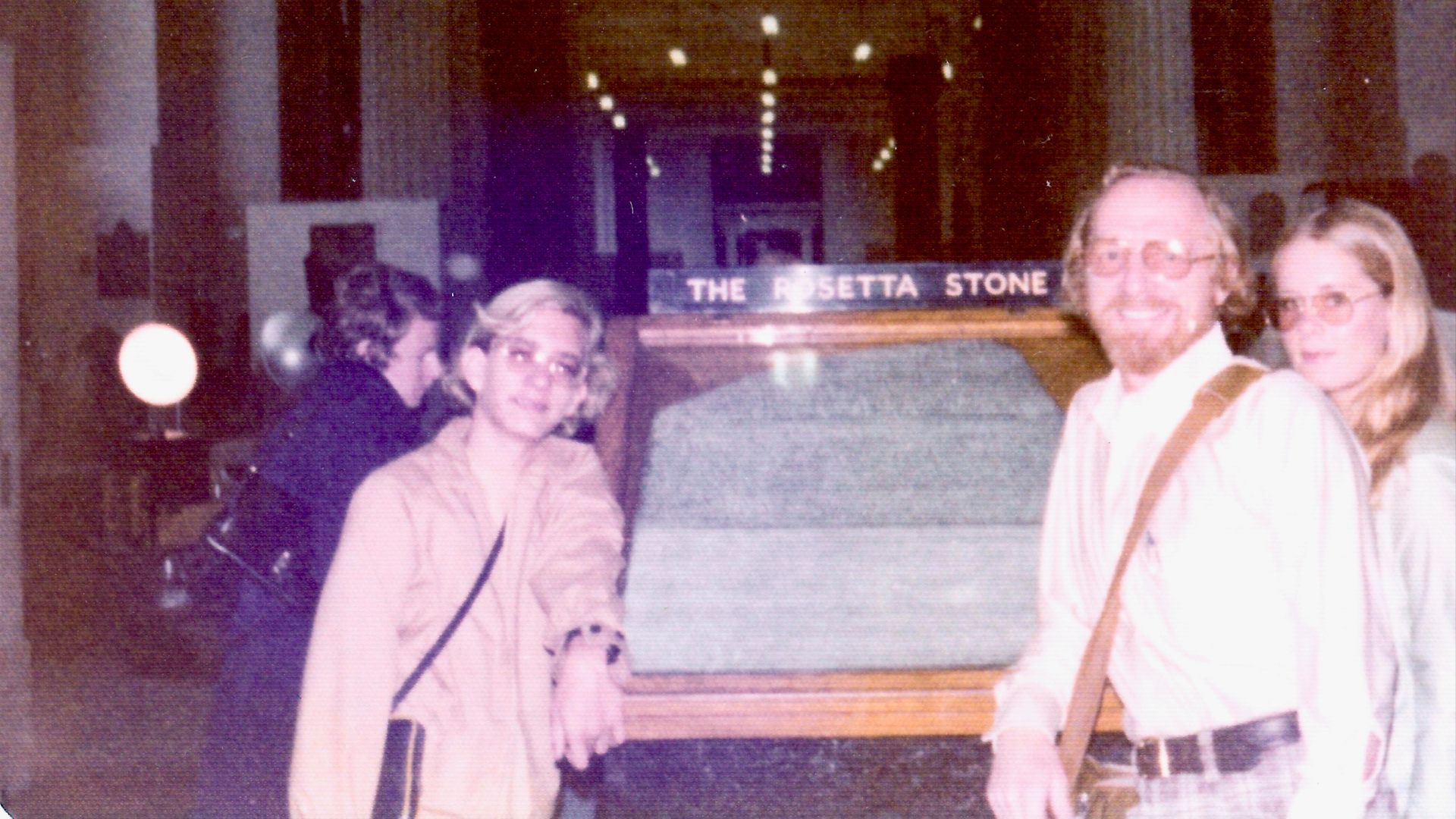
Last month, the Netherlands promised to return a 3,500-year-old sculpture to its place of origin, Egypt. It was likely stolen during the Arab Spring in 2011 or 2012.
"The Netherlands is committed both nationally and internationally to ensuring the return of heritage to its original owners," the Dutch government said.
While in this case, the Netherlands is actively setting the record straight, there are thousands of similar stories in which the same can't be said. Many museums in Europe and North America have housed vast collections of artifacts that were removed from former colonies during military conquests, colonial administrations, or under unequal power dynamics.
In recent years, a growing movement has called for these items to be returned to their countries of origin. In 2022, France promised to return a collection of bronze statues that were looted by French forces in the 19th century to Nigeria, and a bronze ewer being kept at London’s Victoria and Albert Museum was returned to Turkey after it was found to have been stolen.
However, returning all of the artifacts that were ever taken is a far more nuanced issue than it may seem, especially considering an astounding 90 percent of Africa's historic artifacts are being kept in Western museums.
Historic injustice?
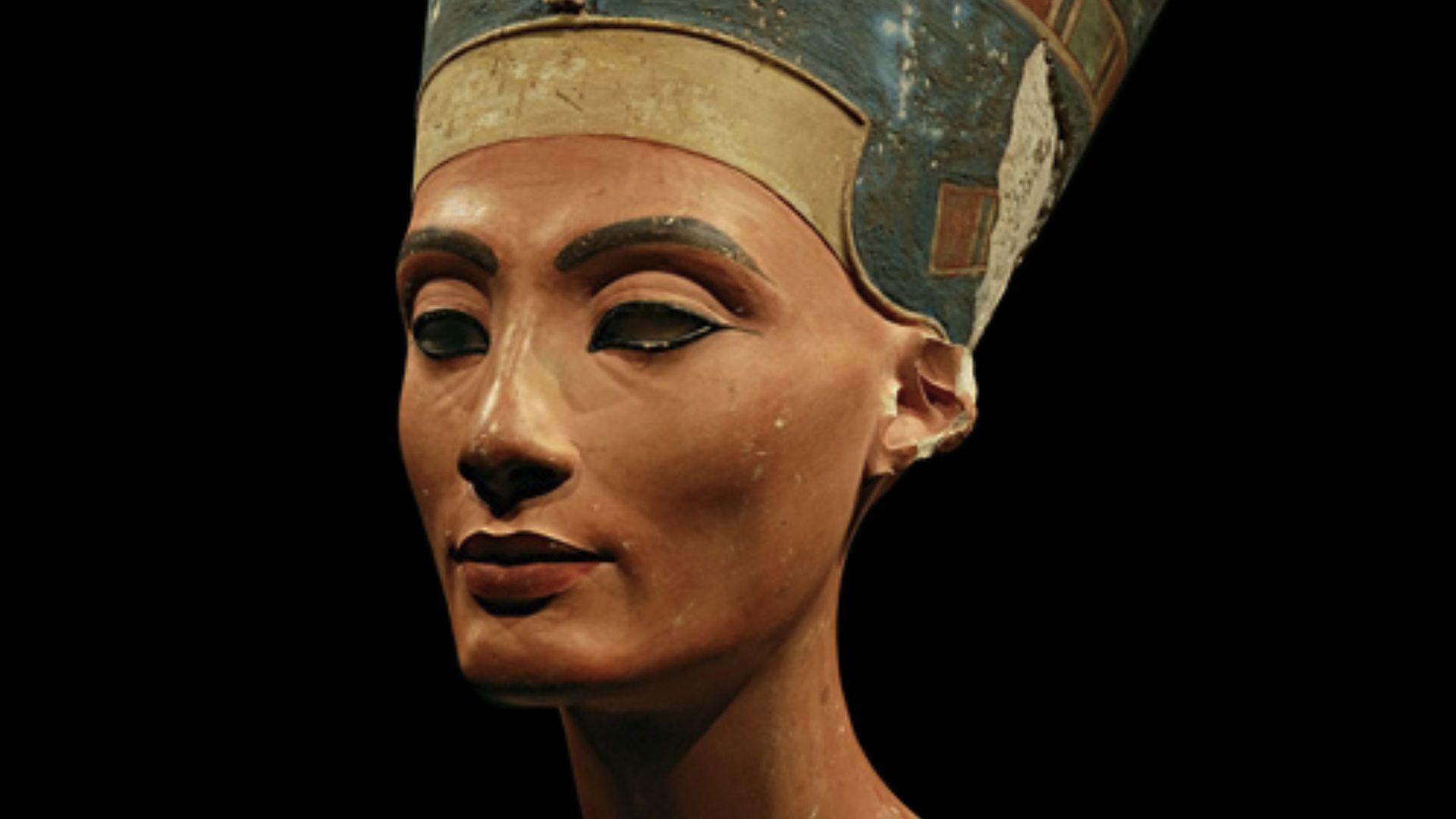
Many of these items were not acquired through legitimate purchase or fair exchange, but during raids, wars, or under coercion. Many scholars and activists see their retention by foreign museums as a continuation of colonial exploitation. It takes away the cultural heritage and identity from their original communities.
Returning these items is seen as a form of reparation, acknowledging past wrongs. Keeping artefacts somewhere that's actually accessible to the people whose predecessors created them in the first place allows communities to reconnect with their ancestral culture.
The other side of the coin
The most common argument against giving back artifacts to their origin countries is that they lack the infrastructure that would keep them safe, like climate-controlled museums, security, and preservation experts. Critics worry that returning items without guarantees could risk their degradation or loss.
Museums that see themselves as "global repositories" oppose returning large swaths of collections because it could risk emptying them. In this case, we would lose the educational and research value offered by these types of comprehensive collections.
What's more, sorting out who is the rightful owner of certain artifacts can be tricky, or even impossible, after so many generations have passed. Even items that were "bought" might actually have been acquired under coerced agreements. There's a lot of context that a piece of paper leaves out.
Solutions
Some experts suggest interim solutions like long-term loans, shared-ownership agreements, or joint exhibitions that allow artifacts to remain protected while acknowledging ancestral claims. Others claim that colonial powers have a responsibility to help source countries get their infrastructure up to par, as colonialism is often to blame for why their facilities aren't at the standard they should be.
"Your responsibility towards heritage and towards humanity says that you must return these artefacts," Evangelos Kyriakidis, director of the Heritage Management Organisation, told Euro News. "You must make sure that whoever receives them can look after them, so you must put a budget aside, and you must... create the right conditions for these items to be exhibited properly, to be stored properly, and to be conserved properly in perpetuity.”
KEEP ON READING