

The Most Famous Historical Event That Never Actually Happened
History is replete with moments so ingrained in popular culture that most people simply assume they must be true. But many of the most well-known stories of all time are not based on real events. These stories are myths, legends, or allegorical tales that have been handed down over centuries of retellings.
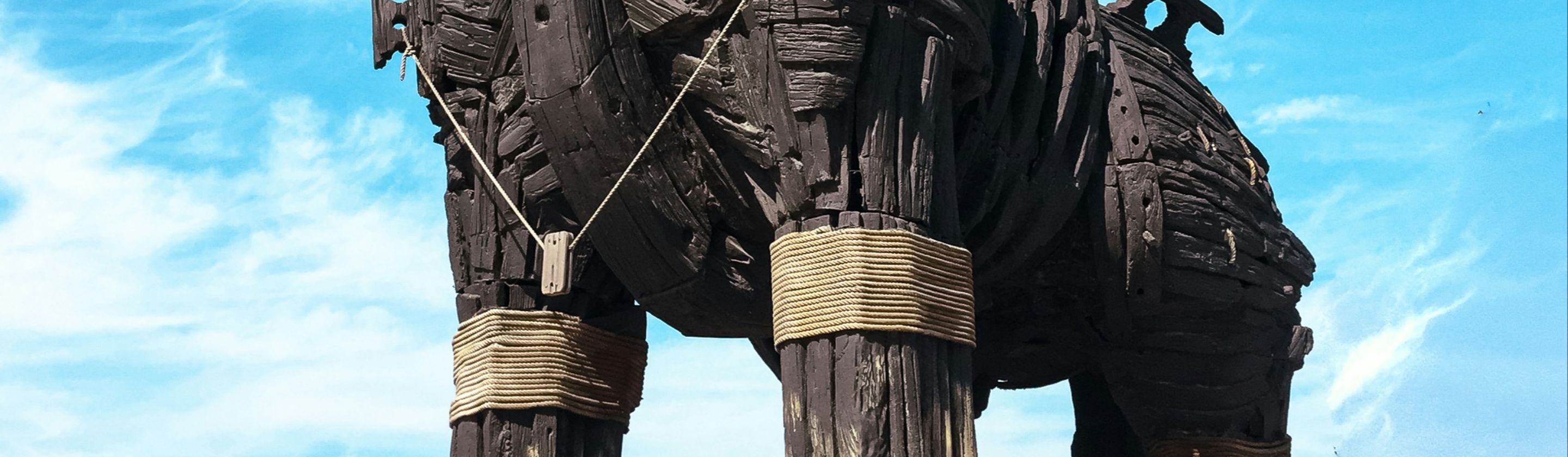
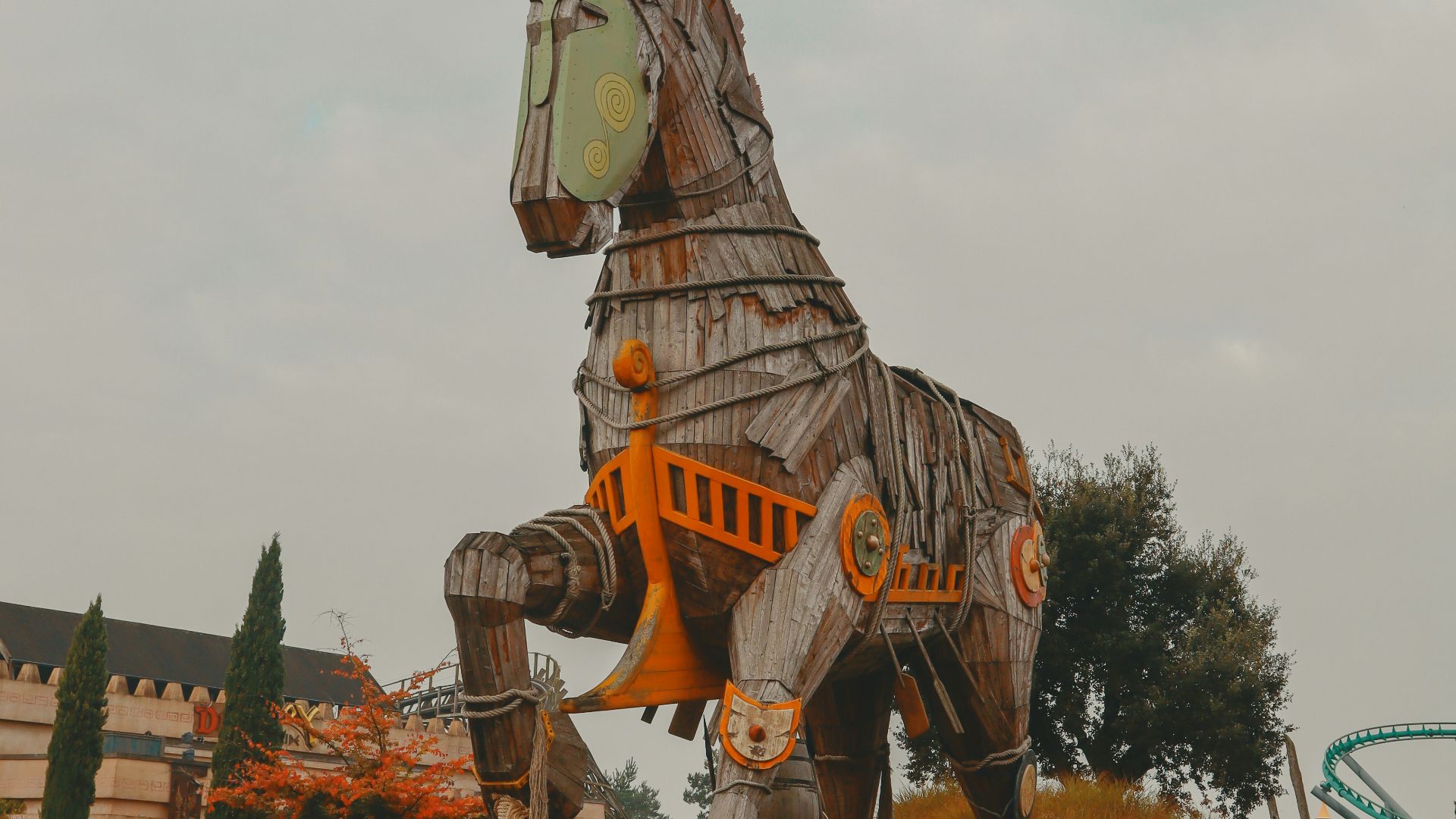
Arguably none is more famous, or more widely believed, than the story of the Trojan Horse. For generations, the image of sneaky soldiers hiding inside a giant wooden effigy has defined the popular conception of the Trojan War’s conclusion. In fact, however, historians and archaeologists are increasingly in agreement that the event, as it is commonly told, almost certainly never happened. What is widely believed about the Trojan Horse is a mix of poetry, misunderstanding, and mythmaking rather than a real moment in ancient military history.
Accounts of the Legend
 The New York Public Library on Unsplash
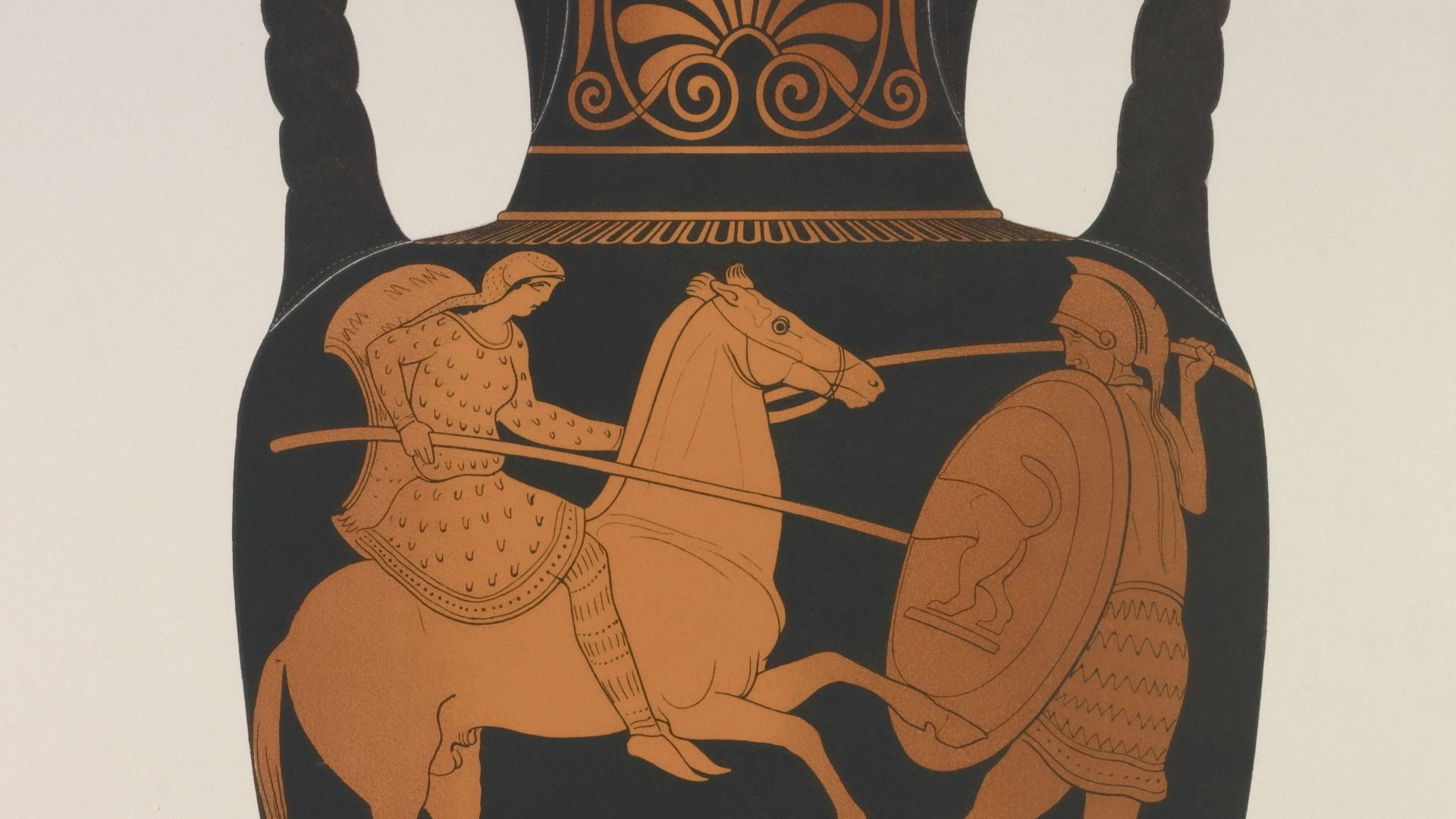
In Greek mythology, the Trojan Horse was a giant hollow wooden horse in which Greek soldiers hid to attack the city of Troy and defeat the Trojans. The story does not appear in Homer's Iliad, the epic poem about the Trojan War, because it ends with the war still in progress and before the city's fall. It is mentioned only briefly in Homer's Odyssey and is best known from a later Roman epic poem, the Aeneid, by Virgil. In that telling, after a ten-year siege, the Greeks built a massive wooden horse and, at the urging of Odysseus, left it on the plain outside the city after hiding a select force of men inside it.
The Greeks then feigned a retreat, sailing back to Greece and leaving the horse as a symbol of surrender and peace. The Trojans, believing the Greeks were defeated, hauled the great horse into the fortified city as a trophy and to further celebrate their victory. That night, the Greek soldiers in the horse crept out and opened the gates, allowing the Greek army, which had sailed back in secret, to pour into the city and burn it, its walls broken, and the war finally ended. It's an effective story, so effective that it became one of the most famous metaphors of all ancient warfare.
A fuller description of the ruse is given in the work of Quintus Smyrnaeus. He developed the notion that the plan for the horse had been Odysseus's, who had taken advantage of the animal's association with Troy in the plan's naming. Under the skillful direction of Epeius, it was built in three days. The plan required one Greek soldier to hide outside the horse, pretending to have been left behind, and then trick the Trojans into believing it would do them good if they brought it within the walls.
This Greek was named Sinon, and he did his job perfectly. Sinon told the Trojans that the Greeks had sailed home and that the horse was an offering to Athena, built to ensure the Greek fleet's safe return. Sinon also told them the horse had been constructed too large to get through the city gates, and if the Trojans could get it within the city, then Athena would bless them. The trick worked, and the Trojans brought the horse within the city, despite warnings and omens.
The Reality
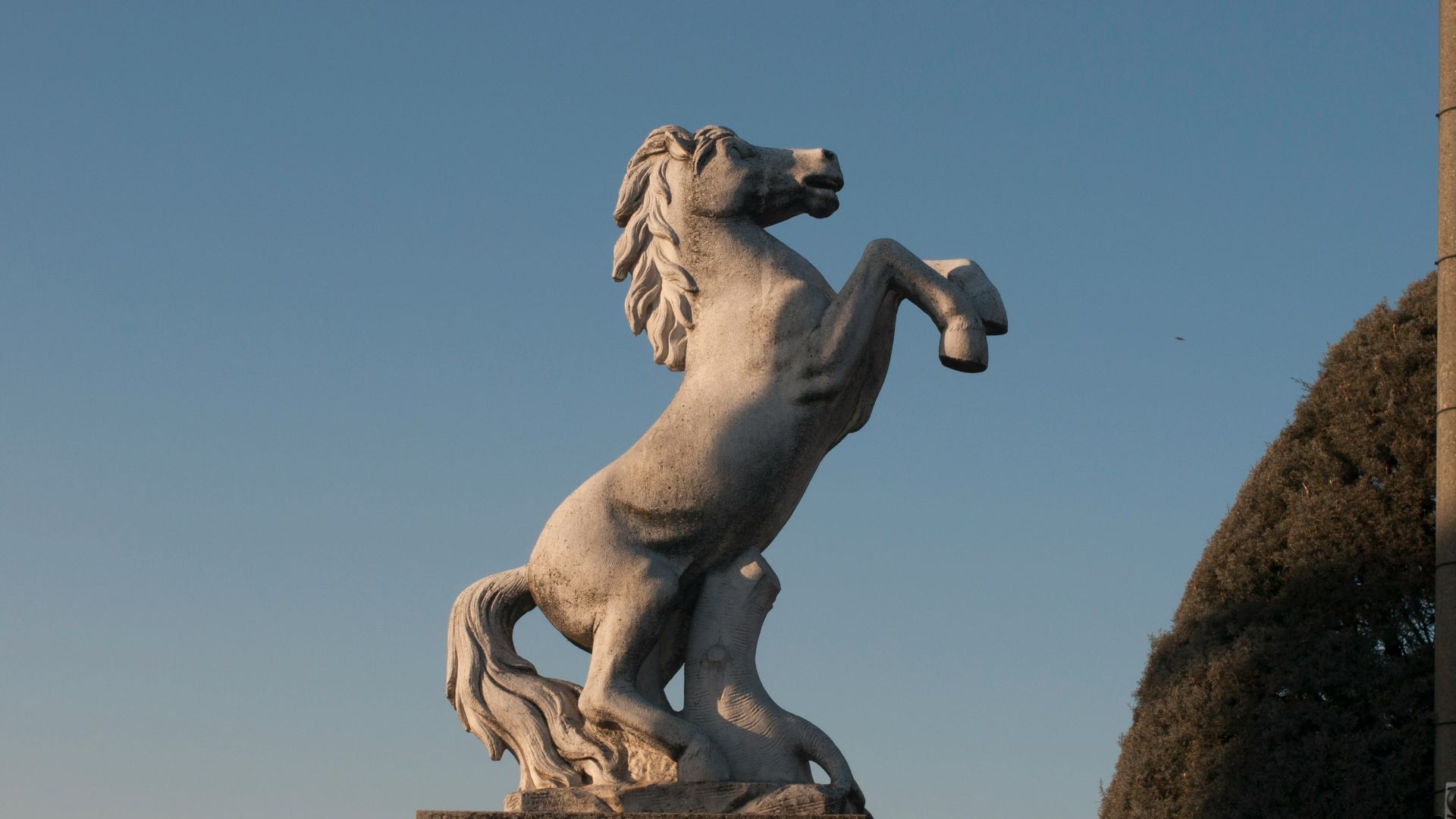
But despite the power of the story, many scholars consider the Trojan Horse (at least as a physical object) to have been a myth from the start. They hold that later poets either misunderstood or deliberately exaggerated references to the real siege engines which had been common in warfare since ancient times. Armies often gave machine names to their engines, and some ancient engines were shaped like or named after animals. The Roman onager was named for the animal, while Assyrian siege rams were sometimes sheathed in animal hides to protect the operator.
The Trojan Horse lives on because it's dramatic, symbolic, and unforgettable, but not, likely, historical. What's left is evidence of how myths change, and how stories can become so deeply entrenched that they eclipse the truth.
KEEP ON READING
20 Powerful Ancient Egyptian Gods That Were Worshipped
Unique Religious Figures in Ancient Egypt. While most people are…
By Cathy Liu Nov 27, 2024
The 10 Scariest Dinosaurs From The Mesozoic Era & The…
The Largest Creatures To Roam The Earth. It can be…
By Cathy Liu Nov 28, 2024
The 20 Most Stunning Ancient Greek Landmarks
Ancient Greek Sites To Witness With Your Own Eyes. For…
By Cathy Liu Dec 2, 2024
10 Historical Villains Who Weren't THAT Bad
Sometimes people end up getting a worse reputation than they…
By Robbie Woods Dec 3, 2024
One Tiny Mistake Exposed A $3 Billion Heist
While still in college, Jimmy Zhong discovered a loophole that…
By Robbie Woods Dec 3, 2024
30 Lost Treasures That Vanished From History
Buried treasure, missing artefacts, legends of ancient gold in them…
By Robbie Woods Dec 3, 2024