

The Experiment That Proved Ordinary People Could Turn Into Monsters
In the summer of 1971, a group of ordinary college students walked into a mock prison set up in the basement of Stanford University's psychology department, and within days, something deeply unsettling would unfold. What started as a two-week study into the psychological effects of prison life unraveled so quickly that it had to be shut down after just six days. The results shook the scientific community and forced a serious reckoning with how situational forces can reshape human behavior.
The Stanford Prison Experiment, led by psychologist Philip Zimbardo, has since become one of the most debated studies in the history of social psychology. It's been cited in textbooks, reimagined in documentaries, scrutinized by researchers for decades. Whether you view it as a landmark study or a deeply flawed one, its findings raise questions that are still worth examining today.
How the Experiment Was Set Up
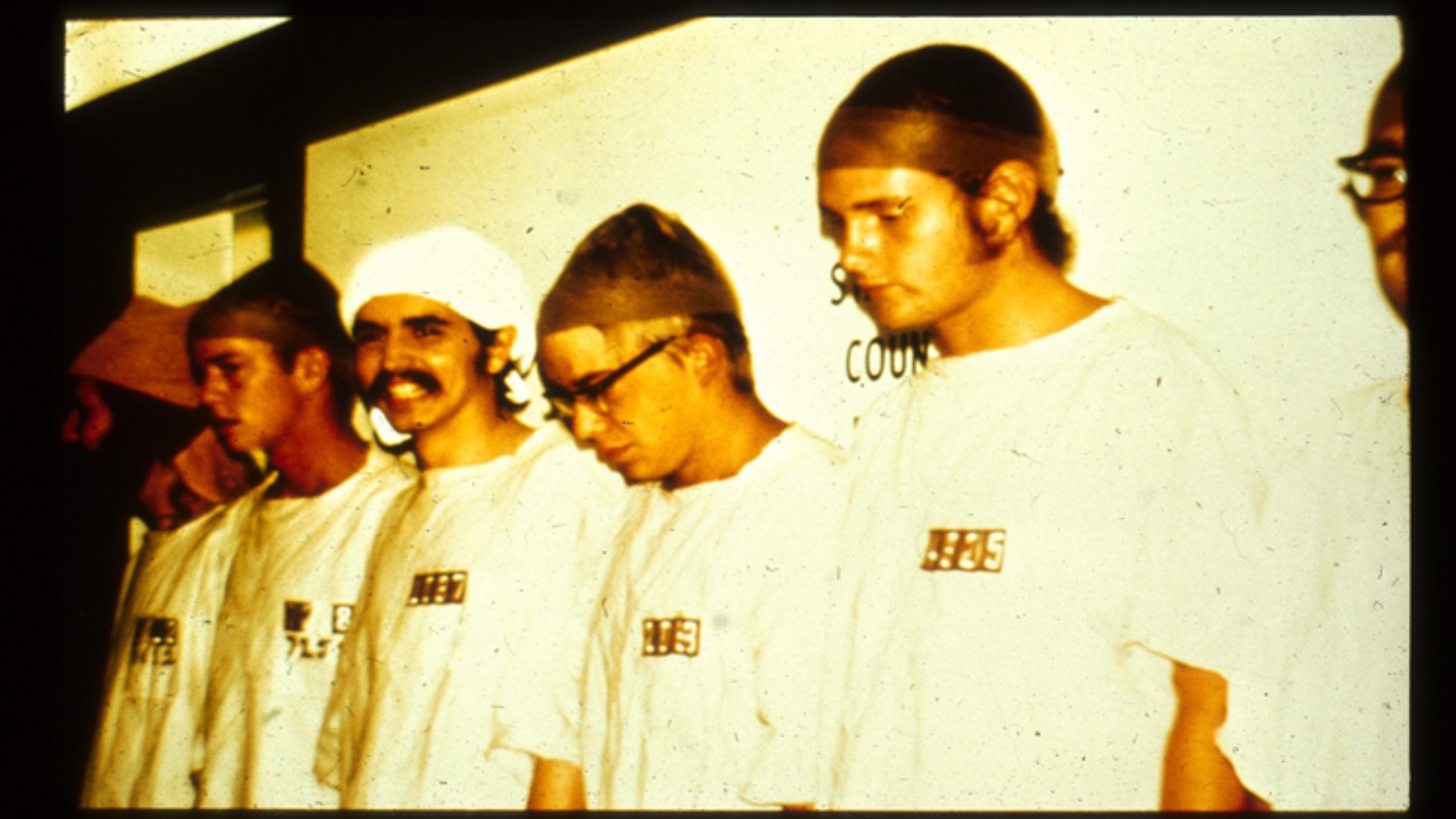
Zimbardo and his team narrowed down a pool of 70 applicants to 24 male college students who were screened for psychological stability and randomly assigned, by a coin flip, to play either guards or prisoners, and paid $15 a day. The mock prison was constructed in Stanford's Jordan Hall, with real cells, solitary confinement, and uniforms designed to strip participants of their individual identities. Guards were given wooden batons, mirrored sunglasses (to prevent eye contact), and khaki uniforms; prisoners wore smocks, were chained by the foot, and were referred to only by number. The setup was deliberately constructed to simulate the power dynamics found in real correctional facilities.
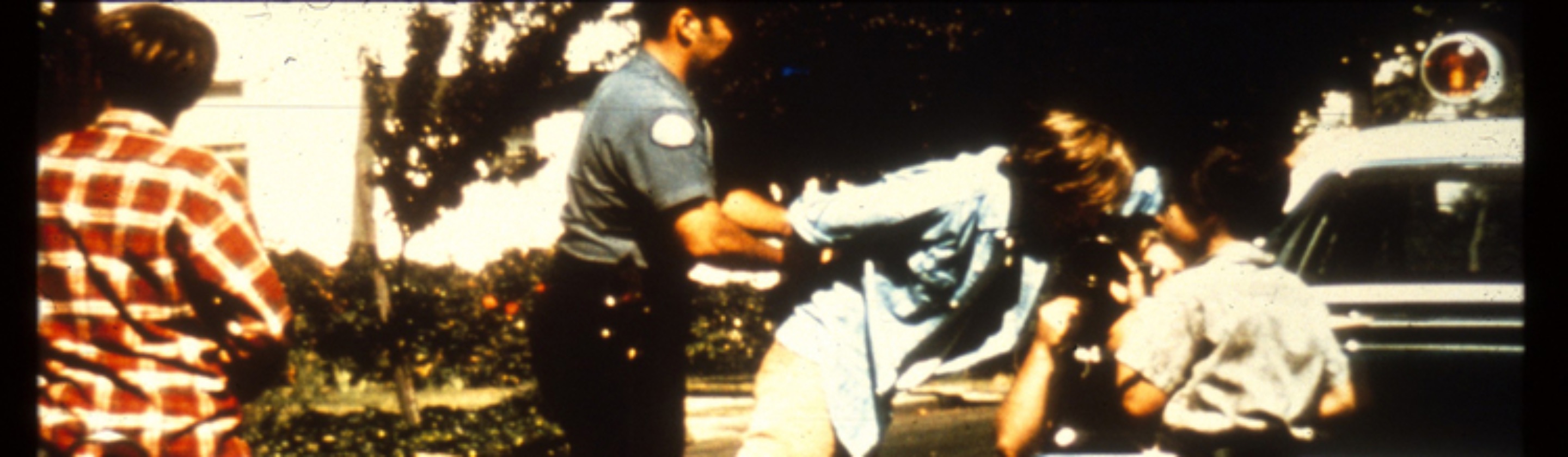
Participants assigned as prisoners were actually arrested at their homes by real Palo Alto police officers, who cooperated with the study. They were booked, fingerprinted, blindfolded, and brought to the mock prison, where they were stripped, deloused, and issued their uniforms. This was designed to make the transition into the prison environment feel as authentic as possible. The goal was to observe whether the environment itself, rather than individual personalities, would drive behavioral changes.
Zimbardo himself took on the role of prison superintendent, which later became a significant point of criticism. By embedding himself in the experiment rather than observing it from a neutral position, he was at the heart of the chaos that would transpire.
What Happened Once the Doors Closed
Within the first 36 hours, a prisoner rebellion broke out; guards responded by stripping the prisoners, confiscating their beds, and forcing them into solitary confinement. From that point forward, guard behavior escalated steadily, with some participants embracing their roles with a level of aggression that no one had anticipated. Sleep deprivation, psychological manipulation, and humiliating tasks became routine.
Several prisoners began showing signs of acute emotional distress within just a few days. Douglas Korpi, the first participant to leave, reportedly yelled, "I can't stand another night! I just can't take it anymore"! though he later backtracked and said his outburst was faked. Another participant had to be released early after experiencing uncontrollable crying, rage, and disorganized thinking; another developed a psychosomatic rash after his appeal to leave was denied. Clearly, the psychological impact was real enough that Zimbardo's colleagues grew alarmed and began raising serious concerns.
What made the findings so striking wasn't just the guards' behavior, but how quickly both groups adapted to their assigned roles. The prisoners became passive and demoralized, while the guards became authoritative and, in some cases, sadistic. None of the participants had shown any predisposition toward cruelty beforehand, which led Zimbardo to argue that the situation itself had far more power over human behavior than most people are willing to accept.
Why the Experiment's Legacy Is So Complicated
The study was shut down on day six, partly at the urging of Christina Maslach, a psychology graduate student who visited the prison and was disturbed by what she witnessed. Zimbardo later acknowledged that he'd lost objectivity and that the experiment had serious ethical shortcomings. The American Psychological Association subsequently tightened its guidelines for research involving human participants, in part as a response to studies like this one.
In recent years, the Stanford Prison Experiment has faced significant challenges to its original conclusions. A 2019 investigation by journalist Ben Blum revealed that some guards had reportedly been coached to behave harshly, and that certain prisoner breakdowns may have been exaggerated or misrepresented (Korpi's outburst, for one). These revelations don't erase the study entirely, but they do complicate the narrative that the environment alone was responsible for what unfolded.
That said, the broader question the experiment raised—about how authority, roles, and institutional structures shape behavior—remains a legitimate area of psychological inquiry. Subsequent research, including Stanley Milgram's obedience studies, has reinforced the idea that ordinary people are capable of harmful behavior under the right conditions. The Stanford Prison Experiment may be imperfect science, but it opened a conversation about human nature that's still very much ongoing.
KEEP ON READING

The story of Ching Shih, the Woman Who Became the…
Unknown author on WikimediaFew figures in history are as feared…
By Emilie Richardson-Dupuis Dec 29, 2025
Einstein's Violin Just Sold At An Auction—And It Earned More…
A Visionary's Violin. Wanda von Debschitz-Kunowski on WikimediaWhen you hear…
By Ashley Bast Nov 3, 2025
This Infamous Ancient Greek Burned Down An Ancient Wonder Just…
History remembers kings and conquerors, but sometimes, it also remembers…
By David Davidovic Nov 12, 2025
The Mysterious "Sea People" Who Collapsed Civilization
3,200 years ago, Bronze Age civilization in the Mediterranean suddenly…
By Robbie Woods Mar 18, 2025
The Love Story Behind the Taj Mahal Was Also a…
Koushik Chowdavarapu on UnsplashThe Taj Mahal is often introduced as…
By Emilie Richardson-Dupuis Apr 2, 2026
20 Soldiers Who Defied Expectations
Changing the Rules of the Battlefield. You’ve probably heard plenty…
By Annie Byrd Feb 10, 2026