Stranger Than Fiction
History has a way of surprising even the most well-read people, and yet, some of its most jaw-dropping moments never made it into the textbooks. Whether it's a world leader running a bar, a major gaming company with roots in playing cards, or a nation declaring war on the ocean, the past is packed with events that sound completely made up. Here are 20 historical facts that are every bit as strange as they sound—and yes, every single one of them is real.
 Adolf Ulrik Wertmüller on Wikimedia
1. Napoleon Was Attacked by Rabbits After One of His Greatest Victories
Just weeks after Napoleon secured the Treaty of Tilsit in 1807, he organized a celebratory rabbit hunt for his officers. His chief of staff, Alexandre Berthier, was tasked with gathering the rabbits, but instead of sourcing wild ones, he rounded up hundreds of domesticated rabbits from local farmers. The tame animals, conditioned to associate humans with feeding time, swarmed Napoleon and his men rather than fleeing, and no amount of shouting or hat-waving could stop them.

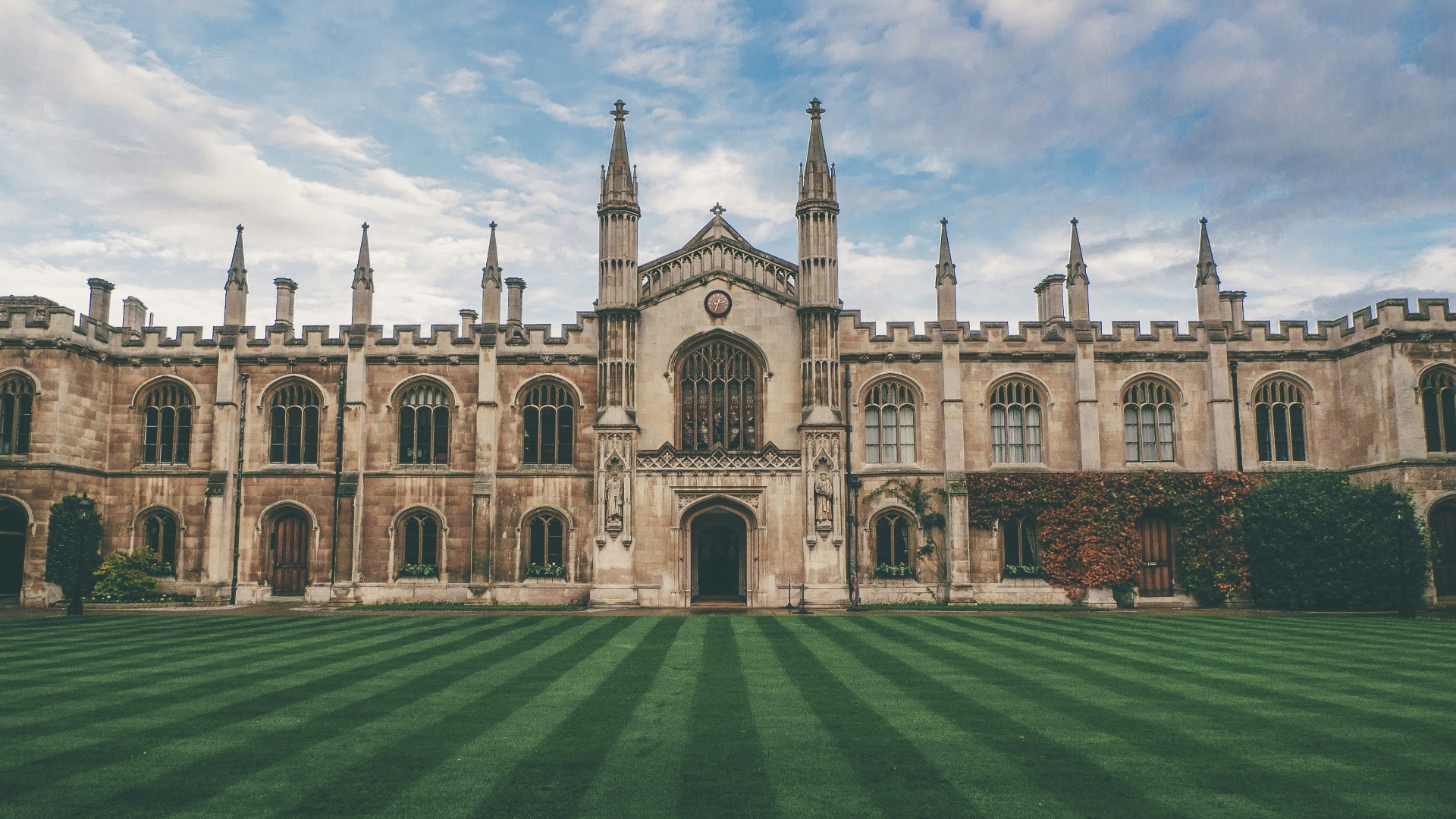
2. Oxford University Is Older Than the Aztec Empire
You might think of universities as relatively modern institutions, but Oxford has been operating since as early as 1096, with teaching expanding significantly between 1167 and 1168. The university was already well established long before Tenochtitlán, the capital of the Aztec Empire, came into existence in 1325. That means Oxford had been running for nearly 300 years by the time the Aztecs consolidated their empire in central Mexico.
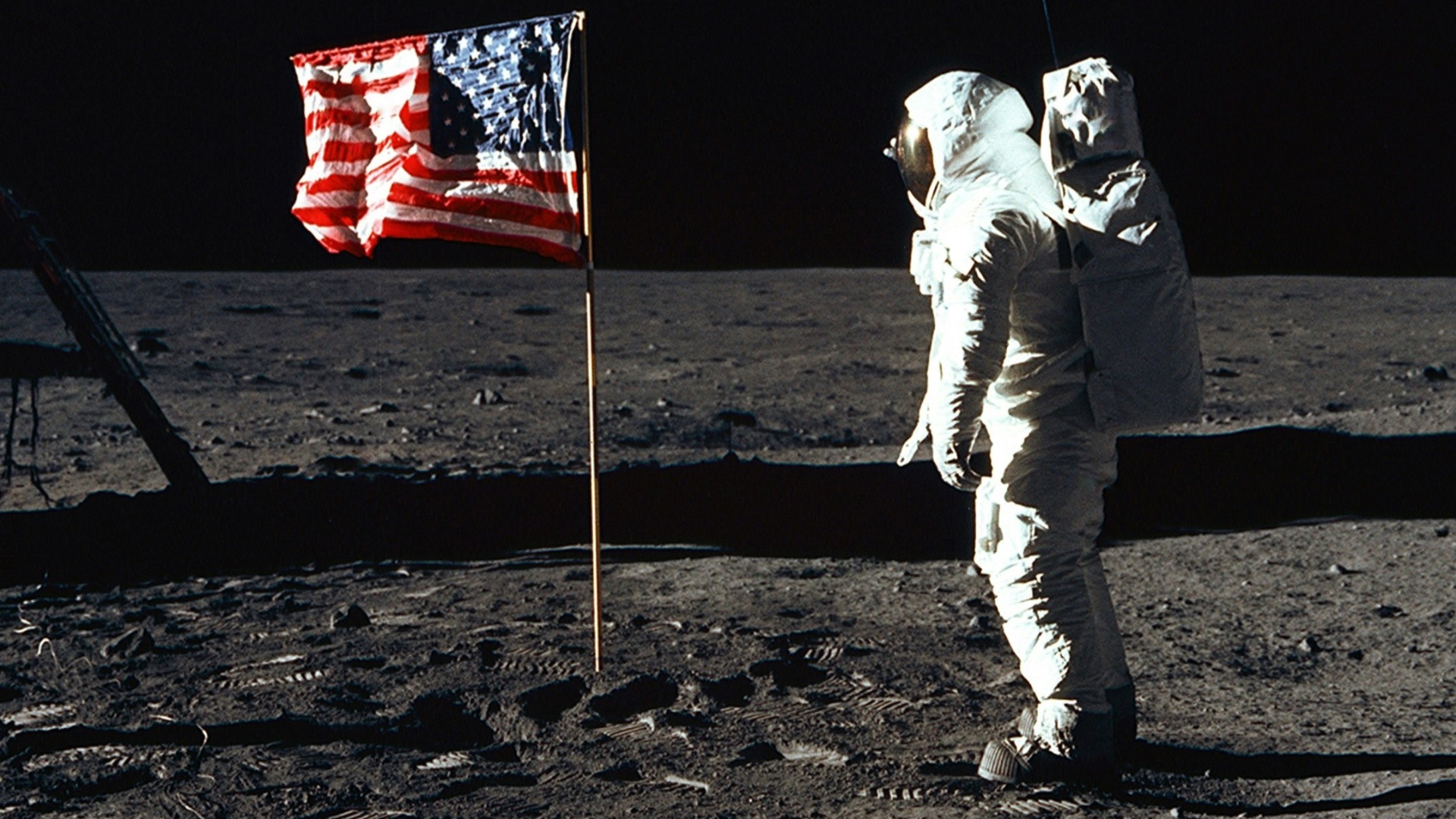
3. Cleopatra Lived Closer in Time to the Moon Landing Than to the Pyramids
This one tends to shock people when they first hear it. Cleopatra died in 30 BC, placing her roughly 2,500 years after the completion of the Great Pyramid of Giza around 2560 BC. The Moon landing in 1969, on the other hand, was only about 2,000 years after her death; the ancient world stretched back far further than most people intuitively grasp.
4. The Ancient Greeks Invented the Vending Machine
The concept of a coin-operated machine isn't a product of the Industrial Revolution; it actually dates back to ancient Alexandria. In the first century AD, the mathematician and engineer Heron of Alexandria designed a device that dispensed a fixed amount of holy water when a coin was inserted into a slot. His invention was used in Egyptian temples, and the basic principle it operated on isn't entirely different from what you'd find in a modern machine today.

5. Marie Curie's Notebooks Are Still Radioactive
Marie Curie's decades of work with radioactive materials left a lasting mark on everything she touched, including her personal belongings. Her notebooks are so heavily contaminated that they're stored in lead-lined boxes at the Bibliothèque nationale de France in Paris to this day. Anyone who wishes to view them must sign a liability waiver and wear protective gear, and the notebooks are expected to remain radioactive for another 1,500 years.

6. Abraham Lincoln Was a Licensed Bartender
Before he entered politics, Abraham Lincoln co-owned a general store called Berry & Lincoln in New Salem, Illinois, in the early 1830s. The store held a license to sell alcohol, which technically made Lincoln one of the few American presidents to have worked in the liquor trade. It's a detail that tends to catch people off guard, given how Lincoln is typically remembered in American history.
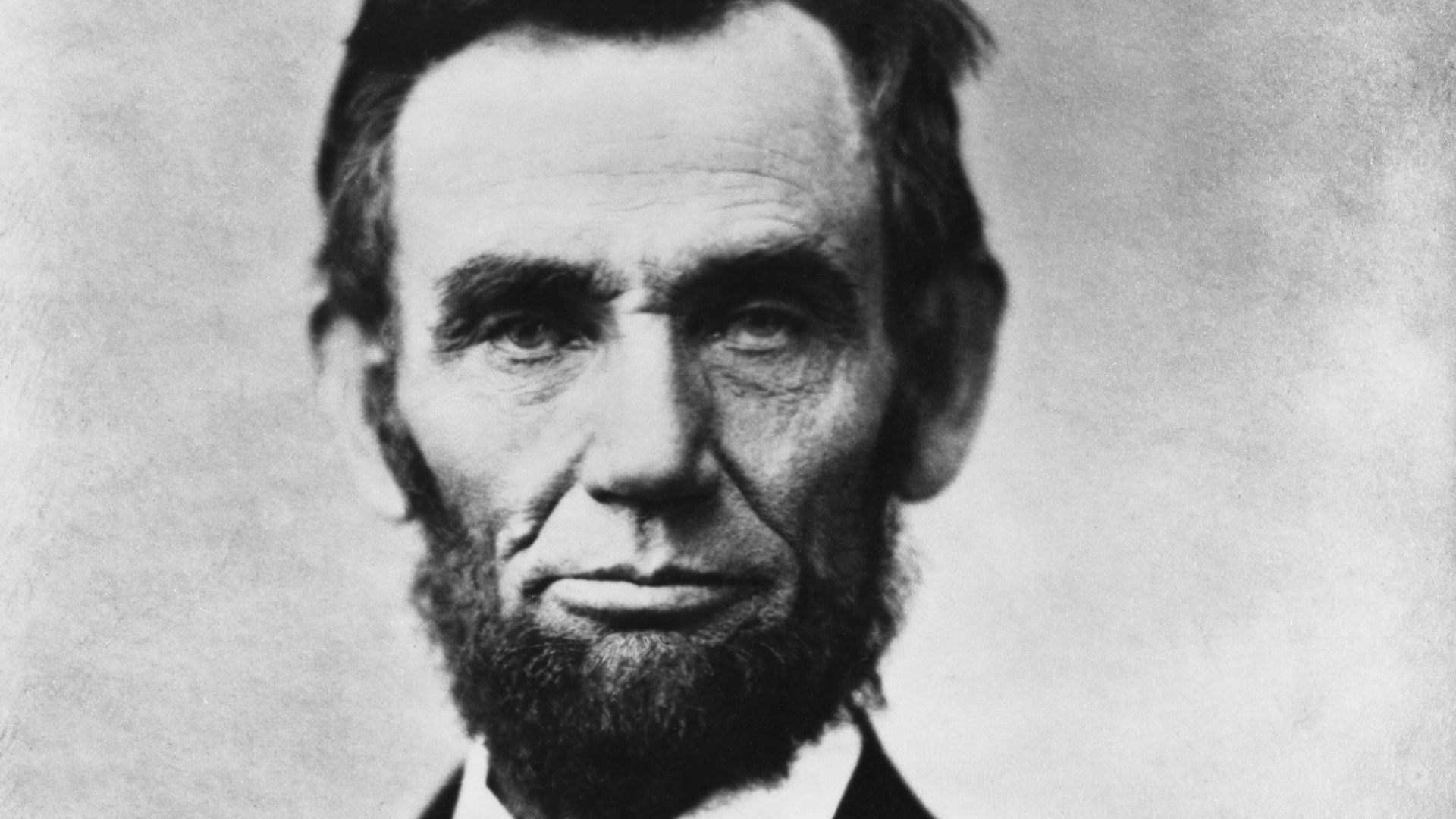 Alexander Gardner on Wikimedia
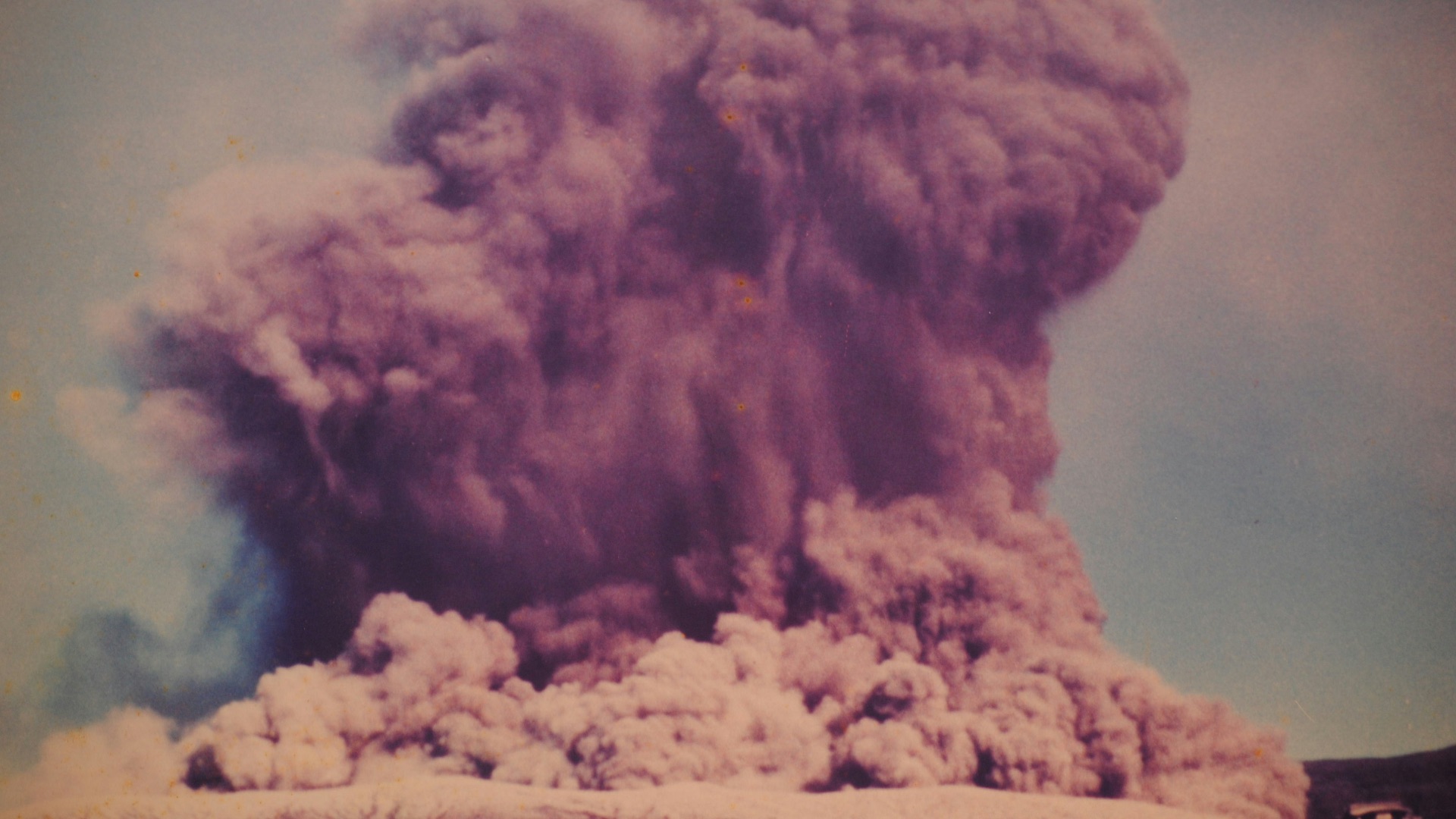
7. The U.S. Accidentally Released Two Nuclear Bombs Over North Carolina
On January 24, 1961, a B-52 bomber broke apart in midair over Goldsboro, North Carolina, and released two Mark 39 nuclear warheads. One of the bombs came dangerously close to detonating; three of its four safety mechanisms had failed, and only a single switch stood between a training accident and a nuclear explosion on American soil. The full extent of the near-miss was confirmed through declassified government documents released decades later.
8. The U.S. Government Deliberately Poisoned Alcohol During Prohibition
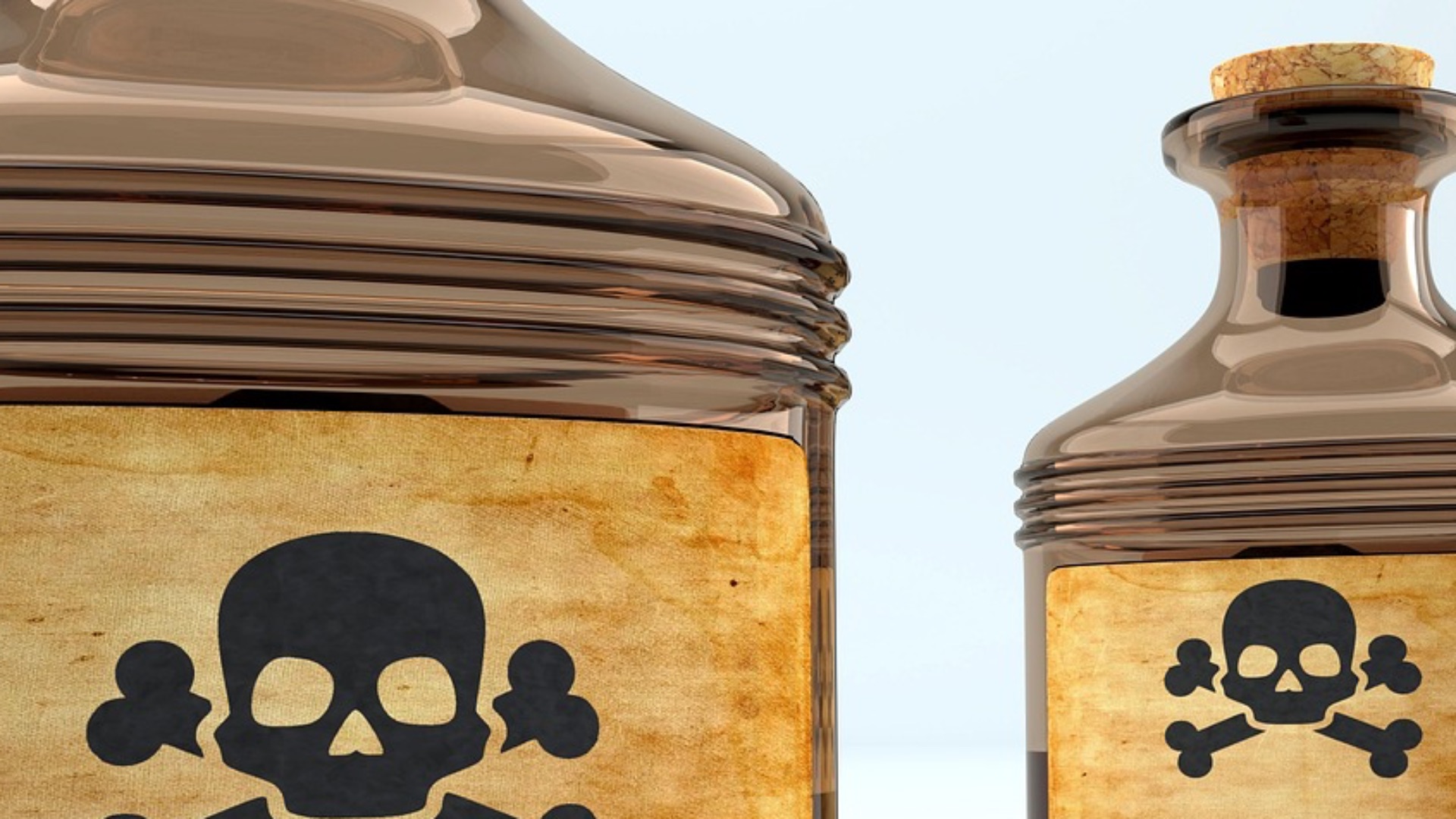
Prohibition in the 1920s is well known, but the government's decision to lace industrial alcohol with toxic chemicals is a far darker and less discussed chapter of that era. Federal authorities ordered industrial alcohol to be denatured with methanol, arsenic, and other poisons to deter people from drinking it; the policy was intended as a deterrent, not a public health measure. The plan backfired catastrophically, and historians estimate that thousands of Americans died from consuming the contaminated supply before Prohibition ended in 1933.
9. Ketchup Was Once Sold as a Medicine
In the 1830s, tomato-based ketchup was marketed in pharmacies as a treatment for ailments including indigestion, liver disease, and diarrhea. Dr. John Cook Bennett was among the most prominent voices championing tomatoes as a health remedy, and he helped popularize tomato products throughout that decade. It took many more years before ketchup settled firmly into its current identity as a condiment rather than a cure.

10. Nintendo Was Founded in 1889 as a Playing Card Company
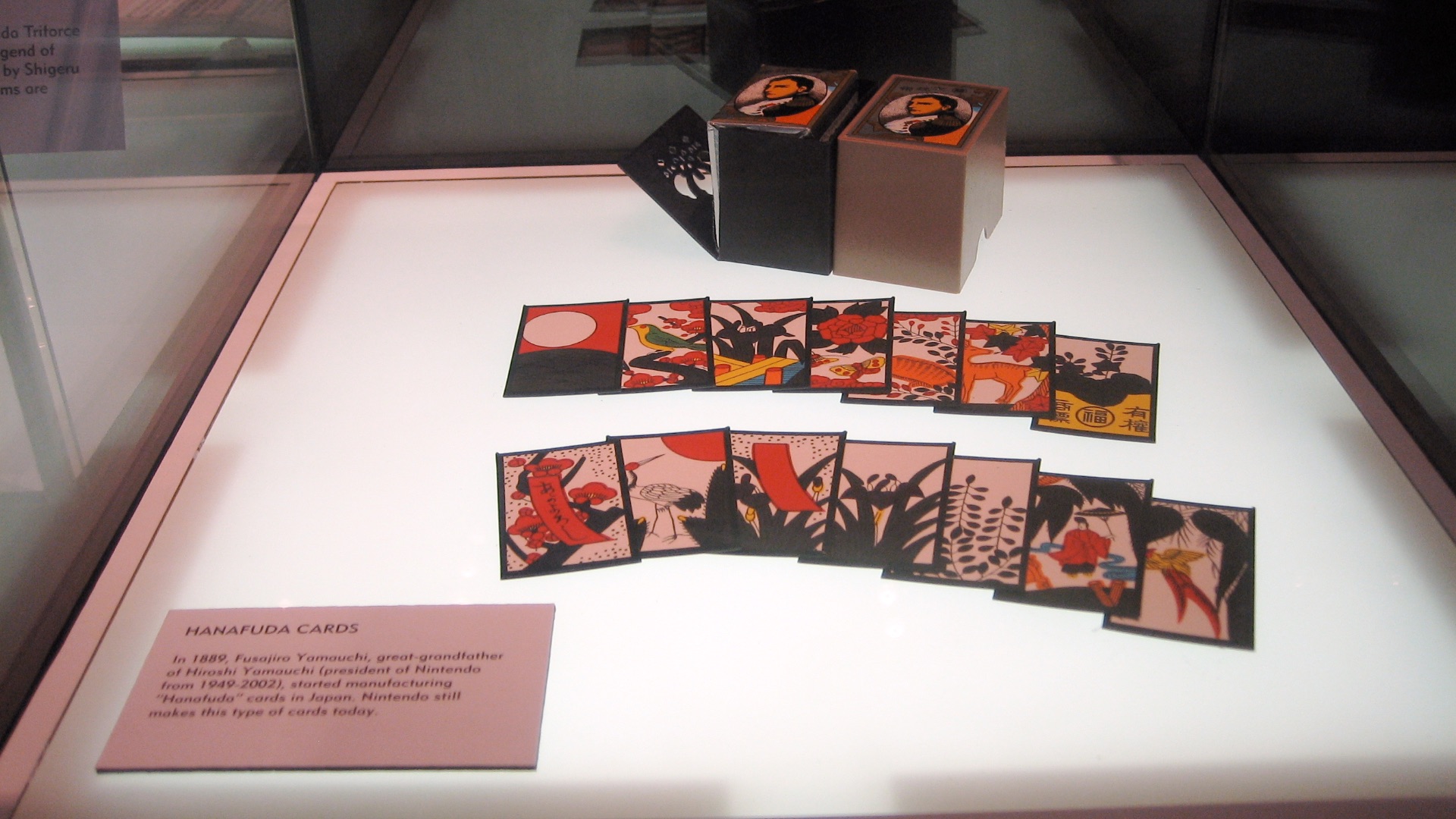
Long before anyone had heard of Mario or the Game Boy, Nintendo was an entirely different kind of business. Fusajiro Yamauchi founded the company in Kyoto, Japan, in 1889, where it manufactured handmade hanafuda playing cards for the Japanese market. Nintendo didn't start transitioning into toys and electronics until the 1960s, meaning the company was already nearly a century old before it ever made a single video game.
11. Salvador Dalí Designed the Chupa Chups Logo
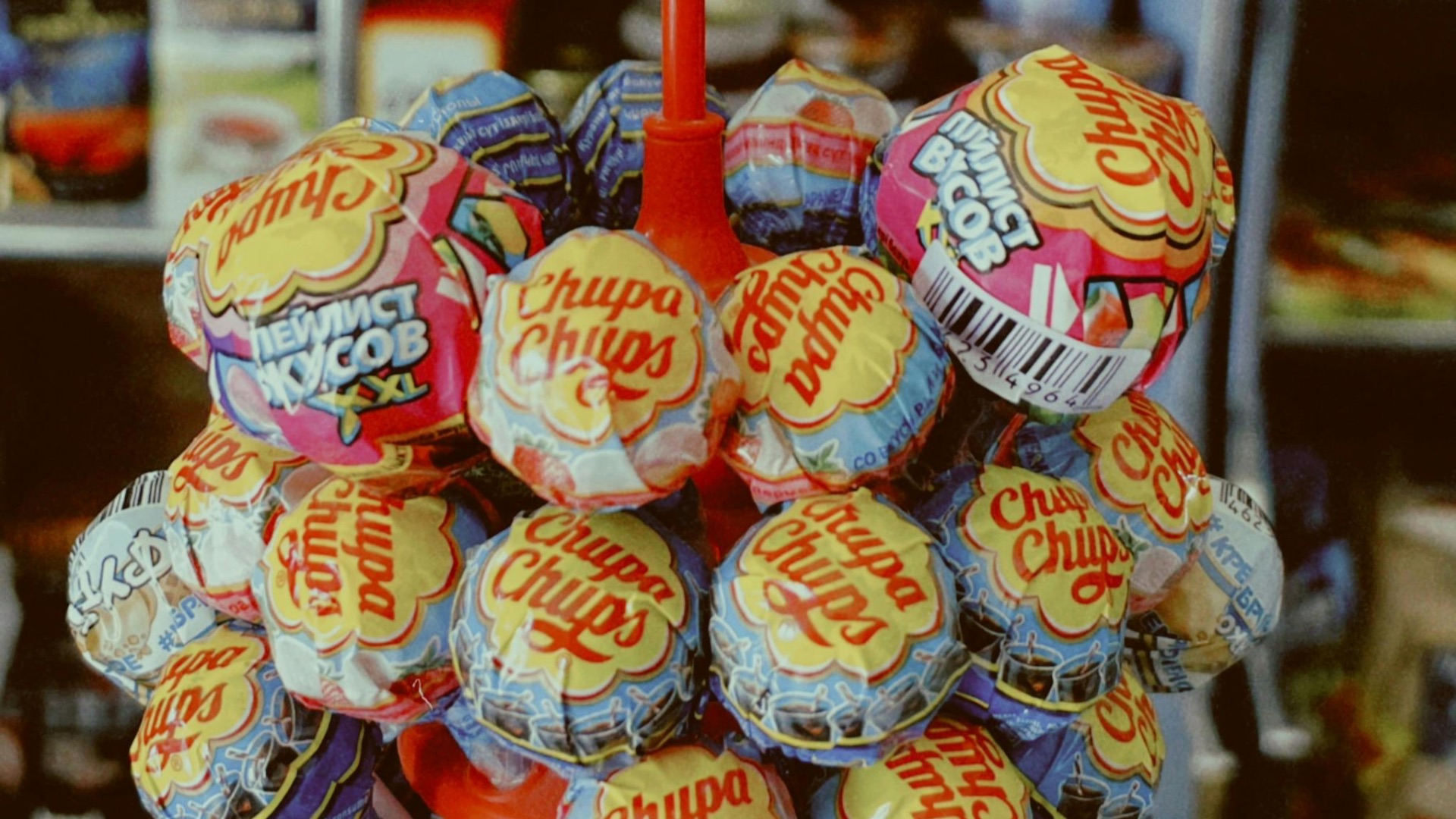
The surrealist artist Salvador Dalí is best known for his dreamlike paintings, but he also left his mark on the world of candy branding. In 1969, Chupa Chups founder Enric Bernat approached Dalí about redesigning the lollipop's logo, and Dalí reportedly completed the work in under an hour. The resulting design, a daisy-like flower with the brand name at its center, has remained largely unchanged ever since.
12. The Great Fire of London Destroyed Thousands of Buildings, But Killed Very Few People
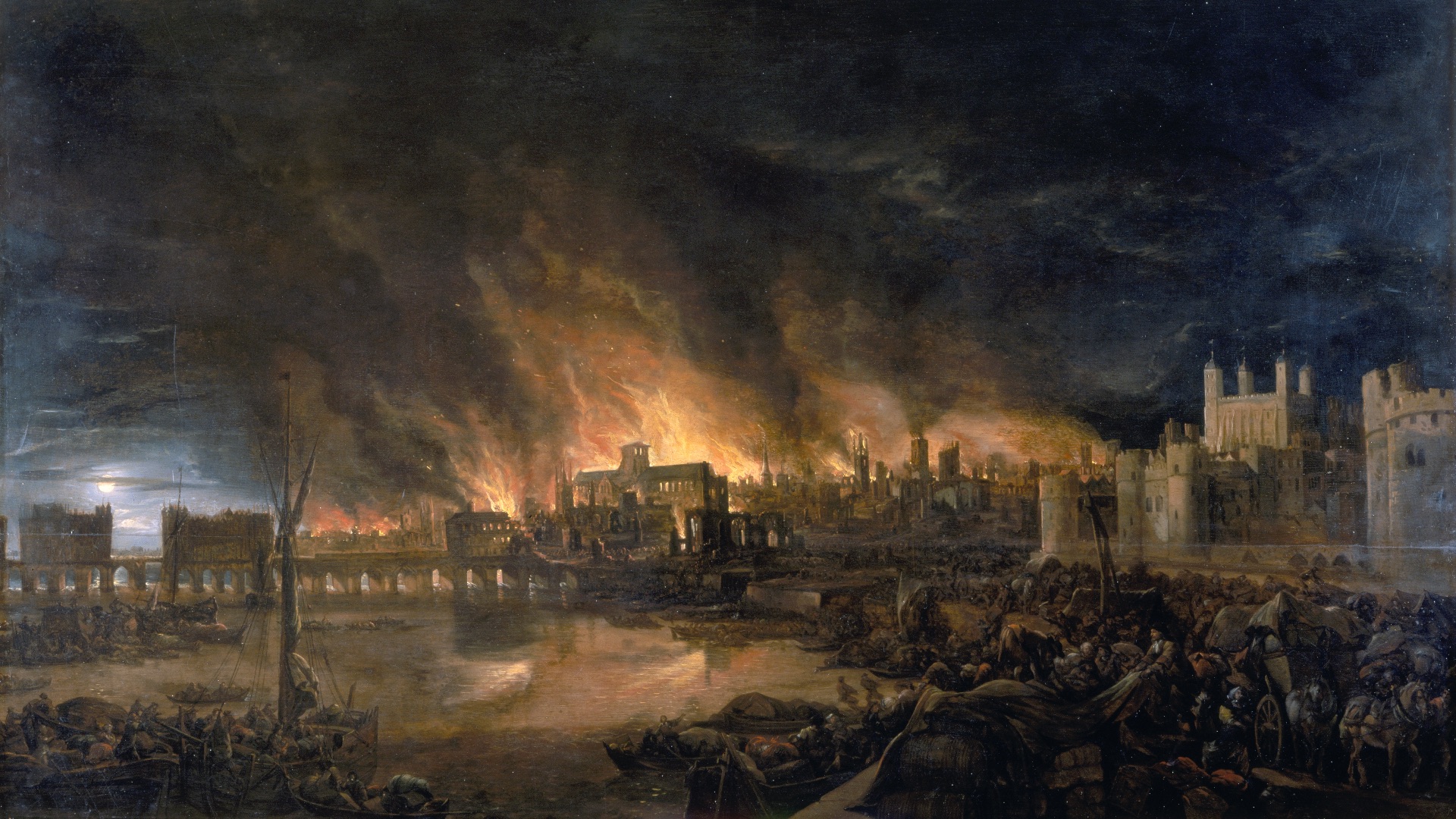
When the Great Fire swept through London in September 1666, it destroyed approximately 13,200 houses, 87 churches, and St. Paul's Cathedral across the city. Despite the catastrophic scale of the destruction, the official death toll documented at the time was astonishingly low; only a handful of confirmed fatalities appear in the historical record. Historians acknowledge that the true number was likely higher, particularly among poorer residents whose deaths went unrecorded, but the disparity between the physical devastation and the reported loss of life remains striking.
13. There Was Literally a War Named After a Severed Ear
In 1738, a British sea captain named Robert Jenkins claimed that Spanish sailors had boarded his ship, cut off his ear, and instructed him to deliver it to his king. He displayed the preserved ear before the British Parliament, and the resulting public outrage helped push Britain into a conflict with Spain that lasted from 1739 to 1748. The conflict is officially recorded as the War of Jenkins' Ear, and it's as real and as formally documented as any war fought over more conventional causes.
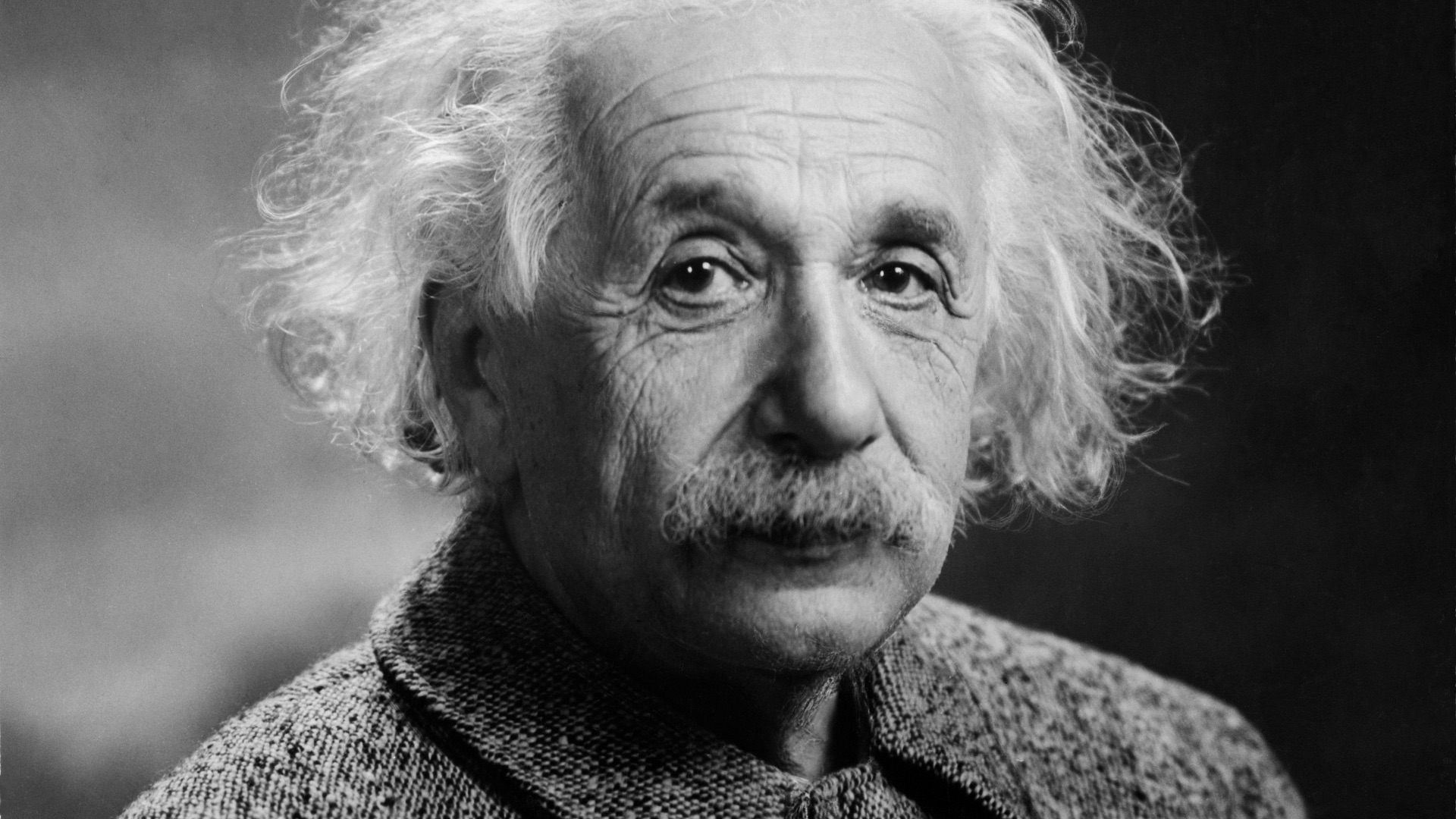
14. Albert Einstein Was Offered the Presidency of Israel
When Israel's first president, Chaim Weizmann, died in 1952, Prime Minister David Ben-Gurion extended a formal offer of the presidency to Albert Einstein. Einstein declined, stating that he lacked the natural aptitude and personal experience (never mind his advancing age) required to work with people in that capacity. The offer is thoroughly documented in both Israeli government records and Einstein's own correspondence, so there's no ambiguity about whether it actually happened, crazy as it sounds.
 Orren Jack Turner on Wikimedia
15. France Popularized Potatoes by Making Them Look Forbidden
When Antoine-Augustin Parmentier wanted to convince skeptical French citizens to eat potatoes in the late 18th century, he came up with an unorthodox approach. He planted a potato field outside Paris and stationed armed guards around it during the day to give the impression that the crop was too precious for ordinary people to access. He then withdrew the guards at night, knowing that locals would sneak in and steal the plants; the strategy worked, and potatoes gradually became a staple of French cuisine.

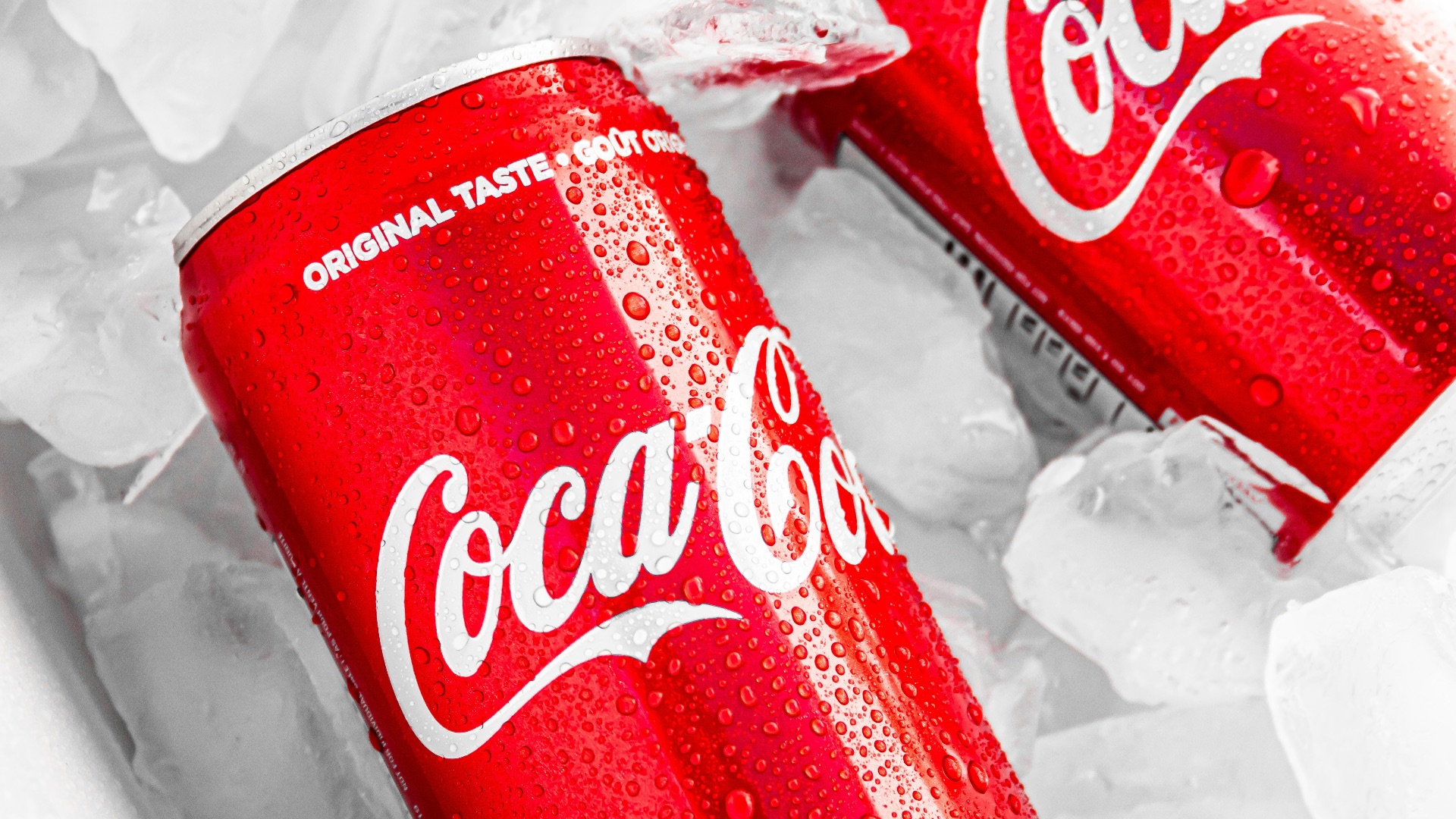
16. Early Coca-Cola Contained Cocaine
The original Coca-Cola recipe, developed by pharmacist John Pemberton in 1886, included extracts from coca leaves that contained cocaine. The cocaine content was progressively reduced over the following years and eliminated entirely by around 1903, largely in response to growing public concern. The drink's name still references its two original key ingredients: coca and kola.
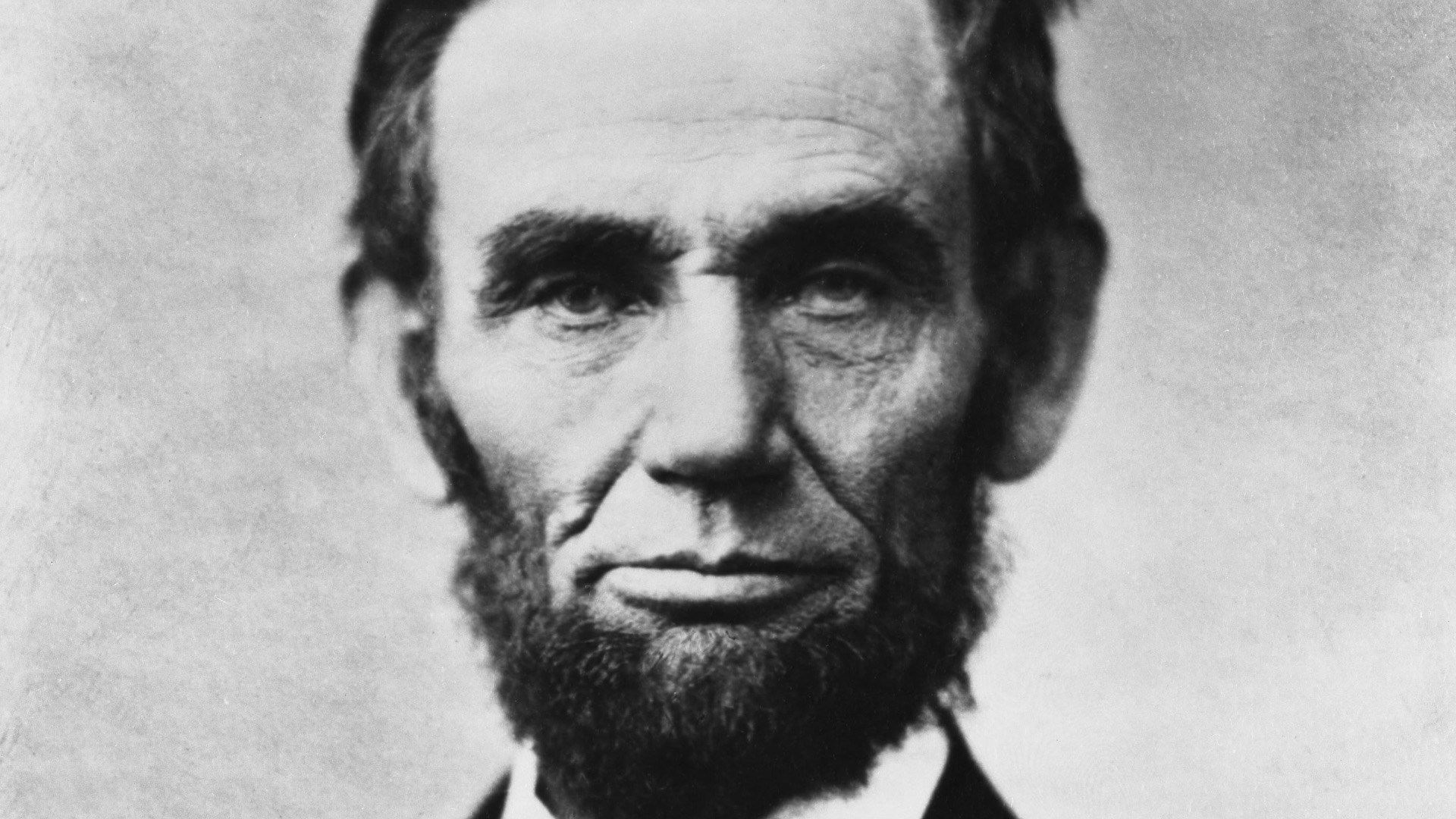
17. The U.S. Secret Service Was Created on the Same Day Lincoln Was Shot
Abraham Lincoln signed the legislation establishing the U.S. Secret Service on April 14, 1865, just hours before he was shot at Ford's Theatre that evening. The agency was originally created to combat the rampant counterfeiting of currency, not to provide presidential protection; that responsibility didn't become part of its official mandate until years later. The coincidence of the signing and the assassination falling on the same date remains one of the more unsettling footnotes in American political history.
 Alexander Gardner on Wikimedia
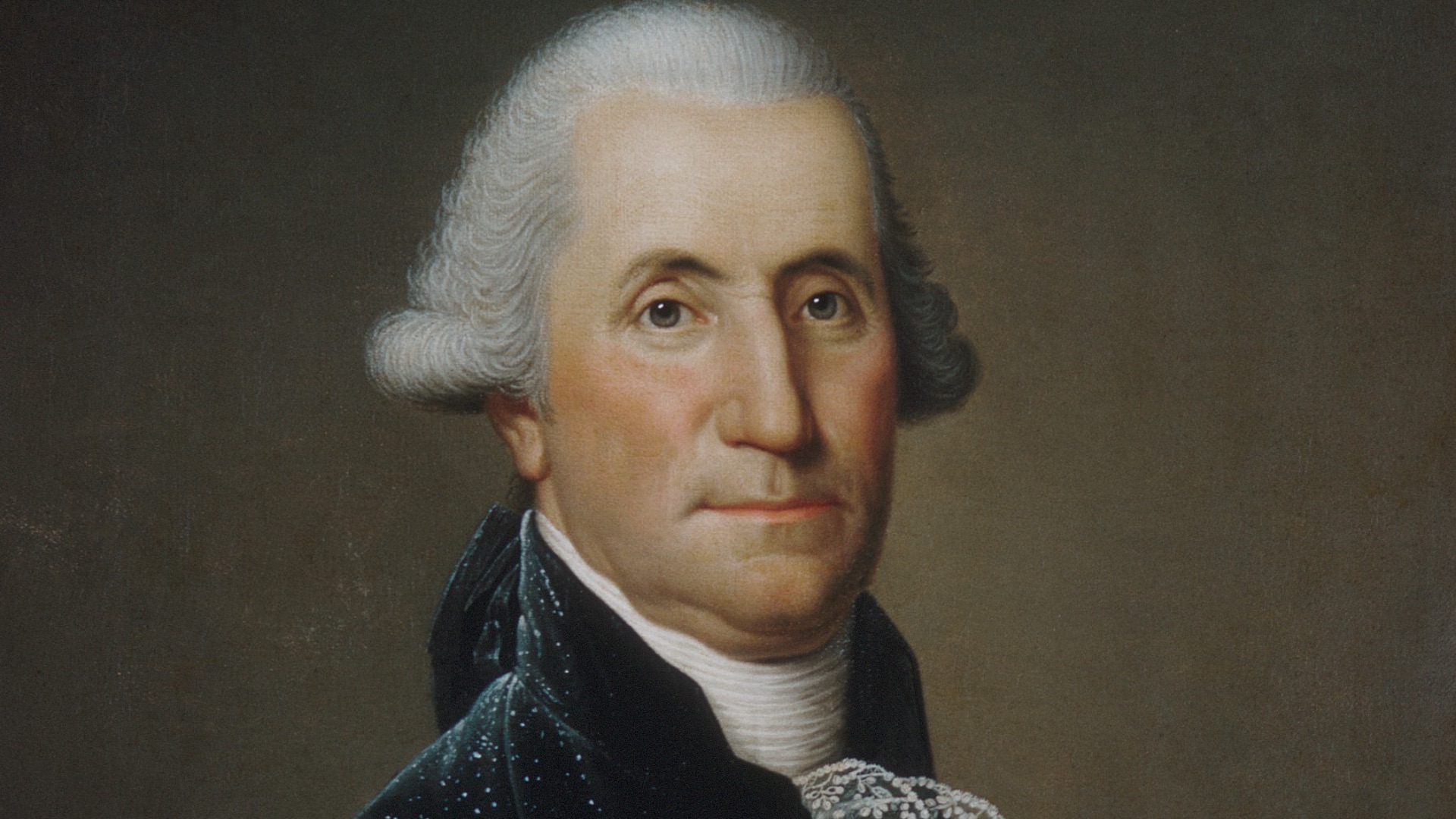
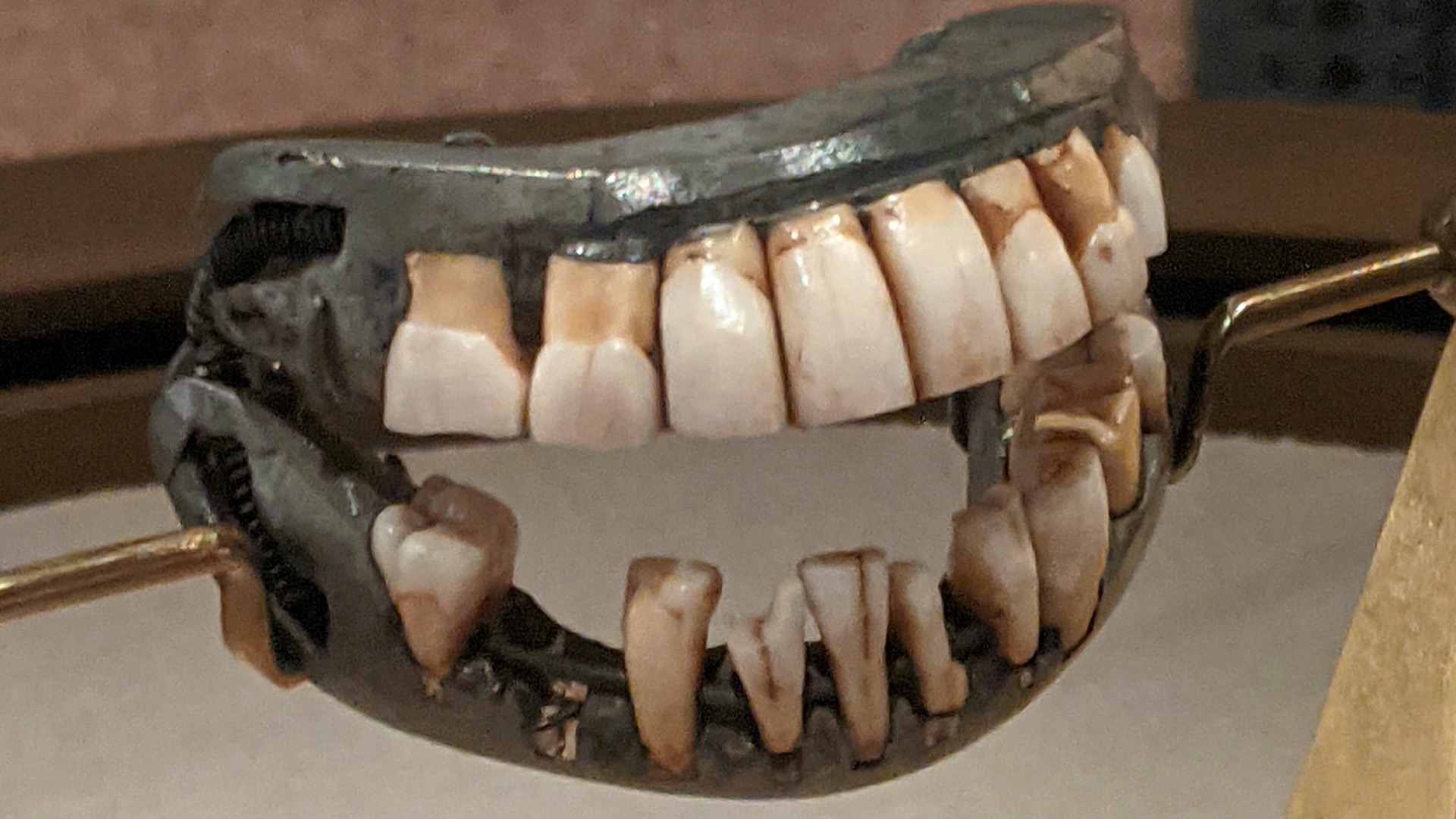
18. George Washington's Dentures Were Not Made of Wood
The image of George Washington with wooden teeth is one of the most persistent myths in American history, but it has no basis in fact. His dentures were actually constructed from a combination of human teeth, animal teeth, and ivory sourced from elephants and hippopotamuses. They were notoriously uncomfortable and ill-fitting, which is often cited as a contributing factor to the tense, stiff expression visible in many of his official portraits.
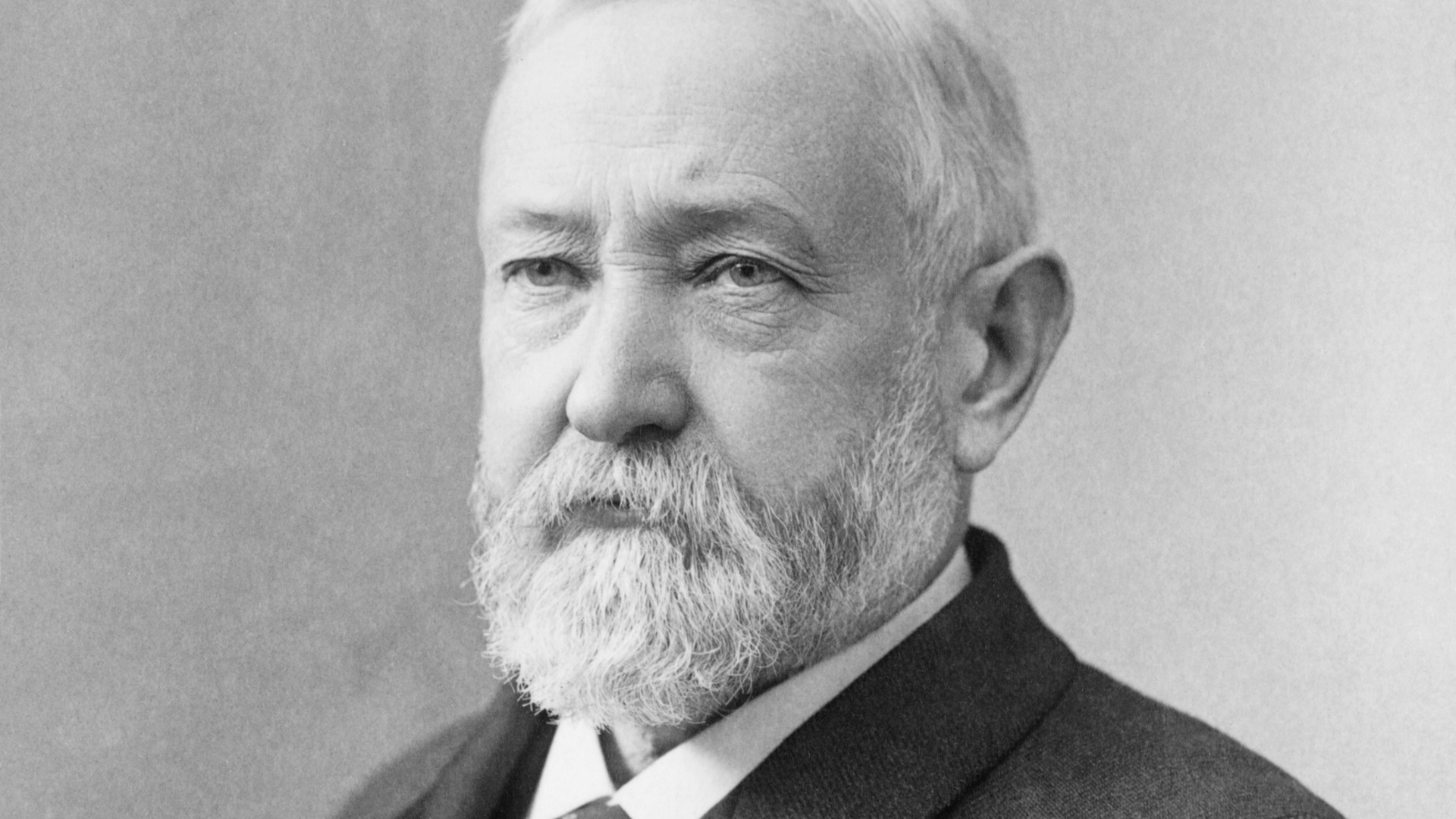
19. Benjamin Harrison Was Too Afraid of Electricity to Touch the Light Switches
When electric lighting was installed in the White House in 1891, President Benjamin Harrison became the first U.S. president to live with it full-time. Harrison and his wife were so concerned about receiving an electric shock that they refused to operate the light switches themselves. White House staff would turn the lights on before the family retired for the evening; if no one was available to help, the Harrisons reportedly slept with the lights on rather than risk touching the switches themselves.
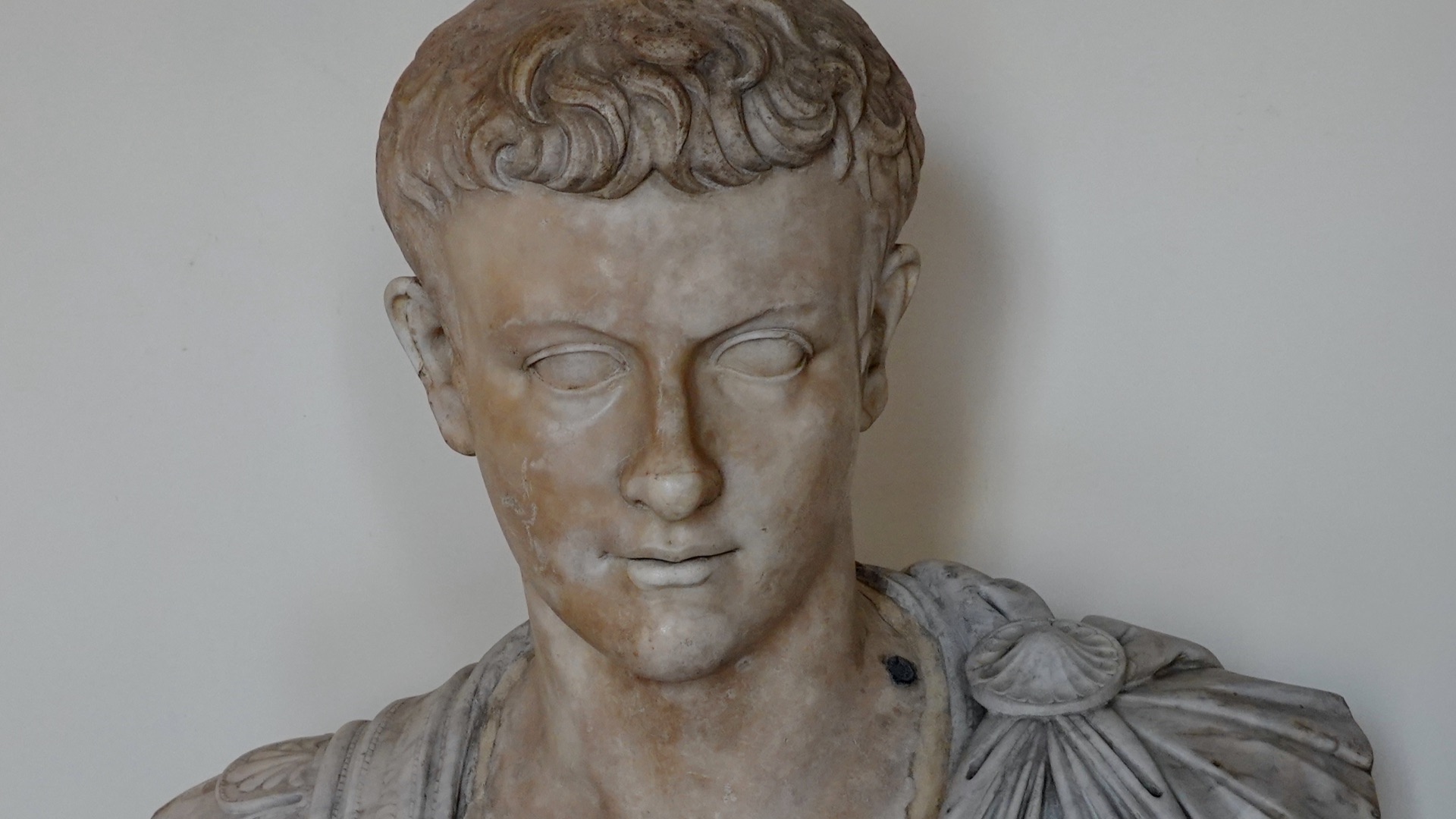
20. Roman Emperor Caligula Declared War on the Sea
Of all the historically documented acts associated with Caligula, his declaration of war against Neptune, the Roman god of the sea, stands out as particularly difficult to accept as real. According to the Roman historian Suetonius, Caligula marched his legions to the shore of the English Channel, ordered them to stab the waves with their weapons, and then commanded them to collect seashells as the spoils of their victory over the ocean. Historians continue to debate what actually motivated the episode, but the account comes from primary sources and has been analyzed seriously enough that it's never been dismissed outright.
KEEP ON READING