

Masterpieces That Weren’t What They Seemed
Art forgery has a long and surprisingly sophisticated history, with some of the most convincing fakes deceiving collectors, historians, and even major institutions. In many cases, these works weren’t exposed for years, and sometimes decades, after being accepted as genuine. Advances in science and provenance research have helped uncover the truth, but these cases still highlight how difficult authentication can be. Here are 20 notable art forgeries that managed to fool experts before the truth came to light.
1. Han van Meegeren’s “Vermeers”
Dutch artist Han van Meegeren famously forged paintings he claimed were by Johannes Vermeer, including The Supper at Emmaus. Experts praised them as major discoveries, and one was even sold to a high-ranking Nazi official. The truth only emerged after World War II, when van Meegeren confessed to avoid charges of collaboration.
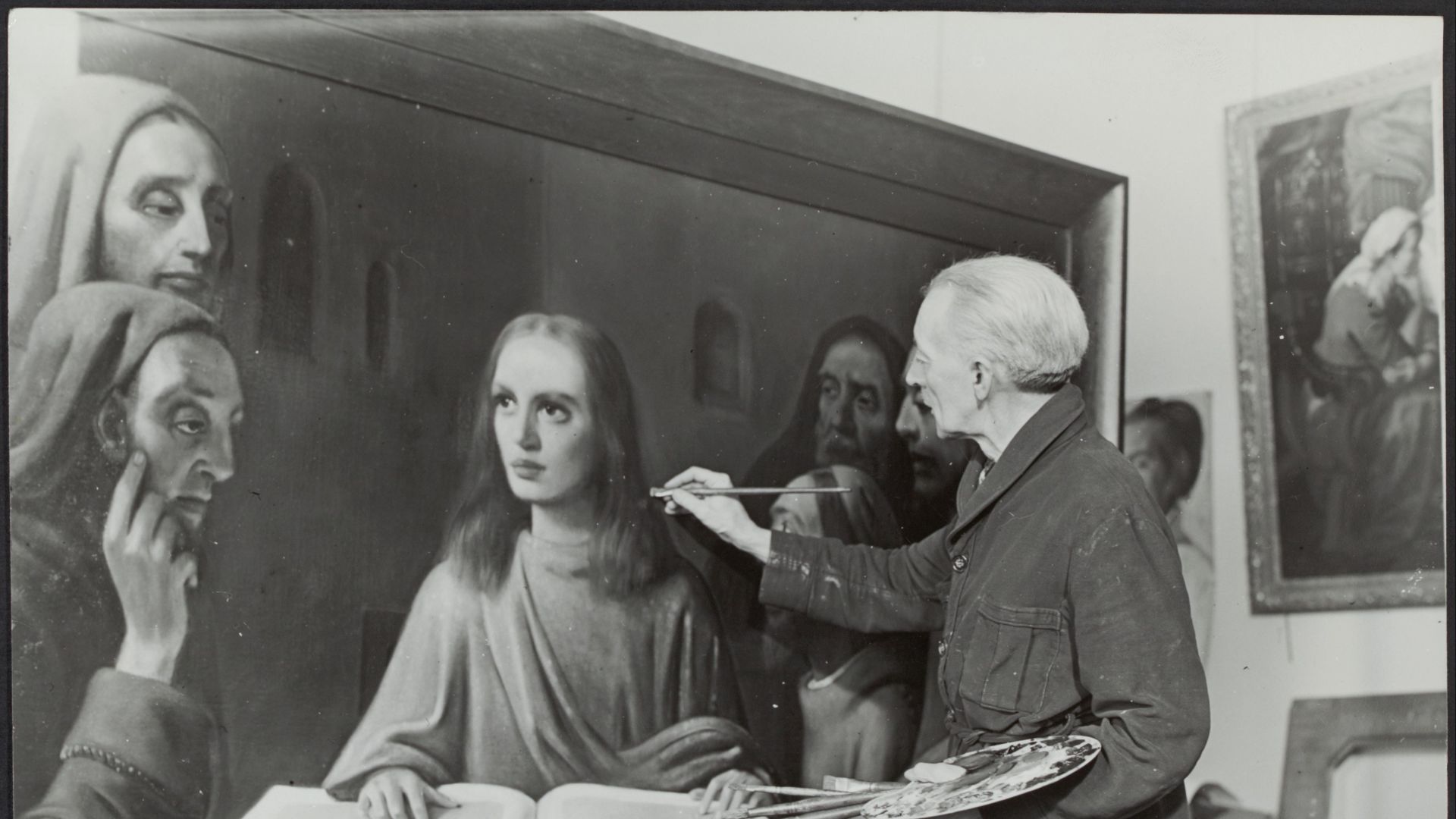 Koos Raucamp (ANEFO) on Wikimedia
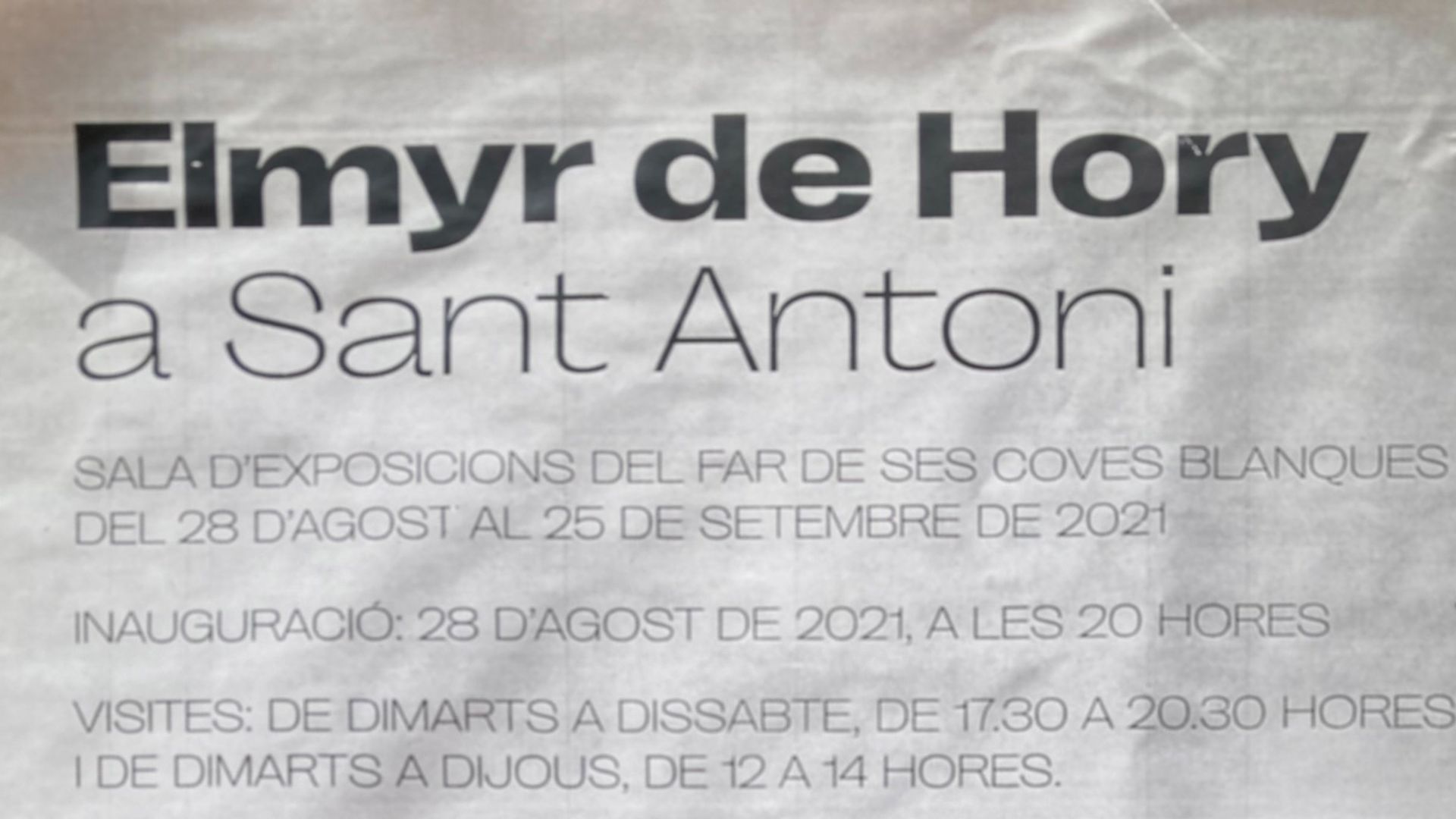
2. Elmyr de Hory’s Modernist Works
Elmyr de Hory forged works in the styles of artists such as Picasso, Matisse, and Modigliani. His paintings were sold through galleries and ended up in respected collections. His career exposed weaknesses in authentication practices for modern art.
3. Wolfgang Beltracchi’s “Lost Masterpieces”
Beltracchi created paintings he claimed were previously unknown works by artists such as Max Ernst and Heinrich Campendonk. He fabricated convincing backstories and provenance documents. His forgeries deceived the art market for decades before forensic analysis uncovered inconsistencies.
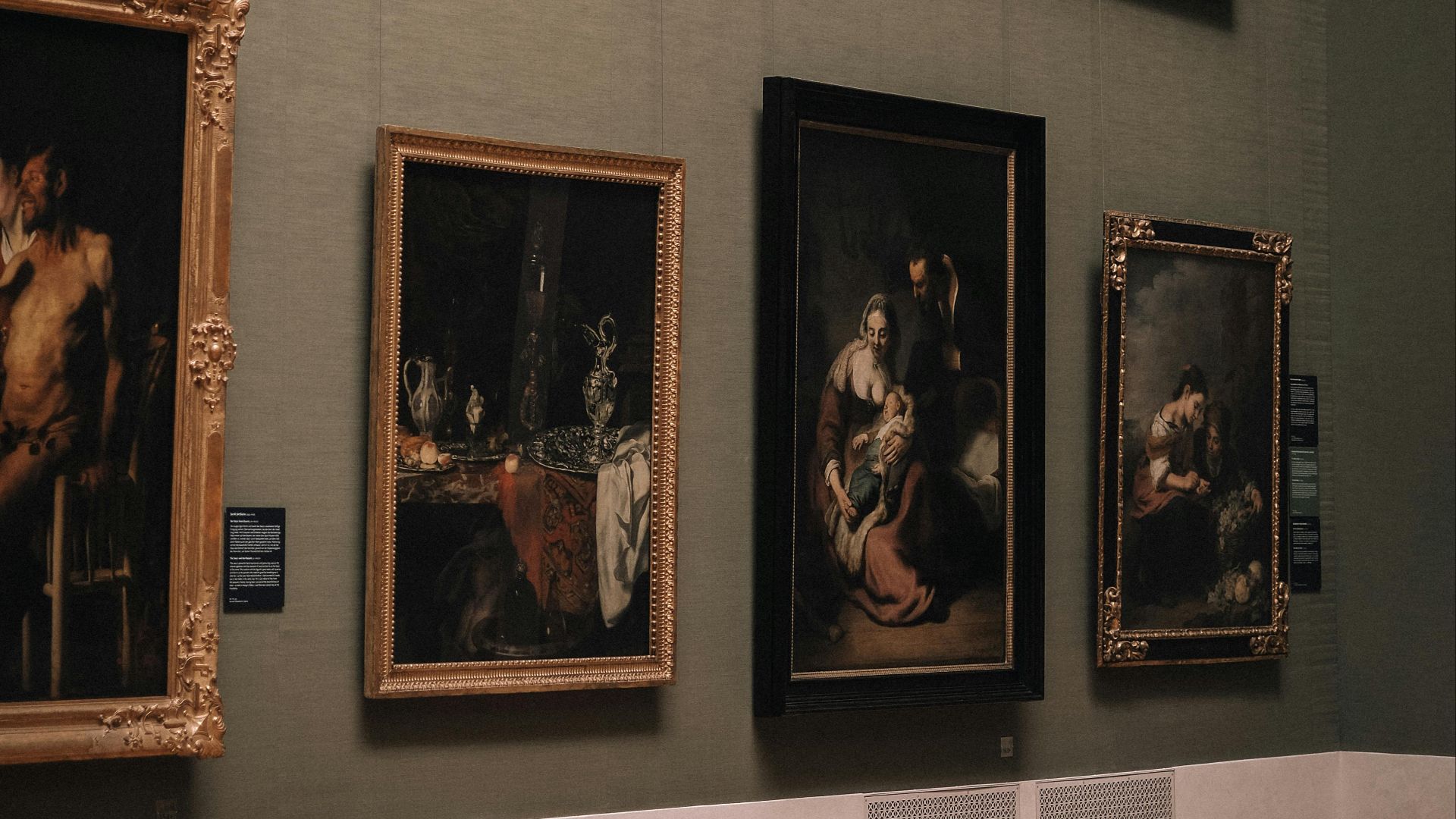
4. Eric Hebborn’s Old Master Drawings
British artist Eric Hebborn forged drawings attributed to Renaissance and Baroque masters. Major museums and auction houses accepted his works. He later published a memoir detailing his techniques and criticizing the art establishment.
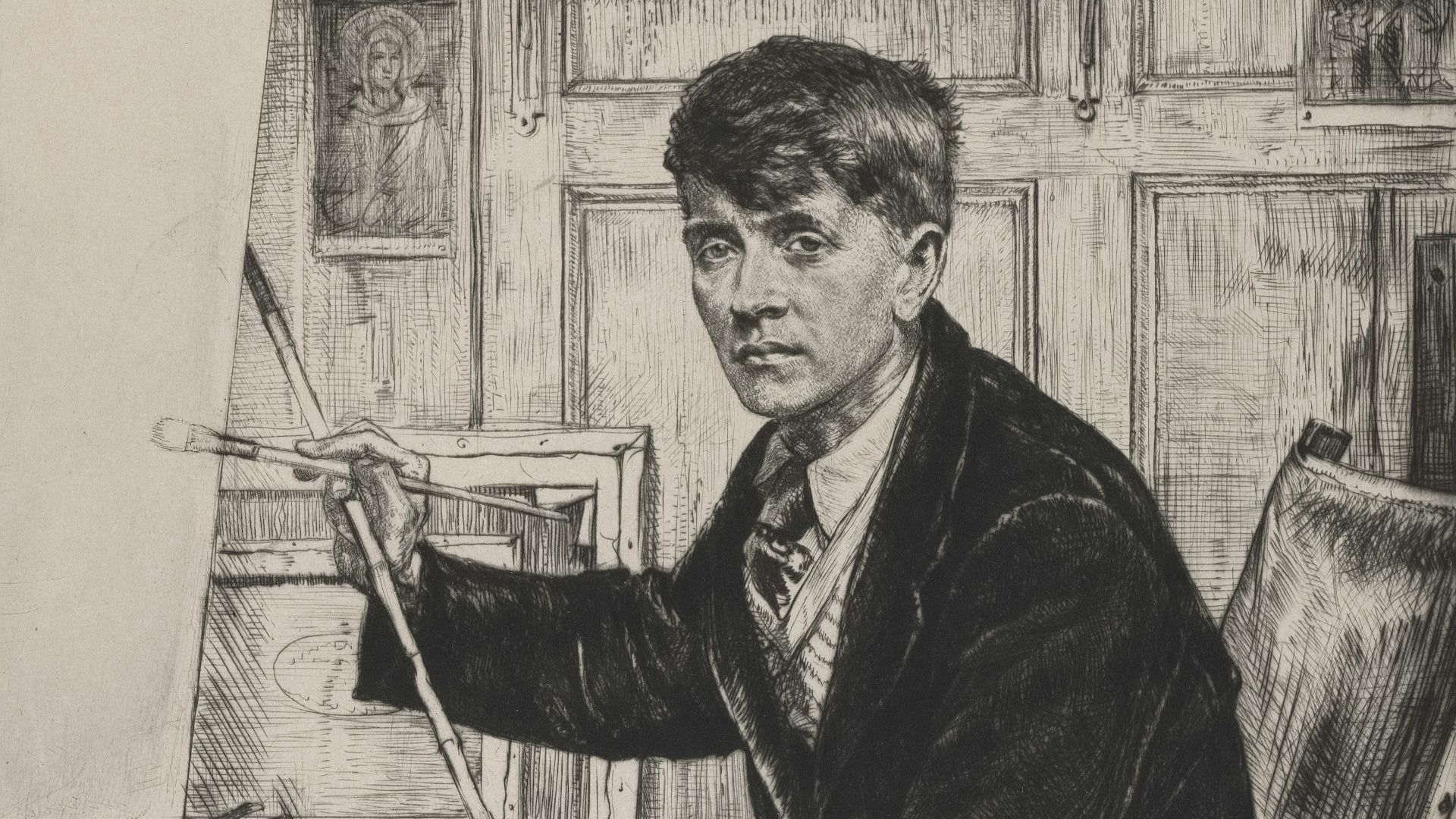 The Cleveland Museum of Art on Unsplash
5. Tom Keating’s “Time Bomb” Paintings
Keating created forgeries of well-known artists but embedded subtle flaws he called “time bombs”. These were meant to expose the art market’s reliance on surface-level authentication. Despite this, many of his works were initially accepted as genuine.
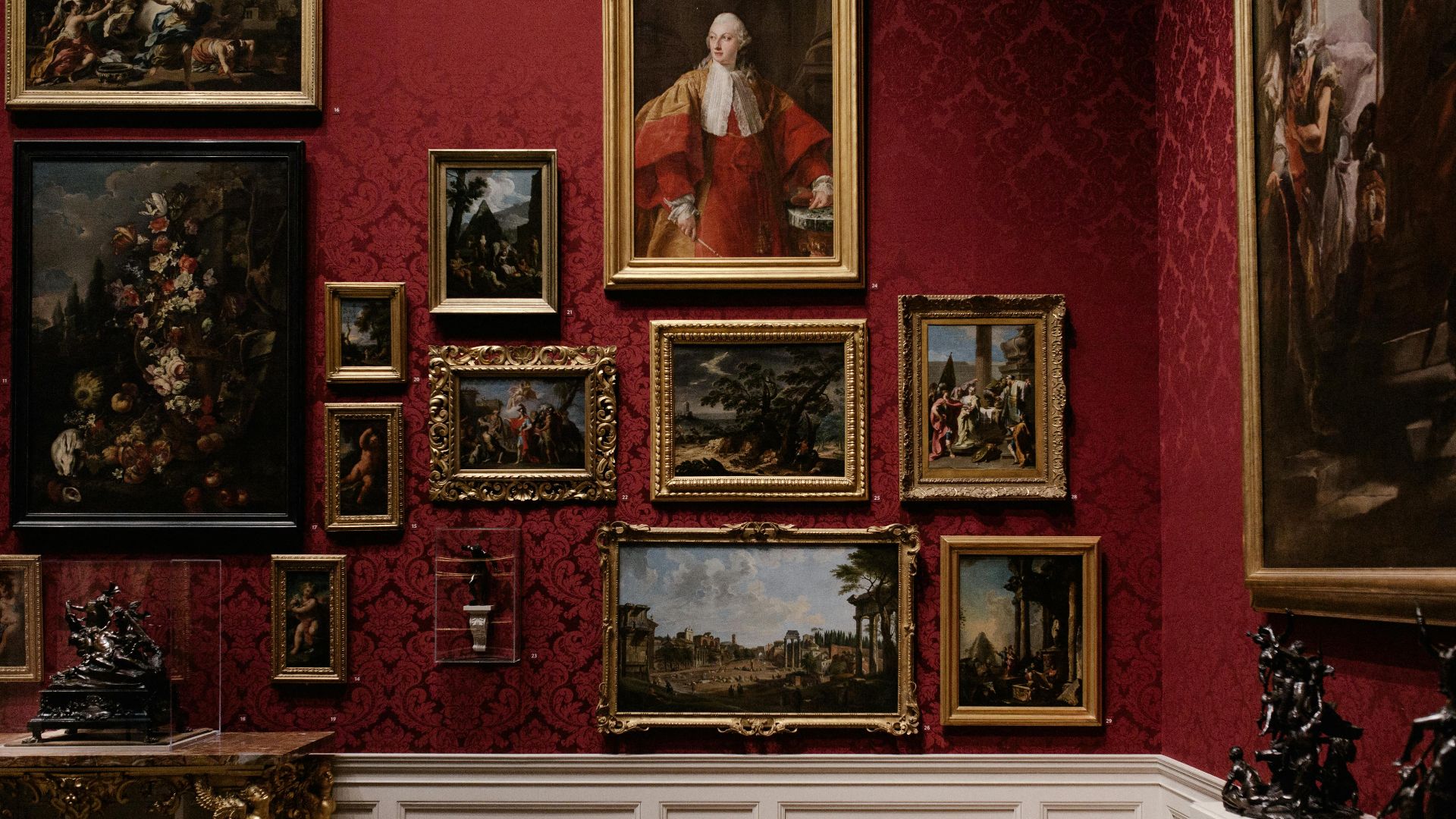
6. John Myatt’s “Genuine Fakes”.
John Myatt painted in the style of famous artists like Monet and Matisse, often using unconventional materials. His collaborator supplied fake provenance, allowing the works to be sold as originals. The scheme lasted several years before being uncovered by authorities.
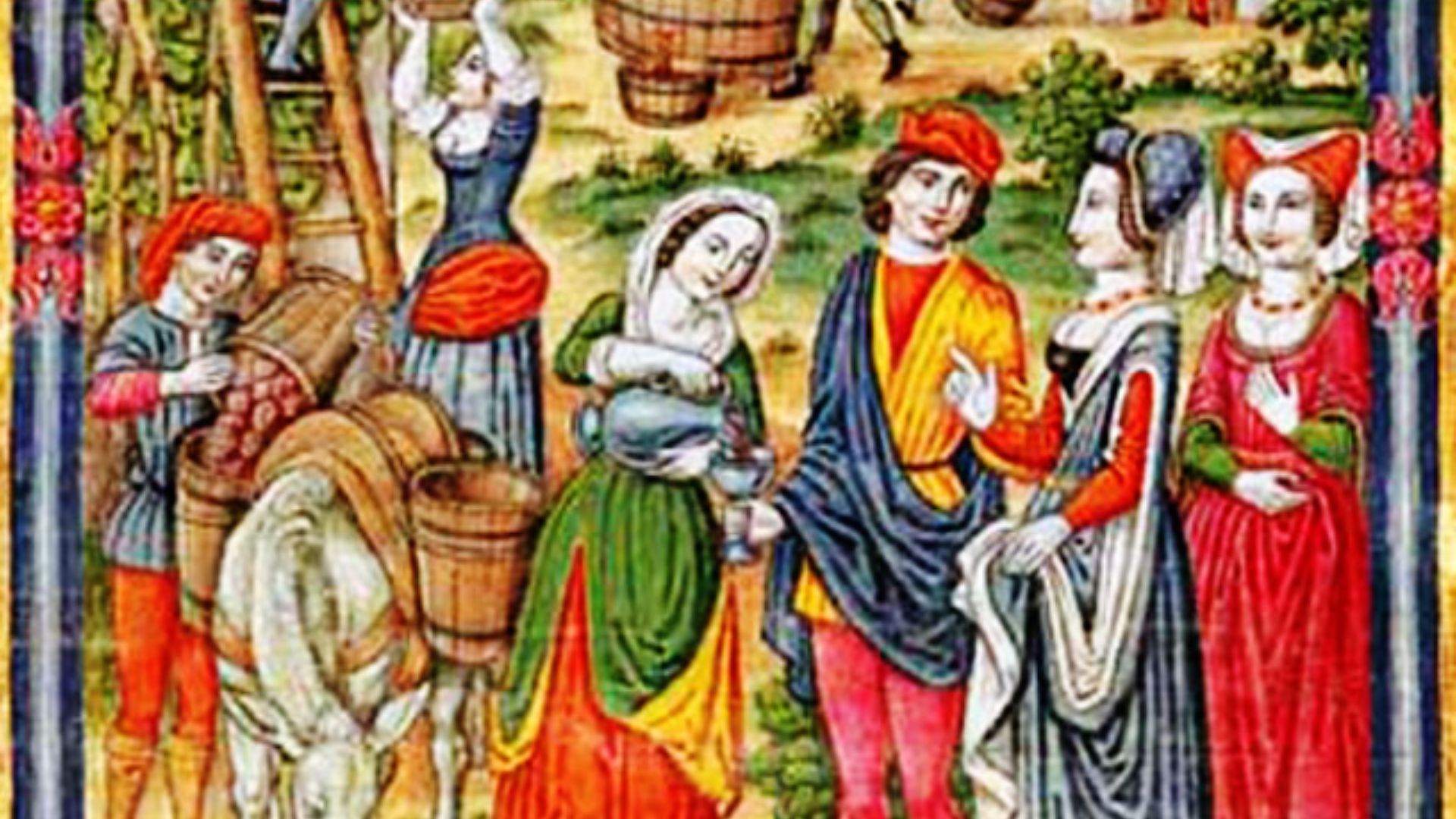
7. The “Spanish Forger” Illuminated Manuscripts
An anonymous artist known as the Spanish Forger produced medieval-style illuminated manuscripts. These were widely accepted as authentic during the early 20th century. Experts later identified stylistic inconsistencies that revealed their modern origin.
 Attributed to Spanish Forger on Wikimedia
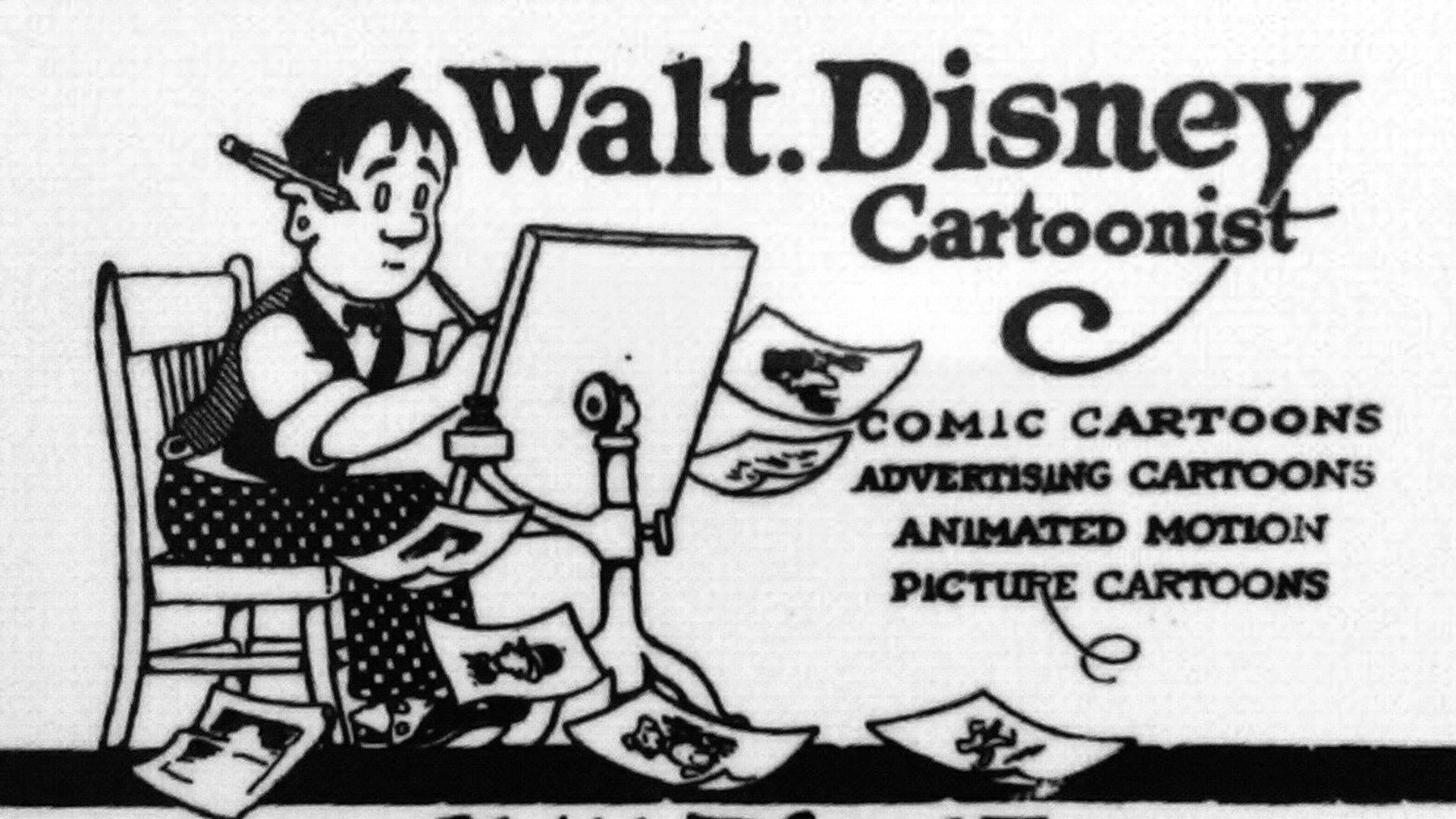
8. Mark Landis’s Museum Donations
Mark Landis donated forged artworks to museums across the United States, often posing as a philanthropist. His works imitated artists like Picasso and Walt Disney illustrators. Because they were donations, they were often not scrutinized as closely as purchased pieces.
9. The Getty Kouros Statue
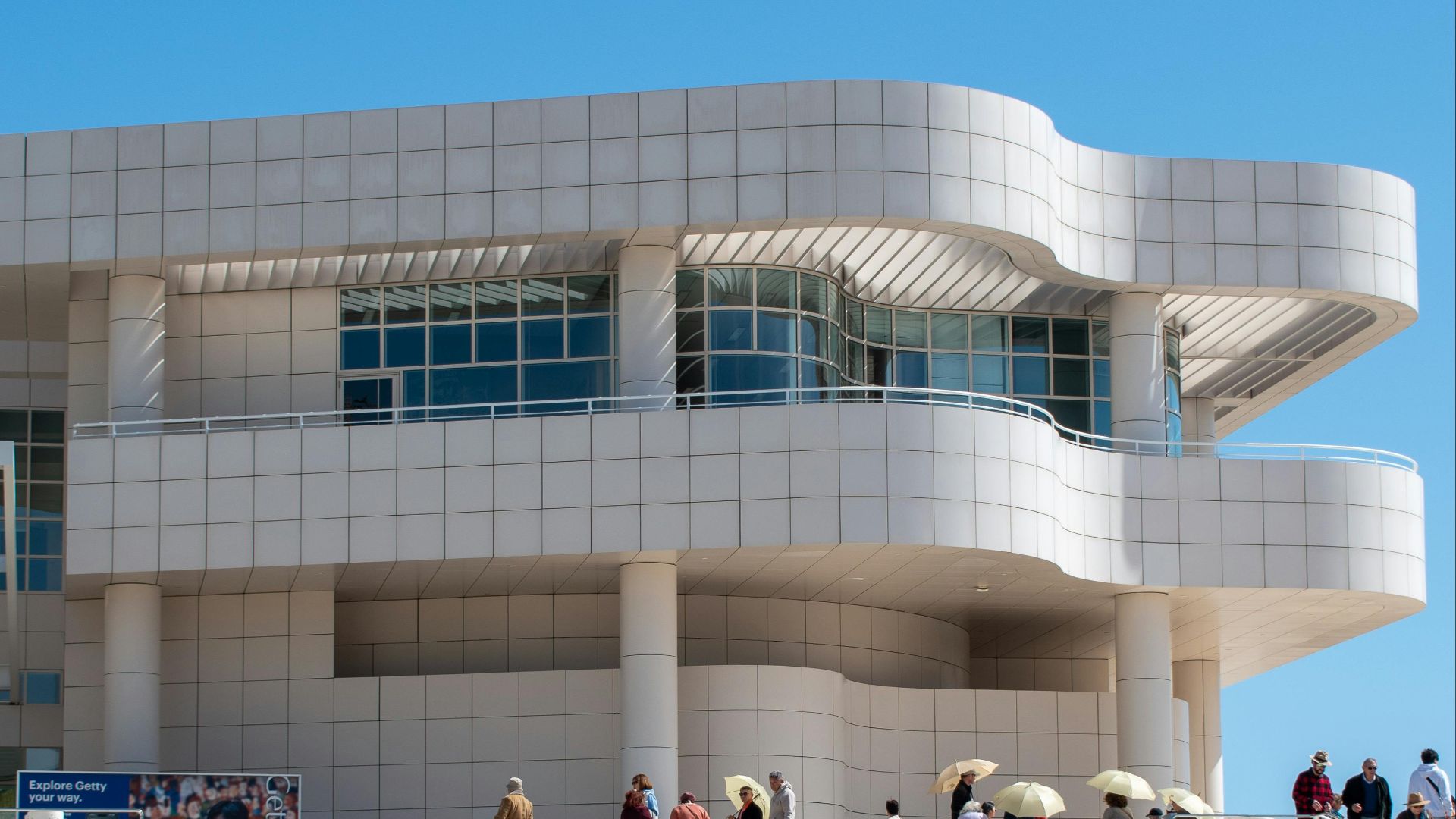
The Getty Museum acquired a statue believed to be an ancient Greek kouros. While scientific tests suggested authenticity, stylistic doubts raised concerns.
The statue’s authenticity remains disputed, making it one of the most debated cases.
10. The Greenhalgh Family Forgeries
The Greenhalgh family produced a wide range of forged artifacts, from paintings to sculptures. Their works fooled experts and were sold to major institutions. Their ability to create convincing historical objects made their case particularly notable.
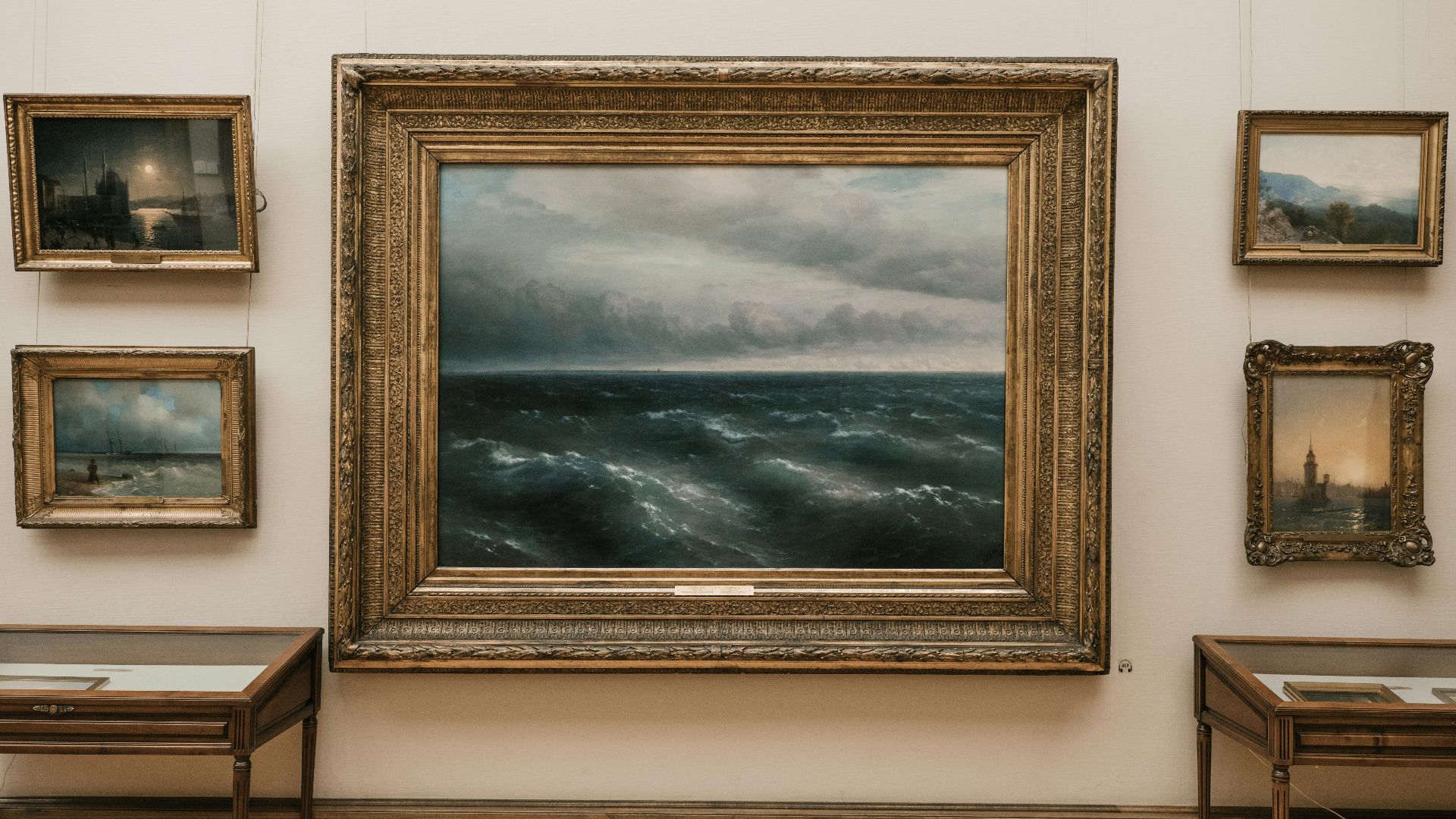
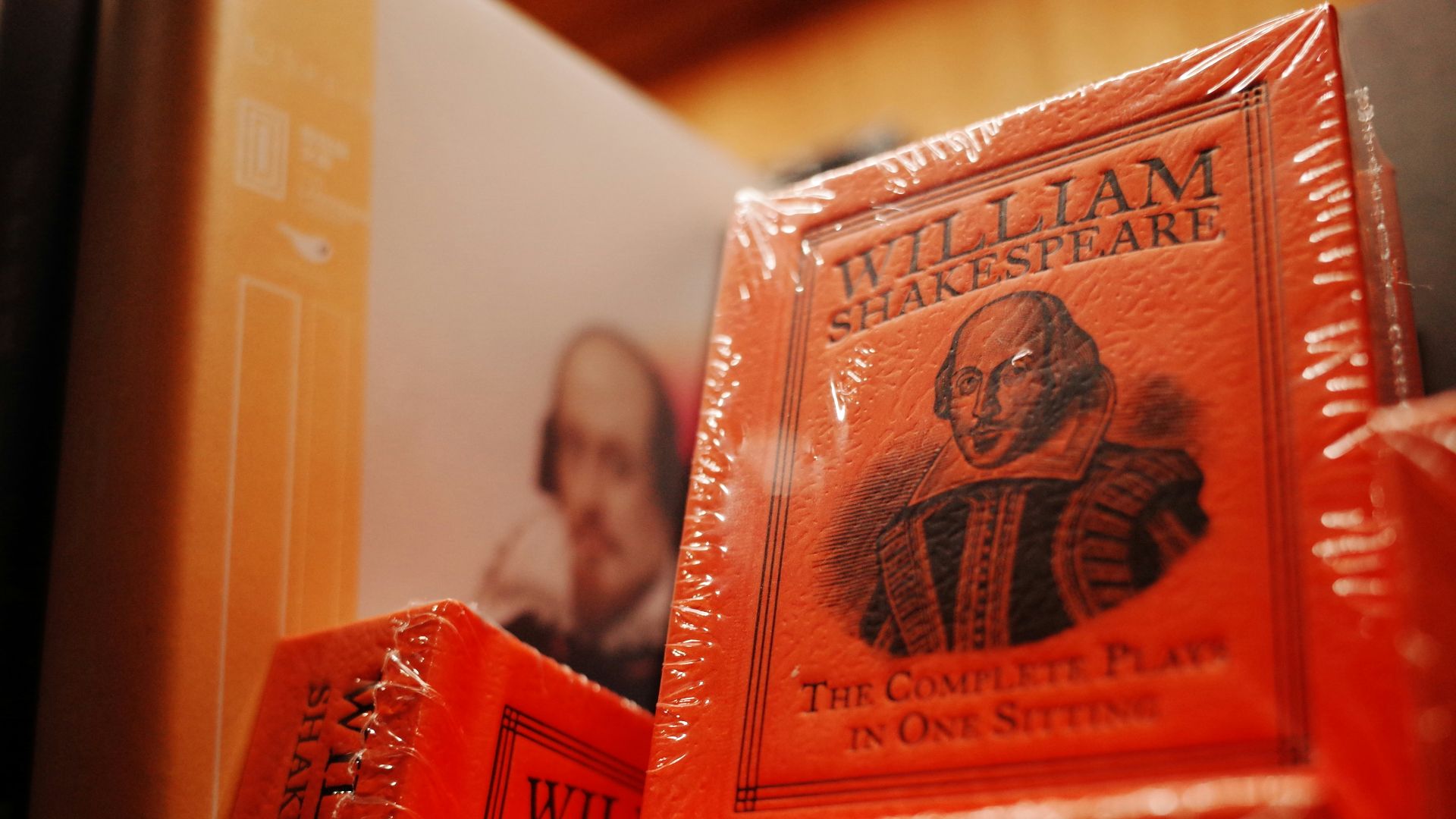
11. William-Henry Ireland’s Shakespeare Documents
Ireland forged documents he claimed were written by William Shakespeare, including letters and plays. Scholars initially accepted them as genuine. The forgeries were eventually exposed due to inconsistencies in language and handwriting.
 Preillumination SeTh on Unsplash
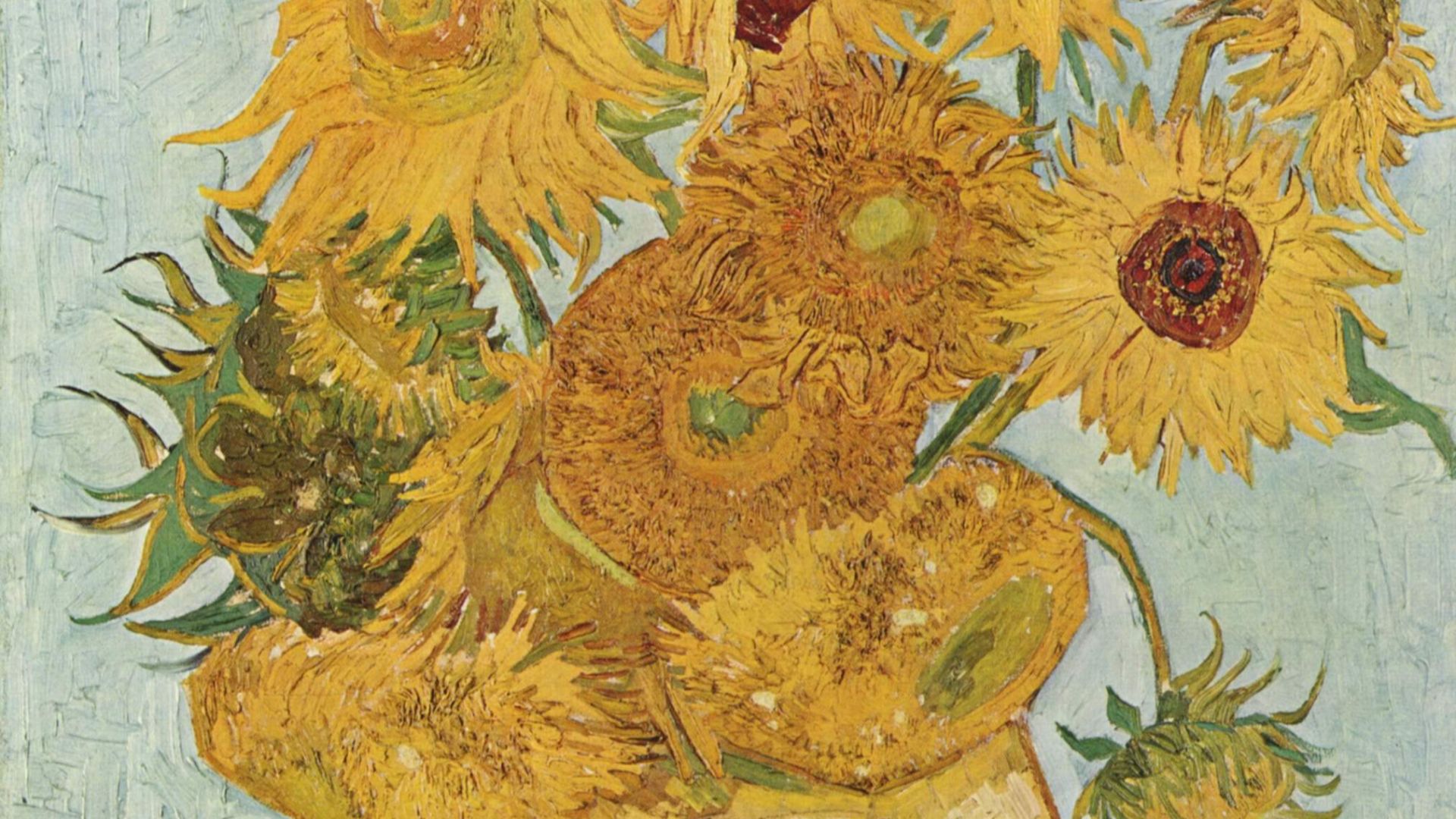
12. Otto Wacker’s Van Gogh Paintings
Otto Wacker sold paintings he claimed were by Vincent van Gogh. Many experts initially authenticated them. A later investigation revealed they were forgeries, leading to a high-profile trial in Germany.
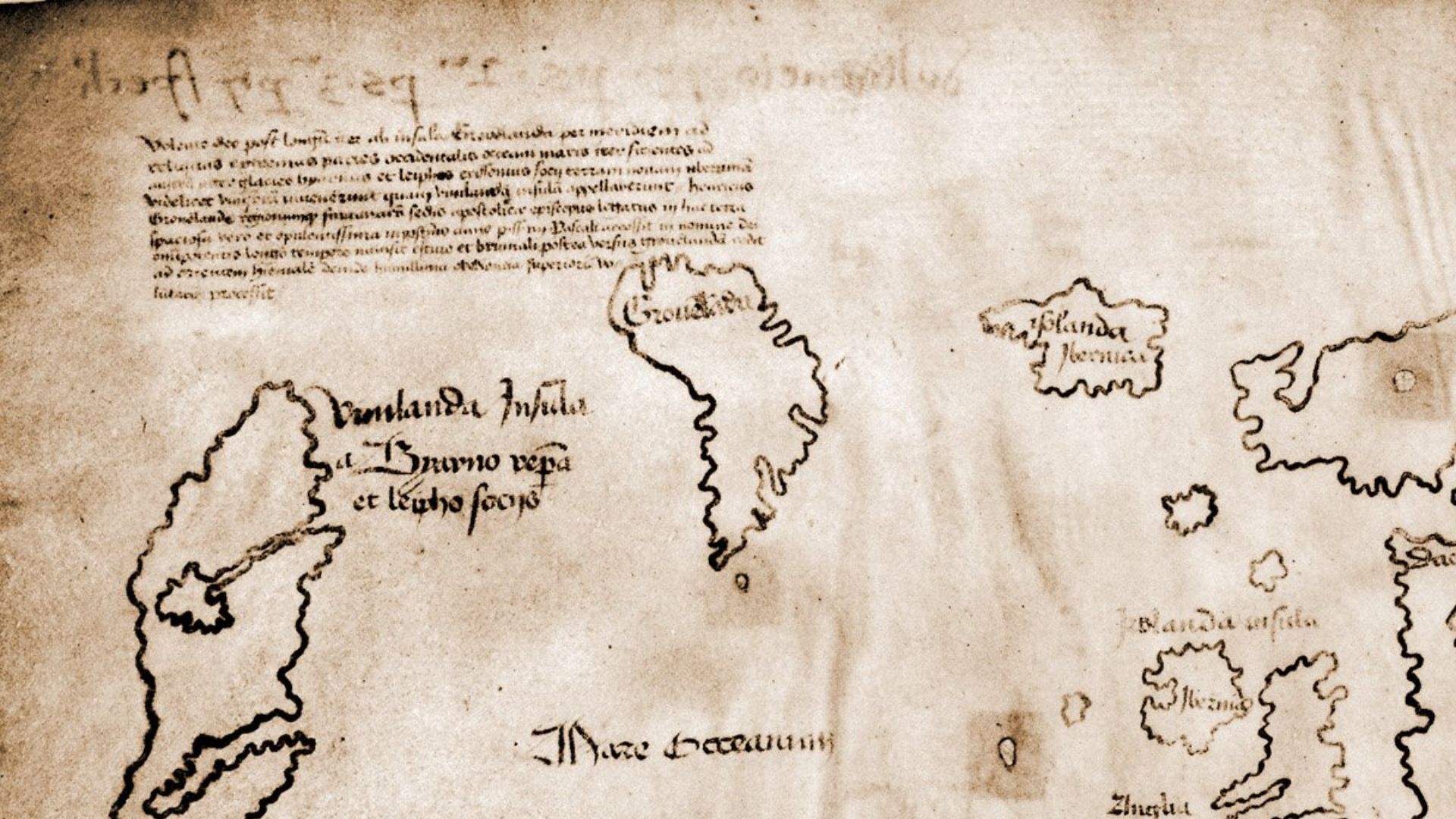
13. The Vinland Map
The Vinland Map was presented as evidence of early Viking exploration of North America. It was initially accepted as authentic by some scholars. Later analysis suggested it was a modern forgery due to the ink used.
 Yale University Press on Wikimedia
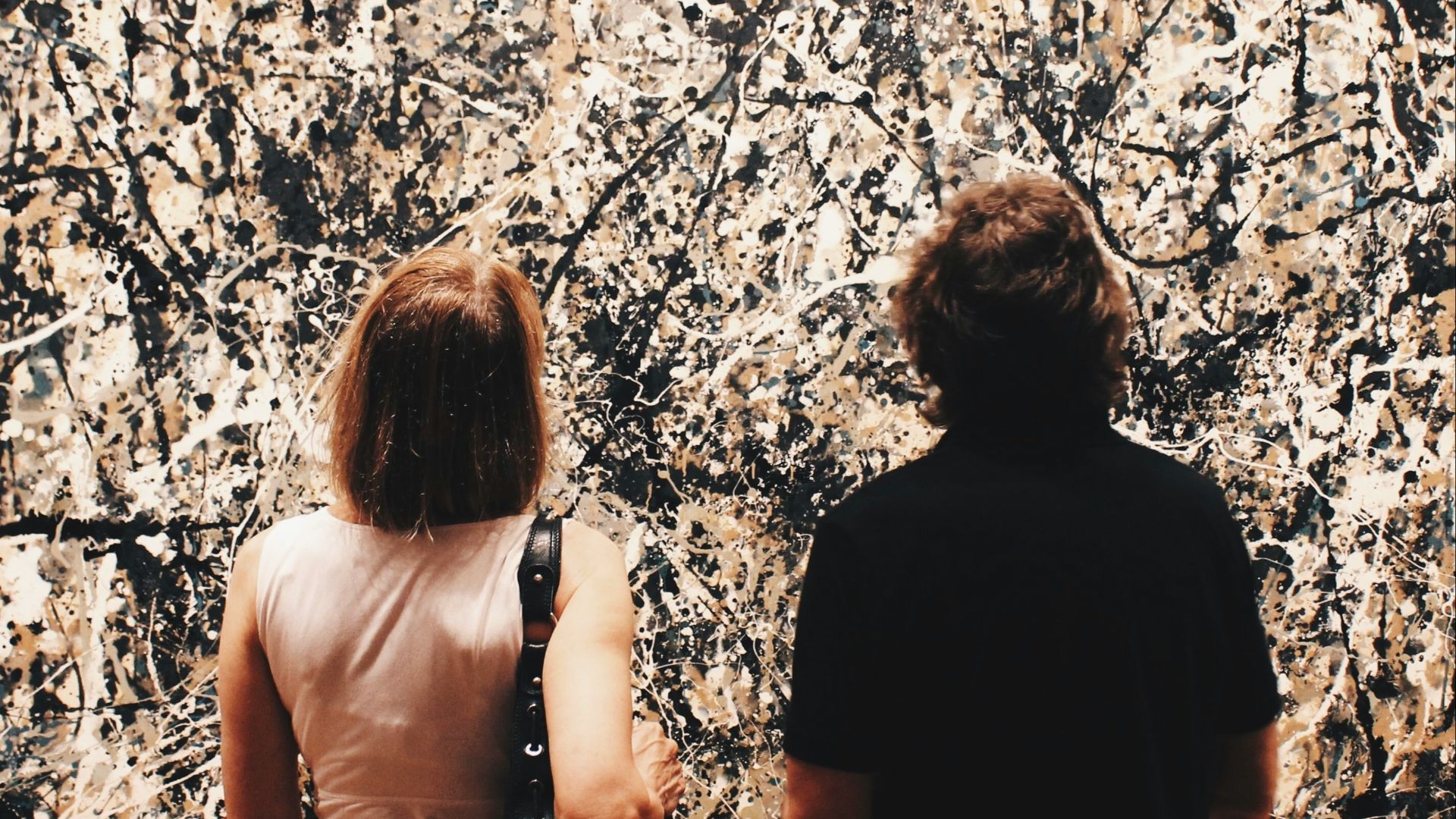
14. Pei-Shen Qian’s Abstract Expressionist Works
Pei-Shen Qian created paintings in the style of artists like Jackson Pollock and Mark Rothko. These were sold through intermediaries with fabricated provenance. The scheme became one of the largest art fraud cases in U.S. history.
15. Shaun Greenhalgh’s “Amarna Princess”
One of the Greenhalgh family’s most famous works was a sculpture sold as an ancient Egyptian artifact. It was purchased by a museum and accepted as authentic.
The truth was revealed years later after inconsistencies were discovered.
16. The Modigliani Heads of Livorno
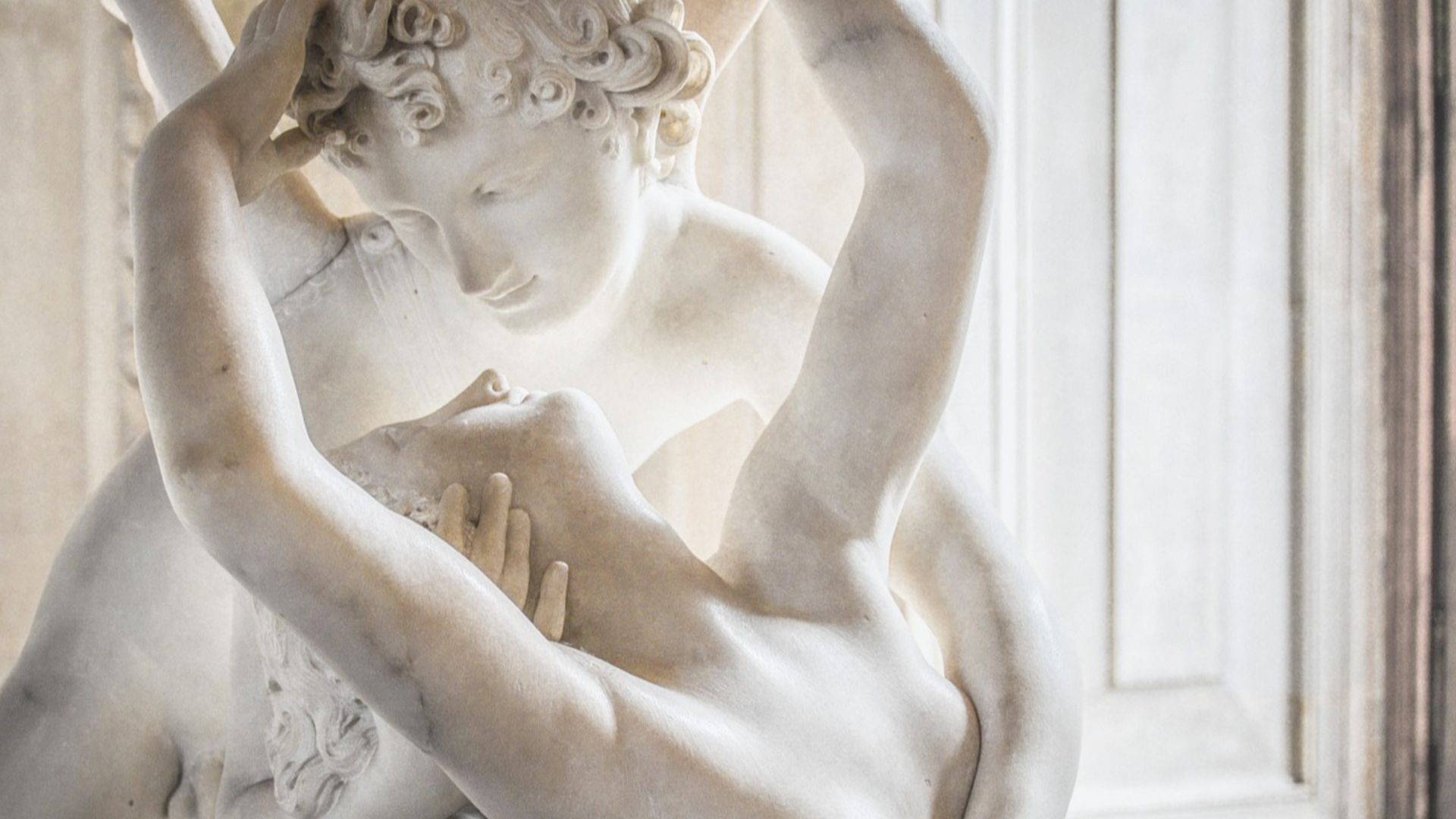
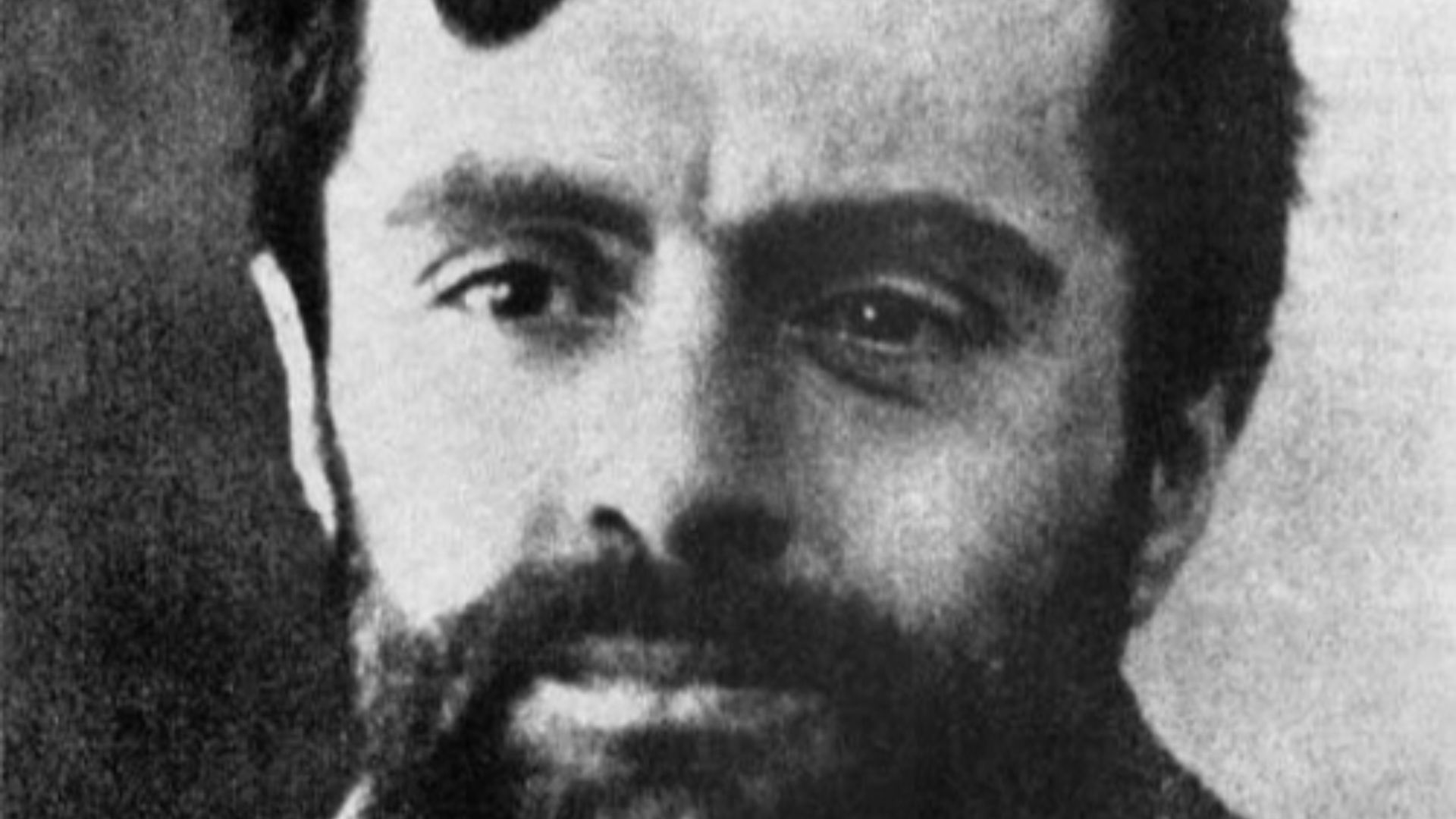
In 1984, sculptures claimed to be lost works by Amedeo Modigliani were discovered in a canal. Experts initially authenticated them. It was later revealed that some were created as a prank by students.
 Unidentified photographer on Wikimedia
17. The Tiara of Saitaphernes
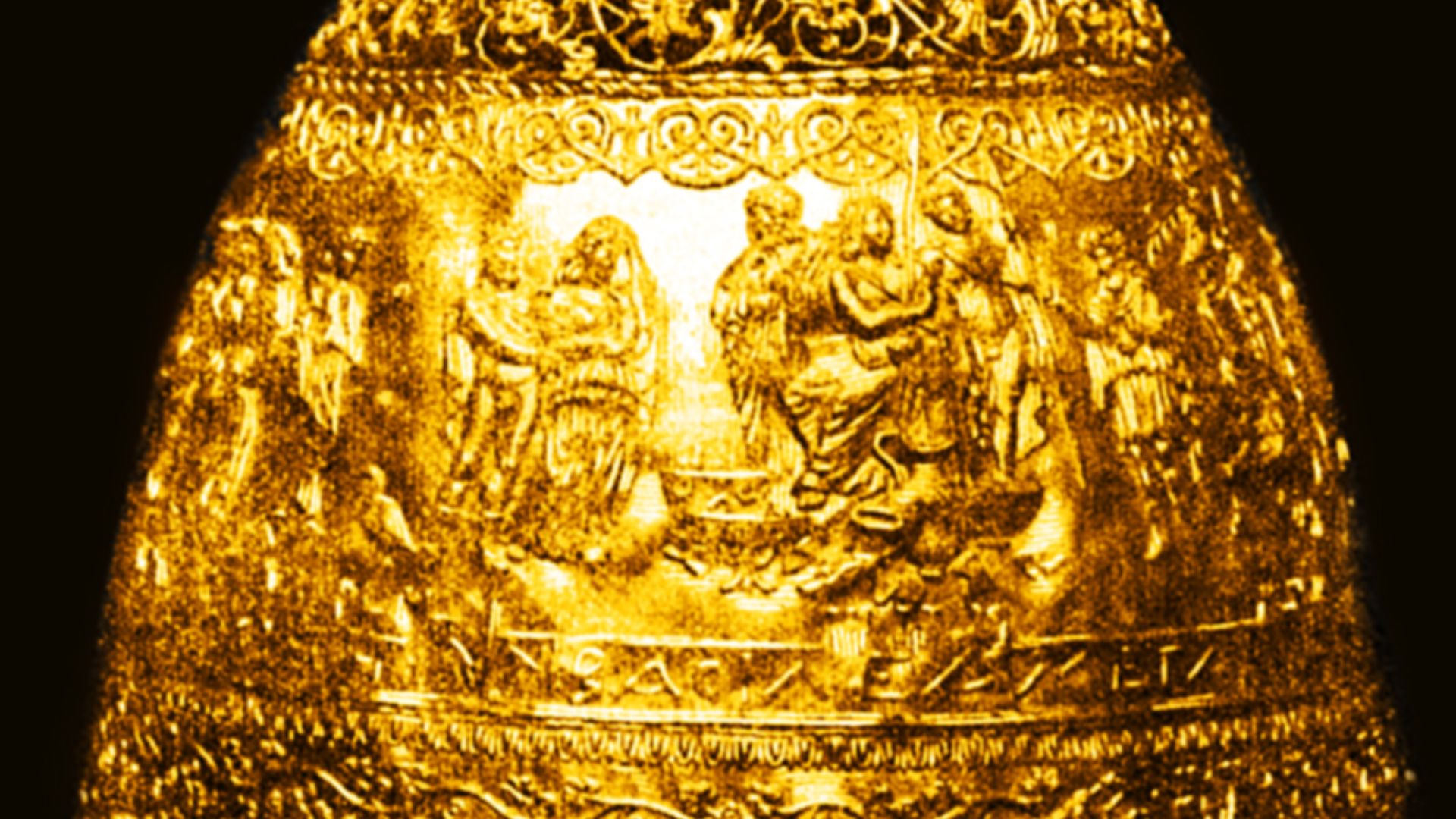
The Louvre acquired this gold tiara, believed to be an ancient artifact. It was later revealed to be a modern creation by a goldsmith. The case embarrassed the museum and highlighted the risks of insufficient verification.
 Unknown authorUnknown author on Wikimedia
18. Alfred Lessing’s Fake Dutch Paintings
Lessing sold paintings attributed to Dutch masters that were later exposed as forgeries. Buyers included collectors who trusted the provided documentation. The case contributed to growing skepticism in the art market.
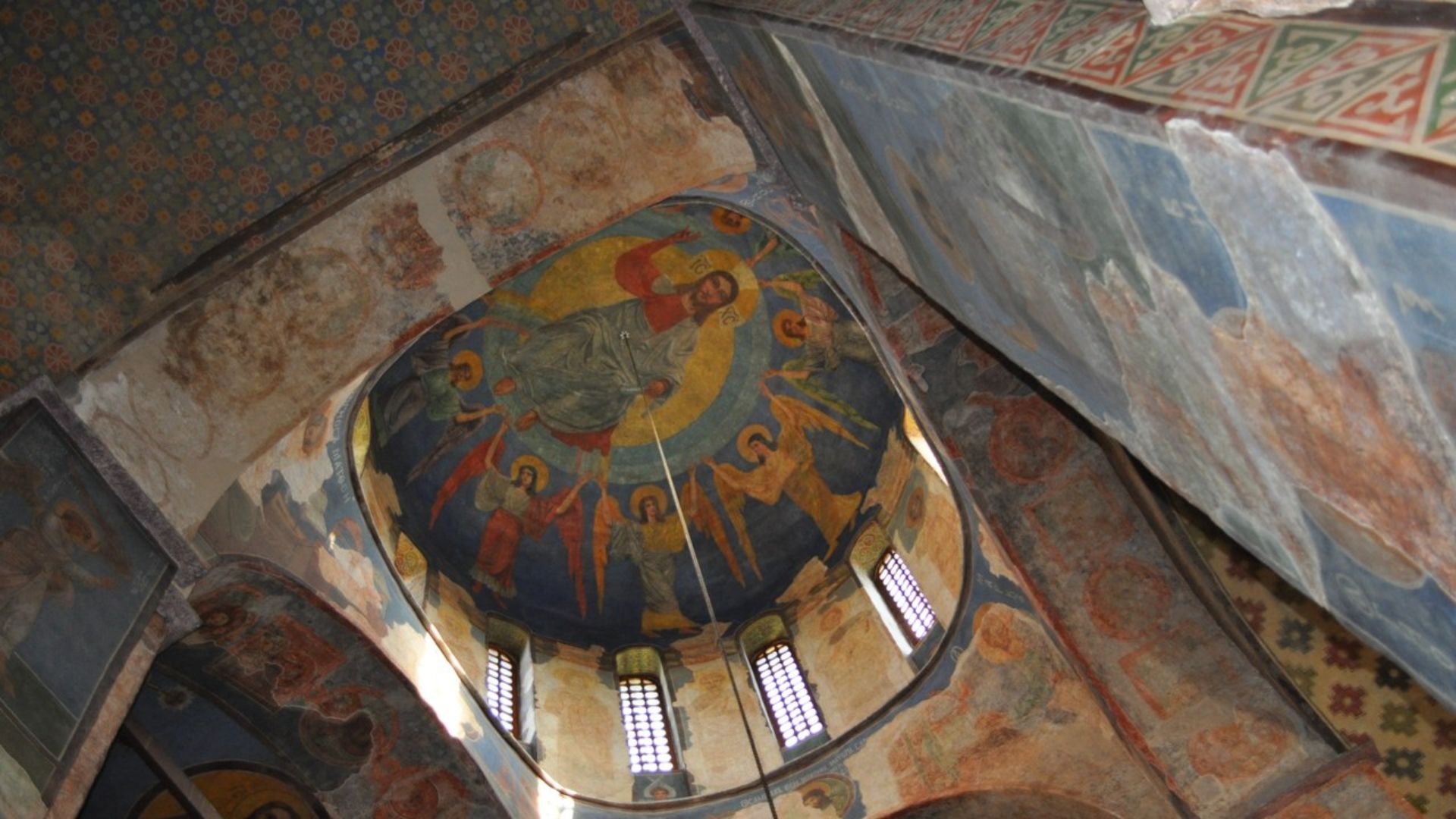
19. Lothar Malskat’s Medieval Frescoes
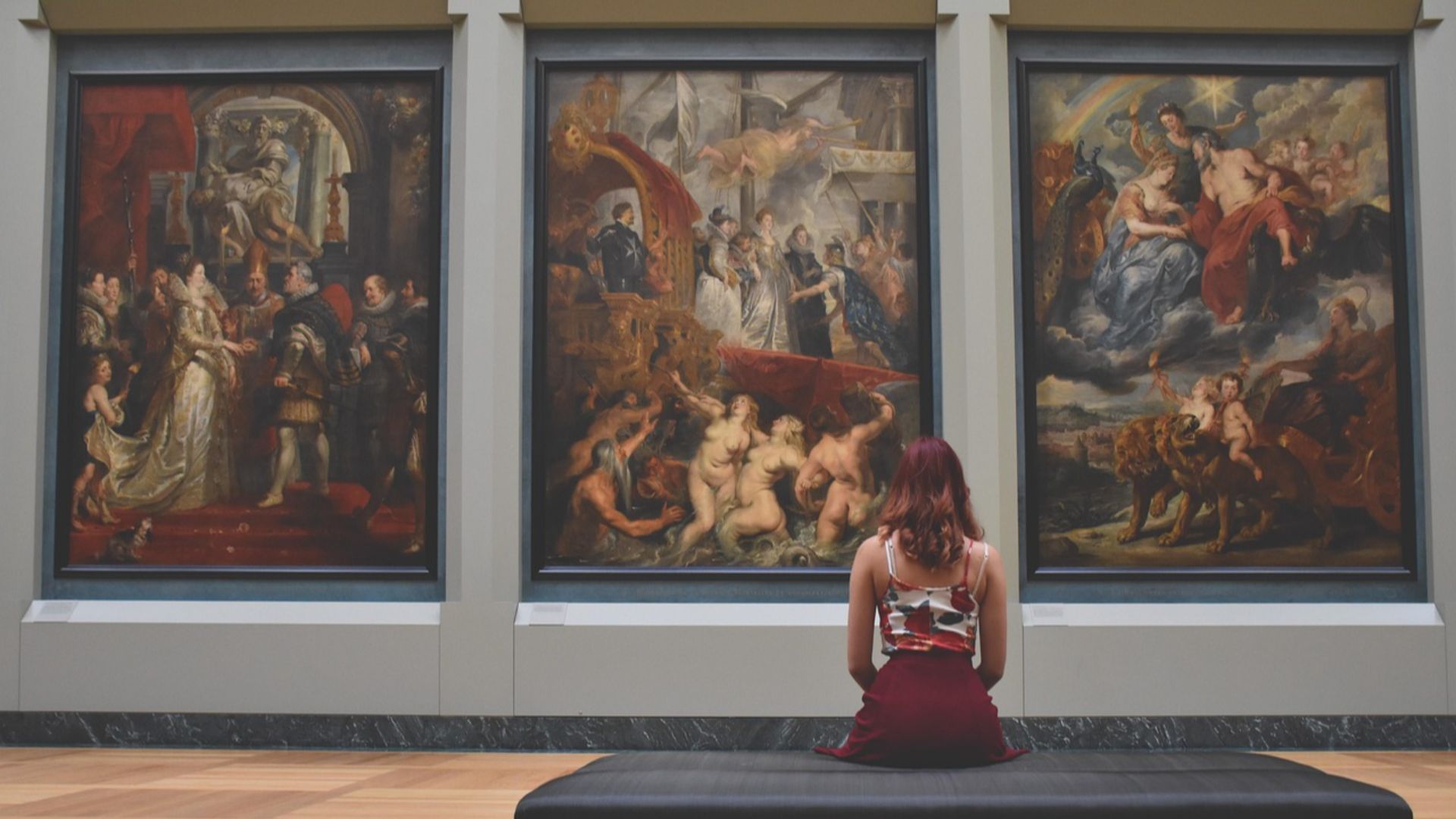
Malskat “restored” church frescoes in Germany but secretly repainted them entirely. The works were initially praised as authentic restorations. He later confessed, revealing the extent of the deception.
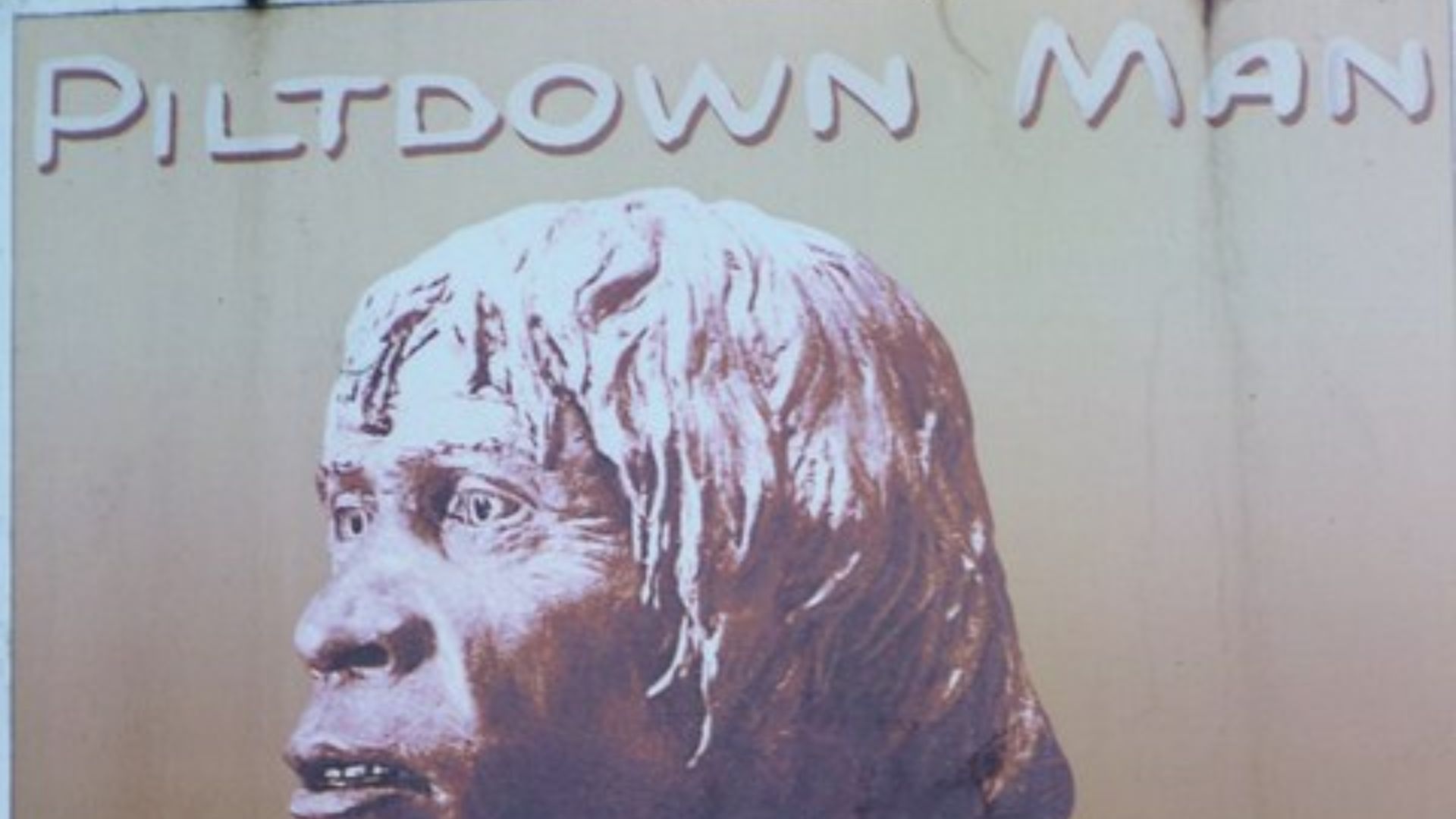
20. The Piltdown Man
Though not a traditional artwork, the Piltdown Man hoax involved fabricated fossils presented as a major anthropological discovery. It fooled scientists for decades. Its inclusion highlights how convincing forgeries can mislead even experts in related cultural fields.
KEEP ON READING

The 10 Youngest Monarchs In History & The 10 Oldest
Age Is Just A Number. Imagine being crowned king or…
By Chase Wexler Mar 11, 2025
You Think You Have Problems? These Royal Families Were Cursed
Boasson and Eggler St. Petersburg Nevsky 24. on WikimediaHeavy is…
By Ashley Bast Dec 5, 2025
You Can Thank This Greek-Canadian For Creating Pineapple On Pizza…
Love it or hate it, pineapple on pizza sparks debate…
By David Davidovic Dec 1, 2025
Yes, Female Gladiators Existed, And Here's Everything You Need To…
History of Women in Combat. Most people picture gladiators as…
By David Davidovic Jan 17, 2026
Yes, Australians Once Lost A Battle Against Flightless Birds
David Clode on UnsplashIn 1932, the Australian military went to…
By David Davidovic Nov 24, 2025
The Y2K Bug: Why Did Everyone Think Year 2000 Was…
Alan W on UnsplashOn December 31, 1999, people all over…
By Christy Chan Dec 22, 2025