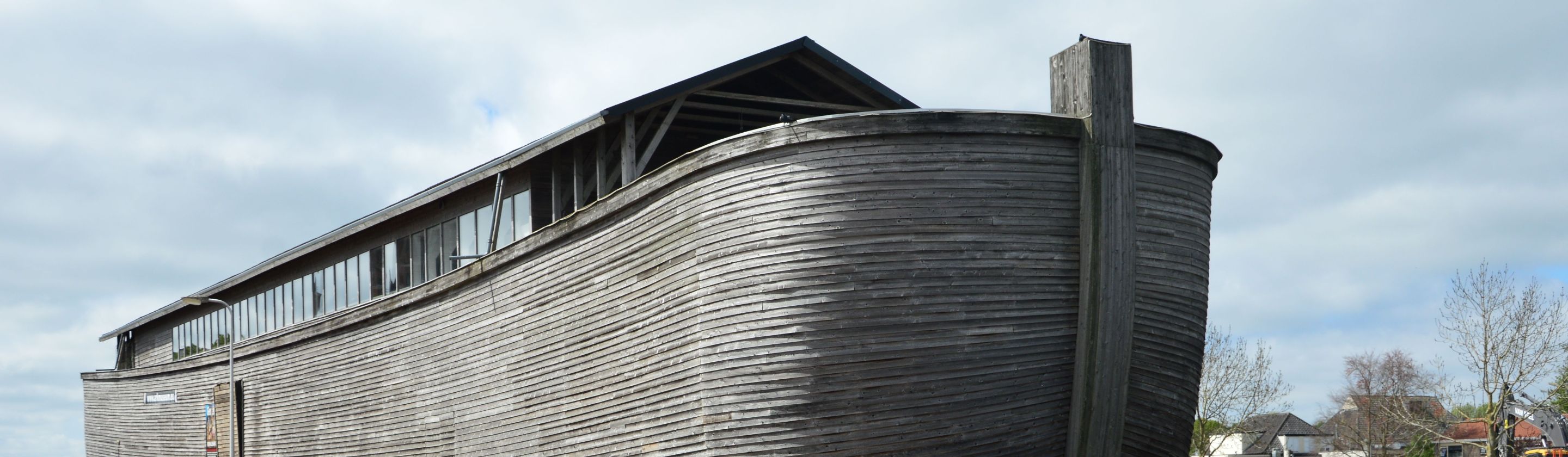
The Story The Whole World Seems To Tell
Almost every corner of the ancient world has a story about water flooding the entire earth. The details shift from place to place, though the shape of it holds. Someone gets a warning and climbs, and everyone else is gone by morning. Whether these accounts traveled along trade routes or grew up separately out of local disasters is still argued over. Here's 20 ancient cultures that told one.
 Unknown authorUnknown author on Wikimedia
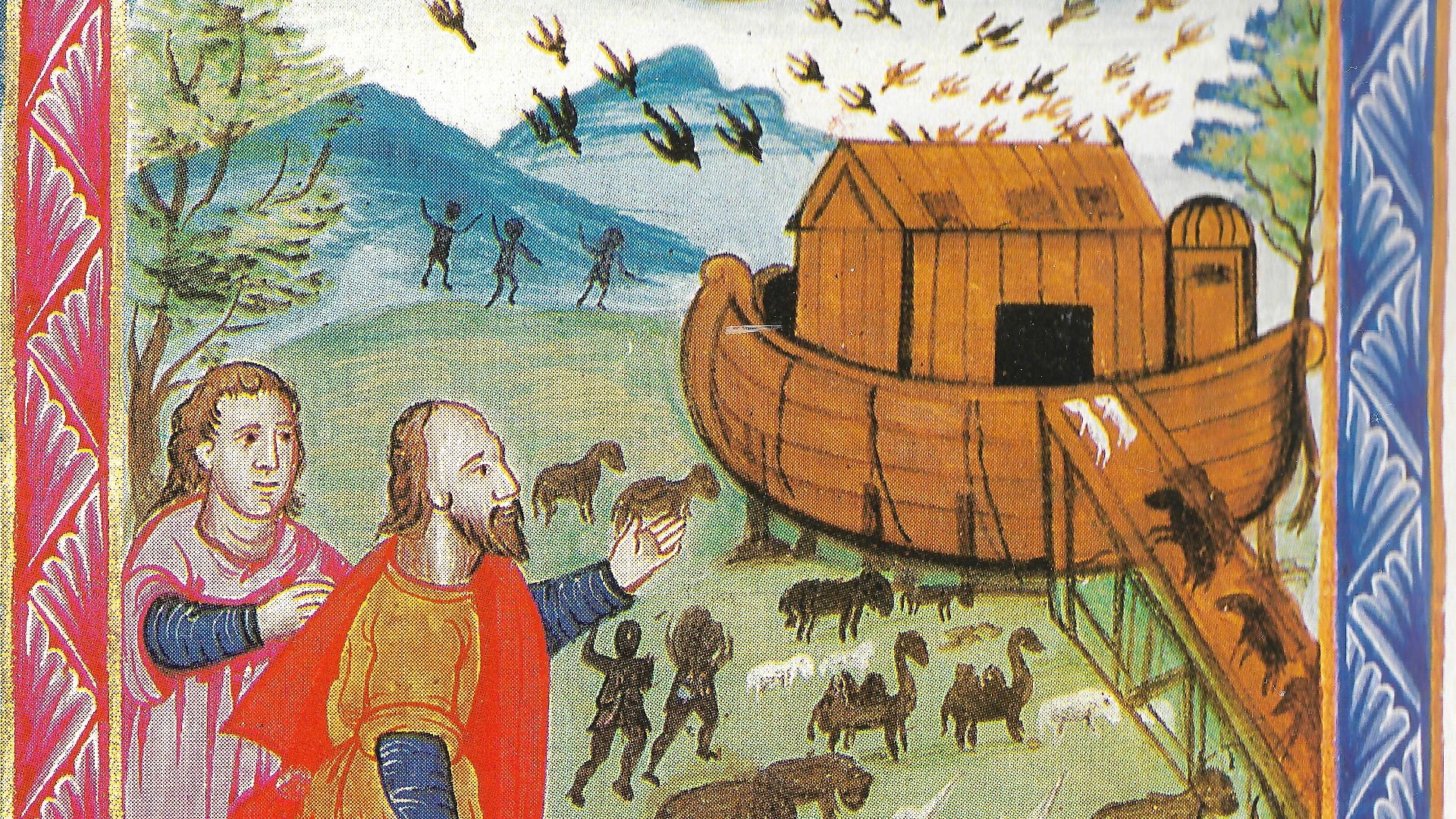
1. The Sumerians
The oldest surviving version we have comes from Sumer. A king named Ziusudra is warned that the gods have voted to wipe out humanity, so he builds a boat and rides out seven days of storm. The tablet it survives on is broken in places, which means parts of the story are simply gone for good.
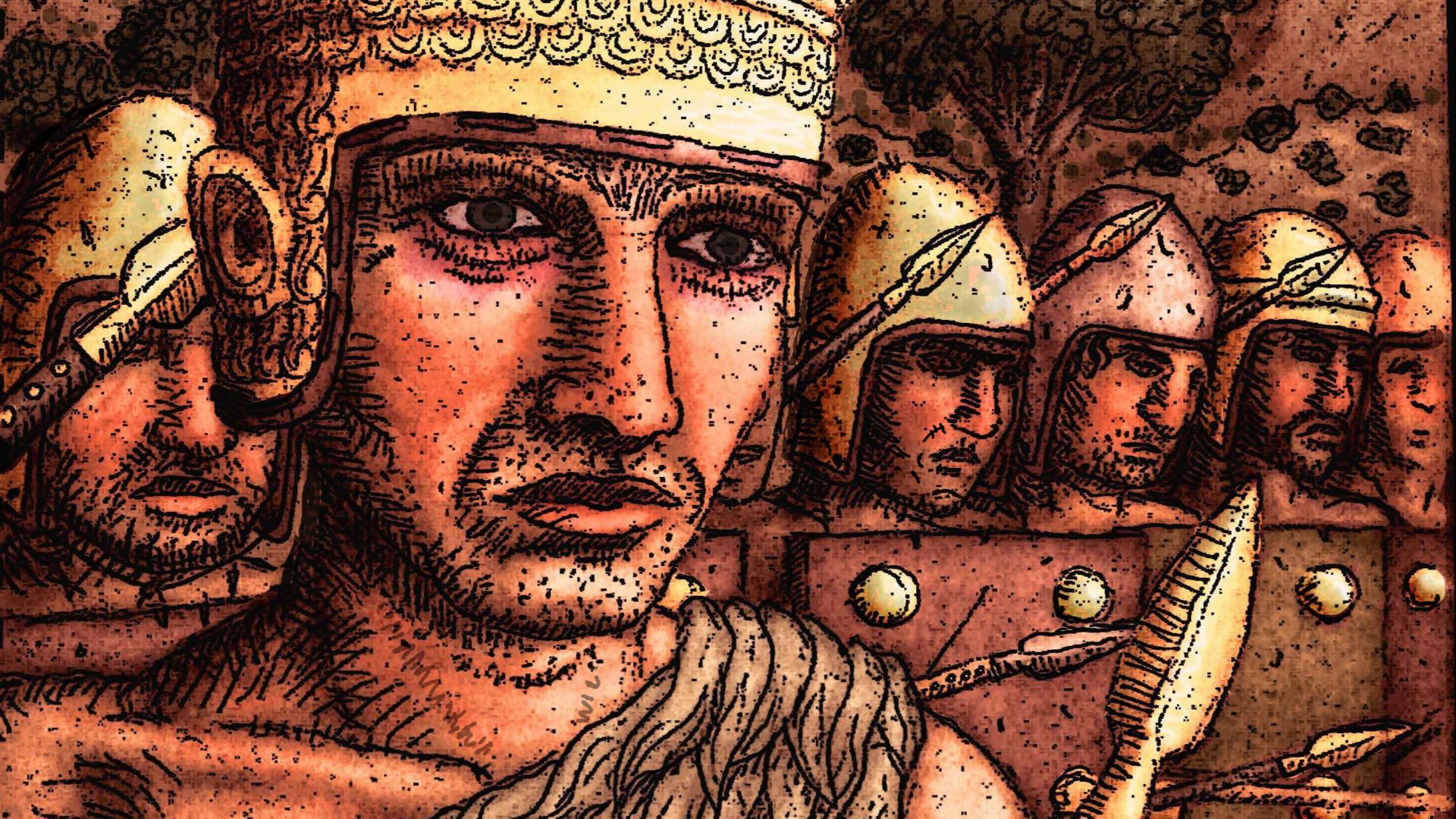
2. The Babylonians
Gilgamesh goes looking for immortality and finds an old man named Utnapishtim who lived through the flood. Utnapishtim describes sealing his family and his animals into a boat, then releasing birds afterward to find dry land. Anyone raised on Noah tends to do a double take at the birds.
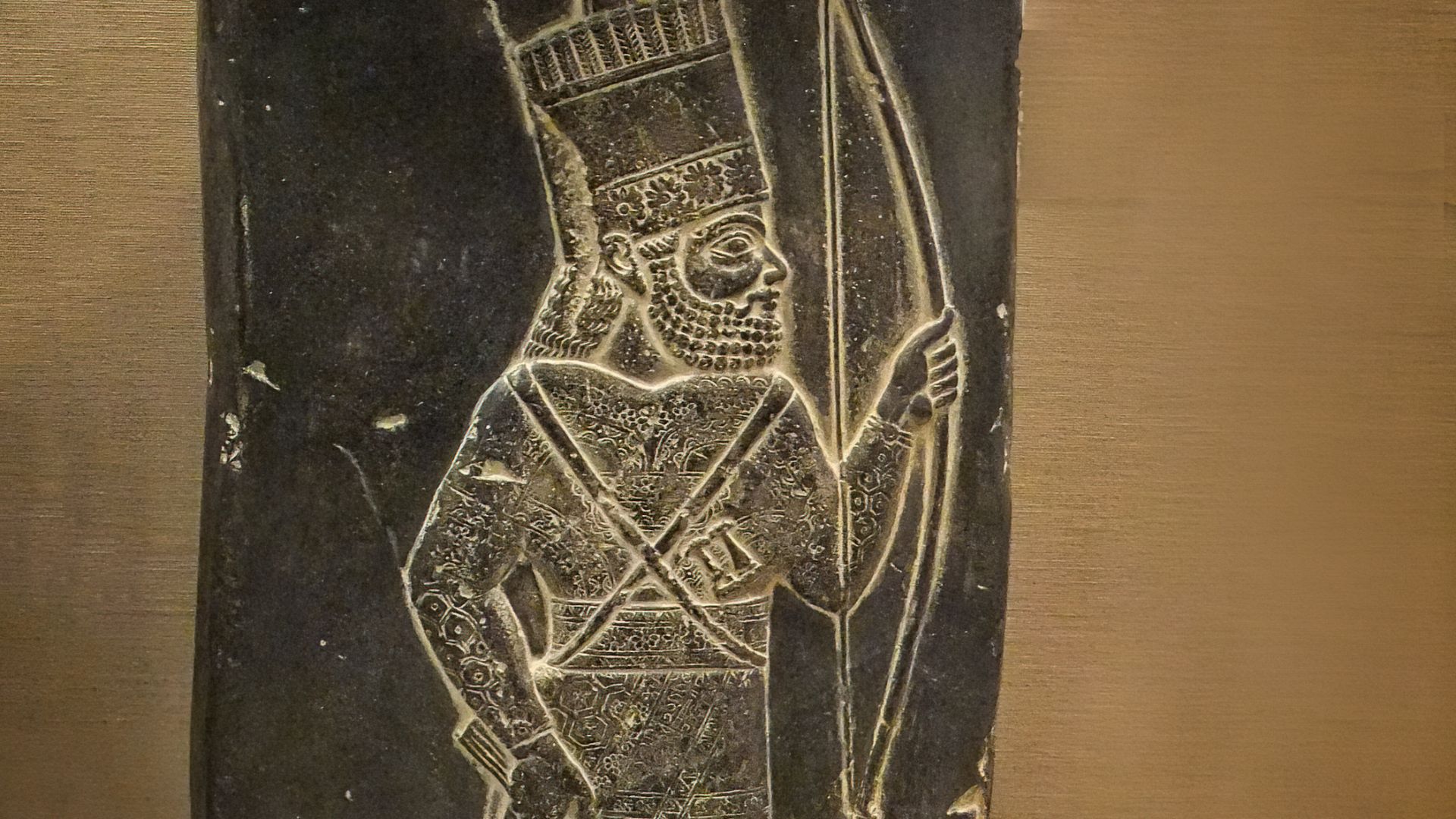
3. The Israelites
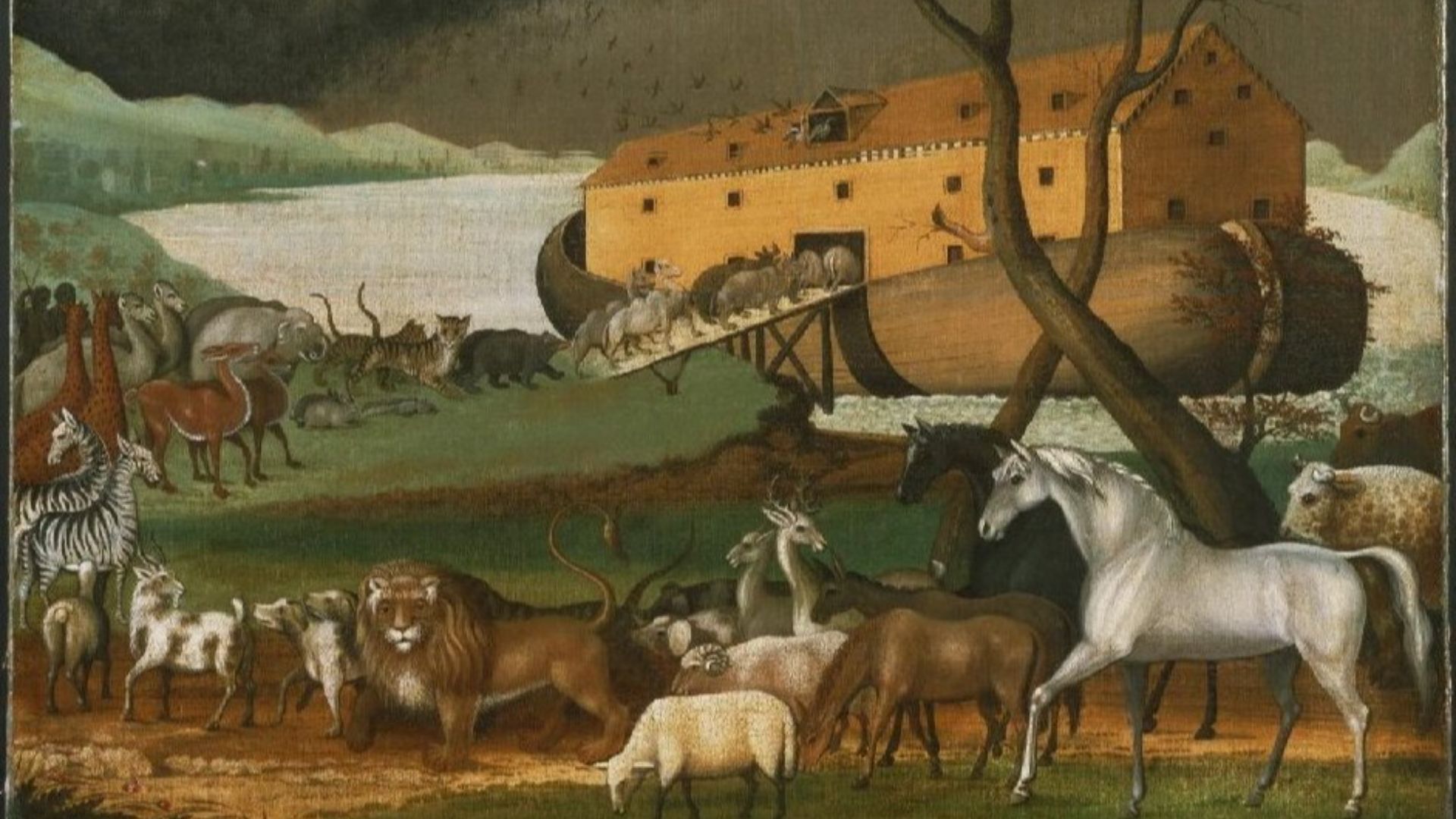
Genesis gives the version most of the world knows, with Noah building an ark ahead of forty days of rain. The animals arrive in pairs and the water climbs over the mountains.
Its overlap with the Mesopotamian accounts has kept scholars arguing since those tablets were translated in the 1870s.
4. The Greeks
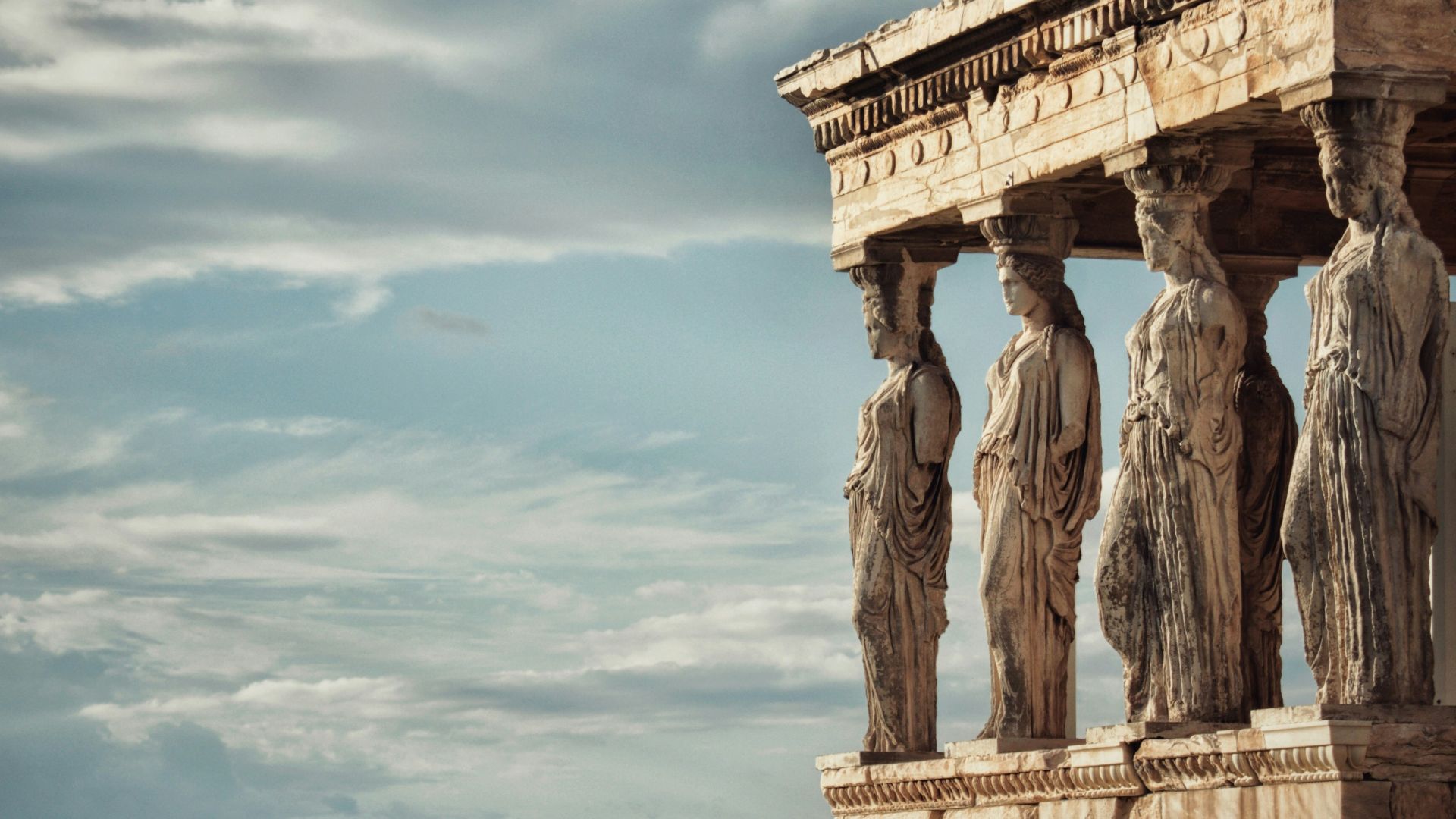
Zeus decides humanity has become unbearable and sends water. Deucalion and his wife Pyrrha float through it in a wooden chest and come to rest on a mountain. To repopulate the world they throw stones over their shoulders, and the stones stand up as people.
5. Vedic India
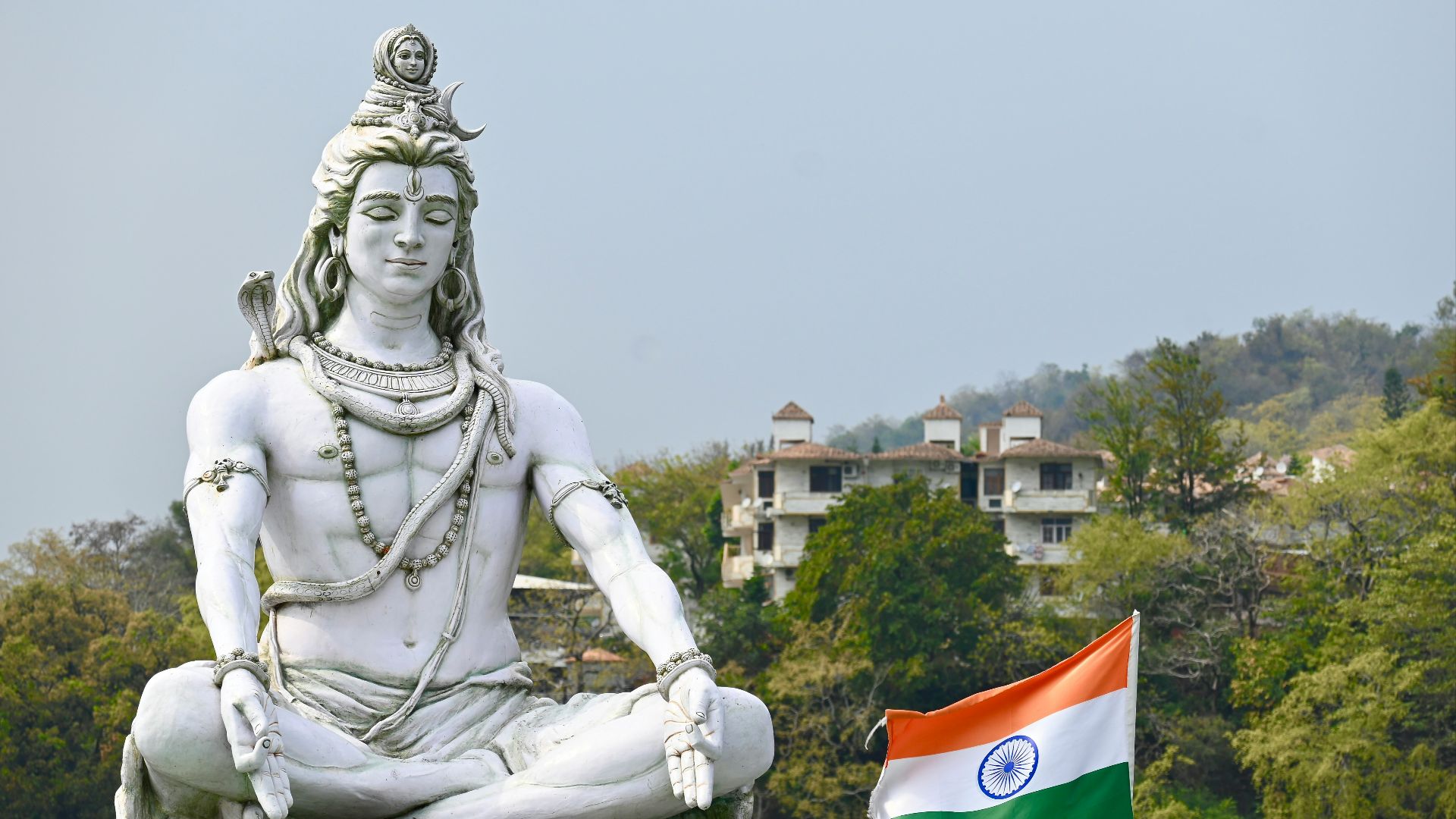
Manu is washing his hands when a small fish asks him for protection and promises to repay the favor. The fish grows enormous. When the flood comes it tows his boat north to a mountain, leaving him the only survivor and the ancestor of everyone after.
6. Ancient China
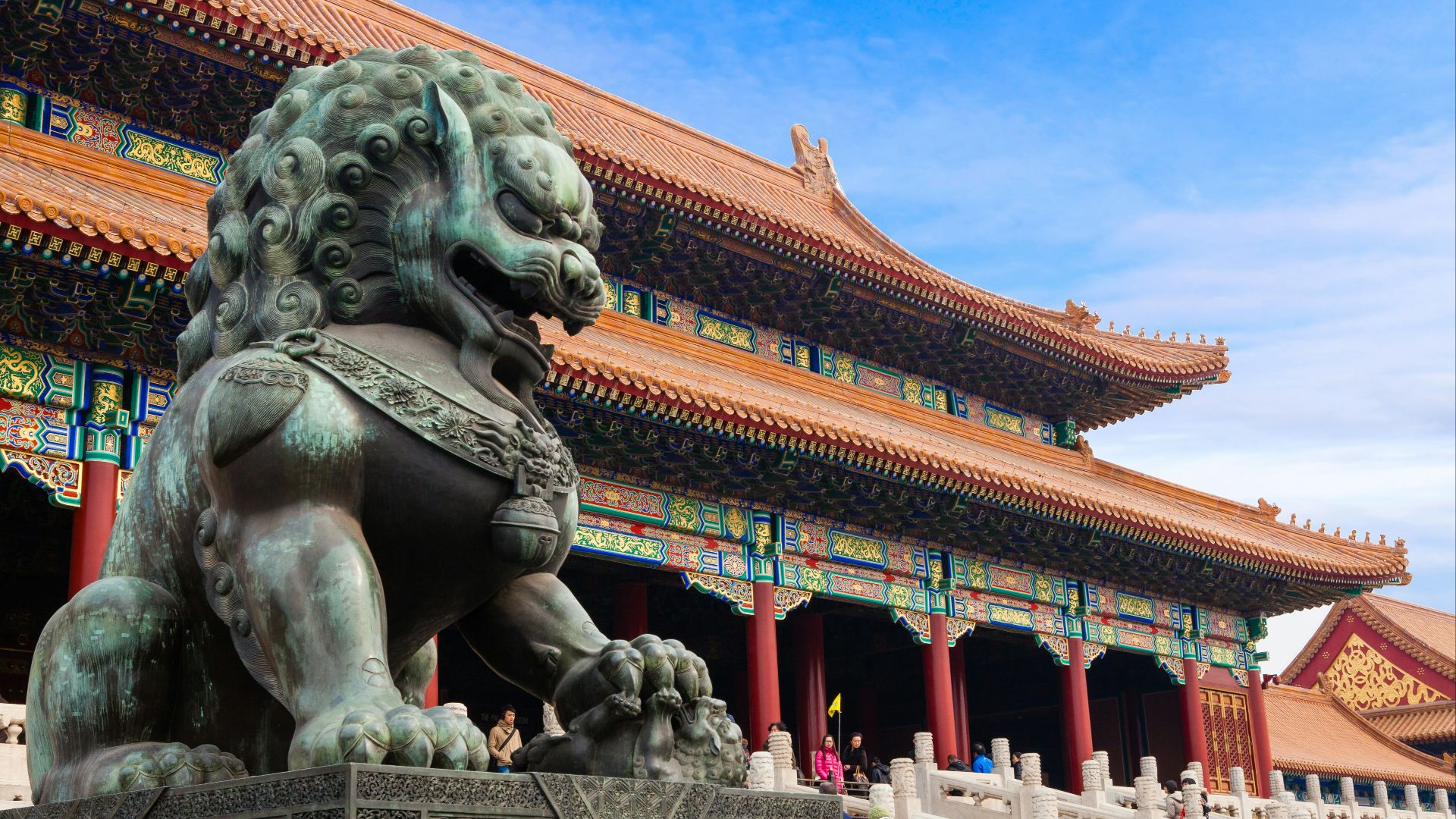
China's great flood is a problem to be solved rather than a punishment to be survived. The water covers farmland for generations while a man named Gun tries damming it and fails badly. His son Yu digs channels instead and drains it all to the sea, which earns him a dynasty.
7. The Miao
Communities across southern China tell of a brother and sister who survived a flood sealed inside a wooden drum. When the water dropped they were the only people left, so they married and began again. Close versions of the same story turn up across the region and into northern Southeast Asia.
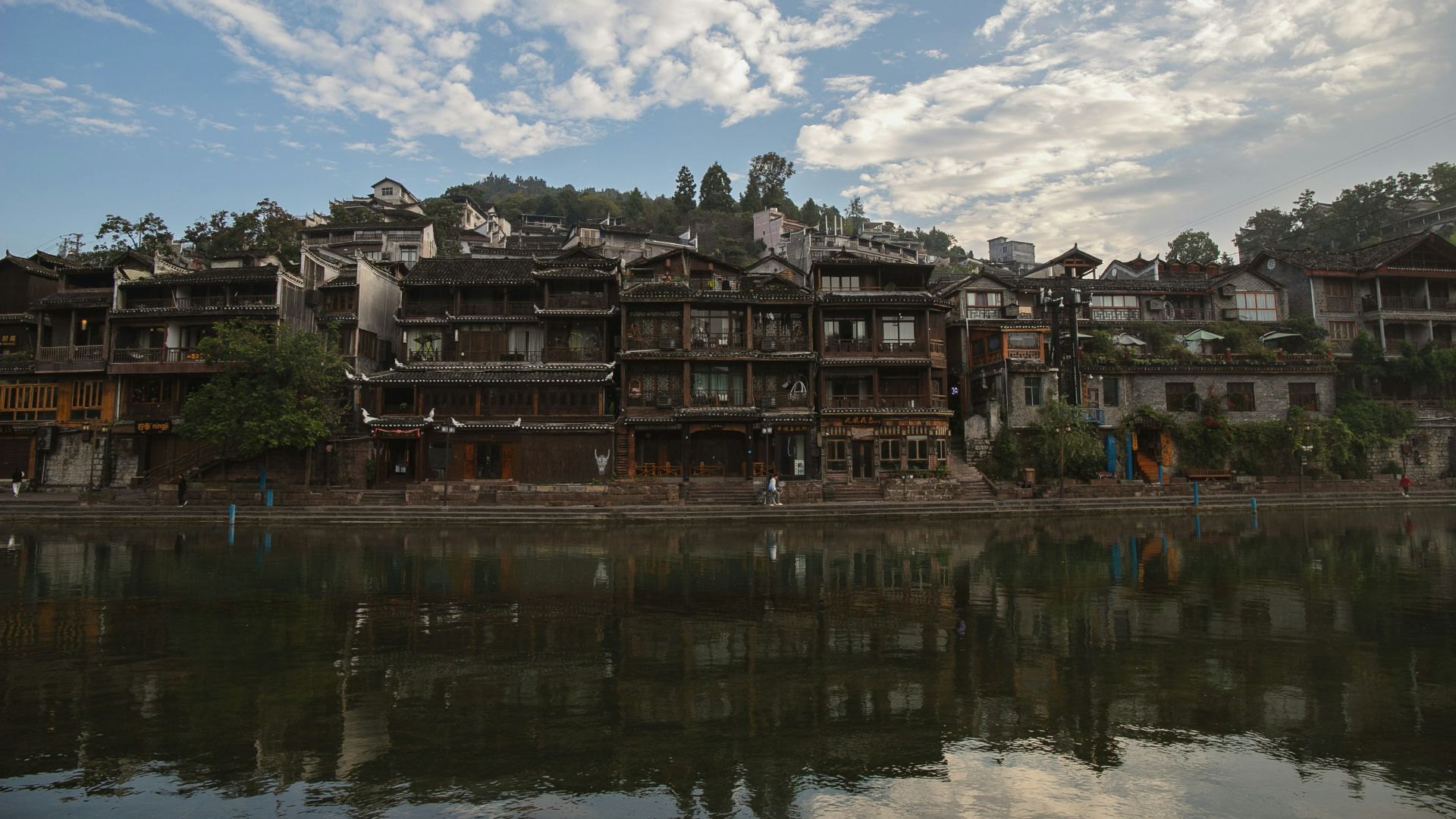
8. The Maya
The Popol Vuh describes gods who made a batch of people out of wood and were unhappy with the result. The wooden people couldn't speak properly or remember who made them, so a flood came down to erase the whole experiment. Their descendants, in the telling, are the monkeys living in the forest now.
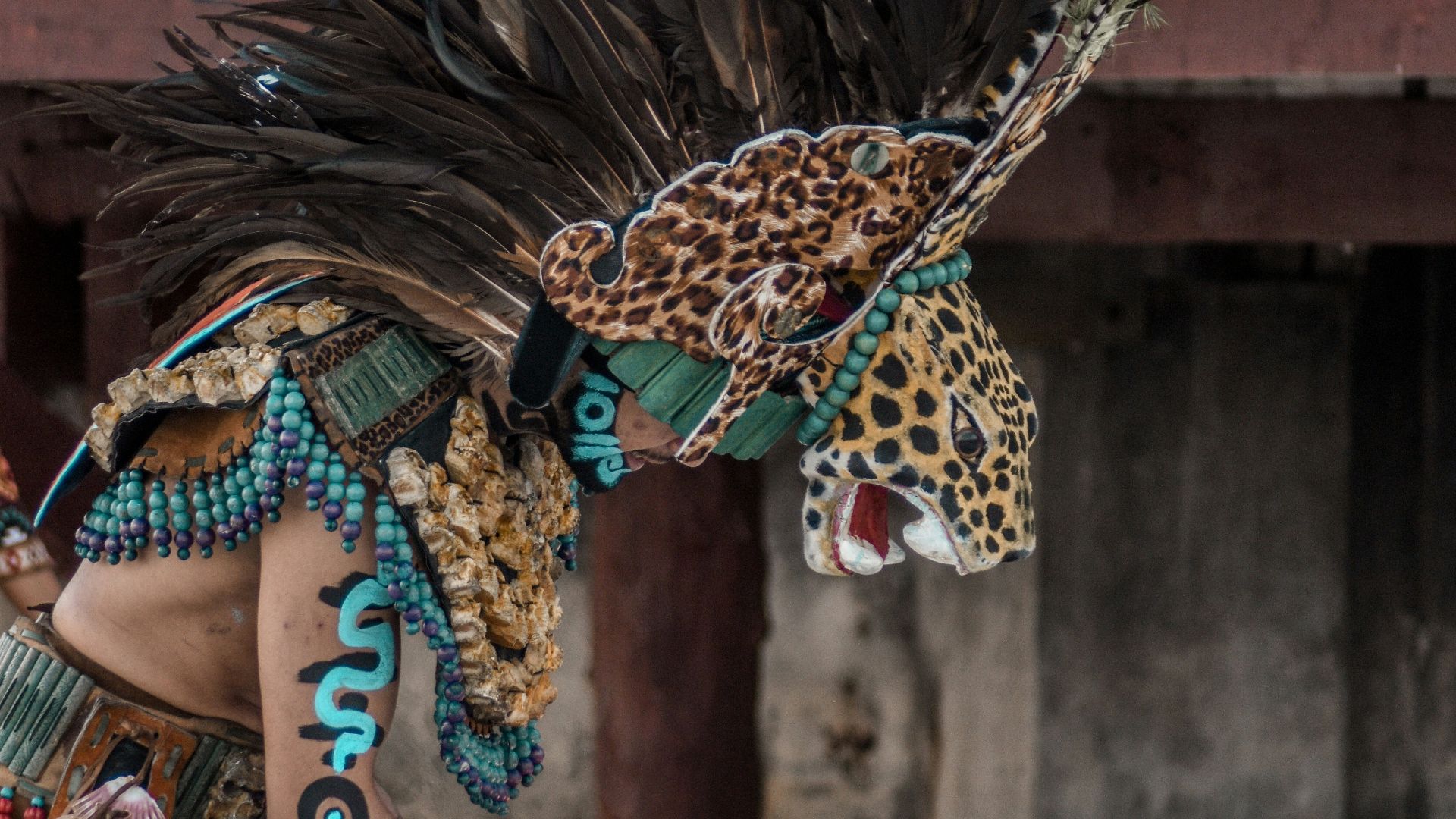
9. The Aztecs
Aztec cosmology runs through a series of worlds, each one ended by a different catastrophe. The fourth closed with water, and the people living in it were turned into fish. A couple named Tata and Nene got through it hidden inside a hollowed tree.
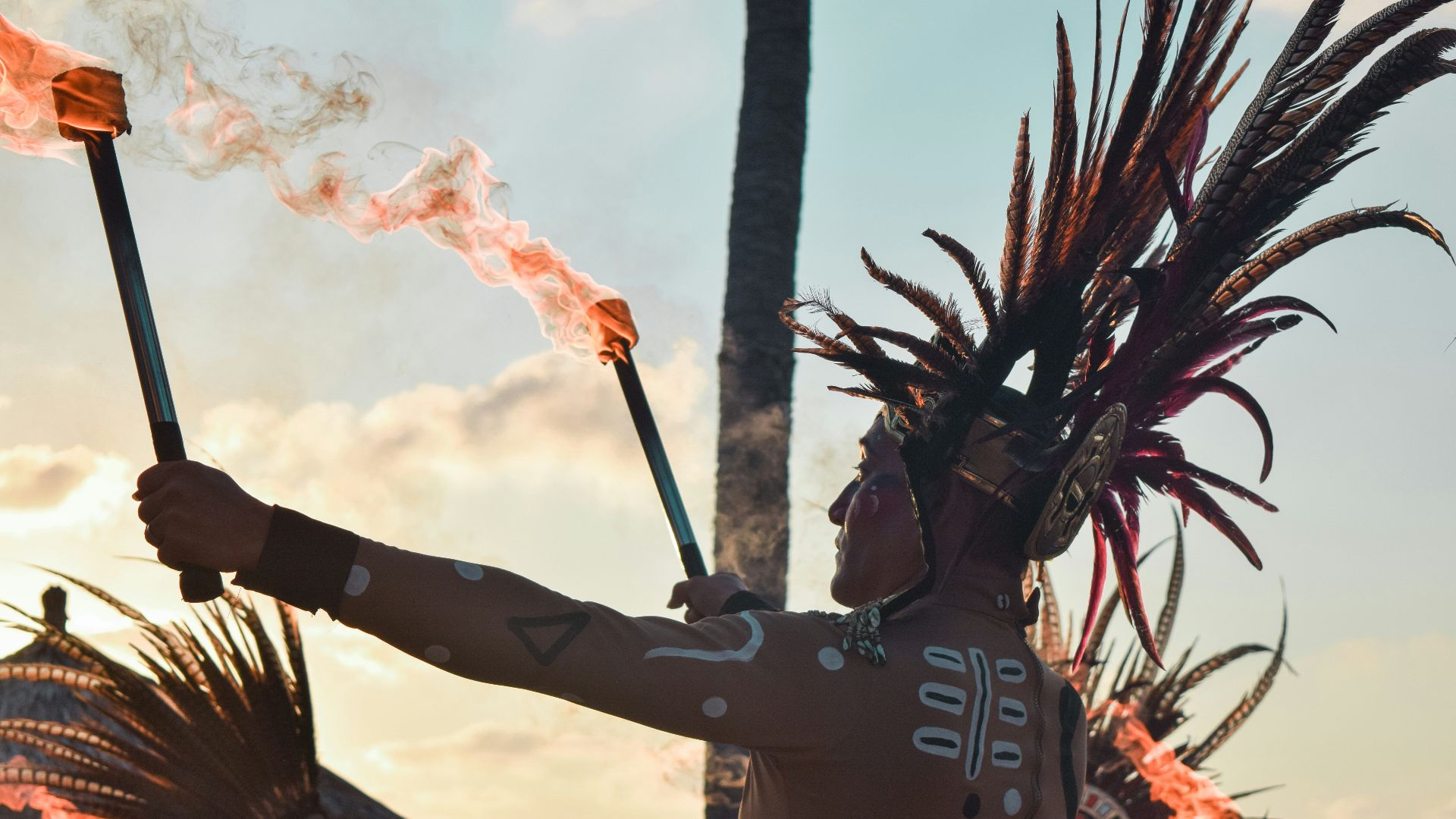
10. The Inca
Andean tradition remembers a flood called Unu Pachakuti that wiped out an earlier race of people entirely. Survivors waited it out on high peaks or sealed inside caves, depending on which version got written down. Viracocha then rebuilt humanity out of stone at Tiwanaku.
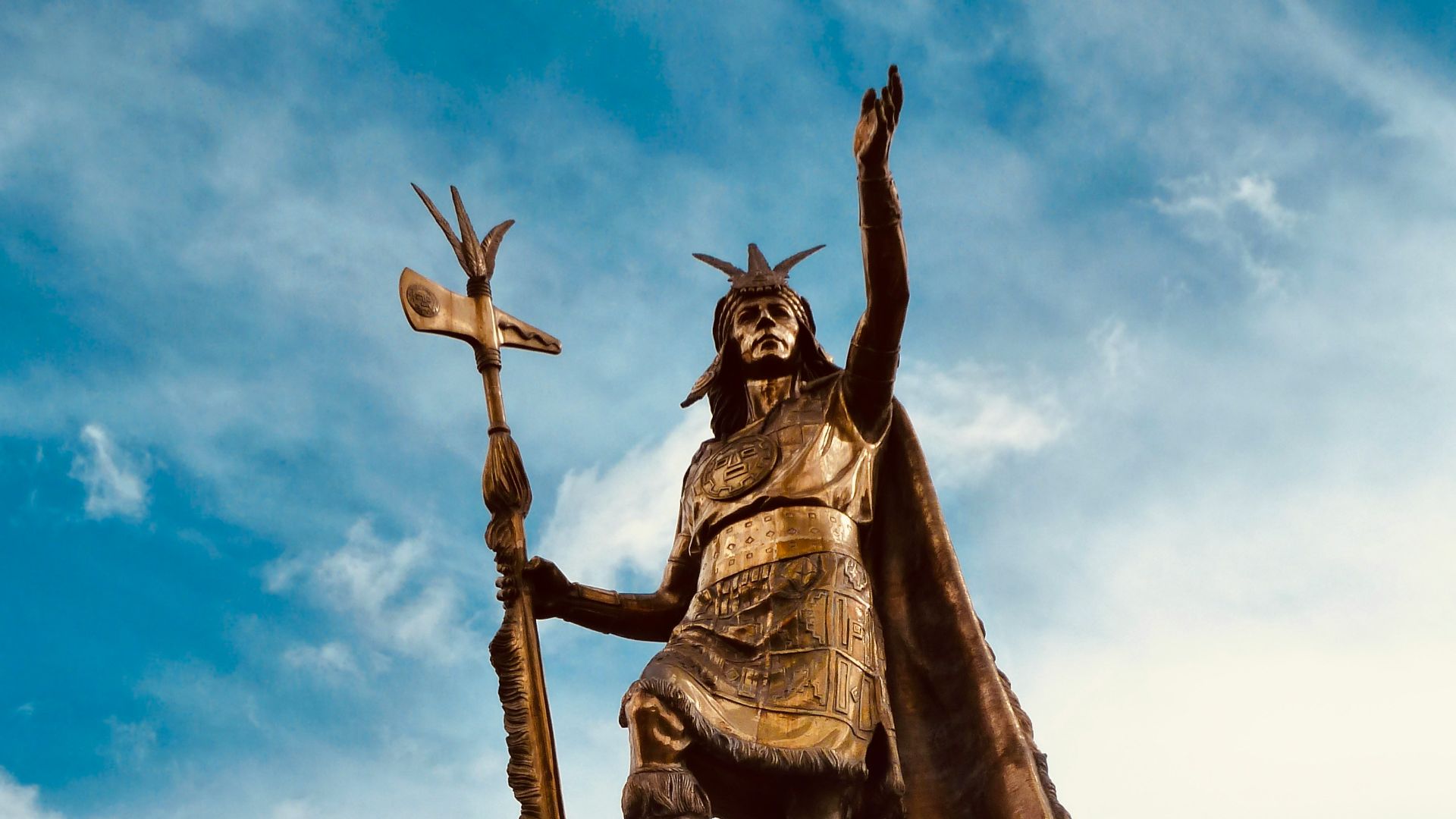
11. The Norse
The Norse flood is made of blood. When the gods kill the giant Ymir and build the world out of his body, the blood pouring from him drowns nearly every frost giant there was. One giant named Bergelmir escapes with his wife in a hollowed log.
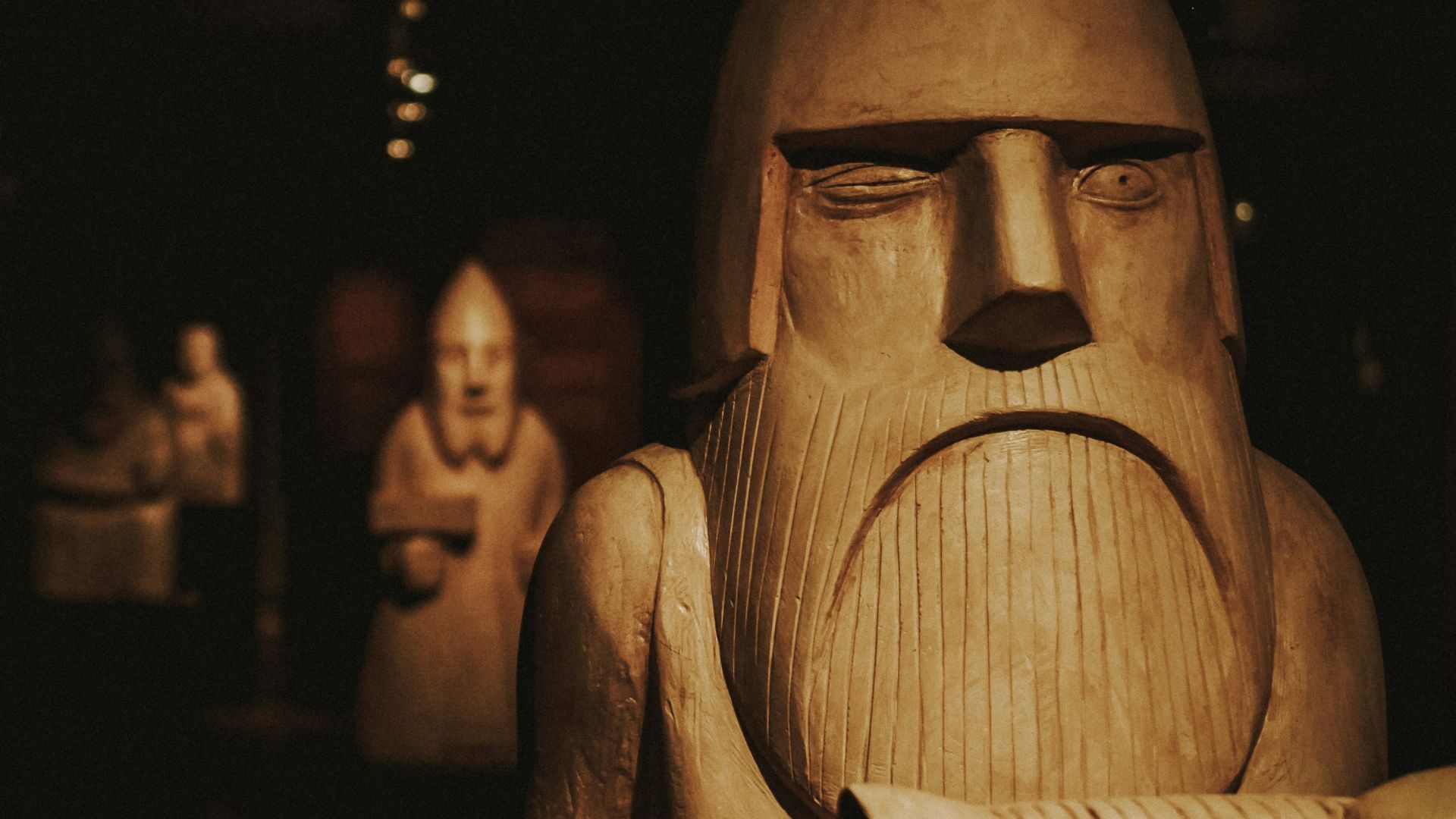
12. The Irish
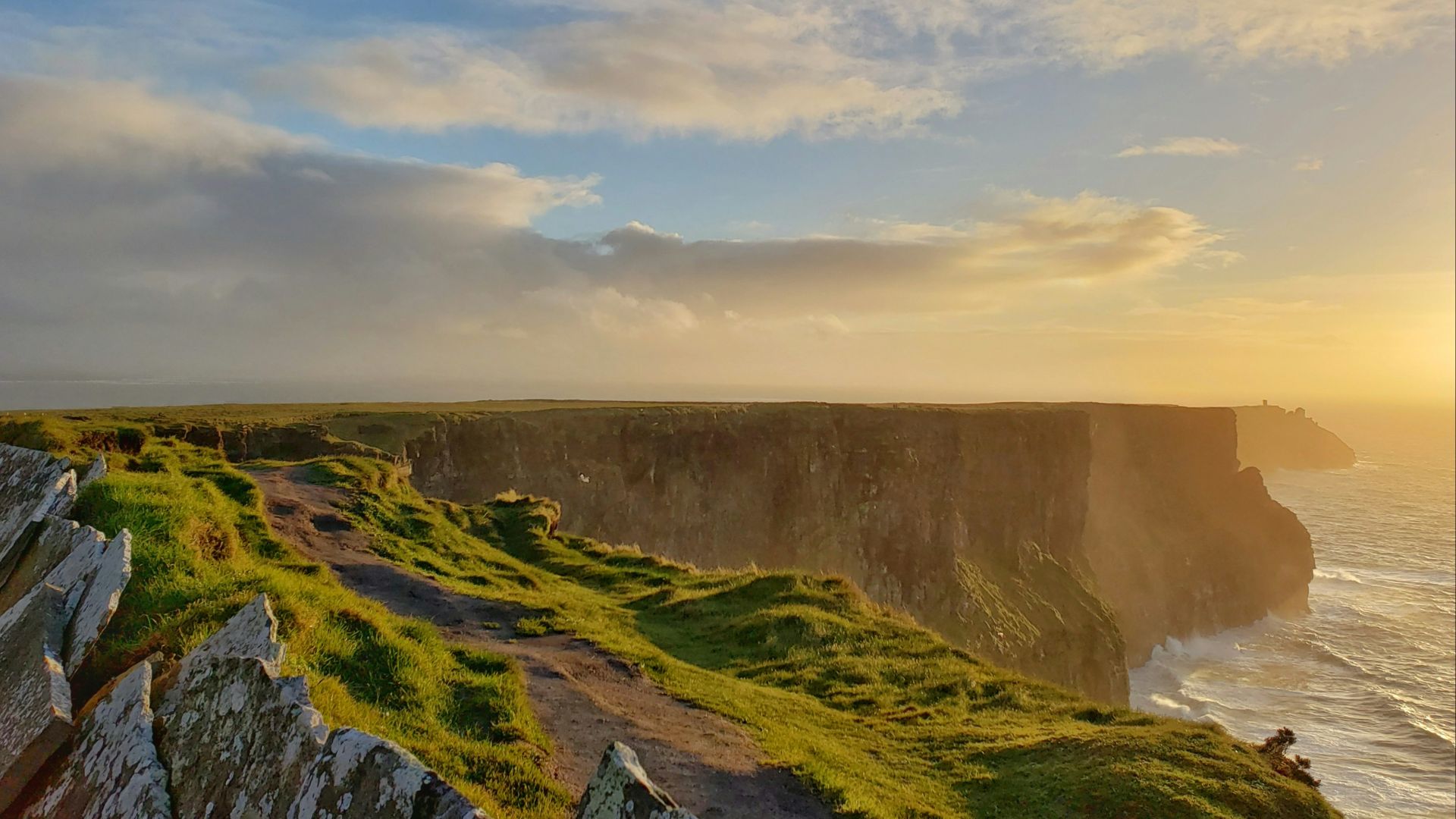
Medieval Irish chronicles open with Cessair, a granddaughter of Noah, who sails for Ireland to get ahead of the coming flood.
She lands with a small company and dies anyway when the water arrives. The monks writing it down were stitching local legend onto biblical history.
13. The Lithuanians
An old Lithuanian account has the sky god looking down through a window and disliking what he sees. He sends giants named Water and Wind to flatten the world, and a few pairs of people survive by climbing the highest mountain. The story was recorded in the 1600s from much older oral tradition.

14. The Hopi
Hopi tradition counts the world we live in as the fourth one. The third ended in water after people lost their way, and those who hadn't escaped by climbing up through a hollow reed. They arrived here with instructions to do better this time.

15. The Ojibwe
Nanabozho floats on a log with a handful of animals after the world goes under. He needs soil to rebuild, so the animals take turns diving for it until a muskrat surfaces with one small pawful. That pawful gets spread across a turtle's back and becomes the land.

16. The Choctaw
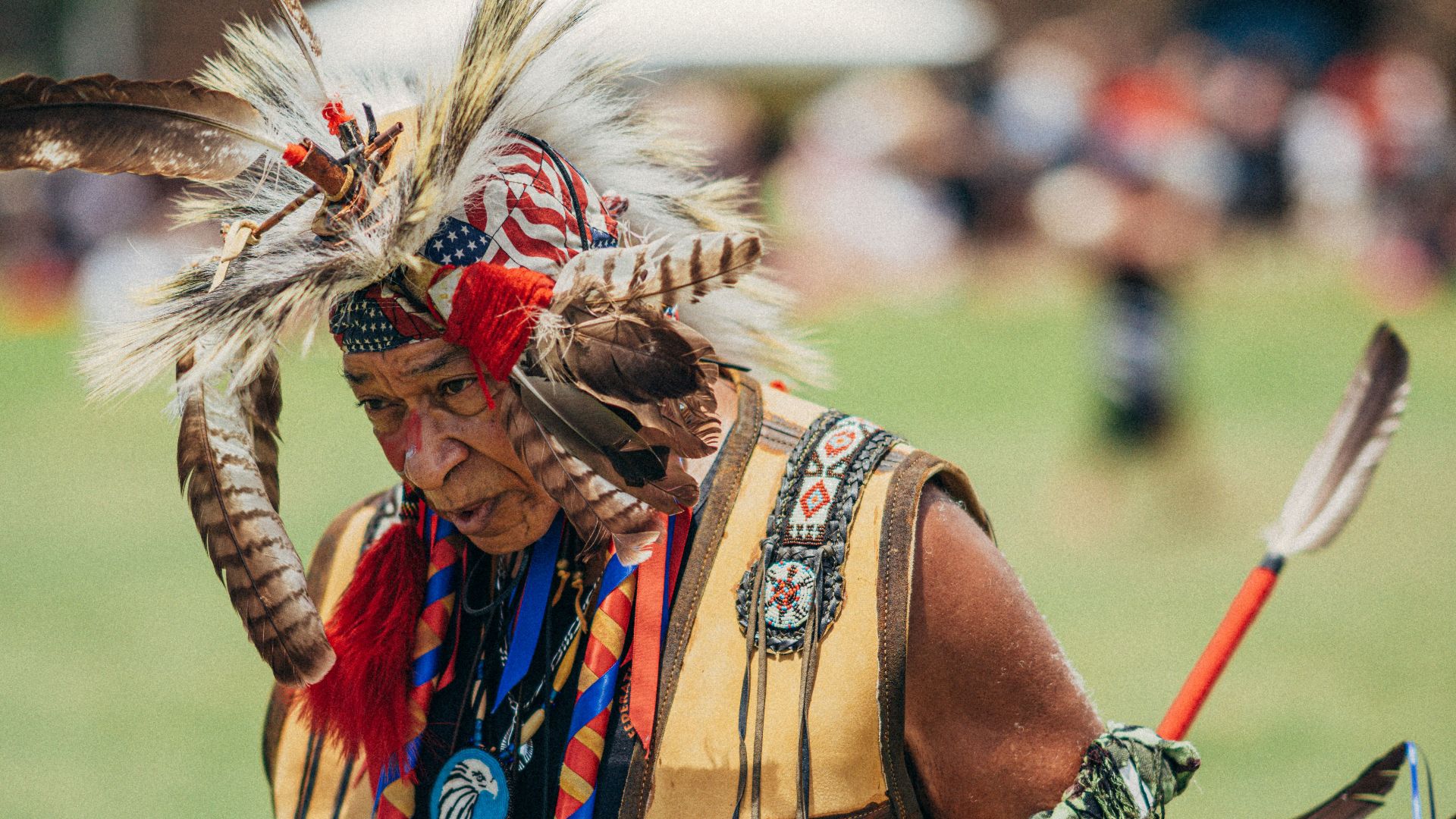
A Choctaw account describes a prophet who warns everyone about coming water and gets ignored. He builds a raft and floats alone for weeks while the rest of the world drowns beneath him.
A bird eventually appears overhead and leads him toward land.
17. The Hawaiians
Hawaiian tradition remembers a man named Nuʻu who rode out the flood in a great canoe with a house built on it. He came to rest on a mountaintop and made his offering of thanks to the moon, having mistaken it for the god who saved him. Missionary contact likely shaped the version that got written down.

18. The Māori
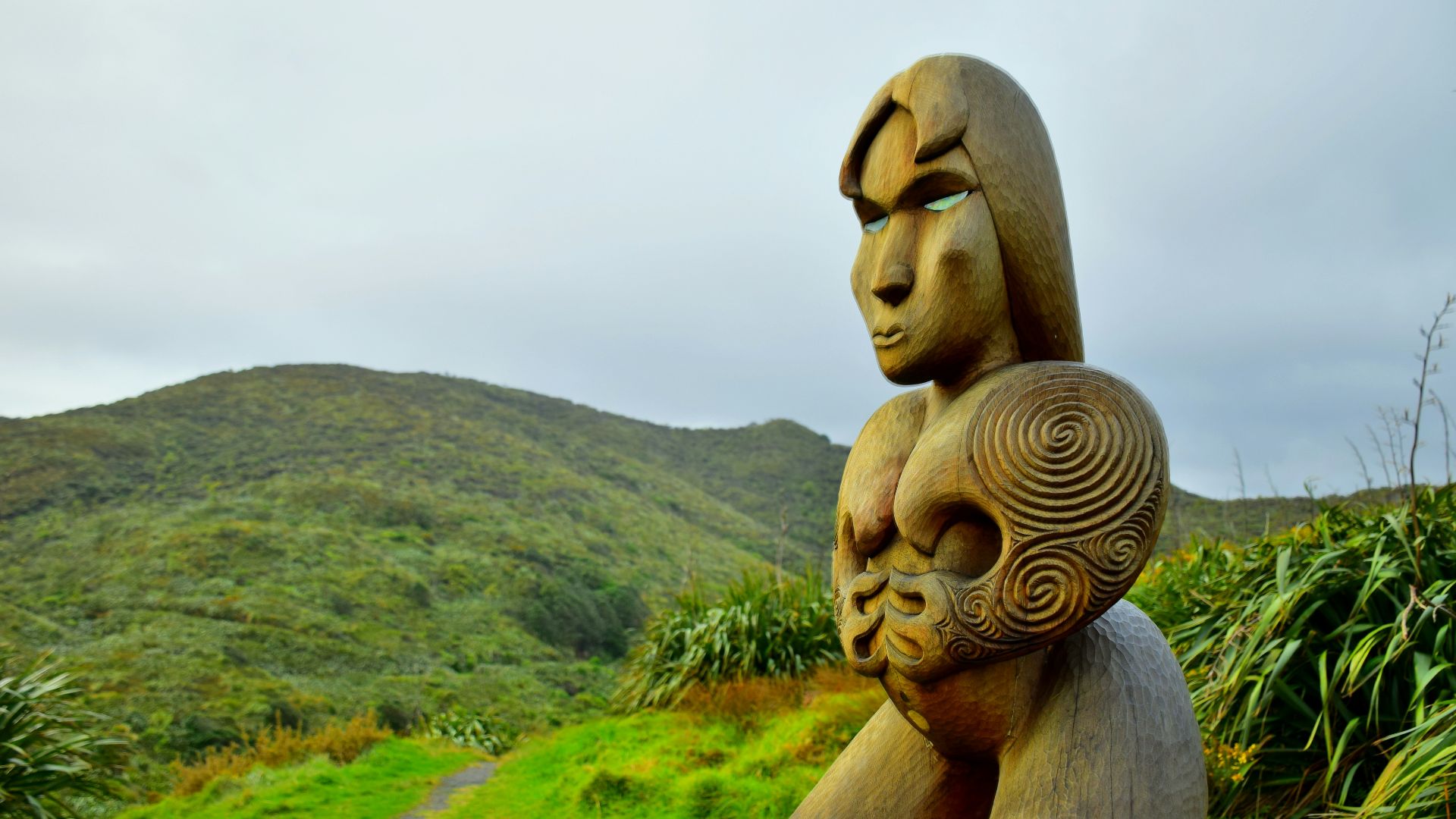
In one Māori account Tāwhaki climbs to avenge an attack on his father and stamps on the floor of heaven until it gives way. The water comes through and takes the world below. Related stories turn up across Polynesia with different names attached to them.
19. Aboriginal Australians
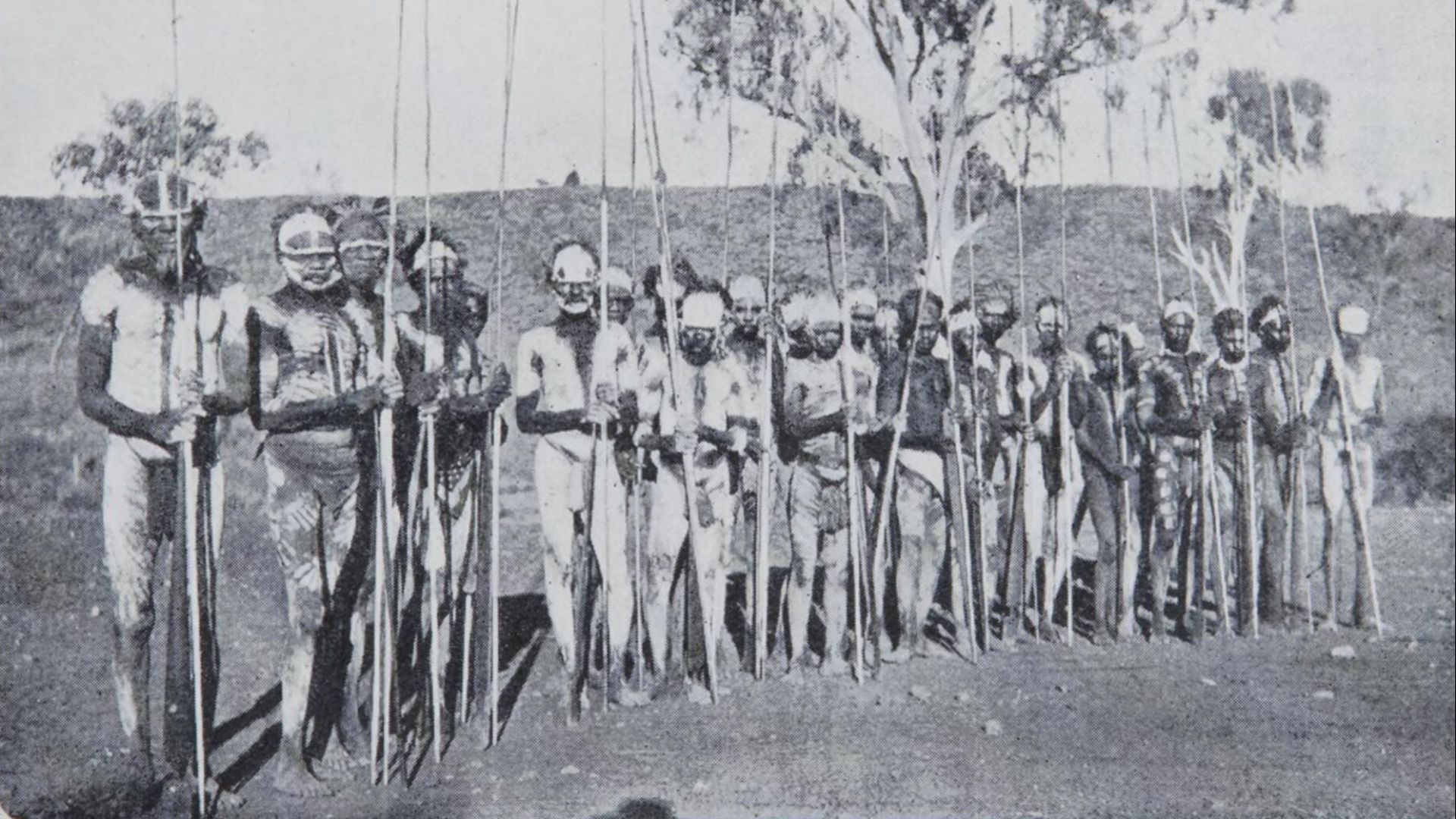
Hundreds of Aboriginal nations kept their own flood accounts, developed separately over an extraordinarily long stretch of time. The geographer Patrick Nunn and the linguist Nicholas Reid have argued that stories from 21 coastal sites preserve real memories of the sea rising after the last ice age. If they're right, some have been told accurately for seven thousand years or more, which plenty of other scholars find hard to accept.
 James Sykes Battye on Wikimedia
20. The Yoruba
Yoruba tradition has Olokun, who rules the sea, sending the water over the land during a quarrel with Obatala.
It rises until another god steps in and pushes the ocean back where it belongs. Here the flood is an argument between powers, with people caught underneath it.
KEEP ON READING