

10 Times Propaganda Failed Terribly & 10 Times It Worked Too Well
How Powerful is Propaganda?
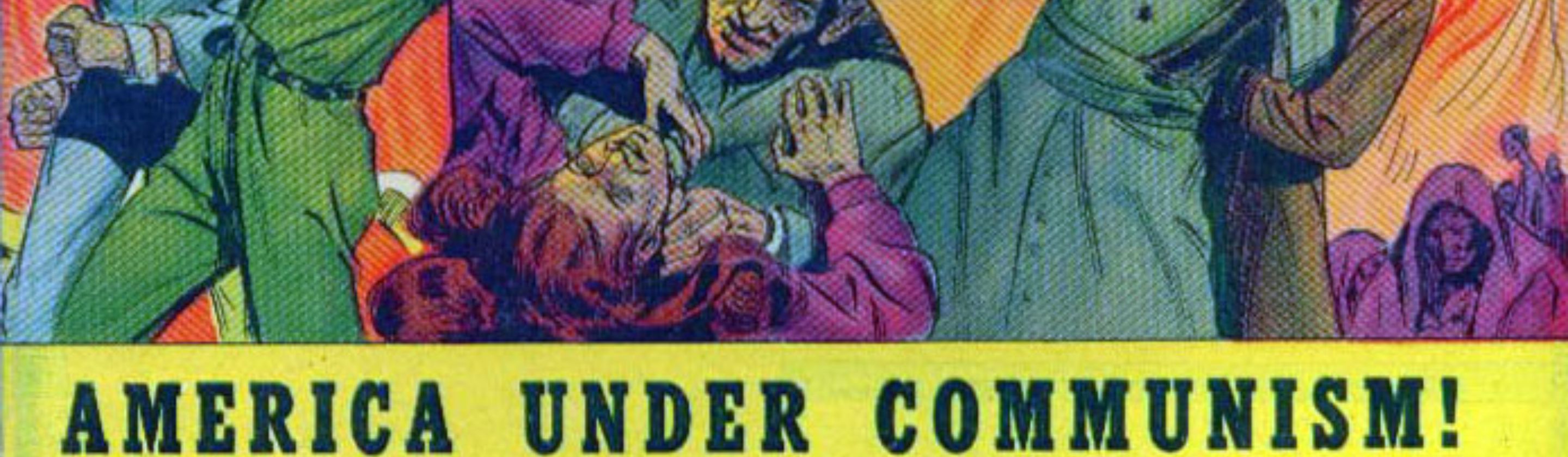
Propaganda has the power to shape beliefs, influence behavior, and even rewrite history, but that's only when it goes as planned. In several instances throughout history, it has failed spectacularly, backfiring in ways that expose lies and erode trust. Other times, it's more effective than even the creators could have imagined, completely twisting narratives or turning public opinion on its head. Here are 10 examples of when it failed horribly and 10 times it worked amazingly well.
 White House Photographic Office on Wikimedia
1. Nazis' Degenerate Art Campaign
Before WWII, the Nazis, in an attempt to gain more support and spread their message, opened two art exhibits—one containing government-sanctioned pieces and the other filled with nefarious pieces. The latter ended up drawing more than three million people, while the government-sanctioned one only had 800,000 visitors.
2. "Winning Hearts & Minds" Narrative
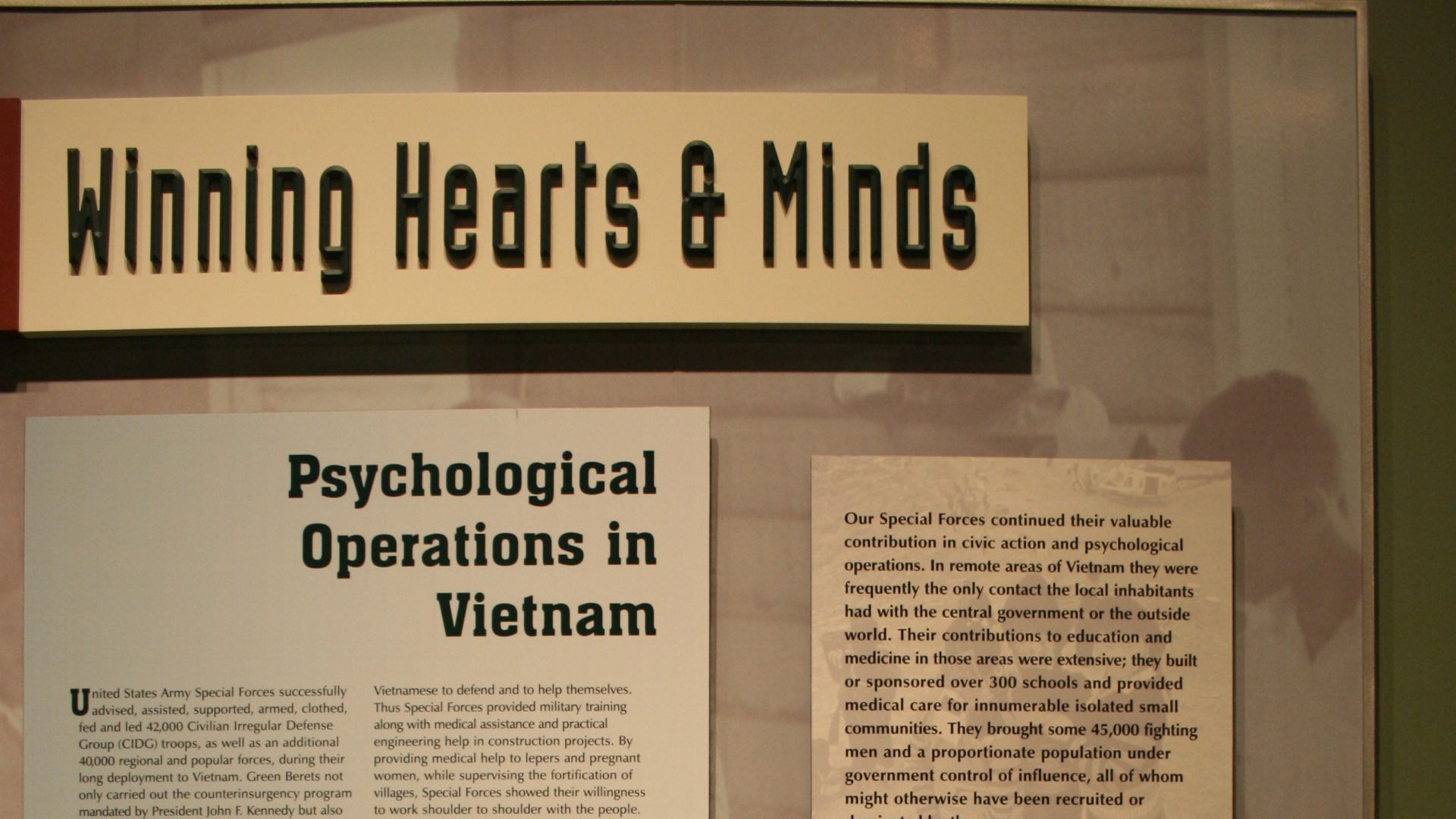
The US government's “Winning Hearts and Minds” narrative during the Vietnam War used posters and radio broadcasts to convince the public that the US and South Vietnamese governments were benevolent forces fighting for freedom. However, the propaganda clashed too hard with reality, especially as the war itself was being broadcast live on TVs across the nation.
 Gary Todd from Xinzheng, China on Wikimedia
3. The Soviet Union's Chernobyl Cover-Up
There are few things harder to push under the rug than a nuclear disaster. After the Chernobyl catastrophe, the Soviet government tried to downplay the severity of the incident, delaying evacuations and withholding information from the public. The result was that the government's credibility was destroyed, as citizens felt they could no longer trust information coming from the state.
 Oleksandra Bardash on Unsplash
4. China’s “Four Pests Campaign.”
China's "Four Pests Campaign" in the late 1950s was launched to address an overpopulation of sparrows, which were consuming much-needed grain. The Chinese government encouraged people to hunt them, and millions joined the effort. However, with sparrows largely eliminated, insect populations exploded, destroying crops and dramatically worsening food shortages.

5. Axis Powers' Explicit Leaflets Attack
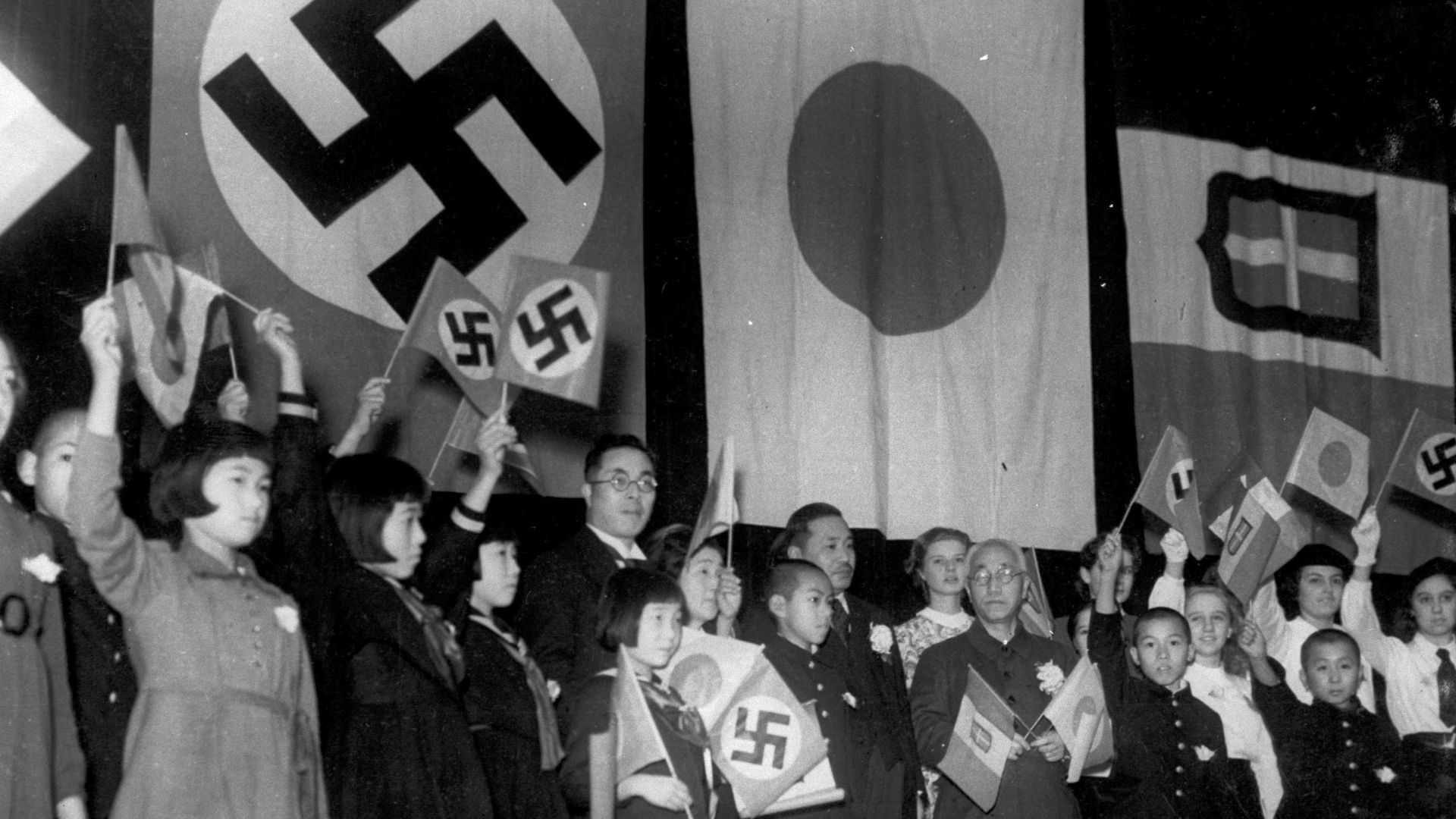
In WWI, the Axis powers bombed Allied forces with explicit leaflets, hoping it would curb their aggression. However, it had the opposite effect, as the troops loved them. They traded them like baseball cards and got a huge morale boost from them.
 Unbekannter Fotograf on Wikimedia
6. “Just Say No” Anti-Drug Campaign
The “Just Say No” anti-drug campaign launched by First Lady Nancy Reagan in the 1980s used posters and celebrity endorsements to spread the message that just saying no to drugs was a straightforward, empowering choice. In the end, it way oversimplified a complex social problem, had little effect, and was the subject of public ridicule for decades.

7. "Home by Christmas" Promise
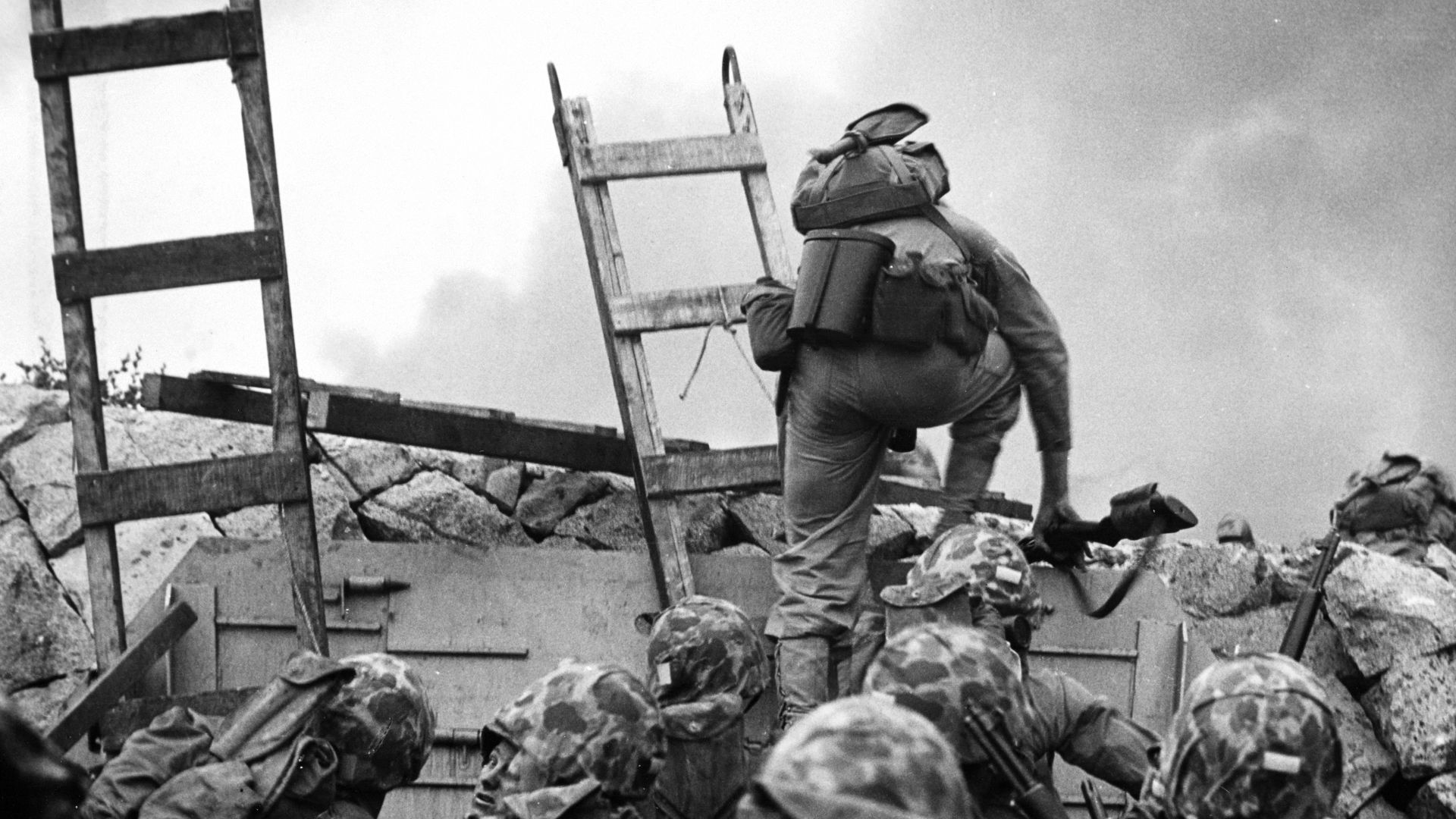
In 1950, early in the Korean War, U.S. military leaders confidently predicted a quick victory over North Korean forces, suggesting that American troops would be “home by Christmas.” This message was meant to boost morale, but the promise led UN troops to discard weapons, ammunition, and rations, leaving them horribly ill-prepared for a devastating counter-attack by hundreds of thousands of Chinese soldiers.
8. Saddam's Attempt to be Friendly to Children
In one of the most famous and iconic examples of propaganda backfiring, Saddam Hussein, in an attempt to improve his regime's public image, staged a live press conference with a British family being detained in Iraq. The dictator invited the young British boy to sit on his lap, but the boy, terrified, refused. The video ended up being Saddam trying to coerce the boy over to him, which was not exactly the friendly, reassuring vibe he was going for.

9. The Soviet Union's Anti-American Film
In the 1950s, the Soviet Union showed an anti-American film in several cinemas across the nation. The film, which was set in the US, was meant to discredit American journalism by sharing a story about a journalist who risked losing his job because he wrote pro-Soviet articles. However, viewers reportedly didn't pay attention to the plot at all as they were all too busy marveling at the kitchen appliances and the beautiful American homes with the abundance of clothing hanging on clotheslines in the front lawn.
10. McCarthy-Era Anti-Communist Propaganda
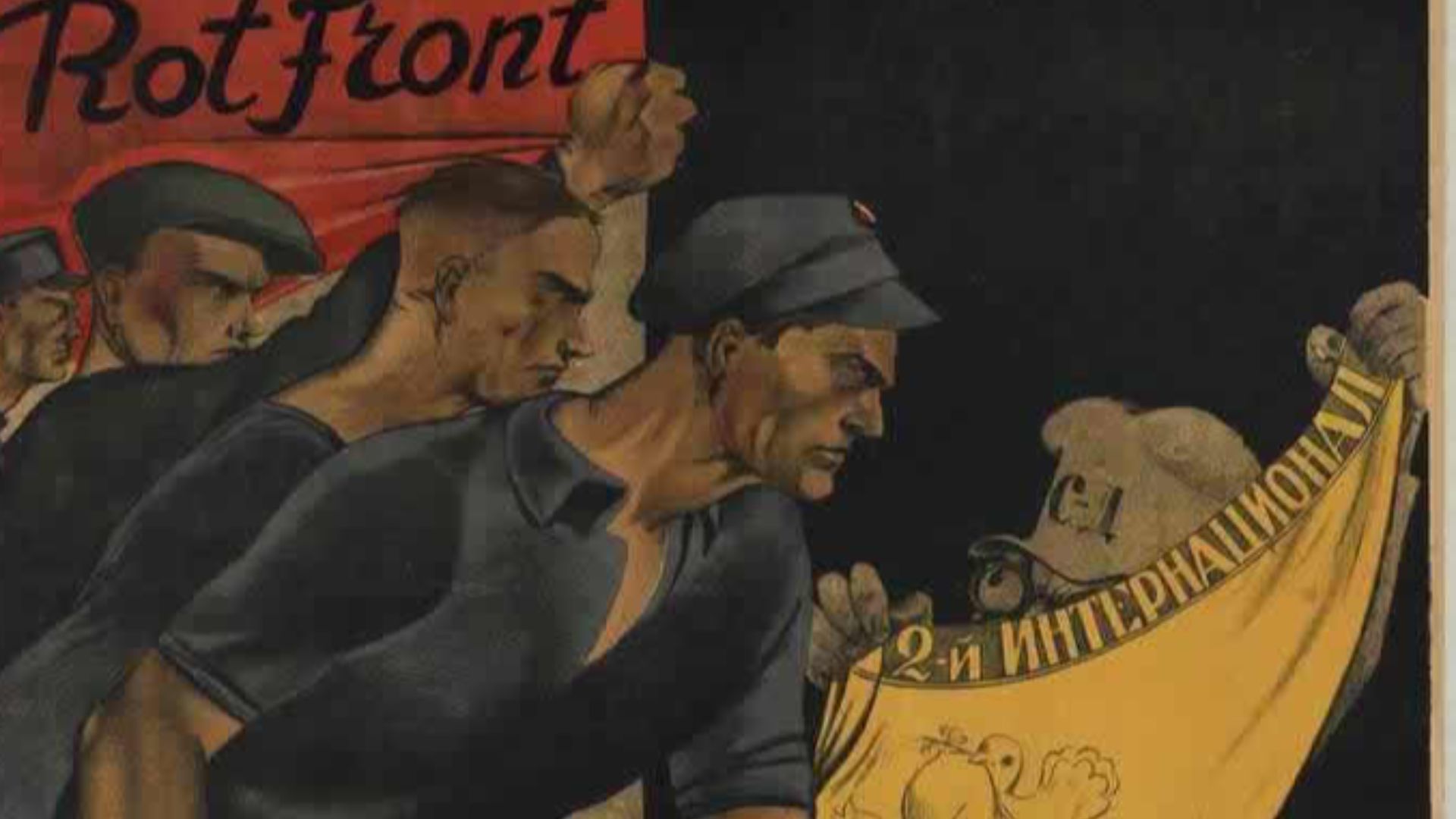
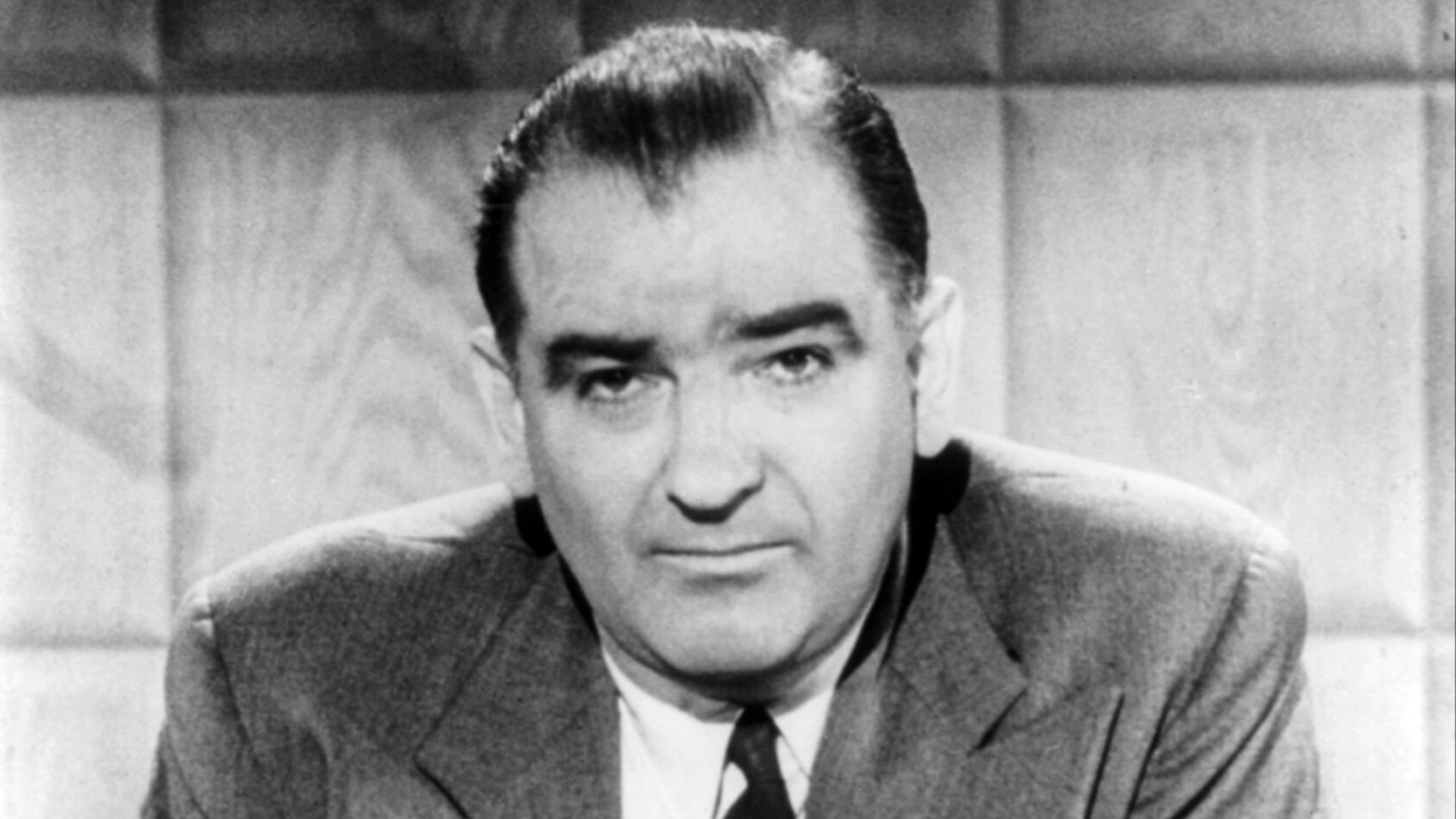
In the 1950s, Senator Joseph McCarthy and his allies used propaganda to convince the public that communists had infiltrated every American institution. The messaging relied heavily on fear, exaggeration, and guilt. It ruined the lives of good Americans and ultimately turned public sentiment against him.
1. American World War II Effort
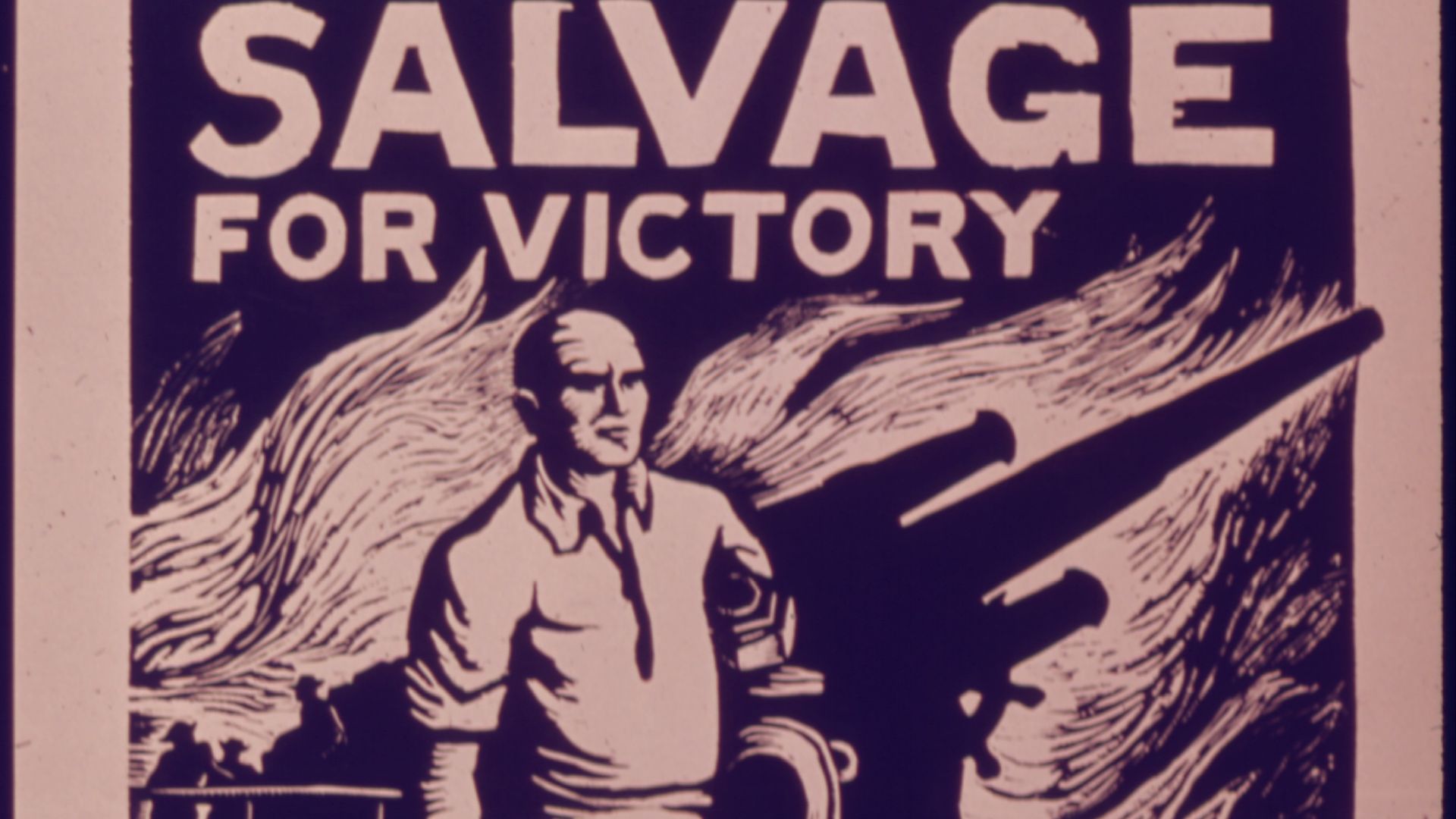
After entering the war in 1941, the US government launched one of the most successful mass-messaging campaigns in history. The propaganda effort managed to turn public support in favor of joining WWII, encouraged Americans to buy war bonds, ration food, and work longer hours in factories, all in the name of moral righteousness.
2. De Beers' Diamond Campaign
The De Beers company did something remarkable when they turned the diamond—a somewhat ordinary gem—into a symbol of love. To combat declining sales following the Great Depression, the company hired an advertising firm to create a slogan that would become iconic: "A Diamond Is Forever." This linked diamonds to eternal love and commitment, and transformed them into a social expectation.

3. The Kim Dynasty Personality Cult
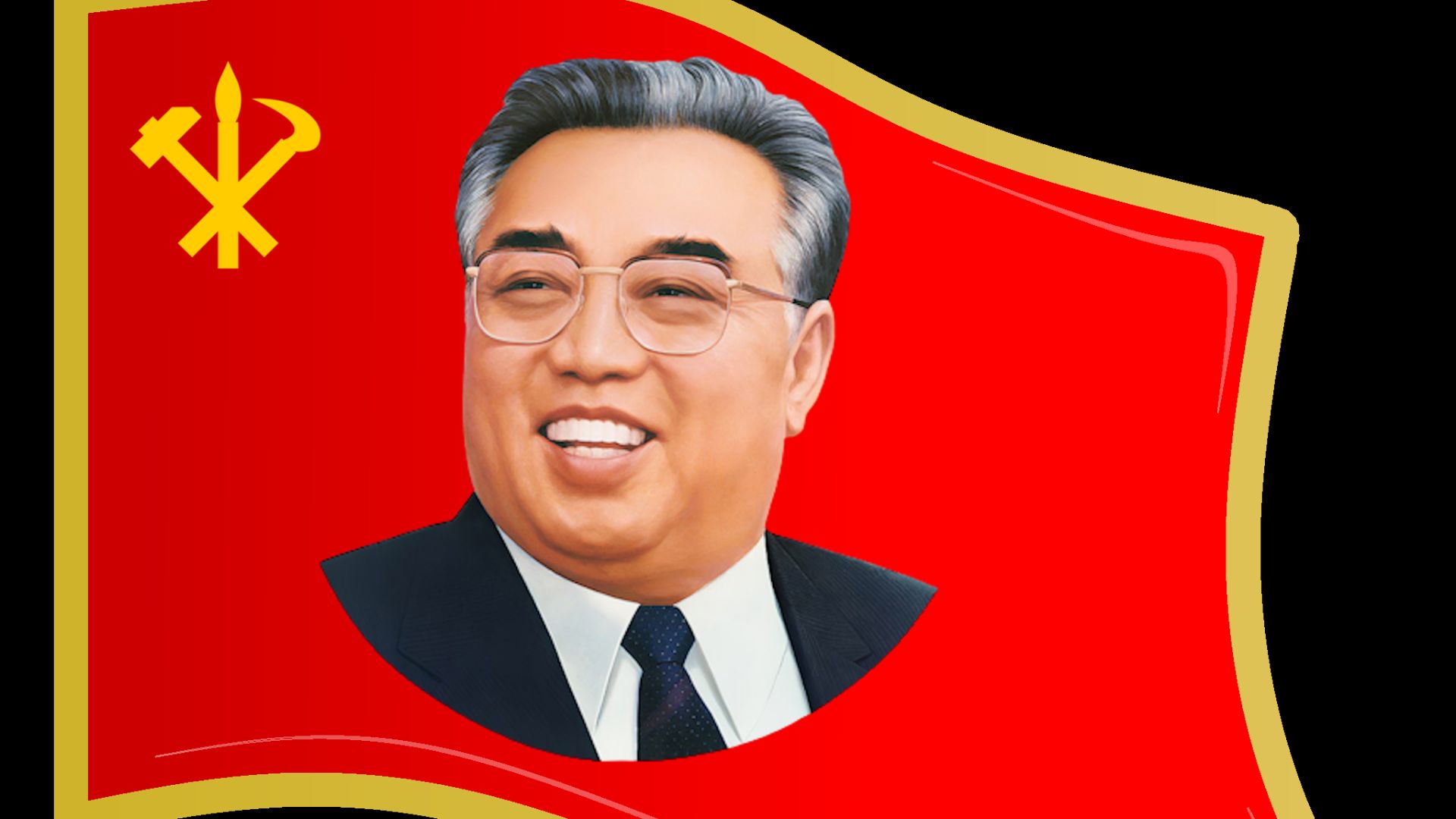
Since North Korea's founding, state propaganda has portrayed Kim Il-sung, Kim Jong-il, and Kim Jong-un as near-mythical figures to the point where it's completely replaced objective reality within the country. Over time, constant repetition and isolation from outside information have created an environment where skepticism is psychologically difficult.
4. The British Blitz Spirit
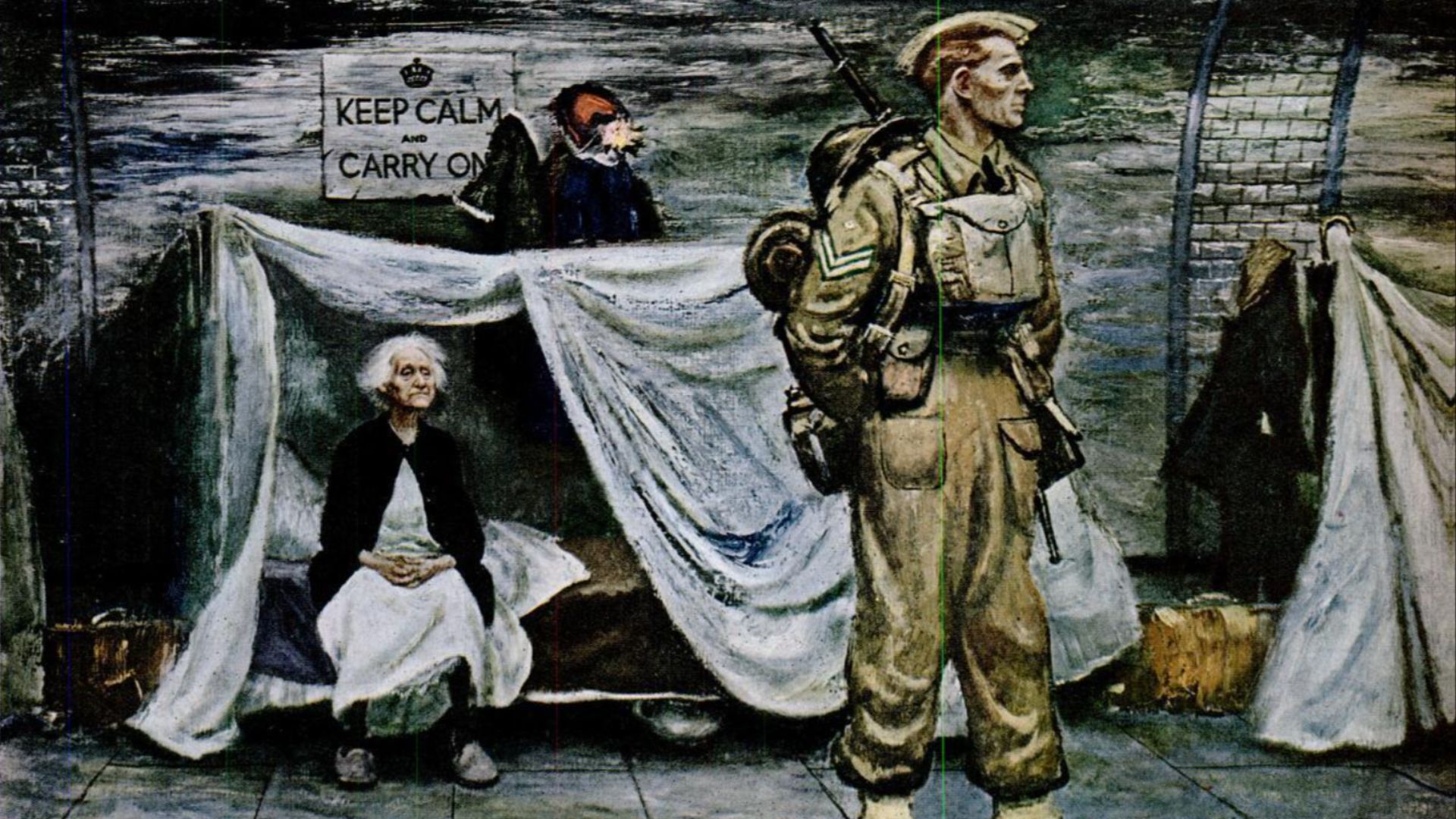
During WWII, Britain was getting bombed to smithereens by the Germans, who targeted civilian areas in the hopes of destroying morale. Britain's famous “Keep Calm and Carry On” and “Business as Usual” campaigns sent the message that emotional restraint was a national virtue. This narrative of resilience helped people stay grounded and persevere through trying times.
 Painting by Floyd Davis on Wikimedia
5. The Catholic Counter-Reformation
The Counter-Reformation was the Catholic church's attempt to reclaim power after the Protestant Reformation created a split in Christianity. Instead of using fear, the Catholic church commissioned art and architecture by artists like Caravaggio and Bernini to persuade people to adopt catholicism. Not only did this grow the Catholic church's influence again, but it also resulted in some of the most important works of Baroque art.

6. The "Don't Mess with Texas" Campaign
The "don't mess with Texas" campaign is one of the most successful public messaging campaigns in US history. Created in the 1980s by the Texas Department of Transportation to combat littering, it tapped into Texas pride to cut down roadside litter by over 70 percent.

7. "The Most Important Meal of the Day."
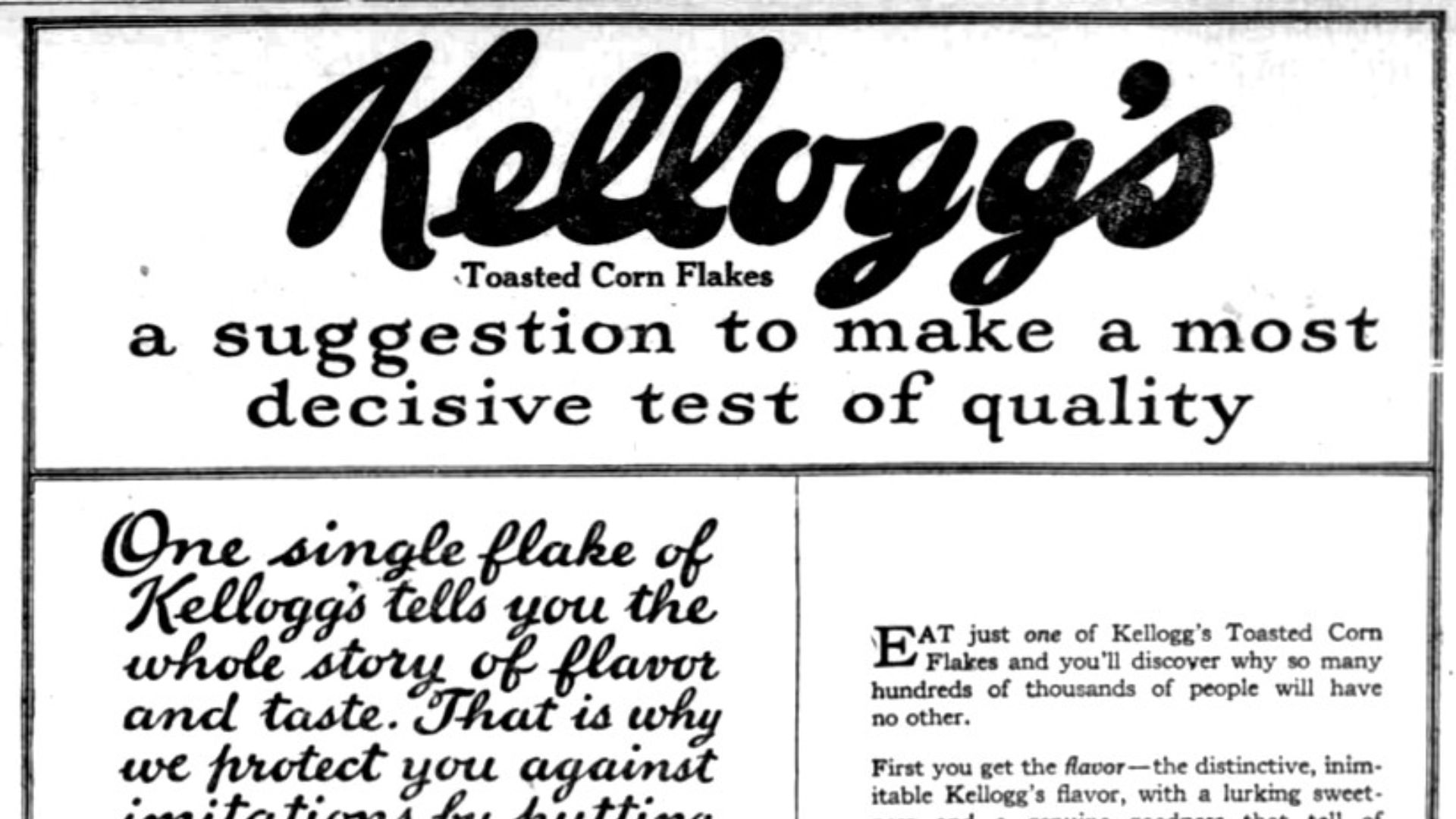
You've probably heard that "breakfast is the most important meal of the day," but the truth is, it's not actually more important than any other meal. It was just a very effective marketing slogan pushed by Kellogg's, General Foods, and other cereal companies that wanted to make their products seem more healthy.
8. Nazi Germany’s Early-1930s Propaganda
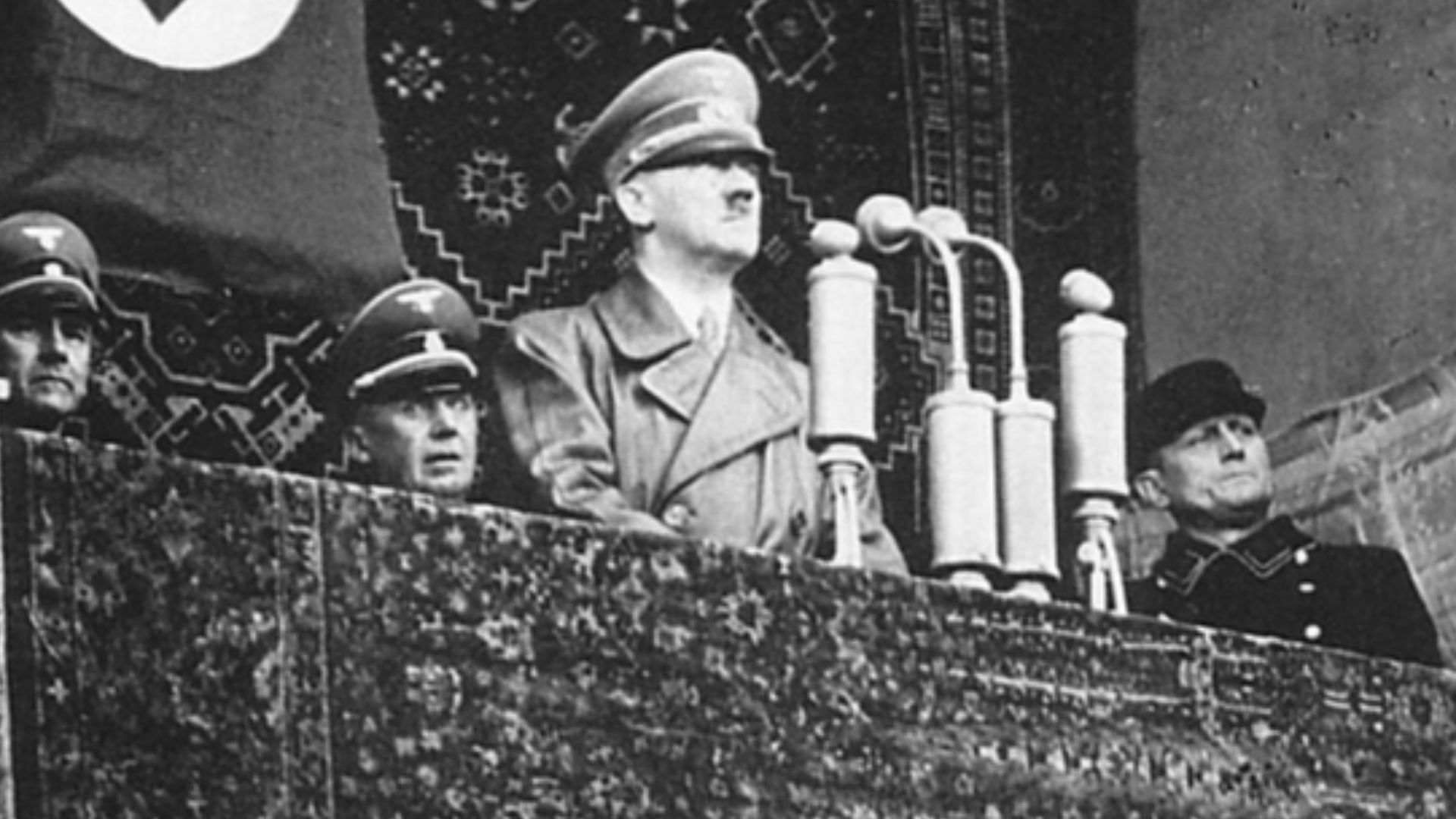
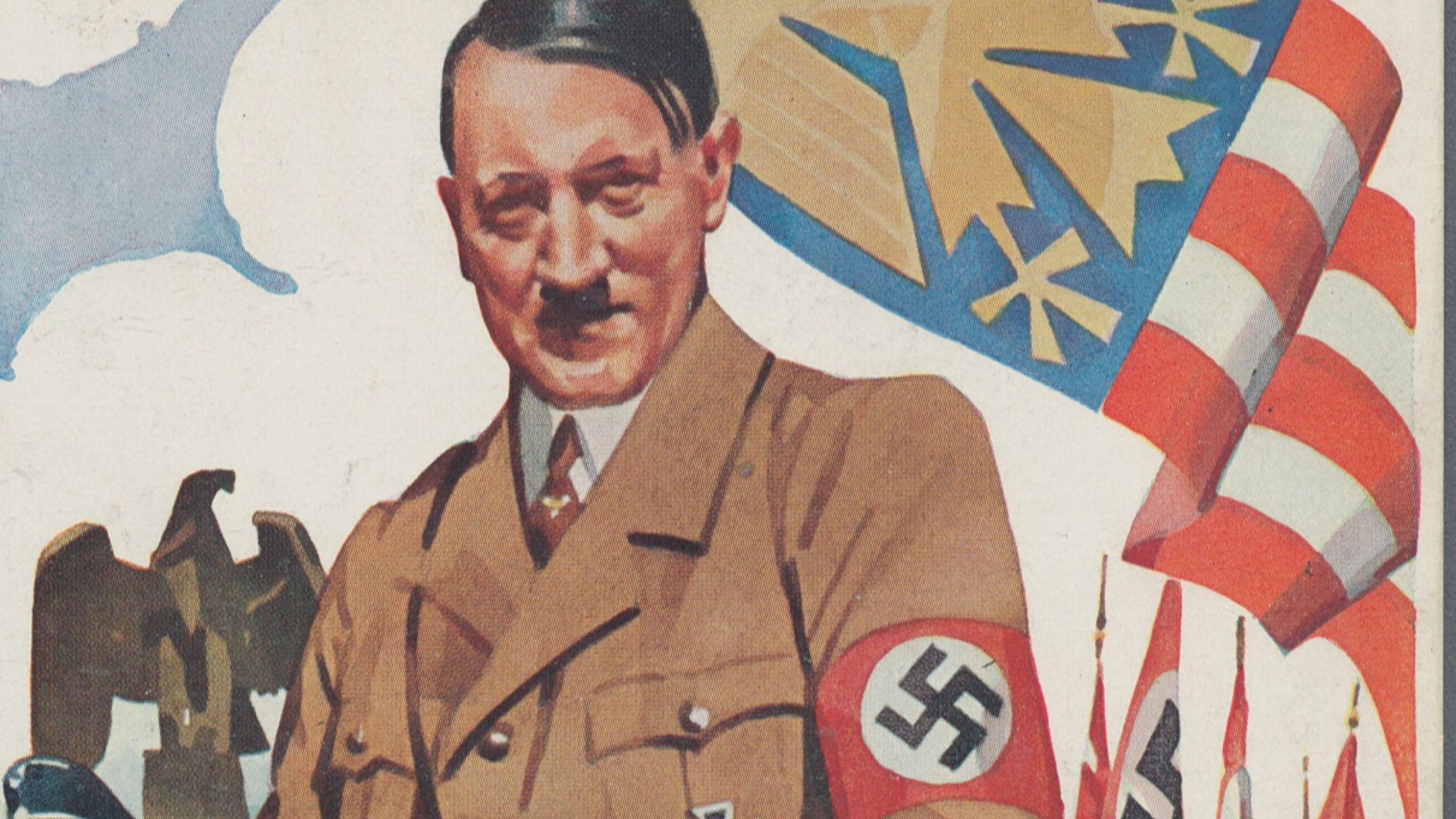
Before the war turned against them, Nazi propaganda effectively exploited economic anxiety and national humiliation, consolidating power and mass support with incredible efficiency. It took them only nine years to rise from a small fringe group to the largest party in Germany's parliament, largely thanks to their propaganda campaigns.
9. Napoleon Was Short
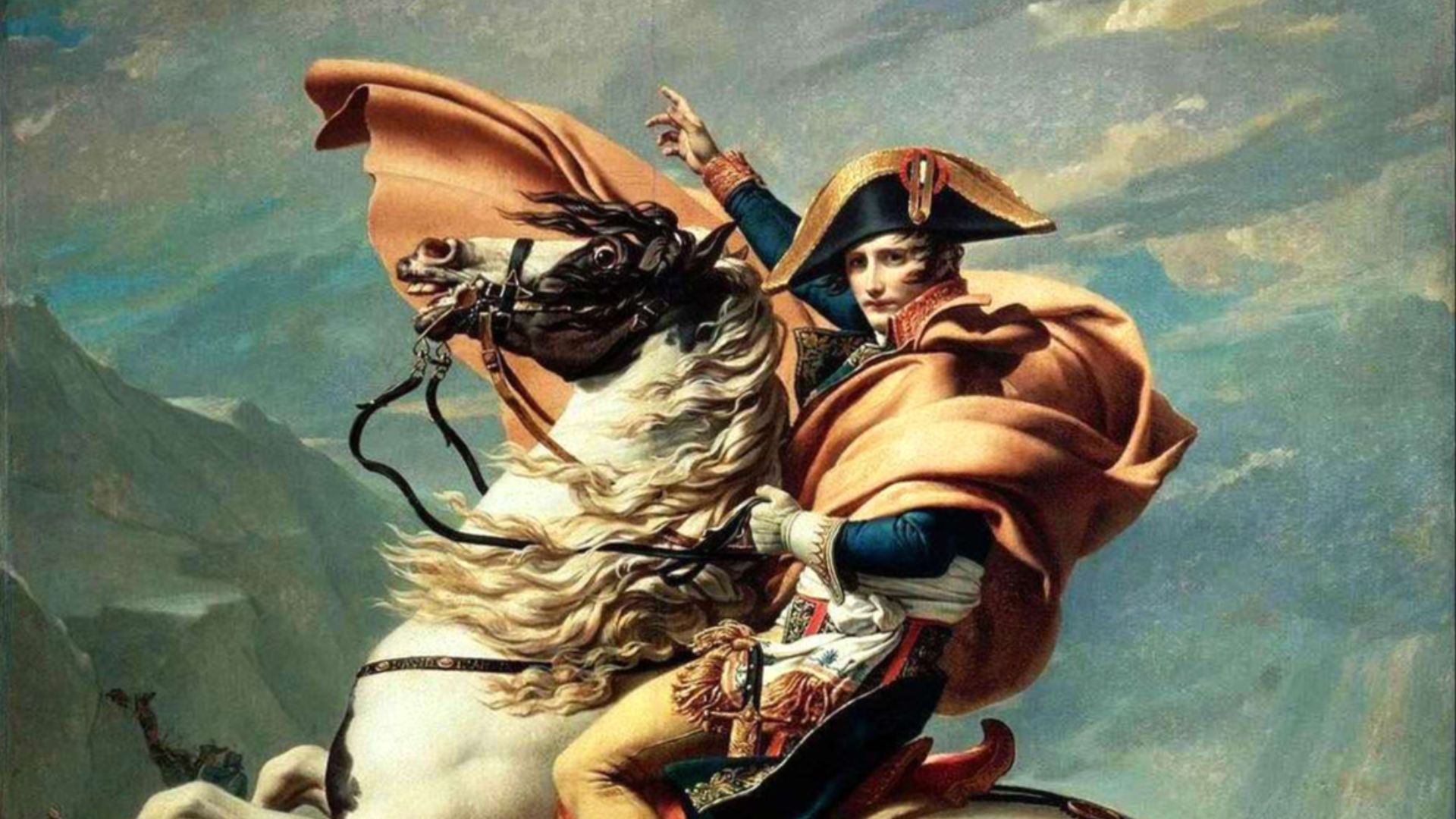
To this day, most of us believe Napoleon Bonaparte was short, but he was actually average, or slightly above average height for the time. The notion that he was a small guy comes from very effective British propaganda meant to belittle his power.
 Jacques-Louis David on Wikimedia
10. Stalin's Cult of Personality
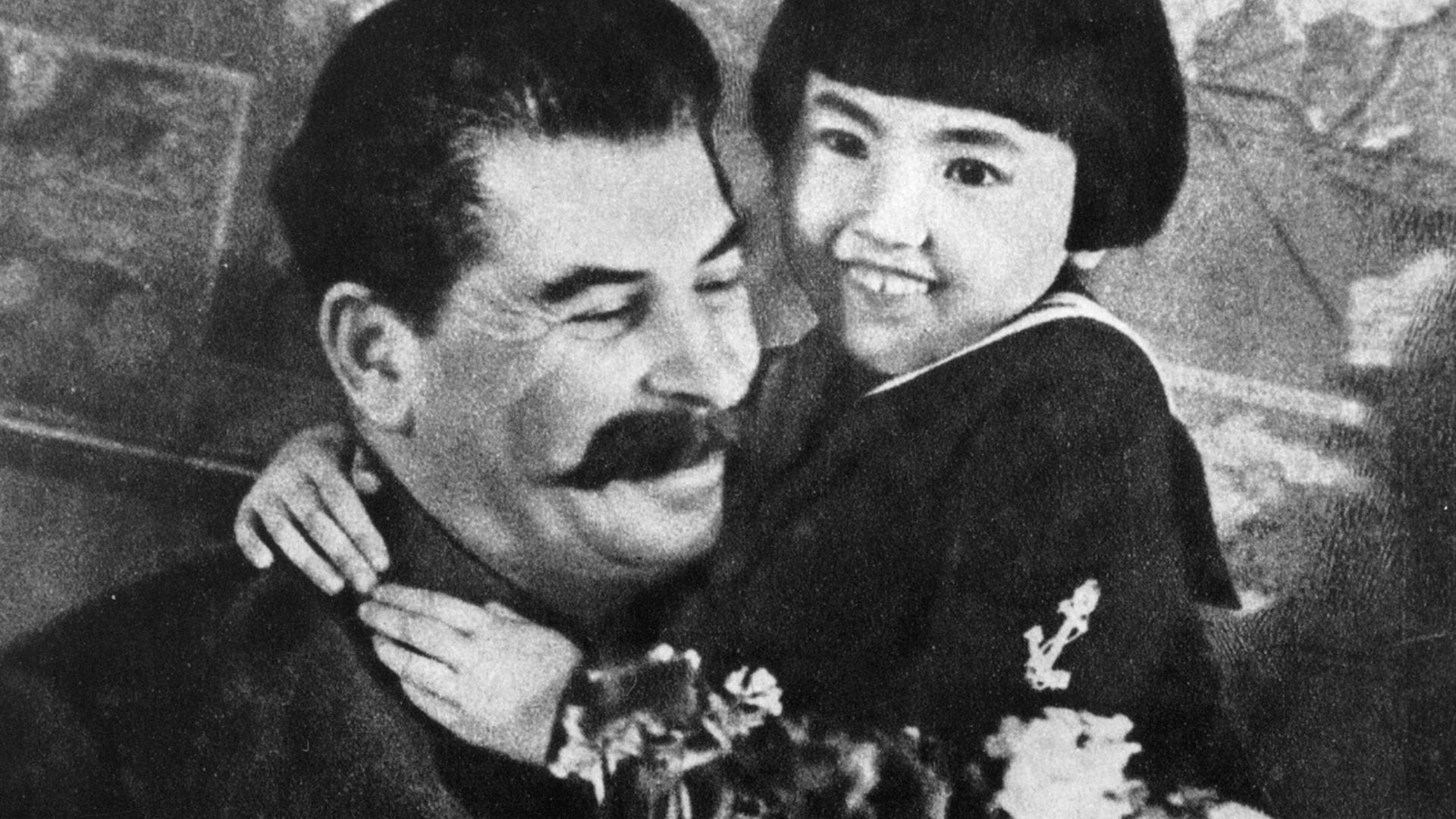
Joseph Stalin, one of history's most ruthless dictators, wasn't a charismatic leader whatsoever. He was hot-headed and frankly quite socially awkward, but you'd never know it unless you were part of his inner circle because he was such a master of doctoring his image. Soviet propaganda depicted him as an all-knowing, all-powerful leader
KEEP ON READING
20 Powerful Ancient Egyptian Gods That Were Worshipped
Unique Religious Figures in Ancient Egypt. While most people are…
By Cathy Liu Nov 27, 2024
The 10 Scariest Dinosaurs From The Mesozoic Era & The…
The Largest Creatures To Roam The Earth. It can be…
By Cathy Liu Nov 28, 2024
The 20 Most Stunning Ancient Greek Landmarks
Ancient Greek Sites To Witness With Your Own Eyes. For…
By Cathy Liu Dec 2, 2024
10 Historical Villains Who Weren't THAT Bad
Sometimes people end up getting a worse reputation than they…
By Robbie Woods Dec 3, 2024
One Tiny Mistake Exposed A $3 Billion Heist
While still in college, Jimmy Zhong discovered a loophole that…
By Robbie Woods Dec 3, 2024
30 Lost Treasures That Vanished From History
Buried treasure, missing artefacts, legends of ancient gold in them…
By Robbie Woods Dec 3, 2024