

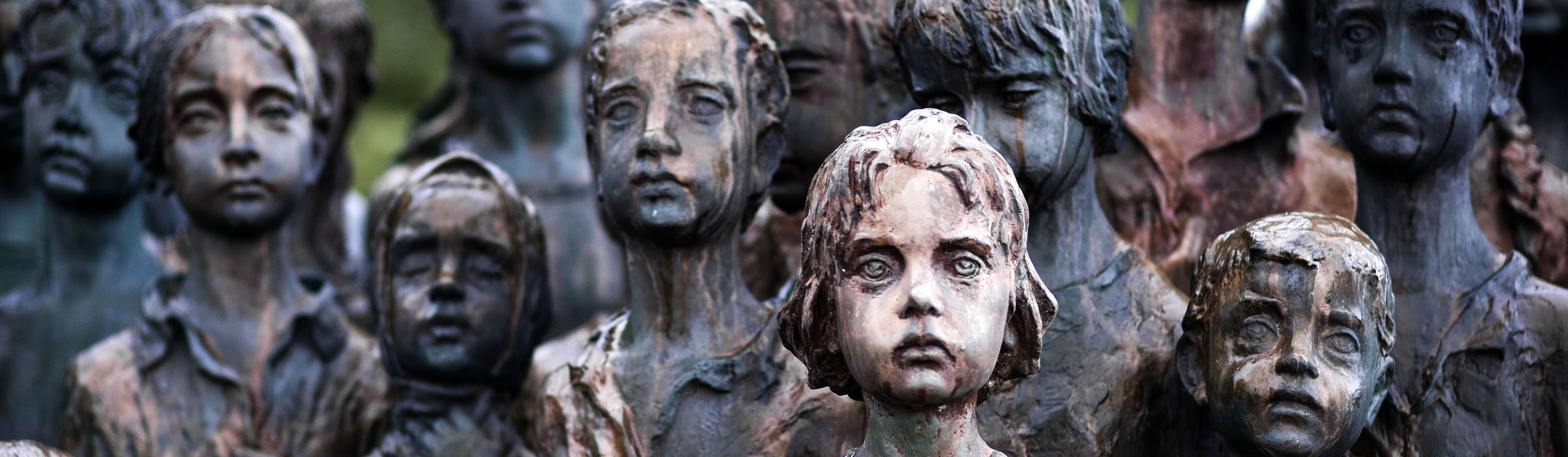
When Laying Down Arms Wasn’t The End
Surrender is supposed to mean something clear and final, a moment when the violence stops and some basic sense of safety takes over. In reality, that expectation has often been fragile, shaped less by rules and more by whoever holds power at the time. Many who laid down their arms believed they were stepping into protection, only to realize the promise didn’t hold. What followed wasn’t an end to conflict, but a shift in how violence was carried out, often more one-sided and devastating. These are 20 moments where surrender didn’t bring safety, but instead marked the beginning of something worse.
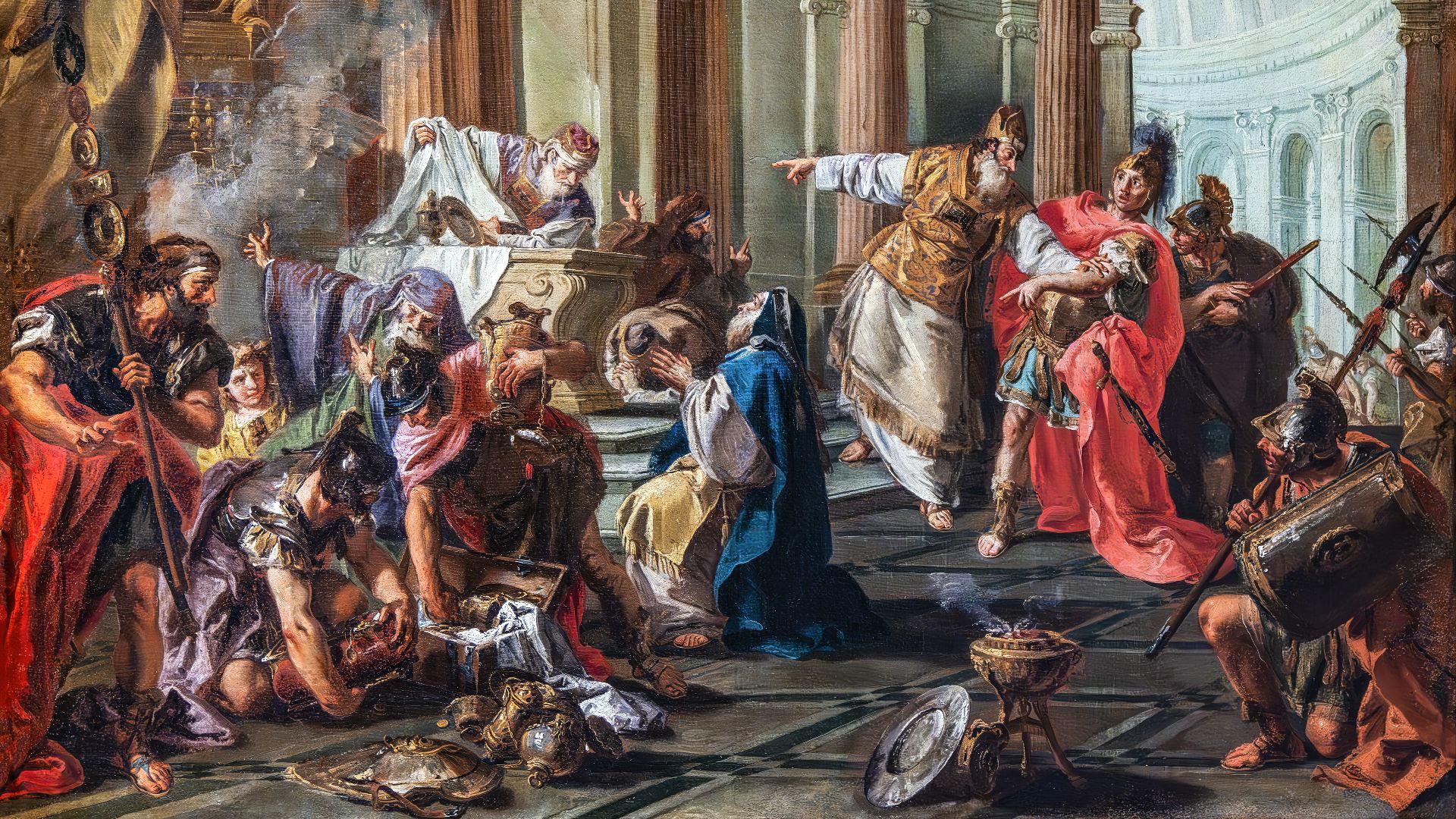
1. The Massacre at Alesia (52 BCE)
After Julius Caesar defeated the Gauls at Alesia, thousands surrendered expecting mercy. Many were instead enslaved or killed as a warning to others. The scale of punishment made the victory feel less like a conclusion and more like a statement.
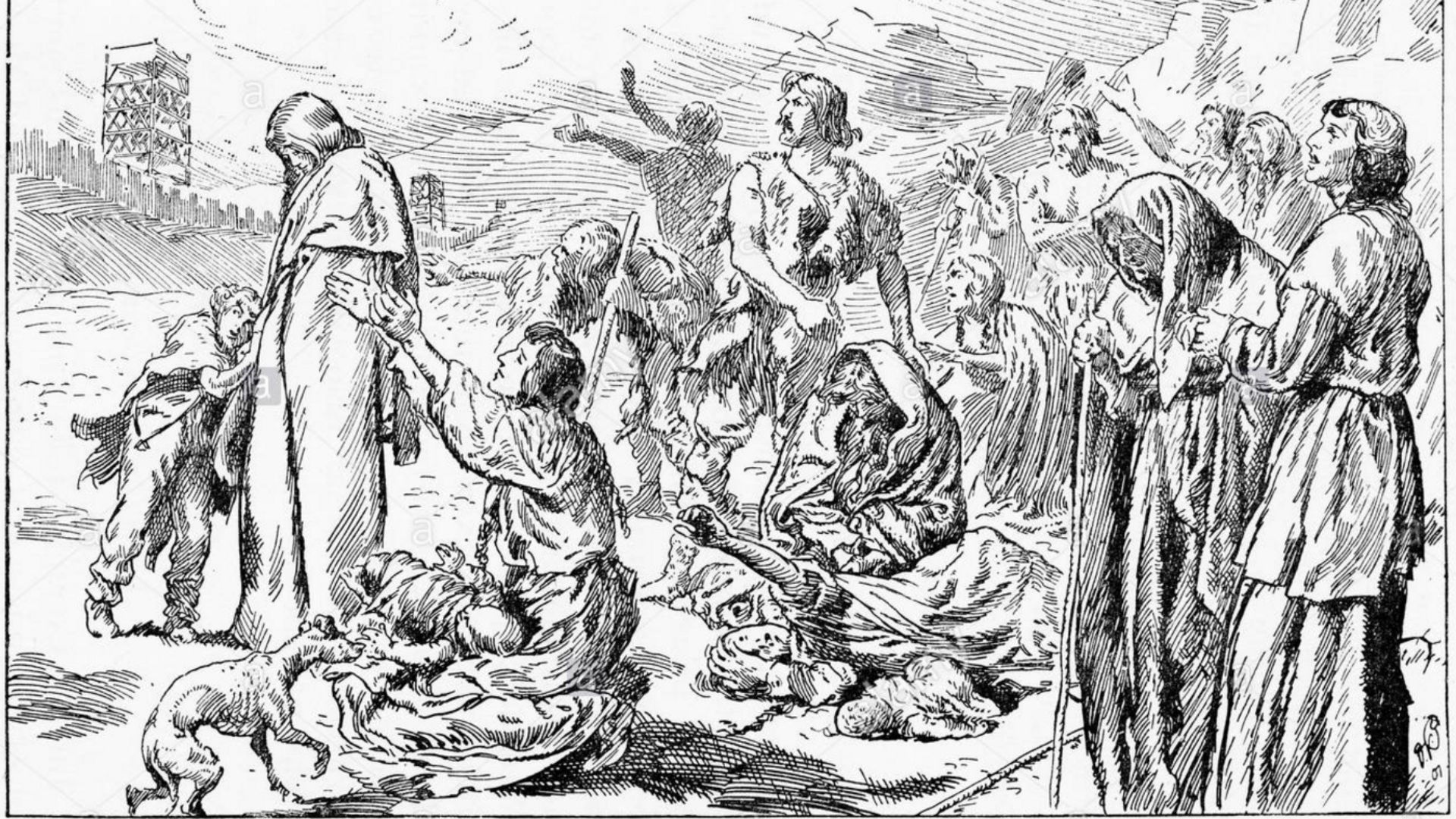 Unknown authorUnknown author on Wikimedia
2. The Sack of Jerusalem (70 CE)
As Roman forces overwhelmed the city, many inhabitants surrendered or were captured. Large numbers were executed or enslaved despite no longer resisting. The fall of Jerusalem became as much about destruction as conquest.
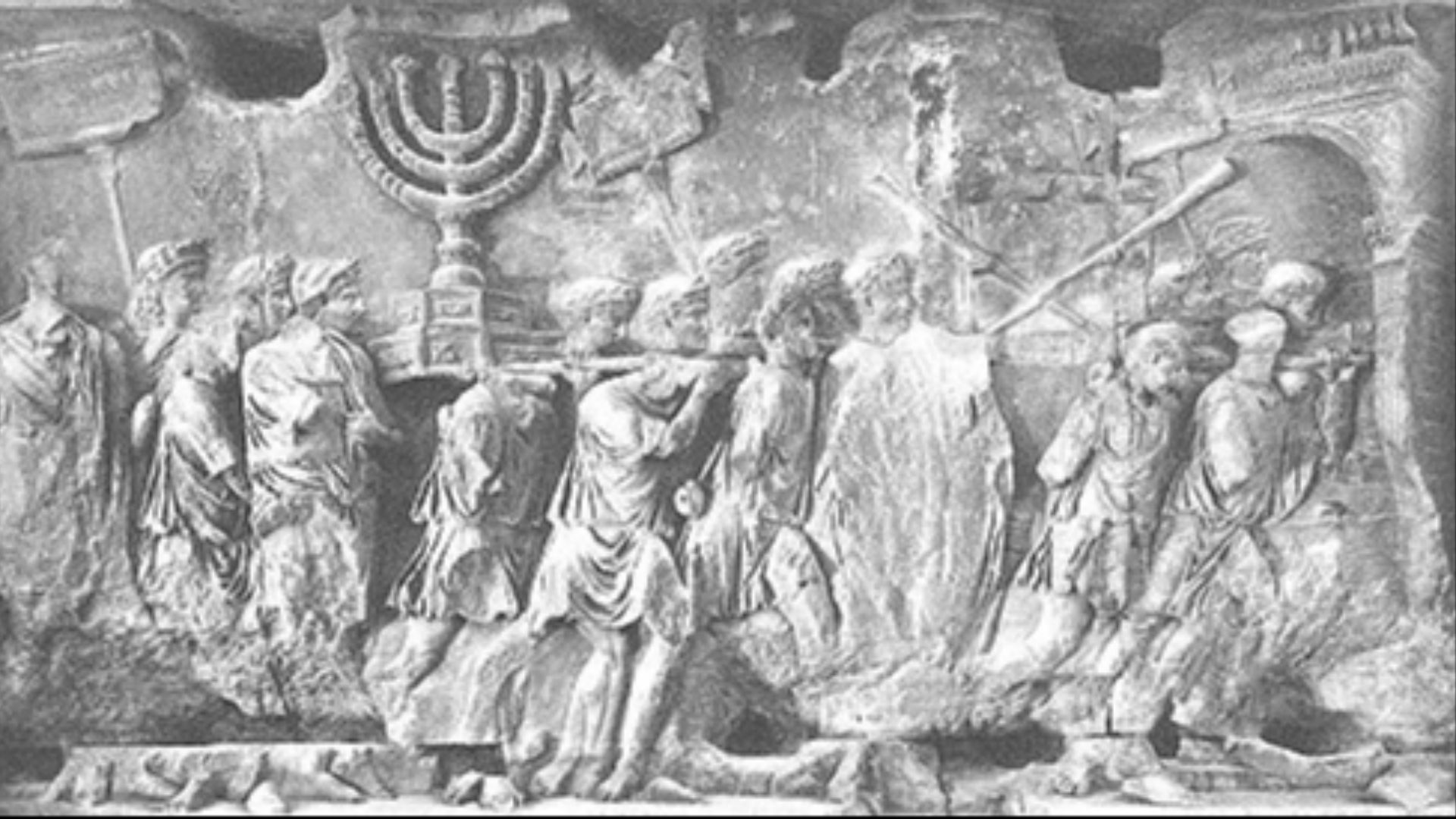 AnonymousUnknown author on Wikimedia
3. The Fall of Baghdad (1258)
When Mongol forces took Baghdad, surrender did little to protect the population. Mass killings followed, devastating one of the most important cities of the time. The aftermath erased entire communities along with the political order.
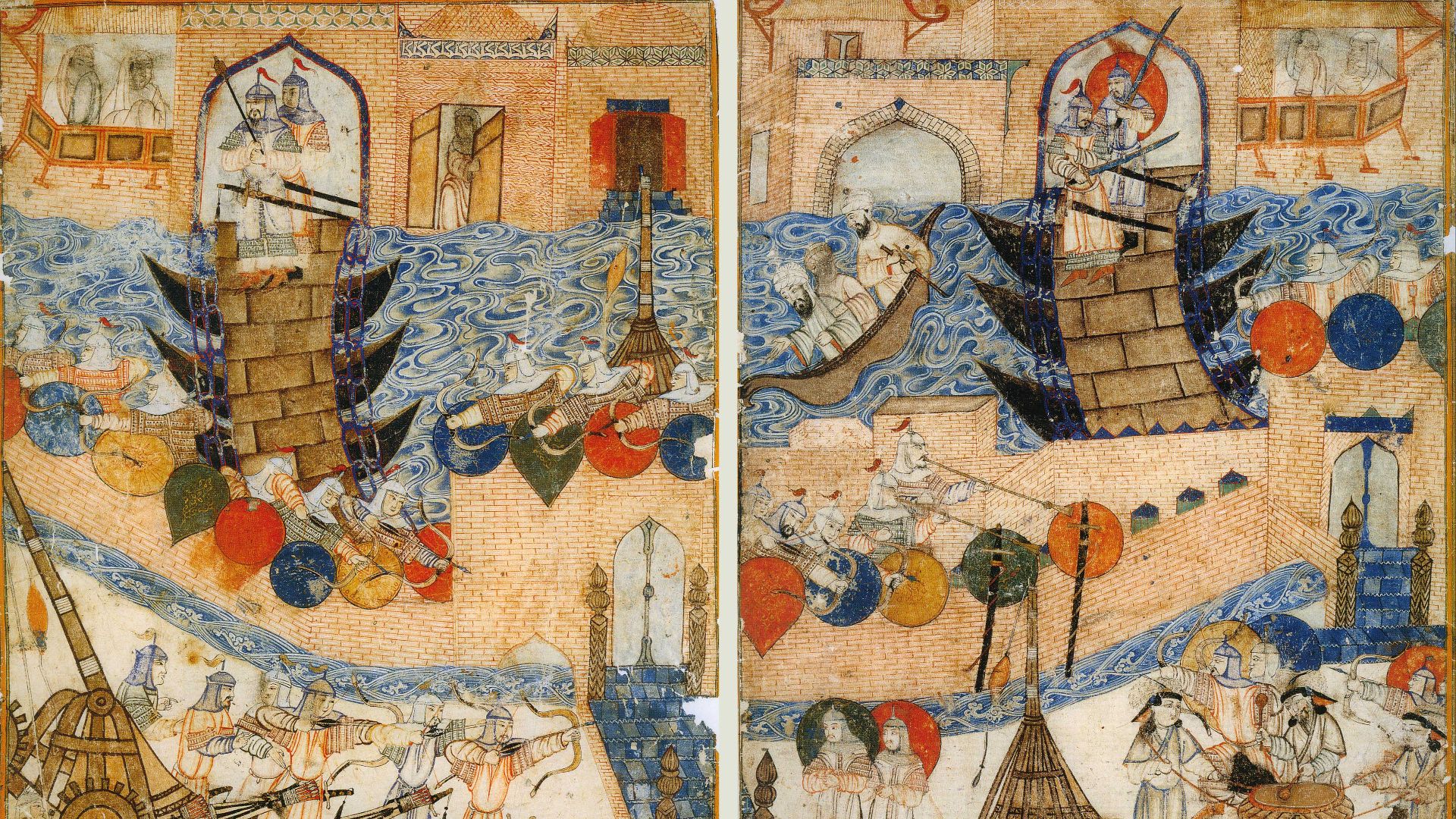 unknown / (of the reproduction) Staatsbibliothek Berlin/Schacht on Wikimedia
4. The Massacre of Béziers (1209)
During the Albigensian Crusade, the city of Béziers fell quickly. Surrender offered no protection as crusaders killed thousands indiscriminately. The event became infamous for its blunt disregard for distinctions between combatants and civilians.
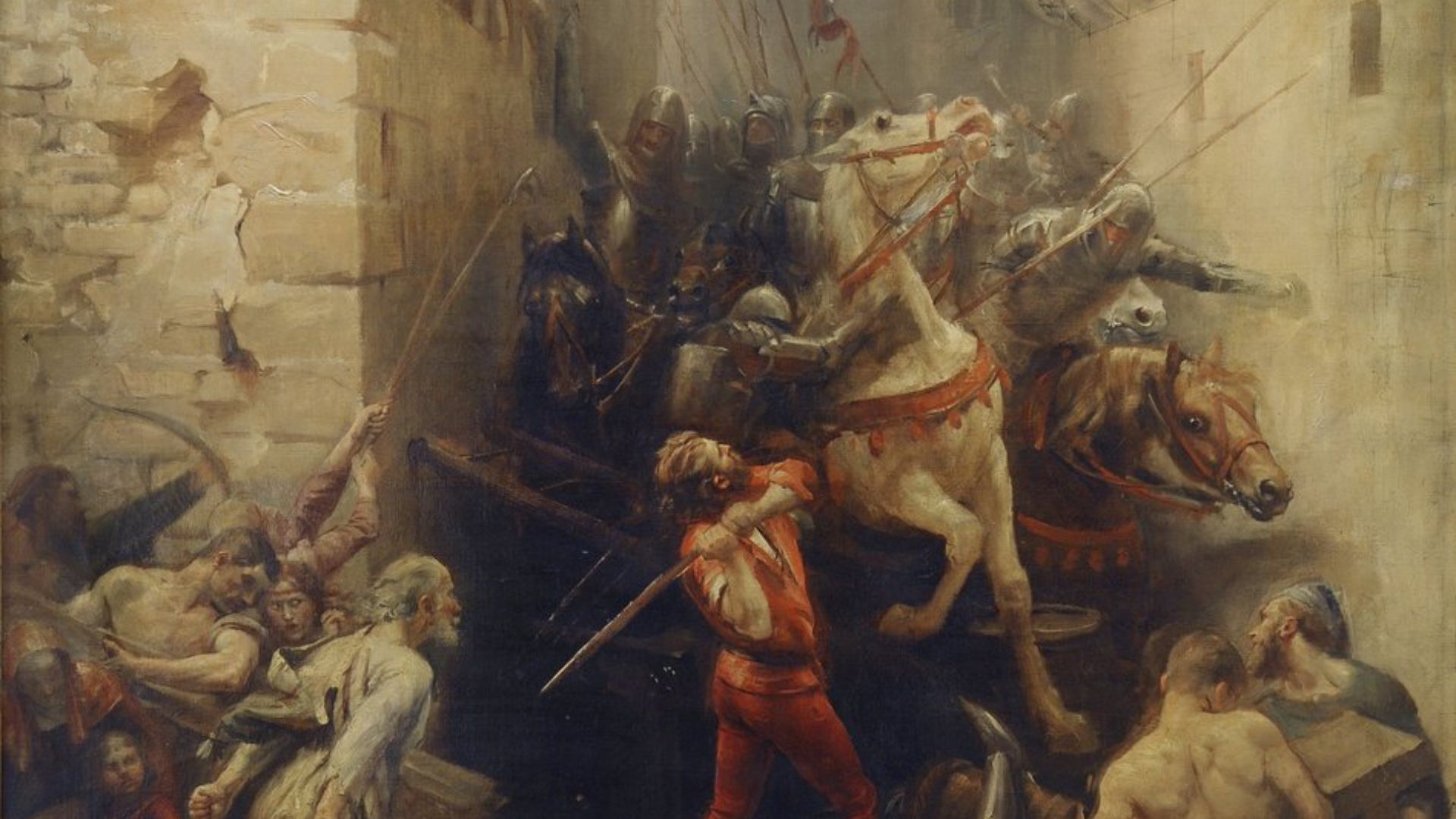 Joseph-Noël Sylvestre on Wikimedia
5. The Fall of Constantinople (1453)
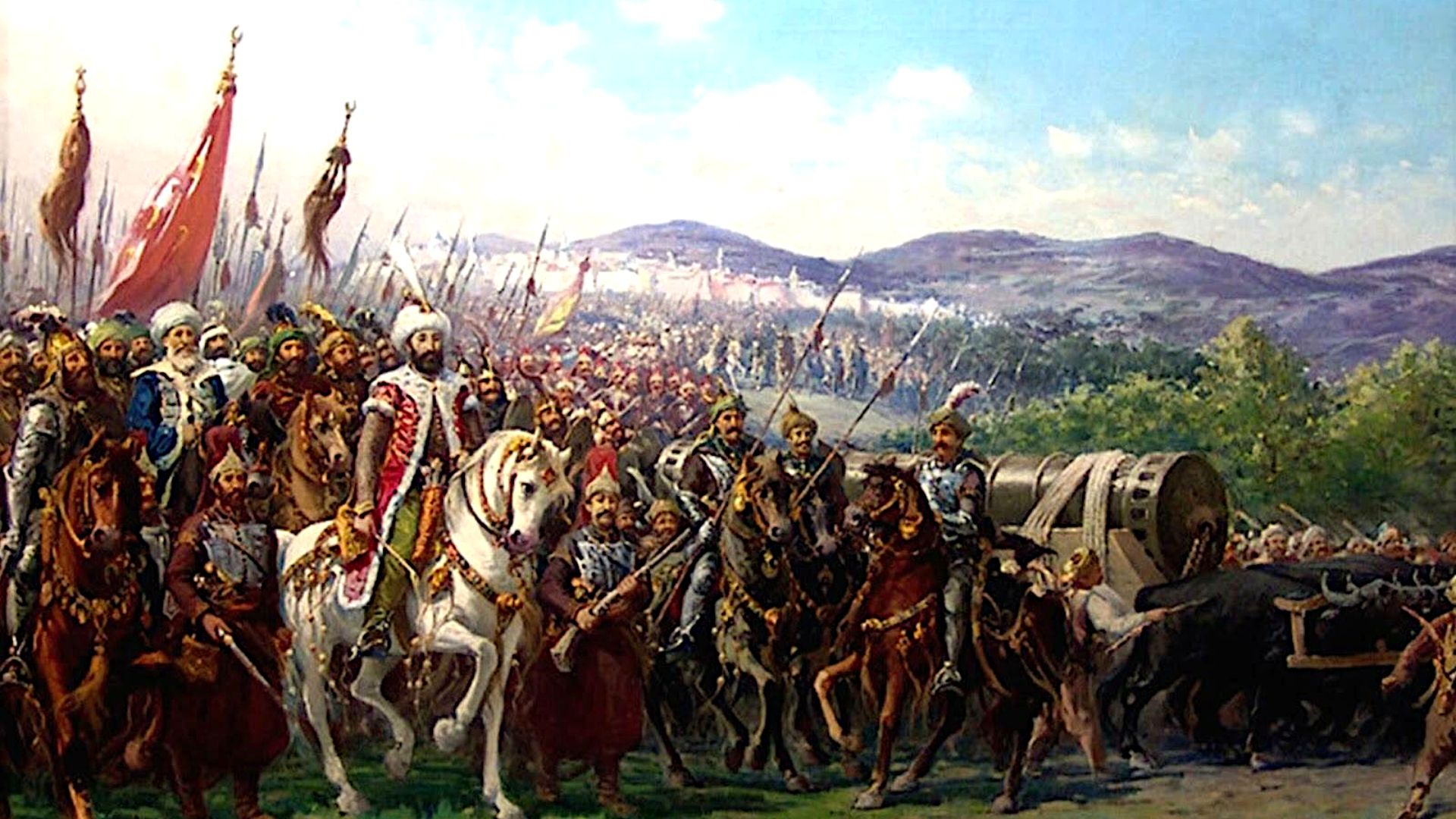
After the city fell to Ottoman forces, many who had surrendered were still subjected to violence, enslavement, or forced displacement. While some were spared, the immediate aftermath was chaotic and brutal. The collapse of the city came with a heavy human cost.
6. The Massacre at Drogheda (1649)
Oliver Cromwell’s forces stormed Drogheda, and once resistance ended, many defenders were still killed. The killings extended beyond active combat, targeting those who had effectively surrendered. It set a tone for fear across Ireland.
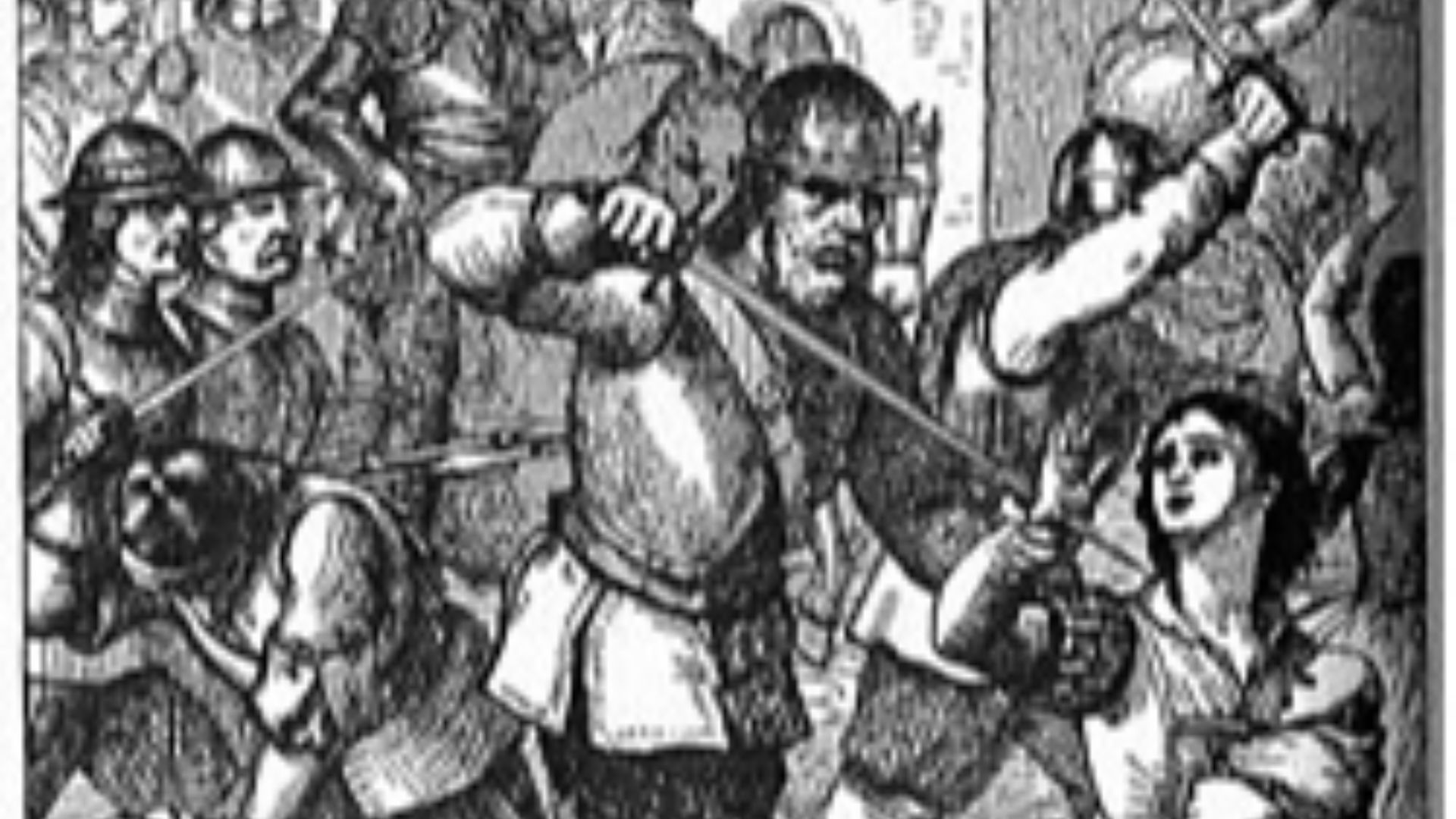 commons.wikimedia.org on Google
7. The Massacre at Wounded Knee (1890)
Lakota Sioux had largely disarmed when U.S. troops attempted to control the situation. A chaotic moment escalated, and soldiers opened fire on men, women, and children. What began as a disarmament turned into widespread killing.
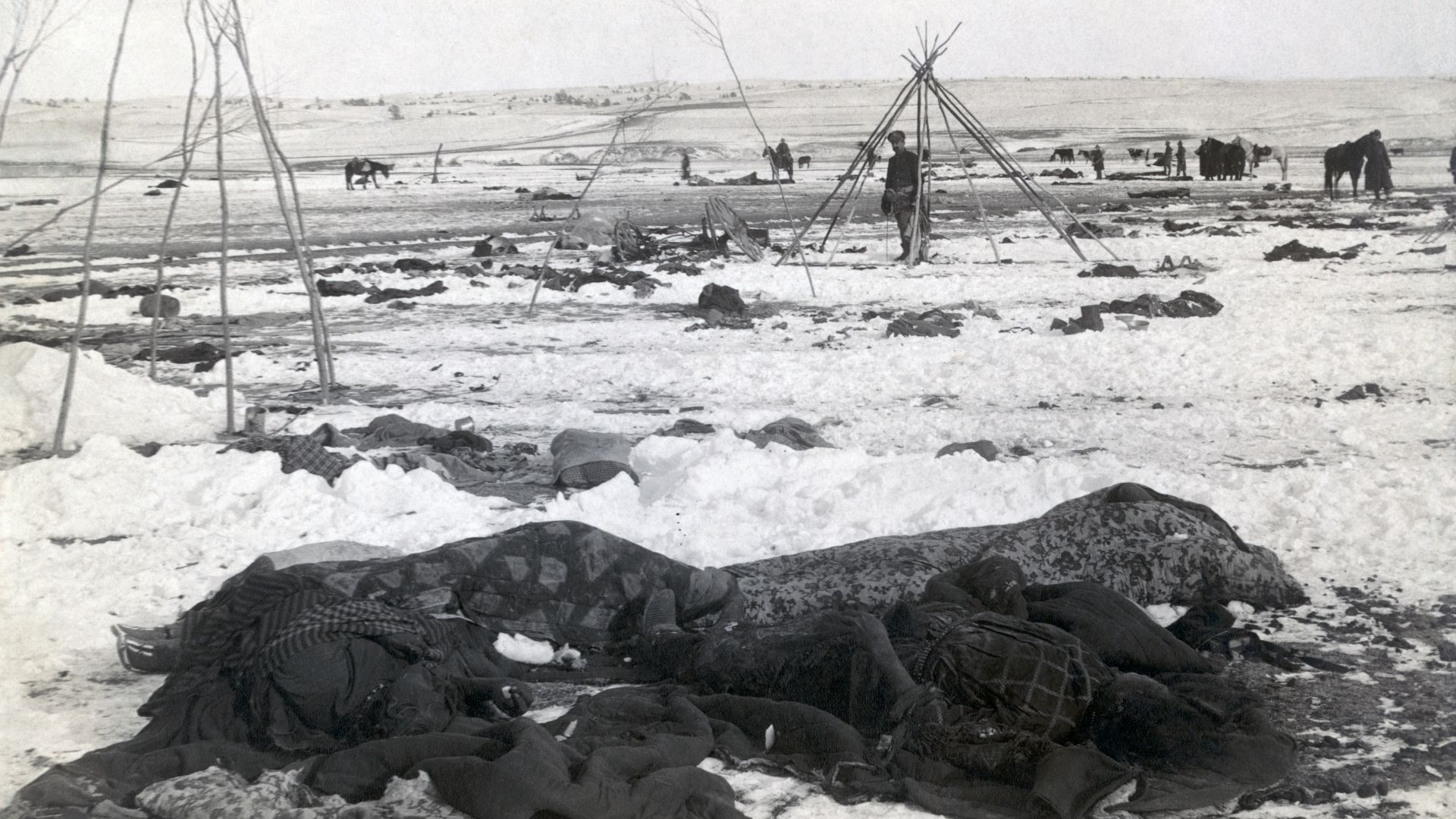 Trager & Kuhn, Chadron, Nebr. on Wikimedia
8. The Fall of Nanjing (1937)
Chinese forces collapsed and many soldiers and civilians attempted to surrender. Japanese troops carried out mass executions and atrocities in the aftermath. The violence continued well beyond the point where organized resistance ended.
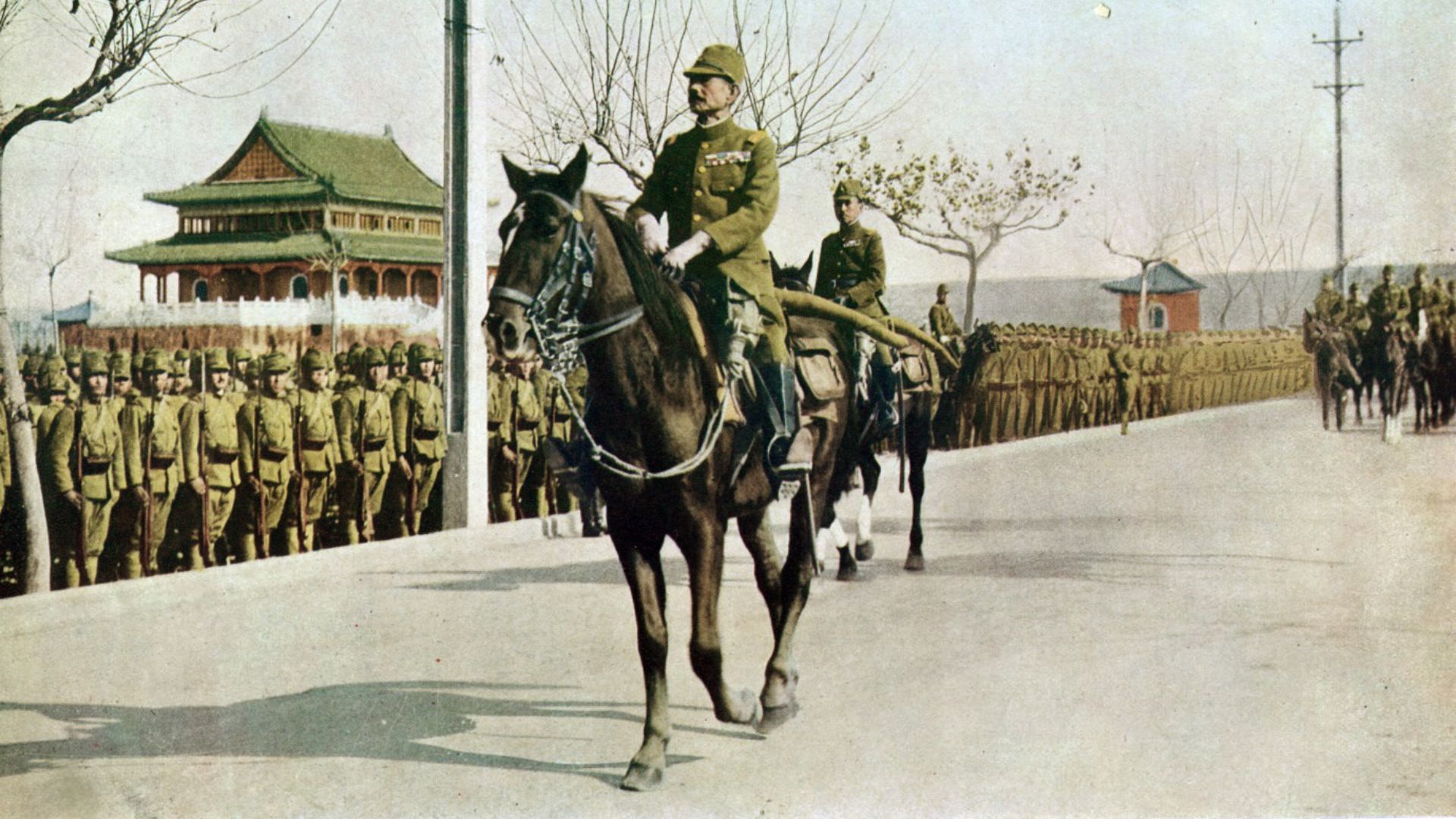 Unknown authorUnknown author on Wikimedia
9. The Bataan Death March (1942)
After surrendering to Japanese forces, thousands of American and Filipino soldiers were forced into a brutal march. Many died from exhaustion, starvation, or execution along the way. Surrender marked the start of a different kind of suffering.
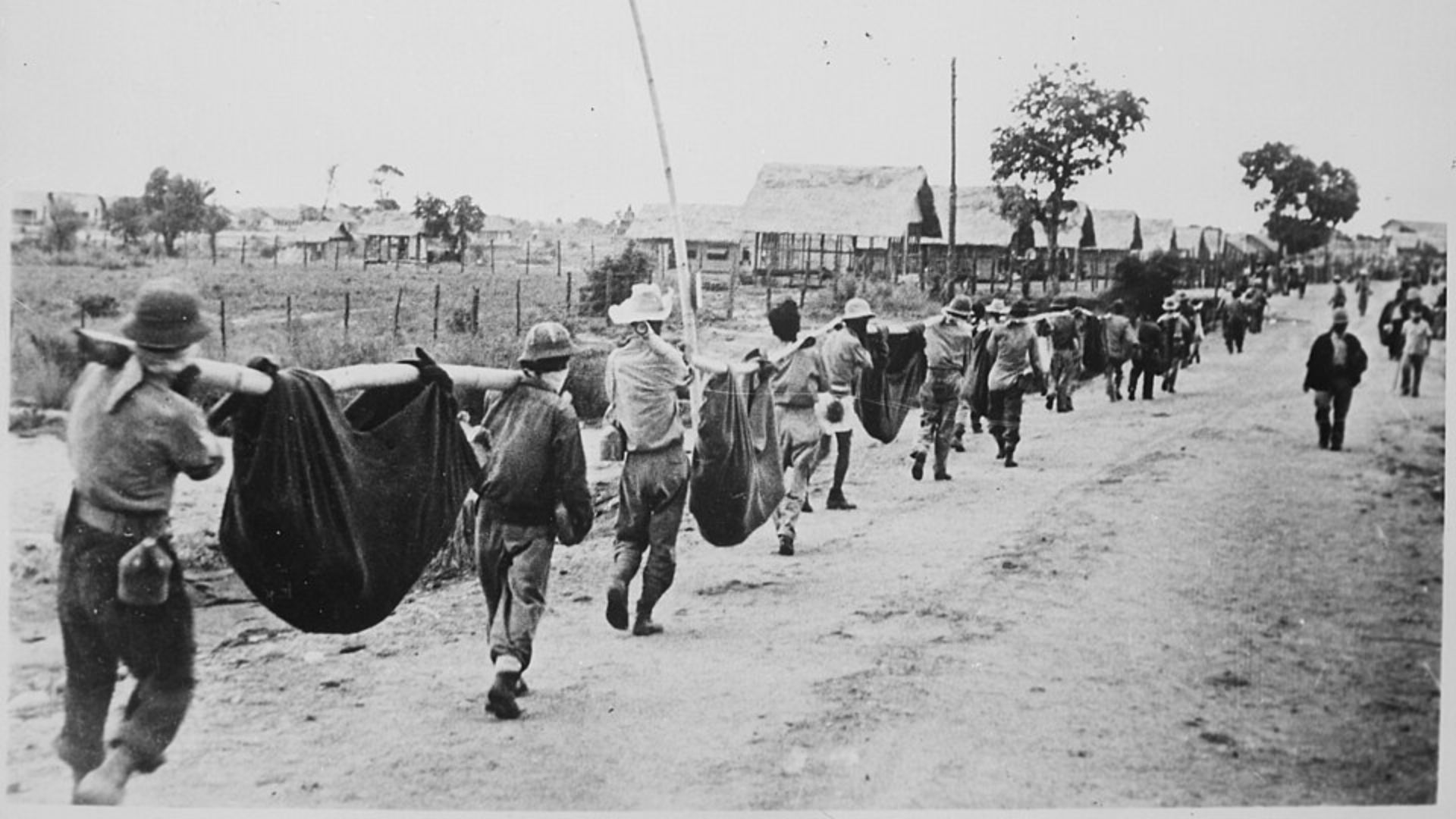 commons.wikimedia.org on Google
10. The Malmedy Massacre (1944)
During the Battle of the Bulge, American prisoners of war were gathered after surrendering. German SS troops then opened fire on them. The killings became one of the most notorious war crimes in the European theater.
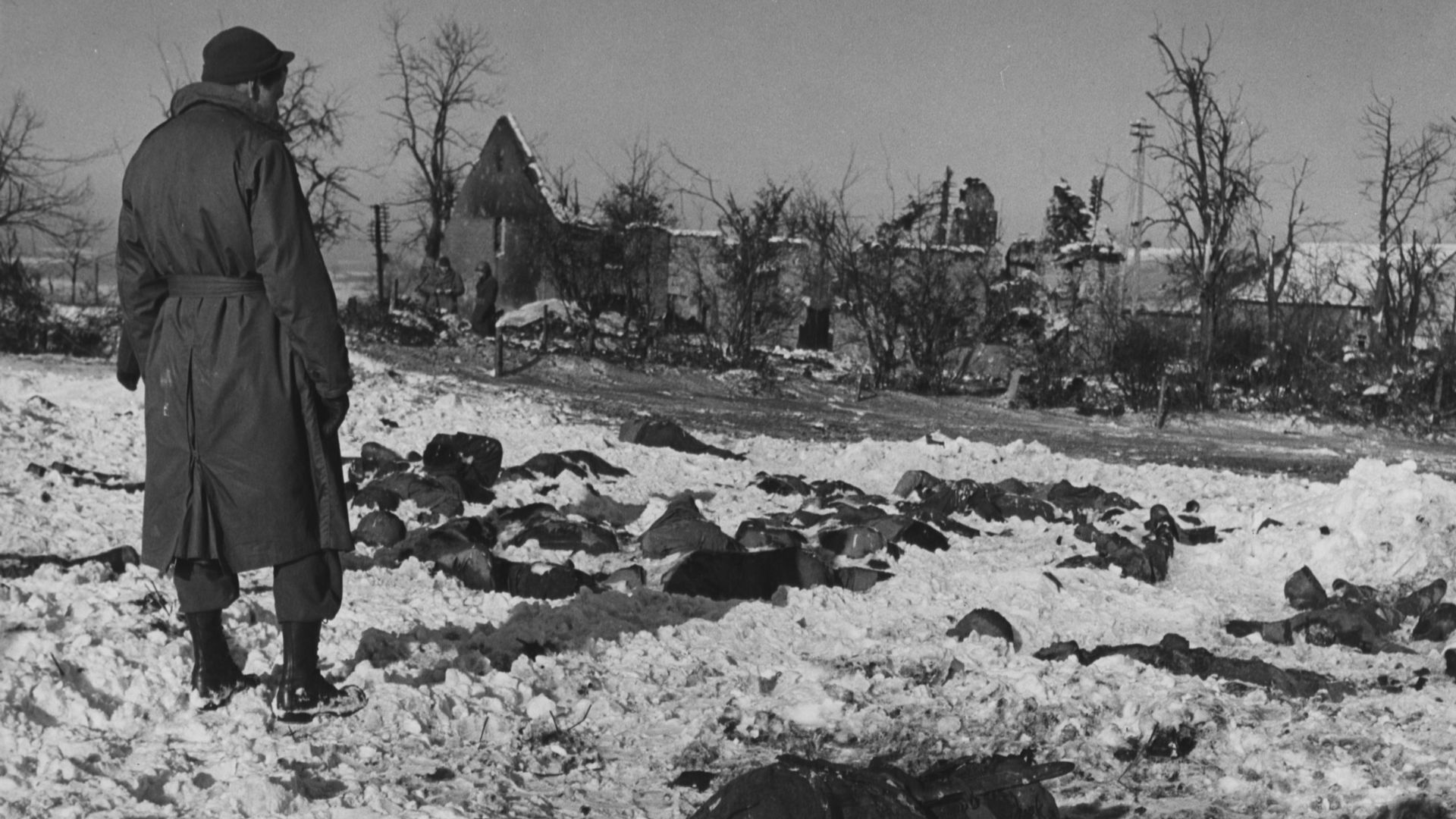
11. The Katyn Massacre (1940)
Polish officers captured by Soviet forces were held as prisoners after surrender. Thousands were later executed in secret. The killings erased much of Poland’s military leadership in a single act.
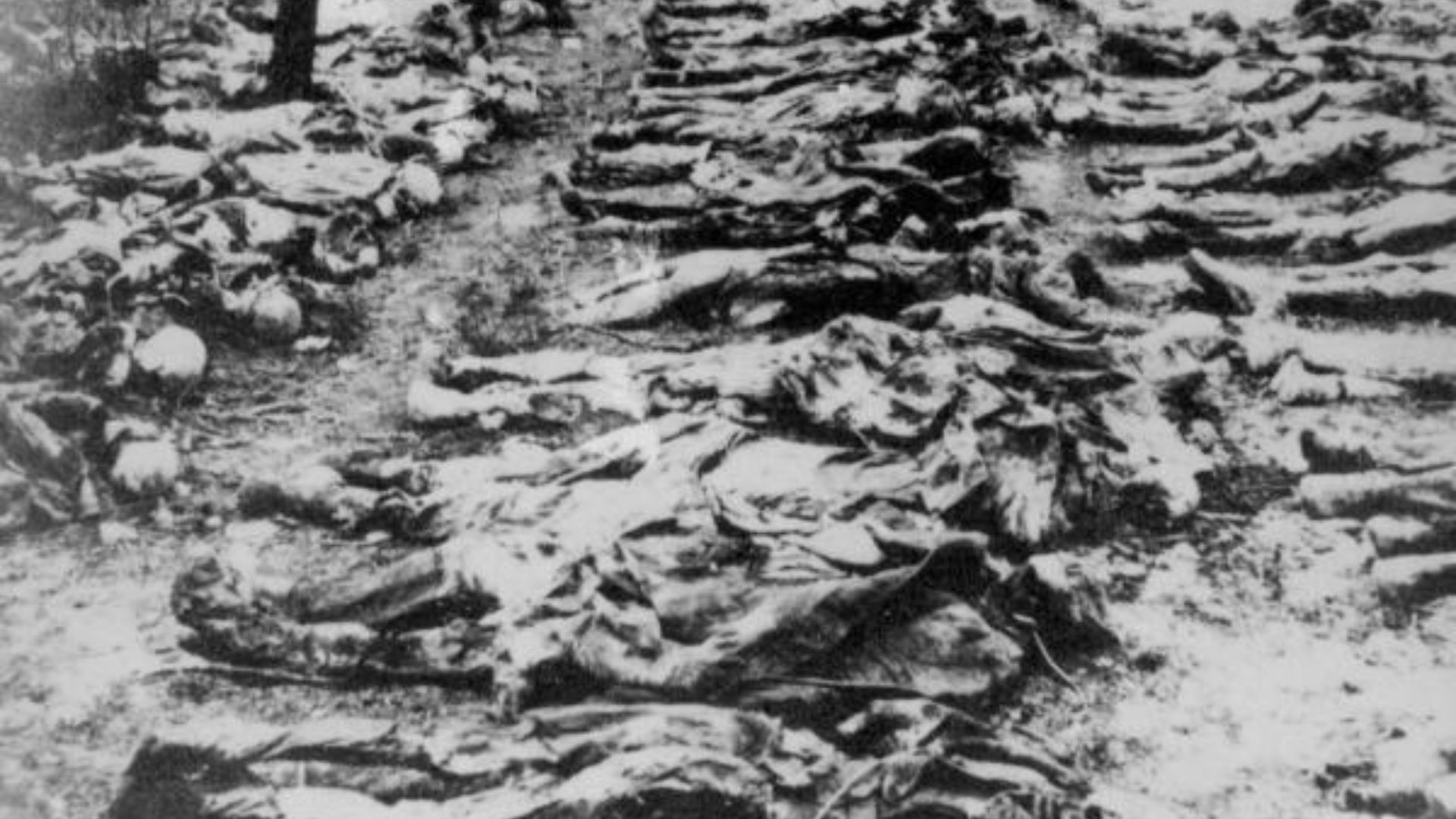 Photo : unknown, probably Polish Red Cross delegation
Uploaded by Andros64 on Wikimedia
Photo : unknown, probably Polish Red Cross delegation
Uploaded by Andros64 on Wikimedia
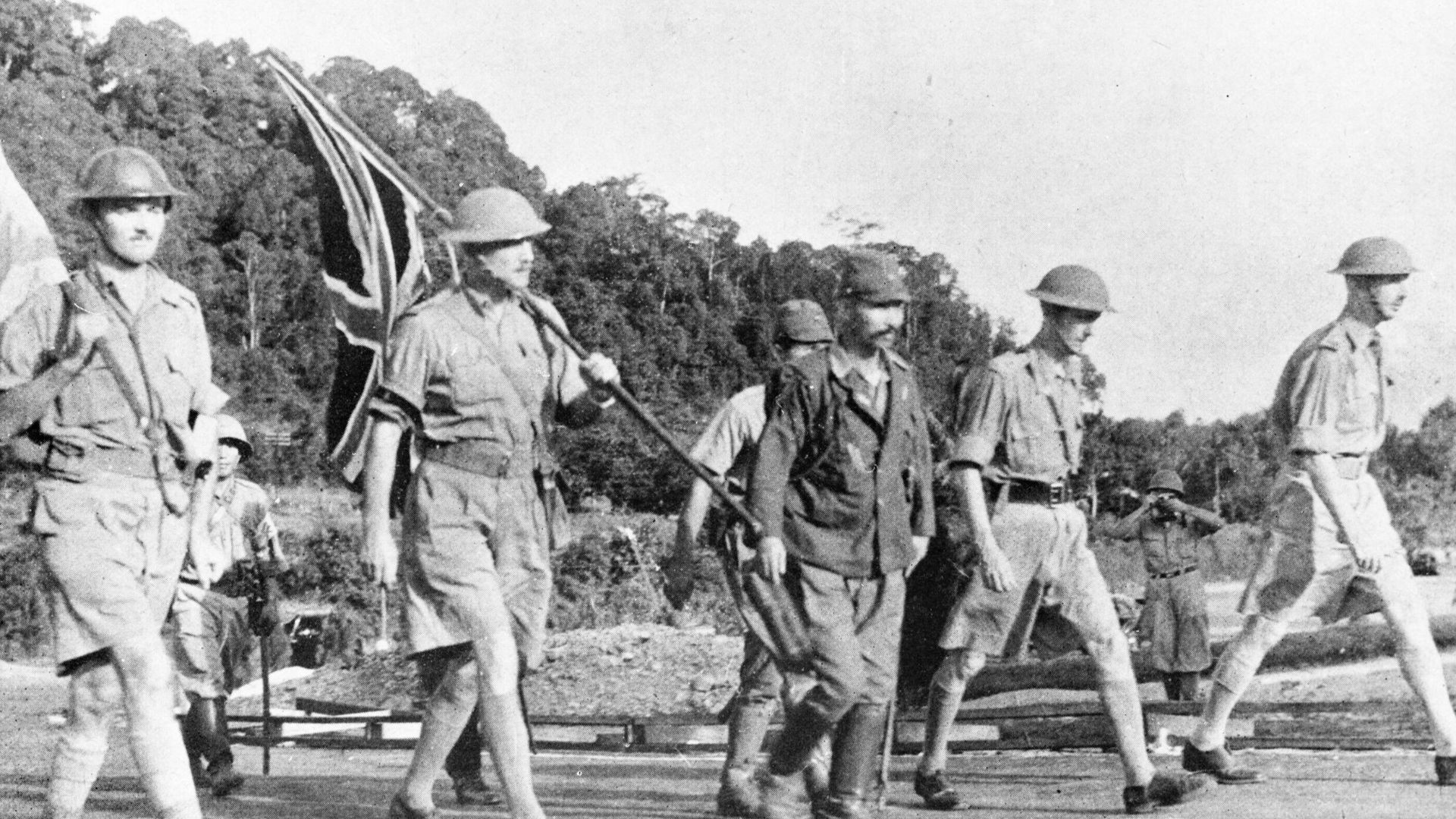
12. The Fall of Singapore (1942)
British and Allied forces surrendered to Japan, expecting standard treatment as prisoners. Instead, many endured harsh conditions, forced labor, and widespread abuse. The surrender marked the beginning of prolonged hardship rather than safety.
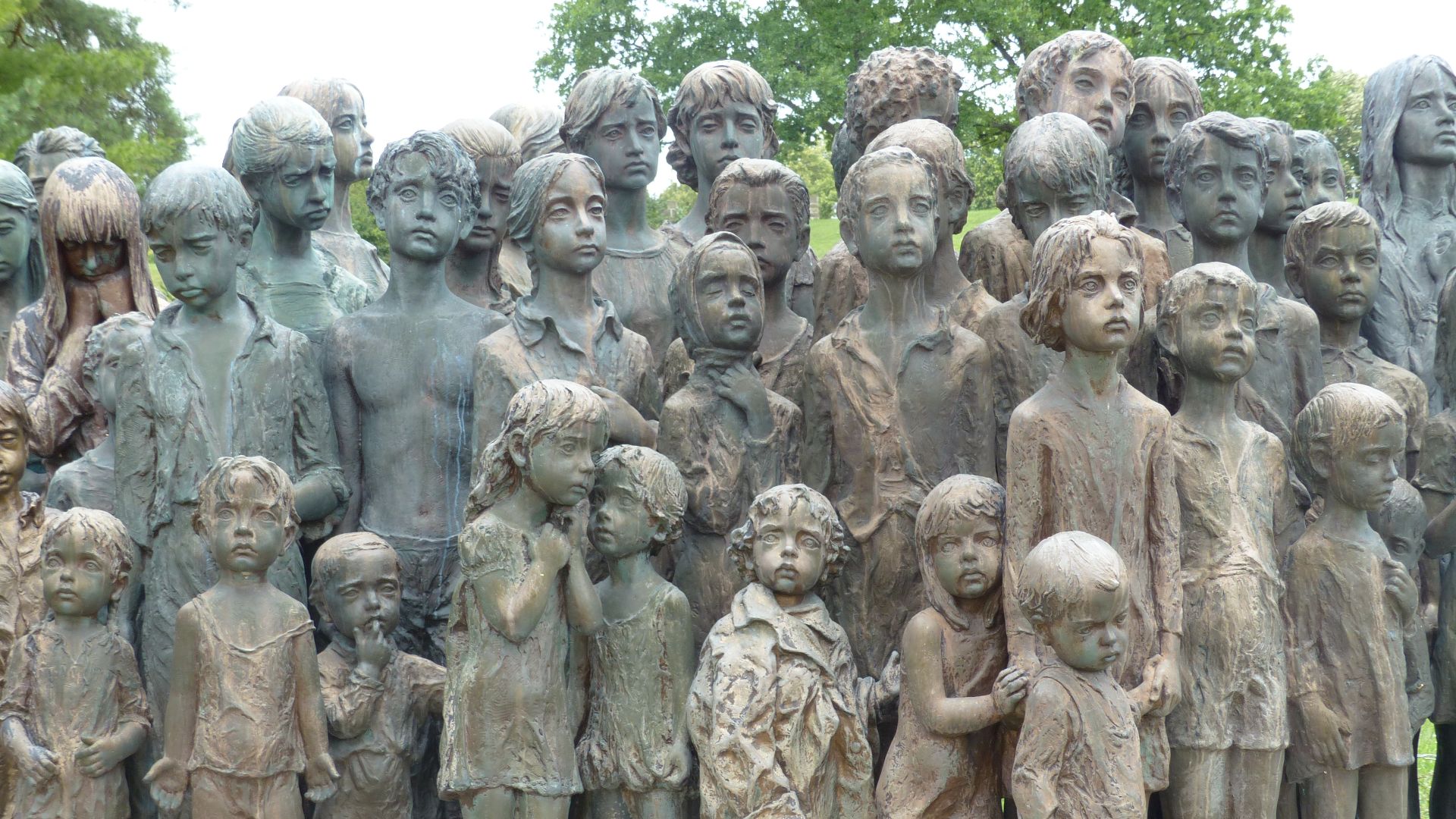
13. The Massacre at Lidice (1942)
After the assassination of a Nazi official, the village of Lidice was effectively neutralized and offered no resistance. German forces executed the men and deported women and children. The destruction was carried out as collective punishment.
 commons.wikimedia.org on Google
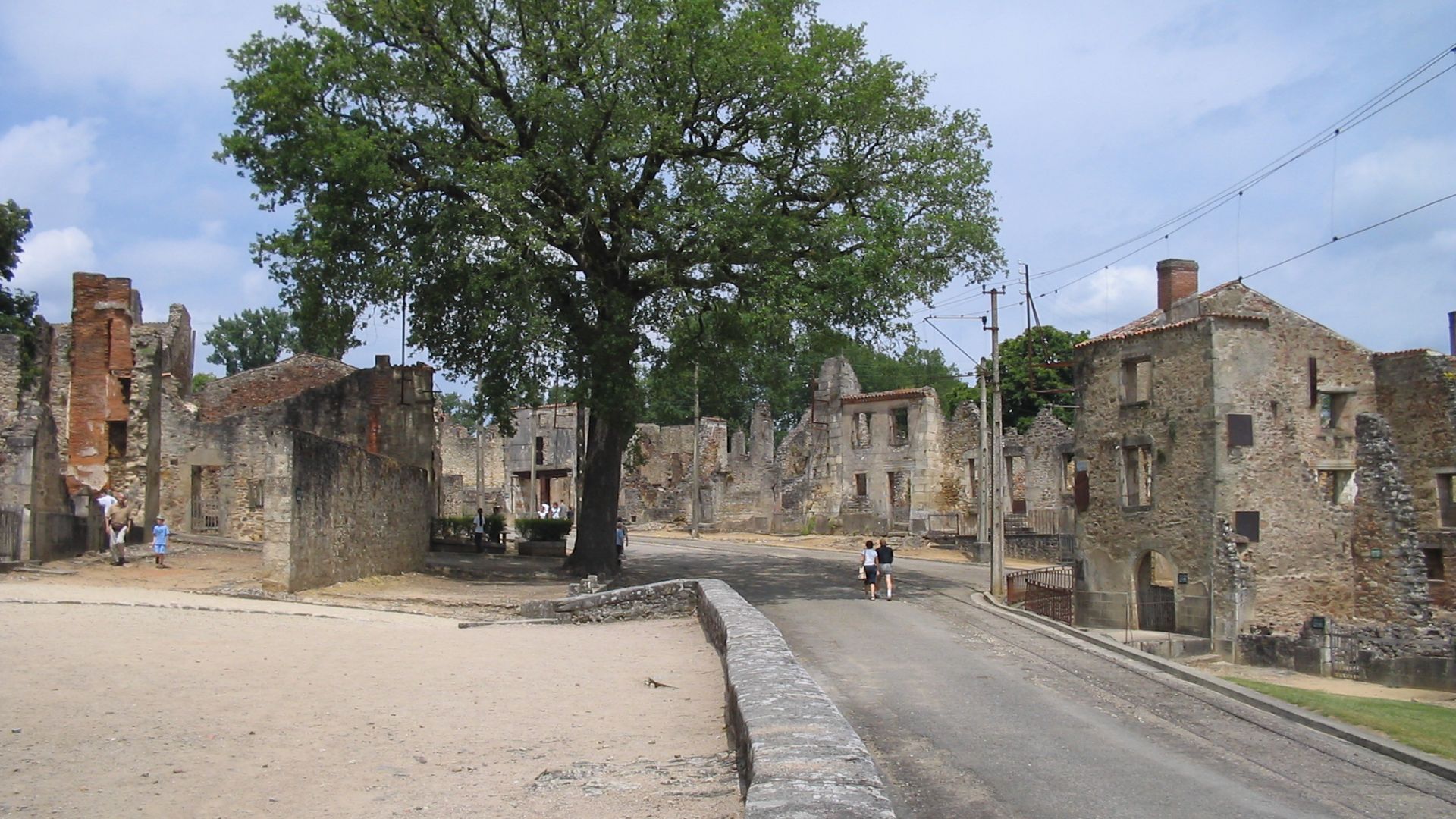
14. The Oradour-sur-Glane Massacre (1944)
Residents of the French village were rounded up by German troops. With no resistance offered, men, women, and children were separated and killed. The village was left as a permanent ruin.
 commons.wikimedia.org on Google
15. The Fall of Saigon (1975)
As South Vietnam collapsed, many who had surrendered or were associated with the former government faced imprisonment or execution. Reeducation camps became a widespread reality. The end of the war did not bring immediate safety for everyone involved.
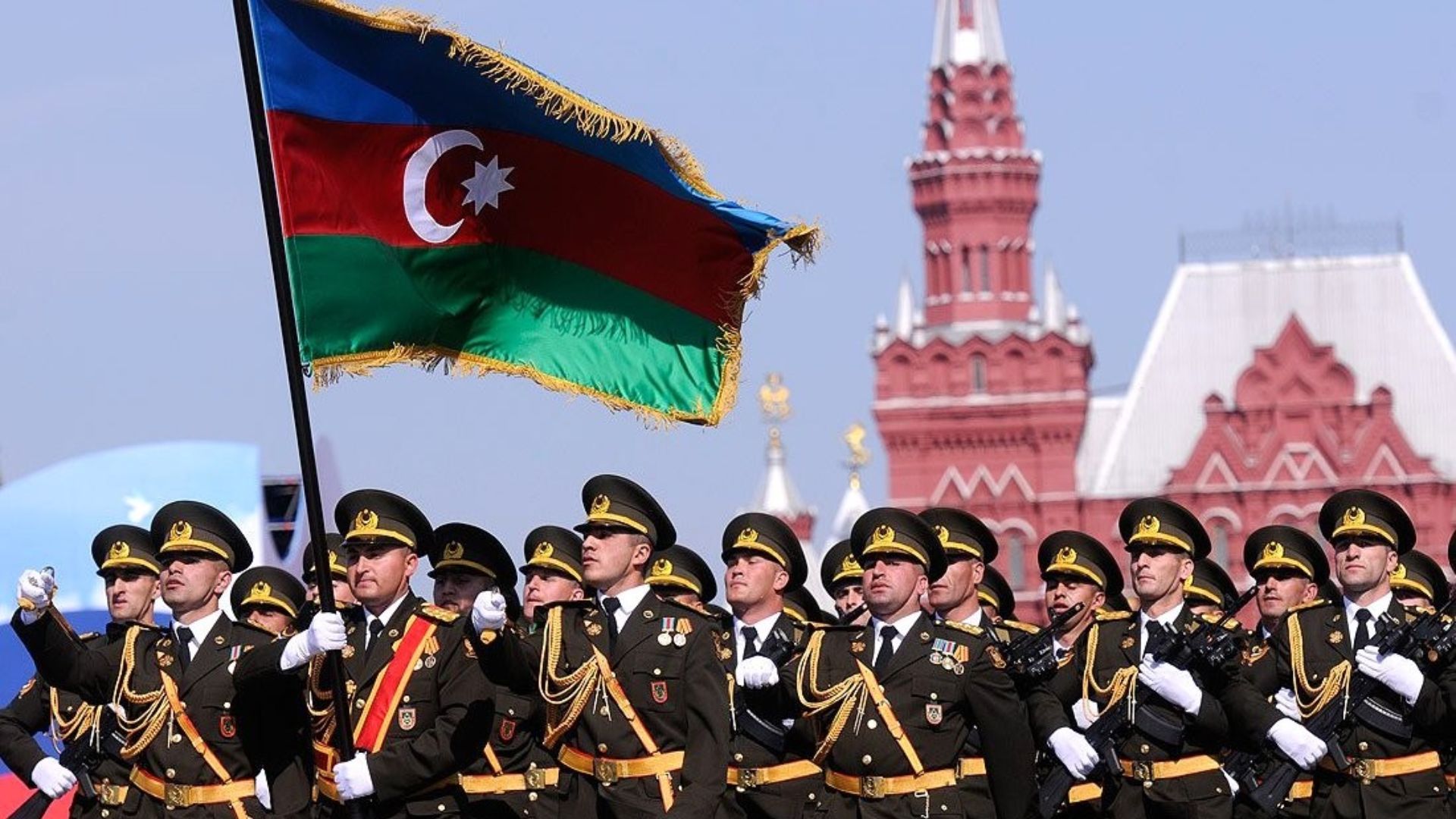 Presidential Press and Information Office on Wikimedia
16. The Srebrenica Massacre (1995)
Bosniak men and boys sought refuge and effectively surrendered under UN protection. They were separated and executed by Bosnian Serb forces. The event stands as one of the most devastating failures of protection in modern conflict.
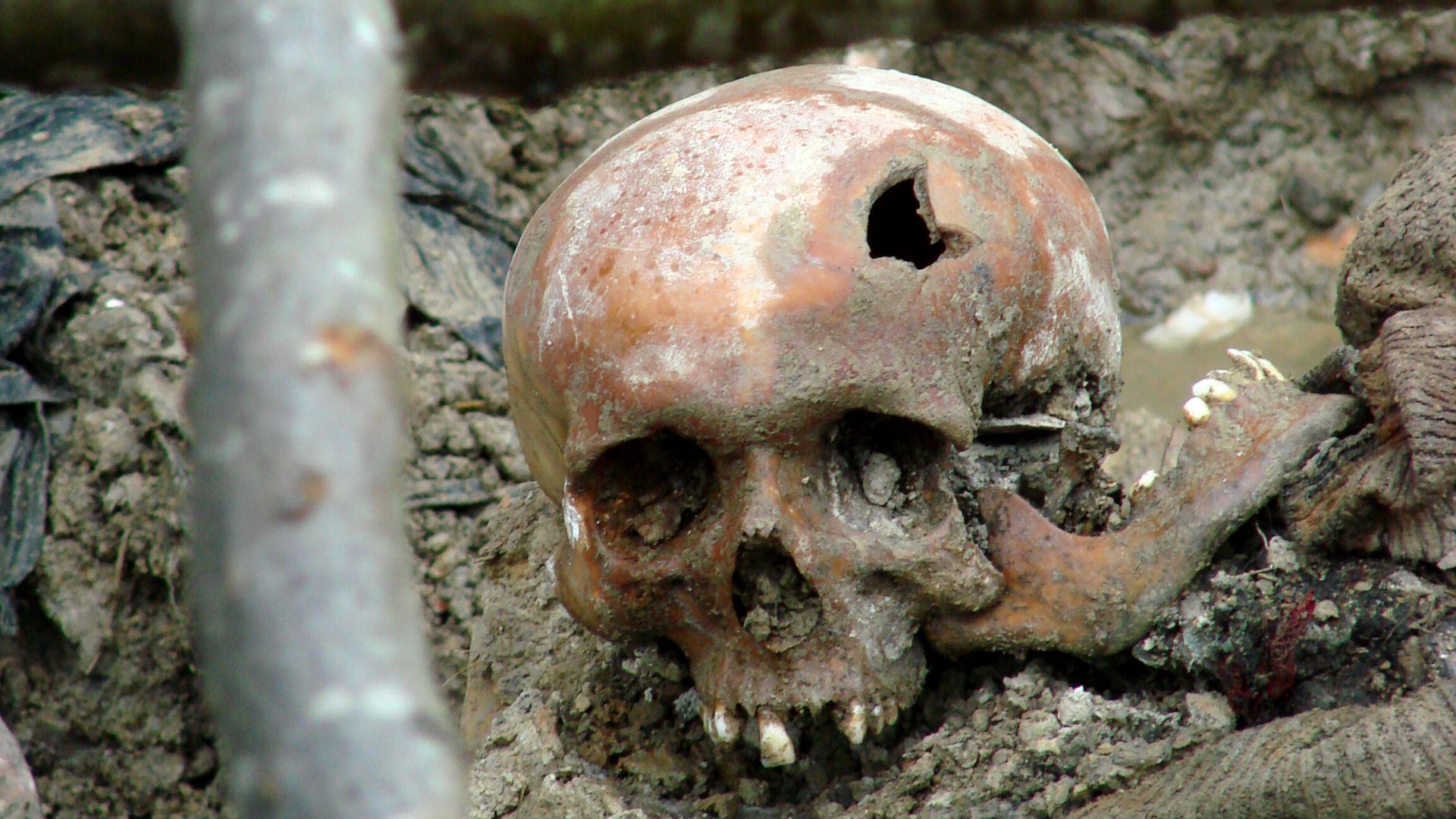 Adam Jones Adam63 on Wikimedia
17. The My Lai Massacre (1968)
Villagers offered no resistance to U.S. troops entering the area. Despite this, soldiers killed hundreds of civilians. The violence unfolded without any meaningful opposition from those targeted.
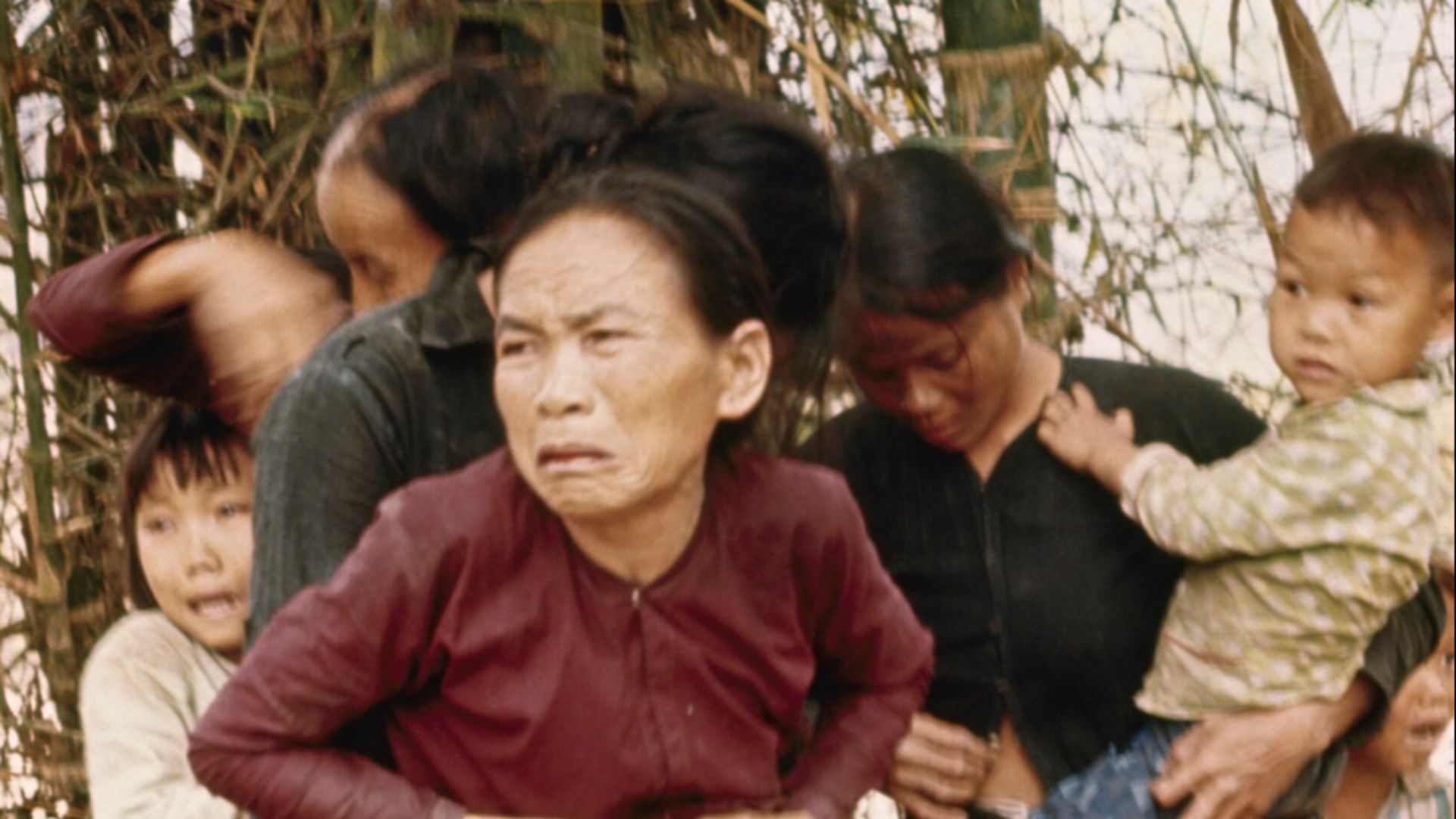 Ronald L. Haeberle on Wikimedia
18. The Fall of Phnom Penh (1975)
When the Khmer Rouge took control, the city effectively surrendered. Residents were forced out, and many later died from execution, starvation, or forced labor. The surrender marked the start of a wider catastrophe.
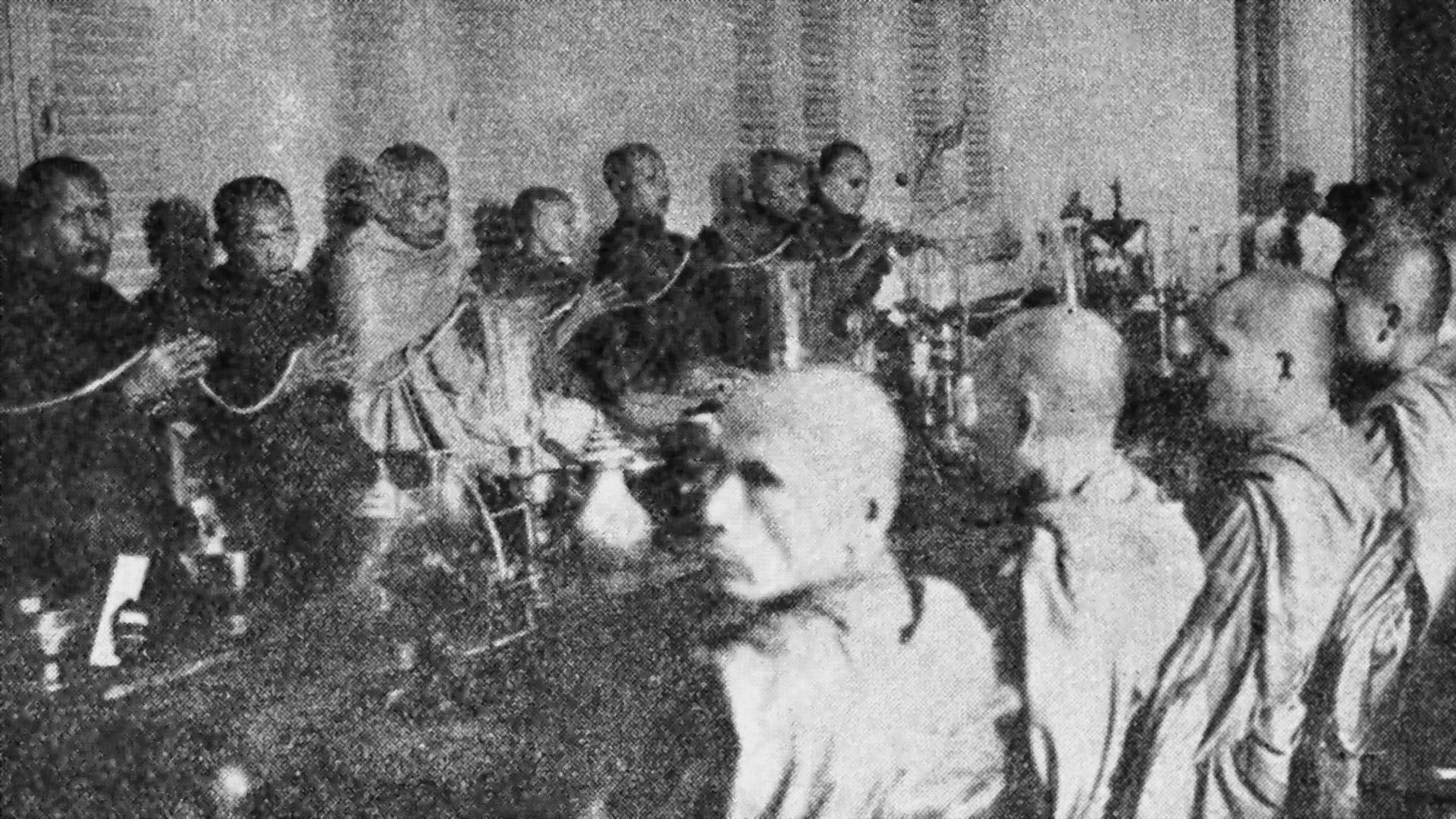 Institut bouddhique de Phnom Penh on Wikimedia
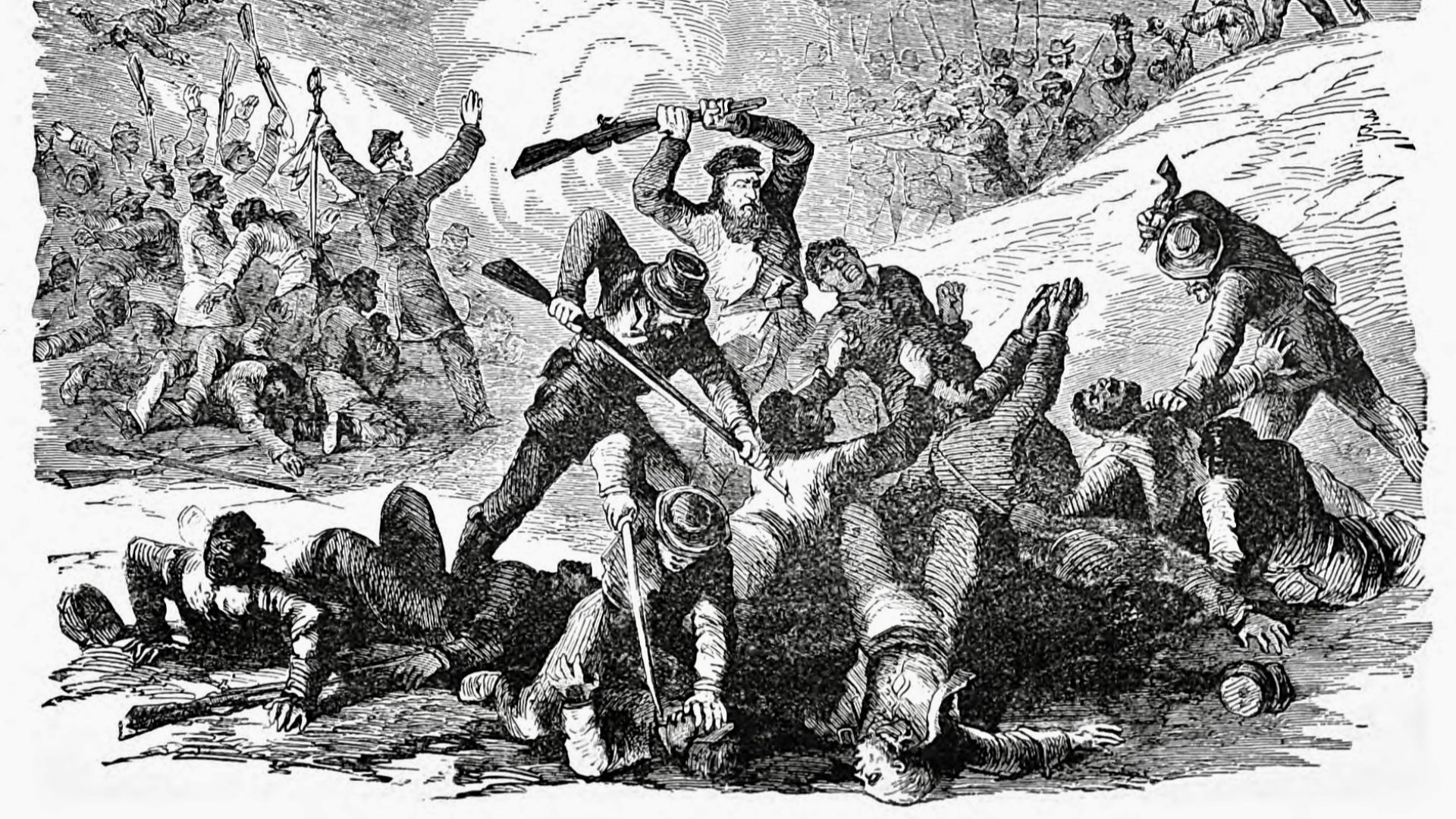
19. The Massacre at Fort Pillow (1864)
Union troops, many of them Black soldiers, surrendered to Confederate forces. Reports indicate that many were killed after laying down their arms. The event became a symbol of racial violence during the Civil War.
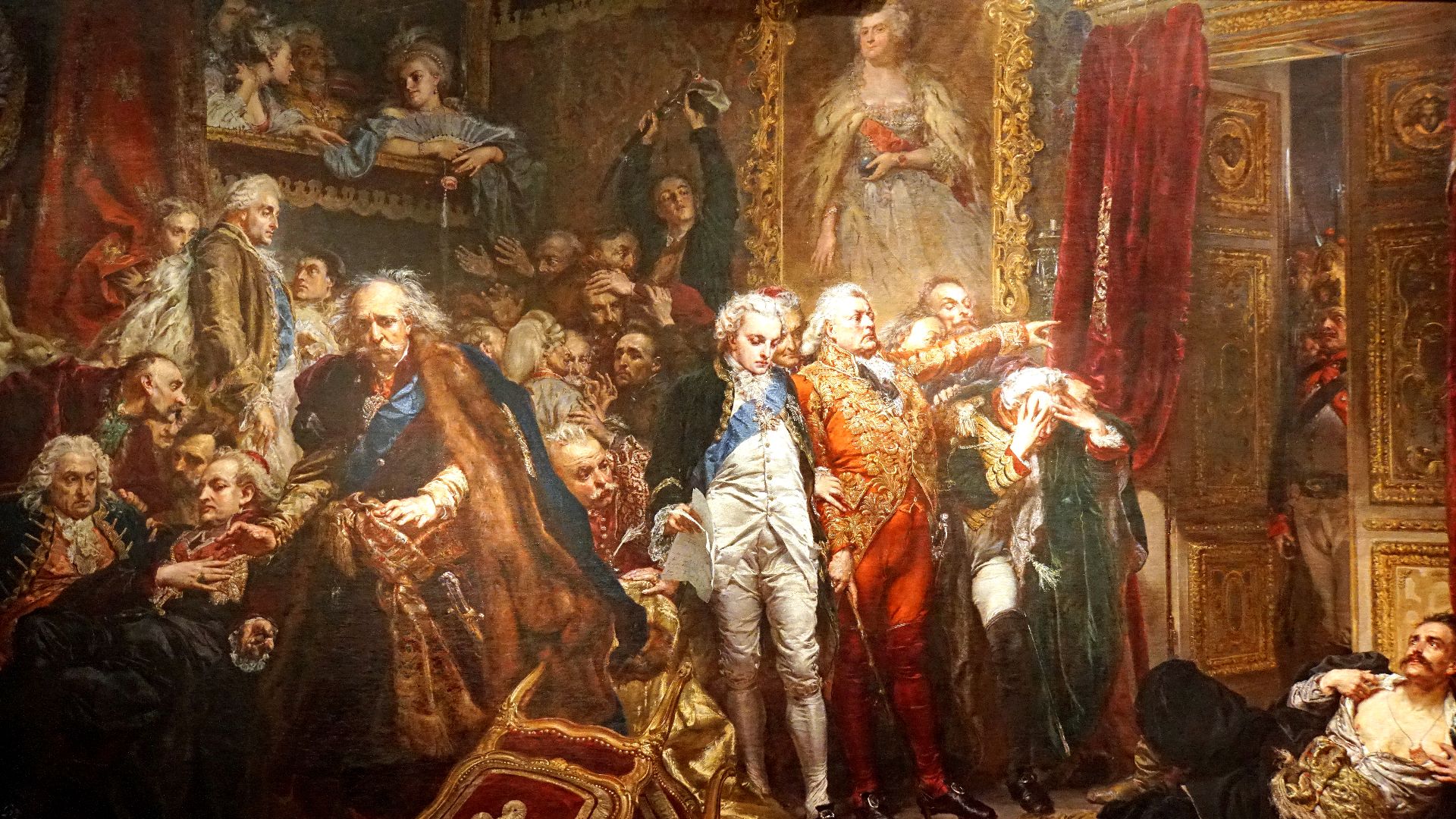
20. The Fall of Warsaw (1939)
As Polish resistance collapsed, civilians and remaining forces surrendered. Despite this, bombings and reprisals continued. The surrender did not immediately halt the suffering within the city.


KEEP ON READING
The story of Ching Shih, the Woman Who Became the…
Unknown author on WikimediaFew figures in history are as feared…
By Emilie Richardson-Dupuis Dec 29, 2025
Einstein's Violin Just Sold At An Auction—And It Earned More…
A Visionary's Violin. Wanda von Debschitz-Kunowski on WikimediaWhen you hear…
By Ashley Bast Nov 3, 2025
This Infamous Ancient Greek Burned Down An Ancient Wonder Just…
History remembers kings and conquerors, but sometimes, it also remembers…
By David Davidovic Nov 12, 2025
The Mysterious "Sea People" Who Collapsed Civilization
3,200 years ago, Bronze Age civilization in the Mediterranean suddenly…
By Robbie Woods Mar 18, 2025
20 Historical Individuals Who Were The Last Of Their Kind
The End of an Era. These individuals often found themselves…
By Sara Springsteen Mar 18, 2026
20 Soldiers Who Defied Expectations
Changing the Rules of the Battlefield. You’ve probably heard plenty…
By Annie Byrd Feb 10, 2026