

Loss, Pain, and Unfair Circumstances
History often remembers famous people for what they achieved, changed, created, or endured, but the fuller story is sometimes far more painful than the legacy suggests. Many historical figures lived through numerous hardships, from illness to poverty, though their public accomplishments make it easy to overlook the suffering behind them. The 20 figures we'll cover on this list are remembered for very different reasons, but each lived a life shaped by tragedy in ways that still feel striking when you look beyond the surface.
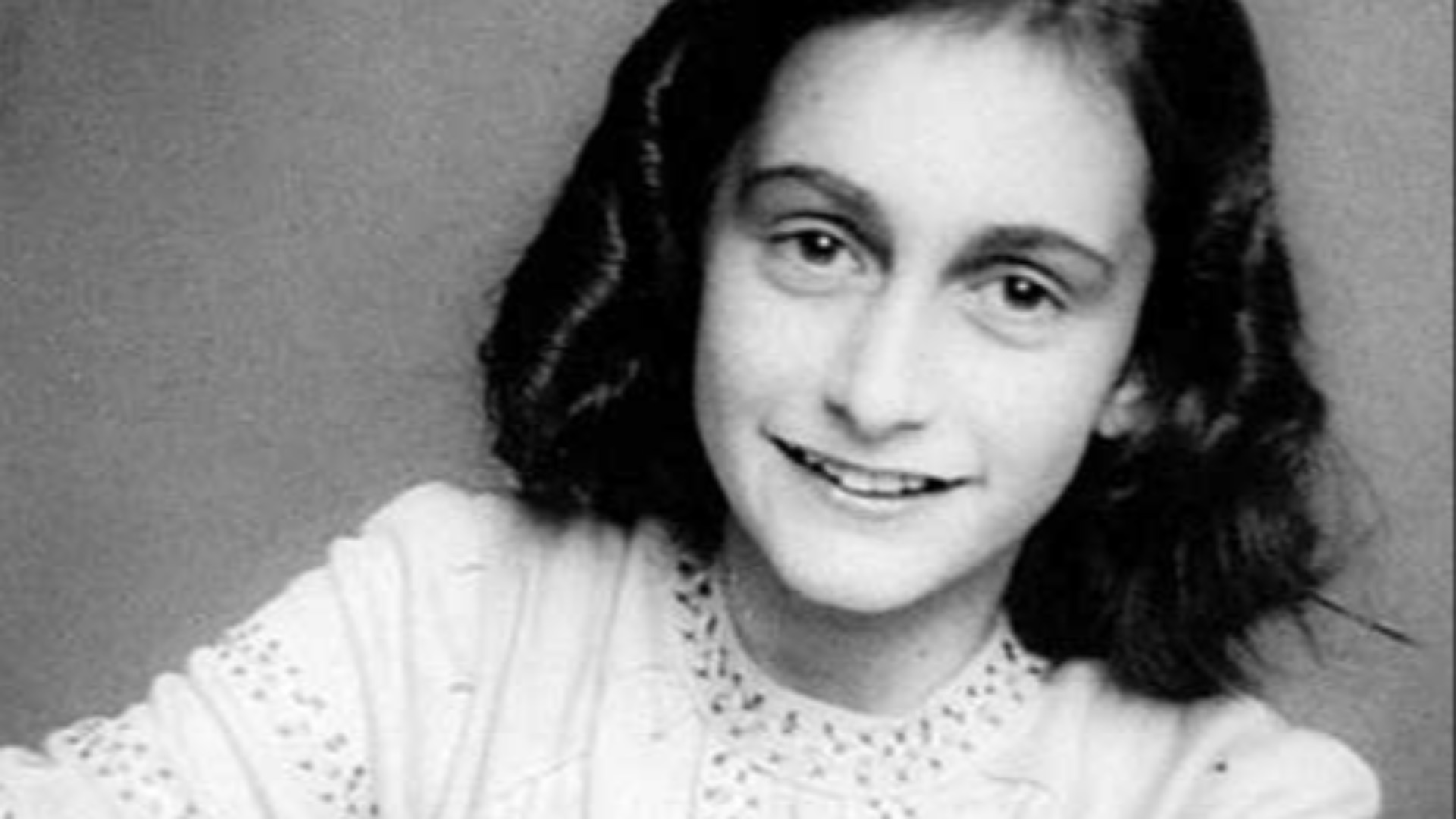
1. Anne Frank
Anne Frank’s life was cut short before she had the chance to become the writer she hoped to be. After hiding with her family in Amsterdam during the Nazi occupation of the Netherlands, she was arrested in 1944 and deported to concentration camps. She died of typhus at Bergen-Belsen in 1945, only weeks before the camp was liberated, leaving behind a diary that made her one of the most powerful voices of the Holocaust.
 Anonymous, Unknown author on Wikimedia
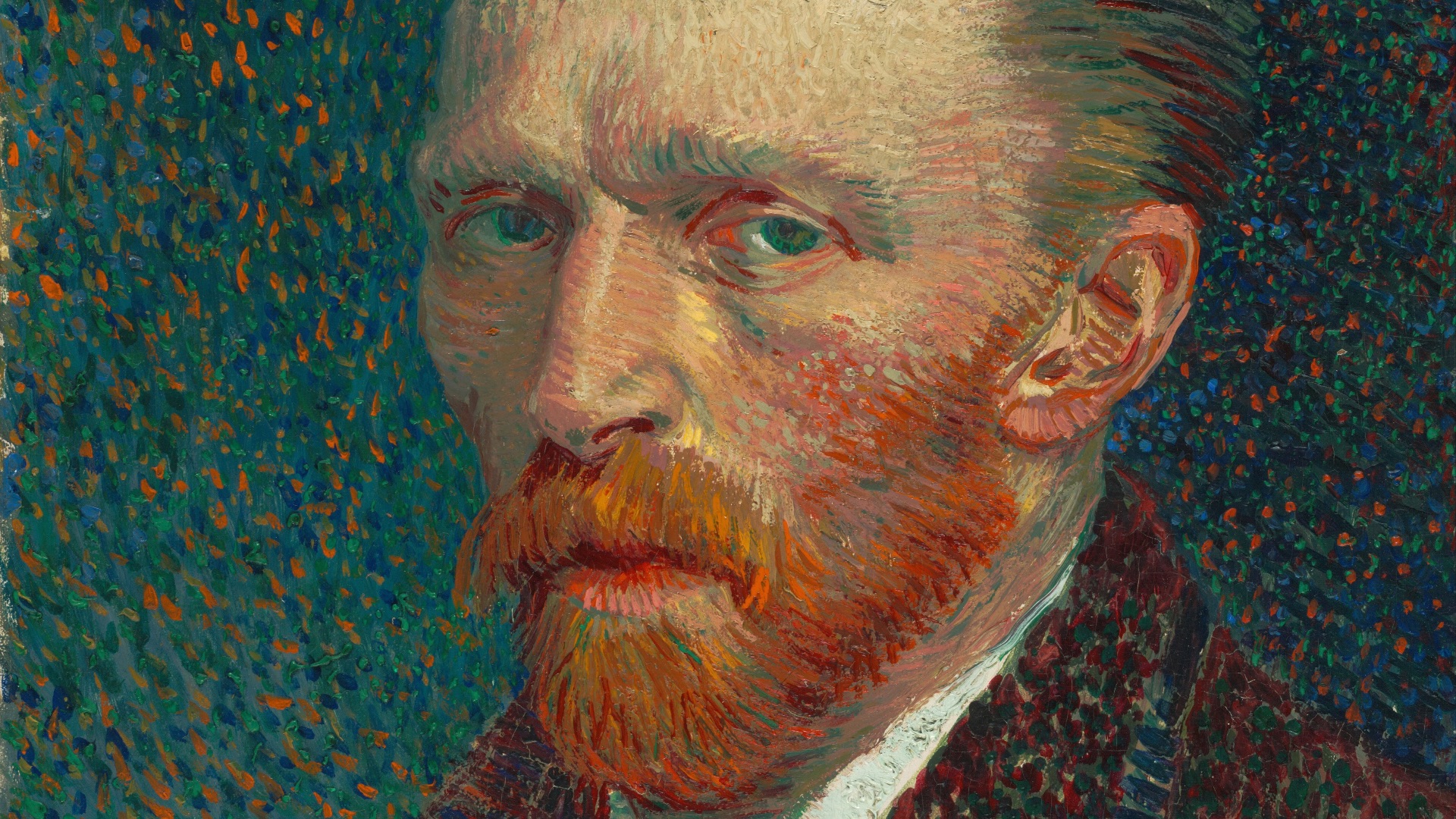
2. Vincent Van Gogh
Vincent van Gogh created some of the most recognizable paintings in the world, but his life was filled with emotional instability, loneliness, and financial hardship. He sold very little art while he was alive and depended heavily on his brother Theo for support. After years of mental anguish, he died in 1890 from a gunshot wound, and his fame came only after he was gone.
3. Mary, Queen of Scots
Mary, Queen of Scots was crowned as an infant, but her royal status brought her danger more than security. Her marriages were troubled, her political position was unstable, and she was forced to abdicate the Scottish throne in favor of her infant son. After nearly two decades as a prisoner in England, she was executed in 1587 on the orders of her cousin, Queen Elizabeth I.
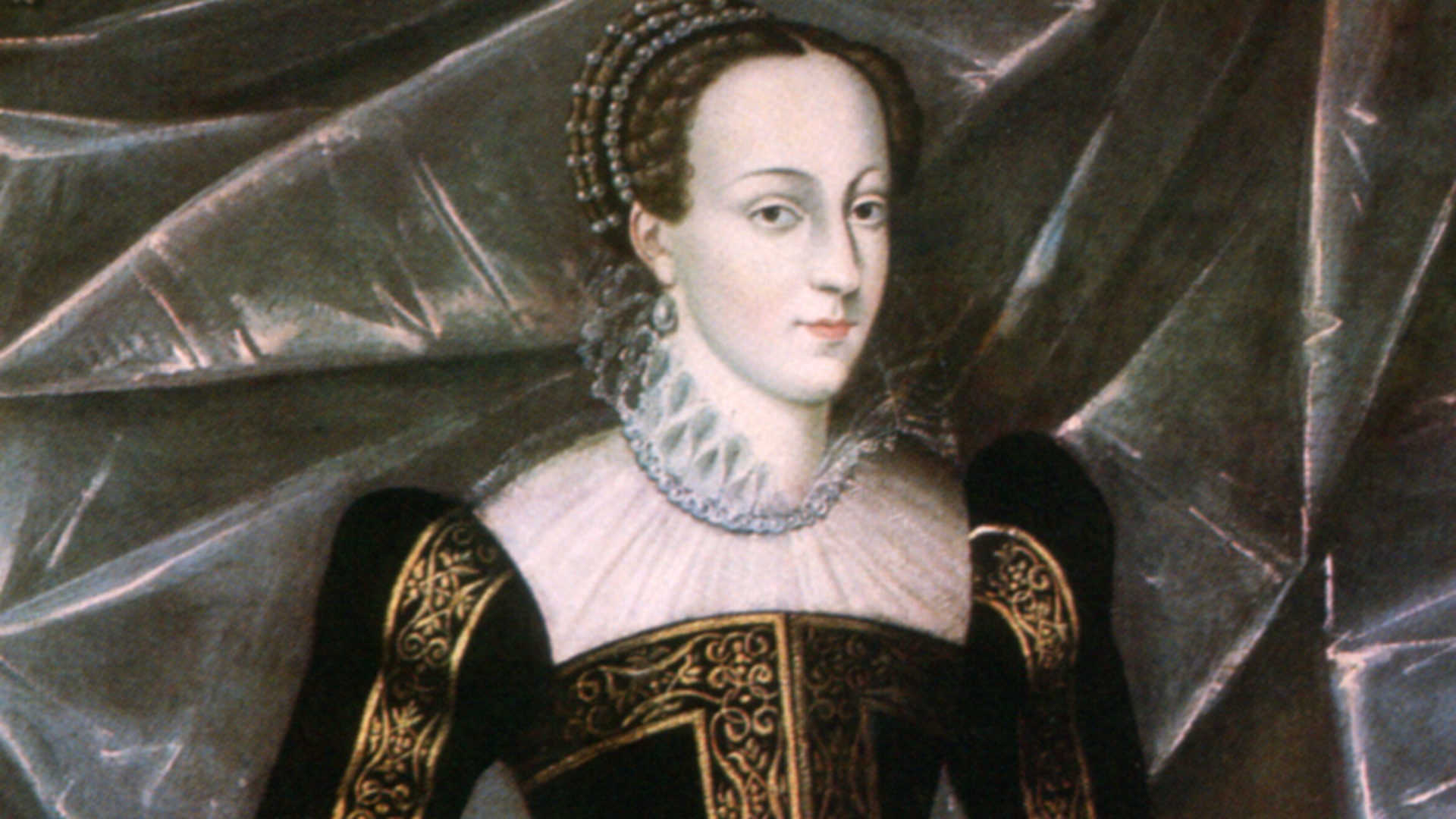 Unidentified painter on Wikimedia
4. Abraham Lincoln
Abraham Lincoln led the United States through the Civil War, but his personal life carried deep grief long before his assassination. He lost two sons during his lifetime, struggled with periods of severe depression, and carried the weight of a divided country through years of bloodshed. Just days after the Confederacy’s surrender, he was murdered at Ford’s Theatre in 1865.
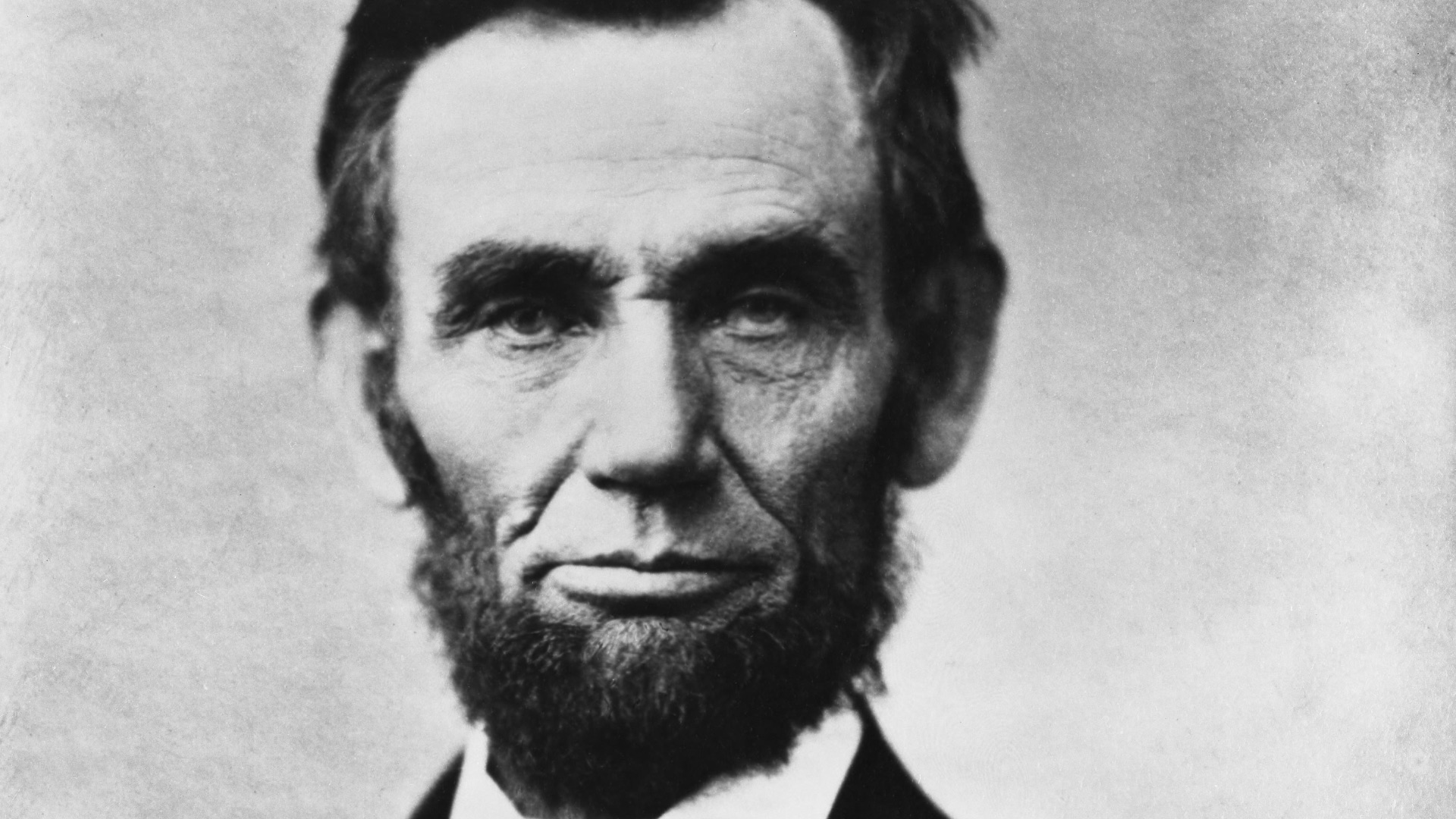 Alexander Gardner on Wikimedia
5. Joan of Arc
Joan of Arc was still a teenager when she became a military and spiritual symbol for France during the Hundred Years’ War. Captured by Burgundian forces and handed over to the English, she was put on trial for charges that were deeply tied to politics and religion. In 1431, at about 19 years old, she was burned at the stake, only to be cleared of wrongdoing decades later.
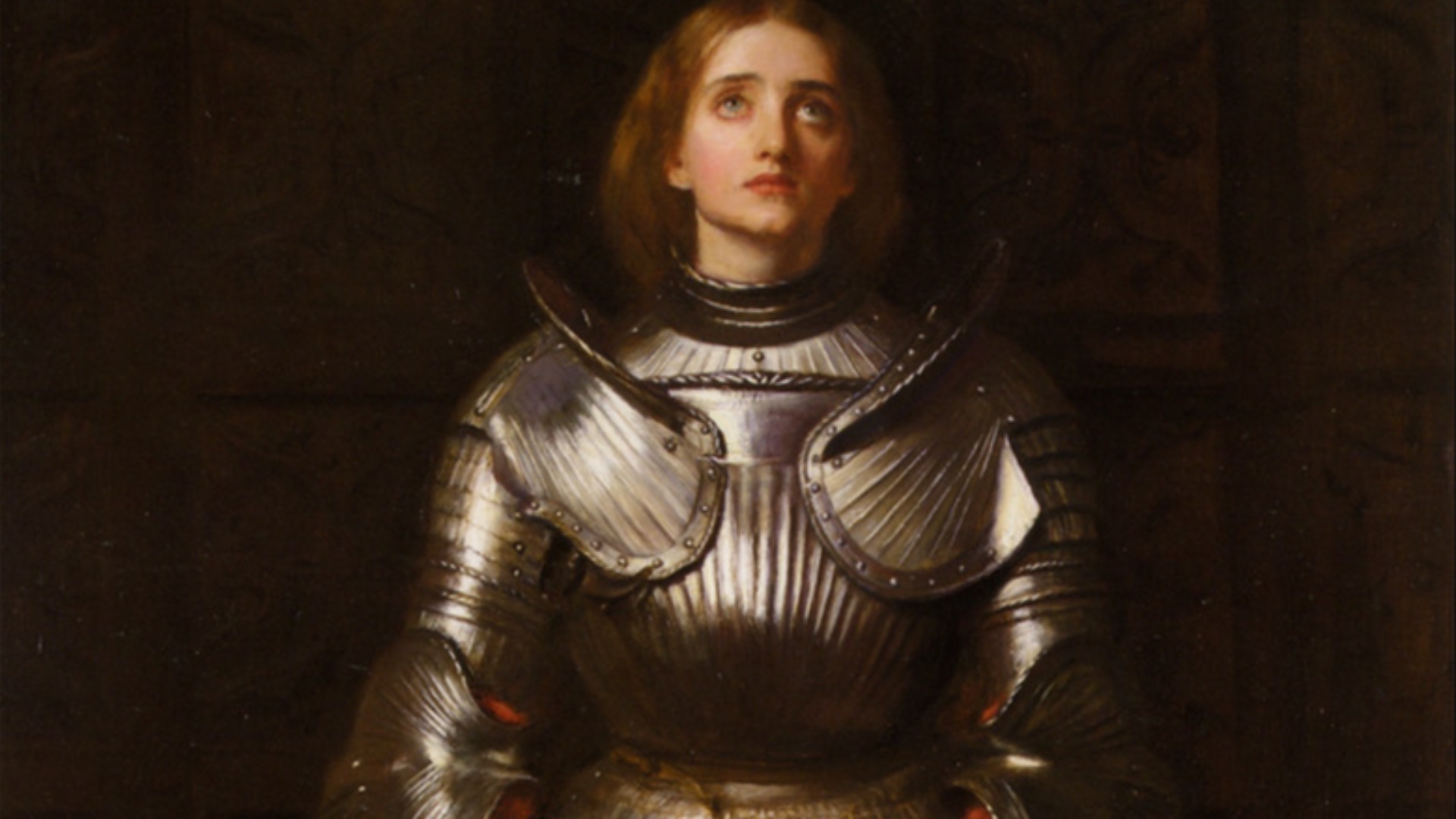 John Everett Millais on Wikimedia
6. Edgar Allan Poe
Edgar Allan Poe’s life was marked by death, debt, and personal instability from an early age. His mother died when he was a child, his relationship with his foster father deteriorated, and his wife Virginia died of tuberculosis after years of illness. Poe himself died in 1849 under mysterious circumstances, leaving behind a body of work that often reflected the grief and fear he knew so well.
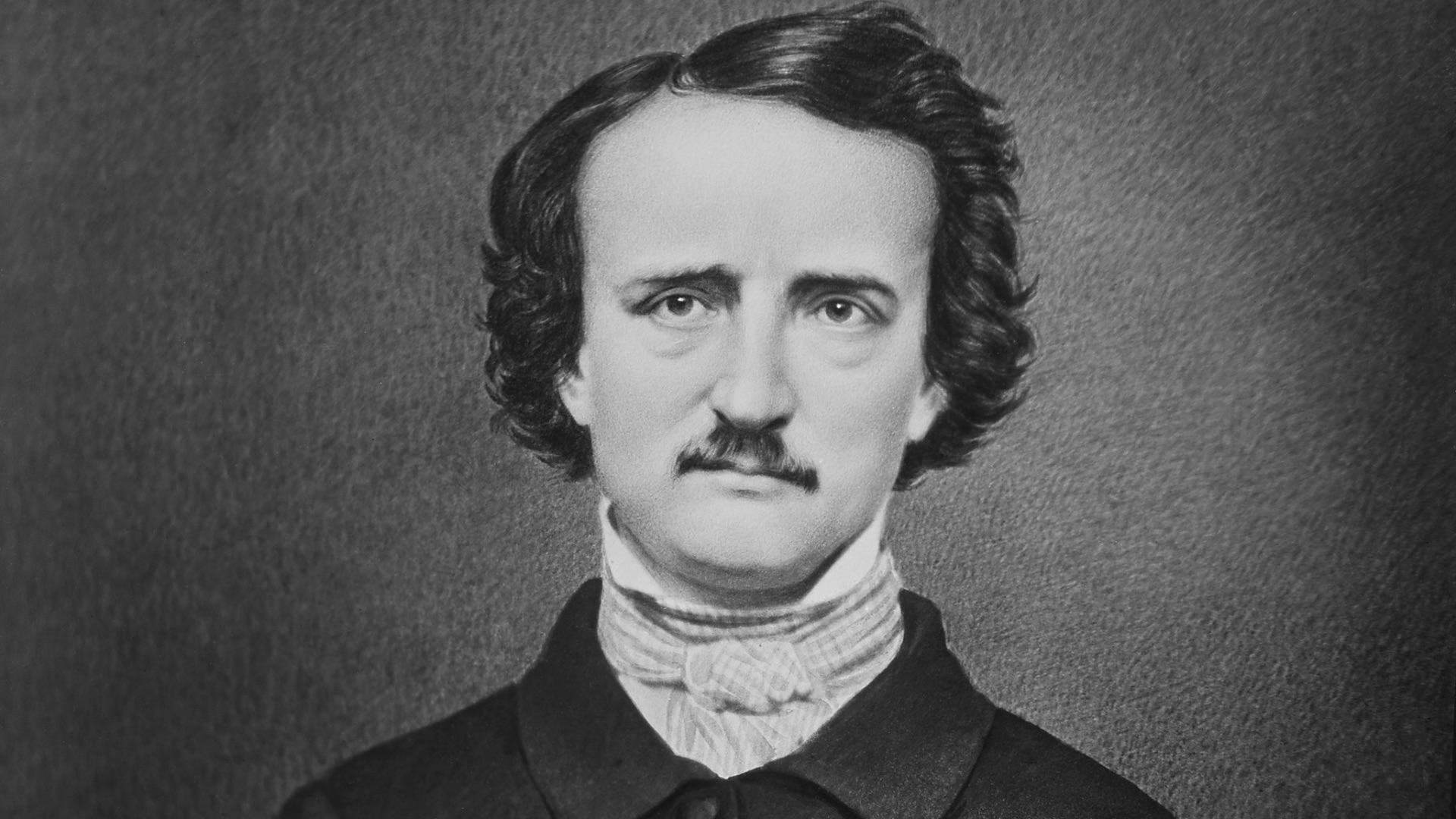 Mathew Benjamin Brady on Wikimedia
7. Cleopatra VII
Cleopatra VII ruled Egypt during one of the most dangerous political periods in the ancient Mediterranean. Her alliances with Julius Caesar and Mark Antony made her a major figure in Roman power struggles, but they also placed her kingdom in extreme danger. After Antony’s defeat and death, Cleopatra took her own life in 30 BCE as Egypt fell under Roman control.
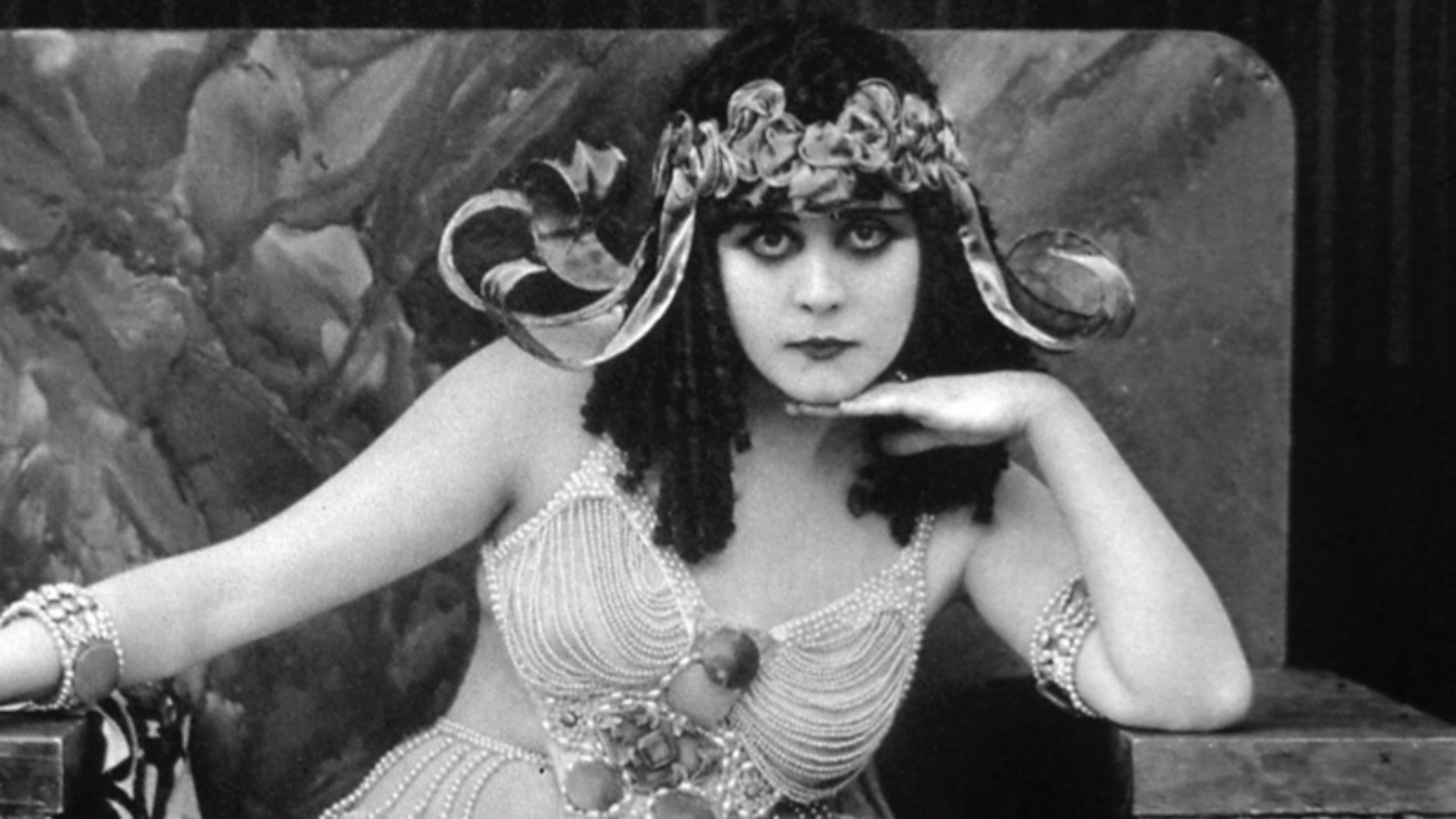 Fox Film Corporation on Wikimedia
8. Oscar Wilde
Oscar Wilde reached extraordinary literary fame, but his life changed brutally after he was prosecuted for “gross indecency” because of his relationships with men. He was sentenced to two years of hard labor, and prison damaged his health, finances, and public reputation. After his release, he lived in exile in France and died in 1900 at only 46.
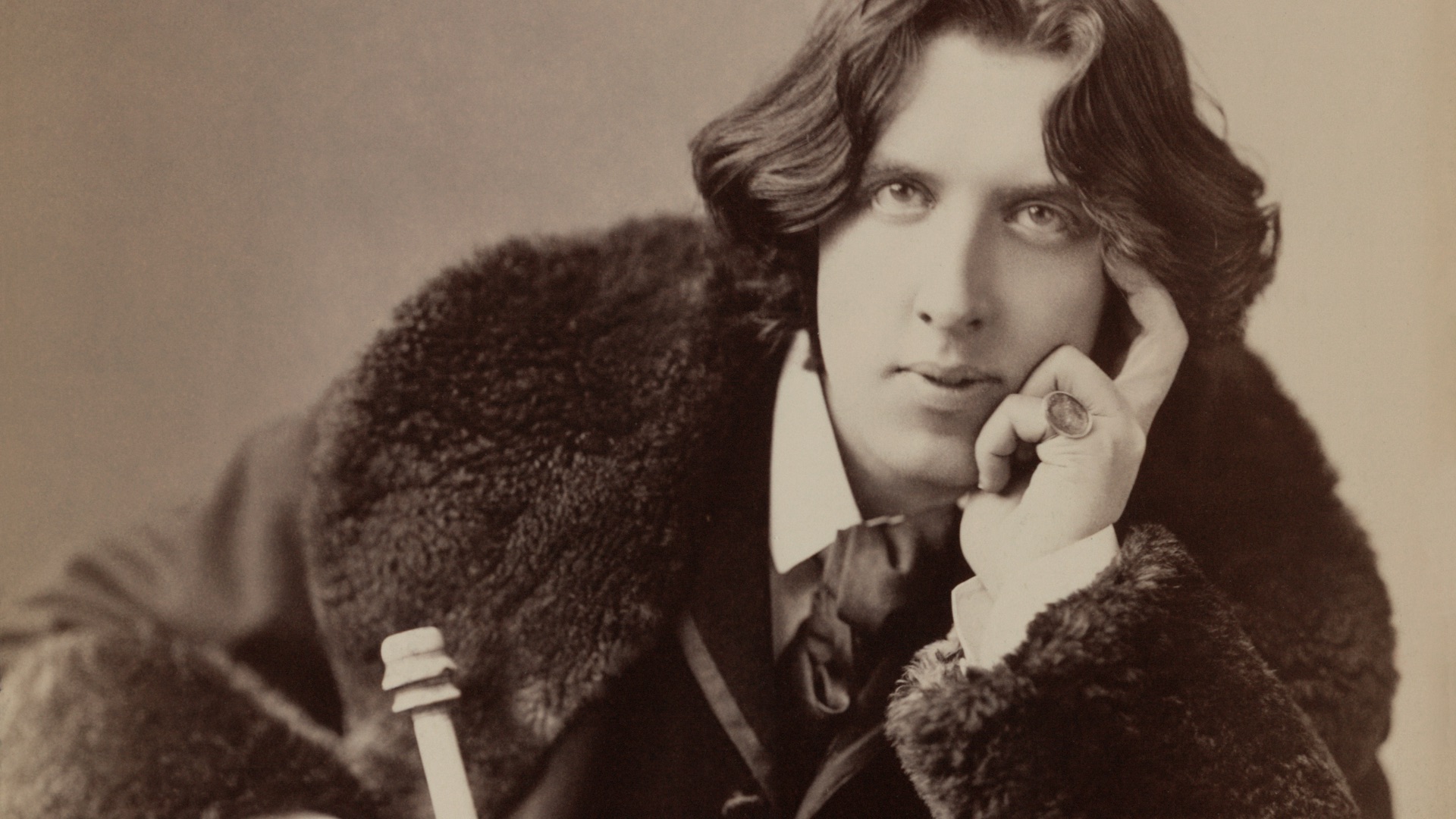 Napoleon Sarony / Adam Cuerden on Wikimedia
9. Marie Antoinette
Marie Antoinette became queen of France as a teenager and spent much of her life as a symbol of everything critics hated about the monarchy. During the French Revolution, she lost her status, her home, her husband, and eventually her children’s protection. She was executed by guillotine in 1793, months after Louis XVI met the same fate.
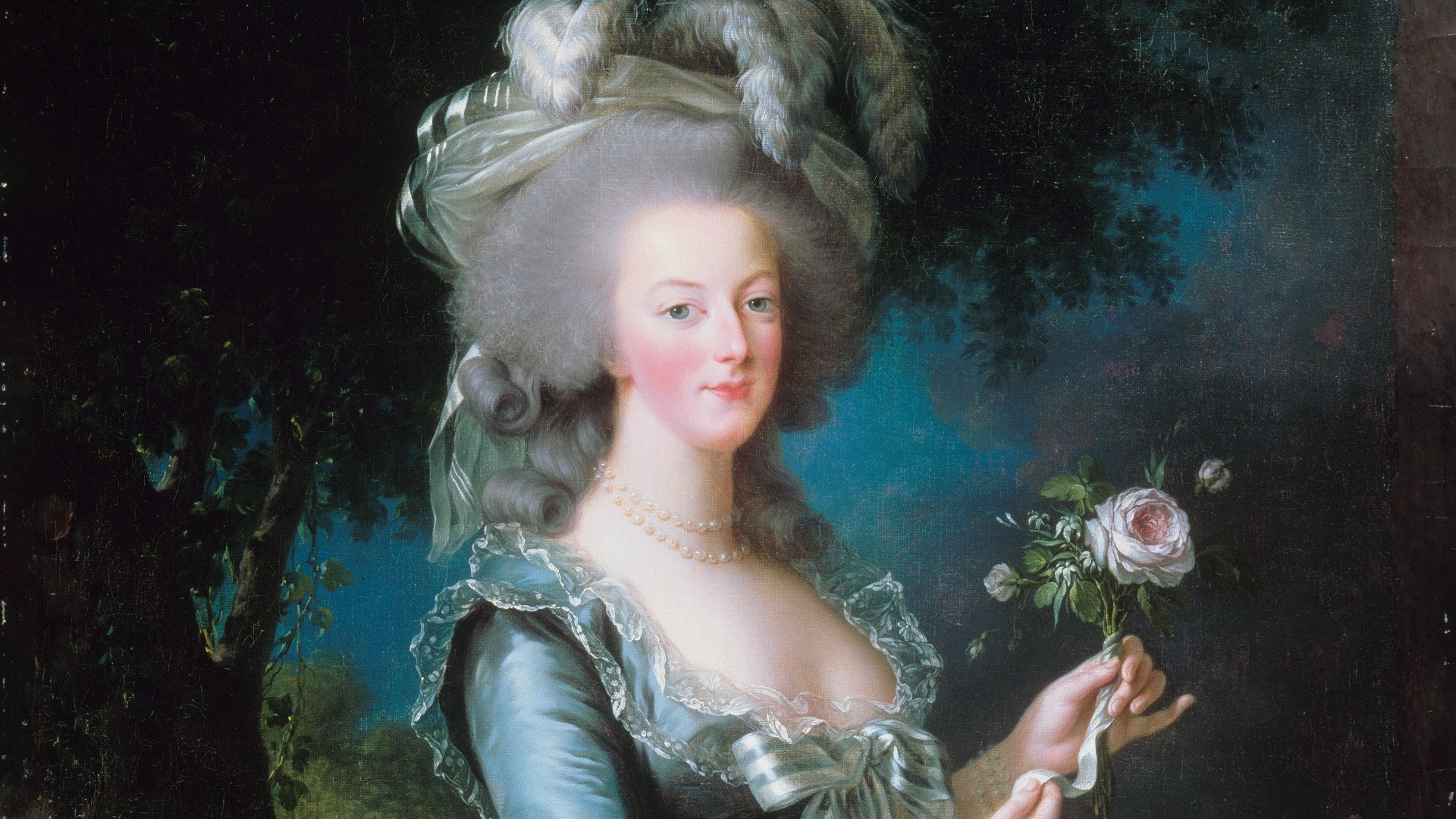 Élisabeth Louise Vigée Le Brun on Wikimedia
10. Nikola Tesla
Nikola Tesla helped shape the modern electrical age, but his later years were filled with disappointment and financial struggle. He watched others profit from technologies connected to his work, while many of his own grand projects failed to find steady backing. By the time he died in 1943, he was living alone in a New York hotel, admired by some but far from secure.
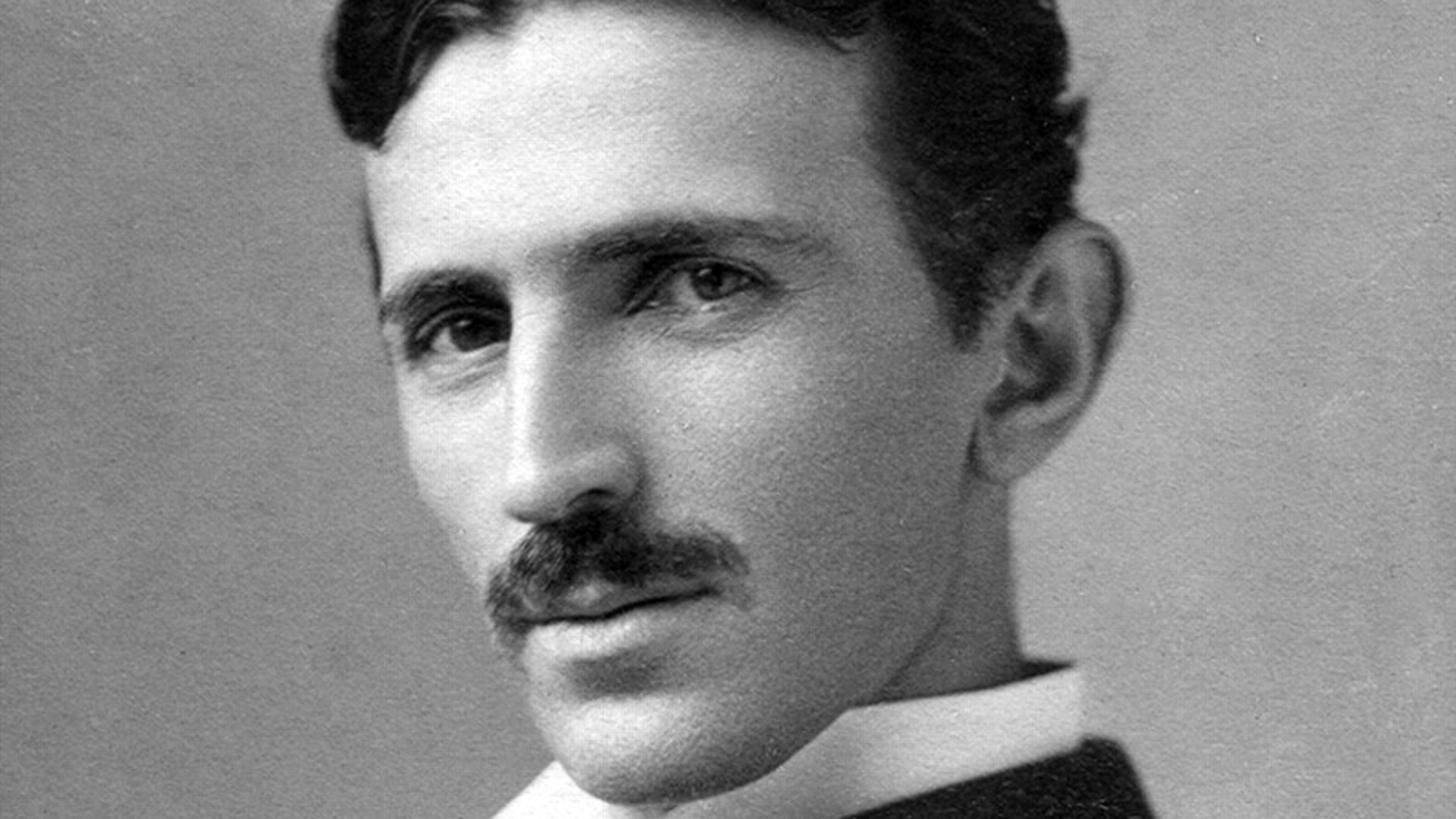
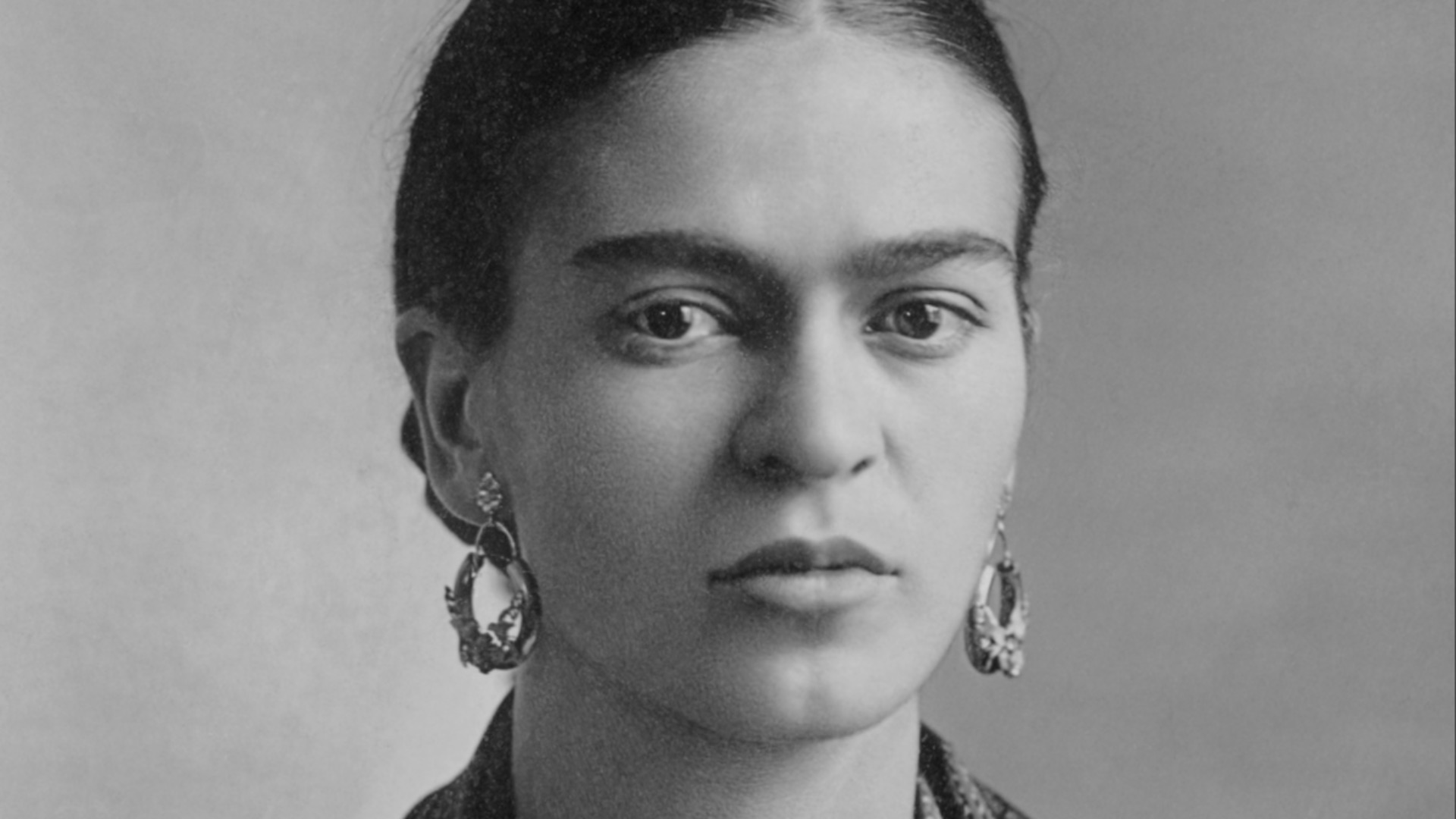
11. Frida Kahlo
Frida Kahlo’s art was inseparable from the physical pain she lived with for most of her life. As a teenager, she was severely injured in a bus accident that left her with lifelong medical complications and repeated surgeries. Her marriage to Diego Rivera brought love, betrayal, and emotional turmoil, all of which shaped the intensely personal paintings she left behind.
12. Alan Turing
Alan Turing played a vital role in British codebreaking during World War II and later helped lay the groundwork for modern computing. Despite his achievements, he was prosecuted in 1952 because he was gay, at a time when homosexual acts were criminalized in Britain. He was subjected to chemical castration and died in 1954 from cyanide poisoning, with his death officially ruled self-inflicted, though that conclusion has been questioned by some later writers.
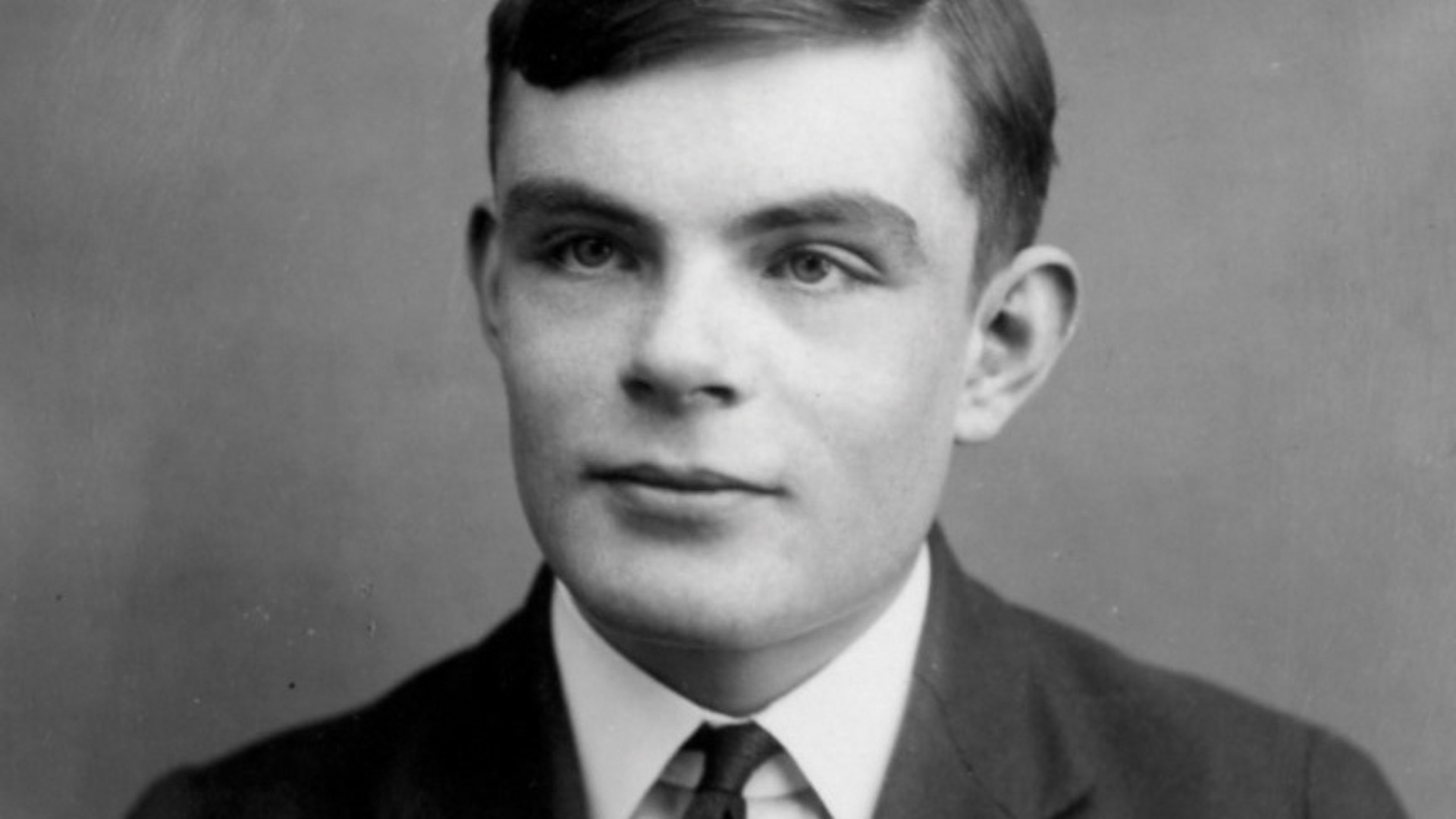 Possibly Arthur Reginald Chaffin (1893-1954) on Wikimedia
13. Sylvia Plath
Sylvia Plath became one of the most important poets of the 20th century, but her life was shadowed by depression and personal turmoil. She lost her father when she was young, struggled with mental illness, and endured a painful separation from poet Ted Hughes. In 1963, at just 30 years old, she ended her own life, leaving behind work that continues to be read for its emotional force.
 Giovanni Giovannetti/Grazia Neri on Wikimedia
14. Ludwig Van Beethoven
Ludwig van Beethoven’s greatest tragedy was the gradual loss of the very sense most central to his work. As his hearing worsened, he became increasingly isolated, even as he continued composing music of extraordinary complexity and power. He also faced poor health, family conflict, and emotional frustration, but he kept creating until near the end of his life.
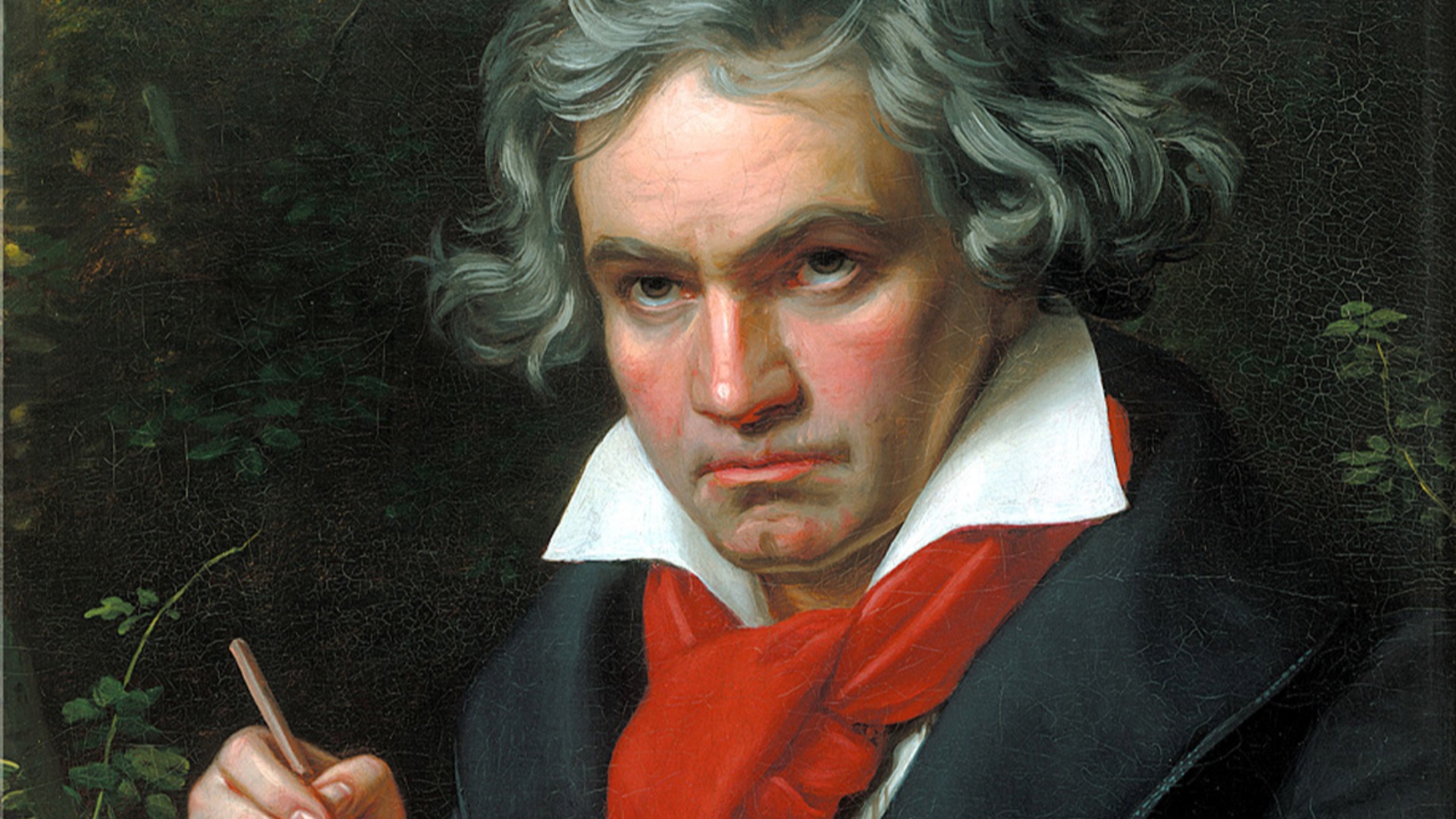 Joseph Karl Stieler on Wikimedia
15. Harriet Tubman
Harriet Tubman escaped slavery and then risked her life repeatedly to help others reach freedom through the Underground Railroad. Her courage is rightly celebrated, but the cost of her life’s work was severe, including constant danger, poverty, and lasting health problems from a head injury she suffered while enslaved. Even after the Civil War, she struggled for financial security despite her service as a nurse, scout, and spy.
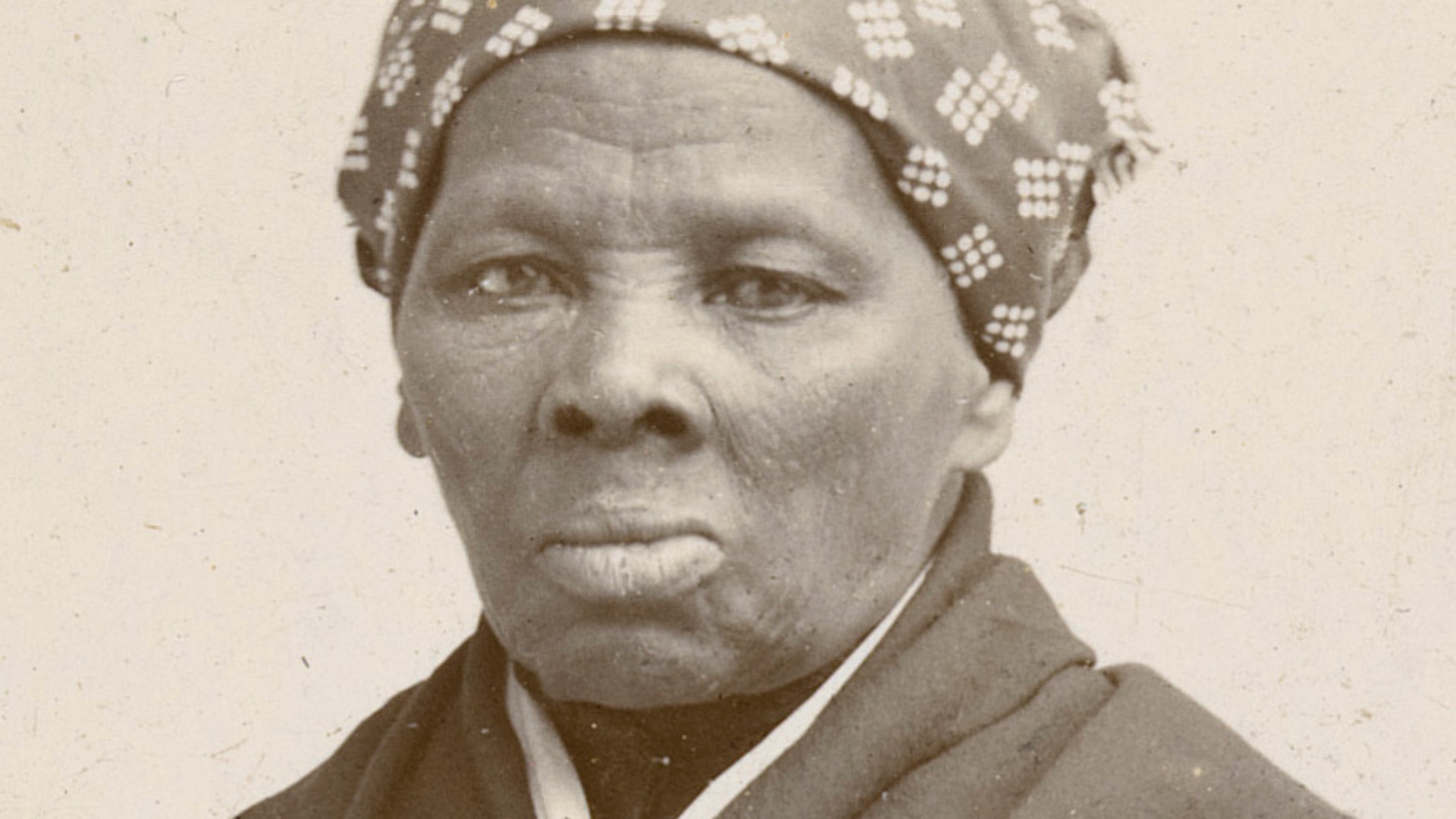 Horatio Seymour Squyer on Wikimedia
16. Fyodor Dostoevsky
Fyodor Dostoevsky experienced a kind of trauma few people could imagine surviving. In 1849, he was sentenced to death for involvement with a reform-minded intellectual group, only to receive a last-minute reprieve after being led through a staged execution. He then spent years in a Siberian prison camp, and the suffering he endured deeply shaped the novels that later made him famous.
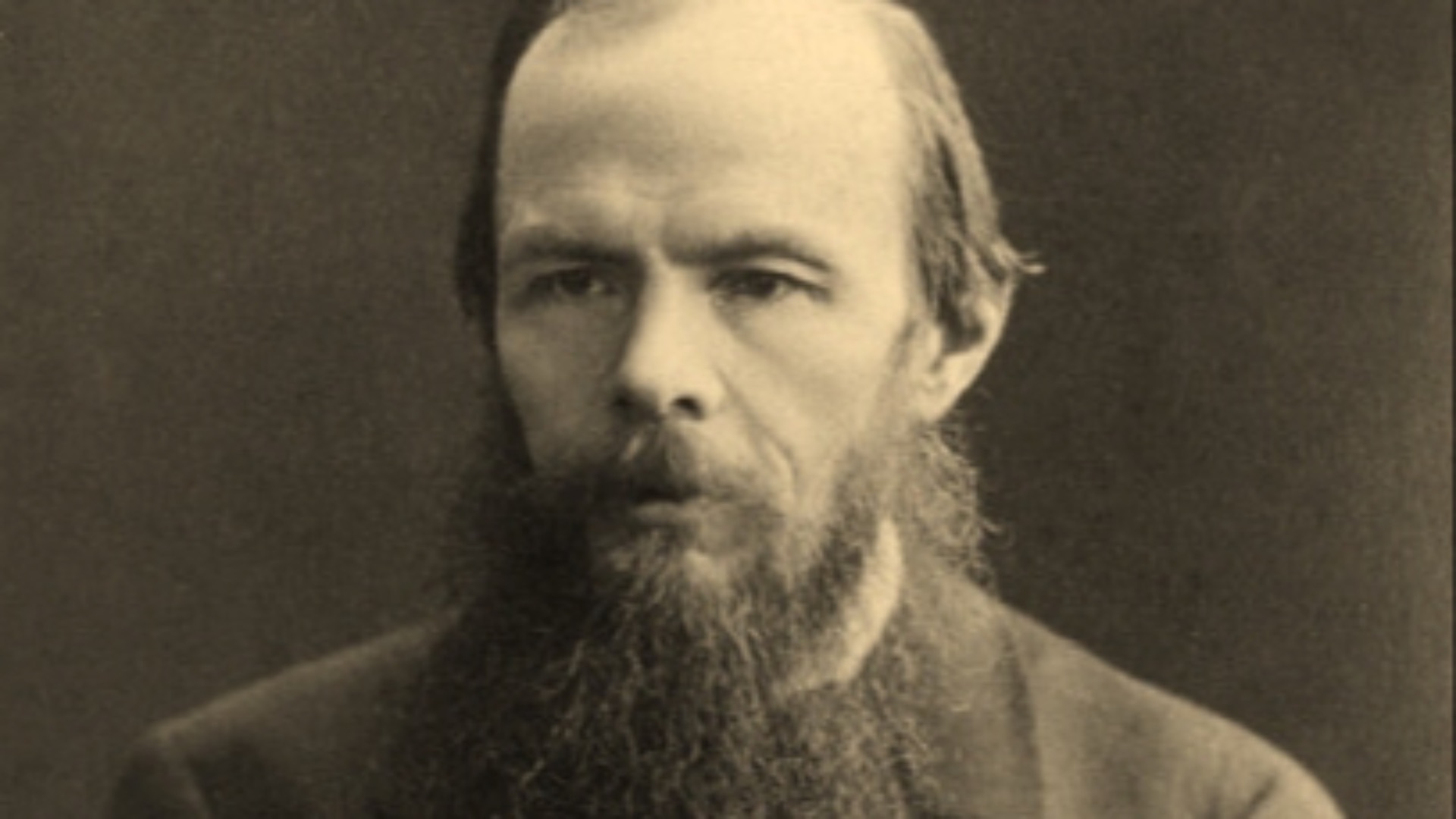 Constantin Shapiro on Wikimedia
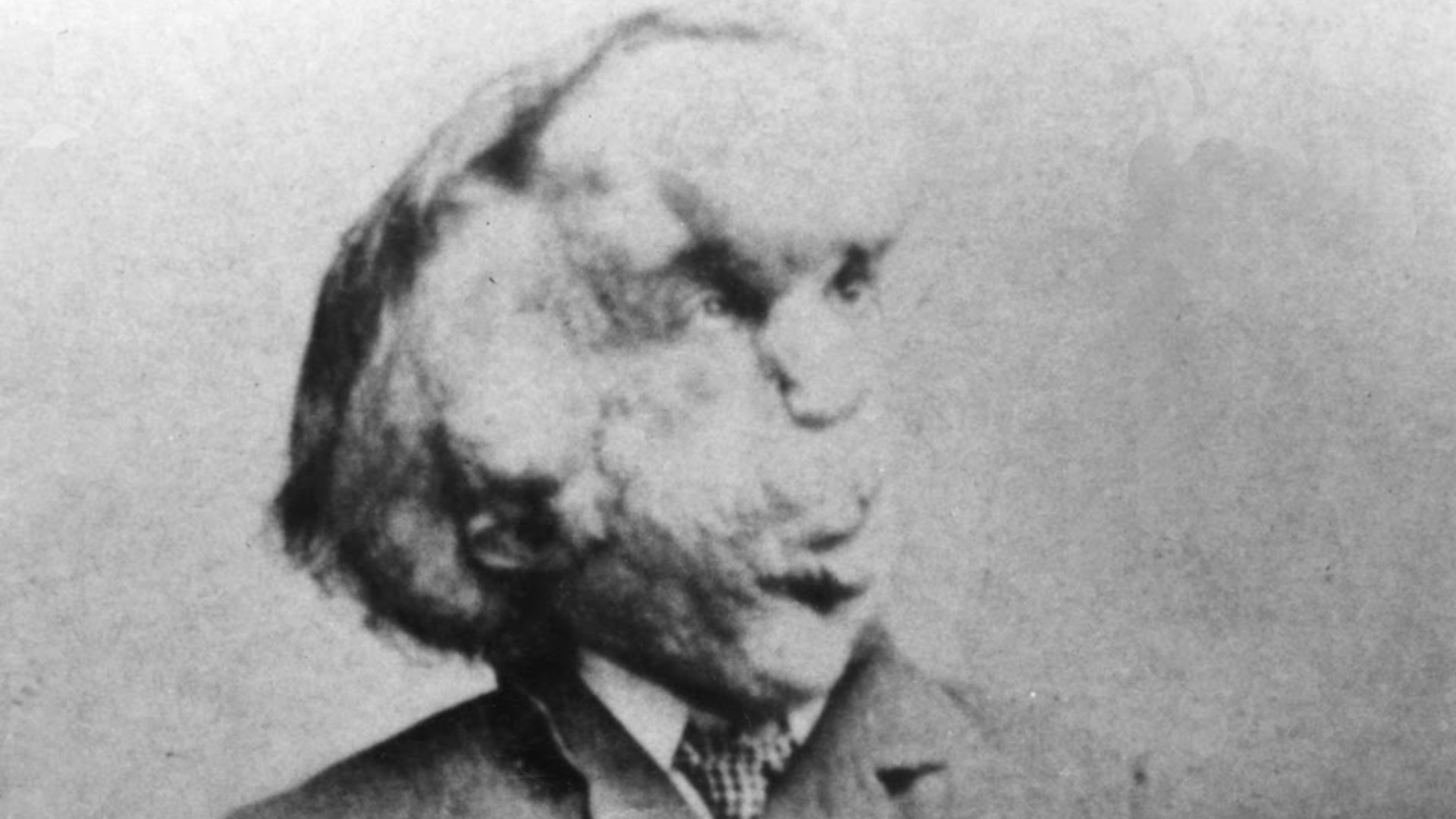
17. Joseph Merrick
Joseph Merrick, often known as the "Elephant Man," lived with severe physical deformities that made him a target of exploitation and public cruelty. He spent years displayed in freak shows before finding some protection at the London Hospital with the help of surgeon Frederick Treves. Although he was treated with more dignity later in life, he died young in 1890, having spent much of his life isolated by other people’s fear and fascination.
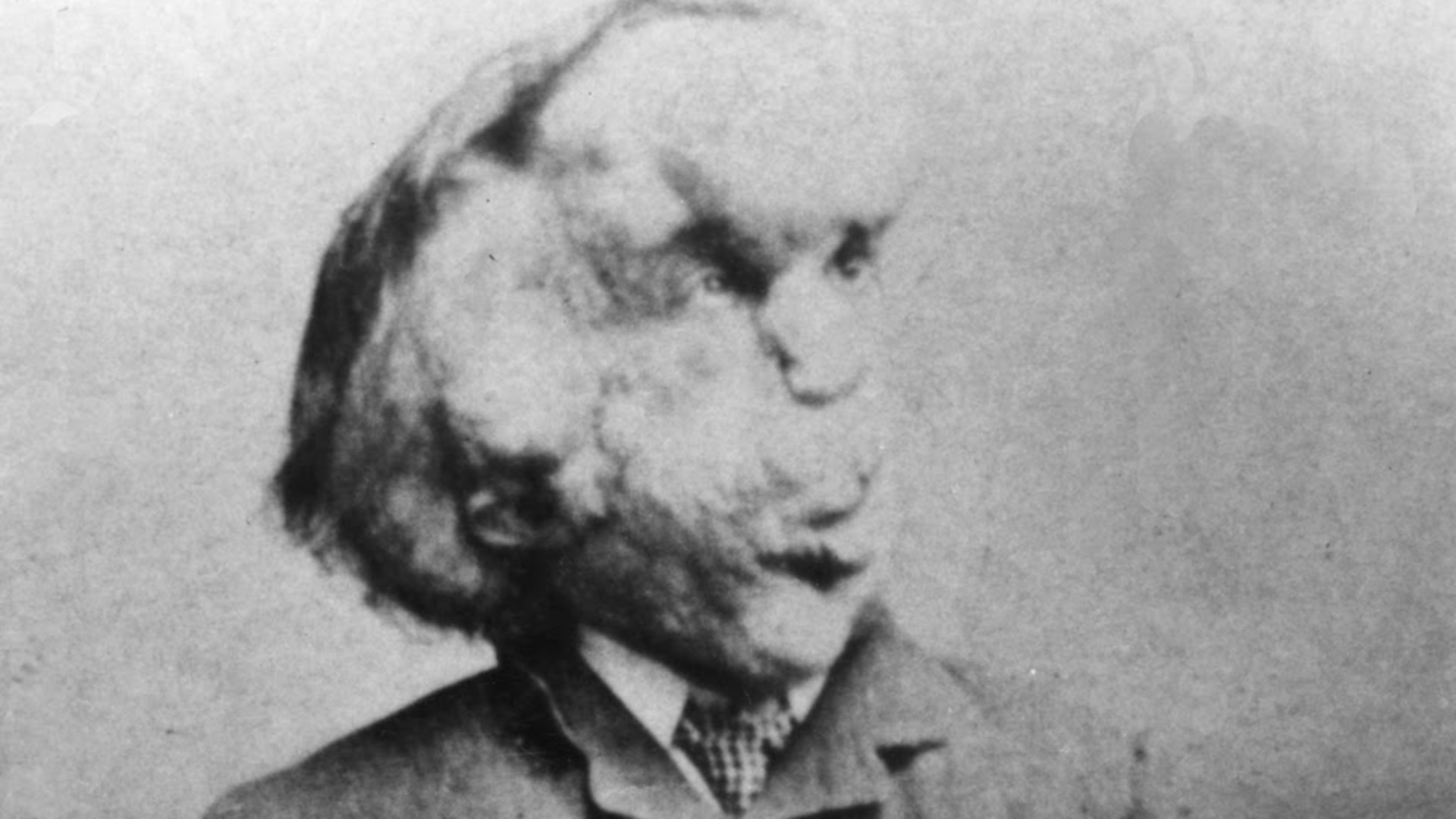
18. Virginia Woolf
Virginia Woolf helped transform modern literature, but she lived with recurring mental illness and the lingering effects of childhood trauma. She experienced breakdowns throughout her life, even while producing novels, essays, and criticism that changed how people thought about fiction. In 1941, fearing another severe collapse during World War II, she took her own life.
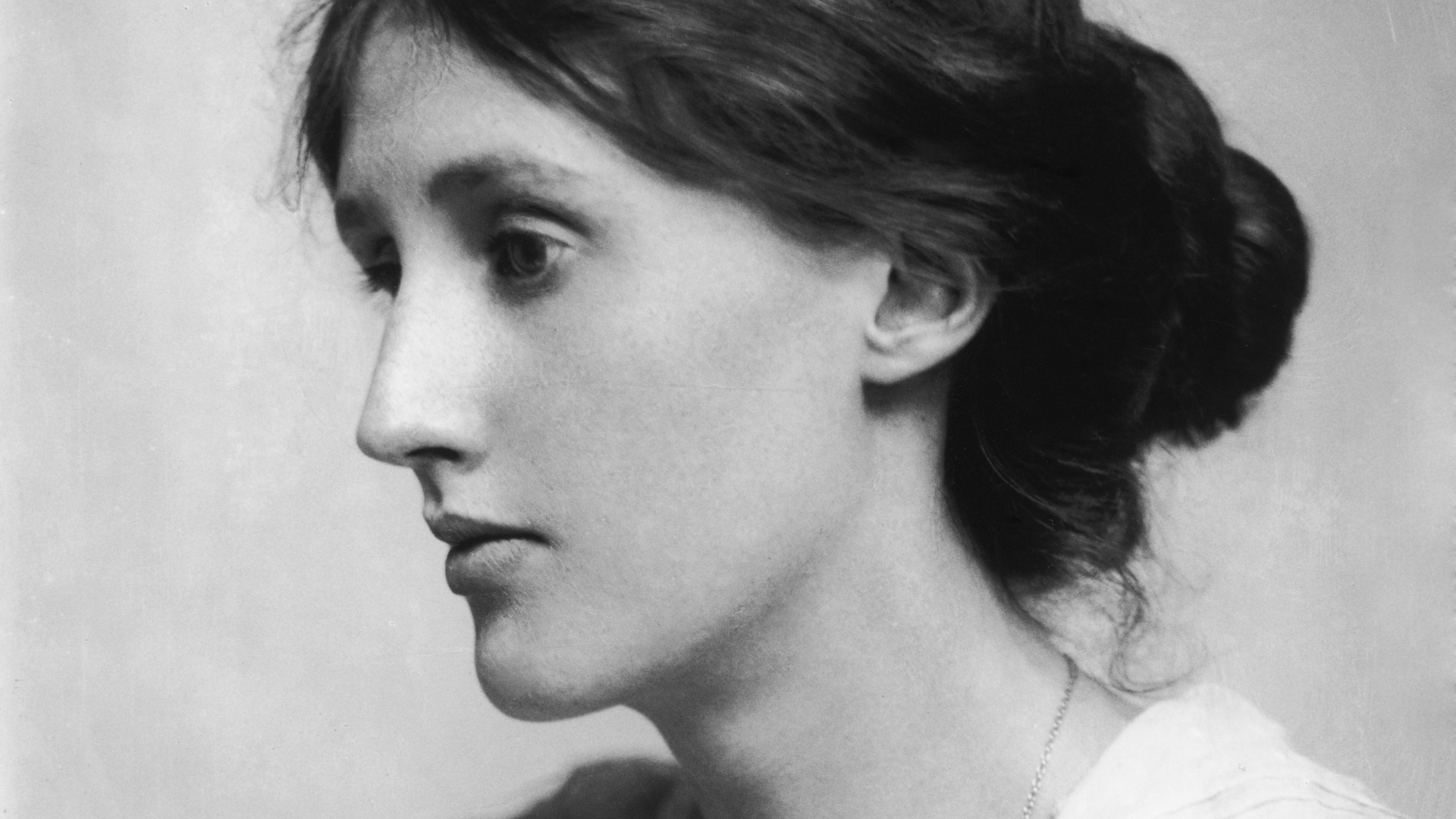 George Charles Beresford on Wikimedia
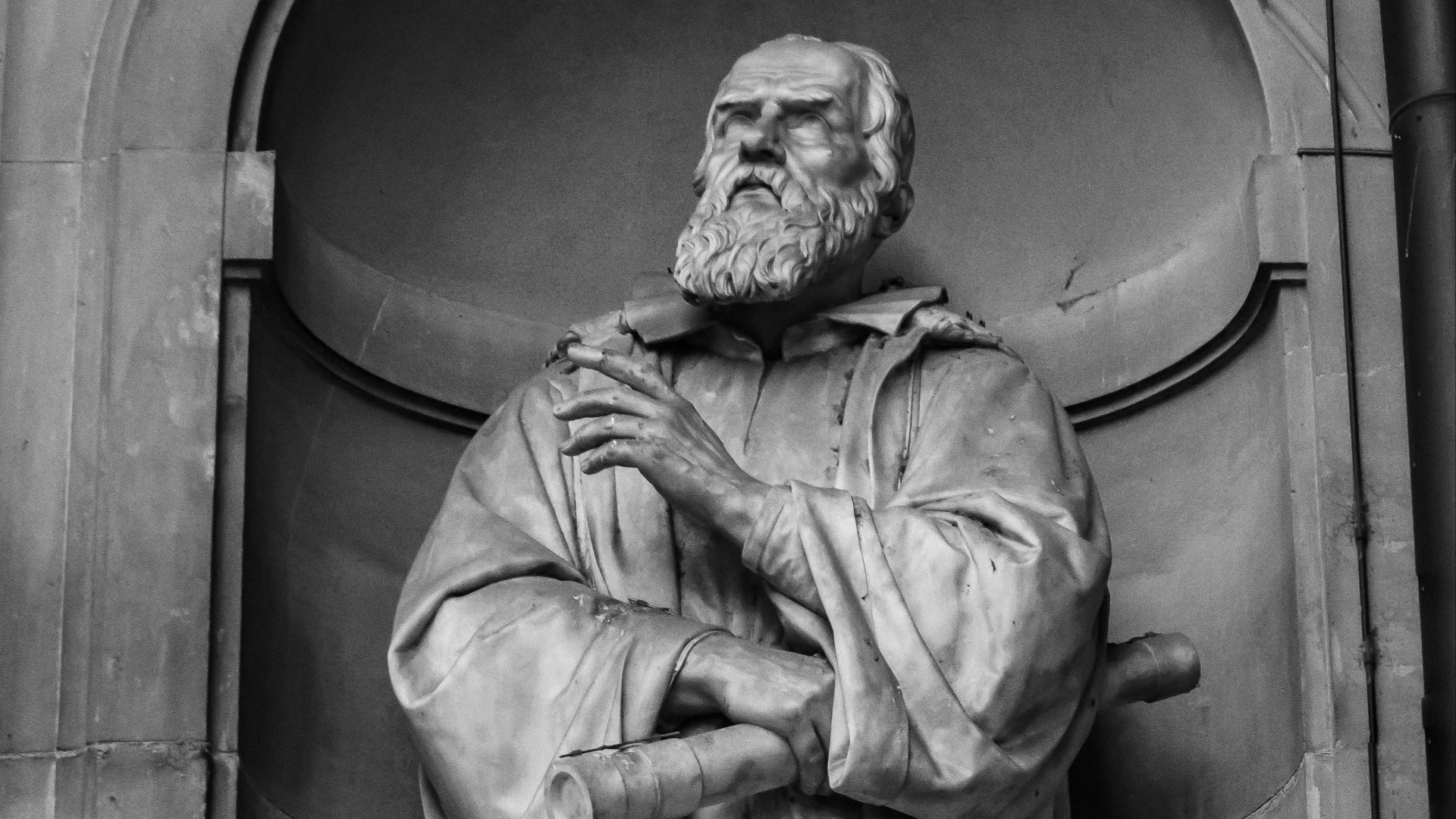
19. Galileo Galilei
Galileo Galilei’s scientific work brought him into direct conflict with powerful religious authorities. His support for heliocentrism led to a trial by the Roman Inquisition, and in 1633 he was forced to recant his views under threat of punishment. He spent the final years of his life under house arrest, even as his ideas continued to influence science long after his death.
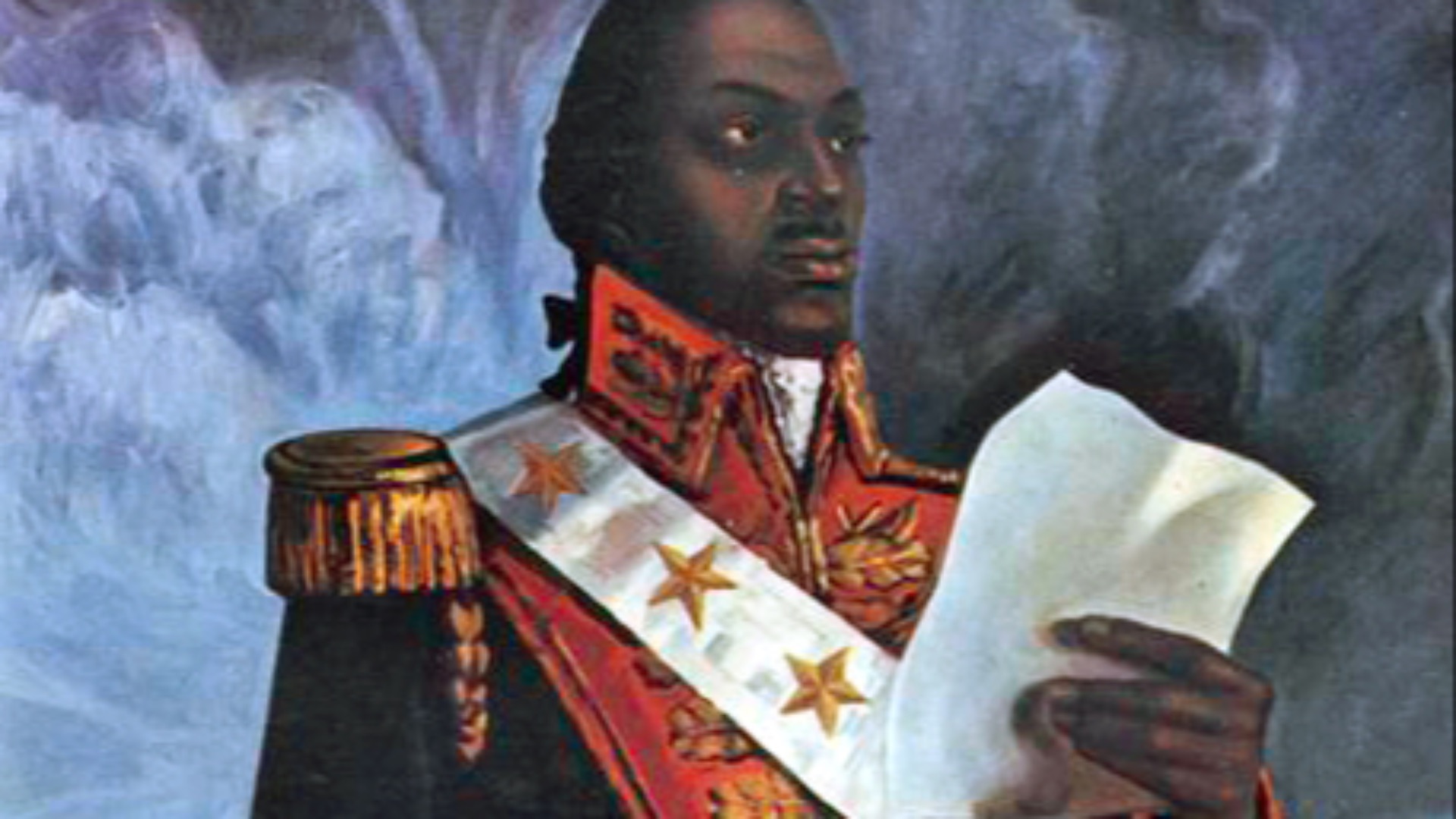
20. Toussaint Louverture
Toussaint Louverture rose from enslavement to become a key leader of the Haitian Revolution, but his final years were marked by betrayal and imprisonment. After helping lead the struggle against slavery and colonial rule in Saint-Domingue, he was captured by French forces in 1802. He died in a cold French prison in 1803, months before Haiti declared independence.
KEEP ON READING
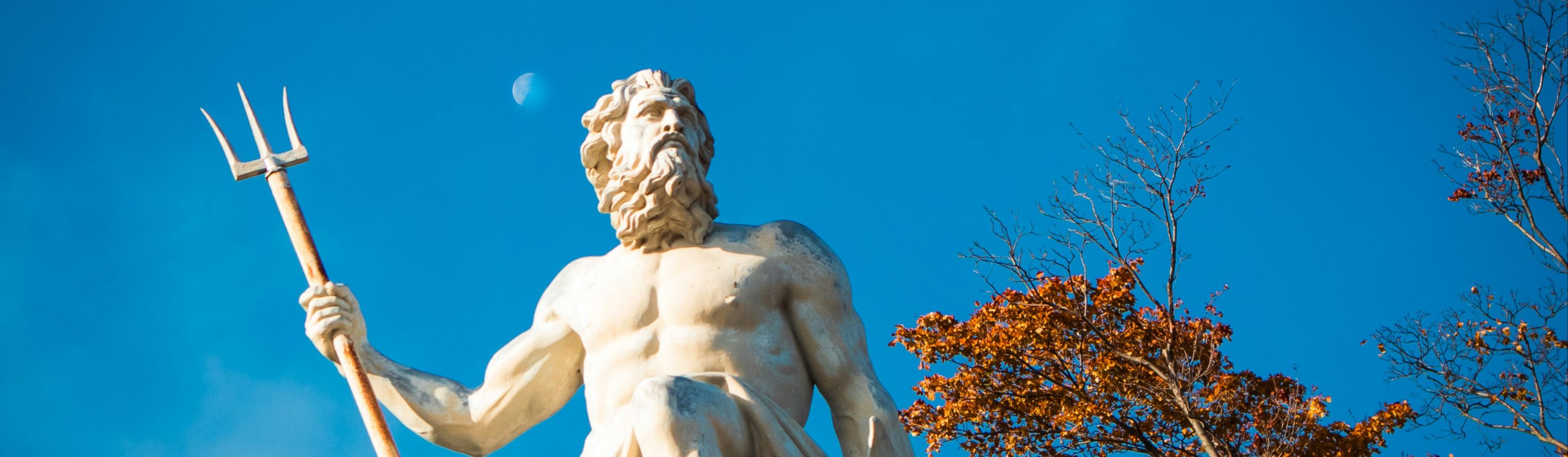
20 Greek Gods We Don't Often Talk About
Step Aside, Zeus. Greek mythology isn’t only about Zeus and…
By Elizabeth Graham Jan 16, 2026
10 Historic Courtship Practices That Should Be Brought Back &…
Old-School Dating Was a Mix of Charming & Unhinged. Historic…
By Emilie Richardson-Dupuis Jan 20, 2026
Pooches Of The Past: Extinct Dog Breeds
Unknown authorUnknown author on WikimediaDogs have been showing up in…
By Elizabeth Graham Jan 27, 2026
The 20 Craziest Silent Films Ever Made
When Silence Let the Madness Speak. Silent cinema didn’t just…
By Chase Wexler Jan 5, 2026
Legendary Tales: 20 Most Fascinating Mythical Creatures from Folklore
Mythological Beasts. Stories about mythical creatures endure for a simple…
By Christy Chan Jan 16, 2026
The three most expensive historical artifacts ever sold at auction
Attributed to Leonardo da Vinci on WikimediaAuctions are where history…
By Emilie Richardson-Dupuis Jan 9, 2026