

Where History Gets Quiet & Weird
Tombs are supposed to be about remembrance, respect, and maybe a little grandeur if the deceased had enough money or power. Still, some of the world’s most famous burial places come with stories that are much darker than the architecture suggests, involving curses, missing bodies, violent deaths, grave robbers, and legends that refuse to die. That doesn’t mean every spooky tale is literally true, but it does mean these sites have collected centuries of eerie baggage. If you like history with a colder edge to it, these 20 tombs definitely deliver.
1. Tutankhamun’s Tomb
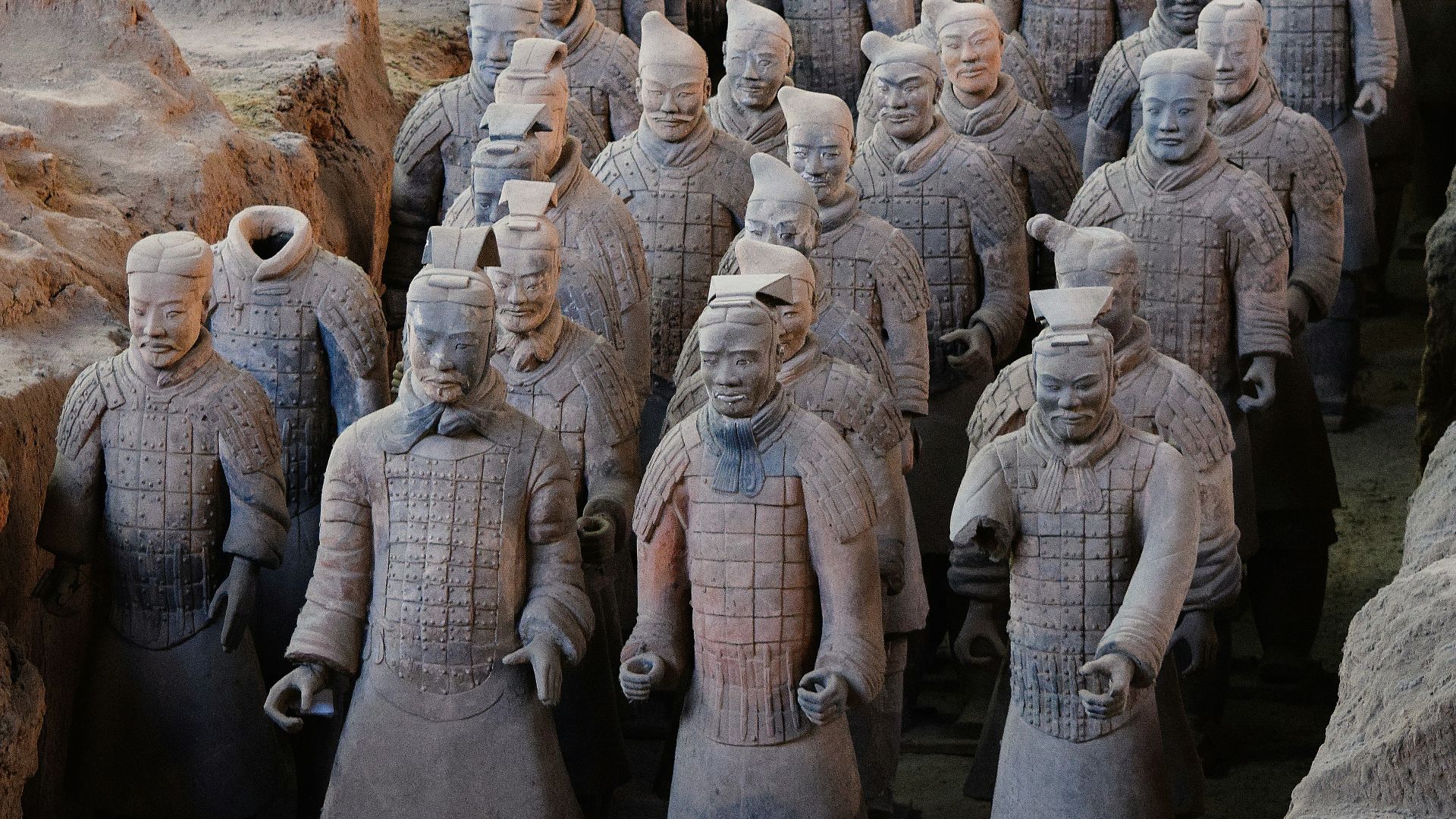
Tutankhamun’s tomb is probably the most famous case of a burial site picking up a creepy reputation after the fact. When Howard Carter opened it in 1922, the discovery became a global sensation, and the later mysterious deaths of several people connected to the excavation helped fuel the legend of a pharaoh’s curse, which alleges that disturbing the mummy brings bad luck, illness, or death. It was more likely poisoning from ancient bacteria or radon gas trapped in the tomb that caused the deaths.
2. The Mausoleum of the First Qin Emperor
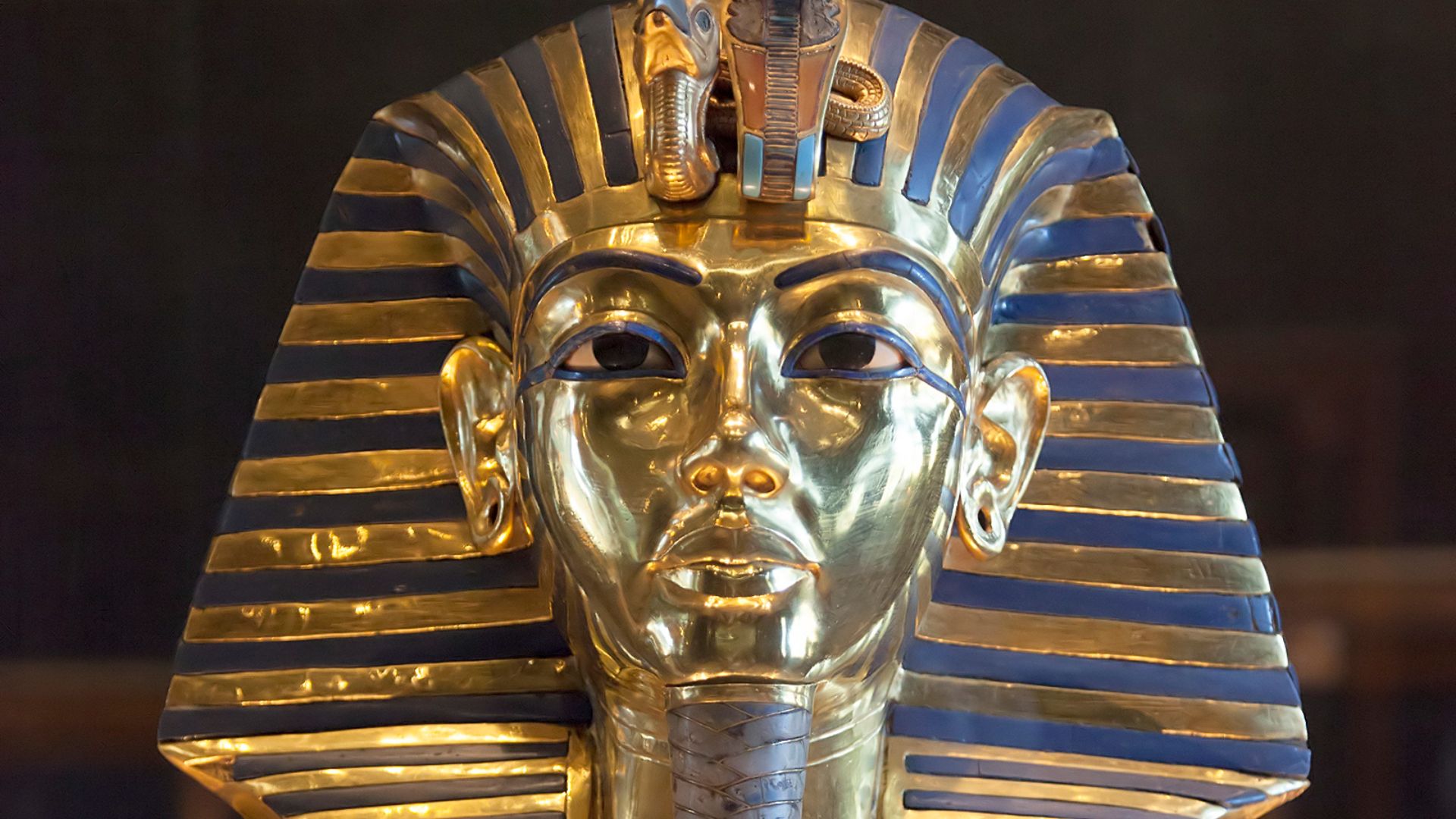
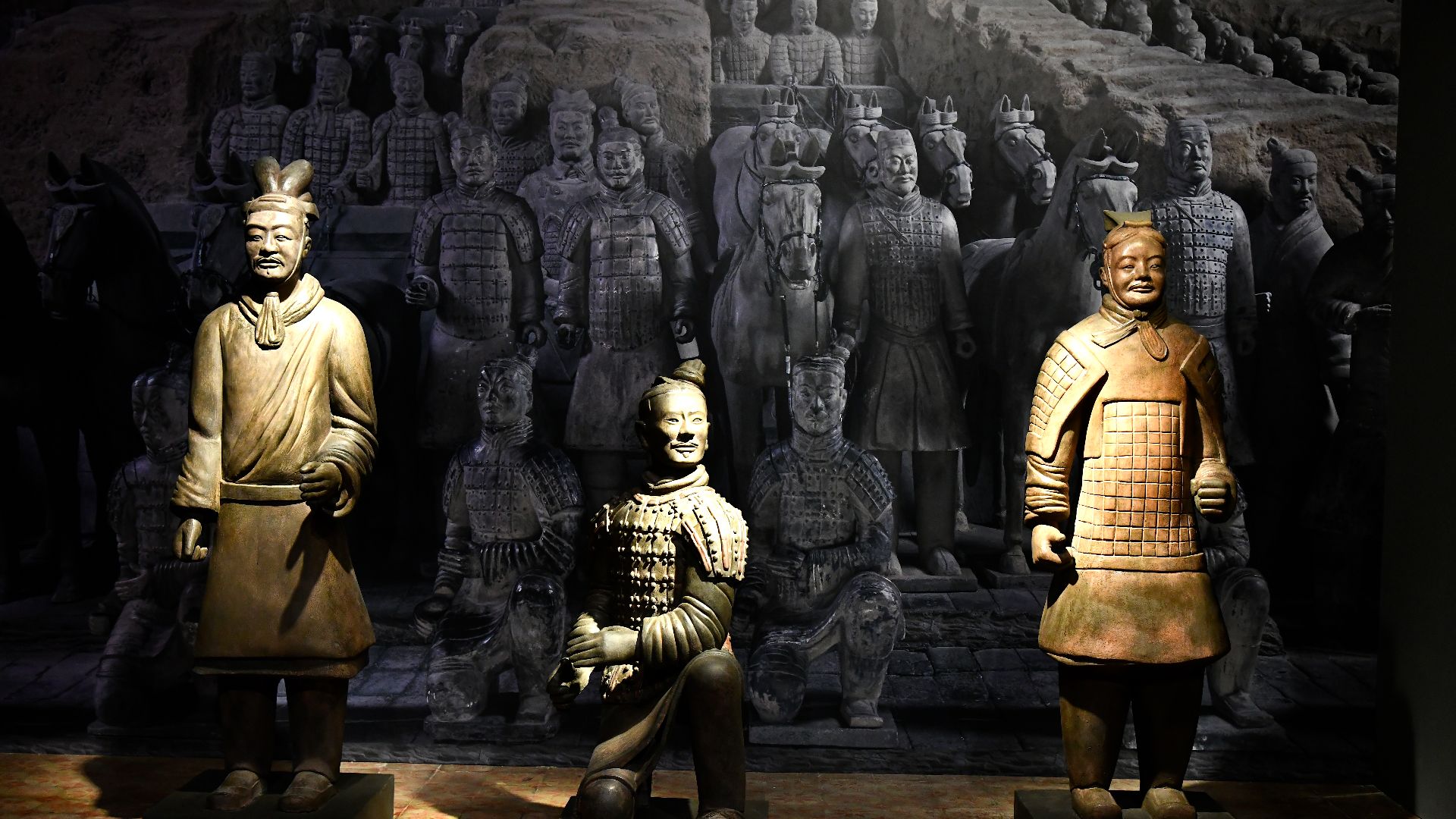
The tomb of China’s first emperor already sounds intimidating before you get to the army of clay soldiers guarding it. Thousands of terracotta figures were created to stand watch over Qin Shi Huang in death.
The chilling part is that the central tomb itself remains unopened due to high levels of toxins detected and the possibility of boobie traps, which could cause the whole thing to collapse.
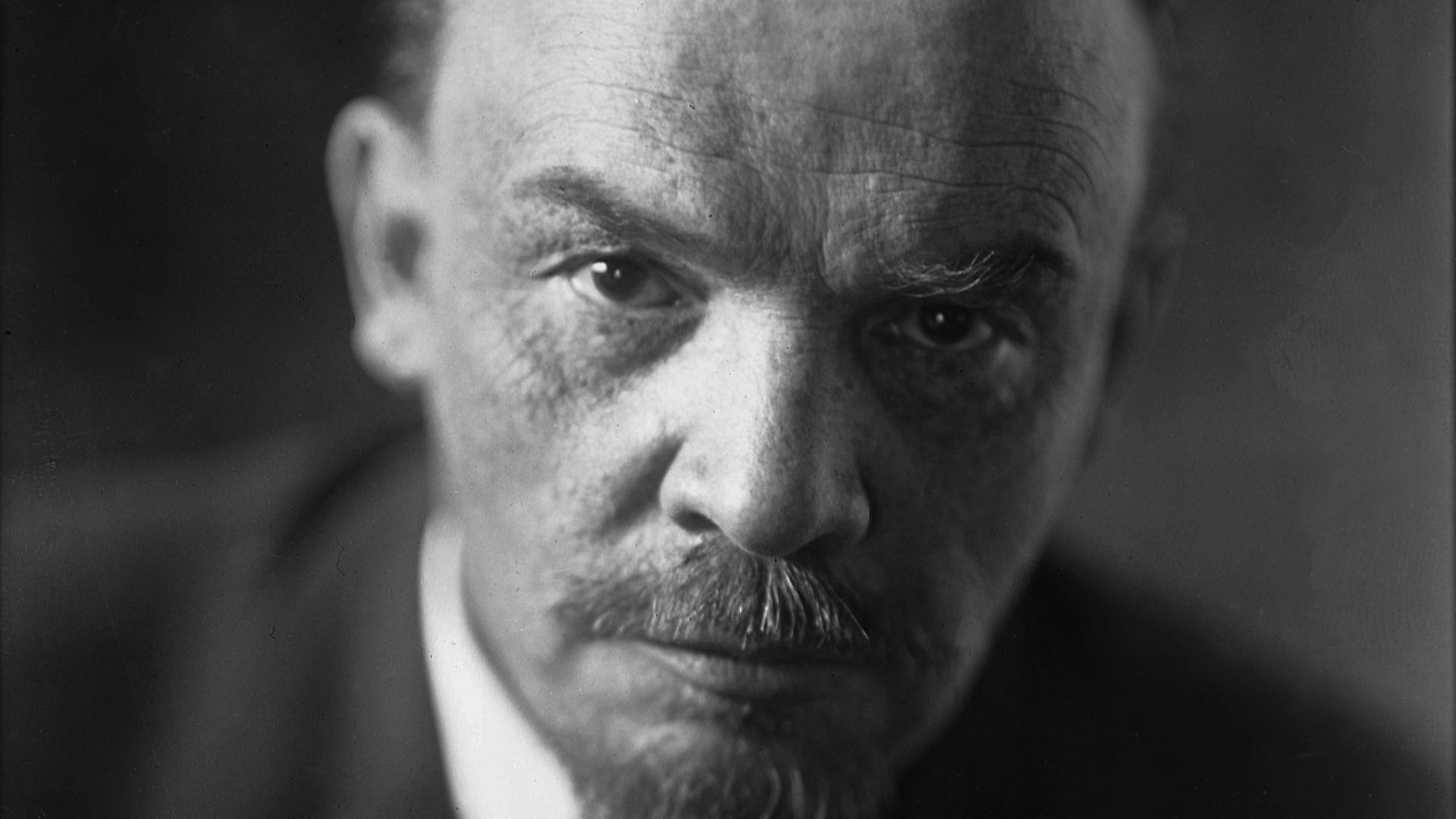
3. Lenin’s Mausoleum
Lenin’s mausoleum is unsettling for a very simple reason: the body is still there, preserved and publicly displayed more than a century after his death. The mausoleum first appeared in 1924, and Lenin’s embalmed remains have stayed on view for most of the time since then. There’s something about turning a revolutionary leader into a permanent exhibit that feels less comforting the longer you think about it.
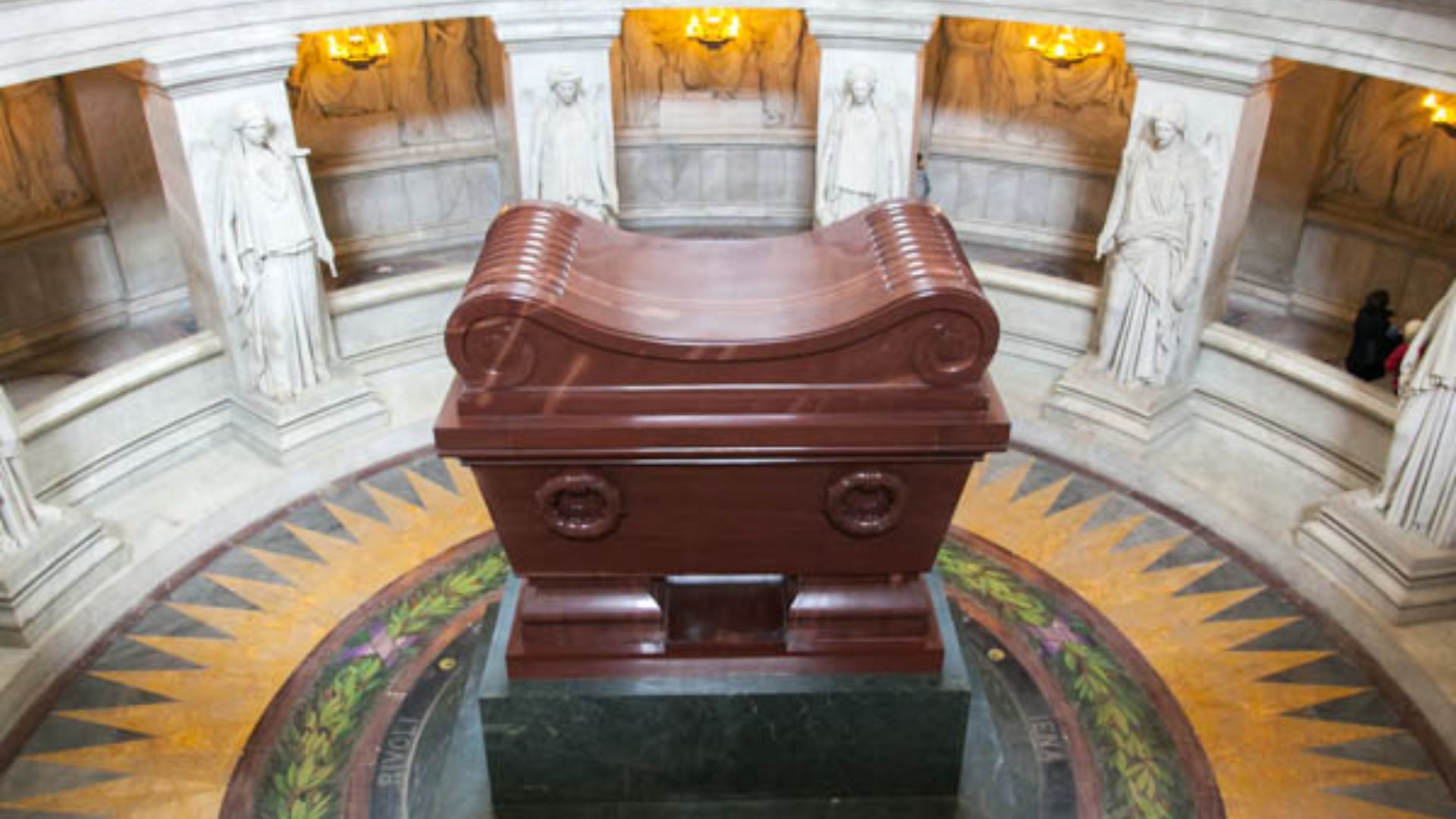
4. Napoleon’s Tomb
When Napoleon's body was exhumed from St. Helena in 1840 for repatriation, it was found to be in an unexpectedly excellent state of preservation. His tomb was designed so that when looking down into the crypt from the main floor, you're in a bowing posture, making it impossible to look down at him, and his body is encased in materials that lead to stories of "trapped" energy.
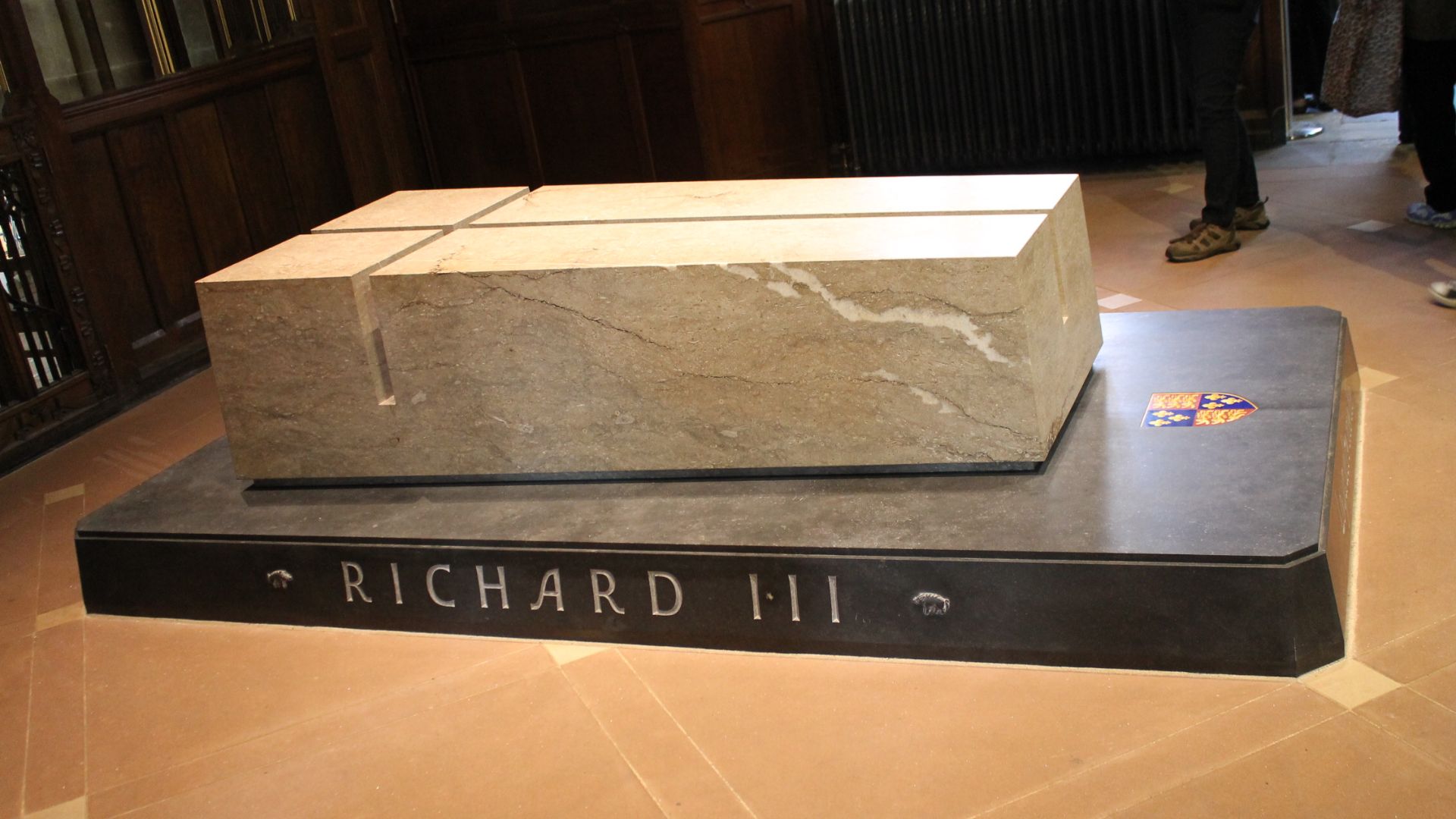
5. Richard III’s Tomb
Richard III has one of the strangest burial stories of any English king because for centuries, he was effectively missing. His remains were discovered in 2012 beneath a parking lot in Leicester and reburied in Leicester Cathedral in 2015 after forensic and DNA testing confirmed his identity.
It's hard not to find that a little eerie, especially when you remember that one of England’s most notorious monarchs spent so long lying under painted parking lines.
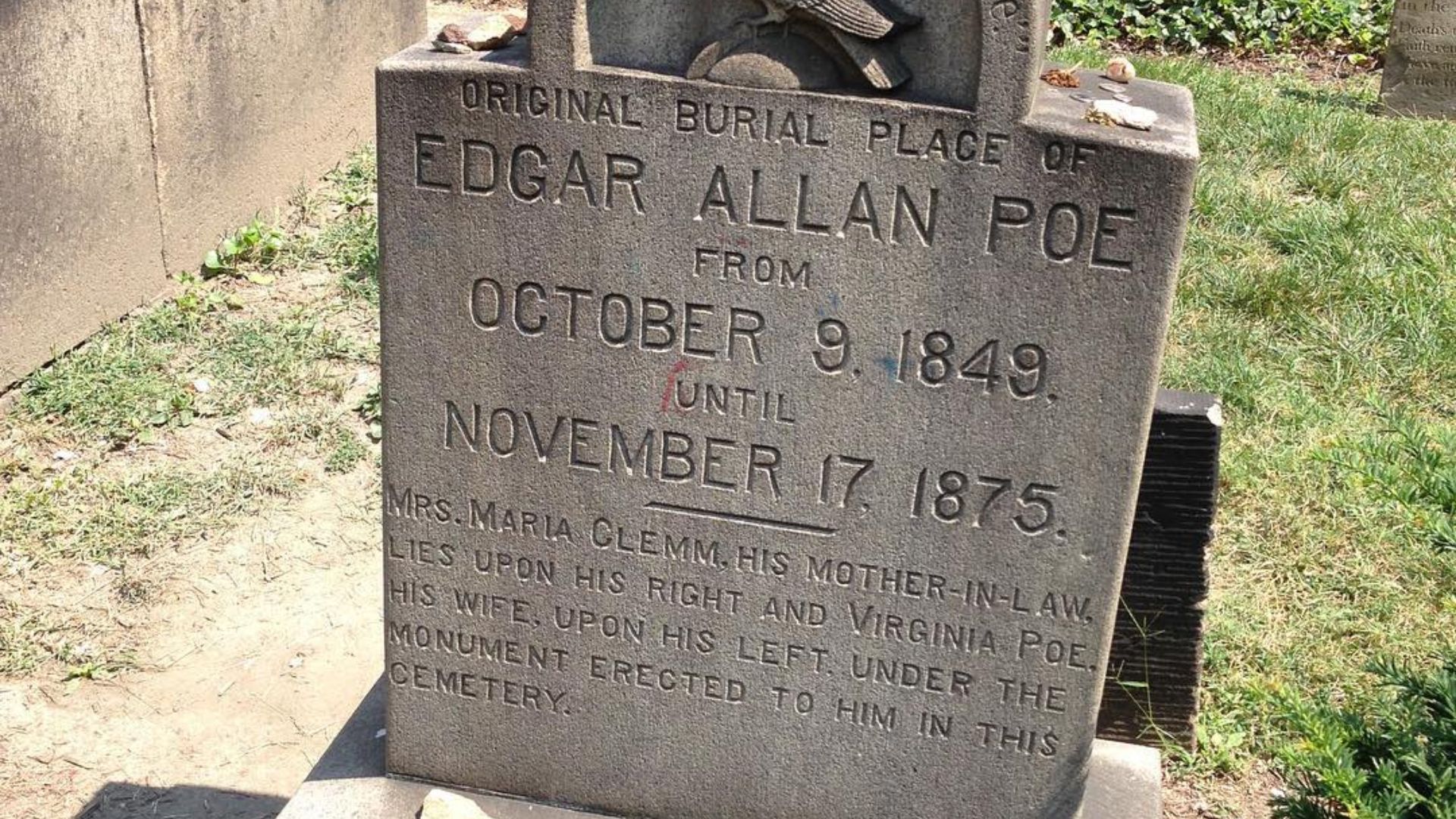
6. Edgar Allan Poe’s Grave
Poe’s grave would already be a natural fit for a creepy list even if his burial story were perfectly ordinary, which it definitely isn't. His original grave marker was misplaced and later moved, while the grave itself later became famous for the mysterious “Poe Toaster,” who visited before dawn and left roses and cognac. Between the mix-up, the ritual visits, and Poe being Poe, this burial site has no interest in being normal.
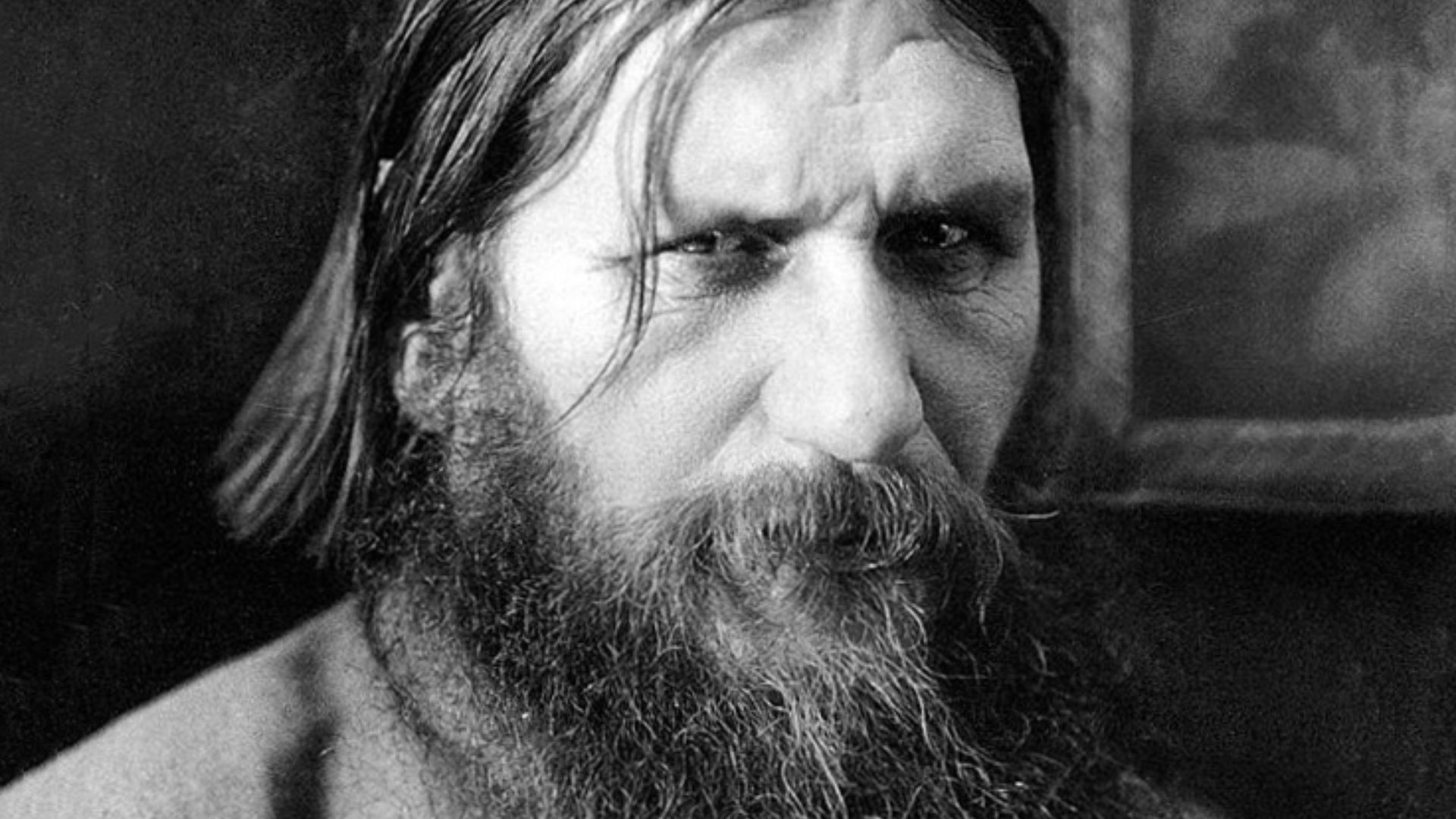
7. Rasputin’s Burial Site
Rasputin’s end was already grim and surrounded by rumors of supernatural resistance, but the aftermath somehow got worse. Rasputin was buried in early 1917 and then exhumed by a mob, dragged through the streets, and burned shortly after the tsar abdicated. A tomb story that ends with the body being dug up and destroyed is not exactly what you’d call restful.
8. Shakespeare’s Grave
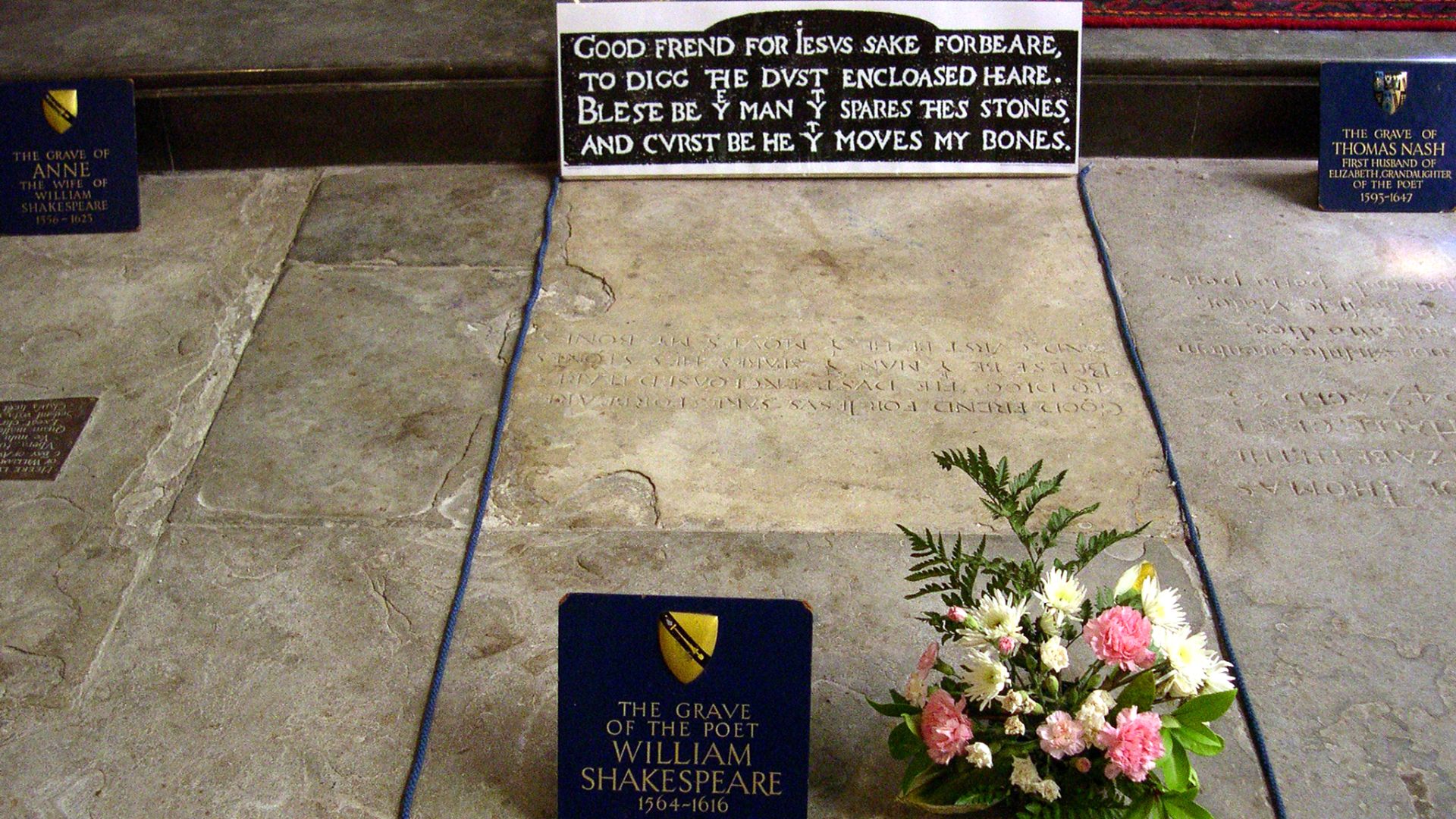
Shakespeare apparently didn't trust the future to leave his bones alone, and honestly, he had a point. His grave is famous for the inscription warning that anyone who moves his bones will be cursed, which has given the site centuries of extra menace.
You don't need to believe in curses to appreciate how effective that message still is.
9. George Washington’s Tomb
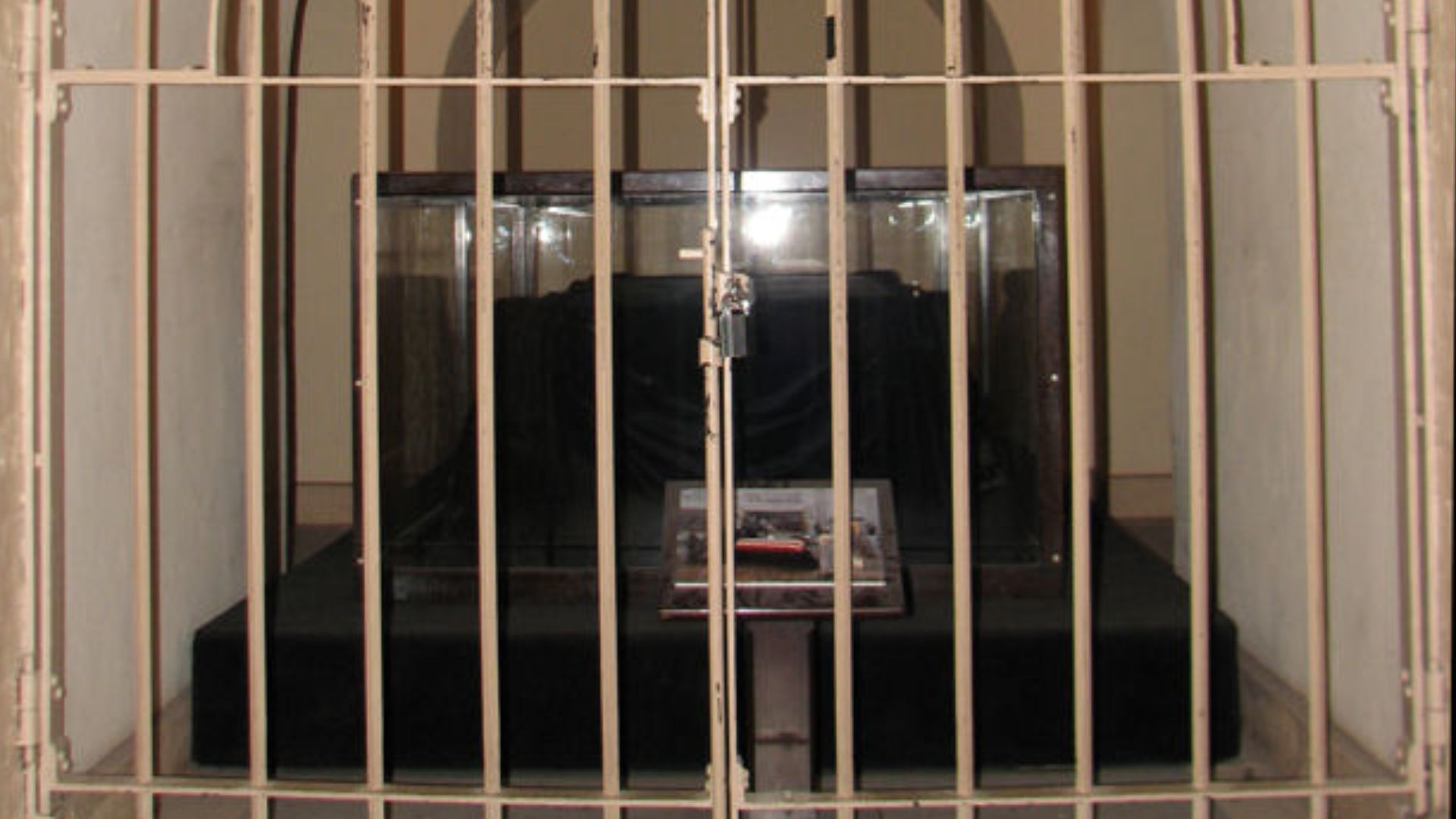
George Washington’s tomb at Mount Vernon has a story that sounds far too ugly for the resting place of a founding father. In 1830, someone attempted to steal Washington’s skull from the family vault, but took the wrong skull because the crypt was already in poor condition. That failed theft helped lead to the construction of a more secure tomb.
10. Grant’s Tomb
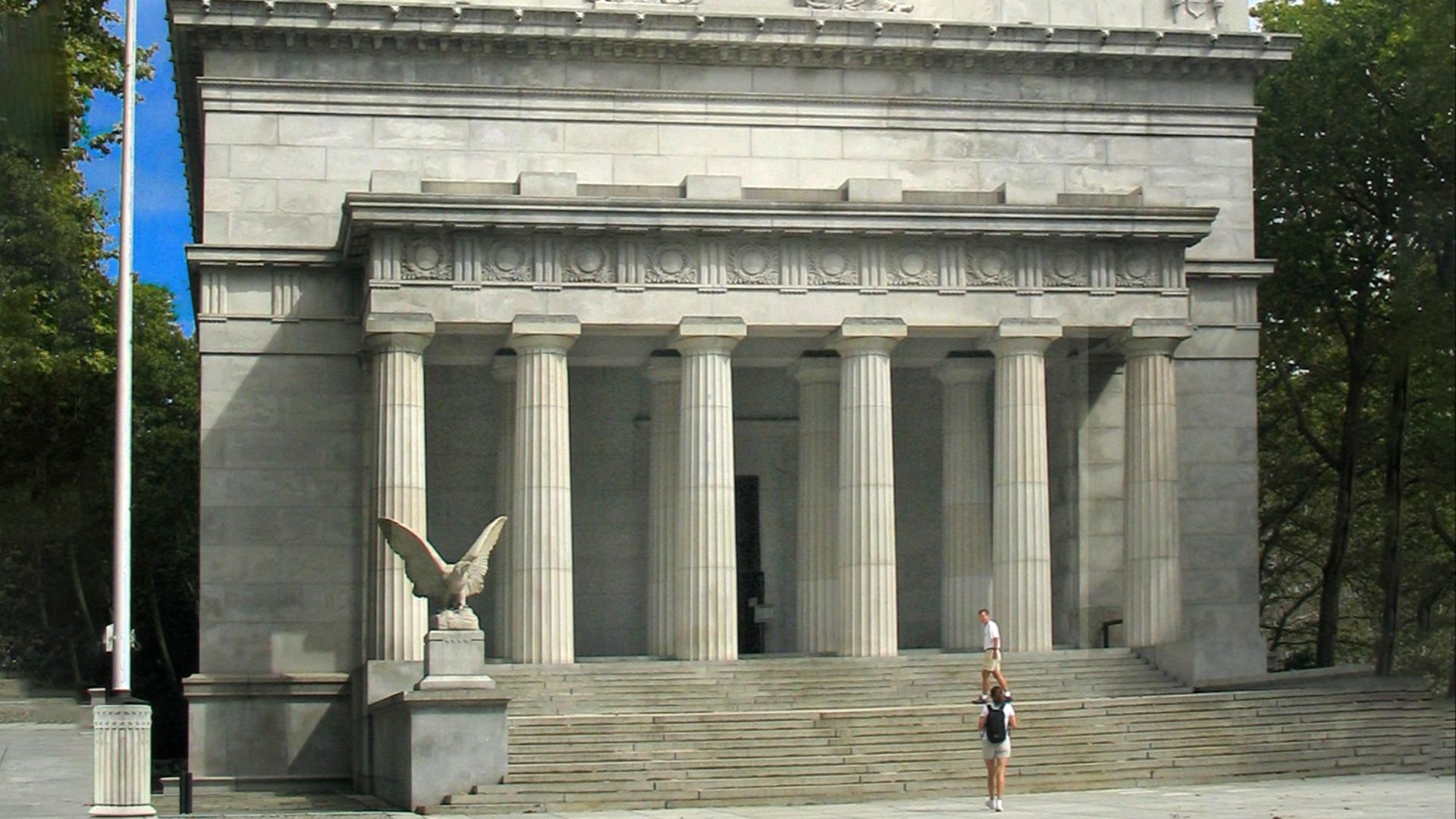
Grant’s Tomb has a colder kind of grandeur because it was deliberately modeled after Napoleon’s tomb, which gives the whole place a heavy, imperial feel. What throws people off is that Ulysses S. Grant and his wife, Julia Dent Grant, aren’t buried underground, but entombed in sarcophagi inside the massive memorial. The fact that no one is actually buried there makes the site feel a little stranger.
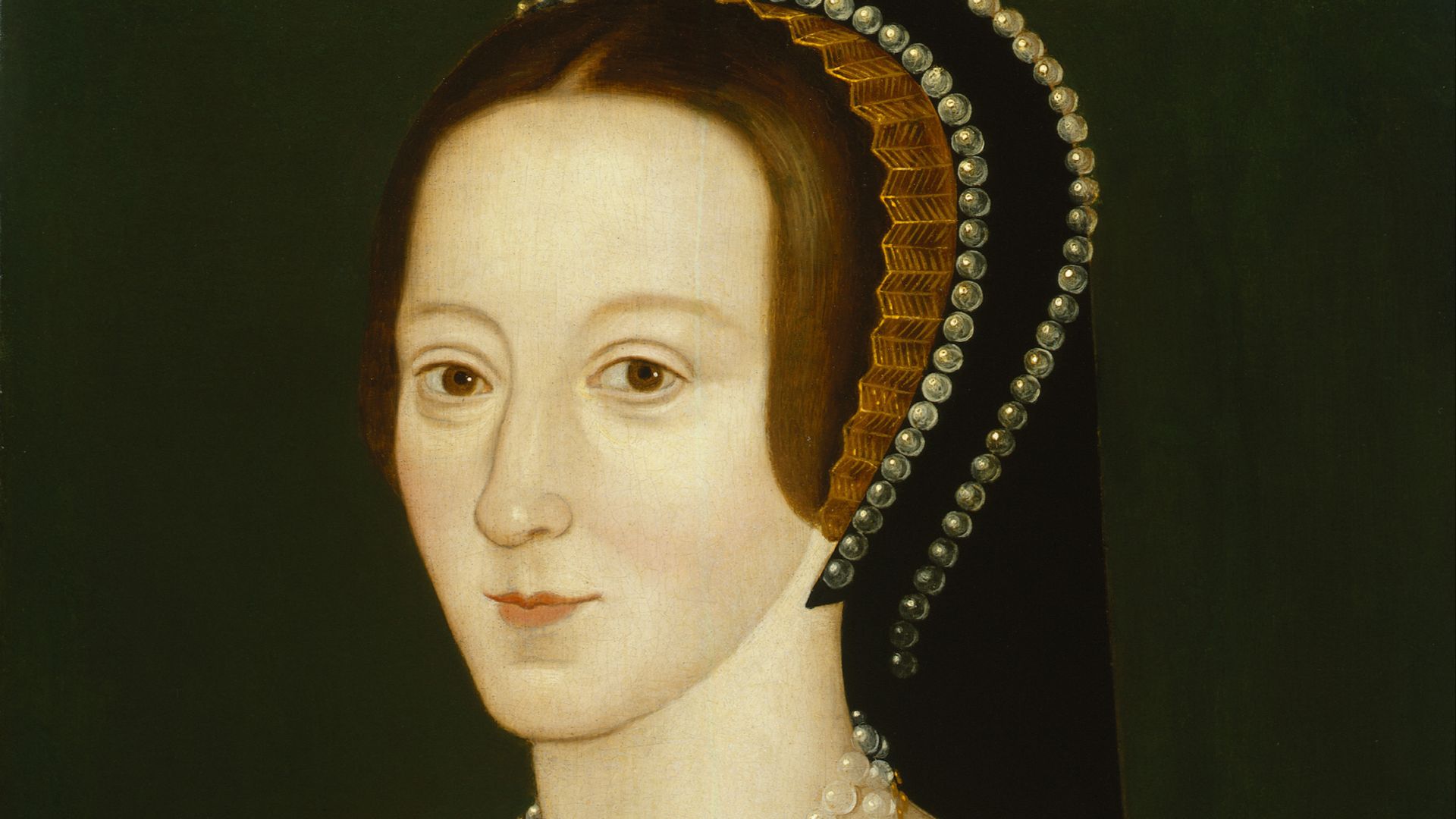
11. Anne Boleyn’s Grave
Anne Boleyn’s grave at Westminster Abbey carries the kind of emotional chill that comes from knowing exactly how she got there. She was executed in 1536 by Henry VIII at the Tower of London, and hastily buried in an unmarked spot. She's been the subject of countless ghost stories ever since.
12. King John’s Tomb
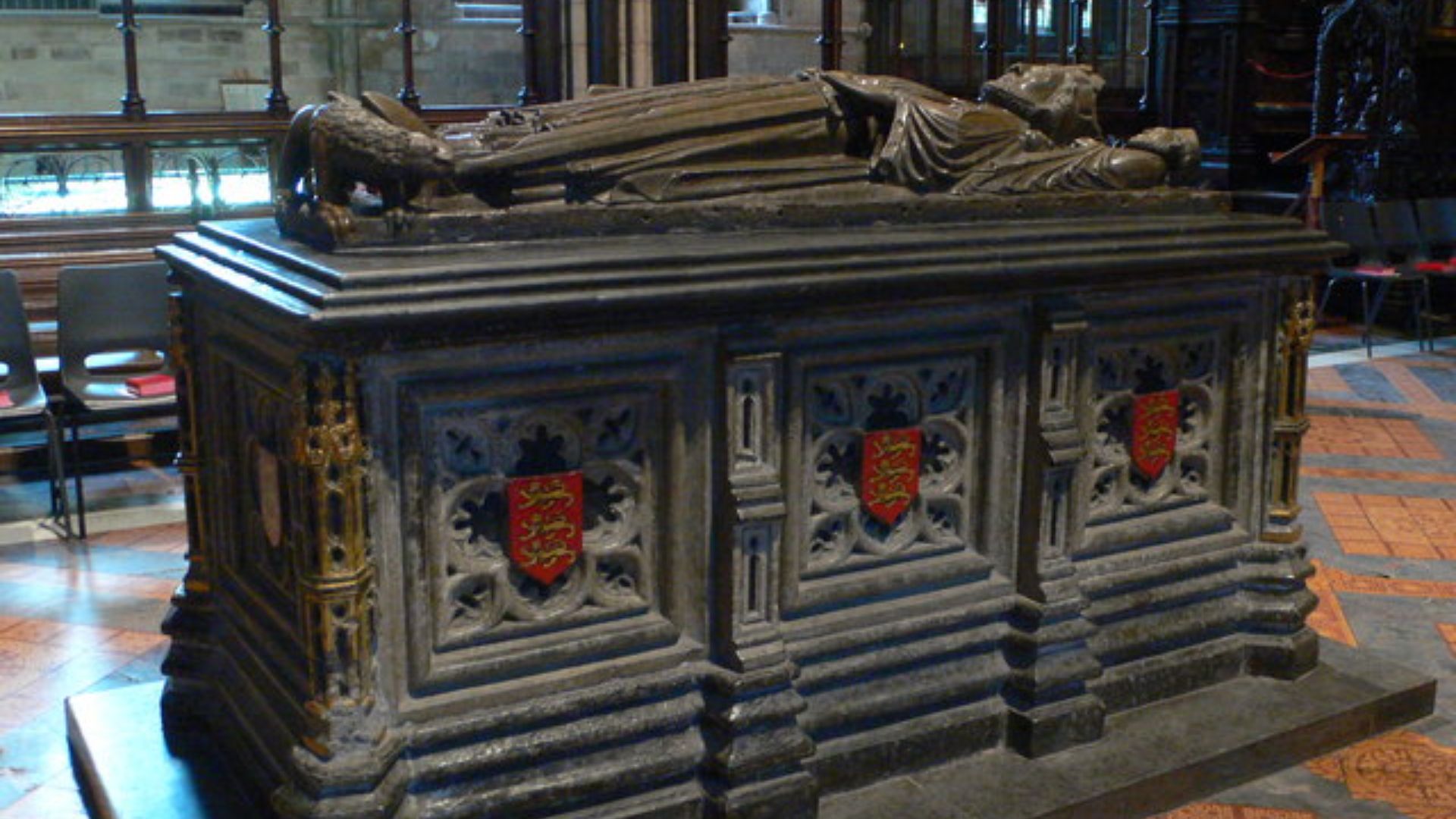
King John already had a rough reputation in life, and his tomb hasn't exactly escaped the drama.
He lies in a place of honor before the high altar, and his tomb has the oldest royal effigy in England, which contrasts starkly with his reputation as England's "Bad King". Knowing that he led a cruel and treacherous life, he was rumored to have been buried in a monk's cowl, hoping to hoodwink his way into heaven.
13. The Mausoleum at Halicarnassus
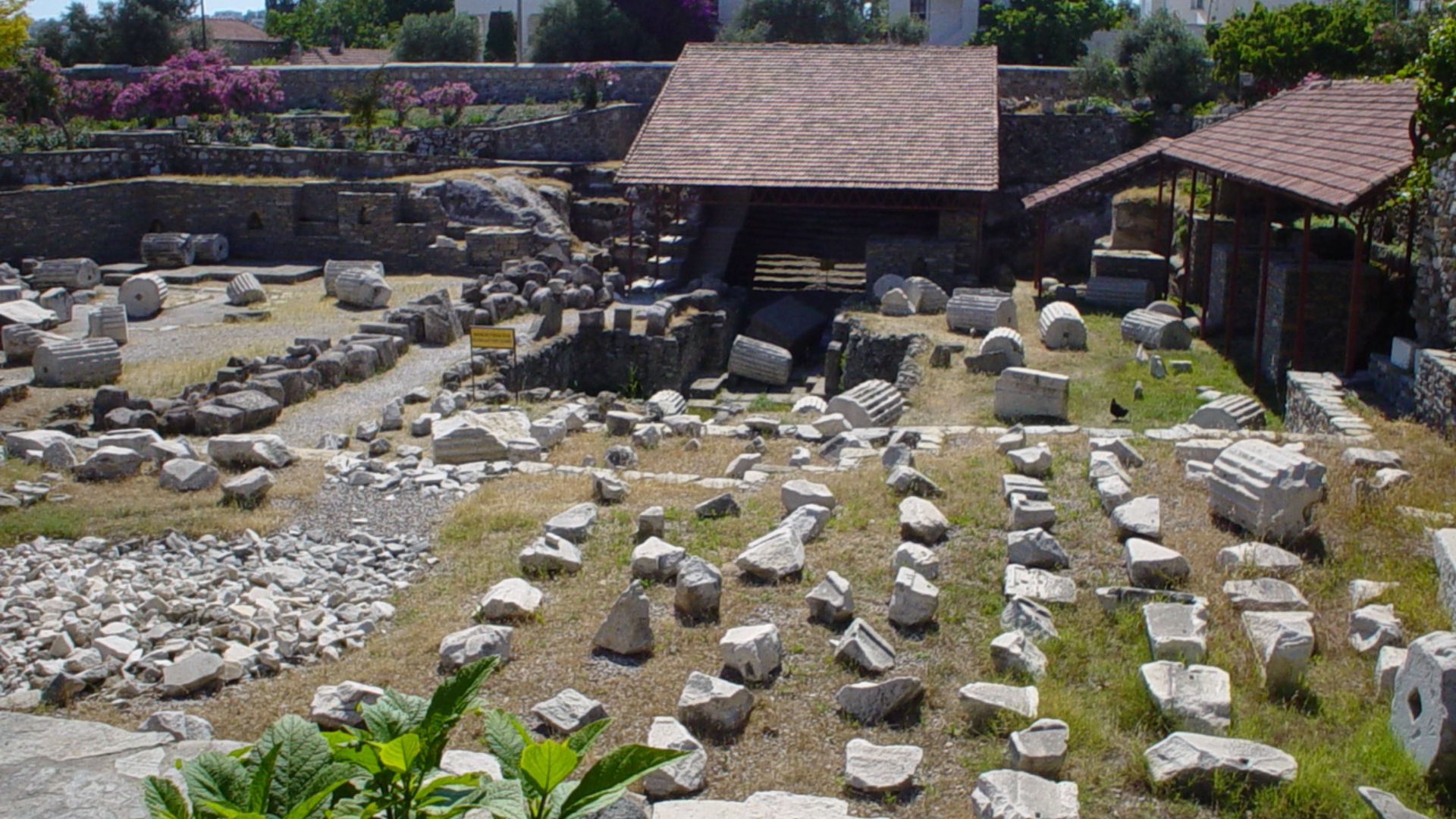
The Mausoleum at Halicarnassus is famous enough to have given us the word “mausoleum,” which is a pretty strong legacy. It was built for Mausolus and became one of the Seven Wonders of the ancient world, but the structure was eventually ruined and dismantled over time. There is something eerie about a tomb so monumental that it changed language and still couldn't protect itself from destruction.
14. The Taj Mahal
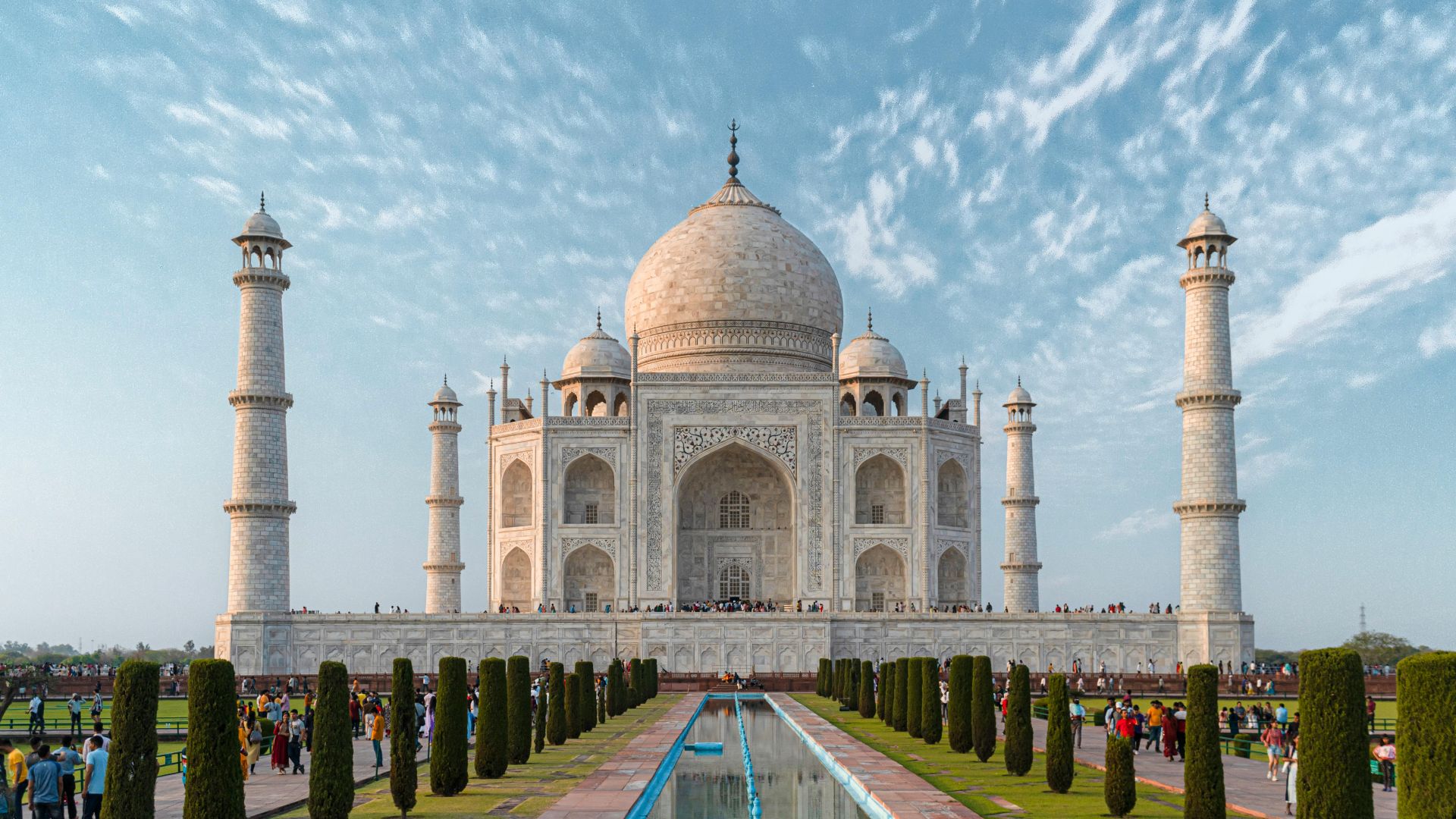
The Taj Mahal is usually filed under romance, but it's still a tomb. The white marble mausoleum was built by Shah Jahan in memory of his favorite wife,e Mumtaz Mahal, and the emperor himself was eventually buried there too. Some tales suggest that people who have tried to steal precious items from the tombs have met with misfortune, illnesses, or death, sparking rumors that their spirits are trapped there.
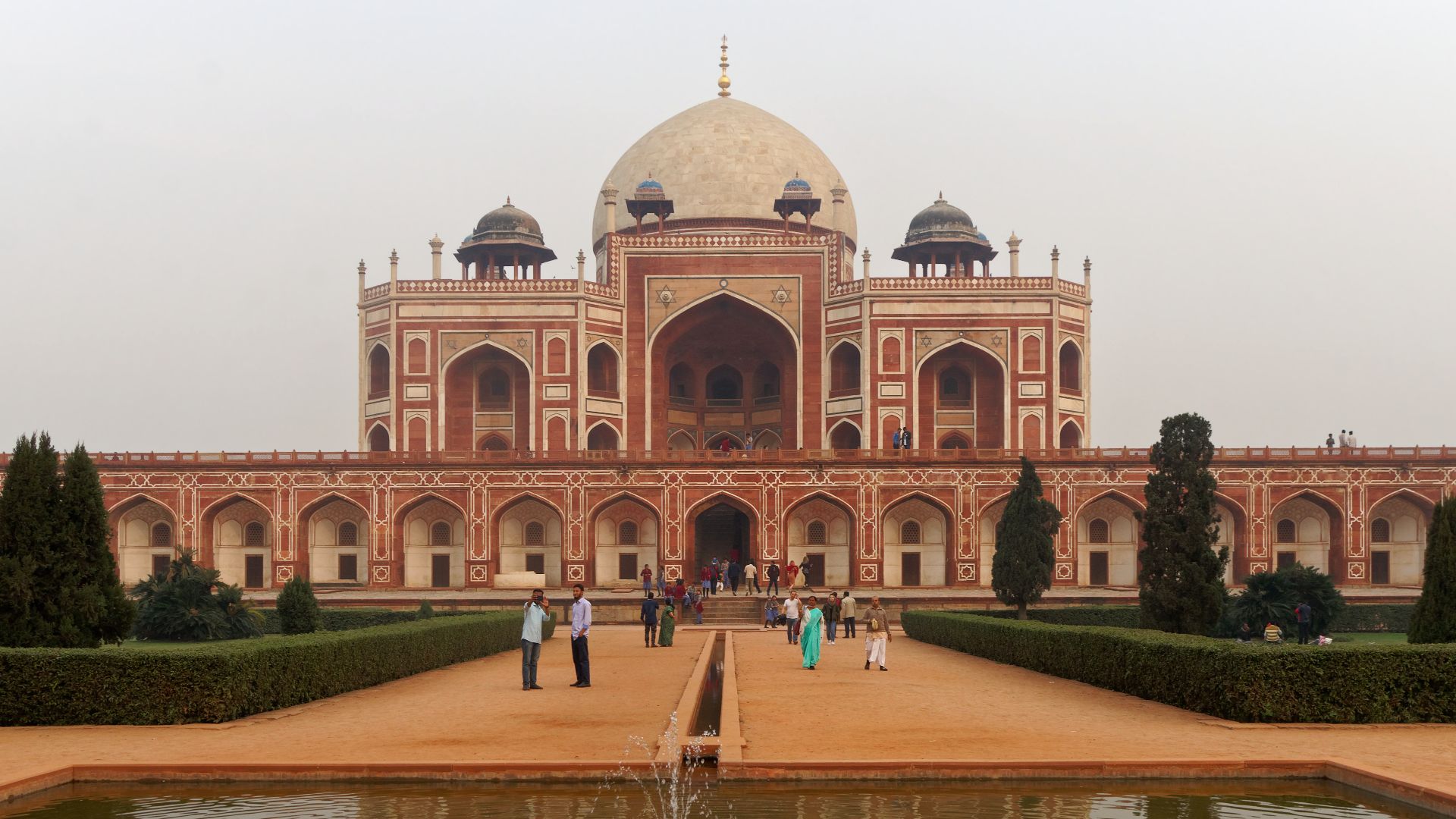
15. Humayun’s Tomb
Humayun’s Tomb is elegant enough to look serene from a distance, but its history has a more haunted feel when you start reading closely. It's the first great garden-tomb on the Indian subcontinent, and the site later became entangled with the final days of the Mughal dynasty during the 1857 rebellion.
A tomb that begins as an emperor’s memorial and later becomes part of a collapsing empire has a gloomier story than the symmetry suggests.
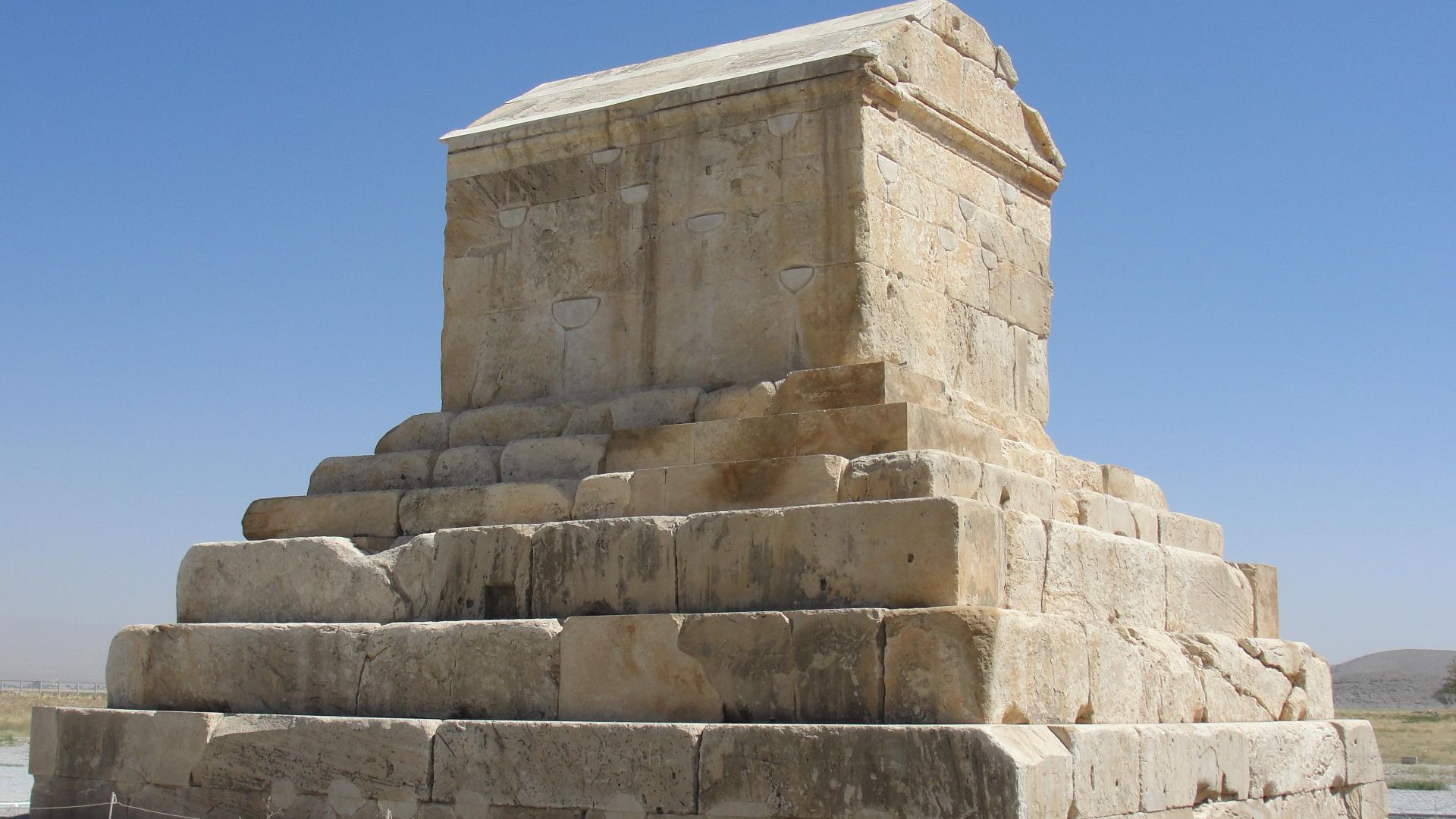
16. The Tomb of Cyrus the Great
The tomb of Cyrus the Great carries the sort of quiet dread that comes from surviving too much history. For centuries, the original purpose of the tomb was forgotten, and it was attributed to Islamic, rather than ancient Persian, origins. Locals once called it the "Tomb of Solomon's Mother," believing anyone entering it would be blinded.
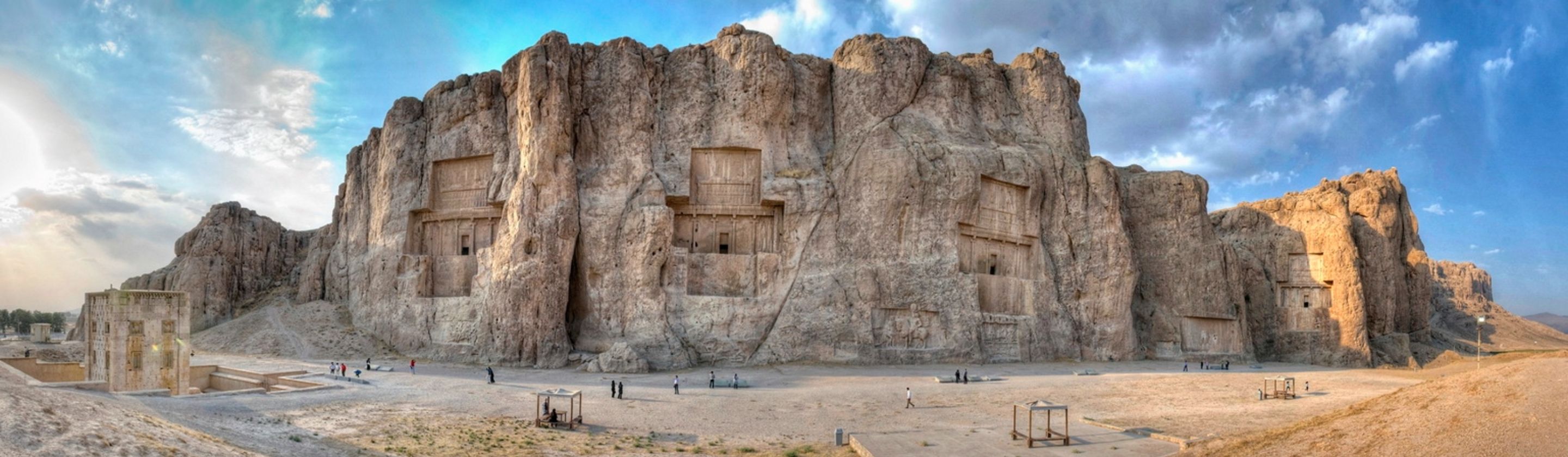
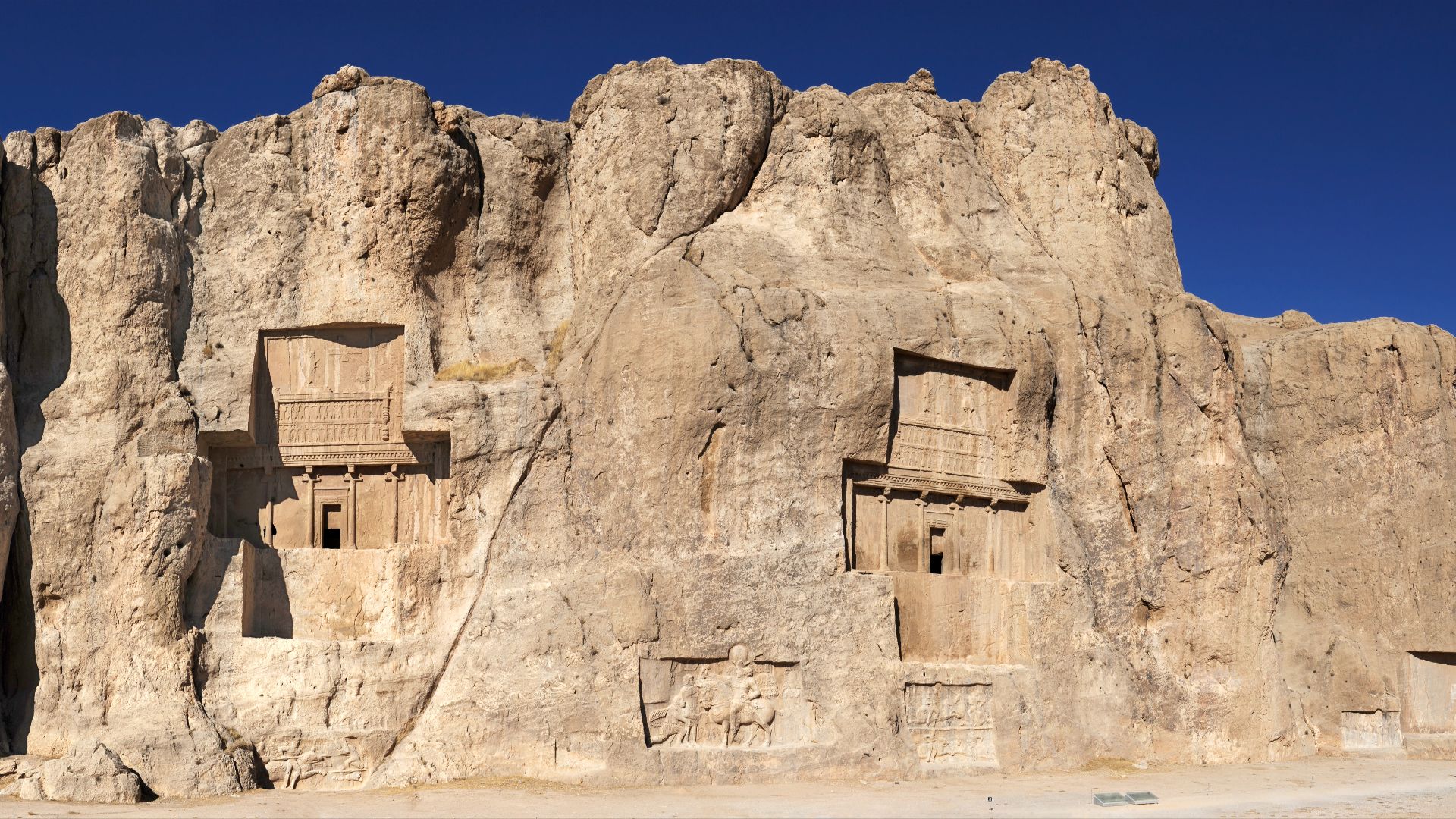
17. Naqsh-e Rostam
Naqsh-e Rostam looks dramatic even before you learn what it is. The cliff face contains great Achaemenid royal tombs carved high above the ground, designed to be inaccessible. The sheer scale of the rock-cut tombs, combined with their isolation and the desert wind whistling through the carvings, creates a sense of death and lingering power.
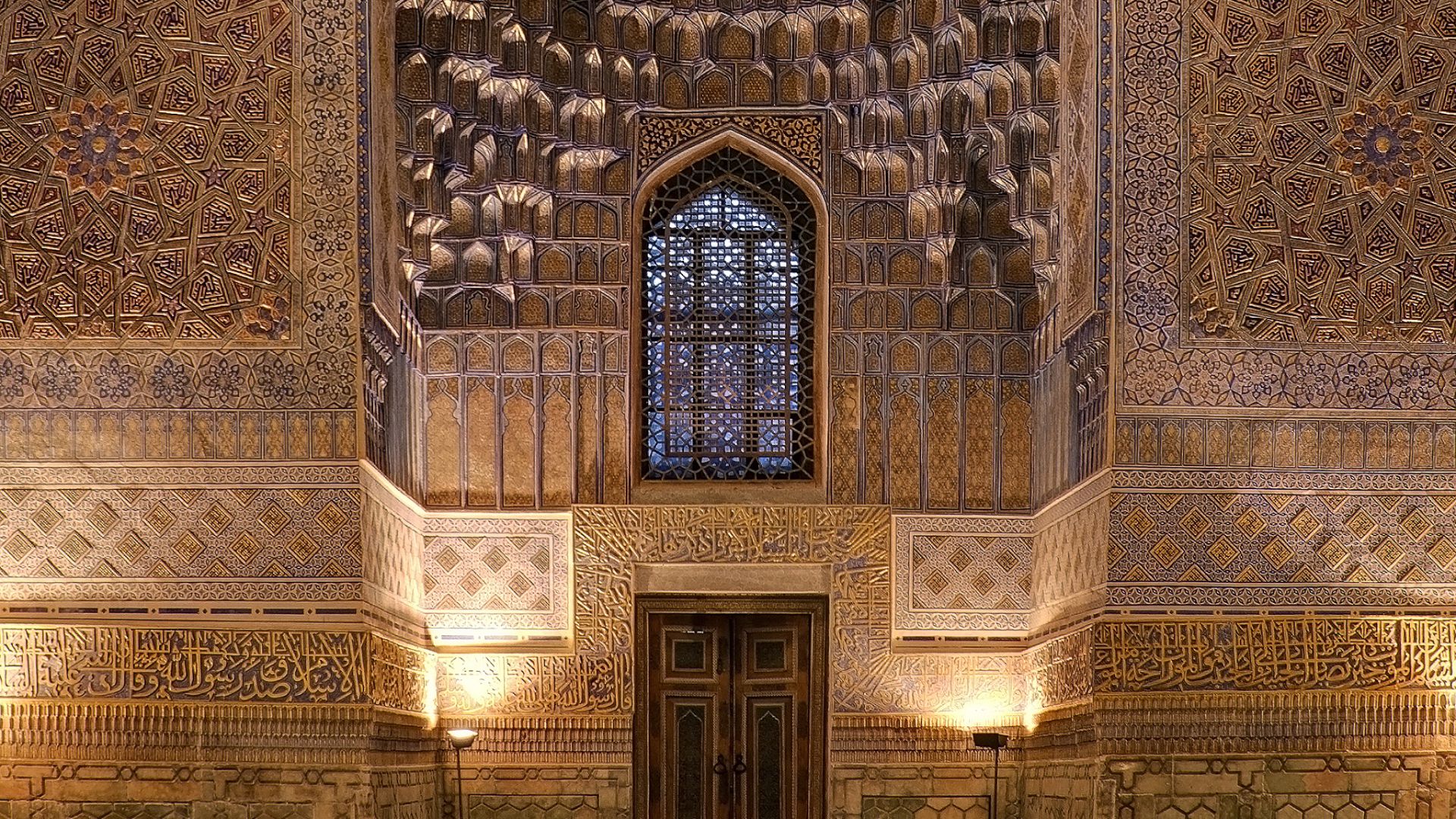
18. Gur-e-Amir, Timur’s Tomb
Timur’s tomb in Samarkand picked up one of the most famous burial legends in Central Asia. The so-called curse of Timur claims that disturbing his grave would unleash catastrophe, and the story became attached to the Soviet opening of the tomb in June 1941, just before Hitler invaded the Soviet Union.
19. Mao Zedong’s Mausoleum
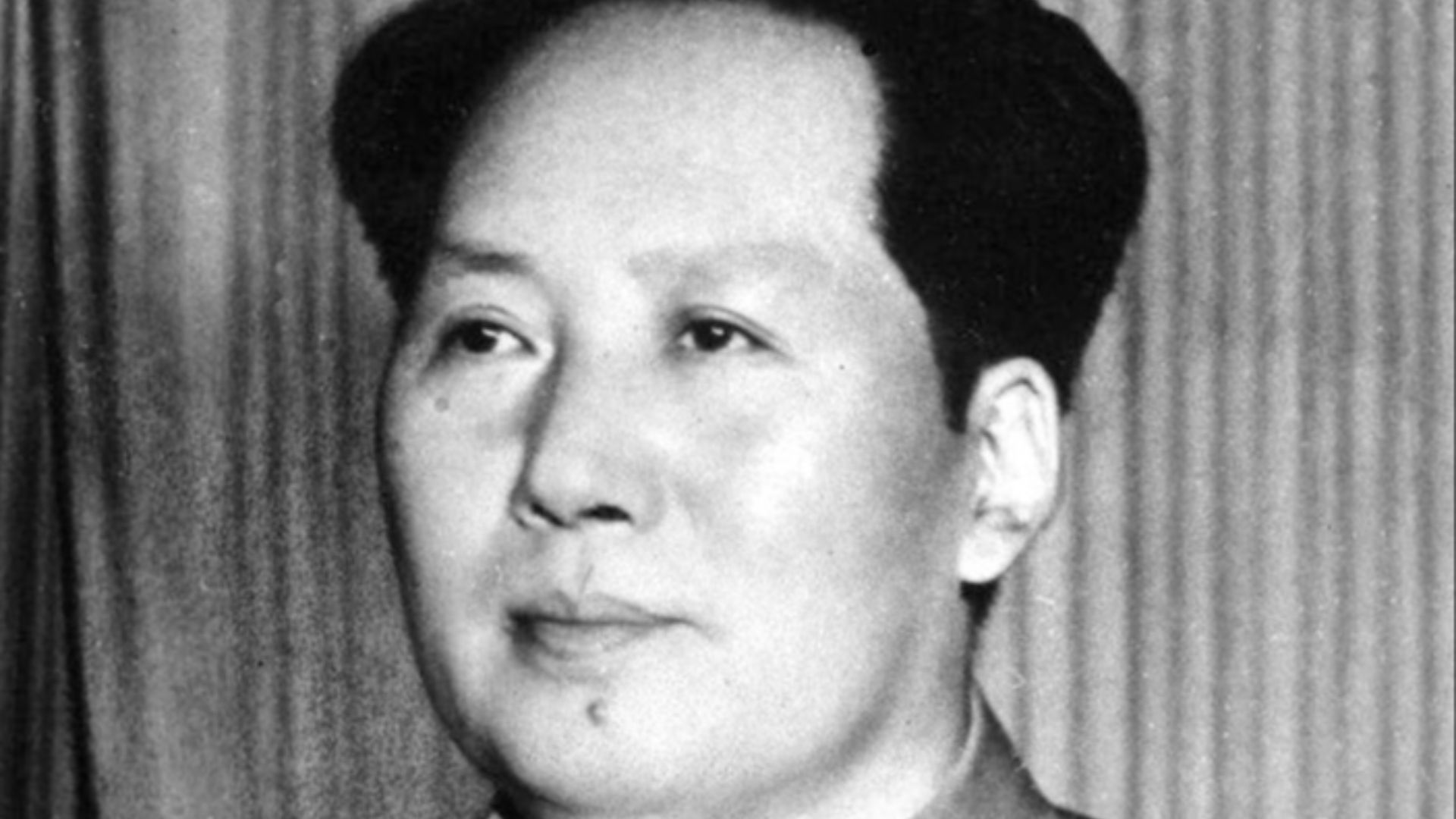
Mao’s mausoleum has the same unnerving quality as Lenin’s, though with an even heavier political atmosphere hanging over it. His embalmed body remains on public display in Beijing’s Chairman Mao Memorial Hall, keeping a revolutionary leader physically present in the center of national memory. It's hard not to find that a little eerie, especially given how many lives and upheavals are tied to his legacy.
20. The Tomb of the Unknown Soldier
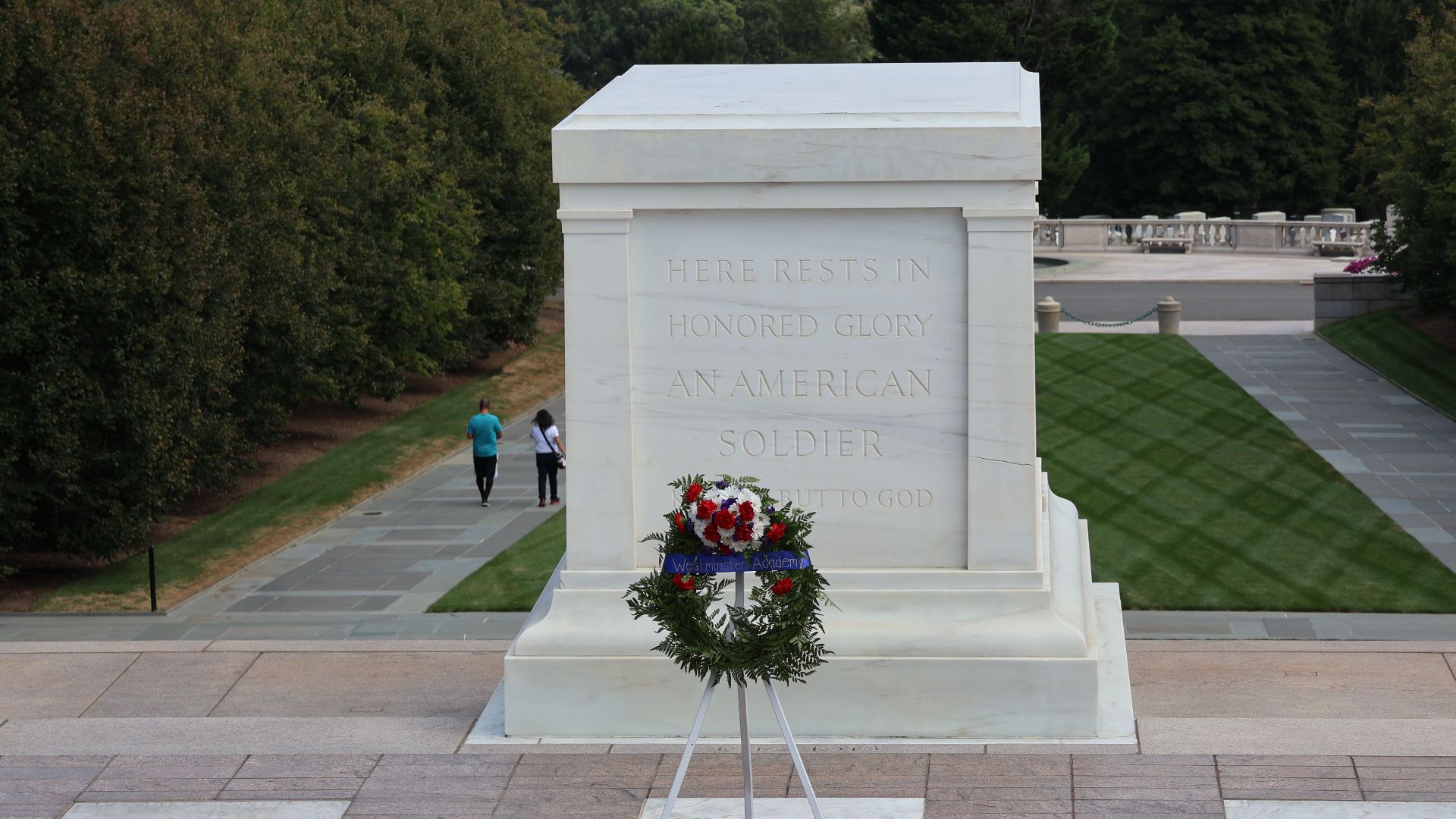
The Tomb of the Unknown Soldier is chilling in a quieter way than most entries here. Arlington National Cemetery explains that the tomb honors unidentified American service members, and the site’s constant guard only deepens the feeling that this is a place built around absence as much as remembrance. There is nothing supernatural about it, but a tomb devoted to the unnamed dead can stay with you longer than many legends do.
KEEP ON READING
The Brutal Realities Of Gladiator Life Beyond the Arena
David Cruz asenjo on PexelsWhen most people think of gladiators,…
By Rob Shapiro Mar 31, 2026
The Volcano Winter That Nearly Toppled Europe
Collin Ross on UnsplashMost people, if asked to name a…
By Cameron Dick Mar 31, 2026
From School Plays To Starting A Cult: 20 Of The…
The Books That Made Us. Many people will tell you…
By Farva Ivkovic Jan 31, 2025
20 Facts About Jane Grey, The Forgotten Queen Of England
A Quick, Messy, and Tragic Reign. Lady Jane Grey never…
By Maria Cruz Jan 31, 2025
20 Priceless Historical Art Pieces Rescued By The Monuments Men
Protecting Human History. While the soldiers on the front lines…
By Sara Springsteen Mar 31, 2026
Almost Every Ancient Statue Has a Missing Nose, And It's…
Gary Todd from Xinzheng, China on WikimediaWalk through the classical…
By Elizabeth Graham Mar 31, 2026