

My Aunt Raised Me in Poverty While Stealing My $2 Million Inheritance — Then I Discovered the Real Reason Why
My Aunt Raised Me in Poverty While Stealing My $2 Million Inheritance — Then I Discovered the Real Reason Why
The Yellowing Envelope
The envelope arrived on a Tuesday, exactly fifteen years to the day after my parents died. I know because I always mark the anniversary quietly, alone in my apartment with a photo of the three of us at the beach. I was pulling a double shift at the diner that night, my feet already aching before I even left the building, when I found it wedged between a credit card offer and a flyer for carpet cleaning. The paper was thick, yellowed at the edges like it had been sitting in someone's drawer for years before being mailed. No return address, just my name typed on a label that looked like it came from an old dot-matrix printer. Inside was a single sheet, an account statement from First National, dated from fifteen years ago. The numbers meant nothing to me at first. I scanned them twice, three times, looking for some context that would explain why someone would send me this now. My hands were shaking slightly as I held it under the overhead light in my kitchen, trying to make sense of the columns and codes. The account number meant nothing to me, but my father's name was printed across the top in faded ink.
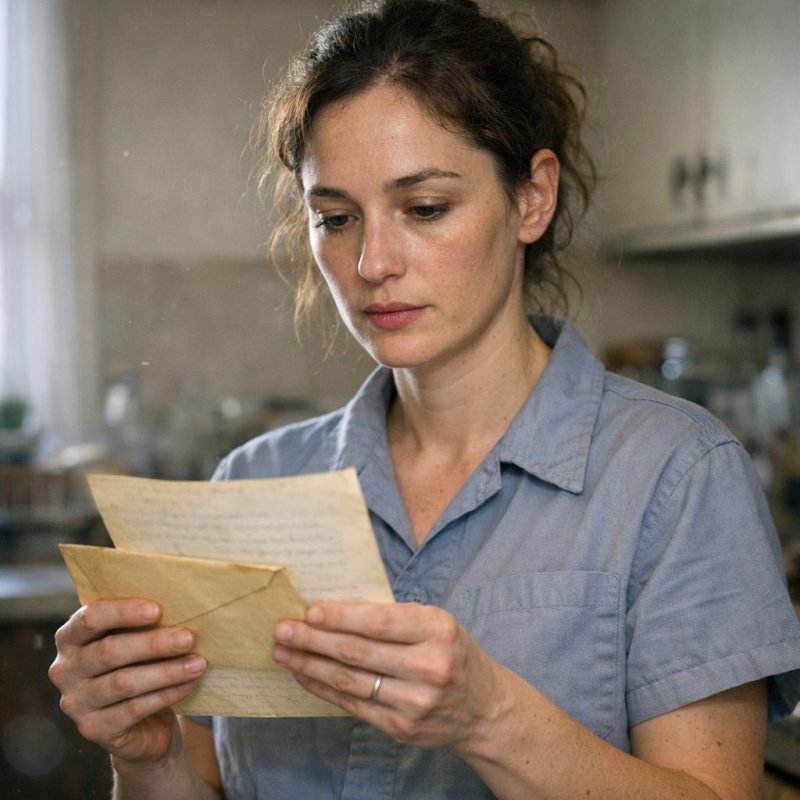 Image by RM AI
Fifteen Years of Hand-Me-Downs
I sat at Beatrice's kitchen table that Sunday like I had a hundred times before, watching her measure coffee grounds with the same careful precision she applied to everything in her life. She'd raised me since I was ten, in this same small house with the cracked linoleum and the furnace that rattled all winter. 'You look tired, Nora,' she said, not unkindly. I was always tired. Between nursing school and my shifts at the diner, sleep felt like something other people did. My student loan statement was burning a hole in my bag, thirty-seven thousand dollars and climbing with interest. Beatrice sighed as she poured the coffee, that familiar sound that meant she was about to remind me how hard things had been. 'Your parents, God rest them, they left nothing but bills when they passed. I did what I could, sweetheart. I've always done what I could.' The guilt settled over me like it always did, heavy and familiar. She'd taken me in when she didn't have to. She'd fed me, clothed me in hand-me-downs and clearance rack finds, kept a roof over my head. I owed her everything, she reminded me, and I believed it completely. But if they left nothing, why would an old bank statement suddenly surface now?
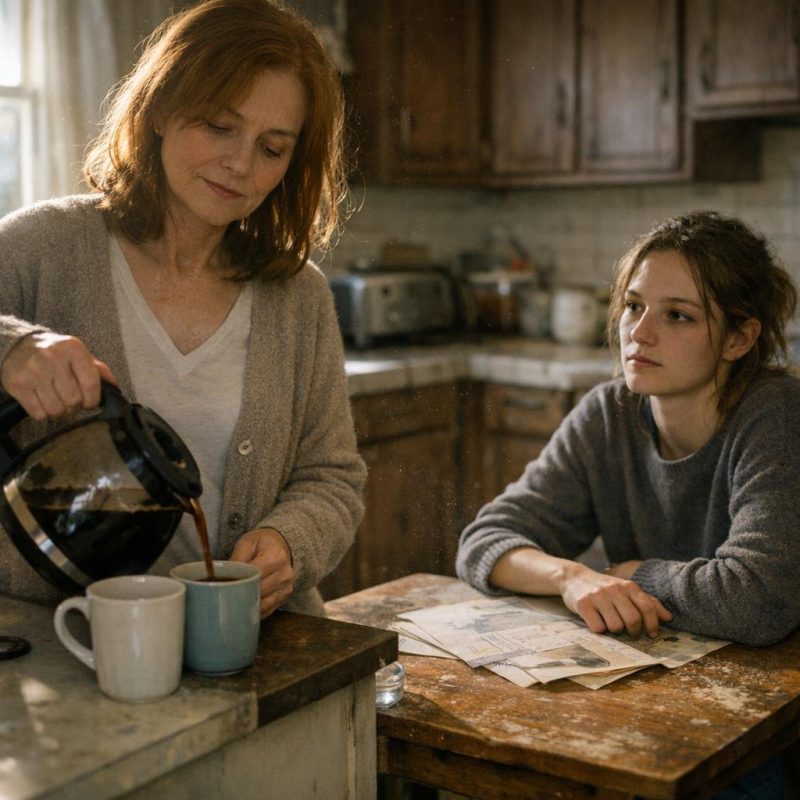 Image by RM AI
The Golden Boy
Leo called that afternoon from somewhere sunny, I could hear pool sounds in the background. My cousin had always lived in a different world than me, even before my parents died. Beatrice's golden boy, her pride and joy. 'How's school?' he asked, his voice casual and light. I was folding laundry in my studio apartment, whites that had gone grey from being washed too many times. He was at some resort in California, taking a 'mental health break' before his final semester at a private college I couldn't even afford to visit. 'It's fine,' I told him, not mentioning the textbook I'd had to buy used with three pages missing, or the clinical rotation I'd almost missed because my car wouldn't start. Beatrice always said his boarding school scholarship was a miracle, a full ride that covered everything from tuition to his summer programs abroad. She'd scrape together pennies to send him care packages, her face glowing with pride whenever he called. I never begrudged him his opportunities, not really. He'd been kind to me when we were kids, before he left for that fancy school when he was thirteen. I just wished I understood why miracles happened for some people and not others. Beatrice always said his scholarship was a miracle, but I never questioned where miracles actually came from.
 Image by RM AI
A Rainy Tuesday
Some memories you can keep at a distance most days, but anniversaries have a way of pulling them close. I let myself remember that night fifteen years ago, even though I usually didn't. The police at the door, their faces serious and sad. The word 'hit-and-run' that I didn't fully understand at first, my ten-year-old brain struggling to connect it to my parents not coming home. They'd been walking back from dinner, just the two of them, a rare date night. Someone driving too fast on a residential street, didn't stop, didn't slow down. Gone in an instant. The investigation went on for months. I remember Beatrice fielding calls from detectives, her mouth pressed into a thin line, shaking her head. No witnesses who could identify the vehicle. No cameras on that particular street. No leads that went anywhere. Eventually the calls stopped coming. The case went cold, just another unsolved hit-and-run in a city full of them. I used to imagine the driver sometimes, wonder if they thought about it, if they felt guilty, if they even knew they'd killed two people. But after a while, I stopped. They never found the driver, and eventually, I stopped expecting they would.
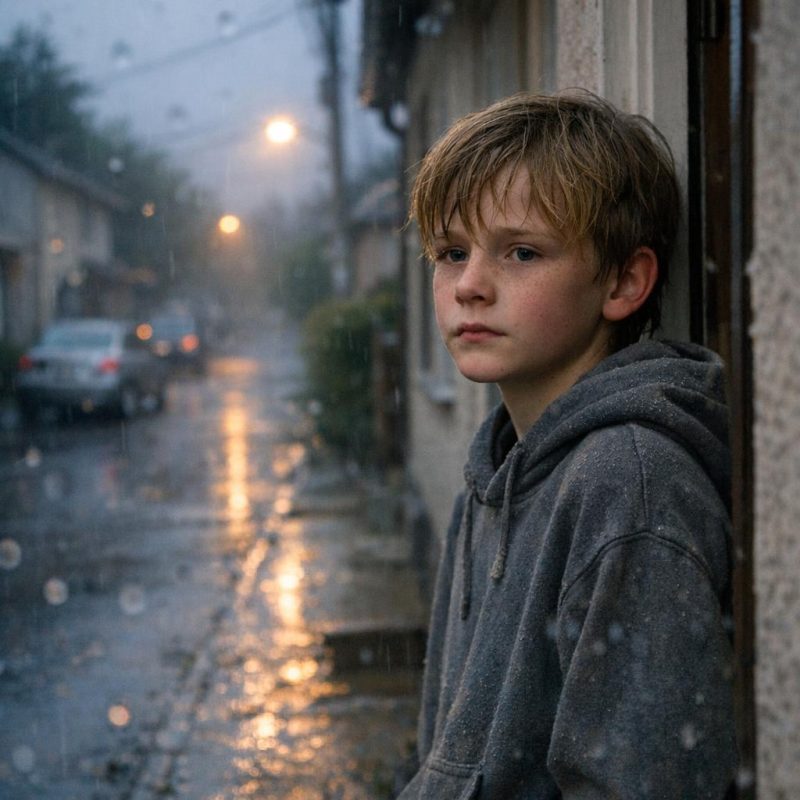 Image by RM AI
The Decision to Look
The envelope sat on my kitchen counter for three days, and I must have picked it up and set it back down fifty times. Every time I left for class or work, I'd glance at it. Every time I came home, there it was, waiting. I told myself I was being ridiculous, that it was probably nothing, maybe some kind of clerical error or old paperwork that had surfaced during a bank merger. But the fear in my chest said otherwise. What if it was real? What if my parents had left something and I'd never known? What if Beatrice had been wrong all these years, or worse, what if she'd been lying? That thought felt disloyal, ungrateful. She'd sacrificed so much for me. But the paper sat there with my father's name on it, and I couldn't ignore it anymore. On Thursday morning, I called in sick to the diner for the first time in eighteen months. I put the envelope in my bag, double-checked the bank's address online, and walked to the bus stop with my heart hammering in my chest. Part of me was terrified of what I might find, but a larger part couldn't let it go.
 Image by RM AI
Downtown
First National's main branch sat between glass towers downtown, all marble and brass and the kind of quiet that money makes. I'd walked past it a hundred times, maybe more, on my way to the secondhand bookstore or the pharmacy where I could get my prescriptions filled cheap. It never occurred to me that I had any reason to go inside. Banks like this were for people with actual money, people who wore suits and carried leather briefcases. I was wearing my cleanest jeans and a sweater with a small pull in the sleeve, and I felt completely out of place the moment I walked through the revolving door. The lobby was all polished stone and hushed conversations. A receptionist with perfect makeup and pearl earrings sat at a sleek desk near the entrance. I approached slowly, the envelope clutched in my hand like a permission slip. 'I need to inquire about an account,' I said, my voice smaller than I wanted it to be. She smiled professionally and asked for the number. I read it off the paper, watching her manicured fingers type it into her computer. When I gave the account number to the receptionist, her smile faltered just slightly.
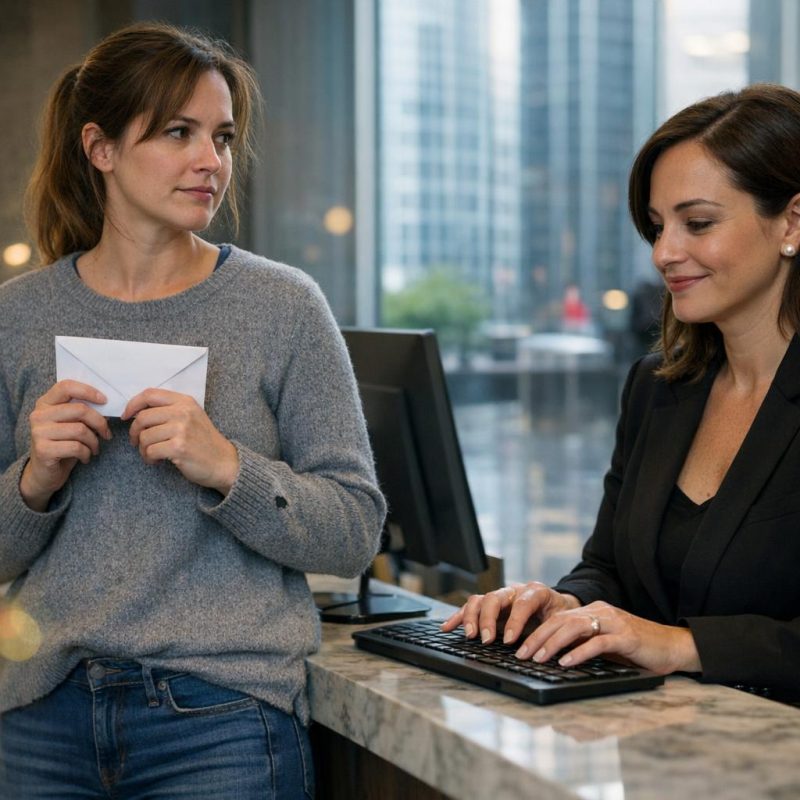 Image by RM AI
Age Twenty-Five
The receptionist excused herself, disappeared through a door behind her desk, and returned with an older woman who introduced herself as a senior associate. They spoke in low voices, glancing at their computer screen, then at me, then back at the screen. Finally, the senior associate asked me to follow her to a private office. My legs felt unsteady as I walked. 'Miss Brennan,' she said carefully, pulling up something on her monitor. 'This account has been dormant, awaiting beneficiary access. There's a specific condition attached to it.' She turned the screen toward me, pointing to a line of text I had to read three times before it made sense. My father had filed paperwork designating me as beneficiary, but with a stipulation: I couldn't access the account until I turned twenty-five. 'You just had a birthday,' the woman said, checking my ID against her records. Two weeks ago, actually. I'd celebrated with a cupcake from the grocery store bakery because I couldn't afford to take the day off work. The timing felt impossible, too perfect, too painful. My father had planned for this exact moment, this exact age, but he'd died before he could tell me it existed. The receptionist explained that I'd just turned the exact age required by my father's beneficiary filing. My father had planned for this moment, but he never got to tell me it was coming.
 Image by RM AI
The Manager's Office
The senior associate led me to another office, larger, with actual windows overlooking the street. Marcus, the branch manager, stood when I entered. He was maybe fifty, with graying hair and kind eyes that crinkled at the corners when he shook my hand. There was something careful in the way he gestured for me to sit, like he was bracing himself for something. 'I've reviewed your father's account,' he said, settling into his chair across from me. 'Before we proceed, I want you to understand that you're going to see a complete transaction history. Deposits, withdrawals, all activity since the account was established.' I nodded, not sure why that would be concerning. He folded his hands on his desk. 'Some of what you see may be... unexpected. We're legally obligated to show you everything, but I want to make sure you're prepared for that.' Prepared for what? It was an old account, probably empty or nearly empty, maybe with a few hundred dollars my parents had set aside before they died. What could possibly be unexpected about that? My mouth went dry anyway, some instinct kicking in that I didn't fully understand. He asked me if I was prepared to see the account history, and I realized I had no idea what that question meant.
 Image by RM AI
Two Million Dollars
Marcus turned his computer screen toward me, and I leaned forward, squinting at the rows of numbers. He'd pulled up the account history, starting from the date it was established. September 14, 2008. Two months after my parents died. The original deposit amount sat there at the top of the page, bold and undeniable. I had to read it three times before my brain would process what my eyes were seeing. $1,847,392.11. One point eight million dollars. Nearly two million. My hands started shaking so badly I had to grip the armrests of my chair. The number refused to make sense. My parents had been working-class people. Dad was a machinist. Mom did bookkeeping for a dental office. How could they possibly have— 'Insurance policies,' Marcus said quietly, like he could read my confusion. 'Life insurance, plus what looks like a settlement of some kind.' I couldn't breathe properly. Couldn't think. I'd spent fifteen years believing my parents had died broke, that Beatrice had taken me in out of pure charity because there was nothing else, no other option. But they'd left me a fortune.
 Image by RM AI
The Current Balance
Marcus was watching me with those careful eyes again, waiting for me to process the first shock before delivering what I could already sense was coming next. 'I need to show you the current balance,' he said, and something in his tone made my stomach drop. He scrolled down. The screen filled with transaction after transaction, an endless scroll of withdrawals that made my head spin. And then at the bottom, in that same bold font: $23,104.88. I stared at that number. Twenty-three thousand dollars. Out of nearly two million. 'Where did it go?' My voice came out strangled, barely above a whisper. Marcus's expression was pained. 'That's what I wanted you to be prepared for. The transaction history shows systematic withdrawals over the past fifteen years. Large amounts, very regular.' Fifteen years. My entire childhood and early adulthood. Someone had been taking my money while I wore secondhand clothes and worked myself half to death to afford community college. Nearly two million dollars had vanished, and I'd never known it existed.
 Image by RM AI
Monthly Withdrawals
Marcus scrolled back up, and I forced myself to focus on the screen through the rage that was starting to build in my chest. The withdrawals weren't random. They weren't sporadic. They followed a pattern so precise it looked almost robotic. Ten thousand dollars. September 15, 2008. Ten thousand dollars. October 15, 2008. Ten thousand dollars. November 15, 2008. On and on and on. Same amount, same day of the month, every single month for fifteen years. One hundred and eighty payments. One point eight million dollars, methodically drained. My vision blurred. 'That's... that's deliberate,' I heard myself say. Marcus nodded. 'Yes. Very deliberate. Whoever had access to this account was authorized to make these withdrawals. It was legal, technically, but...' He trailed off, probably seeing my face. Legal. Someone had been legally stealing from me while I worked double shifts at the hospital, while I ate ramen for dinner three nights a week because groceries were expensive. Someone had systematically drained my inheritance while I worked myself to exhaustion, and I'd never known a thing about it.
 Image by RM AI
The Leo Defense Fund
I forced myself to look at the recipient information. My eyes scanned the withdrawal entries until they found the field Marcus was quietly pointing to. Recipient name. The same words, over and over, attached to every ten-thousand-dollar withdrawal. 'The Leo Defense Fund.' I read it again. And again. Leo. My cousin Leo. Beatrice's son. 'What... what is a defense fund?' I asked, but my brain was already making connections I didn't want to make. Marcus shifted uncomfortably. 'Without more information, I couldn't say. But it appears to be some kind of legal expense account.' Leo's private school. His Ivy League education. His year abroad in Paris, his apartment in Milan, all those photos Beatrice showed me of him living this glamorous international life. 'My aunt told me he was on scholarship,' I said numbly. 'She said he'd earned a miracle scholarship that paid for everything.' Marcus didn't respond. He didn't need to. We both knew what this meant. Beatrice hadn't taken me in out of charity. She'd taken me in to access my inheritance, and suddenly her 'miracle scholarship' made sickening sense.
 Image by RM AI
The Drive Home
I don't really remember leaving the bank or walking to my car. The next clear memory I have is sitting in the driver's seat, gripping the steering wheel so hard my knuckles went white. The parking lot was nearly empty. Late afternoon sun filtered through the windshield, making everything look too bright, too normal. I tried to understand how this had happened. How Beatrice could have looked me in the eye for fifteen years, watched me struggle, watched me work myself sick, all while spending ten thousand dollars of my money every single month on her son. Her son. Not me. Never me. I'd eaten her leftovers and slept on that lumpy couch and thanked her for giving me a home. God, I'd thanked her. Over and over. Every Christmas, every birthday, every time she sighed about how hard it was to have another mouth to feed. I'd felt guilty for existing in her space, for being a burden. And the whole time, she was living off my inheritance. The worst part was knowing I'd thanked her, over and over, for taking me in.
 Image by RM AI
Rachel's Advice
I called in sick the next day, but I couldn't stay in my apartment with all this rage burning through my chest. I met Rachel at the coffee shop near the hospital. She was on her lunch break, and when I told her everything — the bank, the account, the two million dollars, the systematic withdrawals, Leo's defense fund — she just stared at me across the table like I'd grown a second head. 'Jesus Christ, Nora,' she finally said. 'You need to get a lawyer. Like, yesterday. Before you do anything else.' I knew she was right. Rationally, I knew she was right. But rationality had left the building somewhere around the moment I saw that first balance. 'I need to confront her first,' I said. Rachel grabbed my hand. 'No. No, you don't. You need legal counsel, you need to understand your options, you need—' 'I need to look her in the eye and ask her why.' My voice came out harder than I'd intended. Rachel pulled back, studying my face. 'You're going to go over there right now, aren't you?' She said I needed to get a lawyer before I confronted Beatrice, but I was too angry to wait.
 Image by RM AI
The Memories Reframe
I drove around for hours instead, because despite my anger, I wasn't quite ready for the confrontation yet. My mind kept circling back through every memory of my childhood, and it was like watching a movie where someone suddenly reveals the hero was the villain all along. Every scene looked different now. Beatrice sighing over the grocery bills, making sure I saw how much my presence cost. Beatrice mentioning, casually, how she'd had to give up her book club because she couldn't afford the babysitter anymore. Beatrice showing me photos of Leo at Princeton, saying how proud she was that he'd earned his way there on merit. All lies. All performance. She'd been spending my money the whole time, and she'd made sure I felt grateful for her sacrifice. Made sure I felt like a burden. Made sure I never asked questions or expected anything because I owed her so much already. God, she'd even made me feel guilty about wanting to go to a four-year college. Every memory of my childhood suddenly looked different through the lens of this theft. Beatrice's sighs of martyrdom weren't sacrifices — they were performances designed to keep me grateful and silent.
 Image by RM AI
Leo's Absence
Something else was bothering me, nagging at the edge of my consciousness as I replayed everything I knew about Leo. When was the last time I'd actually seen him in person? Not in photos, not hearing about him secondhand from Beatrice, but actually seen him face-to-face? I pulled over and tried to remember. College graduation, maybe? No, he'd been abroad for that. High school graduation? I couldn't picture it. The memories were fuzzy, indistinct. Beatrice showed me pictures all the time. Leo in Paris. Leo in Milan. Leo at some gallery opening or restaurant or beach. But he never came home. Not for Thanksgiving. Not for Christmas. Not for any holiday at all. I'd asked about it once, years ago, and Beatrice had waved it off. 'He's so busy, sweetheart. His work keeps him traveling. You know how it is.' I'd accepted that explanation because why wouldn't I? But now it seemed strange. Really strange. What kind of son never visits his mother for years at a time? I realized I hadn't actually seen Leo in person for years — just photographs Beatrice showed me of his life abroad. It seemed strange now that he never came home, not even for holidays.
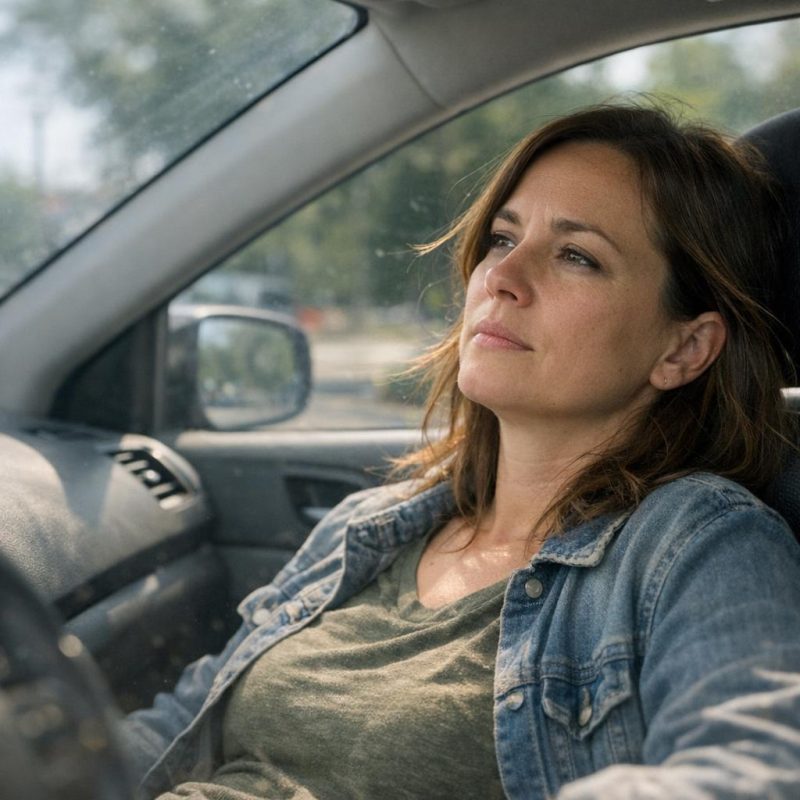 Image by RM AI
Printing the Evidence
I went to the library the next morning with a flash drive and every password Marcus had given me. The librarian — an older woman with reading glasses on a chain — didn't even look up when I claimed a computer in the back corner. I logged into those accounts again, pulled up every statement from the last fifteen years, and hit print. Page after page came sliding out of the printer. Withdrawals. Transfers. Transaction after transaction, all labeled 'LEO DEFENSE FUND,' all coming from accounts that should have paid for my college, my life, my actual future. The printer kept churning, and I kept feeding it paper. By the time I finished, I had a stack nearly two inches thick. Physical proof. Undeniable documentation of everything she'd taken from me. I paid the printing fee — ironic, spending my own limited money to document how my inheritance was stolen — and walked out with the pages in a manila folder. Marcus had told me to keep copies somewhere safe, and I finally understood why.
 Image by RM AI
The Phone Call
I sat in my car for twenty minutes before I could dial her number. My hands were shaking — not from fear, but from the effort it took to keep my voice steady. She answered on the third ring. 'Nora? Sweetheart, what a lovely surprise.' That word. 'Sweetheart.' She'd called me that my entire life, and it had always made me feel cared for, protected. Now it made me want to scream. 'Hey, Aunt Bea,' I said, amazed at how normal I sounded. 'I was hoping I could come by this afternoon. Are you free?' There was a slight pause. I wondered if she could hear something in my voice, some edge I couldn't quite smooth out. 'Of course, dear. Is everything alright?' 'Yeah, everything's fine. I just... I wanted to talk to you about something.' 'Well, come on over. I'll put the kettle on.' She said she'd make tea, as if this were any ordinary visit.
 Image by RM AI
The Familiar Kitchen
Her house looked exactly the same as it always had. Same cream-colored siding, same flower boxes she maintained year-round, same welcome mat that said 'Home Sweet Home.' I'd been here a thousand times. For holidays when I was growing up. For Sunday dinners during college. For comfort when my life felt hard and I needed someone who understood. But walking up her front steps with that manila folder under my arm, I saw everything differently. The renovated kitchen I'd always admired — my parents' money. The furniture she'd replaced a few years back — my parents' money. The trip to Italy she'd taken last spring while I ate ramen — my parents' money. Every single thing. Beatrice opened the door with a warm smile, and I wondered how I'd ever thought it reached her eyes. 'Come in, come in,' she said, ushering me toward the kitchen. She poured tea into the china cups I'd always admired, and I wondered if my inheritance paid for those too.
 Image by RM AI
Throwing Down the Evidence
I didn't touch the tea. I just pulled the manila folder from my bag and placed it on her kitchen table, right between our cups. The folder landed with a soft thud that seemed louder than it should have been. Beatrice looked at it, then at me, her expression curious but not alarmed. 'What's this?' I opened the folder and spread the pages out across her table. Bank statements. Transfer records. Fifteen years of theft documented in black and white. 'This,' I said, my voice surprisingly calm, 'is everything you took from me.' I watched her face, waiting for shock, for panic, for guilt — for something. She picked up one of the pages, scanned it, set it down. Picked up another. Her movements were careful, methodical. Like she was reviewing a grocery list instead of evidence of her own betrayal. She looked at them for a long moment, then up at me, and she didn't look surprised at all.
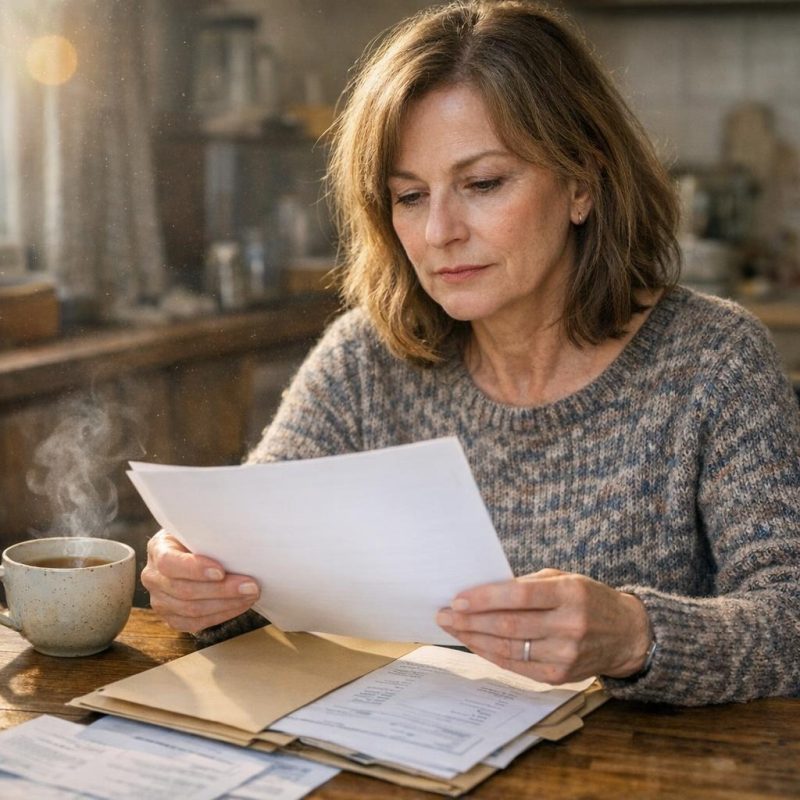 Image by RM AI
No Apologies
I waited for her to say something. Anything. An explanation, an excuse, a denial. Hell, I would have taken anger at that point, some reaction that felt human. But Beatrice just sipped her tea like we were discussing the weather. 'Say something,' I finally demanded. My voice cracked on the last word. 'You stole from me. For fifteen years, you stole from me. You let me struggle through college, let me work three jobs, let me think I was barely getting by because that's just how life was — and the whole time, you were spending my parents' money.' She set her cup down carefully, precisely, in the exact center of the saucer. 'I didn't spend it, Nora.' Her voice was steady, almost gentle. It made me want to throw something. 'The statements say otherwise, Aunt Bea. LEO DEFENSE FUND. Over and over. Two million dollars to your son.' When she finally spoke, she asked if I really thought a 'defense fund' was about paying for boarding school.
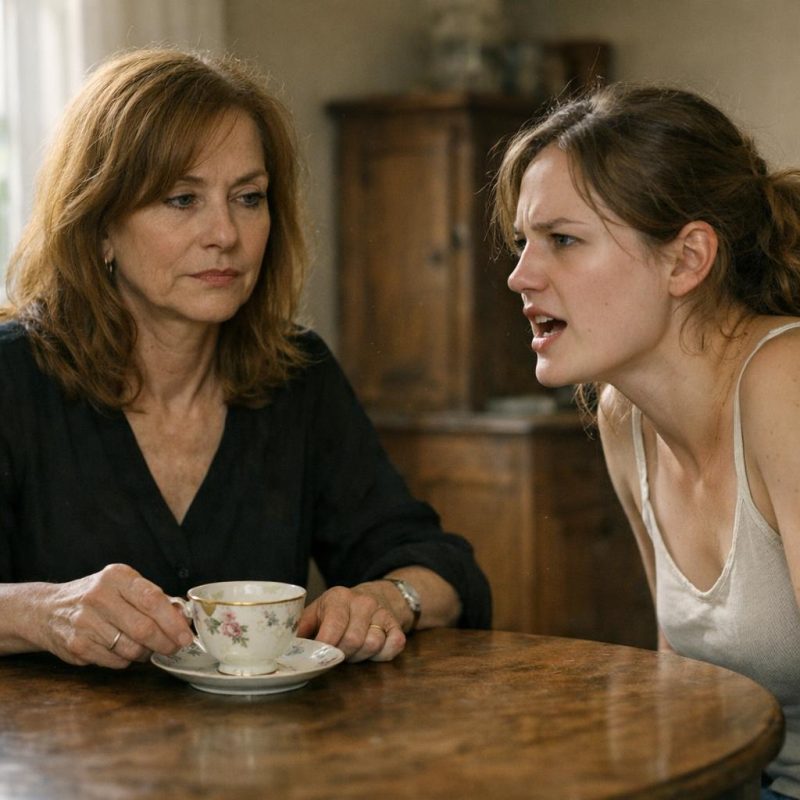 Image by RM AI
The Word 'Defense'
The word hung in the air between us. Defense. Not 'living expenses.' Not 'education fund.' Not 'travel fund' or 'lifestyle fund' or any of the other ways I'd tried to make sense of those transactions. Defense. Like something you'd need for legal trouble. Like something you'd need for... My mind raced backward through everything I knew about Leo. The constant traveling. The years abroad. The way Beatrice always changed the subject when I asked too many questions. 'What did he need defending from?' I asked slowly. Beatrice looked at me with an expression I couldn't quite read. Not quite pity. Not quite regret. Something colder and more resigned. 'You're asking better questions now,' she said. 'That's good.' I wanted to scream at her to stop being cryptic, to just tell me what the hell was going on. But something in her eyes made me pause. Made me realize I'd been asking the wrong questions from the start. What had Leo needed defending from for fifteen years?
 Image by RM AI
Beatrice's Cold Stare
I'd seen Beatrice look tired before. I'd seen her stressed, overwhelmed, even sad when she talked about missing Leo. But I'd never seen her look like this. Like something fundamental inside her had hollowed out years ago, leaving just the shell of a person going through motions. Her eyes held no warmth, no remorse, nothing but hollow resignation. 'You want to know where your money went,' she said. It wasn't a question. 'You want to know why I took it, why I've been taking it all these years.' I nodded, not trusting my voice. 'You think I stole your future to fund Leo's lifestyle. His apartments in Paris, his travels, his freedom to live however he wanted while you struggled.' She stood up, turned toward the window. Her shoulders were rigid, her hands clasped behind her back. 'You're wrong.' My heart was pounding. 'Then what—' She said she didn't steal my future to fund Leo's lifestyle — she stole it to keep him out of prison.
 Image by RM AI
Sixteen Years Old
Prison. The word seemed to suck all the air out of the room. I couldn't breathe right. Couldn't think straight. 'What are you talking about?' Beatrice turned back to face me, and I'd never seen her look so old. So defeated. 'Leo was sixteen when it happened,' she said quietly. 'Just sixteen. A stupid kid who took my car keys when I wasn't looking, wanted to feel grown up, wanted to drive around like he'd seen in movies.' My hands had gone numb. I gripped the edge of the table to steady myself. 'It was raining,' she continued, her voice flat, factual, like she'd told this story so many times it had lost all meaning. 'A Tuesday night in March. He was joyriding in my sedan, going too fast on wet roads. He didn't have a license. Didn't really know what he was doing.' Tuesday night. March. Sixteen years ago. My stomach dropped as I understood what Tuesday night she meant.
 Image by RM AI
The Dented Fender
She described coming home that night, how she'd checked on Leo asleep in his bed, noticed he was still dressed. How something felt wrong. 'I went to the garage,' she said, her voice barely above a whisper. 'The car was there, but it wasn't right. The driver's side was dented. The headlight was smashed. There was... there was debris caught in the bumper.' I felt like I was falling. My vision tunneled. 'I stood there staring at it, and I knew,' Beatrice continued. 'I just knew he'd taken it. Knew he'd hit something. Someone.' She wrapped her arms around herself. 'I went back inside. Sat in the dark. And when the news came on the next morning, when they reported the hit-and-run that killed Mark and Catherine Hayes...' Her voice broke. 'I already knew. I'd known since the moment I saw that dented fender.'
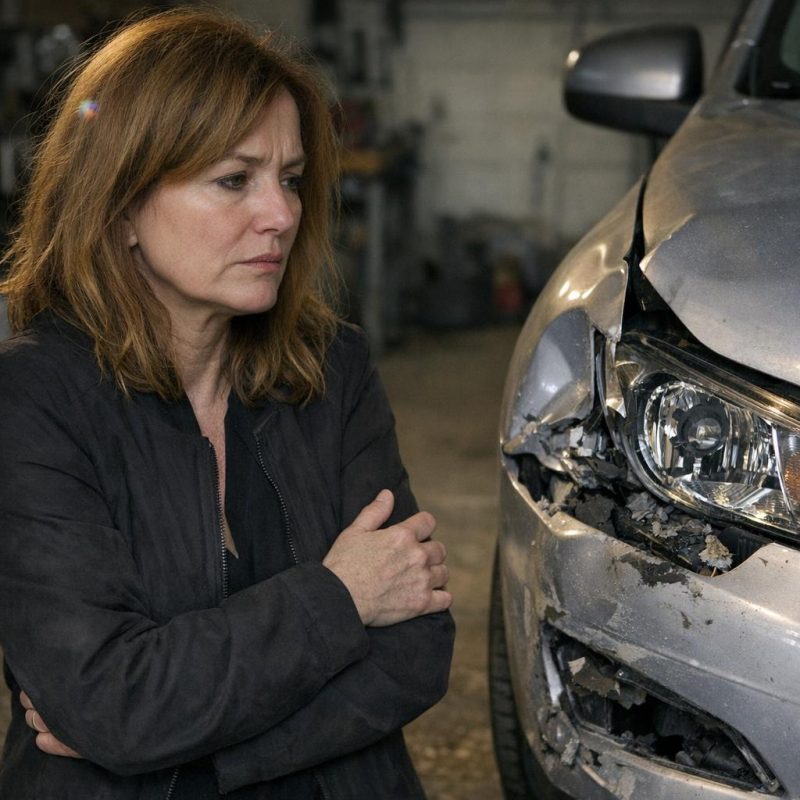 Image by RM AI
Leo Killed Them
The words formed in my mind with brutal, unavoidable clarity: my cousin killed my parents. Leo. Sweet, troubled Leo who'd died three years ago in his own accident. Who I'd mourned. Who'd been at their funeral, sixteen years old and pale and shaking, and I'd thought it was grief. My hands were shaking so hard I had to press them flat against the table. 'He killed them,' I said out loud, testing the words, seeing if they'd dissolve into something less horrific. They didn't. Beatrice nodded, tears streaming down her face now. 'He was sixteen. He was my son. I couldn't... I couldn't let him go to prison for a mistake.' A mistake. She called it a mistake. My parents were dead because of a 'mistake,' and I'd spent my entire adult life struggling, scrimping, going without, while she'd— The realization hit me like a physical blow. My aunt had used their own money to cover it up.
 Image by RM AI
The Bribed Witnesses
Beatrice kept talking, her words tumbling out like she'd been holding them in for fifteen years. 'There were witnesses. A couple walking their dog saw the car. A man at a bus stop got a partial plate number. A teenager who heard the impact and looked out her window.' My stomach lurched. 'I found them,' she said flatly. 'Through a private investigator I hired. And I paid them. Ten thousand here, twenty thousand there. One guy wanted fifty.' She said it so calmly, like she was describing grocery shopping. 'I made them sign NDAs. Told them the money came from my savings, from Leo's college fund, whatever they needed to hear. But it all came from the trust. From your inheritance.' The room spun. Every person who could have given me answers, who could have brought my parents' killer to justice, had been bought off. Silenced. With my own money. Every person who could have given my parents justice was silenced with my own inheritance.
 Image by RM AI
The Legal Team
'The witnesses weren't enough,' Beatrice continued, and I wanted to scream at her to stop, but I couldn't move, couldn't speak. 'The police kept investigating. They had forensics, paint samples, the trajectory analysis. So I hired lawyers. The best criminal defense attorneys in the state, even though Leo was never charged.' She looked at me then, really looked at me. 'They consulted with the detectives, suggested alternative theories, pointed out gaps in the evidence. They made sure the investigation went cold. Made sure it never led back to my car, to Leo.' I felt sick. Physically sick. 'For how long?' I managed to ask. 'How long did you pay them?' 'Fifteen years,' she said quietly. 'Some of them are still on retainer. Just in case.' Just in case. Fifteen years of legal fees, all extracted from the account my father thought would secure my future.
 Image by RM AI
Seeking Legal Counsel
I don't remember leaving her house. Don't remember the drive. I just found myself sitting in a parking lot outside a law office Rachel had mentioned once, her brother's college roommate or something. David Chen, Attorney at Law. I walked in without an appointment, probably looking half-crazy, and somehow his secretary squeezed me in. David was maybe forty, kind eyes behind wire-rimmed glasses. I sat across from him in his office and told him everything. The inheritance. The withdrawals. Leo and the hit-and-run. The witnesses. The lawyers. All of it. He took notes, asked clarifying questions, his expression growing more serious with each detail I shared. When I finished, he set down his pen and leaned back in his chair. He was quiet for a long moment, thinking. Then he said the words I'd been dreading: 'Statute of limitations.'
 Image by RM AI
Too Late for Justice
David explained it carefully, probably seeing how close I was to breaking. 'Vehicular manslaughter in this state has a twelve-year statute of limitations. Your parents died sixteen years ago.' Sixteen years. Leo had been dead for three of those years, but even if he were alive, he couldn't be prosecuted anymore. The law had an expiration date on justice, apparently. 'And your aunt would have known that,' David added. 'At the fifteen-year mark, she would have been in the clear. That's probably why she felt safe telling you now.' Safe. She'd calculated it all. Waited until the law itself protected her son's crime. 'What about her?' I asked desperately. 'She stole from me. She admitted it.' David nodded slowly. 'That's a different matter. But if the withdrawals were technically legal as your guardian...' He trailed off, seeing my face. Leo couldn't be prosecuted for the hit-and-run anymore, and Beatrice knew it.
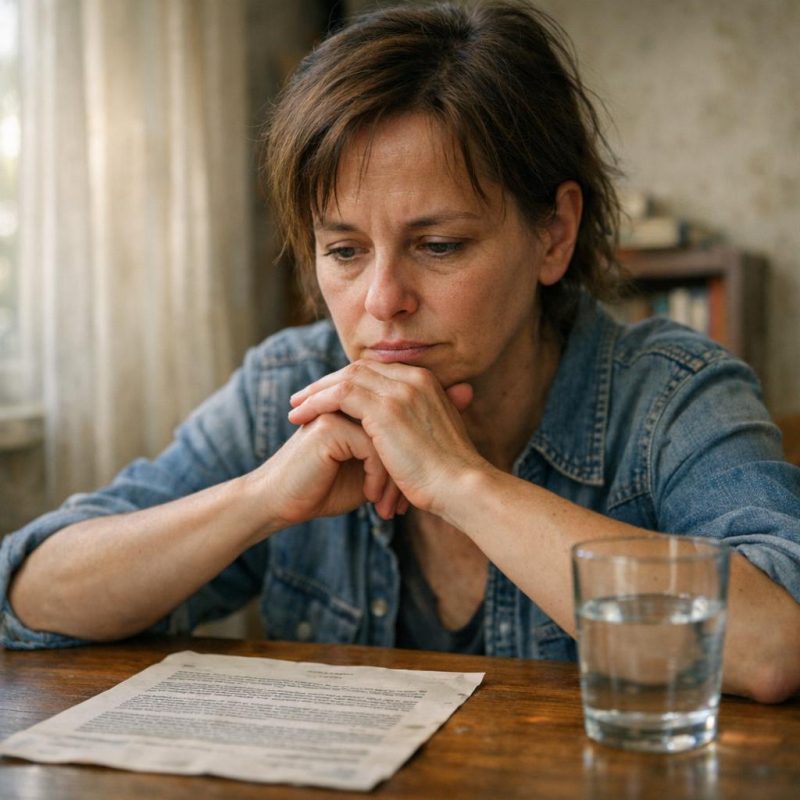 Image by RM AI
Civil Options
David Chen didn't sugarcoat it. 'You could pursue a civil case for misappropriation of funds. Argue that she violated her fiduciary duty as trustee and guardian.' A spark of hope flickered. 'But,' he continued, and that spark guttered out. 'Civil litigation is expensive and slow. We're talking years, potentially. Tens of thousands in legal fees, maybe more. And you'd need to prove that each withdrawal wasn't legitimately for your care or benefit.' I thought about the statements I'd seen. Hundreds of transactions over fifteen years. 'From what you've described, maybe two hundred thousand remains in the trust?' David asked. I nodded. 'A case like this could easily cost half that amount, and there's no guarantee you'd recover anything beyond what's left.' The math was brutal. Spend a hundred thousand to maybe get two hundred thousand back. Years of my life consumed by court dates and depositions. Beatrice had stolen my money and my parents' justice, and it looked like she'd gotten away with both.
 Image by RM AI
The Sleepless Night
I didn't sleep that night. Couldn't. I lay in bed staring at the ceiling, replaying every word of Beatrice's confession. The dented fender. The witnesses. The lawyers. The calculated timeline. She'd thought of everything, covered every angle. Or had she? I kept circling back to certain details, things that didn't quite add up. The ongoing legal retainer — why would she need lawyers on standby if the statute had expired? The way she'd offered the confession so readily, like she wanted me to know but also wanted me to accept there was nothing I could do. Something about it felt off. Felt like she was steering me toward despair, toward giving up. I got up around three a.m., made coffee, pulled out everything I'd gathered. Bank statements. Withdrawal records. The notes I'd taken during our conversation. I spread it all across my kitchen table and just... looked. Searched for the crack in her armor. There had to be something — some angle she hadn't considered when she calculated her escape.
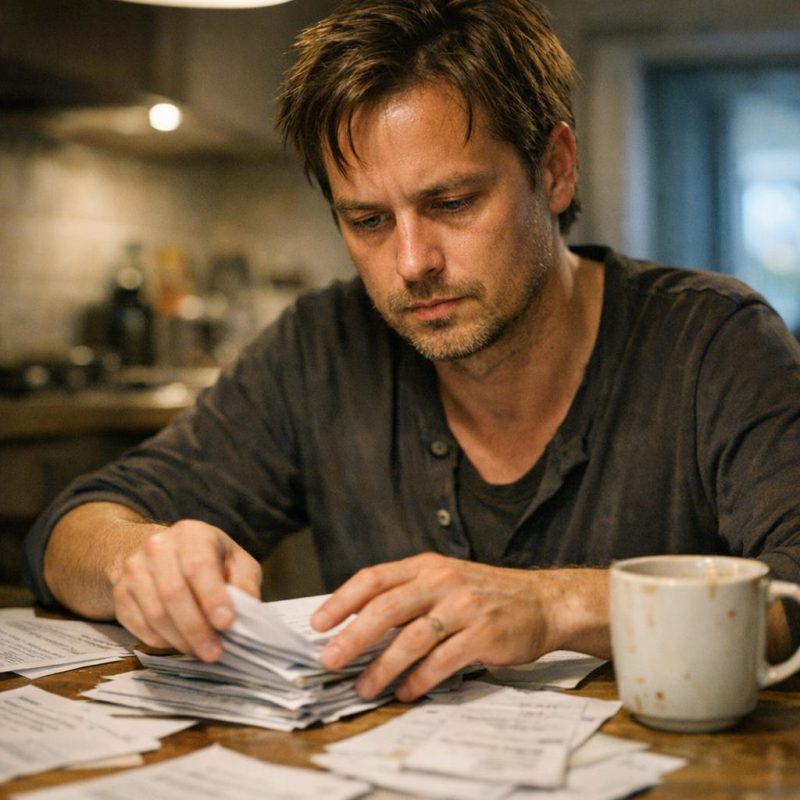 Image by RM AI
The Records Department
I went to work the next day and stared at my desk in the hospital's records department with new eyes. I'd been doing this job for three years now, mostly mindless filing and database management, entering patient information into the system, pulling records when doctors requested them. Routine stuff. But sitting there that morning, I realized something I'd never really thought about before — I had access. Access to files most people never saw. Medical records, death certificates, accident reports. Anything that passed through our hospital system came across my desk at some point, or at least through our digital archives. I logged into the system, my hands hovering over the keyboard. I wasn't thinking about anything specific yet, just... considering. What else could I find if I actually looked? The thought made my pulse quicken. Beatrice had been so careful, so calculated in covering her tracks. But she'd focused on the financial side, on legal statutes and witness statements. Had she considered every angle? Every record? I minimized the screen when my supervisor walked past, but the thought stayed with me all morning. I had access to files most people never saw, and suddenly I wondered what else I could find.
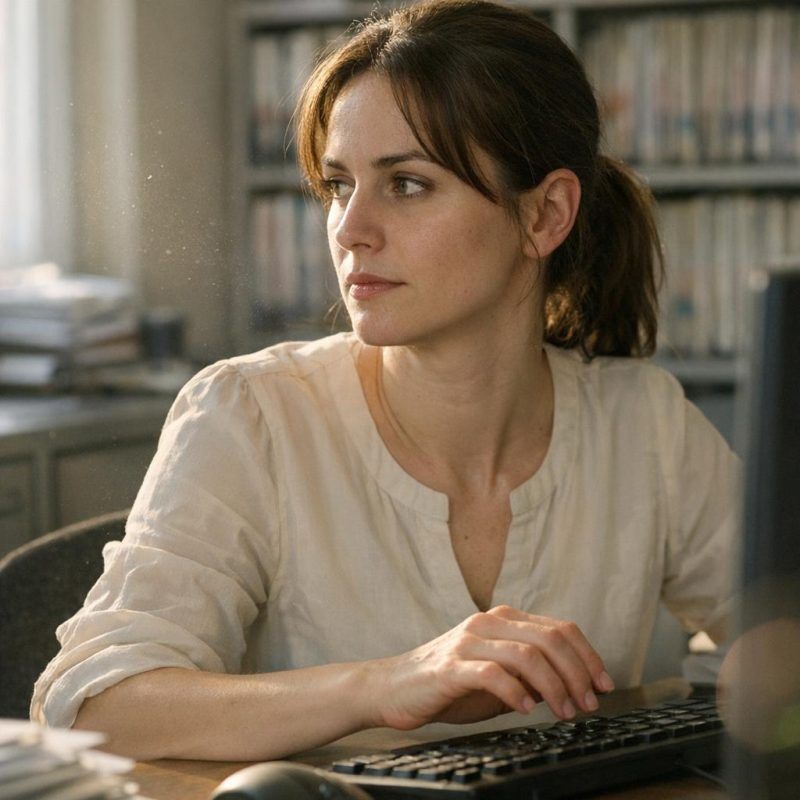 Image by RM AI
The Hunch
Something about Beatrice's calm confidence bothered me — she'd been too relaxed, too certain she'd won. I kept replaying that conversation in my mind, the way she'd sat across from me in that café, barely flinching as she confessed to covering up a hit-and-run that had destroyed my parents. No guilt. No real remorse. Just... certainty. She'd laid it all out so cleanly, so neatly. Here's what happened, here's what I did, here's why you can't do anything about it. Like she'd practiced it. But the more I thought about it, the more something felt wrong. People don't confess like that unless they're absolutely sure of something. And Beatrice had been sure. She'd wanted me to know — wanted me to understand exactly how thoroughly she'd beaten me. Why? Why tell me at all if the statute had expired? She could have just kept lying, kept the money flowing, and I never would have known. Unless. Unless she was covering something else. Unless the confession was meant to distract me from something bigger. People that confident usually had something to hide, or something they believed was untouchable.
 Image by RM AI
Where Is Leo?
I realized Beatrice never actually told me where Leo was currently, only that he was 'abroad' and safe from prosecution. But where abroad? What country? What city? She'd been vague about it — deliberately vague, I now understood. He was 'traveling,' he was 'keeping a low profile,' he was 'starting fresh.' All euphemisms. No concrete details. I tried to remember the last time Beatrice had even mentioned him in conversation. Months ago? Longer? She used to bring him up occasionally, casual mentions of emails he'd sent or plans he was making. But now that I thought about it, those references had gotten fewer and further between. Vaguer. Like she was maintaining a fiction but putting in less effort. And when was the last time I'd actually spoken to Leo myself? Years. It had been years. We'd never been close — he was Beatrice's son, not really part of my life after childhood — but still. Complete silence for that long? For someone supposedly living free and clear, he'd been remarkably absent from his mother's life.
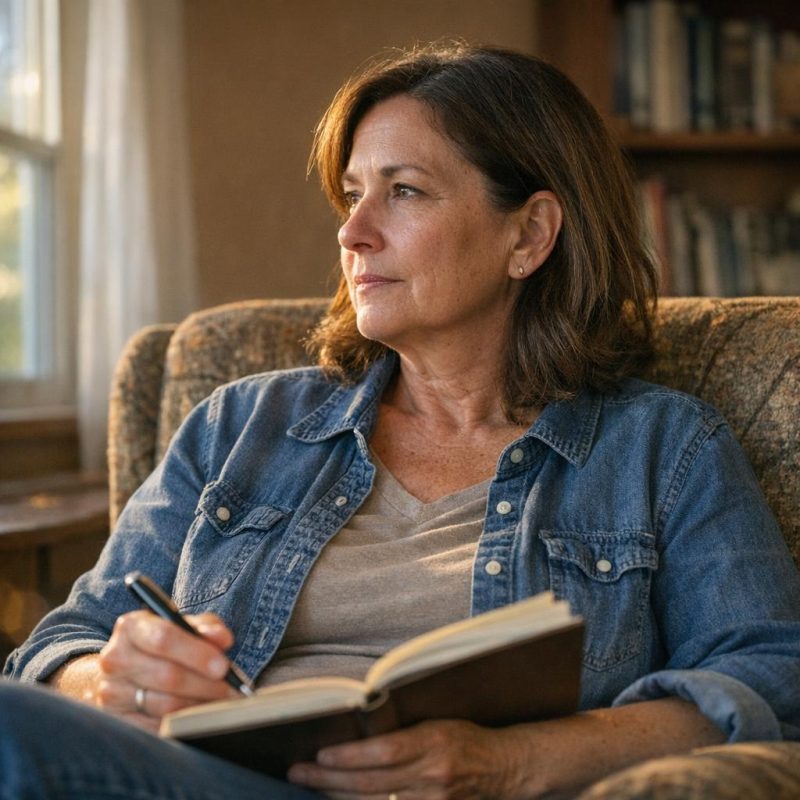 Image by RM AI
Social Media Search
I searched for Leo on every social media platform, but his accounts had gone silent three years ago. I started with Facebook, then Instagram, then Twitter. I even checked LinkedIn, though I couldn't imagine Leo maintaining a professional profile. His Facebook was still up — the privacy settings were loose enough that I could see his timeline. Posts about backpacking through Southeast Asia. Photos of beaches and temples. Check-ins at hostels. Then, three years ago, the posts just... stopped. The last one was from Thailand. A photo of a motorcycle, actually — he'd rented one for a trip through the northern provinces. 'Finally feeling free,' the caption read. That was it. Nothing after. His Instagram was the same. Active, then silent. I scrolled back through the older posts, looking for something, anything that might tell me where he'd gone or why he'd disappeared from social media. But there was nothing. Just three years of absolute silence. Maybe he'd just quit social media. People did that. But the timing bothered me. The last post was a photo of a motorcycle trip through Thailand, and then nothing.
 Image by RM AI
The Recent Withdrawals
I pulled up the bank statements again and examined the most recent withdrawals carefully. I'd been so focused on the pattern from six years ago — when the hit-and-run happened — that I hadn't really paid attention to what came after. But now I looked. Really looked. The ten-thousand-dollar withdrawals were right there. Month after month. Same amount, same frequency. I traced my finger down the statements, counting back. One year ago. Two years ago. Three years ago. They hadn't stopped. I'd assumed, when Beatrice explained about the legal retainer, that those payments had ended when the statute of limitations expired. She'd made it sound like the danger had passed, like she didn't need the lawyers anymore. But that's not what the records showed. The payments were still happening. Last month. The month before that. Going back in an unbroken chain. My chest tightened. This didn't make sense. If the case was closed, if the statute had expired, if Leo was safely abroad and untouchable, why was she still withdrawing ten thousand dollars every single month? The ten-thousand-dollar payments hadn't stopped — they continued month after month, even in the past year.
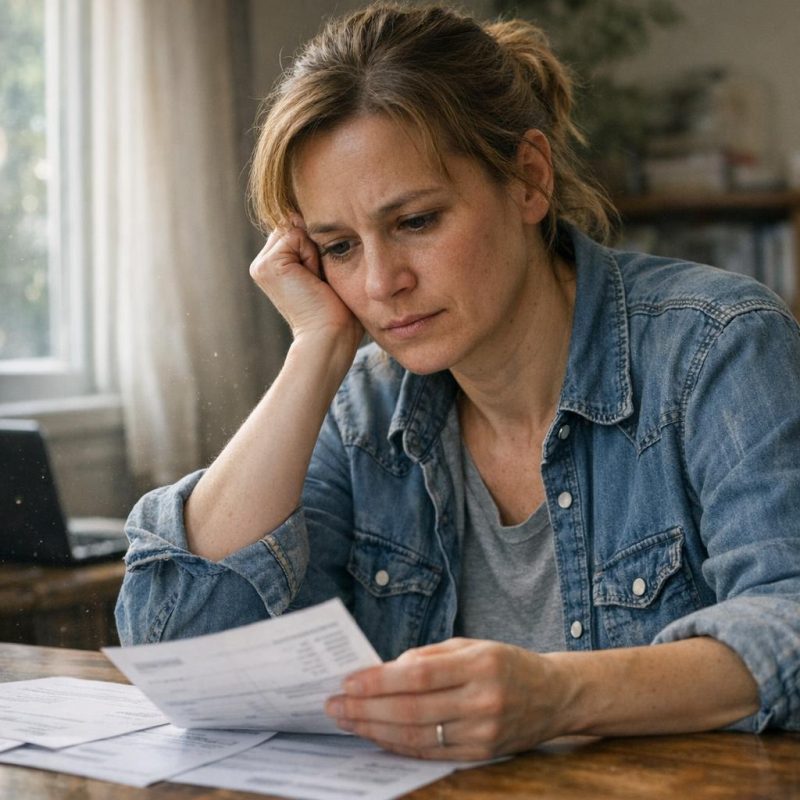 Image by RM AI
The Uncomfortable Question
If the statute of limitations expired three years ago, why was Beatrice still withdrawing money monthly? I wrote the question down on a piece of paper and stared at it. The math didn't work. According to Beatrice, the legal danger had ended three years ago — that's when the statute ran out, when the lawyers could finally stand down, when Leo could stop looking over his shoulder. She'd made it sound like the crisis was over. But the money kept flowing. Ten thousand dollars, every month, for three years after the supposed end of the legal threat. I tried to think of legitimate reasons. Maybe she'd kept the lawyers on retainer anyway, just in case? But that seemed excessive. Paranoid. And Beatrice wasn't paranoid — she was calculated. Every move she made had a purpose. I pulled out a calculator and did the math. Three years of monthly payments, ten thousand each. That was three hundred and sixty thousand dollars — just in the time after the statute supposedly expired. Money she couldn't possibly need for legal defense anymore. Legal fees for a closed case made no sense — unless she was lying about why she needed the money.
 Image by RM AI
Rachel's Question
Rachel asked me over lunch if I'd actually spoken to Leo recently, and I realized I hadn't — not in years. We were sitting in the hospital cafeteria, picking at salads, and I'd been filling her in on everything. The hit-and-run, the cover-up, the continuing withdrawals. She listened quietly, asking occasional questions, and then she said it. 'Have you actually talked to Leo yourself? Like, directly?' I opened my mouth to say yes, then stopped. When was the last time? I couldn't remember. 'Beatrice mentions him sometimes,' I said slowly. 'She forwards messages from him, tells me what he's up to.' Rachel raised an eyebrow. 'But you haven't spoken to him directly.' I shook my head. Rachel leaned back in her chair. 'Don't you think that's weird?' It was weird. Now that she said it out loud, it was incredibly weird. Every update about Leo's life had come through Beatrice's carefully curated stories and old photographs.
 Image by RM AI
The Phone Number
I tried calling the last number I had for Leo, but it was disconnected. The automated voice was polite and unhelpful. 'The number you have dialed is no longer in service.' I hung up and tried again, thinking maybe I'd misdialed. Same result. I stared at my phone, feeling something cold settle in my stomach. Okay. So he'd changed numbers. That happened. Especially if he'd been moving around internationally. I needed to ask Beatrice for his current contact information. I texted her that evening, keeping it casual. 'Hey, I wanted to reach out to Leo directly. Do you have his current number?' She responded an hour later. 'He prefers to keep his distance right now. Still processing everything. He'll reach out when he's ready.' I read the message three times. That wasn't what I'd asked. I'd asked for a phone number, and she'd given me an excuse. I tried again. 'I understand, but I'd still like to have his number. Just in case.' Her response came faster this time. 'I think it's best to respect his boundaries, Nora.' When I asked Beatrice for his current contact information, she said he preferred to keep his distance and would reach out when he was ready.
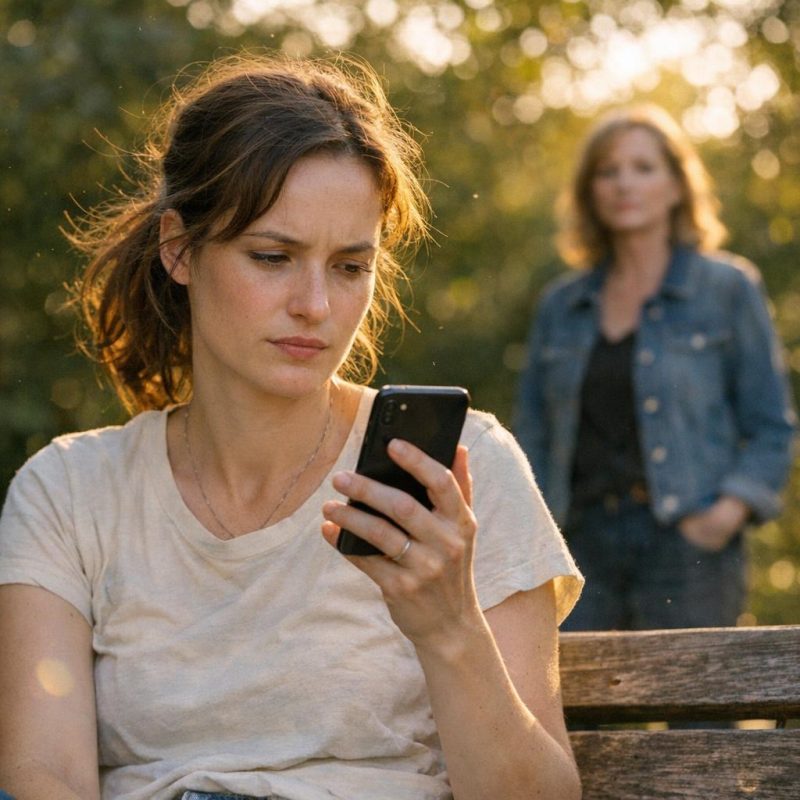 Image by RM AI
Accessing the Database
I stayed late at the hospital three nights in a row before I actually went through with it. I'd log into the system, pull up the database search screen, and then just sit there staring at the cursor blinking in the empty field. Using my professional access for personal reasons violated about six different hospital policies. I could lose my job. Maybe even my license, depending on how vindictive someone wanted to be about it. But on the third night, around eleven when the administrative offices were empty and the overnight shift was focused on patient care, I typed his name. Leo Hartman. My fingers were shaking as I hit enter. The system took maybe three seconds to load, but it felt like three hours. I half-expected nothing to come up—that he'd never been in our system, that this would be a dead end like everything else. But results populated on my screen. Two entries. One from 2019, a sports injury. And one from 2022. I clicked on the second one, my heart pounding so hard I could hear it in my ears. The file loaded, and I saw the header at the top of the screen: 'Decedent Record.' My coffee cup tilted in my hand, and I barely caught it before it spilled across my keyboard. What I found made my hands shake so badly I almost dropped my coffee.
 Image by RM AI
The Death Certificate
I must have read it ten times before my brain could actually process what I was seeing. Death certificate. Issued November 2022. Cause: motorcycle accident. Location: Phuket, Thailand. The body had been repatriated through an international service, processed through our hospital because we had the relationship with the mortuary that handled the transport. All very official, very documented, very final. I scrolled down. There was a copy of the Thai police report, translated into English. A scanned image of his passport for identification verification. Even a photograph from the morgue that I quickly scrolled past. Every detail confirmed the same impossible fact. Leo hadn't been traveling Europe or 'finding himself' in Southeast Asia while I struggled to pay rent. He hadn't been processing his trauma or maintaining his distance or any of the things Beatrice had told me. I pulled up his Instagram again on my phone, looking at those beach photos and street food posts that had made me feel so abandoned and jealous. The last post was dated November 2022. The same month as the death certificate. My cousin hadn't been living abroad in freedom—he'd been dead for three years.
 Image by RM AI
The Impossible Withdrawals
I sat in my car in the hospital parking garage with my laptop balanced on my steering wheel, the bank statements Marcus had given me spread across my passenger seat. My hands still hadn't stopped shaking. I found the November 2022 statement—the month Leo died—and scanned down the list of transactions. There it was: the monthly withdrawal to Leo's 'living expenses.' Five thousand dollars, same as always. Then December. Same thing. January 2023. February. March. I went through every statement, one by one, marking each withdrawal with a highlighter. The pattern never broke. Not once. Five thousand dollars, every single month, for thirty-six months after the death certificate was issued. I did the math in my head: $180,000 paid to a dead man. I grabbed my phone and opened the texted screenshots of the older statements, the ones from before Marcus became executor, scrolling back through the history of withdrawals. Someone had been taking my inheritance, month after month, year after year, and for the last three years they'd been doing it in the name of a dead man. The monthly withdrawals hadn't stopped when Leo died—they'd continued for three more years.
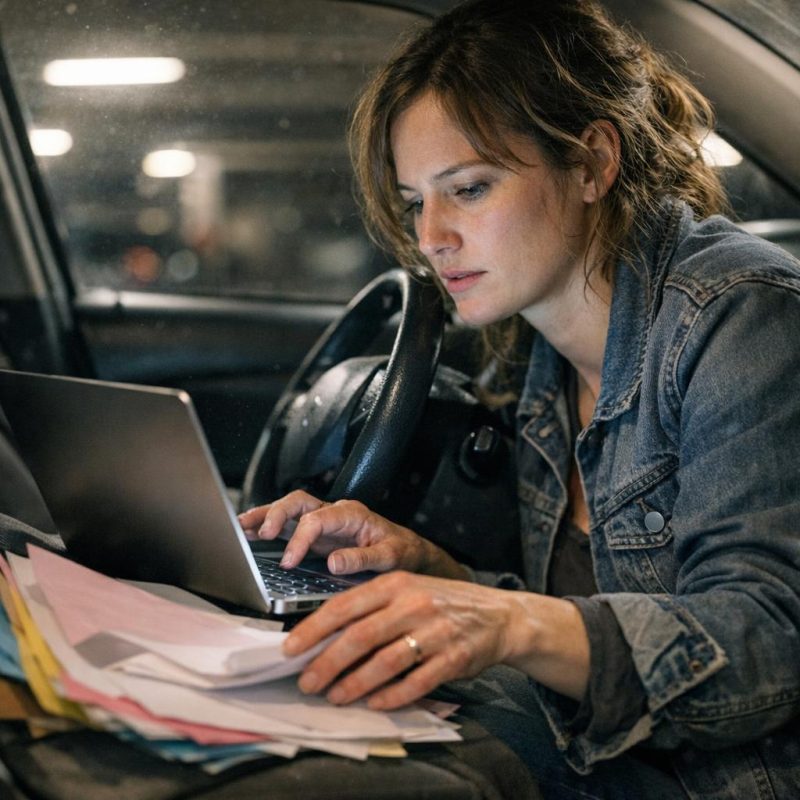 Image by RM AI
The Signature Analysis
I called Marcus at seven in the morning. I didn't care if I woke him up. 'I need the actual withdrawal authorizations,' I told him. 'The physical documents with signatures.' He asked why, and I just said, 'Please. It's important.' To his credit, he didn't push. The files came through by noon—scanned copies of every withdrawal authorization for the past three years. I zoomed in on the signatures. Leo Michael Hartman. Written in the same flowing script, over and over. The capital L had the same loop. The H had the same ascending line. Every single signature looked identical. Not similar. Identical. I'm not a handwriting expert, but I've seen enough medical charts to know that nobody signs their name exactly the same way every time. There's natural variation—pressure differences, slight changes in letter formation, variations in spacing. These signatures looked like photocopies of each other. Or like someone had practiced one version and reproduced it mechanically, carefully, month after month. I pulled up the signatures from before November 2022, from when Leo was alive. Those had variation. Natural inconsistencies. But after his death? Perfect uniformity. Someone had been signing Leo's name for three years, and there was only one person with motive and access.
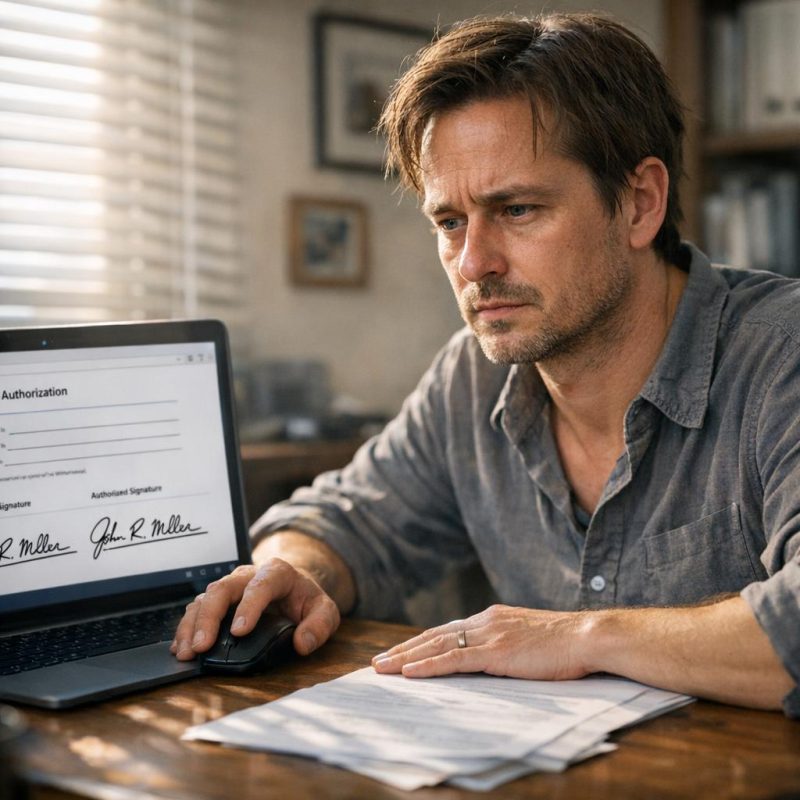 Image by RM AI
The Offshore Research
David Chen called me back within an hour of receiving my email. 'I'm looking at what you sent me,' he said, his voice tight with what I recognized as carefully controlled lawyer excitement. 'And I need to show you something.' We met at a coffee shop downtown. He had his laptop open before I even sat down. 'I did some digging into those recent large transfers Marcus flagged,' he explained, turning the screen toward me. 'The ones that moved significant chunks of principal out of your trust. They didn't go to a domestic account.' His fingers moved across the trackpad, pulling up financial records I barely understood. Routing numbers, wire transfer confirmations, bank codes I didn't recognize. 'They went here.' He pointed to an account listing. Cayman Islands. The account holder was listed as Leo M. Hartman. I felt something cold slide down my spine. 'When was it opened?' I asked. David pulled up another document. 'Four years ago. While Leo was still alive, actually.' I stared at the date. One year before he died. Someone had planned this. Set it up in advance, established the infrastructure for what would come later. The account was opened four years ago under Leo's name—one year before he died.
 Image by RM AI
Beatrice's New Crime
David closed his laptop and looked at me directly. 'Here's what you need to understand,' he said. 'The hit-and-run that killed your parents? That's twelve years old. Even if we could prove Leo was driving, even if we could prove Beatrice knew and helped cover it up, we're past the statute of limitations for vehicular manslaughter in this state. That's seven years.' I nodded. I'd already accepted that particular injustice. 'But this?' He tapped his laptop. 'Bank fraud. Wire fraud. Identity theft. Forgery. These are federal crimes, Nora. And they're ongoing. Every single withdrawal made after Leo's death resets the clock. The statute of limitations doesn't even start until the last fraudulent transaction.' I felt my chest expand like I'd been holding my breath for weeks. 'She's been committing these crimes for three years,' I said slowly. 'Every month. Thirty-six separate offenses, minimum.' David nodded. 'Plus the wire fraud for the offshore transfers. Plus whatever else we find when we dig deeper.' He leaned forward. 'She thought the statute of limitations on Leo's guilt protected her, but by continuing the fraud after his death, by using his identity to steal from you, she created a whole new set of crimes.' Beatrice thought the statute of limitations on Leo's guilt protected her, but she'd created an entirely new criminal exposure.
 Image by RM AI
Building the Case
I became obsessive. I made copies of everything—the death certificate, every bank statement, every withdrawal authorization with those too-perfect signatures. I created a timeline, mapping Leo's death against the continued payments. I printed out his social media posts and matched them to the dates, documenting how the account had gone silent the exact month he died. David helped me get official documentation from the offshore bank, and Marcus provided certified copies of all the trust documents. I organized everything into a binder with color-coded tabs. Evidence of death. Evidence of continued withdrawals. Evidence of forgery. Evidence of wire fraud. I barely slept that week. I'd come home from my hospital shifts and work until two or three in the morning, cross-referencing dates, highlighting discrepancies, building an airtight narrative. Every piece of evidence supported the same conclusion. Beatrice had been stealing from me for twelve years, but for the last three, she'd been doing it using a dead man's identity. That was the mistake. That was what made her vulnerable. By Friday, I had everything assembled in a document box that felt surprisingly light for something that represented the complete destruction of someone's life. When I finally had everything assembled, I called Beatrice one more time.
 Image by RM AI
The Final Confrontation
She was making tea when I arrived, the kitchen exactly as I remembered from a thousand childhood afternoons. The same kettle on the same stove. The same floral wallpaper that had always been just slightly out of date. 'Nora,' she said, surprised but recovering quickly. 'I wasn't expecting you.' I set the document box on her kitchen table. 'Leo's dead,' I said. No preamble. No warm-up. Just the fact. Her hand froze halfway to the teacup. 'What?' 'He died in November 2022. Motorcycle accident in Thailand. I found his death certificate.' I opened the box and pulled it out, setting it on the table between us. 'You've been signing his name for three years. Authorizing withdrawals to a dead man. Moving money to offshore accounts opened in the name of someone who no longer exists.' I watched the color drain from her face. She looked at the death certificate, then at me, then at the stack of documents I was pulling from the box. Bank statements. Signature analyses. Wire transfer records. 'Federal crimes, Beatrice. Ongoing federal crimes. No statute of limitations because you never stopped.' She opened her mouth, but nothing came out. The look on her face told me everything: she thought she was untouchable, but she'd forgotten I learned to read medical records.
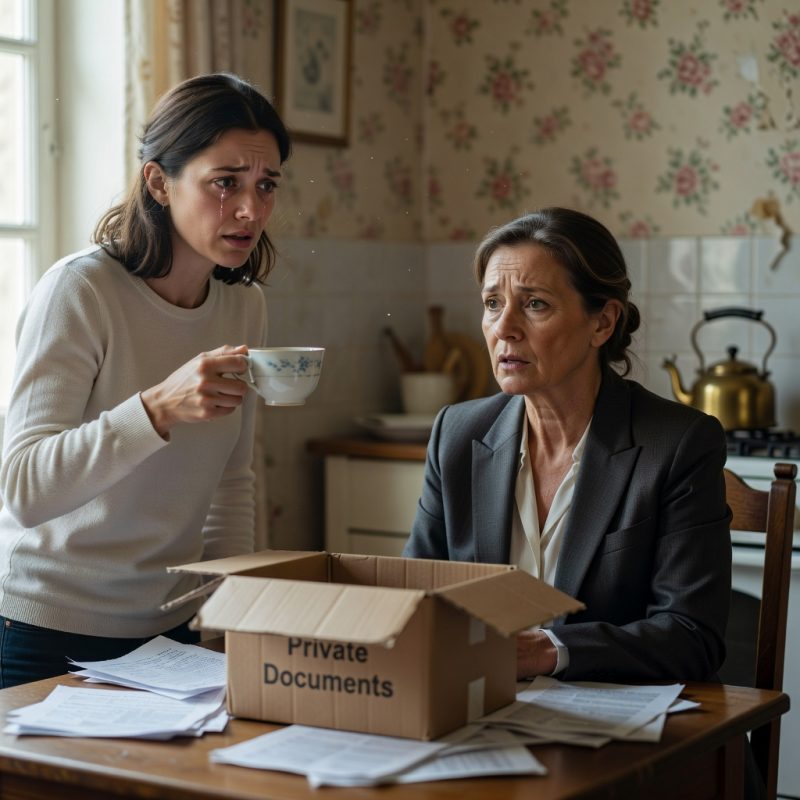 Image by RM AI
The Confession Unravels
'It was for Leo's debts,' she said, her voice shaking. 'He owed people. Dangerous people. I was protecting him.' I almost laughed. Instead, I pulled out the transfer timeline I'd built. 'Leo died in November 2022,' I said, sliding the paper across the table. 'These transfers started in January 2023. Two months after he was already dead.' I watched her mouth open and close. 'And these,' I continued, pulling out another sheet, 'are from 2024. And these from 2025. You've been moving money for three years to protect a dead man from debts?' Her hands were trembling now. 'You don't understand—' 'I understand perfectly,' I said. 'You thought the statute of limitations protected you from the original crime. You thought if you could just wait it out, everything would be fine. But you got greedy. You kept taking. And every single withdrawal, every forged signature, every wire transfer reset the clock.' I spread the evidence across her kitchen table like a prosecutor laying out a case. Bank statements. Signature comparisons. Transfer receipts. Offshore account documentation. Every lie she'd built, every excuse she'd prepared, crumbled under the weight of documented proof.
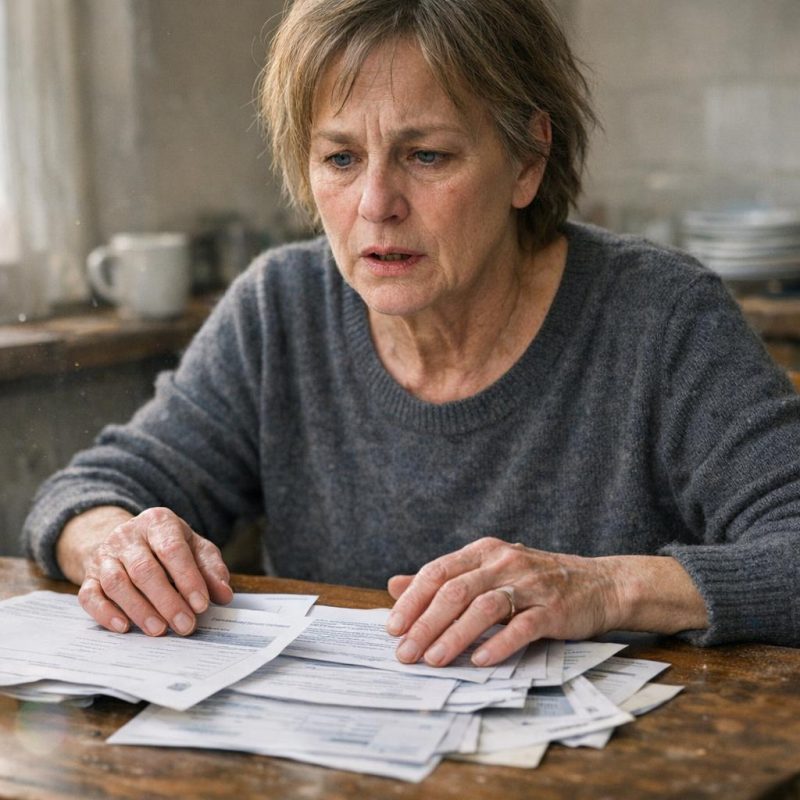 Image by RM AI
The Realization Hits Her
I watched the realization hit her face like a physical blow. Her eyes moved from document to document, and I could see her mentally calculating the dates, the transfers, the signatures. Understanding was dawning, and it was beautiful in its terrible clarity. 'The statute of limitations,' she whispered. 'It doesn't matter anymore, does it?' 'No,' I said simply. 'It doesn't.' The irony was perfect. She'd spent fifteen years protecting Leo from prosecution for the original theft. Hiding him. Lying for him. Keeping him offshore and out of reach. And when he died, she could have just stopped. Could have walked away clean. The old crime was buried with him. But she'd gotten so used to the money, so comfortable with the fraud, that she'd kept going. And every single transaction she'd made in his name after his death was a fresh federal crime. Not from 2009. From 2023, 2024, 2025. All well within the statute of limitations. All traceable directly to her. She'd been so focused on protecting Leo from the past that she'd committed her own crimes in the present, and there was absolutely no way out.
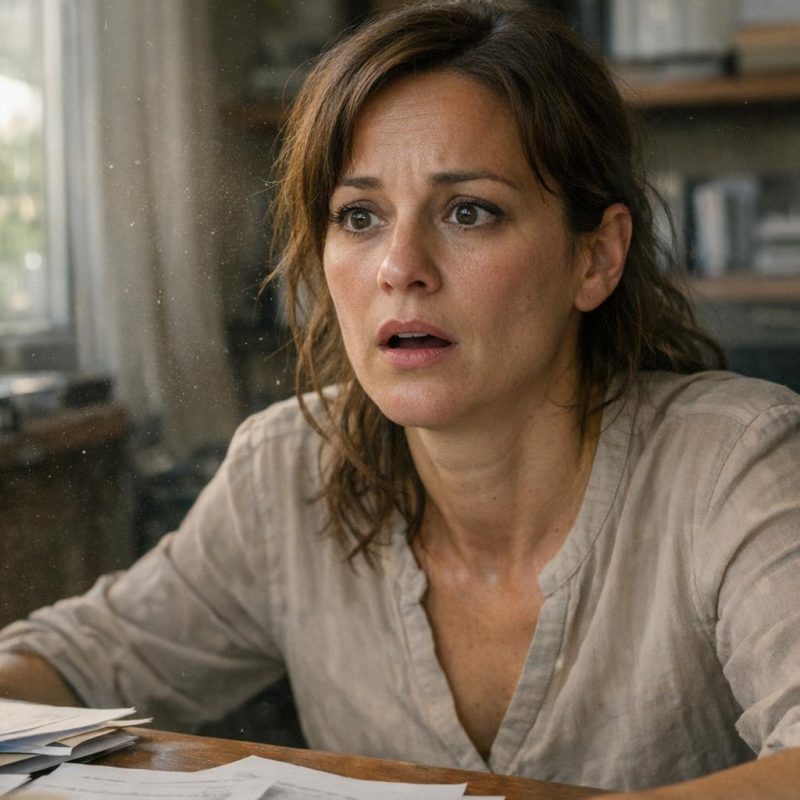 Image by RM AI
The Calls
I pulled out my phone. My hands were steady. After all those years of wondering, of doubting myself, of thinking maybe I was the problem—this moment felt almost surreal in its clarity. 'What are you doing?' Beatrice asked, her voice suddenly sharp with panic. 'What I should have done years ago,' I said. The first call was to the bank's fraud division. I gave them the account numbers, the dates, the summary of what I'd found. The woman on the other end of the line asked me to stay exactly where I was. The second call was to the police. I told them I had evidence of ongoing federal bank fraud and identity theft. I gave them Beatrice's address. They said someone was on the way. I set my phone down on the table between us. Beatrice was staring at me like she'd never seen me before. 'Nora,' she said. 'Please. We can work this out. I raised you. I—' 'You stole from me,' I said quietly. 'For fifteen years, you stole from me. You let me struggle. You let me believe I was worthless.' I met her eyes. 'And now you're going to answer for it.' She stood frozen, watching fifteen years of schemes collapse in real time.
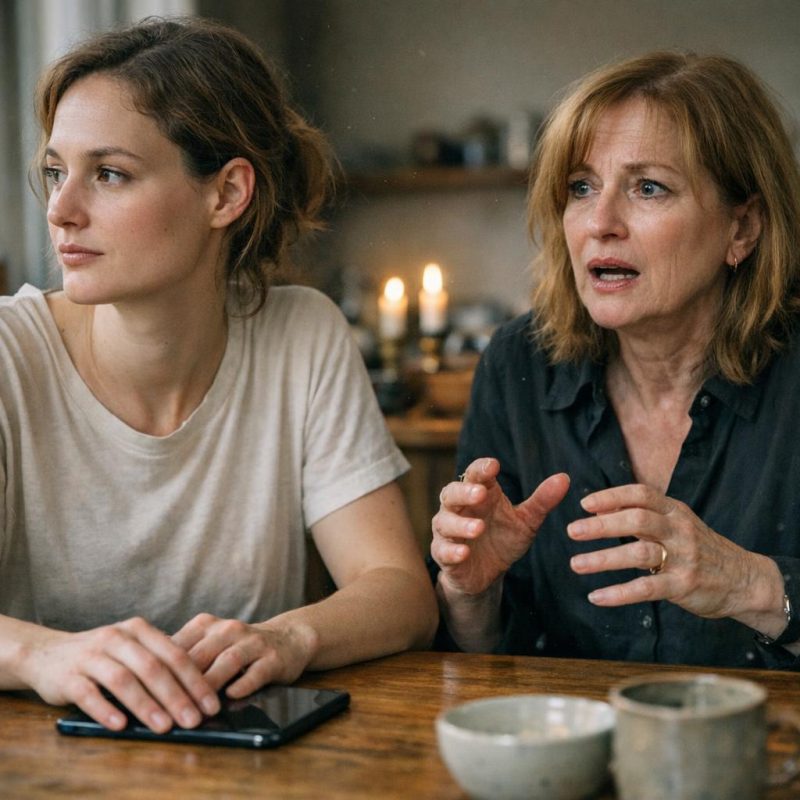 Image by RM AI
The Fraud Division Arrives
The bank fraud investigator arrived first, maybe twenty minutes later. She was a sharp-eyed woman in her mid-forties who introduced herself as Detective Ahn and asked to see what I'd found. I walked her through everything—the death certificate, the continued transactions, the offshore accounts, the forged signatures. She spread the documents across the kitchen table, occasionally taking photos with her phone. Her expression never changed, but I could see a certain satisfaction in her eyes. This was solid. This was prosecutable. This was exactly what she needed. 'Ms. Chen,' she said, looking up at Beatrice, 'I'm going to need you to stay here while I review these materials.' Beatrice had gone very pale. She was sitting at her own kitchen table like a stranger in her own house, watching Detective Ahn catalog her crimes. 'How long has this been going on?' Detective Ahn asked me. 'Since I was ten years old,' I said. 'The original theft was 2009. But the fraud in Leo's name after his death started in early 2023.' Detective Ahn smiled then—not a friendly smile, but the smile of someone who'd just found exactly what they'd been looking for. She looked at Beatrice and said, 'We've been looking for this kind of case to make an example of.'
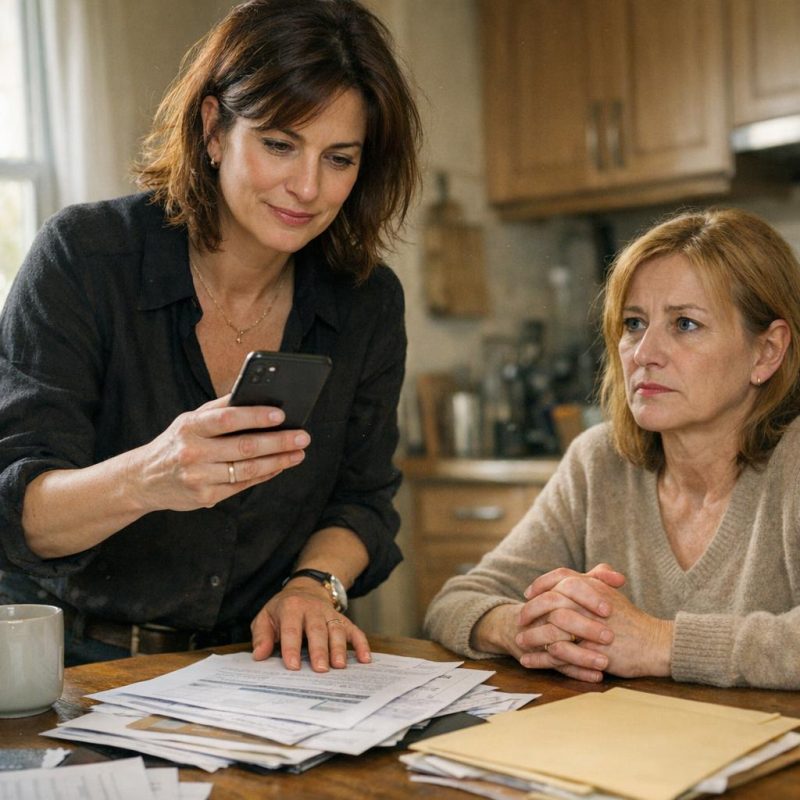 Image by RM AI
The Police Follow
Two uniformed police officers arrived minutes later. I heard their car pull up outside, saw Beatrice's face go white as Detective Ahn stood to let them in. They were professional, efficient, calm in the way that made everything feel inevitable. Detective Ahn explained what she'd found, her voice matter-of-fact as she listed the charges. 'Federal bank fraud,' she said. 'Identity theft of a deceased individual. Wire fraud across state and international lines. Money laundering through offshore accounts. Forgery of legal documents. Ongoing conspiracy to defraud.' Each word landed like a hammer blow. I watched Beatrice's face as she heard them, watched her understand for the first time what she was actually facing. These weren't small-time crimes. These weren't things you could explain away or settle quietly. 'Each count carries a potential sentence of up to twenty years,' Detective Ahn continued. 'Given the duration, the amount involved, and the ongoing nature of the fraud, the federal prosecutor will likely seek consecutive sentences.' I did the math in my head. Twenty years per count. Multiple counts. Beatrice was fifty-eight years old. She could spend the rest of her life in federal prison, all because she couldn't stop stealing even after the person she was supposedly protecting was already dead.
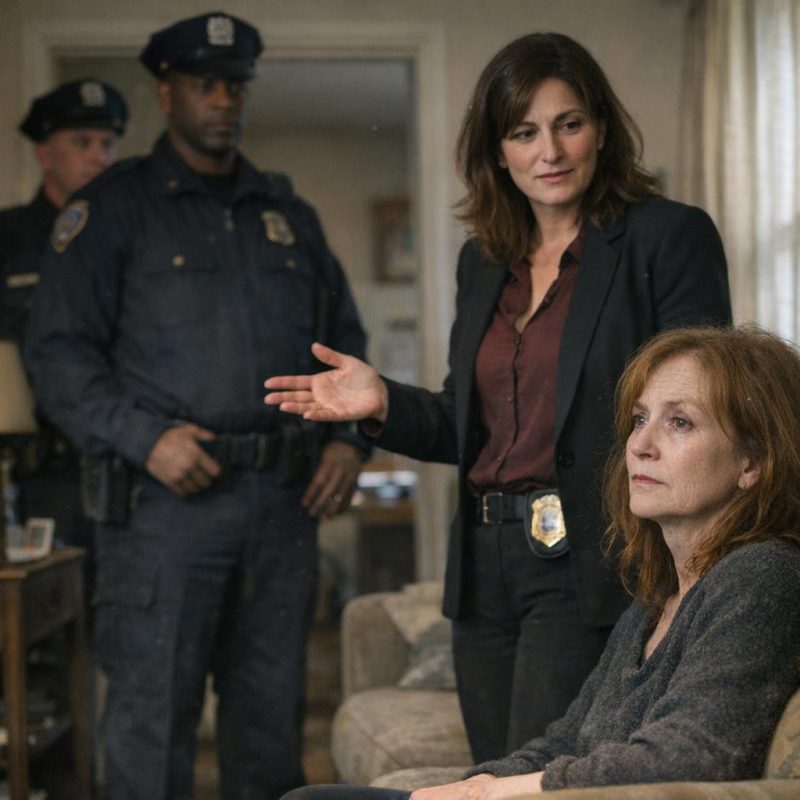 Image by RM AI
The Handcuffs
One of the officers pulled out handcuffs. The sound of the metal was sharp in the quiet kitchen. 'Beatrice Chen,' he said, 'you're under arrest for federal bank fraud and related charges. You have the right to remain silent...' I watched him place the handcuffs on her wrists. I'd imagined this moment so many times over the past few months, wondered how I'd feel when it finally happened. I thought maybe I'd feel guilty, or sad, or conflicted. She'd raised me, after all. She'd been the only family I had for fifteen years. But standing there, watching the officer secure the cuffs and continue reading her rights, I felt nothing but cold, clear satisfaction. This was justice. This was what happened when you stole from a child and never stopped. This was consequence, finally catching up. Beatrice looked at me one last time as the officer finished the Miranda warning. Her eyes were searching, desperate, looking for something—mercy, maybe, or sympathy, or the little girl who'd once believed everything she said. But that girl was gone, and I'd stopped believing years ago. I turned away.
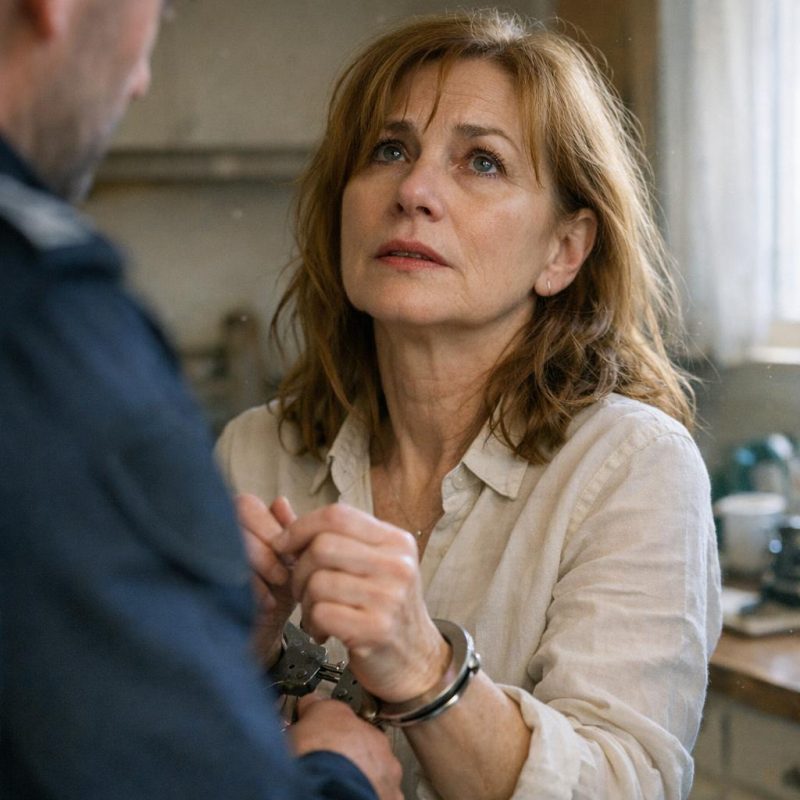 Image by RM AI
The Perp Walk
Detective Ahn took Beatrice by the arm, professional and firm, and walked her toward the door. Beatrice moved like she was in a dream, stumbling slightly on the threshold of her own kitchen. The kitchen where she'd made me tea a thousand times. The kitchen where she'd told me we didn't have money for new shoes, or school supplies, or anything I needed—all while she was moving millions offshore. The officers followed them out. I stayed by the table, surrounded by the evidence I'd gathered, and watched through the window as Detective Ahn opened the back door of the police car and guided Beatrice inside. There was something surreal about seeing it happen. The woman who'd raised me, who'd controlled every aspect of my childhood, being put into the back of a squad car like any other criminal. Because that's what she was. A criminal. Not my aunt. Not my guardian. Just someone who'd seen an opportunity and taken it, over and over again, for fifteen years. The car pulled away. I watched until it disappeared around the corner. And I realized, standing there in the sudden silence, that I felt no grief at all—only relief.
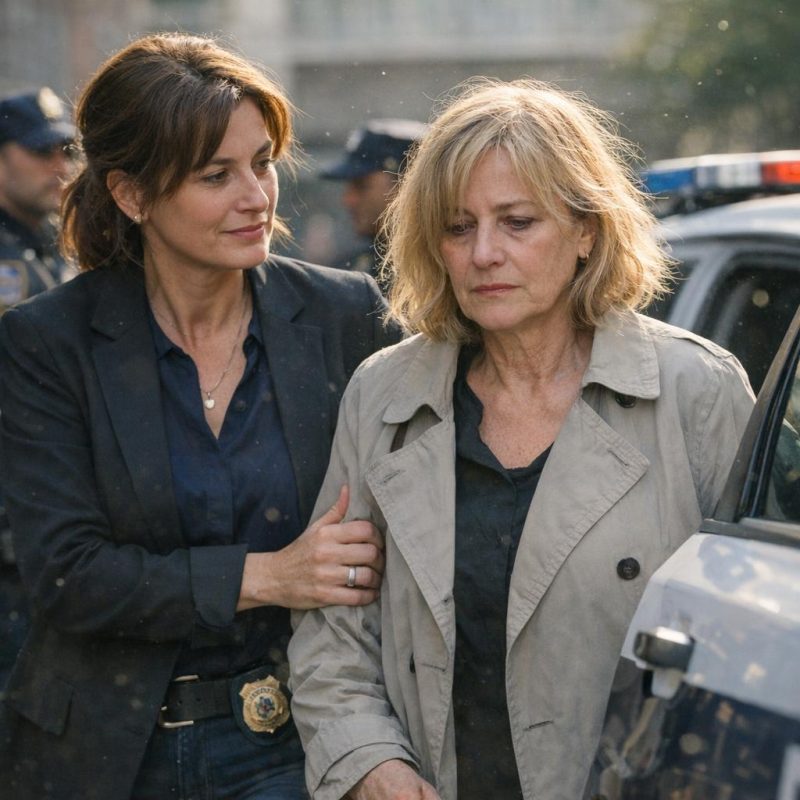 Image by RM AI
The Evidence Review
Detective Ahn came back inside after the patrol car left. 'I'm going to need you to walk me through everything,' she said, sitting down at the kitchen table. 'How you found it, how you pieced it together, what led you to check the death records.' So I explained it all. How I'd gotten access to Leo's death certificate through work connections. How my nursing job had taught me to read medical and legal documents, to spot inconsistencies, to follow paper trails. How I'd requested bank statements and found the pattern. How the signatures never quite matched. How the offshore accounts had been opened after Leo was already dead. She took notes the whole time, occasionally asking clarifying questions. When I finished, she looked at me with something like respect. 'Your attention to detail is remarkable,' she said. 'Most people wouldn't have caught half of this. The way you documented everything, cross-referenced the dates, built the timeline—it's exactly what we need.' She closed her notebook. 'You're going to make an excellent witness at trial.'
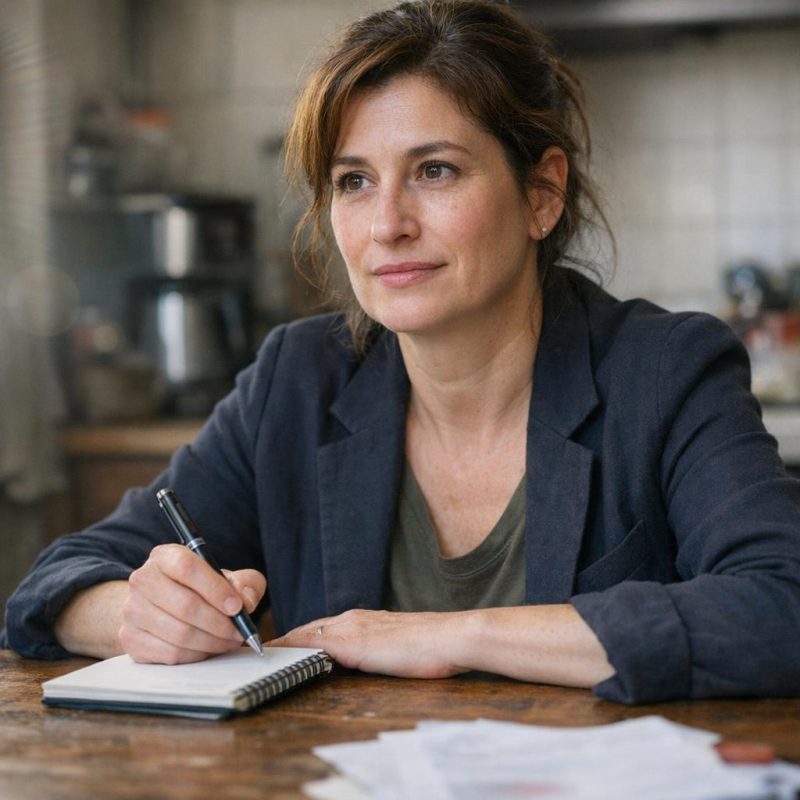 Image by RM AI
The Asset Seizure
Within forty-eight hours, federal agents froze Beatrice's offshore account and began the process of recovering what remained of my inheritance. I got the call from Detective Ahn on a Tuesday morning while I was finishing up a shift at the hospital. 'They found approximately four hundred thousand dollars,' she said. 'The rest was spent over the years, but this is recoverable.' Four hundred thousand. Not two million. Not even close. But as I stood there in the hospital hallway, still in my scrubs, I felt something shift inside me. That money represented more than just dollars. It represented validation. Proof that I hadn't been crazy, that my suspicions had been right all along. 'What happens next?' I asked. 'There'll be some legal proceedings, restitution hearings, paperwork,' she explained. 'But the money should be released to you within six months, maybe sooner.' I thanked her and hung up. My hands were shaking. Four hundred thousand dollars wouldn't give me back my childhood or erase the years of struggling. But it would be enough to finally pay off my nursing school loans.
 Image by RM AI
The Plea Deal
Three months later, facing overwhelming evidence and multiple felony charges, Beatrice accepted a plea deal. Her lawyer must have told her the truth: that going to trial would mean spending the rest of her life in prison. Wire fraud, identity theft, forgery, embezzlement—the federal prosecutor had built an airtight case. I got the notification from the district attorney's office about the plea hearing, and I immediately requested time off work. There was no way I was missing this. The sentencing hearing took three days. I sat in the back of the courtroom and watched Beatrice's lawyer try to paint her as a desperate woman who'd made terrible choices out of grief and financial pressure. They talked about her husband's death, her mounting debts, her psychological state. The prosecutor countered with bank records, forged signatures, evidence of premeditation. On the final day, the judge sentenced her to eight years in federal prison with an additional three years of supervised release and full restitution of the recovered funds. She was sentenced to eight years in federal prison, and I attended every day of her sentencing hearing.
 Image by RM AI
The Victim Impact Statement
The judge allowed me to read a victim impact statement, and I looked Beatrice in the eye as I described every lie, every manipulation, every stolen dollar. I'd written it the night before, sitting at my kitchen table with a cup of tea gone cold. I talked about the thrift store clothes while she wore designer labels. The ramen noodles while she went to expensive restaurants. The shame of being the 'charity case' at school. The nights I'd worked double shifts to afford textbooks. The student loans that would have been completely unnecessary if she'd just given me what was mine. My voice didn't shake. I'd practiced enough that the words came out clear and strong. I saw her crying as I spoke, mascara running down her face, her lawyer's hand on her shoulder. But I felt nothing. No satisfaction in her tears, no triumph in her misery, no anger left to burn. Just a profound sense of release, like setting down a heavy suitcase I'd been carrying for fifteen years. When I finished, the courtroom was silent, and Beatrice was crying—but I felt nothing but freedom.
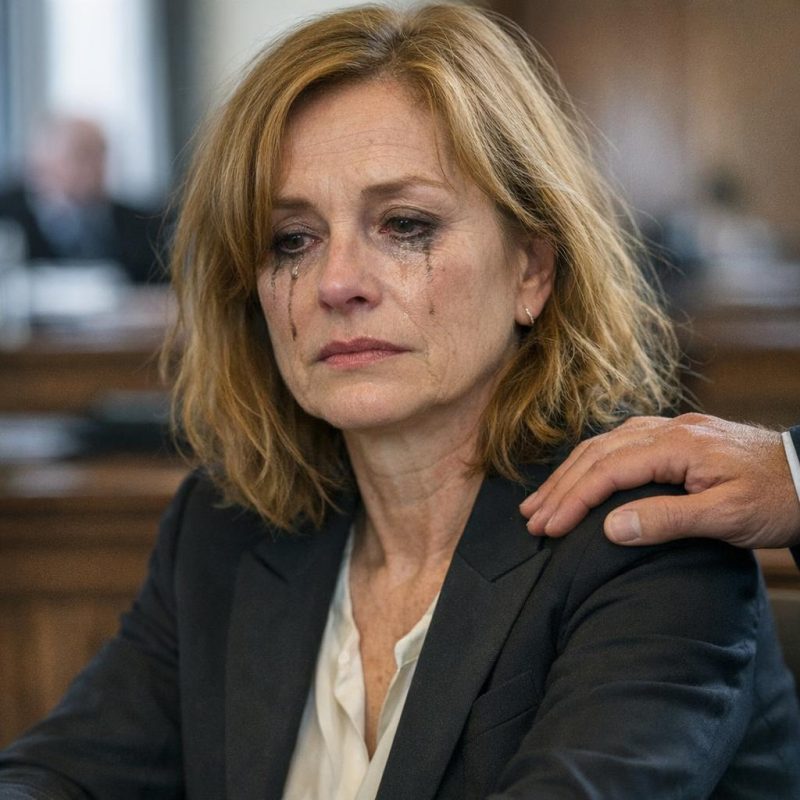 Image by RM AI
The Fine Print
A year later, I stood in my new apartment—purchased with recovered funds—and thought about how Beatrice spent fifteen years teaching me to read the fine print. It was a modest two-bedroom in a decent neighborhood, nothing extravagant. I'd paid cash and still had money left for an emergency fund and some investments. The nursing school loans were gone. My credit score had finally climbed into the 'excellent' range. I had furniture that wasn't secondhand and a refrigerator that actually stayed cold. Sometimes I thought about what Beatrice had said during those poverty years: 'Always read the contract, Nora. Always check the details. People will try to cheat you if you're not careful.' She'd made me suspicious of everyone, taught me to question everything, trained me to spot inconsistencies and follow paper trails. Those skills had served me well in nursing, where attention to detail could save lives. And those same skills had eventually saved me—from her. The irony wasn't lost on me. She just never expected I'd use that skill on her.
 Image by RM AI
KEEP ON READING

From Heroes To Zeroes 20 Historical Figures Whose Heroism Was…
History is full of legends, but not every hero lived…
By Noone Feb 25, 2026
The Clueless Crush: How I Accidentally Invited a Hacker Into…
Fluorescent Lights and First Impressions. My name is Tessa, I'm…
By Ali Hassan Nov 4, 2025
This Infamous Ancient Greek Burned Down An Ancient Wonder Just…
History remembers kings and conquerors, but sometimes, it also remembers…
By David Davidovic Nov 12, 2025
Einstein's Violin Just Sold At An Auction—And It Earned More…
A Visionary's Violin. Wanda von Debschitz-Kunowski on WikimediaWhen you hear…
By Ashley Bast Nov 3, 2025
The Mysterious "Sea People" Who Collapsed Civilization
3,200 years ago, Bronze Age civilization in the Mediterranean suddenly…
By Robbie Woods Mar 18, 2025
20 Old Hollywood Actors With Dark Secrets
The Silver Screen Was Lying. Golden Age Hollywood always looked…
By Sara Springsteen Mar 6, 2026