

The Science Project
My grandson Dylan came over that Tuesday afternoon with this huge grin on his face, waving his phone around like he'd just discovered something revolutionary. He's sixteen and completely obsessed with science, so I figured he was about to tell me some fascinating fact about black holes or quantum physics. Instead, he wanted me to spit in a tube. Well, technically, swab the inside of my cheek. 'Grandma, everyone's doing these DNA ancestry tests now,' he said, already pulling up the website on my kitchen laptop. 'We could find out where our family really comes from. Maybe you're part Viking or something!' I'll be honest, at sixty-three, I've never been one for all this new technology. I barely figured out how to use Facebook. But Dylan had that look in his eyes, the one that reminded me so much of my late husband Tom when he got excited about something. How could I say no to that face? So I agreed, mostly to make him happy, thinking it would just tell us we're German and Irish like I already knew. I had no idea that swabbing the inside of my cheek would unravel everything I thought I knew about my life.
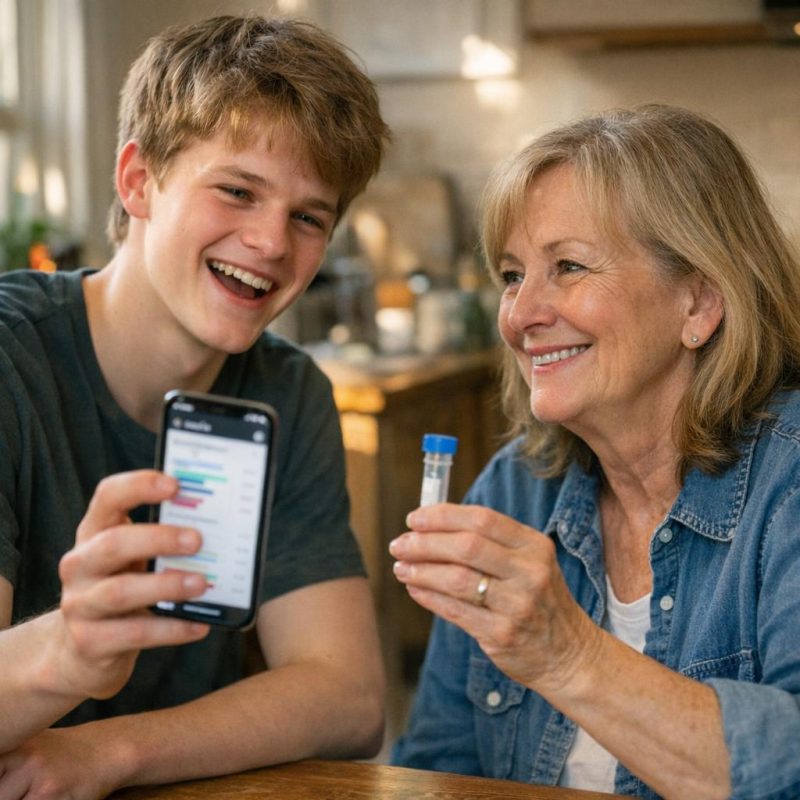 Image by RM AI
Waiting and Forgetting
We mailed off those little tubes the next day, Dylan carefully packaging them up like they contained something precious. Then life just went back to normal, the way it does. I had my book club on Thursdays, volunteered at the library on Tuesdays, and Dylan came over most weekends to help me with yard work. Tom had always handled that stuff before he passed three years ago, and I still wasn't great with the lawnmower. I honestly forgot all about the DNA test. Dylan would mention it occasionally, asking if I'd gotten an email yet, and I'd have to remind him I barely checked my email. 'They said six to eight weeks, Grandma. Be patient.' Patient I could do. I'd lived sixty-three years without knowing my exact ethnic percentages, I figured I could wait a bit longer. The weather got warmer, the lilacs bloomed in my backyard, and I fell into the comfortable rhythm of my quiet life. Three weeks later, Dylan burst through my kitchen door with his laptop, and the look on his face told me something was very wrong.
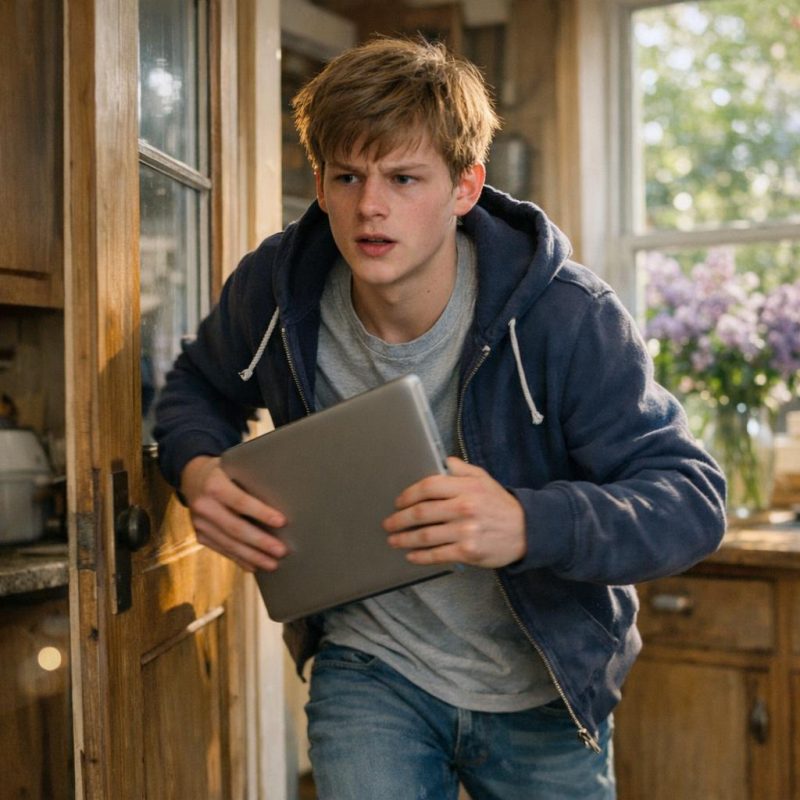 Image by RM AI
The Unexpected Match
He didn't even say hello, just opened that laptop right there on my kitchen table, his hands actually shaking a little. 'Grandma, your results came back, and there's something weird.' I leaned over to look at the screen, expecting maybe we had some unexpected Scandinavian ancestry or something. Instead, Dylan pointed to a section labeled 'DNA Relatives.' There was a woman's name there, Rebecca Marsh, with a percentage next to it that meant nothing to me. 'What am I looking at, honey?' I asked, still not understanding why he looked so pale. 'This says she shares 48.7% of your DNA,' Dylan explained, his voice getting higher. 'That's not like a cousin or anything distant. That's a parent-child or sibling relationship.' I actually laughed at first, thinking there had to be some mistake with their computers. I knew my parents, I knew my siblings. 'It's probably just a glitch in their system,' I told him. But Dylan kept scrolling, and there was a message from this Rebecca woman. The message from this stranger said she'd been searching for her biological family for years, and she thought I might hold the key.
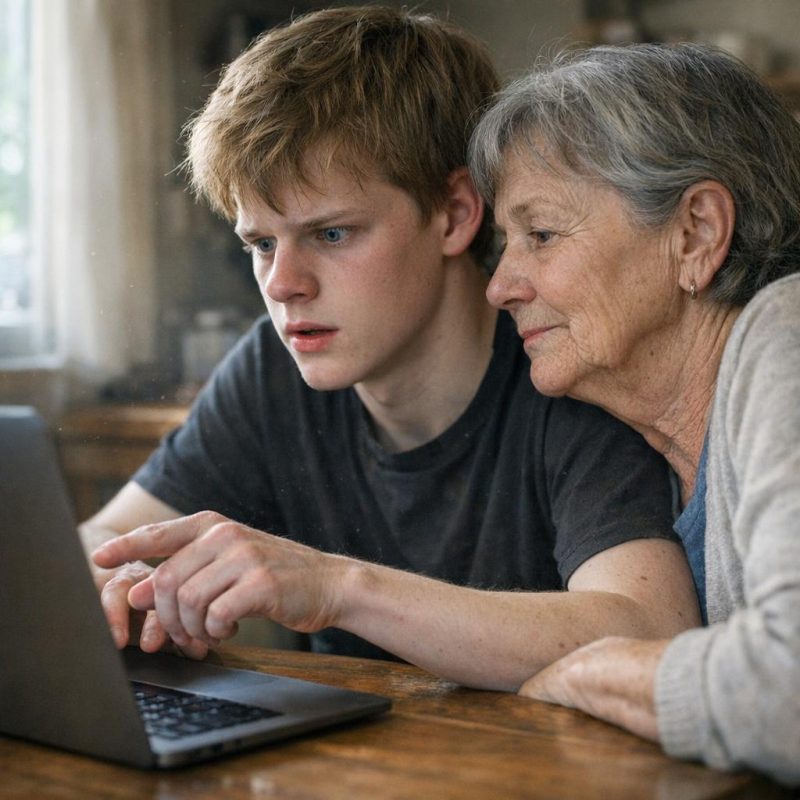 Image by RM AI
The Message That Changed Everything
I must have read that message twenty times over the next two days. Rebecca had written it so carefully, so politely, explaining that she was adopted as an infant and had been searching for her birth family since she turned eighteen. She wasn't asking for anything, she said, just hoping to understand where she came from. Dylan kept coming back to check on me, finding me at the kitchen table with that laptop open. 'You should at least respond, Grandma. She sounds nice.' But I couldn't shake the feeling that responding would change something fundamental, open some door that couldn't be closed again. I'm not the kind of person who likes drama or upheaval. I like my quiet life, my routines, my predictable days. Tom used to tease me about being too set in my ways. The thing is, I truly couldn't imagine any scenario where this made sense. I knew my family. I knew my life. This had to be some kind of error, and responding would just encourage false hope for this poor woman. Still, Dylan had that earnest look again, the one I couldn't resist. Dylan convinced me we should at least write back politely, and I agreed, never imagining what door I was about to open.
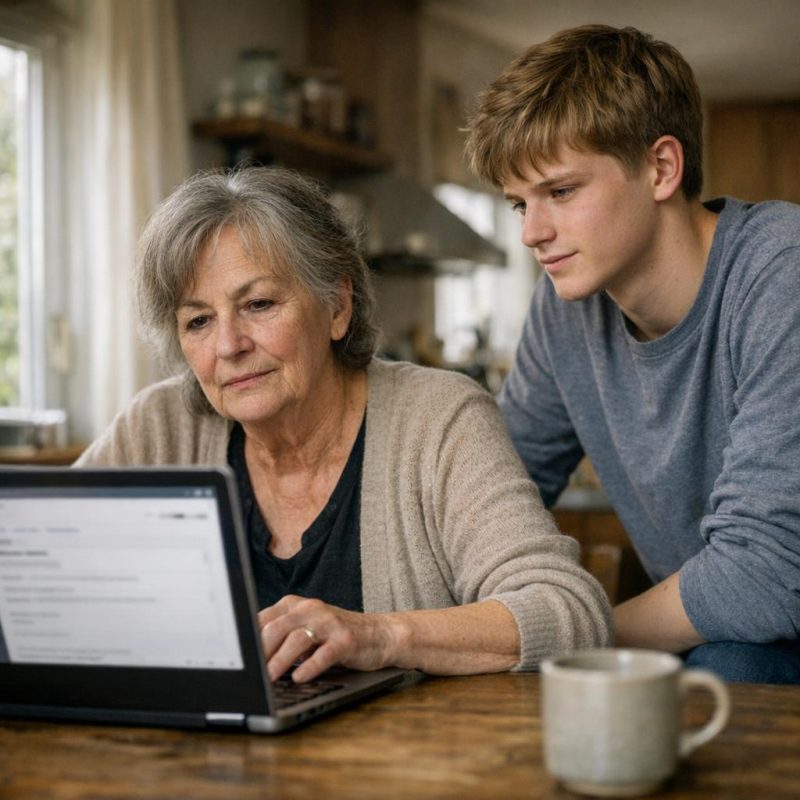 Image by RM AI
Searching My Memory
After we sent that brief, polite response, I couldn't sleep that night. I lay there in the dark, in the bed I'd shared with Tom for thirty-eight years, trying to think if there was any possible explanation. Could I have a sister my mother never told me about? But my mother Evelyn had been gone for twelve years now, and she'd never mentioned anything like that. Besides, the DNA percentage suggested someone younger, someone who could be my child, which was completely impossible. I'd had two children, Janet and Michael, and I remembered every detail of both pregnancies and births. Yet my mind kept circling back to something I hadn't thought about in decades. When I was twenty-one, I'd spent almost three weeks in the hospital. I remembered feeling exhausted, my mother's worried face, and then just fragments after that. Whenever I'd asked my mother about it later, she'd wave it away. 'You were just exhausted, dear. Working too hard at that secretary job. Nothing to worry about.' But now, lying there in the dark, I realized something strange. The only period I couldn't fully remember was those strange weeks in the hospital when I was twenty-one, the time my mother always dismissed as 'just exhaustion.'
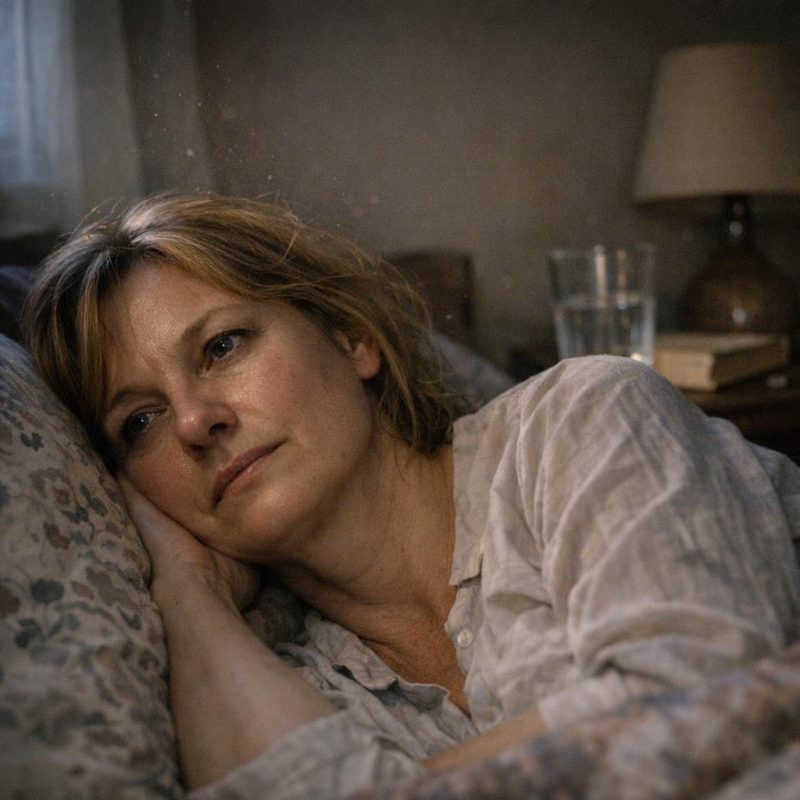 Image by RM AI
Rebecca's Reply
Rebecca's reply came faster than I expected, just two days later. Dylan brought his laptop over again, and we read it together at my kitchen table. She'd written several paragraphs this time, carefully explaining what the DNA percentages meant, how she'd consulted with genetic counselors, how this wasn't an error. 'The amount of shared DNA between us, 48.7%, falls squarely in the range for a parent-child relationship,' she'd written. 'I know this must be confusing and perhaps upsetting, but I've been searching for so long.' Her message was so measured, so careful not to push, but there was an undercurrent of nervousness I could feel even through the computer screen. She included a photo of herself, a woman in her early forties with dark hair and kind eyes. I stared at that photo for a long time, searching for any resemblance to myself, to my children, to anyone in my family. At the end of her message, she asked if we could talk on the phone, just for a few minutes, so she could explain her adoption story more fully. Dylan looked at me expectantly, but I couldn't respond right away. I stared at that request for two full days before I found the courage to say yes.
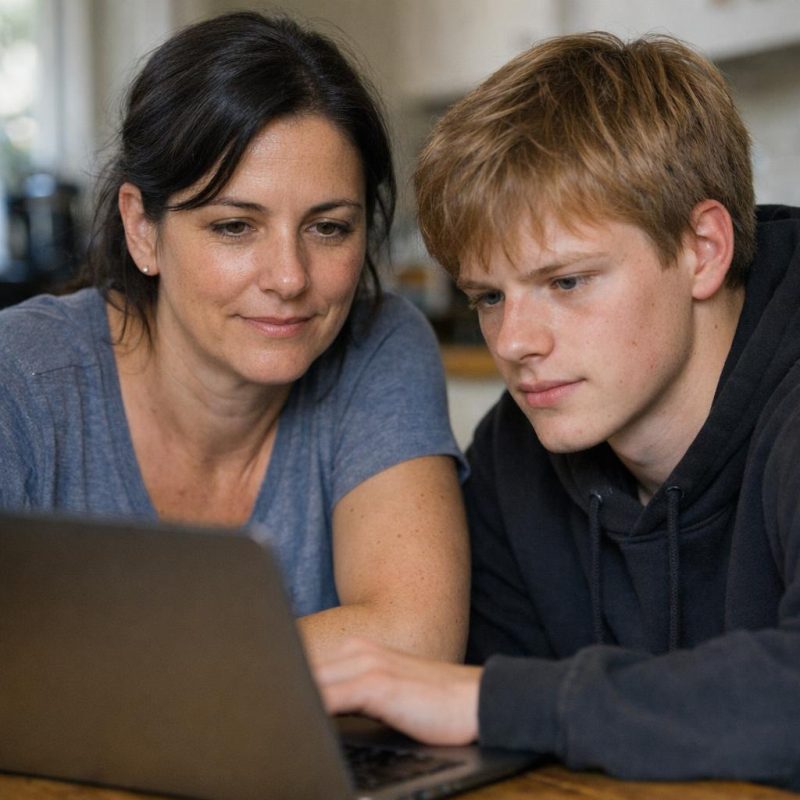 Image by RM AI
The First Phone Call
When I finally called her that Sunday afternoon, my hands were sweating so badly I nearly dropped the phone twice. Rebecca answered on the second ring, and her voice was soft, nervous, younger-sounding than I expected. 'Carol? Thank you so much for calling. I know this must be overwhelming.' We talked for almost an hour, and she told me her story. She'd been adopted through a private agency in Chicago in 1982, given very little information about her birth parents. She'd spent years searching, hitting dead ends, until these DNA tests became available. 'The system very clearly shows our connection comes from your side, not your late husband's family,' she explained carefully. 'I've had several genetic counselors review the results.' I kept trying to explain that there must be some mistake, that I'd only been pregnant twice in my life, but my voice sounded uncertain even to my own ears. I found myself thinking about those weeks in the hospital again, that strange gap in my memory. Rebecca was patient, kind, never pushing too hard. When Rebecca said the DNA pointed specifically to my side of the family and not my late husband's, my hands started to shake.
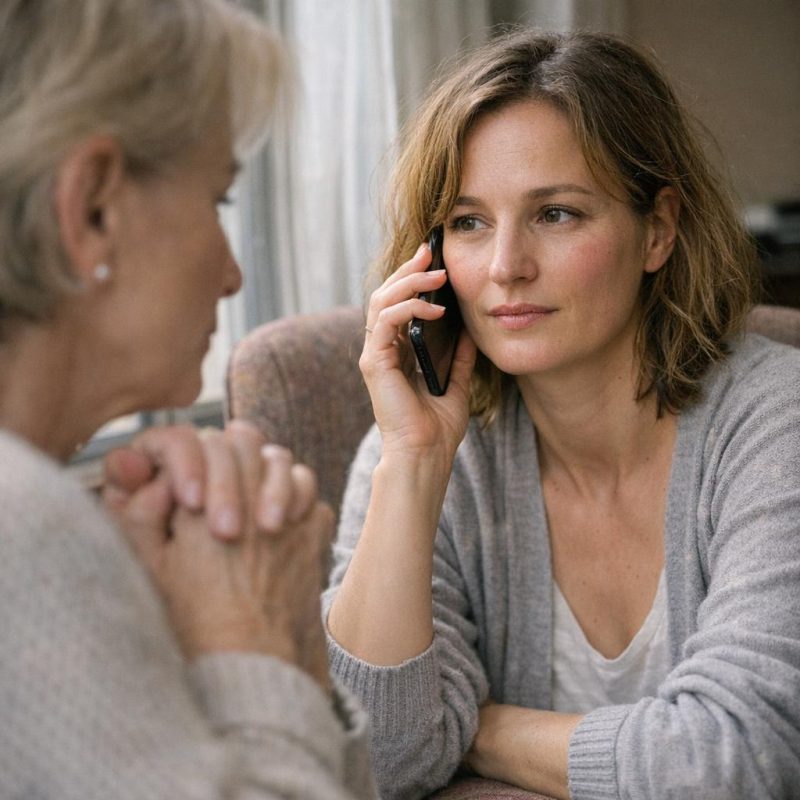 Image by RM AI
Breaking the News to Janet
I waited until the next day to call my daughter Janet. I needed to talk to someone in my family, someone who would help me make sense of this impossible situation. Janet and I usually talked twice a week anyway, comfortable mother-daughter conversations about her kids and her job and what she was cooking for dinner. But this time, my voice was shaking when I explained about the DNA test, about Rebecca, about the possibility that I might have another daughter I didn't remember. The silence on the other end of the line lasted so long I thought we'd been disconnected. 'Mom,' Janet finally said, and her tone was sharp in a way it rarely was with me. 'This sounds like a scam. Those DNA websites have all kinds of security problems. Someone's probably trying to trick you.' I tried to explain that Dylan had verified the results, that Rebecca seemed genuine, that the DNA percentages were very specific. But Janet wouldn't hear it. 'These scammers are very good at what they do,' she insisted. 'They prey on older people who don't understand technology.' I felt something heavy settle in my chest at her words. Janet's response was immediate and cold: 'Mom, this sounds like a scam. Please don't send this woman any money.'
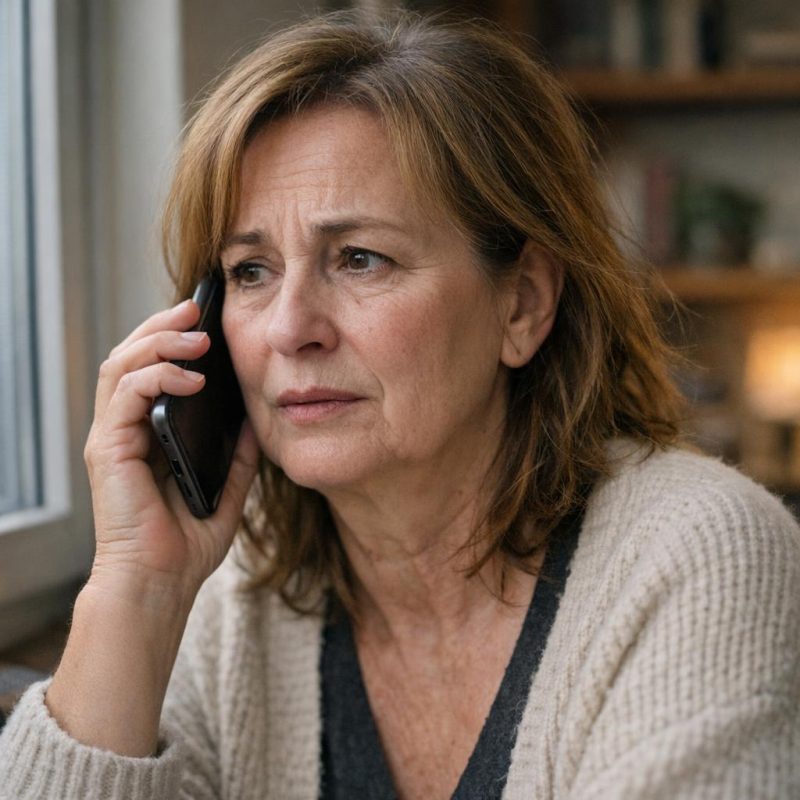 Image by RM AI
Michael's Doubts
My son Michael called me later that same evening, and I could tell right away that Janet had already gotten to him. He had that careful, protective tone in his voice that he'd used with me ever since his father passed. 'Mom, I know you want to believe this is real,' he started, and I felt my shoulders tense. 'But these DNA tests aren't as accurate as people think they are. There are false positives, mix-ups in the labs, all kinds of problems.' Michael worked in insurance, and he always approached things with this analytical mindset that usually I appreciated. But now it felt like he was looking at spreadsheets instead of seeing what was right in front of us. I tried to tell him about the specific percentage match, about how Dylan had explained the science to me, but Michael kept circling back to the same point. 'And even if the DNA is real, this woman could still be lying about who she is,' he said. 'Someone could have stolen a relative's DNA, or this could be some elaborate identity theft scheme.' I sat there in my kitchen, holding the phone against my ear, feeling more alone than I had in years. Both my children were united in their suspicion, but something in Rebecca's voice had felt genuine, and I couldn't shake the feeling I owed her the truth.
 Image by RM AI
Calling the Hospital
I needed proof, something that would either confirm or deny this impossible story. The hospital seemed like the logical place to start, so the next morning I called St. Margaret's, where I'd stayed during my breakdown at twenty-one. The receptionist transferred me three times before I finally reached someone in medical records. I explained what I needed as clearly as I could, asking for any records from November 1982 under my maiden name, Carol Brennan. The woman on the phone sounded skeptical. 'That's over forty years ago,' she said. 'Most records from that period aren't in our digital system.' She took down my information and said someone would call me back if they found anything. I waited by the phone for two days, jumping every time it rang. When the call finally came, it wasn't good news. The clerk had a tired, apologetic voice. 'We're still using paper files from before 1990,' she explained. 'They're stored in an off-site facility, and we're short-staffed right now.' My heart sank as she continued. The clerk told me the records were archived decades ago, and it would take weeks to locate them if they still existed at all.
 Image by RM AI
Dr. Voss Calls Back
Three weeks later, on a Tuesday morning, my phone rang from an unfamiliar number. A woman introduced herself as Dr. Patricia Voss, the hospital archivist at St. Margaret's. 'Mrs. Hayes,' she said, and something in her tone made me sit down. 'I found a file under your maiden name.' My hands started trembling as she explained that the records were incomplete, partially damaged by water at some point, but there were admission forms and some medical notes. Dr. Voss spoke slowly, carefully, like she was reading something she wished she didn't have to share. 'You were admitted on October 30th, 1982, under psychiatric care,' she said. 'But there are also obstetric notes in the file.' I couldn't breathe. Obstetric notes. That meant pregnancy. That meant childbirth. 'Are you sure?' I whispered. 'Could this be someone else's file?' Dr. Voss confirmed it was mine, matching my birth date and social security number. She cleared her throat softly. Dr. Voss hesitated before reading the next line, then said quietly, 'According to this record, you gave birth to a female infant on November 3rd, 1982.'
 Image by RM AI
The Impossible Memory
I hung up the phone and just sat there in my living room, staring at nothing. A baby. I'd had a baby. How does a person forget giving birth? I tried so hard to remember anything from that fall, from those months I'd spent confused and medicated. I remembered the hospital room with its pale green walls. I remembered nurses checking on me, doctors asking questions I couldn't answer. I remembered feeling lost and frightened and like my brain was full of fog. But a pregnancy? Labor? Holding a newborn? There was nothing. Just blank space where those memories should have been. I got out my old photo albums, looking for pictures from that year, but there weren't any. My mother had told me I'd been too sick to be photographed, that she hadn't wanted to remember me that way. I looked at my body in the mirror, searching for stretch marks, any physical evidence of childbirth. Maybe there were some faint lines on my stomach, but I'd always assumed those came from carrying Janet and Michael years later. I felt like I was losing my mind all over again. Either I had somehow forgotten the most significant event a woman could experience, or someone had deliberately made sure I never knew it happened.
 Image by RM AI
Telling Rebecca
I called Rebecca that evening. My fingers were shaking so badly I could barely dial her number. When she answered, I didn't even say hello. 'The hospital found records,' I said. 'From November 1982. They say I gave birth to a baby girl.' Rebecca made a sound like a sob catching in her throat. For a long moment, neither of us could speak. 'I'm so sorry,' I finally managed to say. 'I don't remember you. I don't remember being pregnant or giving birth. I was so sick that year, and whatever happened, someone kept it from me.' Rebecca was crying now, really crying. 'It's okay,' she kept saying. 'It's not your fault. I always knew something like this must have happened.' She told me her adoptive parents had been kind but secretive, refusing to discuss the circumstances of her adoption. She'd always felt like there was something they weren't telling her, some sad story they wanted to protect her from. 'I used to imagine all kinds of scenarios,' she said through her tears. 'I thought maybe you were too young, or maybe it was complicated.' Through her tears, Rebecca whispered, 'I always knew there was a story like this, I just never thought I'd actually find you.'
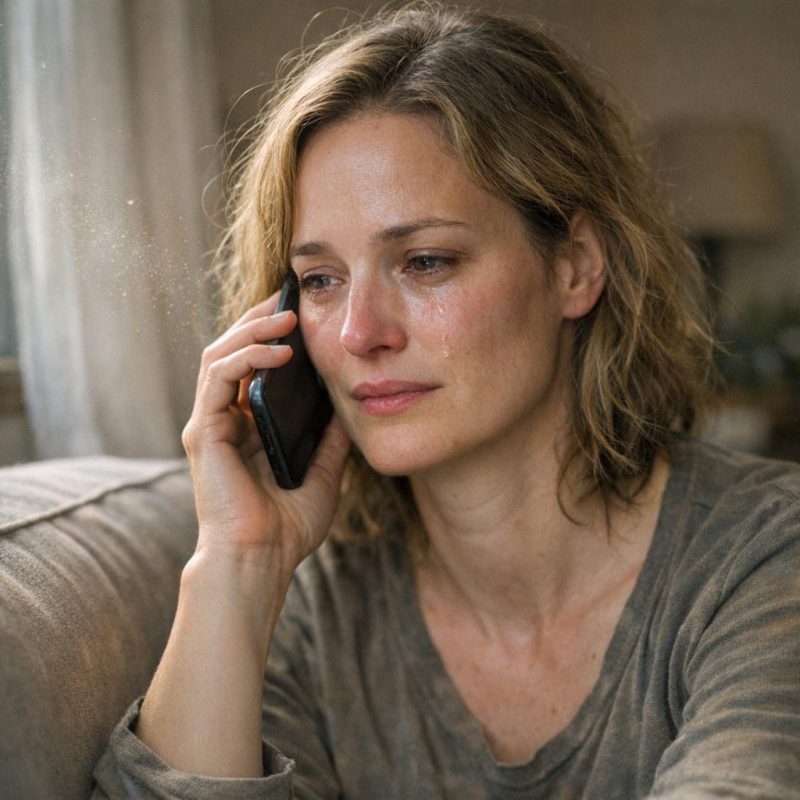 Image by RM AI
Ruth's Perspective
I needed to talk to someone who had known me back then, someone who remembered my parents and that terrible year. Ruth from church had been my mother's friend before she became mine, and she'd known our family since I was a teenager. I invited her over for coffee and told her everything. Ruth listened carefully, her weathered hands wrapped around her mug. 'Your parents were very private people,' she said slowly. 'Especially your mother. She had very specific ideas about appearances and reputation.' I asked her if she remembered me being sick in 1982. Ruth nodded. 'Your mother said you'd had a nervous breakdown, that you were staying at St. Margaret's for treatment. But she wouldn't say more than that. Nobody was allowed to visit you.' That matched what I remembered. Ruth was quiet for a moment, thinking. 'There was something your mother said once, years later, when we were talking about a girl from church who'd gotten pregnant out of wedlock. I remember because it struck me as such an odd way to phrase it.' Ruth leaned forward, her eyes serious. Ruth said something that chilled me: 'Your mother once told me that a woman should never let shame define her family's future.'
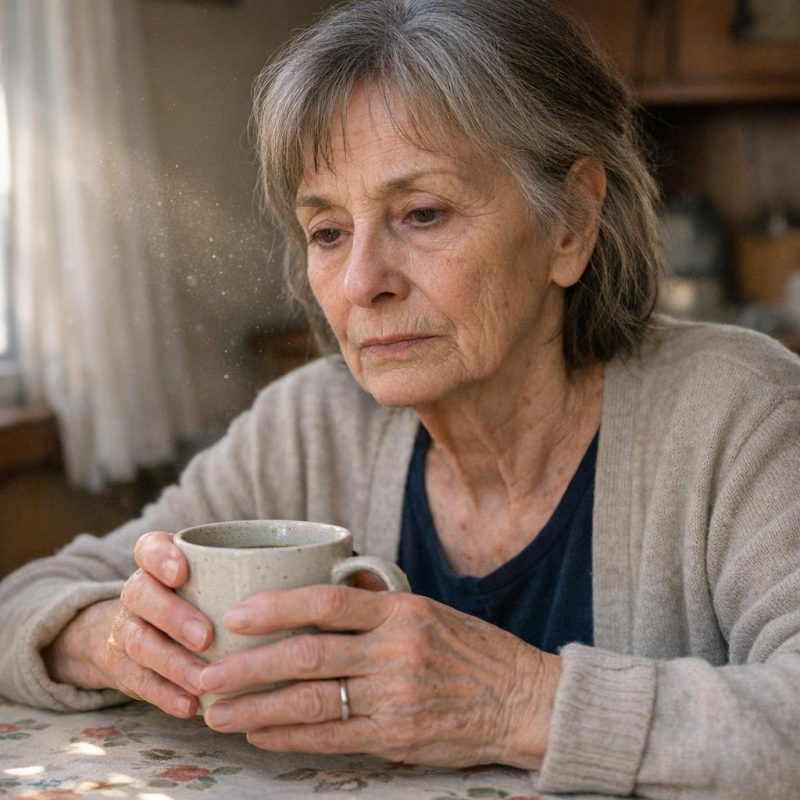 Image by RM AI
The Adoption Agency Search
Dylan came over the next afternoon with his laptop, eager to help me dig deeper. Dr. Voss had mentioned an adoption agency name in the hospital records: Family Foundations Services. 'Let's see if they're still in business,' Dylan said, already typing. I watched him work, this kind grandson who believed me when my own children didn't. He found an old website that had been archived, with an address in downtown Milwaukee. We called the number listed, but it was disconnected. Dylan searched property records and business registrations. 'Okay, so they closed in 1995,' he said, frowning at his screen. 'That's not too long after your daughter would have been adopted.' He found a state website that was supposed to have information about closed adoption agencies and where their records were transferred. We spent two hours on hold with different state offices, getting transferred around, everyone giving us different information. One person said the records should be with the Department of Children and Families. Another said they'd been sent to the county courts. A third person had never heard of Family Foundations Services at all. The agency had closed in 1995, and all its records had supposedly been transferred to the state, but no one could tell us where.
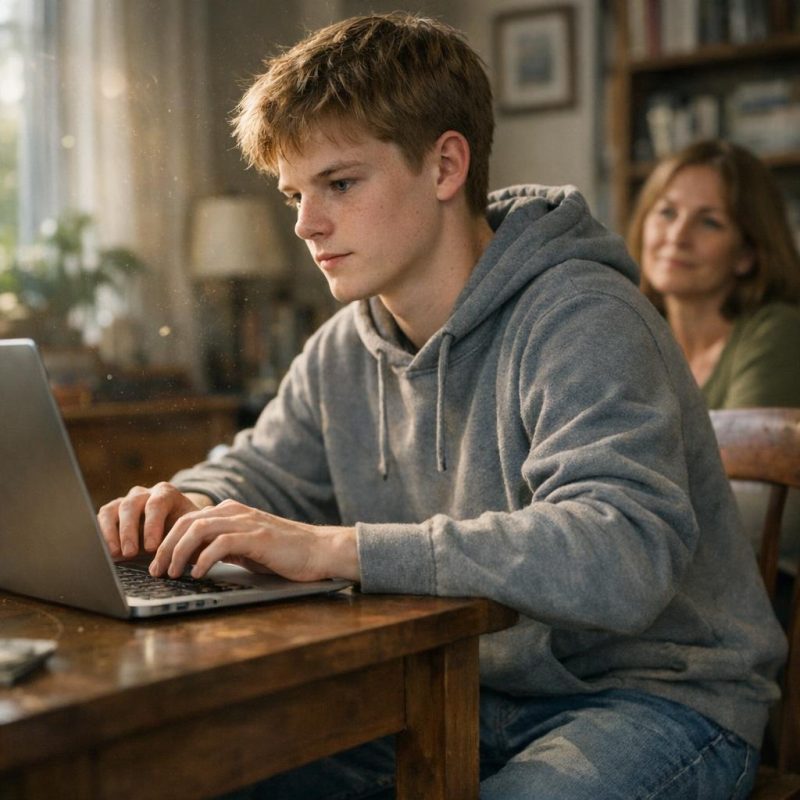 Image by RM AI
Rebecca Shares Photos
Rebecca sent me an email the next morning with the subject line 'Photos.' My hand hovered over the mouse for a moment before I clicked it open. There were six attachments, baby pictures and childhood photos that her adoptive parents had given her. I opened the first one, a hospital newborn photo, and my breath caught. Even wrinkled and red-faced like all newborns are, I could see something familiar in her features. The next photo showed a toddler, maybe two years old, with blonde curls and serious eyes. My mother had kept all my baby pictures in an album that I still had upstairs. I ran to get it, my heart pounding, and brought it down to compare. The resemblance was striking. Rebecca had the same round face I'd had, the same slightly pointed chin. By age five, in the next photo Rebecca sent, she had the exact same way of tilting her head in photographs that I'd always done. My daughter Janet had inherited my hair color, but not really my facial structure. Michael looked more like his father. Looking at Rebecca's face was like staring at a ghost of myself, and it made the impossible feel undeniably real.
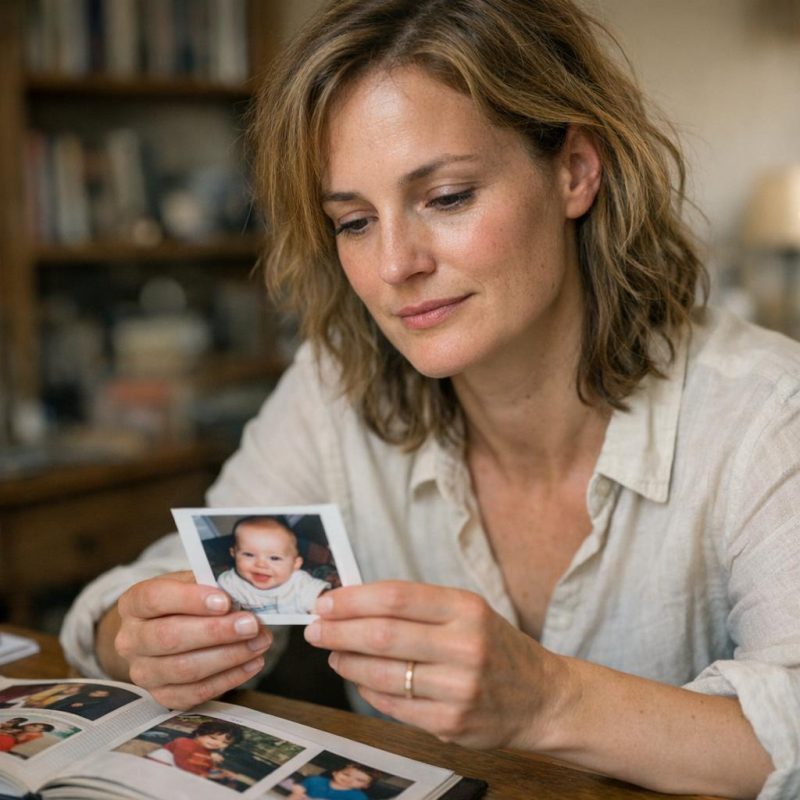 Image by RM AI
Janet's Confrontation
Janet showed up at my door on a Tuesday afternoon without calling first. I could tell from the set of her jaw that this wasn't going to be a pleasant visit. She barely said hello before launching into it, standing right there in my entryway with her purse still on her shoulder. 'Mom, we need to talk about this Rebecca situation.' I invited her to sit down, but she followed me into the kitchen instead, her heels clicking sharply on the tile. 'What situation?' I asked, though I knew exactly what she meant. She'd been sending me concerned text messages for days. 'You're moving way too fast with this,' Janet said, her voice tight. 'You don't actually know anything about her.' I turned to face her, feeling my own defensiveness rising. 'I know she's my daughter. I've seen the photos, the documents.' Janet's face flushed. 'Documents can be faked. Photos prove nothing.' We stared at each other across my kitchen counter, and I realized we were on opposite sides of something that felt enormous. Janet slammed her hand on my kitchen table and said, 'Mom, you've known this woman for three weeks and you're already calling her your daughter?'
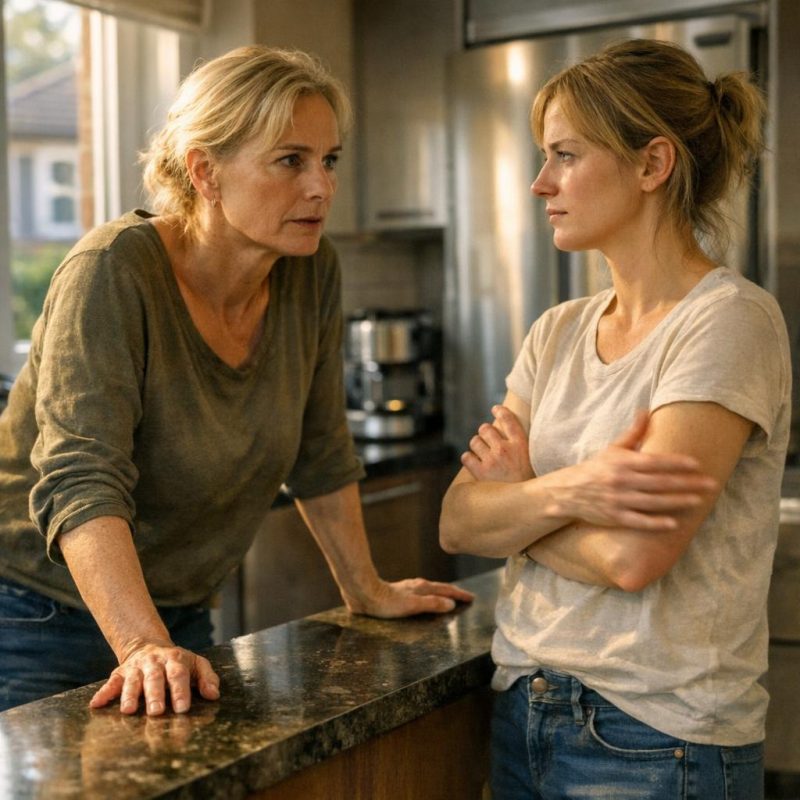 Image by RM AI
Meeting Rebecca's Brother
Rebecca asked if I'd like to meet her adoptive brother Greg over a video call, and I jumped at the chance. The more people who could confirm her story, the better, especially after Janet's confrontation. We set it up on a Saturday morning, and when Greg's face appeared on my laptop screen, I immediately saw the family resemblance between him and Rebecca. They had the same coloring, though I knew that meant nothing about biology. He was friendly and warm, telling me how Rebecca had always talked about wanting to find her birth mother. 'She's been searching for you since she was eighteen,' he said, nodding earnestly. 'I've watched her go through so many dead ends, so many disappointments.' Rebecca sat beside me on the couch, occasionally chiming in with details. They bantered like siblings do, finishing each other's sentences, and it all felt very natural. Greg told a story about Rebecca crying on his shoulder after another failed search attempt, and she reached over to squeeze my hand. The whole conversation lasted maybe forty minutes, and by the end, I felt reassured. Greg seemed supportive, but something about the way he looked at Rebecca during the call felt rehearsed, like they'd coordinated their stories.
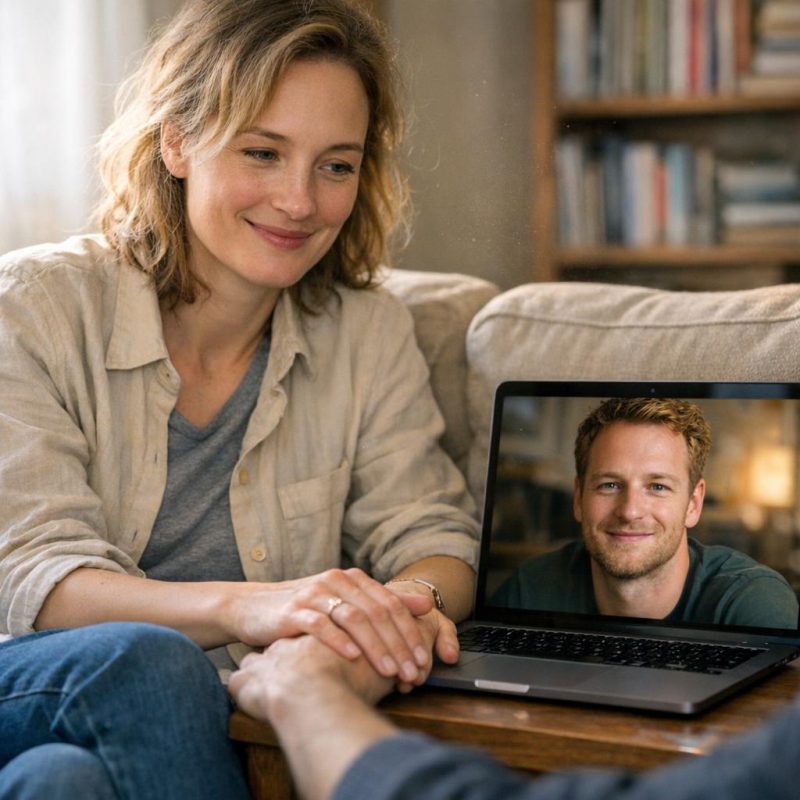 Image by RM AI
Planning to Meet
A few days after the video call with Greg, Rebecca sent me a message asking if we might meet in person soon. My heart actually skipped a beat when I read it. We'd been building this relationship for weeks through phones and screens, and the idea of actually embracing my daughter in real life felt overwhelming. 'I could drive up there,' she wrote. 'Maybe stay for a weekend if that's not too much?' I didn't even hesitate before responding yes. Janet called that evening, somehow having heard about the plan already, and tried to talk me out of it. 'You're inviting a stranger to stay in your home,' she said flatly. Michael texted me similar concerns, though his message was gentler. But I'd already made up my mind. This was my daughter, and I'd lost forty-two years with her already. I wasn't going to waste any more time being cautious. We set a date for the following weekend, and I could barely contain my excitement as I planned which bedroom she'd use and what meals I'd cook. I told Rebecca she could come stay with me for a weekend, and the moment I hung up, I wondered if I'd just made a terrible mistake.
 Image by RM AI
The Night Before
The night before Rebecca was supposed to arrive, I couldn't sleep. I kept getting up to adjust things in the guest room, fluffing pillows that didn't need fluffing, rearranging the towels I'd set out for her. I'd put fresh sheets on the bed that afternoon, the nice ones with the high thread count that I usually saved for special occasions. This was definitely a special occasion, though I still couldn't quite wrap my mind around what it meant. I stood in the doorway of that room around midnight, just staring at the bed in the dim light from the hallway. Tomorrow, my daughter would sleep there. A daughter I'd supposedly given birth to but had no memory of. A daughter who'd been living her whole life just a few states away while I'd been completely unaware of her existence. The thought made my chest tight. I'd spent weeks trying to understand how my parents could have done this to me, how they could have erased such a monumental thing from my life. Standing there in my quiet house, I felt the full weight of it crashing down. As I made up the guest bed, I realized I was preparing a room for a daughter I never knew existed, and the weight of that truth nearly crushed me.
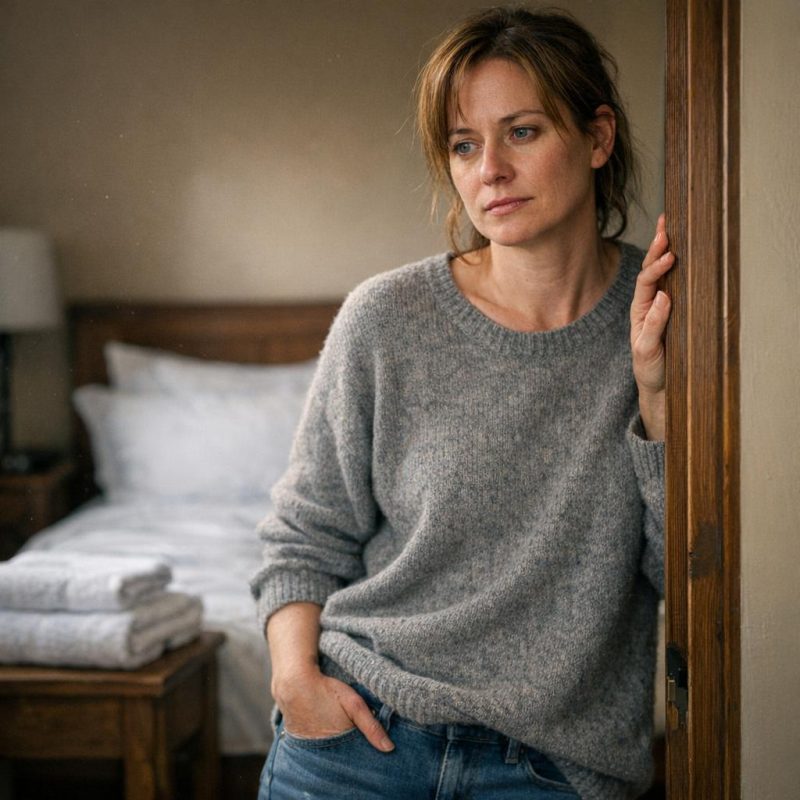 Image by RM AI
Rebecca Arrives
Rebecca's car pulled into my driveway at exactly two o'clock on Saturday afternoon. I'd been watching from the window like a nervous teenager, and I practically ran to the door before she could even knock. When I opened it, we just stood there for a moment, looking at each other in person for the first time. She was taller than I'd expected from the video calls, and more beautiful. 'Hi,' she said softly, and her eyes were already brimming with tears. 'Hi,' I managed to say back. Then we were hugging, right there on my front porch, both of us crying. She smelled like some kind of floral perfume, and her hair was soft against my cheek. I held her tighter than I probably should have, making up for four decades of missed embraces. 'I can't believe this is real,' she whispered into my shoulder. 'I can't either,' I said, and I meant it in more ways than one. We finally pulled apart and I helped her bring her overnight bag inside. She looked around my living room with genuine interest, commenting on my photos, my furniture, asking about everything like she was trying to absorb every detail of my life. Holding Rebecca felt exactly how I imagined holding a daughter should feel, but somewhere in the back of my mind, a small voice whispered that this was all happening too easily.
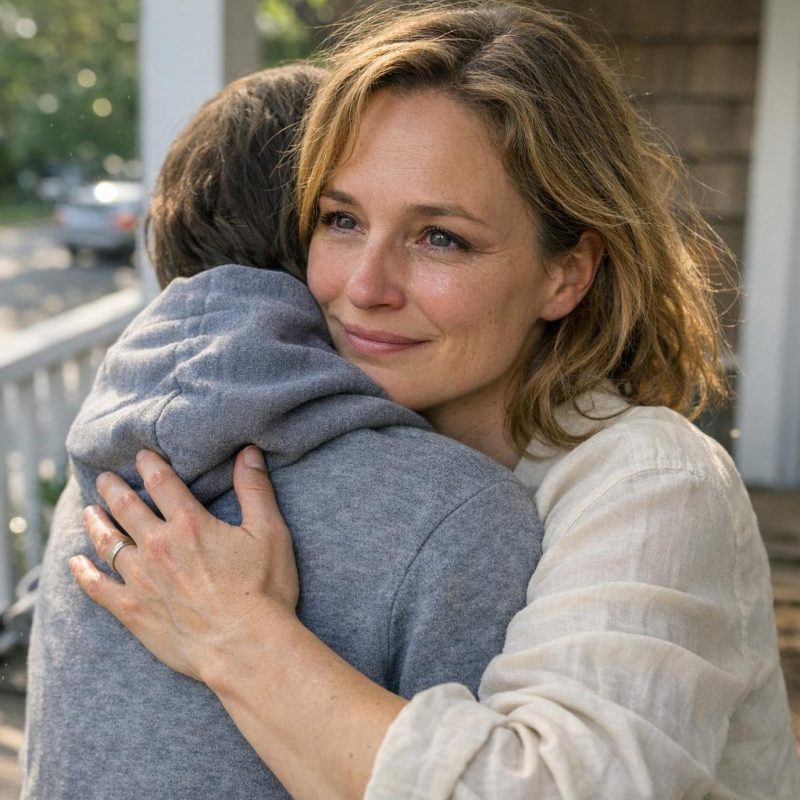 Image by RM AI
Getting to Know Each Other
We spent that first afternoon sitting on my couch, just talking. Rebecca told me about her childhood in Minnesota, about her adoptive parents who'd passed away years ago, about her job as a graphic designer. I told her about my life in Wisconsin, about raising Janet and Michael, about losing my husband. The conversation flowed so naturally that hours passed without me noticing. What struck me most were the little similarities that kept emerging. When I mentioned that I loved Earl Grey tea, she lit up and said it was her favorite too. We both admitted to being terrible at math but good with words. She twisted her hair when she got nervous, the exact same way I did, and I pointed it out with delight. 'Must be genetic,' she said with a laugh. We discovered we both hated cilantro, both loved thunderstorms, both preferred reading to television. I told her about my favorite folk singer, an obscure artist from the seventies that nobody I knew had ever heard of, and Rebecca's eyes widened. 'I have every album she ever made,' she said. Each coincidence felt like confirmation, like the universe itself was proving she was mine. We both loved the same obscure folk singer, both hated cilantro, both had the same nervous habit of twisting our hair when anxious, and each similarity felt like proof.
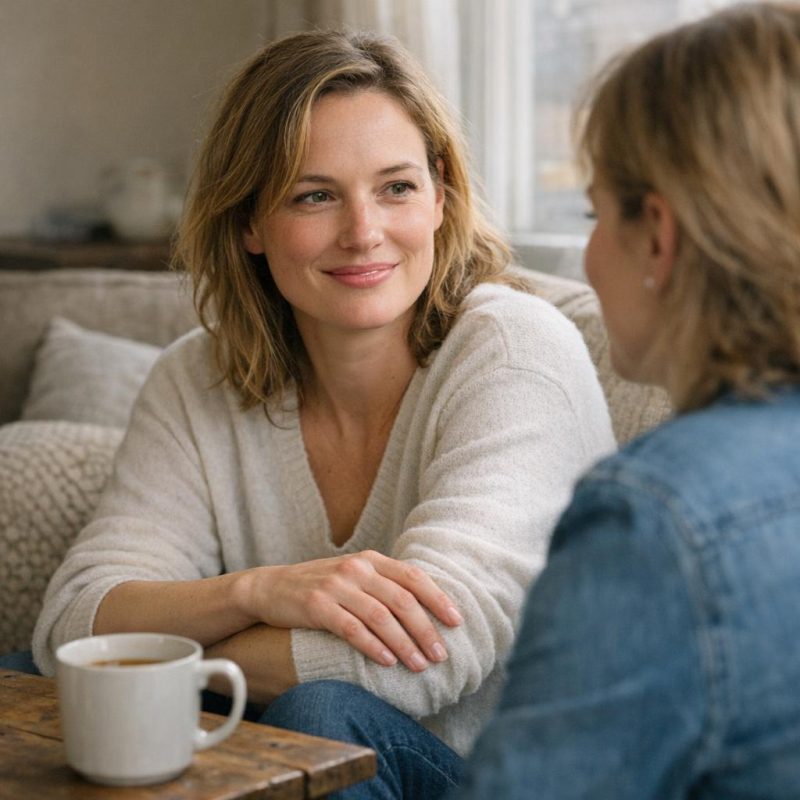 Image by RM AI
Dylan Meets Rebecca
Dylan came over on Sunday afternoon while Rebecca was still there. I'd told him she was visiting, and he'd asked if he could meet her. When he arrived, I could see he was a little nervous, which was unusual for him. 'Dylan, this is Rebecca,' I said, and watched them shake hands. Rebecca's whole face brightened. 'You're the one who figured all this out,' she said warmly. 'Your grandmother told me how you helped her with the DNA results and research.' Dylan actually blushed, which I'd rarely seen him do. 'It wasn't that hard,' he mumbled. 'Are you kidding?' Rebecca said. 'I've been searching for my birth mother for over twenty years. I'd hit nothing but dead ends until your work brought us together.' She asked him questions about his research methods, seeming genuinely interested in the technical details. Dylan explained his process, getting more animated as he talked. Rebecca listened intently, asking smart questions that made him explain further. I watched them connect and felt such warmth in my chest. This was my grandson and my daughter, getting along like they'd always known each other. Rebecca told Dylan he'd given both of us an incredible gift by bringing us together, and I watched my grandson beam with pride.
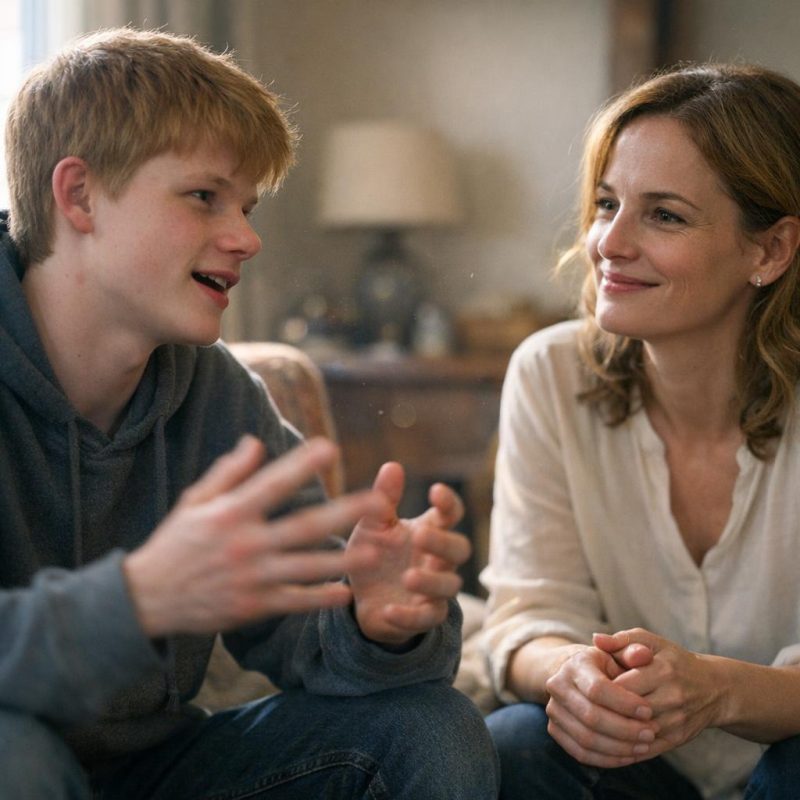 Image by RM AI
The Dinner with Janet and Michael
I arranged a family dinner for the following Friday so Janet and Michael could meet Rebecca properly. I'd talked them both into coming, though Janet had been particularly reluctant. I made pot roast, which had always been a family favorite, and set the table with my good dishes. Rebecca arrived first, bringing wine and flowers, which immediately earned points with Michael when he showed up. Janet came last, with Dylan in tow, and I could see the tension in her shoulders the moment she walked in. We sat down to eat, and for a while, everything was fine. Michael asked Rebecca polite questions about her work and her life. Dylan chimed in with enthusiasm about the DNA research. Rebecca was charming and gracious, complimenting my cooking and asking my children about their own lives. She seemed to say all the right things, striking just the right balance between warmth and respect for boundaries. But I kept glancing at Janet, who was eating quietly, barely participating in the conversation. Her eyes followed Rebecca constantly, studying her face, her gestures, the way she held her fork. I'd seen Janet use that same analytical stare in her work as a lawyer. The dinner started politely enough, but I could see Janet watching Rebecca like a hawk, cataloging every word and gesture.
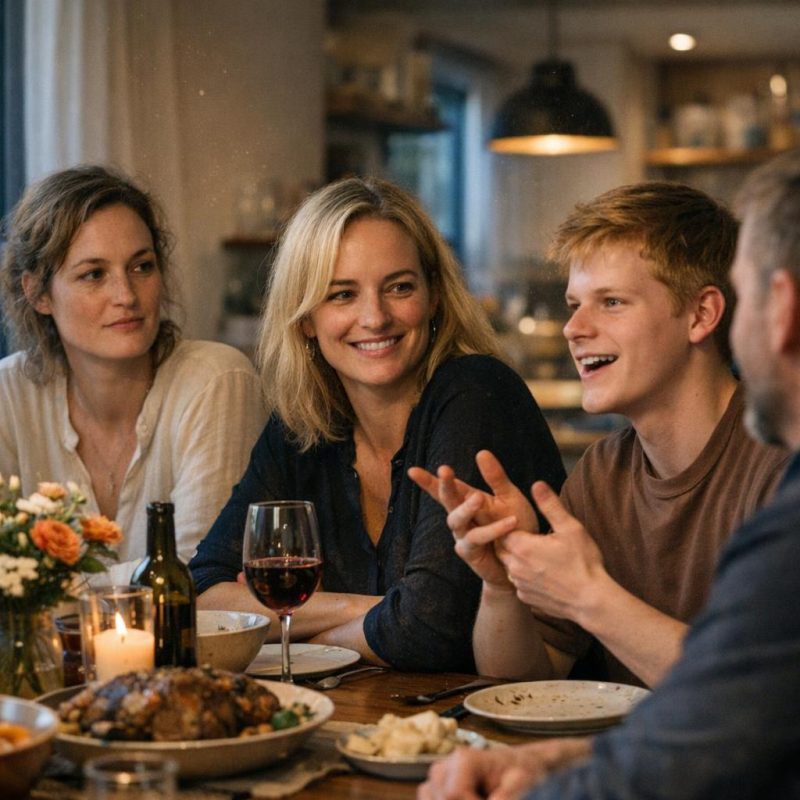 Image by RM AI
Janet's Warning
After Rebecca left that night, Janet followed me into the kitchen while I was wrapping up leftovers. She leaned against the counter with her arms crossed, and I could tell she'd been holding something back all evening. 'Mom, we need to talk about Rebecca,' she said quietly. I kept my hands busy with the aluminum foil, already feeling defensive. 'She seems lovely, doesn't she?' I said, not looking up. Janet didn't take the bait. 'She's polished, I'll give her that. But Mom, every single answer she gave tonight felt rehearsed. Like she'd practiced her responses.' I told her she was being paranoid, that Rebecca was just nervous about making a good impression. But Janet shook her head. 'I cross-examine people for a living. I know when someone's performing.' She stepped closer, lowering her voice even though we were alone. 'The way she answered questions about her childhood, her adoptive parents, even her medical history—it all flowed too perfectly. No hesitation, no messy details, nothing that felt genuinely remembered.' I wanted to defend Rebecca, but something in Janet's tone made my chest tighten. She looked me straight in the eye and said, 'Mom, that woman answered every question like she'd prepared for an interview, and it scares me.'
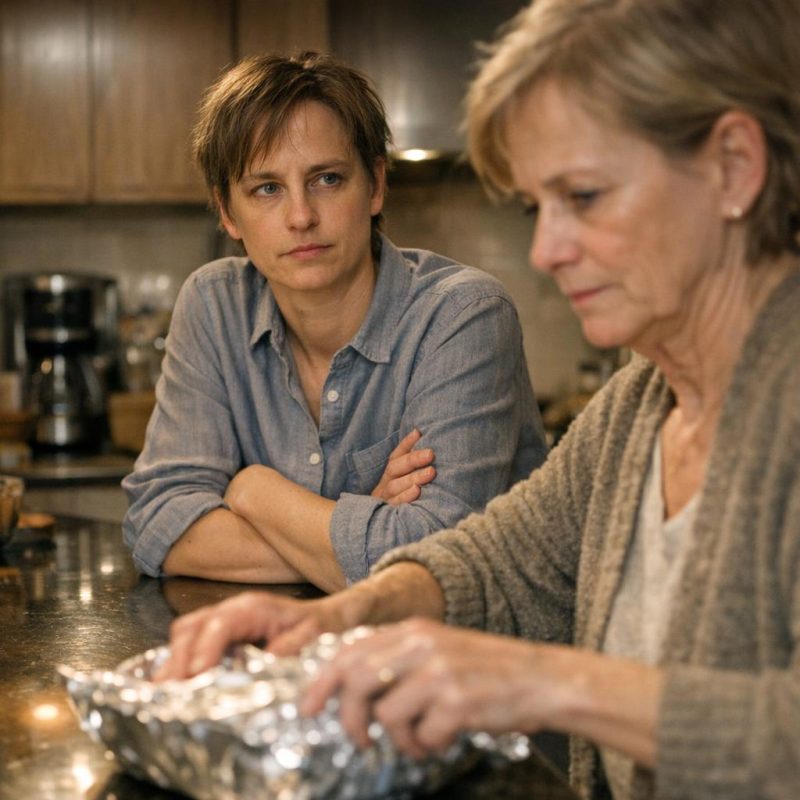 Image by RM AI
Rebecca's Financial Troubles
Rebecca and I met for coffee the following Tuesday at the little café near my house. We'd fallen into this routine of meeting once or twice a week, and I looked forward to it more than I wanted to admit. She seemed a bit distracted that day, stirring her latte absently while we talked. When I asked if everything was okay, she hesitated before giving me a small smile. 'I'm fine, really. Just some work stress,' she said. 'Actually, I lost my job about three months ago. The company downsized, and I was one of the newer hires.' My heart sank for her. 'Oh honey, I had no idea. Are you managing okay?' She waved it off quickly, almost too quickly. 'I'm getting by. I have some savings, and I've been doing freelance work here and there. It's tight, but I'm managing the bills.' She said it so casually, like she didn't want me to worry, but I immediately started thinking about what I could do to help. She changed the subject before I could ask more questions, asking about Dylan and his school projects. But my mind kept drifting back to the idea of my daughter struggling alone while I sat here with my comfortable retirement account. She said it so casually, almost like she didn't want me to worry, but I immediately wondered if I should offer to help.
 Image by RM AI
The First Gift
I couldn't stop thinking about Rebecca's financial situation. That night, I lay awake calculating what I could reasonably send without creating problems in my own budget. By morning, I'd decided on seven hundred dollars—enough to help with rent or utilities, but not so much that it would seem like charity. When I called her, I didn't give her time to object. 'Rebecca, I've been thinking. I'd like to help you with your bills this month. Please, let me do this.' There was a long silence on the other end. 'Carol, I can't accept that,' she said, her voice thick with emotion. 'You barely know me, and I didn't tell you about my situation to ask for anything.' But I insisted. 'You're my daughter. I missed forty-two years of being able to take care of you. Please let me do this now.' She started crying then, soft sobs that broke my heart. 'No one's ever...' she couldn't finish the sentence. 'My adoptive parents, they provided for me, but it was always conditional. Always with strings attached.' I transferred the money that afternoon through my banking app. Rebecca protested at first, but eventually accepted with tears of gratitude, saying no one had ever taken care of her like this before.
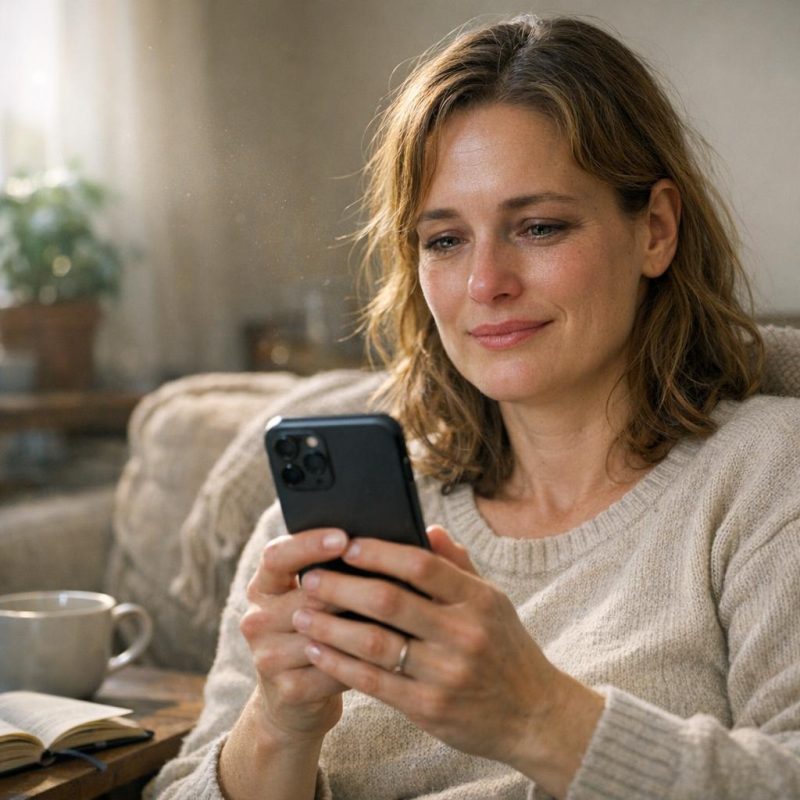 Image by RM AI
Michael's Discovery
Michael showed up at my house unannounced two days later, and I knew immediately that Janet had told him about the money. His face was tight with frustration as he stood in my doorway. 'Mom, can I come in? We need to talk.' I let him in, my stomach already knotting with defensiveness. He didn't even sit down. 'Janet told me you sent Rebecca money. How much?' I crossed my arms. 'Seven hundred dollars, and it's my money to do with as I please.' Michael ran his hand through his hair, a gesture he'd done since childhood when he was upset. 'This isn't about your money. It's about you being taken advantage of by a stranger.' I felt heat rise in my cheeks. 'She's not a stranger. She's my daughter. The DNA test proved it.' He raised his voice then, something he rarely did. 'You've known her for barely a month! You don't know anything real about her, just the story she's told you.' I told him he was being cruel, that he was jealous because I'd found another child. That wasn't fair, and I knew it even as I said it. His face went pale. Michael raised his voice for the first time in years, saying I was being manipulated by someone I'd known for barely a month.
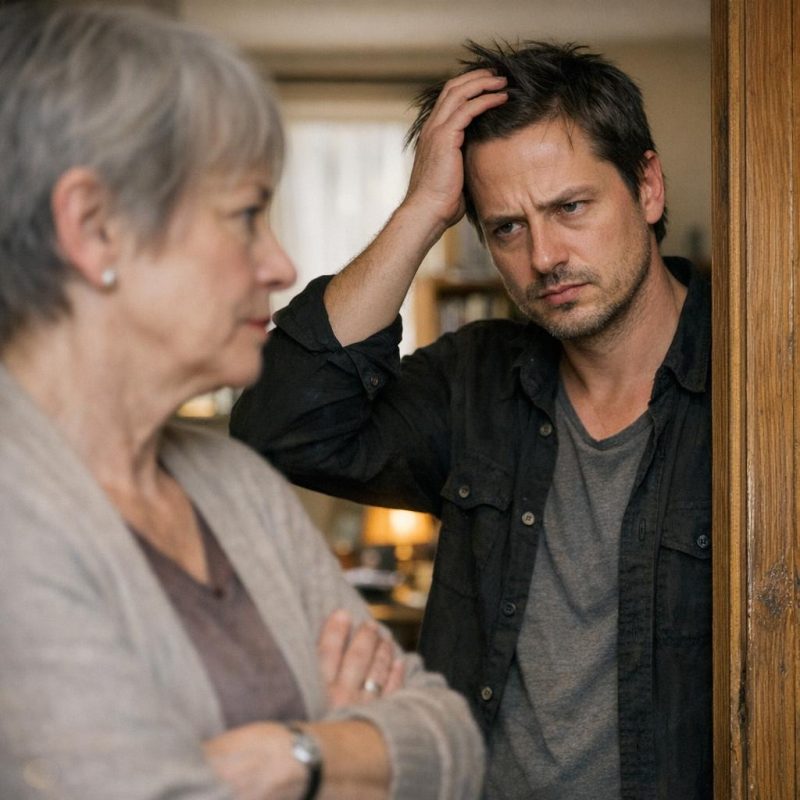 Image by RM AI
Rebecca's Health Scare
Rebecca called me on a Thursday evening, and I could hear immediately that something was wrong. She was crying so hard she could barely speak. 'Carol, I'm so sorry to bother you, but I didn't know who else to call.' My heart started racing. 'What's wrong? Where are you?' She took a shaky breath. 'I'm at the emergency room. I've been having these chest pains and dizziness all day, and my roommate finally insisted I come in. They're running tests now.' I grabbed my purse, ready to drive to her. 'Which hospital? I'm coming.' But she stopped me. 'No, please don't. I'll be fine. I'm just scared about the bills. I don't have health insurance right now—I lost it when I lost my job.' Her voice cracked. 'I'm sorry, I shouldn't have called. I just felt so alone here.' I assured her she'd done the right thing by calling, that she should focus on her health and we'd figure out the rest. After we hung up, I sat there trembling, memories of my own lonely moments flooding back. My daughter was alone in a hospital, scared and hurting, and all I could think about was how I'd already failed her once by not being there.
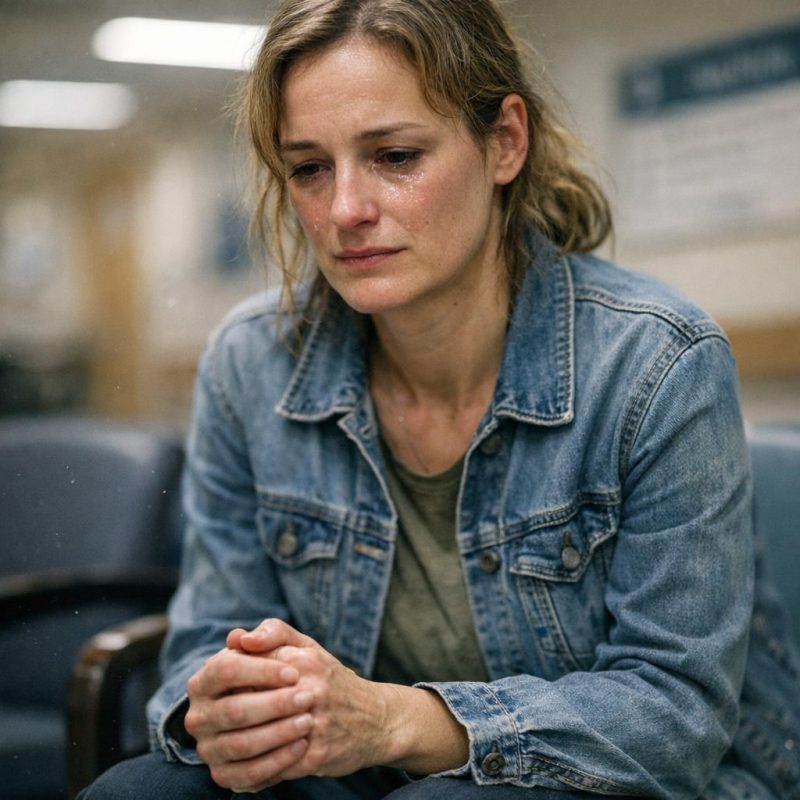 Image by RM AI
Covering the Medical Bills
Rebecca called the next morning to say they'd released her from the ER. The tests hadn't shown anything serious—probably anxiety and stress, they'd said—but she'd need follow-up appointments with a cardiologist to be sure. 'The bill is going to be around twenty-five hundred dollars,' she said quietly. 'I'm going to set up a payment plan, but I don't know how I'll manage the monthly payments on top of everything else.' I didn't hesitate this time. 'Let me take care of it,' I said. She immediately protested, saying she couldn't accept more money from me, that she'd figure something out. But I was already logging into my bank account. 'Rebecca, please. You're dealing with enough stress as it is. Let me do this one thing.' I wired her three thousand dollars to cover the hospital bill and the follow-up appointments. When I called to confirm she'd received it, her relief was so palpable I could hear it through the phone. 'Thank you,' she whispered. 'I promise I'll pay you back someday.' I told her not to worry about that. But after we hung up, I sat staring at my banking app, and Janet's earlier warning kept echoing in my head.
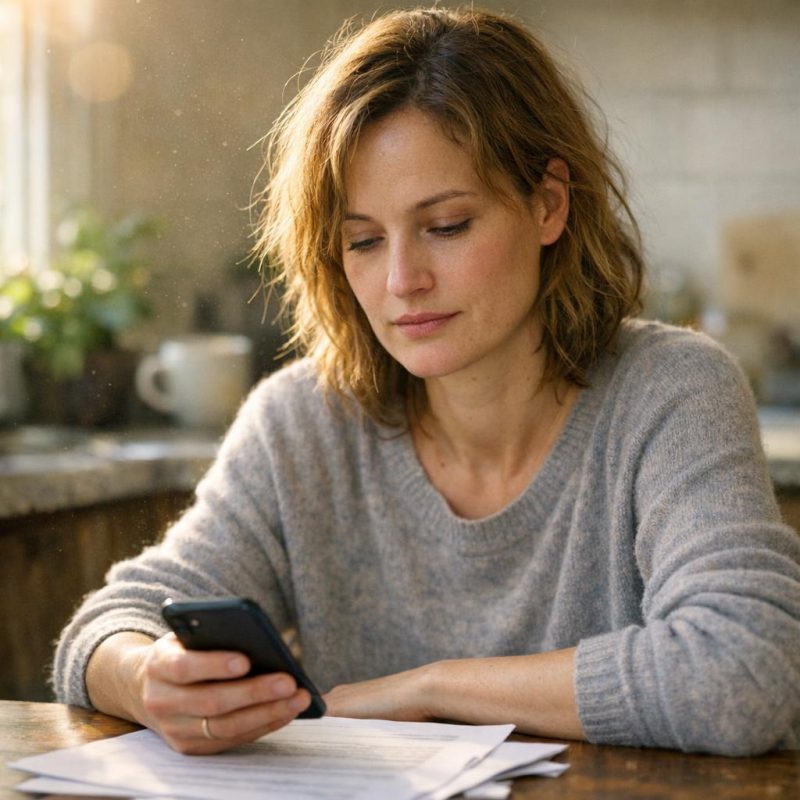 Image by RM AI
Ruth's Observation
Ruth stopped by on Sunday afternoon with a casserole, which is what church ladies in the Midwest do when they're worried about you. We sat at my kitchen table, and she didn't waste time with small talk. 'Carol, I need to tell you something, and I hope you'll hear me out.' My defenses immediately went up. 'If this is about Rebecca...' Ruth held up her hand gently. 'Just listen. Do you remember Diane Patterson from the Methodist church on Oak Street?' I nodded. Ruth's expression grew somber. 'About five years ago, Diane got contacted by a young man claiming to be her grandson—said he was her daughter's child, the daughter who'd died in a car accident. He had documents, stories, even some photos.' My stomach dropped. 'He convinced her he'd tracked her down through genealogy sites. Over two years, she gave him money for medical bills, car repairs, rent. Thirty thousand dollars before her son finally proved the man was a scammer who'd done this to other people.' I started to argue that Rebecca was different, that we had DNA evidence, but Ruth's eyes were full of concern, not judgment. Ruth said the other victim had also believed in DNA tests and hospital records, and it took her two years and thirty thousand dollars to accept the truth.
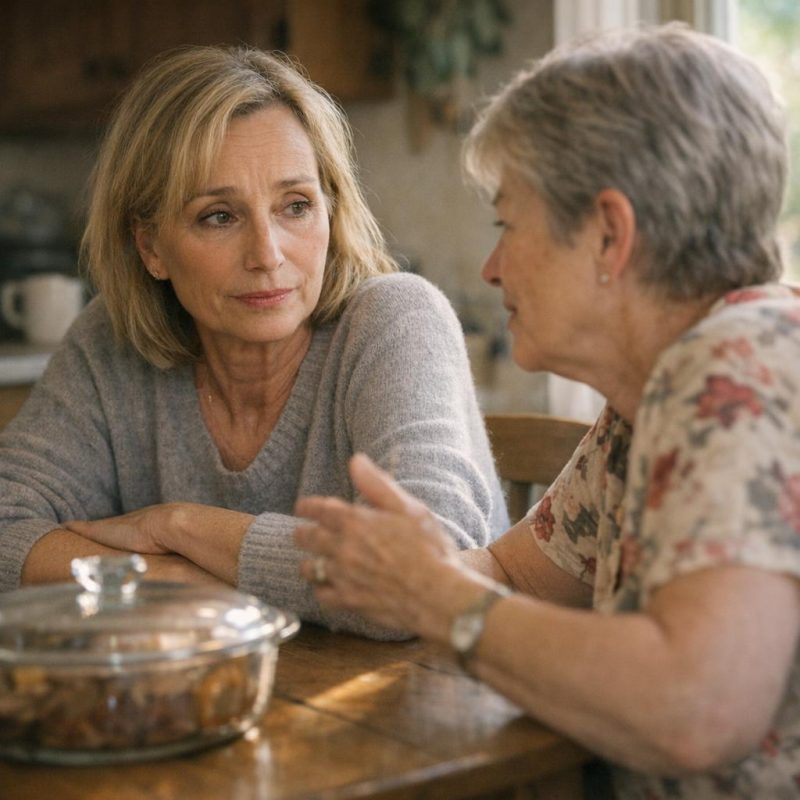 Image by RM AI
Testing Rebecca
I couldn't shake Ruth's story, so when Rebecca and I met for lunch that Wednesday, I decided to test her, subtly. We were talking about family traditions when I steered the conversation toward childhood memories. 'You know, I've been thinking,' I said carefully. 'About genetic connections. Like how I always craved pickles and ice cream, even when I wasn't pregnant. Did you ever have weird food combinations you loved as a kid?' Rebecca smiled warmly. 'Oh, definitely. I was always drawn to sweet and salty combinations. My adoptive mom used to say I had the strangest cravings.' It was the right kind of answer, but not specific enough. I pressed gently. 'What about fears? I've always been terrified of deep water. Was there anything like that for you?' She nodded, her eyes getting misty. 'I've always felt uncomfortable around water too. Even baths made me anxious as a child. I never understood why.' Something felt off about the way she answered—each response emotional and heartfelt, but frustratingly vague. I tried once more. 'Do you have any birthmarks? I have one on my left shoulder blade, shaped like a comma.' Rebecca touched her own shoulder thoughtfully. 'I think I have something similar, actually. Maybe on my back? I'd have to check.' Rebecca's answers were vague and emotional rather than specific, and for the first time I wondered if she was avoiding details on purpose.
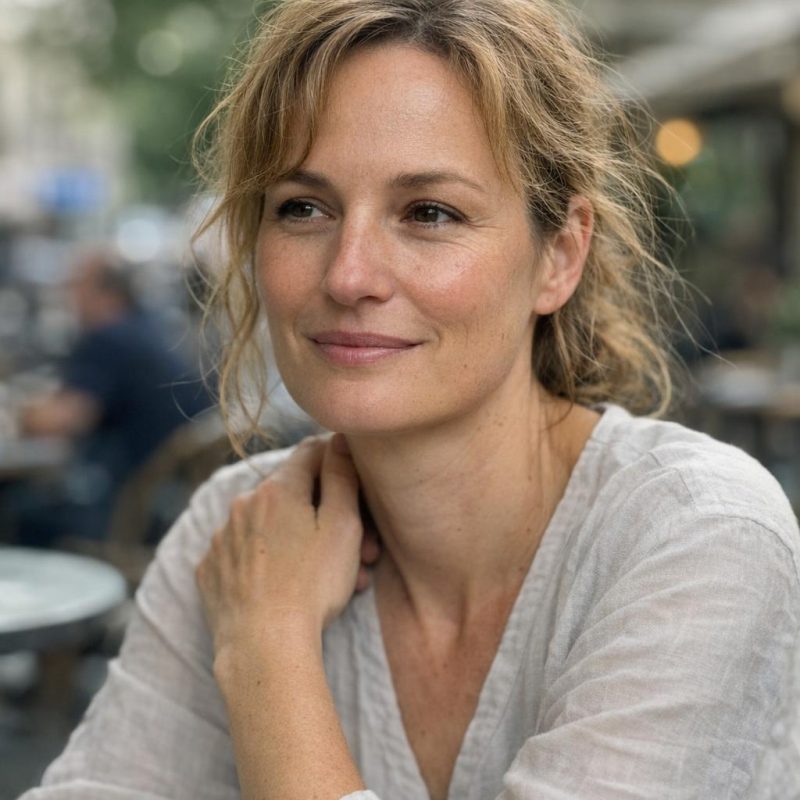 Image by RM AI
Dylan's Research
Dylan came over the next evening with his laptop, looking more serious than I'd ever seen him. 'Grandma, I've been doing some research,' he said, settling onto my couch. 'About DNA testing. Just out of curiosity.' He showed me article after article about DNA testing problems—contaminated samples, false matches, even cases where labs had mixed up results entirely. I felt my coffee going cold in my hand as I read. 'These are mistakes though,' I said. 'Human error.' Dylan scrolled down further. 'Some of them are. But look at this one.' He pointed to a case study from 2019 where a woman had discovered her DNA match wasn't real. Someone had deliberately swapped samples at a collection site. The woman had sent money to a supposed half-brother for months before finding out. My chest tightened. 'Why would someone do that?' Dylan looked at me carefully. 'Money, usually. These articles say it's rare, but it happens.' I stared at the screen, feeling something shift inside me. Dylan showed me a case where someone had manipulated DNA results by swapping samples, and my stomach dropped.
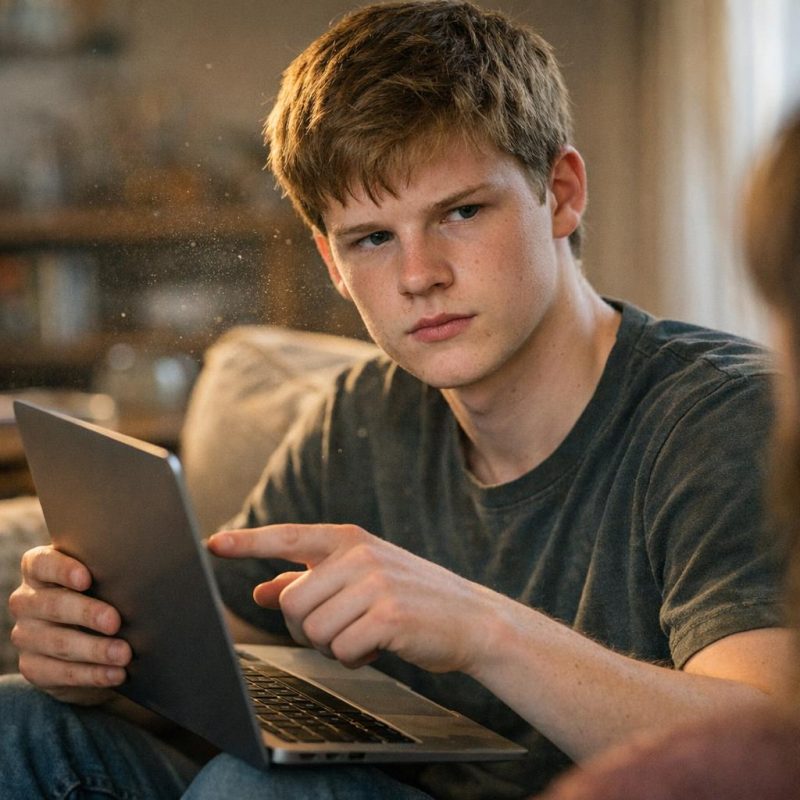 Image by RM AI
Rebecca Asks for More
Rebecca called three days later, and I could hear strain in her voice immediately. 'Carol, I hate to ask this, but I'm in a really difficult situation.' She explained that her landlord was threatening eviction. She needed twelve hundred dollars by Friday or she'd lose her apartment. 'I've tried everything else,' she said. 'I even looked into shelters, but I can't bring myself to go there. Not when I've finally found you.' It was the first time she'd asked for money so directly. Before, there had always been a buffer—a story about job hunting, a comment about tight finances that I'd responded to by offering help. This felt different. More urgent. Almost desperate. 'Rebecca, I need to think about this,' I said, surprising myself. There was a pause on the line. A long one. 'Think about it?' Her voice had an edge I hadn't heard before. 'Carol, I'll be on the street.' 'I understand, but twelve hundred dollars is a lot. Just give me a day.' We hung up after a few more minutes of tense conversation. This time the ask was direct, and something about the urgency in Rebecca's voice felt different from before, almost scripted.
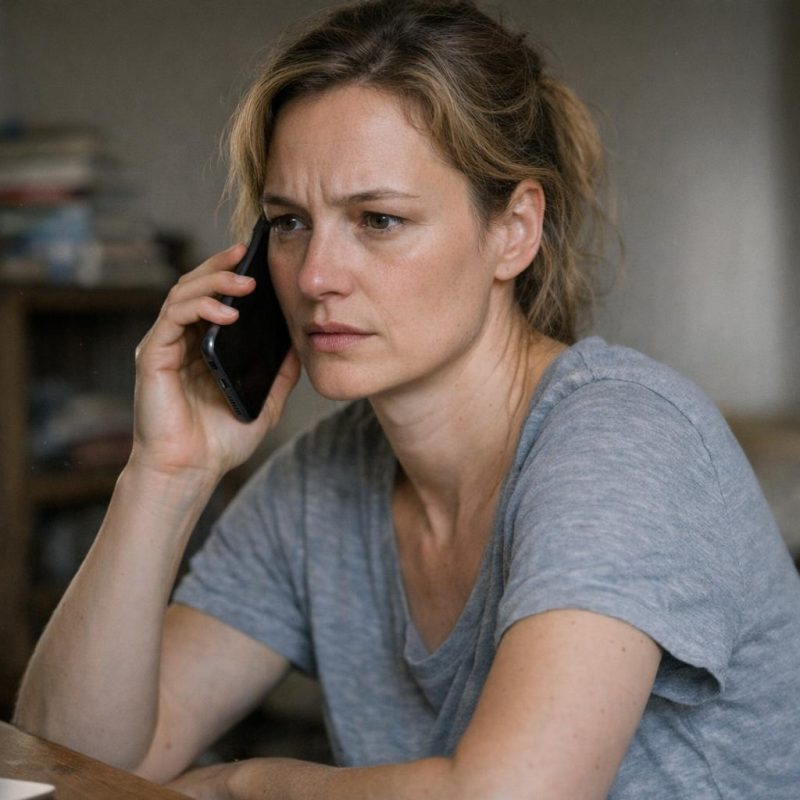 Image by RM AI
Stalling for Time
Rebecca called back the next morning, before I'd even finished my first cup of coffee. 'Have you thought about what I asked?' she said, skipping any greeting. 'I have,' I told her carefully. 'Rebecca, I want to help, but I need a few more days to move money around.' The silence on the other end was thick and uncomfortable. When she finally spoke, her voice had changed completely. 'A few more days. Right. Of course you need to think about it.' The warmth was gone. There was something cold underneath, something hard. 'It's not that I don't want to help—' I started. 'No, no, I get it,' Rebecca interrupted, and then I heard her catch herself. The sweetness flooded back into her tone, but it felt forced now, like she was reading from a script. 'I'm sorry, Carol. I'm just so stressed. You've been nothing but kind to me. Take whatever time you need.' We said goodbye, but I sat there holding the phone for a long time afterward. Rebecca's voice went cold for just a moment before she caught herself, and I heard what might have been her real personality slipping through.
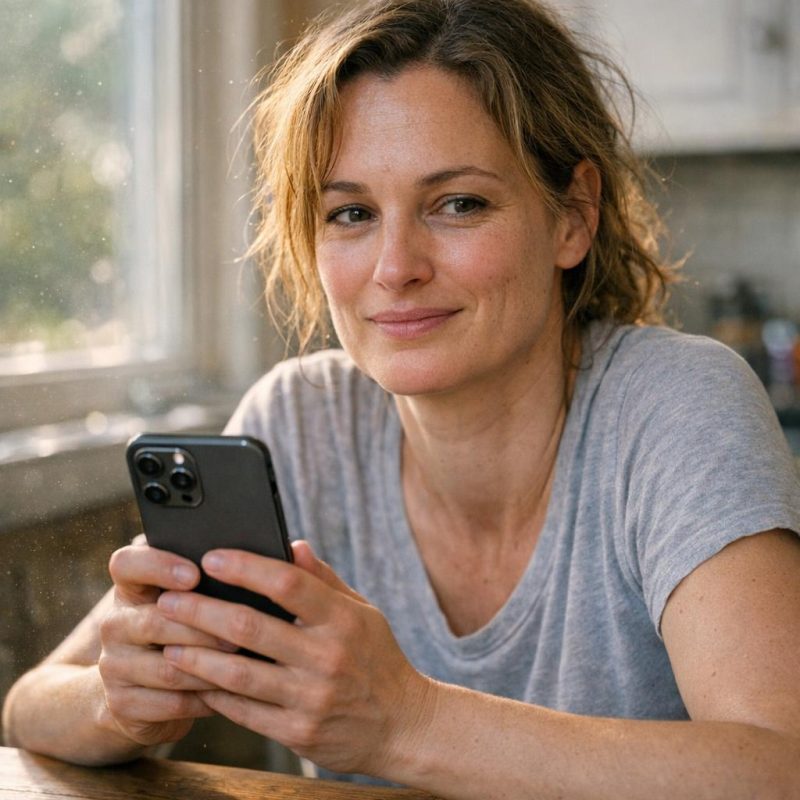 Image by RM AI
Reaching Out to Dr. Voss Again
I called Dr. Voss at the hospital the next day, my hands shaking as I dialed. 'Dr. Voss, this is Carol Mitchell again. I had a strange question about those birth records you found for me.' She remembered me immediately. 'Of course, Mrs. Mitchell. How can I help?' I took a breath. 'Is there any way to verify that a document is authentic? That it hasn't been tampered with or forged?' There was a pause. 'That's an unusual question. May I ask why you're concerned?' I explained that I wanted to be absolutely certain about the records, that some things weren't adding up. Dr. Voss said she'd pull the file again and examine it more carefully. 'Actually,' she said slowly, 'now that you mention it, something has been bothering me. When I went to retrieve your file initially, there was a notation in our system.' My heart started pounding. 'What kind of notation?' 'Someone else had requested access to that same file about three weeks before you called. It's unusual for such old records to be accessed twice in such a short time.' I felt the room tilt. Dr. Voss said she'd check the file again, but mentioned something strange: the record had been requested by someone else just weeks before Carol called.
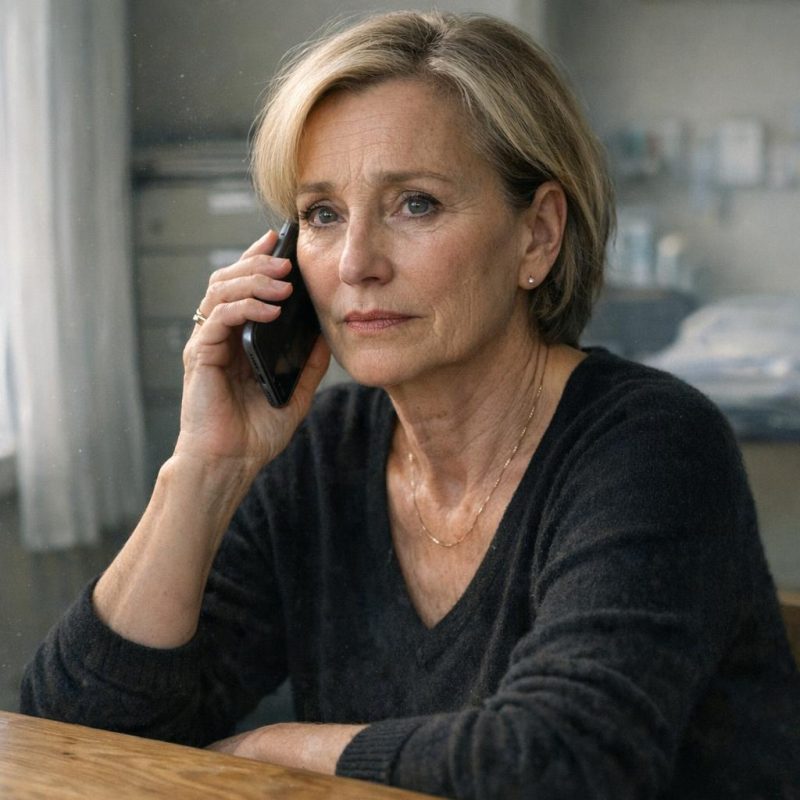 Image by RM AI
Janet Hires a Private Investigator
Janet showed up at my door unannounced on Saturday morning with a manila folder in her hand. 'Don't be mad,' she said before I could even say hello. 'But I hired someone.' I let her in, feeling a mix of irritation and dread. 'What do you mean, you hired someone?' 'A private investigator. Carol, I couldn't just sit by and watch this happen.' She opened the folder on my kitchen table. 'His name is Martin Torres. He's been looking into Rebecca's background for the past week.' I wanted to be angry, but I also wanted to see what was in that folder. Martin's report was thorough. Rebecca had lived in Ohio under the name Rebecca Stanton. Before that, she'd been in Arizona as Rebecca Martin. Same approximate age, same physical description. 'People change their names,' I said weakly. 'After divorce, or for privacy.' Janet nodded. 'They do. But she never mentioned being married, did she? Never mentioned living in those states at all?' She hadn't. Not once. My mouth went dry. The investigator found that Rebecca had used different names in two other states, and my blood ran cold.
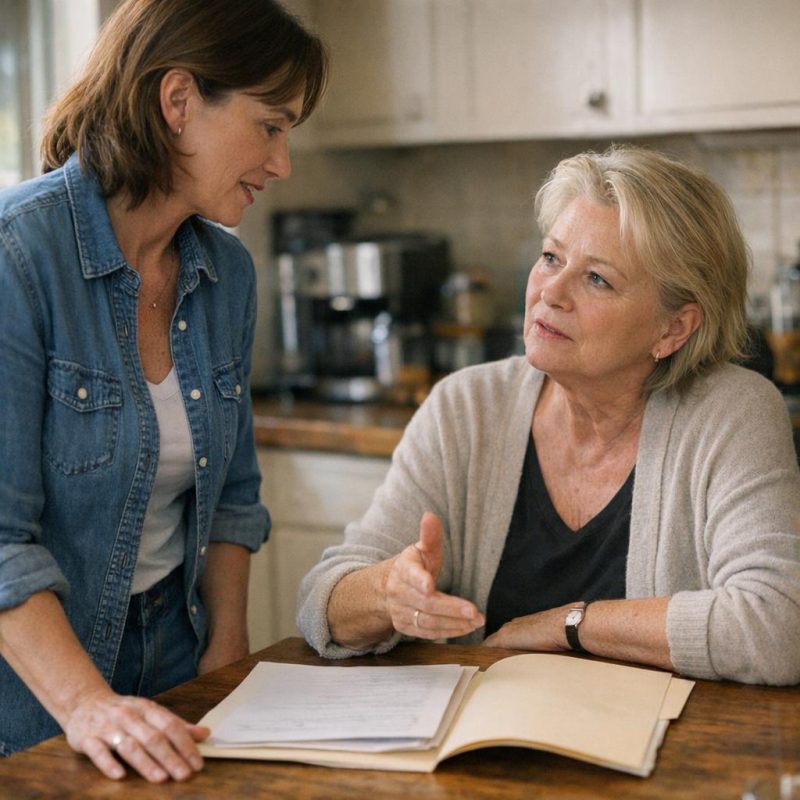 Image by RM AI
Confronting Rebecca About the Names
I called Rebecca that evening, trying to keep my voice steady. 'Rebecca, I wanted to ask you something. Have you ever lived in Arizona or Ohio?' There was barely a pause before she answered. 'Oh, yes. I should have mentioned that. I moved around a lot after aging out of foster care. I was trying to find where I belonged, I guess.' Her voice was calm, almost too calm. 'I saw records with different last names,' I continued carefully. 'Stanton and Martin?' Rebecca sighed deeply. 'Those were relationships that didn't work out. I took their names even though we weren't married. I was young and stupid, looking for family anywhere I could find it. After each one ended badly, I went back to Reynolds.' It was a reasonable explanation. Plausible even. But something about the way she delivered it felt rehearsed, like she'd known I would ask and had prepared her answer. 'Why didn't you mention this before?' I asked. 'I was embarrassed,' she said softly. 'I didn't want you to think I was unstable or irresponsible. I wanted you to know the person I am now, not all my mistakes.' Rebecca had an explanation for everything, smooth and reasonable, but I couldn't shake the feeling that she'd prepared these answers in advance.
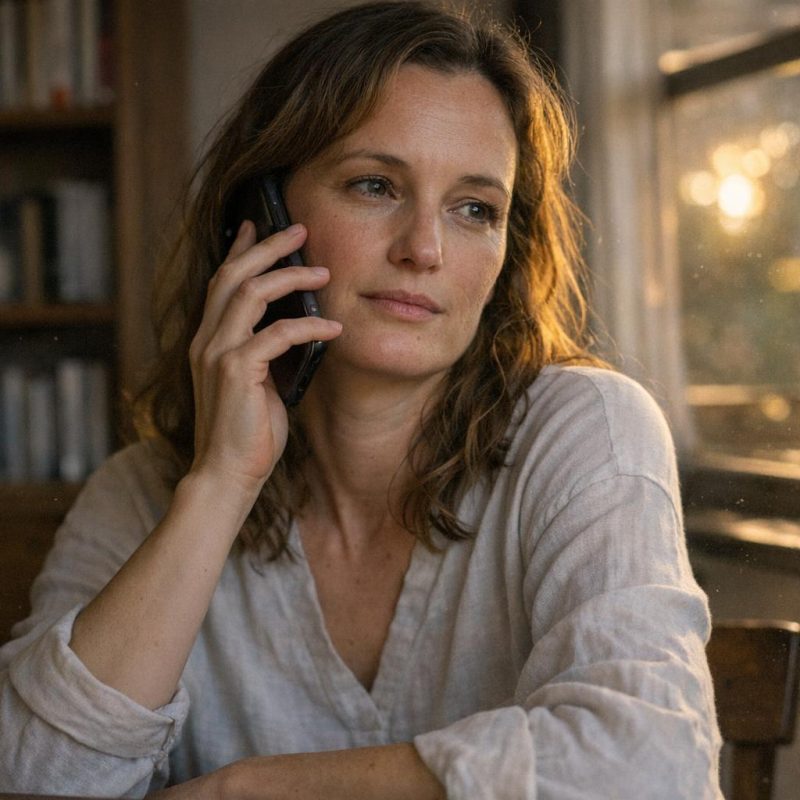 Image by RM AI
Dylan Finds the Forum
Dylan called me late Sunday night, his voice tight with urgency. 'Grandma, you need to see this. I'm coming over.' He arrived twenty minutes later with his laptop and went straight to my kitchen table. 'I found this forum,' he said, pulling up a website. 'It's for people who've been scammed through DNA testing sites.' The forum was full of heartbreaking stories. People who'd sent money to supposed relatives who turned out to be strangers. People who'd been manipulated through fake family connections. Dylan scrolled to one particular thread. 'Read this one. Please.' The post was from a woman in Florida. She described meeting her supposed biological niece through a DNA site. The woman's name was 'Becca.' She'd needed help with rent, then car repairs, then medical bills. The pattern was exactly what had happened to me—the same progression, the same emotional manipulation, even similar amounts of money. The victim had lost everything before discovering the truth. My hands were trembling as I read. The woman described Becca as warm and convincing, with childhood stories that felt authentic but were frustratingly vague. One post described a woman named 'Becca' who had done exactly what Rebecca was doing to me, and the victim had lost her life savings.
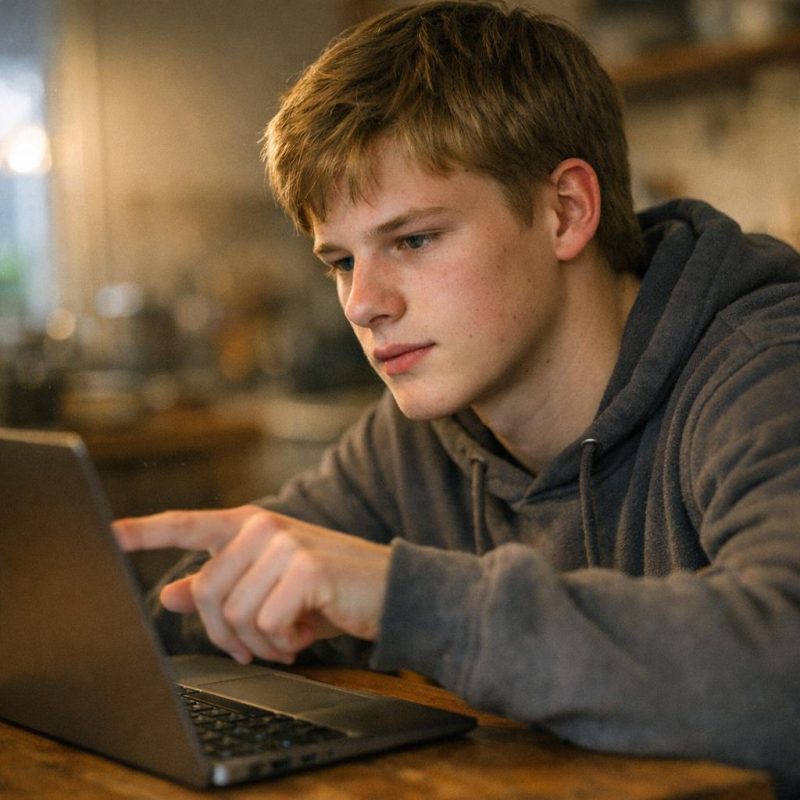 Image by RM AI
The Total Amount
After Dylan left, I sat down with my bank statements and a calculator. I needed to see it in black and white, all at once. The first transfer had been five hundred dollars for car repairs. Then three hundred for groceries. Four hundred for utilities. Six hundred for a dental emergency. Another eight hundred for the security deposit she'd supposedly lost. Then there were the smaller amounts—a hundred here, two hundred there—for phone bills and gas and food. I added it up three times, hoping I'd made a mistake. But the number stayed the same. Seven thousand, eight hundred and forty dollars. In six weeks. I'd given a woman I'd known for less than two months nearly eight thousand dollars. I felt sick. Not just because of the money, though that was bad enough. But because half of me still wanted to believe she was real. That Rebecca was my daughter and just going through a hard time, the way anyone might. The other half of me saw the pattern Dylan and Janet had been trying to show me all along. Eight thousand dollars in six weeks, and I still didn't know for certain whether I'd been helping my daughter or paying a con artist.
 Image by RM AI
Rebecca's Urgent Call
Rebecca called three days after I'd added up all the money. I stared at her name on my phone screen for two rings before answering. Her voice sounded strained, urgent. 'Mom, I'm so sorry to call like this, but it's Greg—he's been in an accident.' My stomach dropped despite everything I'd been thinking. She explained he'd rear-ended someone on the way to work, that the insurance had lapsed because of their financial problems, and they needed three thousand dollars for repairs immediately or he'd lose his job. The words came fast, tumbling over each other. I held the phone away from my ear for a moment, thinking about the spreadsheet on my kitchen table. About Dylan's face when he'd seen the total. About Janet's warnings. 'Rebecca,' I said, my voice steadier than I expected, 'I need to see proof before I send anything.' Silence on the other end. Then a laugh that didn't quite sound right. 'Proof? Mom, I'm your daughter. Don't you trust me?' My hand was shaking. 'Send me the repair estimate. Photos of the damage. Something.' The timing felt too convenient, coming right after I'd started questioning her, and I told Rebecca I needed to see proof before I sent anything.
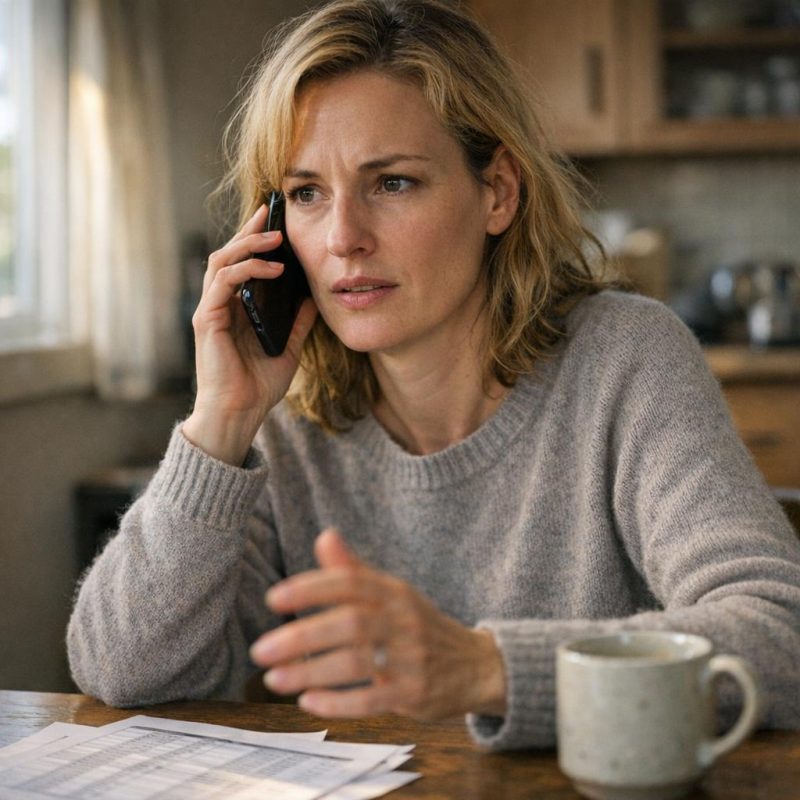 Image by RM AI
The Fake Documents
She sent the documents within an hour. Photos of what looked like hospital discharge papers for Greg, showing he'd been treated for whiplash. A repair estimate from a body shop in Milwaukee. Even pictures of a damaged car bumper. I printed everything out and spread it across the dining room table, wanting to believe it was real. Dylan stopped by after school and found me staring at the papers. He didn't say anything at first, just picked up the repair estimate and held it up to the light. Then he got his phone out and took a photo of it. 'Gran, look at this.' He zoomed in on the screen, showing me the document magnified. The letterhead looked slightly blurry. And in the middle of one line, the font changed—you could see it clearly on his phone, the way the letters shifted from one typeface to another mid-sentence. 'This was made on a computer,' Dylan said quietly. 'Someone copied a real letterhead and typed in fake information.' I picked up the hospital papers then, really looking at them. The dates didn't align with what Rebecca had told me on the phone. Dylan zoomed in on the repair estimate and showed me where the font changed mid-sentence, and I felt the last thread of belief start to snap.
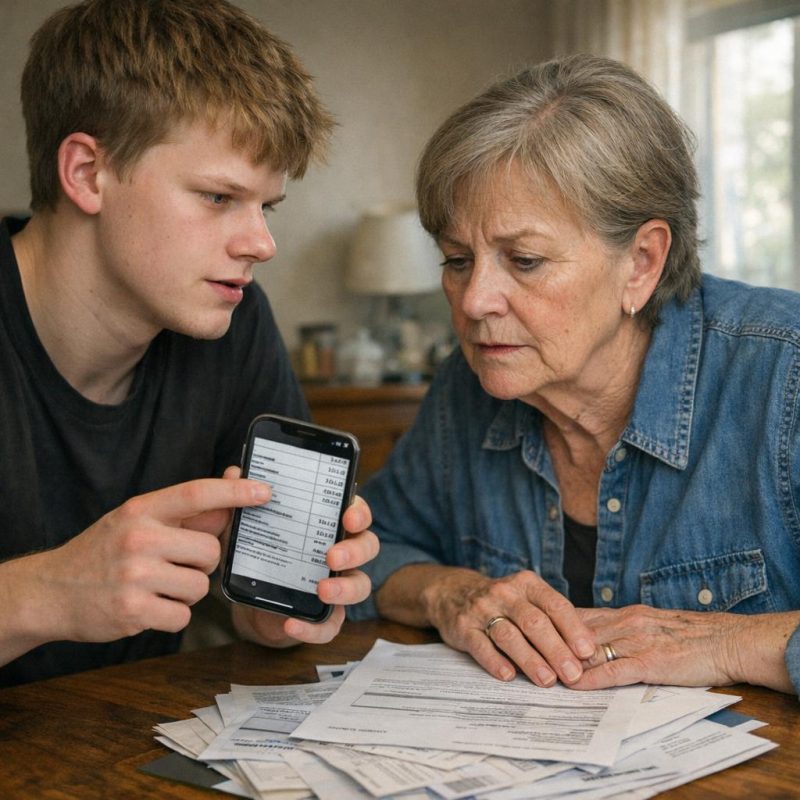 Image by RM AI
Janet's Full Report
Janet called the next morning. 'The full report came in,' she said. 'I'm bringing it over. You need to sit down for this.' She arrived twenty minutes later with a manila folder thick with papers. We sat at my kitchen table, and she opened it carefully, like it might explode. The first page was a timeline of Rebecca's movements over the past three years. The second page listed names. Dorothy Henshaw, age 68, Portland. Linda Matsumoto, age 71, Denver. Sharon Kerrigan, age 65, Minneapolis. All of them had taken DNA tests. All of them had been contacted by Rebecca claiming to be their biological daughter. 'She used different last names,' Janet said, pointing to the variations. 'Different backstories, slightly different ages. But the same woman.' There were bank records showing similar patterns—smaller amounts at first, then escalating. And then Janet pulled out the photographs. Rebecca standing next to an elderly Asian woman, both smiling at the camera. Rebecca with her arm around a white-haired woman in a garden. The same Rebecca, the same warm expression I'd seen directed at me. The report included photos of Rebecca with two other elderly women, both of whom believed she was their long-lost daughter, and I felt violently sick.
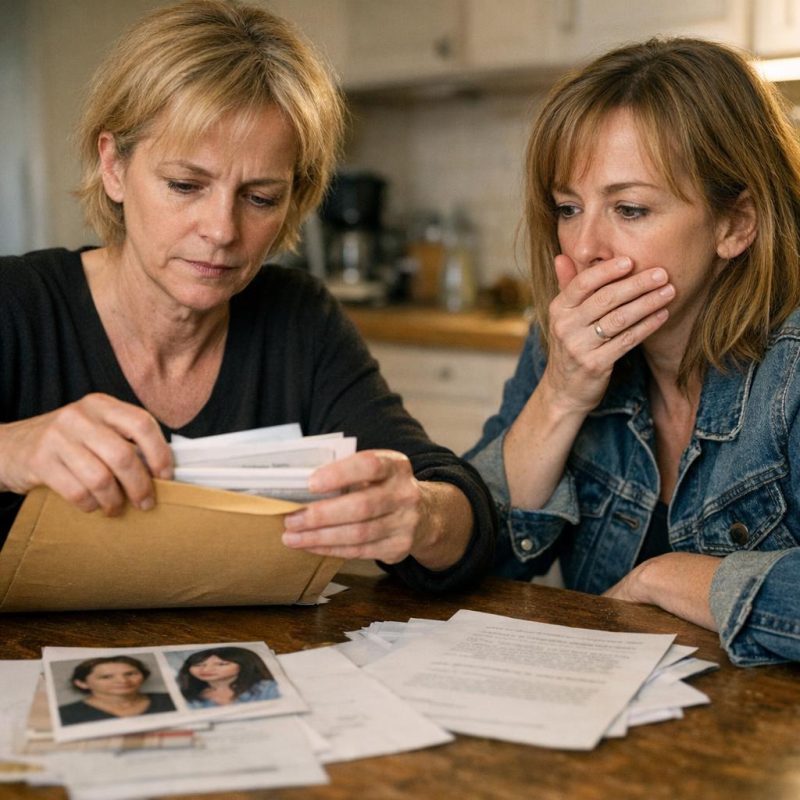 Image by RM AI
Contacting Another Victim
Janet had included phone numbers for two of the previous victims. I stared at Dorothy Henshaw's number for an hour before I had the courage to dial. She answered on the third ring, her voice cautious. 'Mrs. Henshaw? My name is Carol Lindstrom. I think we've both been contacted by the same woman.' There was a long pause. Then: 'Rebecca?' Just hearing her say the name confirmed everything. We talked for forty-five minutes. Dorothy's story was identical to mine—the DNA match, the tearful phone call, the gradual requests for money. Even the car accident story. 'She sent me hospital records too,' Dorothy said. 'They looked real. Everything looked real.' She'd given Rebecca twelve thousand dollars over four months before her son had gotten suspicious. 'But the worst part,' Dorothy continued, her voice cracking, 'was how it ended. She asked for fifty thousand dollars for a business opportunity, said it was her dream to open a bakery and she wanted me to be her partner. That's when I finally hired someone to investigate, and the whole thing fell apart.' I gripped the phone tighter. The other woman said Rebecca had eventually asked for fifty thousand dollars for a 'business opportunity,' and that's when the truth finally came out.
 Image by RM AI
The DNA Sample Swap
Dylan showed up the next evening with his laptop, that determined look on his face. 'I've been digging,' he said, spreading out on the couch. 'I wanted to know how she faked the DNA match.' He'd spent hours researching the testing company, going through old news articles and LinkedIn profiles. And then he found it—an employee directory from two years ago, archived on some obscure database site. Rebecca Martinez, Processing Technician, employed from March 2021 to August 2021. 'Gran, she worked there. At the actual lab where they process the samples.' My mouth went dry. Dylan pulled up more information, explaining how the system worked. Samples came in with barcode labels. Technicians handled them, entered results into the database. 'She could have swapped samples,' he said. 'Or contaminated yours with someone else's DNA. Or just straight-up entered fake results into the system.' I thought about the email I'd received, the one that had started everything. The official letterhead, the convincing percentage match. She had access to samples, to the database, to everything she needed to create a fake match, and I realized the whole thing had been manufactured from the start.
 Image by RM AI
Confronting the Truth
I didn't sleep that night. I sat in my living room in the dark, looking at the photo Rebecca had given me—the one of her as a baby that she claimed was taken just before the adoption. I'd had it framed. It sat on my mantle next to pictures of Dylan and Janet. In the morning light, I took it down and really looked at it. Just a photo of some baby. Could have been anyone. Could have been bought at a thrift store or downloaded from the internet. There was no daughter. There had never been a daughter. Just a woman who knew exactly what story would break my heart open, who understood that grief from forty years ago could be weaponized. Who'd looked at my DNA results and seen not a person, but a mark. I thought about every conversation we'd had, every tearful moment, every time she'd called me 'Mom' and I'd felt that surge of fierce, protective love. All of it calculated. All of it scripted. I took the photo out of the frame and put it in the trash. The daughter I'd mourned, the connection I'd felt, the genetic bond I'd believed in—all of it was a lie, and I'd fallen for every word.
 Image by RM AI
Planning the Confrontation
Janet, Michael, and Dylan came over that evening. We sat around my dining room table like we were planning a funeral, which in a way, I suppose we were. 'We need to confront her before we go to the police,' Michael said. He'd driven in from Madison the moment Janet called him. 'Get her to admit what she did, on record.' Dylan had already researched recording laws in Wisconsin. 'It's a one-party consent state,' he explained. 'As long as one person in the conversation knows it's being recorded, it's legal.' We planned it carefully. I would call Rebecca, ask her to meet me at a coffee shop to 'talk about our future.' Janet would be at the next table with her phone recording. Michael would be outside in case things went wrong. Dylan wanted to come too, but we convinced him to stay home. 'Someone needs to know where we are,' Janet said practically. I wrote out questions I needed to ask, points I needed her to address. The forged documents. The other victims. How she'd manipulated the DNA results. We needed to hear Rebecca admit what she'd done, needed to understand how she'd built such a perfect lie, but I dreaded hearing the truth from her own mouth.
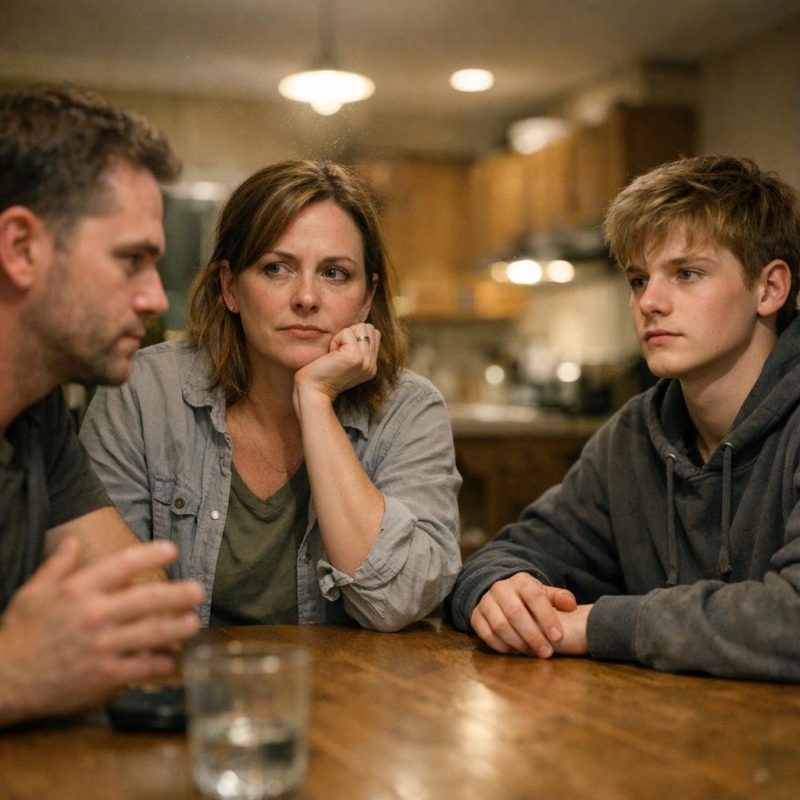 Image by RM AI
Rebecca's Confession
Rebecca arrived at the coffee shop looking concerned, reaching for my hand across the table. I pulled away. 'I know,' I said simply. Her expression flickered—just for a second, I saw something cold behind her eyes. Then the concerned daughter mask slipped back on. 'Know what, Mom?' I laid out the evidence. The other victims. Her employment at the DNA lab. The forged documents. With each revelation, I watched her calculate, trying to figure out which lie might still work. Finally, she sat back and laughed. Actually laughed. 'Fine,' she said. 'You want the truth?' She explained it all in a flat, businesslike tone. How she'd contaminated my DNA sample with material from the lab's biobank, creating a false match. How her boyfriend Greg worked in medical records and could forge any document I'd need to see. How she'd done this to seven other women over the past three years. 'The script works every time,' she said, looking me directly in the eye. 'Lonely older women who took DNA tests hoping to find family. You were easier than most, actually. So desperate to believe you'd had a daughter.' She shrugged. 'You wanted it to be true so badly that you did half my work for me.' Rebecca looked me in the eye and said she'd done this to seven other women, that the script worked every time, and that I'd been easier to manipulate than most because I wanted so desperately to believe.
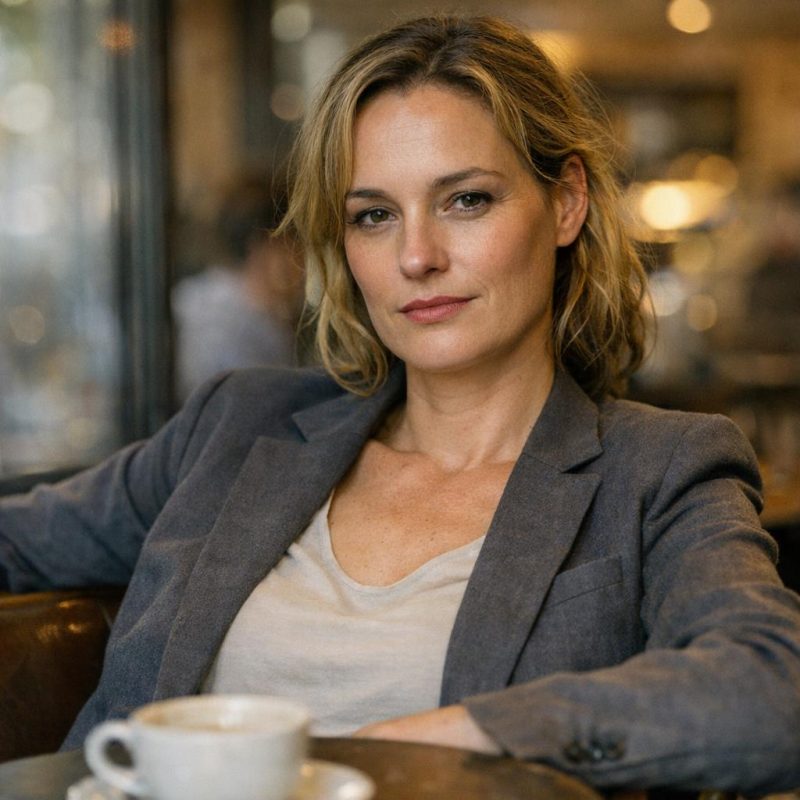 Image by RM AI
Calling the Police
I walked into the police station the next morning with Marcus's full report and every document Rebecca had ever given me. My hands were shaking so badly I could barely hold the folder. The desk sergeant directed me to Detective Linda Morrison, a woman with sharp eyes who listened to my entire story without interrupting once. When I finished, she opened the folder and studied each page carefully. 'Mrs. Henderson,' she said finally, 'how long ago did you first meet Rebecca?' I told her about Dylan's Christmas gift, about the DNA match in January. She nodded slowly. 'We've been looking for a woman matching Rebecca's description for eight months,' she said. 'She uses different names in different states. There are active warrants in Wisconsin and Iowa.' I felt dizzy. Eight months. How many other women had she targeted while I was mourning my fake daughter? Detective Morrison pulled out a notepad. 'Your private investigator's evidence is excellent. The employment records, the timeline, the other victims he identified—this might finally be enough to build a solid case.' She looked at me directly. 'Would you be willing to testify?' I said yes without hesitation. Detective Morrison said they'd been looking for Rebecca under a different name for months, and my case might be the key to stopping her.
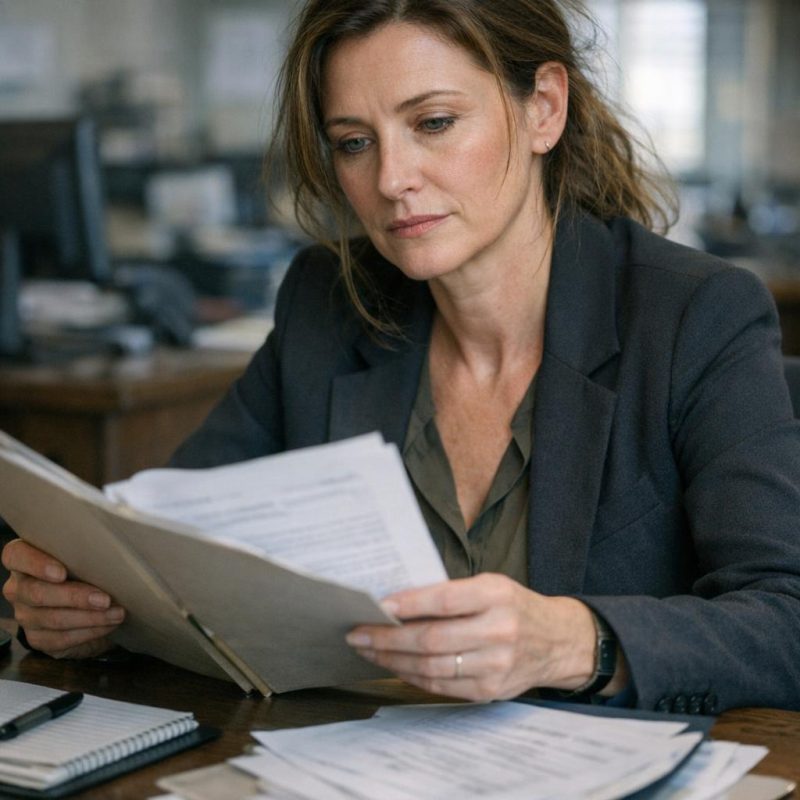 Image by RM AI
Rebecca's Arrest
They found Rebecca and Greg at a motel outside Cedar Rapids two days later. Detective Morrison called to tell me they were making the arrest and asked if I wanted to be there. Part of me didn't want to see her face again. But another part needed to watch this end. I stood behind Morrison's unmarked car as officers approached their room. Rebecca came out first, already talking, already working an angle. 'There's been a misunderstanding,' she called out. 'Whatever my mother told you—' Her mother. She was still playing the role even as they read her rights. Greg emerged next, silent and pale, hands already raised. They handcuffed them both. As officers led Rebecca past me, she caught my eye and smirked—actually smirked—like this was all just an inconvenient setback. Detective Morrison told me they'd found files on Rebecca's laptop documenting everything. Names, dates, amounts stolen. The operation had been running for over five years. At least fifteen victims they could identify so far. Some had given her hundreds of thousands of dollars. I'd lost twelve thousand and it had nearly destroyed me. What had it done to them? Watching Rebecca being led away in handcuffs should have felt like victory, but instead I just felt empty, haunted by how thoroughly she'd fooled me.
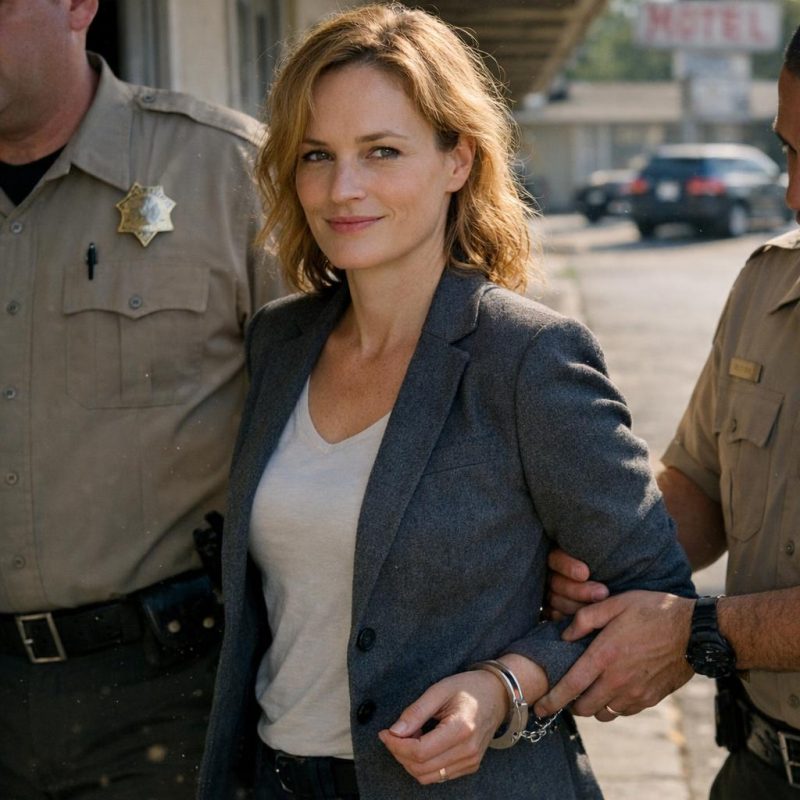 Image by RM AI
The Real Hospital Records
Dr. Voss called me three days after the arrest. 'Carol, I wanted to reach out personally,' she said. 'The police asked us to verify the birth records Rebecca provided. I've reviewed our archives from 1982 thoroughly.' I braced myself. 'There's no record of you giving birth at our hospital that year. Not in April, not any month. The document she showed you was a complete fabrication.' I'd known this was coming—Marcus had already told me as much—but hearing it officially still felt like falling. Dr. Voss explained how Greg had likely created the forgery using stolen hospital letterhead and authentic forms from that era. The signatures were real doctors who'd worked there in 1982, carefully traced or digitally reproduced. It was sophisticated work. Professional. 'I'm so sorry you went through this,' Dr. Voss said. 'If there's anything our patient services department can do to help you process—' I thanked her and hung up. For weeks I'd been preparing for this confirmation, telling myself it would bring relief to know the truth. But sitting alone in my kitchen, I found myself crying anyway. Not for Rebecca—I was done crying over her. I was crying for April 15, 1982. For the delivery room I'd imagined so vividly I could smell the disinfectant. For the daughter whose tiny fingers I'd never actually held. Learning I'd never had a daughter taken from me should have brought relief, but instead I grieved for a child who had never existed.
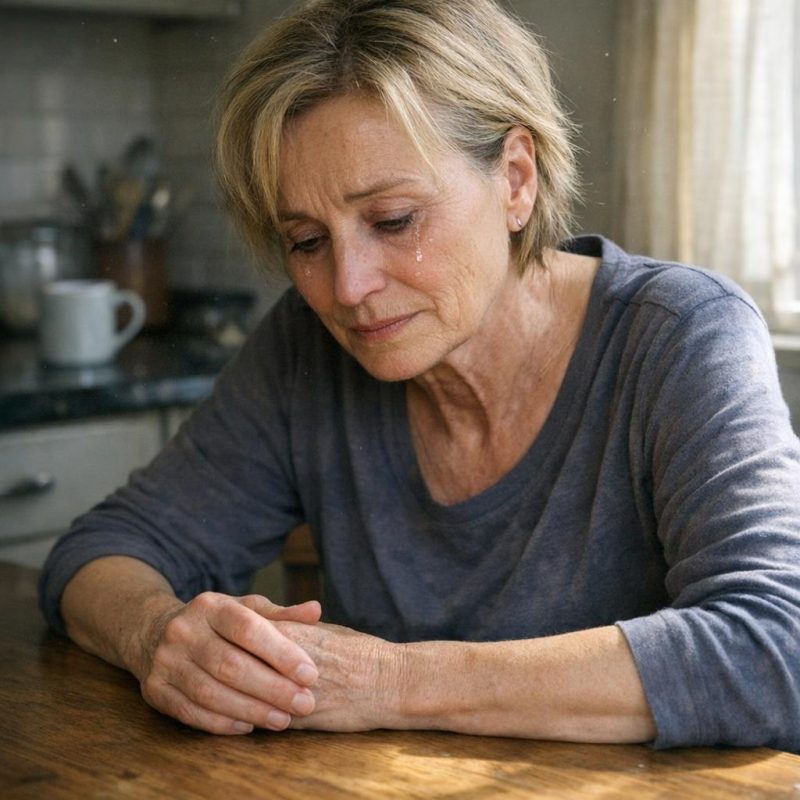 Image by RM AI
Media Coverage
The story hit the local news two days later. 'DNA Scam Artist Arrested' read the headline, with Rebecca's mugshot right below it. My name wasn't mentioned, thank God, but in a town this size, people knew. They always know. My phone started ringing that afternoon—reporters from the Cedar Rapids Gazette, from Des Moines, even one from a Chicago station. They all wanted the same thing: an exclusive with the victim, a tearful interview about betrayal and heartbreak. I declined every single one. What would I even say? That I'd been so desperate for connection I'd thrown money at a stranger? That I'd believed every lie because the truth of my ordinary life felt too small? One journalist was particularly persistent. She called three times, finally catching me on the third try. 'Mrs. Henderson, our readers need to hear your story,' she said. 'You could help other women avoid the same trap.' Maybe that was true. Maybe sharing my humiliation would serve some greater purpose. But I couldn't do it. I couldn't sit under studio lights and explain the specific texture of this shame. The woman pressed one more time: 'How does it feel to finally know the truth?' I hung up. A journalist asked me how it felt to learn the truth, and I couldn't find words to explain the specific shame of mourning someone who was never yours.
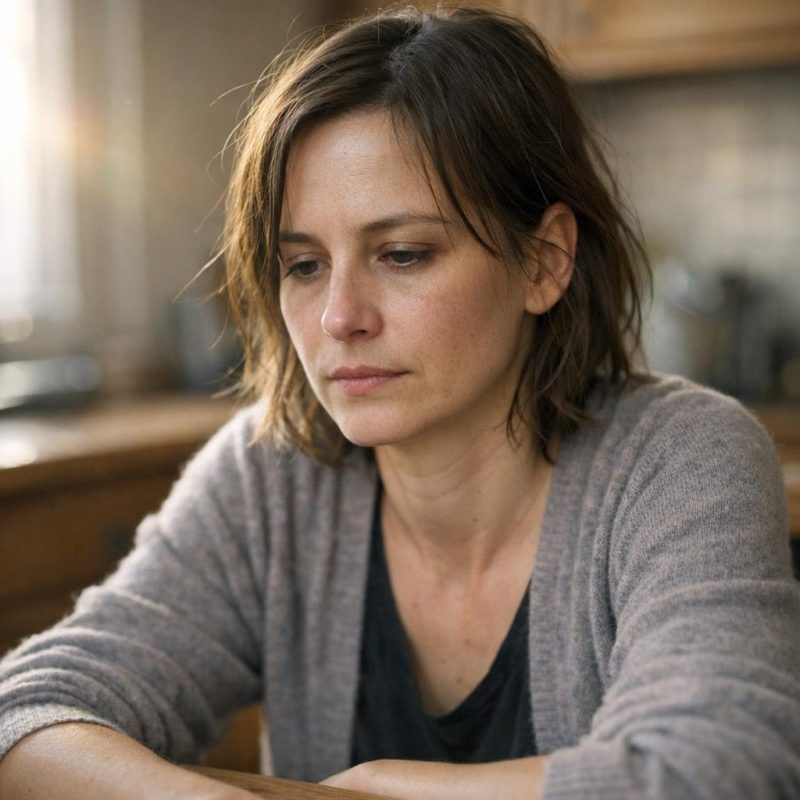 Image by RM AI
Church Reactions
I almost didn't go to church that Sunday. I sat in my car in the parking lot for ten minutes, watching people file into the building, wondering how many of them had seen the news. But staying home felt like hiding, and I'd done enough of that. I walked in during the opening hymn and slid into a pew near the back. The couple in front of me glanced back, then quickly looked away. During the peace, Sharon Mitchell shook my hand with exaggerated gentleness, the way you'd handle something broken. 'We're praying for you,' she whispered, which somehow made it worse. But then Ruth found me after the service. She didn't offer platitudes or careful sympathy. She just wrapped me in a hug that lasted long enough for me to start crying into her shoulder. 'I should have seen it coming,' I said. 'I should have known.' Ruth pulled back and looked at me firmly. 'Carol Henderson, you loved someone. That's not a character flaw. That's being human.' We sat together in the fellowship hall while people swirled around us, some offering sympathy, others avoiding eye contact entirely. I could feel the weight of their knowledge, their pity, their judgment. But Ruth stayed beside me, her hand firm in mine. Some people avoided my eyes, others offered sympathy, but Ruth squeezed my hand and whispered, 'You survived, and that's what matters.'
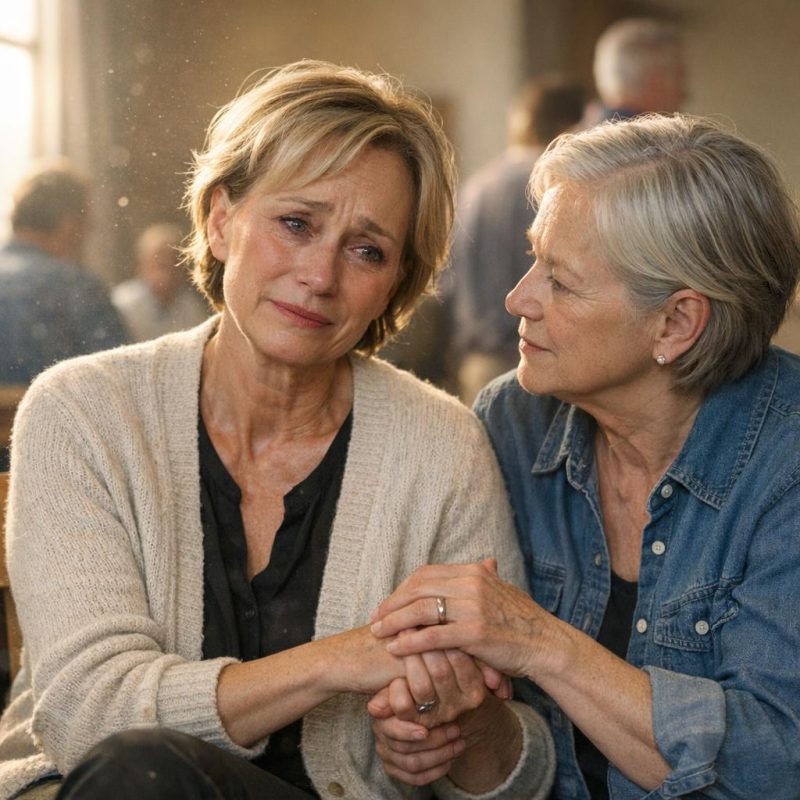 Image by RM AI
Other Victims Come Forward
Detective Morrison called the following week to update me on the case. Rebecca and Greg were being held without bail, facing charges in three states now. 'I wanted you to know that your decision to come forward opened the floodgates,' she said. 'We've had six more victims contact us since the arrest went public.' Six more. Six other women who'd been carrying this shame alone, thinking they were the only ones foolish enough to fall for it. 'How bad were their losses?' I asked, not sure I wanted to know. Morrison hesitated. 'One woman in Wisconsin mortgaged her house to help what she thought was her daughter through a medical crisis. She's facing foreclosure now. Another victim in Iowa was convinced to change her will, cutting out her actual children. That family is shattered.' She paused. 'There's a woman in Minnesota who gave Rebecca over three hundred thousand dollars over two years. Her entire retirement savings.' Three hundred thousand dollars. My twelve thousand suddenly felt almost manageable. I'd lost money and dignity, but I still had my house. I hadn't destroyed real relationships with actual family members. 'I'm so sorry they're going through this,' I said quietly. Morrison's voice was kind. 'You all went through it, Carol. Don't minimize your own pain.' But I did minimize it. One woman had mortgaged her house to help 'her daughter,' and another had been convinced to change her will, and I realized I'd gotten off easy.
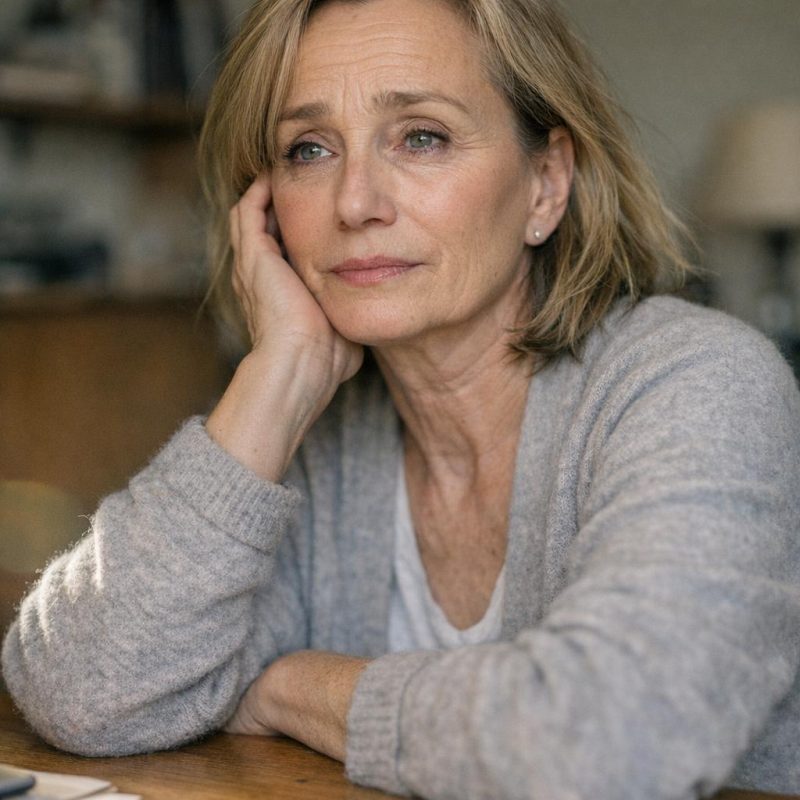 Image by RM AI
The Victims' Meeting
Detective Morrison organized a meeting for all the local victims two weeks later. It was held at the police station in a conference room that felt both too bright and too small. Seven of us showed up—seven women between ages fifty-eight and seventy-one, all of whom had taken DNA tests hoping to find family. We sat around the table avoiding eye contact at first, each of us drowning in private shame. Then Morrison asked us to introduce ourselves and share what we were comfortable sharing. The first woman, Janet, said Rebecca had posed as her granddaughter and borrowed money for college tuition. The second, Mary, had been told Rebecca was her daughter given up for adoption. Each story was different in its details but identical in its shape: the DNA match, the emotional reunion, the gradual requests for money, the elaborate explanations. We'd all believed the hospital records. We'd all met Greg at some point. We'd all had that moment of desperate wanting that overrode common sense. When it was my turn, I told them about Dylan's Christmas gift, about the daughter I'd imagined I'd lost. About how Rebecca had used my grief over Tom to make me vulnerable. Around the table, women nodded. They understood. They'd been widows too, or divorced, or simply lonely. Rebecca had found the hollow places in each of us and filled them with beautiful lies. Sitting in that room with six other women who'd believed the same lies, I felt both less alone and more ashamed than ever.
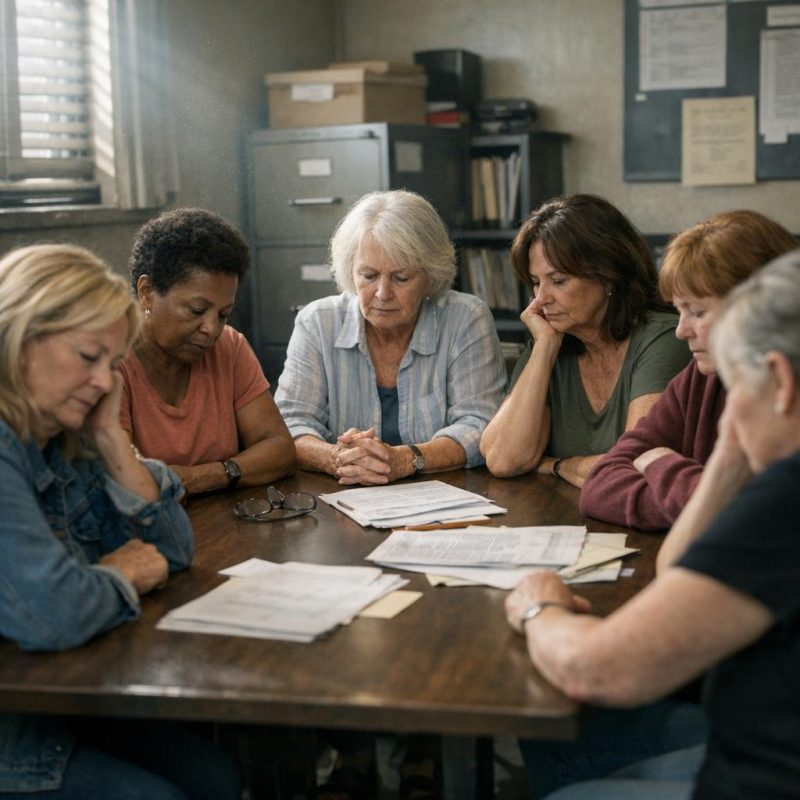 Image by RM AI
Dylan's Guilt
Dylan came over the next evening and barely made it through the door before the words tumbled out. 'Grandma, I'm so sorry. This is all my fault. If I hadn't bought that stupid DNA test for Christmas—' I stopped him right there. 'Dylan, no. You gave me a thoughtful gift. What Rebecca did with that information was not your fault.' But he wouldn't let it go. He paced my living room, his face twisted with guilt. 'I helped her, though. I explained how DNA matching worked. I probably made it easier for her to fool you.' He was seventeen now, not quite a boy anymore, and the weight of this was aging him in ways that broke my heart. 'She researched you,' I said. 'She looked up local obituaries and found information about your grandfather. She used your intelligence against me, Dylan. She saw how much I trusted you and she weaponized that.' The word made him flinch. 'She watched us together at that first coffee shop and she saw a tool she could use. Your enthusiasm, your scientific explanations—she knew they'd make me believe her more.' I reached for his hand. 'You were a victim too. She manipulated you just like she manipulated me.' Dylan's eyes filled with tears. 'But you lost twelve thousand dollars.' I told Dylan that Rebecca had used his innocence and intelligence as weapons against me, and that broke my heart even more than losing the money.
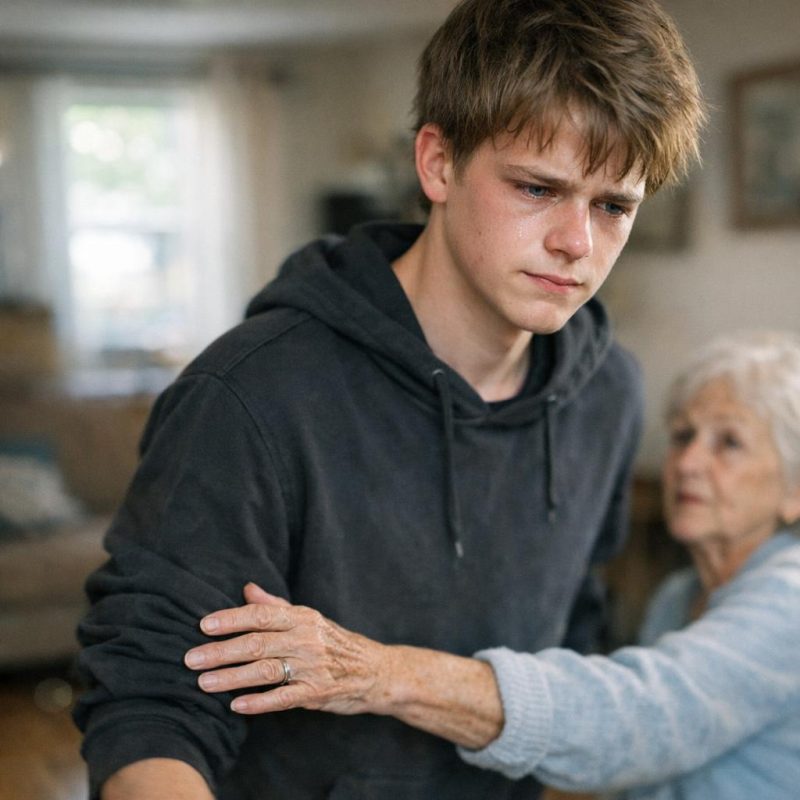 Image by RM AI
Rebecca's Sentencing
The courtroom was smaller than I'd expected, wood-paneled and cold. Janet sat on my right, Michael on my left, both of them taking time off work to be there. Detective Morrison sat two rows back, a quiet presence I was grateful for. When they brought Rebecca in, she looked different—thinner, paler, her hair pulled back in a simple ponytail. No trace of that warm smile she'd used on me. The judge asked if I wanted to make a victim impact statement, and I stood on shaky legs. My voice trembled as I read from the paper I'd written and rewritten a dozen times. I told them about the joy I'd felt believing I had a granddaughter. The hope that had filled my days. The way I'd started imagining holidays together, birthdays, all the moments we'd share. 'She didn't just steal money,' I said, looking directly at Rebecca. 'She stole a relationship that never existed and left me grieving someone who was never real.' Rebecca's face remained blank. No tears. No remorse. Just that same calculating stillness. The judge sentenced her to five years, citing previous fraud convictions I hadn't even known about. Rebecca received five years in prison, but no amount of time could give me back the weeks I'd spent loving someone who never existed.
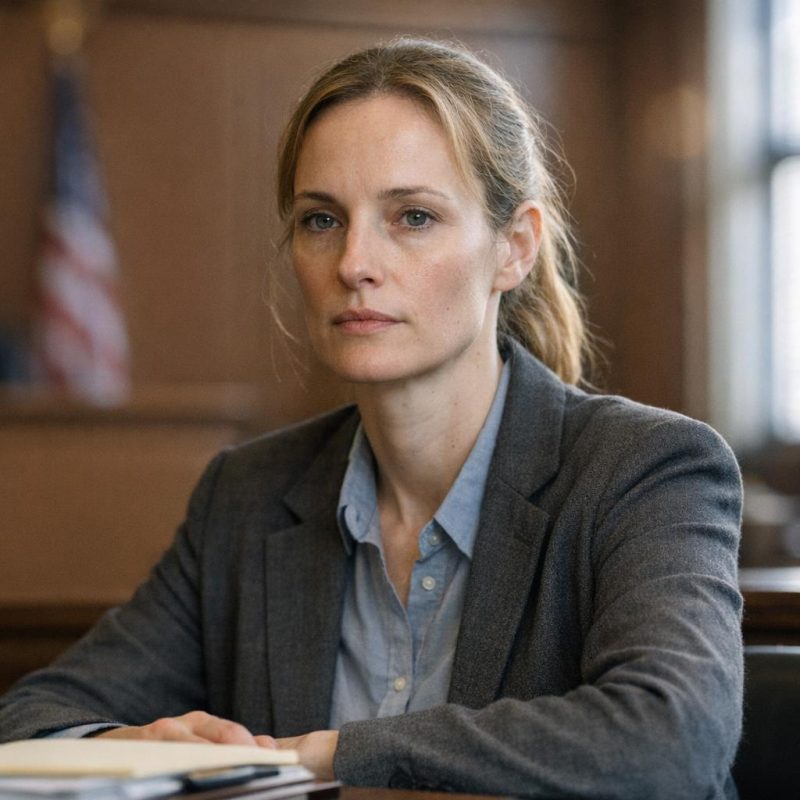 Image by RM AI
Rebuilding Trust
Janet and Michael came over for dinner the following week, and I made pot roast the way I used to when they were kids. We ate mostly in silence at first, the weight of everything unsaid hanging over the table. Finally, I put down my fork. 'I should have listened to you both,' I said. 'You tried to warn me, and I chose to believe her instead.' Janet reached across and squeezed my hand. 'Mom, she was very convincing.' But Michael shook his head. 'You have to understand how that felt, though. Watching you trust a stranger more than us.' I nodded, throat tight. 'I know. I was so desperate to believe her story that I ignored everything you said. I dismissed your concerns. I made you feel like I valued her more than my own children, and that's something I'll always regret.' We talked for hours that night, really talked, about everything that had happened. They told me how scared they'd been, how helpless they'd felt watching me fall for Rebecca's lies. I apologized again and again. They accepted my apologies with grace I didn't deserve. But something had shifted between us, some foundational trust that would take time to fully rebuild. My children forgave me, but I wasn't sure I'd ever forgive myself for choosing a stranger's lies over their love.
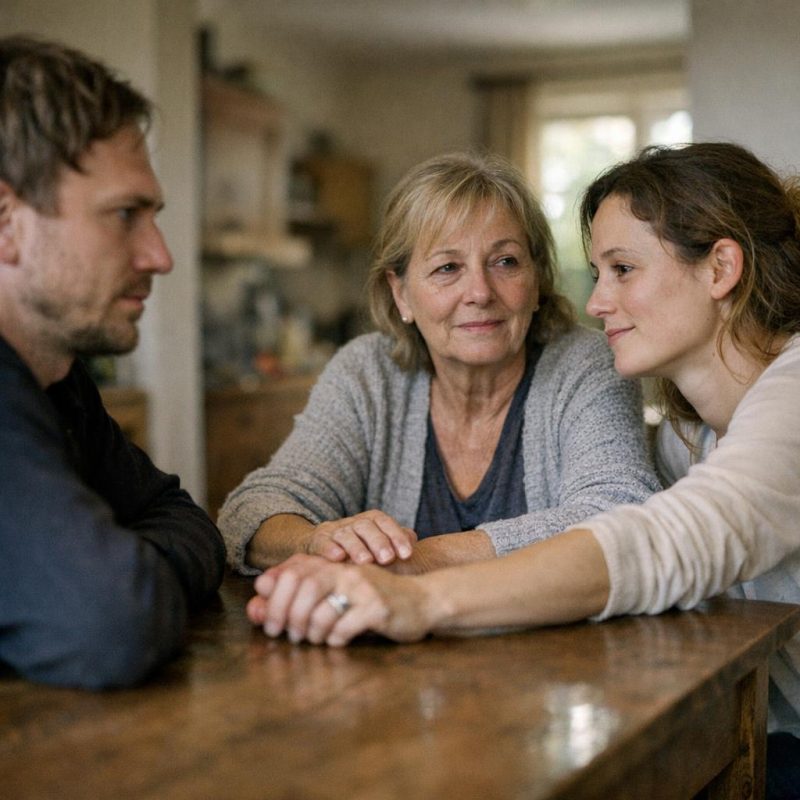 Image by RM AI
The Real Ancestry Results
Dylan came over on a Saturday afternoon carrying my original DNA test results. 'You never actually looked at the ancestry part,' he said. 'Want to see what it really says?' I'd been so caught up in Rebecca's con that I'd forgotten about the original reason for the test—simple curiosity about my background. We sat at the kitchen table, and Dylan pulled up the results on his laptop. There it was, laid out in colorful charts and percentages. Fifty-eight percent Irish, eighteen percent Scottish, twelve percent English, and scattered bits of German and Scandinavian. 'Just like Grandma always said,' I murmured, touching the screen where it showed Ireland highlighted in green. My mother had talked about her grandparents coming over from County Cork, working the railroads, settling in Wisconsin. Stories I'd half-listened to as a child, never thinking to question or verify. Dylan showed me how to access records, passenger ship manifests, census data. There were my great-grandparents' names, exactly as my mother had told me. No shocking secrets. No hidden scandals. Just ordinary people living ordinary lives, their truth preserved in documents and records that required no DNA manipulation to prove. The test showed I was mostly Irish, just like my mother had always claimed, and that simple truth felt like a gift after all the lies.
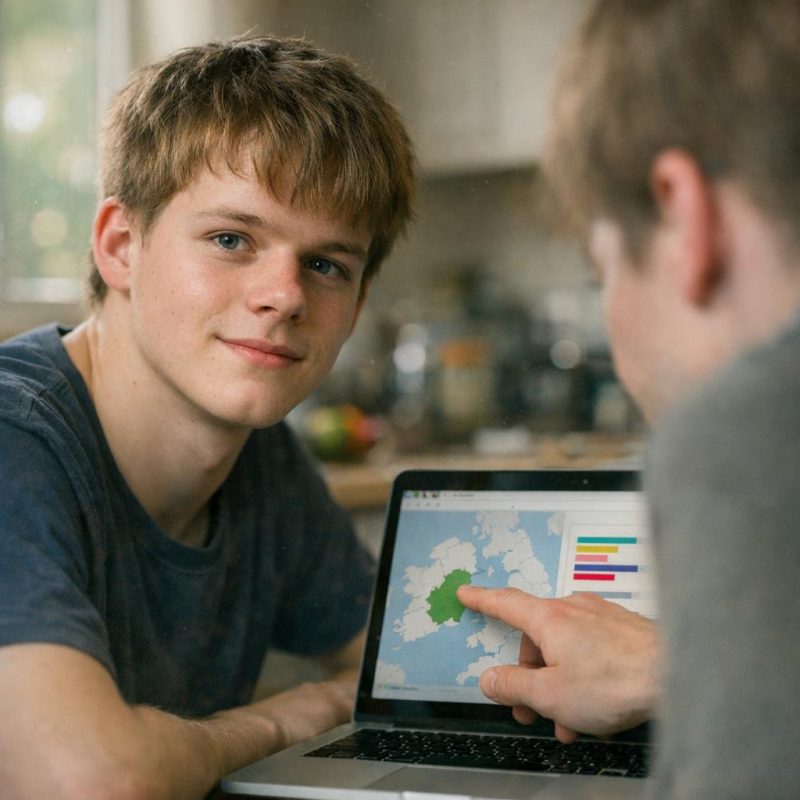 Image by RM AI
Moving Forward
I still think about Rebecca sometimes, usually when I'm doing something ordinary like grocery shopping or weeding the garden. I'll see a young woman with dark hair and feel my chest tighten before I remind myself that the person I'm remembering never existed. The therapist I've been seeing says that's normal, that I'm grieving a relationship even though it was built on lies. Janet checks in more often now, calling just to chat about nothing in particular. Michael stops by with his kids, letting me be the grandmother I've always been. Dylan starts college next fall, and he's already talking about biochemistry instead of forensic genealogy. I've learned to be more skeptical, to question things that seem too convenient, to listen when people who love me express concern. But I've also learned I can't lock myself away in fear of being fooled again. Last week I baked three pies for the church bake sale, same as I've done for twenty years. I smiled at strangers in the grocery store. I lived my life. The scar Rebecca left will always be there, a reminder of my vulnerability, but it doesn't get to be the whole story. I couldn't undo what happened, couldn't unknow what I'd learned about my own vulnerability, but I could choose to keep baking pies, keep loving my real family, and keep living in the truth.
 Image by RM AI
KEEP ON READING
10 Greatest Quarterbacks Of All Time & 10 That Are…
Do You Disagree?. Few topics in sports generate as much…
By Farva Ivkovic Dec 2, 2025
The story of Ching Shih, the Woman Who Became the…
Unknown author on WikimediaFew figures in history are as feared…
By Emilie Richardson-Dupuis Dec 29, 2025
20 Shakespearean Words, Translated For A Modern Audience
What’s In A Word?. Shakespeare was a wordsmith of the…
By Breanna Schnurr Dec 17, 2025
20 Inspiring Stories From Native American History
Incredible Stories Of Resilience And Endurance. Many of us didn't…
By Ashley Bast Dec 17, 2025
You Think You Have Problems? These Royal Families Were Cursed
Boasson and Eggler St. Petersburg Nevsky 24. on WikimediaHeavy is…
By Ashley Bast Dec 5, 2025
MH370: The Plane That Can't Be Found
Anna Zvereva from Tallinn, Estonia on WikimediaEleven years after Malaysia…
By Christy Chan Dec 10, 2025