

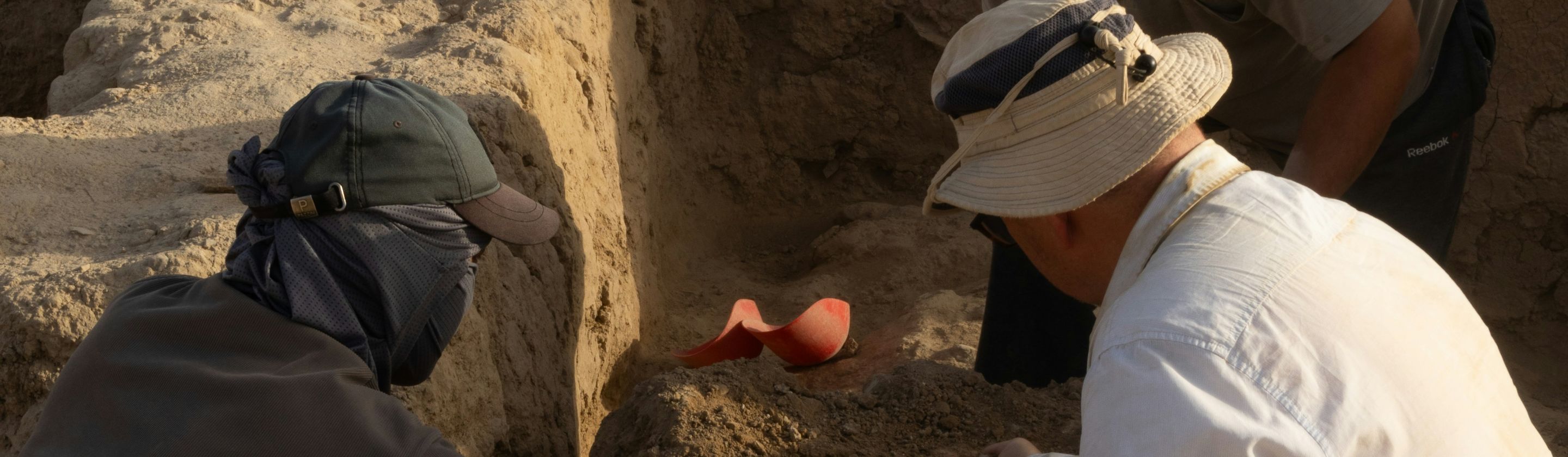
How Artificial Intelligence Is Revolutionizing Archaeology
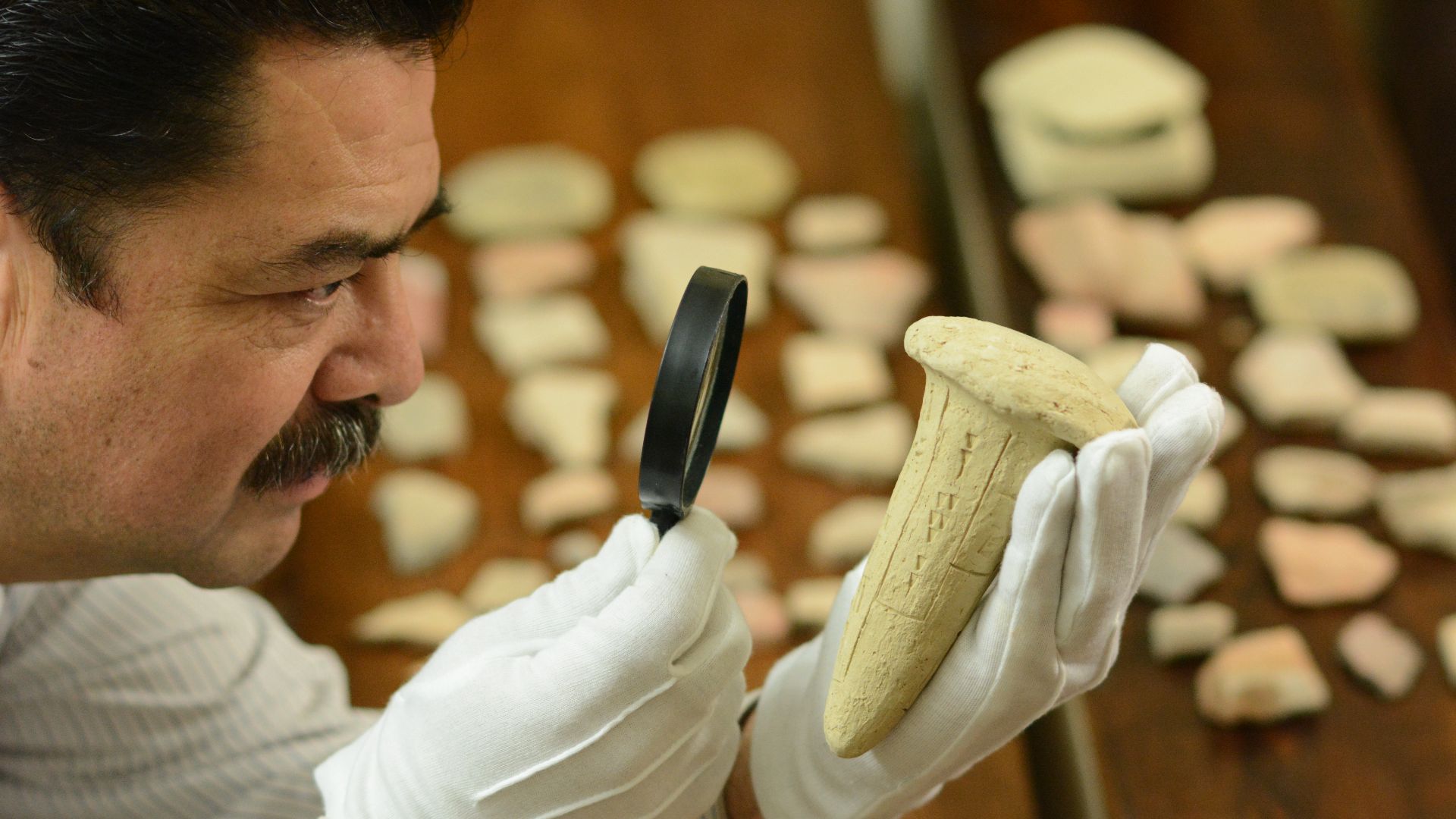
For most people, the image that comes to mind at the mention of archaeology is ancient tombs or dinosaur fossils, not cutting-edge tech. However, in order to unearth such things or make sense of findings, the field of archaeology is making use of the most advanced artificial intelligence.
Painstaking manual work like brushing away soil, surveying landscapes on foot, and spending years interpreting mysterious fragments is being made easier by cutting-edge tools. What used to take decades can now be done in days, ushering in a new era where history meets technology.
Site discovery
One of the most groundbreaking uses of AI in archaeology is site discovery. Traditionally, researchers would comb through swaths of land in hopes of finding signs of ancient settlements. Now, AI can analyze satellite imagery, aerial photography, and lidar scans to identify subtle patterns—slight discolorations, landscape disturbances, or geometric shapes—that even the most trained human eye might easily overlook.
AI analysis has helped uncover a huge network of previously unknown, interconnected Maya cities and large settlements in the Amazon rainforest. In the Nazca region in Peru, AI systems helped uncover over 300 new figurative geoglyphs, ancient, large-scale, man-made designs on the ground.
Artifact analysis
In the past, decoding pottery shards, inscriptions, or ancient tools relied heavily on expert interpretation. But machine-learning models can now examine thousands of artifacts at once, comparing shapes, markings, materials, and styles with amazing precision. This allows archaeologists to classify objects faster, estimate their age more accurately, and even trace their origin by analyzing patterns that the human eye can't see.
Translation
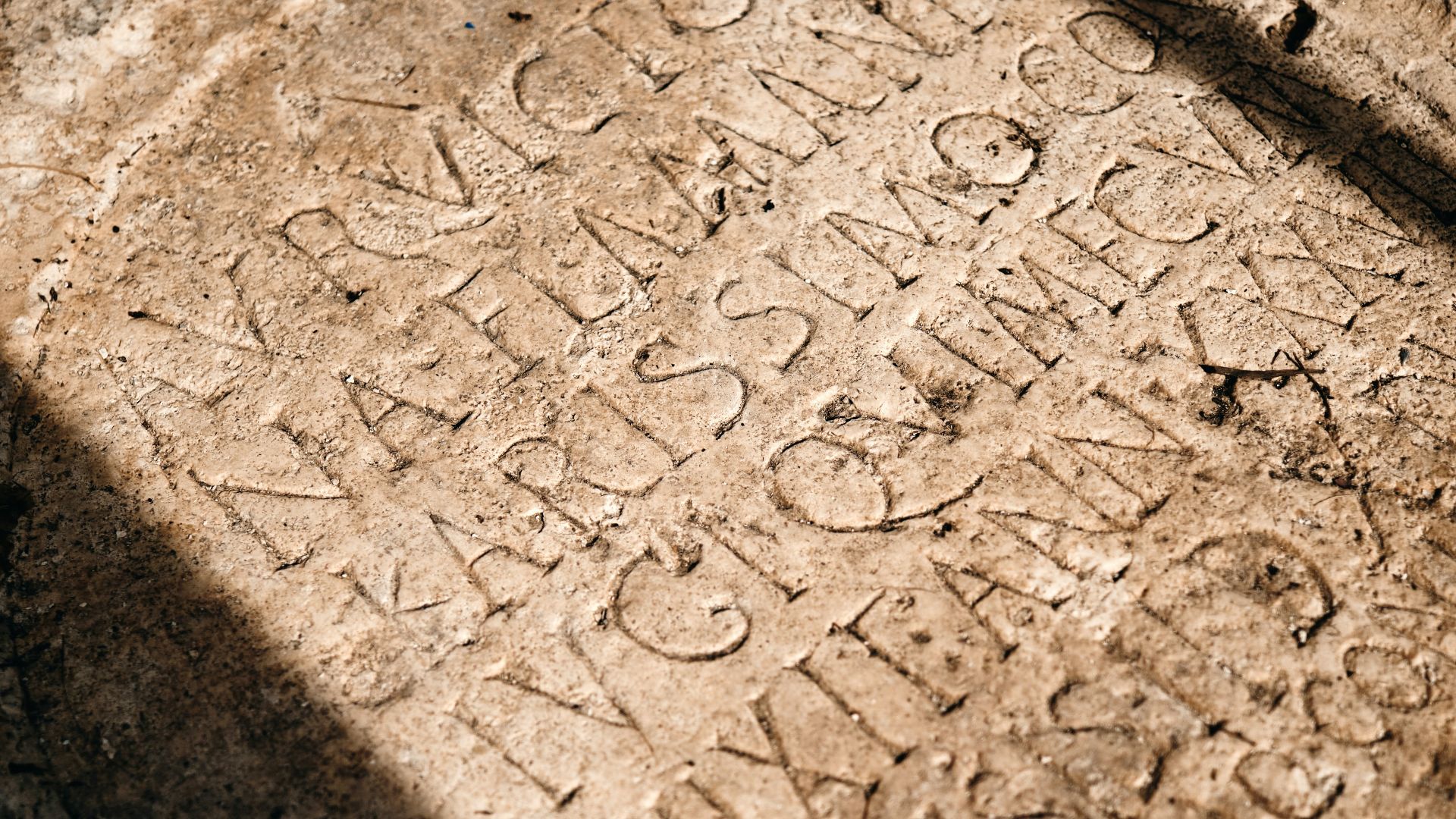
AI also has the ability to decipher lost languages by analyzing patterns in ancient texts. Machine-learning algorithms have helped researchers make significant progress in understanding scripts like Akkadian, Indus, and even Egyptian hieroglyphics. Because AI can instantaneously process huge datasets, recognize grammatical structures, and generate translations, it can detect linguistic patterns far more efficiently than manual decoding.
3D reconstruction
AI is even helping scientists reconstruct ancient environments and lifestyles. By analyzing soil samples, architectural remains, climate patterns, and animal bones, machine-learning systems can simulate how ancient communities lived.
For example, algorithms can analyze shapes and materials to digitally reconstruct broken shards into complete 3D models. These models are essential for understanding cultural collapses or migrations, providing insights that go far beyond what artifacts alone can reveal.
Avoiding ethical concerns
Archaeological discovery classically involved excavation, i.e., digging holes. However, this presents ethical problems as many communities don't want their land disturbed in this way, especially if there are human remains involved. What's more, some sites are on private property. AI greatly reduces this problem because it can analyse what's underground with digital images.
A replacement for humans?
Despite these advantages, AI is not a replacement for human specialists. Archaeology requires context, nuance, and cultural understanding—qualities that no algorithm can replicate. Instead, AI acts as a powerful partner, handling tedious data-heavy tasks while freeing researchers to focus on interpretation and the bigger picture.
As AI continues advancing, the next great archaeological discoveries may come not from deep trenches but from lines of code. And in the process, we might learn more about ancient civilizations faster than ever before and with unprecedented depth.
KEEP ON READING

20 Greek Gods We Don't Often Talk About
Step Aside, Zeus. Greek mythology isn’t only about Zeus and…
By Elizabeth Graham Jan 16, 2026
10 Historic Courtship Practices That Should Be Brought Back &…
Old-School Dating Was a Mix of Charming & Unhinged. Historic…
By Emilie Richardson-Dupuis Jan 20, 2026
Pooches Of The Past: Extinct Dog Breeds
Unknown authorUnknown author on WikimediaDogs have been showing up in…
By Elizabeth Graham Jan 27, 2026
The 20 Craziest Silent Films Ever Made
When Silence Let the Madness Speak. Silent cinema didn’t just…
By Chase Wexler Jan 5, 2026
Legendary Tales: 20 Most Fascinating Mythical Creatures from Folklore
Mythological Beasts. Stories about mythical creatures endure for a simple…
By Christy Chan Jan 16, 2026
The three most expensive historical artifacts ever sold at auction
Attributed to Leonardo da Vinci on WikimediaAuctions are where history…
By Emilie Richardson-Dupuis Jan 9, 2026