


The Green Children of Woolpit: A Medieval Mystery That Remains Unexplained
The Green Children of Woolpit: A Medieval Mystery That Remains Unexplained
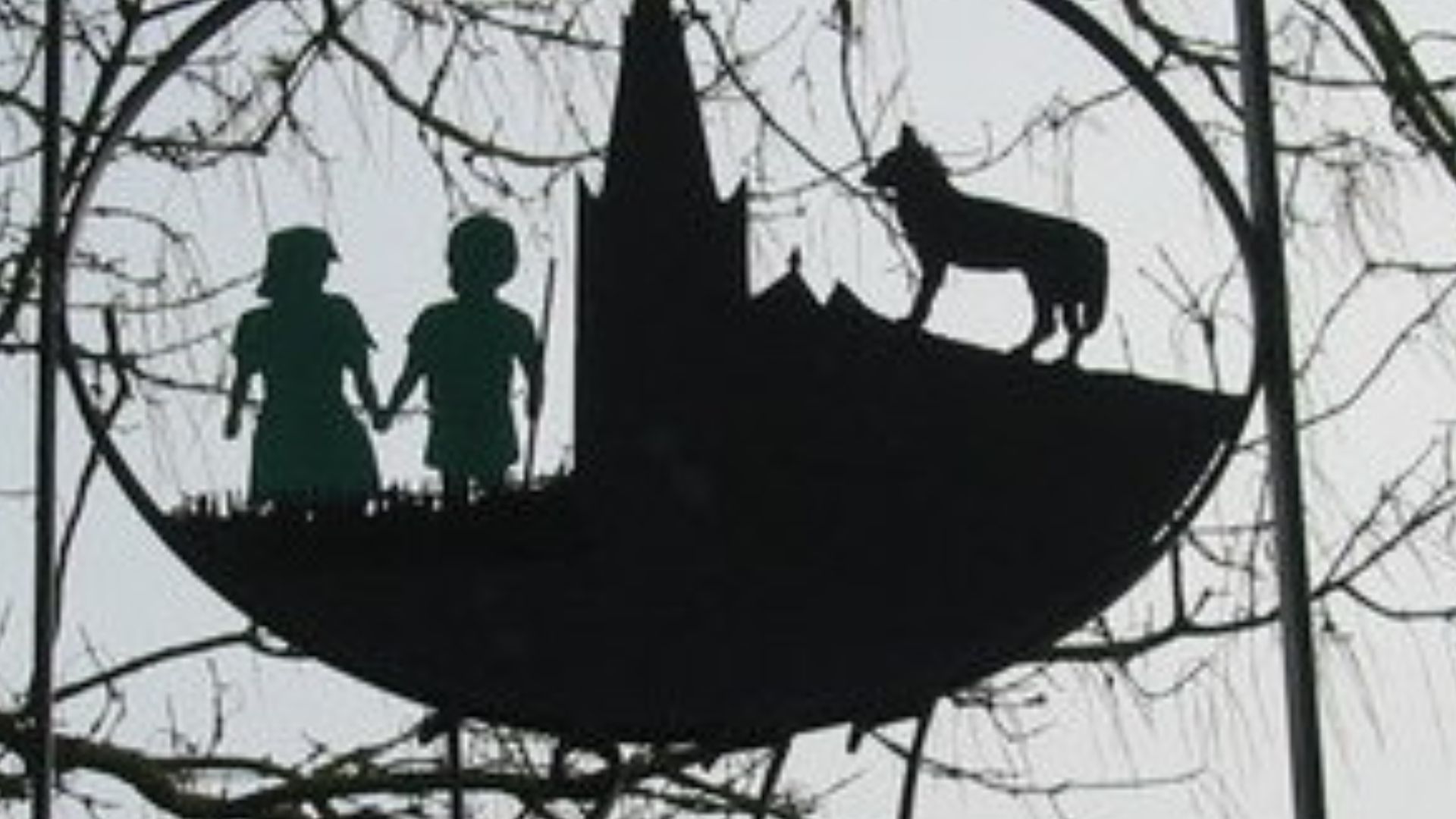
If you ever find yourself wandering through the quiet village of Woolpit in Suffolk, England, you might notice a curious sign depicting two small children with a distinctly verdant hue. This isn't just a quirky piece of local folk art; it’s a tribute to one of the most baffling legends in English history. During the 12th-century reign of King Stephen, villagers reportedly discovered a brother and sister standing near a wolf pit who looked like everyone else, except for their bright green skin. They spoke a language that no one recognized and wore clothing made of strange, unfamiliar materials that puzzled even the most traveled locals.
The story has persisted for nearly nine centuries, appearing in the contemporary chronicles of William of Newburgh and Ralph of Coggeshall. While it sounds like the plot of a modern science fiction novel, these medieval writers recorded the event with a surprising degree of sobriety and detail. The reader is left wondering if this was a simple case of misunderstood biology, a clever piece of folklore, or something truly out of this world. Whatever the truth may be, the tale of the green children continues to spark debate among historians and mystery enthusiasts who are eager to peel back the layers of this ancient enigma.
A Strange Arrival and a Change of Heart
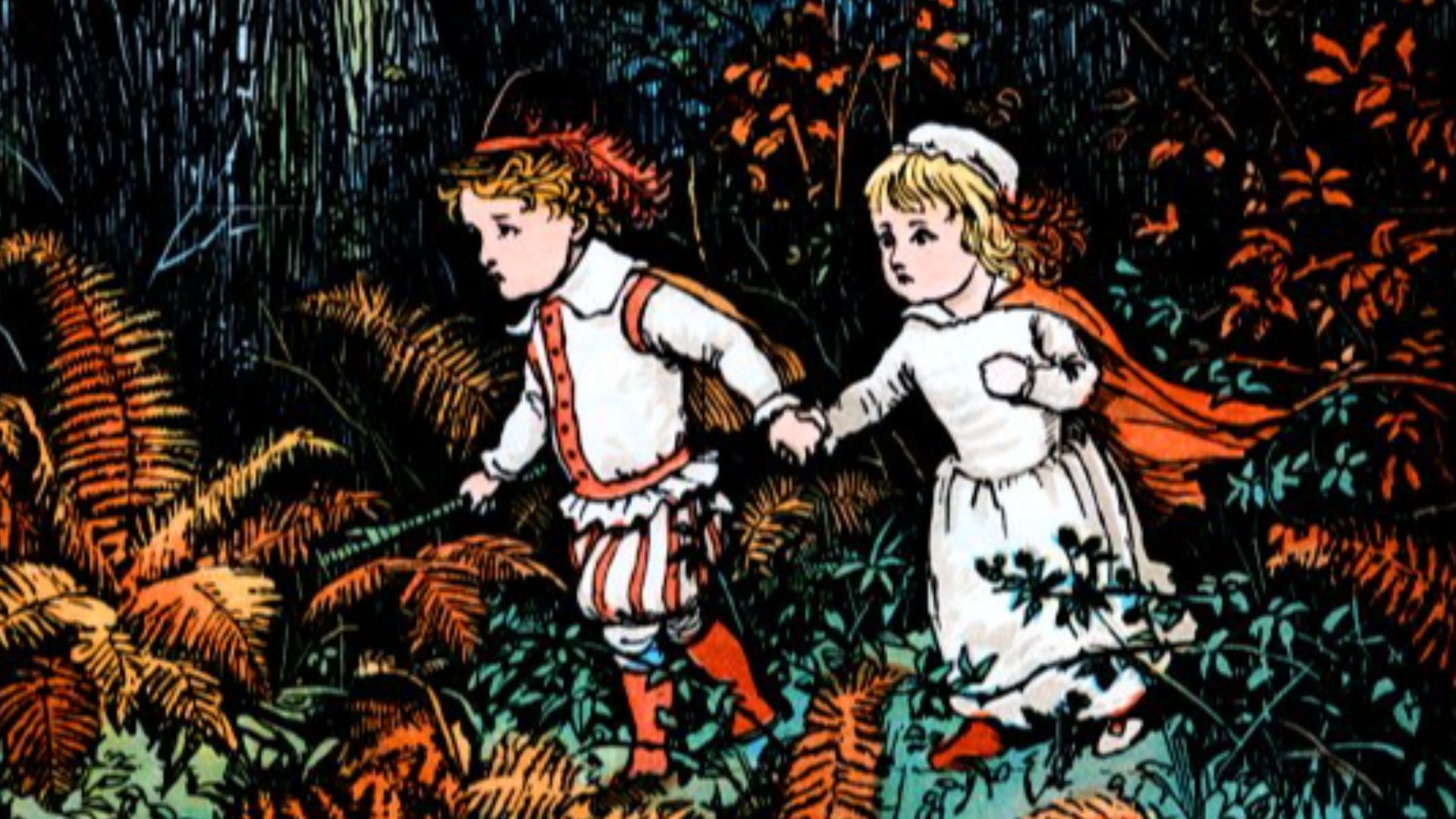
Upon bringing the children into town, the pair were incoherent and would not touch any food offered to them. Though gaunt and seemingly malnourished, when offered bread, meat, and vegetables, they stared at the meal with complete bewilderment. It was not until fresh green beans were pulled from their pod that the children calmed down. They attacked the beans ravenously, and for several months these were the only foods they would eat.
The boy child, the younger of the siblings, continued to grow more ill and eventually died despite attempts from the villagers to care for him. The girl child, however, grew hardy and eventually began thriving in her life in the English countryside. As she began consuming a normal medieval diet, her skin began to change, losing its green hue and turning to that of a normal person. She was baptized and went on to live her life as a servant in the household of a local knight by the name of Richard de Calne.
Once she mastered the language, she was able to offer a better description of where she and her brother may have come from. She told them of a place she called St. Martin’s Land, where the sun never seems to shine and its people exist in a twilight state. She said that they were out grazing their father’s cattle when they heard a bell-like noise and were transported to the wolf pit in Woolpit. Did these children describe another country halfway across the world? Or was it something more… uncanny?
Historical Explanations and Hidden Truths
Modern researchers have spent decades trying to find a logical explanation for the children’s appearance, and one popular theory involves the Flemish immigrants of the 12th century. During this period, many Flemish weavers were persecuted, which could have left their children wandering the forests as orphans. Some historians suggest the children may have been suffering from chlorosis, a form of anemia often caused by malnutrition that can give the skin a greenish tint. If they had been hiding in the woods eating only wild plants, it would explain both their color and their initial refusal of cooked food.
Another possibility points to the nearby village of Fornham St. Martin, which matches the name the girl gave for her homeland. This village was separated from Woolpit by the River Lark, and the "ringing bells" she mentioned might have been the bells of the Bury St. Edmunds abbey. It is possible that the children, disoriented and traumatized by the loss of their family, wandered through flint mines or tunnels and emerged miles away in Woolpit. The reader can easily imagine how a couple of lost, sickly children speaking a different dialect could have been transformed into "green beings" by the imaginative locals.
Granted these rational explanations, there are still gaps that do not entirely make sense. Chroniclers from that era were generally keen on noting when people were foreigners; Flemings were particularly numerous in East Anglia at this time. How unlikely it is that a knight and several villagers could mistake both the accent and clothing of one of the most numerous groups of immigrants in the medieval period? This lingering question is precisely why theories have not chalked the whole story up to ignorance of immigration patterns.
Because it is so old and bizarre, many ideas have entered the realm of the supernatural and proto-science fiction. Some authors have posited that the children were troglodytes from inside the Earth itself. The Hollow Earth theory was popular in the centuries that followed; the green children were often touted as the best proof that an advanced civilization lived beneath our feet. It sounds ridiculous to us now, but it could not have sounded more real to someone in medieval Europe, where kingdoms beneath the ground were very real in imagination and folklore.
KEEP ON READING

The 10 Youngest Monarchs In History & The 10 Oldest
Age Is Just A Number. Imagine being crowned king or…
By Chase Wexler Mar 11, 2025
You Think You Have Problems? These Royal Families Were Cursed
Boasson and Eggler St. Petersburg Nevsky 24. on WikimediaHeavy is…
By Ashley Bast Dec 5, 2025
You Can Thank This Greek-Canadian For Creating Pineapple On Pizza…
Love it or hate it, pineapple on pizza sparks debate…
By David Davidovic Dec 1, 2025
Yes, Female Gladiators Existed, And Here's Everything You Need To…
History of Women in Combat. Most people picture gladiators as…
By David Davidovic Jan 17, 2026
Yes, Australians Once Lost A Battle Against Flightless Birds
David Clode on UnsplashIn 1932, the Australian military went to…
By David Davidovic Nov 24, 2025
The Y2K Bug: Why Did Everyone Think Year 2000 Was…
Alan W on UnsplashOn December 31, 1999, people all over…
By Christy Chan Dec 22, 2025