


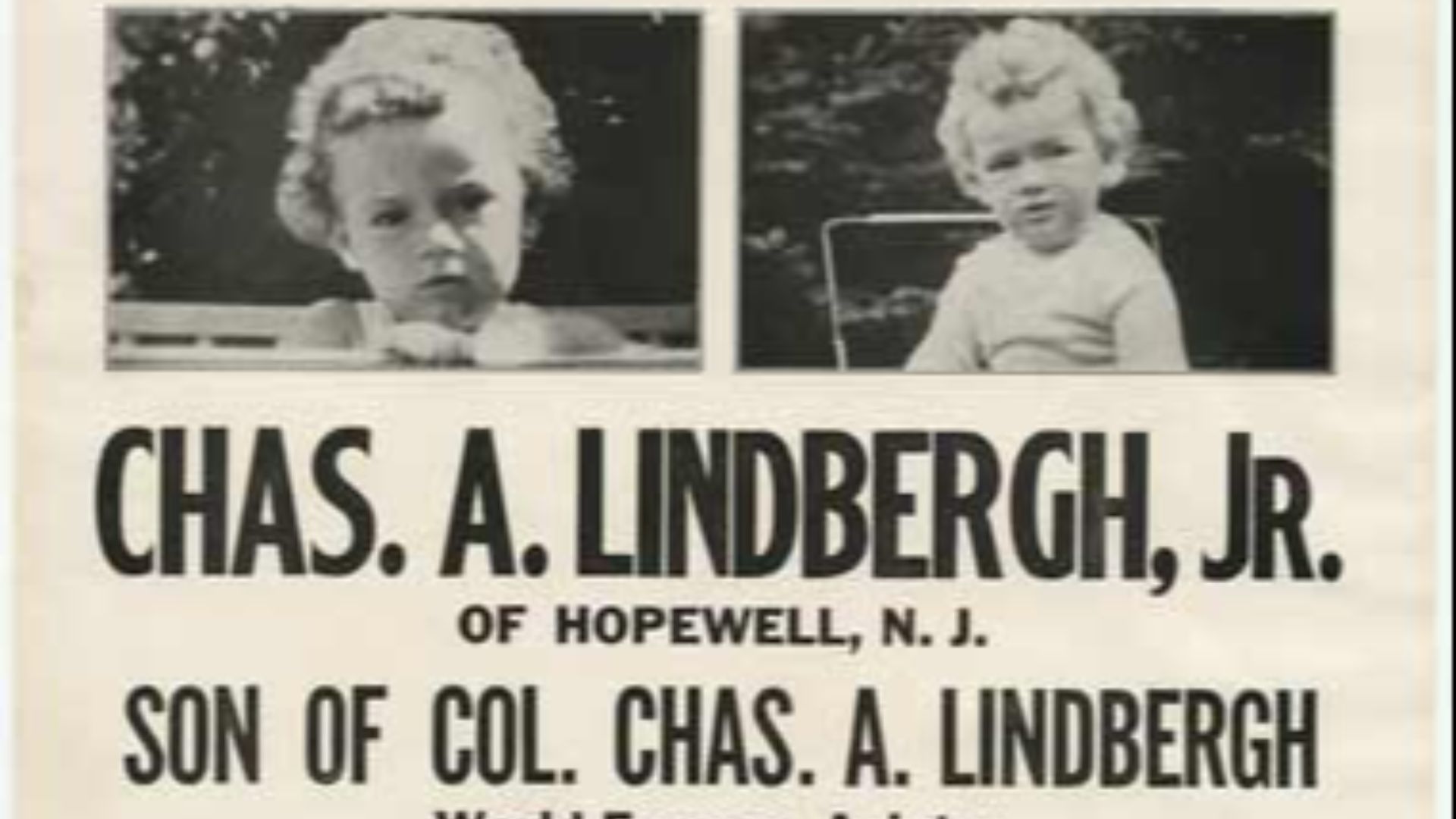
True crime podcasts and documentaries are all the rage, but long before trials were televised and social media fueled speculation, there was one case that the public obsessed over. The 1935 trial of Bruno Richard Hauptmann for the kidnapping and murder of Charles Lindbergh Jr. was the first modern trial that created a media frenzy.
This trial was dramatic and laced with twists, engrossing details, and relentless coverage. It became the template for most high-profile trials that would follow. Nearly a century after the proclaimed “trial of the century” concluded, it stands as a turning point in our fascination with true crime.
On March 1st, 1932, the young son of Charles Lindbergh, an aviation hero who was the first man to fly solo across the Atlantic, was kidnapped from their home in New Jersey. This crime immediately became front-page news, thanks to Lindbergh's status as a national icon. Because of him, a local kidnapping case became international news.
The investigation quickly became one of the largest and most comprehensive in U.S. history. The speculation was endless, as was the newspaper coverage, radio updates, and public outrage. Every development gripped people, some of whom had never shown any interest in the American justice system.
The trial started on January 3rd, 1935, in Flemington, New Jersey. Hundreds of reporters from every corner of the country and abroad filled the courthouse. Newspapers were thrown into battles for headlines, photographers risked their lives to climb windowsills to get a good photo, and radio commentators delivered updates at a furious pace. Not to mention, the spectators who lined up for hours, hoping to get inside or overhear a secret detail about the proceedings.
From Hauptmann’s tranquil demeanor and the testimony of experts to the evidence, everything was reported and scrutinized. Reporters were especially ravenous about the bundles of ransom money that were found in Hauptmann’s garage.
This trial cemented the power of mass media. For the first time, ordinary citizens were given access to each twist in close to real time through the newspaper and radio news. People were emotionally invested and quick to form opinions and debate evidence and testimonies. The courtroom drama quickly became a national pastime.
The jury found Hauptmann guilty on February 13th, 1935. He was given the death sentence and executed on April 3rd, 1963. To millions, the conviction felt like the swift act of justice. Large crowds cheered from outside the courthouse, and newspapers deemed it a victory.
In the years that followed, doubts about Hauptmann’s guilt surfaced. Suspicion about the validity of the handwriting analysis emerged, and some argued that the investigation was built on a foundation of circumstantial evidence. Many turned their support to Hauptmann and accused the press of influencing public opinion to sell papers.
The trial of Bruno Richard Hauptmann wasn’t a mundane legal proceeding. It was a national event that shifted how we engage with crime and the media. The combination of a celebrity as the victim, a gruesome and tragic crime, and a sensationalized courtroom battle gripped the world while laying the foundation for every high-profile trial that came after.
KEEP ON READING
The 20 Most Recognized Historical Figures Of All Time
The Biggest Names In History. Although the Earth has been…
By Cathy Liu Oct 4, 2024
10 of the Shortest Wars in History & 10 of…
Wars: Longest and Shortest. Throughout history, wars have varied dramatically…
By Emilie Richardson-Dupuis Oct 7, 2024
10 Fascinating Facts About Ancient Greece You Can Appreciate &…
Once Upon A Time Lived Some Ancient Weirdos.... Greece is…
By Megan Wickens Oct 7, 2024
20 Lesser-Known Facts About Christopher Columbus You Don't Learn In…
In 1492, He Sailed The Ocean Blue. Christopher Columbus is…
By Emilie Richardson-Dupuis Oct 9, 2024
20 Historical Landmarks That Have The Craziest Conspiracy Theories
Unsolved Mysteries Of Ancient Places . When there's not enough evidence…
By Megan Wickens Oct 9, 2024
The 20 Craziest Inventions & Discoveries Made During Ancient Times
Crazy Ancient Inventions . While we're busy making big advancements in…
By Cathy Liu Oct 9, 2024