The People Who Refused to Stay In Their Lane
History tends to admire rule-breakers right up until the point where the rule-breaking gets a little too dramatic, illegal, or empire-toppling to describe casually. Some of these figures challenged unfair systems, some bulldozed tradition for personal ambition, and some just seemed to look at laws, customs, and social expectations as helpful suggestions for other people. That doesn’t make all of them heroes, obviously, but it does make them memorable. Here are 20 people who famously disregarded rules.
 William Haskell Coffin on Wikimedia
1. Alexander the Great
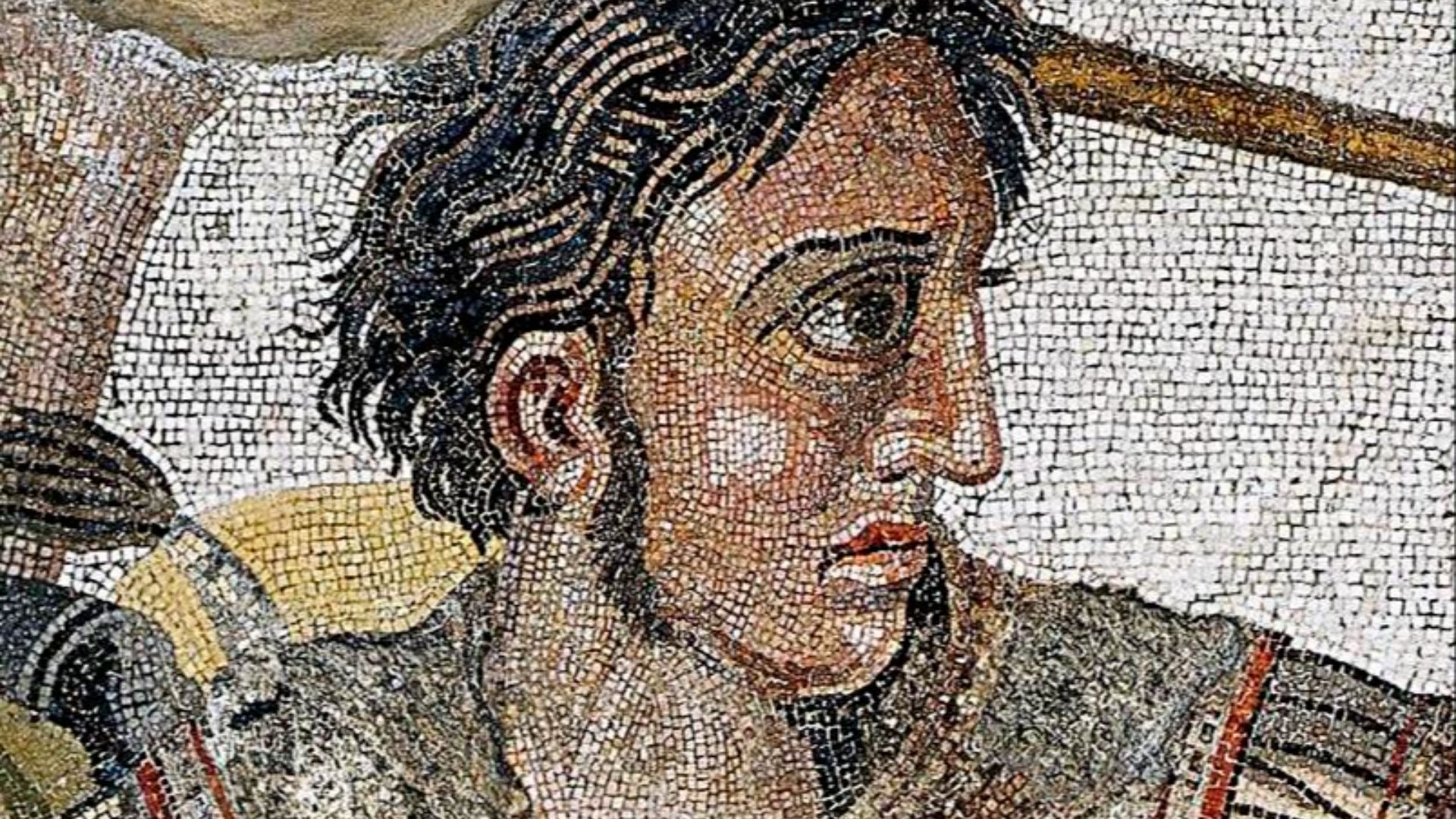
Alexander didn't exactly spend much time asking whether he was supposed to conquer half the known world. He blew past borders, toppled empires, and kept pushing forward with a level of confidence that would seem unrealistic if history hadn't already confirmed it. He still gets treated like the gold standard for reckless ambition with results, and for good reason.
2. Julius Caesar
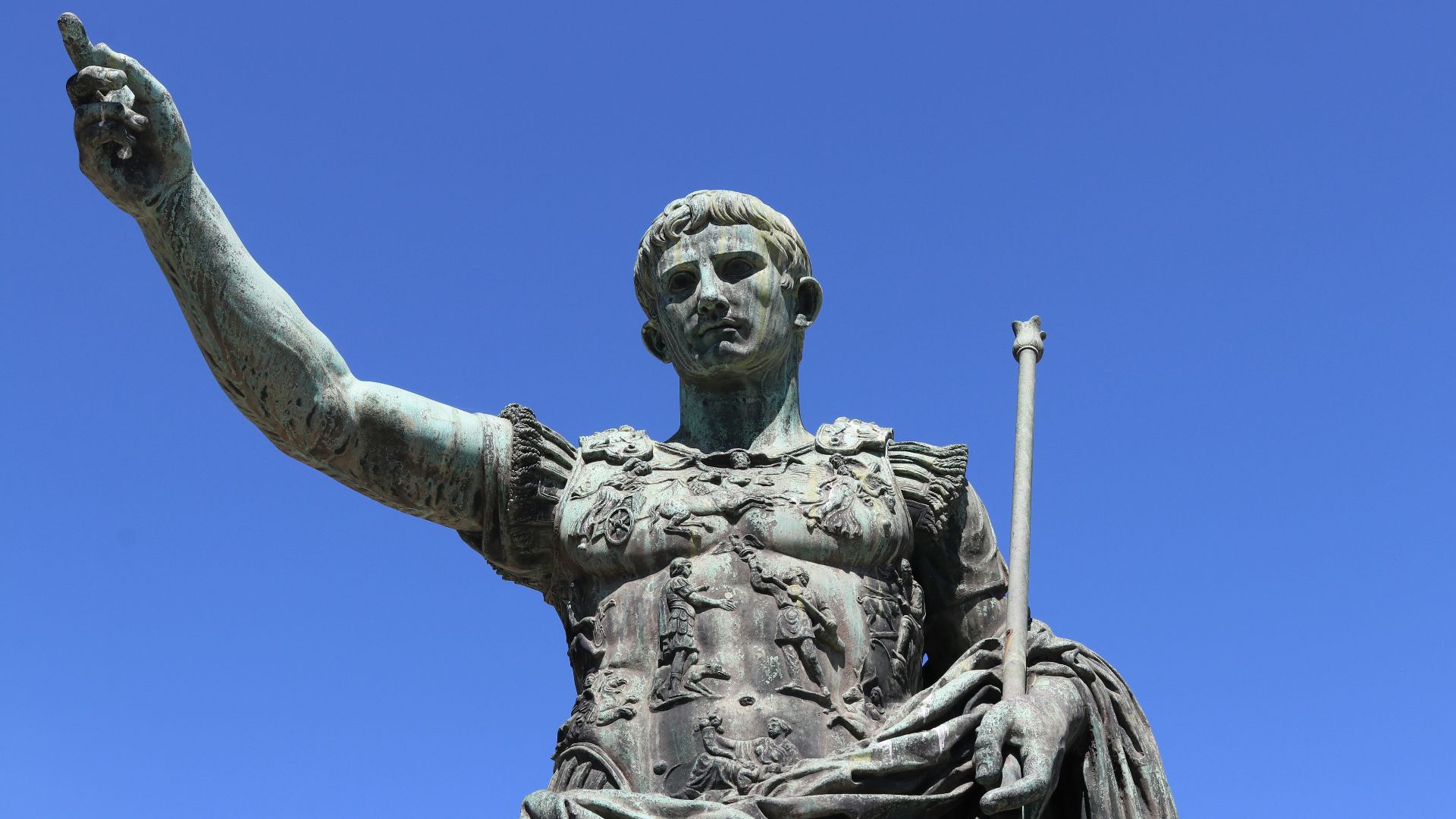
Julius Caesar broke one of Rome’s biggest political rules when he crossed the Rubicon with his army. That move effectively declared that he was done pretending the old system still mattered more than his own rise. From there, the Republic never really got its balance back. It was a spectacularly consequential case of ignoring the line because you were already planning to redraw the map.
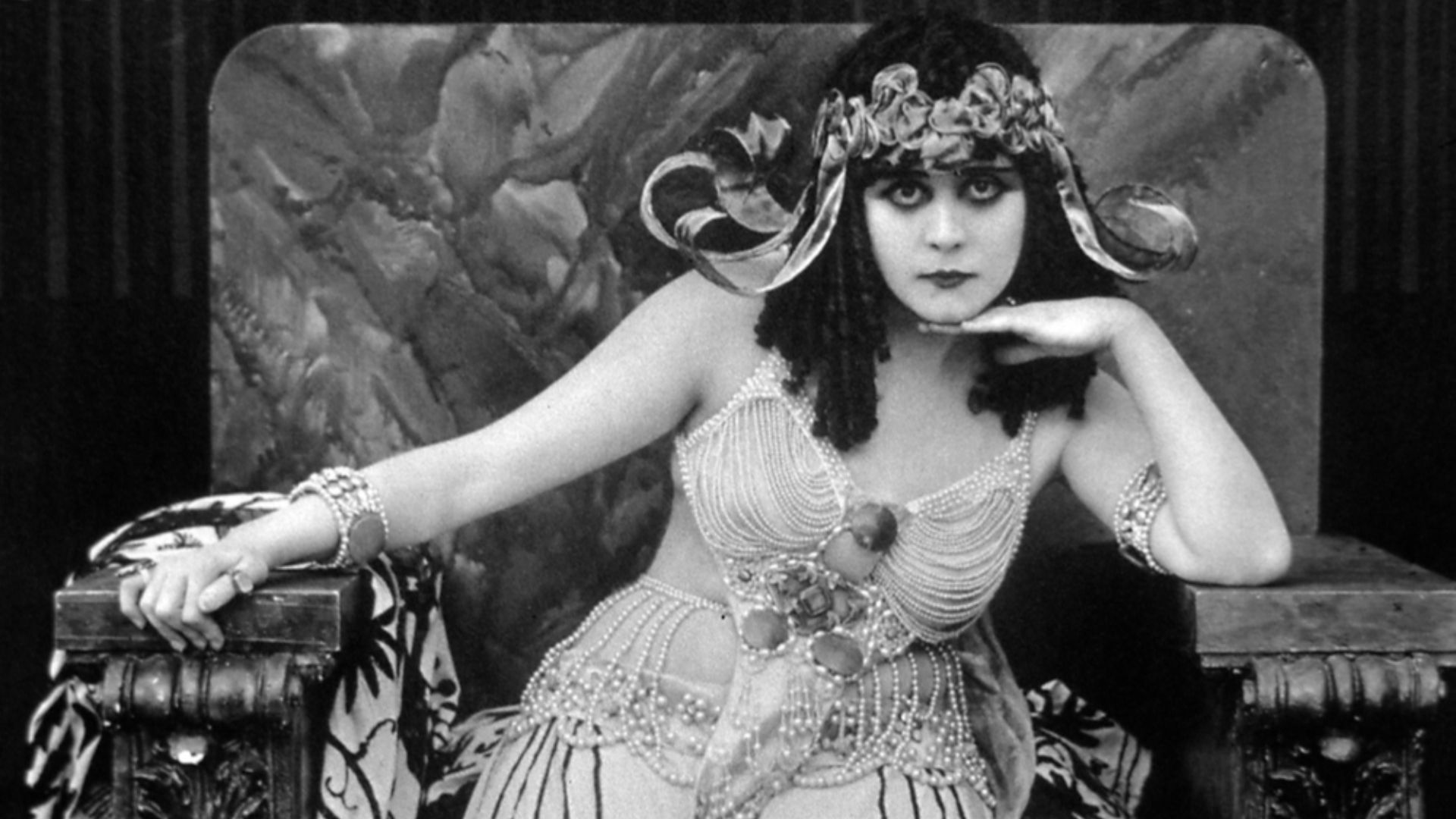
3. Cleopatra
Cleopatra ruled in a world full of men who expected her to behave like a client monarch and stay manageable. Instead, she played Roman politics, built strategic alliances, and refused to limit herself to the role others had imagined for her. She was constantly navigating systems that wanted her contained, and she made a career out of being much harder to contain than expected.
 Fox Film Corporation on Wikimedia
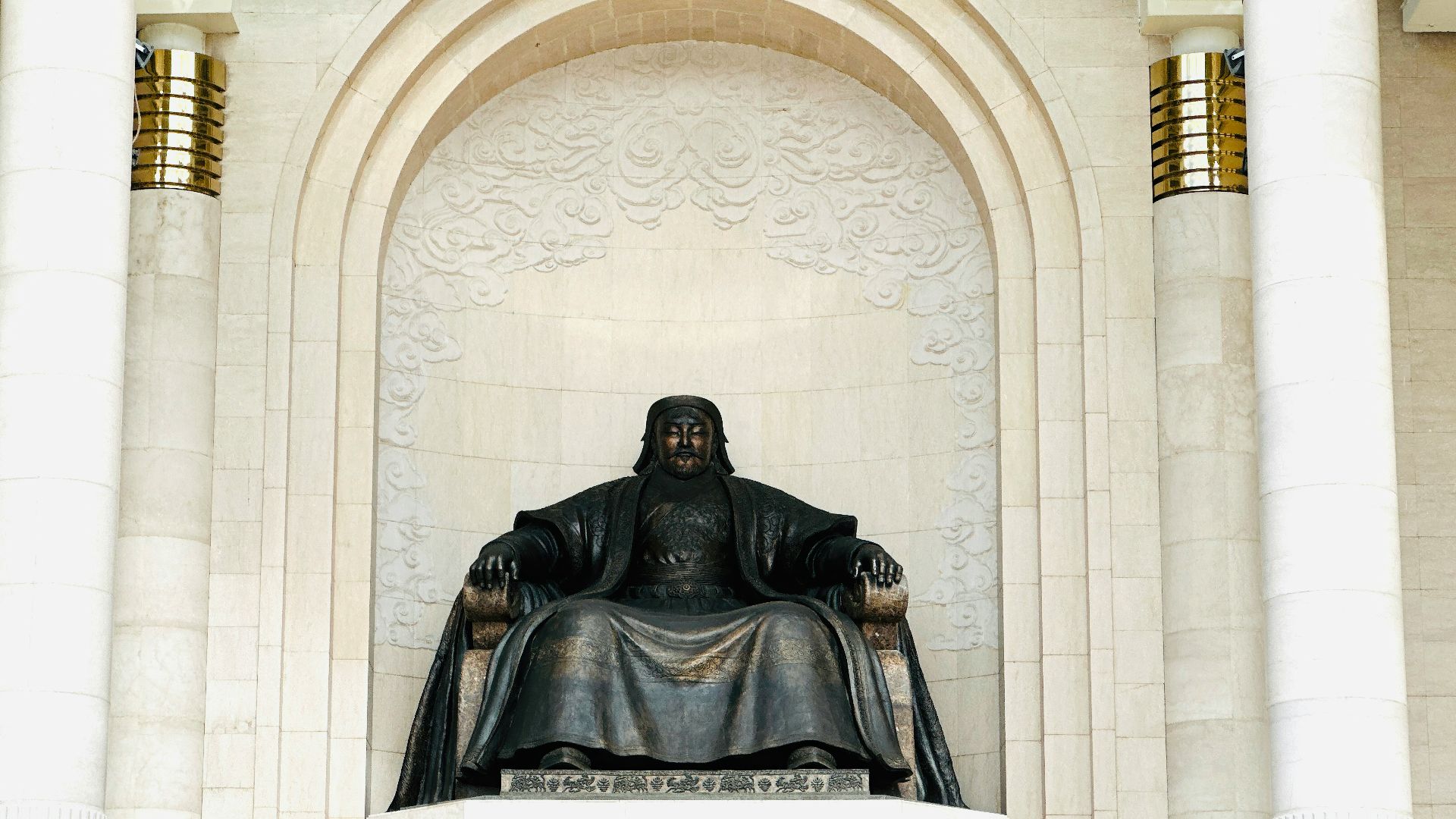
4. Genghis Khan
Genghis Khan didn't merely challenge existing rules. He rode straight over them with an army and then built a new order on the other side. His campaigns shattered kingdoms, overwhelmed old hierarchies, and turned established power structures into temporary obstacles. Whatever else you say about him, moderation was not really part of the package.
5. Galileo Galilei
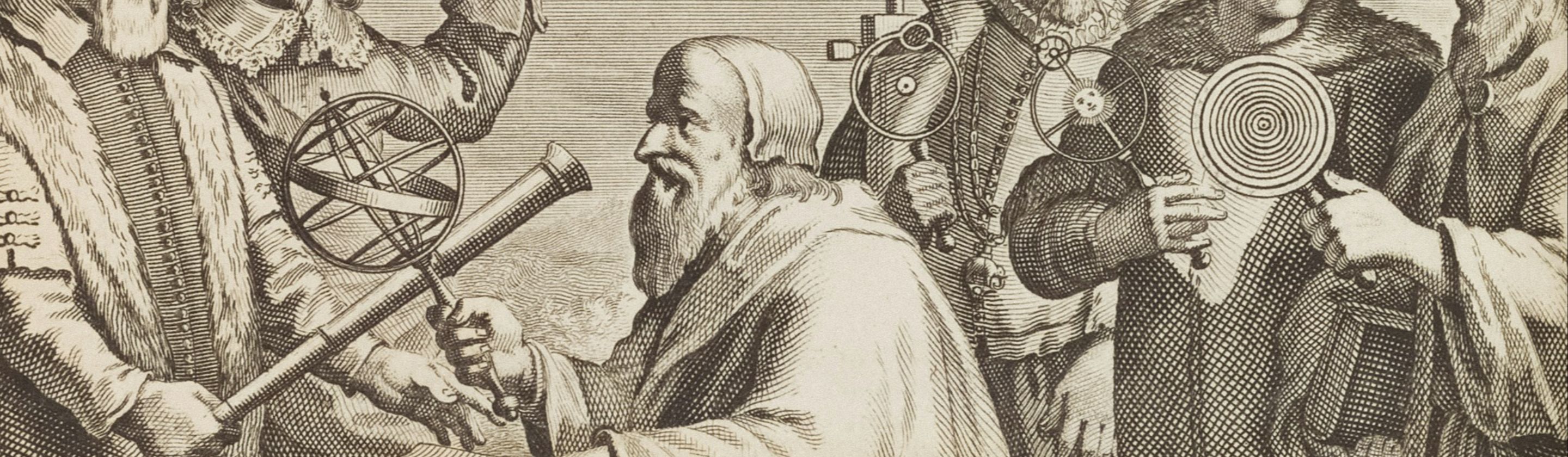
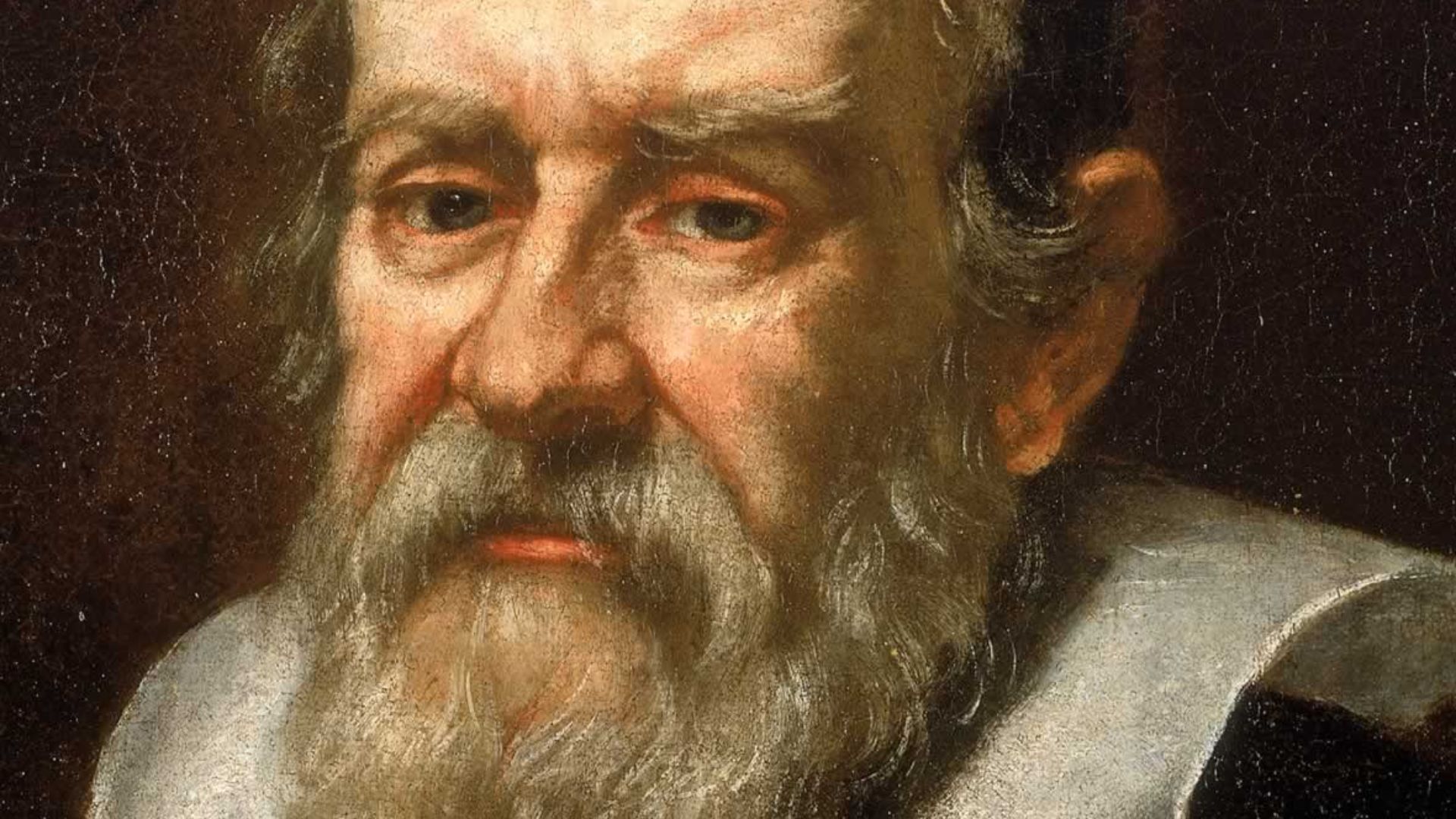
Galileo broke rules of a very different kind, which is partly what makes him so enduring. He challenged accepted authority by defending observations that didn't fit the approved picture of the universe, and he continued to do so even when it put him on a collision course with powerful institutions that could destroy his life. He didn't just question the rules—he questioned the cosmos they were built around.
 Justus Sustermans on Wikimedia
6. Joan of Arc
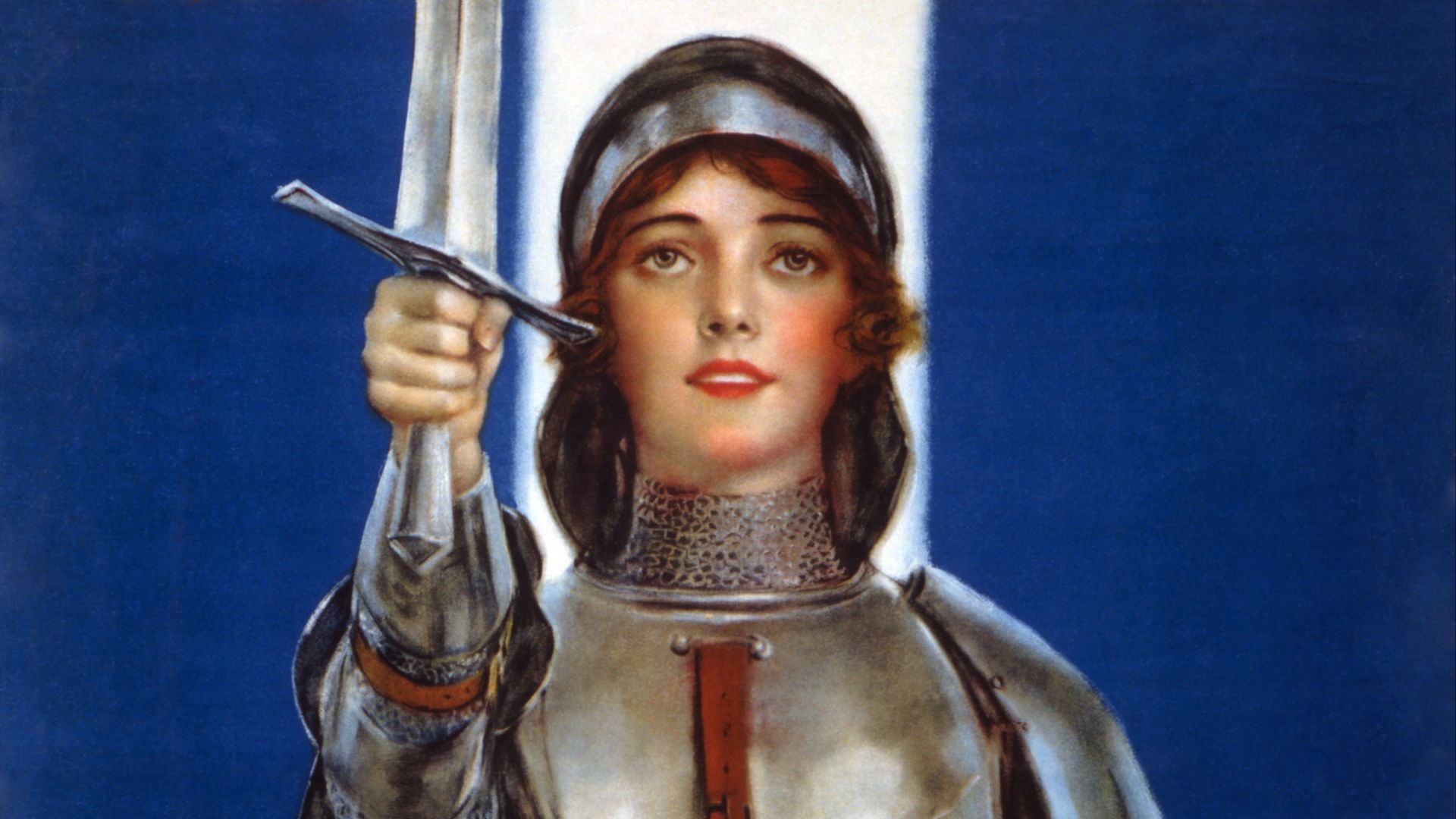
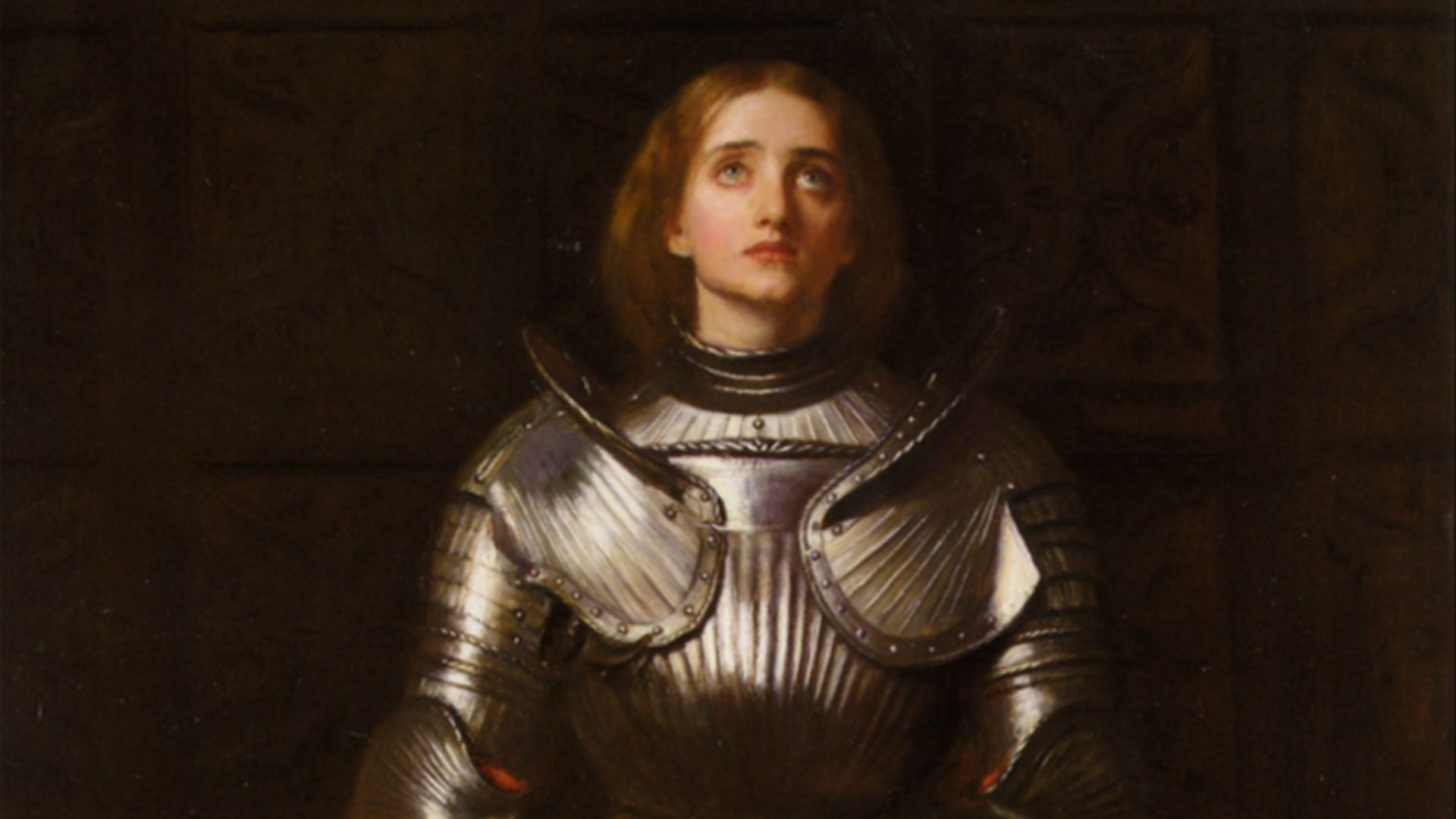
Joan of Arc managed to break religious, military, political, and gender expectations all at once. She stepped into war, claimed divine guidance, and became a military symbol in a world that absolutely didn't expect a teenage girl to do any of that. Whether you view her as a saint, a warrior, or both, she was clearly not interested in staying inside the role society assigned her.
 John Everett Millais on Wikimedia
7. Napoleon Bonaparte
Napoleon began by rising through revolutionary upheaval and ended by crowning himself emperor, which tells you a lot about his relationship with limits. He ignored conventions when they got in the way, rewrote systems, and treated Europe like a place that ought to rearrange itself around his plans. There was never much about him that felt modest or restrained.
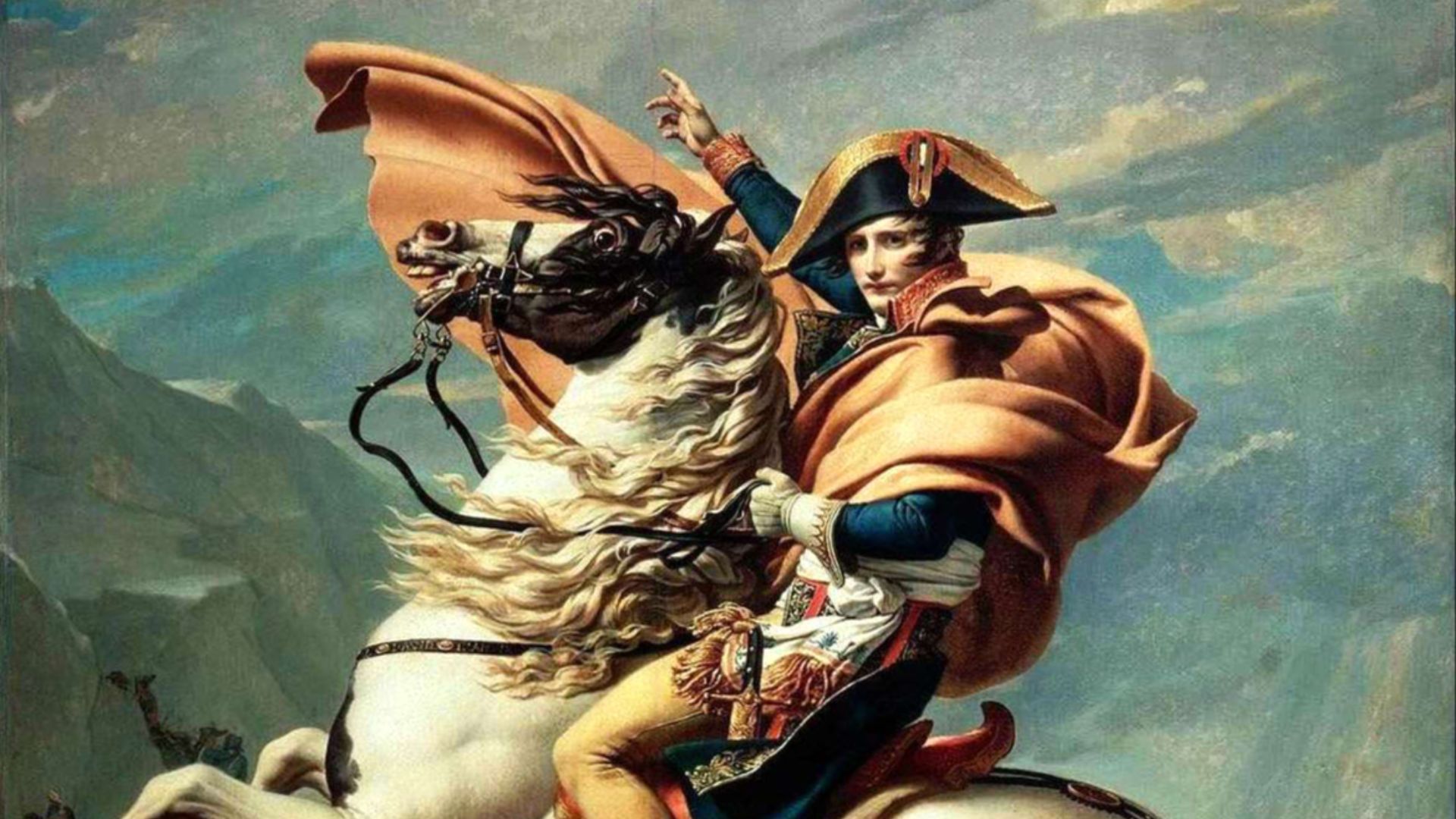 Jacques-Louis David on Wikimedia
8. Harriet Tubman
Harriet Tubman broke rules for the best possible reason, which was that the rules themselves were morally obscene. She escaped slavery and then returned again and again to guide others to freedom, directly violating laws that were built to preserve injustice. That kind of courage makes the word “rule-breaker” sound almost too mild.
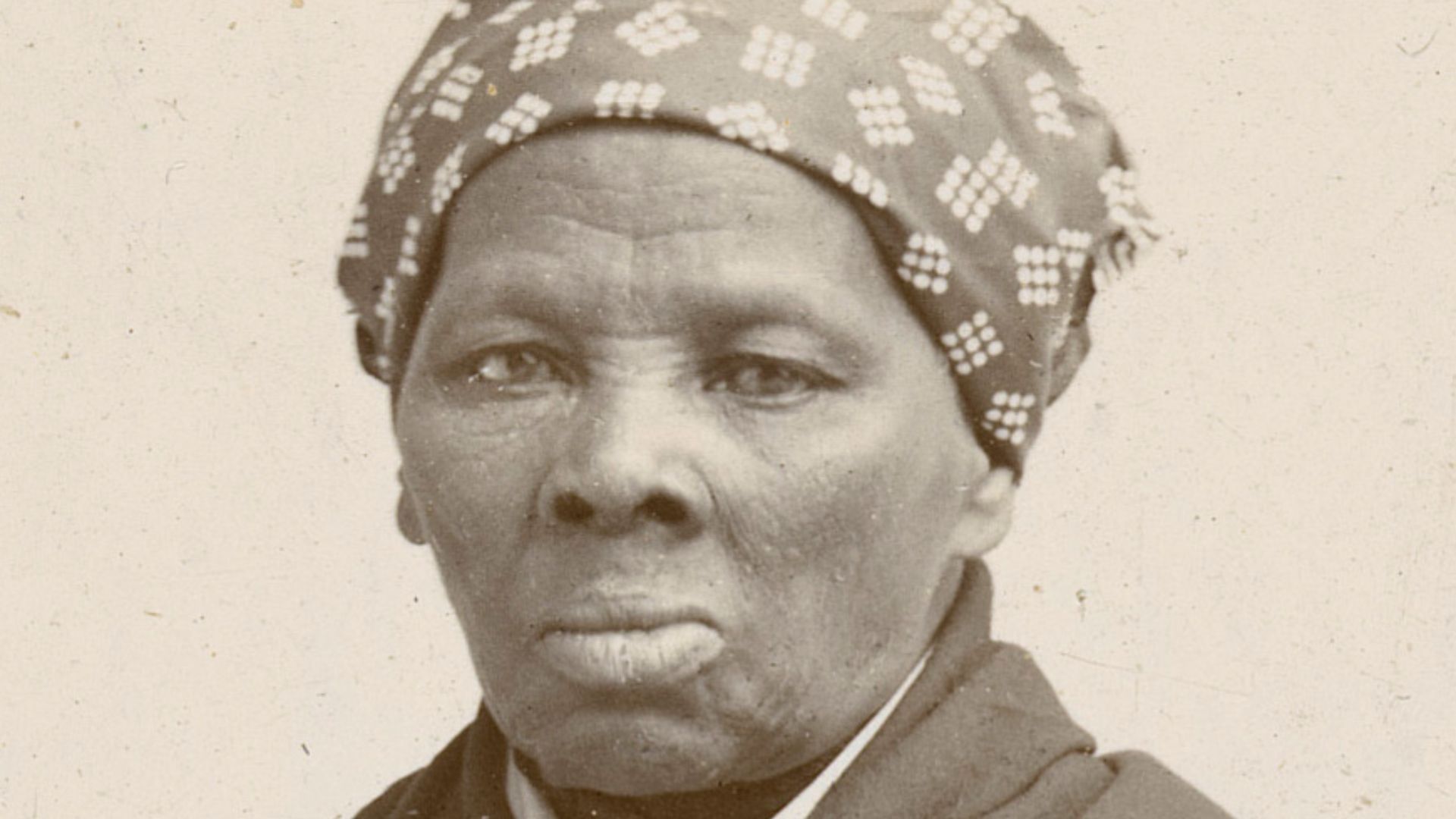 Horatio Seymour Squyer on Wikimedia
9. Martin Luther
Martin Luther challenged the religious order of his day in a way that blew past academic disagreement and turned into a full-scale rupture. He questioned church practices, refused to quietly retract his views, and helped set off the Protestant Reformation in the process. In short, he saw institutional authority and decided it needed a very public argument.
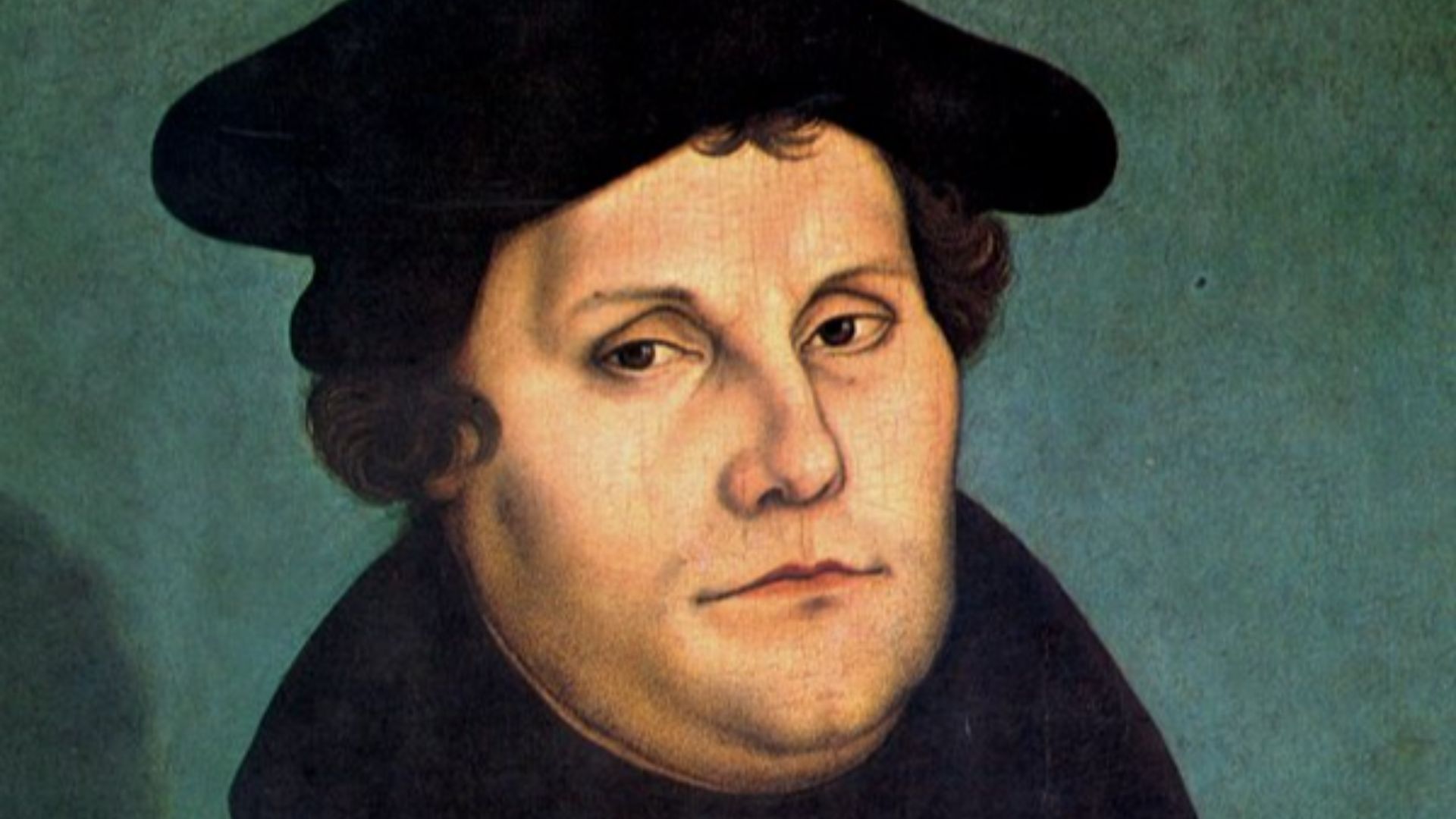 Lucas Cranach the Elder on Wikimedia
10. Henry VIII
Henry VIII broke social, religious, and political rules with the kind of confidence only a king could really afford. When Rome wouldn't give him what he wanted, he changed the relationship between crown and church in England instead. That's not exactly subtle behavior.
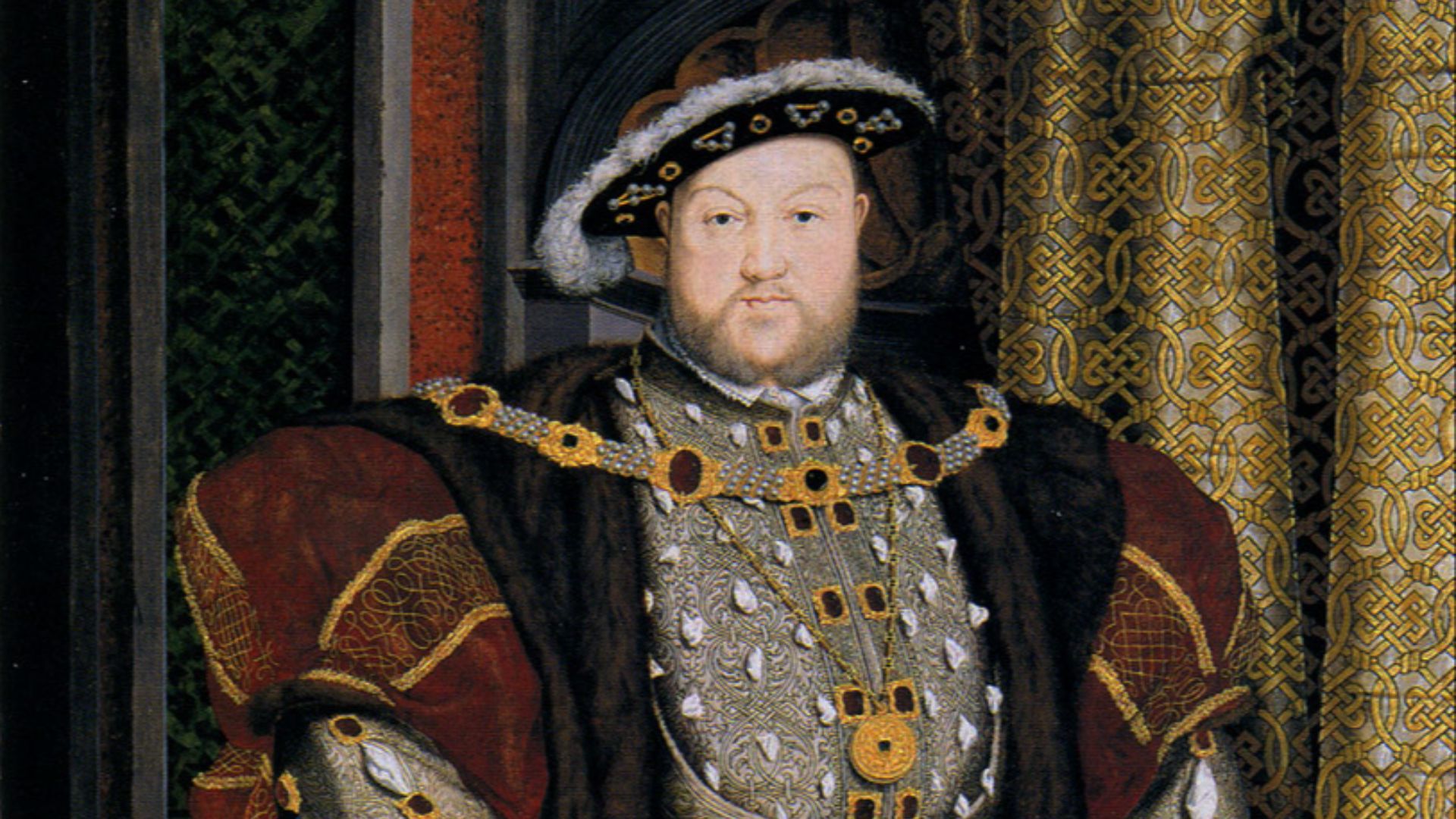
11. Rosa Parks
Rosa Parks is often described in calm, respectful terms, and rightly so, but it's important not to lose sight of the fact that she was breaking a racist system’s rules on purpose. Her refusal to surrender her seat was a direct act of civil disobedience that challenged segregation at its everyday point of enforcement. Some of history’s most important rule-breaking happens in a voice that never needs to shout.
 Schlesinger Library, RIAS, Harvard University on Wikimedia
12. Che Guevara
Che Guevara made a life out of rejecting established authority and trying to replace it through revolution. He moved through politics and warfare with a kind of restless ideological intensity that didn't leave much room for moderation. Whether people admire him or reject him, nobody looks at his record and comes away thinking he believed strongly in stability.
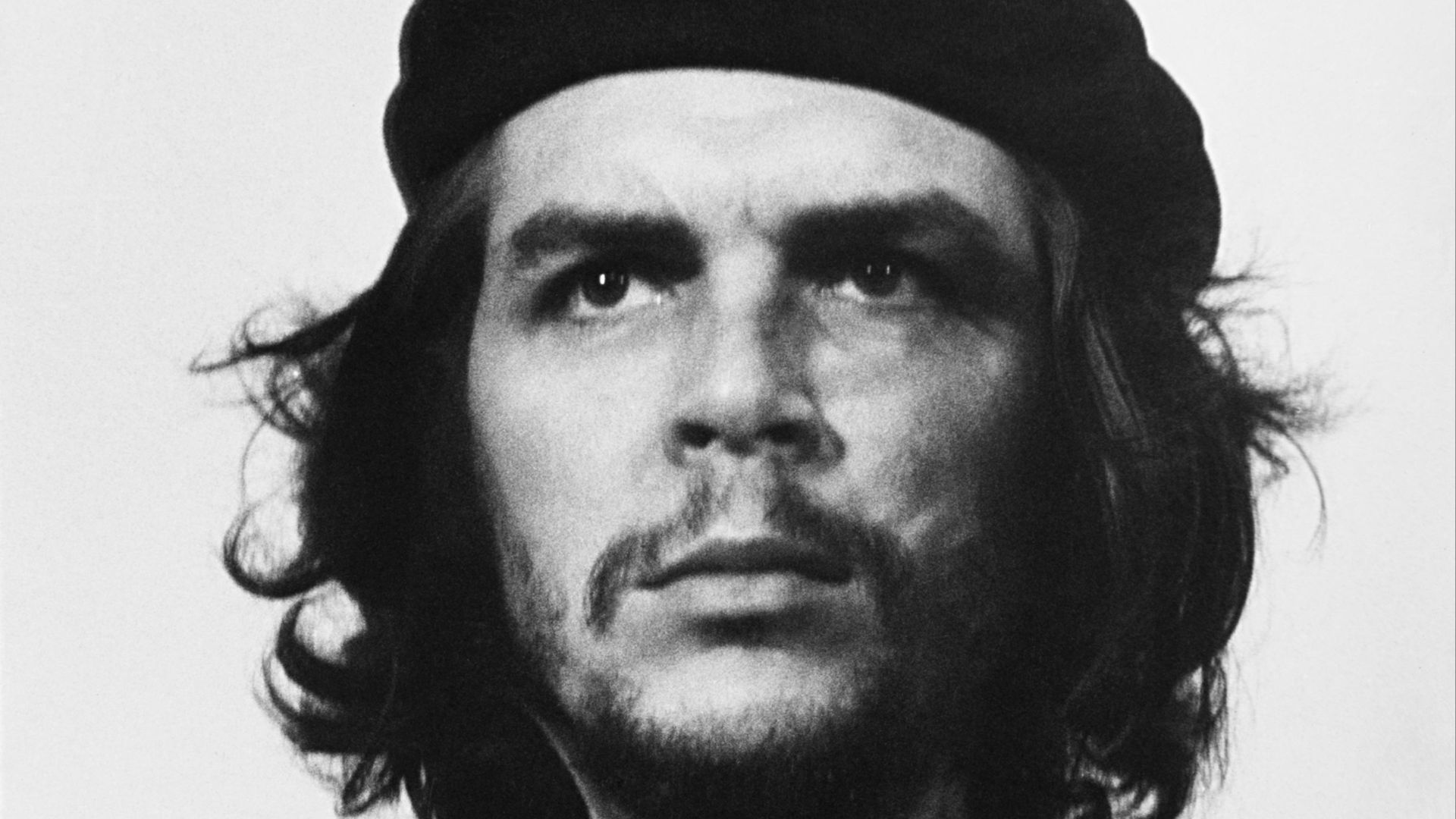 Alberto Korda, restored by Adam Cuerden on Wikimedia
13. Oscar Wilde
Oscar Wilde broke social rules with wit, style, and a level of public confidence that made conventional society deeply uncomfortable. He challenged expectations through his writing, his persona, and simply by living more visibly than his era was willing to tolerate.
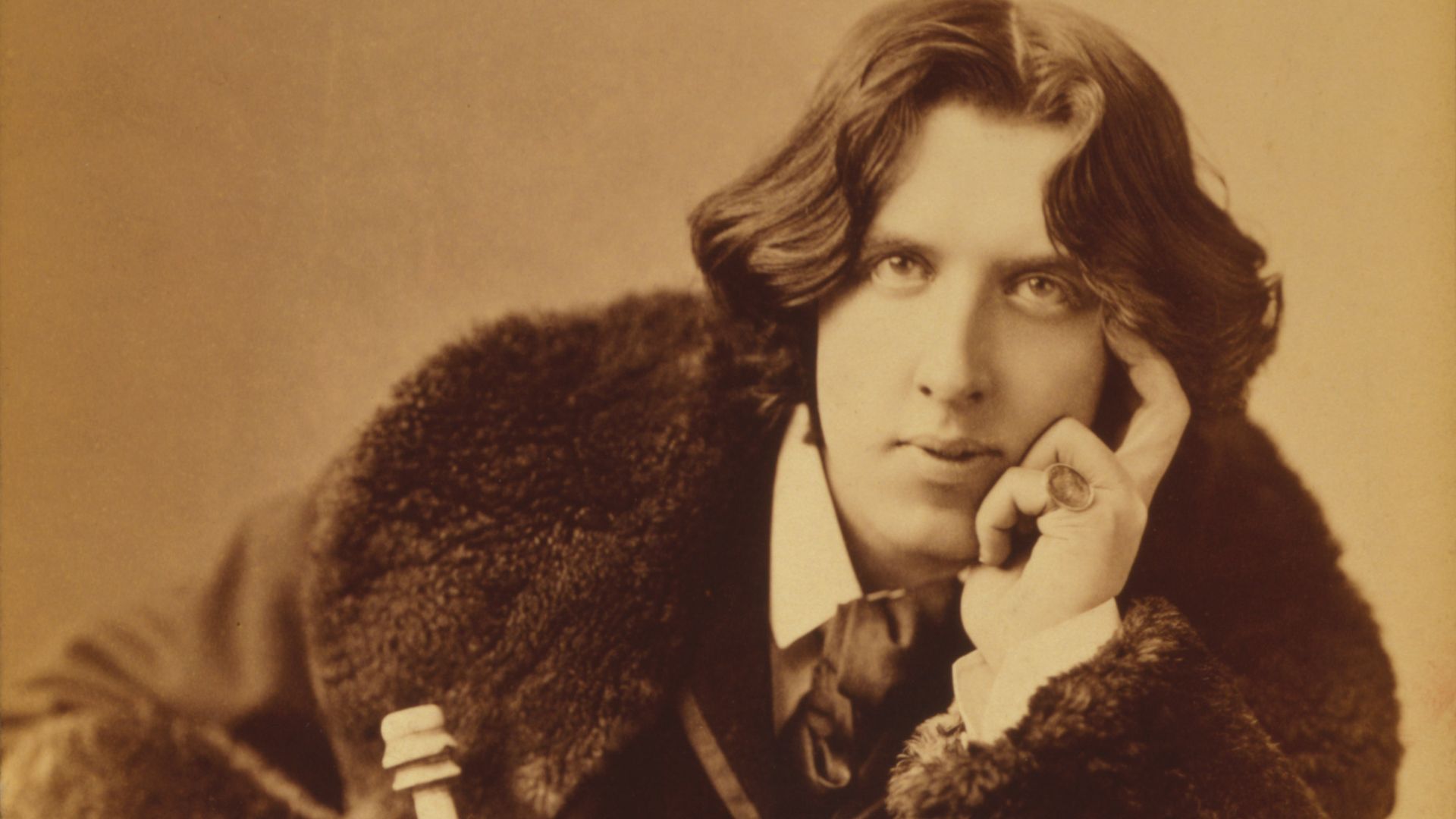
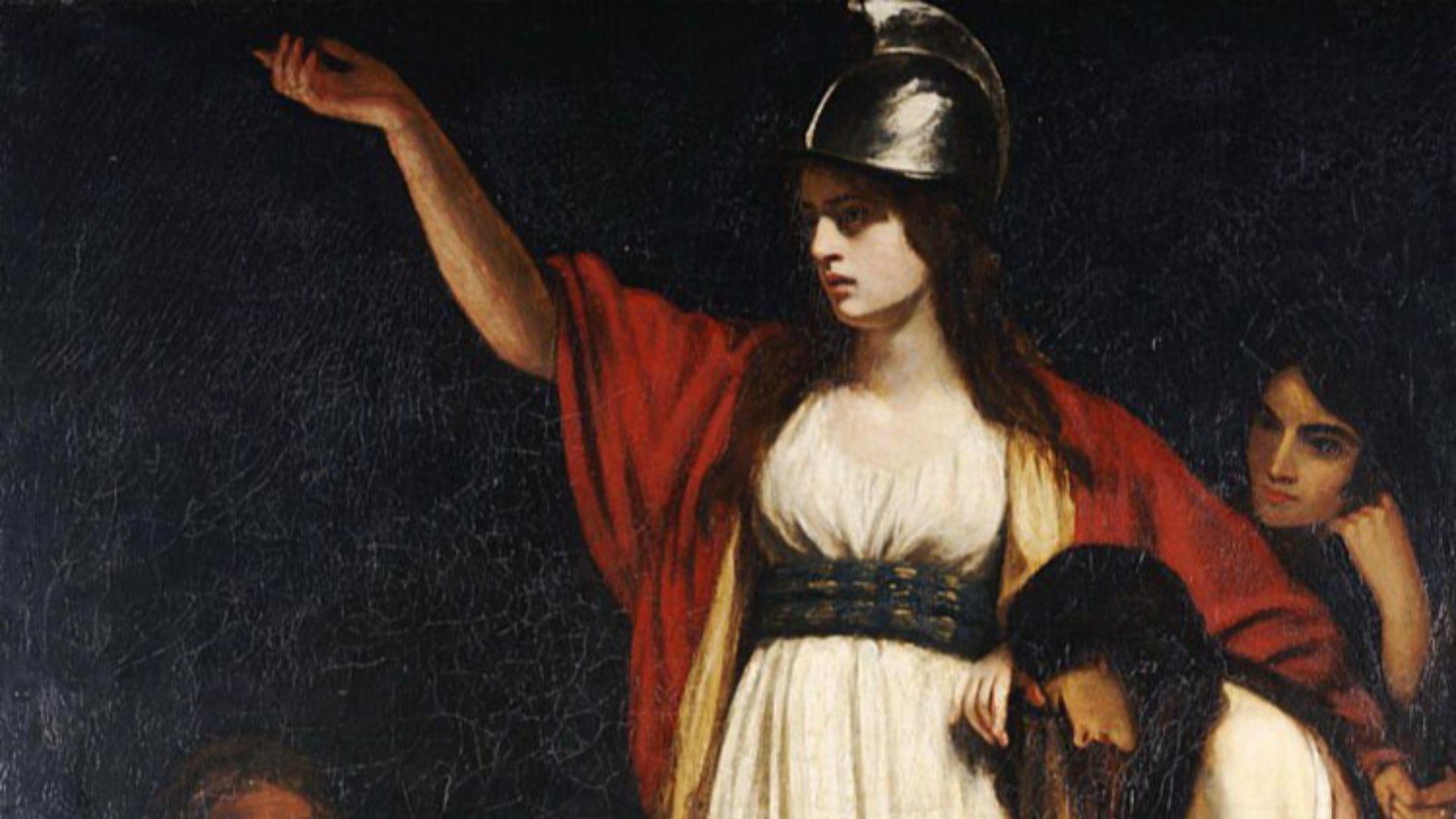
14. Boudica
Boudica responded to Roman domination not by appealing politely for better treatment but by leading a major revolt. She turned grievance into rebellion and became one of the fiercest symbols of resistance in ancient Britain. There's nothing halfway about the way she entered history. When the rules are being enforced by an occupying empire, burning the system down tends to qualify as serious noncompliance.
15. Christopher Columbus
Columbus was a rule-breaker in the sense that he pushed past accepted geographic assumptions and pursued a route others thought impractical, but that story comes with consequences too ugly to soften. His voyages crossed boundaries both literal and moral, helping trigger conquest, exploitation, and devastation on a massive scale. So while he defied expectations, it wasn't in a way that deserves easy admiration.
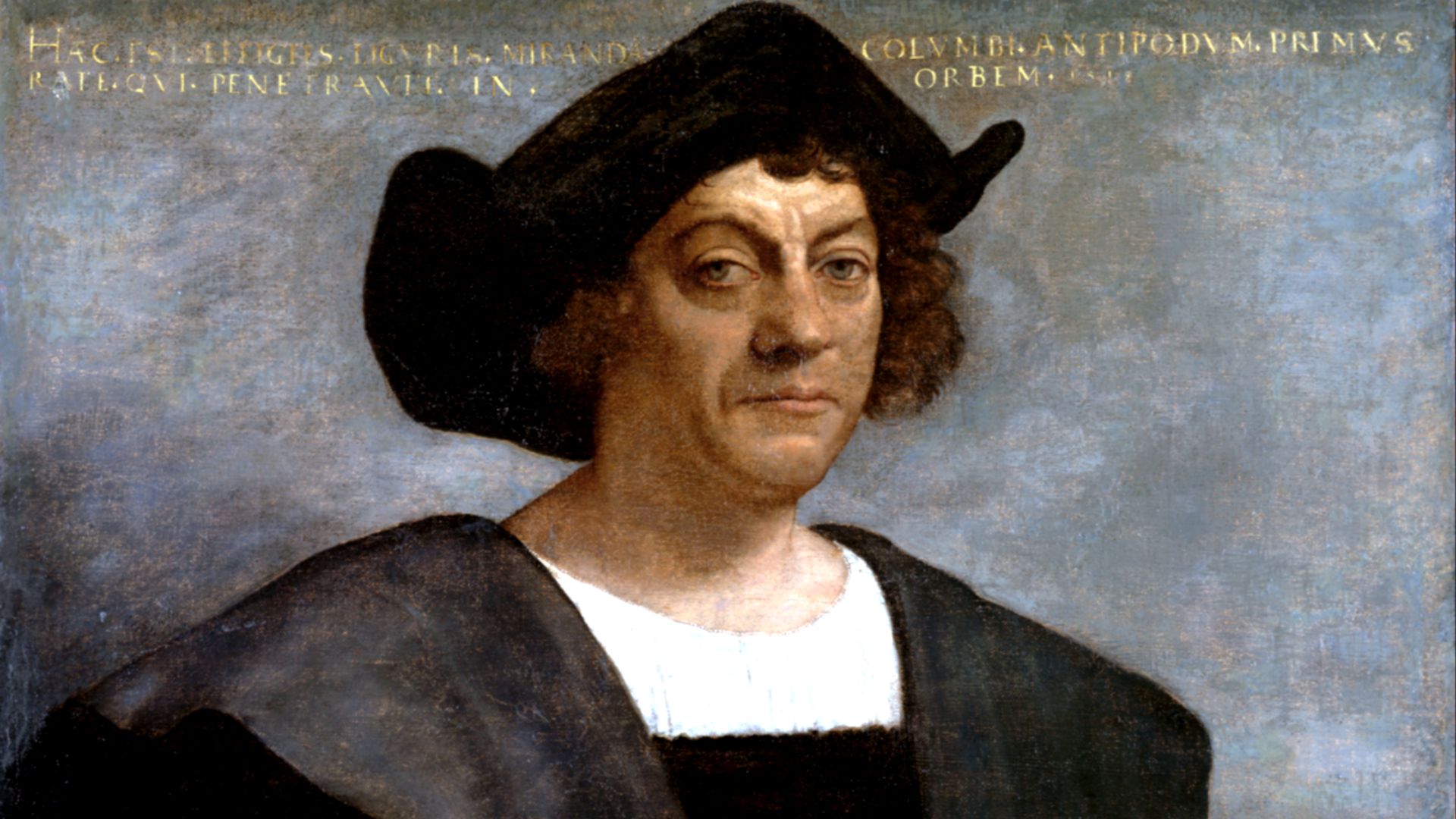 Sebastiano del Piombo on Wikimedia
16. Malcolm X
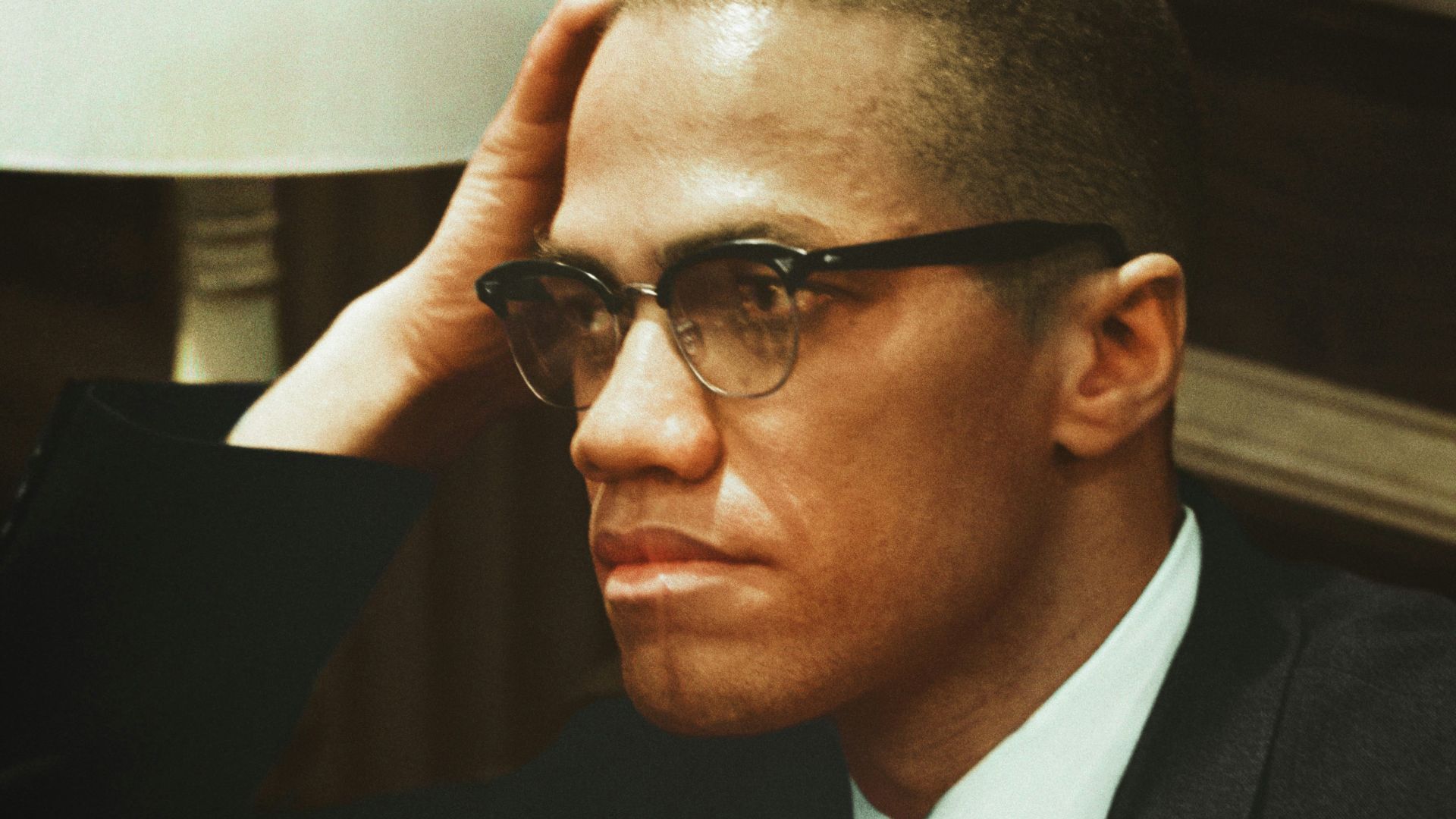
Malcolm X broke with polite expectations constantly, and that was very much the point. He challenged racial injustice with a voice that refused to make itself comfortable for mainstream approval, and he was willing to rethink his own positions publicly as his views evolved. That combination of defiance and intellectual movement made him a deeply unsettling figure to the status quo.
17. Vincent van Gogh
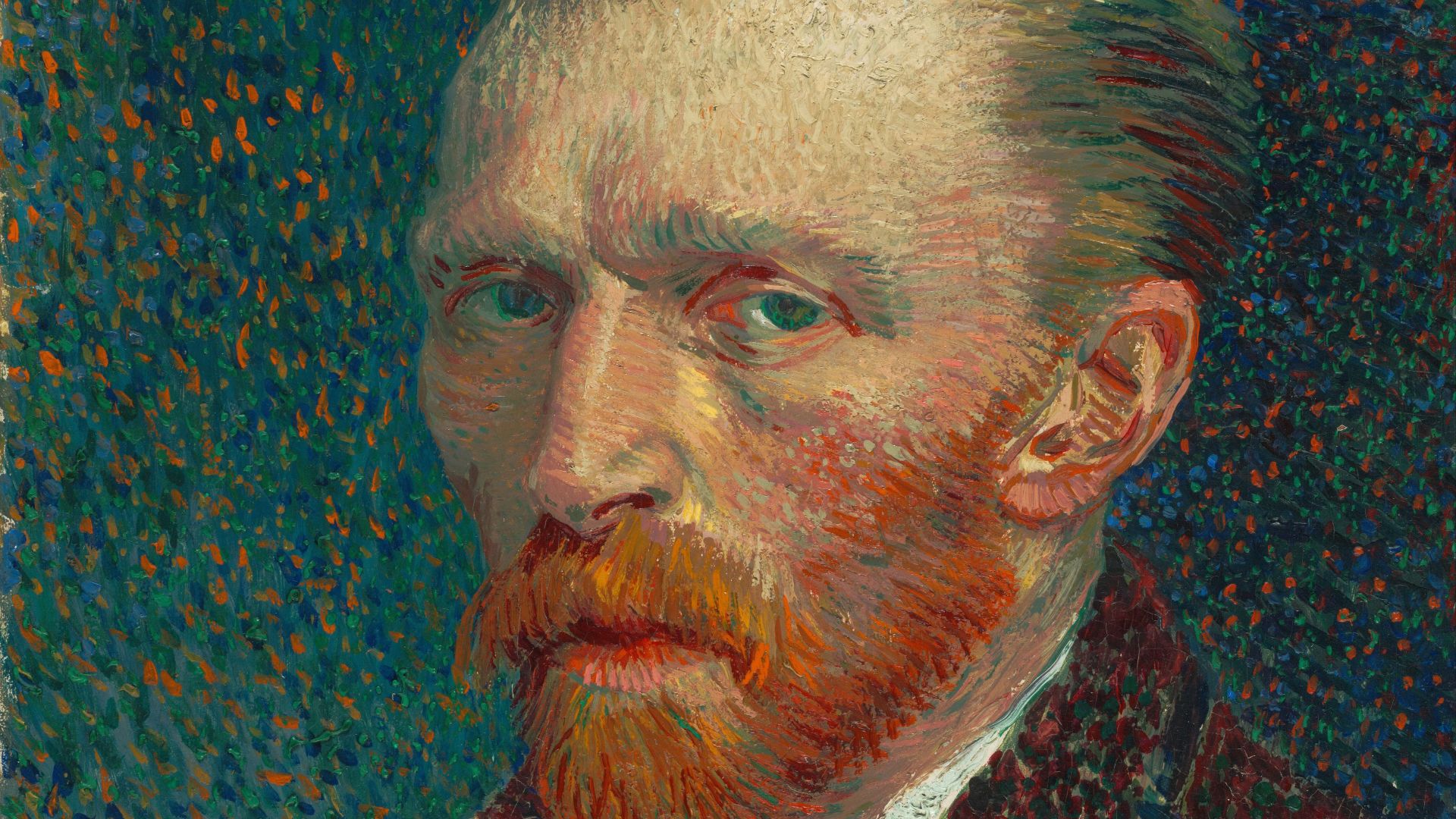
Van Gogh was not a rule-breaker in the conquest or revolution sense, but artistically and socially, he lived very far outside normal expectations. His work ignored many of the aesthetic comforts of his time, and his life itself often seemed out of step with the structures people use to stay stable and ordinary. Sometimes breaking the rules means painting like nobody else has
18. Emmeline Pankhurst
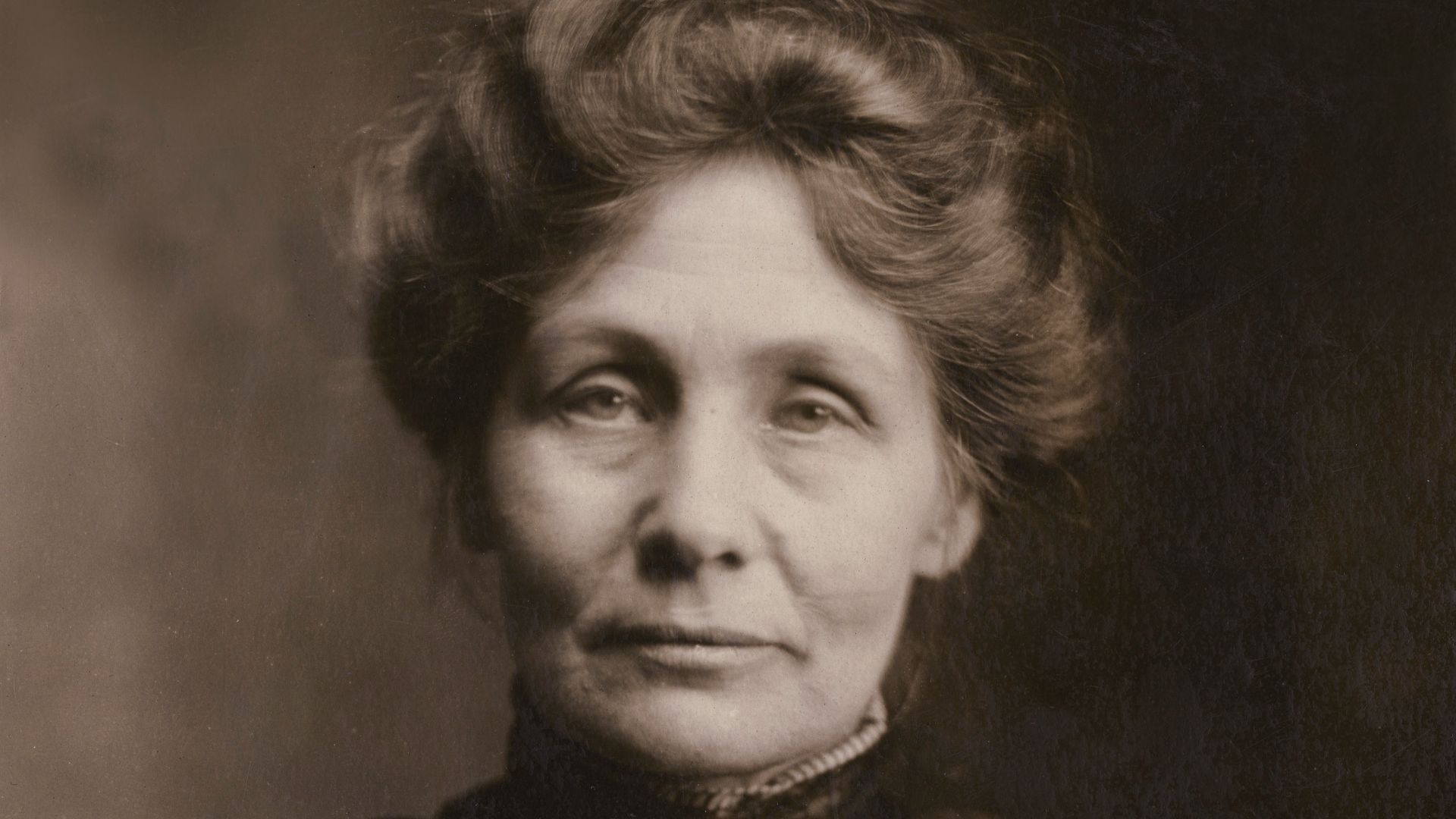
Emmeline Pankhurst didn't believe women would get the vote by waiting patiently for fairness to arrive on schedule. She embraced militant tactics, civil disobedience, and public disruption because she thought conventional methods had already failed. That made her controversial, but controversy was part of the strategy.
19. Steve Jobs
Steve Jobs was known for being a great innovator, and that title doesn't come from fitting neatly in a box. He broke rules in a modern corporate way, which meant ignoring conventions, rejecting normal product thinking, and pushing against whatever felt ordinary or dull. His legacy isn't squeaky clean by any means, but that's sometimes the price of shaking things up.
 Matthew Yohe (talk) on Wikimedia
20. Muhammad Ali
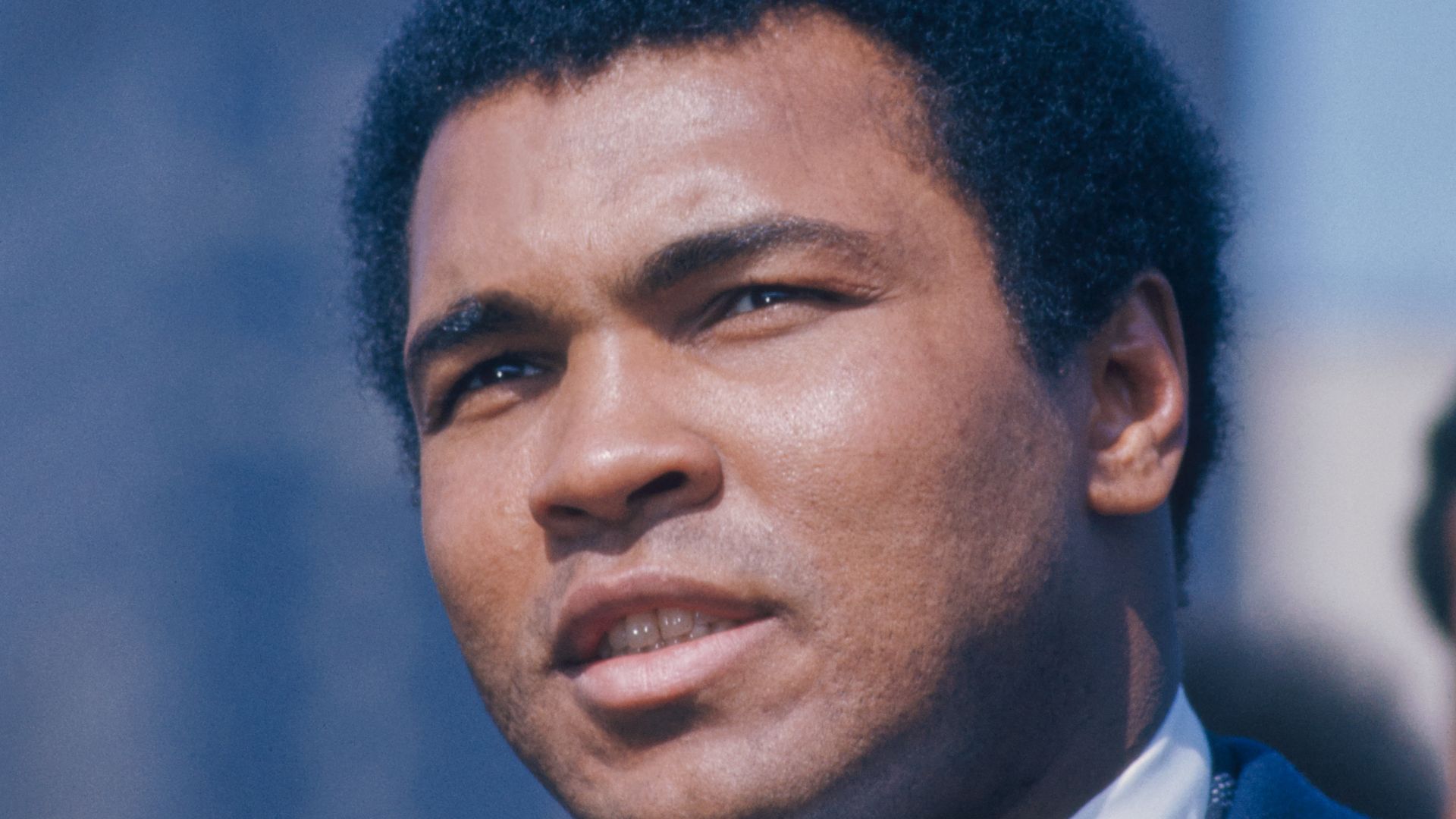
Muhammad Ali broke rules inside and outside the ring, and he did it with a style nobody could mistake for quiet obedience. He challenged expectations about race, religion, patriotism, and sports celebrity, especially when he refused induction into the U.S. Army during the Vietnam era. That decision cost him dearly at the time, which only made the stand more significant.
KEEP ON READING