Should We Judge Historical Figures by Today’s Morals?
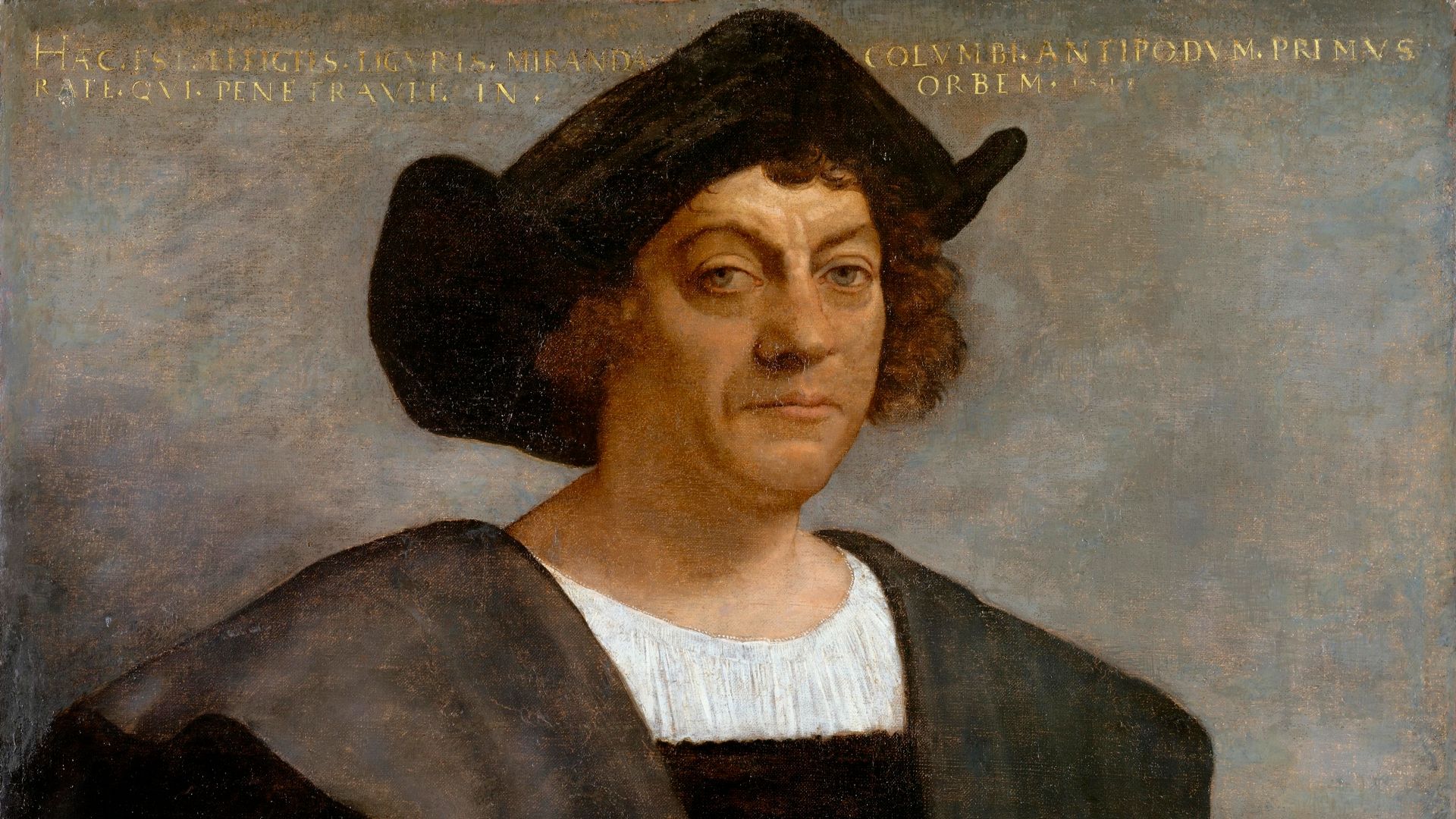 Sebastiano del Piombo on Wikimedia
History can feel like a long hallway lined with portraits, and the awkward part is that some of the people staring back did impressive things while also doing things we’d condemn today. If you’ve ever learned about a celebrated leader and then stumbled onto the “but also” section, you know what we mean. It's inevitable because things that were considered normal 200 years ago would be inhumane and immoral by today's standards, so is it fair to judge people posthumously?
The truth is, judging the past isn’t optional because we do it automatically, even when we pretend we don’t. The real question is how to do it responsibly, without excusing harm or flattening people into simple heroes and villains. If you want a workable approach, it helps to separate moral clarity from moral convenience and then decide what you’re actually trying to accomplish.
What “Judging” Really Means
When people ask whether we should judge historical figures by today’s morals, they’re often mixing a few different activities into one word. You might be talking about personal feelings, like whether you’d want to have dinner with someone from the past, which is a very normal instinct. You might also mean evaluation, such as whether a person deserves public honor, which is a different question with different stakes.
It’s also useful to distinguish between understanding and excusing, because those two get tangled constantly. Understanding means you’re trying to grasp the world that shaped someone’s choices, including the norms, incentives, and pressures that were real at the time. Excusing means you’re using that context to wave away harm, which can end up sounding like, “Well, everyone did it,” even when plenty of people didn’t.
A practical way to keep your footing is to ask what kind of judgment you’re making. Are you deciding whether a figure’s actions were wrong, whether they were unusually wrong compared with their peers, or whether their legacy should be publicly celebrated? Each of those requires different evidence and a different level of certainty. If you treat them as separate questions, the conversation gets calmer and much more precise.
Context Matters, but It Isn’t a Free Pass
Context can be illuminating, especially when you’re looking at societies with radically different assumptions about race, gender, class, war, and religion. A person may have been praised for behavior we now see as cruel, because the moral circle was smaller and the idea of universal rights wasn’t widely embraced. That historical reality doesn’t make the behavior good, but it does help you understand why it was acceptable.
At the same time, it’s worth remembering that moral disagreement has always existed, even if it wasn’t evenly distributed or politically safe. People resisted slavery, criticized colonial violence, protested exploitation, and argued for women’s rights long before those positions became mainstream. When someone claims “nobody knew better,” it’s often more accurate to say “many people didn’t want to know better”.
A balanced approach recognizes that individuals have limited visibility, yet they still make choices within those limits. You can acknowledge that a person was shaped by their time while also noting that they had opportunities to question it, especially if they were educated, influential, or exposed to alternative views. This is where comparisons help, because looking at contemporaries can show whether a figure was simply typical or actively pushing harm forward.
Context should clarify the moral landscape, not erase the footprints.
What We Owe the Present When We Talk About the Past
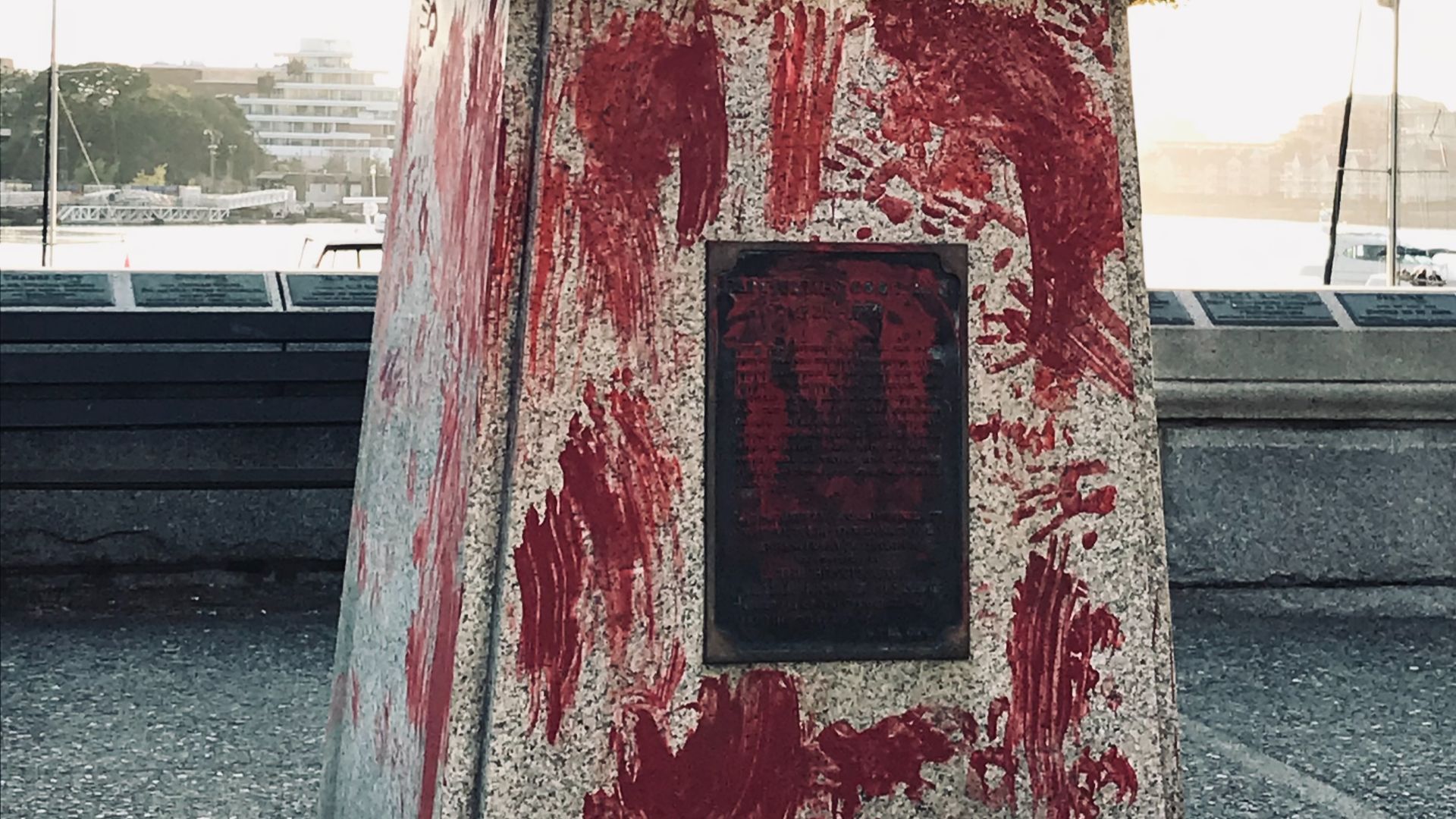
The debate isn’t only about fairness to the dead. It’s also about what we owe the living, including communities still affected by the legacies of colonization, conquest, segregation, dispossession, and exclusion. If a statue or school name communicates that certain harms are minor footnotes, people who inherited those harms can feel dismissed.
Public honor is especially important here because it’s not the same as historical study. Keeping a figure in the curriculum is an invitation to learn, while putting a figure on a pedestal is a statement of values. You can say, “This person mattered,” without saying, “This person deserves admiration,” and that distinction is healthier than pretending we have to pick only one attitude.
So, should we judge historical figures by today’s morals? You can, but the more helpful move is to judge them with today’s moral clarity and yesterday’s factual accuracy. That means you don’t lower your standards for cruelty, but you do raise your standards for evidence and context before you make sweeping claims. If you aim for honesty over purity, you’ll be able to hold complexity without turning it into either a full pardon or a full erasure.
A good rule is to avoid using moral judgment as a shortcut for thinking.
It’s easy to label someone “good” or “bad” and feel like the work is done, but that’s how you end up repeating comforting myths. A more mature approach asks what a person accomplished, what they harmed, what alternatives existed, and why society rewarded them. When you do that, history becomes less like hero worship and more like a mirror.
KEEP ON READING