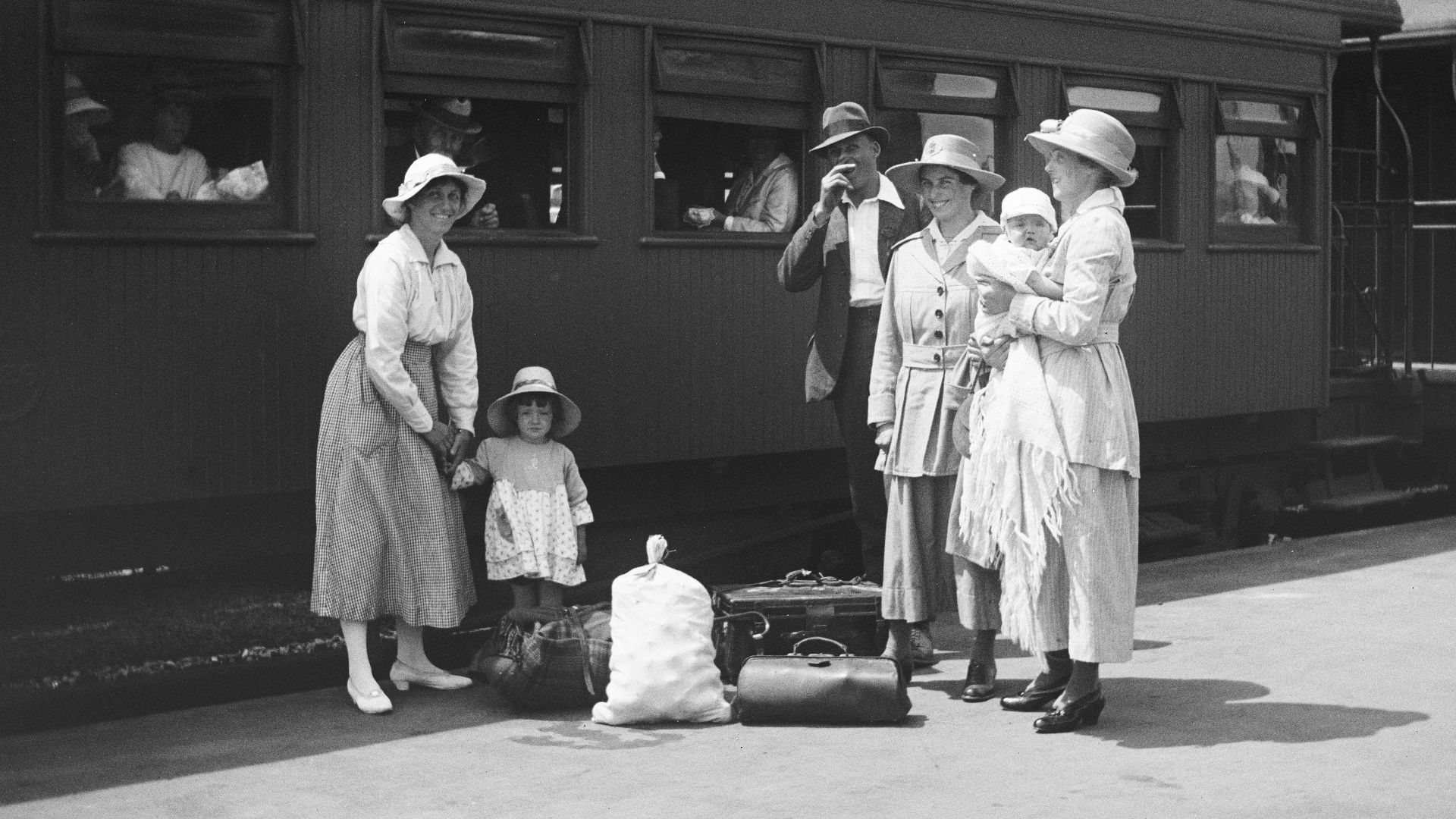
 Museum of New Zealand Te Papa Tongarewa on Unsplash
History does not only hinge on major events. Sometimes it is a 15-minute conversation or a chance encounter between two people. An inconspicuous train journey at the beginning of the 1940s is where modern molecular medicine had its genesis. A casual conversation between two scientists on an interesting, but at that time obscure, observation in sickle-cell anemia launched a research program that would transform medicine. This train ride is an example not only of how one eureka moment can change the course of medical research, but also of the nature of serendipity and its relationship with curiosity, insight, and preparation.
A Simple Train Ride
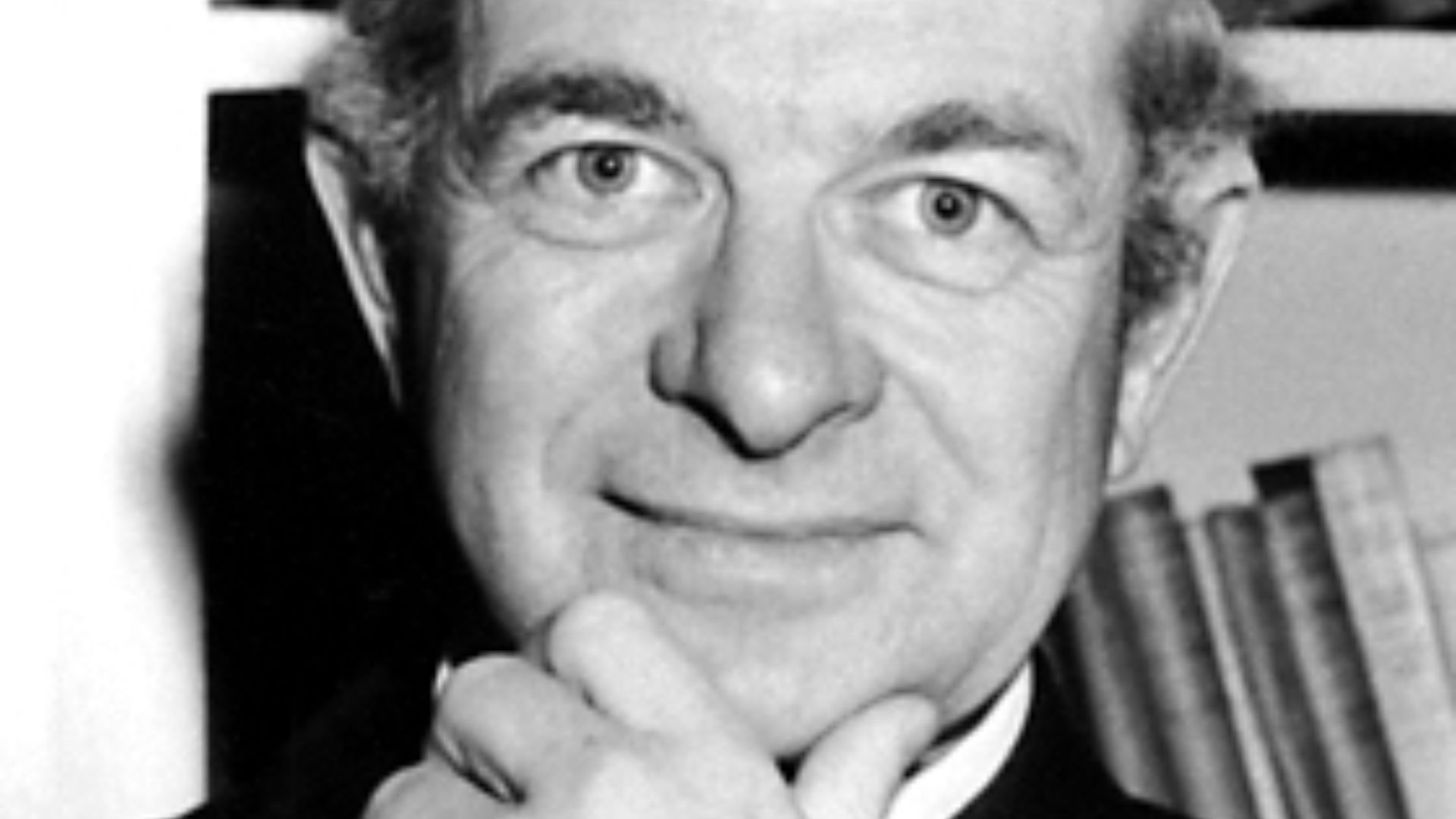
The story opens with Linus Pauling, a chemist who would be voted by his peers as one of the most influential scientists of the 20th century and one of the founders of molecular biology. Pauling had spent much of his career studying proteins and their structures, but his next discovery would not result from rigorous experimentation, but from a fleeting conversation on a train. Pauling was befriended by William Castle, a Harvard professor of medicine, who brought up an old observation made by a Johns Hopkins medical student by the name of Irving Sherman. Sherman had found that if light were passed through red blood cells taken from sickle-cell patients, it differed in some way from those taken from healthy people. Sherman published this observation but failed to impress anyone with its importance.
Castle mentioned the observation to Pauling on their train journey together. Pauling, ever curious and interested in medical problems, realized that this could be important. After some thought, he was convinced that the difference must be in hemoglobin, the oxygen-carrying protein in the blood. He set out to test the hypothesis by electrophoresing the hemoglobin of healthy people, sickle-cell patients, and carriers of the sickle-cell trait. Electrophoresis is a process that separates molecules of different physical structure as they travel across a gel. Pauling found that the sickle-cell patient's hemoglobin was of a different structure from the normal one, and the carrier had both forms. Thus a chance conversation on a train would start the train of thought that led to the 1949 paper, “Sickle Cell Anemia, a Molecular Disease,” which is today considered the beginning of molecular medicine.
A Scientific Revolution

The significance of Pauling’s discovery cannot be overstated. By pinpointing the cause of sickle-cell anemia as an aberrant protein, he revealed the first instance of a human disease directly attributed to a molecular defect. This opened the door to molecular medicine, which delves into the molecular and cellular underpinnings of disease to devise precise diagnostic tests and targeted therapies. The train ride, an ephemeral and mundane event, serves as a reminder of how serendipity can spark transformative scientific advancements when combined with insight and expertise.
Pauling’s work also underscored the value of collaboration and information-sharing. Had Castle not been forthcoming about Sherman’s research, or had Pauling not possessed his extensive knowledge of protein chemistry, the connection between the two proteins might never have been made. This seemingly minor moment in time illustrates the broader principle that scientific progress is often contingent on networks of communication and observation as well as isolated experimentation. The ramifications of that chance conversation continue to reverberate through modern research into genetic disorders, protein-based therapies, and personalized medicine.
A casual remark overheard on a train journey changed the way we understand how diseases affect human health. Linus Pauling was able to take the fragment of information gained by happenstance, build on it through his own intuition and curiosity, and add to it the research of other scientists to establish the rules and basis of molecular medicine.
KEEP ON READING